Around the College
We love to celebrate our students' achievements - if your student has won something, appeared in something, competed in something, or is proud of achieving something outside of school, send photos and information to their Homeroom teacher for inclusion in our Newsletter.
Year 8
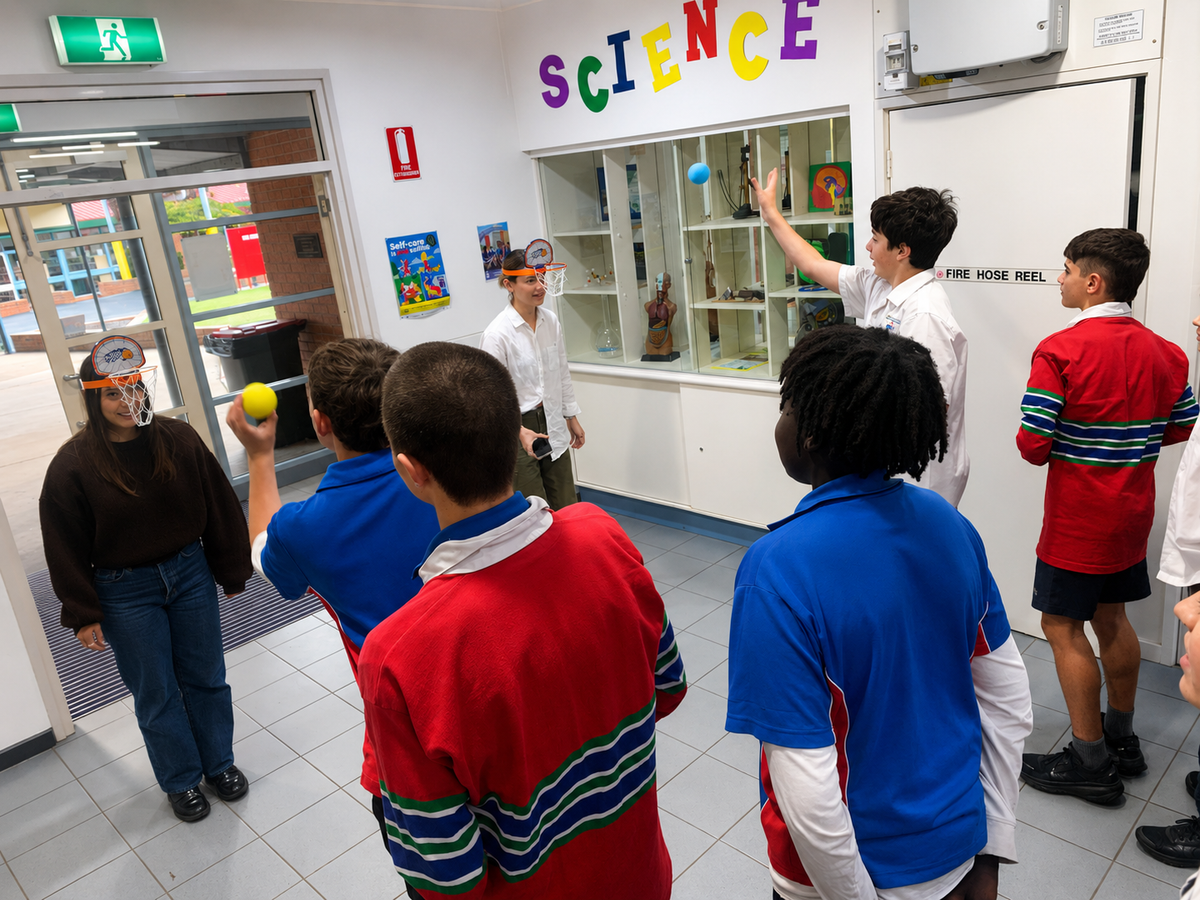
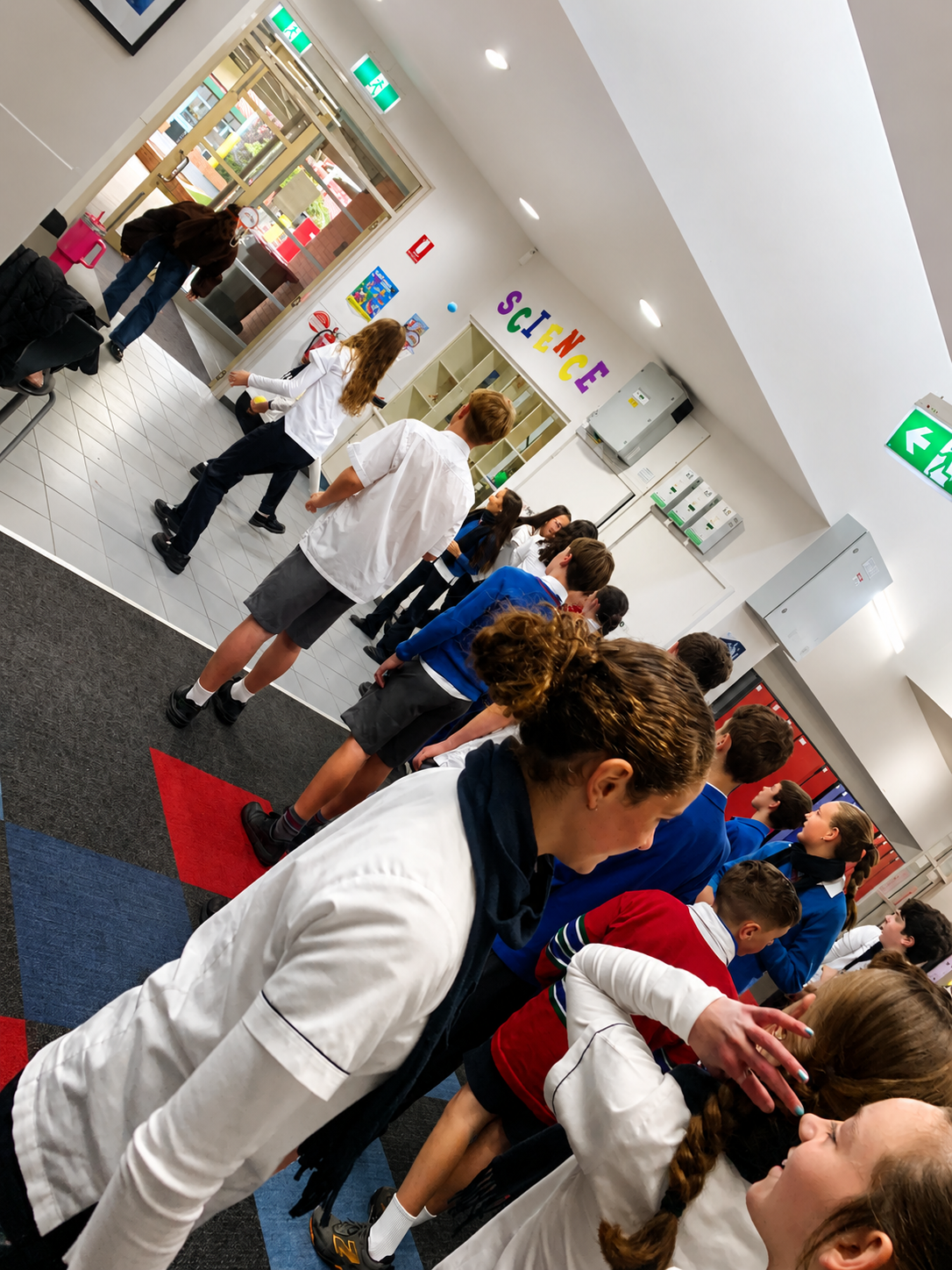
Students from Ms Allen's Homeroom and Ms Ronchi's Homerooms recently came together for a special homeroom activity focused on building connections, teamwork and a sense of community.
The activity challenged students to work together, communicate effectively and support one another while enjoying some friendly competition. There was plenty of laughter, encouragement and positive energy as students participated and cheered on their peers.
It was wonderful to see students stepping outside their usual friendship groups, forming new connections and demonstrating excellent sportsmanship throughout the session.
Opportunities such as these play an important role in strengthening relationships across our year level and fostering a positive and inclusive school culture.
A big thank you to Ms Allen and Ms Ronchi for organising the activity and creating an enjoyable experience for all involved.
Year 11s Get Hands-On with Neuroscience
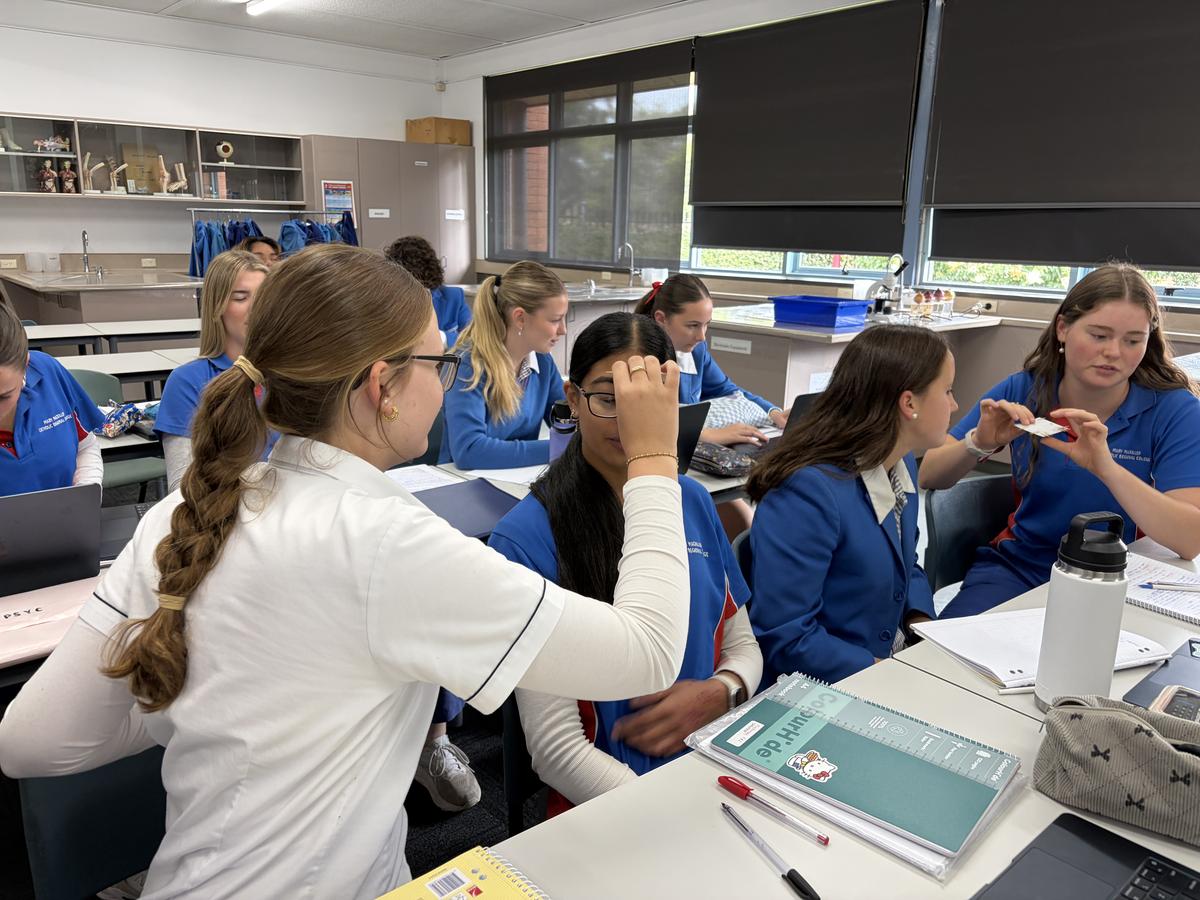
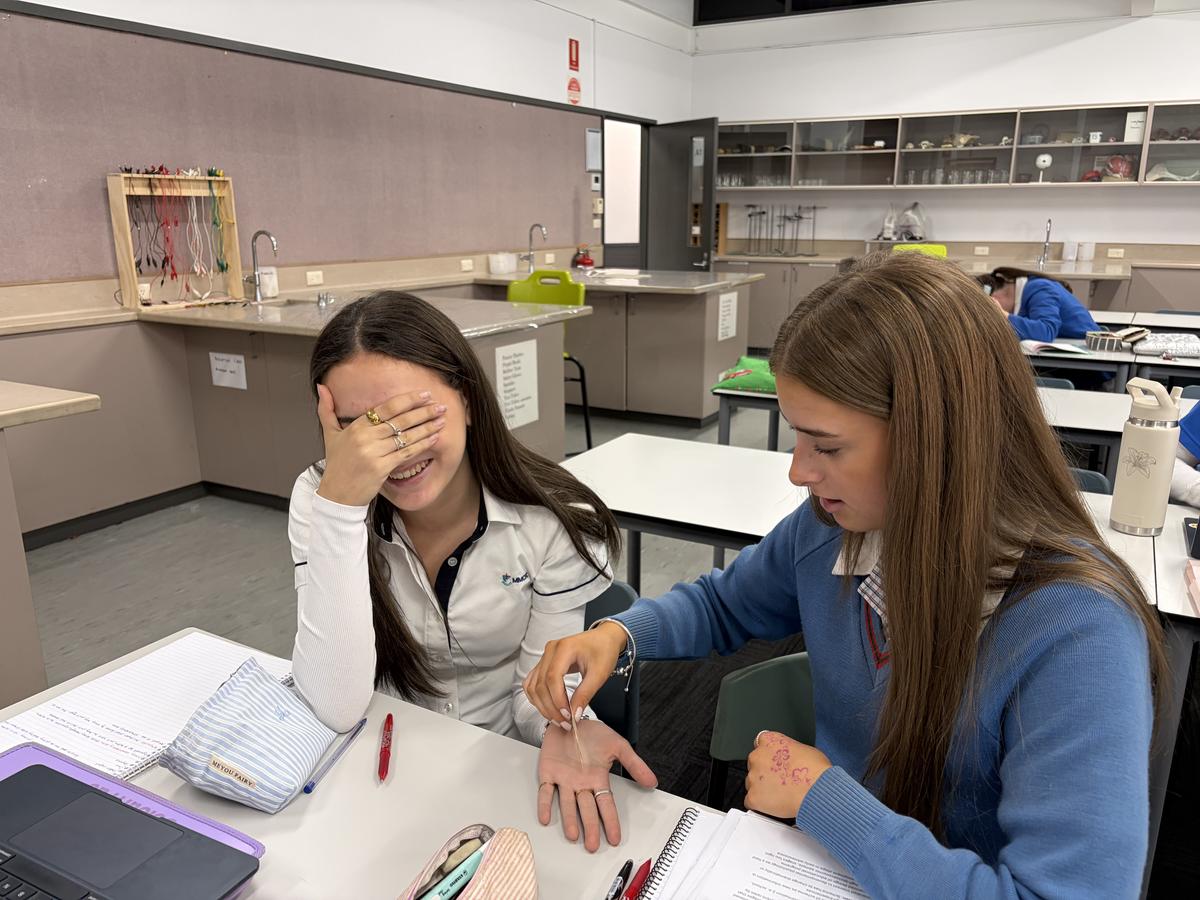
While neuroscience often brings to mind complex diagrams and dense terminology, our Year 11 Psychology students have spent time bringing these concepts to life through some hands-on learning. Leading up to a dissection of a sheep's brain, the class participated in two practical simulations to explore how our brains communicate and perceive the world.
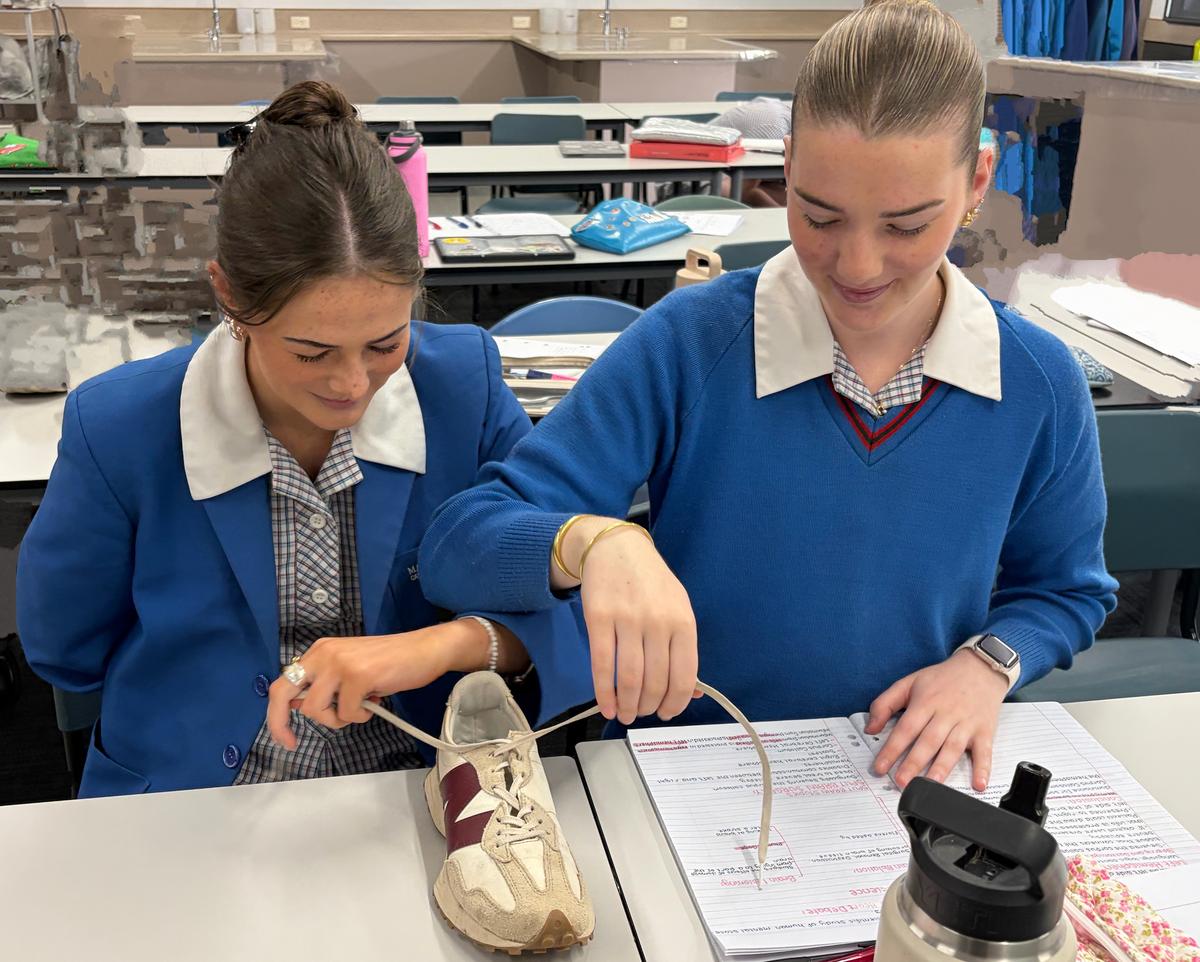
In our first challenge, students investigated the corpus callosum—the bridge of fibres that allows the left and right hemispheres of the brain to talk to one another. To simulate Sperry and Gazzaniga’s split-brain studies, students worked in pairs to tie a shoelace using only their inner arms, which were crossed over one another. Because each side of the brain receives input from and controls the opposite side of the body, this activity required students to physically navigate the frustration of a "severed" connection. Trying to coordinate movements without speaking allowed them to experience firsthand the communication hurdles faced by patients with a split corpus callosum.
Next, we turned our attention to the primary somatosensory cortex. Armed with toothpicks, students tested the sensitivity of different body parts. By measuring the smallest distance at which two "pokes" could be felt as separate points, they discovered that our inner arm is more sensitive than the top of our foot. Using an online "homunculus mapper," students then created their own visual representations of what a human would look like if our body parts were sized proportionally to the amount of brain space dedicated to their sense of touch.
These practicals do more than just provide a break from textbooks; they allow students to "see" the invisible workings of their own nervous systems. By experiencing the limits of their own sensory and motor pathways, our Year 11s are building a deeper understanding of the complexity of the human brain.
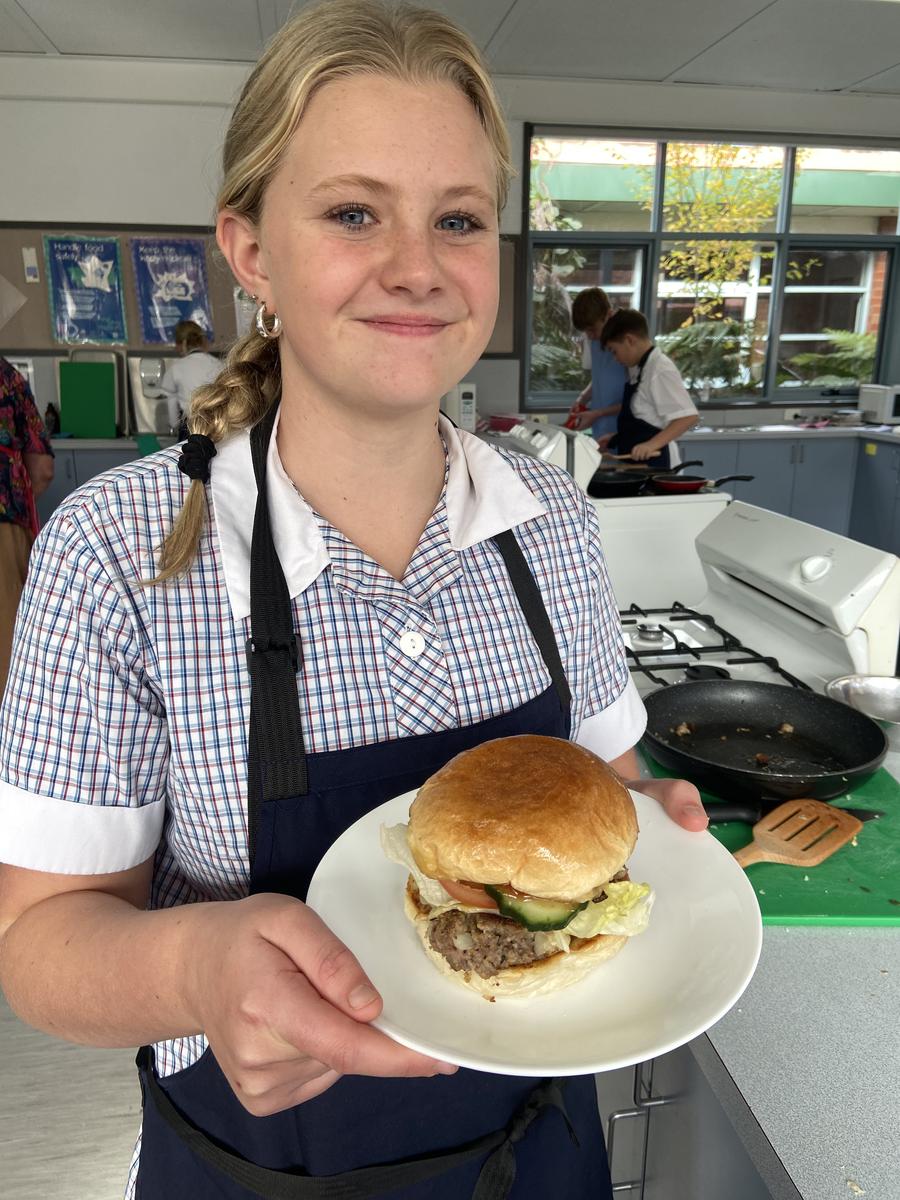
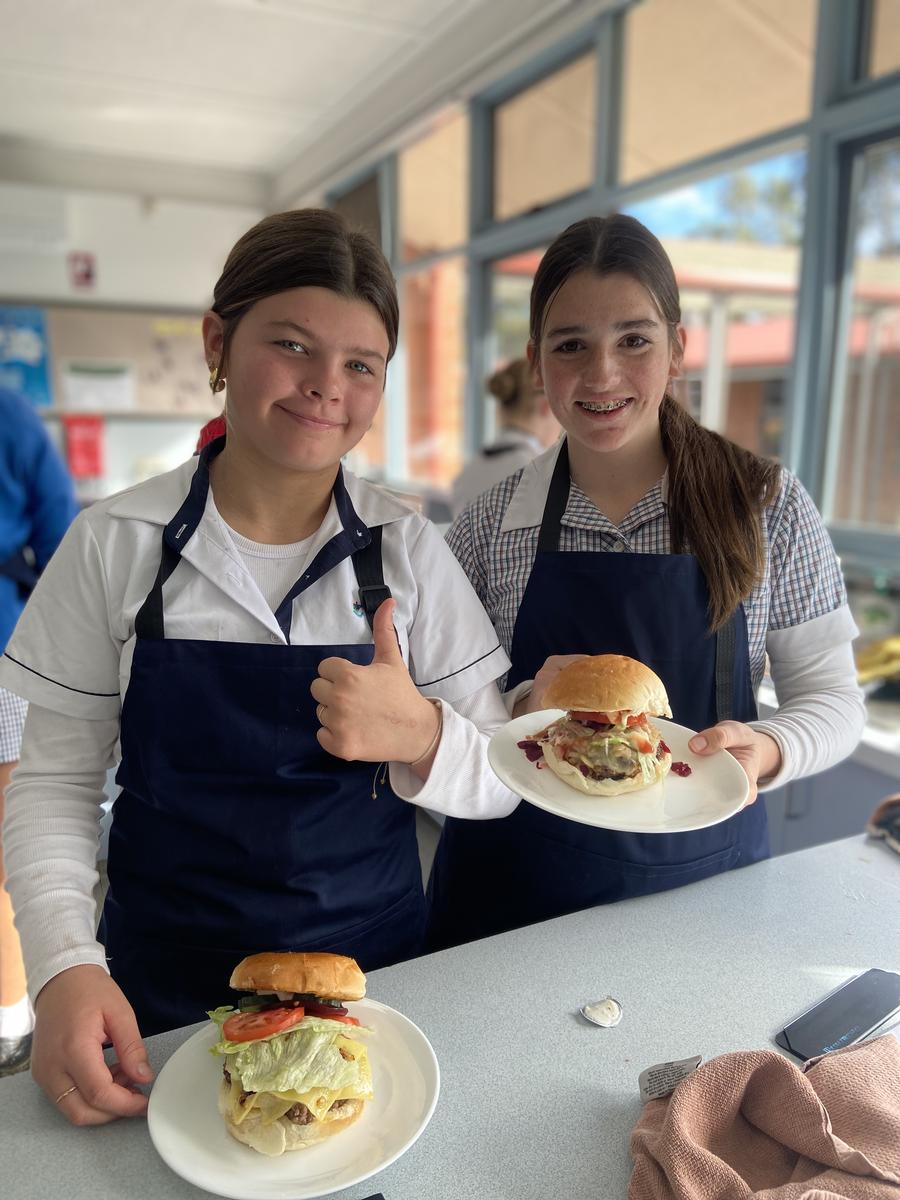
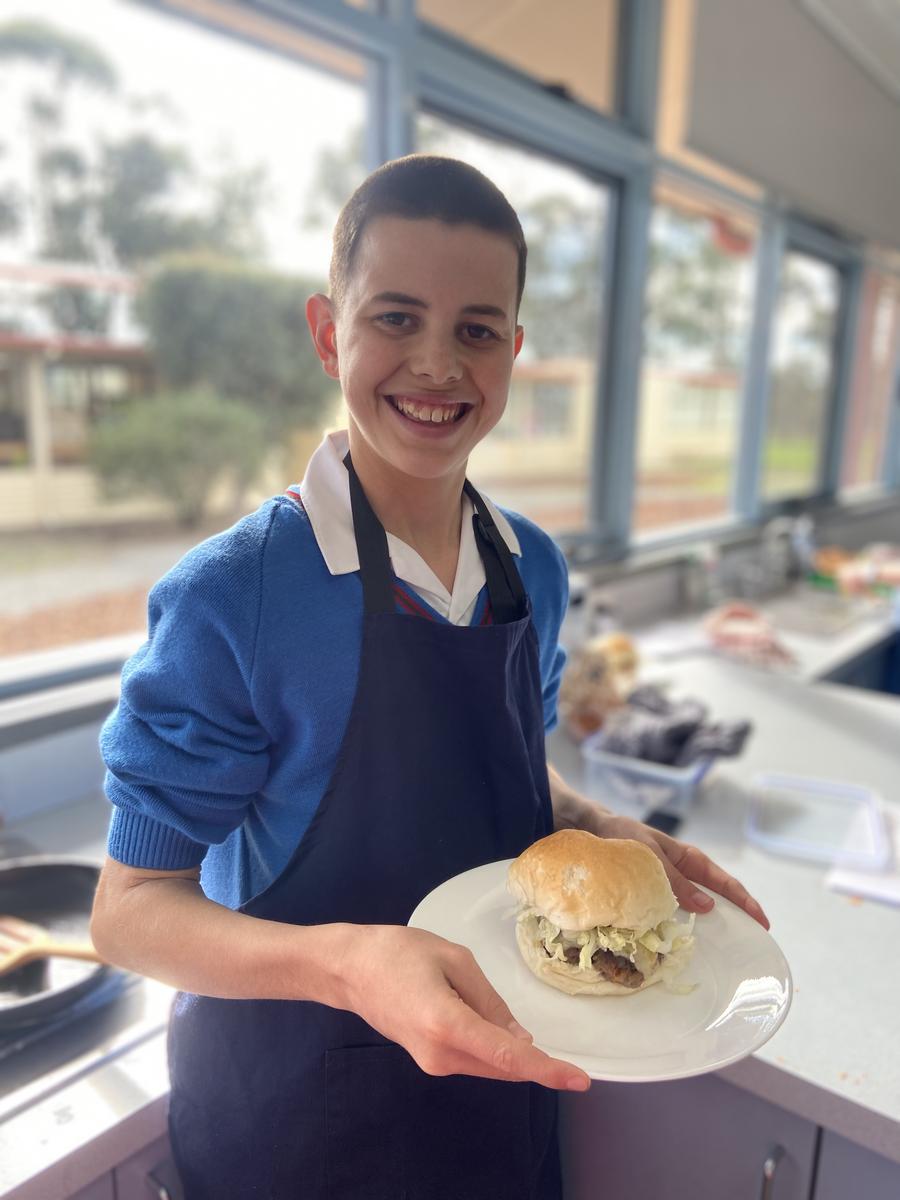
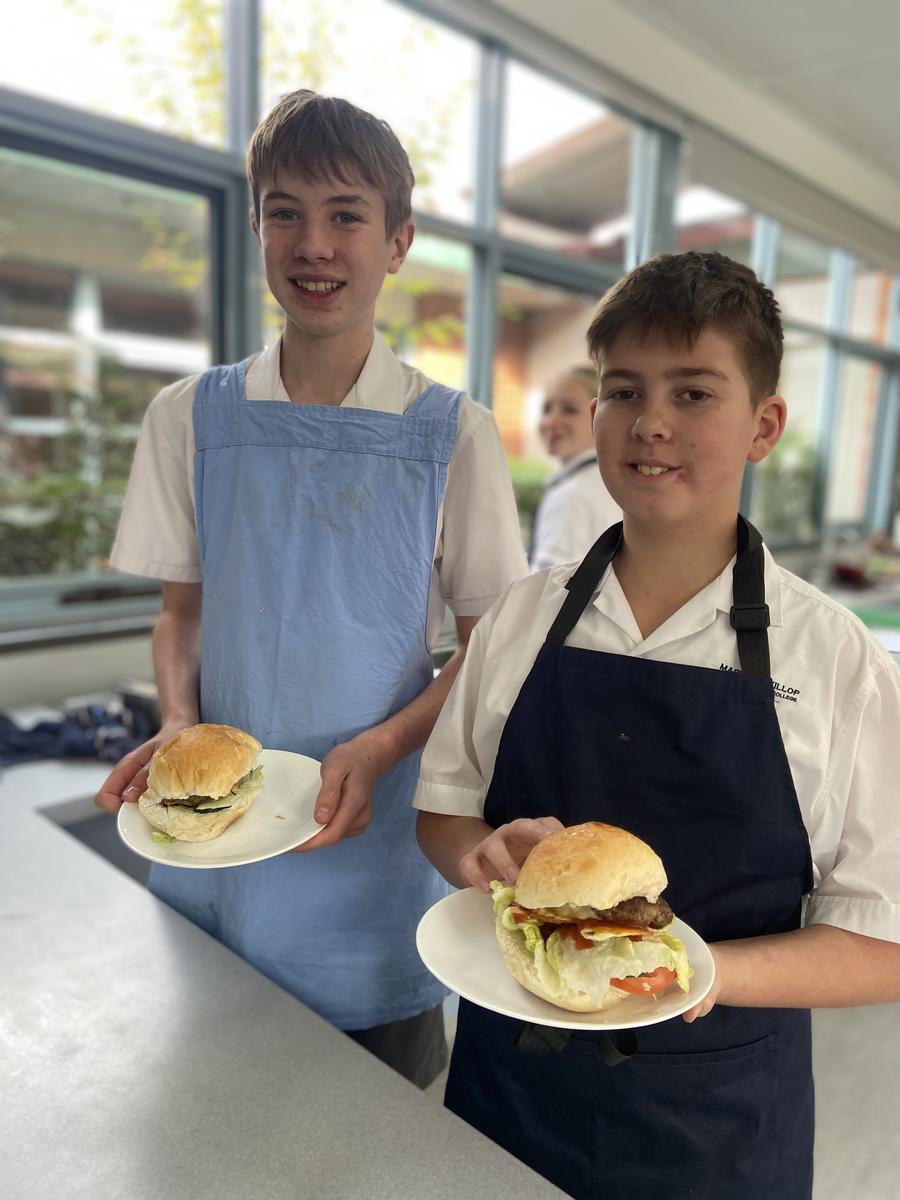
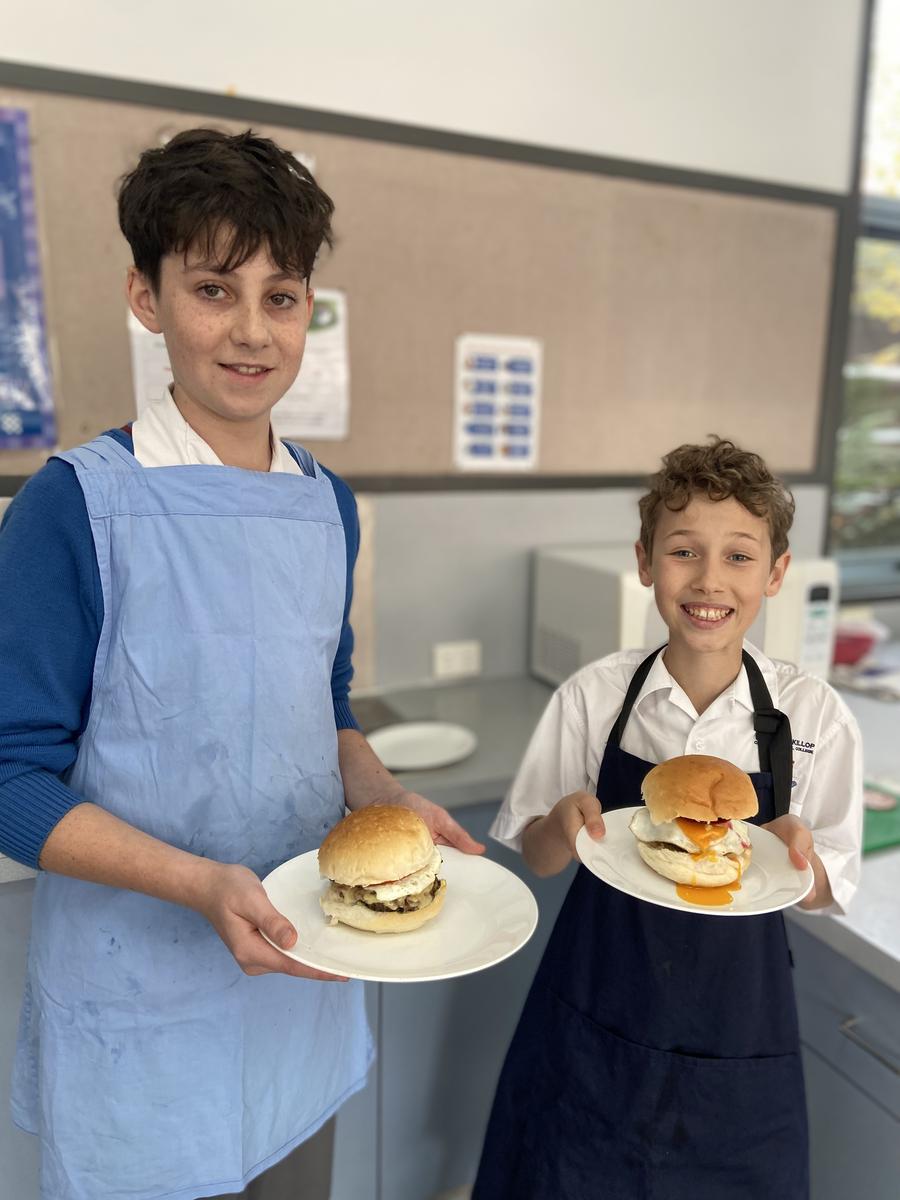
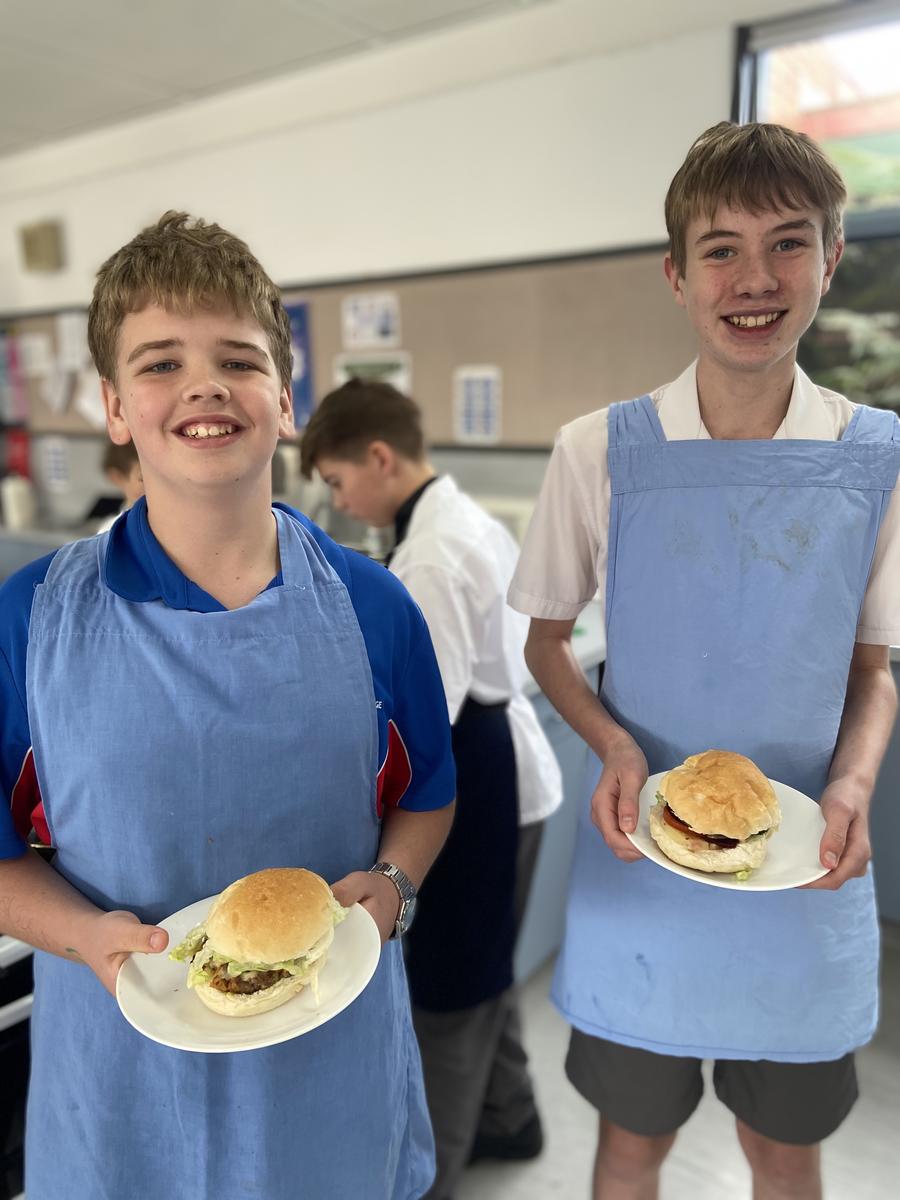
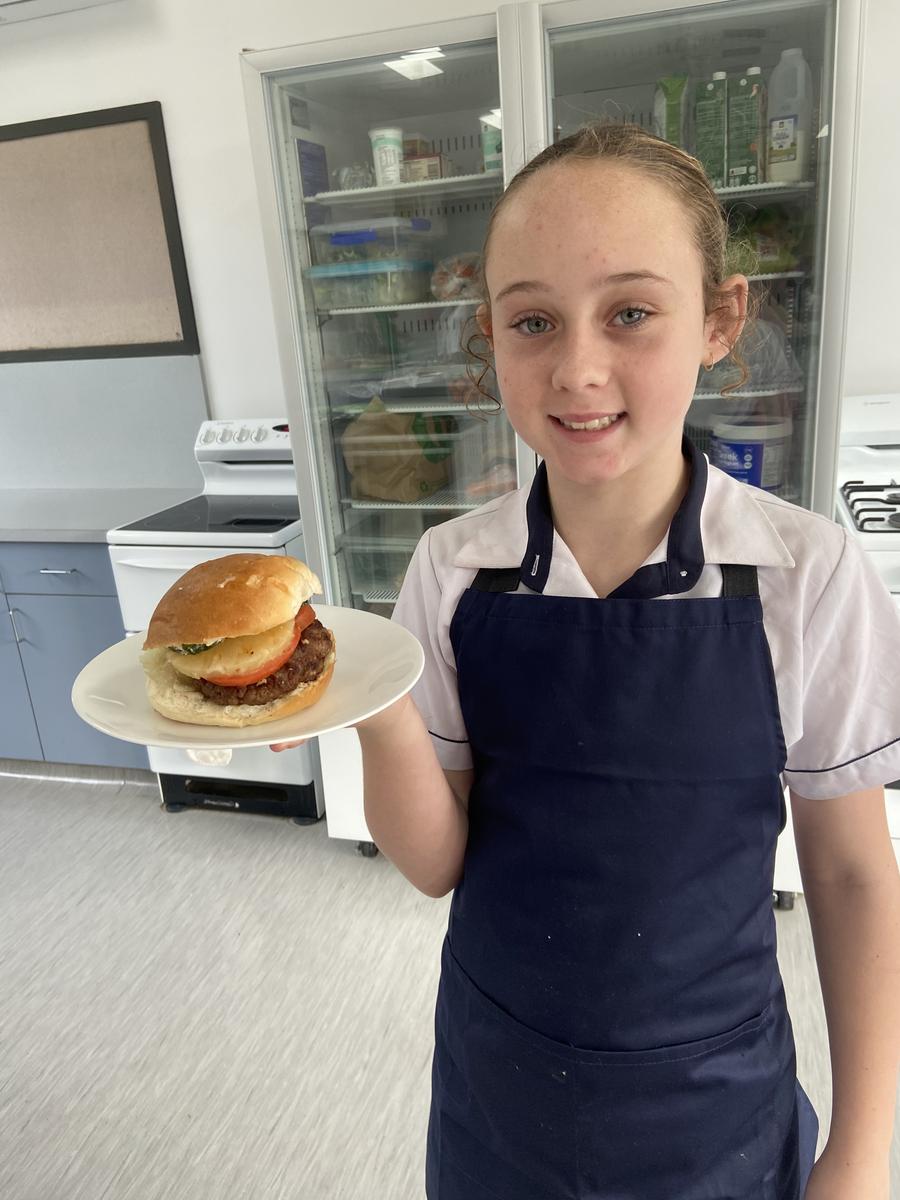
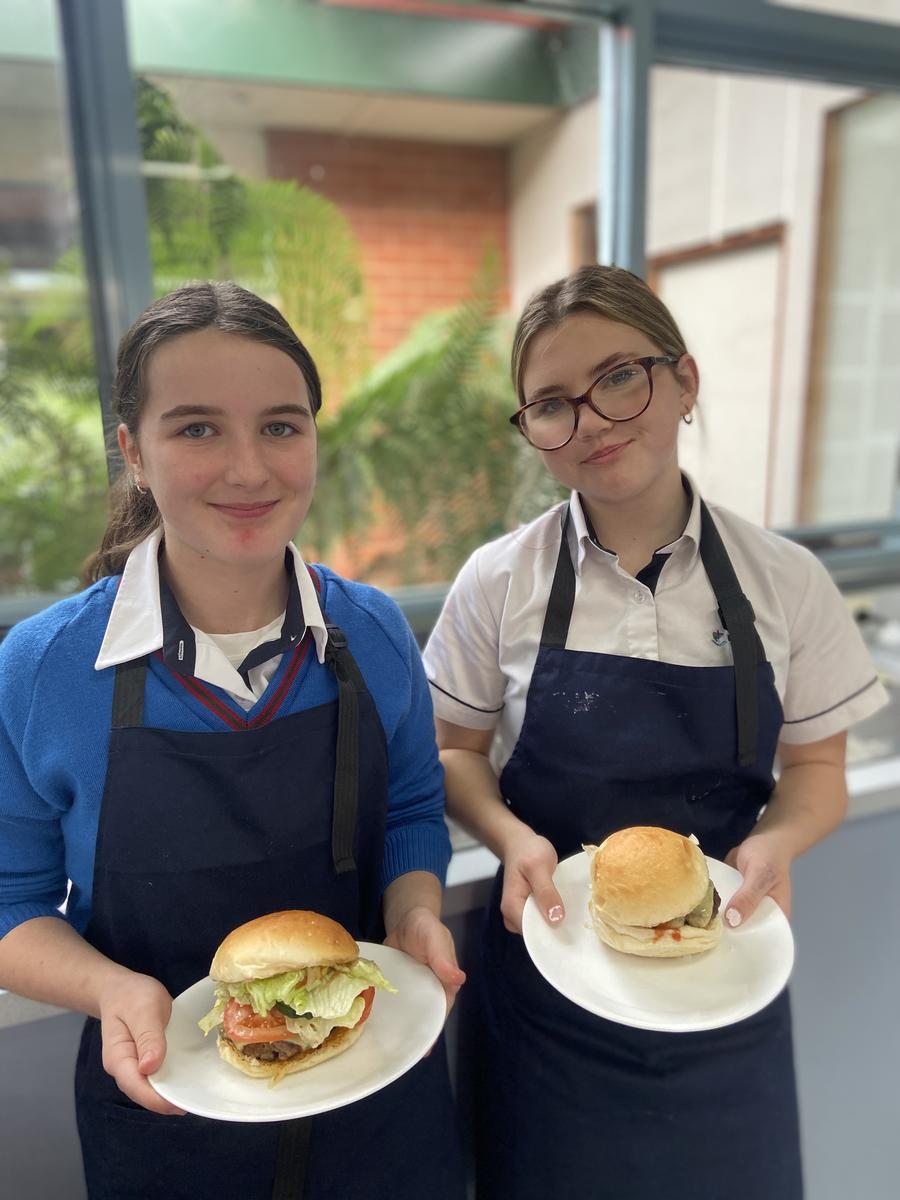
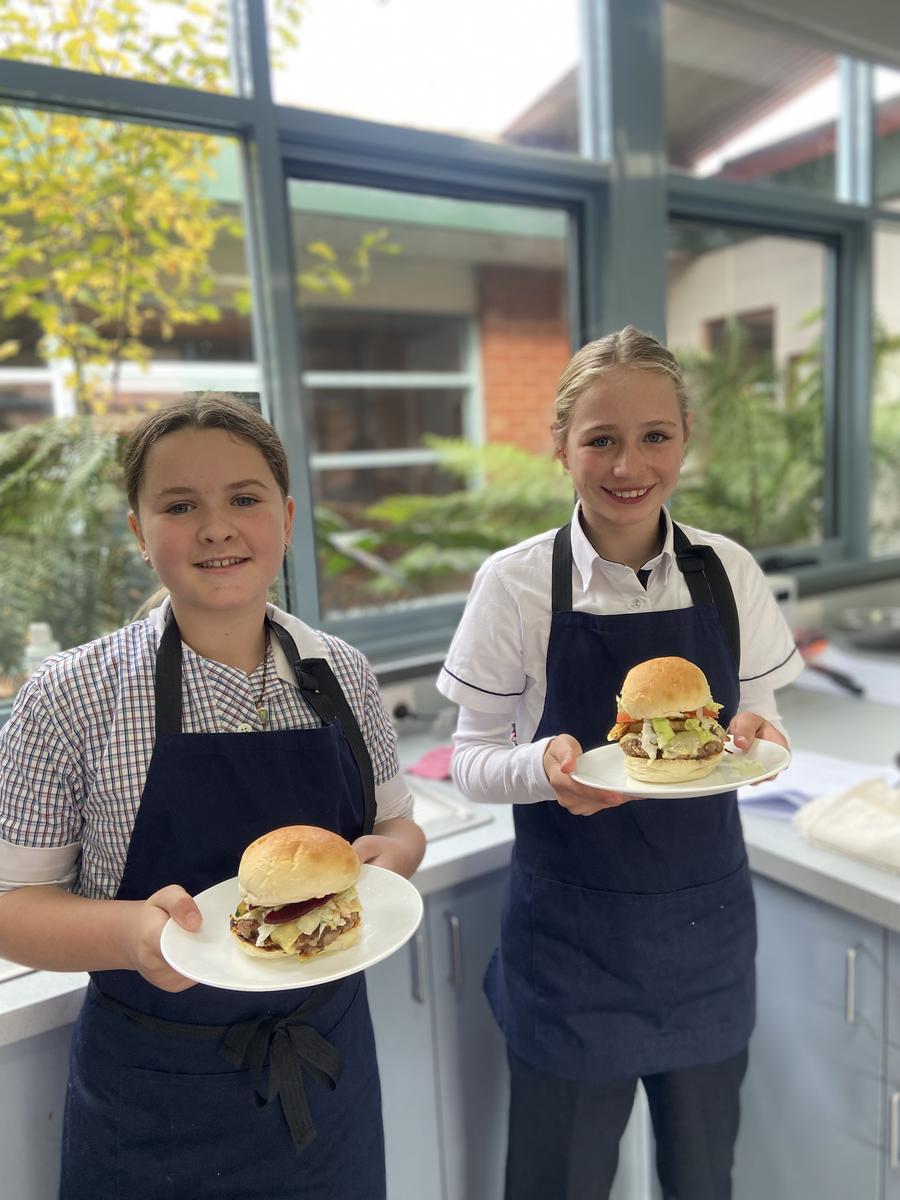
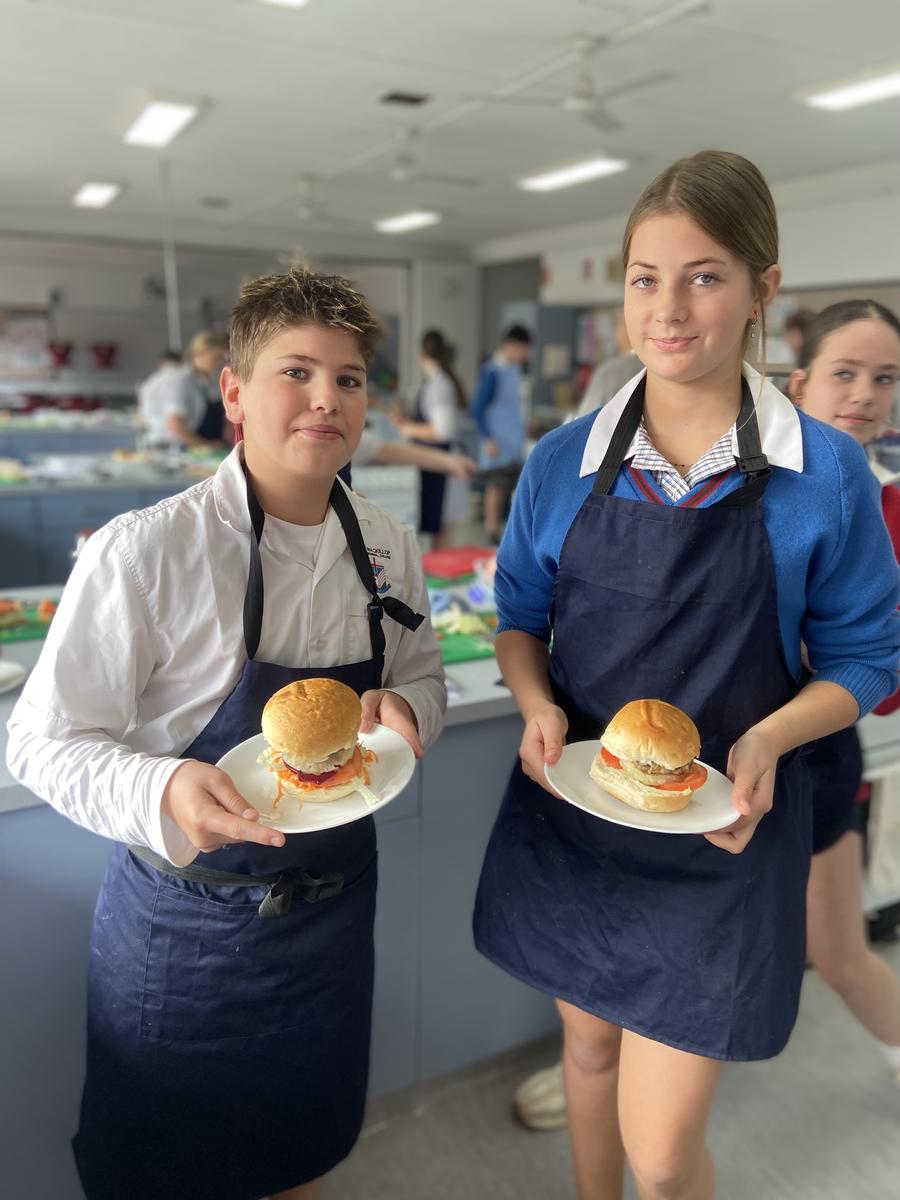
Year 7 Food Technology Class Making their own custom, healthy hamburgers!