
Deputy Principal – Student and Staff Wellbeing
Mrs Vasiliki Spanos
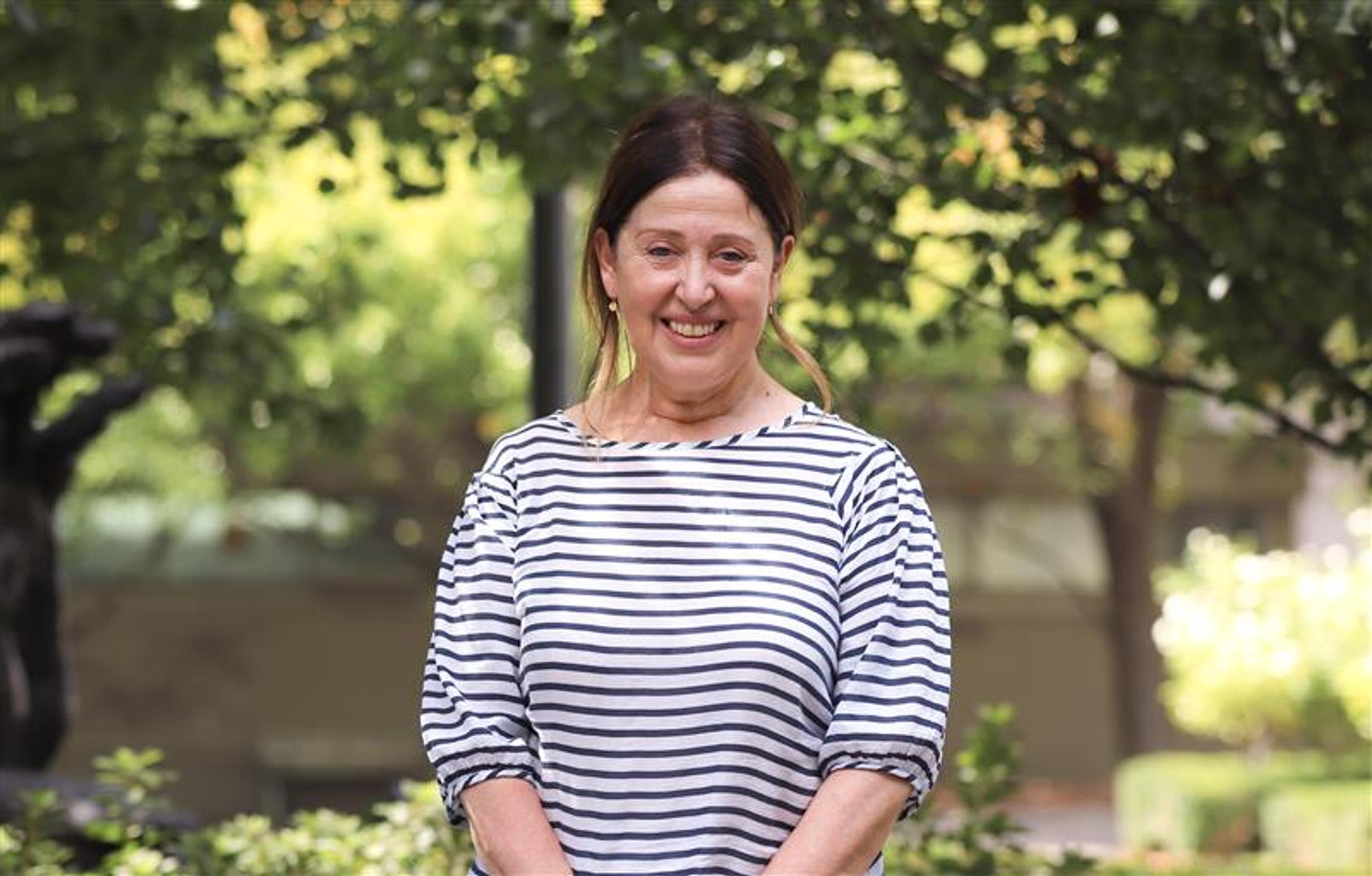
Deputy Principal – Student and Staff Wellbeing
Mrs Vasiliki Spanos
Where hope resides
“Hope” is the thing with feathers -
That perches in the soul -
And sings the tune without the words -
And never stops - at all.
- Emily Dickinson
This week has been busy, rich and, as always, full of moments for pause and reflection.
Apart from witnessing the sheer determination of our students to do their very best academically, there have been many conversations with students about their passions and interests outside the classroom, their concerns and thoughts about the world around them, friendships, family, identity, personal health and wellbeing. Whilst ‘strength’ and ‘resilience’ are words that come to mind as I speak with our young people, so do the words ‘vulnerability’ and ‘courage’.
Currently, I am undertaking my own educational journey as I complete my Masters of Adolescent Health and Wellbeing, with a focus on Young People Experiencing Vulnerability. The paradoxical nature of this concept is evident in so many of our interactions and navigation of life. What does it mean to be vulnerable? But also, what does it mean to be courageous enough to be vulnerable? These questions, amongst many others, are woven into our discussions and experiences in the wellbeing sphere at St Catherine’s School.
Whilst we are on a common journey to support the adolescents in our care as they navigate life, this journey can be fraught with many challenges and unexpected twists and turns. We see this on the global stage where geo-political friction calls us to examine world events and the impact on human life both overseas and here at home. The changing nature of the world around us is reflected in the definition of adolescence by the esteemed medical journal The Lancet in A call to action: the second Lancet Commission on adolescent health and wellbeing. Here, adolescence is defined as the age in an individual’s life between 10-24 years. The rationale provided for this extended age range from previous definitions is based on contemporary understandings of pubertal timing, brain maturation, and social role transitions.
Significantly, and in light of the unfolding events on the world stage, the second Lancet commission identifies:
The proportion of adolescents living in conflict-affected areas has more than doubled since the 1990s. An estimated 340 million (18%) adolescents now live in conflict-affected areas.
Closer to home, the second Lancet commission draws our attention to the fact that:
Today’s adolescents are the first global generation of digital natives. Globally, 79% of 15–24-year-olds use the internet, a much higher proportion than among any other age-group, and more than 95% of adolescents in high-income and upper-middle-income countries are digitally connected.
Moreover:
Today’s adolescents are the first cohort of humans who will live their entire life in a time when the average annual global temperature has consistently been 0·5°C higher than pre-industrial levels.
These insights represent pivotal points of concern and focus for us as educators and parents and significantly underpin the levels of anxiety and vulnerability we witness amongst young people. However, there is hope. A most important word. The Lancet balances their findings with recognition of the abounding opportunities that exist for young people today. Citing immense resources and opportunities, unprecedented connectedness and growing participation in education as cause for hope.
Young people increasingly are owning their strengths. Adolescents have been at the heart of efforts to demand action on climate change and social justice and are at the centre of many technological and digital innovations; their voices continue to draw attention to many agendas that are central to adolescent health and wellbeing, including human rights and gender equality.
Moreover, hope resides in the willingness to reflect and act on the sheer energy and creative potential of adolescence. We see this in our classes every day. Our commitment to an ethical educational approach which values character, relationships and intellect, honours the young people we work with, as we are here to listen and support carefully and appropriately, in an effort to guide students in their navigation of a complex and ever-changing social landscape.
Thus, this young person in front of us, this is where hope resides.
Mrs Vasiliki Spanos
Deputy Principal – Student and Staff Wellbeing