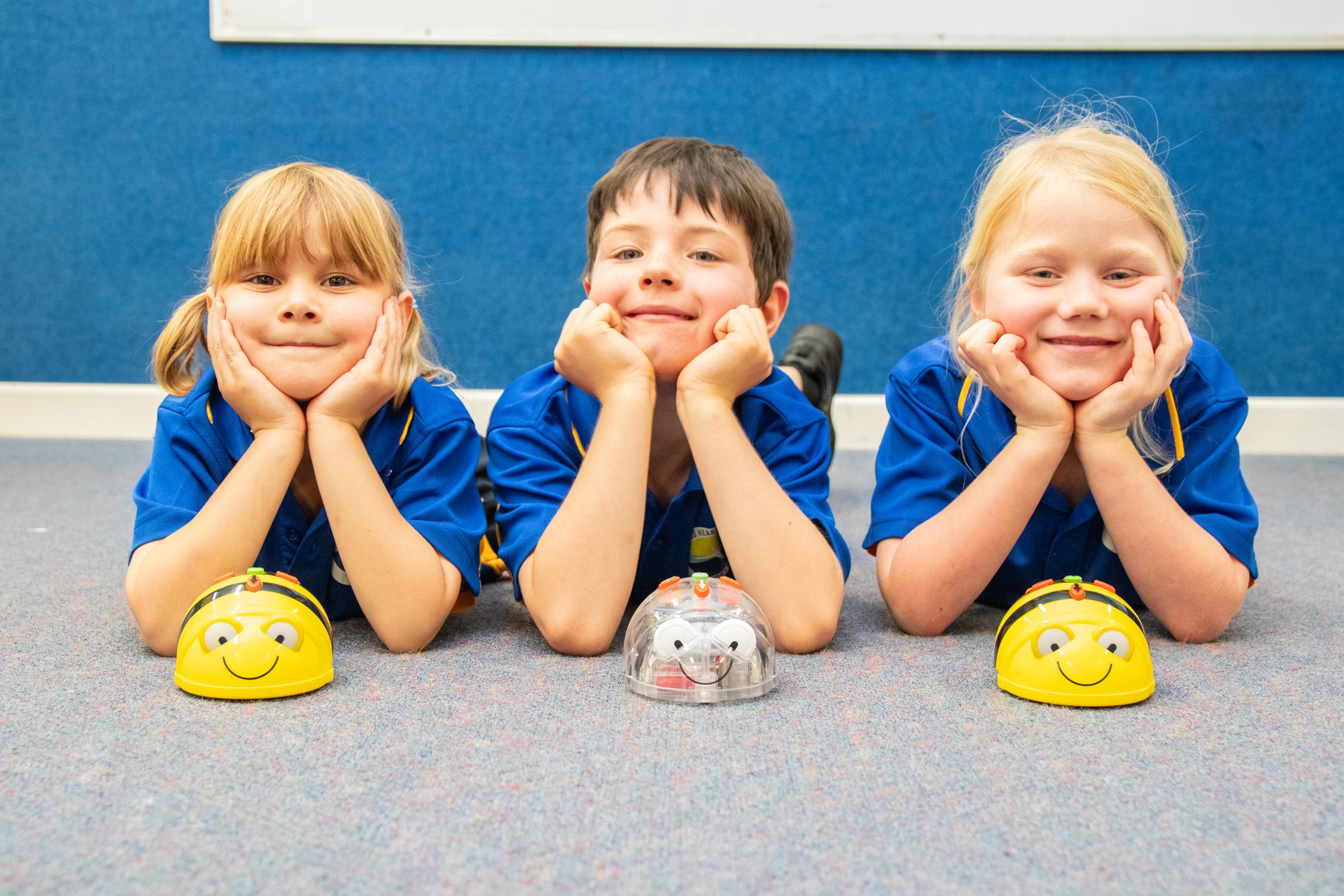
Classroom Happenings
F/1 CLASSROOM
Look how far we’ve come!
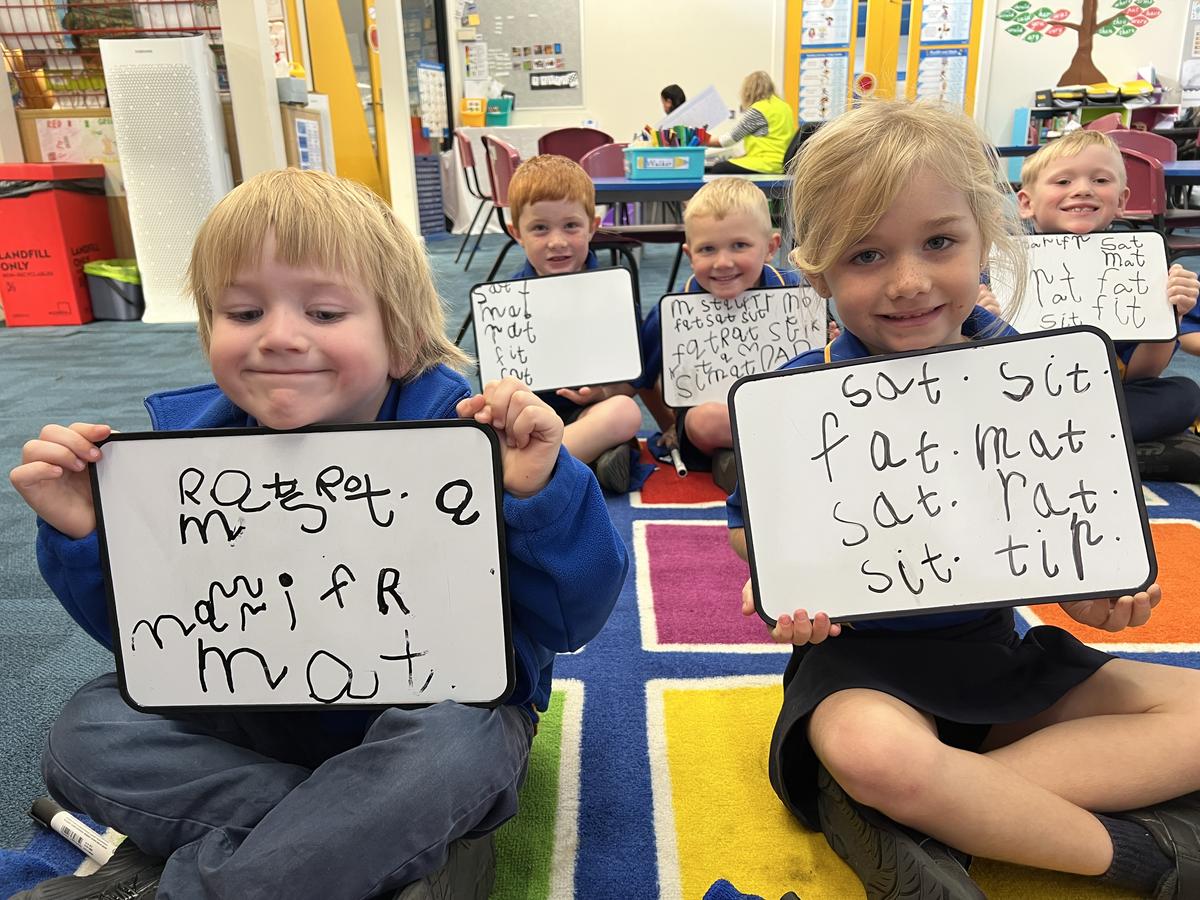
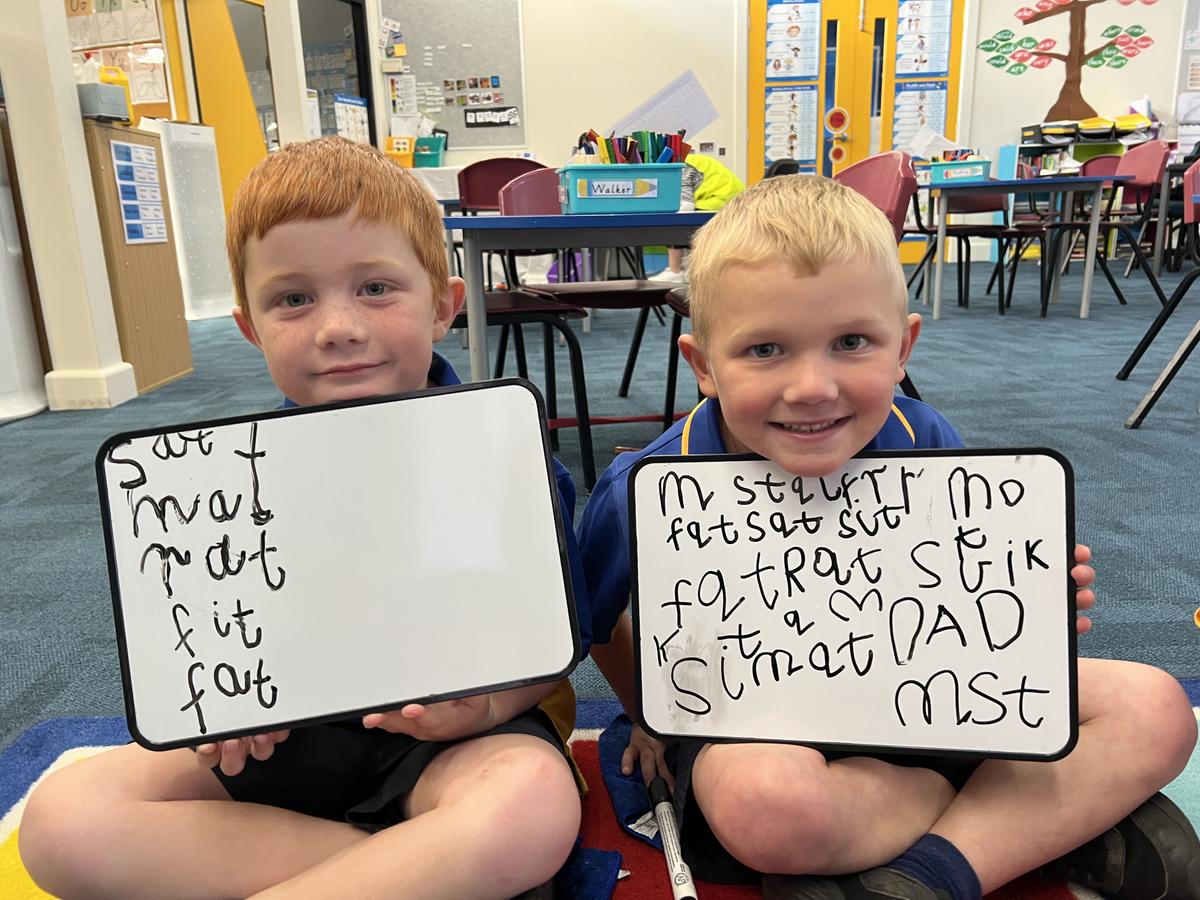
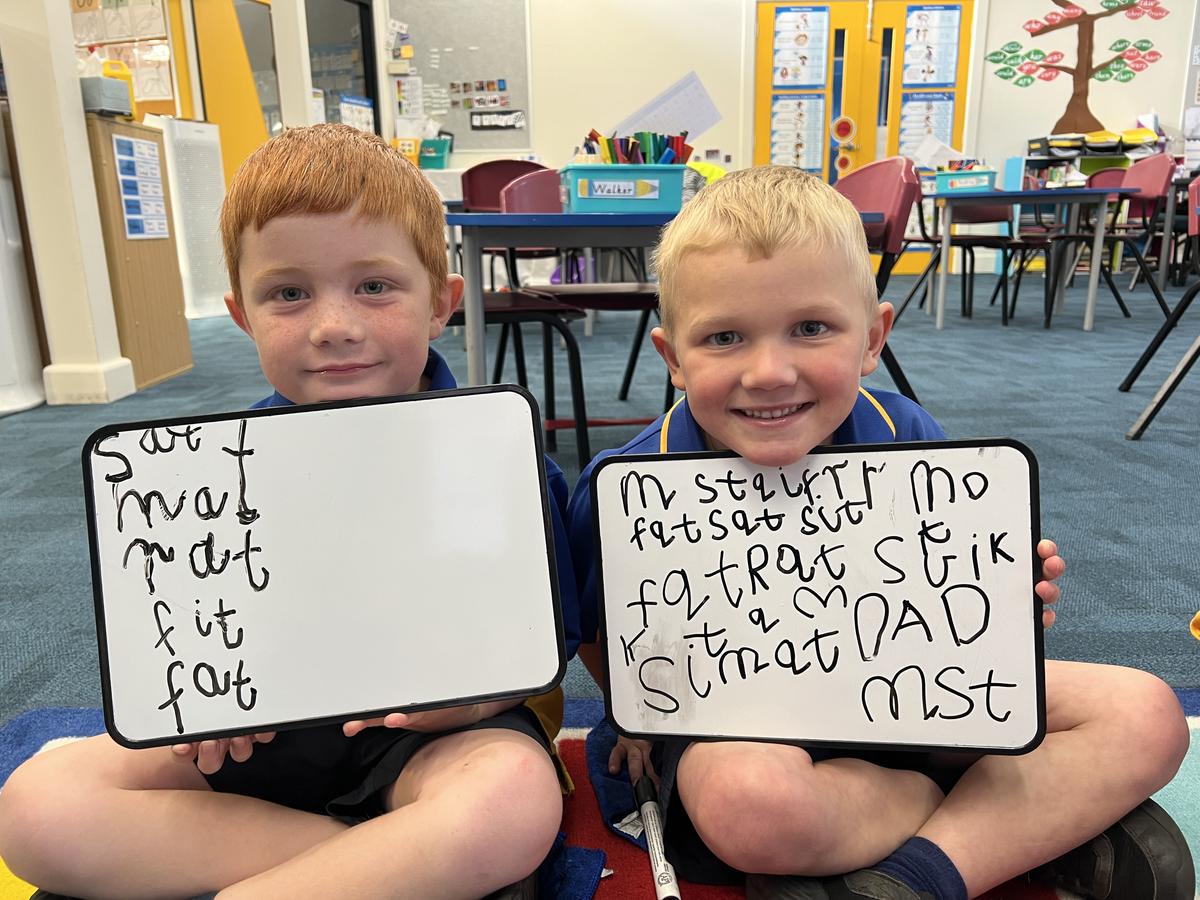
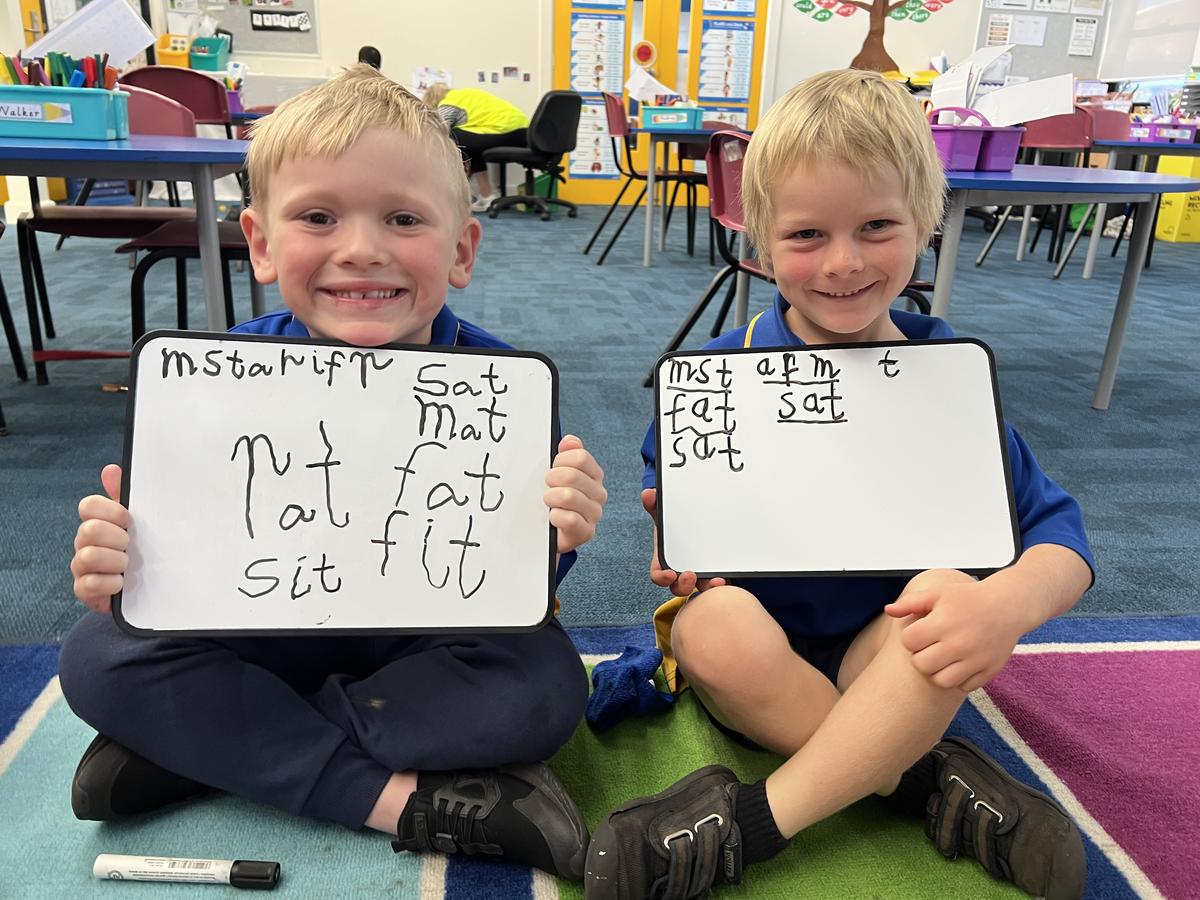
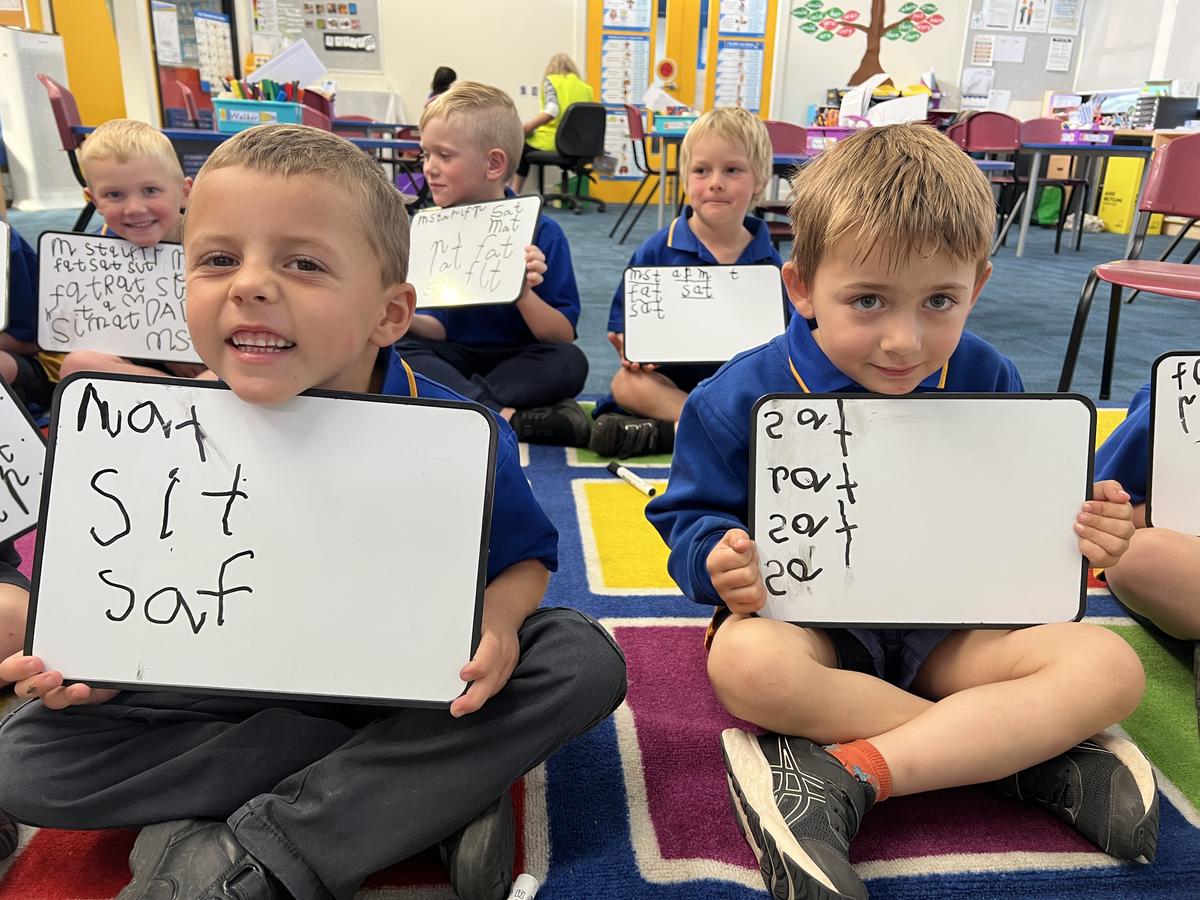
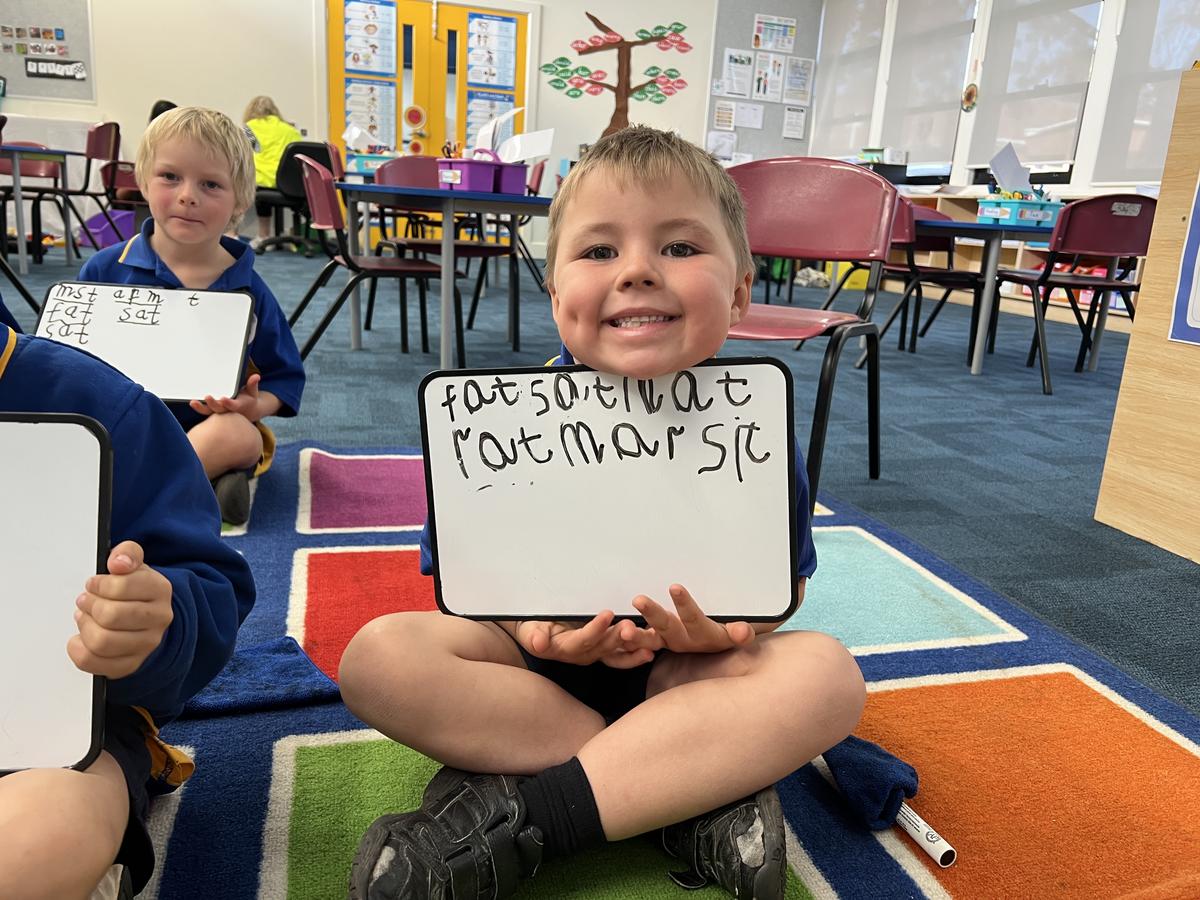
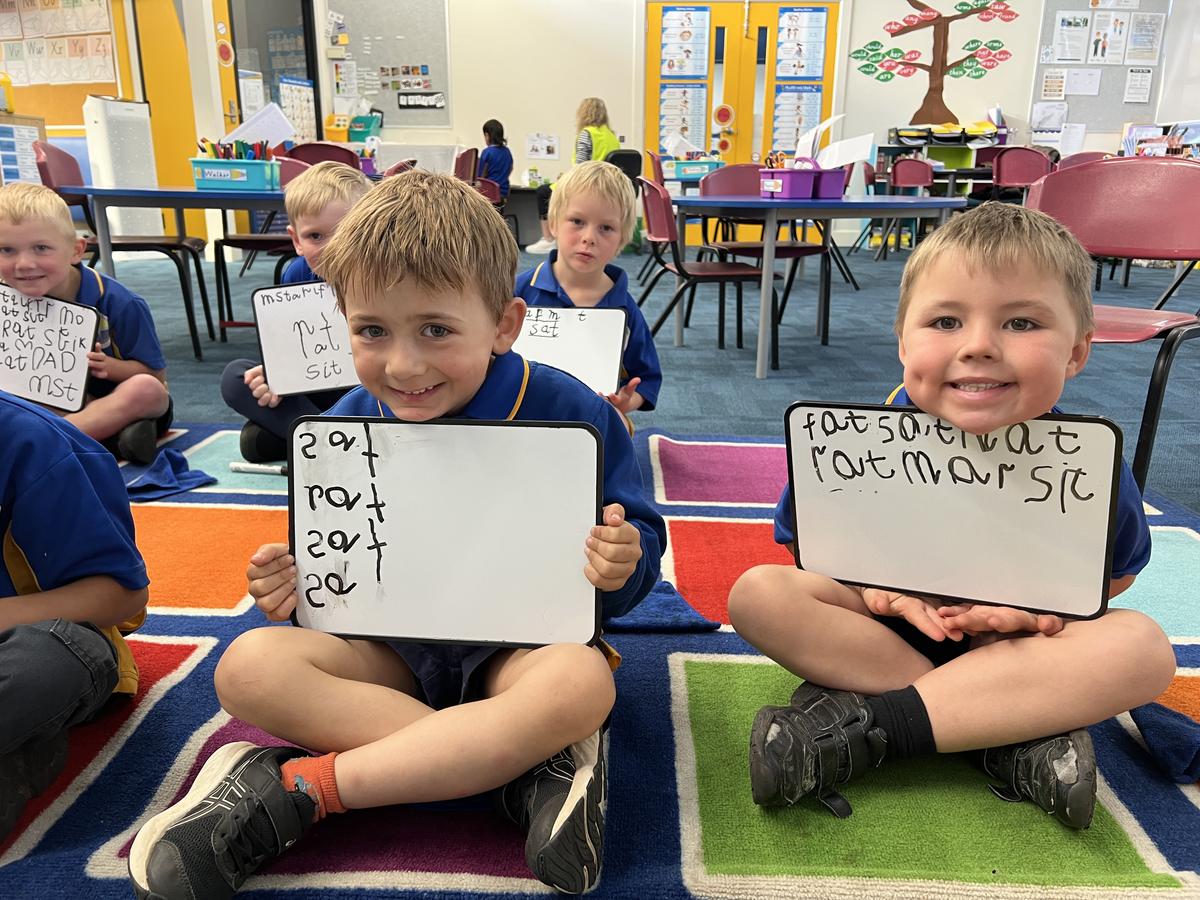
Our Foundation students have been working so hard learning their letter sounds and blending them together to read and write their very first words. They are incredibly proud of themselves, and rightly so. Just look at their writing!
When we write, we first say the word (e.g. mat), then stretch it out into sounds, counting them on our fingers (m–a–t), and finally write each sound to build the word. It is wonderful to see their confidence growing each day. They are doing an amazing job!
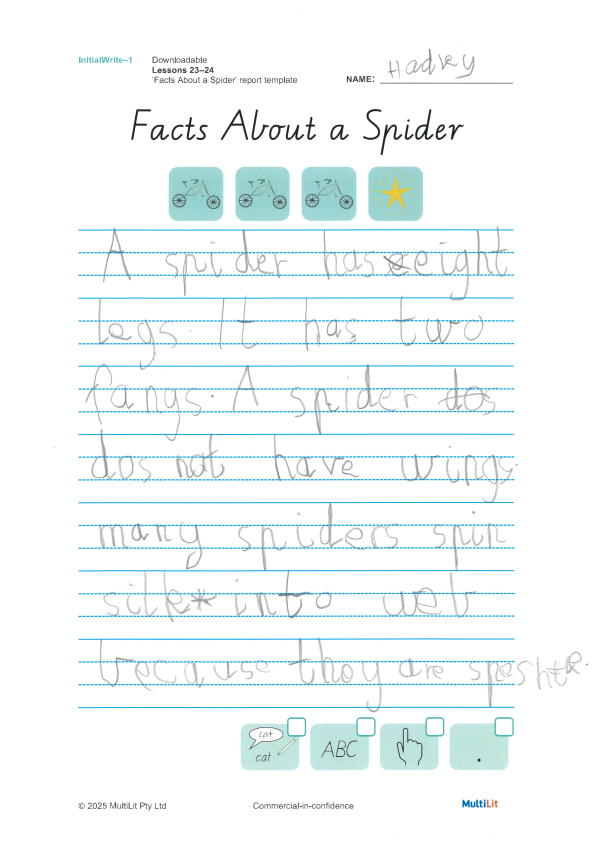
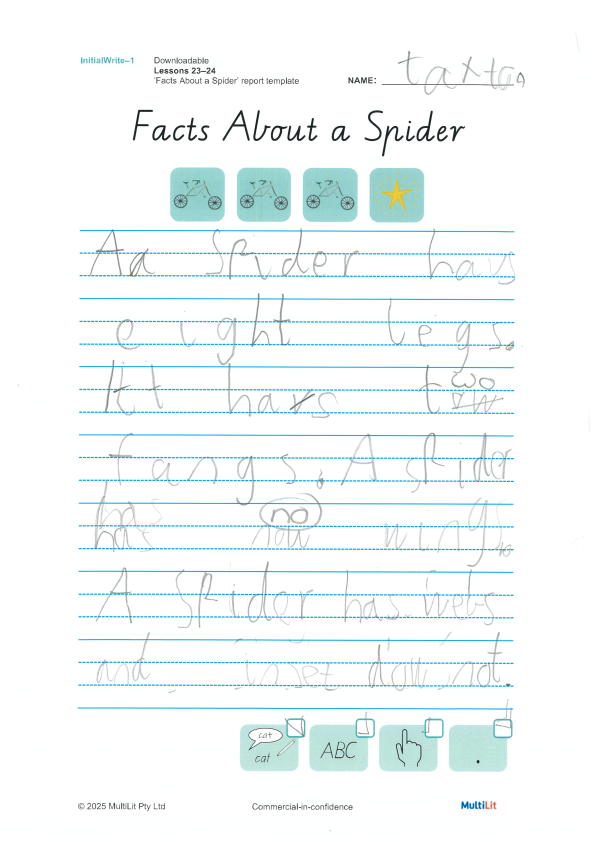
Our Year 1 students have also been busy writers. They have been learning to write an information report about spiders (Mrs Nagy’s favourite!) and how they are different from insects. They have researched and are now writing structured sentences, using pronouns to avoid repetition and joining words such as 'and' and 'also' to add detail.
They are also working hard to edit their writing by checking for meaning (so it makes sense), capital letters, full stops, and finger spaces. It is fantastic to see them becoming more thoughtful and independent writers.
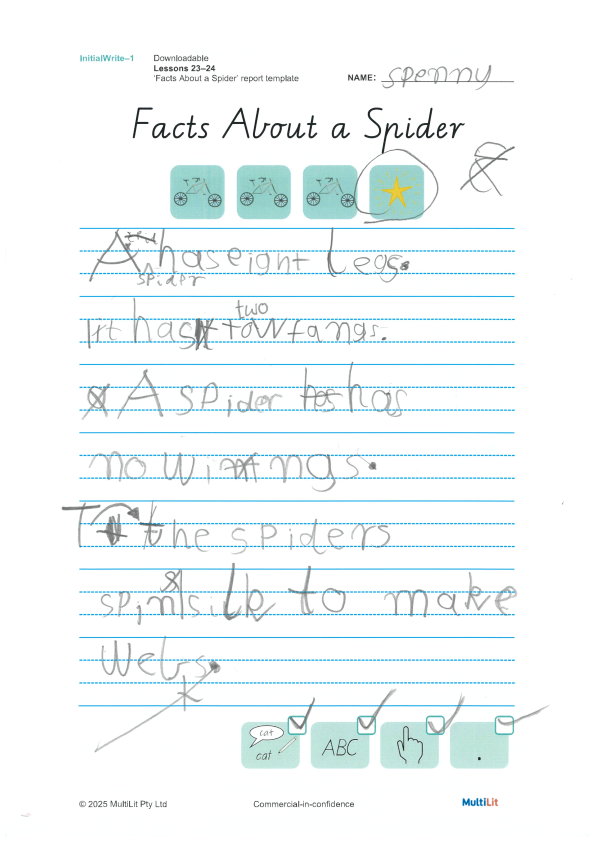
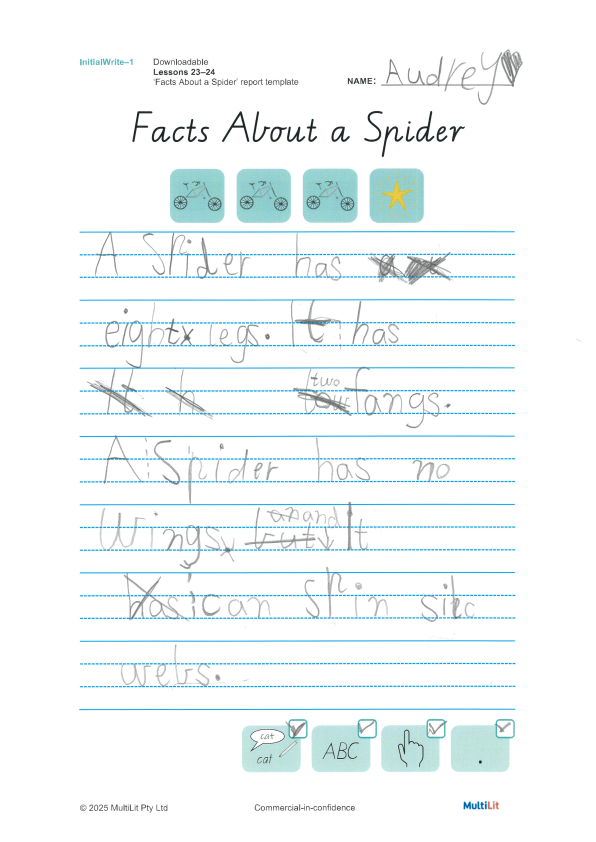
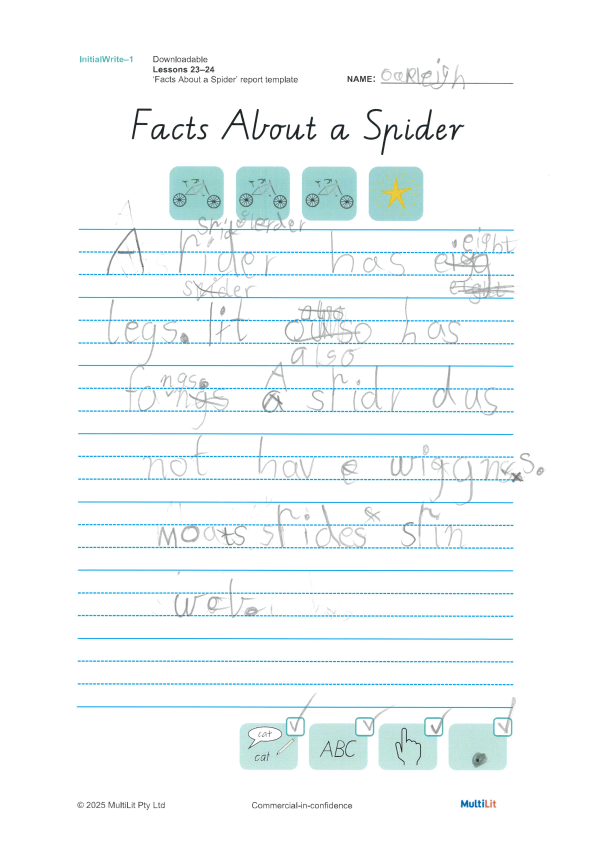
As always, I am incredibly proud of our F/1 students and the effort they are putting into their learning.
2/3 CLASSROOM
Our Year 2/3 students have been working incredibly hard in Mathematics over the past few weeks, and it has been wonderful to see their confidence and understanding grow.
We have been focusing on building strong foundations in multiplication and division. A key part of this learning has been understanding the difference between grouping and sharing. Students are learning that when we group, we are finding how many groups can be made, and when we share, we are dividing items equally between a set number of groups. This distinction is an important step in developing flexible thinking with numbers.
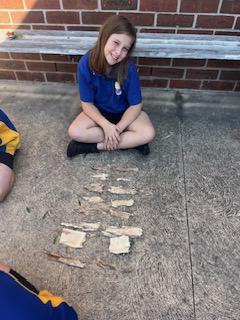
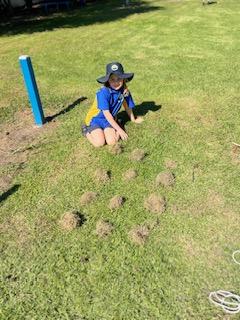
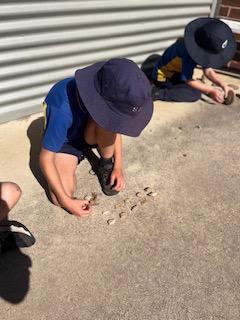
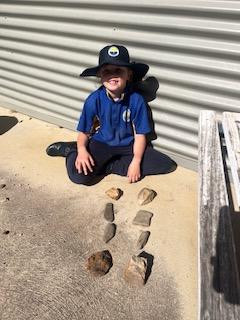
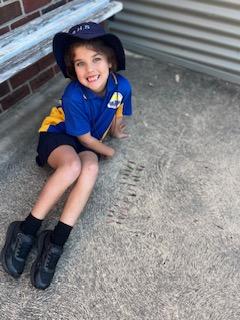
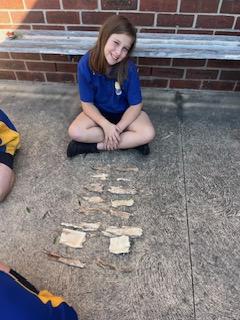
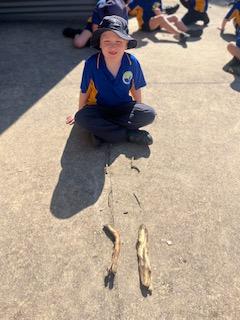
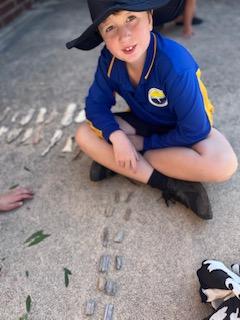
To support this, we have been using a variety of hands-on materials in the classroom. Concrete resources such as counters, blocks, and everyday objects allow students to physically model problems, making abstract concepts more meaningful. One of our main focuses has been exploring arrays, arranging objects into rows and columns to help students visualise multiplication as repeated addition.
It has been fantastic to see students experimenting with different strategies, explaining their thinking, and making connections between concepts. We encourage you to continue these conversations at home by asking your child to show you how they solve problems or to create small arrays using household items.
In Literacy, students have been thoroughly engaged in our class text Under the Southern Cross. This book has provided a wonderful opportunity to explore a hybrid text, as it combines both narrative storytelling and informative writing. Students have been learning how these two styles work together telling a story while also teaching the reader factual information.
As we have read, we have been discovering fascinating facts about the Southern Cross constellation, as well as learning more about Australia’s geography and history. Students have particularly enjoyed identifying when the text shifts from storytelling to sharing information and discussing how this helps deepen their understanding.
It has been great to see students showing curiosity, asking thoughtful questions, and making connections between what they read and their own knowledge. You might like to ask your child to share an interesting fact they have learned or explain what makes this book different from other stories we have read.
4/5/6 CLASSROOM
We’ve had a busy and exciting start to Term 2 in our Grade 4/5/6 classroom!
The students have come back from the holidays ready to learn, and it’s been great to see them fall back into routines so quickly. We’ve also had some really special whole-school moments recently. Our Grade 4/5/6 students led the ANZAC Day Liturgy with maturity and respect, and they should feel very proud of the way they helped our school community pause and reflect together. Athletics Day alongside Corryong College was another highlight! It was wonderful to see students have a go, try new events, encourage each other, and give their best effort all day.
Literacy
In Literacy, we have begun our new class text, Deadly Science: The Solar System by Australian Geographic. As we’ve started reading, students have been learning more about what space actually is, what we can and can’t see in the sky, and how scientists continue to explore and discover new things. We also looked at the Artemis II expedition from this year and talked about why it’s such a big moment in space exploration.
Alongside our reading, we’ve been working on writing more detailed and descriptive pieces, focusing on choosing precise words so our writing is clear and easy to picture. One activity we have really enjoyed is writing descriptions of interesting images, then putting those descriptions into an AI image generator to see how closely their images match the original based on how accurate and detailed their writing was. It’s been a fantastic way to show just how important details are, and it has also sparked some great conversations about the limitations of AI (especially when it randomly adds something that no one described!).
Maths
In Maths, we have been wrapping up our Multiplication and Division unit, with a big focus on using factors to solve problems more efficiently. Students have been practising breaking larger numbers into smaller, more manageable parts using facts they already know, then putting those parts back together to find the answer. This strategy helps students build confidence and accuracy, especially as the numbers get bigger.
We have also been using area models to multiply 2-digit by 2-digit numbers, and even 3-digit by 3-digit numbers. By splitting numbers into their place value parts, students are finding that big multiplication problems feel much less intimidating, and they are becoming much stronger at explaining their thinking as they work.