
Community Engagement
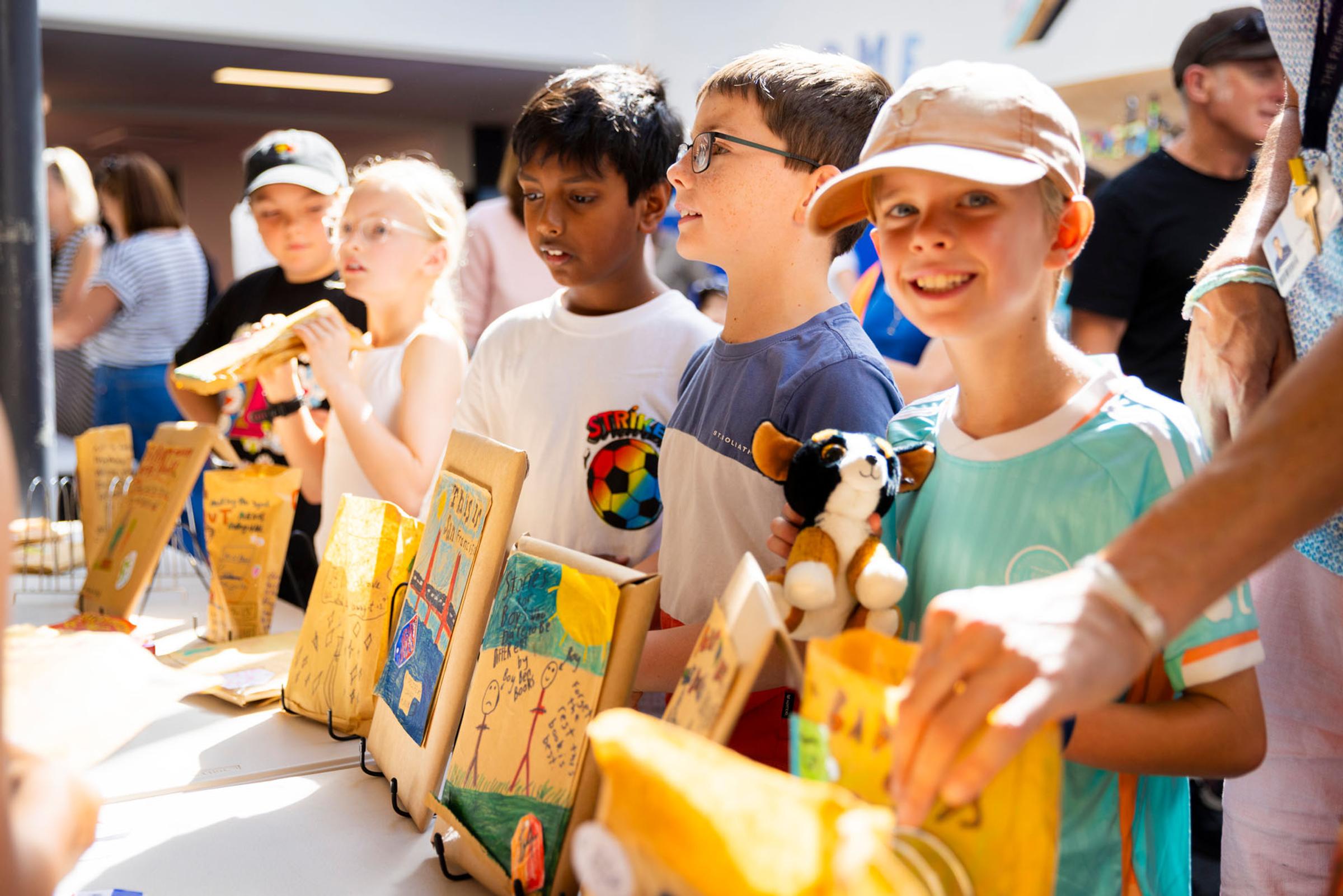
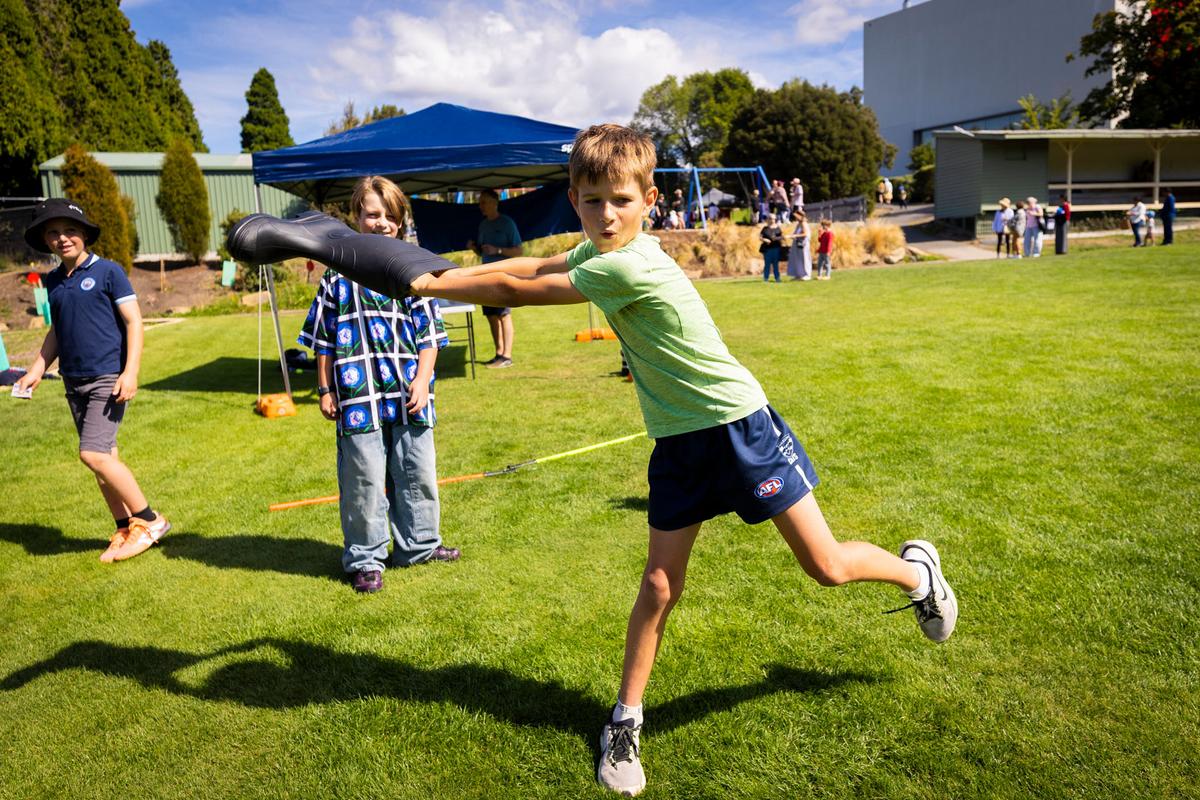
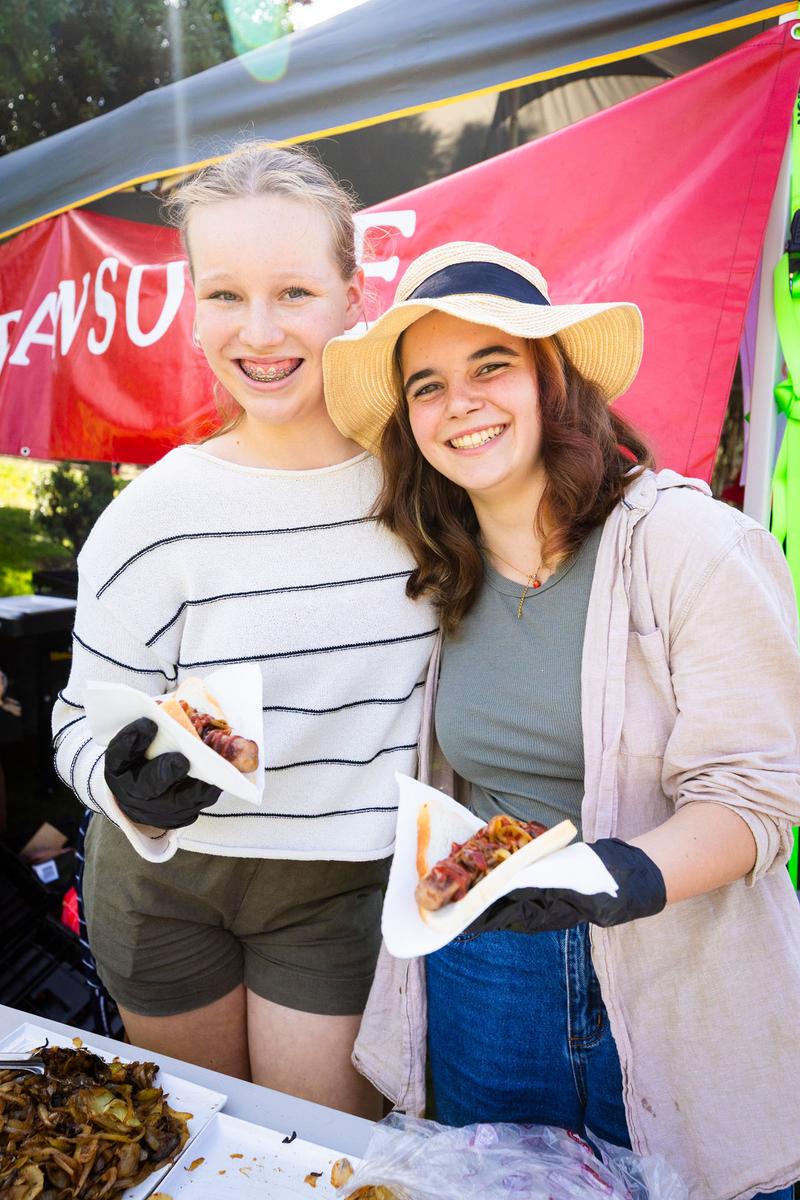
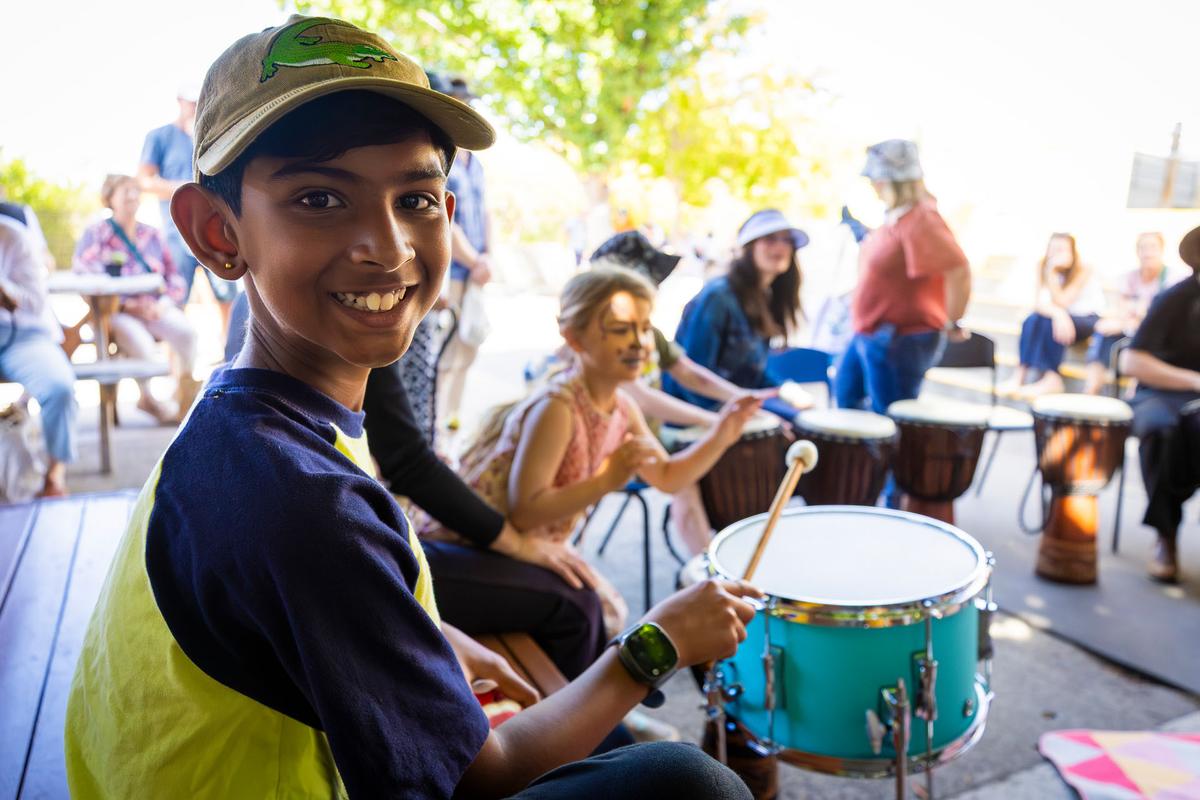
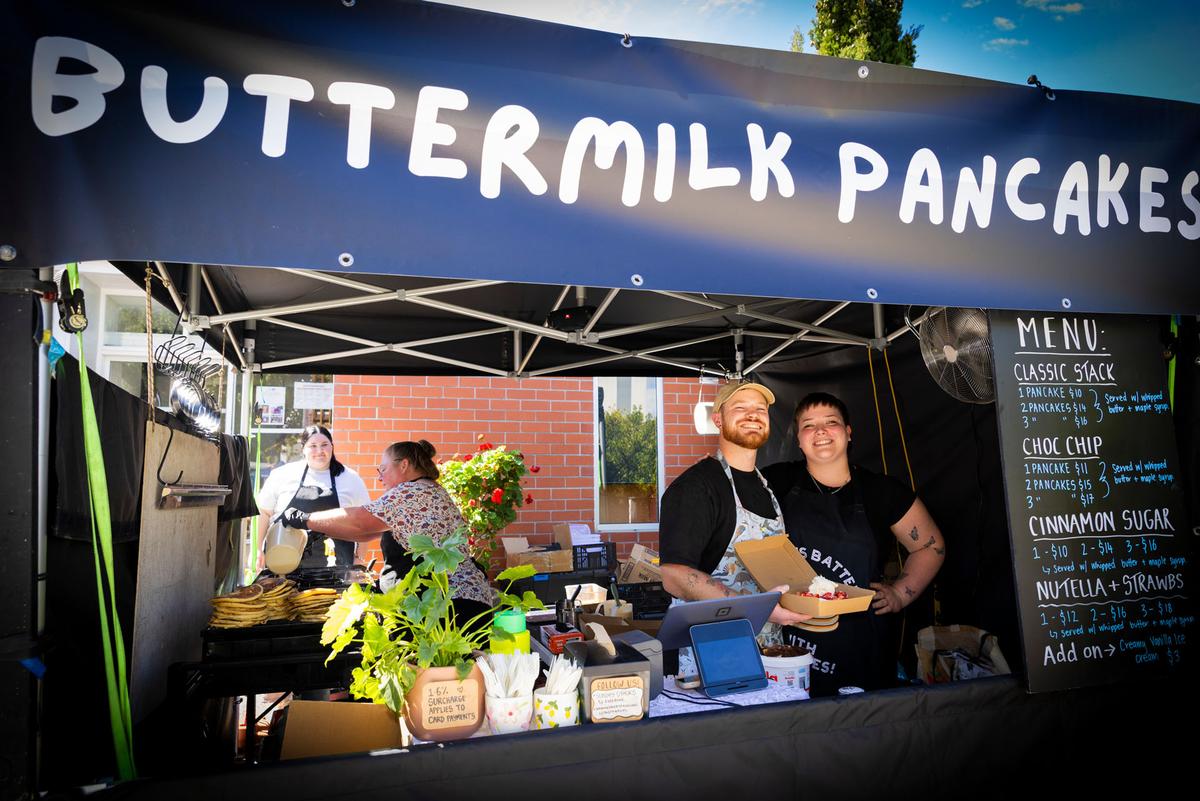
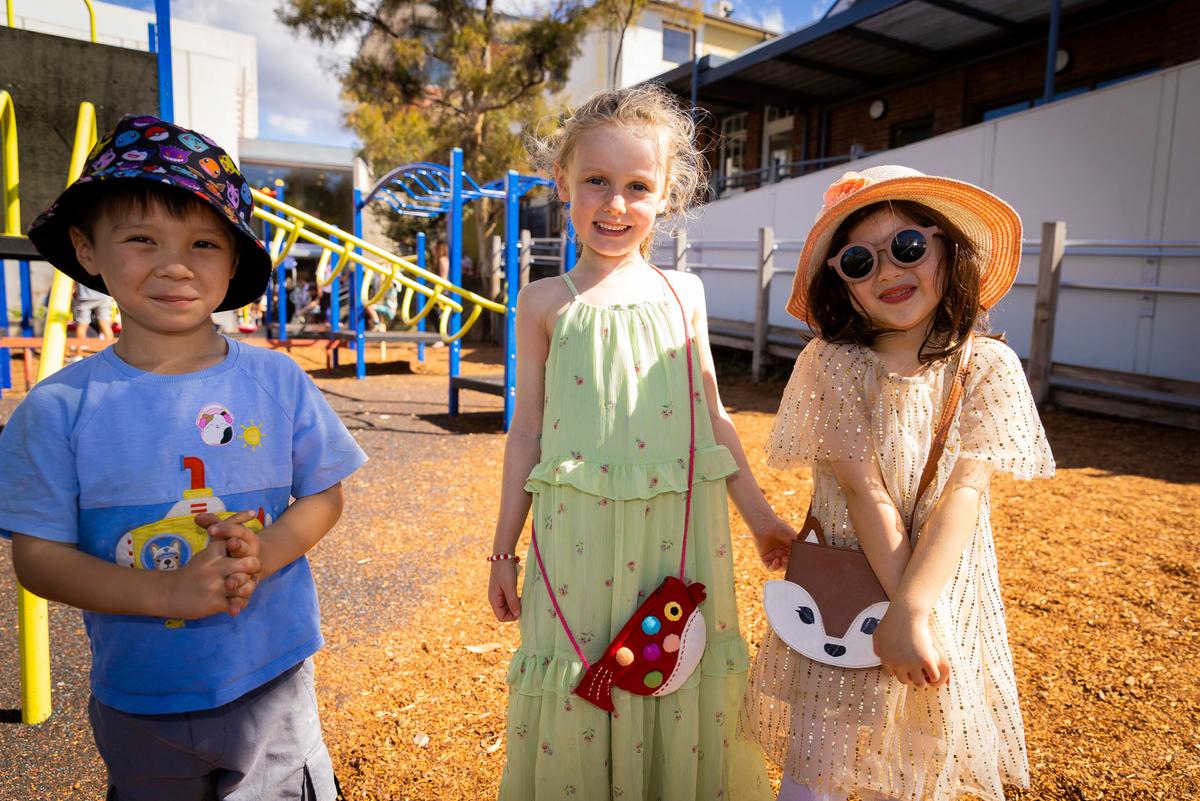
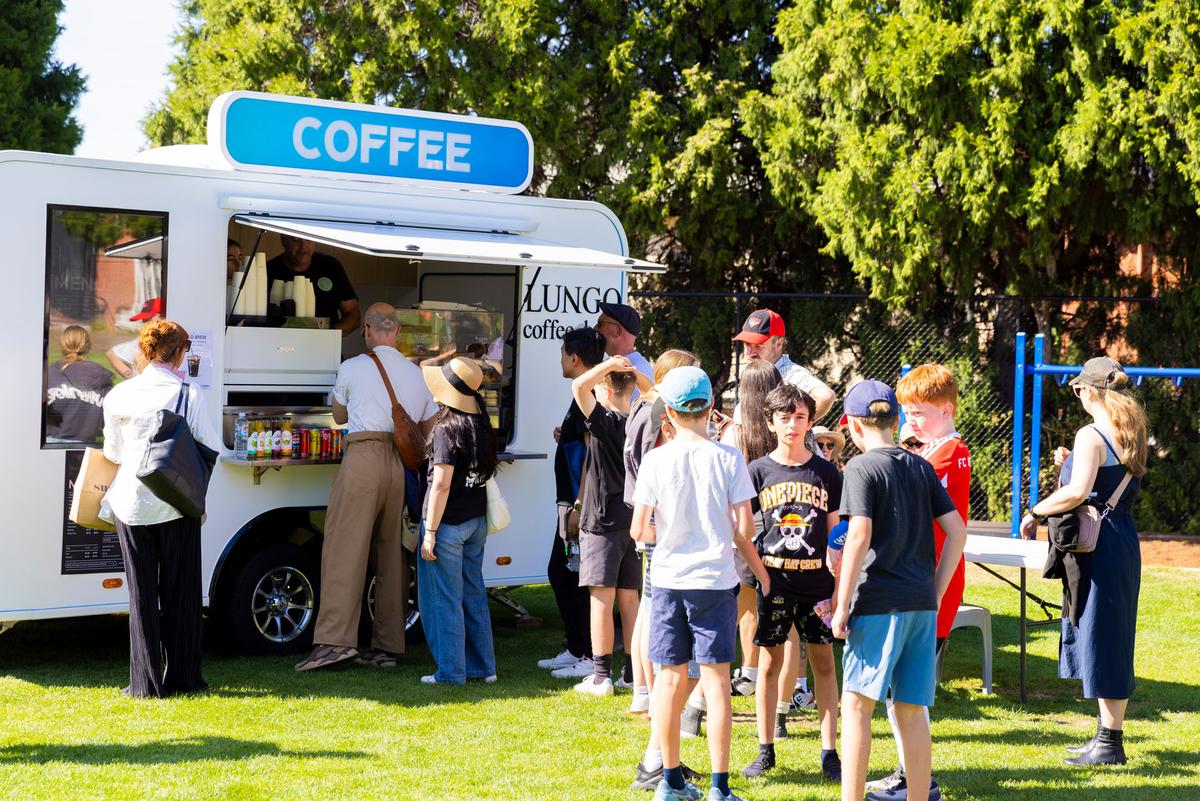
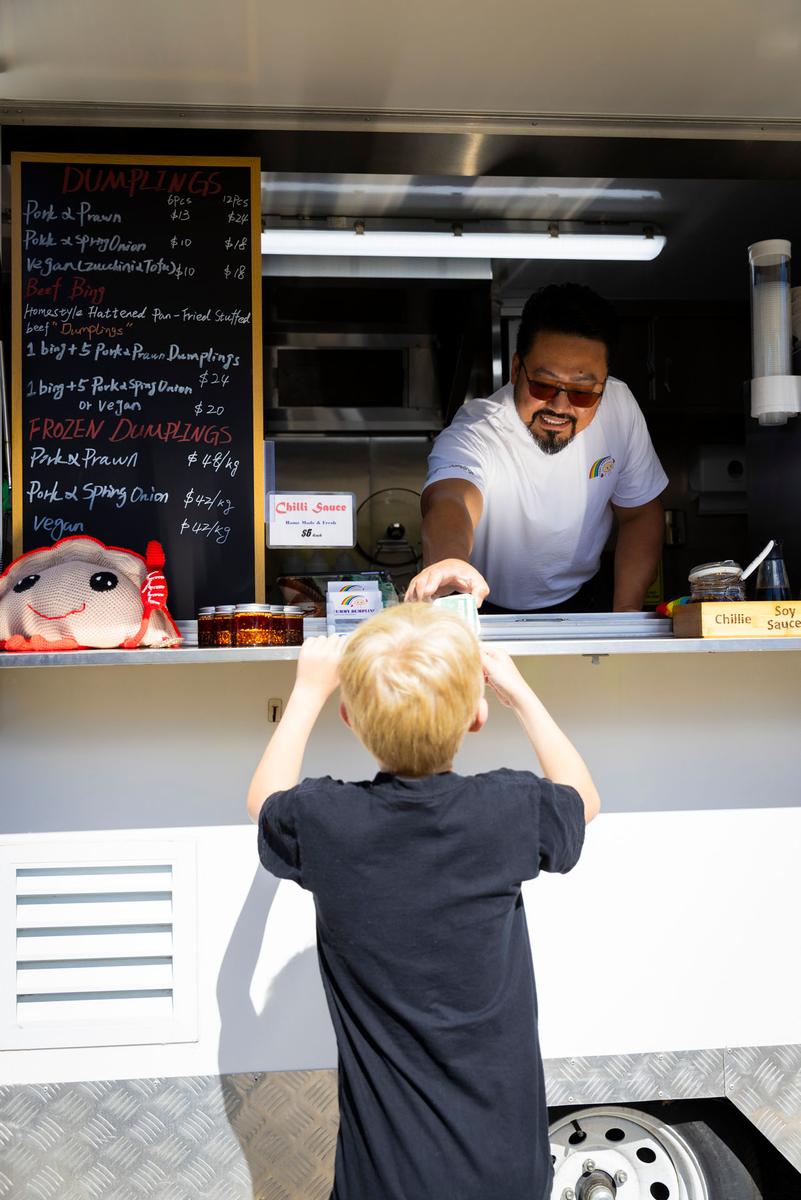
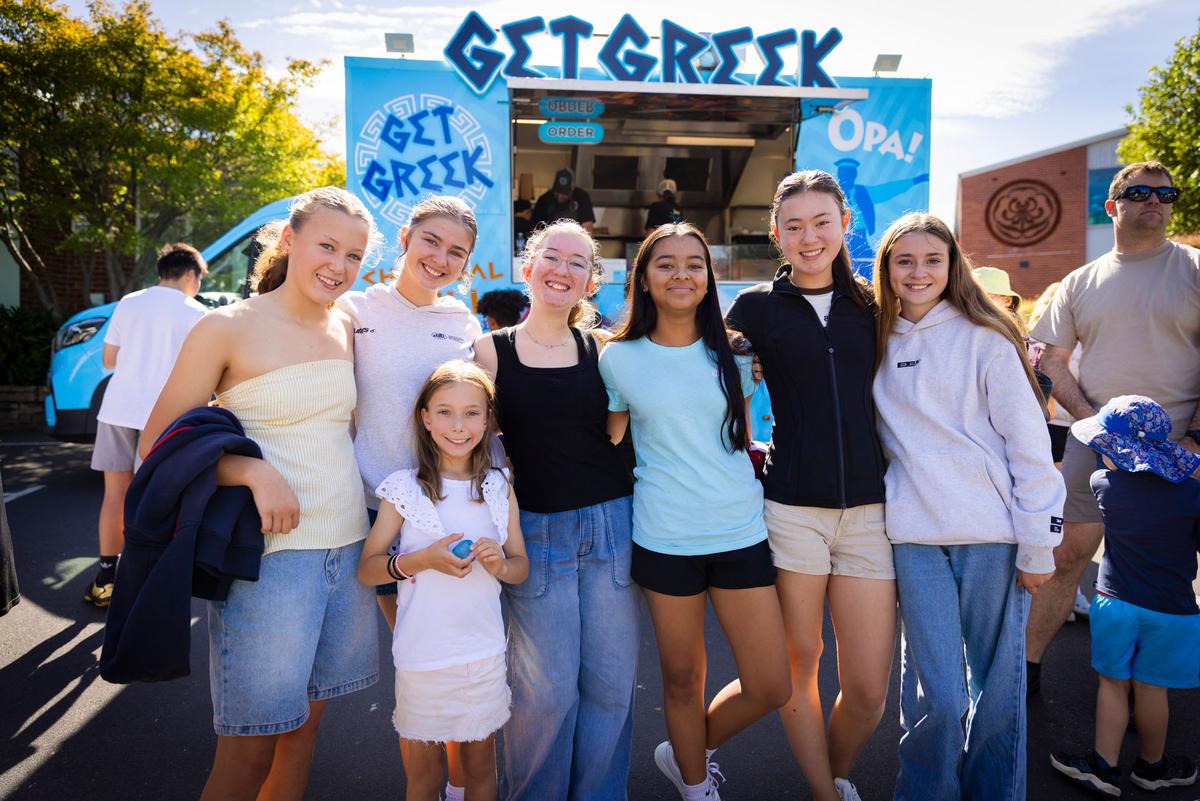
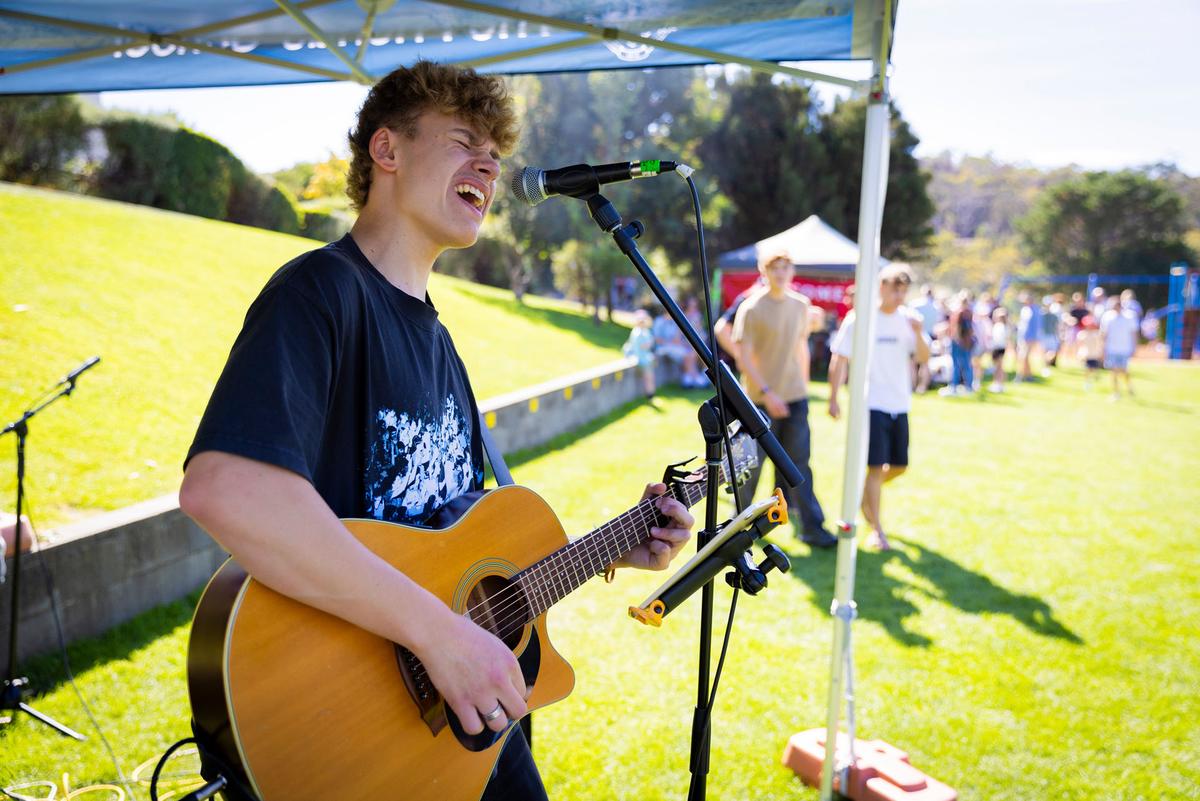
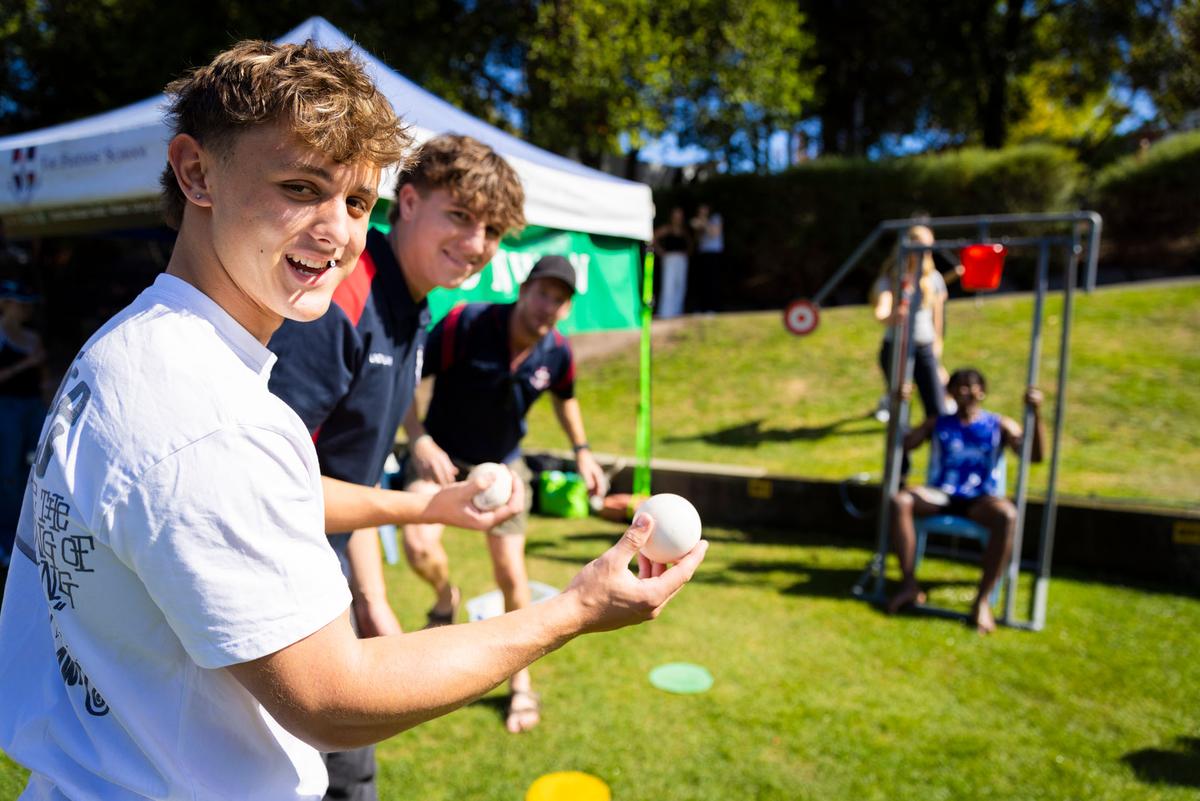
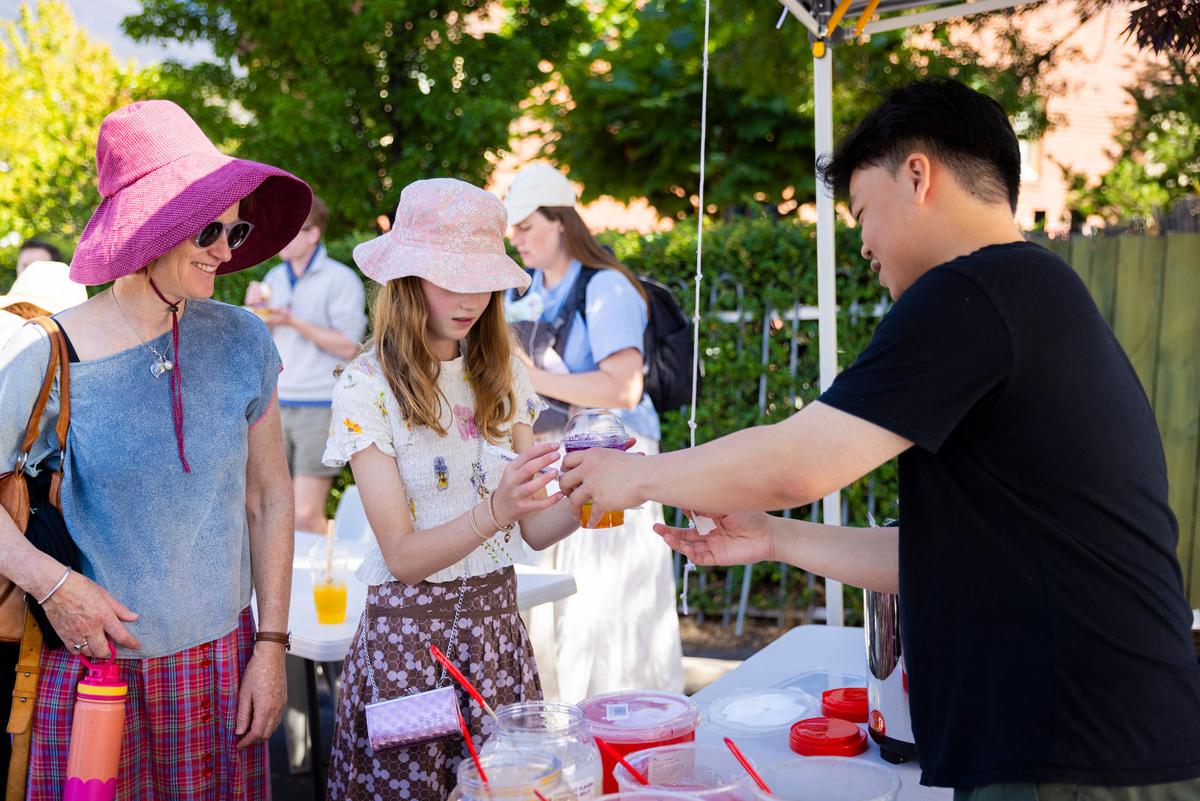
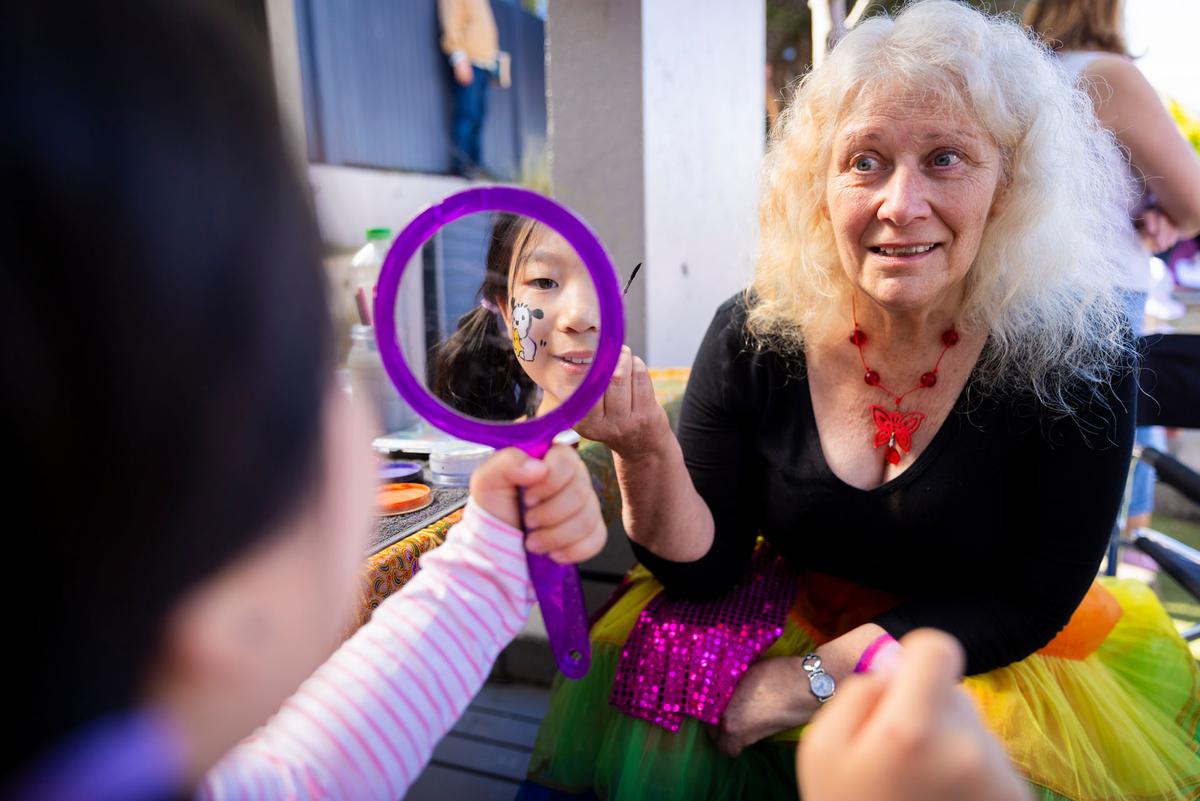
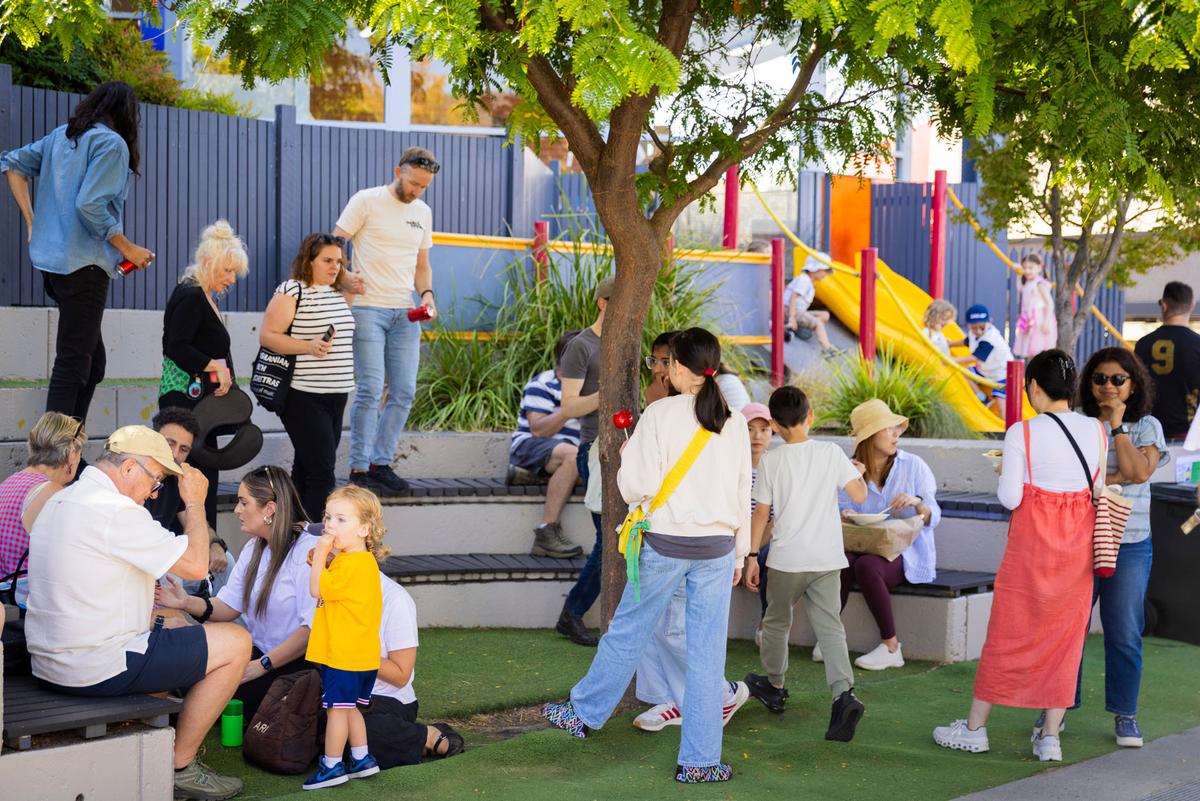
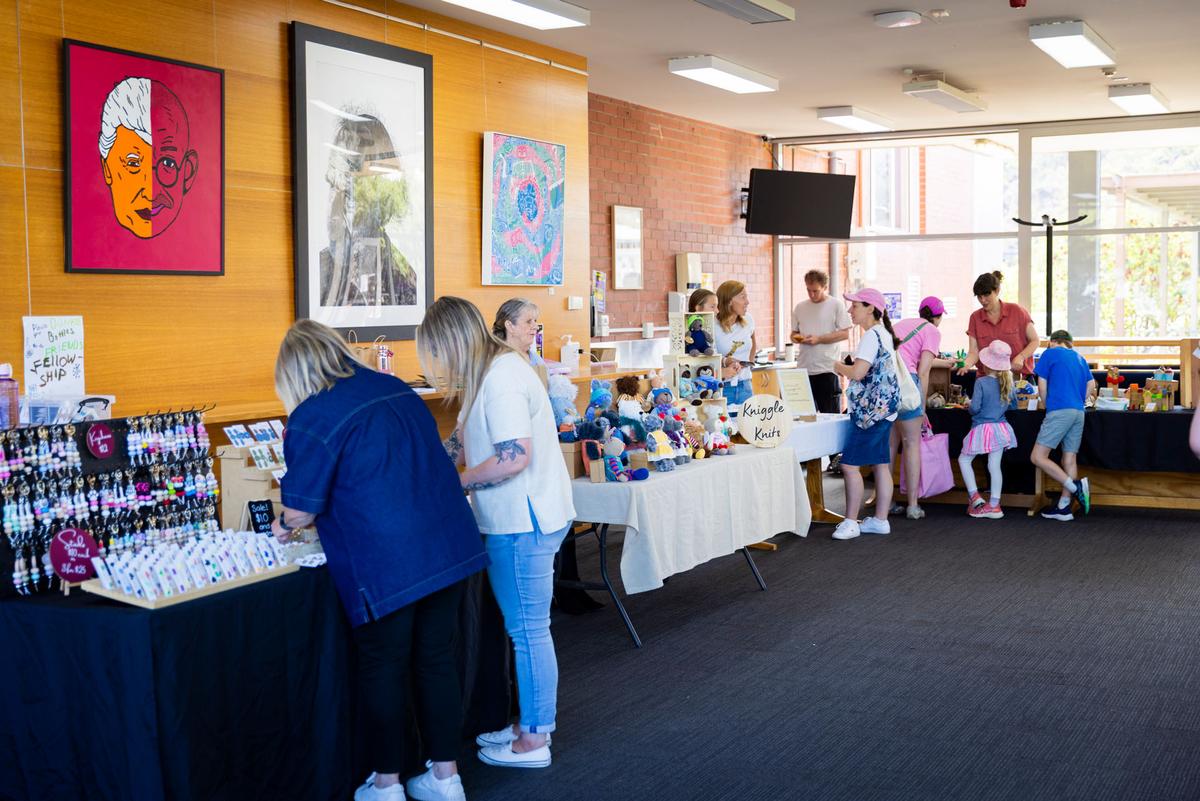
Our School Fair on 21 March was a memorable day that reflected the strength and generosity of our community. It was a joy to see our students so actively involved and our wider community coming together to enjoy the stalls, activities and the vibrant atmosphere.
A heartfelt thank you to our Fair Committee, Parent Year Group Representatives, Community Engagement Team, and the many staff and volunteers whose time and effort made the day such a success.
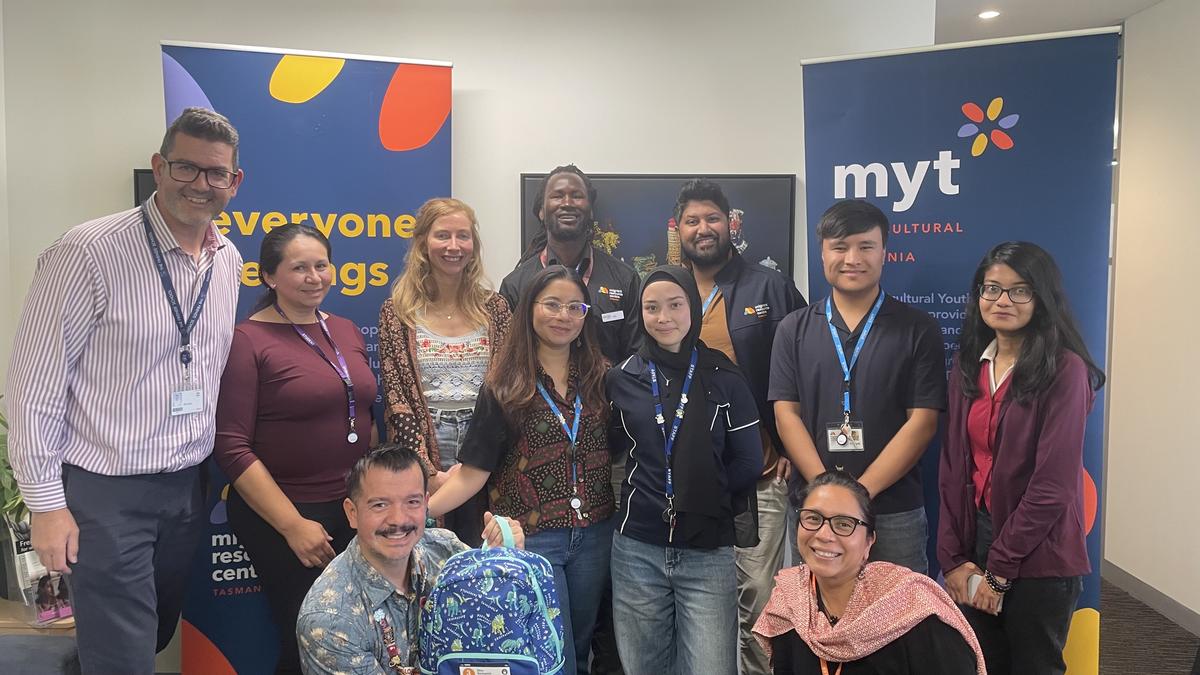
We are delighted to share that, through this incredible collective effort, $12,000 was raised for the Migrant Resource Centre Tasmania. These funds will directly support the Humanitarian Settlement Program, assisting newly arrived families as they settle into life in Tasmania, including the provision of essential ‘ready for school’ resources for children from refugee backgrounds.
Thank you to everyone who contributed, attended and supported such a meaningful cause - your generosity will make a genuine and lasting difference.




Enrolments for 2027 and Beyond
With enrolments at The Friends’ School remaining strong, we encourage families to plan ahead for their child’s educational journey with us.
Each year, we see increasing interest in places across multiple Year levels, reflecting the strength of our learning environment and community.
If you are considering enrolling your child - whether for 2027, 2028 or further ahead - we recommend submitting an application or making an enquiry as soon as possible. Early engagement allows us to guide you through the process, discuss availability, and ensure your child is well positioned for entry at the appropriate time.
We look forward to welcoming new families into our community and supporting you through this important decision.
Enrolment Tours
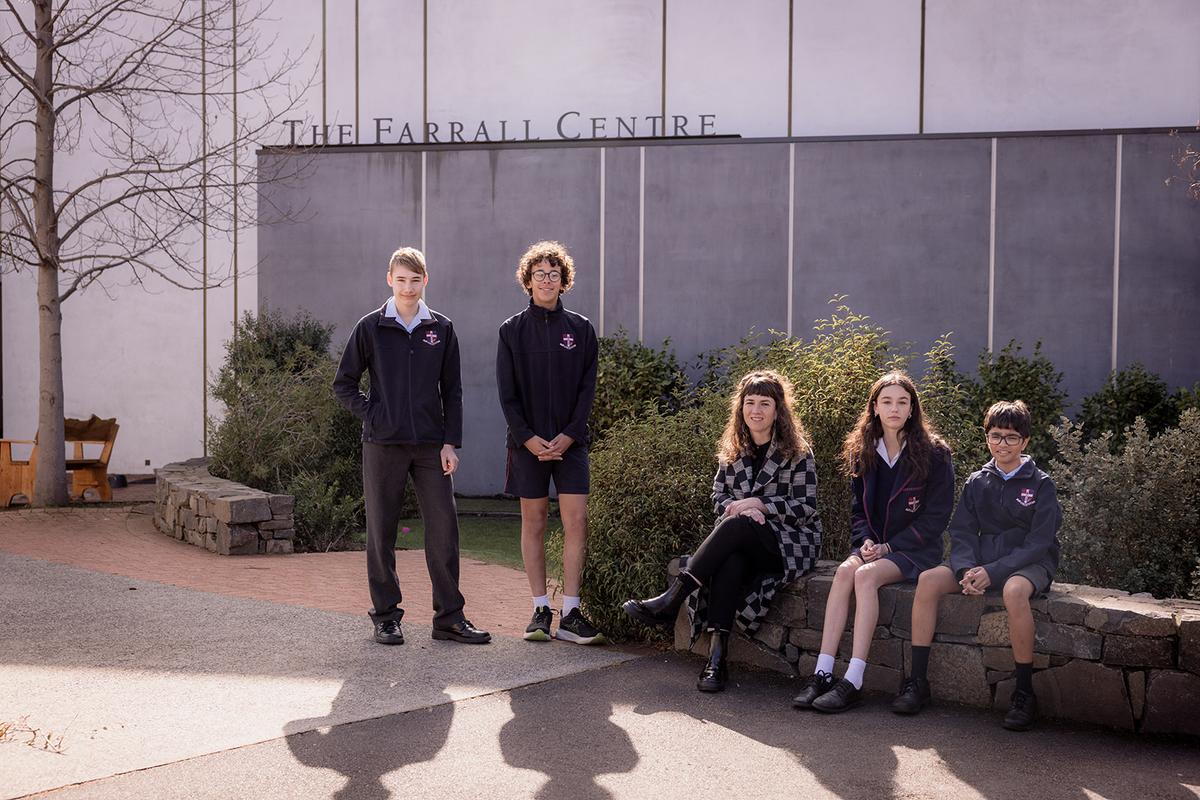
Our experienced staff are delighted to provide individual, personalised family tours, along with group tours of the School campuses. These tours are a wonderful opportunity to gain a sense of the community, environment, culture and opportunities that The Friends’ School offers.
Information and bookings can be made via the School website.
You can also view our virtual tour of the campuses and facilities via the following link.
Impact of Giving 2025
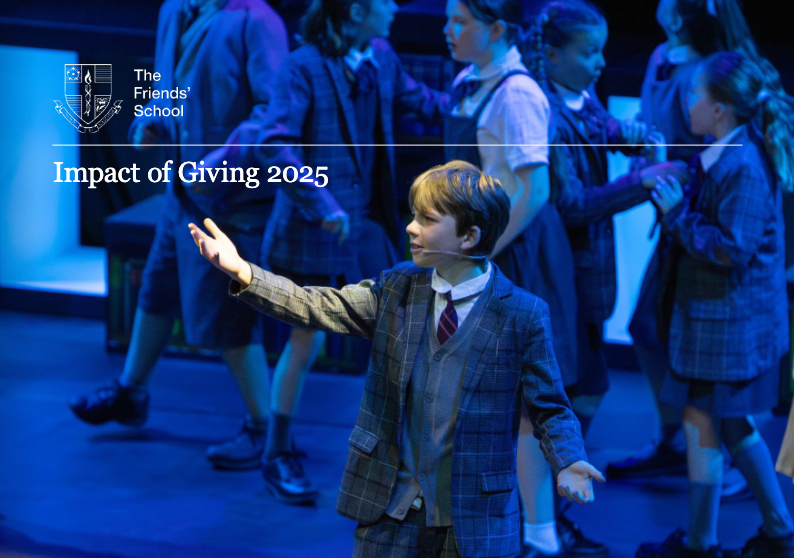
The 2025 edition of Impact of Giving is now available, highlighting the generous contributions from our community and the positive impact these have on Friends’ students. In support of the School’s Earthcare testimony, this publication has been shared in digital format via email and is also available on the School website.
If you would like a printed copy, we have a limited number available - please call Jenny Mitchell on 03 6210 2200.
Annual Giving Launches in May 2026
With record numbers of displaced children worldwide experiencing interrupted education and social exclusion, this year’s Annual Giving program will focus on raising funds for a needs-based scholarship for a refugee or newly arrived migrant student.
Please look out for further details and opportunities to give in May, and ensure you update your details to stay informed.
Annual Giving Paper Donation Slips No Longer in Use
As it is no longer best practice, or compliant, to send paper donation slips with credit card details through the post, the School can no longer offer this option during Annual Giving.
Instead, there will be options to donate via credit card through the School’s secure online form or by credit card over the phone.
If you have previously used paper donation slips and have any questions about this change, please contact Lucy Loney or Jenny Mitchell in the Development Office on 03 6210 2200.
Alumni Updates
A special reunion took place over the summer at the Friends’ rowing sheds, where the Class of 2014 Australian U17 Schoolgirls Eight crew returned for a friendly row (and much laughter) with former coaches Glenn Hay and Greg Hill.
Lucy Loney (Ogilvie, 1988), Development Manager at The Friends’ School, has shared insights into her creative past as a classically trained cellist and production company founder in a recent interview.
Olympian Meaghan Volker (2008) (2016 Rio Games) reflects on her rowing journey and how she has applied that same drive in the construction industry.
Congratulations to alumnus Satwant Calais (1971) on receiving the Medal of the Order of Australia (OAM) for his outstanding service to the Sikh community.
Cyclist Felicity “Fliss” Wilson-Haffenden (2023) earlier this year won the women’s elite individual time trial at the 2026 Australian National Championships in Perth, while Baxter Norton (2017) was selected for the VFL Tassie Devils in its first match since returning to the League at North Hobart.
Reunions
50+ Reunion
What better way to start 2026 than with our annual 50+ Alumni Reunion? This year’s event was held in the impressive Ricky Ponting Room at Ninja Stadium, where 150 guests representing the graduating classes of 1947–1975 travelled from across the country to gather for a wonderful lunch filled with laughter, nostalgia and cherished memories.
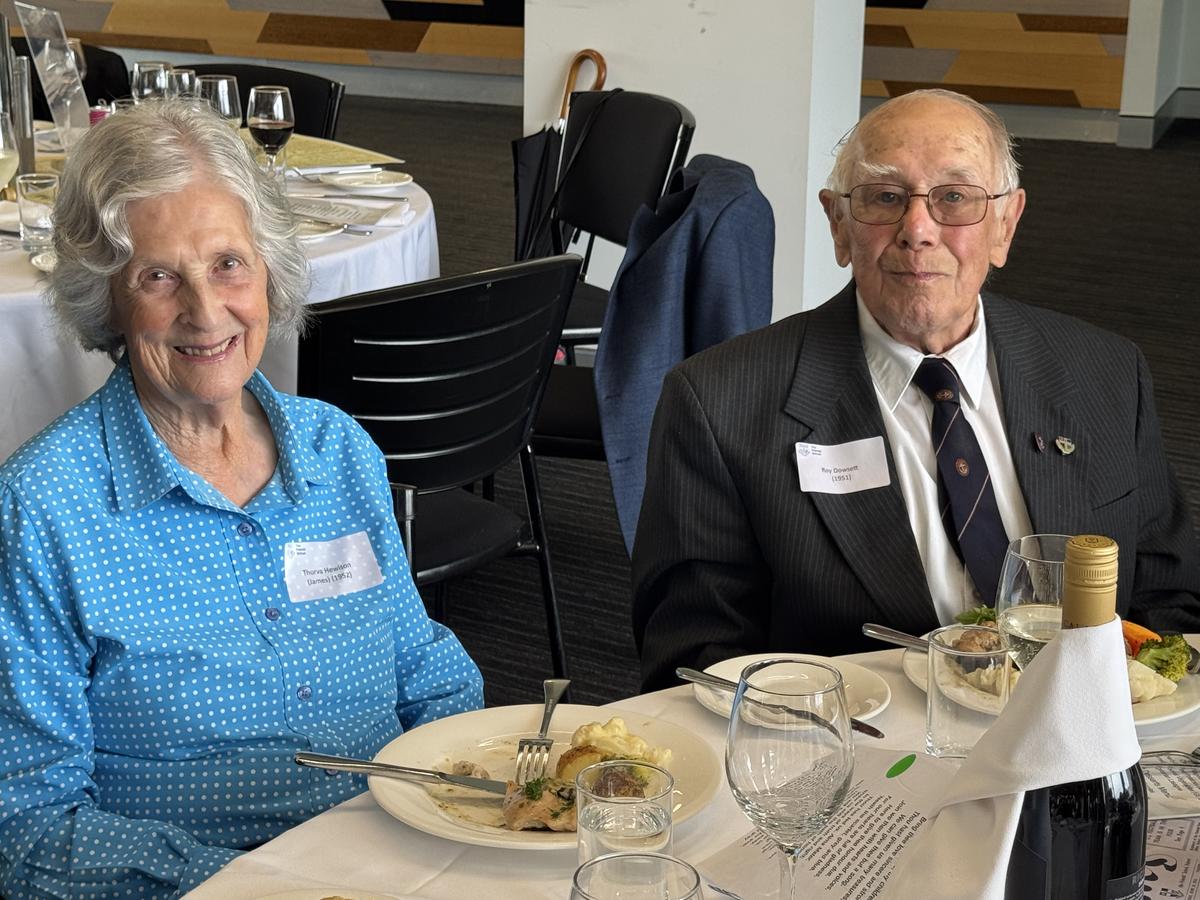

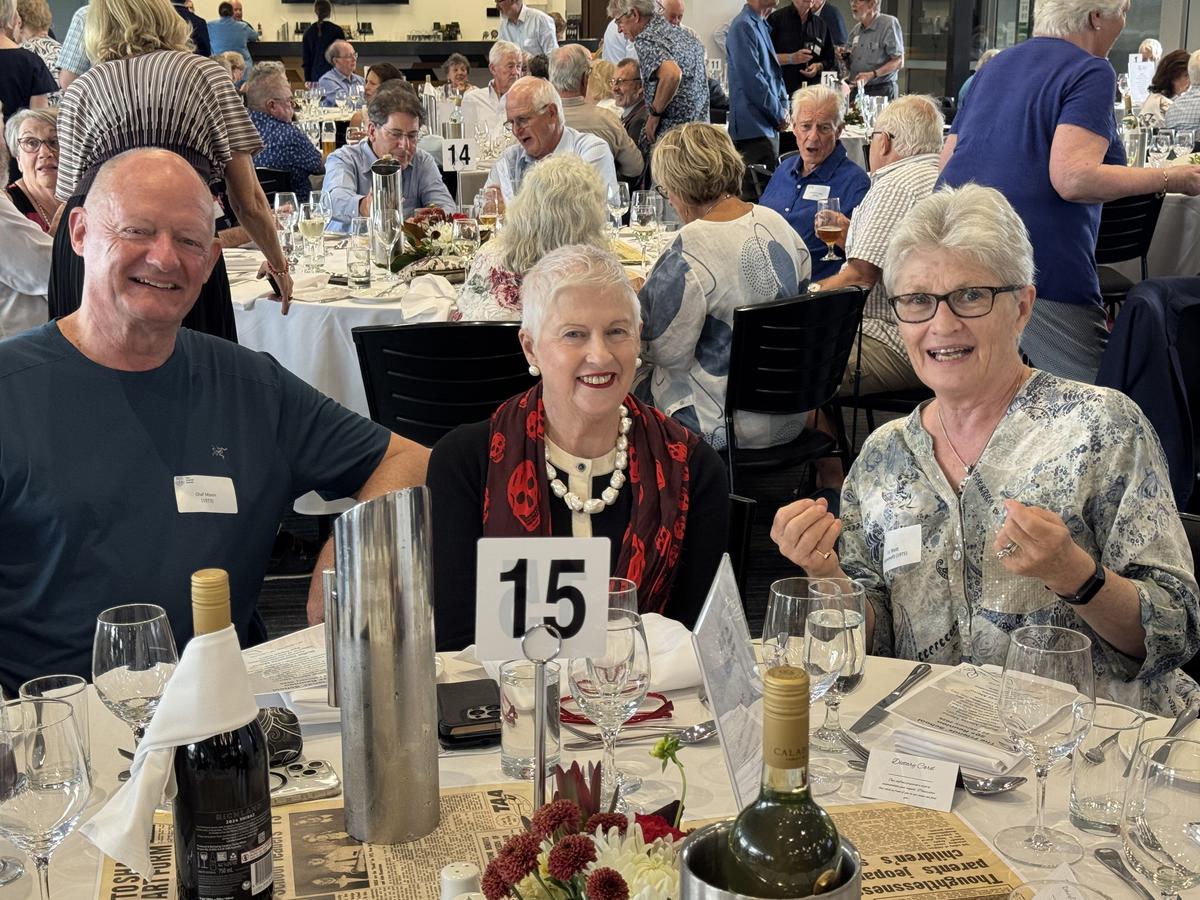

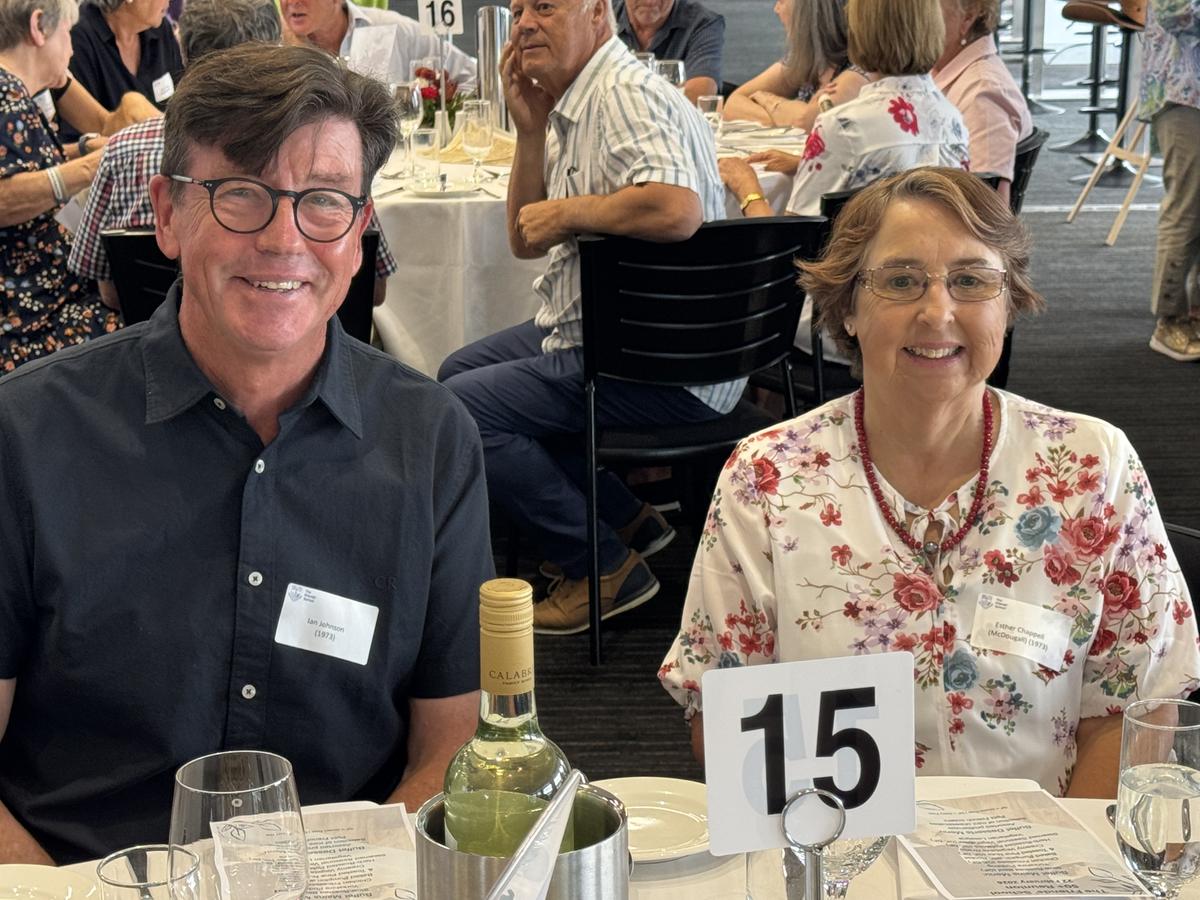
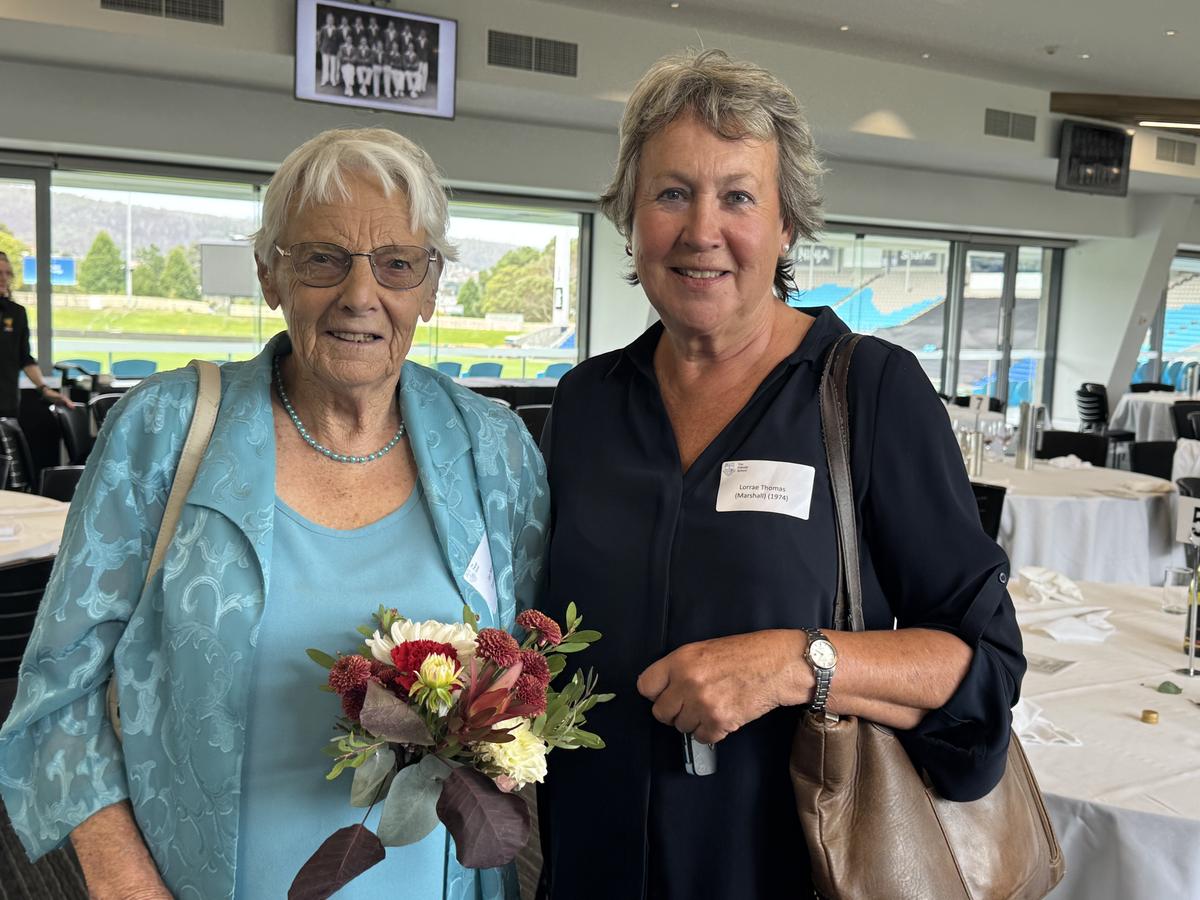
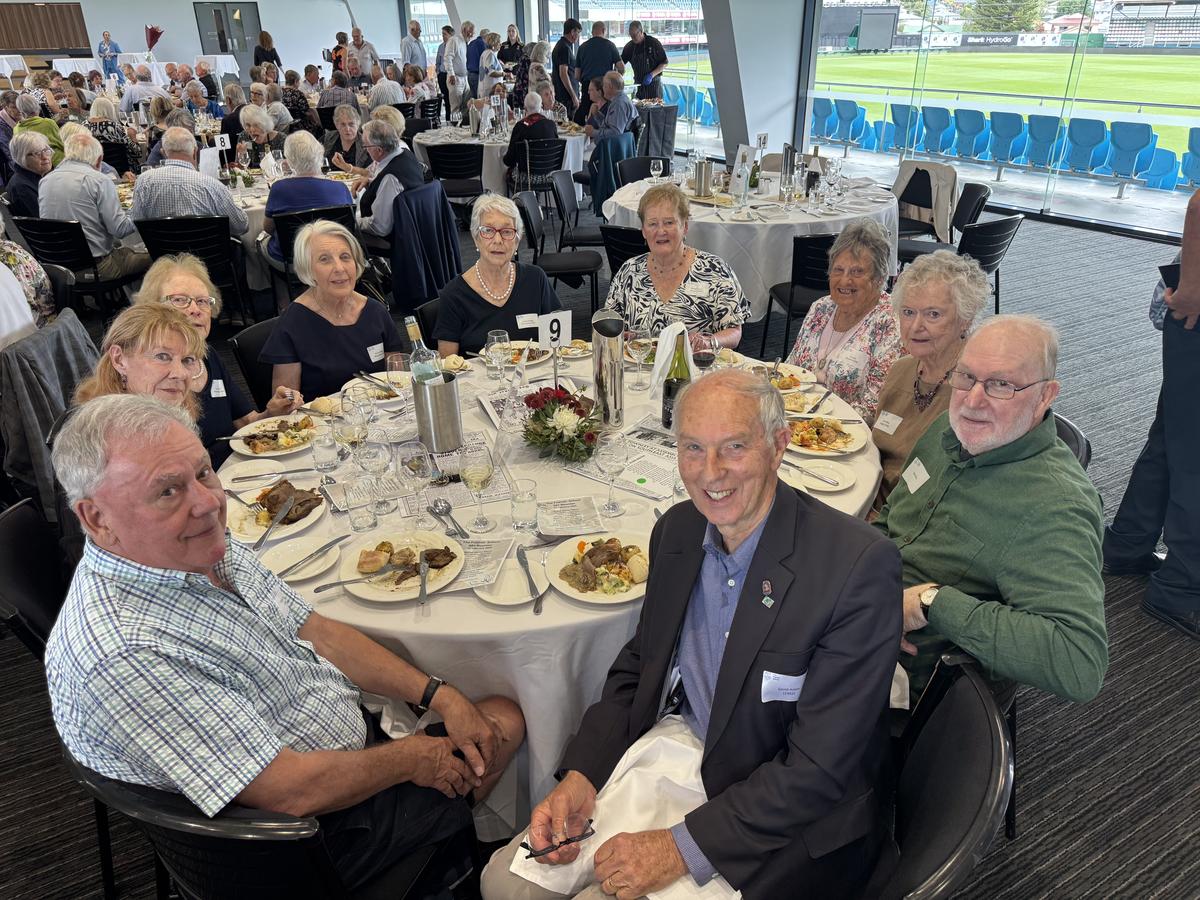
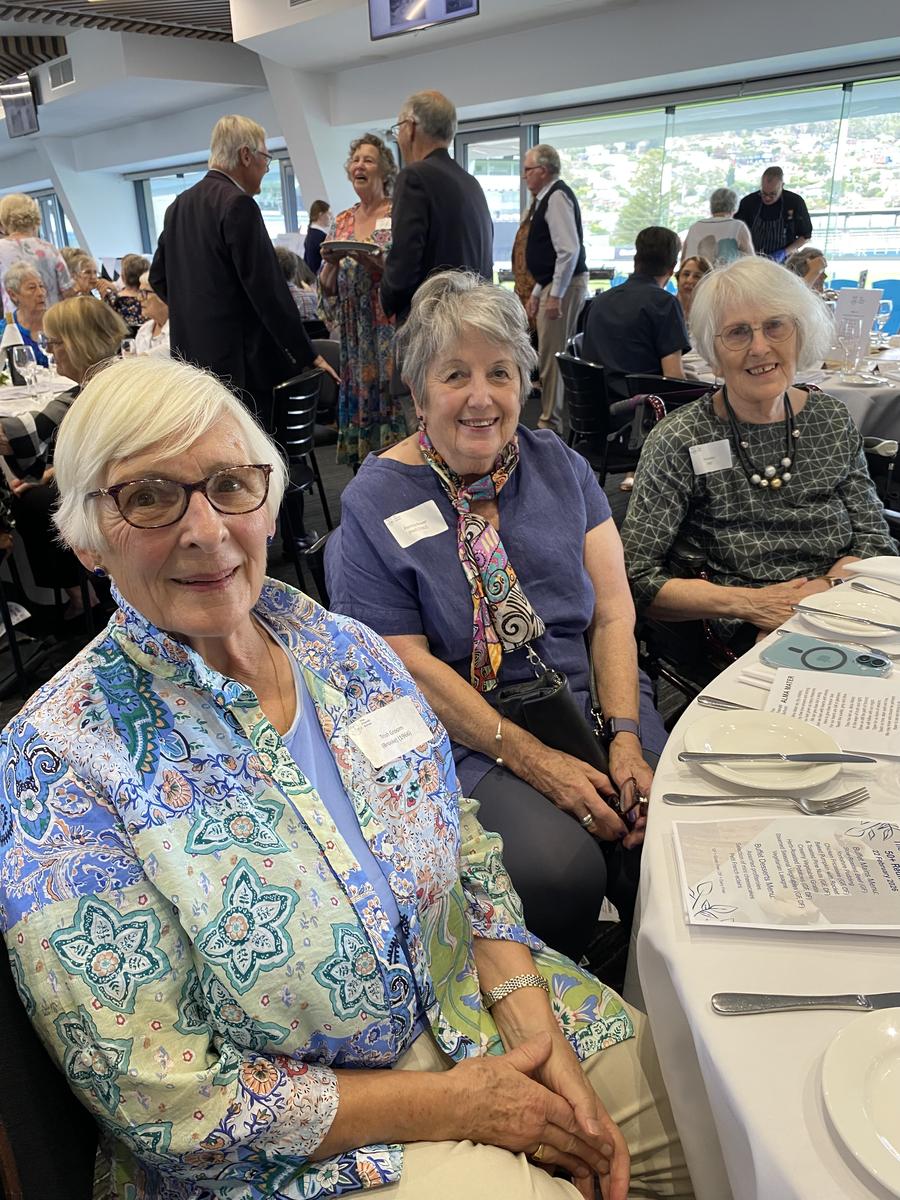
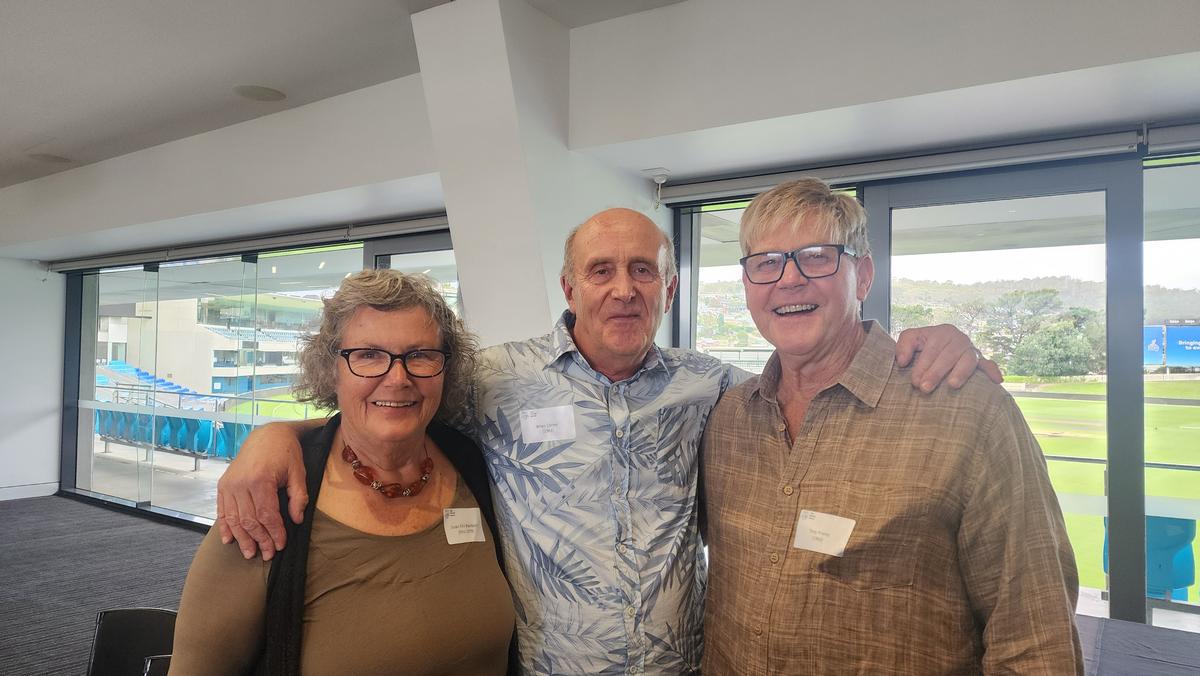
The School looks forward to another full year of reunions, with the Classes of 1986 and 1996 gathering in May, followed by the Class of 1976 in June. Tickets are available via the links below:
- Class of 1996, 30 Year Reunion: Saturday 23 May, Boodle Beasley https://www.trybooking.com/DKEVQ
- Class of 1986, 40 Year Reunion: Saturday 23 May, Boodle Beasley https://www.trybooking.com/DKDZB
- Class of 1976, 50 Year Reunion: Saturday 13 June, The Royal Yacht Club of Tasmania https://www.trybooking.com/DKBHF
If you were part of the following classes and would like to be notified about your reunion in 2026, please visit our website to update your details and avoid missing out:
- Class of 2006, 20 Year Reunion: Saturday 5 September, Boodle Beasley
- Class of 2016, 10 Year Reunion: Saturday 5 September, Boodle Beasley
- Class of 2021, 5 Year Reunion: Saturday 28 November, Boodle Beasley
- Class of 2025, 1 Year Reunion: Sunday 20 December, Boodle Beasley
If you would like to assist with your reunion, please email Jenny Mitchell.

Bill Avery - Director of Community Engagement