
Learning About Learning:
Youtube Ai Slop Is A Generational Threat To Child Safety:
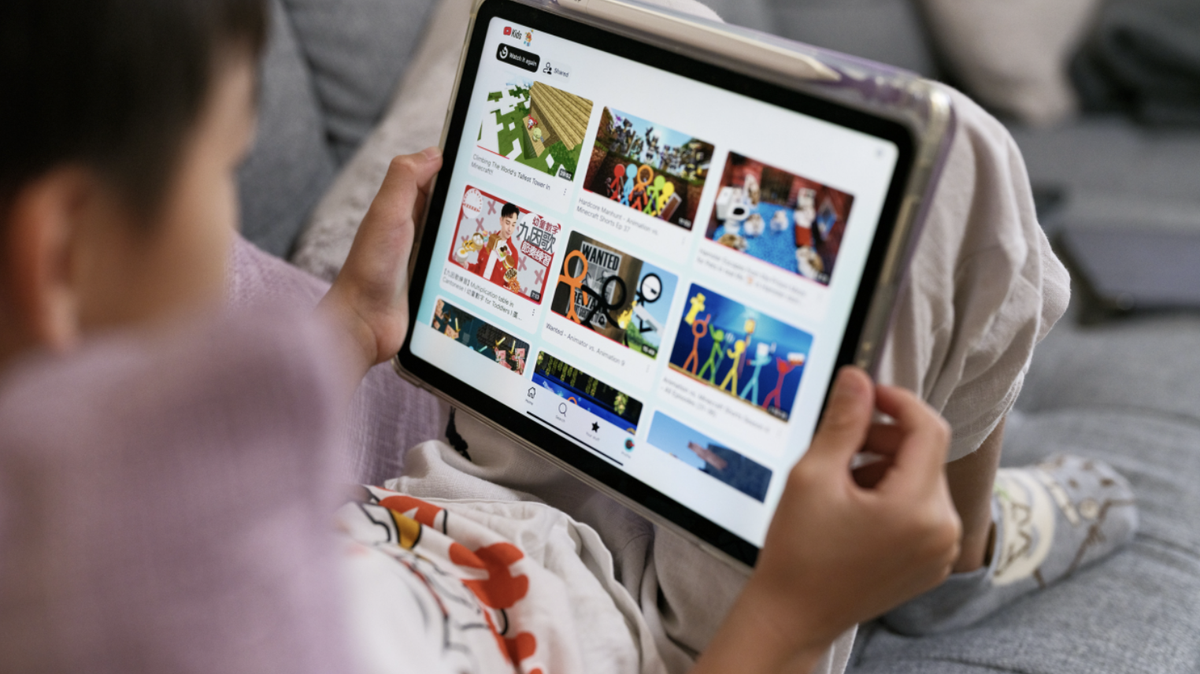
One of the biggest changes happening online right now is something many parents may not even realise is already appearing in their children’s feeds.
It is called “AI slop.”
The name sounds strange, but it describes a real and growing issue: huge amounts of low-quality videos, images, songs, and stories being generated by artificial intelligence and pushed onto platforms like YouTube, TikTok, and social media.
Recently, child development experts, educators, psychologists, and advocacy groups warned that large amounts of AI-generated content are now reaching children through YouTube and YouTube Kids. Their concern is the type of content being produced and the way algorithms push it toward young viewers.
Many of these videos are designed to grab attention rather than genuinely educate or enrich children. They are often bright, fast-moving, repetitive, noisy, emotionally exaggerated, and sometimes deeply strange or misleading. Some mimic trusted educational styles or familiar cartoon characters, but contain nonsensical storylines, incorrect information, distorted images, or inappropriate themes.
Researchers have been warning for years that children can accidentally encounter unsafe or disturbing content online, especially when recommendation algorithms prioritise engagement over quality.
For younger children, especially, this matters.
Children’s brains are still developing the ability to filter, evaluate, and critically interpret what they see. Young children often assume that if something appears on a screen, it must be true, safe, or important. AI-generated content can blur those boundaries even further.
Some experts argue that excessive exposure to this kind of content may:
* shorten attention spans
* reduce deep thinking and imagination
* replace healthy boredom and creative play
* increase emotional dysregulation* distort understanding of the real world
* crowd out important activities like sleep, movement, conversation, reading, and social interaction
As parents, this can feel overwhelming. Technology is moving incredibly quickly, and many of us grew up in a very different world.
But there is good news.
Children do not need perfect parents. They need present parents.
The goal is not to panic or throw all devices away. Technology can still be useful, creative, educational, and inspiring when used thoughtfully. AI itself is not “bad.” In fact, it will become an important part of the future our children grow up in.
What matters is helping children learn balance, discernment, and healthy habits.
At Western Heights, we continue to believe strongly in protecting childhood while also preparing children for the future. That means:
* encouraging real-world play and movement
* prioritising relationships and conversation
* teaching critical thinking and discernment
* balancing digital learning with hands-on experiences
* helping children become creators, not just consumers
* supporting whānau to navigate this changing world together
There are some simple things parents can do that make a significant difference:
1. Watch with your child sometimes
Sit beside them occasionally and ask:
* “What are you watching?”
* “Why do you like this?”
* “Does this seem real or fake?”
* “How does this make you feel?”
Those conversations build discernment far more effectively than lectures.
2. Protect boredom
Boredom is not failure. It is often the beginning of imagination, creativity, problem-solving, and resilience.
Children do not need constant stimulation.
3. Prioritise balance
A healthy childhood still needs:
* sleep
* outdoor play
* books
* laughter
* chores
* friendships
* family meals
* movement
* unstructured time
No app or algorithm can replace these things.
4. Be cautious with autoplay and endless scrolling
Many platforms are specifically designed to keep children watching longer. Turning off autoplay or setting clearer limits can help children regain control over their viewing habits.
5. Teach children that not everything online is true
One of the most important skills of the AI age will be discernment.
Children will need to ask:
* Is this real?
* Is this trustworthy?
* Is this trying to manipulate me?
* Does this help me grow?
Those are life skills now.
Our children still need the same things children have always needed most:
love, boundaries, belonging, challenge, conversation, wonder, and time with people who care deeply about them.
That remains something no algorithm can replace.