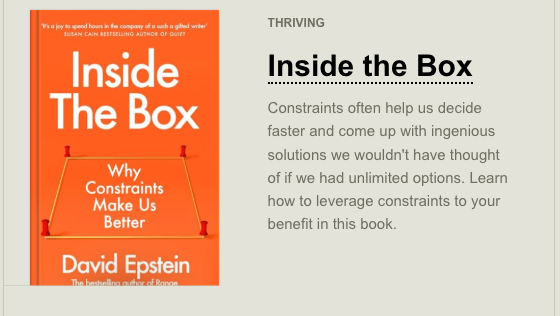
Teaching & Learning Page:

Web Pages:
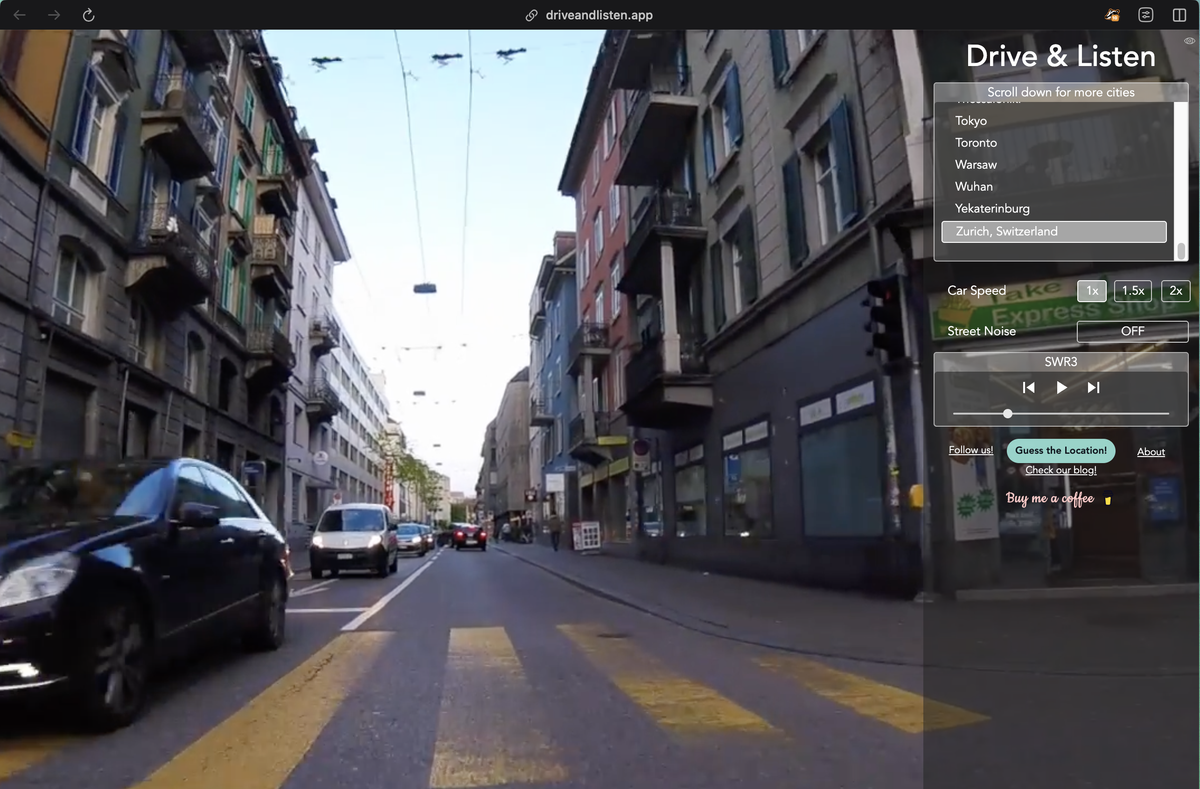
Drive and Listen is a popular virtual travel platform that combines dashboard camera footage from over 100 cities worldwide with live local radio stations. It allows users to simulate road trips around the globe from the comfort of their homes.

https://kids.nationalgeographic.com
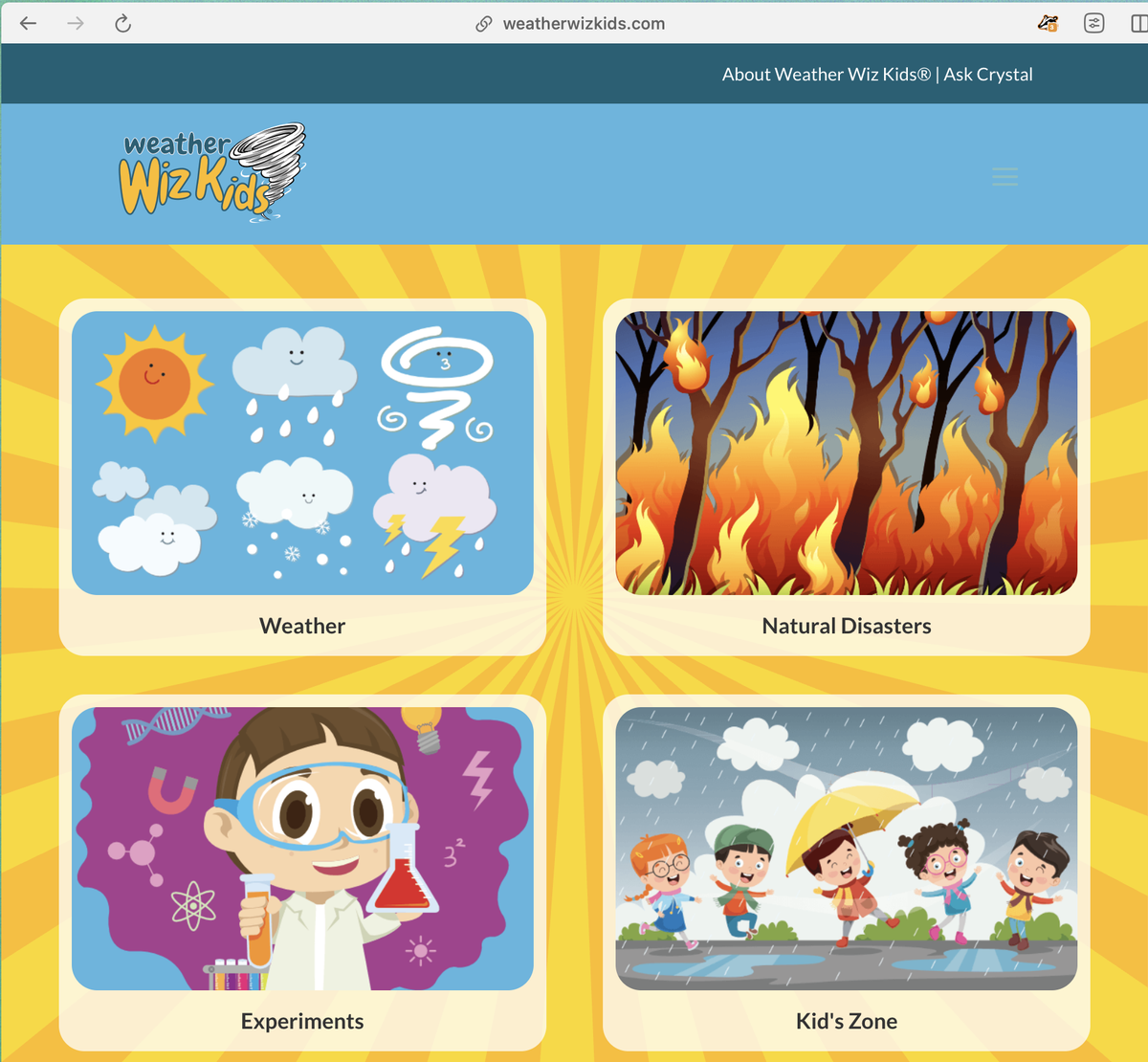
https://www.weatherwizkids.com
Techie Tips:
Sketches:
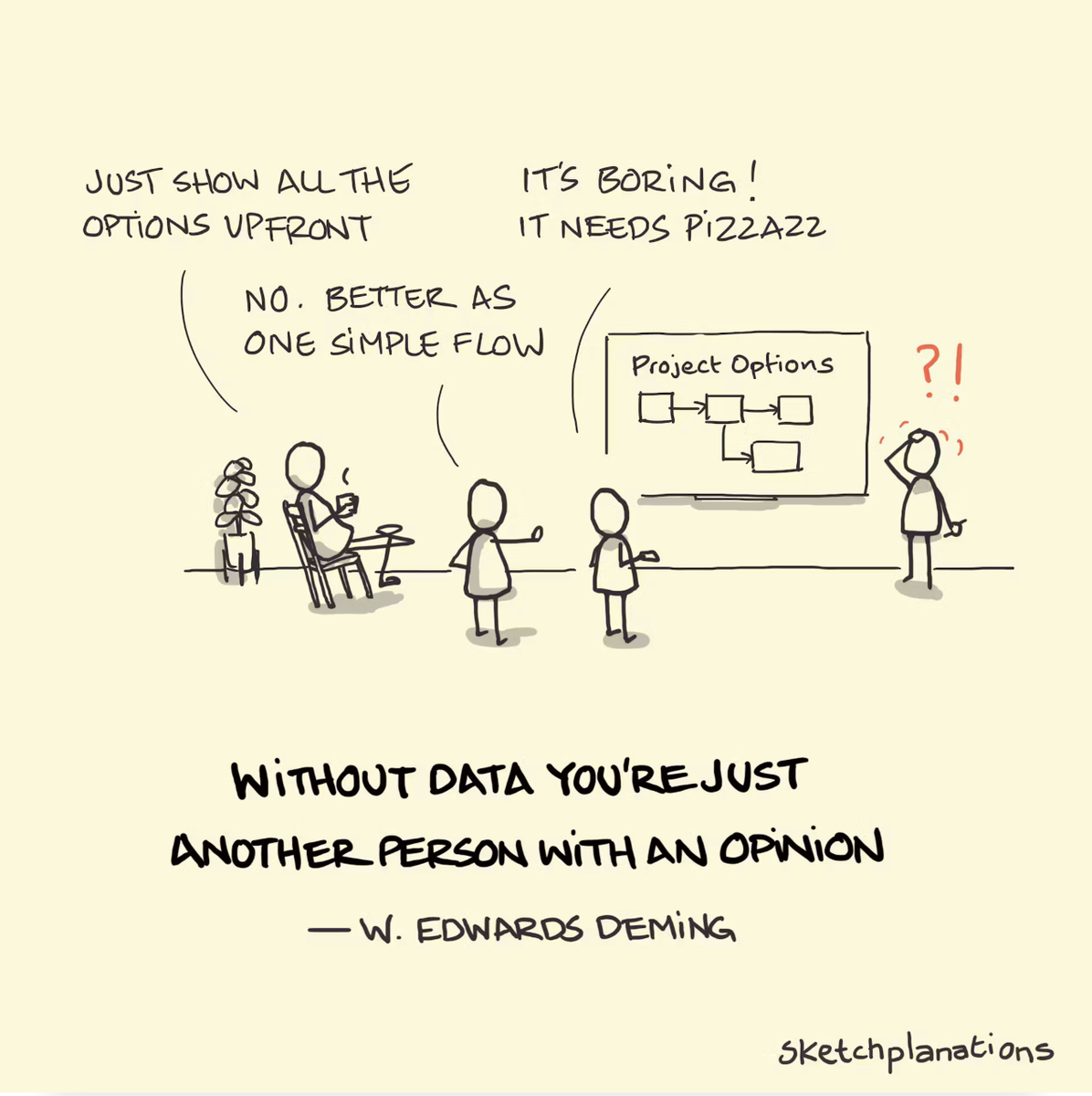
Without Data, You're Just Another Person With An Opinion
Data avoids arguments.
So does the willingness to seek out data. If none of us has data to share, then we can't help but bring our own personal biases, preferences, and opinions to the table — anyone might be right, but who's to say (often the HiPPO: the Highest Paid Person's Opinion)?
It's why I love this quote from W. Edwards Deming:
"Without data, you're just another person with an opinion."
Perhaps you've been in a car with several backseat drivers who all seem to know better than the driver. Or maybe you've been part of a review for a new initiative where everyone has their own views of what will make it succeed. Or a discussion on what's driving some unexpected behaviour. We can't know who's right until we bring some data. It's amazing how even a little data can avoid an "I'm right, you're wrong" situation.
And where there isn't data, framing a discussion around how to quickly gather data or experiment to determine which approach may be best often focuses a team, removing ego and opinions.
After all, as Jim Barksdale, former Netscape CEO, said:
"If we have data, let's look at data. If all we have are opinions, let's go with mine."
You Get What You Measure:
The instrument you use to measure affects what you see.
“For example, in school it is easy to measure training and hard to measure education, and hence you tend to see on final exams an emphasis on the training part and a great neglect of the education part.”—Richard Hamming
Article:
Designing AI-Resistant Writing: Moving Beyond "Lock It and Block It"
In a newsletter and podcast feature, educational professor and author Dr John Spencer tackles the polarising debate surrounding student writing and Artificial Intelligence. He notes that schools often get trapped in a false binary: either accelerating toward a "techno-futurism" model where AI drives the entire writing process, or reverting to a strict "lock it and block it" zero-tech ban.
Instead, Spencer advocates for a balanced, blended approach that utilises a sliding continuum of AI response options tailored to specific learning goals.
The AI Response Continuum
Depending on the objective of your lesson, Spencer outlines four strategic frameworks for navigating generative AI in the classroom:
• AI-Resistant: Zero use of AI tools by students, consciously focusing on human-only cognitive work.
• AI-Assisted: Students do not use AI tools, but teachers utilise AI behind the scenes to differentiate instruction.
• AI-Integrated: The specific learning outcomes drive intentional AI usage at both the student and teacher levels.
• AI-Driven: Educators fundamentally re-imagine the entire learning ecosystem to adapt to a world of machine learning.
Why Design "AI-Resistant" Tasks?
While there is a place for technology integration, intentionally designing AI-resistant writing remains a vital pedagogical tool. Spencer highlights that the true value of this approach extends far beyond policing plagiarism.
• Combating Predictable Content:
AI has made writing faster and easier, but it pushes output toward the generic and predictable. It frequently produces polished text that looks correct on the surface but lacks depth, a unique voice, and genuine thought.
• Elevating the Human Element:
The ultimate goal of AI-resistant writing is to protect human-centred communication so that student work stands out in stark contrast to automated "AI slop".
• Writing as a Tool for Learning:
Writing is not just a means of communicating what a student has already learned; it is a critical vehicle for learning through the process of writing itself.
The Bottom Line for Teachers
Instead of playing defence and focusing entirely on how to catch students using AI, we'd better spend our instructional energy on proactive design. By purposefully structuring our prompts and checkpoints before, during, and after the writing process, we can build assignments that inherently demand authentic, uniquely human thinking.
Book Recommendation: