Principal's Page

Kia Ora Friends
Helping Our Children Grow Up Well in an AI World
Artificial Intelligence, or AI, is already part of the world our children are growing up in. Tools like ChatGPT, Gemini, and other AI systems can answer questions, write text, create images, explain ideas, and help solve problems.
For many parents, this brings understandable questions.
Will AI help my child learn?
Could it stop them from thinking for themselves?
Should primary school children be using it?
How do we prepare them for a future that is changing so quickly?
At WHS, we believe the real issue is not whether children can use AI. Most children will learn new tools quickly.
The deeper question is:
What kind of thinking, character and judgement are they developing while using them?
Thinking first, tools second
AI can be useful, but it must not replace the hard thinking children need to do for themselves.
Children still need to learn how to read carefully, write clearly, solve problems, listen well, ask good questions, work with others, manage frustration, and keep trying when something feels difficult.
These are not old-fashioned skills. They are future-ready skills.
If a child uses AI to avoid thinking, they may get an answer quickly but miss out on learning. If they use AI after they have already had a go, wondered, questioned, drafted, tested or created something, then AI can become a useful support.
A simple way to say this is:
Build first. Use AI second.
For example, if a child is writing a story, the important work is imagining the character, choosing the words, shaping the ideas and improving the writing. AI should not do that for them. It might help later by giving feedback, offering questions, or helping them think about how to improve.
The learning belongs to the child. Struggle is part of learning:
One of the most important things we can protect for children is the chance to struggle in healthy, manageable ways.
When children sit with a tricky maths problem, rewrite a sentence, sound out a word, practise a skill, negotiate with a friend, or try again after getting something wrong, their brains are doing the work that learning requires.
It can be tempting, as adults, to remove the struggle. AI makes this even easier. A child can get a quick answer without going through the thinking process.
But the struggle is not the enemy of learning. Often, it is the pathway.
At WHS, we want children to know that effort, mistakes, persistence and reflection are normal parts of learning. We want them to develop confidence and say, “This is hard, but I can have a go.”
That attitude matters far beyond school and is a key skill for life.
Relationships still matter most
AI can respond instantly. It can sound friendly. It can explain things in different ways. But it is not a parent, teacher, friend, coach, grandparent, cousin, classmate or trusted adult.
Children need real relationships. They need people who know them, care about them, challenge them, laugh with them, notice when something is wrong, and help them grow.
This is one reason we continue to place such importance on school culture, belonging, kindness, teamwork, play, outdoor learning, the arts, sport, music, te reo Māori, classroom discussion and learning together.
Our children are not just preparing for a digital future. They are preparing for a human future.
Our focus is on children becoming good and wise users of technology.
More importantly, we want them to become:
* curious thinkers
* clear communicators
* kind friends
* careful questioners
* creative problem-solvers
* resilient learners
* young people who know when technology helps, and when it gets in the way
What can parents do at home?
You do not need to be an AI expert to help your child. The most useful things are simple.
Talk with your child about how they use technology. Ask what they use it for. Ask what helps them learn and what distracts them. Keep devices out of bedrooms at night where possible. Encourage reading, conversation, outdoor play, hobbies, sport, music, creativity and time with real people.
Most importantly, encourage your child to have a go before reaching for help.
A good question to ask is:
“What have you tried already?”
That one question helps children build independence, confidence, and thinking skills.
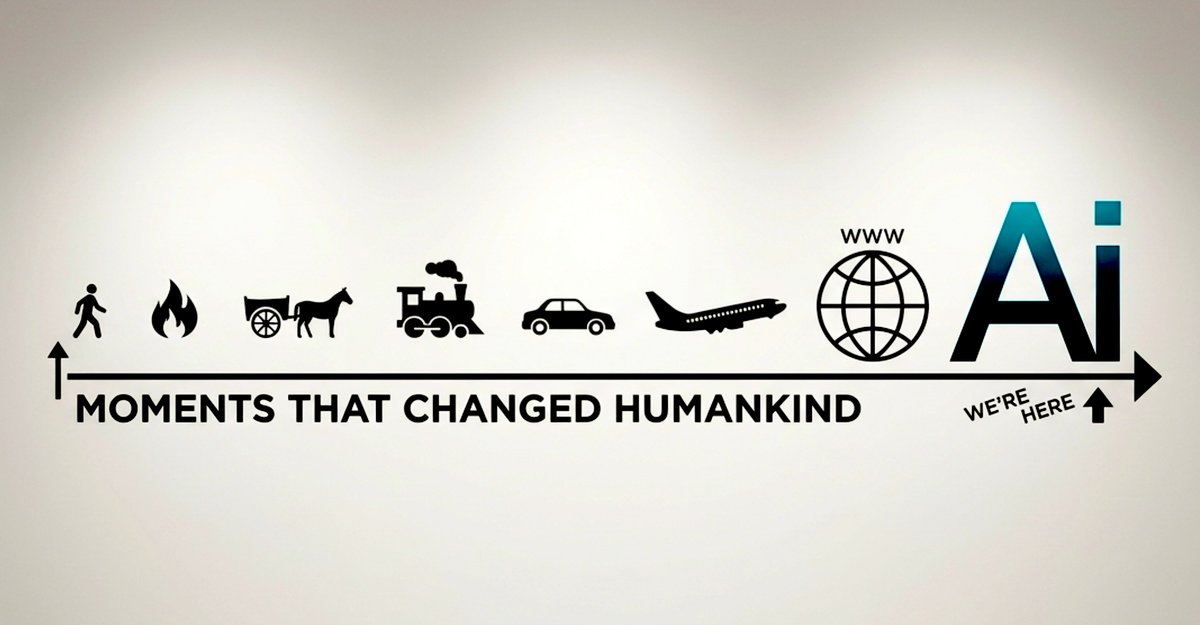
AI will keep changing. The tools will come and go. But the deeper skills our children need will remain: aroha, ako and arataki. Love, learning and leadership.
This is where our focus will stay.
Next Whānau Time - Friday 5 June:
The theme is Samoan Language Week, and we will start proceedings at around 9:40 am on our turf under our large outdoor canopy. Everyone welcome. You can also follow along with our Live Stream on our Facebook page if you are unable to be here at that time. https://www.facebook.com/westheights.school
If you want to catch up on previous Live Streams and other school event videos, you can visit our Western Heights YouTube channel here: Western Heights YouTube Channel.
There are 550 videos available to view, with more to come soon. It's a cool way to take a trip back through time, too.
Heads Up Reminder:
Teacher Only Day for Western Heights (and many Henderson schools) on Friday, 29 May. NO school for children that day.
For more information about what is happening that day, check out the page later in this newsletter.
As always, if you have questions or concerns about anything school-related, email me at macash@mac.com, and I will get back to you asap.
My very best regards to you all,
Ash Maindonald
Principal.