
Growing a Growth Mindset
Walking Together in Learning and Faith
At our College, we often talk with students about the difference between a fixed mindset and a growth mindset. You’ll find this along with 10 practical ways to develop a growth mindset, outlined in your child’s diary on pages 26 and 27. I encourage families to revisit these pages together as it will give us a shared language so that school and home can work in partnership.
The idea of growth mindset, developed by psychologist Carol Dweck, reminds us that our abilities are not set in stone. With effort, support, reflection, and perseverance, we can continue to grow — academically, socially, and spiritually.
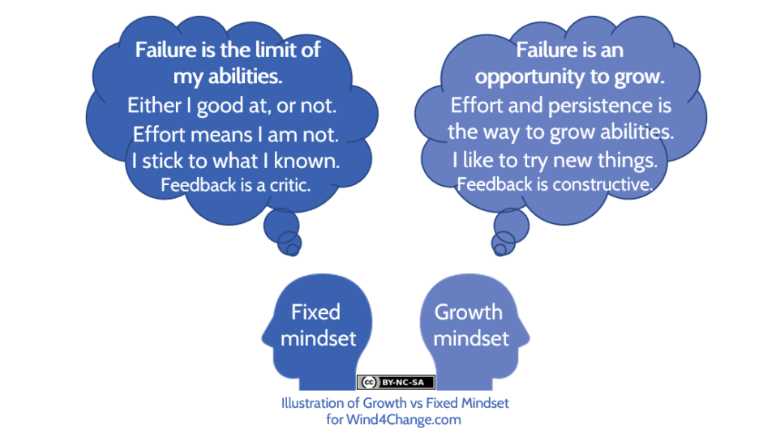
https://wind4change.com/growth-mindset-fixed-carol-dweck-definition-summary-theory/
In our Catholic context, this aligns beautifully with our belief that each young person is created with gifts that can be nurtured over time. A Growth mindset invites students to see challenges not as failures, but as opportunities to learn, to show courage, and to trust in the journey God is leading them on.
Why it matters for our young people
When students develop a growth mindset, we often see them:
Try again after setbacks instead of giving up
Use feedback as a tool for improvement
Take positive risks in their learning and relationships
Build resilience during difficult moments
Grow in confidence and self-belief
These are qualities that help students flourish not only in their studies, but also as compassionate and hopeful members of our community.
What it looks like for teenagers — real examples
Growth mindset shows up in everyday moments like:
After a tough test result, choosing to meet with a teacher and make a plan rather than feeling defeated
Navigating friendship challenges by reflecting and learning rather than withdrawing or reacting
Persisting through training or rehearsals in sport, music, or co-curricular activities
Saying, “I don’t understand this yet,” instead of “I’m just not good at it.”
Balancing the pressures of senior school by focusing on progress and wellbeing
These experiences help students develop resilience — a skill that will serve them well beyond school.
How families can support at home
Parents and carers play a powerful role in reinforcing this mindset. You might:
Praise effort, persistence, and strategies — not just outcomes
Talk openly about mistakes as part of learning
Ask reflective questions like, “What did you learn from that?” or “What might you try next time?”
Share your own experiences of challenge and growth
Remind young people that progress takes patience
Small, everyday conversations can shape how students see themselves and their potential.
Videos and resources to explore together
You might find these helpful for family discussions:
“Growth Mindset vs Fixed Mindset” by Khan Academy — a clear introduction for students
TED Talk: “The Power of Believing That You Can Improve” by Carol Dweck — a great overview of the research
Articles and parent resources from Mindset Works (Carol Dweck’s organisation) — practical strategies for home
These can spark meaningful conversations about effort, perseverance, and learning.
Continuing the conversation
Our hope is that every student comes to see themselves as a learner who can grow — supported by their teachers, their families, and their faith. By referring back to the diary pages and keeping this language alive, we can nurture young people who approach life with courage, humility, and hope.
Thank you for partnering with us as we walk alongside your child in their journey of growth.
Ms M Lim
Head of House-Premontre