
ZOOLOGY CENTRE
🐢 Turtle Conservation Comes to the Zoology Centre
On Friday 28 August, we had the privilege of welcoming Graham Stockfeld as a special guest speaker in Zoology.
Graham is the President of Turtles Australia and is actively involved in conserving turtle nesting sites across Victoria.
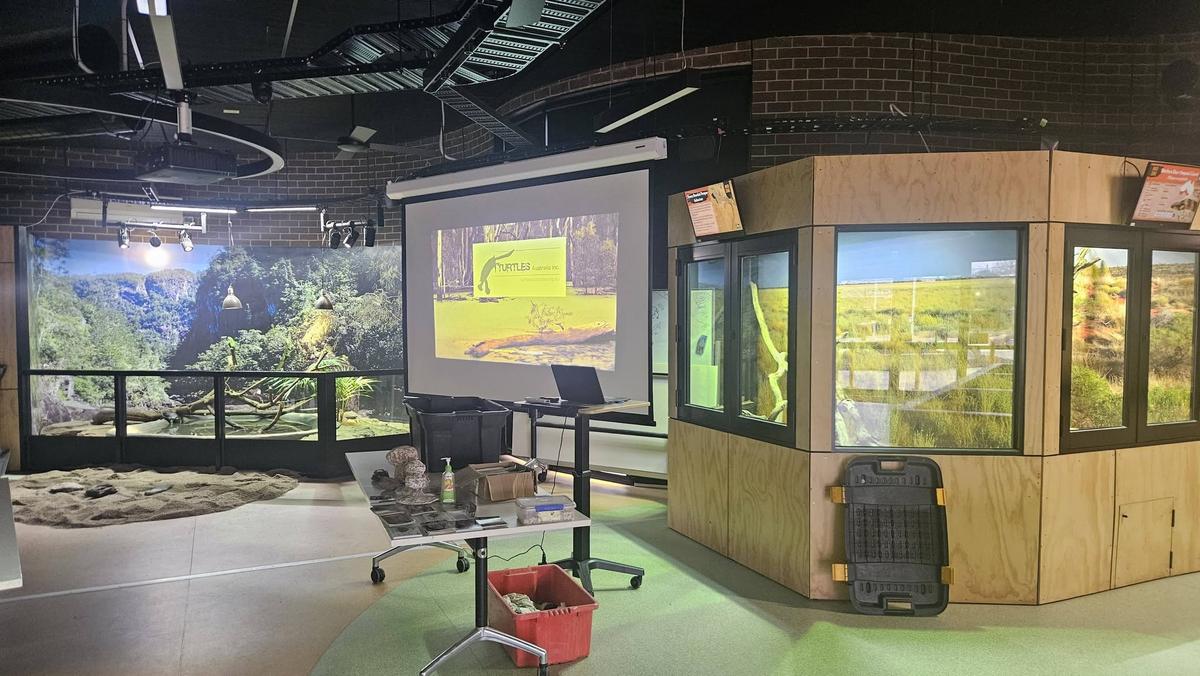
LHS Zoology Centre
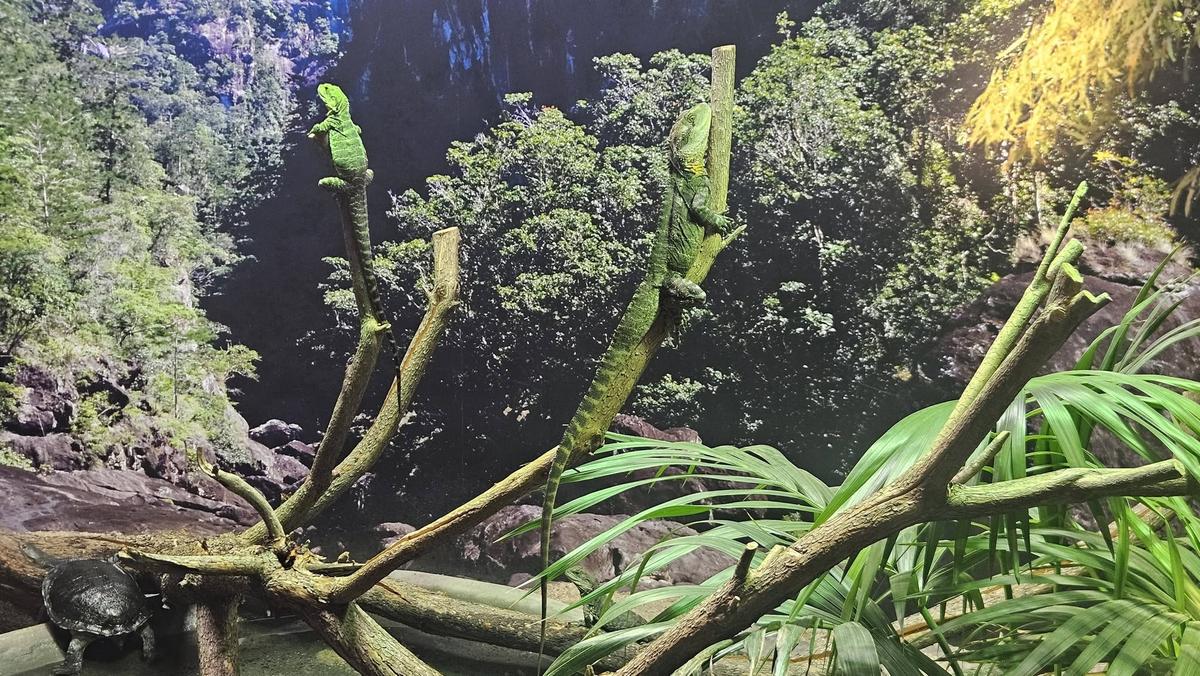
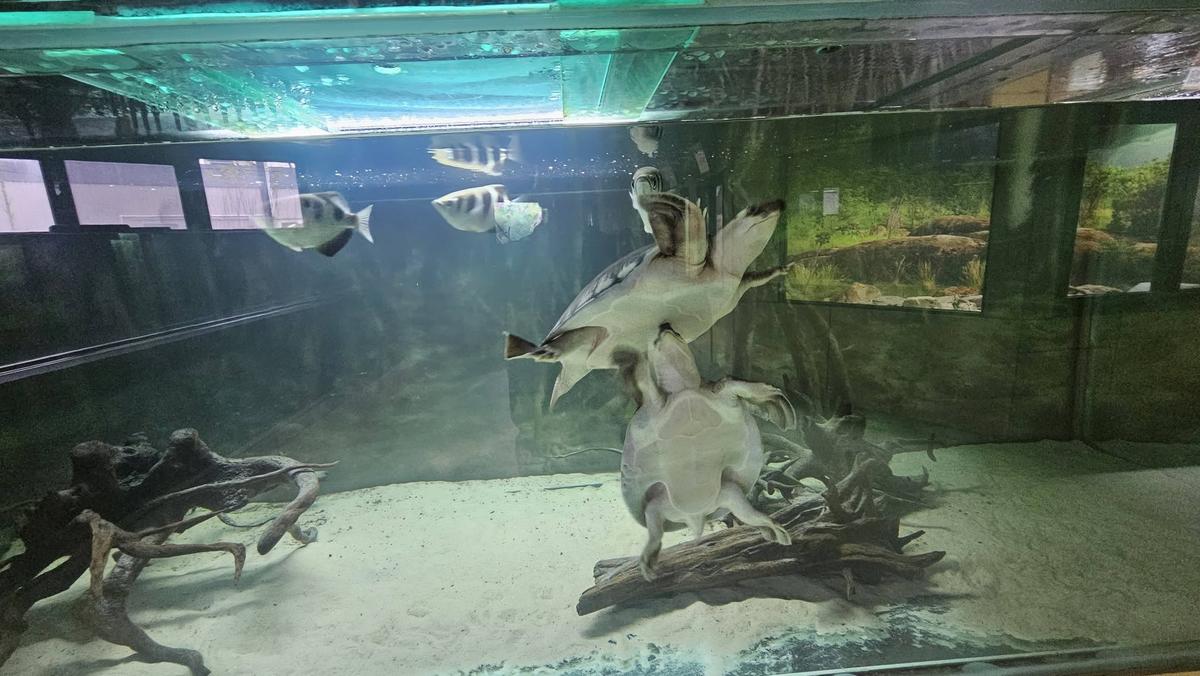
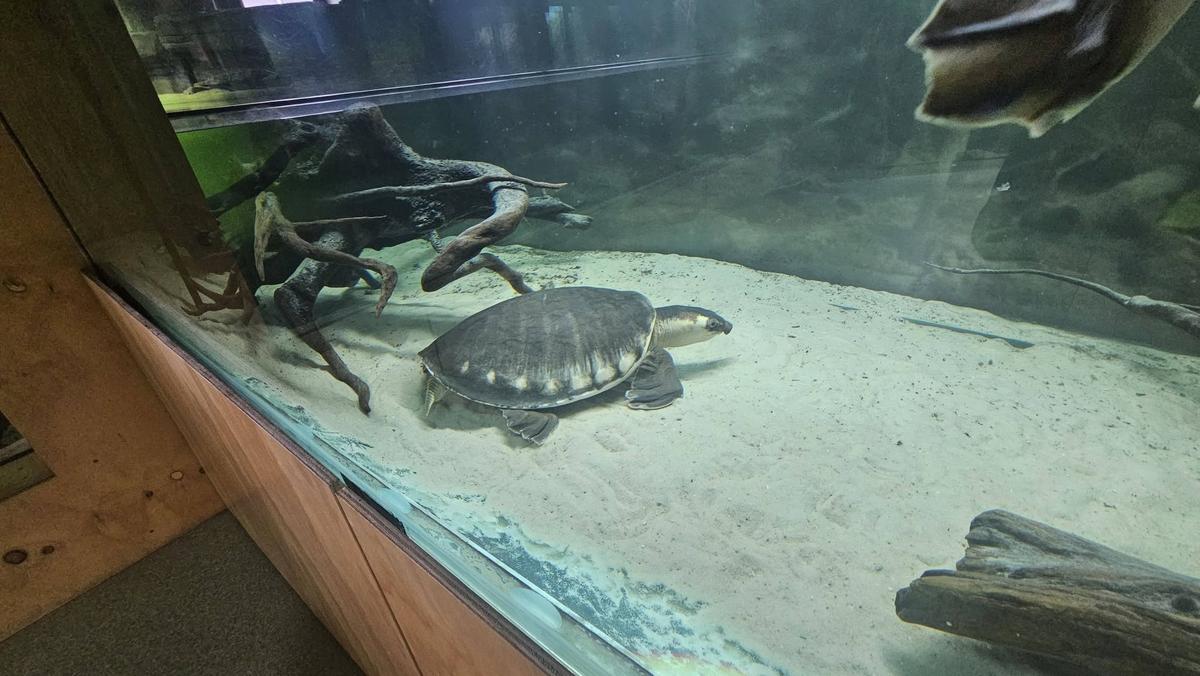
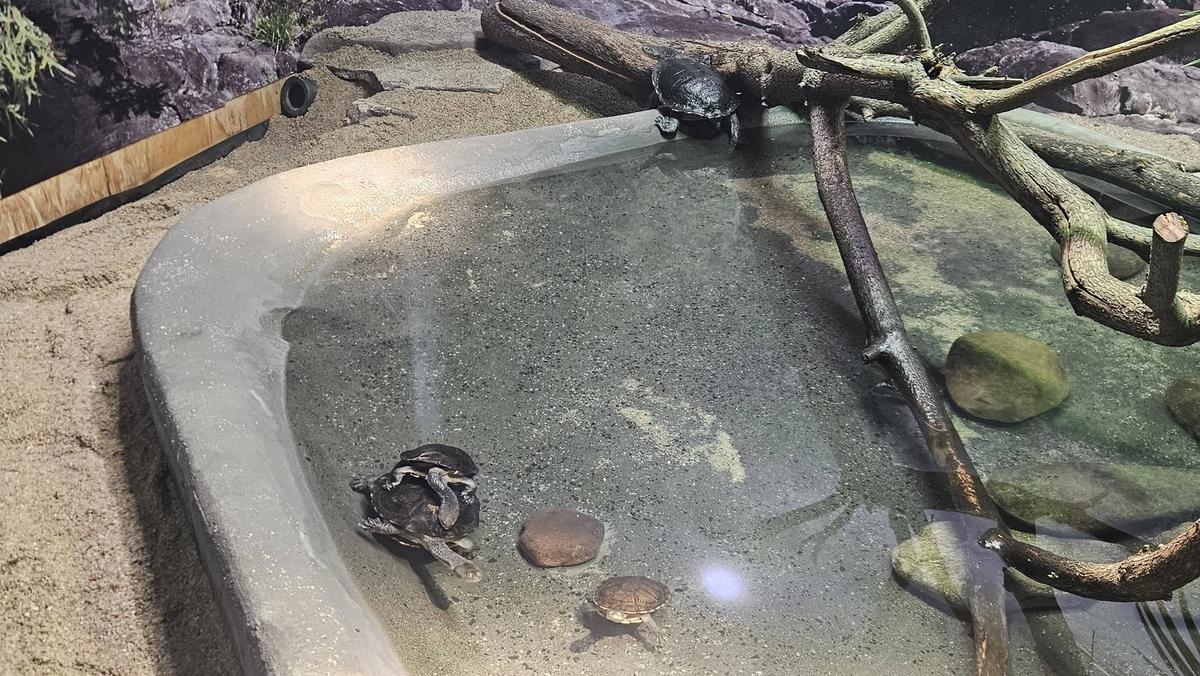
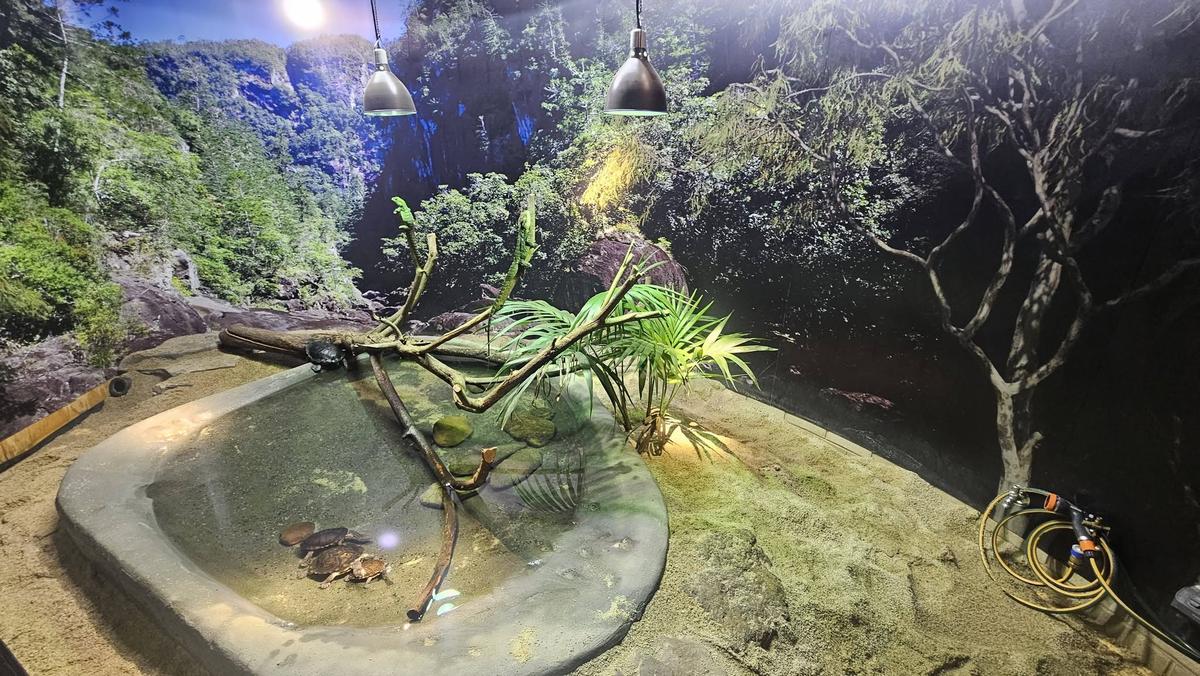
LHS Zoology Centre
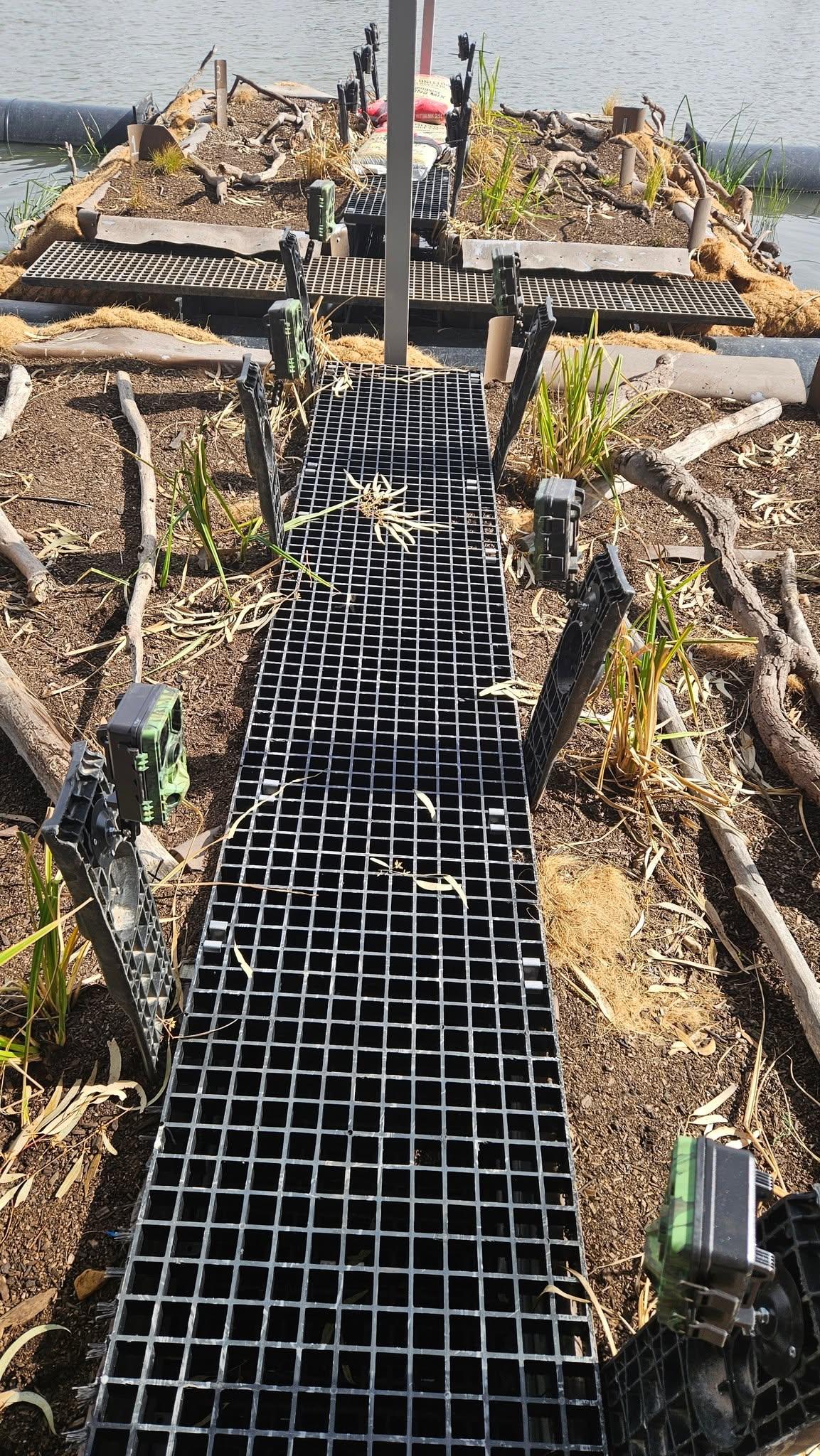
Graham spoke to us about the innovative floating pontoon nesting islands that Turtles Australia has built and released at two sites. These floating islands provide freshwater turtles with a safe and accessible place to climb out of the water and lay their eggs.
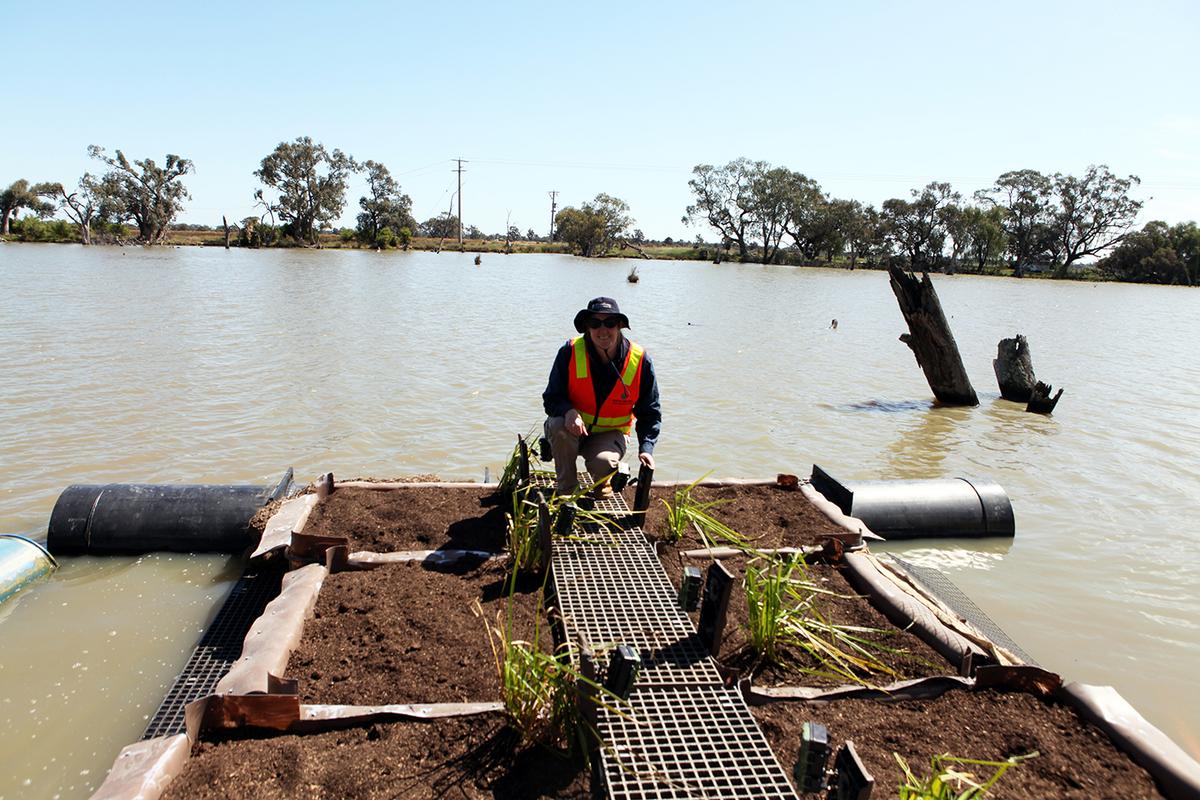
Having these nesting locations means turtles don’t need to travel long distances away from the safety of the water. The islands also provide protection from predators such as foxes, although the eggs can still be vulnerable to birds such as ibis. Importantly, conservationists can closely monitor the nesting sites using cameras installed on each island.
🐢 Some Interesting Facts We Learned
- No permits or permission are required for the release of these nesting islands.
- During one season, approximately 200 turtles successfully hatched and entered the water.
- Researchers observed female turtles exiting the water and dipping their heads into the soil before continuing on to nest. The purpose of this behaviour is not currently understood.
- One island costs approximately $20,000, including travel and accommodation costs for the team. A shout-out to Bunnings, where all the supplies for these islands were sourced!
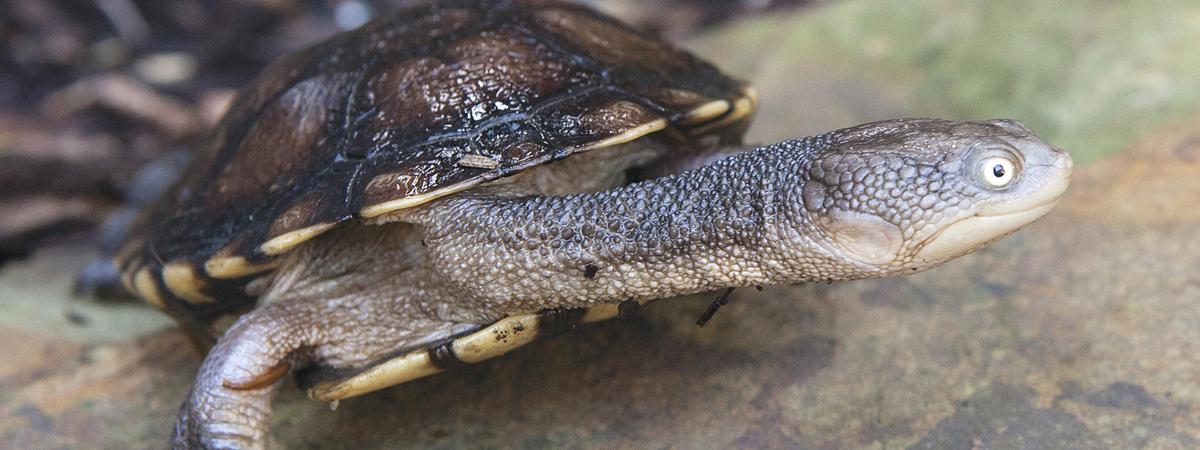
- Long-necked turtles took to the islands almost immediately, with turtles observed using them within minutes of the island being released.
- Broad-shelled turtles, however, were only observed using the islands once, and only to explore rather than nest. This is likely related to their tendency to travel much further from the water’s edge when looking for a suitable nesting site.
- Turtle shell notching (carapace notching), which began in the 1970s and was led by herpetologist Dr Colin Limpus, is surprisingly still used today for turtle identification. This means that old notches are still being used to identify individual turtles.
Graham also showed us how to attempt to determine whether our long-necked turtles are male or female! 🐢🔍 We’re now one step closer to becoming turtle gender detectives… although, for the moment, please don’t take our word for it! 😂
📱🐢 TurtleSAT
TurtleSAT is an app that allows members of the community to record turtle sightings across Australia, including turtles that have been injured or killed by vehicles.
The information collected through TurtleSAT can make a real difference to turtle conservation. In one example, community reports identified a particular location in Sydney where large numbers of turtles were being hit by cars. As a result, a road in the area is being refurbished to better accommodate turtle crossings.
A huge thank you to Graham Stockfeld and Turtles Australia for sharing their knowledge and passion for turtle conservation with us! 💚
Tegan Samphier
Zoology Coordinator