Auslan News
Errol St Campus

Auslan News
Errol St Campus
From Simone McGenniskin, Senior School Auslan teacher
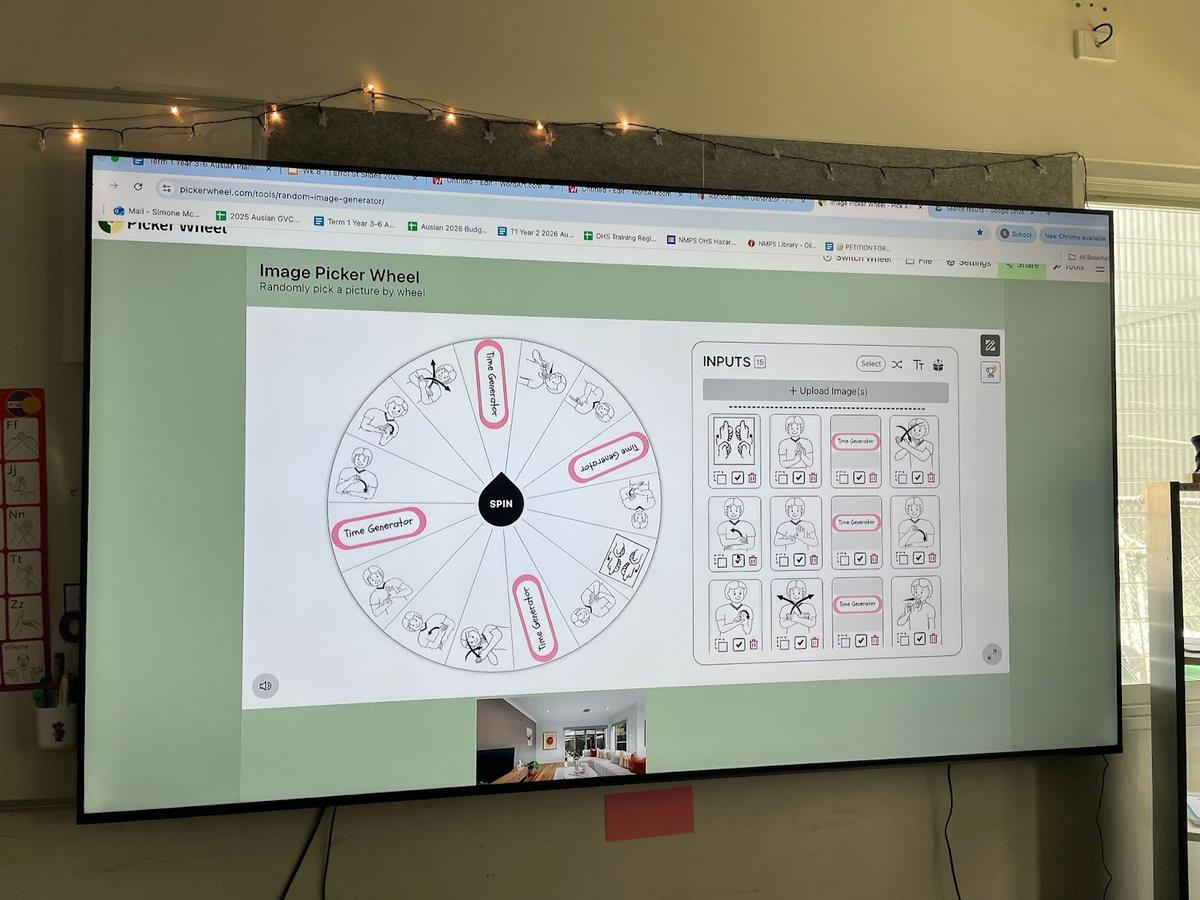
This fortnight has been a particularly exciting time in Auslan class at Errol Street as students have been introduced to Simone's speciality, “The Wheel of Fortune”!
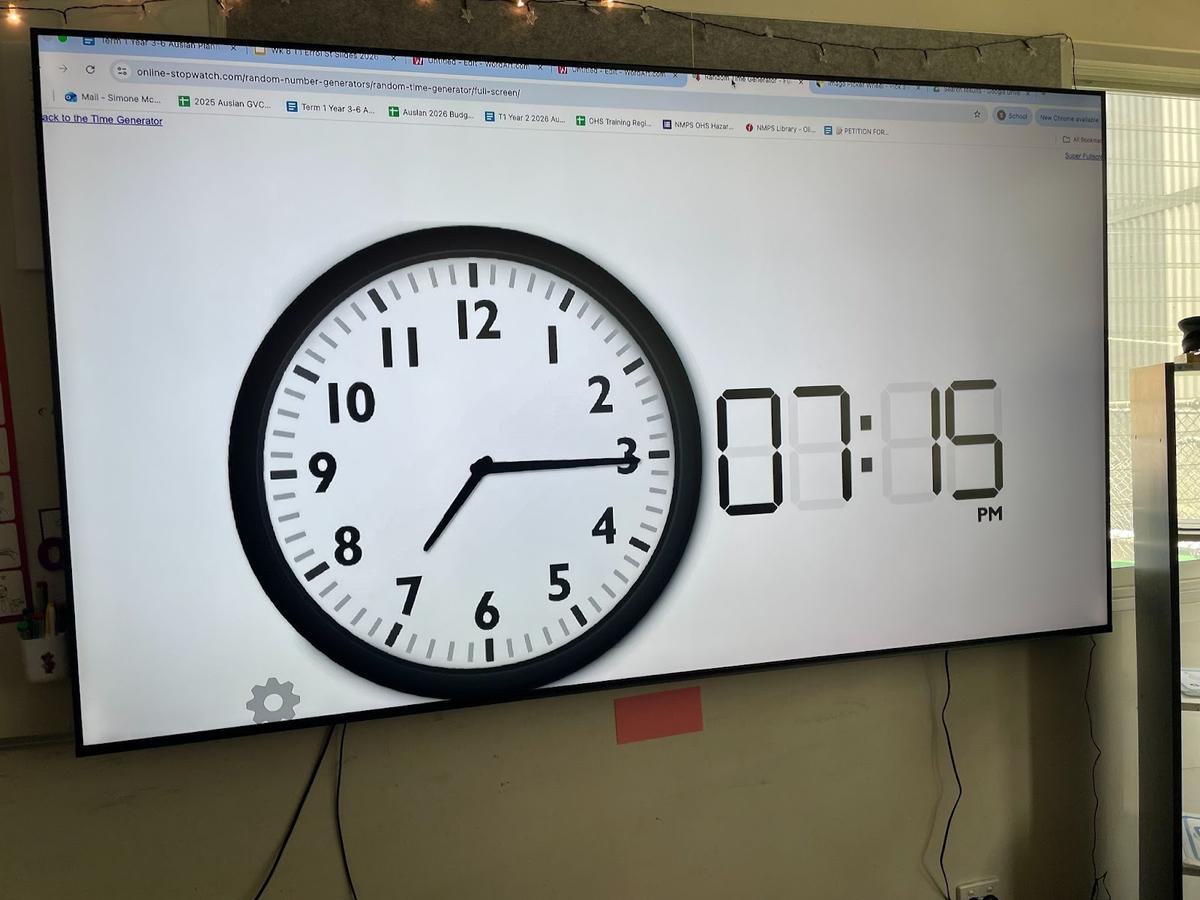
This (slightly competitive) game combines bingo with spin the wheel; students are to draw nine squares in their workbook and write down nine different times within the 15 minute increments that we have been learning. Incorporating mathematics heavily this last fortnight, students have learned how to sign o'clock, quarter past, half past and quarterto. Students have been practising reading and signing both analogue and digital clocks, and remembering the many different ways that we can read time. We've been focusing on time for about three weeks now due to the complexity, and it has paid off remarkably. Every class was so enthusiastic during the wheel of fortune as a computer generated wheel of signs was spun and students had to (keep their voices off and)tick off theirbingocard if they had written the correlating sign. Students in year 5 & 6 had to write a combination of times and terms in their Bingo card, including early, late, night, day, morning and evening.
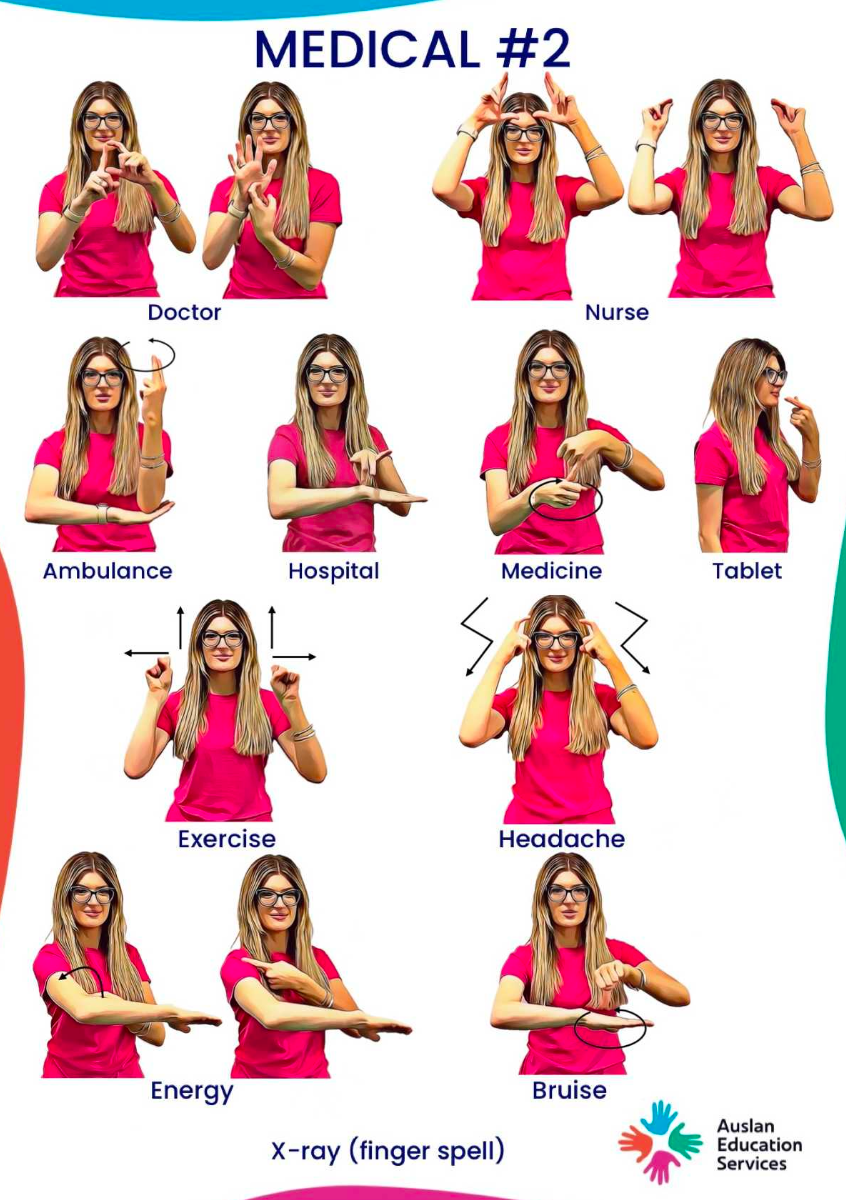
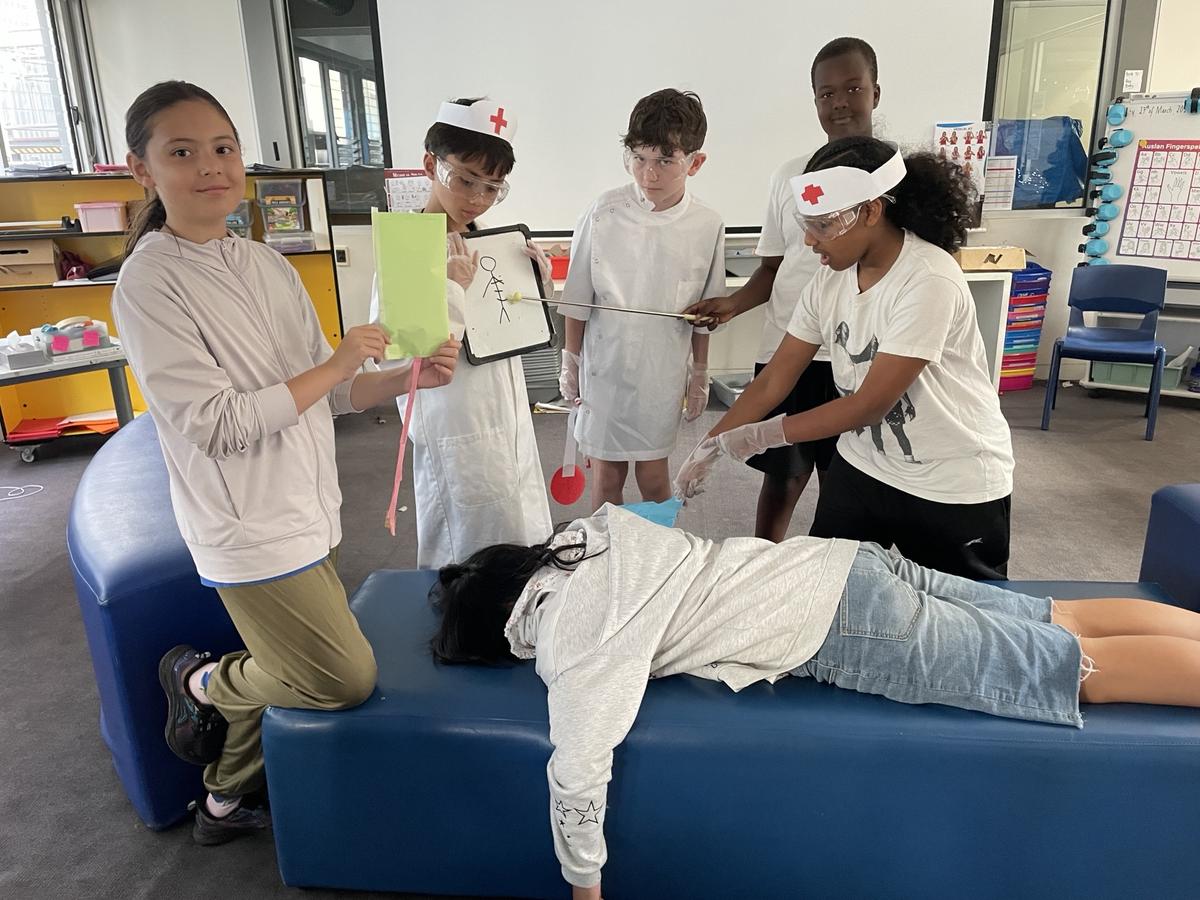
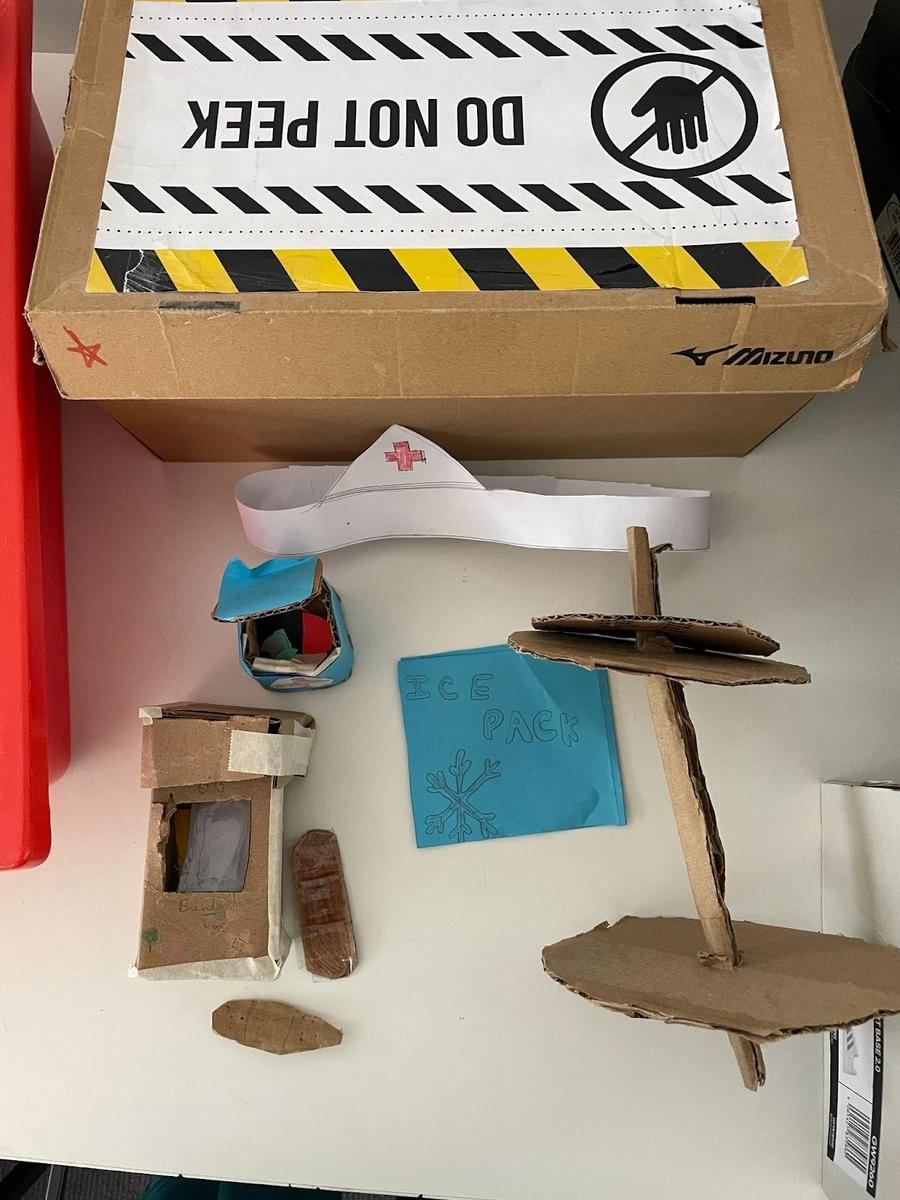
The other main activity that we had this fortnight is beginning to learn new medicalsigns. During week 9, after Spin the Wheel, students had time to do more crafting in Auslan and create miniature Band-Aids, stethoscopes, nurse hats, ambulance cars and put them inside Simone's famous “do not peek” boxes. In week 10, students are now using their own crafts to play doctor and patient together. The aim of the game is for one student to come to the doctor and tell them what is wrong in Auslan. Students are able to sign small sentences like “I have bruised my head” or “I have a sore knee” or “I have broken my hand!” following Auslan grammar. So far, students have highly enjoyed x-raying one another with their crafts, checking their heart rate, putting fake bandaids on each other, and generally thriving in a voice-off environment. This game is played with noise-cancelling headphones as a physical reminder to start thinking about communicating with their eyes and hands.
A big part of the Auslan curriculum this year is understanding how to make transactionsand have conversations in sentences. Given it is term one, it is incredibly impressiveto see how the students of Errol Street have taken on this huge amount of vocabulary with such enthusiasm. The gamification of Auslan has been highly enjoyable, but also emphasises the importance of respecting Deaf culture and using it as a legitimate non-verbal language. There are over 100,000 native Auslan speakers in Australia, and students have initiated incredibly interesting conversations around inclusivity in the medical world.
Students have asked questions like:
What happens if the Wi-Fi cuts out and the video interpreter can't be seen any more?
How can I help?
Print and practice: Put up our medical signs near the bandaids at home to help jog your child’s memory! Maybe inside the laundry cupboard or wherever you keep first aid items.