Resumes & CVs, Skills for Work
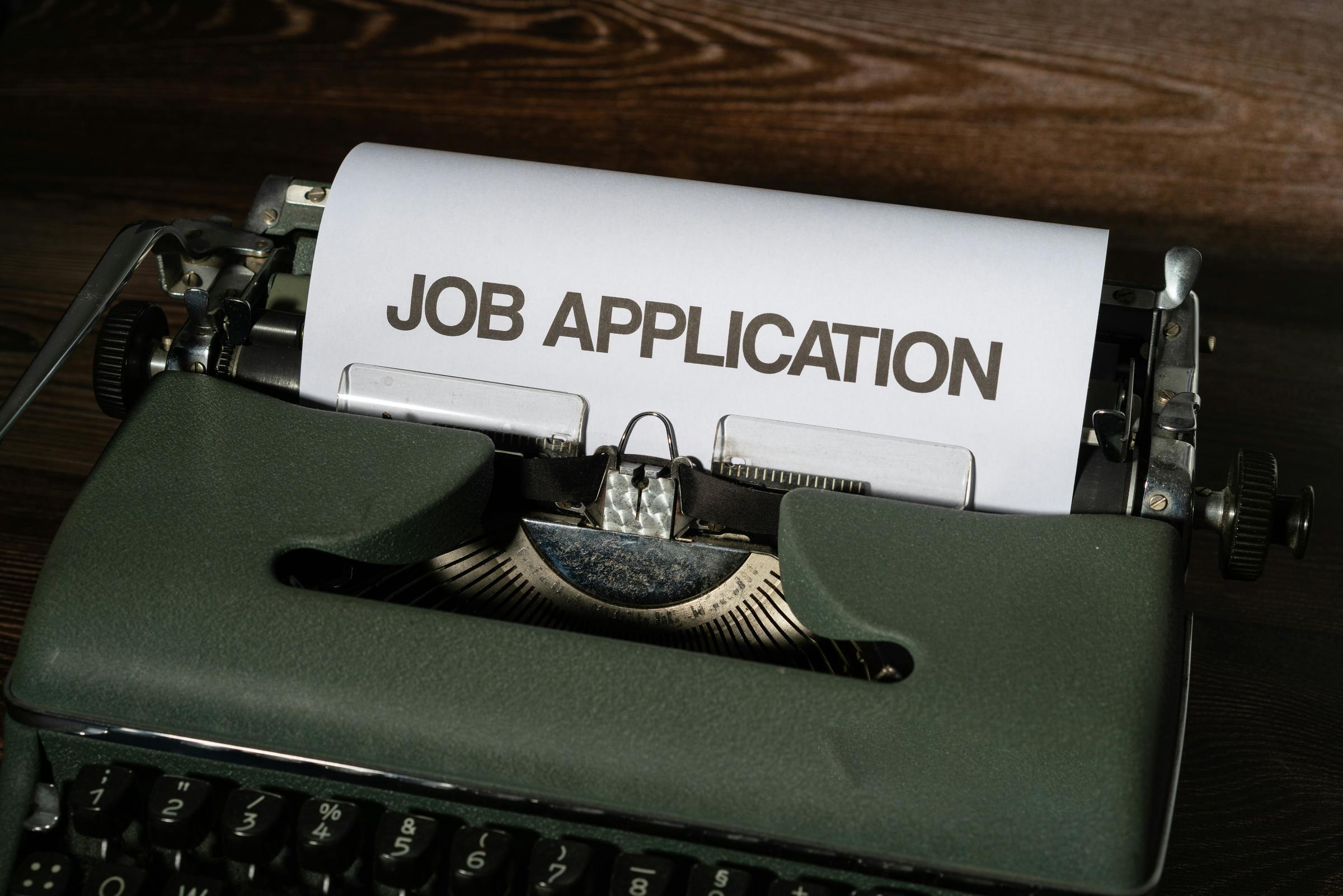
CV and resume basics to get you started
Your first job application can feel like stepping into unfamiliar territory. You know you need a CV or resume, but where do you actually start? The good news is that once you understand what goes in and why, it's far more manageable than it might seem.
You might have heard of a CV (curriculum vitae) and a resume, the two names could be confusing, but they are essentially the same thing - it might just depend on where you live and where in your career you are. CV's and resumes sometimes have slightly different formats, but for entry-level and student applications, the terms are often used interchangeably. We'll use both in this article. Let's go through some basics that could help you craft a great application and secure that all-important interview.
What is a CV or resume?
A CV or resume, is a document that summarises who you are, what you've studied, and what experience you've gained. Its job is to convince an employer — quickly — that you're worth interviewing.
Consider it your written first impression. A hiring employer spends on average just 7 seconds reading each resume before deciding whether to read further, so clarity matters as much as content. A great resume could make sure your application ends up in the "interview" pile, bringing you one step closer to securing a job.
What to include on your resume
You don't need a long work history to write a good resume. At this stage, it's about showing what you do have. The key sections to include are:
Contact details — your name, phone number, and a professional-sounding email address.
Education — list your school and any subjects, qualifications, or certificates that are relevant to the role.
Work experience — this can include part-time jobs, volunteer work, and formal work experience placements. Even informal experience counts; babysitting, helping at a community event, or assisting a family business are all worth including if they show relevant skills.
Skills — think about what you're genuinely good at. Communication, reliability, working in a team, using certain software, list what's relevant and be honest (or it could get embarrassing during an interview).
Achievements and interests — awards, leadership roles, sports, or hobbies can round out the picture, particularly if you don't have much paid work history yet.
Keep it to one page if possible, two at most. Remember, each time you edit your CV or resume for a specific job, the goal is to impress the person reading it and make them see you're the best fit for the job they're advertising.
How to format it
Your CV doesn't need to look flashy. Unless you're applying for a creative role, simple and clean is the right approach. Use a readable font, keep a logical structure, and make sure the most important information stands out at a glance.
Avoid cluttering the page with decorative borders, multiple colours, or complex tables. These can actually cause problems if an employer is using automated screening software (more on that below). White space is your friend, it makes the document easier to scan.
Applicant tracking systems
Many larger employers use Applicant tracking systems (ATS) to filter applications before a human ever looks at them. These systems scan for keywords and phrases that match the job description, filtering out applications that don't fit before passing the rest along.
You probably won't know whether a particular employer uses one, so it's worth assuming they do. Read the job advertisement carefully and reflect its language back in your CV where it's accurate. For example, if the ad mentions "customer service skills" and you have them, use that exact phrase. Don't stuff in keywords that don't apply, do mirror the language where it fits.
Complex formatting, tables, and images can also confuse these systems, which is another reason to keep your layout straightforward.
Don't skip the cover letter
A cover letter gives you the space to speak directly to the employer in a way a resume or CV can't. It should be brief, ideally a couple of short paragraphs and no more than a page, written in a professional but natural tone.
A good cover letter covers a few key thing including who you are, why you want this particular job, and how your skills match what they're looking for. It should end with a clear call to action, such as inviting them to review your attached resume or requesting an interview.
Read the job ad before you write it. Picking up on the specific language and priorities the employer has used, and reflecting focus words in your letter, shows you've actually engaged with the role rather than sending out a generic template.
Remember to thank the employer for their time and consideration. Here's an example:
Tailor it every time
One of the most common mistakes is sending the same resume and cover letter to every job. It saves time in the short term, but it rarely gets results. If you're visiting businesses directly on the off-chance they'll have a position for you, not replying to a position vacant ad, handing out a standard resume and cover letter could be OK and in this instance shows great initiative.
Employers can usually tell when an application has been personalised. It signals effort and genuine interest, and those things do count. Customising your resume and cover letter for each job you apply for shows you’ve put in effort and could boost your chances of securing the job.
By making a few targeted adjustments such as updating the skills you emphasise, tweaking the cover letter opening and adding something specific to that organisation, as well as mirroring the language of the ad — could make a real difference. Sure, it might take you a bit more time, but it could well worth it if it gets you an interview.
Ready to take the next step?
Building a strong resume is a useful skill you'll develop as you start your career journey and something you can easily work on right now.
If you'd like more guidance on skills for the workplace you'll find heaps of other blogs on resume basics, preparing for work, and finding your dream career on our first jobs page or for more specific resume and CV related advice check here. The super simple resume builder online tool could also be handy to get you started.