
Wellbeing News
Brooke Davis - Student Wellbeing Leader
Wellbeing News
Brooke Davis - Student Wellbeing Leader
This year, St John's is diving into the MHiPS (Mental Health in Primary Schools) initiative, and I am incredibly excited to be taking on the role of Mental Health and Wellbeing Leader (MHWL).
Developed by the Murdoch Children’s Research Institute and the University of Melbourne, MHiPS helps schools better support student mental health. Myself and the MHiPS team wrapped up their face-to-face training this past week, and it was a fantastic opportunity to start mapping out plans for our community.
This isn't about starting brand-new processes from scratch. Instead, we are integrating the great practices we already have into everyday student learning. As we move forward, we will be constantly evaluating, changing, and progressing things to ensure we are truly meeting our students' needs.
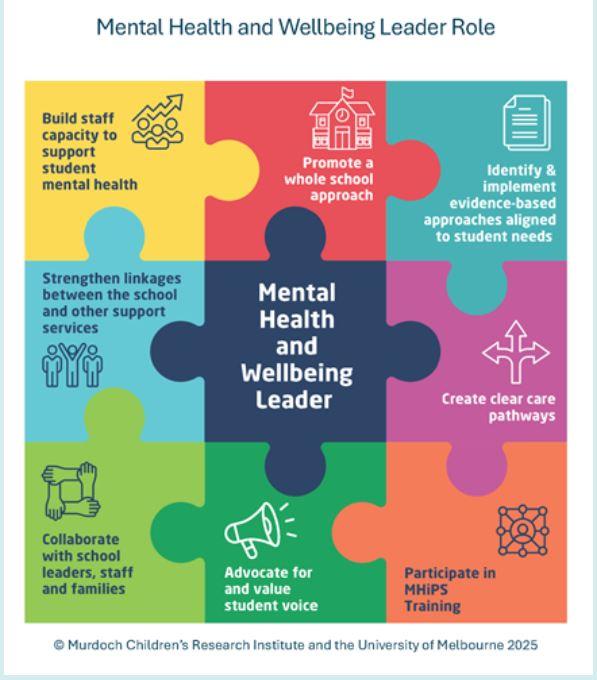
The MHiPS team will focus will be on supporting the whole school, building staff capacity, collaborating with families, advocating for student voice, strengthening links to other services, helping staff spot and support students who might be struggling, creating clear pathways, and monitoring student progress.
You can read more about the MHiPS iniative on the website https://www.mhips.org.au/
The students have been learning about our PBL expectation, I follow adult instructions. We recognise these students who have consistently followed the routines:
Prep: Isla F
Year 1: Liam
Year 2: Chloe
Year 3: Phaedra
Year 4: Ethan
Year 5: Isaac H
Year 6: Darcy
Over the next few weeks, our school community is shining a spotlight on our core PBL value of Respect.
Recent school data shows a rise in minor behaviors such as disrespect, disruption, and defiance in the classroom. At our school, we view data as a tool for growth. It tells us that we need to better support our students in understanding exactly what Respect looks like in practice, and how it creates a positive environment where everyone can succeed.
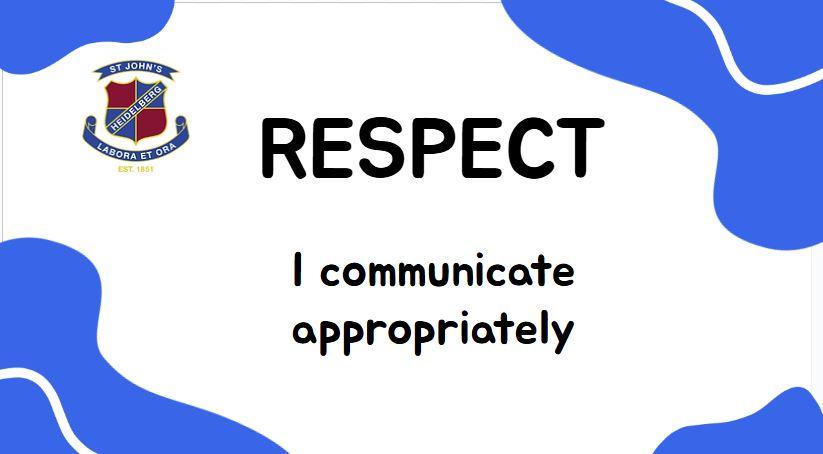
To kick this off, our first school-wide focus is on the expectation: I communicate appropriately.
Why It Matters
Communication is the foundation of everything we do. When we choose to communicate appropriately, we protect everyone’s right to learn and feel safe.
What It Looks Like
Appropriate communication looks and sounds different depending on where you are, but it always centers on kindness and awareness.
| Where | What It Looks Like & Sounds Like |
|---|---|
| In the Classroom | * Raising your hand and waiting your turn to speak. * Using a respectful, polite tone with teachers and peers. * Actively listening when someone else is talking (no interrupting). |
| Around the School | * Using appropriate, school-friendly language (no profanity or yelling). * Speaking to others the way you want to be spoken to. * Following staff instructions calmly the first time they are given. |
| During Disagreements | * Taking a breath before speaking if you feel upset. * Expressing frustration using "I" statements (e.g., "I'm feeling frustrated because...") instead of shouting or shut-downs. |
By working together and following the lead of our staff, we make our school a safer place for everyone!
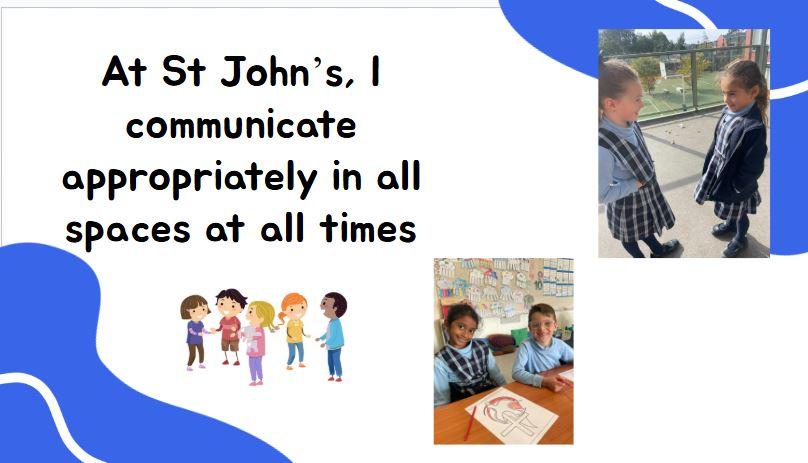
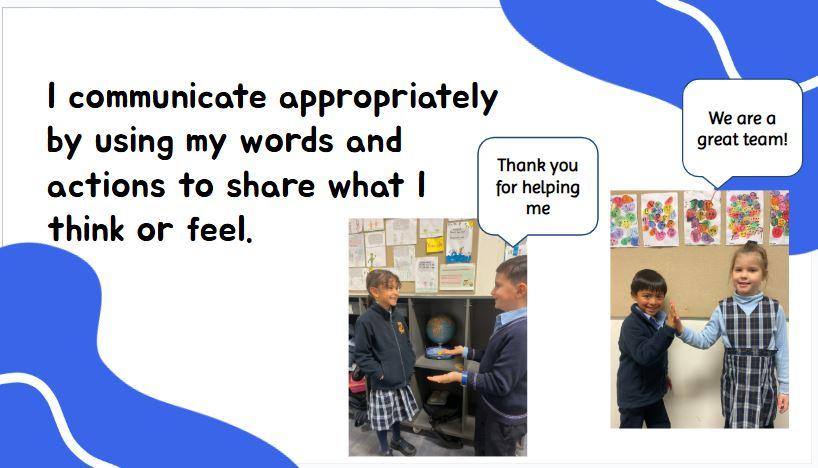
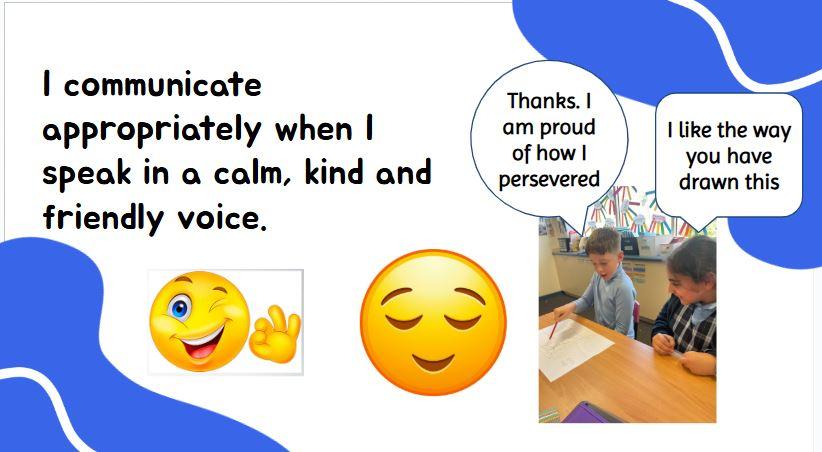
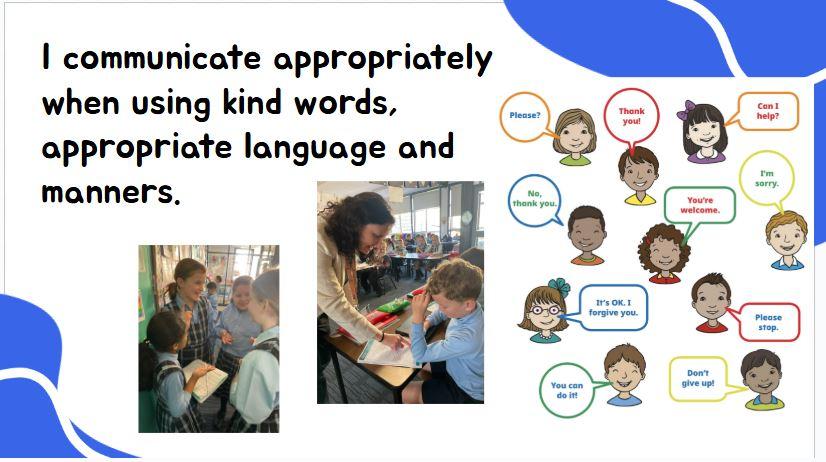
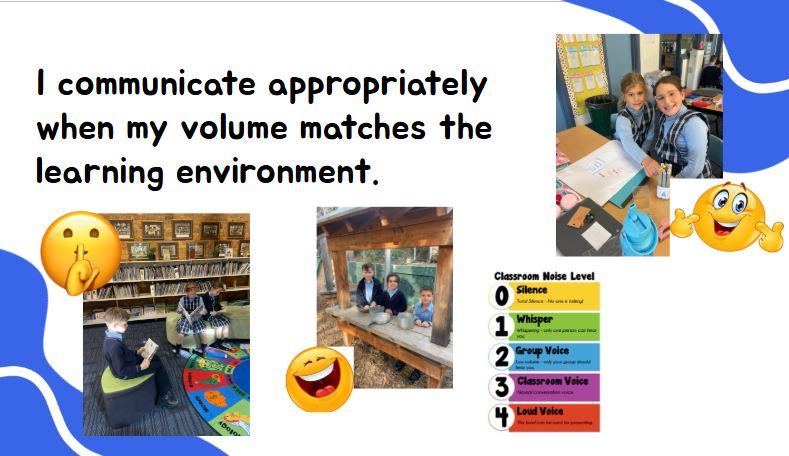
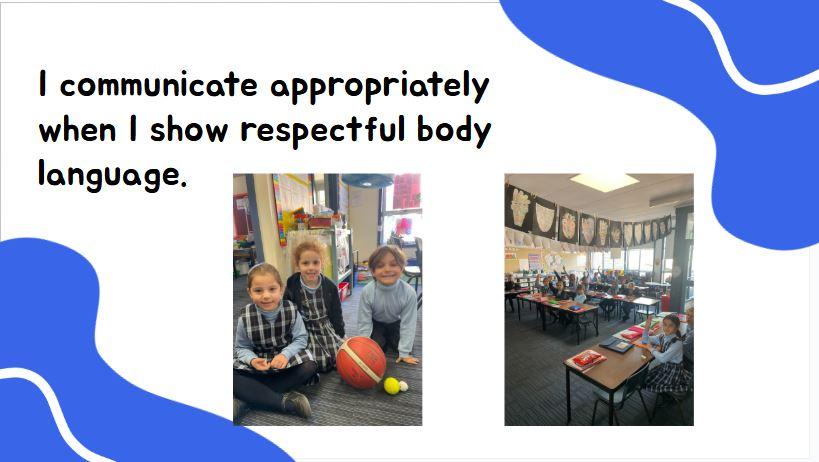
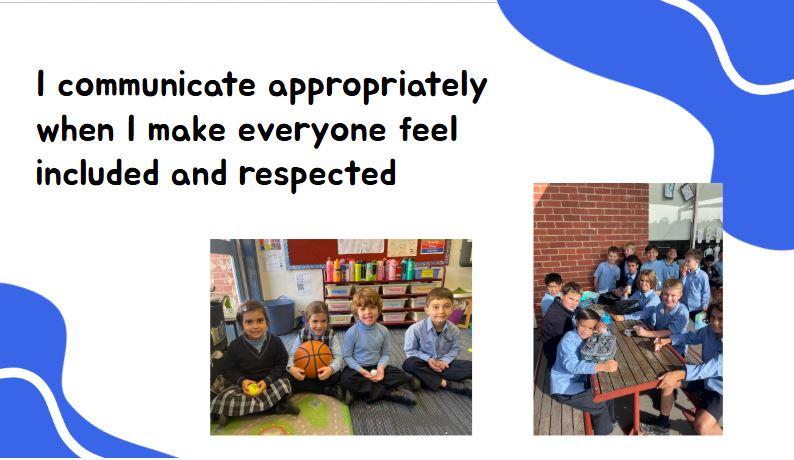
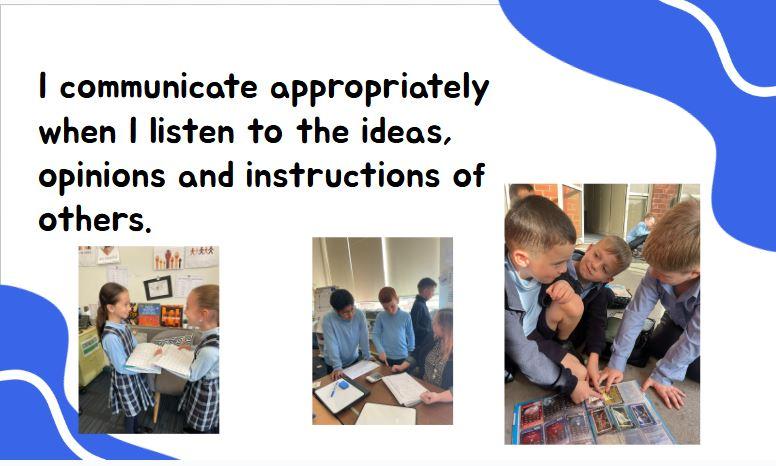
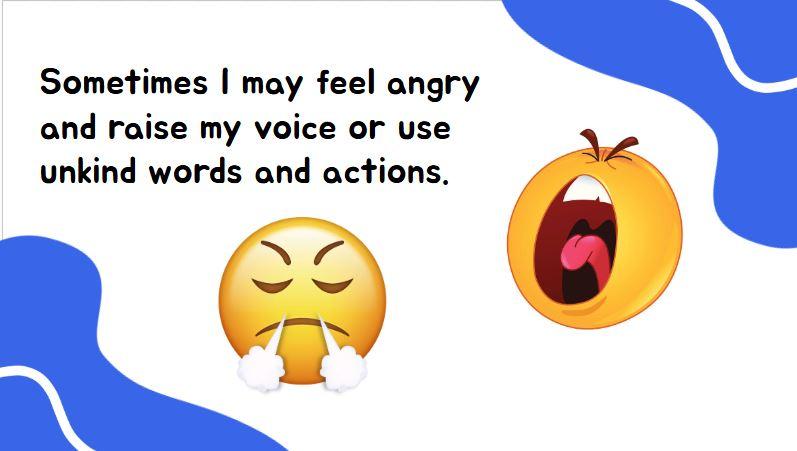
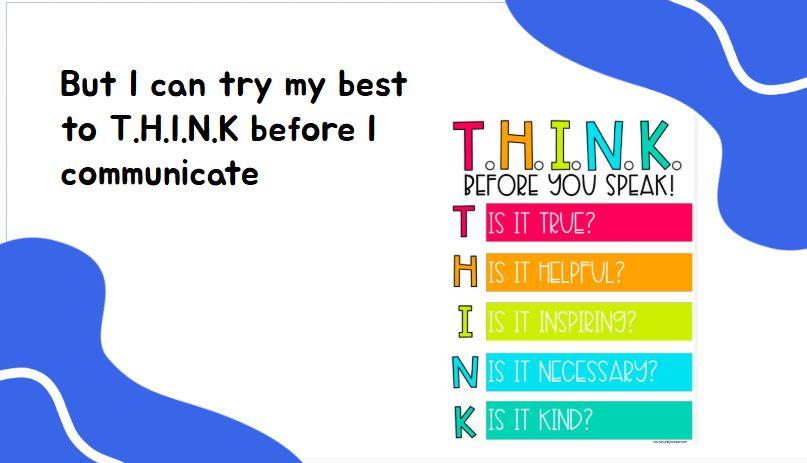
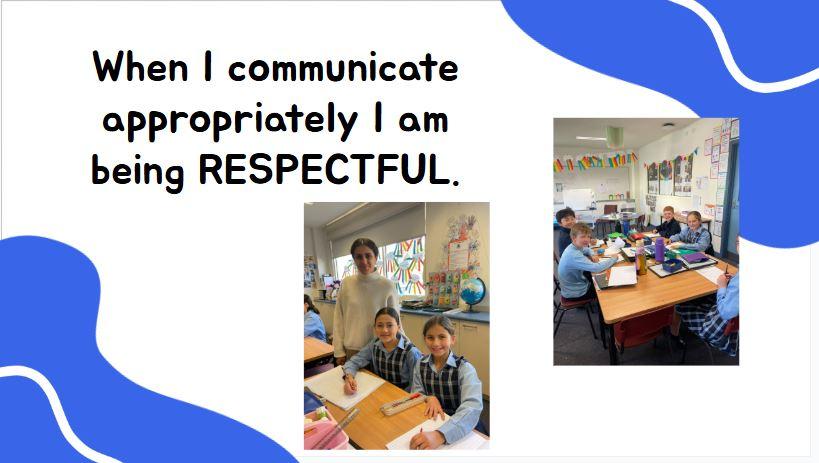
We highly encourage you to discuss and review the PBL learning that has been taking place in our school. PBL is successful when all stakeholders reinforce the expectations, teachers, leaders, office staff and families.
Better Buddies Day is an initiative of The Alannah and Madeline Foundation, dedicated to fostering friendly and caring school communities where bullying is significantly reduced.
This term, our celebration will be on Monday 1 June, which coincides with National Reconciliation Week (NRW). NRW is held annually from May 27 to June 3. These dates commemorate two significant milestones in the reconciliation journey: the successful 1967 Referendum (May 27) and the High Court Mabo decision (June 3).
The 2026 Theme: "All In"
The theme for 2026 is "All In." It serves as a call to action for all Australians to step off the sidelines and commit wholeheartedly to reconciliation every day.
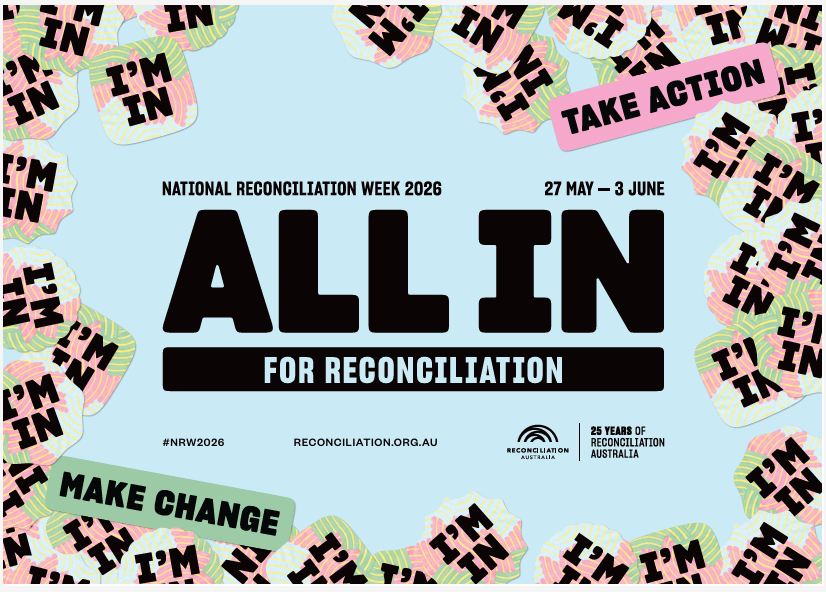
It emphasizes that:
Through activities centered around the purple mascot, Buddy Bear, students are reminded to carry the program’s core values—friendliness, caring for others, respect, valuing difference, inclusion, and responsibility—into their everyday school lives. Ultimately, the day is designed to ensure every student feels welcome, safe, and deeply connected to their school environment.
This Better Buddies Day students are invited to add the red/yellow/black/green/blue as colours for Reconciliation Week to their school uniform.
Term 3 Friday 21 August: Book Week
Term 4 Monday 19 October: Multicultural/Grandparents Day
St John's Primary School is a proud Respectful Relationships school.
Respectful relationships education is part of the Victorian Curriculum and delivered by all Victorian schools. It supports students to develop the knowledge, attitudes and skills needed for respectful relationships, and helps to build respect and equality across the entire school community.
Research tells us that providing respectful relationships education at school can lead to positive impacts on students’ academic outcomes, their mental health, classroom behaviour and relationships.
Our school uses the Department of Education’s evidence-based teaching and learning resources to teach our students about Respectful Relationships from Foundation to Grade 6.
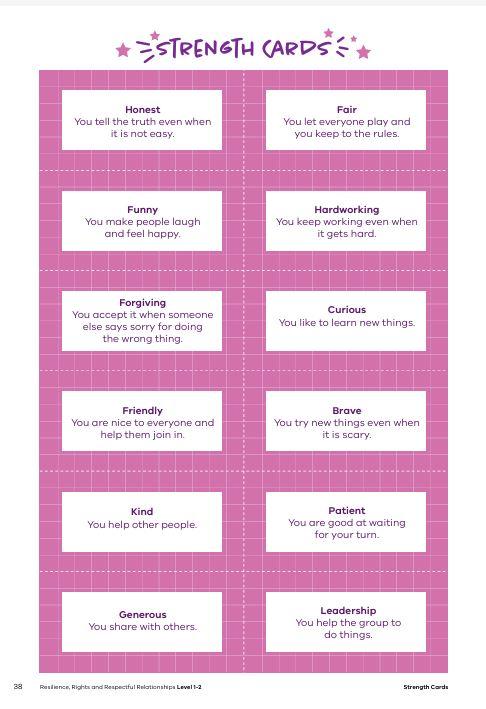
The Resilience, Rights and Respectful Relationships resources have 8 topics that teach students about emotional literacy, personal and cultural strengths, resilience, problem-solving, stress-management, help-seeking, gender norms and stereotypes and positive gender relations.
This term we are working on Topic 2 which helps students to learn about Personal and Cultural Strengths. You can view a sample activity from Year 1/2 Topic below.
If you have any questions about Respectful Relationships education, you can contact Alison Dean or Brooke Davis and visit the Victorian Government’s Respectful Relationships page: https://www.vic.gov.au/respectful-relationships