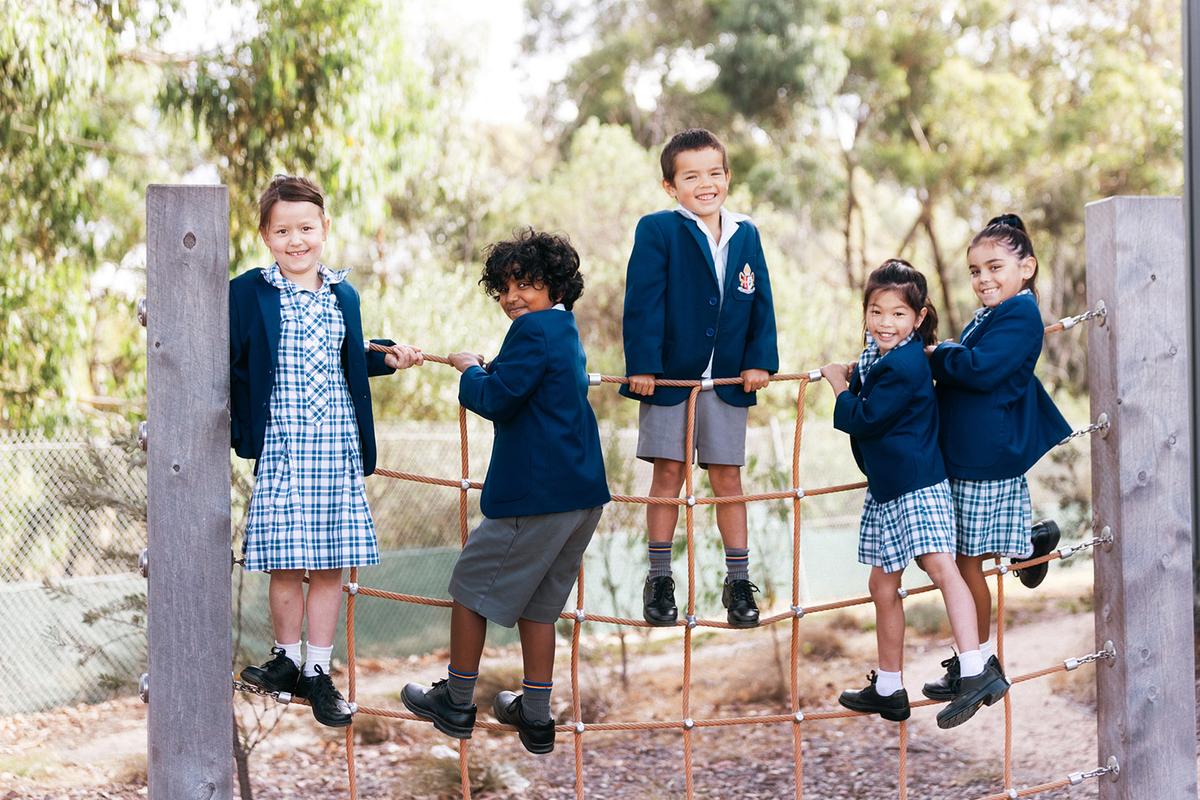
Junior School
Head of Junior School - Nicola Treacey
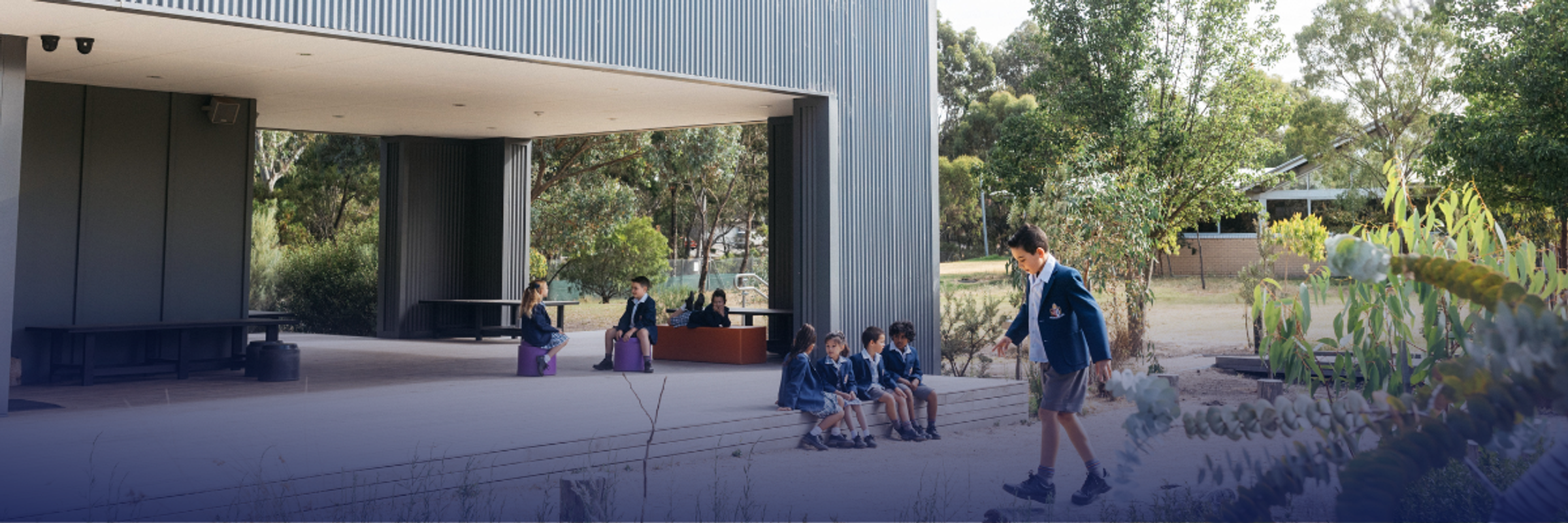
Junior School
Head of Junior School - Nicola Treacey

Article by Nicola Treacey, Head of Junior School
There are always times when children will come home and talk about difficulties they are having with their peers at school. For a parent this can be a very helpless feeling because they are not there to intervene or to assist them to navigate these interactions. This is why encouraging social resilience in children is so important.
From Prep to Year 4 children are learning how friendships work, how to manage big feelings, and how to bounce back when things don’t go their way. Families and educators can make a big difference by shaping these skills in everyday moments.
A child’s social resilience is impacted by their ability to recognise their feelings, respond appropriately, and understand the perspectives of others. Children who develop emotional regulation are better equipped to handle conflict, cope with disappointment, and form healthy relationships.
One of the simplest ways to build resilience is by encouraging children to name and talk about their emotions. When a child says, “I’m angry because I didn’t get a turn,” it provides the opportunity for shared problem-solving. Adults can model calm responses and guide children through questions like, “What could you do next time?” or “How might your friend feel?”
Play is another powerful tool. Through sport, board games, or imaginative group activities children naturally encounter situations that require sharing, negotiating, and cooperating. These moments teach patience and flexibility far more effectively than lectures ever could.
When children encounter difficult social encounters it is important for parents and trusted adults to allow them to work through these manageable challenges. While it’s tempting to step in and fix problems, giving children the space to resolve minor conflicts on their own helps them build confidence. Knowing they can handle tricky situations makes them more resilient over time.
Finally, building strong, supportive relationships is key. When children feel safe and valued at home and at school, they are more willing to take social risks. By nurturing these skills early, we’re not just helping children navigate the playground, we’re giving them tools they’ll use to navigate relationships throughout life.