
College Chaplain
Reverend Peter Landry
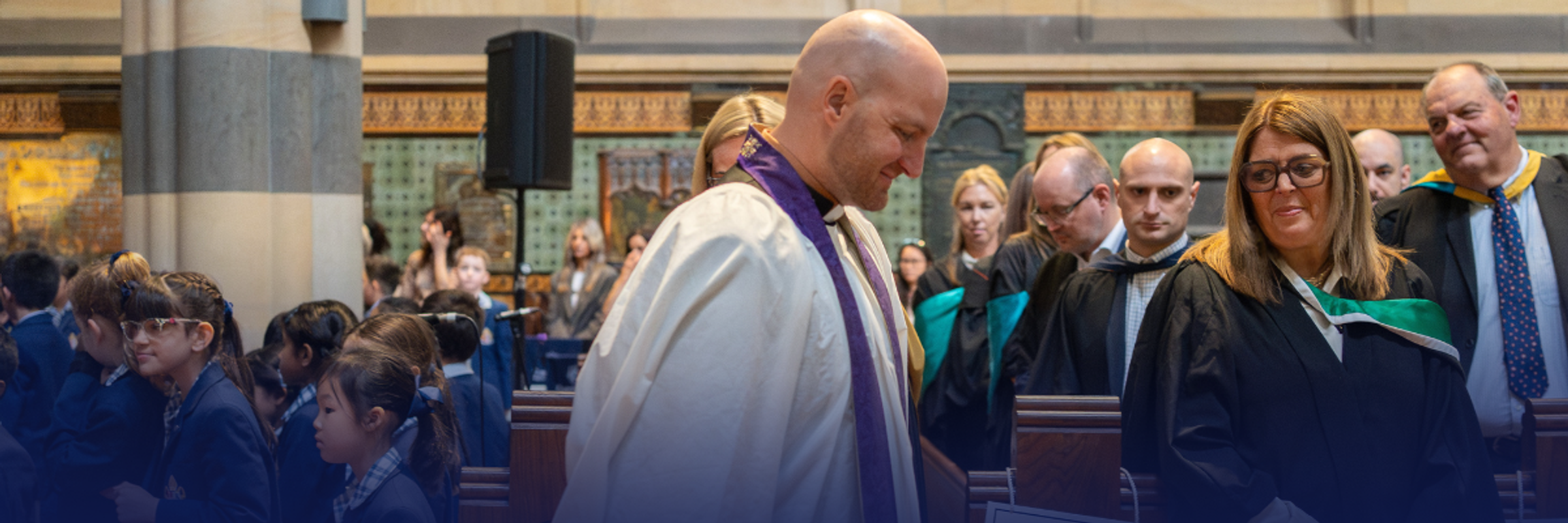
College Chaplain
Reverend Peter Landry

Article by Rev Peter Landry, College Chaplain
Ubuntu – ‘I am, because we are’
As a South African, I know that I often fall into the stereotype of taking any opportunity to bring a little of my roots into the conversation, and this time, it’s genuinely relevant. There is a Zulu proverb that perfectly captures our Term 2 Faith and Spirituality theme of Community: ‘Ubuntu ngumuntu ngabantu’ (try saying that three times quickly). It means ‘I am, because we are’, a way of understanding identity that places the individual firmly within the web of relationships and community. It’s a beautiful idea, and one I think most of us recognise as true, even if we’ve never heard it expressed quite this way before.
Throughout this term, I’ll be using these Whispers reflections to help you continue the conversations that will be unfolding in Chapel, home groups, and RaVE sessions around this theme. My hope is that something here will spark a moment of connection with your student, even a brief one.
What Our Students Are Really Looking For
One of the most consistent things that we hear from students across the College is: “I just want to feel like I belong.”
It sounds simple, but belonging runs much deeper than friendship groups, team selections, or social confidence. It is, at its core, the foundation of healthy community. In our work with students, we’ve found that a genuine sense of belonging tends to grow from a few quiet but formative experiences:
Being needed — knowing that they contribute something to others.
What’s striking is how often students point to very small moments as the ones that matter most. A teacher greeting them by name. A friend saving them a seat. Someone noticing when they’re absent. These moments might seem trivial, but to your student, they can quietly shape how they experience school, and themselves.
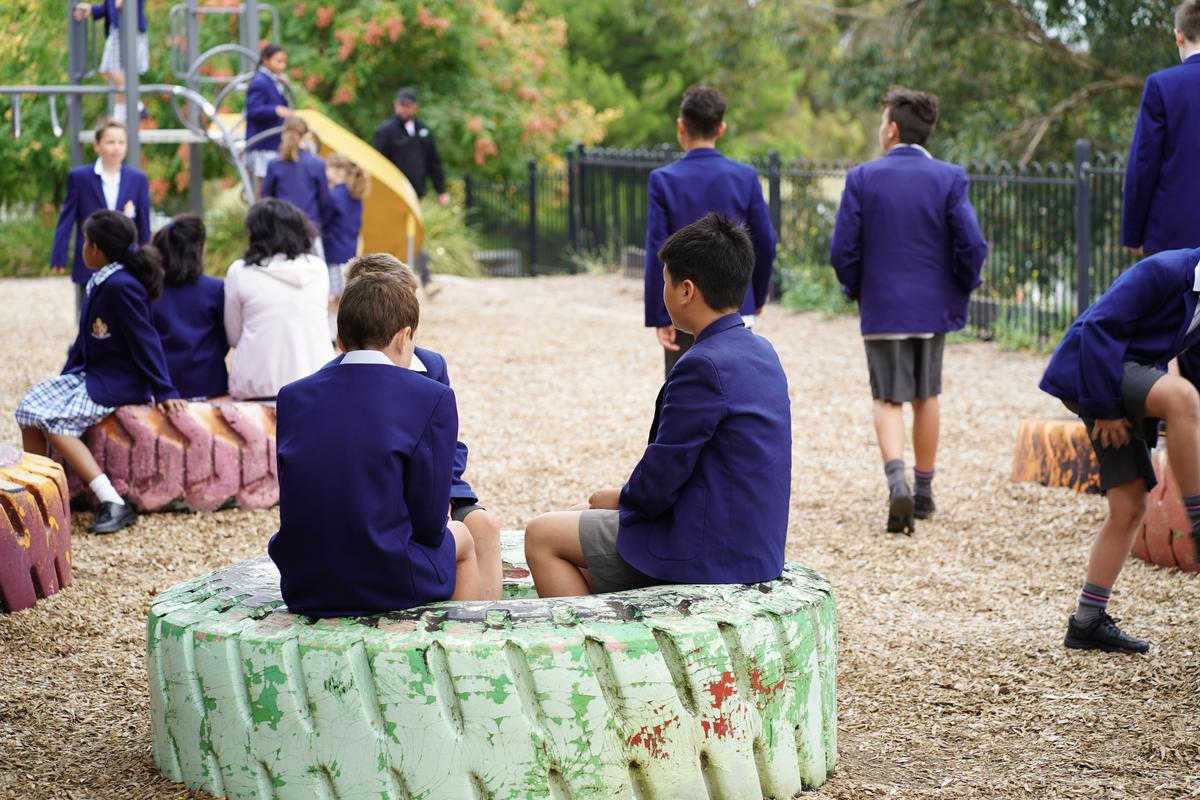
Belonging Is Not the Same as Fitting In
As your students grow, their world expands. They move between classroom cohorts, friendship groups, sports teams, online spaces, and family life. Each with its own dynamics, expectations, and unspoken rules. In some spaces, they may feel free to be fully themselves. In others, they may feel pressure to adjust, perform, or blend in.
Part of growing up is learning to navigate that tension: “Who do I need to be here?” and “Am I accepted as I am?”
Belonging, at its healthiest, is not about changing who you are to fit in. It’s about being known and valued as you are, while also learning how to live well with others. That’s a distinction worth holding onto, and worth naming with your student when the opportunity arises.
The Power of Being Needed

One of the most important insights we’ve seen in our work with young people is this: students don’t just want to be included, they want to know they matter.
There is a real difference between:
knowing the table isn’t quite the same without you.
When students feel genuinely needed, something shifts. They begin to see themselves as contributors, not just participants. This might look like:
Being trusted to step up, not just fit in
These experiences build confidence, resilience, and a deeper sense of purpose, and they also shape a culture of participation and care that benefits the whole community.

Belonging Starts at Home
Belonging doesn’t start or end at school. Home is where a child’s sense of identity is most consistently formed and reinforced, and the way we engage with our students there shapes how they engage with the world beyond it.
Here are a few simple but meaningful ways to support your child:
1. Notice the small things.
Be specific in what you observe. “I noticed how you included your friend today, that was kind, and I imagine it meant a lot to them.” Being truly seen at home strengthens their confidence to be themselves elsewhere. It also helps them grow in awareness of how their choices impact others, which is a genuinely important life skill.
2. Create space for real conversation.
Instead of “How was your day?”, try:
“Was there a moment that felt a bit tricky or uncomfortable?” These questions open reflection rather than just recollection. They invite your student to think about their experience of belonging, not just report on events.
3. Give them meaningful responsibility.
Whether it’s helping with dinner, caring for a sibling, or contributing to a family decision; feeling genuinely needed at home builds a strong foundation for belonging in the wider world.
4. Talk about values, not just outcomes.
Friendships, challenges, and even conflicts are rich opportunities to ask: “What kind of person do you want to be in that situation?” This helps your student anchor their identity in something more lasting than social approval.
5. Model belonging yourself.
Children watch us closely. The way we speak about others, include people on the margins, and handle difference teaches them what healthy community actually looks like. Age-appropriate conversations about managing difficult relationships will also equip them with the tools of self-awareness and healthy boundaries they’ll need later in life.
A Final Thought
Belonging is not something we can manufacture for our children, but it is something we can nurture. It grows slowly, through relationships, trust, personal confidence, and repeated experiences of being known and valued.
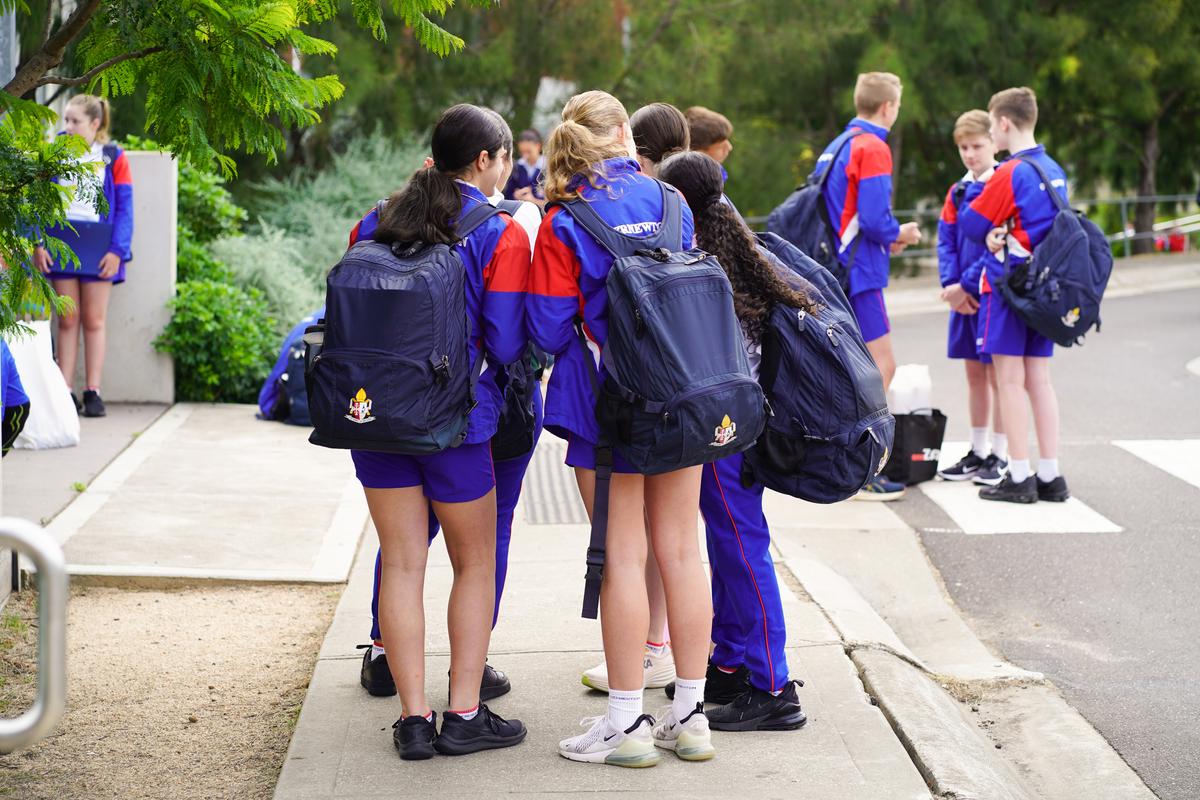
As a school, we are deeply committed to building a community where every student feels that they belong. When school and home work together on this, the impact is quietly profound.
A simple question to carry into this week:
“Where does my child feel most like they belong, and how do I know?”
It’s often in the answer to that question that we find the next small, meaningful step forward.
A Prayer for Your Student
If you are someone who prays, here is a simple prayer you can carry for your child this term:
Loving God,
Thank you for my Child.
That they are known and loved by you.
Where the feel unseen, please remind them that you see them fully.
Where they feel on the outside, my they find a place of genuine welcome.
Please give them the courage to be themselves, the grace to include others, and the wisdom to know that they are needed, not just present.
Help them find their place not by fitting in, but by becoming more fully who you made them to be.
And may our home be a safe place where they are always known, always valued, and always welcome.
Amen.