Photo Gallery & Classroom Learning
K - Yr 6

Photo Gallery & Classroom Learning
K - Yr 6
English
We are learning to:
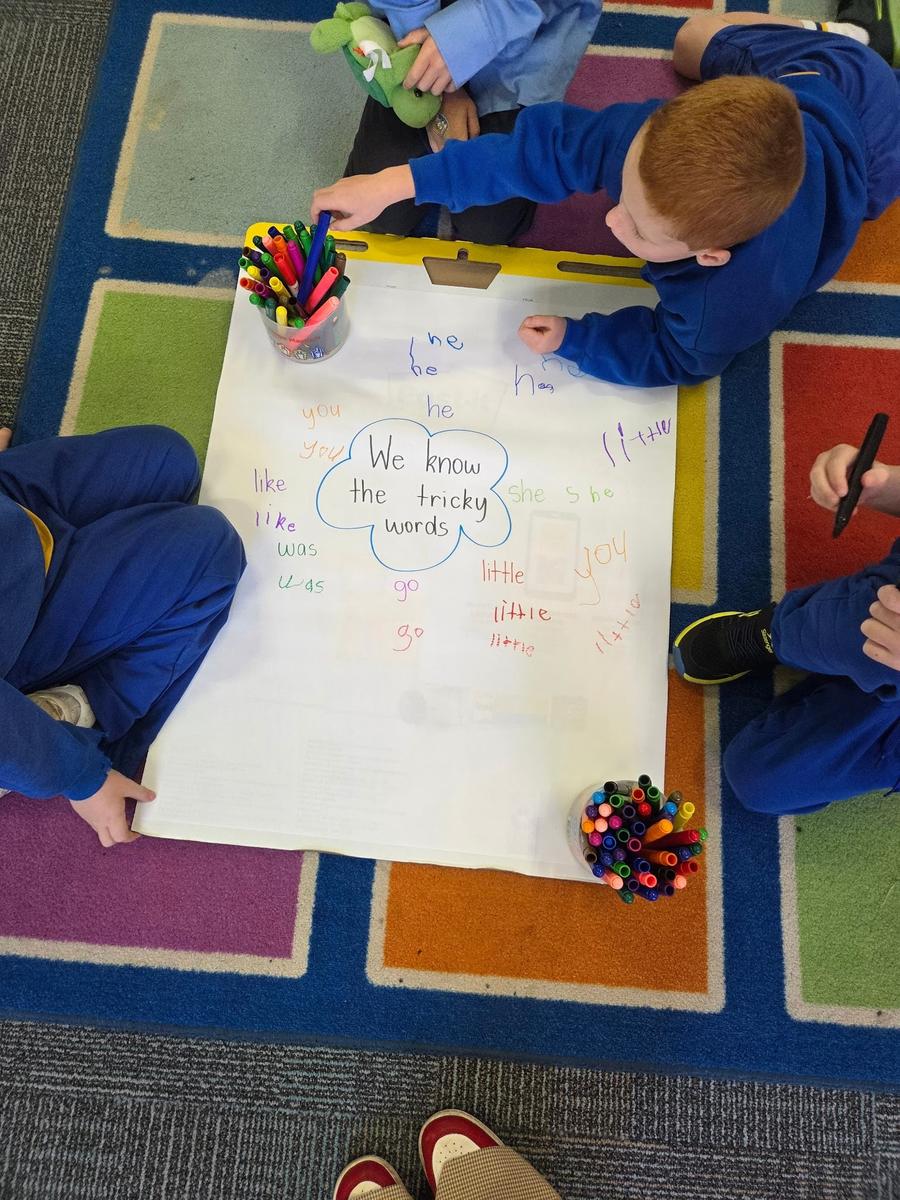
Students writing their tricky words
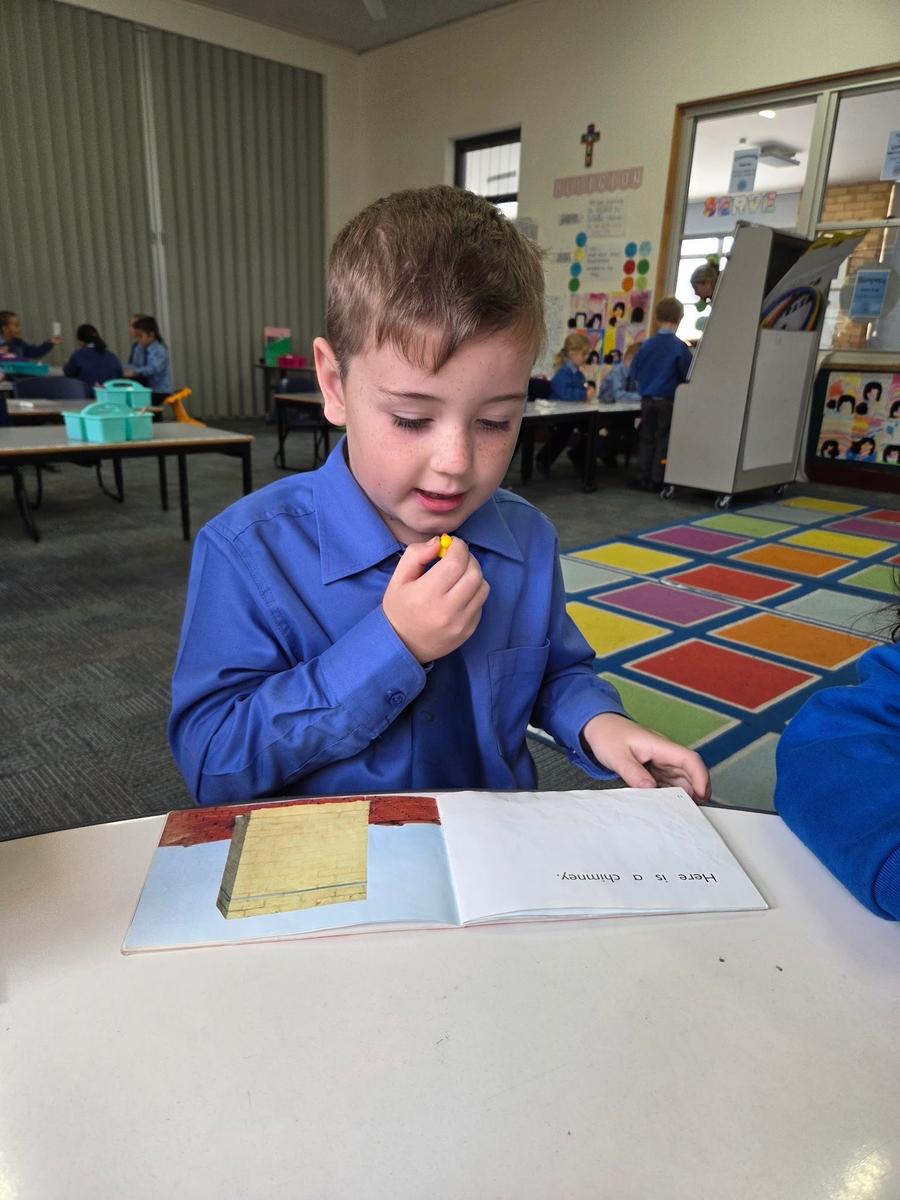
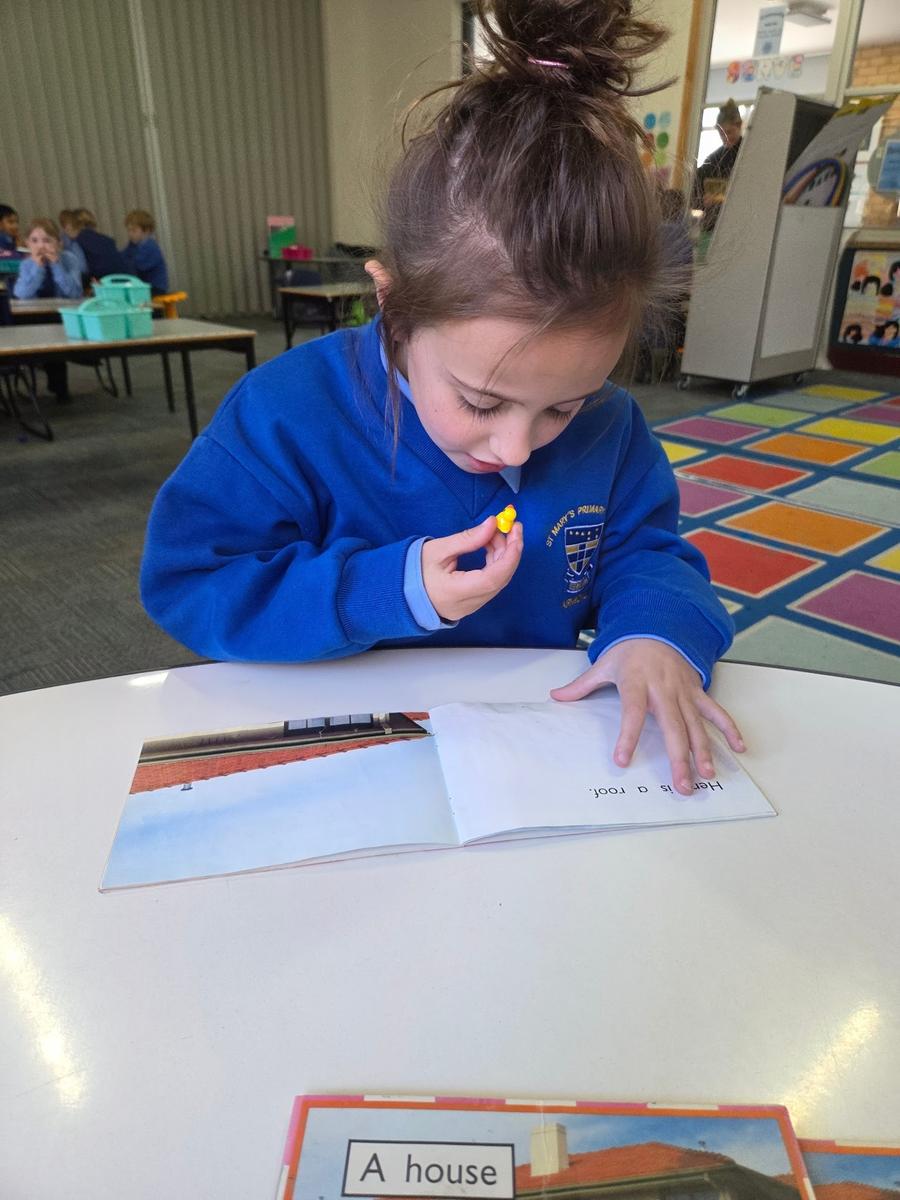
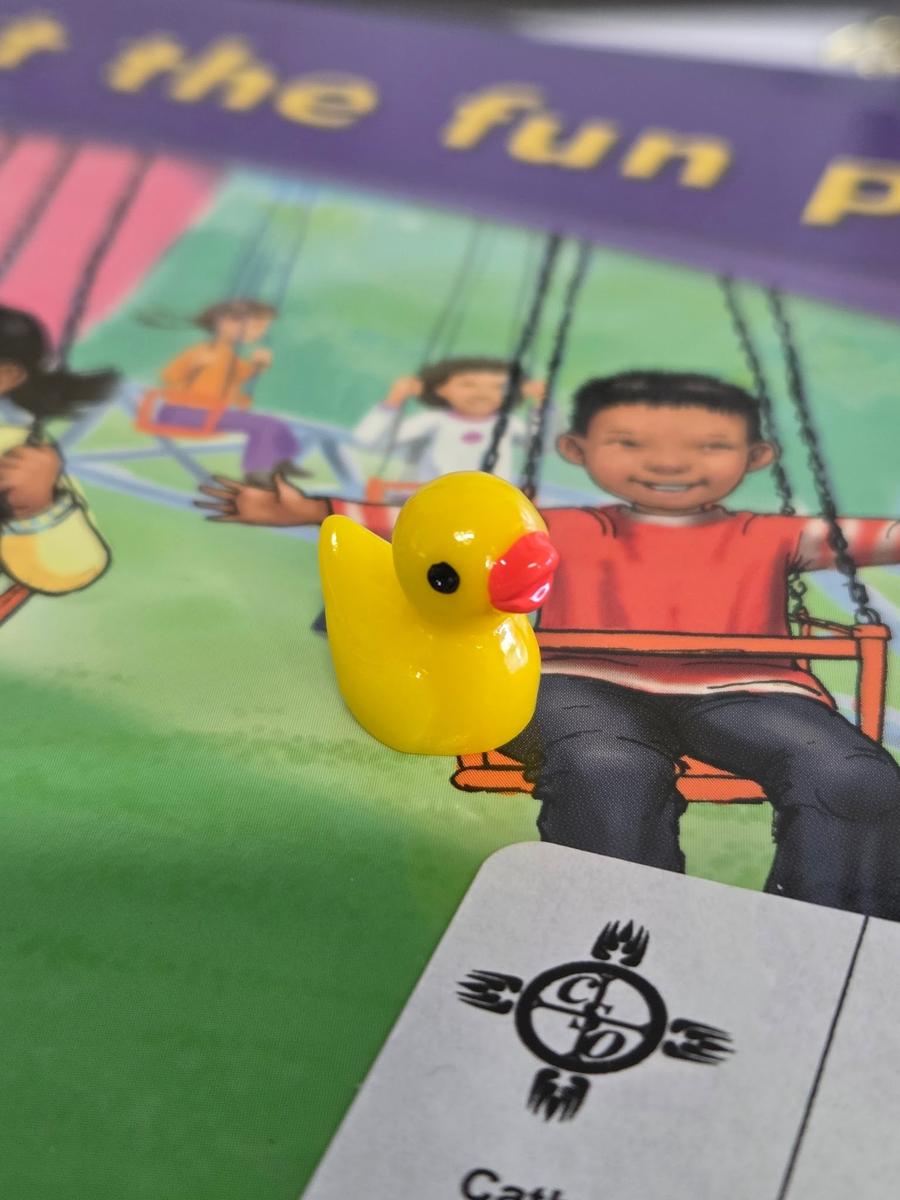
Students quietly reading to their ducks
Maths
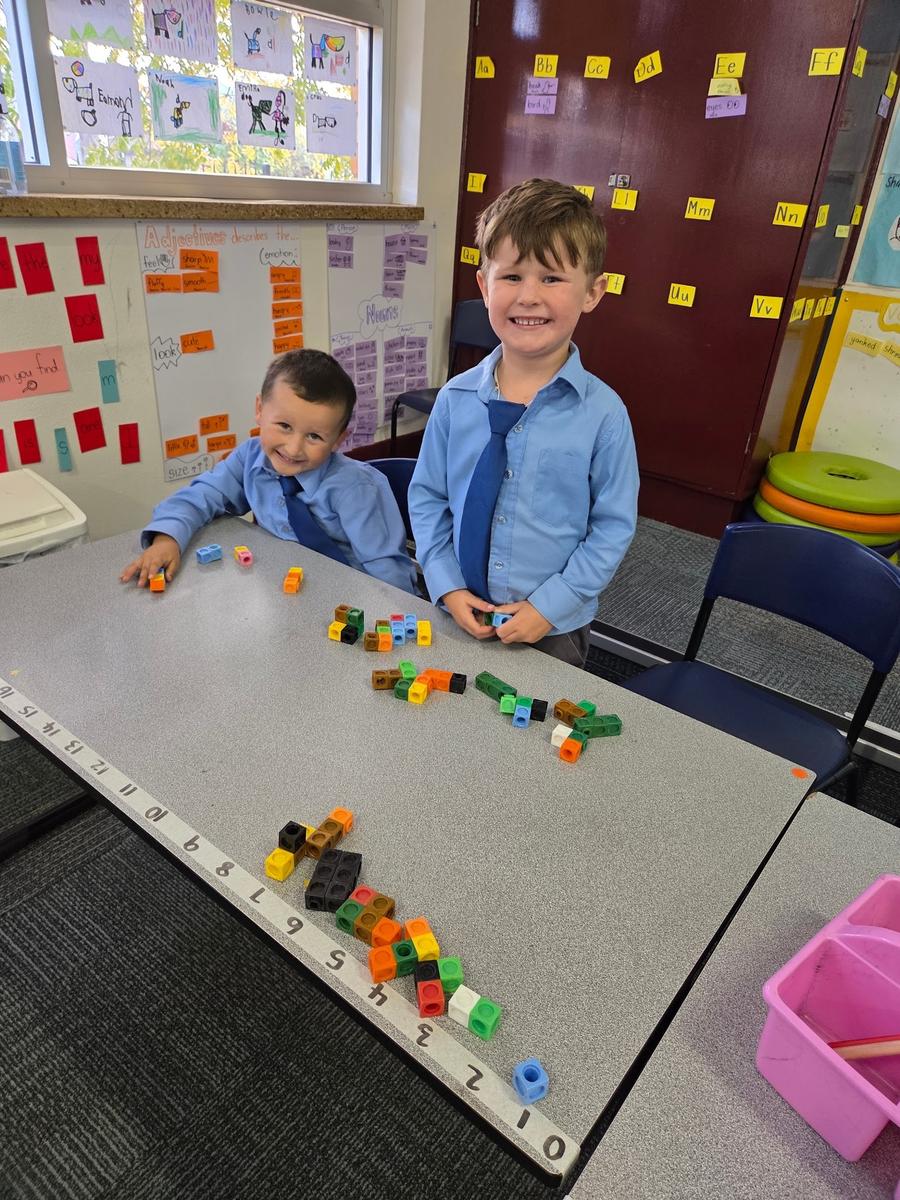
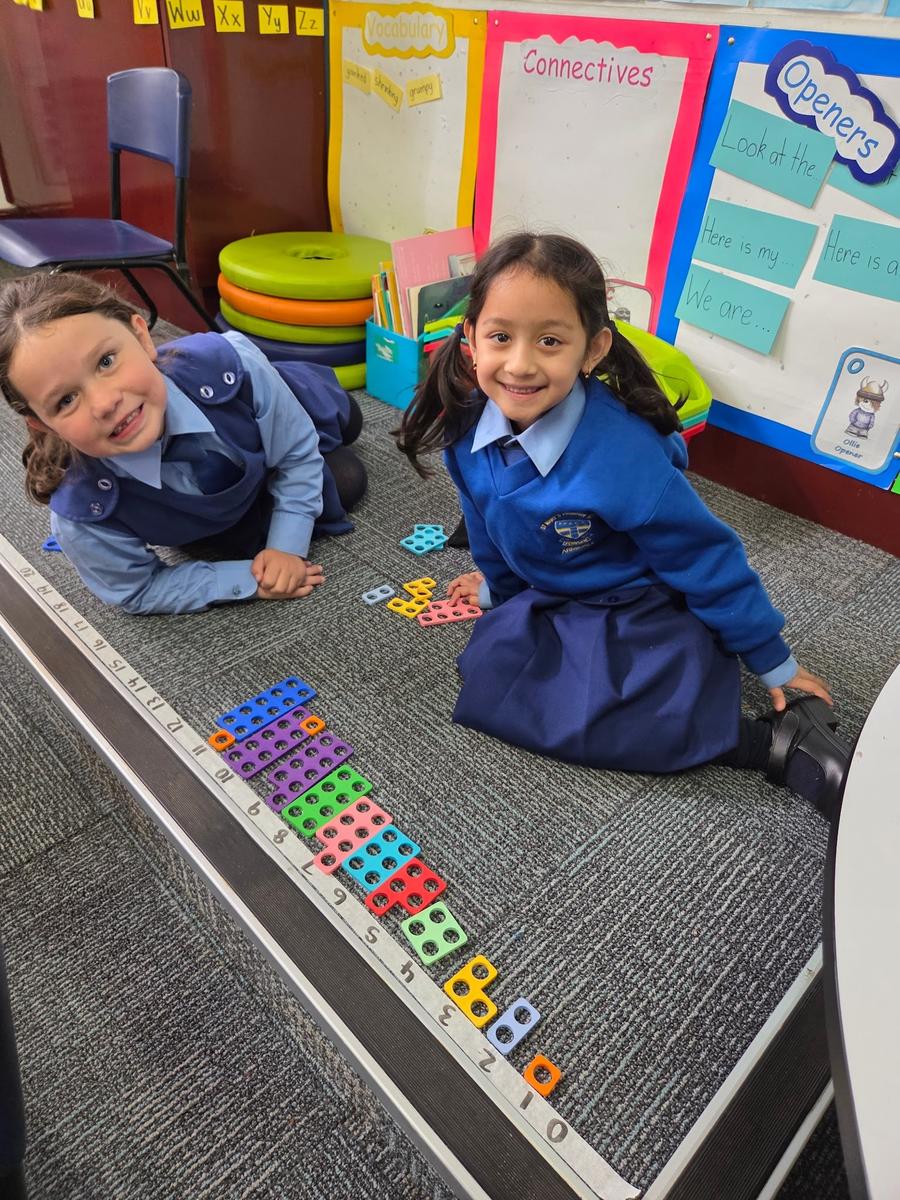
We are learning to:
Religion
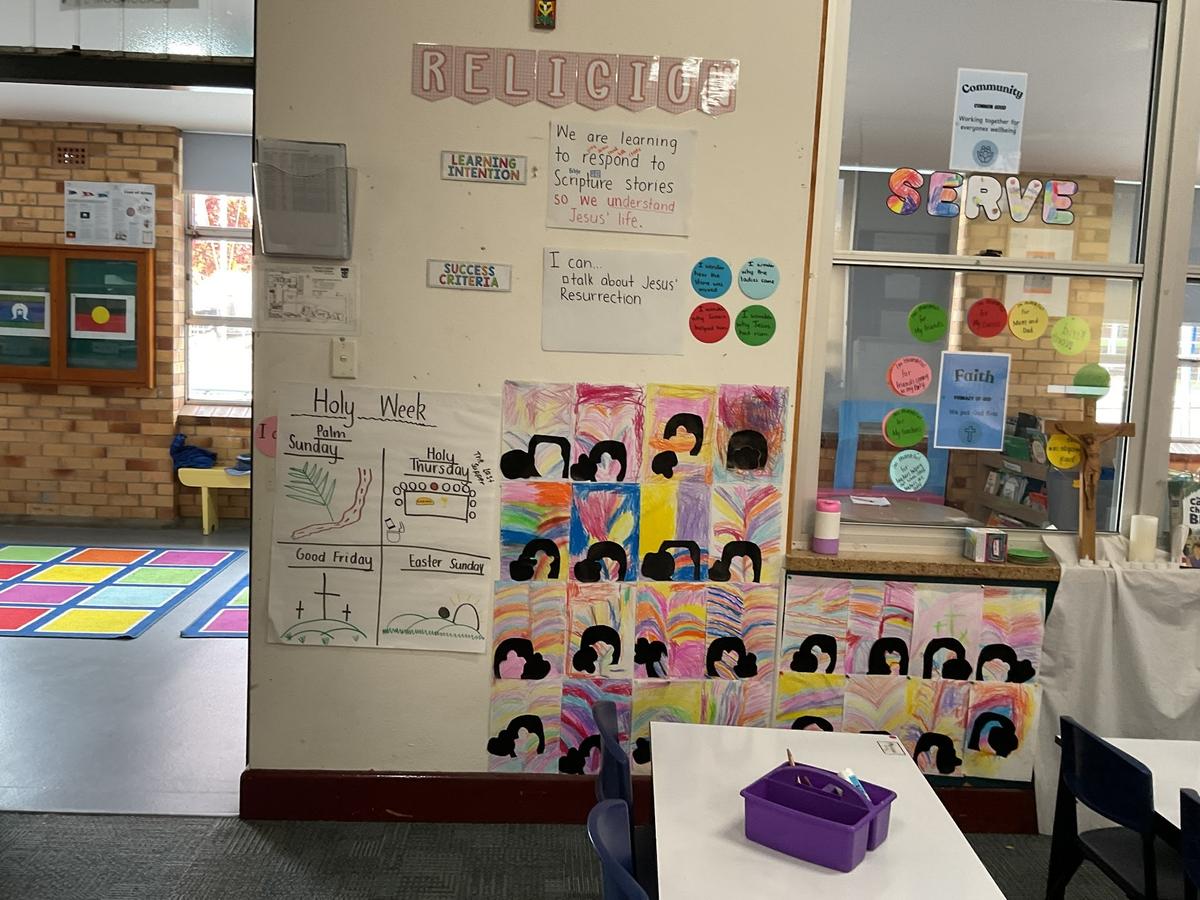
We are learning to listen and respond to the story of Jesus’ appearance to his disciples.
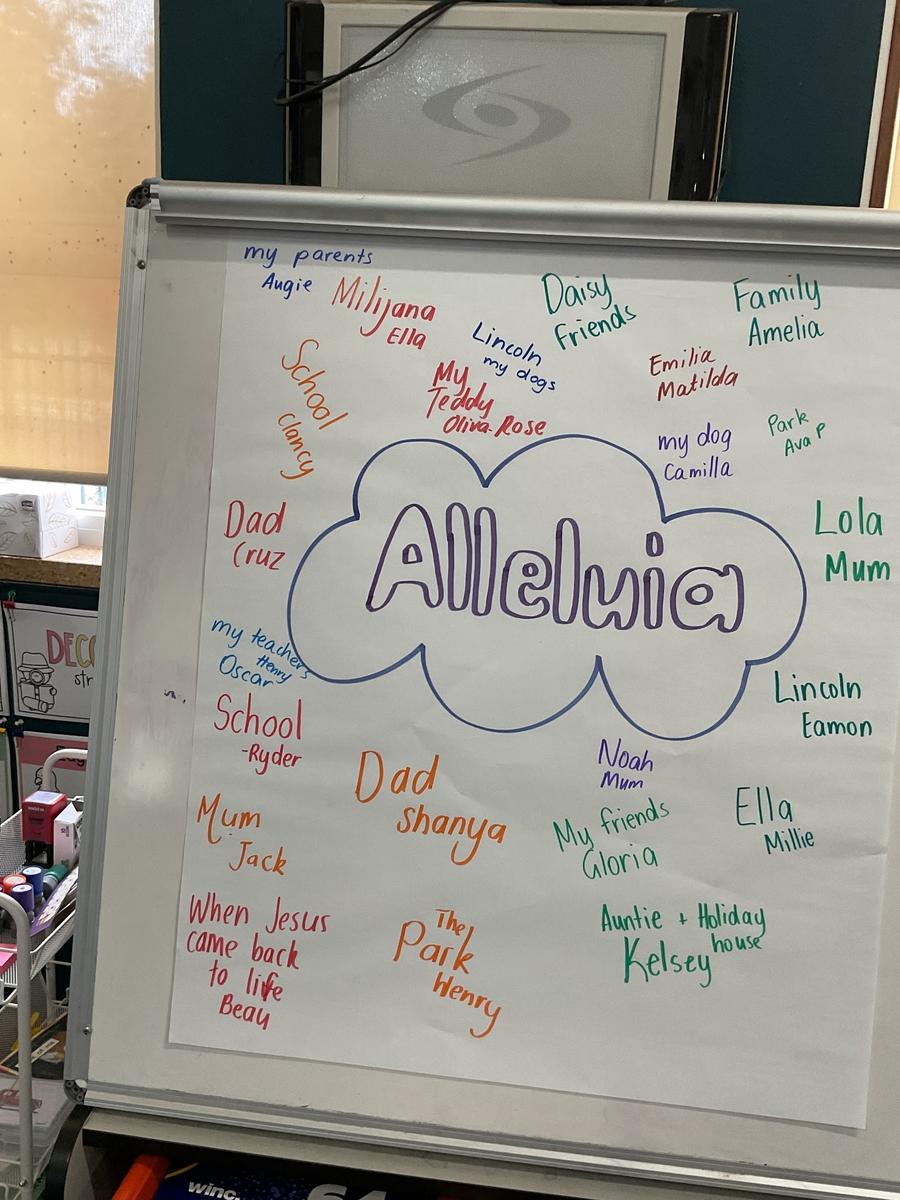
We are learning to use ‘Alleluia’ in prayer.
Geography
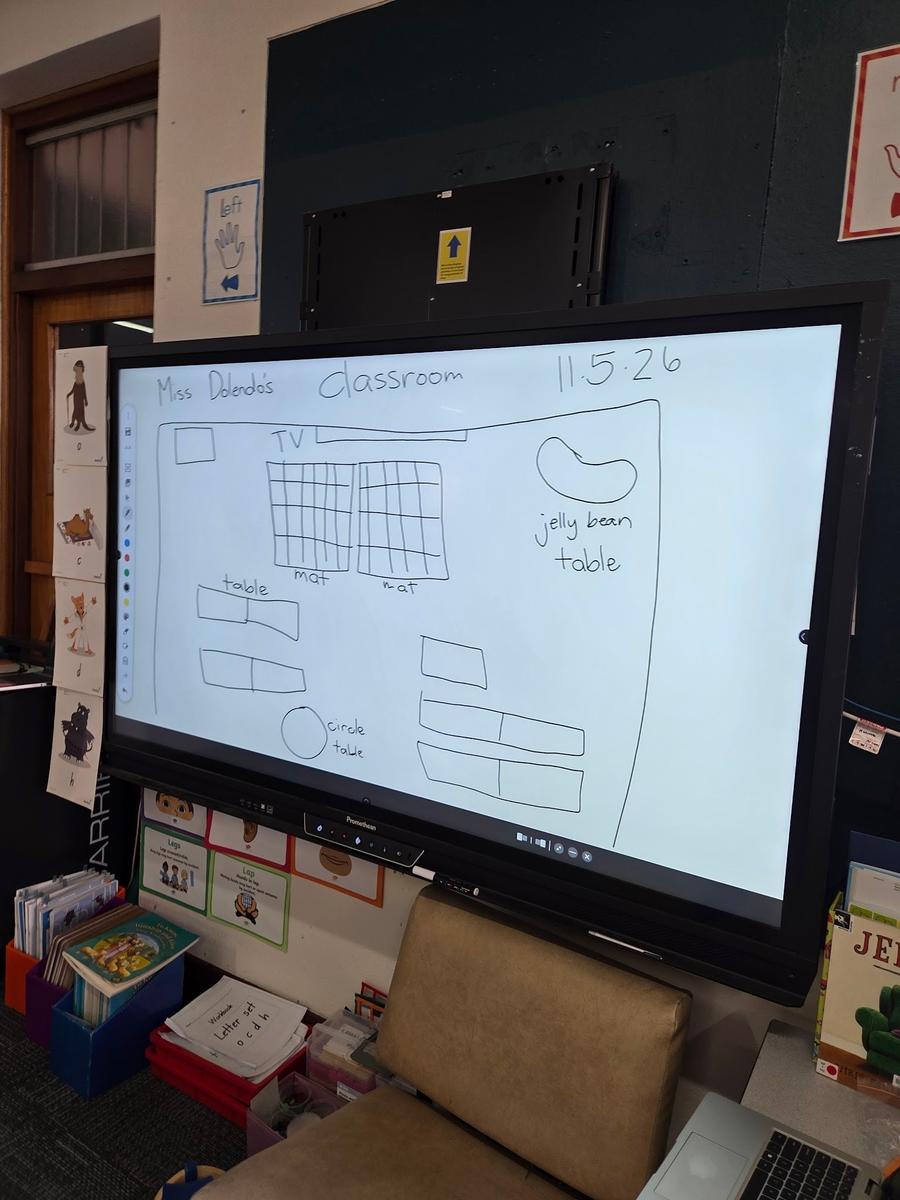
We are learning to identify places on a map.
We are learning to create a map of familiar places.
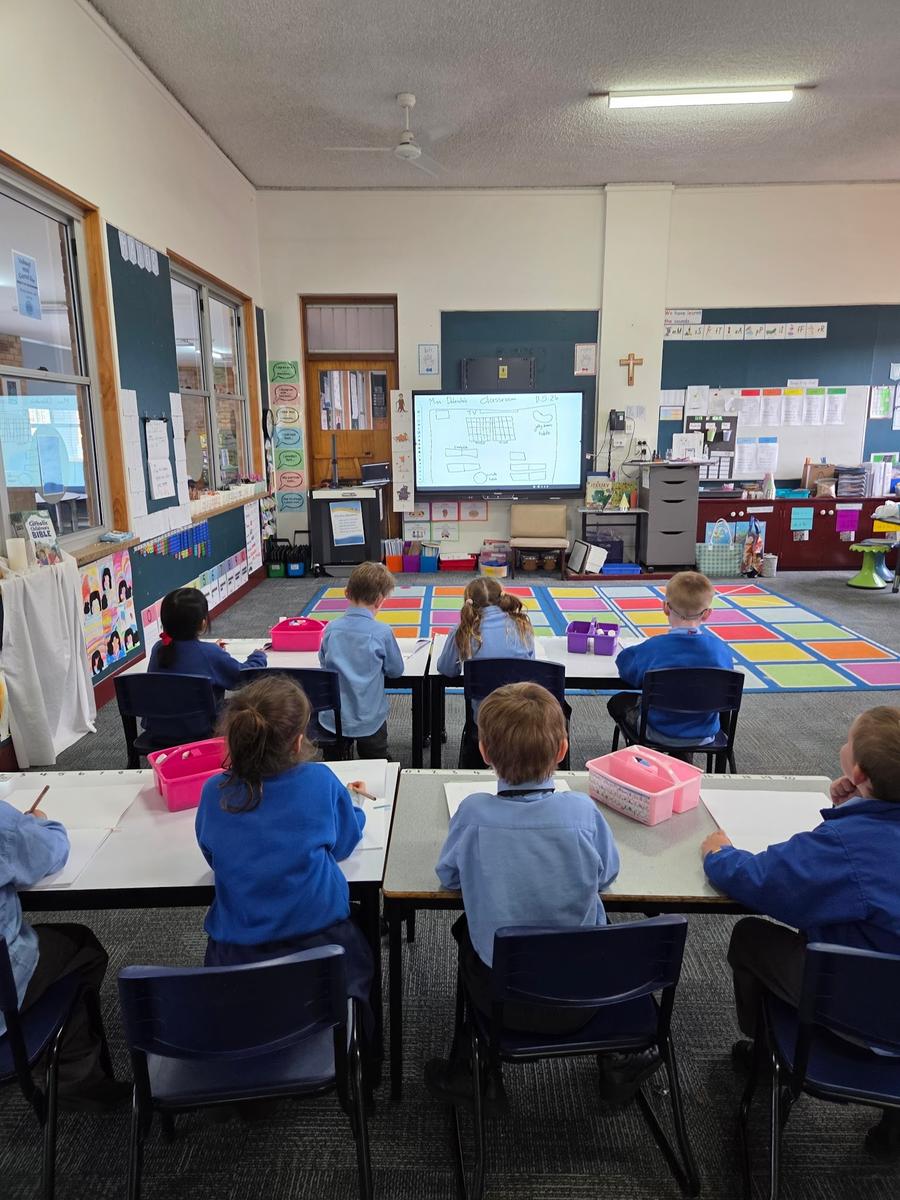
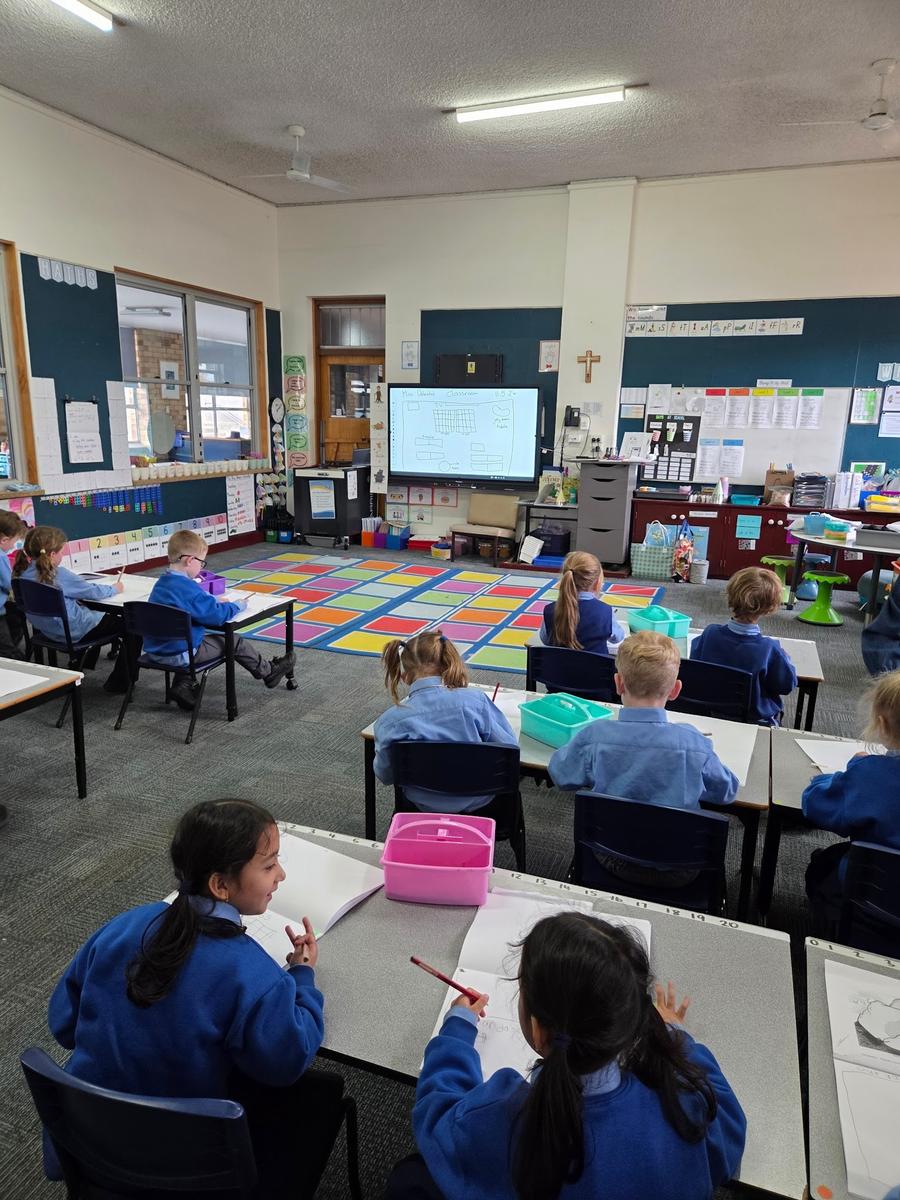
The weeks are disappearing quickly in Year 1. We have been impressed with the number of children returning their Reading Folders each week and heartened by the positive reading environment you are creating for your children at home.
Religion:
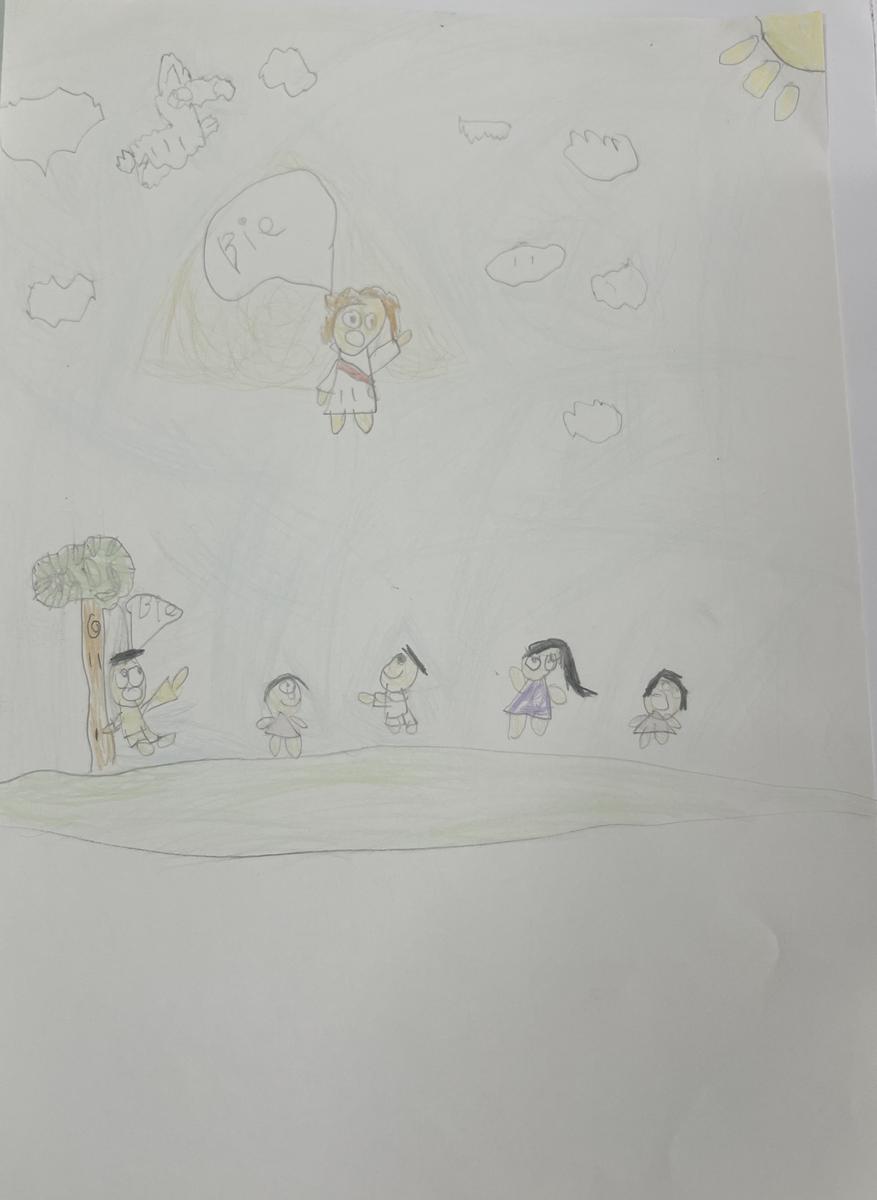
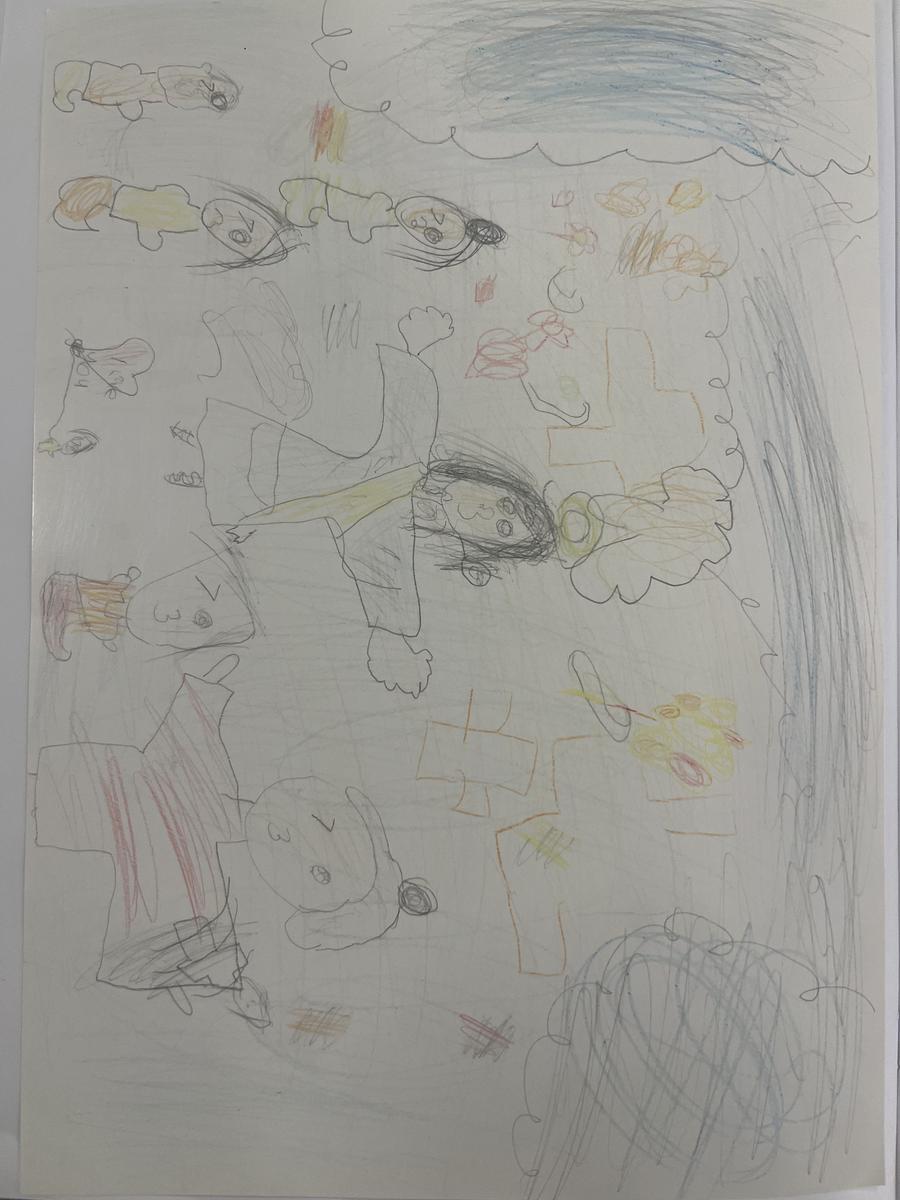
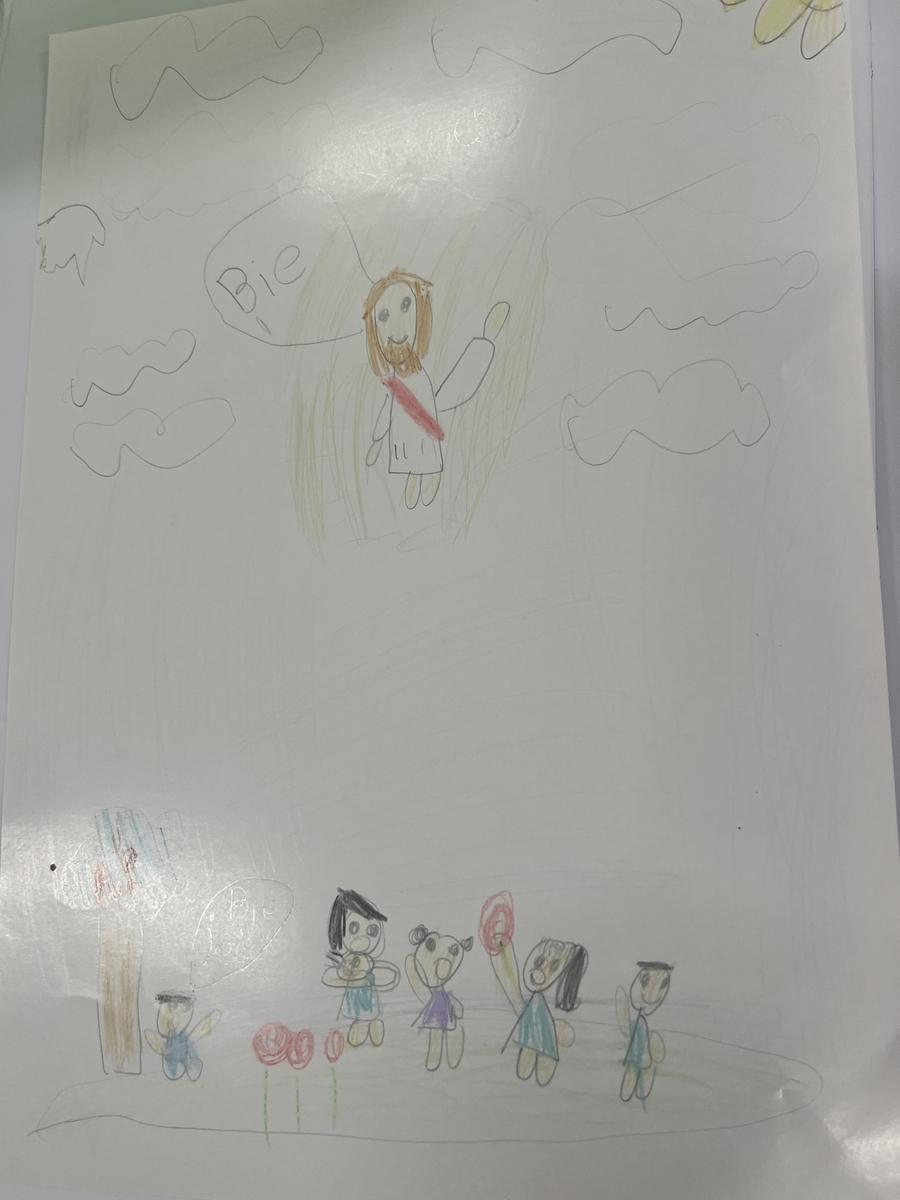
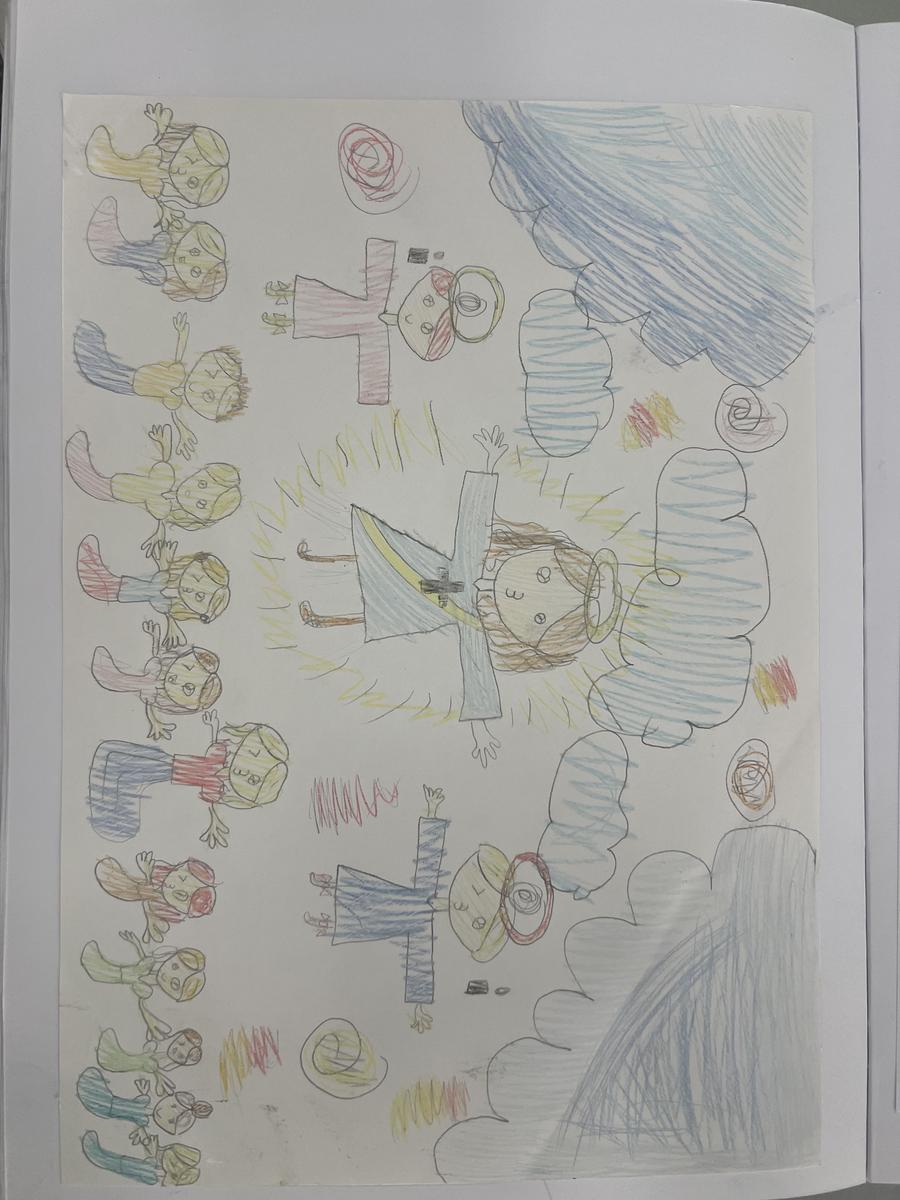
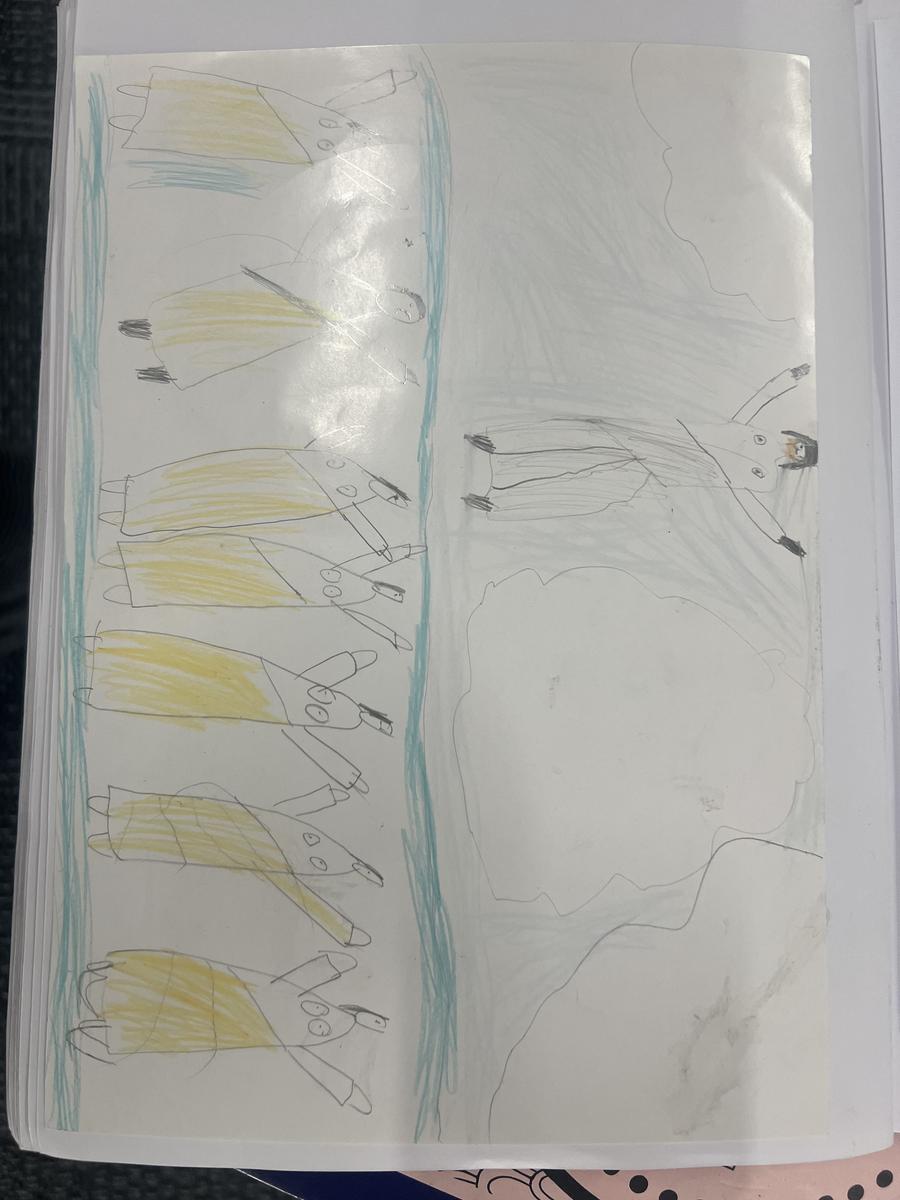
This week we have been listening to the story of the Ascension of Jesus. We viewed some of the famous images and then the children created their own. They are beautiful!
Writing:
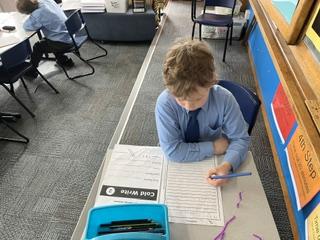
This week the children completed their Cold Write assessment task. The children, across the school, are given a title to write independently. This term's topic was "The Ultimate Way to Travel to School." The children confidently shared their ideas with their classmates and then wrote their own Persuasive text, convincing the reader of their choice. It is pleasing to see the children's writing stamina and skills developing as they focus on being a "Learner."
Maths:
We have begun a two-week unit about Data. The children are learning to collect, organize and interpret information. We have fun investigating Year 1's favourite fruit and favourite colour, so far.
Our Maths programs provides the following information to share with parents:
Tips for parents: The 21st century has brought about a huge emphasis on data. Our students must have a deep understanding of data to work effectively. In our daily lives we are called upon to understand information that is presented in graphs and tables. Helping your child with data
Use objects in the kitchen to create a concrete graph. Gather a handful of cutlery (forks and spoons) and have your child line it up to create a concrete graph. Ask her/him questions about which has more, which has less, and how many there are in all. Consider playing this same game with glasses
and mugs as you put away the dishes. The upper rack in the dishwasher makes an ideal graphing grid! Cookie cutters can also be sorted and graphed in this way.
Gymnastics:
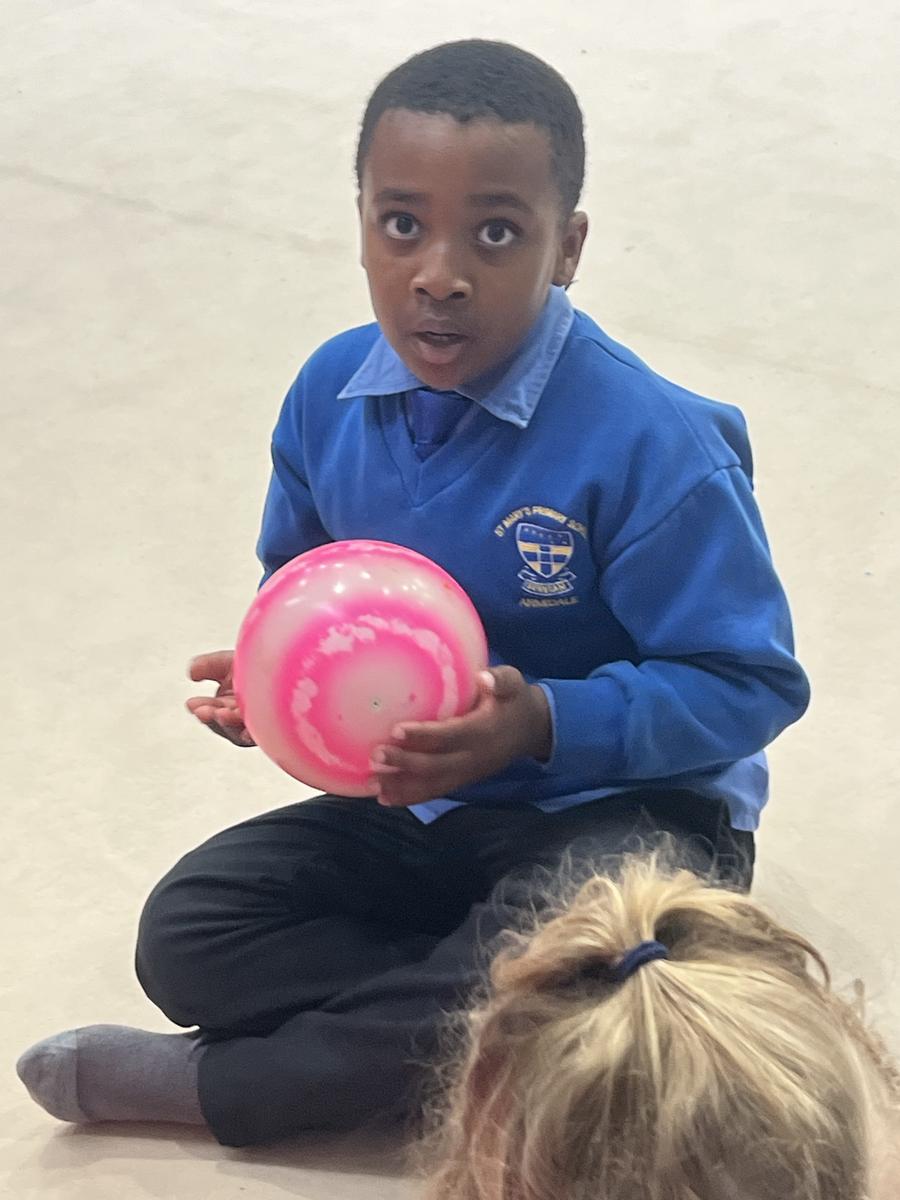
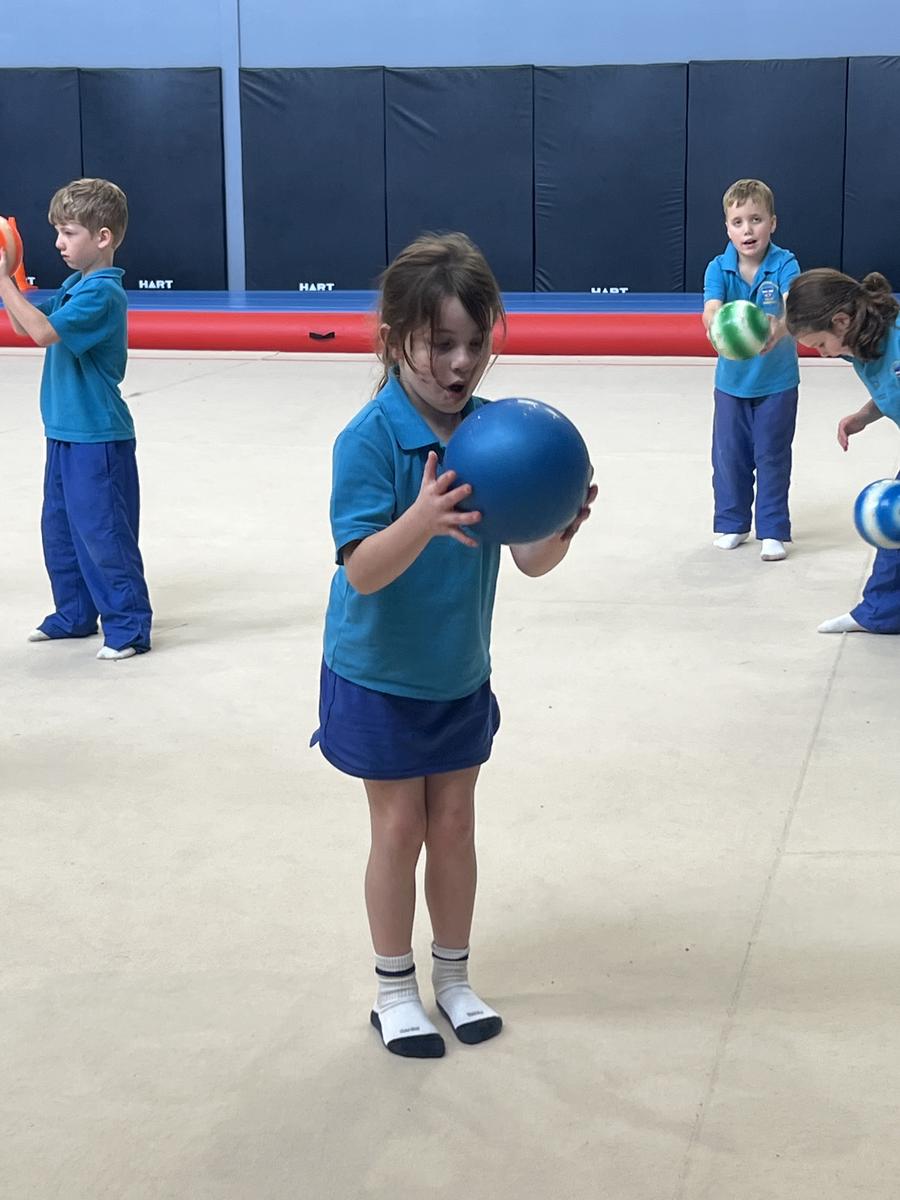
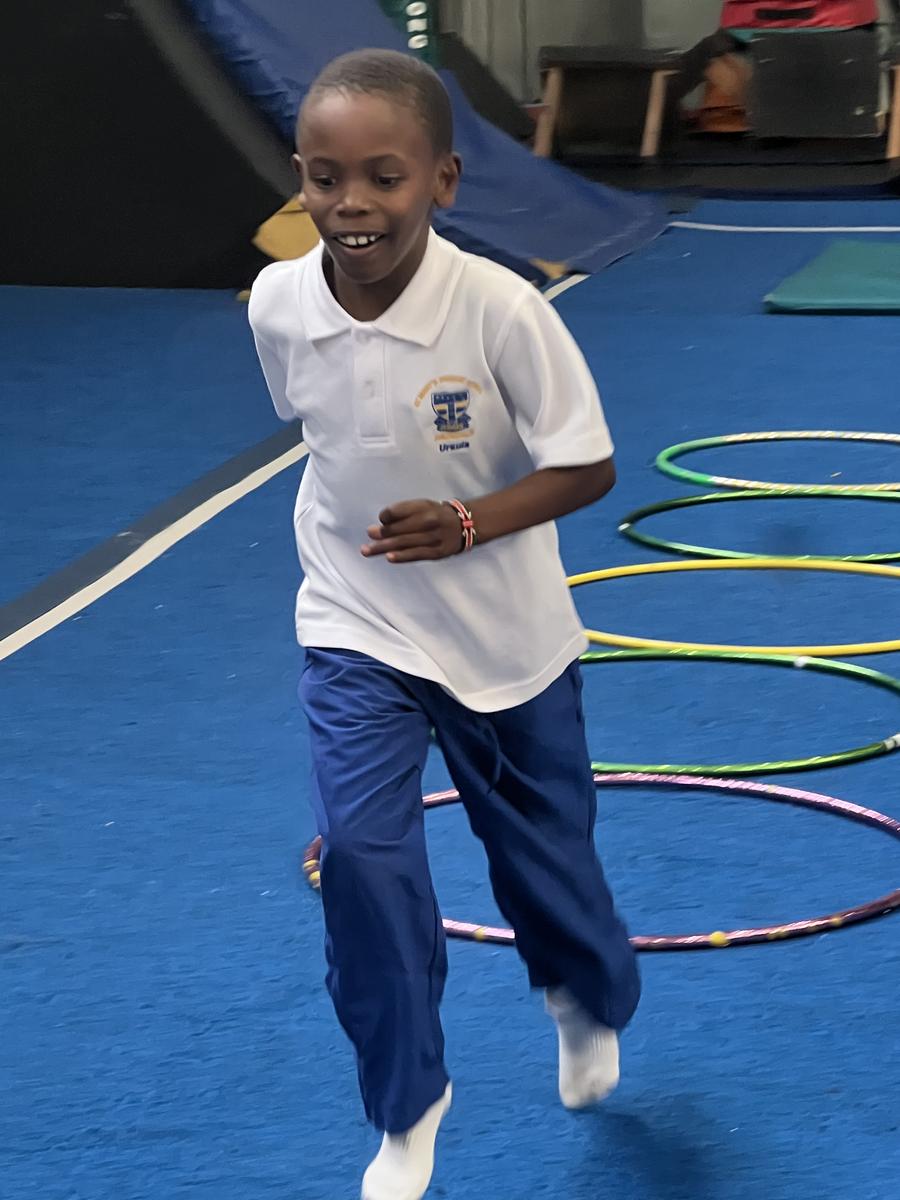
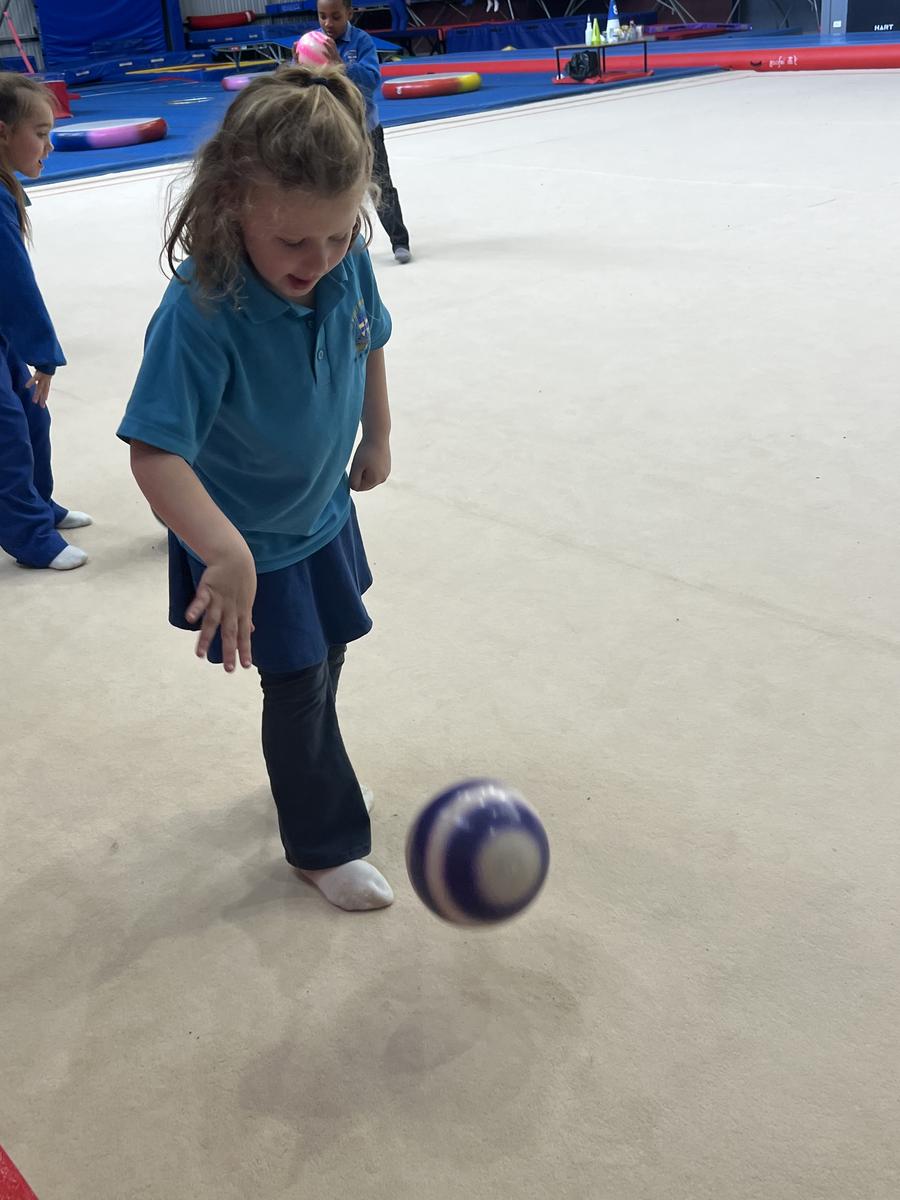
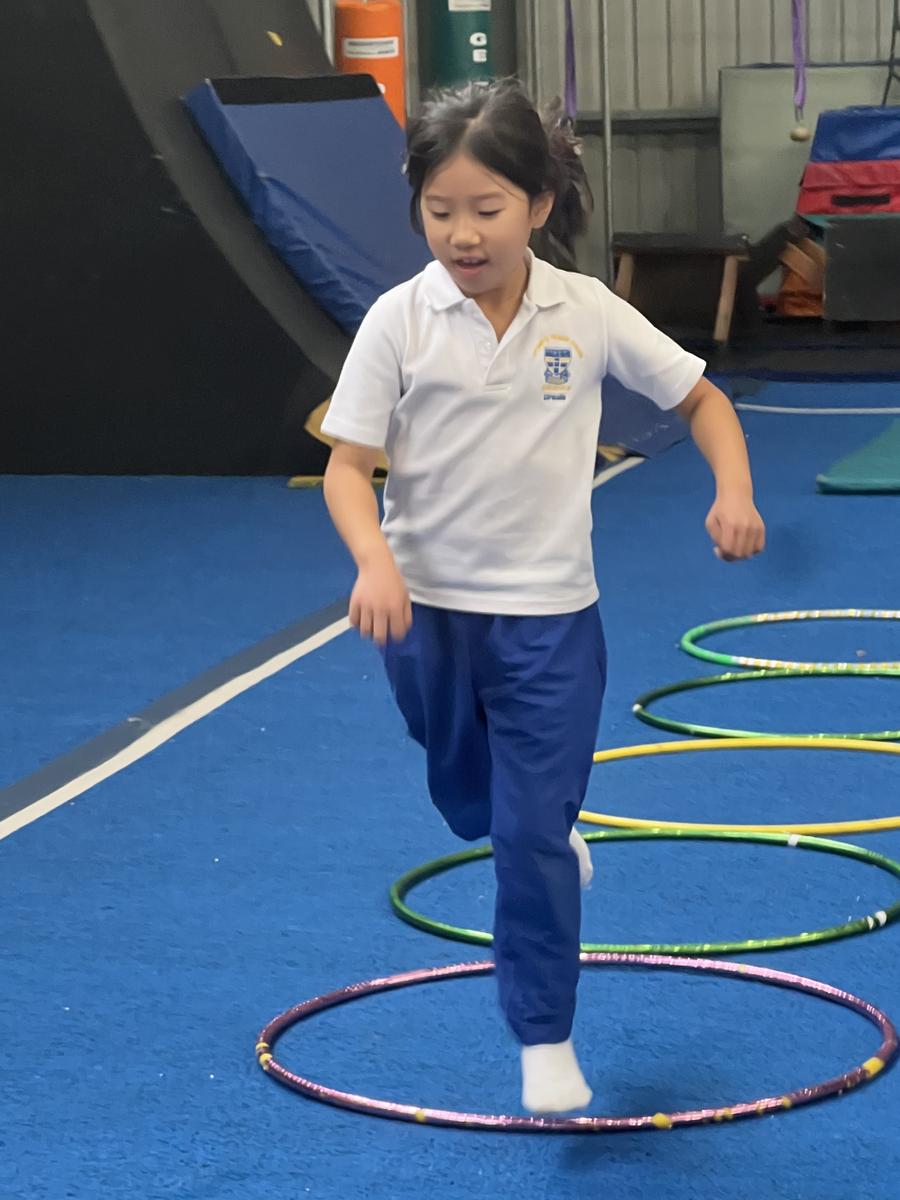
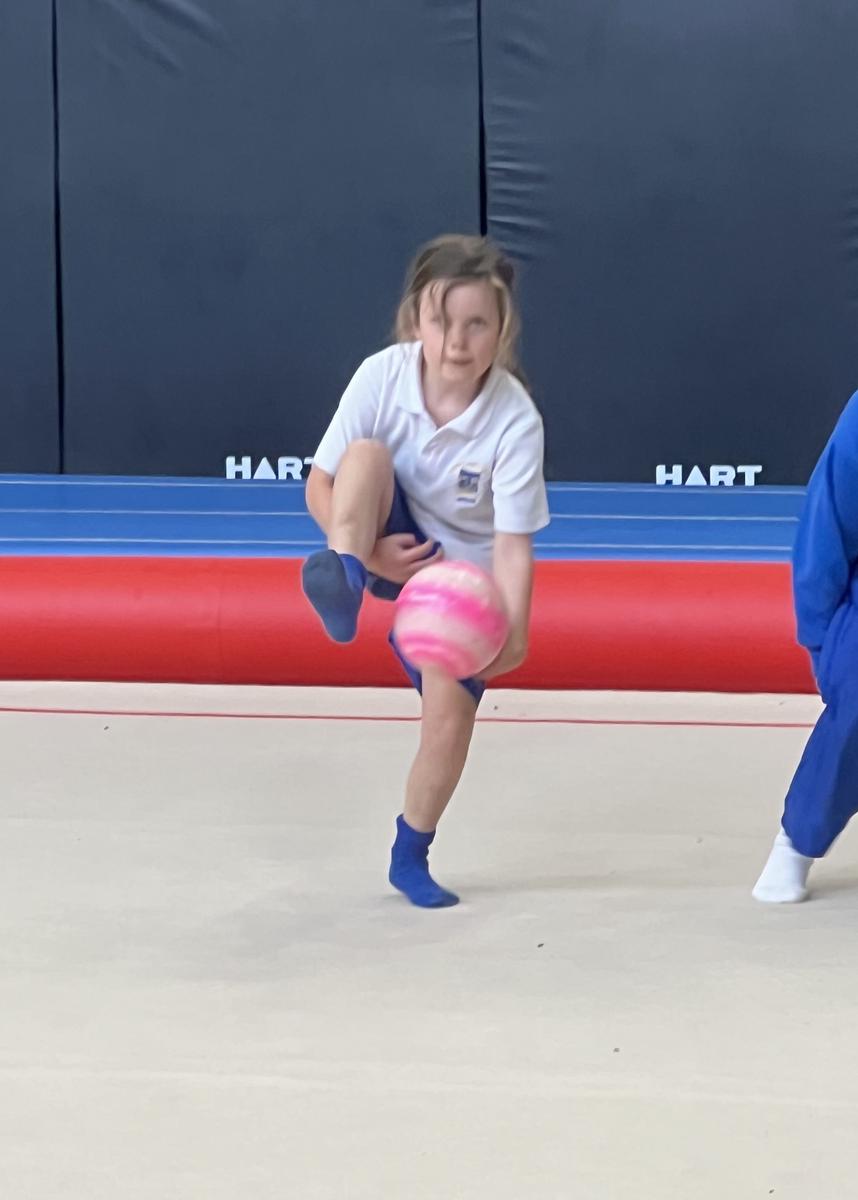
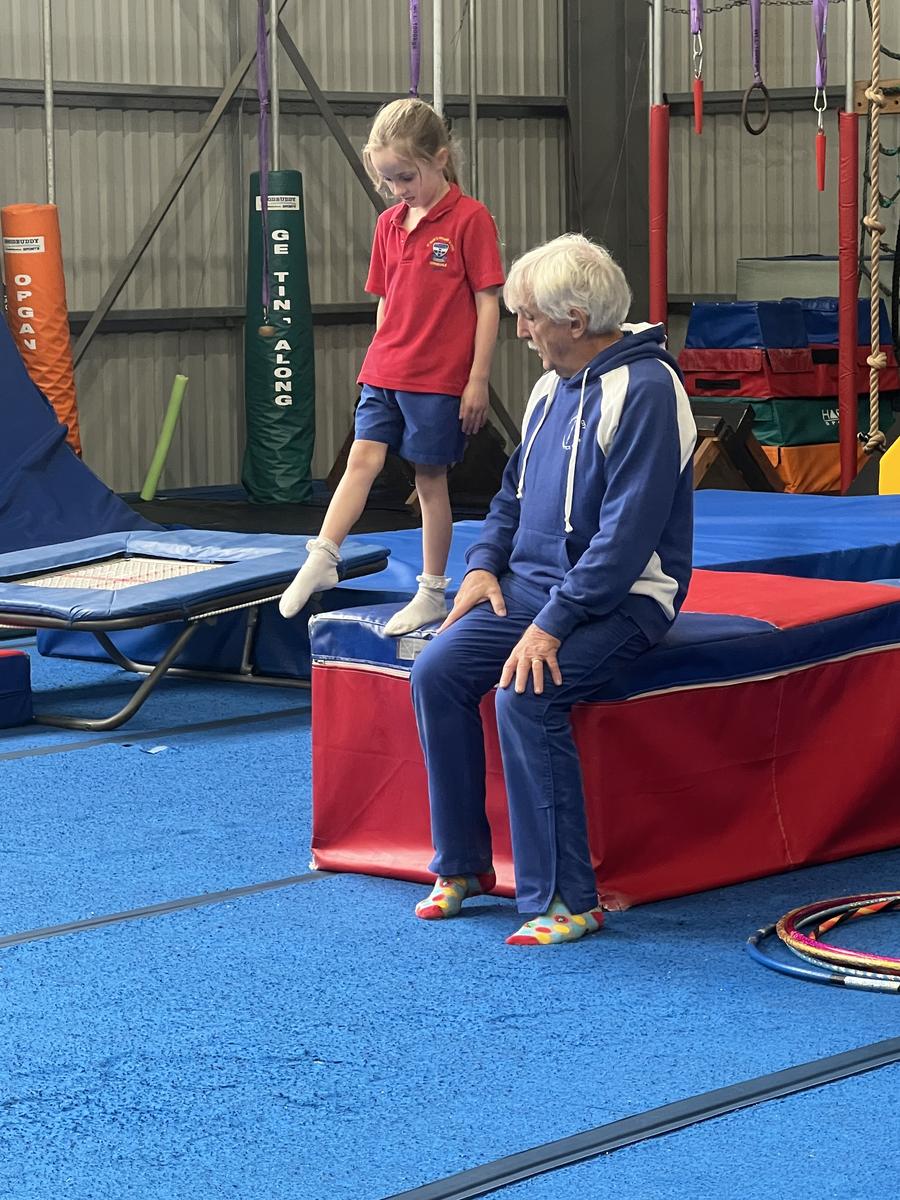
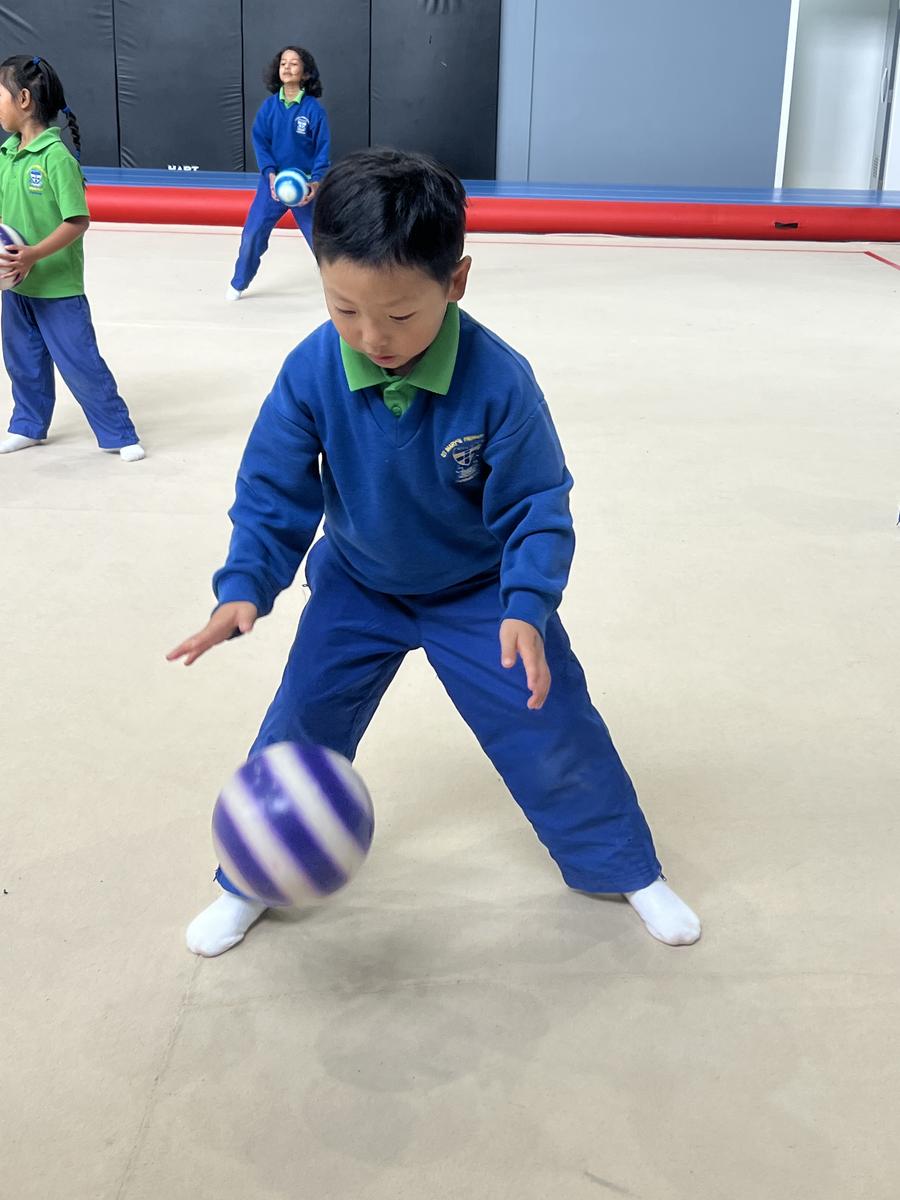
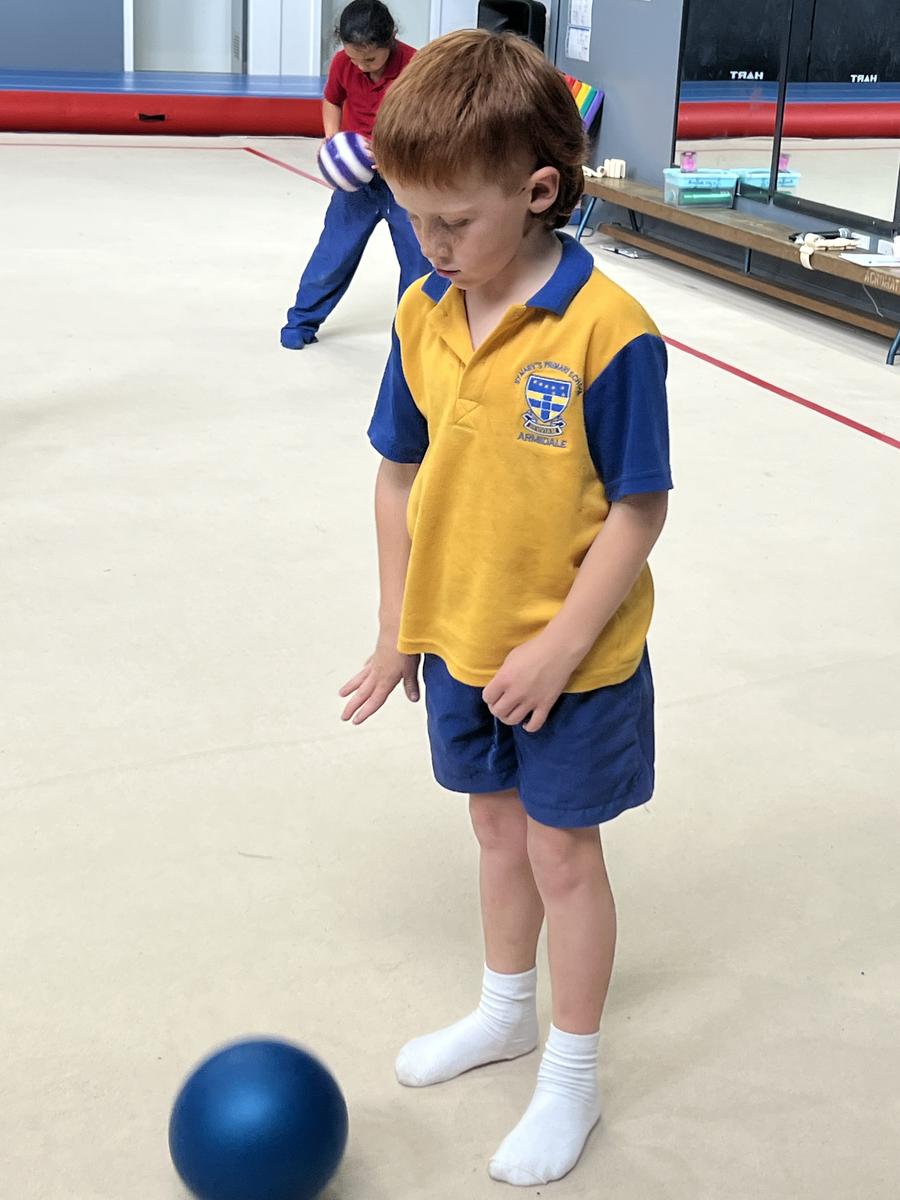
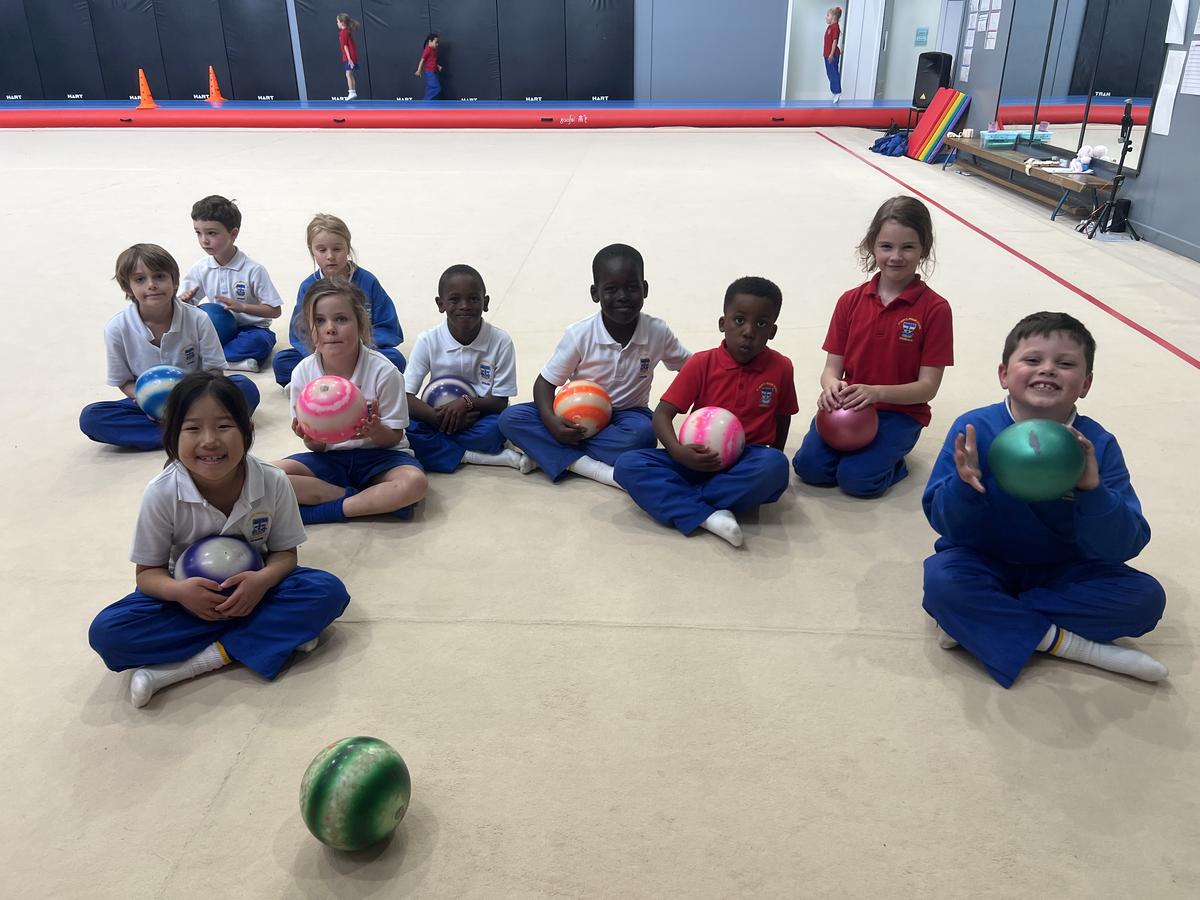
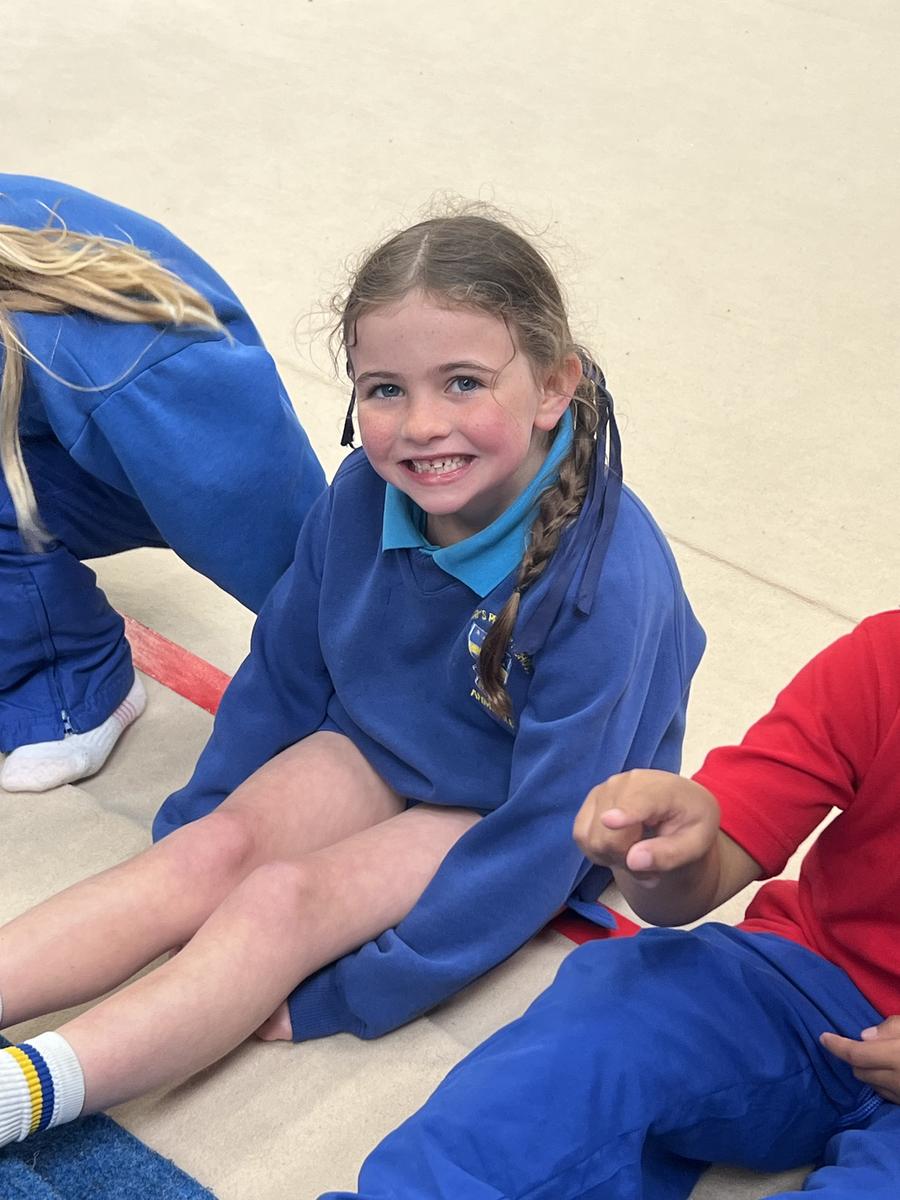
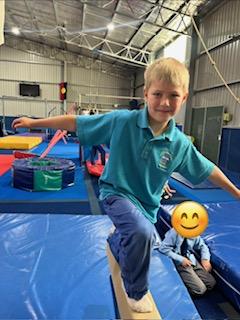
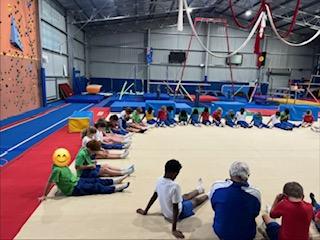
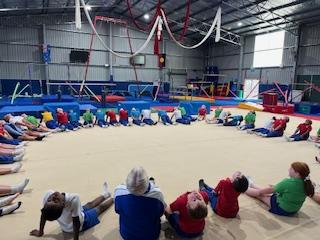
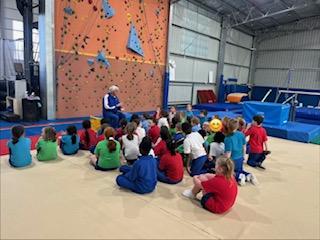
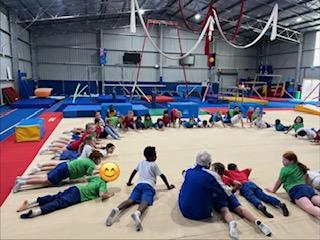
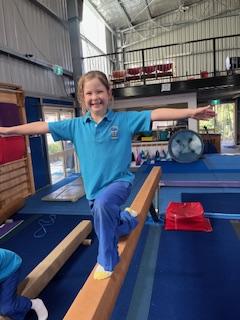
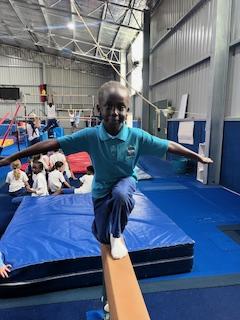
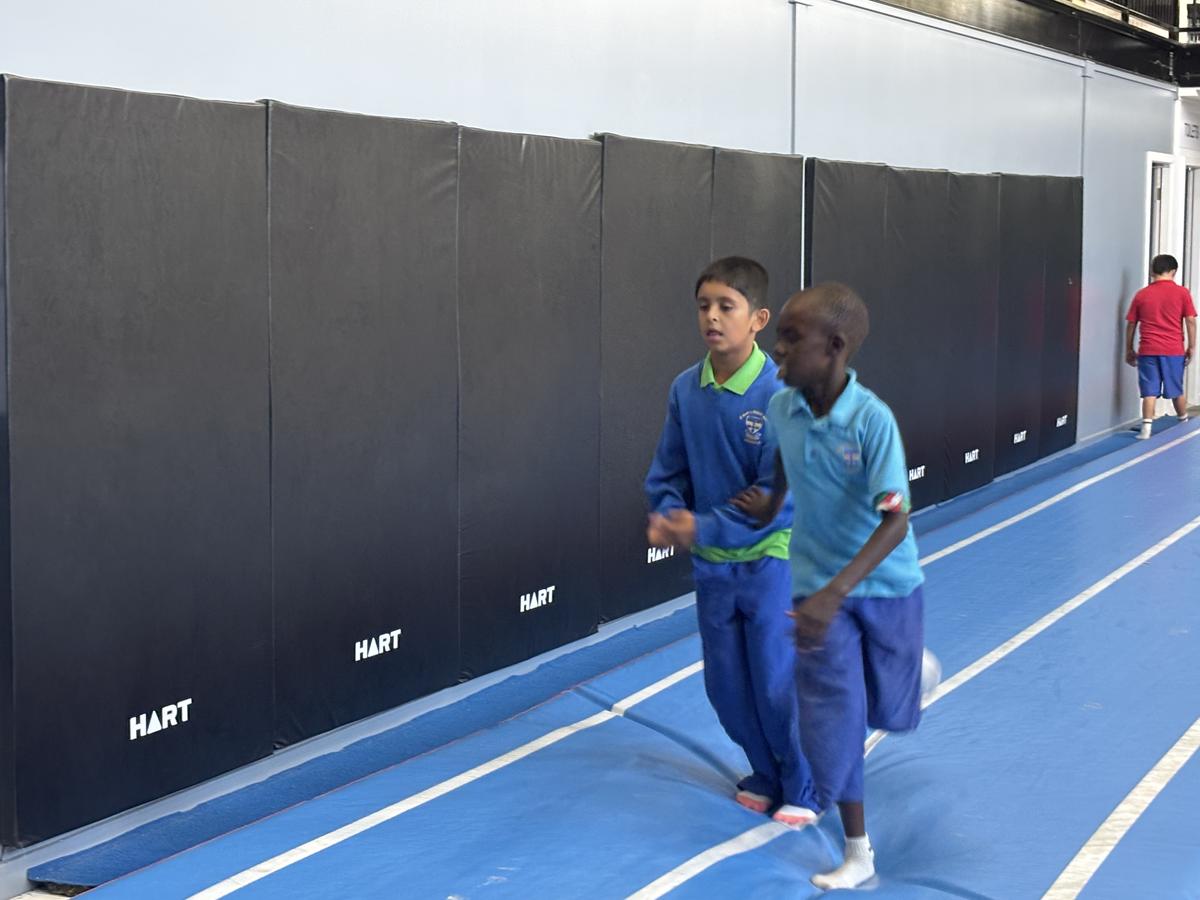
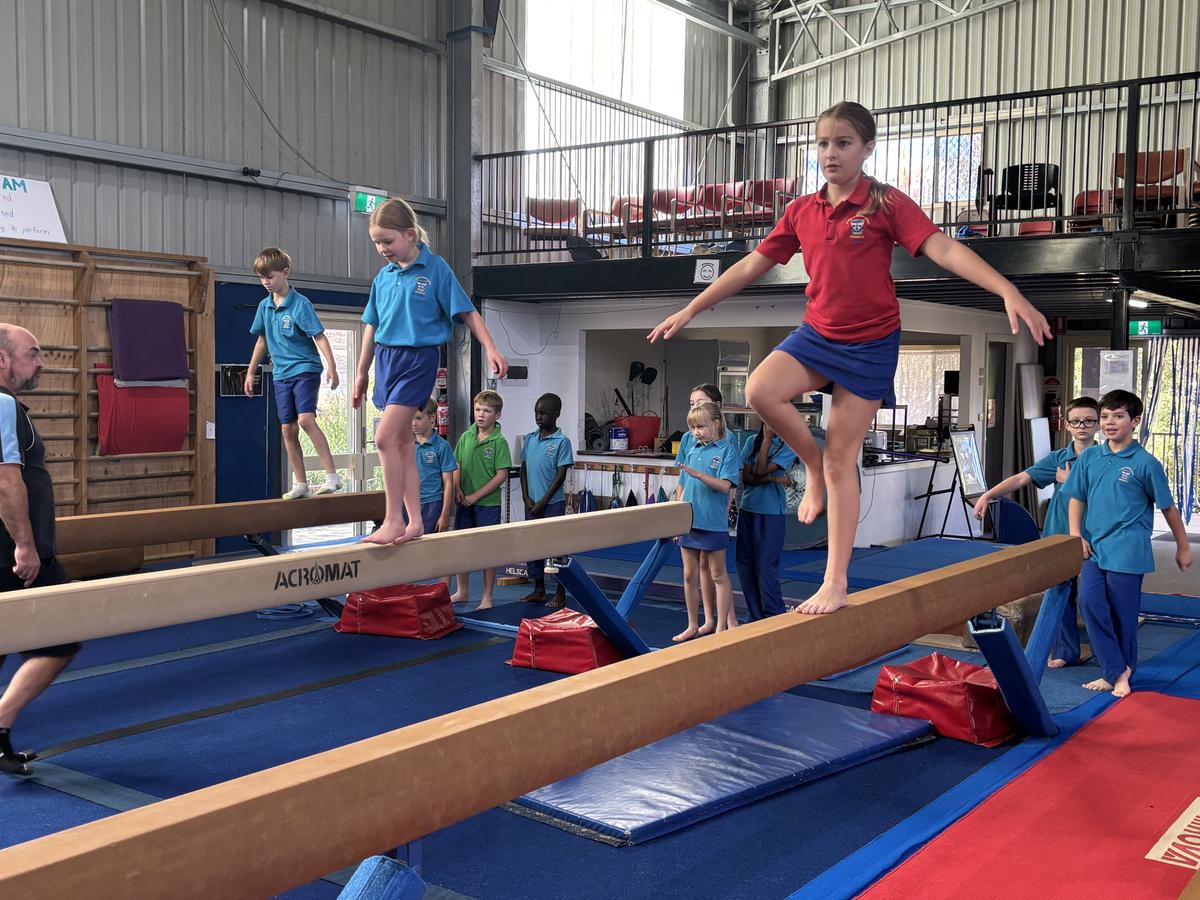
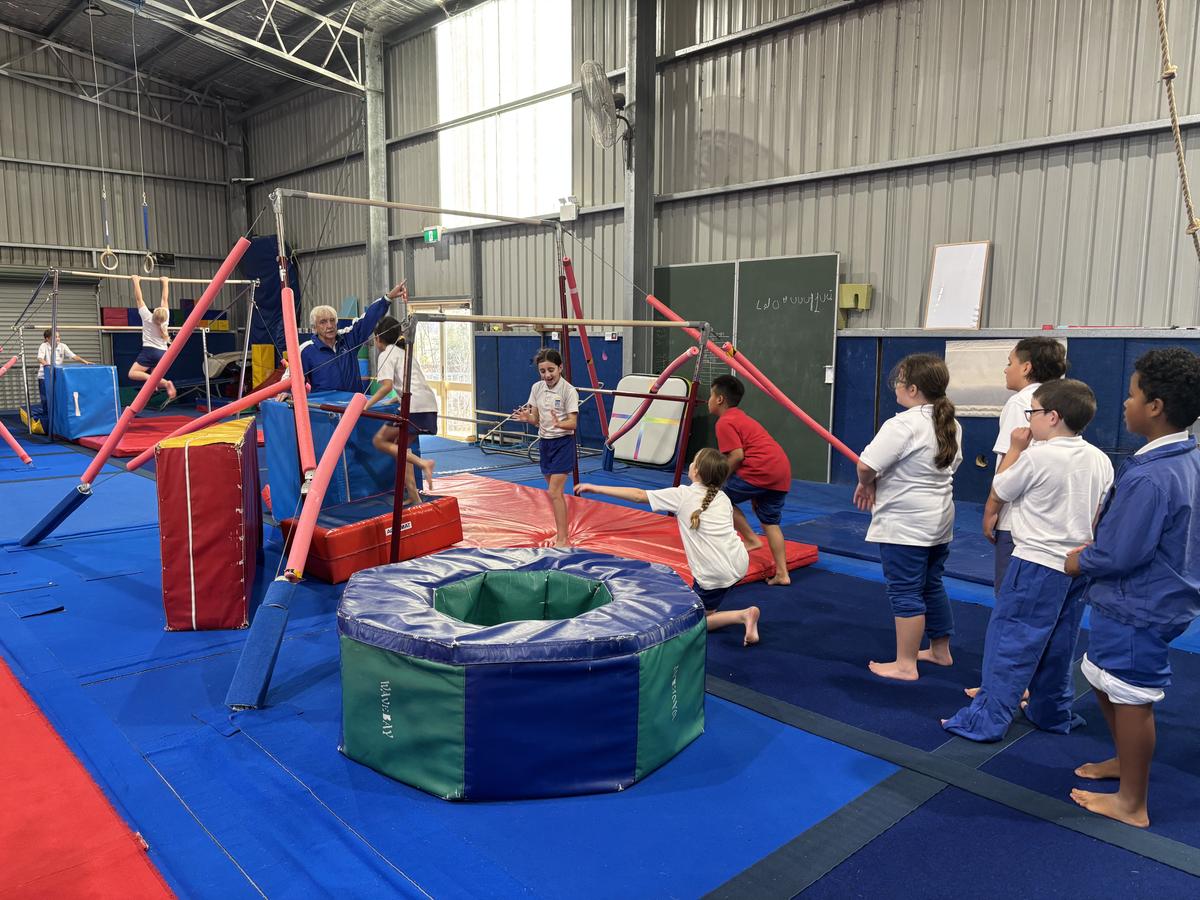
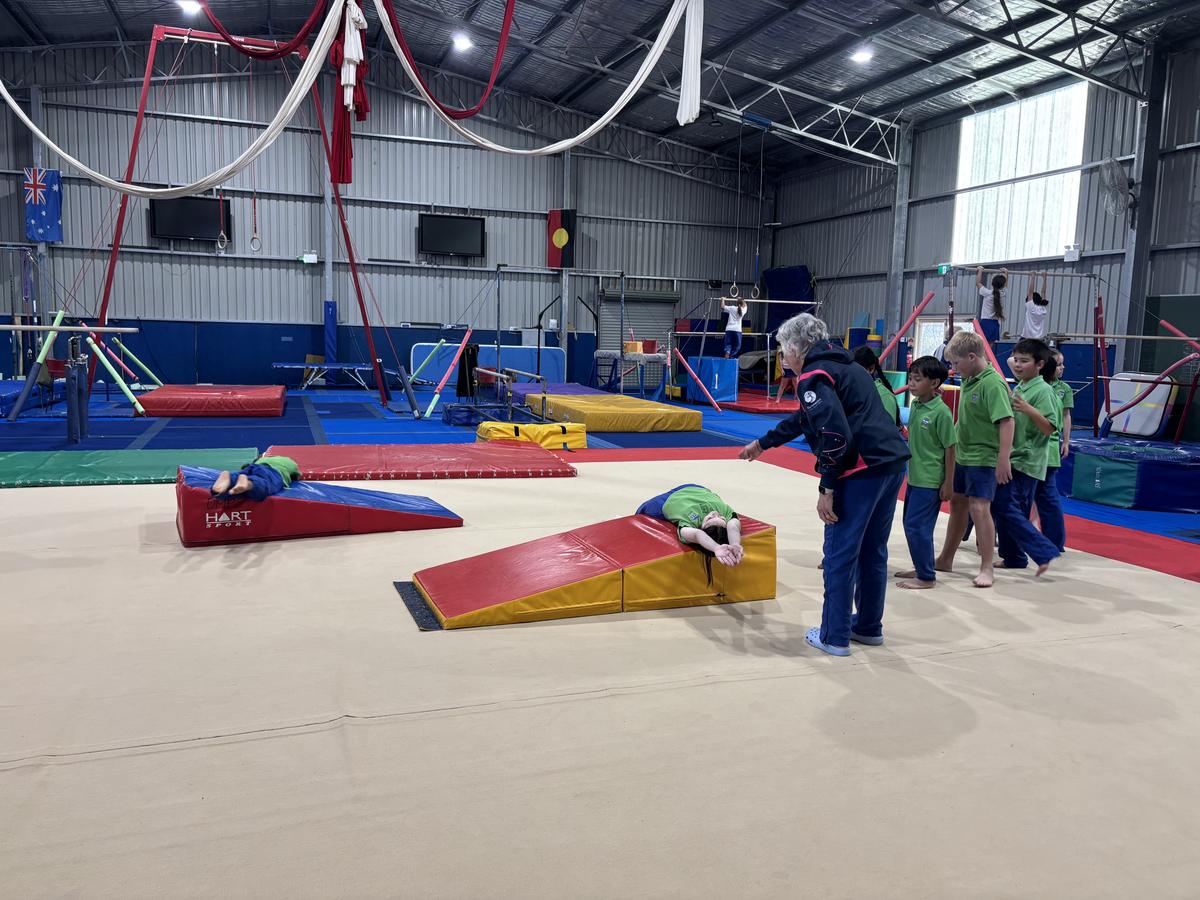
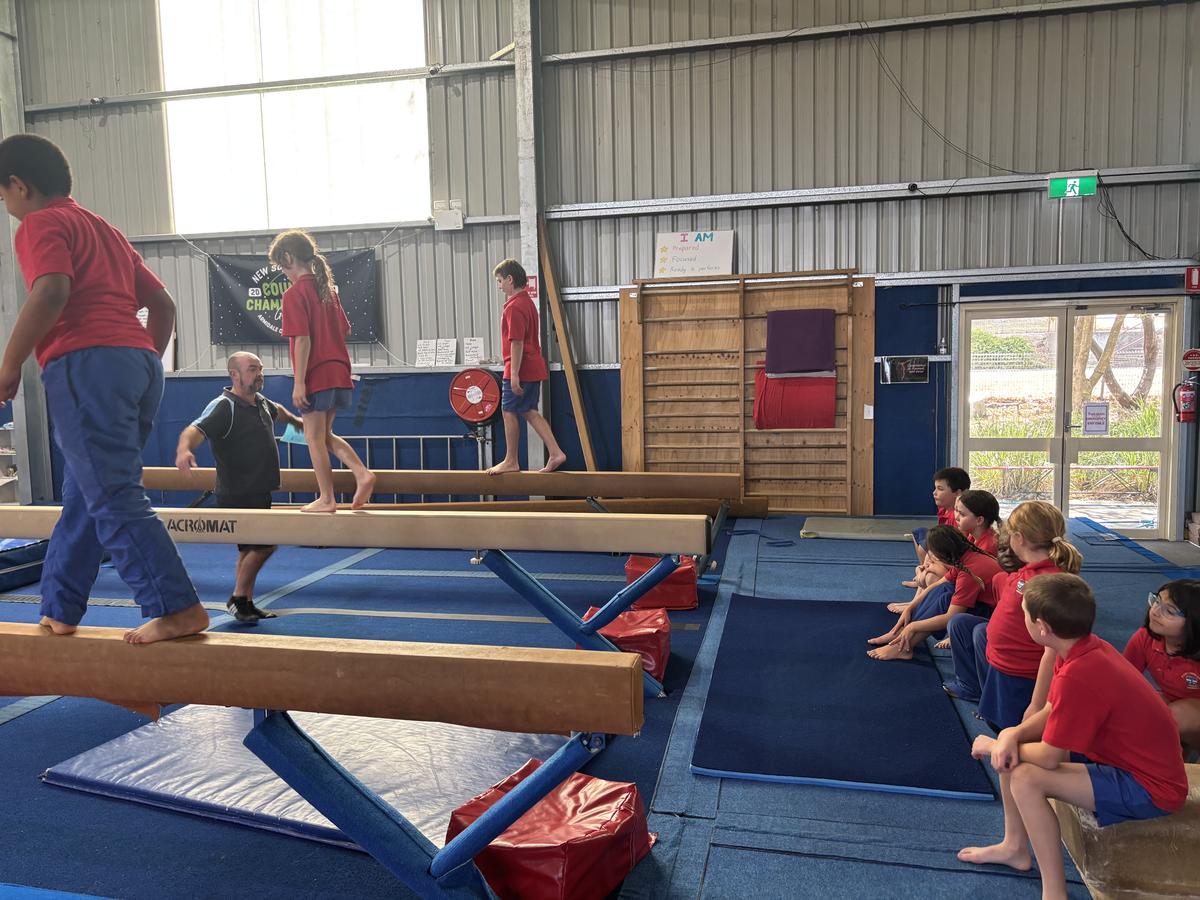
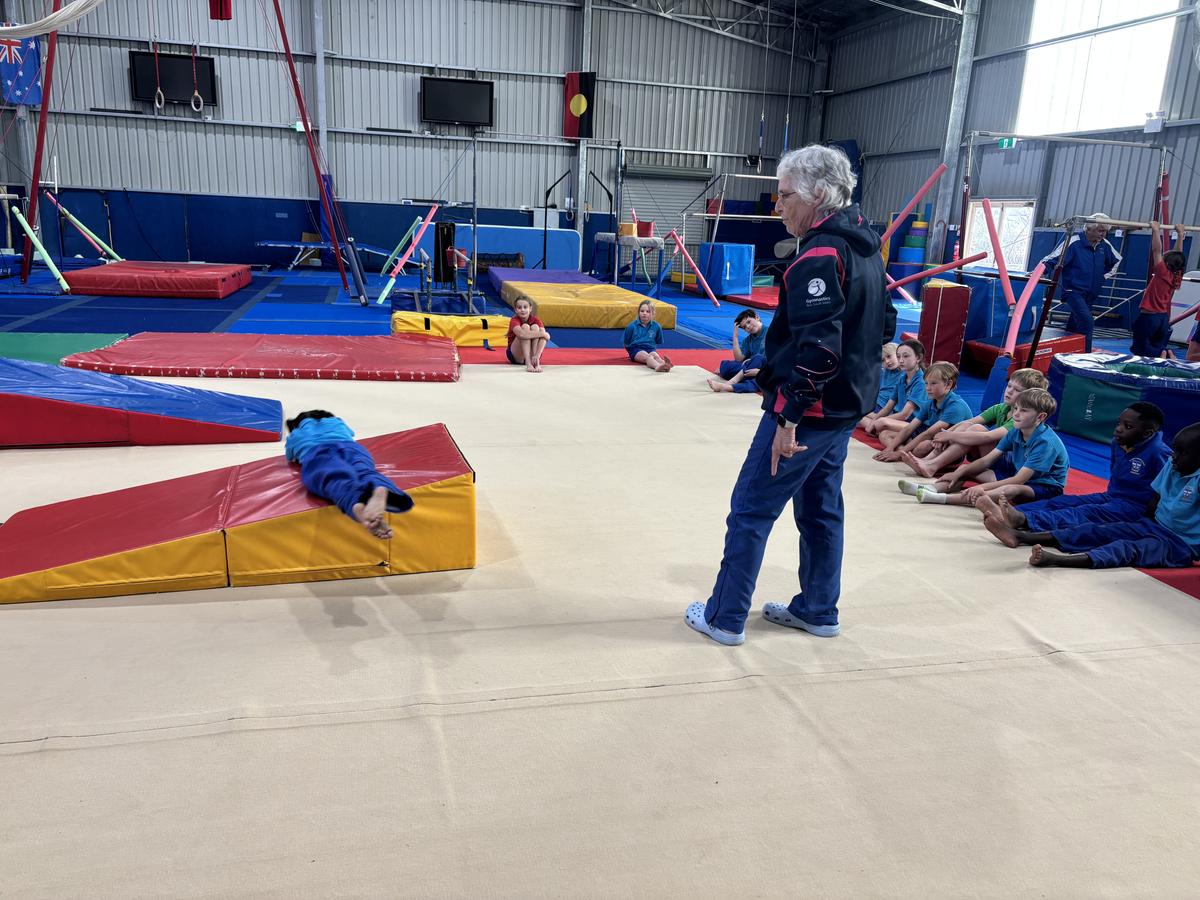
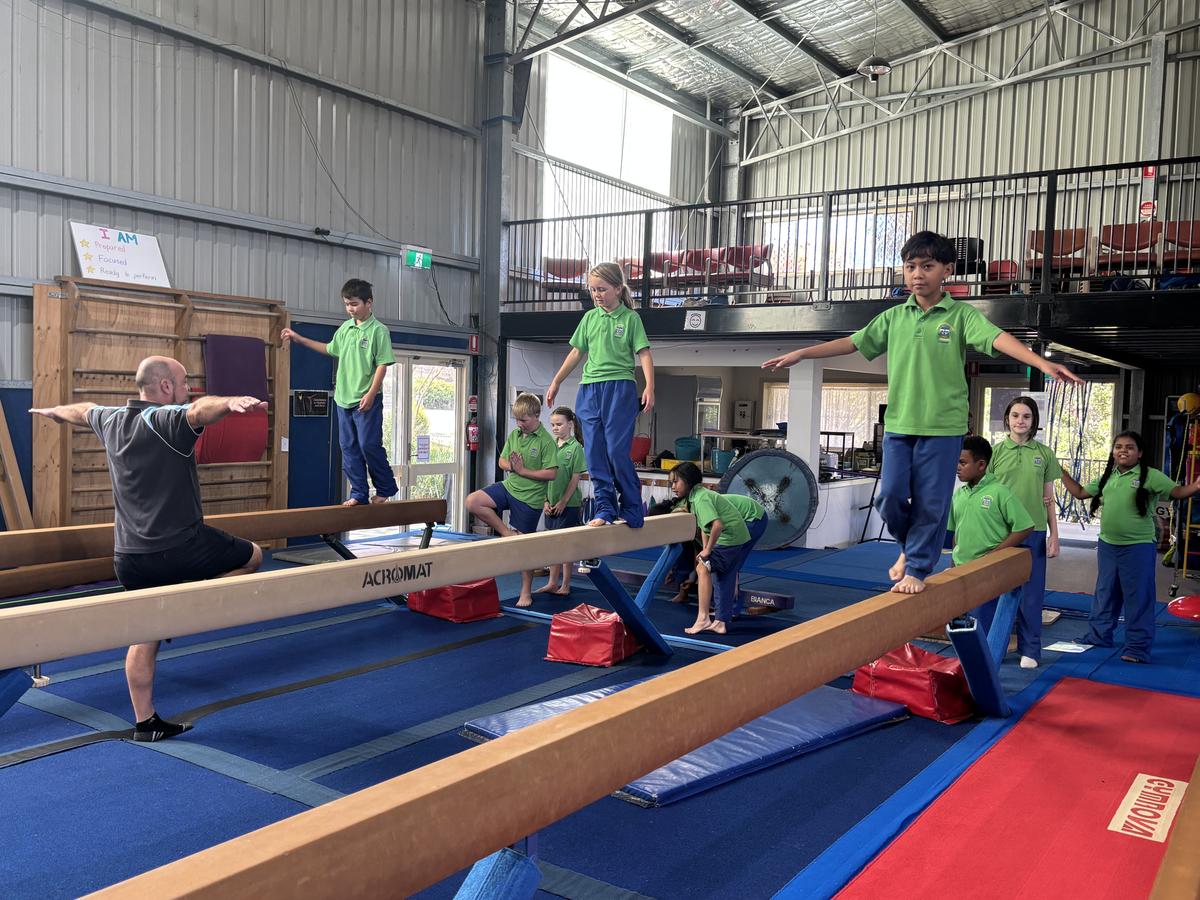
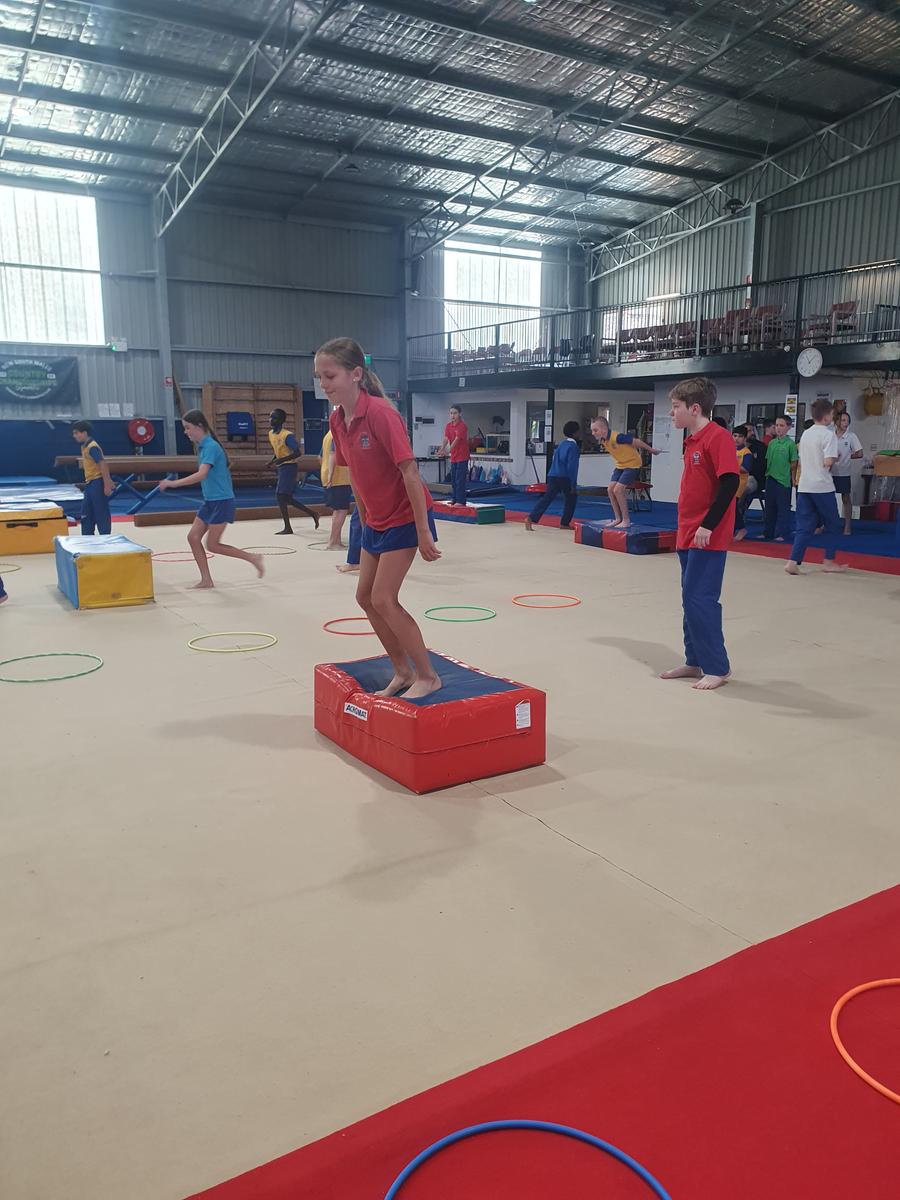
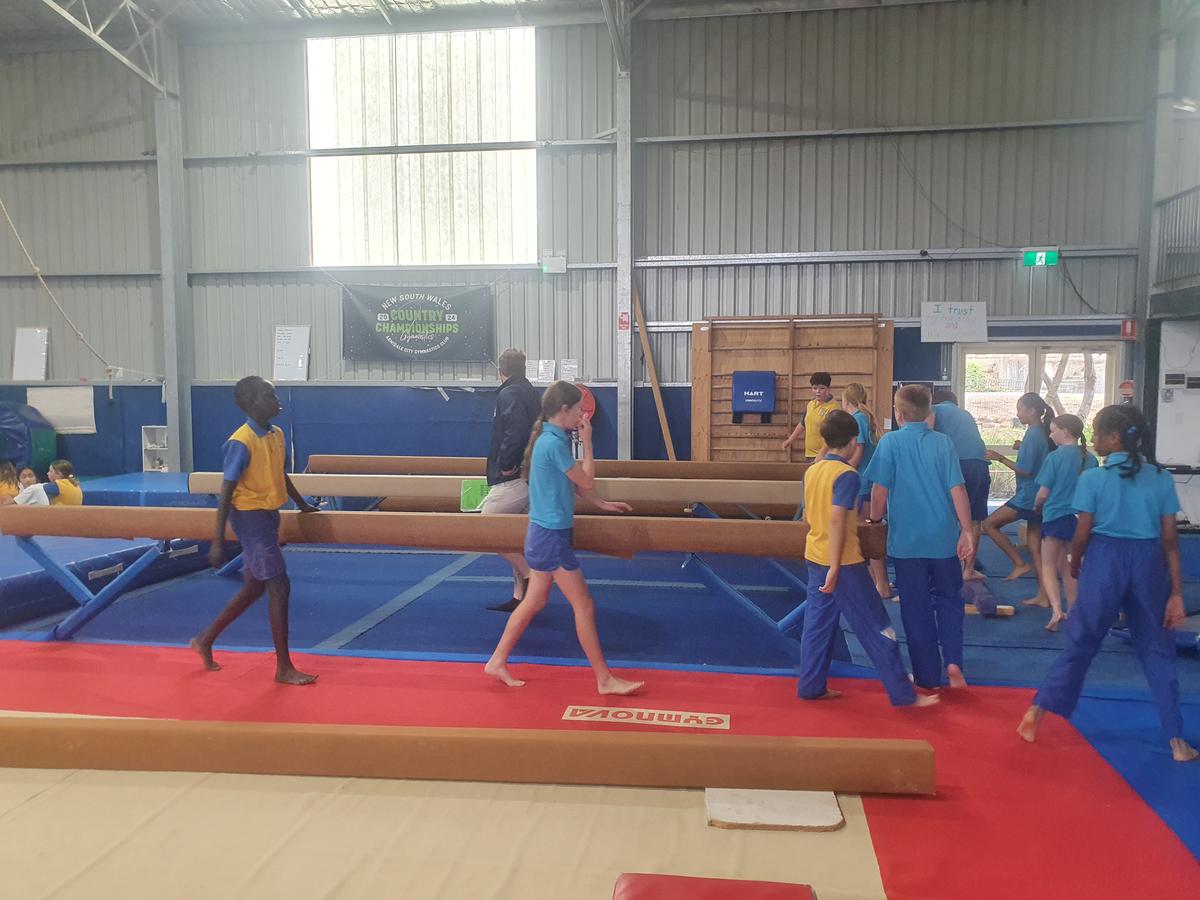
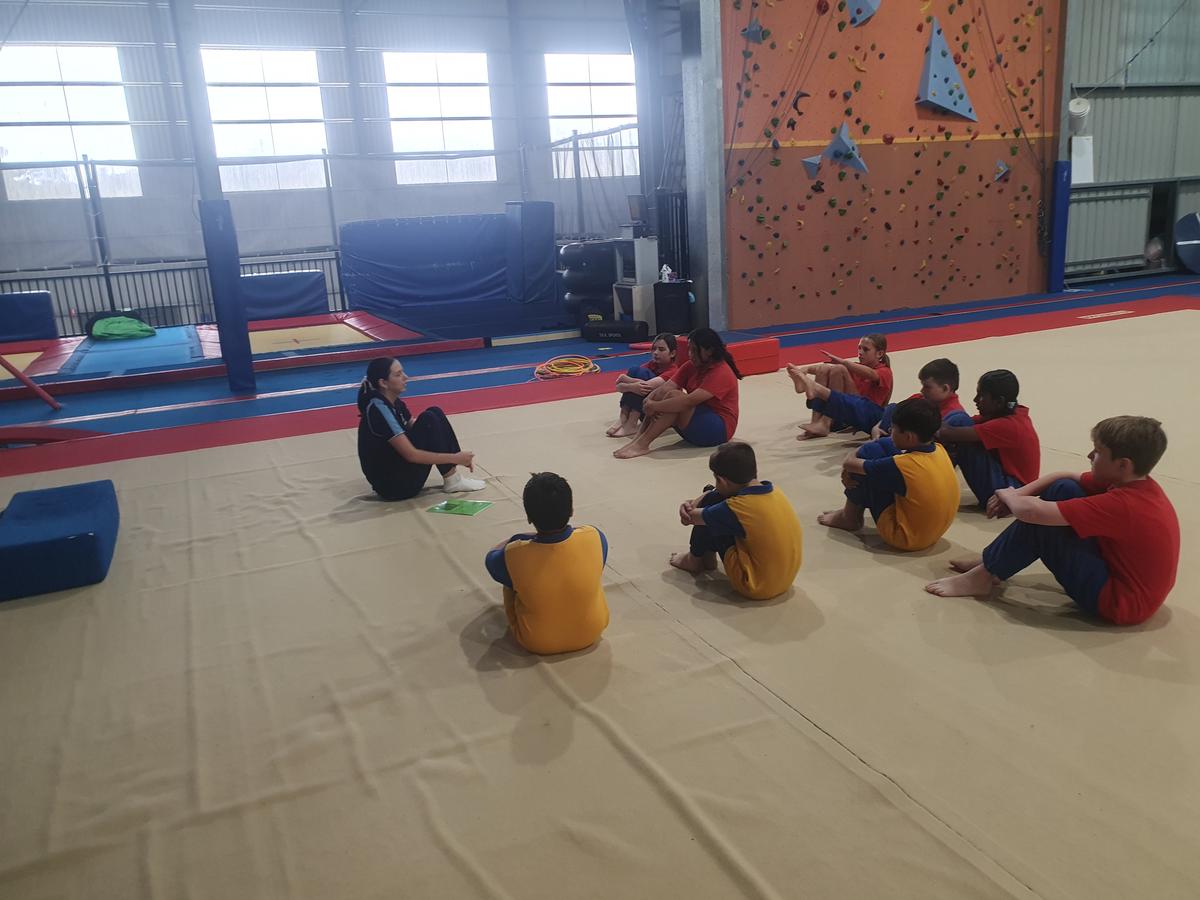
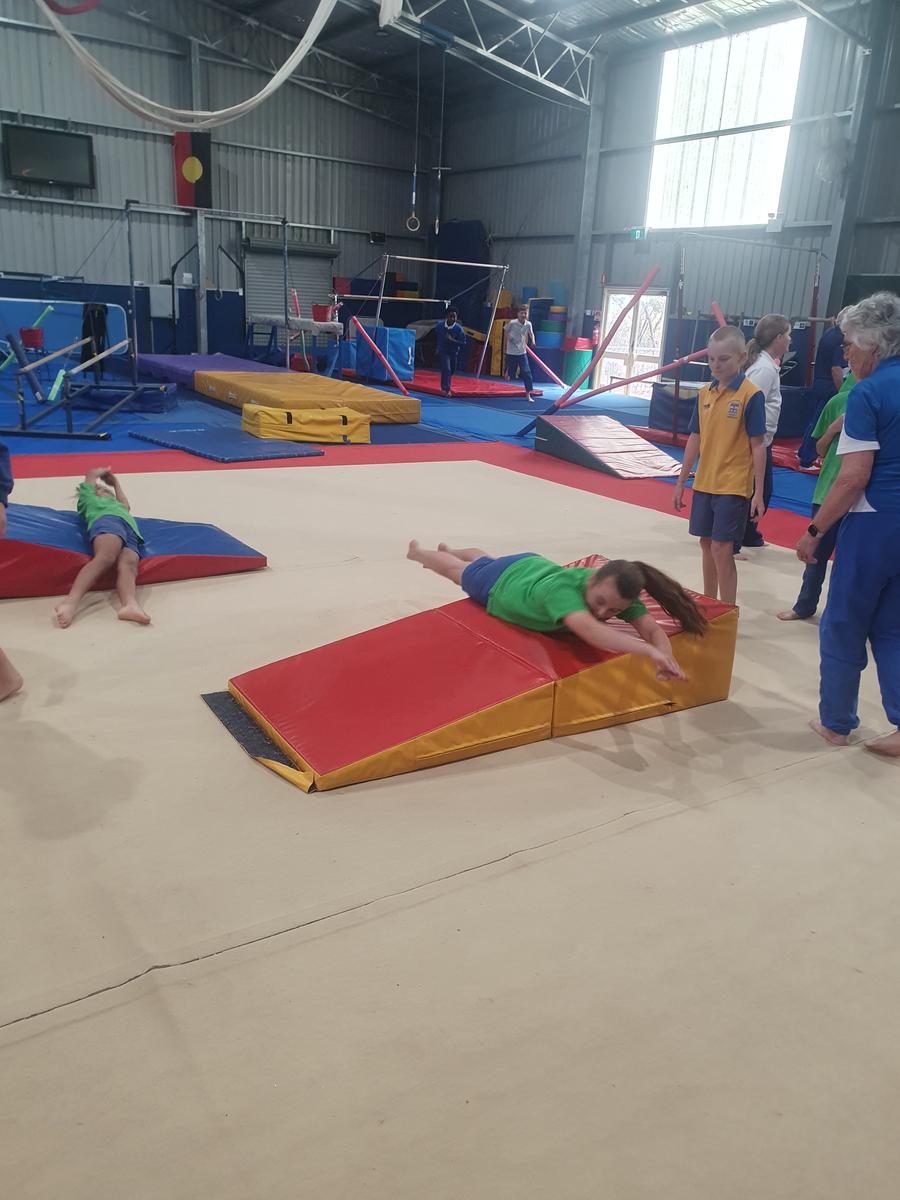
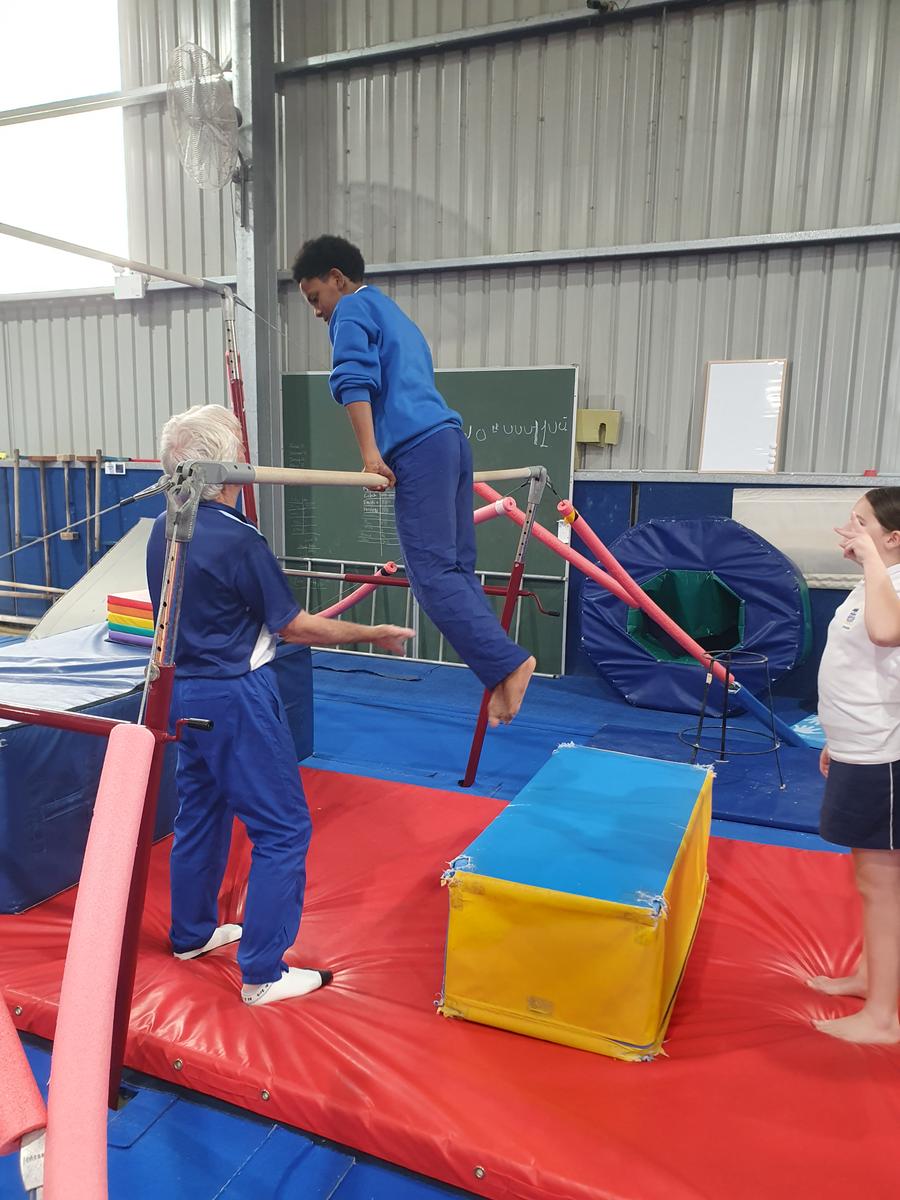
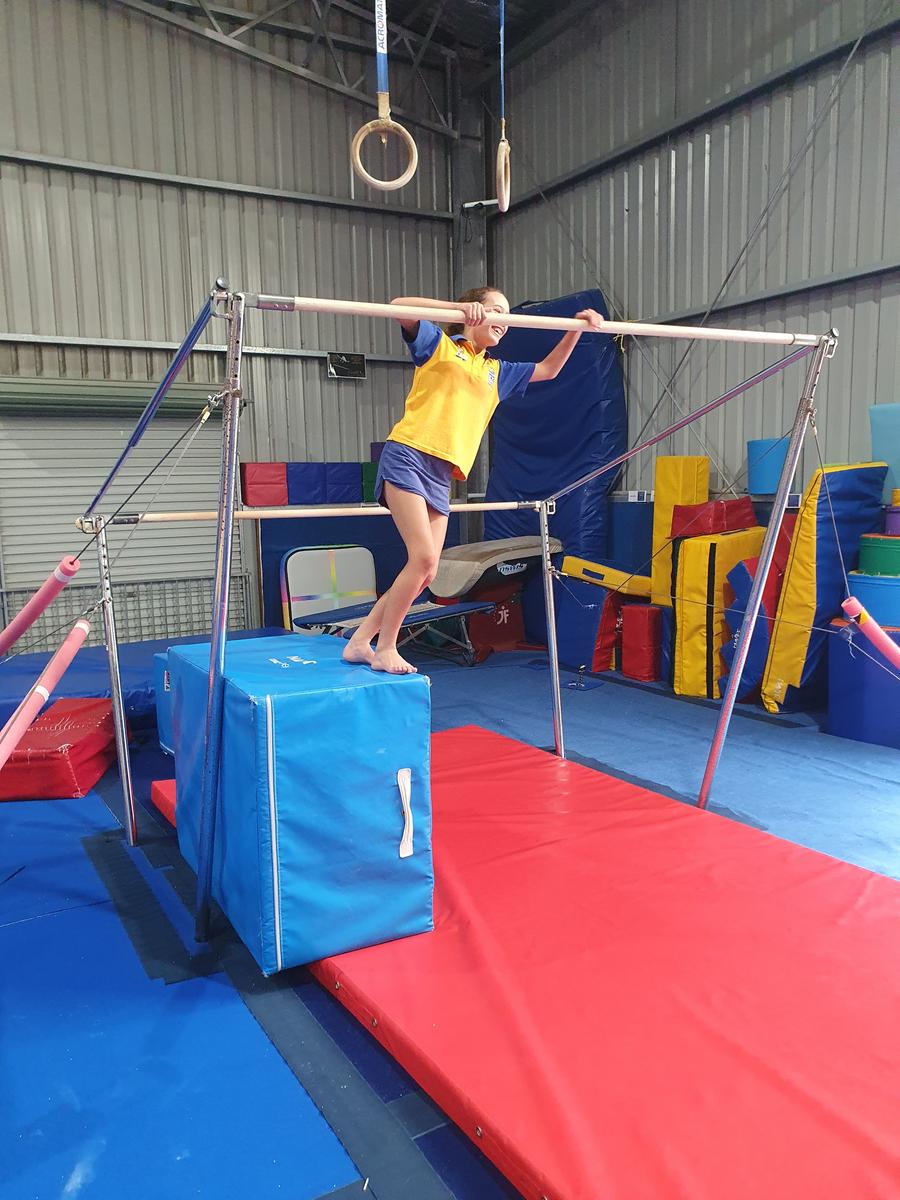
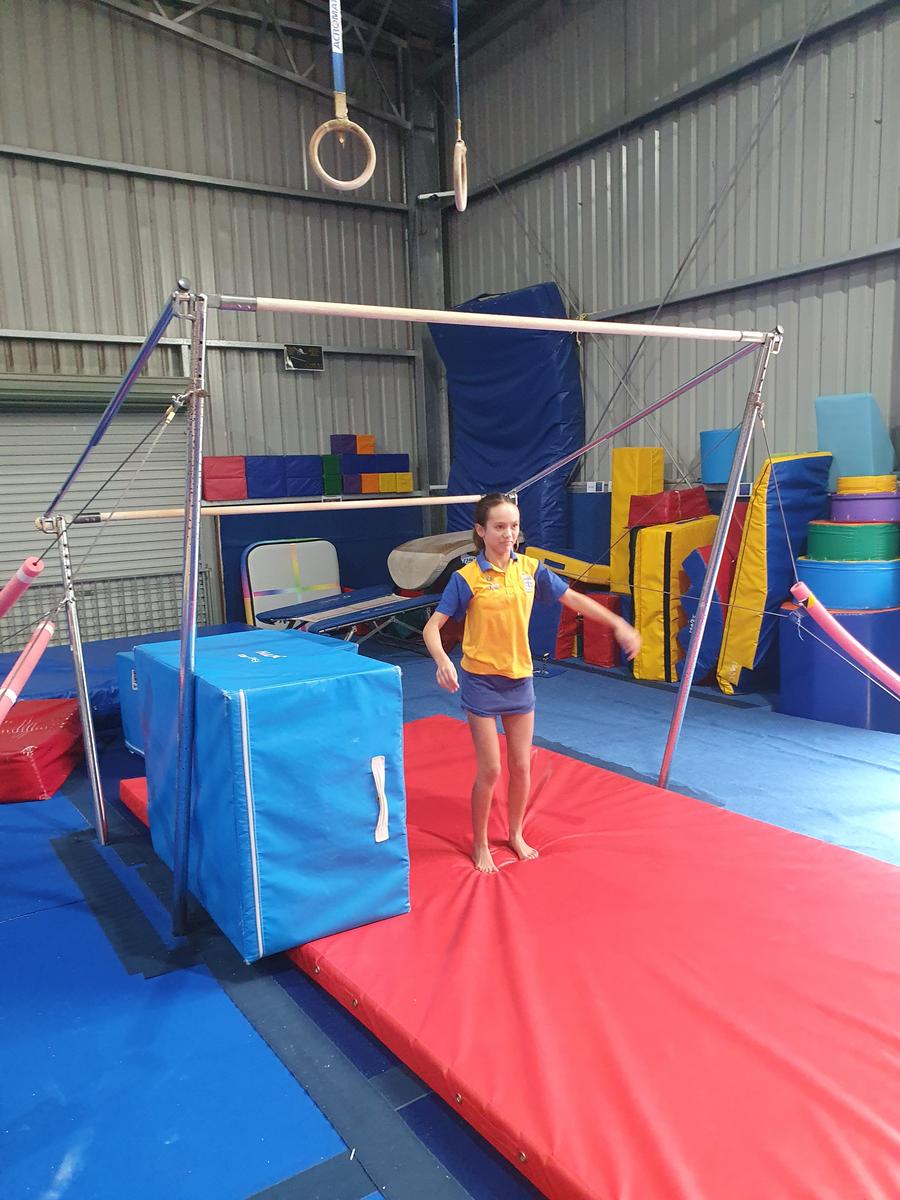
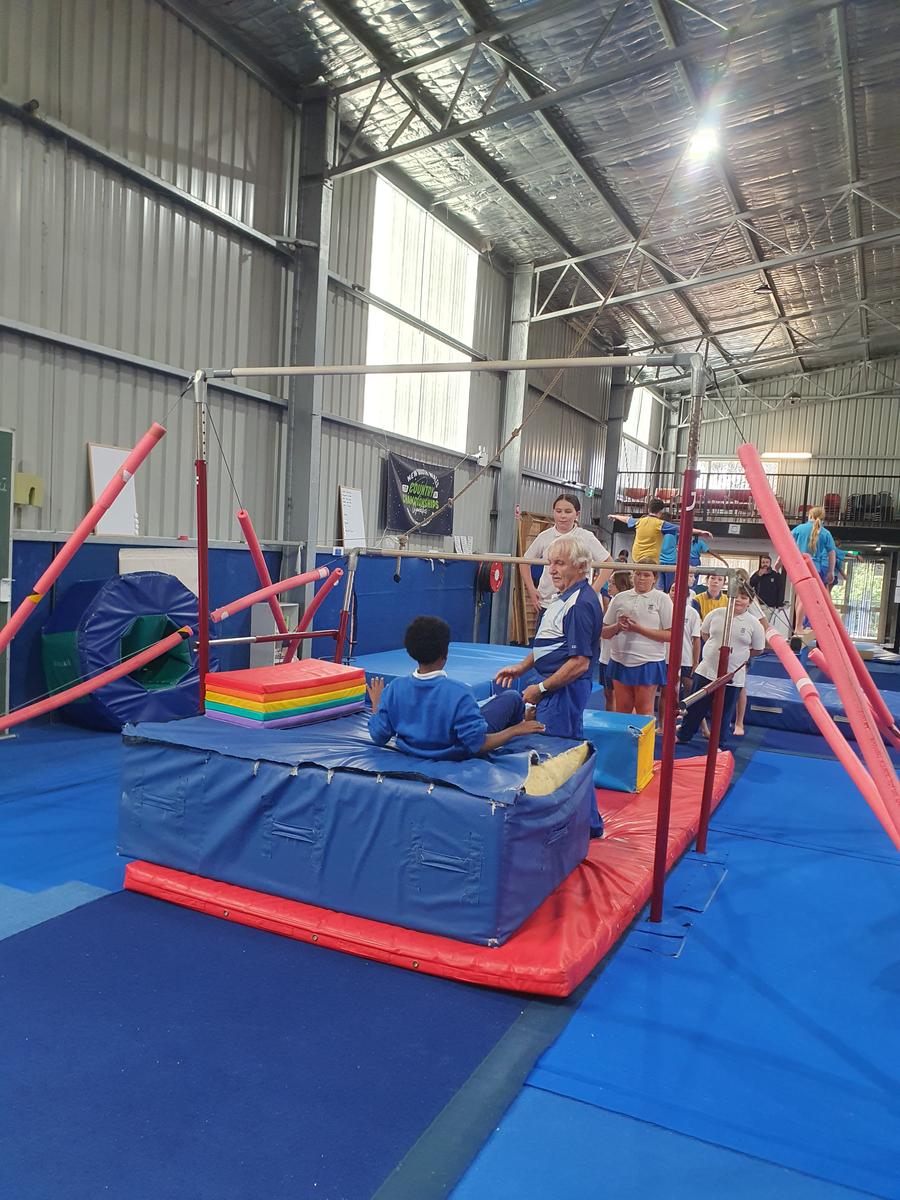
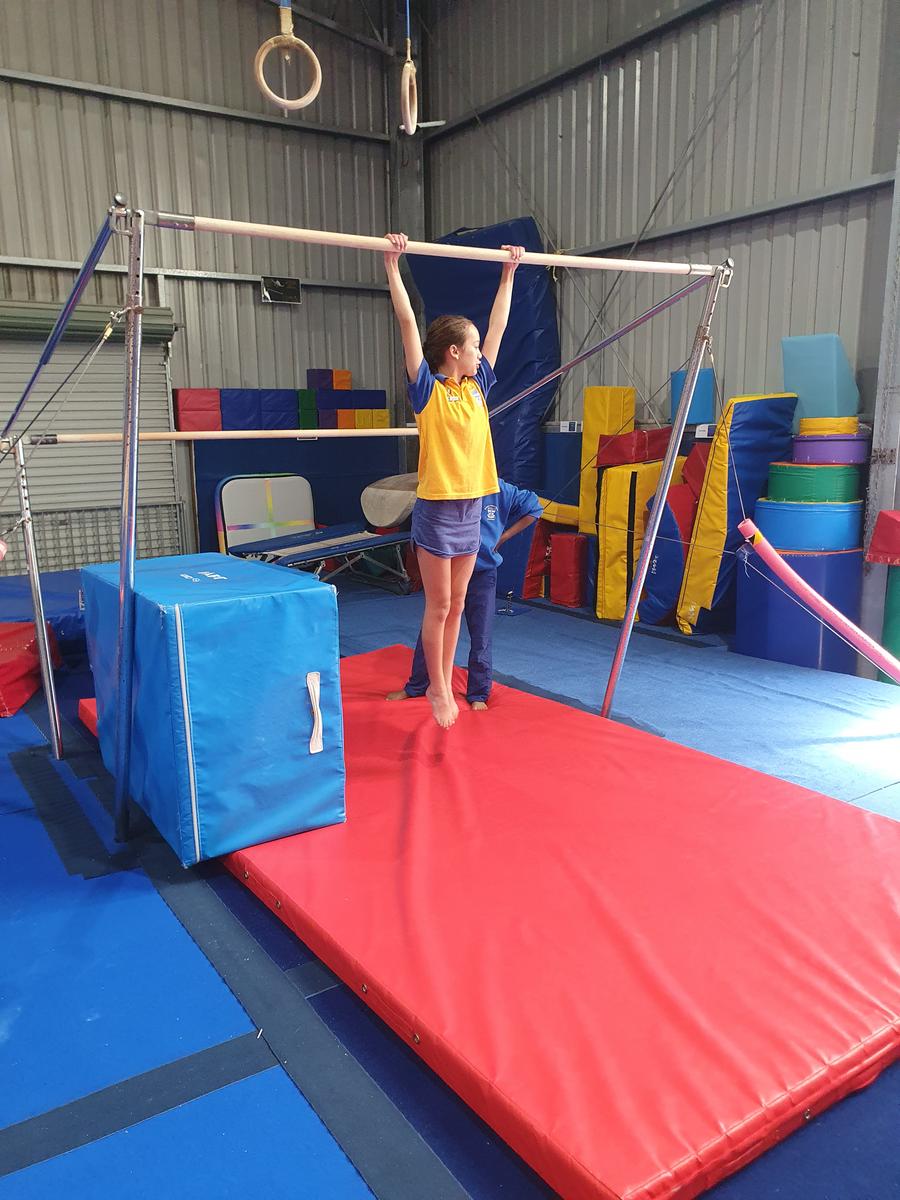
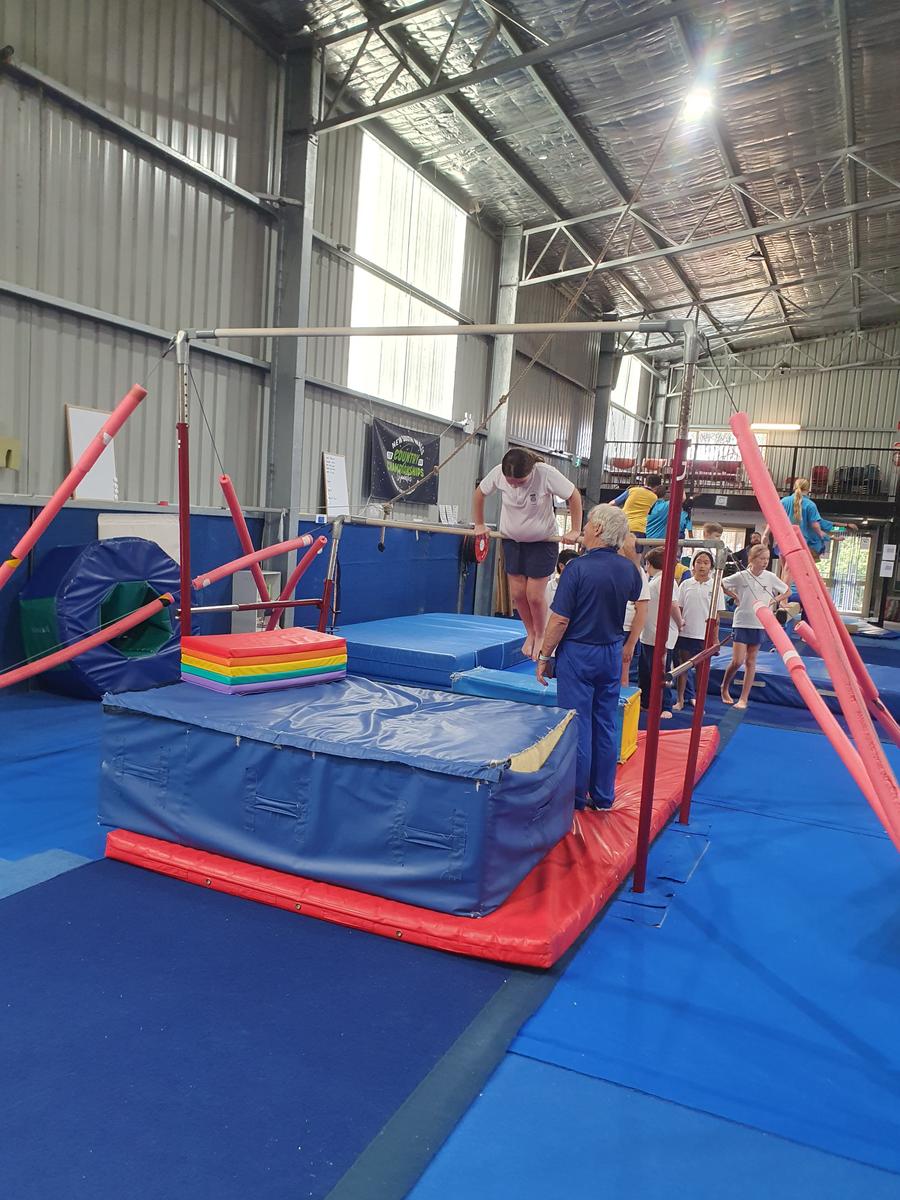
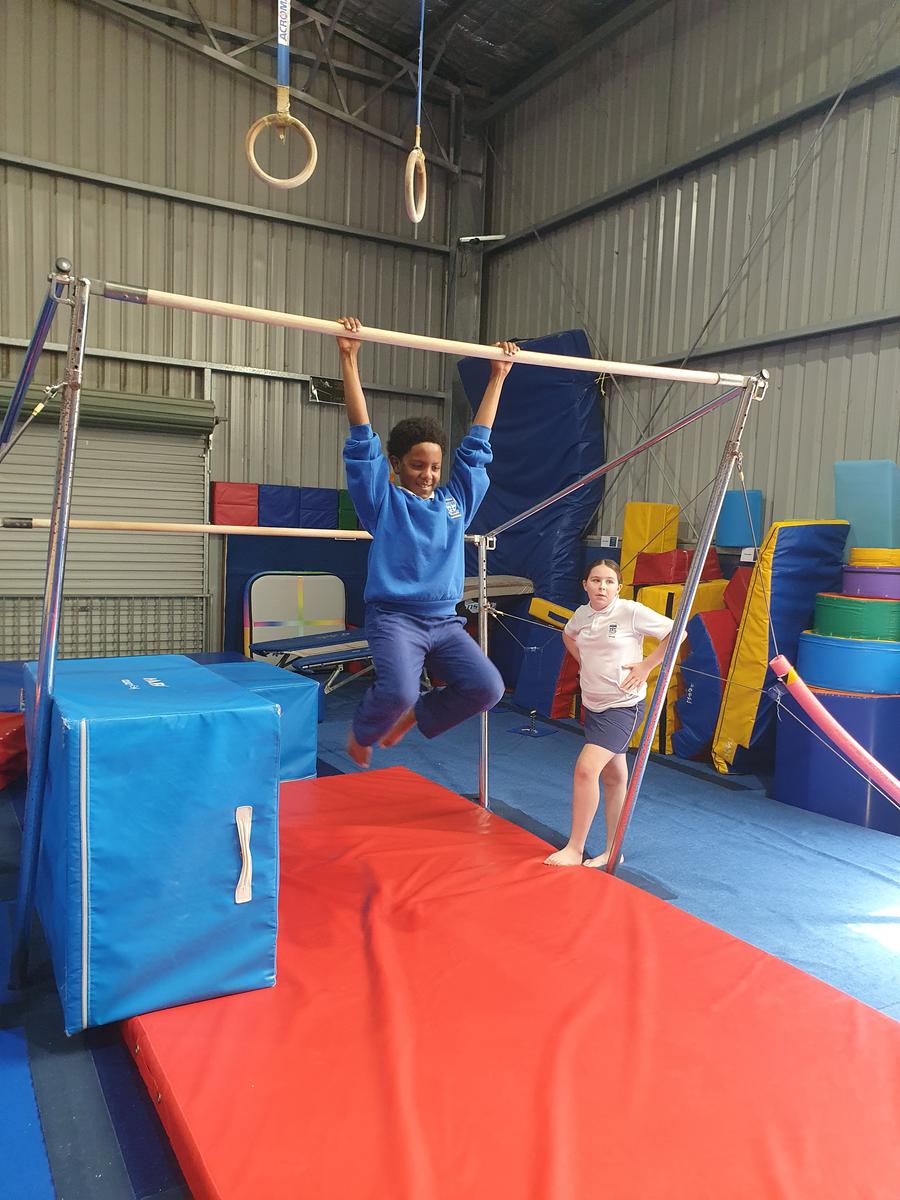
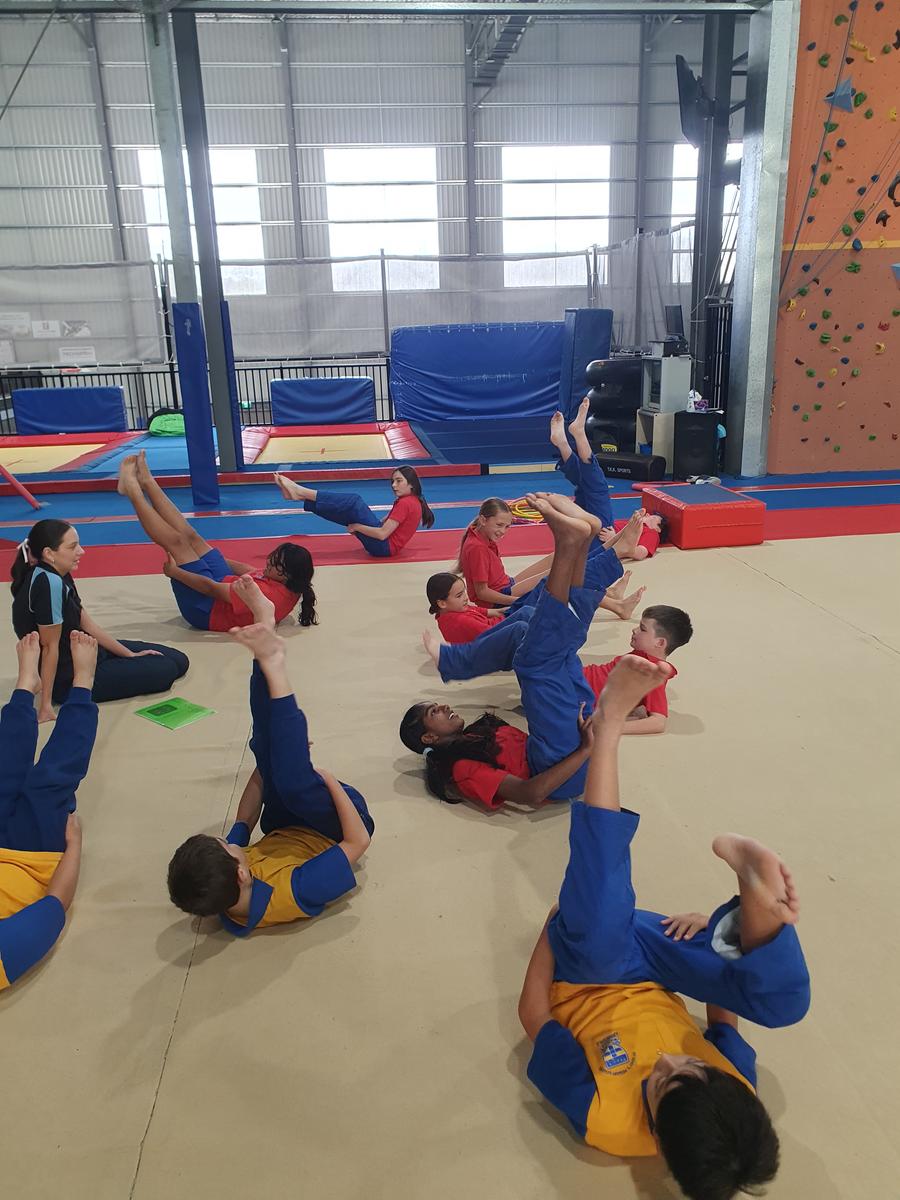
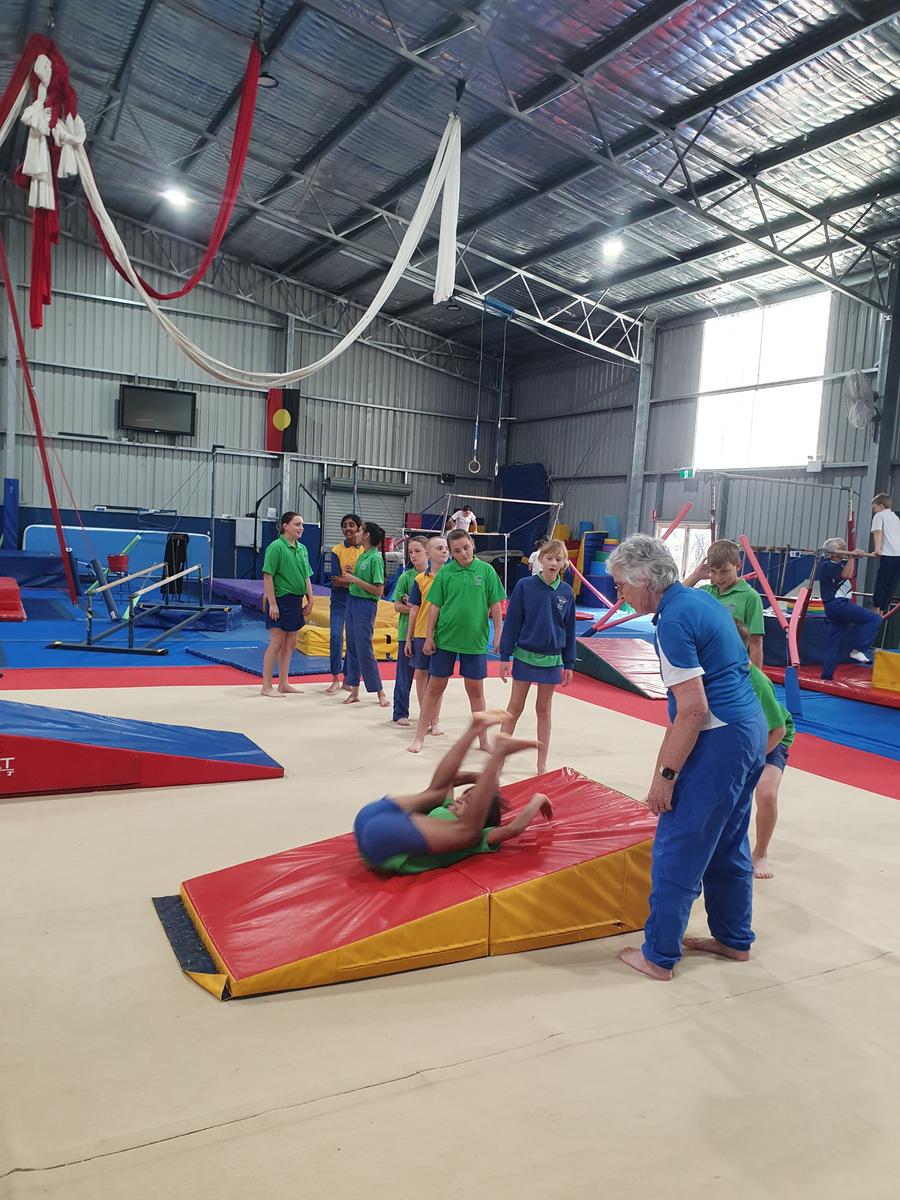
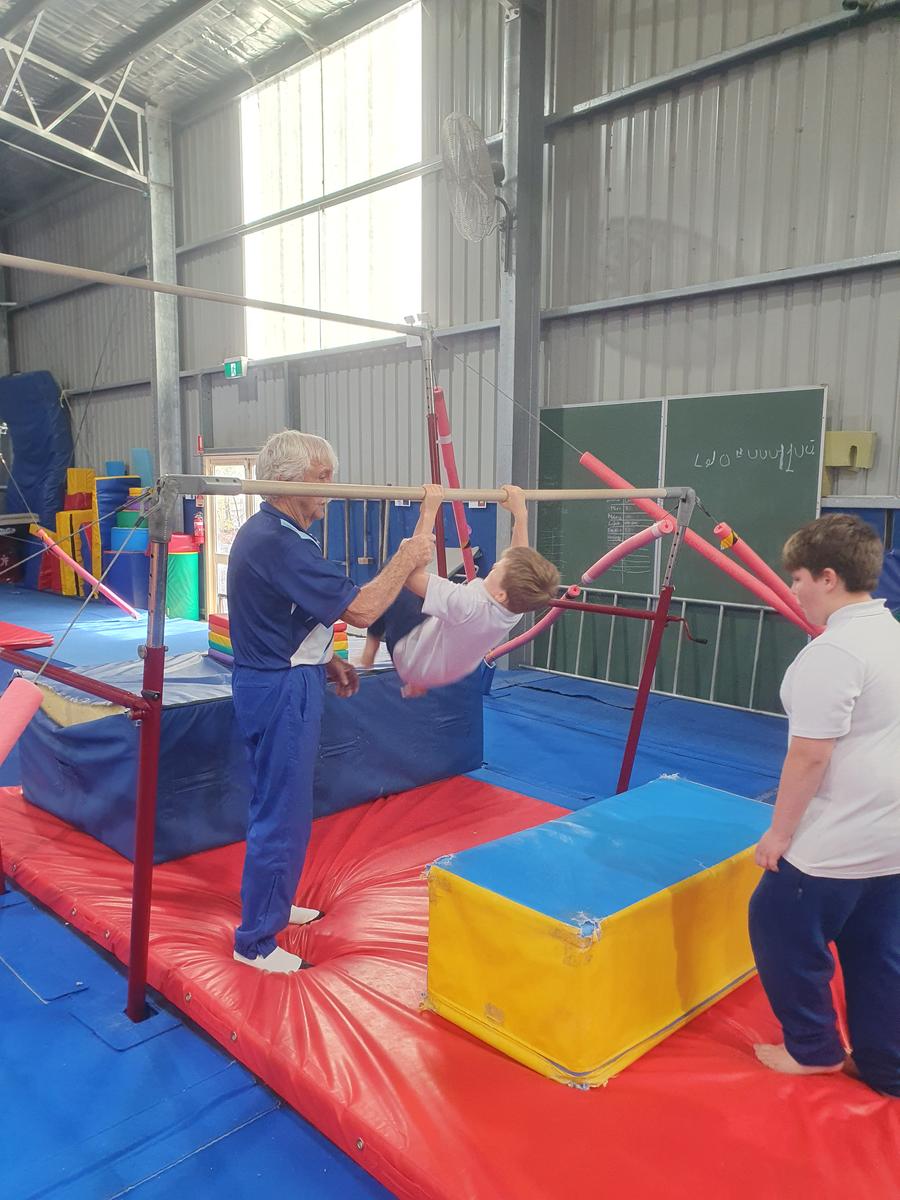
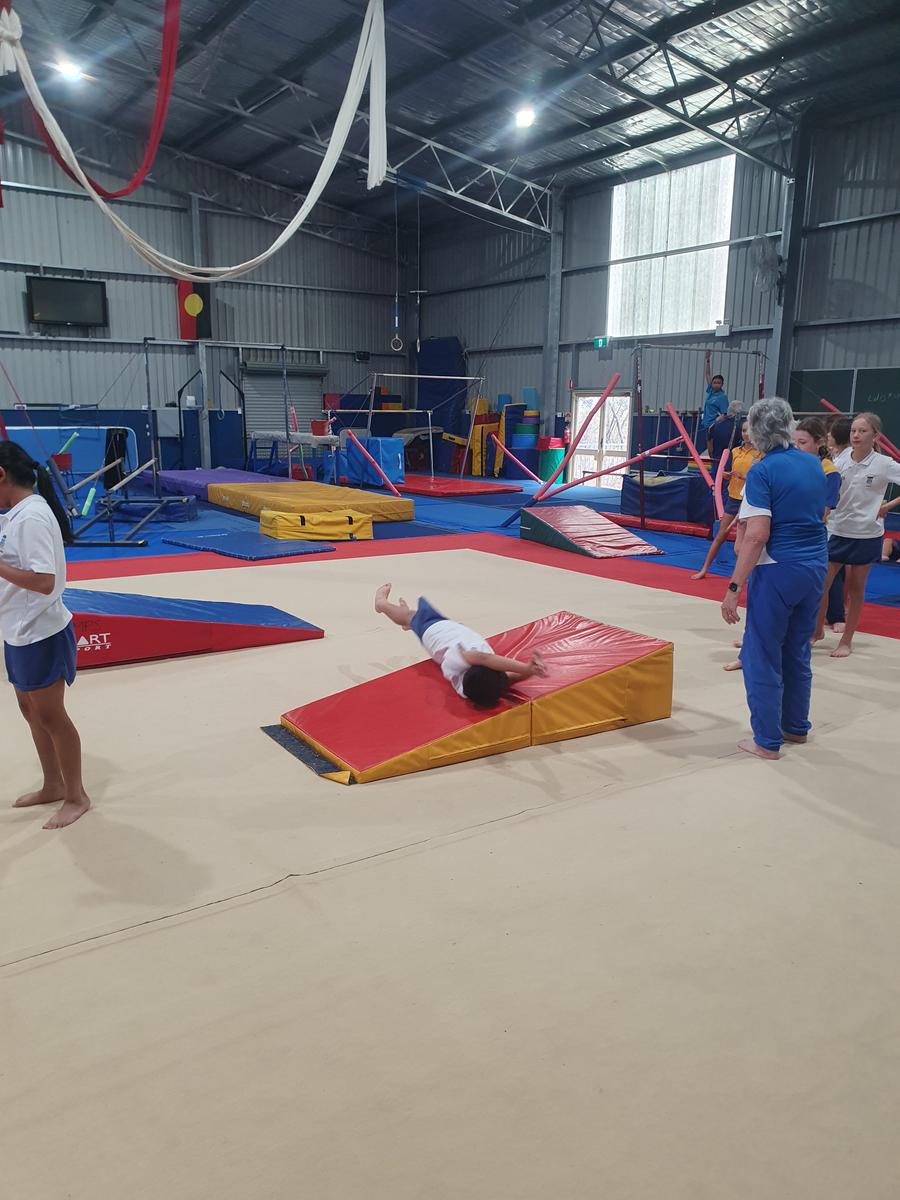
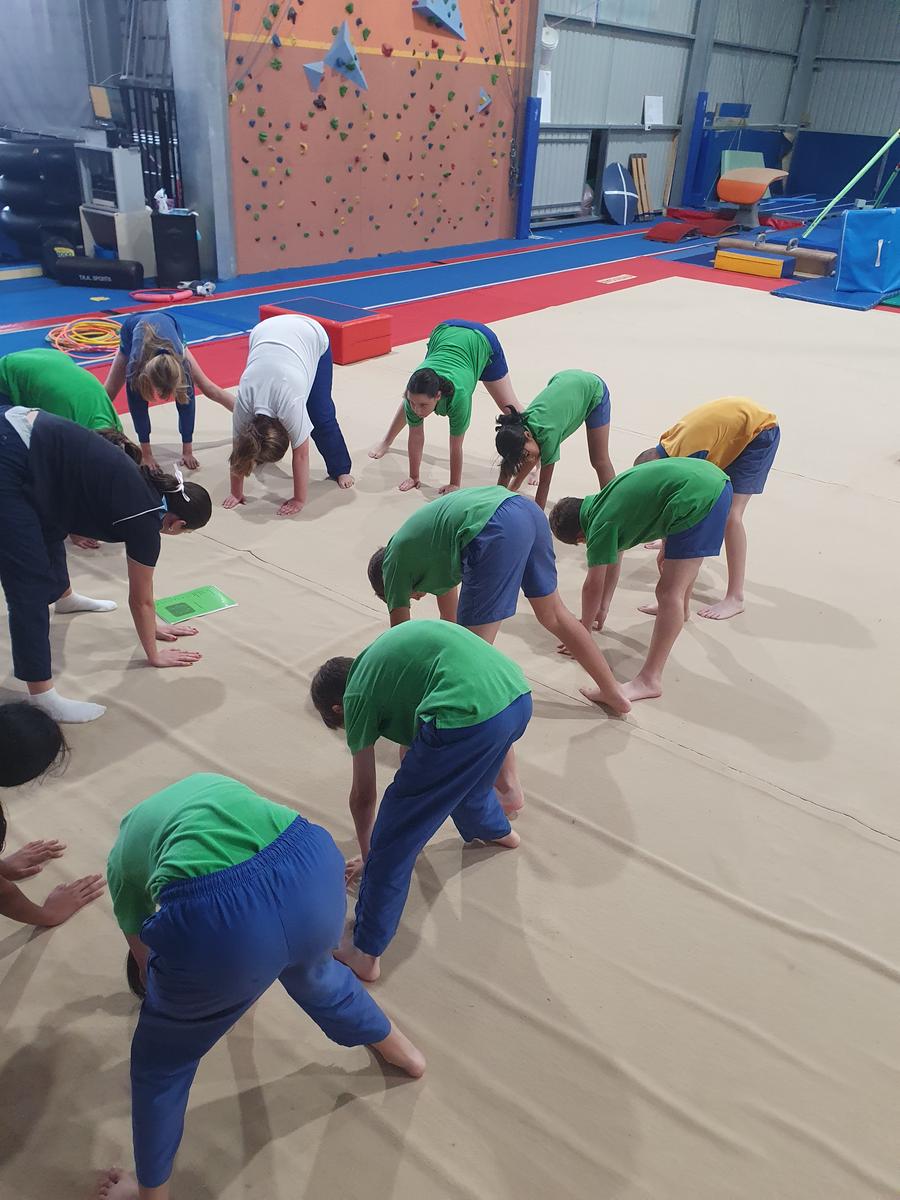
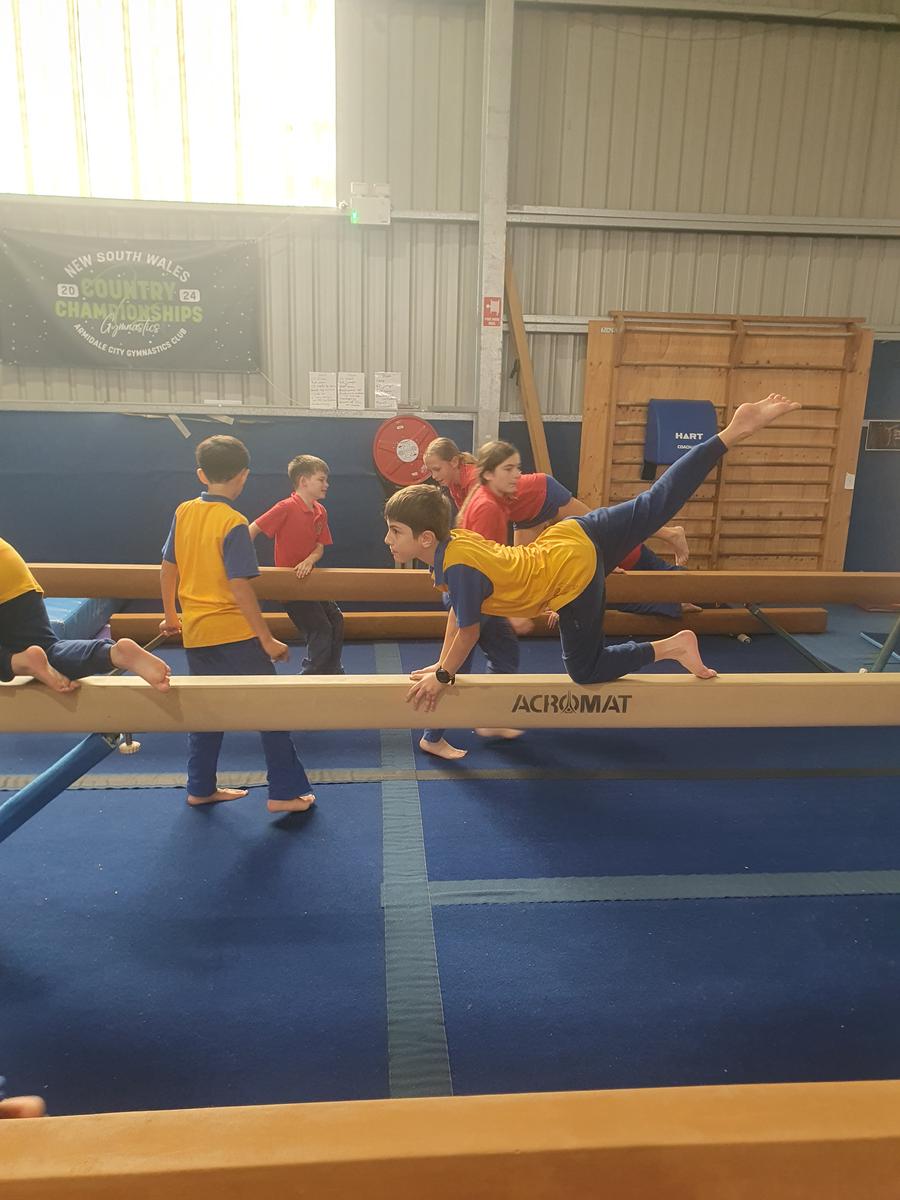
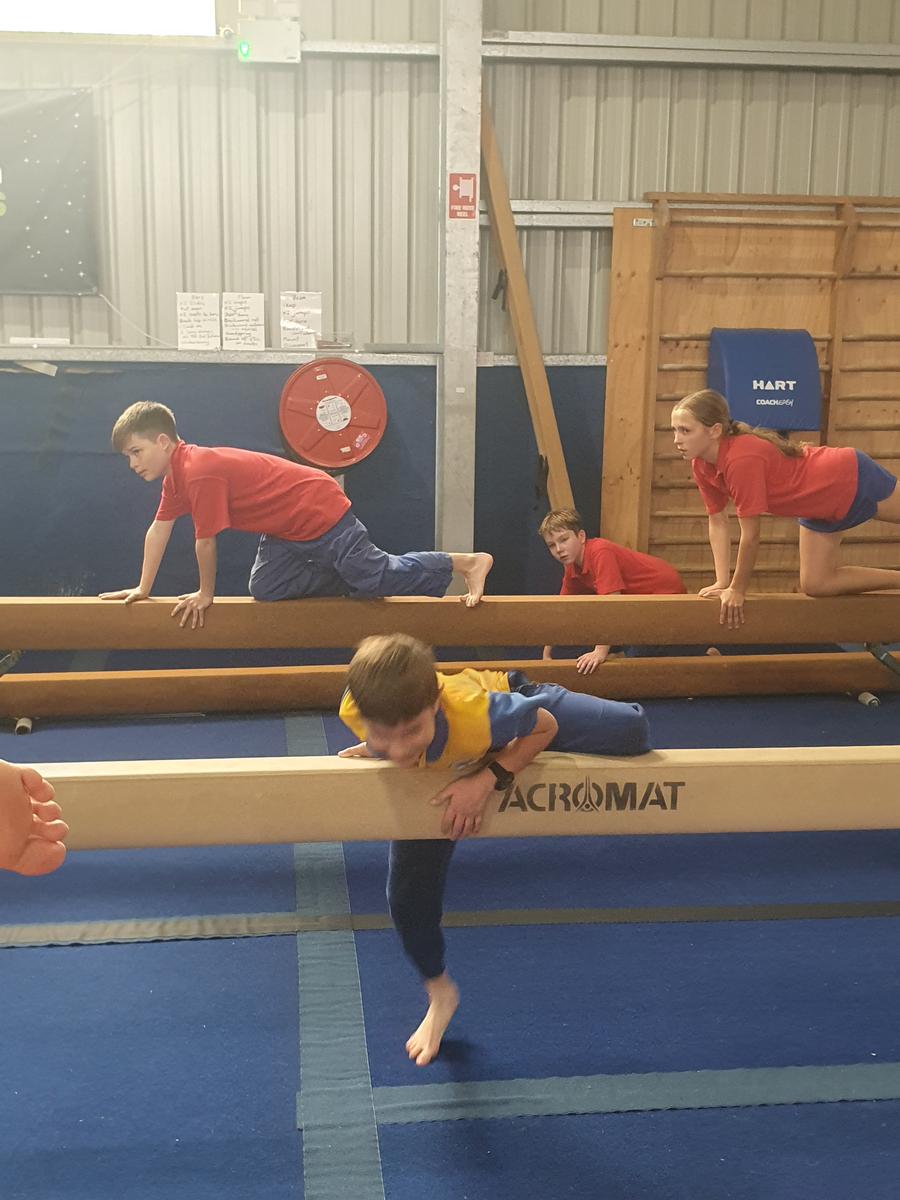
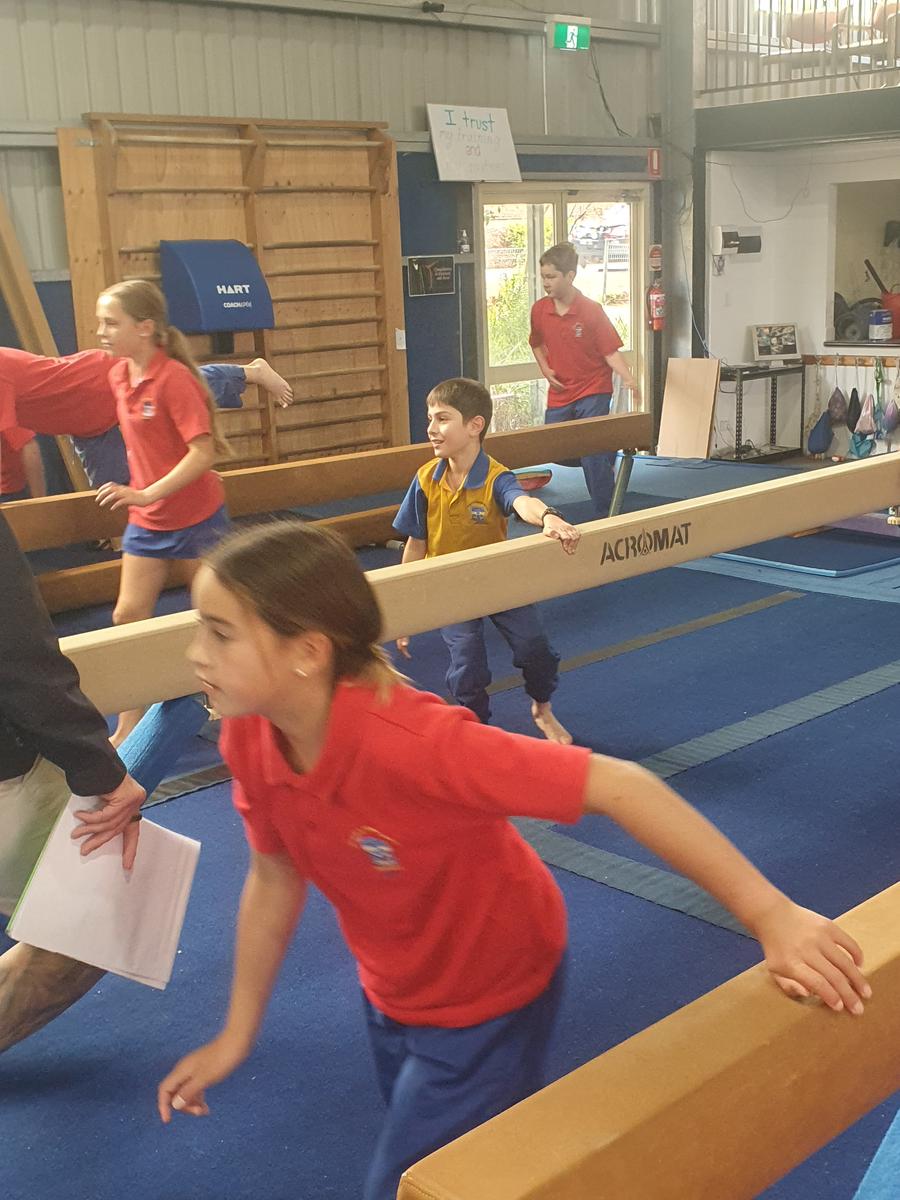
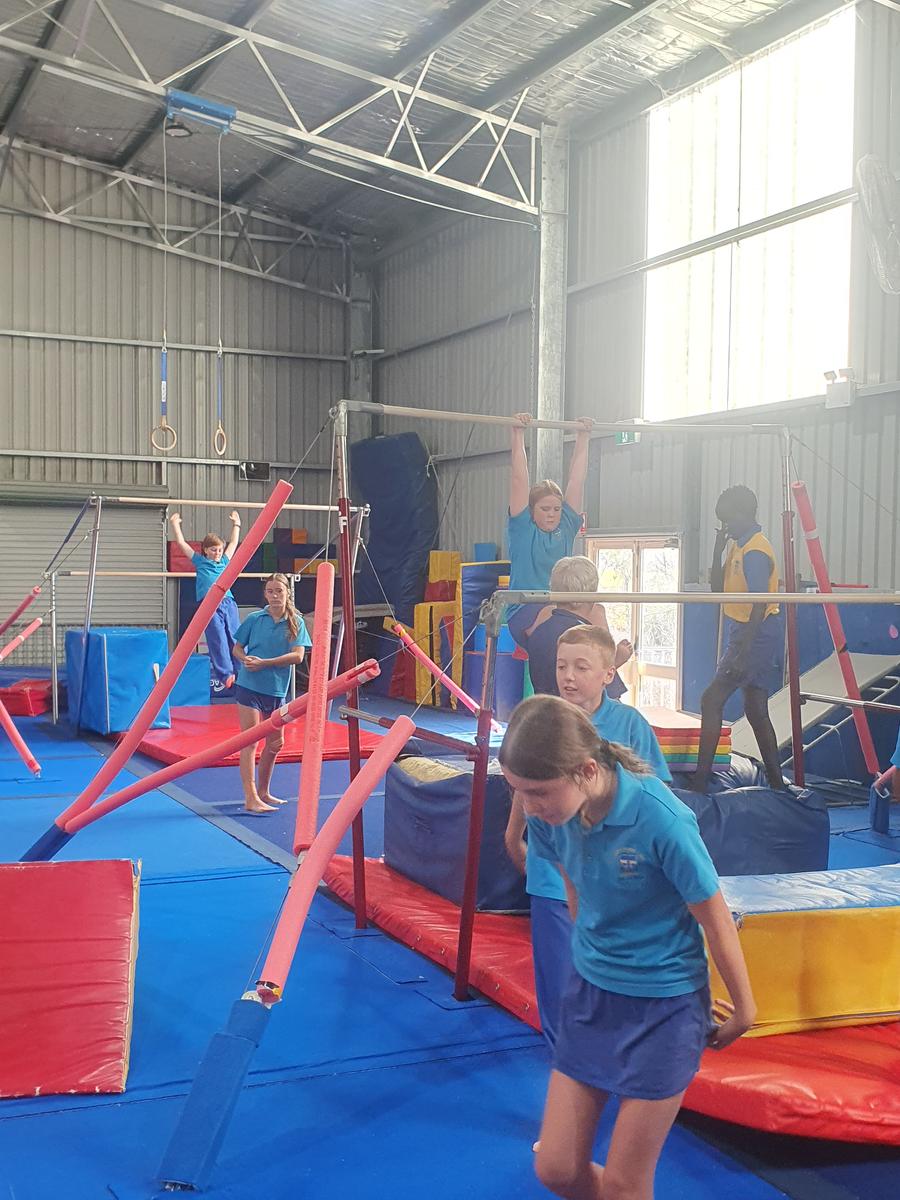
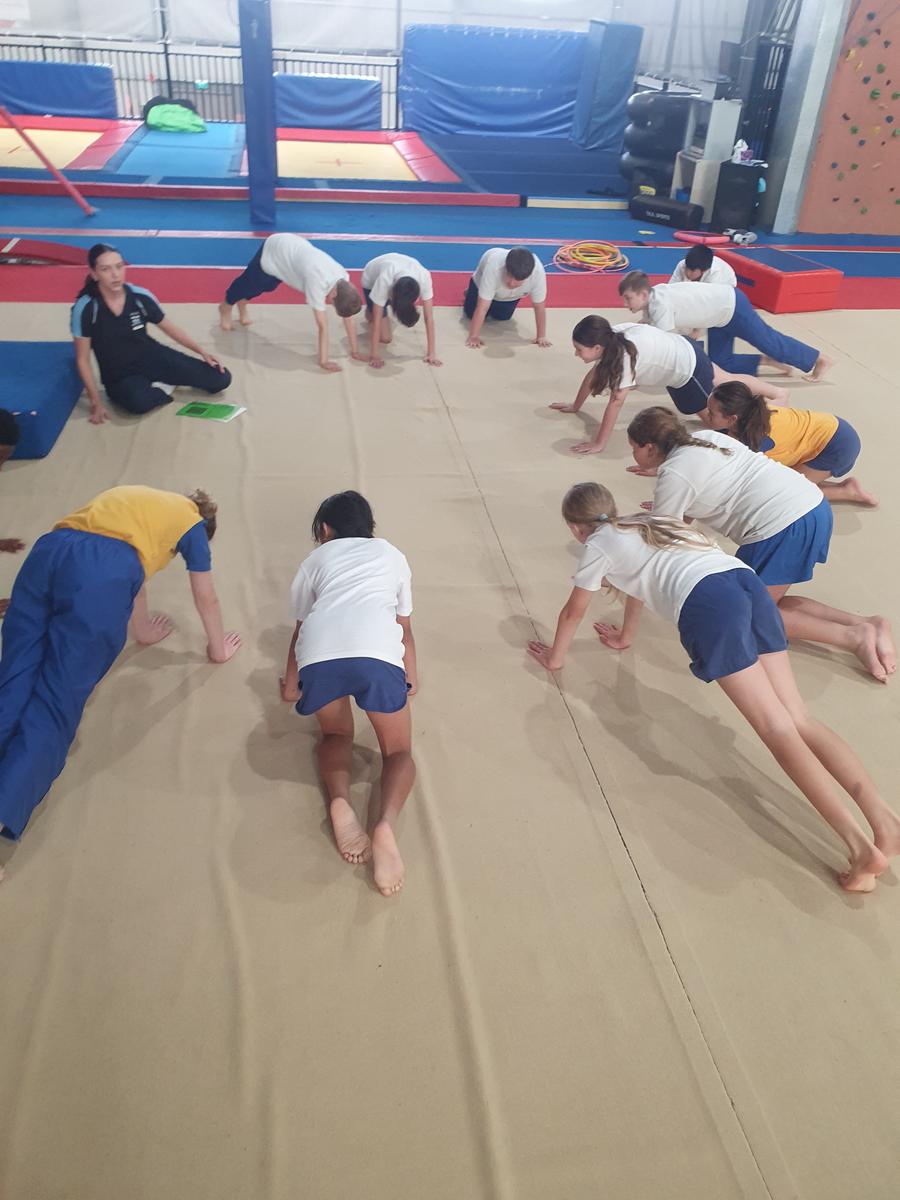
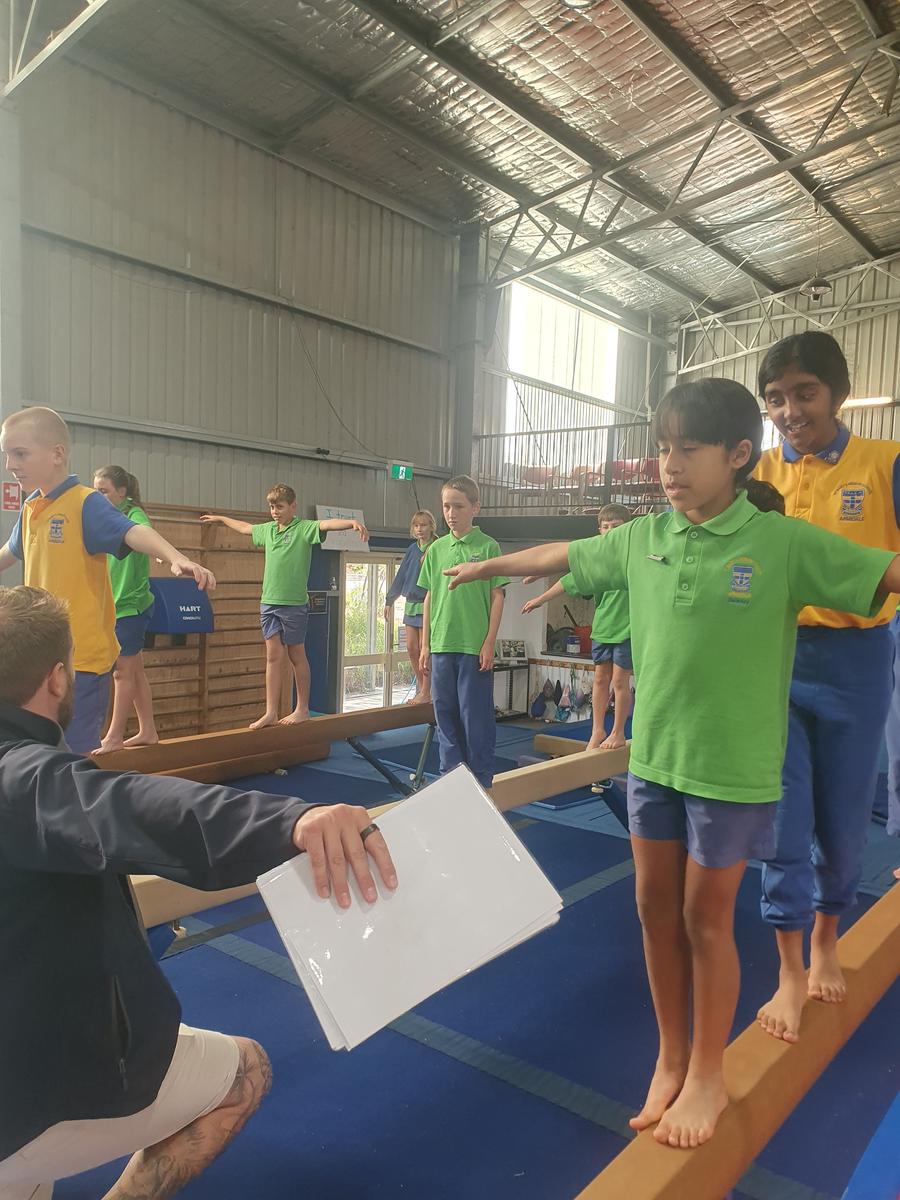
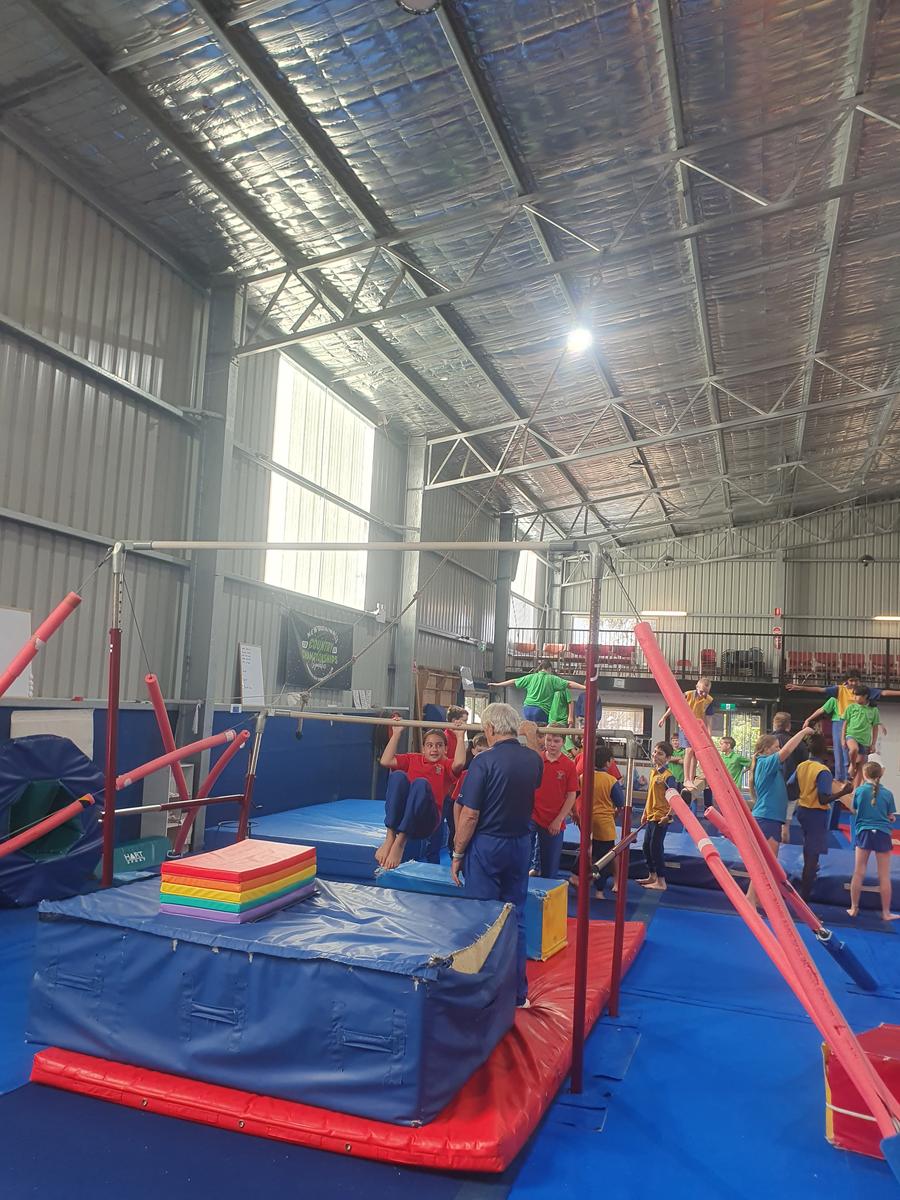
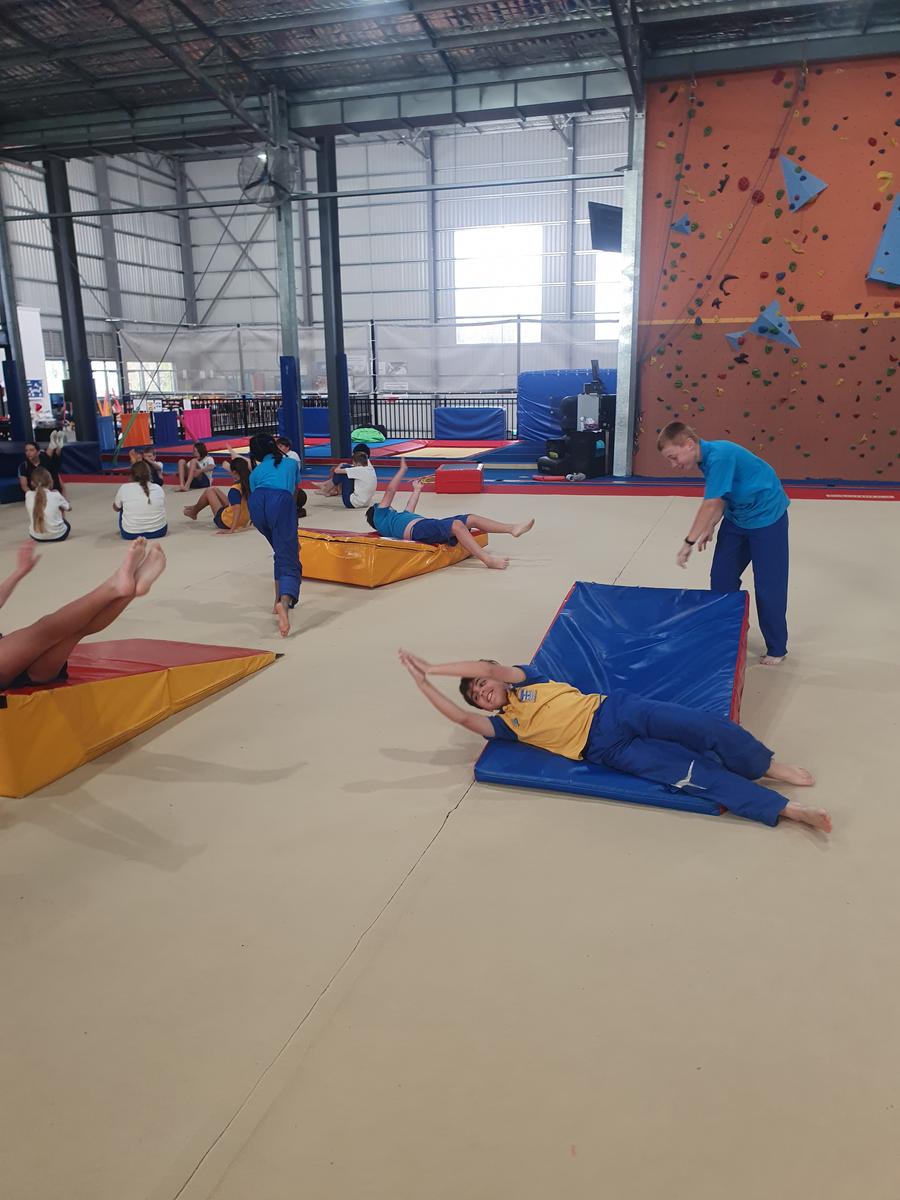
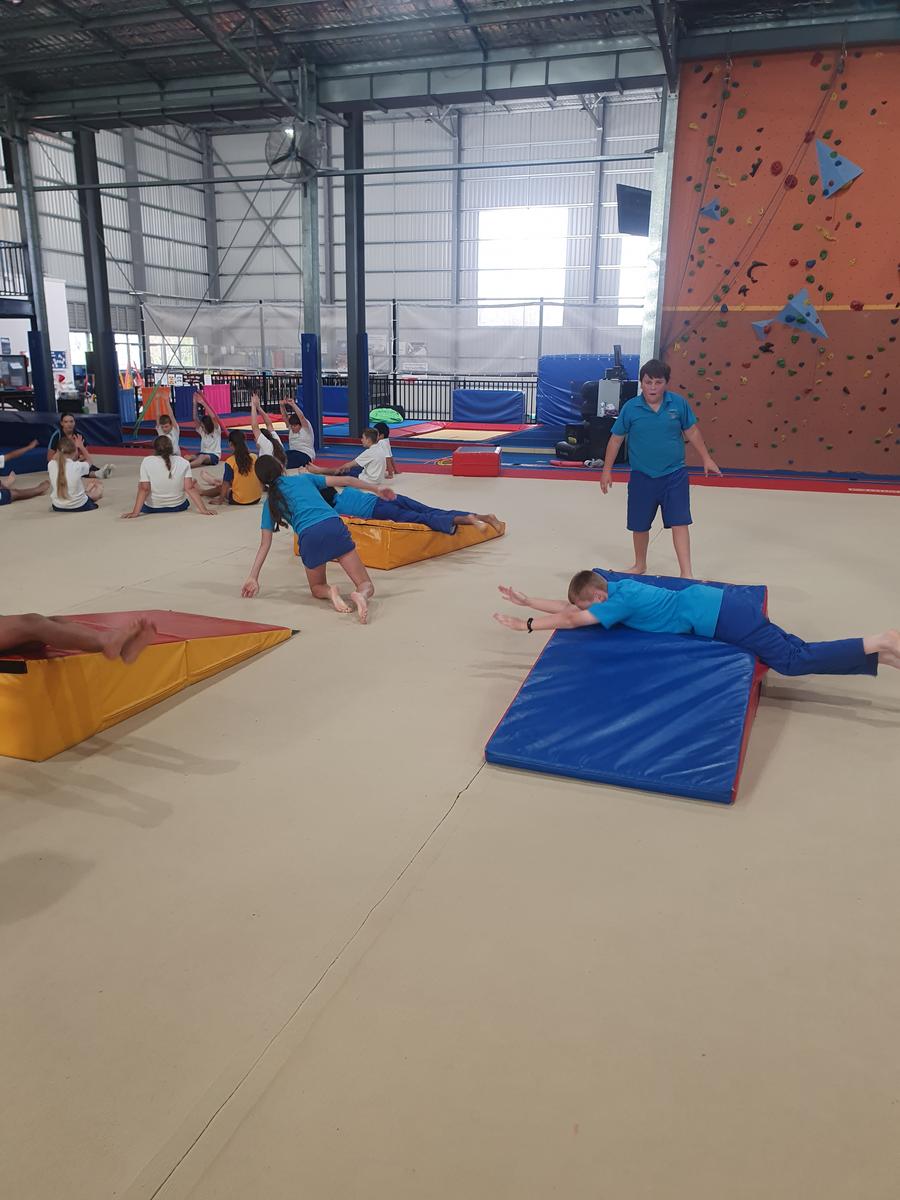
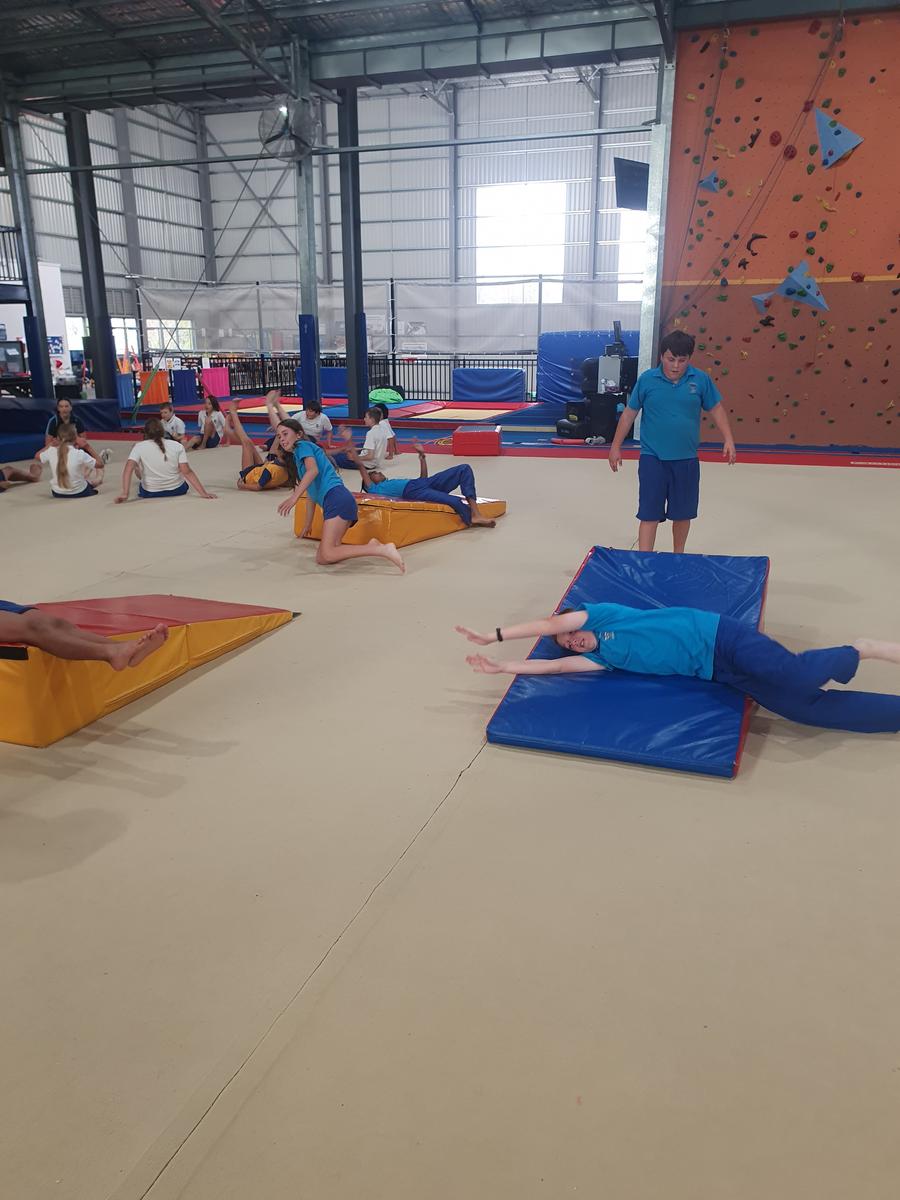
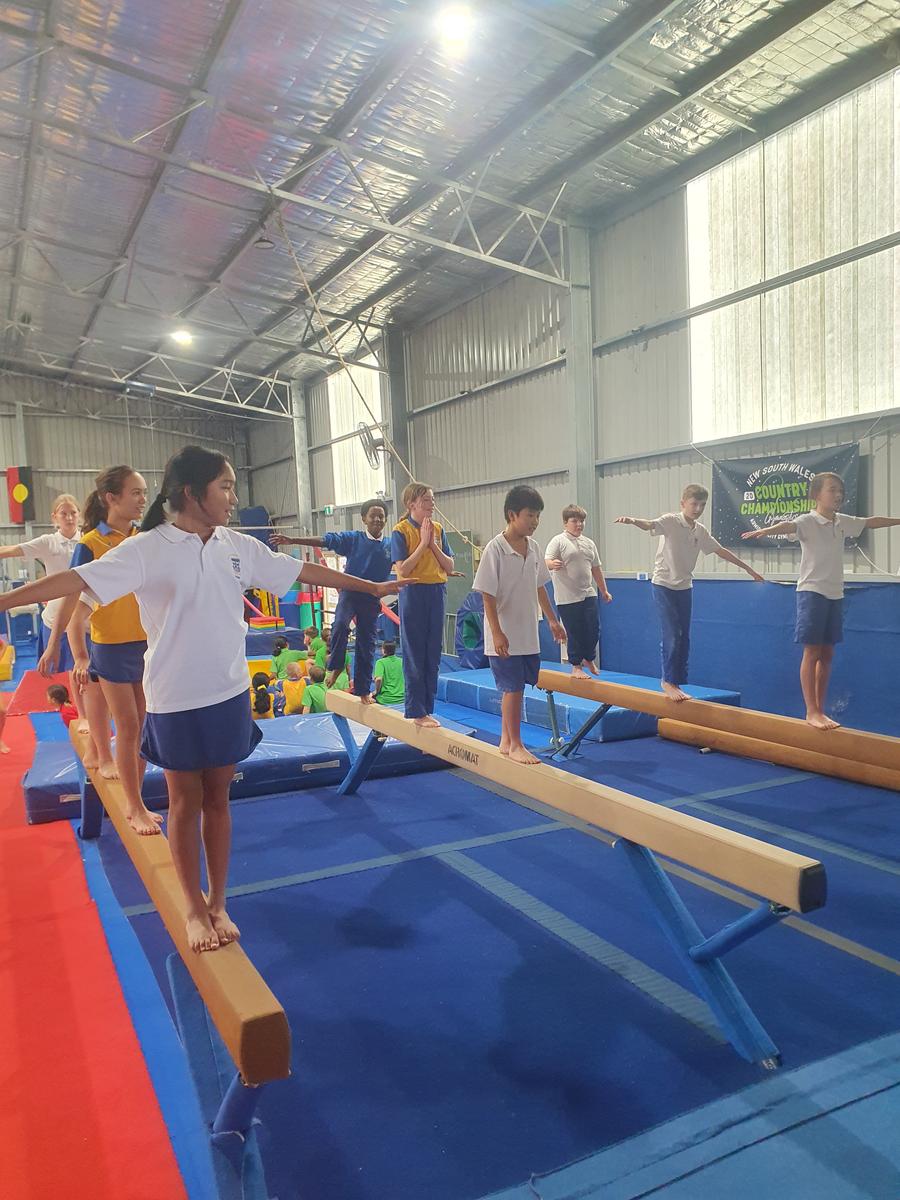
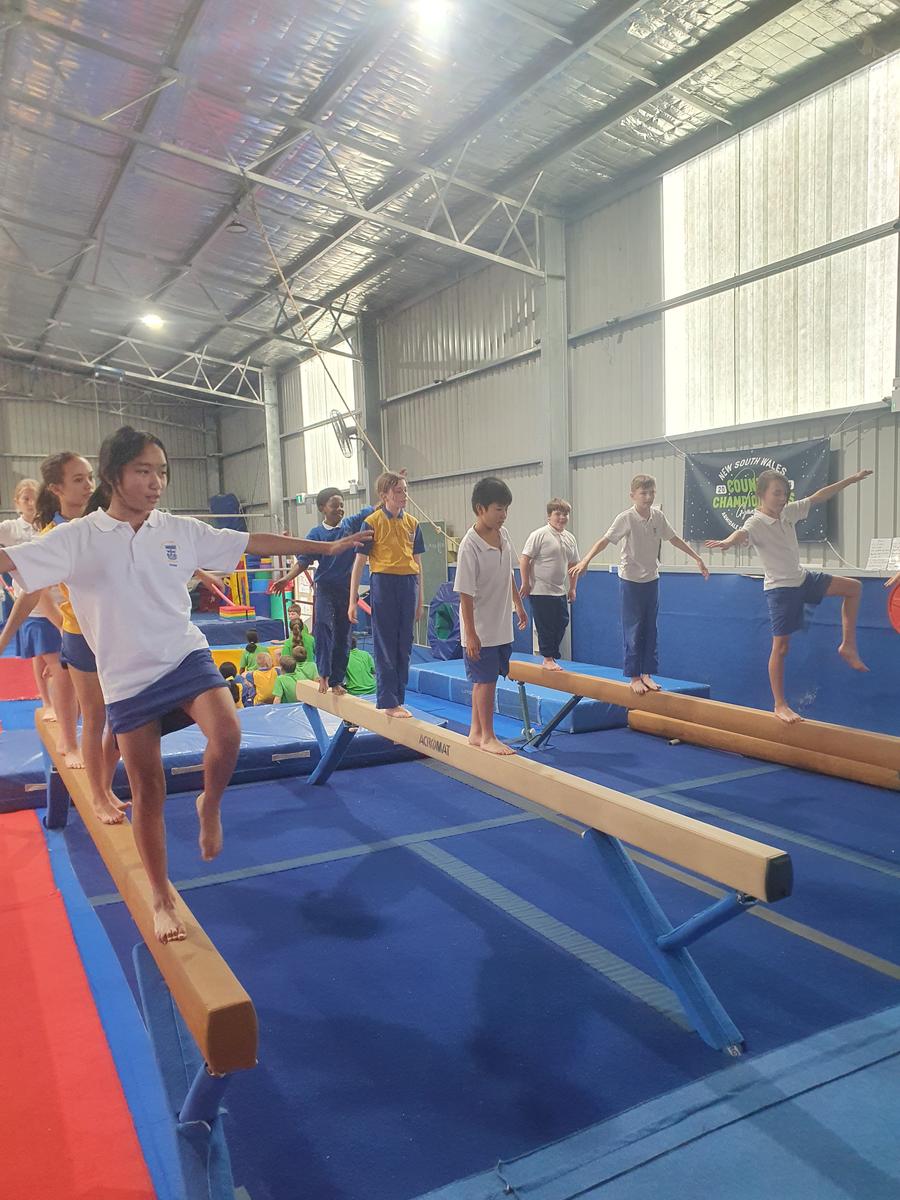
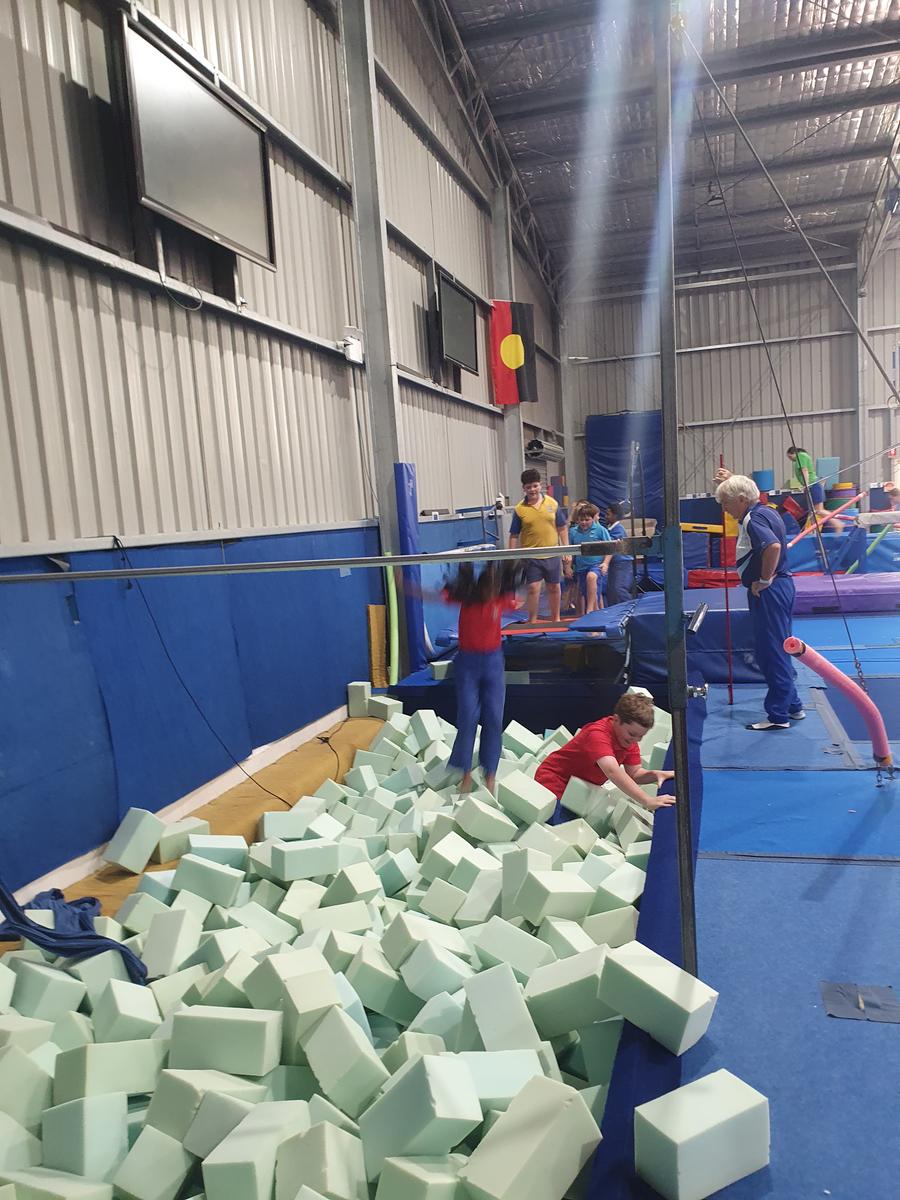
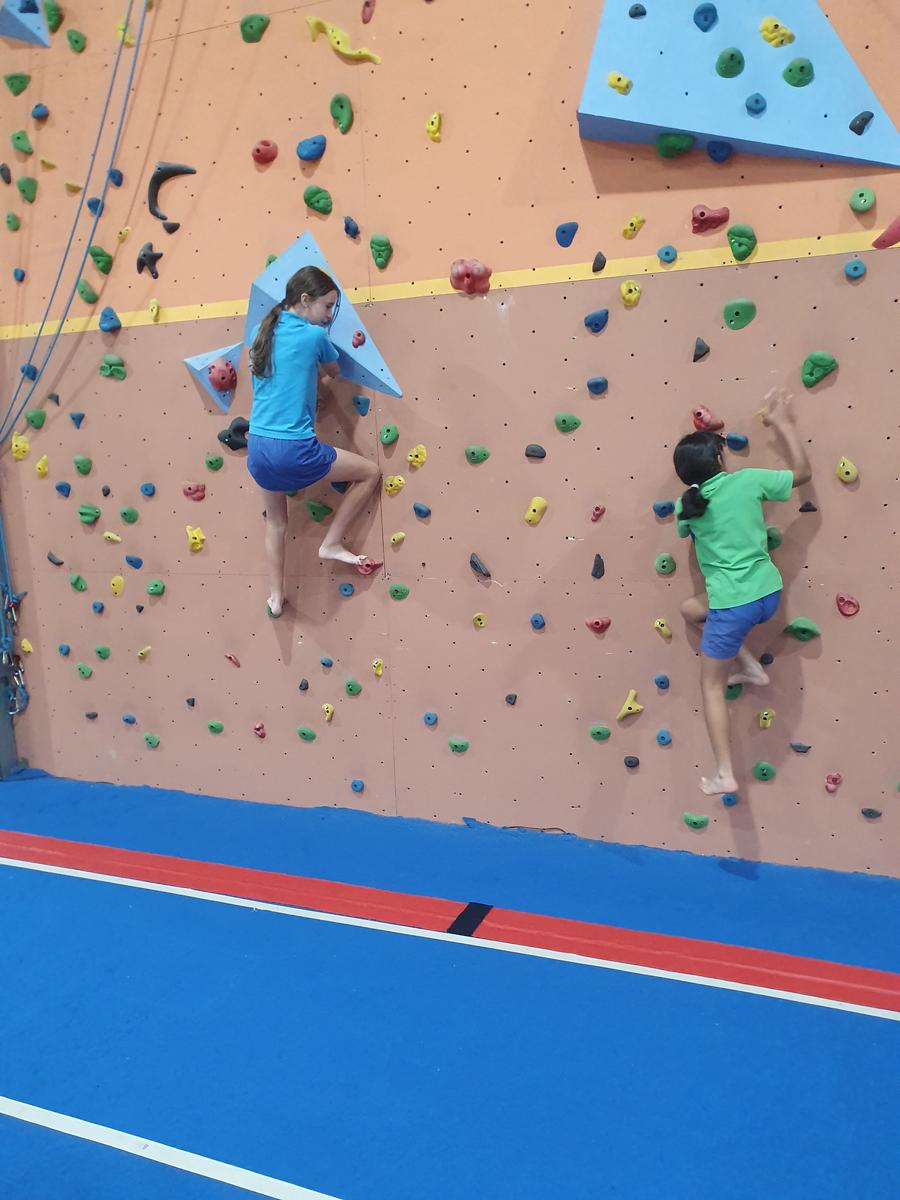
We enjoyed our second visit to the Gynastics Shed yesterday. We had a brisk walk up the hill, rushing the last few metres to beat a shower of rain. The children's faces during the many exciting activities speak volumes.
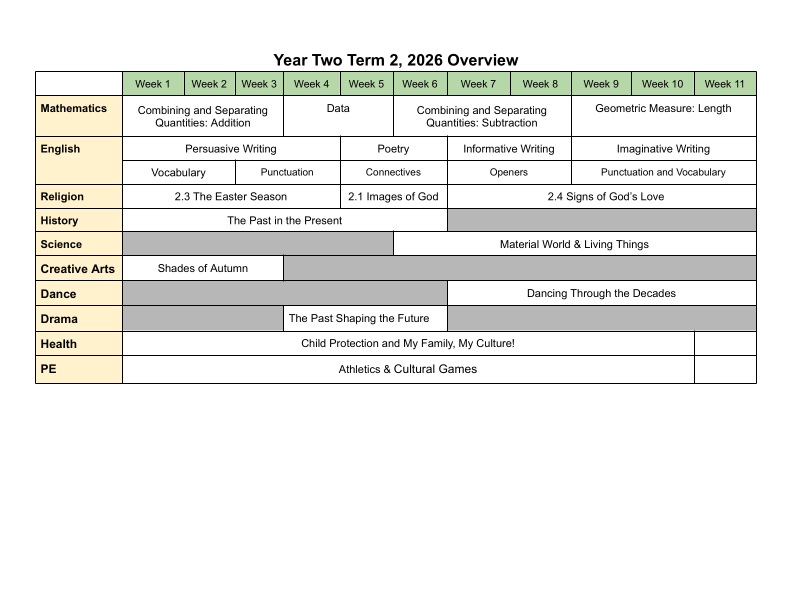
Term Overview
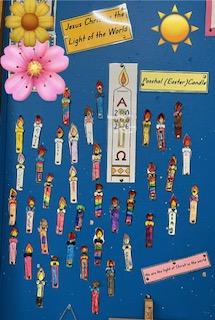
Religion
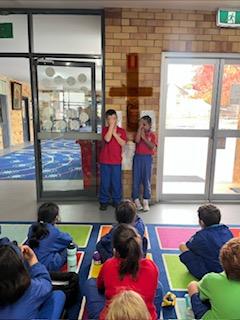
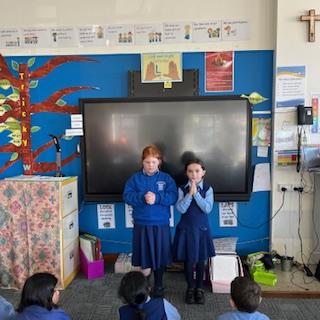
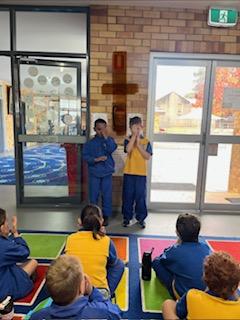
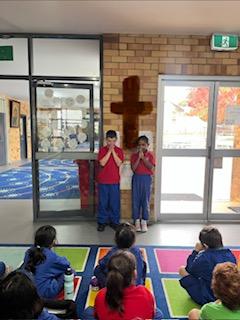
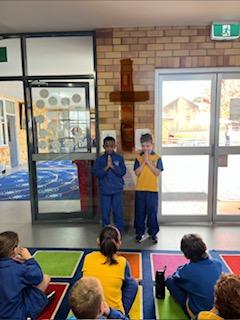
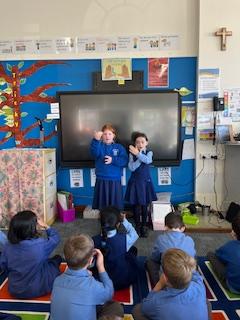
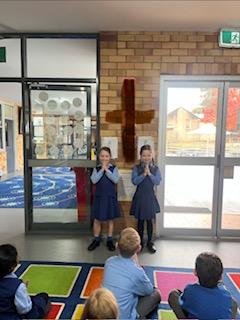
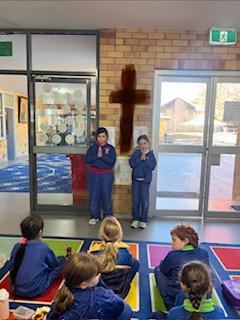
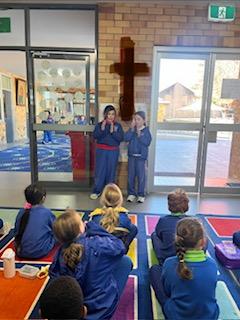
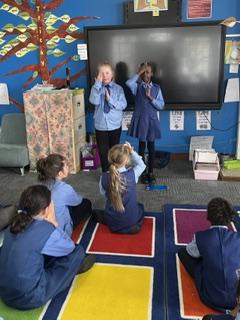
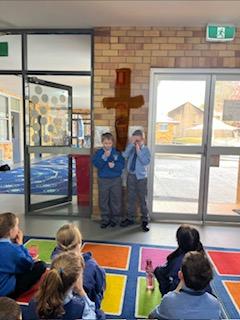
We are learning that Jesus Christ is the Light of the World. So we can share the light of Jesus with the world.
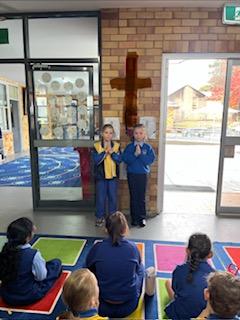
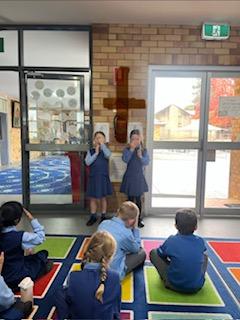
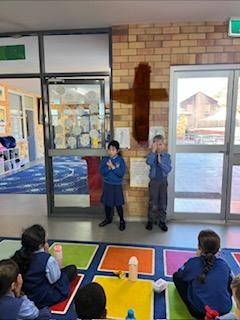
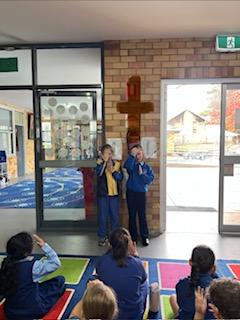
Students let their light shine as they lead prayer.
English
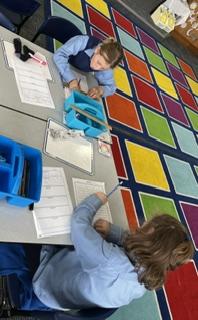
Learning in their rotation groups.
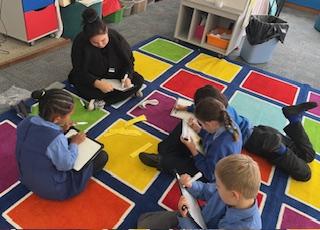
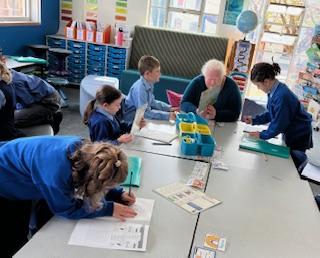
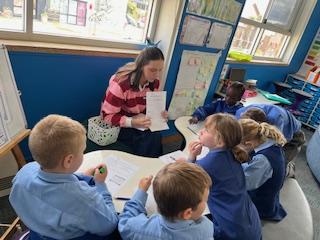
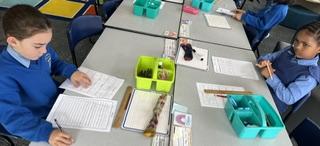
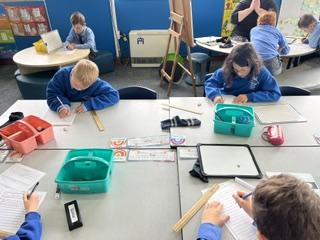
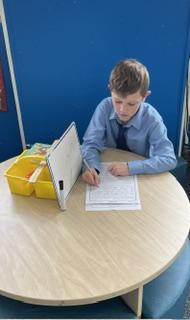
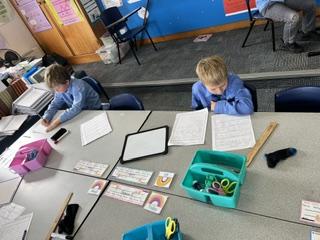
Students complete their Cold Write.
Maths
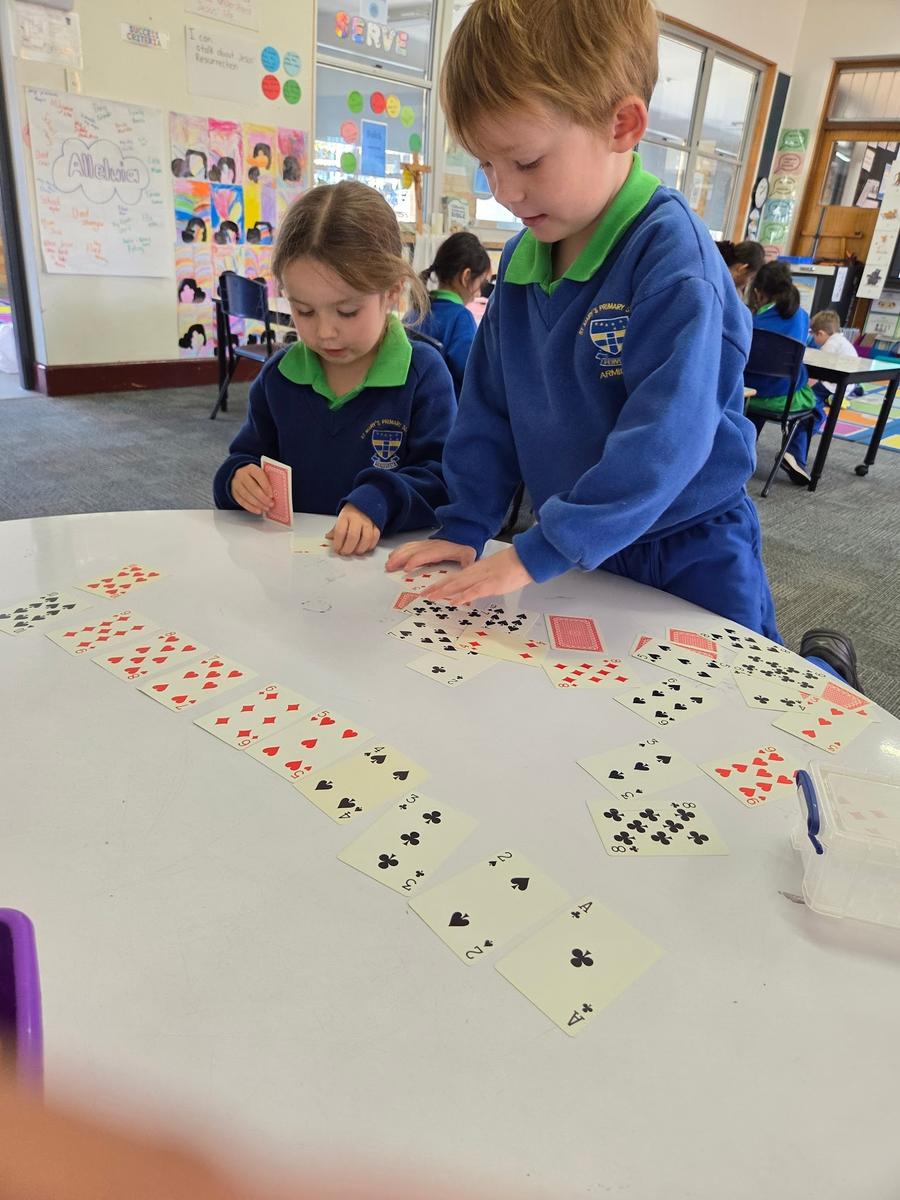
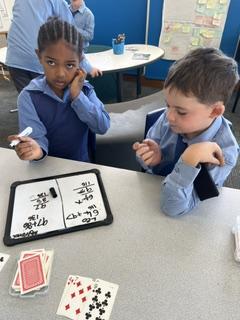
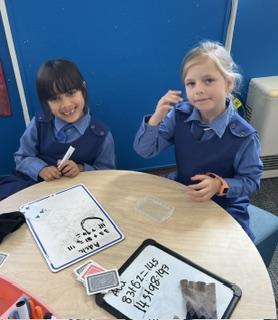
Learning addition through Math games.
Creative Arts
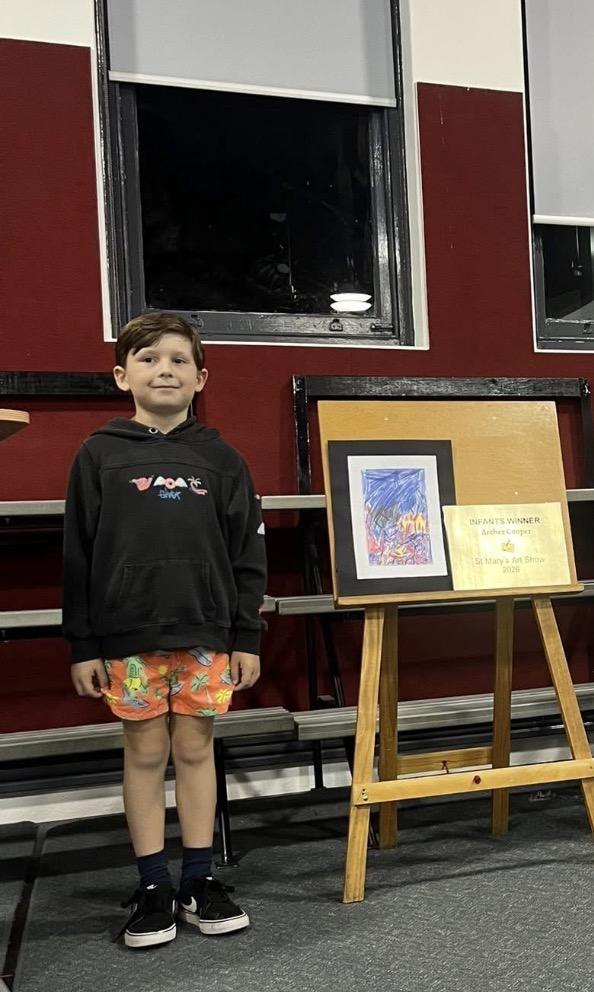
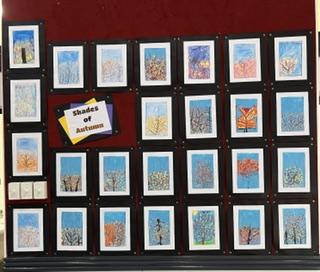
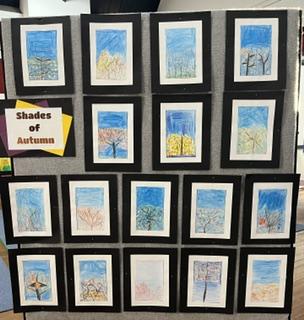
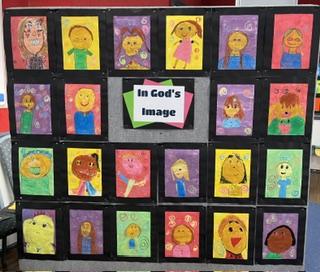
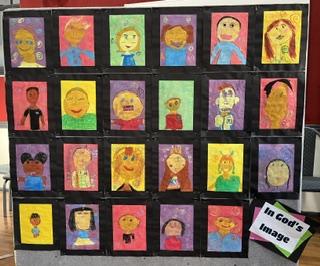
Students' art pieces for the St Mary's Art Show. Congratulations to Archer, winner of the Infants category.
Gymnastics
Awards
I am Safe, I am a Learner, and I am Valued, Respected and Cared for
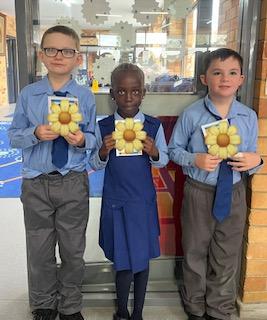
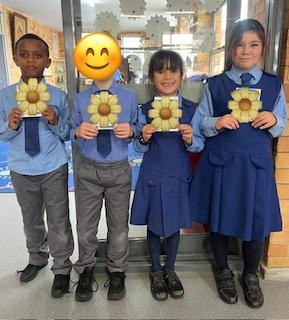
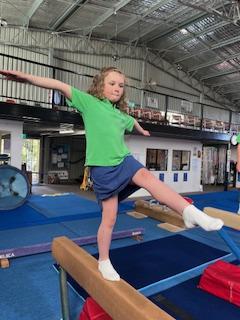
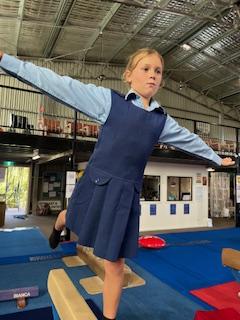
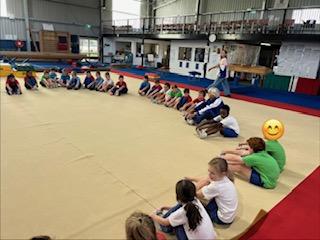
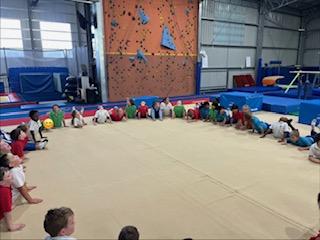
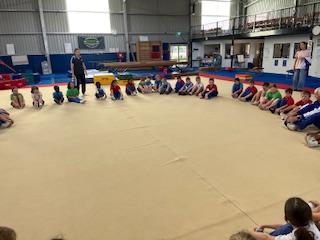
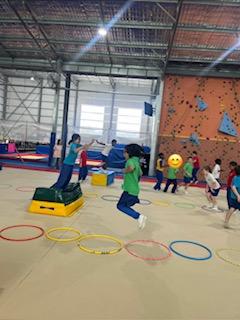
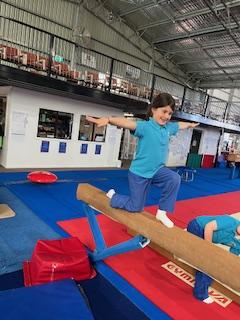
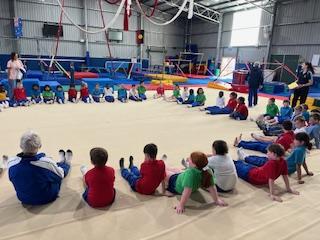
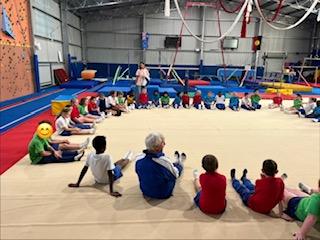
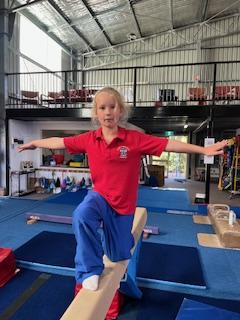
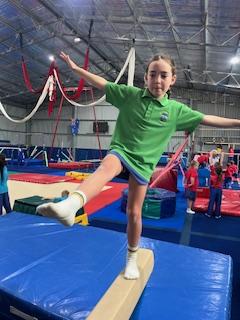
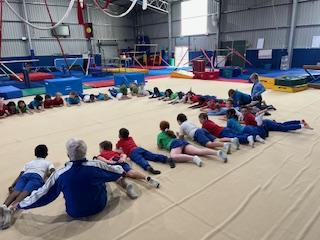
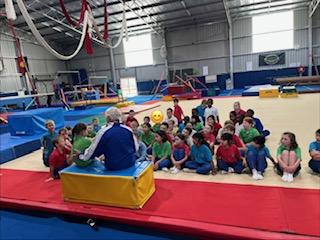
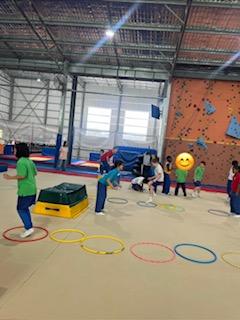
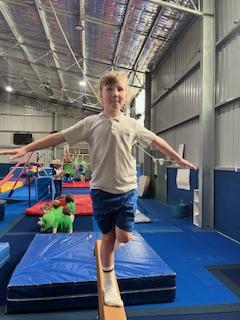
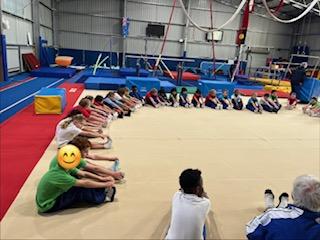
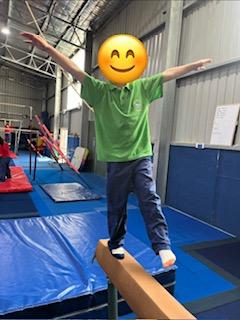
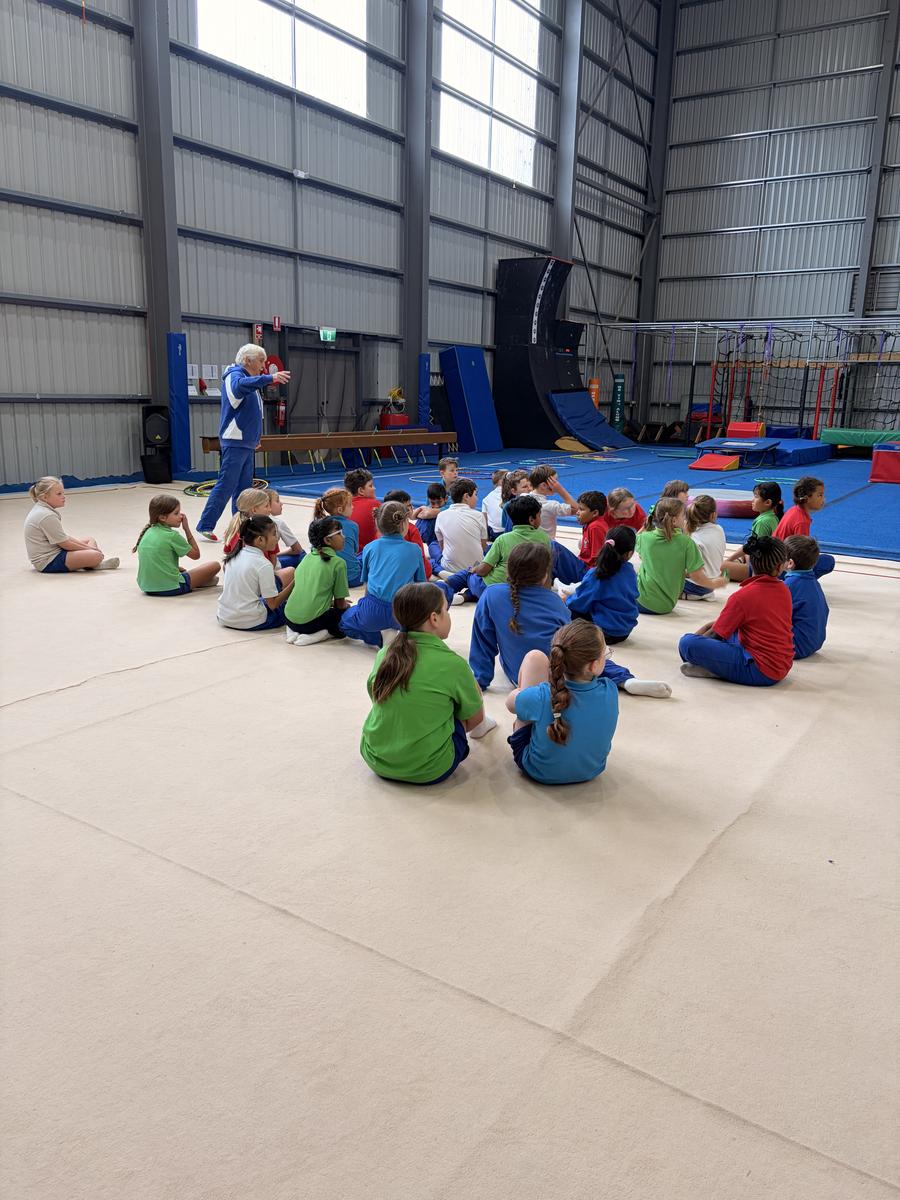
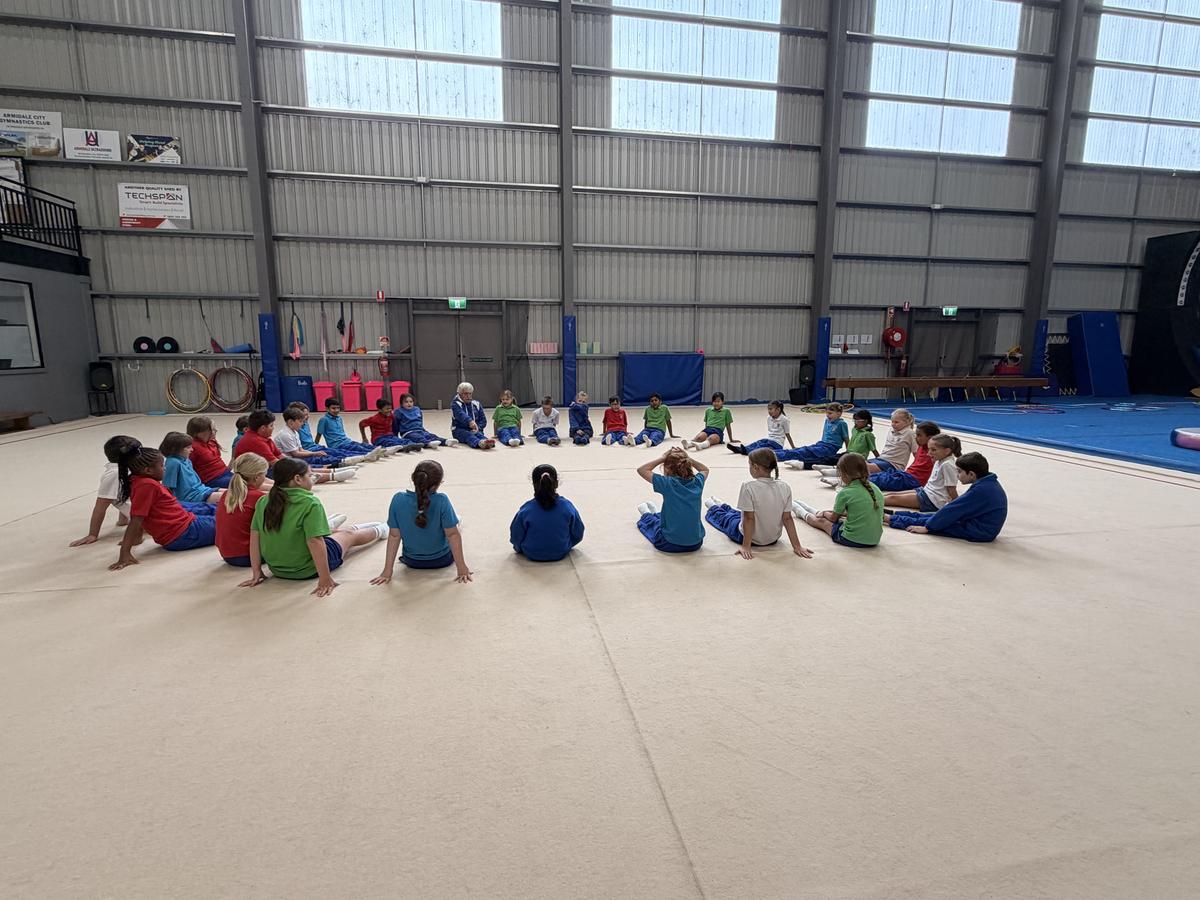
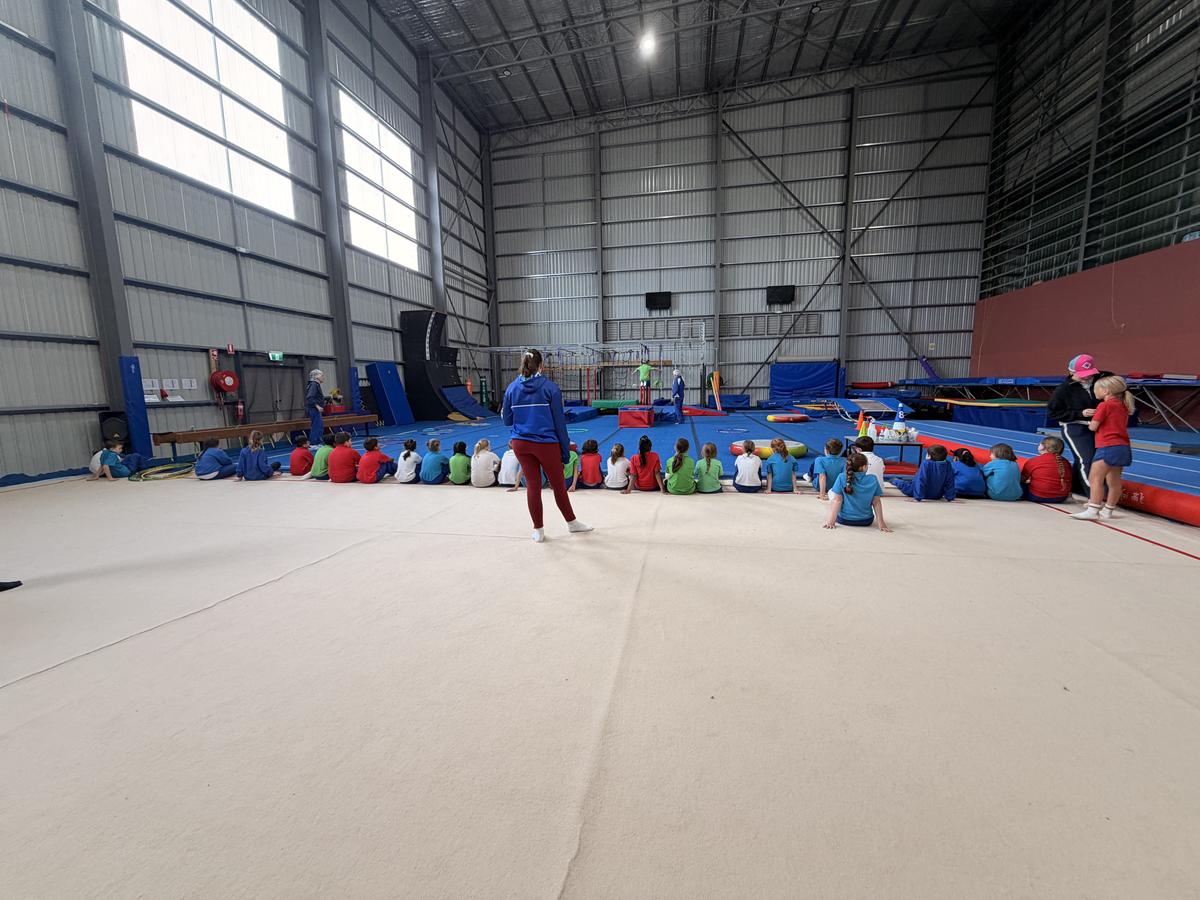
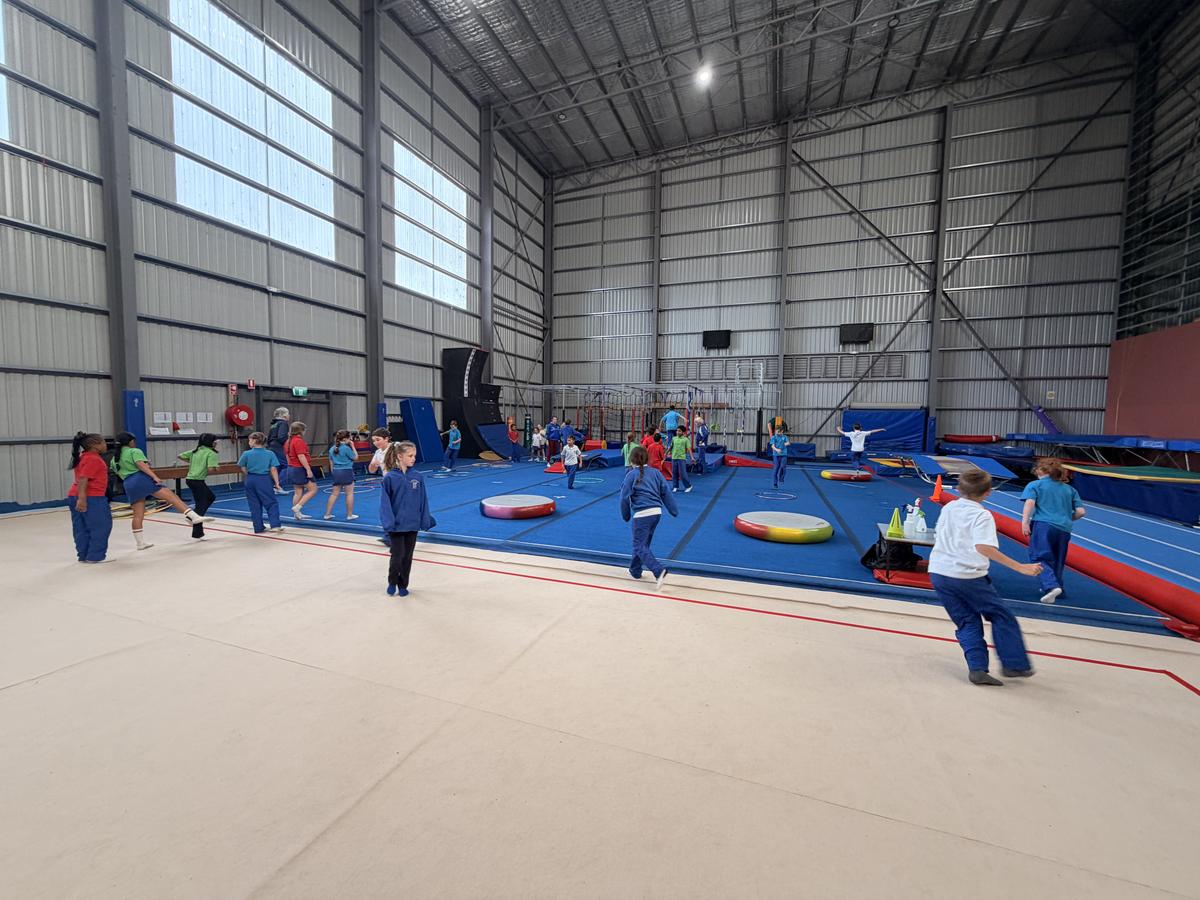
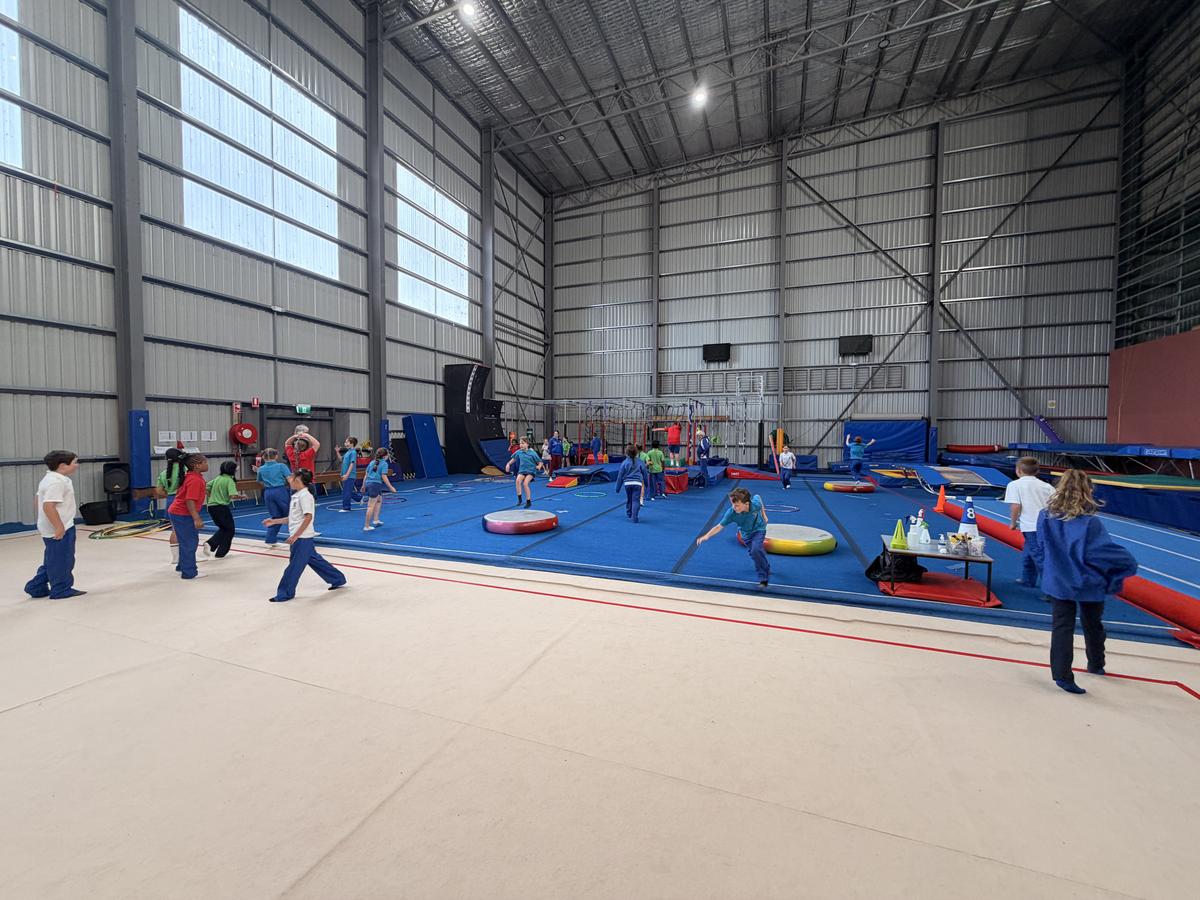
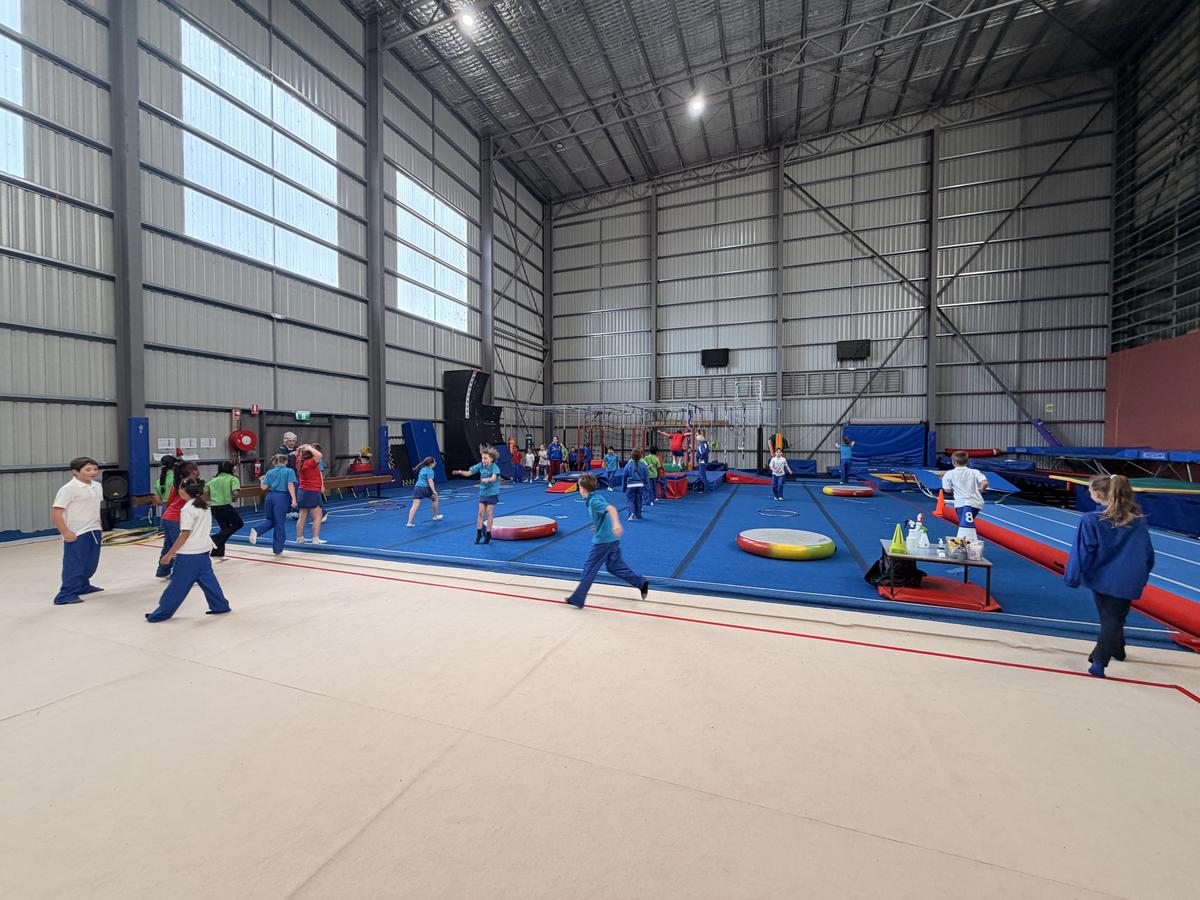
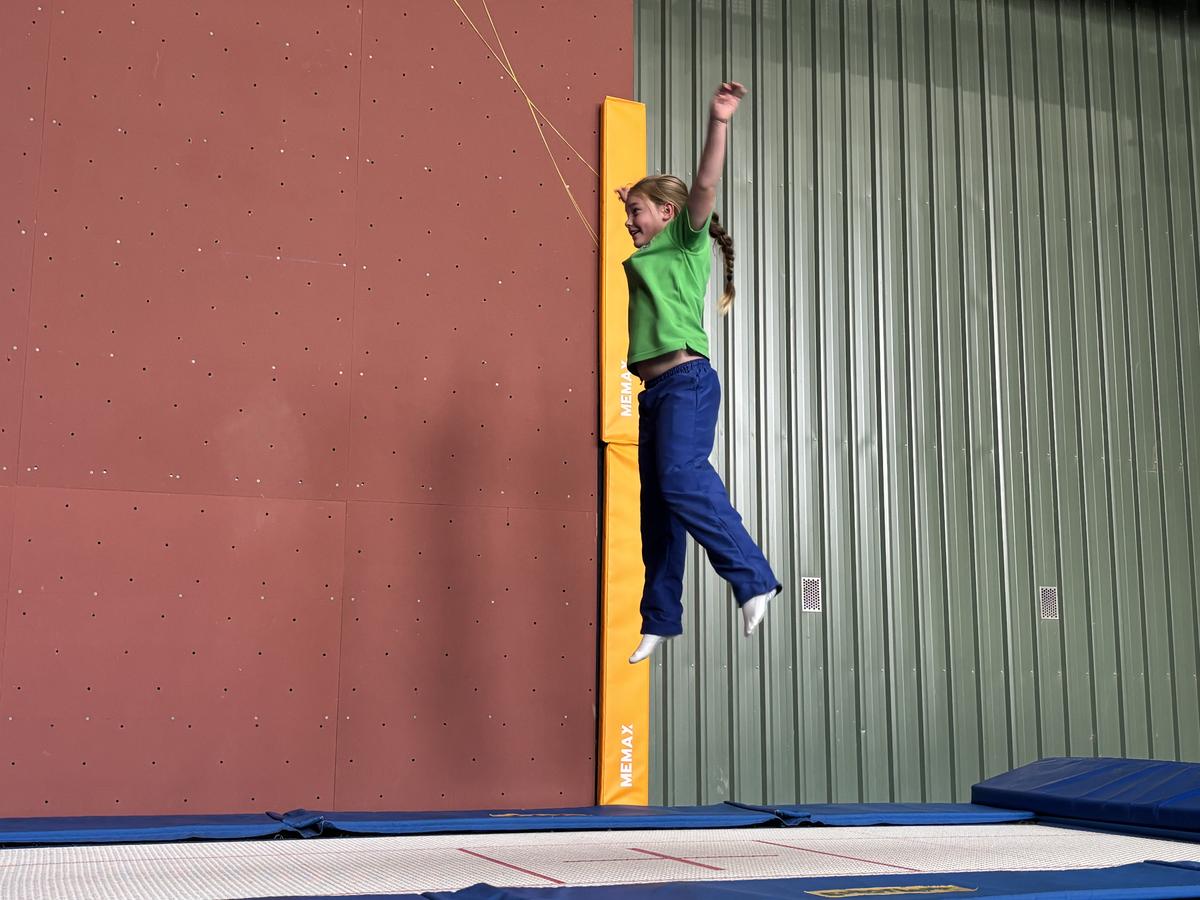
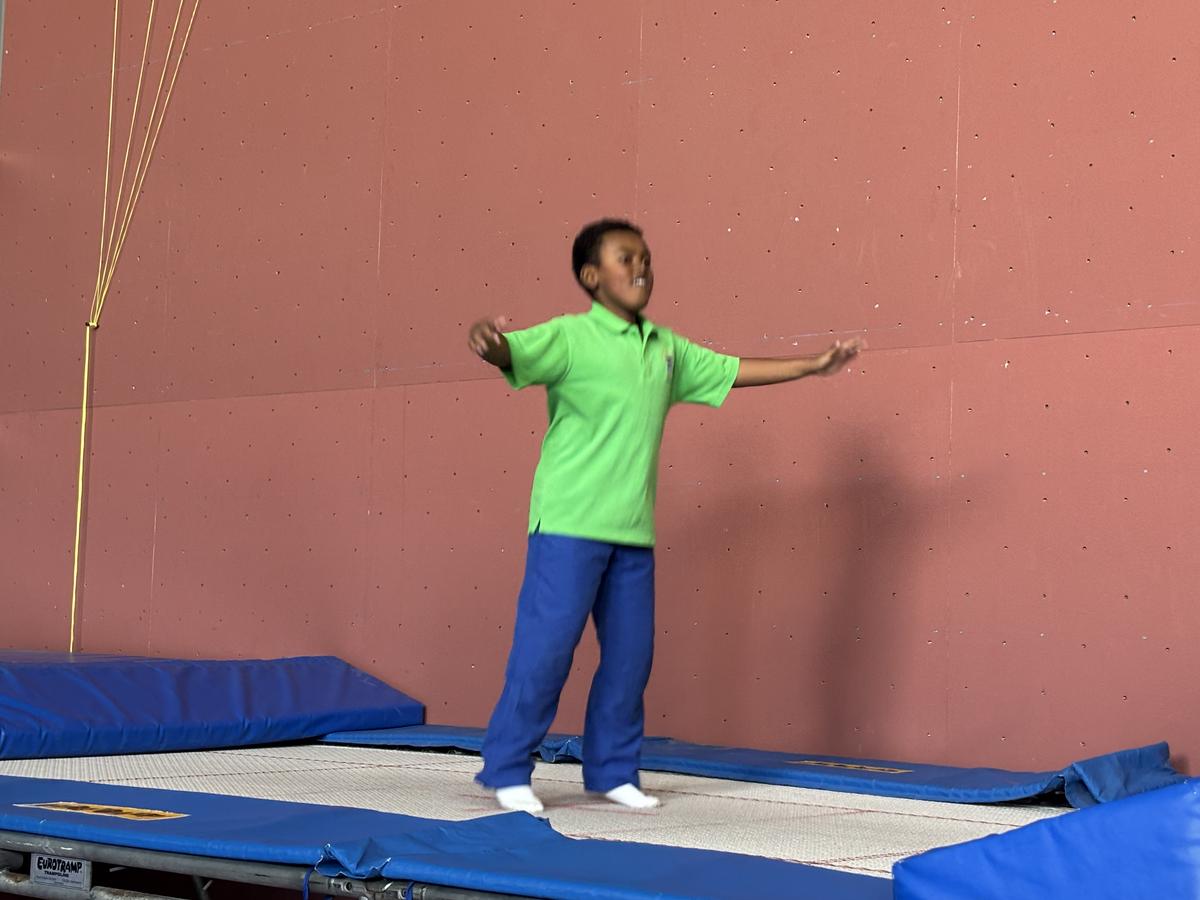
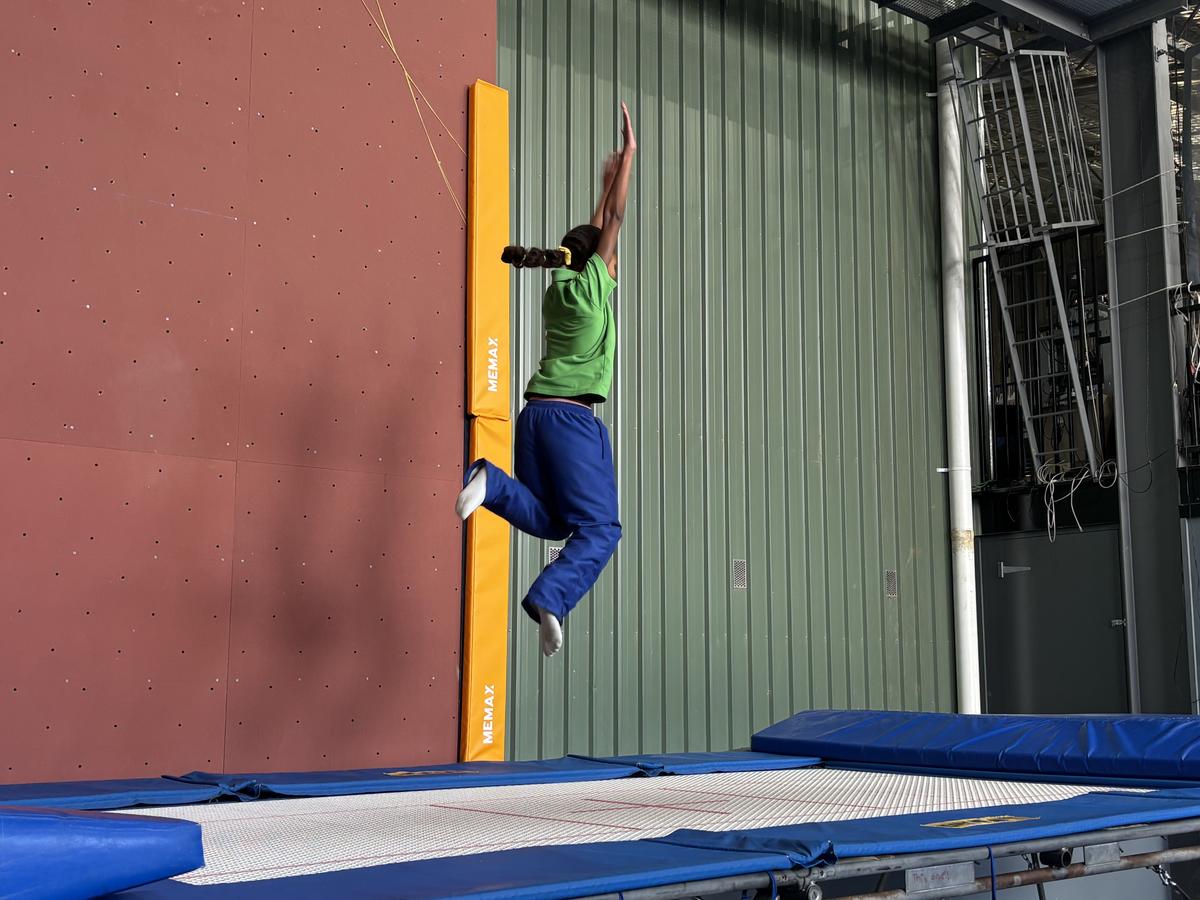
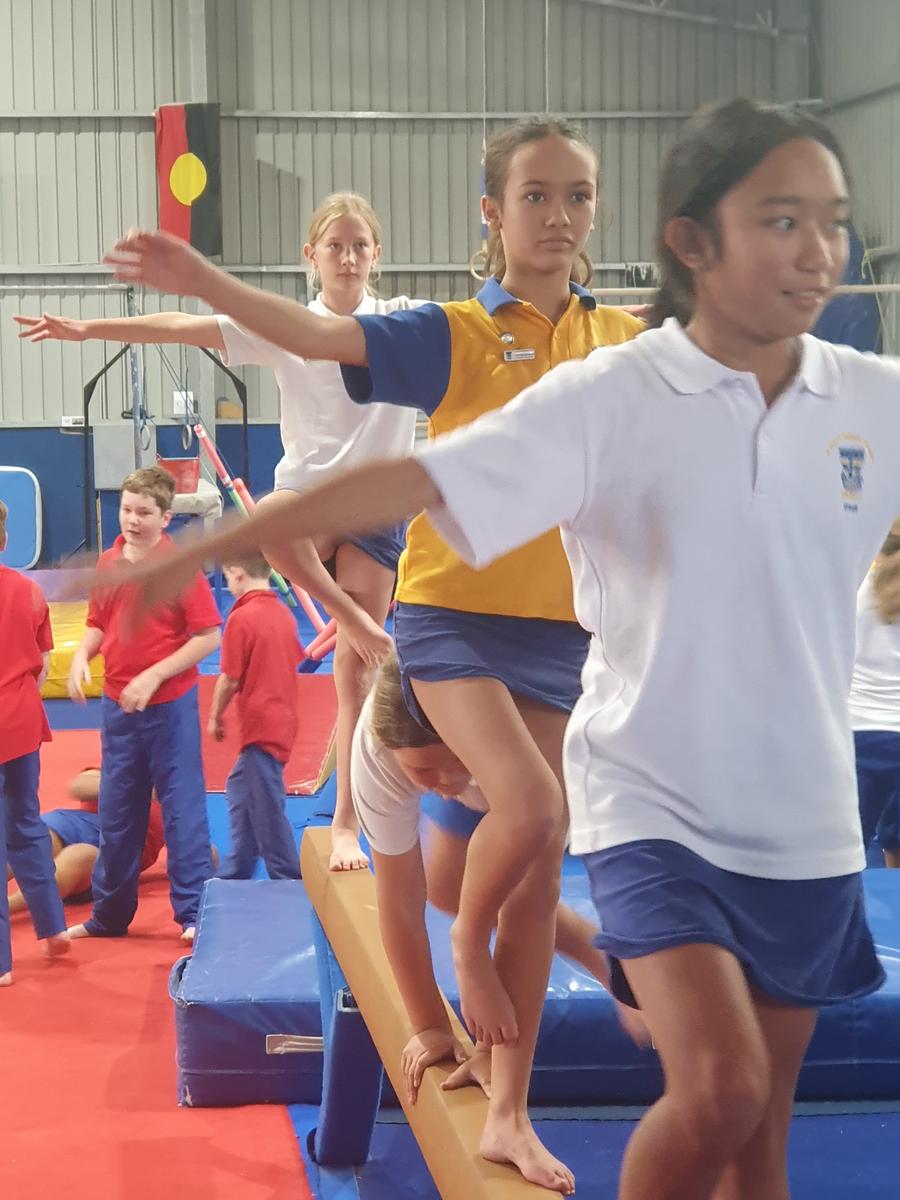
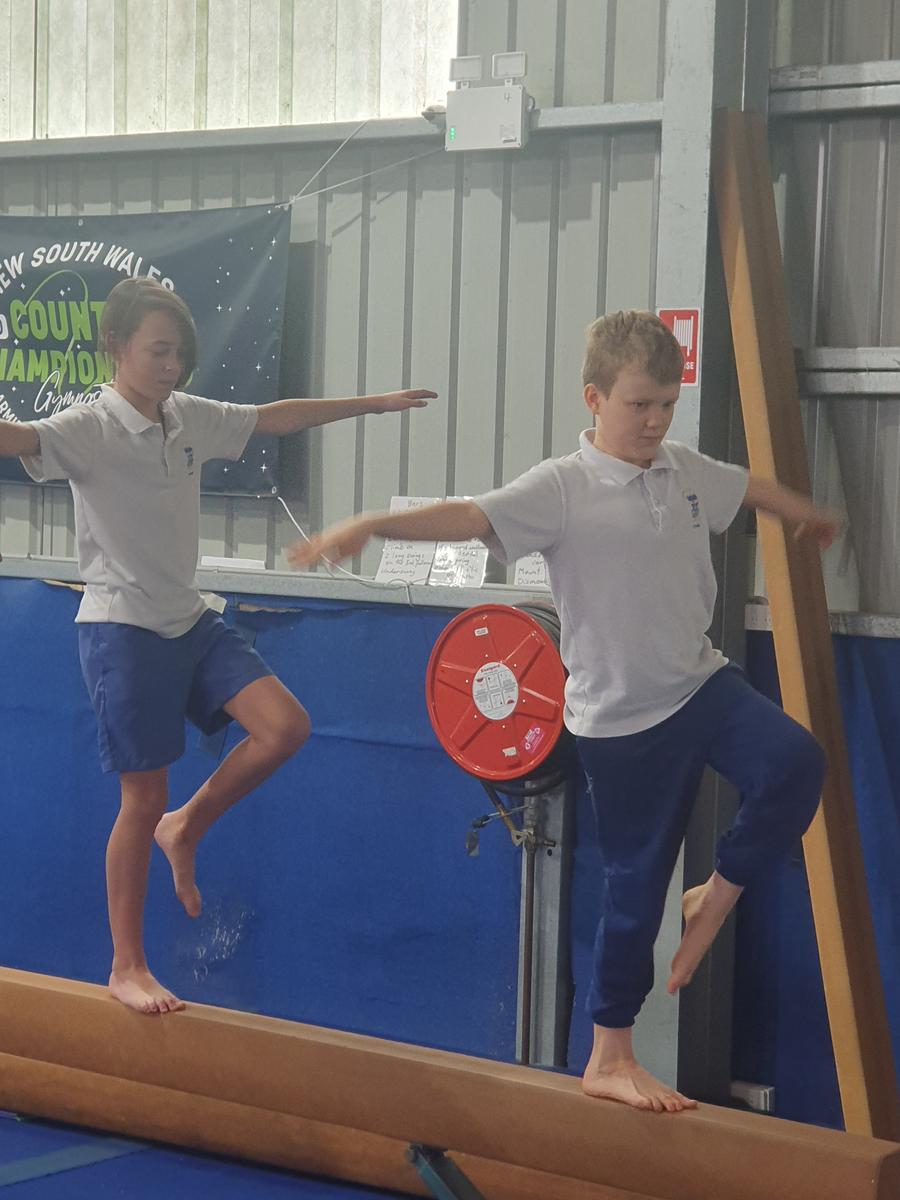
Year 3 attended gymnastics on Wednesday morning. The students learnt a range of gymnastic skills while completing a circuit. Year 3 had a great time!
Term 2 Overview Year 3 2026
Thursday’s are Library borrowing days during our Library lesson
| Religion | Easter: A Time to Celebrate the Presence of the Risen Lord - Jesus rose from the dead on Easter Sunday. When we celebrate the Eucharist, Jesus Christ is present in the:
Through the Holy Spirit, Christ is present in the Church. Pentecost: The Holy Spirit Gives us Strength- Jesus promised to send the Holy Spirit. The Church celebrates the coming of the Holy Spirit at Pentecost. Jesus ascended into heaven. The Church celebrates the Ascension of Jesus. The Holy Spirit gives us the strength to love and help others. The Trinity is the name we give to the one God, revealed as Father, Son and Holy Spirit. |
| English | Reading Focus- We are learning to become efficient readers using strategies to enable us to acquire and understand the necessary information that we are reading so that we can comprehend what we are reading
Writing Focus-Persuasive texts using text features, sentence-level grammar, punctuation and word-level language so we can change someone’s opinion.
|
| Maths | Additive Relations: Subtraction & Inverse Operations -students will develop "math fluency" by learning to explain their reasoning and solve multi-step problems involving 2- and 3-digit numbers. They will master various mental and written strategies for addition and subtraction while building foundational algebra skills by finding missing values in number sentences. The focus is on moving beyond simple counting toward flexible, logical thinking and clear communication of their mathematical process. Two-dimensional Spatial Structure: 2D Shapes -Students will develop mathematical fluency by exploring the properties of 2D shapes and learning to communicate their geometric reasoning clearly. They will identify, compare, and describe shapes based on their specific features while practicing "transformations" by splitting shapes apart and combining them to create new ones. Chance -Students will explore the concept of "chance" by conducting experiments and recording their results to compare the likelihood of different outcomes. They will focus on using mathematical reasoning to explain why certain results occur and communicating their findings clearly using data. Multiplicative Relations: Patterns & Multiplication -Students will build multiplication and division skills by exploring the relationship between numbers up to $10 \times 10$ and solving for missing values in number sentences. They will focus on using efficient problem-solving techniques and clearly communicating the logic behind their mathematical thinking. Two-dimensional Spatial Structure: Area - Students will learn to estimate and measure area by comparing surfaces using standard units like square centimetres and square metres. They will focus on choosing the most appropriate measurement tools and clearly communicating their mathematical reasoning when comparing the sizes of different shapes. |
| History | Changing communities - In this unit, students investigate their local community, how it has changed over the years and who contributed to its development over time. We suggest that the school community area is studied to allow for productive group work to occur, although the lessons can also be explored independently. Students undertake the historical inquiry process to investigate the developments, events and people that have shaped their community. Continuity and change and sources are the key skills and concepts developed; students draw on local history records, photographs and landmarks to identify what has changed in their community over the years, what has stayed the same, and who has contributed to these changes. |
| Science | Classification of Living Things- In this unit, students will learn that living things all have certain characteristics. They will use these characteristics to differentiate between living and non-living things. They will group plants and animals by their observable features. This unit involves the students working scientifically and using scientific thinking. |
| PDH/PE | PE - Students will be introduced to the skills needed for participation in the events held at an athletics carnival. Skill development, rather than competition, should be the focus. Safety issues and procedures must be clearly outlined for students and all equipment should be age appropriate and in good order. Supervision will need to be provided considering the age, experience and capability of the students and the activities or events to be conducted. Students will understand and apply the skills needed for traditional ATSI/cultural games in a team environment. They will develop an understanding of the cultural significance of ATSI/cultural games and how they apply to the needs and interests of the individuals. Students will recognise that people participate in physical activity for many other reasons other than for improved fitness and health. PDH - Students will recognise how empathy and respect promotes inclusion by exploring cultural diversity including Aboriginal and Torres Strait Islander Peoples. They will identify the influence of peers, family and their community when forming their own ideas on significant issues such as appreciating and celebrating differences. |
| Visual Arts | Two individual artworks for the School Art Show which is early Term 2. Dance Performing: Student will learn to perform dances from a range of contexts, demonstrating movement skills, expressive qualities and an understanding of the elements of dance Composing: Student will explore, select and combines movement using the elements of dance to communicate ideas, feelings or moods Appreciating: Students will give personal opinions about the use of elements and meaning in their own and others’ dances |
Term 2 Overview Year 4 2026
Thursday’s are Library borrowing days during our Library lesson
| Religion | Easter - A Time To Live The Good News.This unit begins with the experience of the disciples at the first Easter. It explores the presence of the risen Jesus in the parish community and in the Word of God. The unit focuses on the celebration of Easter and on the Liturgy of the Word. It locates Easter within the mission of the parish as it celebrates and responds to God’s Word. Pentecost - The Holy Spirit Gives Us Courage. This unit explores the courage needed to bear witness to the life, death and resurrection of Jesus. It is the Holy Spirit, alive and active in our lives, who gives us the courage to follow Jesus. The unit focuses on exploring examples of people (apostles, saints and heroes) who demonstrate courage in their lives. They model for us the courage to live as witnesses who speak the truth. |
| English | Our English unit this term focuses on developing students' understanding of perspective, point of view and character in texts. It draws on a range of quality texts, including picture books and multimodal texts. The selected texts in the unit support students in recognising that their understanding of the worlds in texts are shaped by their own personal experience and their own culture
The unit will also support students in unpacking that characters are represented in such ways as to have motives for actions. They will learn that characters may be judged by the reader, other characters, or the narrator in a text. Students will look at the way authors construct character to invite an emotional response such as identification, empathy or antipathy. Other concepts such as representation and argument are also addressed in the unit.
Through interacting with a range of quality texts, students will develop their Oral language and communication skills, build vocabulary, increase phonic knowledge, improve reading comprehension and create written texts through understanding and responding to literature. Students will continue to learn about how to understand and use language effectively throughout the unit. |
| Maths | Additive Relations: Subtraction & Inverse OperationsAdditive Relations: Subtraction & Inverse Operations,Two-dimensional Spatial Structure: 2D Shapes, Multiplicative Relations: Patterns & Multiplication and Two-dimensional Spatial Structure: Area |
| HSIE | History - Great Journeys - Students investigate the reasons behind the great journeys of exploration. They learn about significant individuals of the Age of Exploration (circa 1400–1800) and closely examine the journey of one explorer, trader or navigator. They develop skills of historical inquiry; learning to pose research questions, locate and analyse information, communicate their findings to others, and reflect upon and evaluate what they have learned. By the end of the unit, students should be able to identify key reasons for the exploration of the era and understand some of its effects. Stories of the First Fleet - In this unit, students learn about the early years of European (British) settlement in Australia. They study the reasons behind the establishment of the Sydney colony, the First Fleet journey, and what life was like for the early colonists. The unit uses stories, drawings and other records from the era to teach a range of historical concepts, skills and knowledge, encouraging students to go behind the facts and consider what life was like for those who made that first game-changing journey. The focus here is on the colonists. In the next unit, this focus shifts to the Eora (Aboriginal people of Sydney). Contact - In this unit, students study the different forms of early contact between Aboriginal and Torres Strait Islander Peoples and early traders, explorers and settlers. Developing students’ skills in source analysis, understanding multiple perspectives and empathetic understanding are a focus. By the end of the unit, students should also understand the impact that the British colonisation of Sydney had on the lives of the Eora people and have some understanding of the varied and complex nature of the early relations between the Eora and the colonists.
|
| Science | Students use questioning and planning to conduct scientific investigations, collecting and summarising data that communicates using effective scientific representations. Students use to select and use materials, tools and equipment to develop solutions for a need or opportunity based learning activities. Students investigate regular changes caused by interactions between the Earth and the Sun. |
| PDH/PE | PE - Students will be introduced to the skills needed for participation in the events held at an athletics carnival. Skill development, rather than competition, should be the focus. Safety issues and procedures must be clearly outlined for students and all equipment should be age appropriate and in good order. Supervision will need to be provided considering the age, experience and capability of the students and the activities or events to be conducted. Students will understand and apply the skills needed for traditional ATSI/cultural games in a team environment. They will develop an understanding of the cultural significance of ATSI/cultural games and how they apply to the needs and interests of the individuals. Students will recognise that people participate in physical activity for many other reasons other than for improved fitness and health.
PDH - Students will recognise how empathy and respect promotes inclusion by exploring cultural diversity including Aboriginal and Torres Strait Islander Peoples. They will identify the influence of peers, family and their community when forming their own ideas on significant issues such as appreciating and celebrating differences. |
| Visual Arts | Two individual artworks for the School Art Show which is early Term 2. One focus will be on Vincent Van Gogh - Starry Night and the use of blending Oil Pastels. Dance Performing: Student will learn to perform dances from a range of contexts, demonstrating movement skills, expressive qualities and an understanding of the elements of dance Composing: Student will explore, select and combines movement using the elements of dance to communicate ideas, feelings or moods Appreciating: Students will give personal opinions about the use of elements and meaning in their own and others’ dances |
Mathematics
Over the next two weeks Year 4 will be looking at 2D Shapes
In the Year 4 Mathematics curriculum, children will e learning about 2D shapes (two-dimensional shapes) as part of the Geometry strand. These are flat shapes that only have length and width — no depth. Examples include squares, rectangles, triangles, pentagons and hexagons.
For parents, the main Year 4 learning goals are:
Examples of what Year 4 children will be doing:
Key vocabulary children are expected to use:
Tips for parents:
History
In Year 4 History students have been studying these big questions:
We are about to move onto investigating the following big questions:
Children have been learning and continue to learn about:
Children have been developing various historical skills such as:
Some examples of the activities the Year 4 children have been undertaking and will undertake:
Key vocabulary children have been exposed to and are trying to use:
Ways parents can help at home:
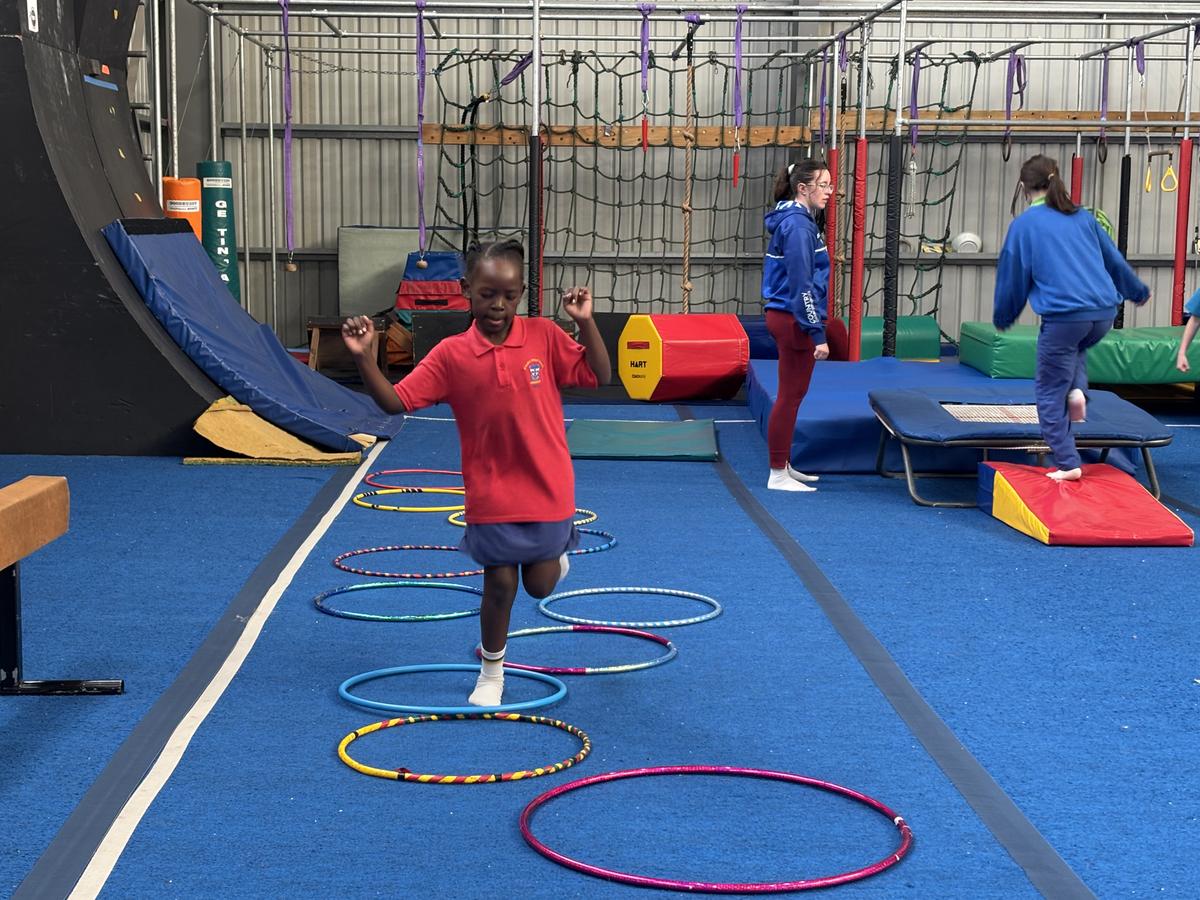
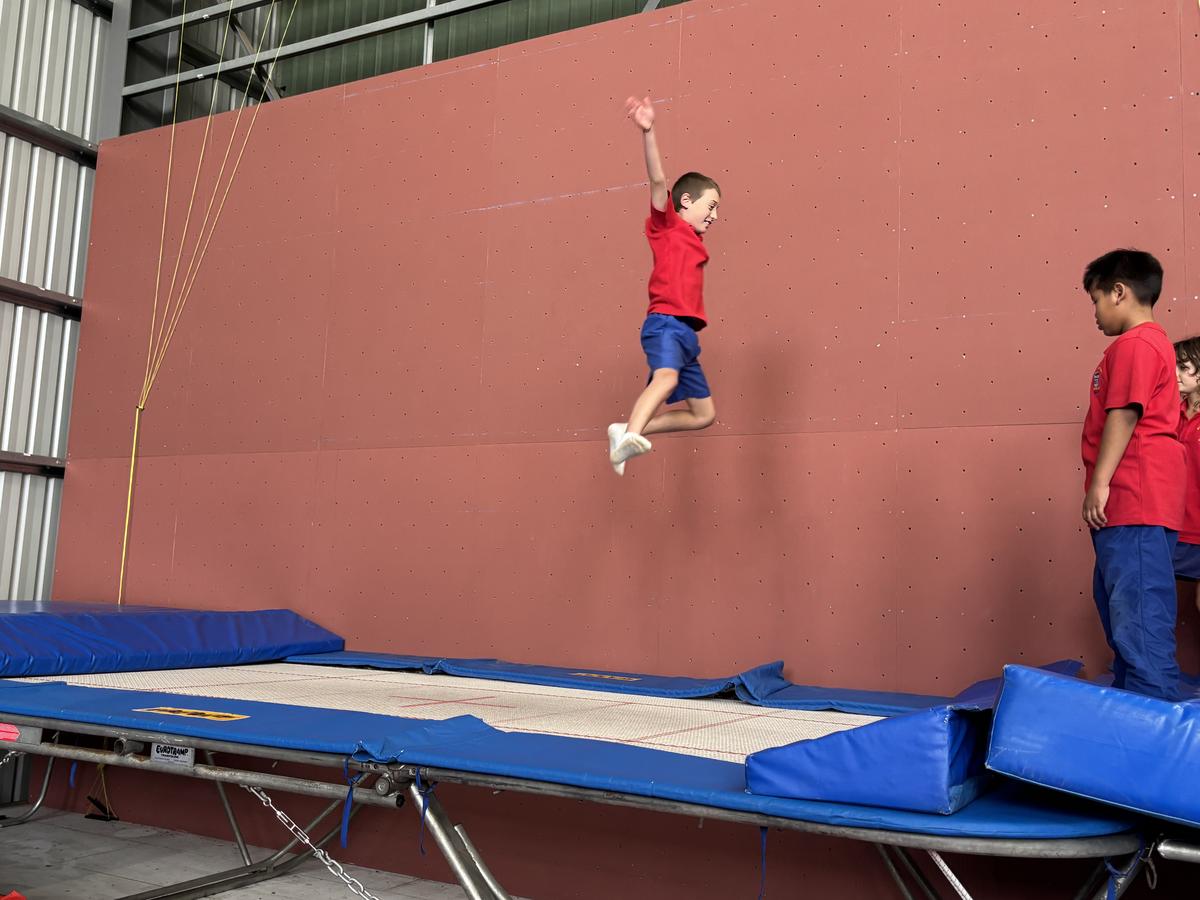
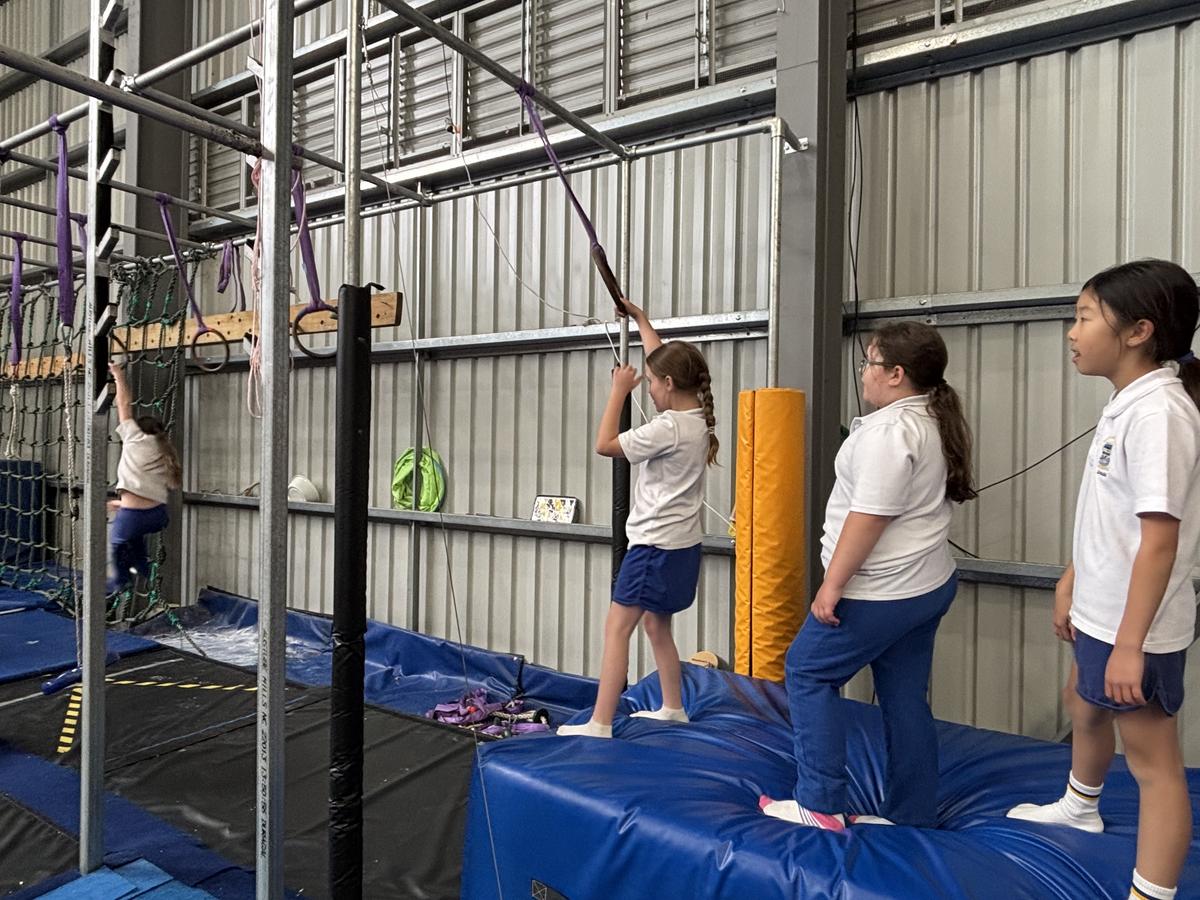
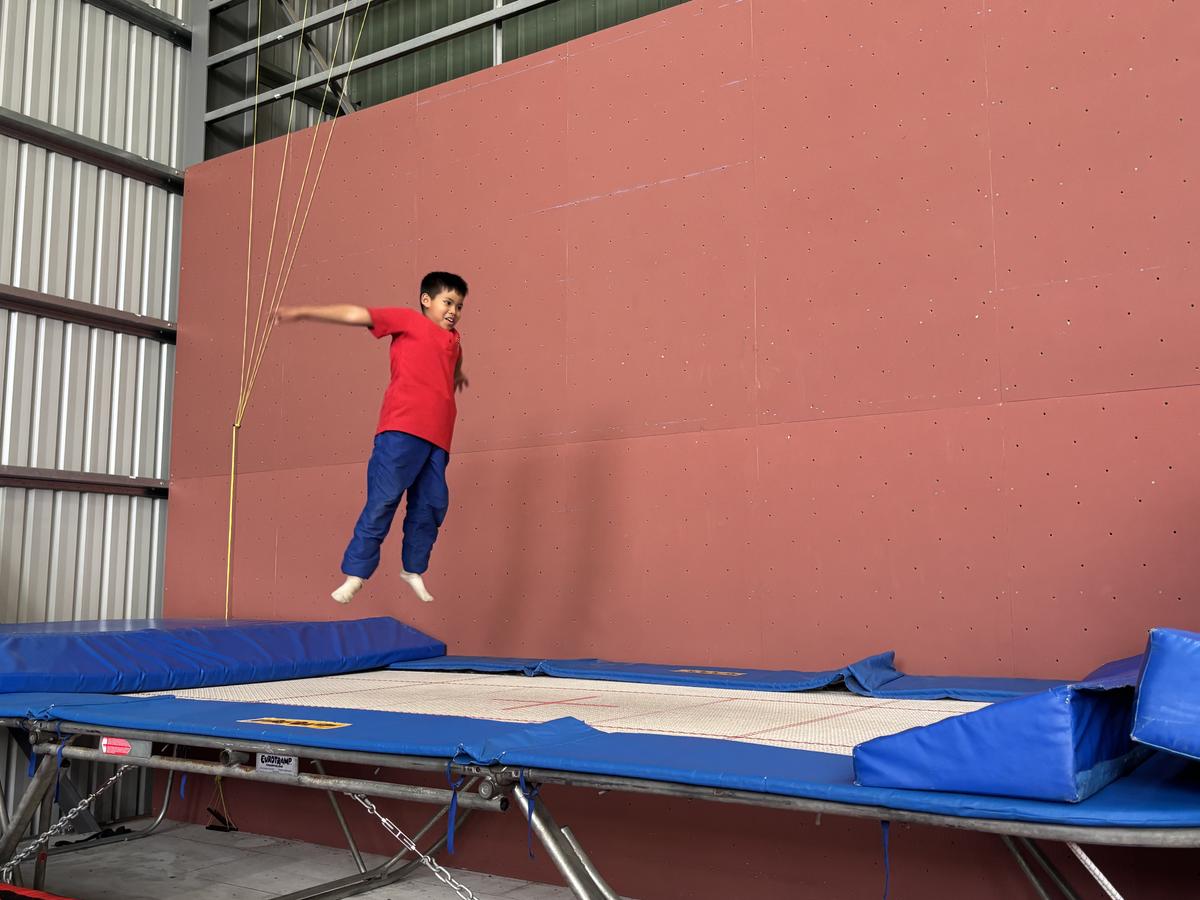
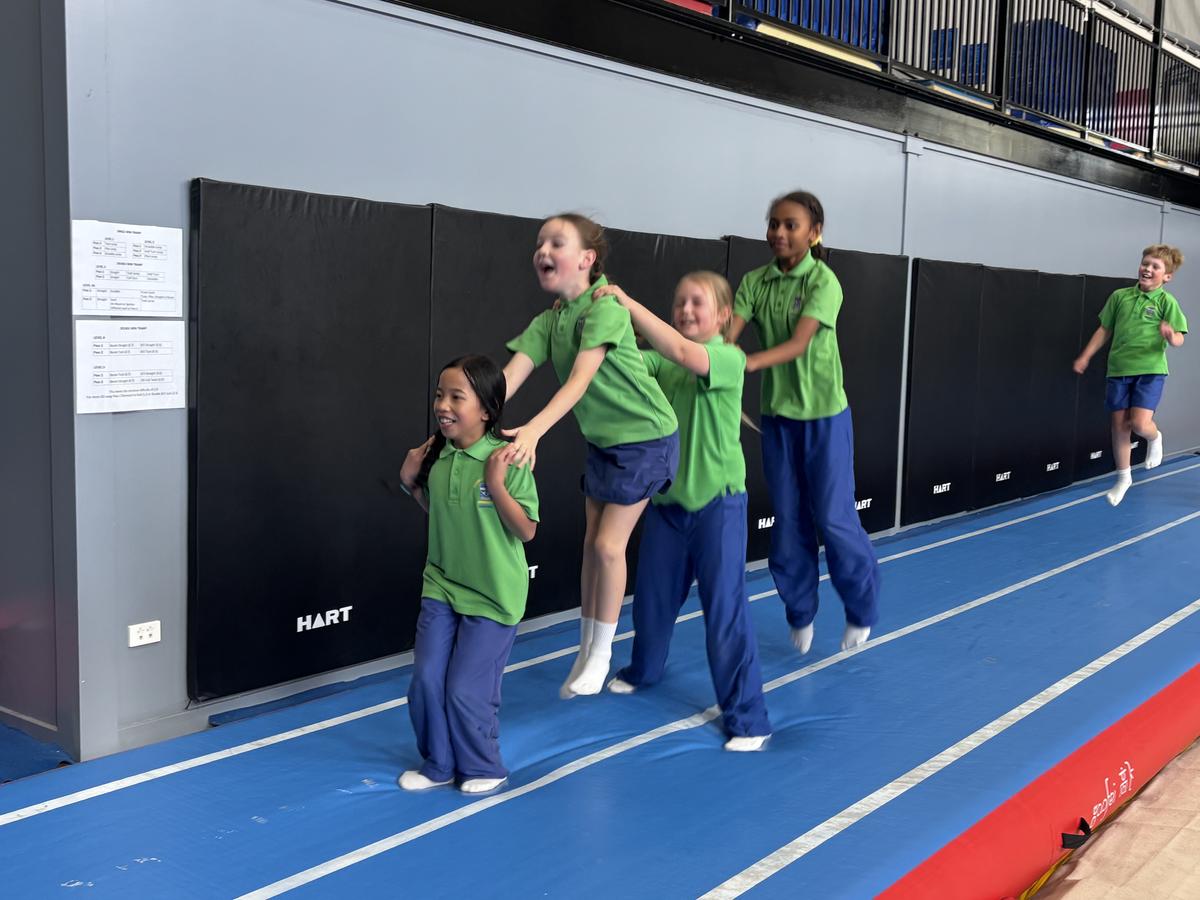
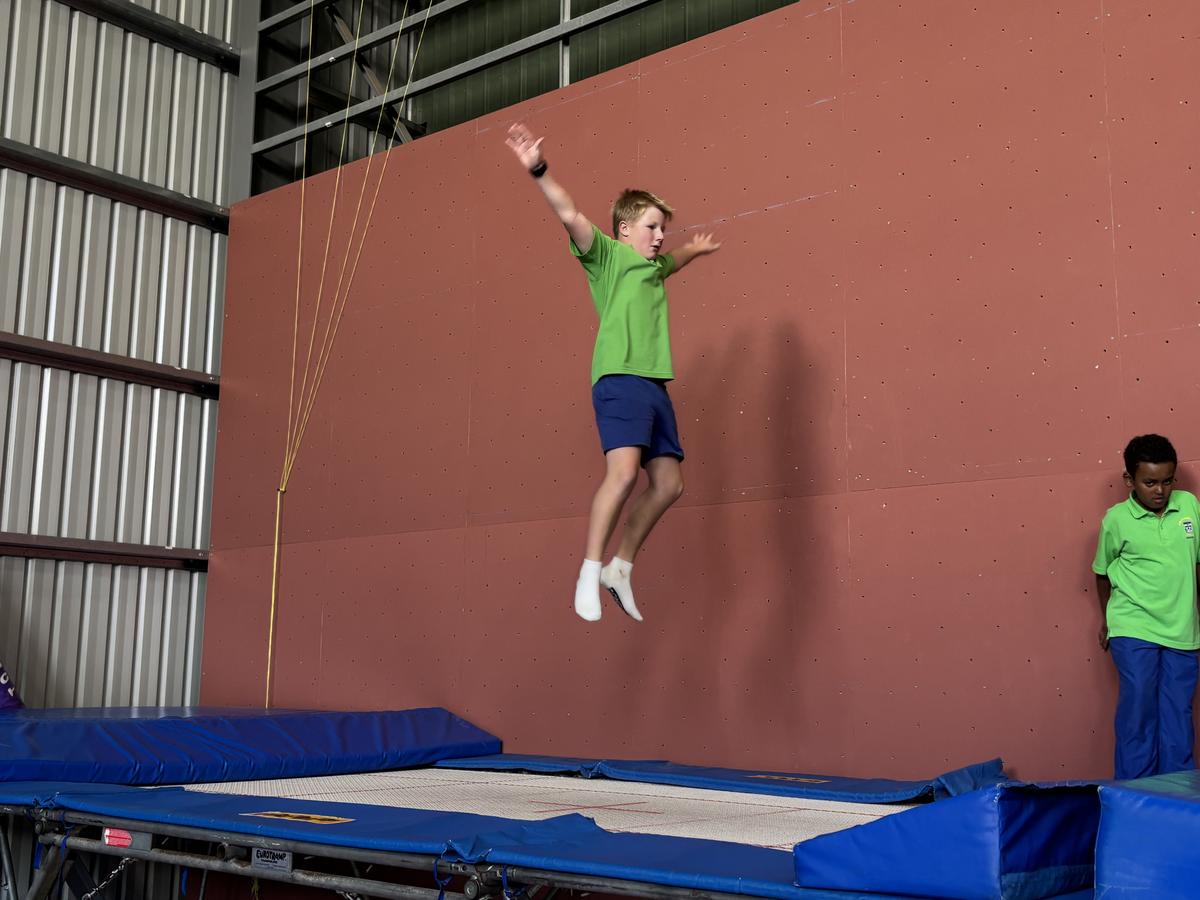
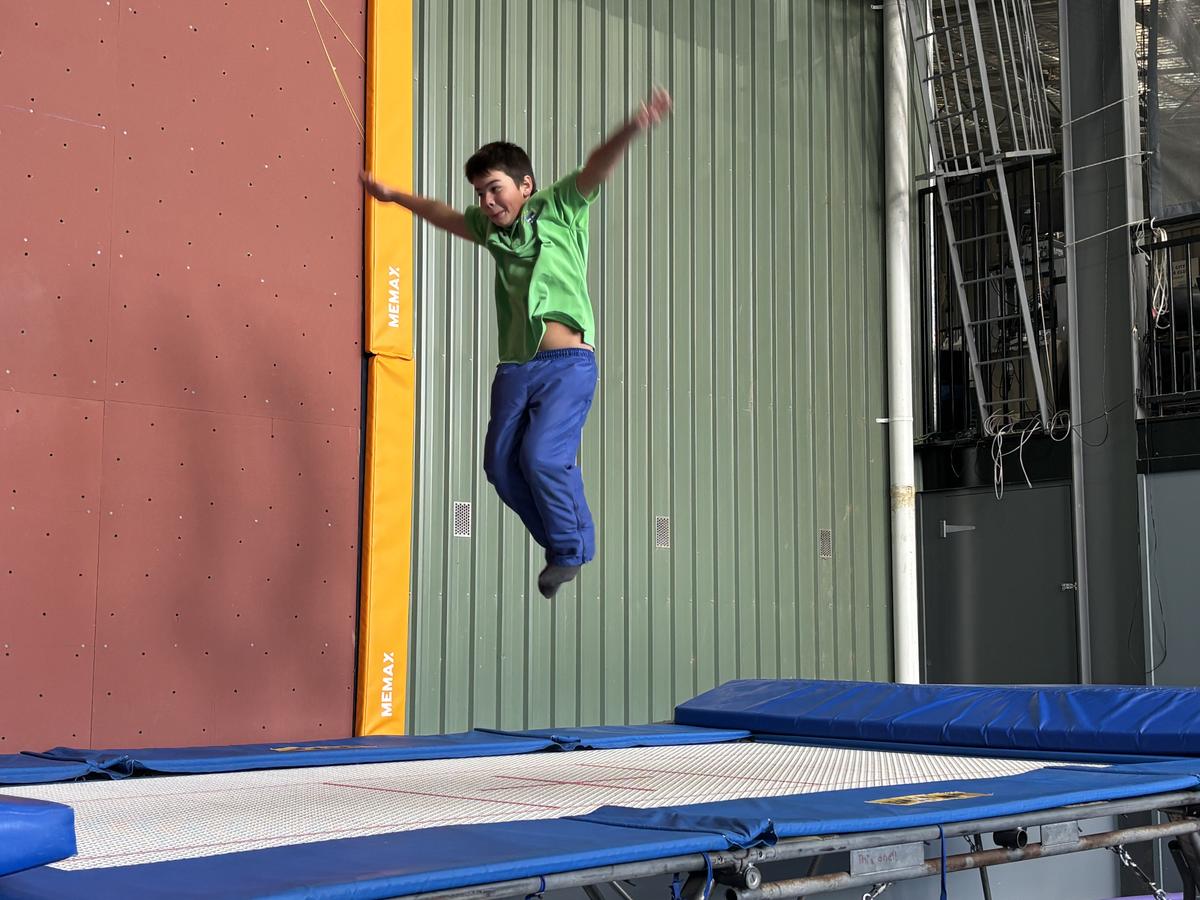
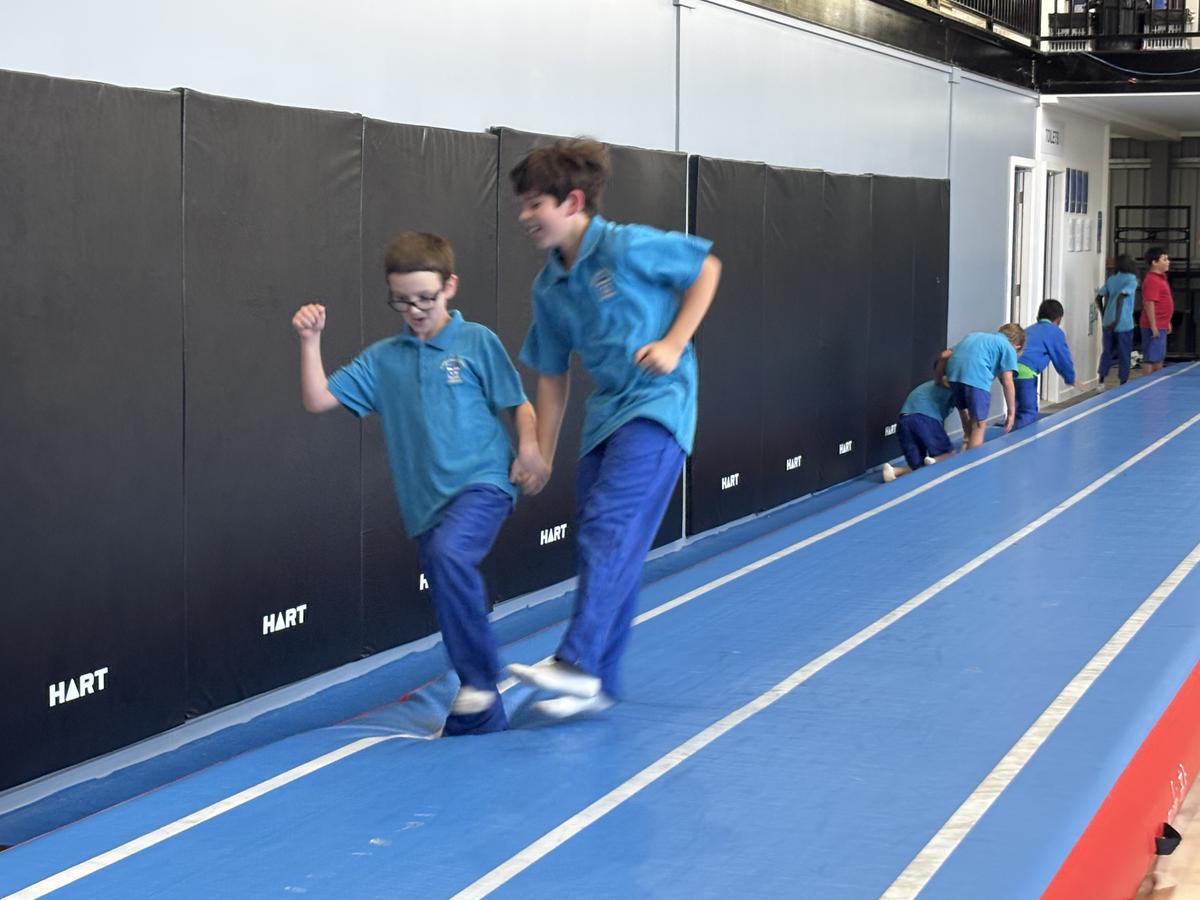
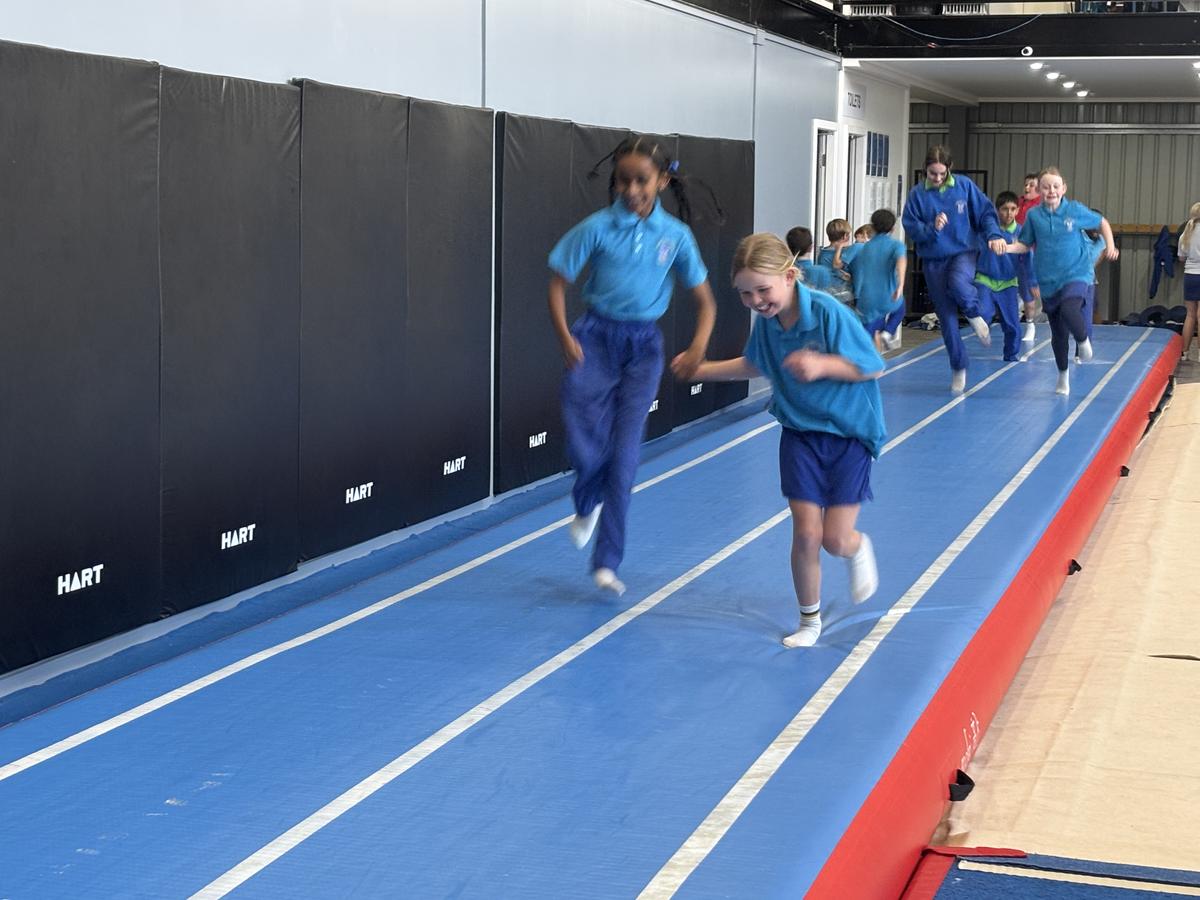
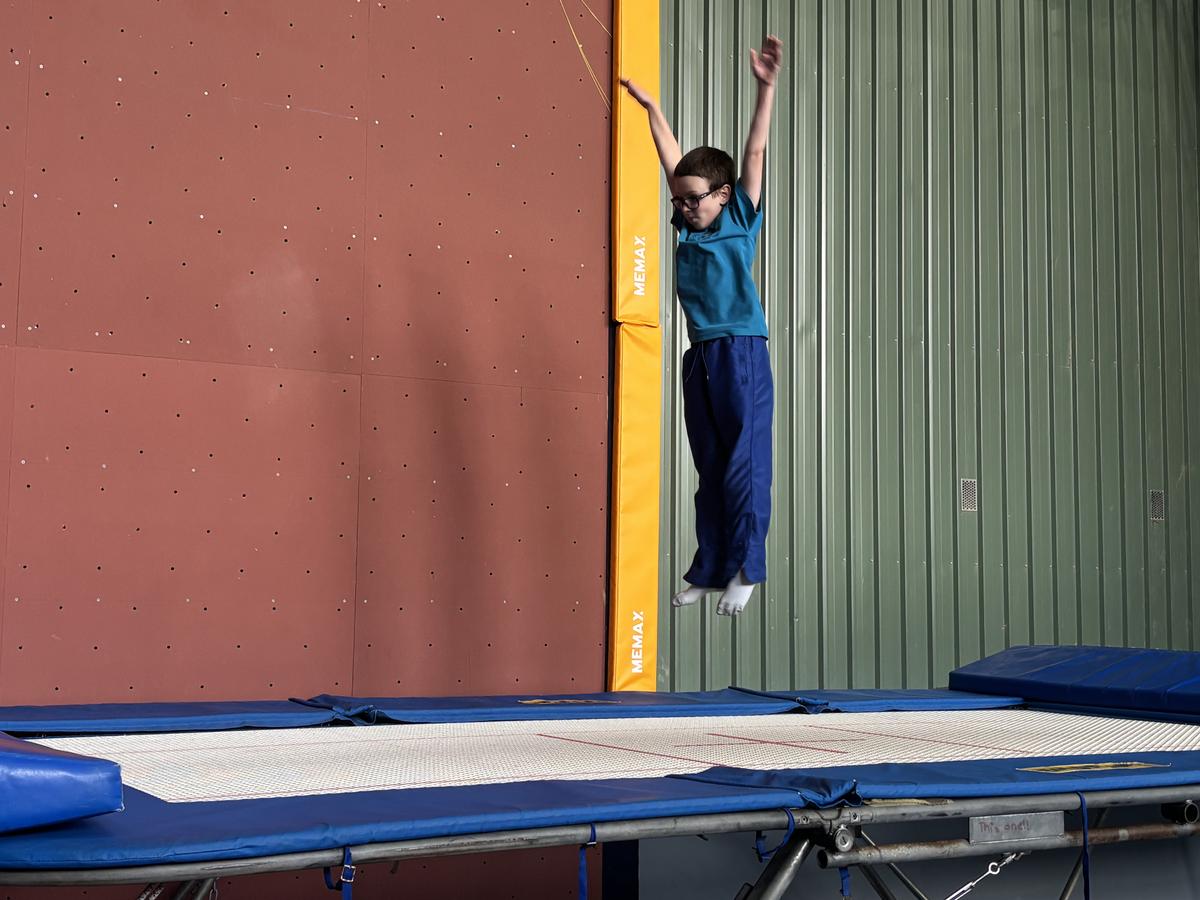
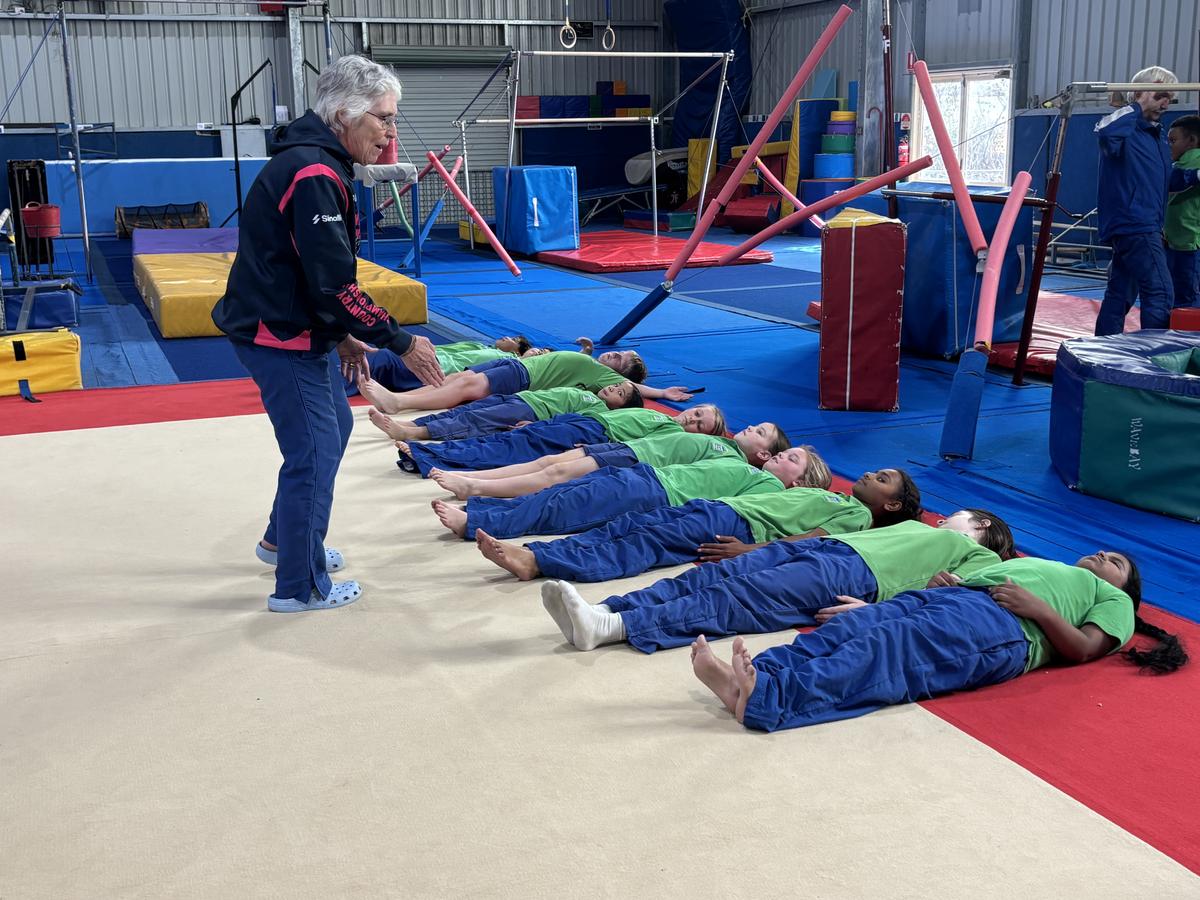
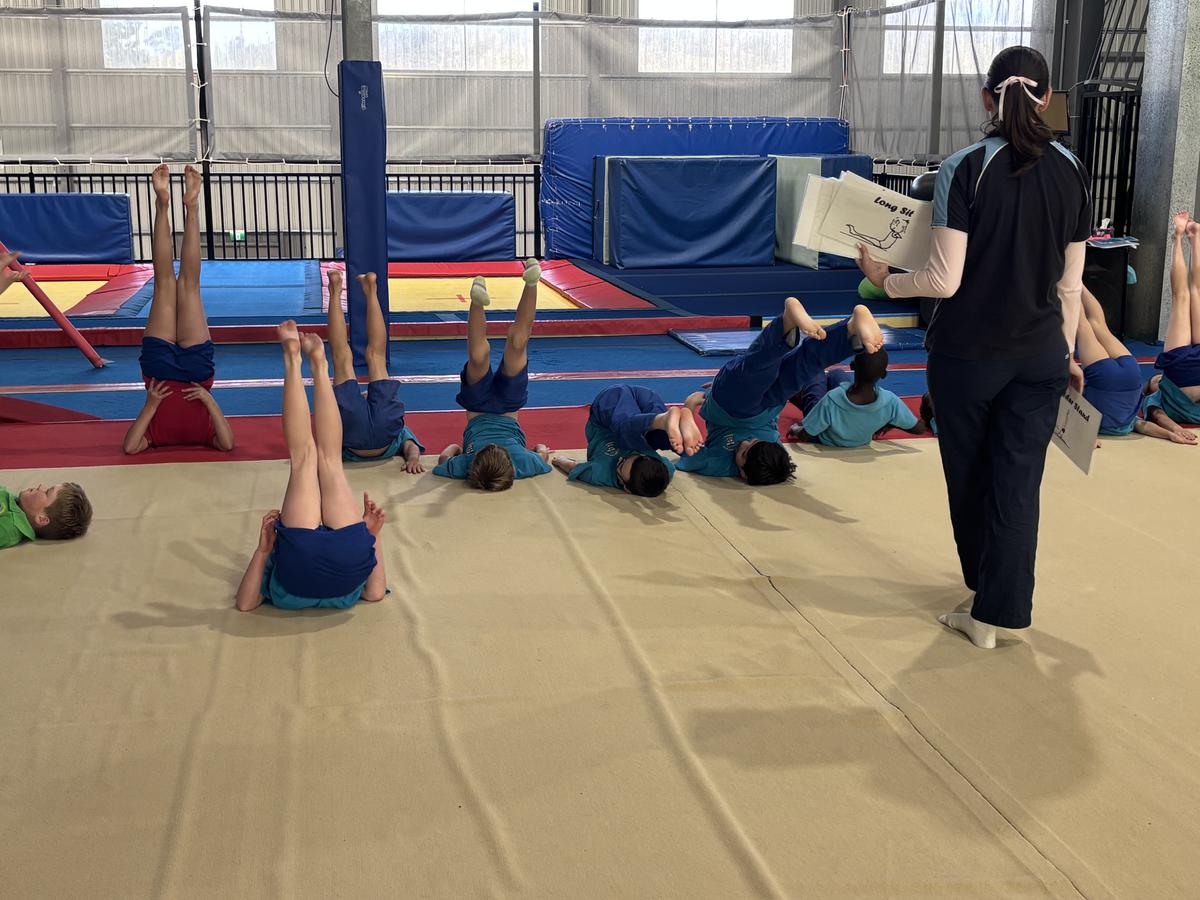
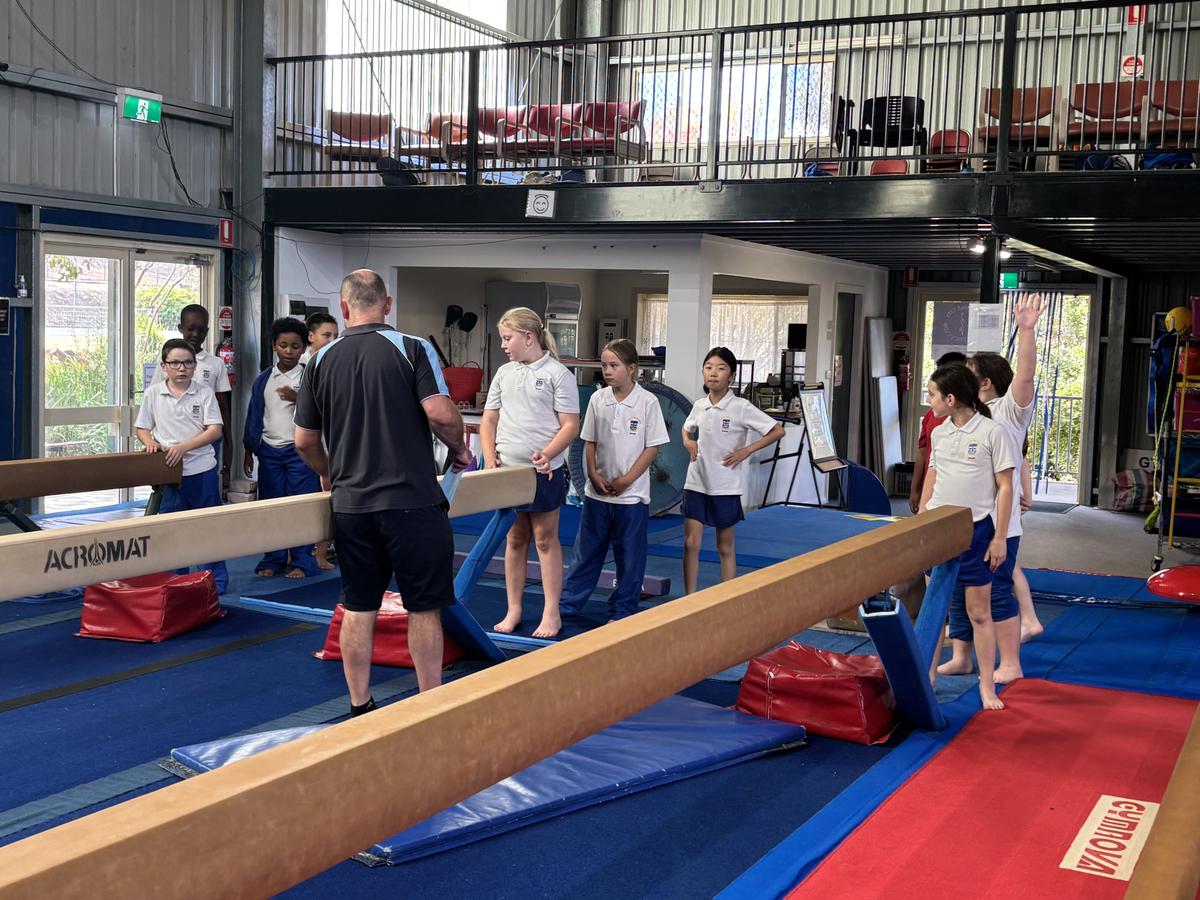
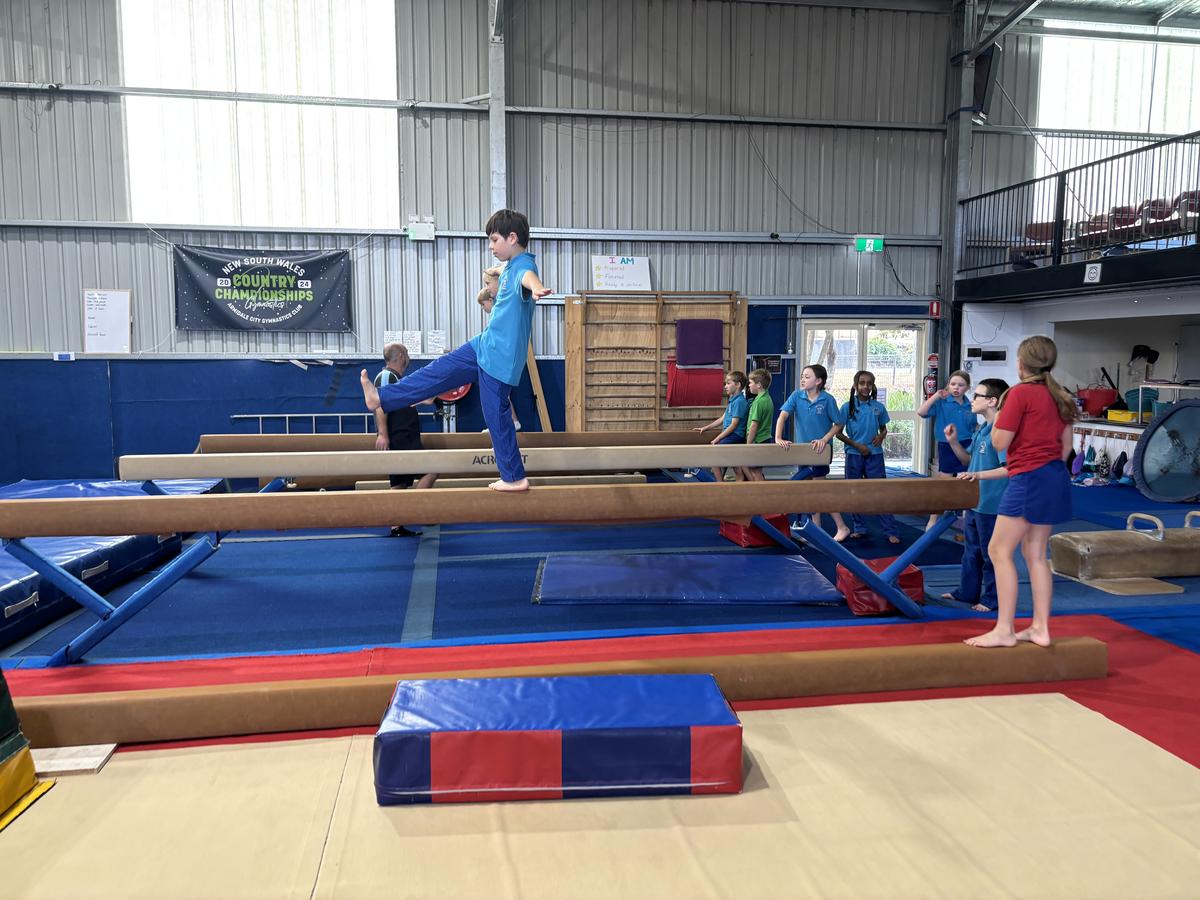
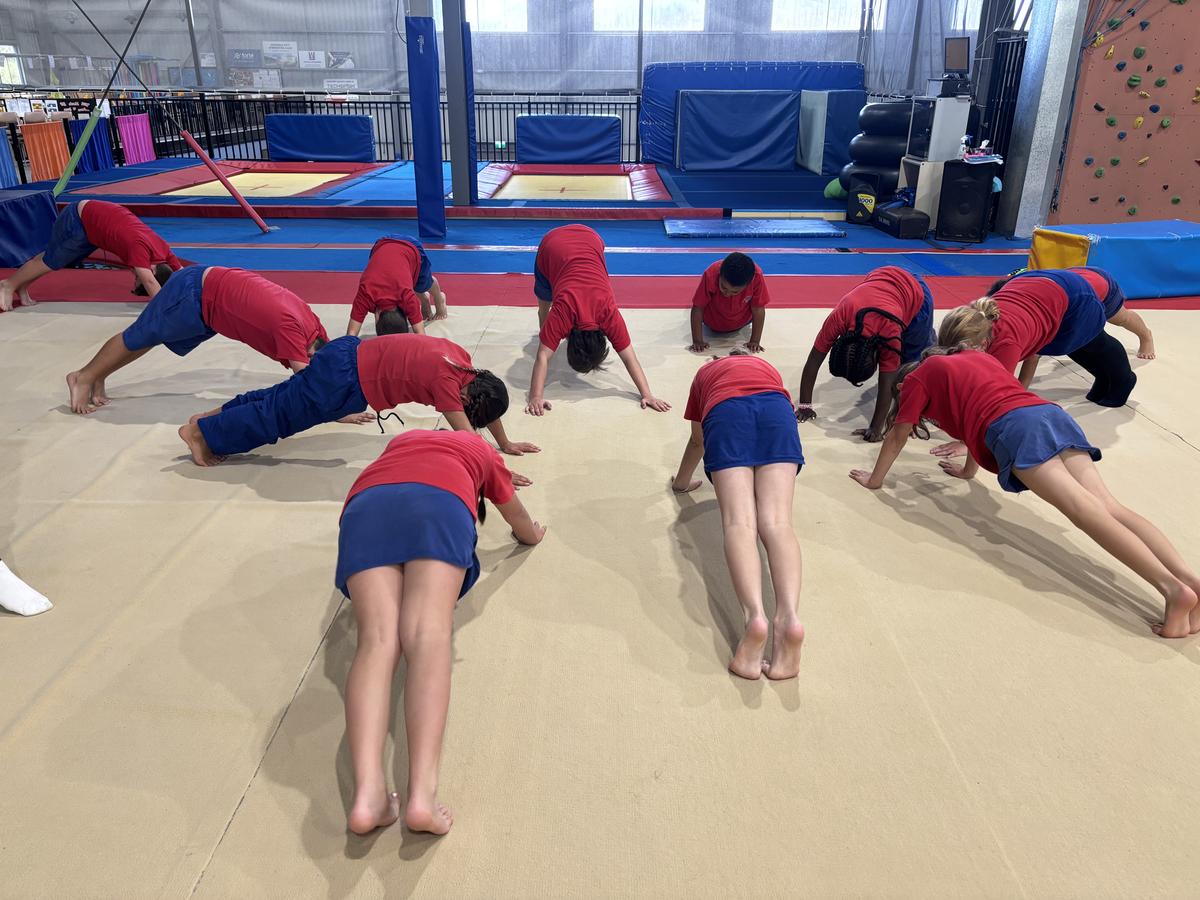
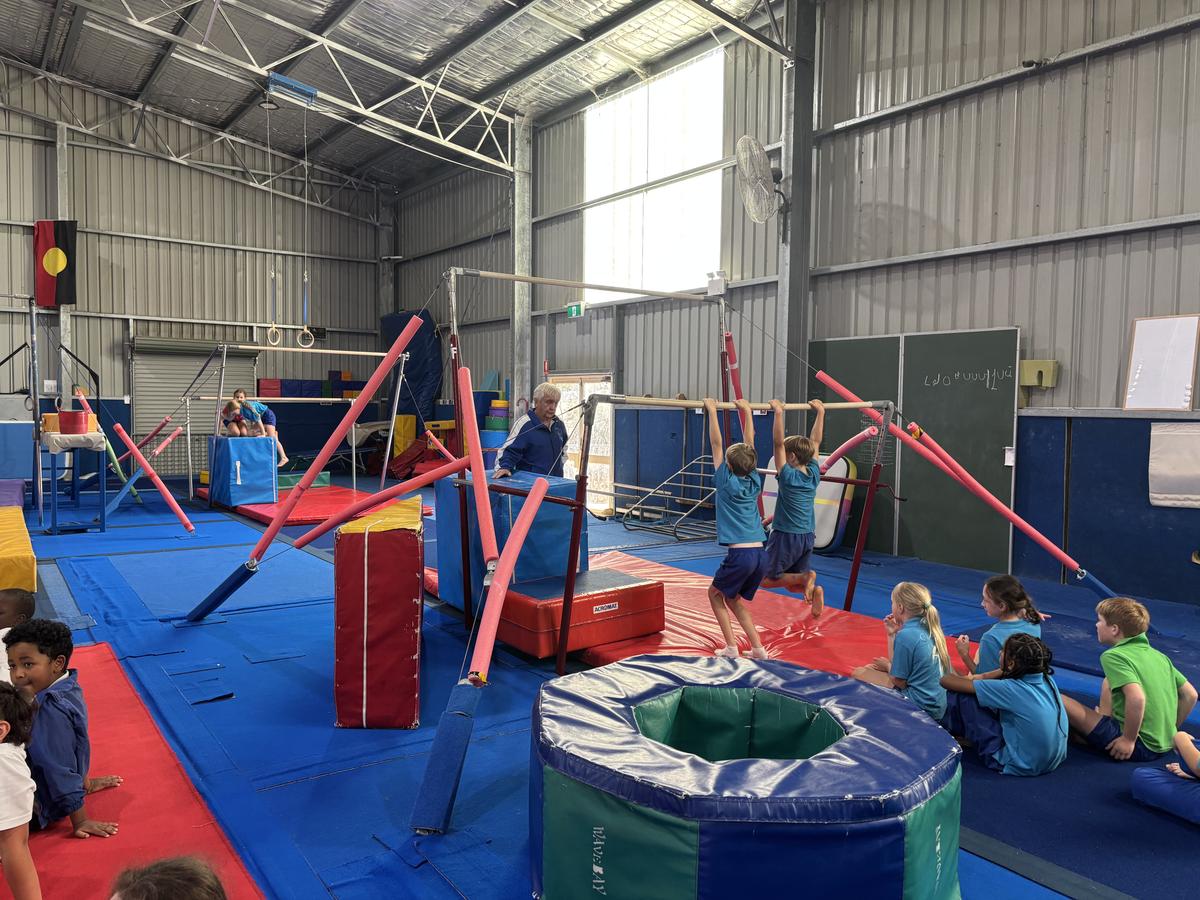
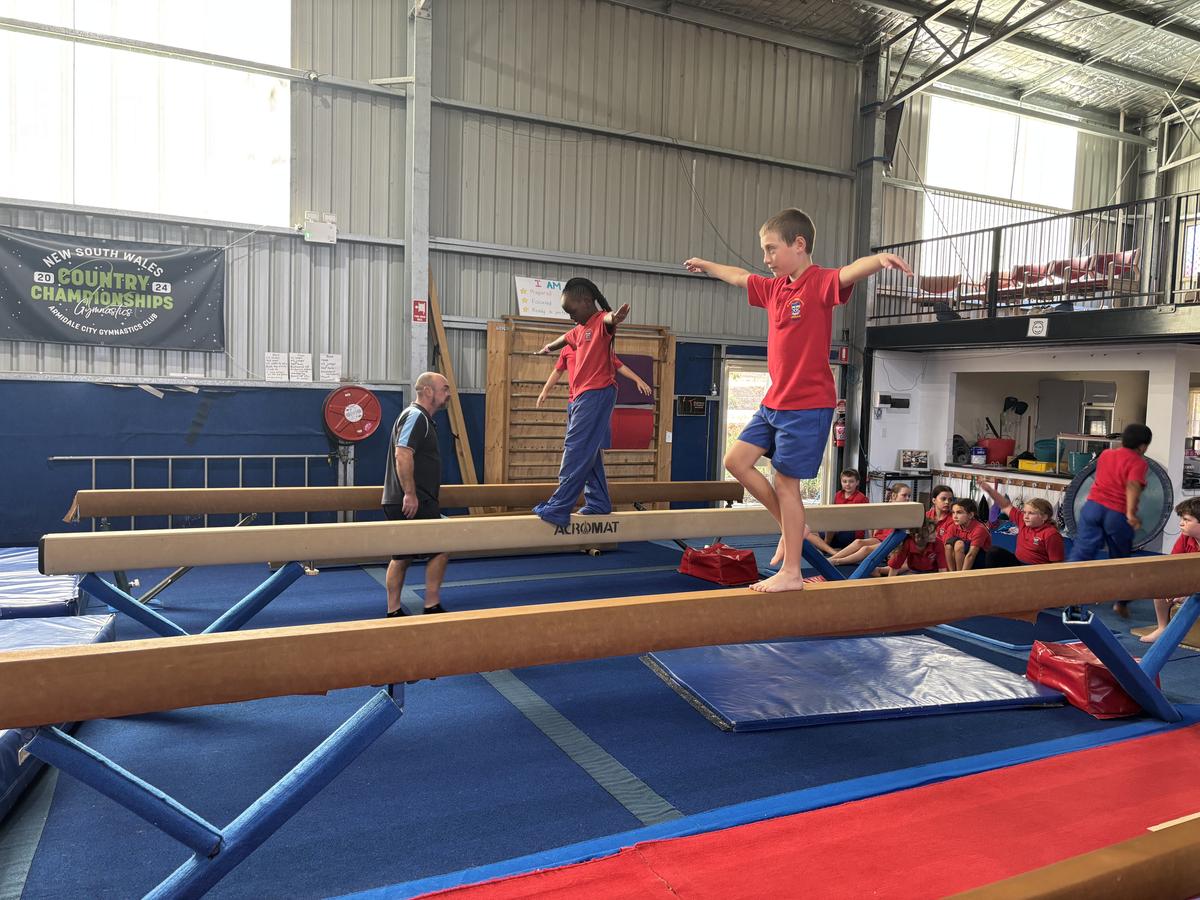
Gymnastics
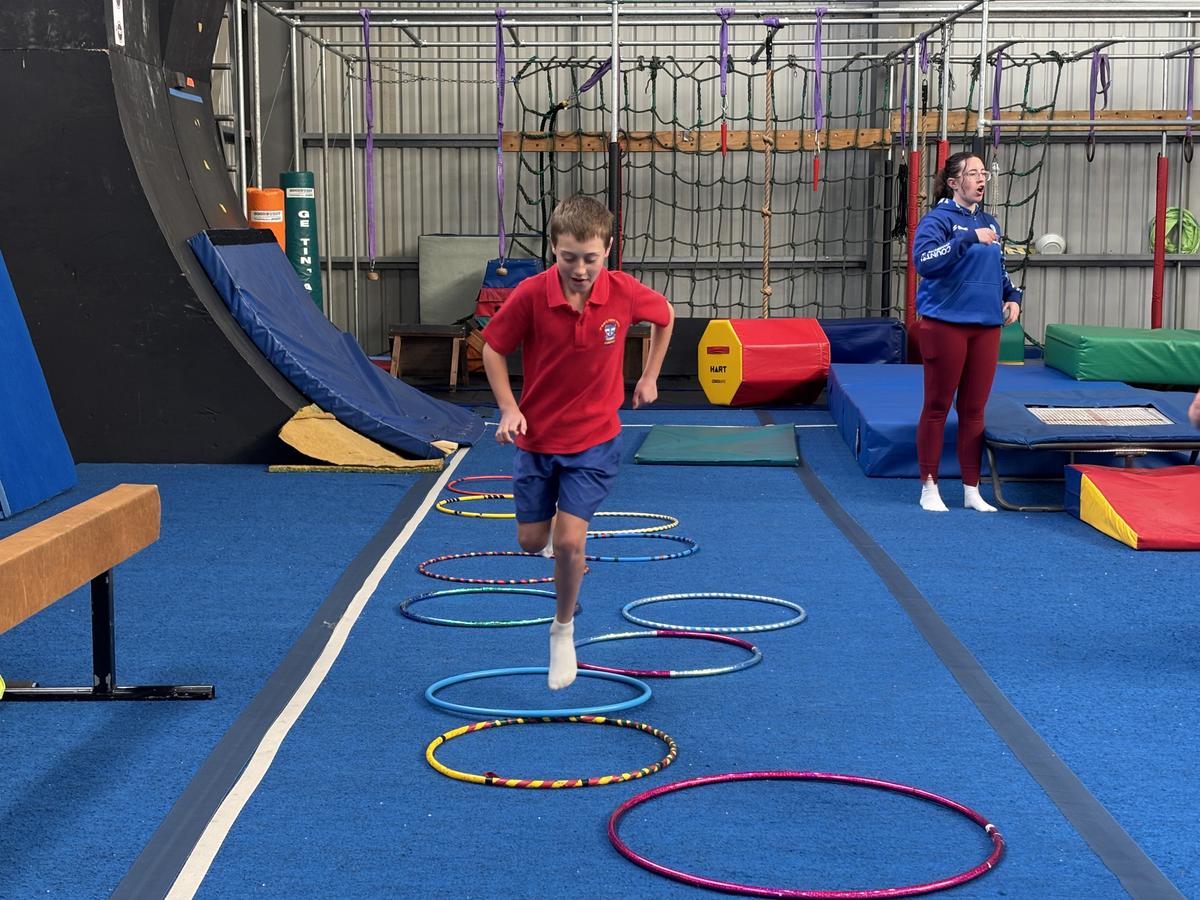
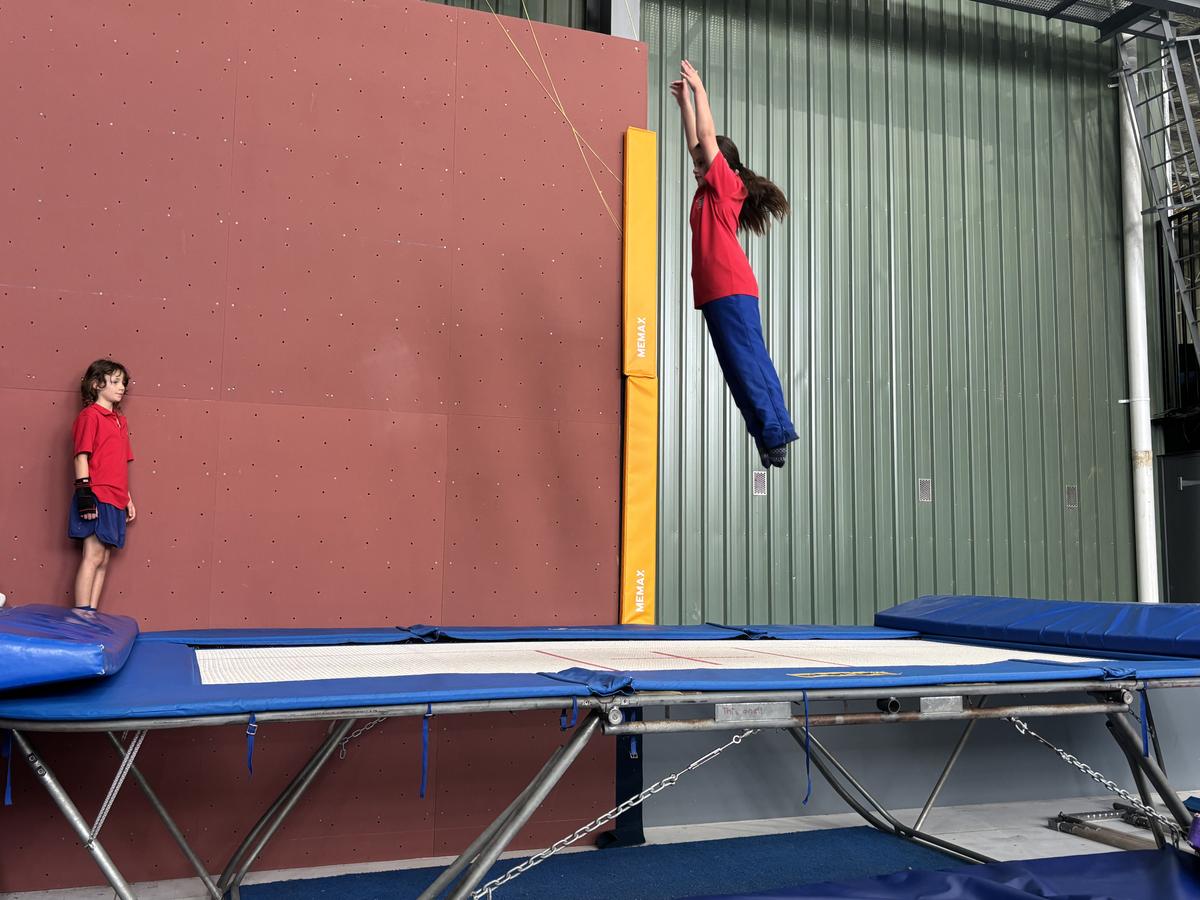
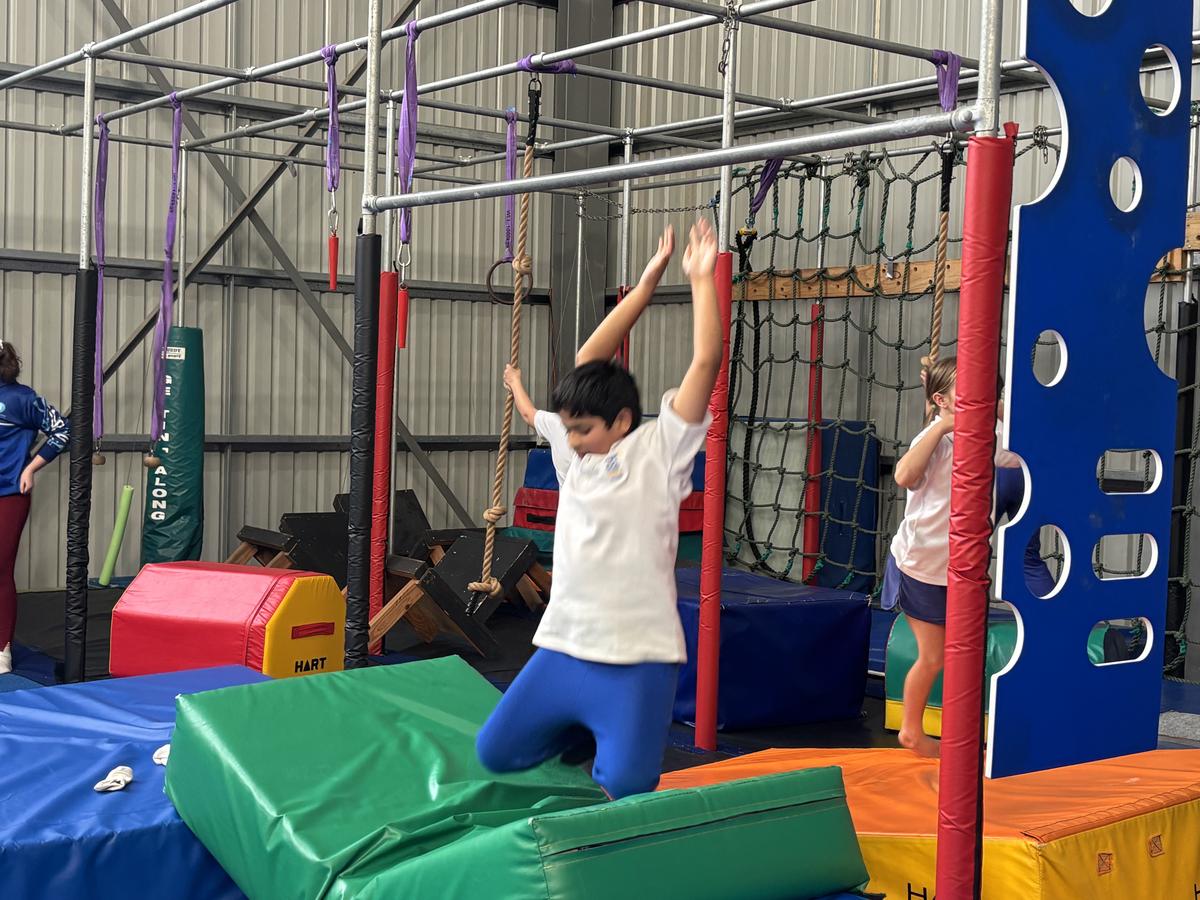
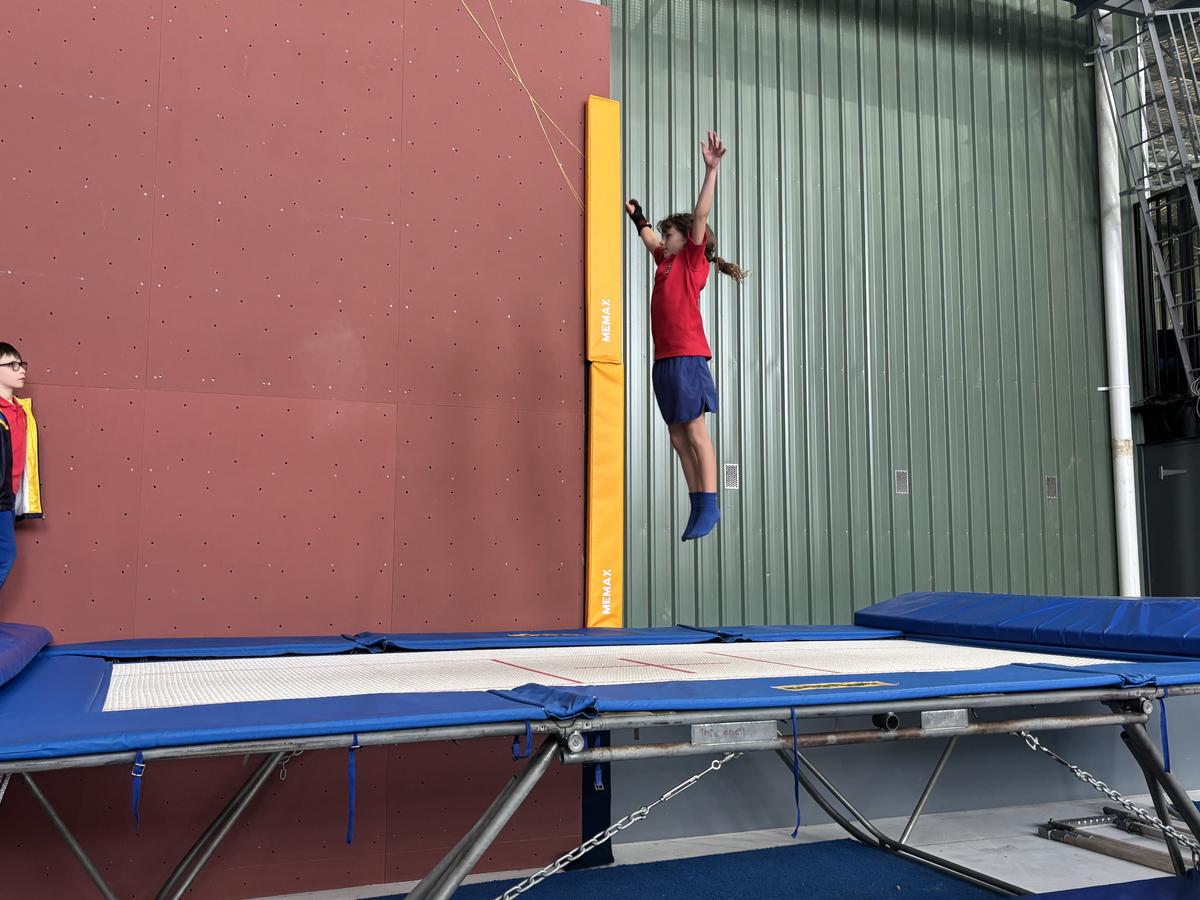
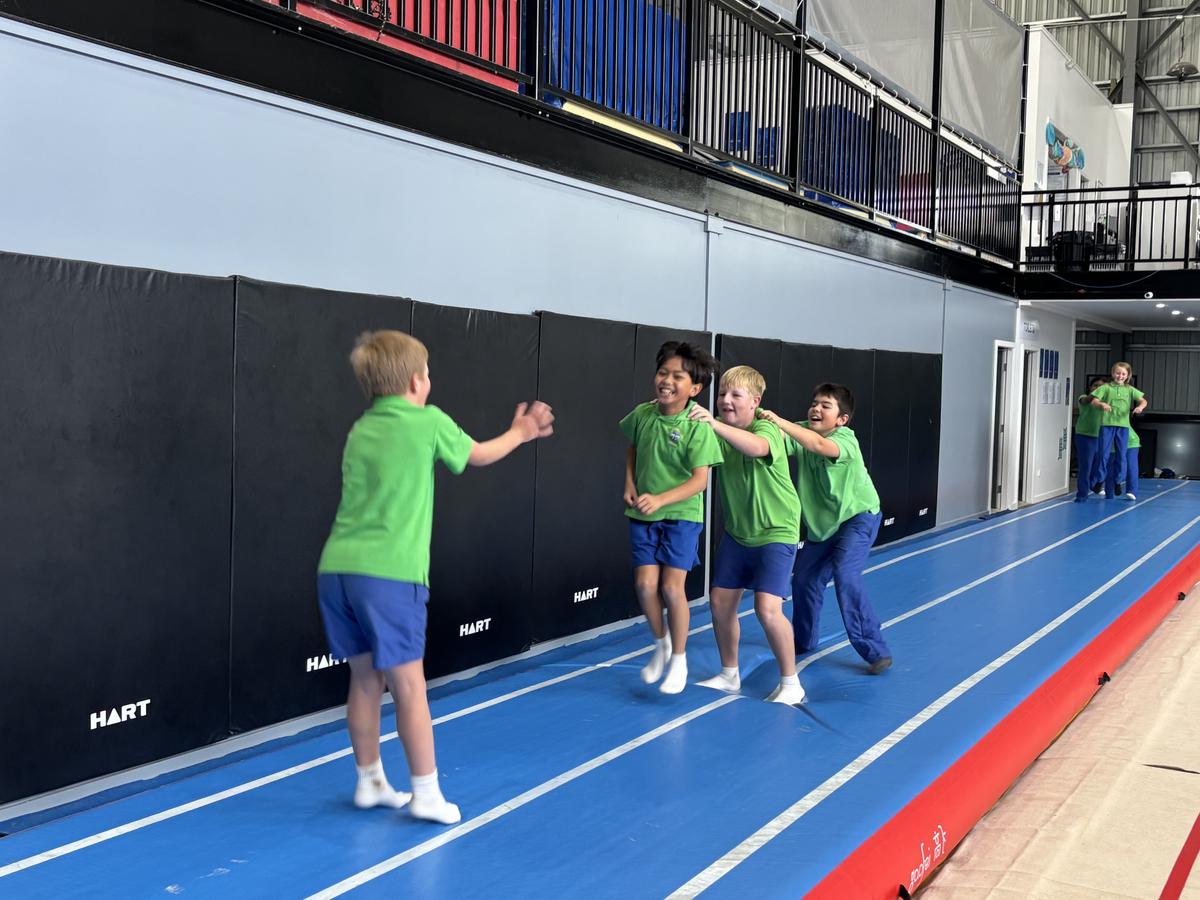
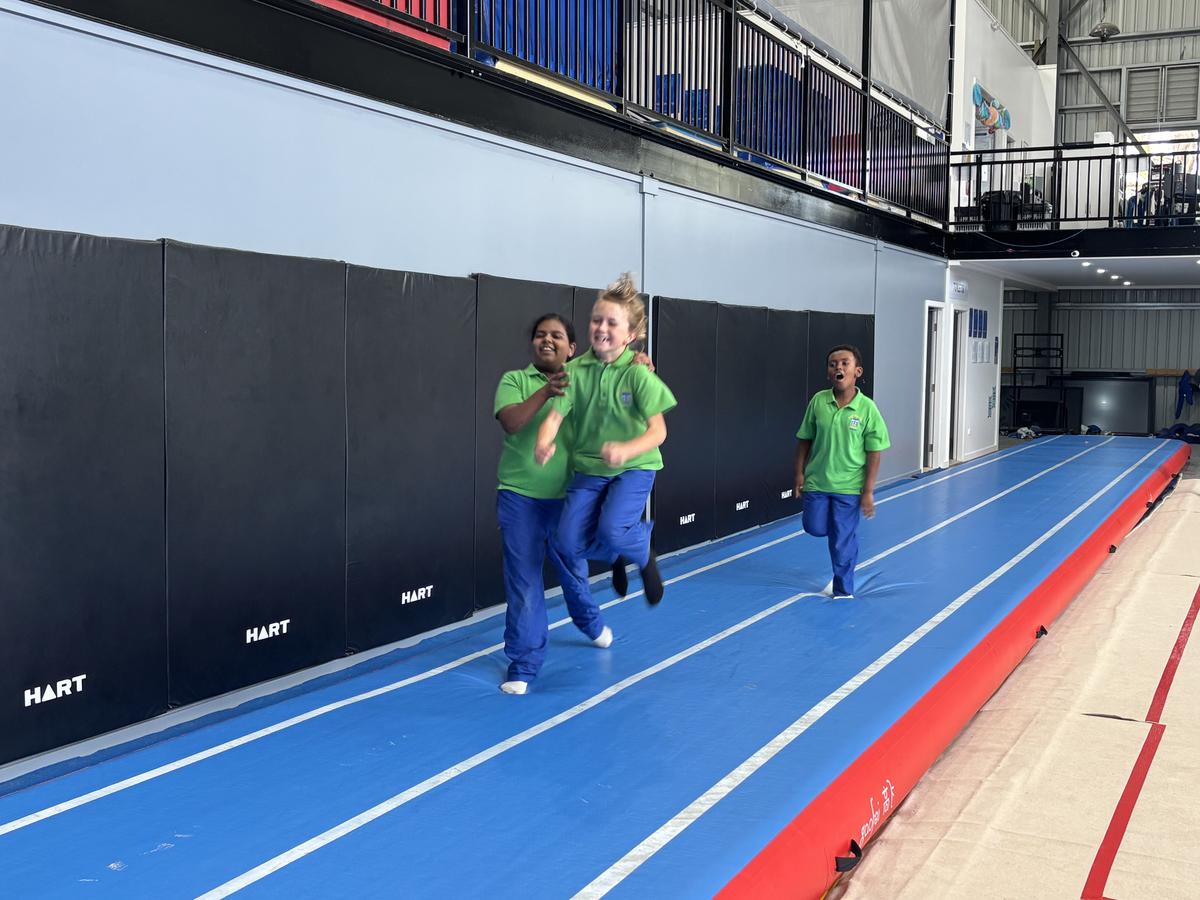
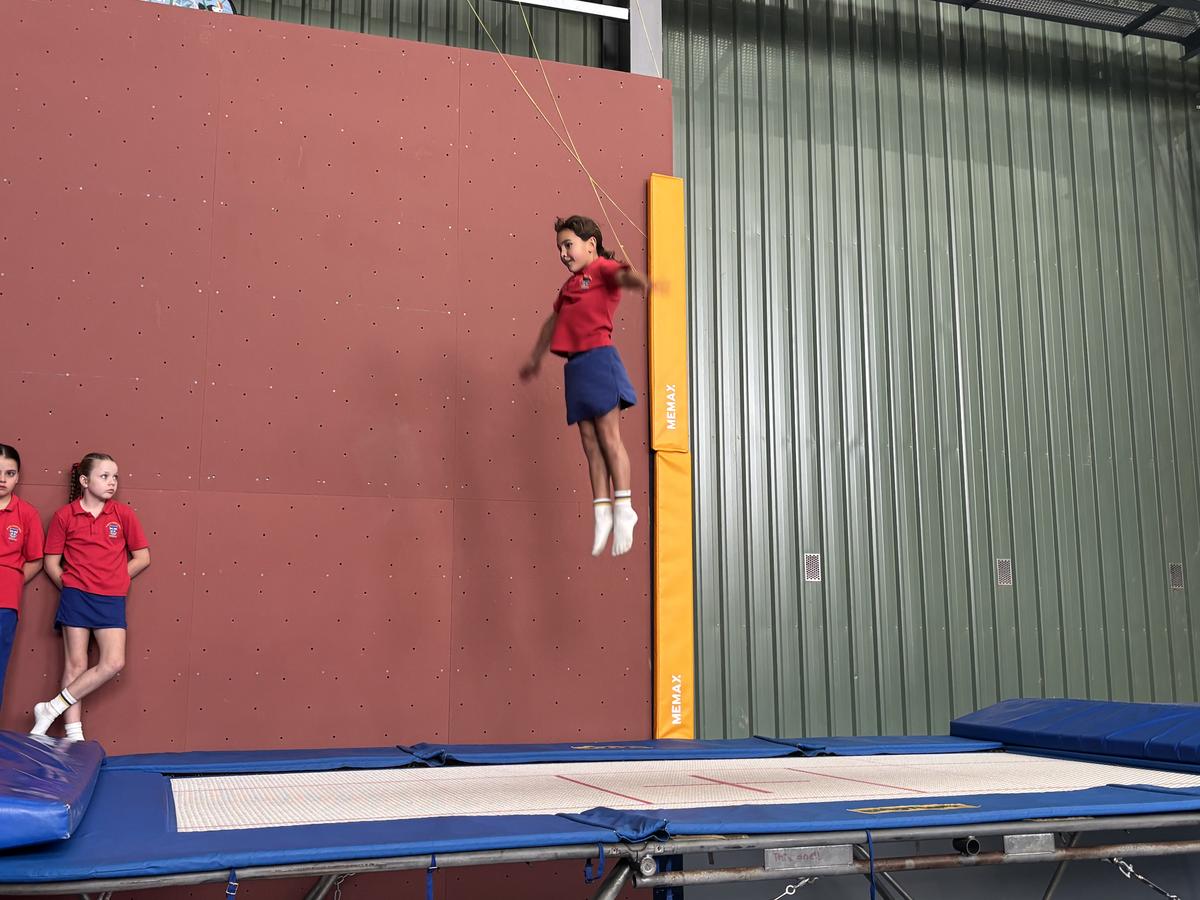
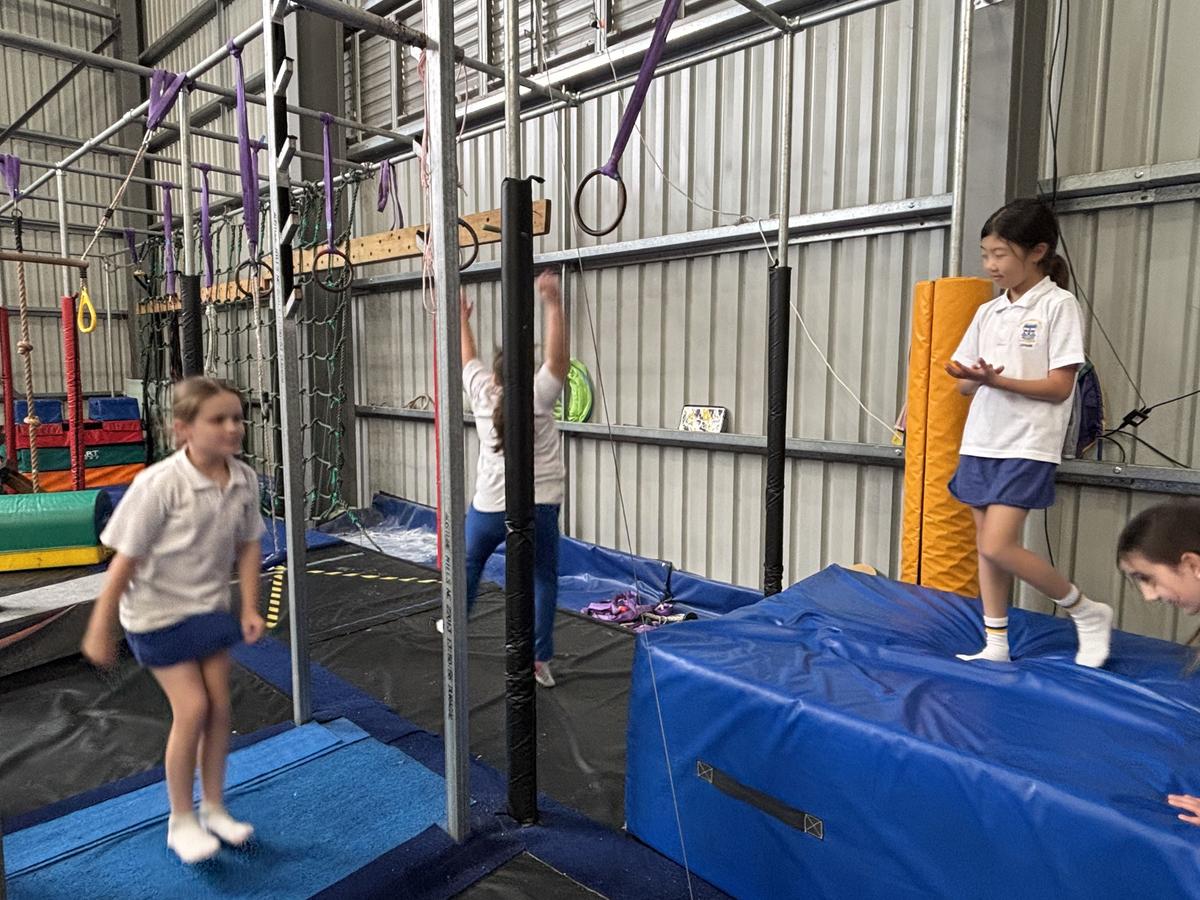
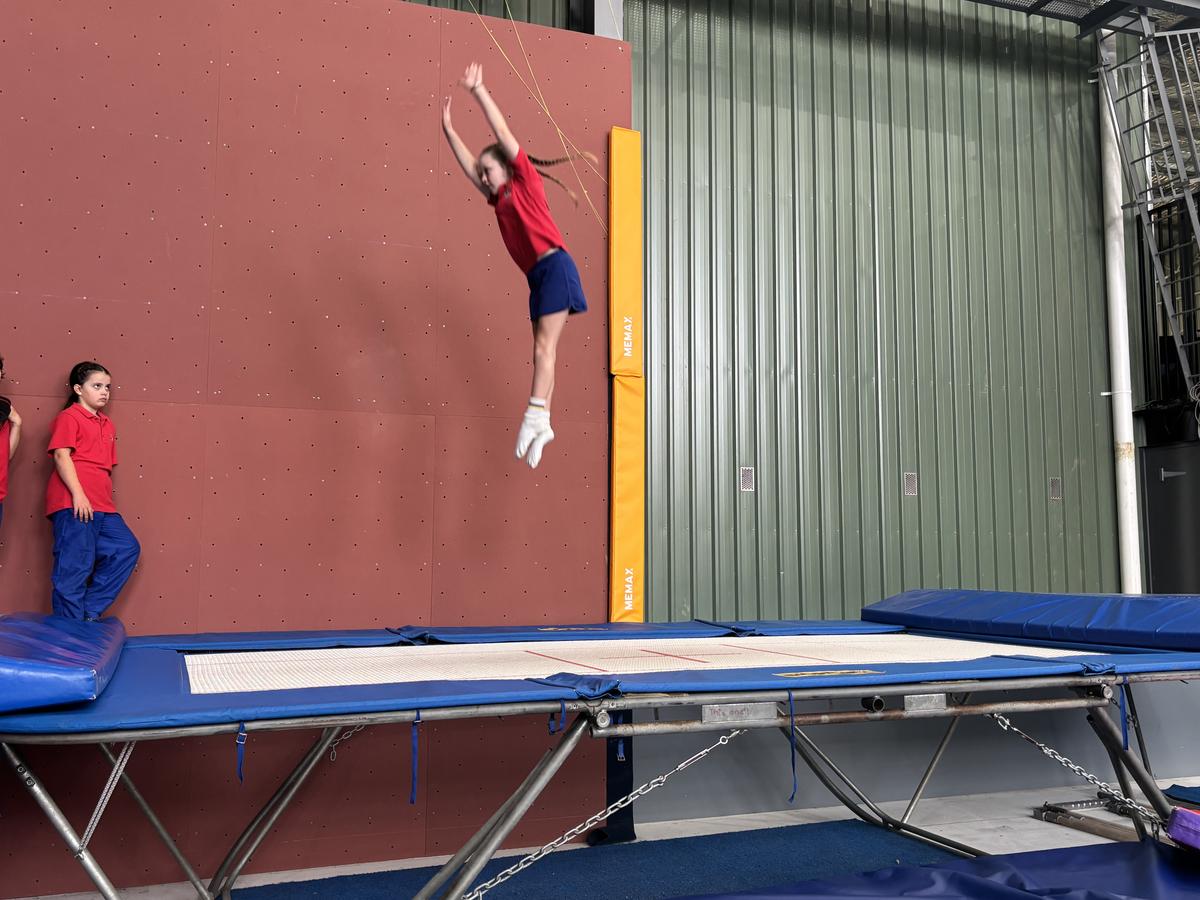
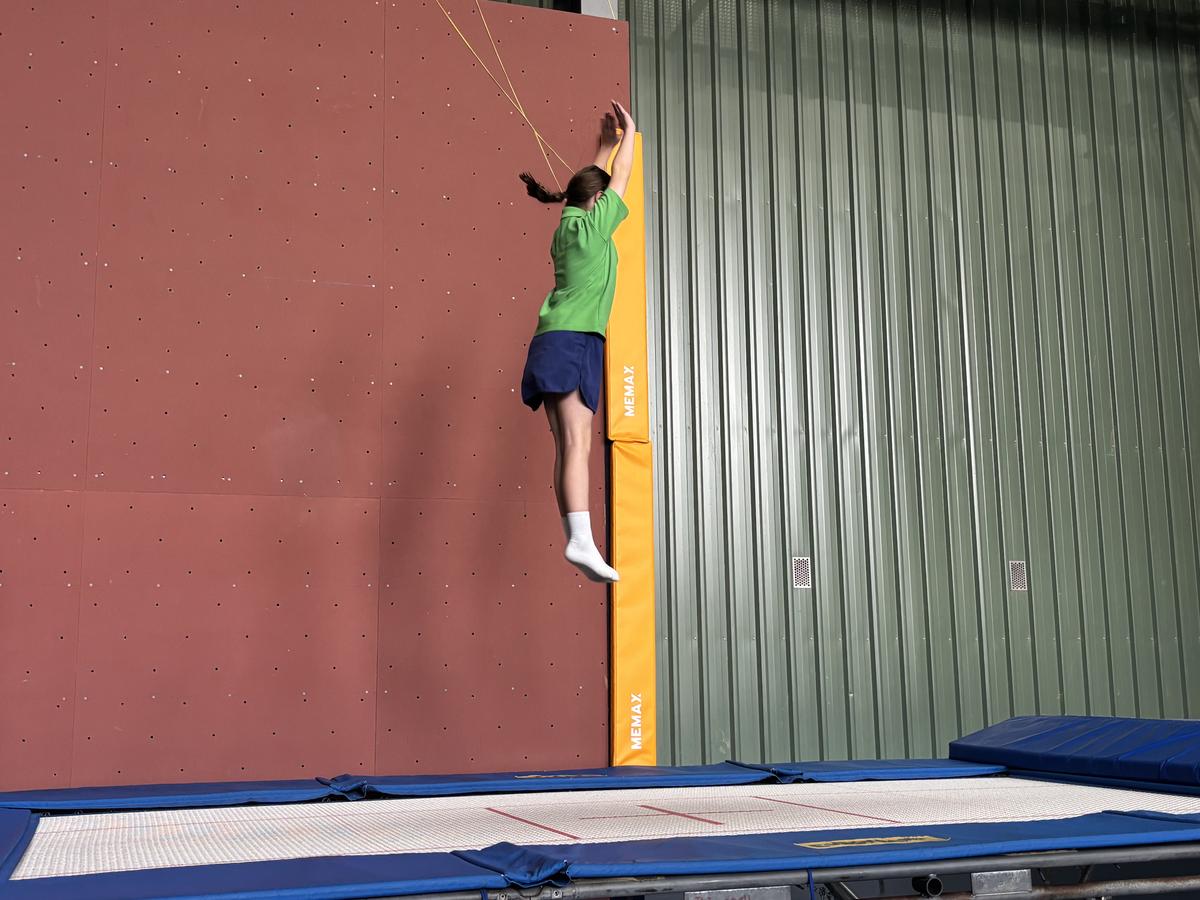
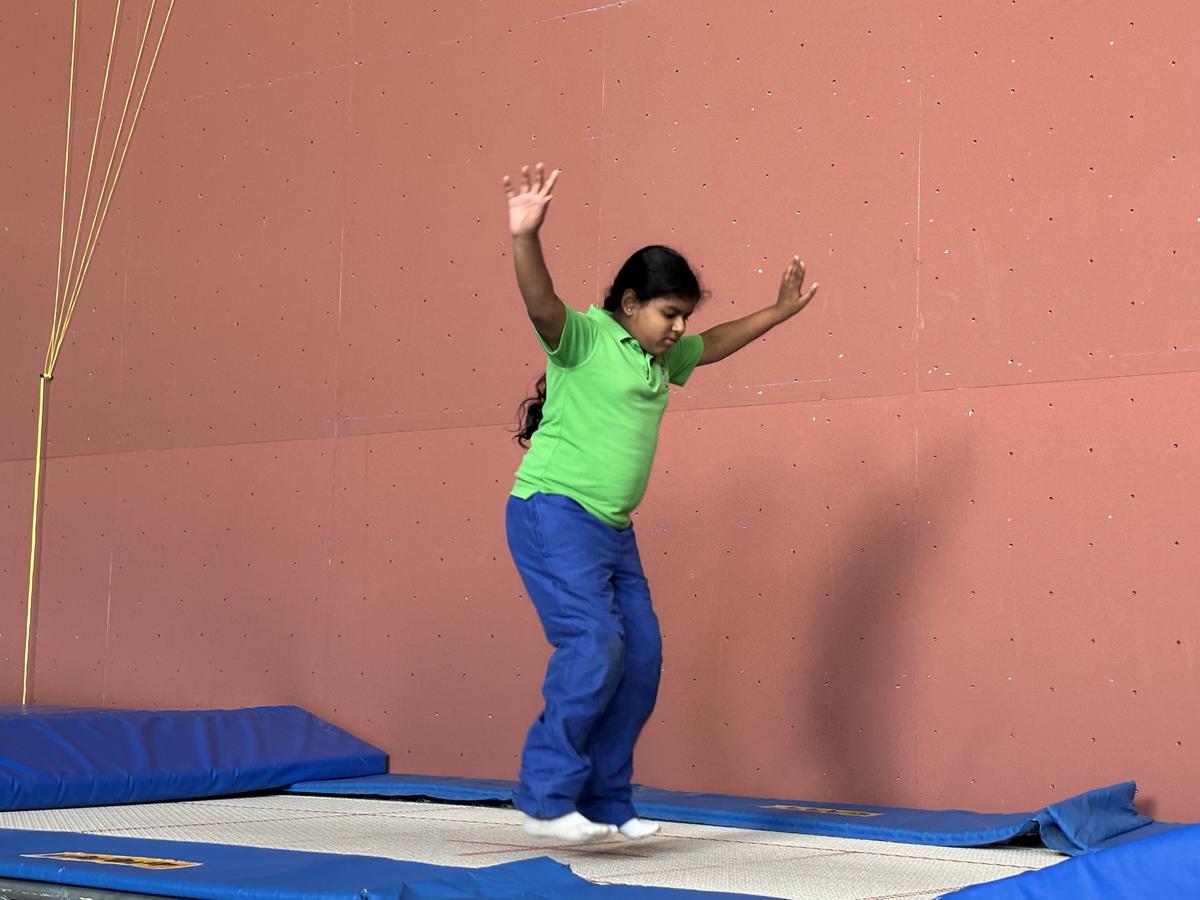
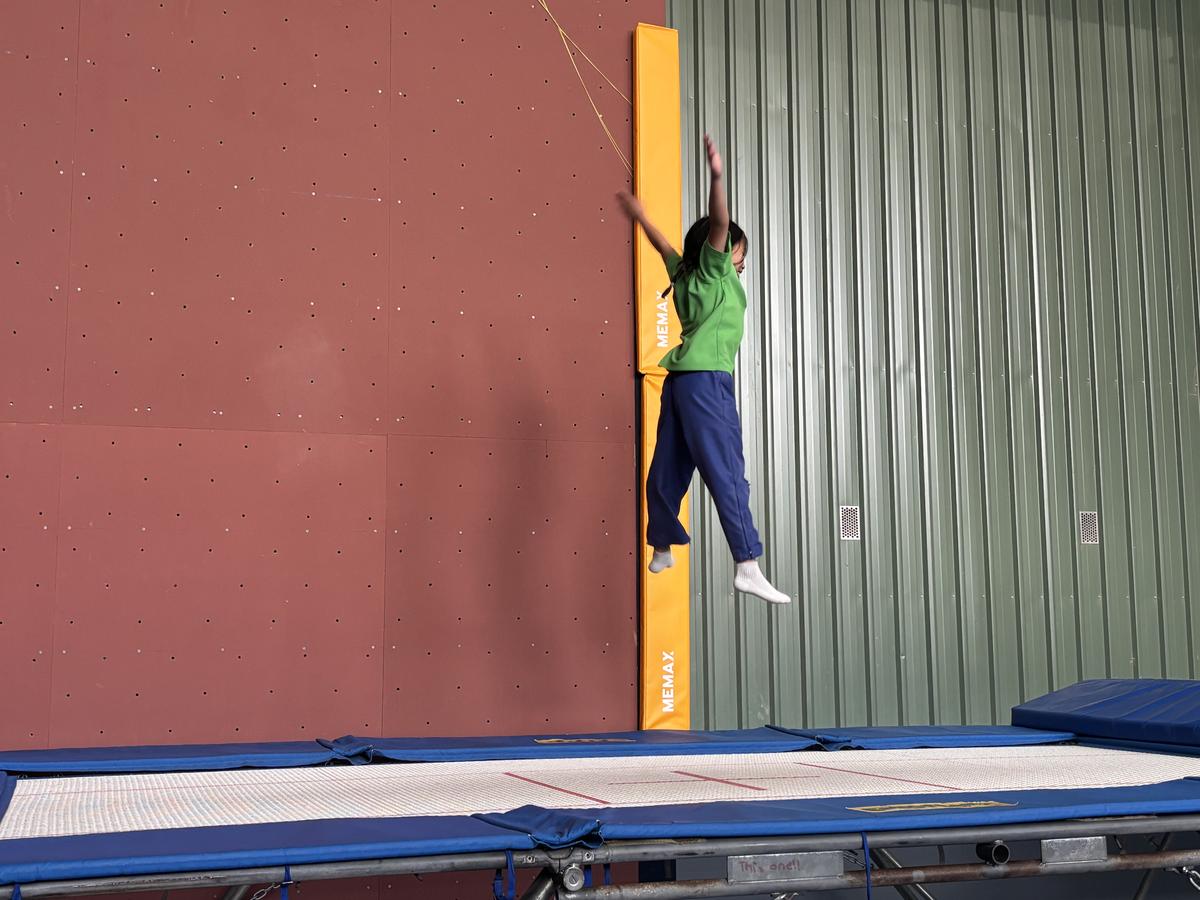
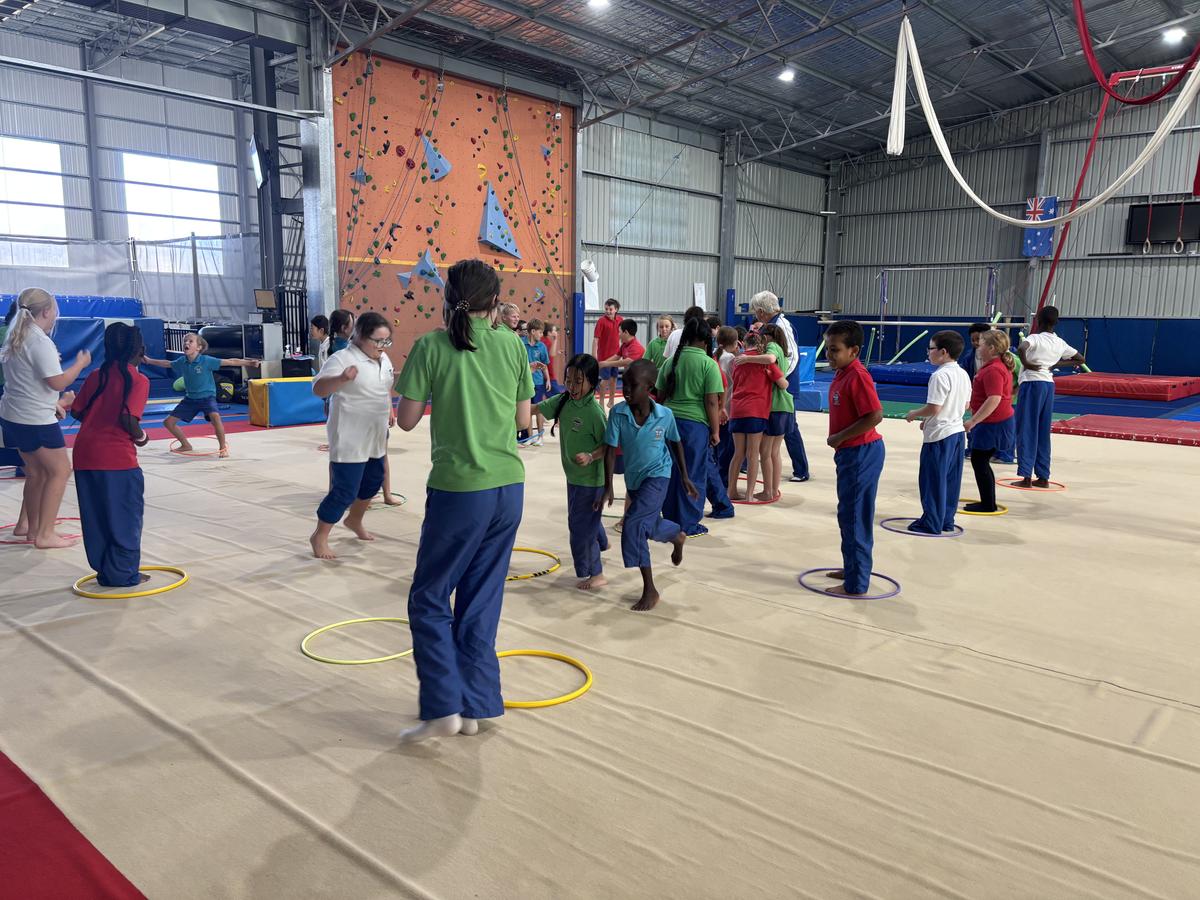
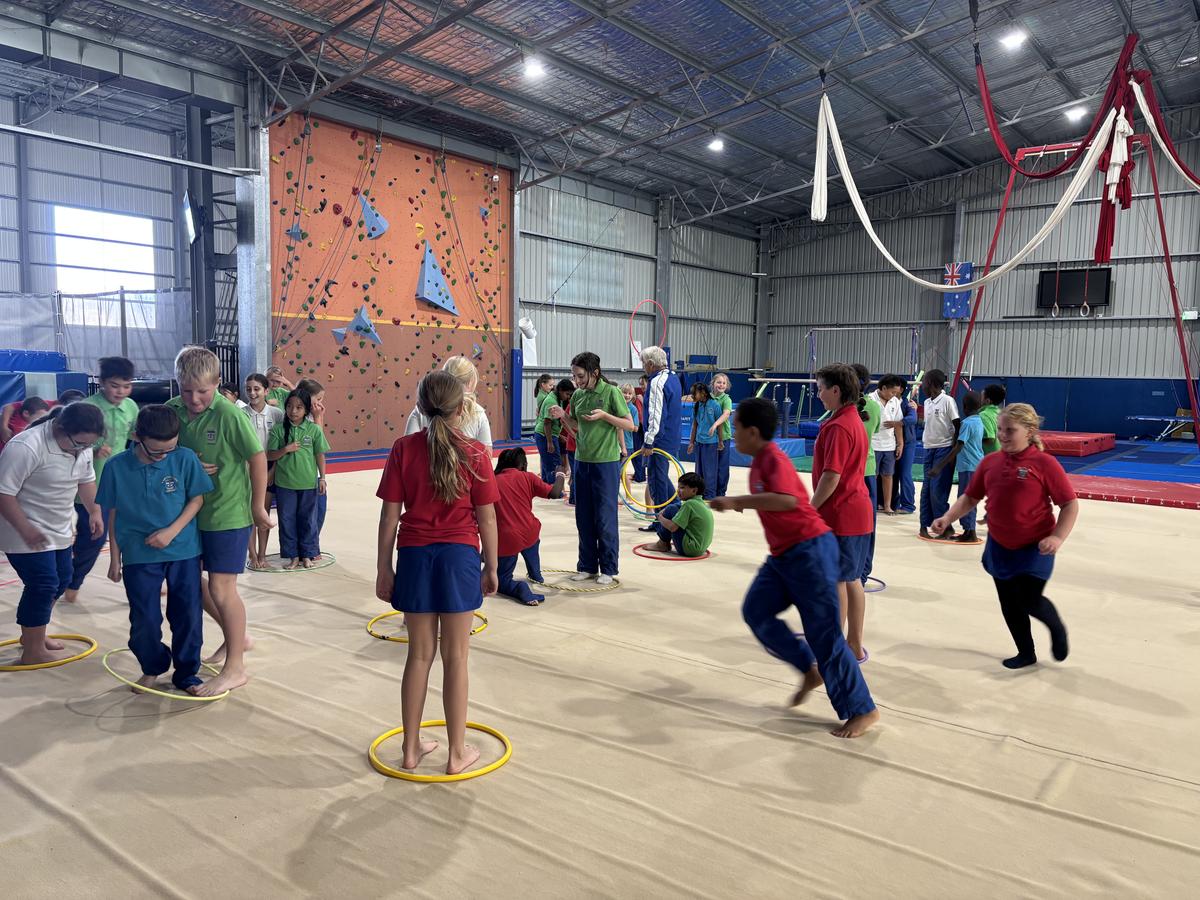
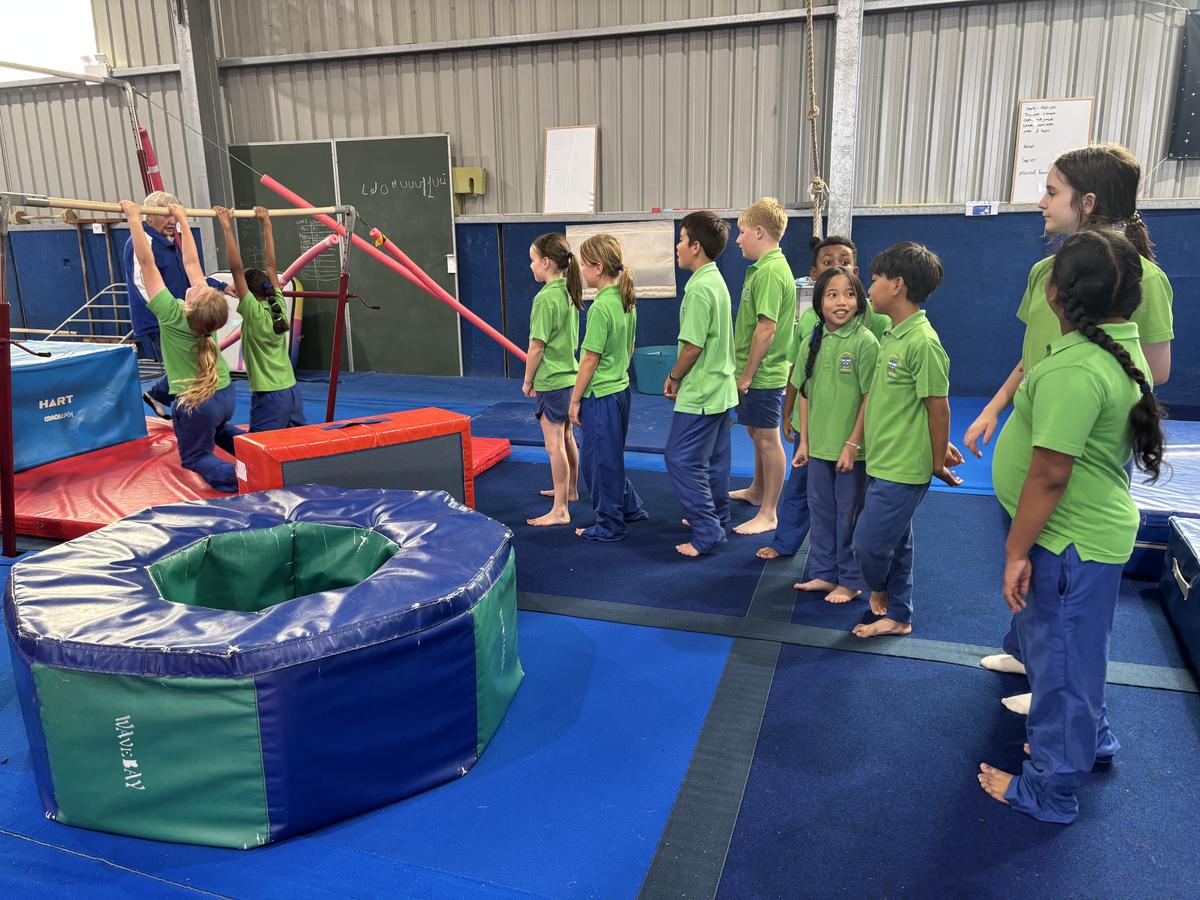
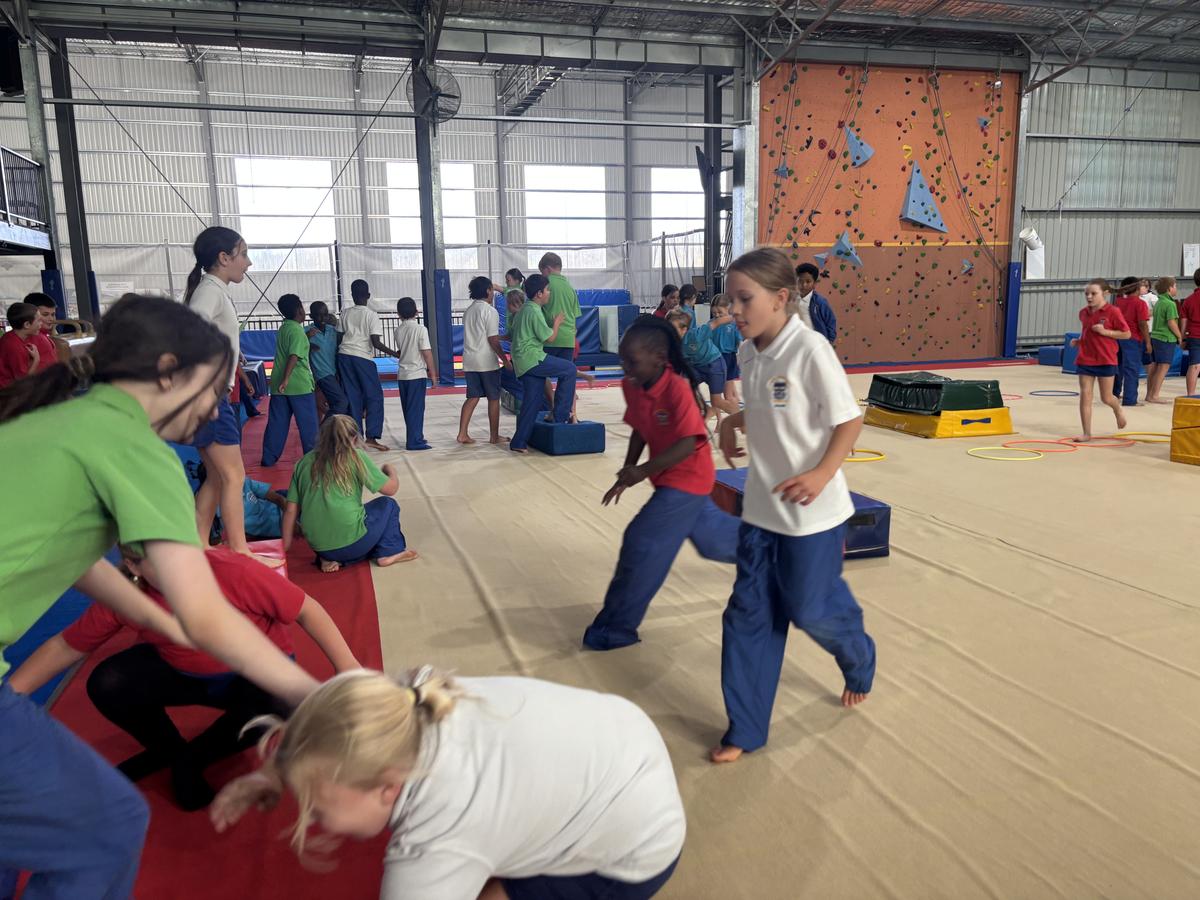
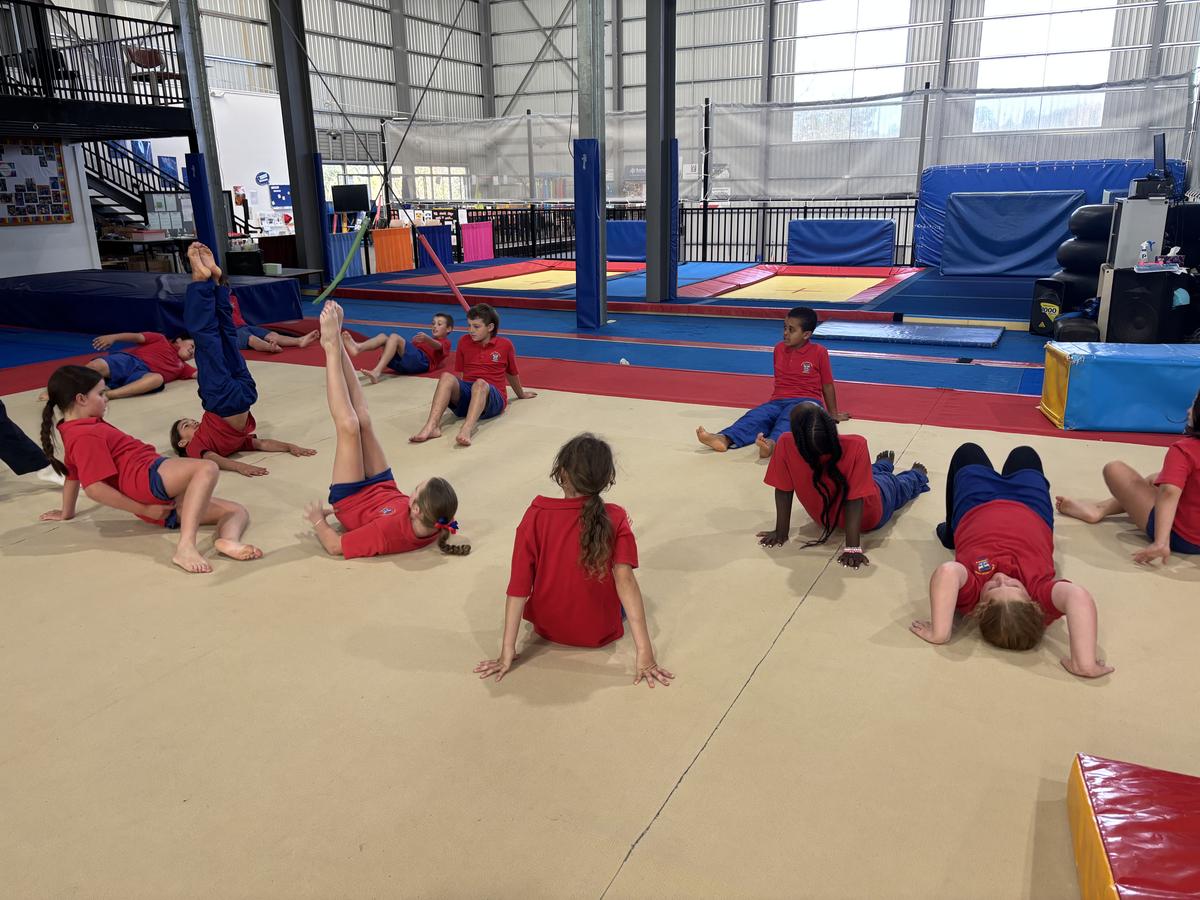
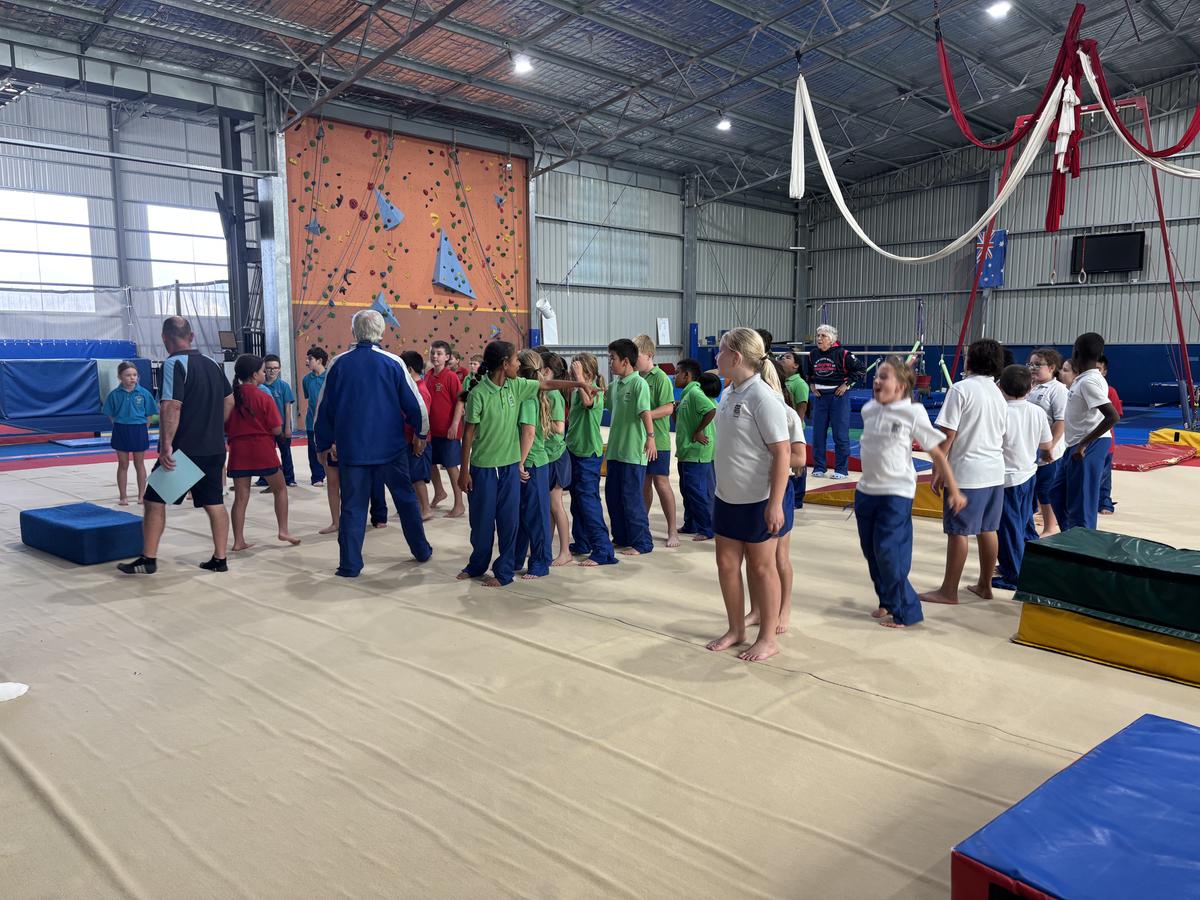
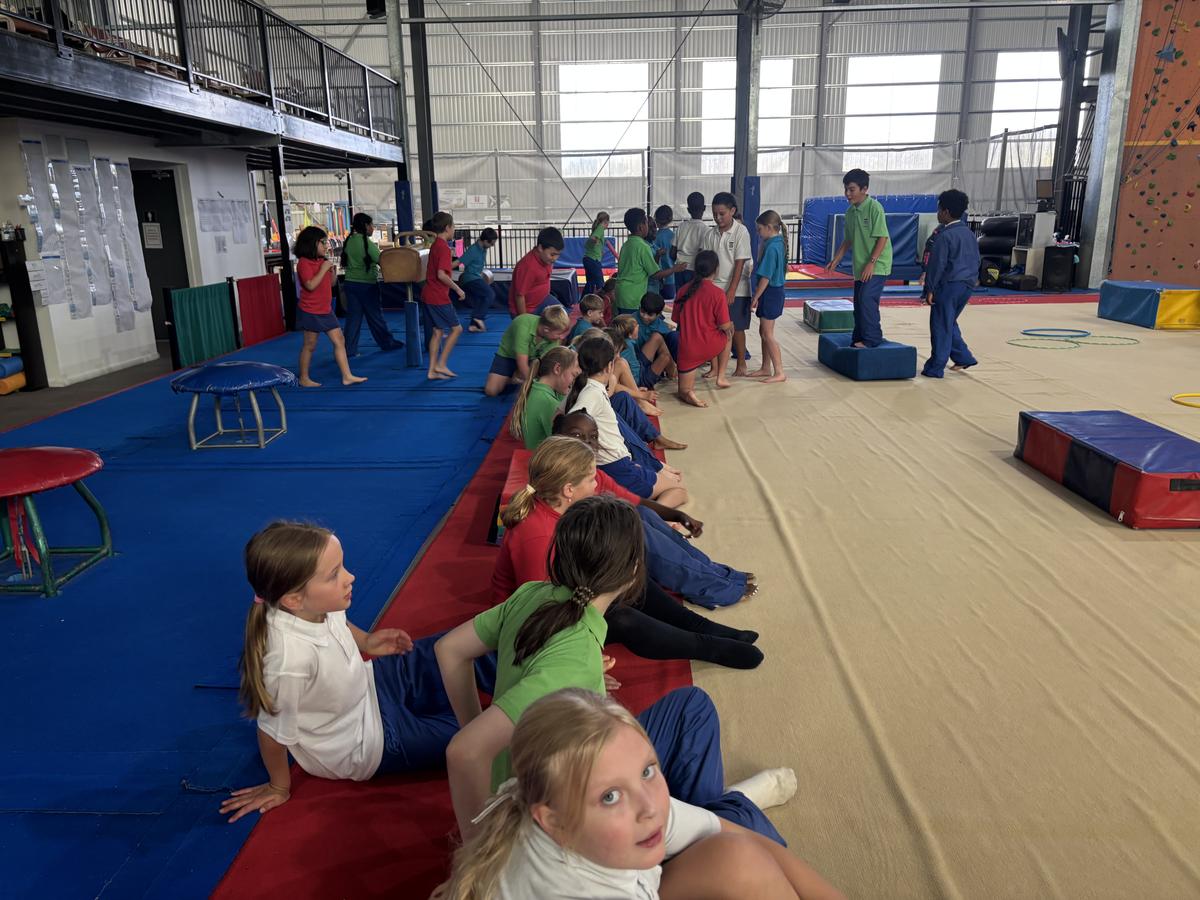
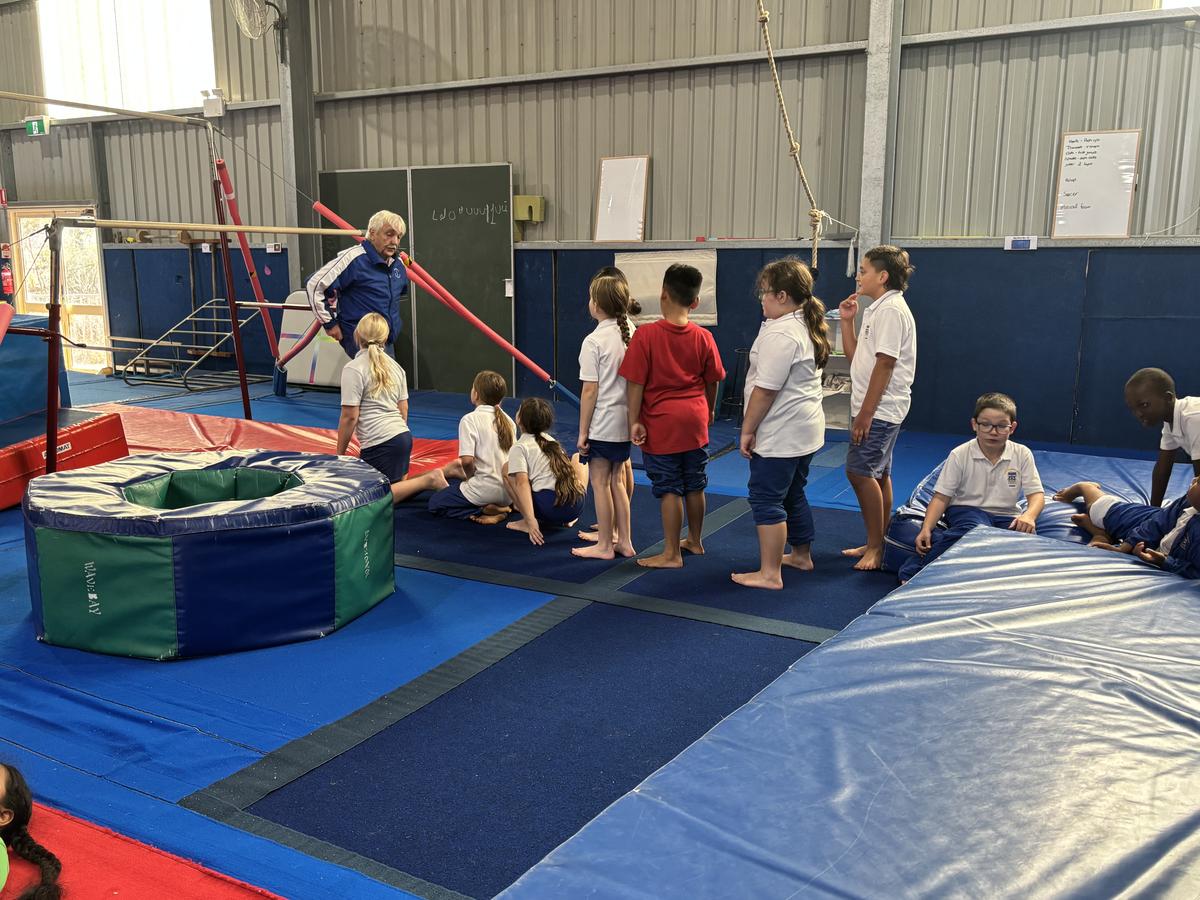
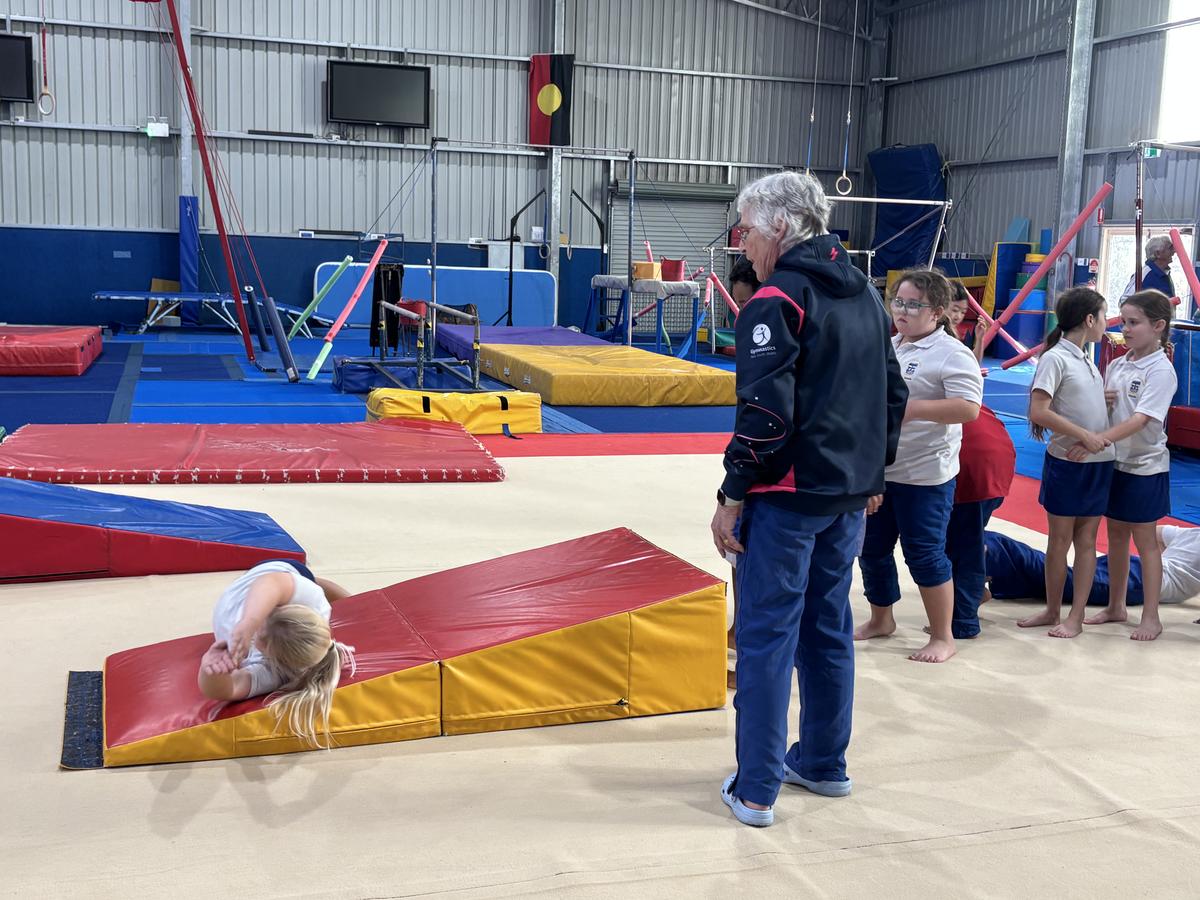
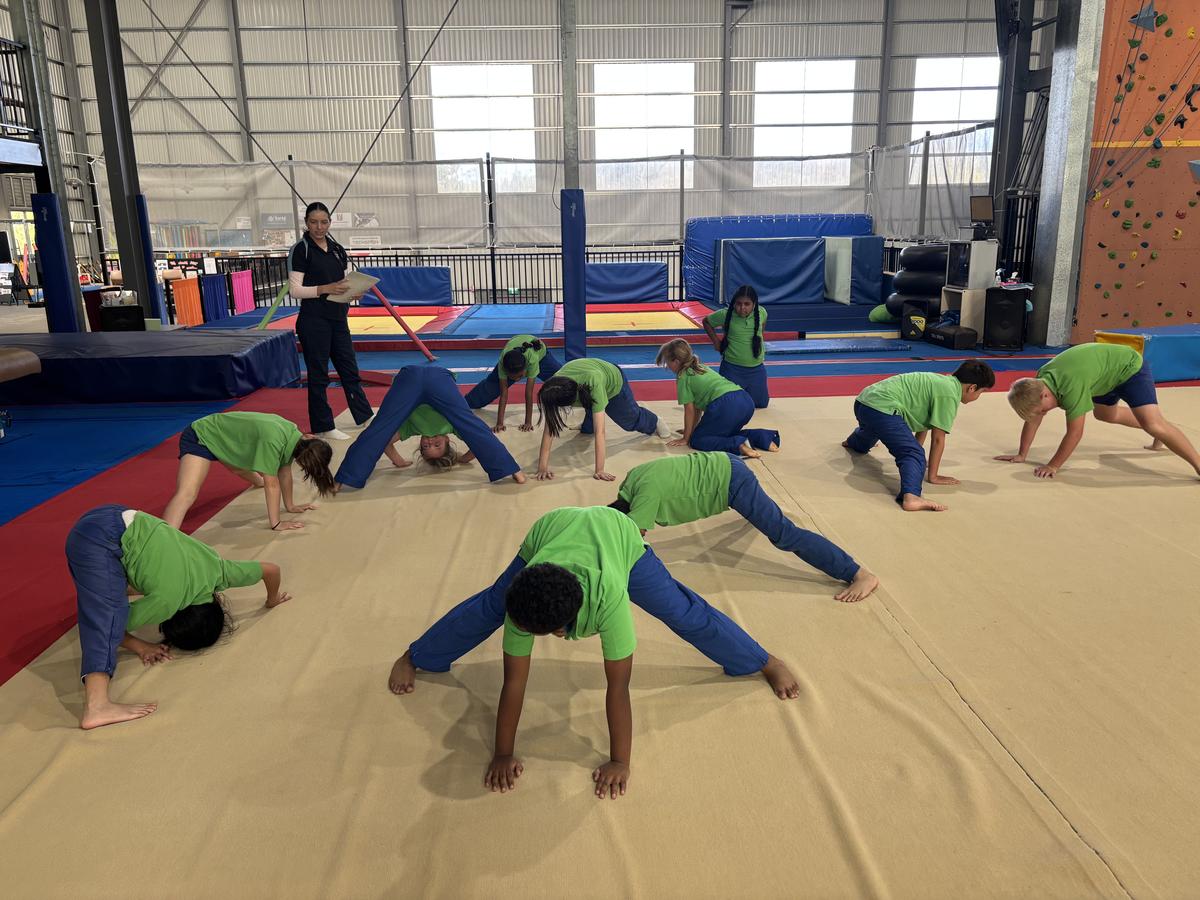
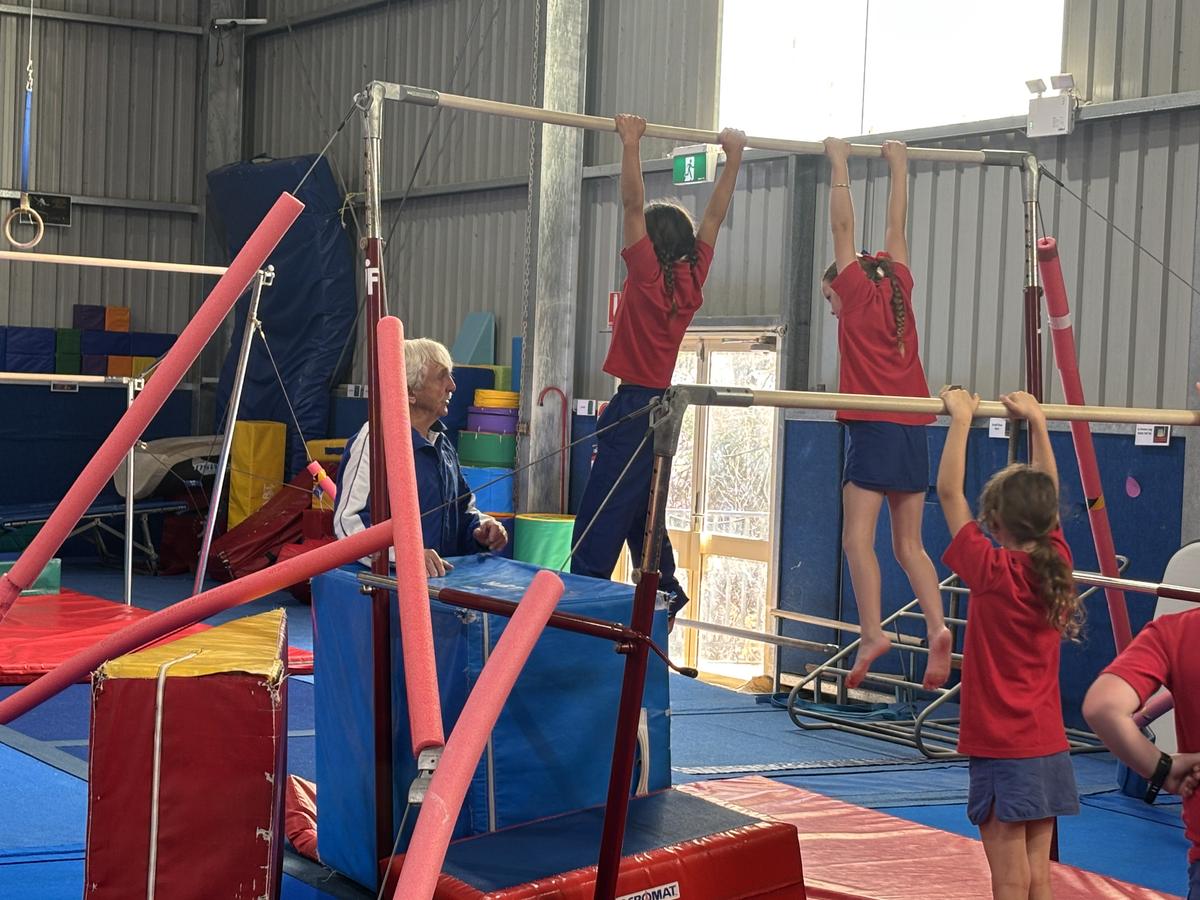
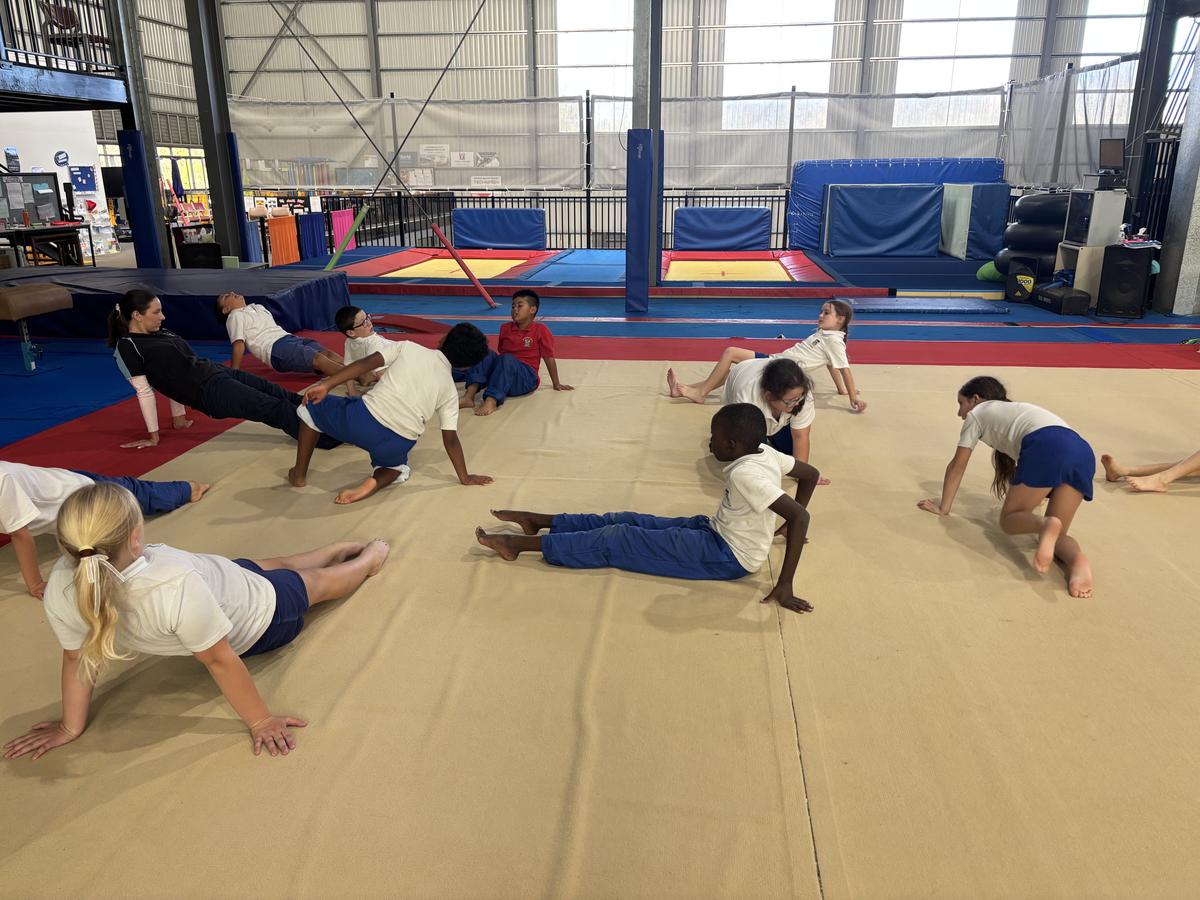
UNE Sport Clinics
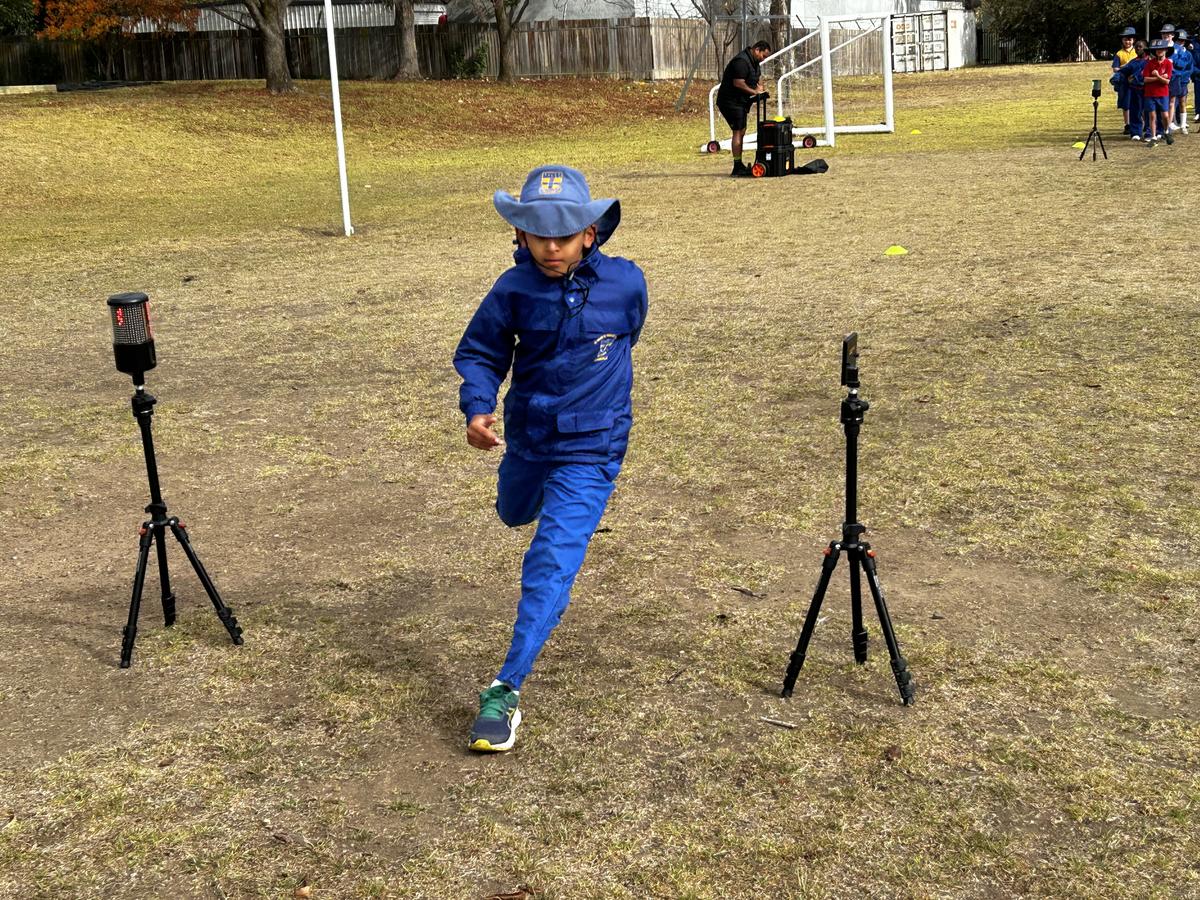
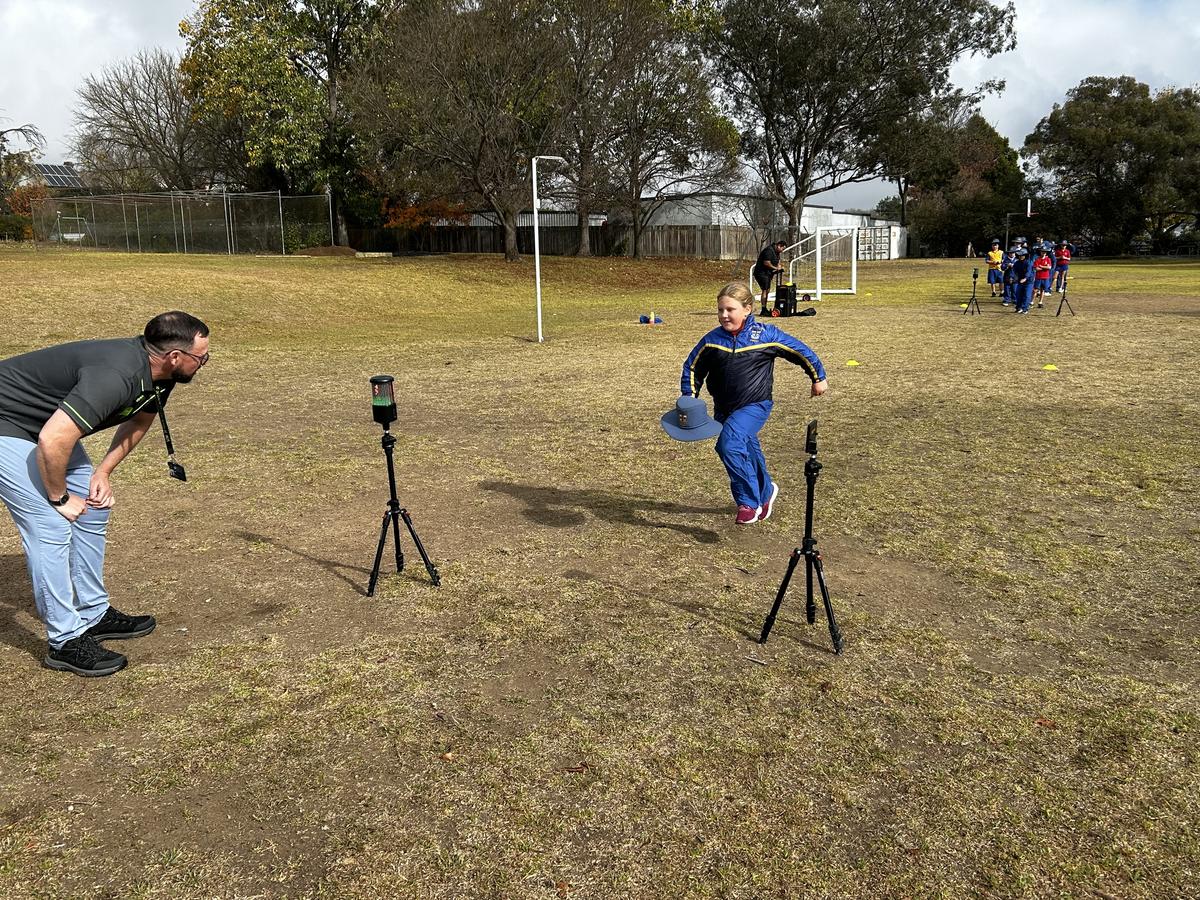
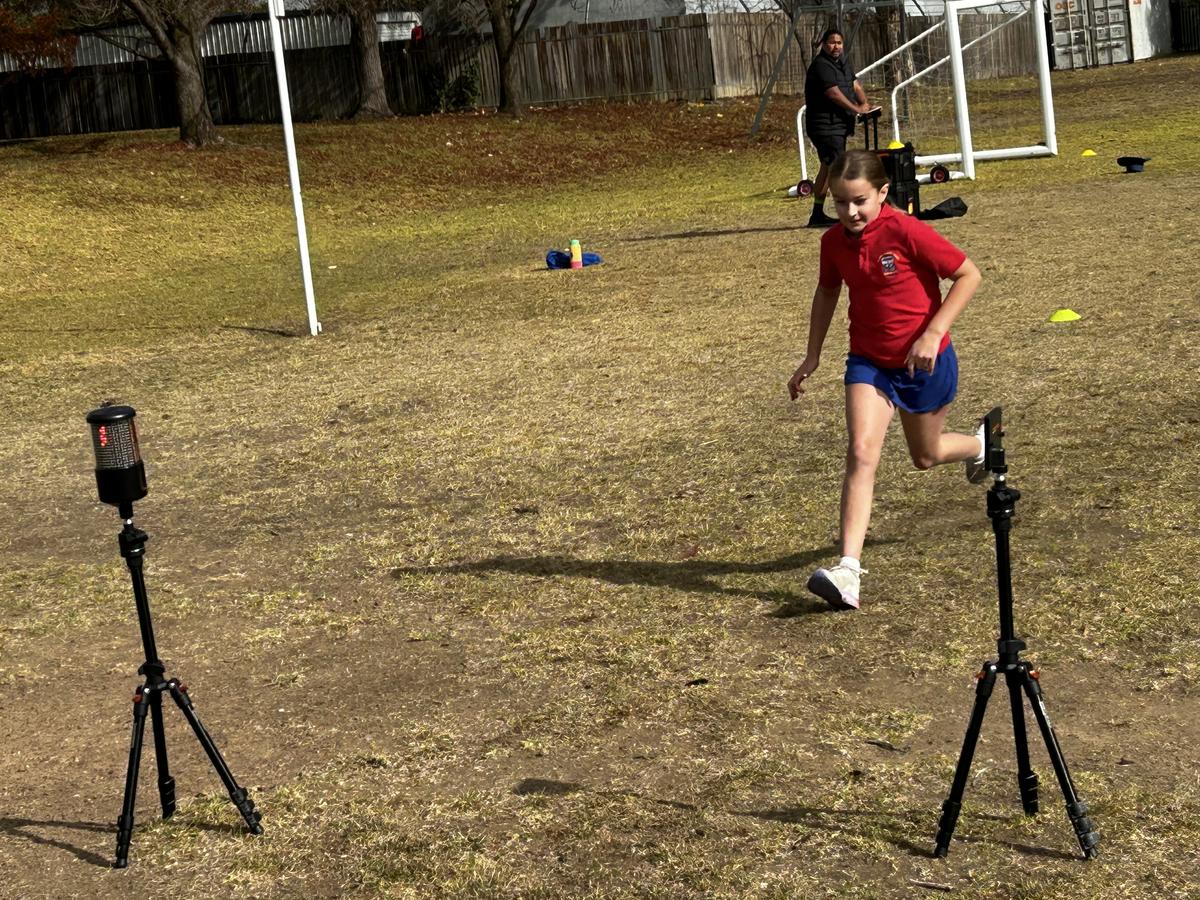
This week classes participated in Clinics with Sport Science specialists from UNE. This weeks activities tested their speed over a short distance using special timing devices provided by UNE.
Term Overview
Year 5 Term 1 Overview | |
|---|---|
| Religion | This unit explores Easter: A time for hope and new life and Pentecost: Celebrating the presence of the Holy Spirit. Students examine the hope and new life found in Jesus’ life, death, and Resurrection, and the Christian belief in everlasting life. They also consider how this belief shapes Christian living today, including the Easter Vigil. Students then explore Pentecost and the presence of the Holy Spirit in creation, the early Church, and in people today, focusing on how the gifts and fruit of the Spirit are shown in daily life. |
| English | This unit develops students’ understanding of perspective and context in texts and how different viewpoints shape meaning. Students explore a range of picture books, hybrid texts, and poetry to examine how characters, settings, and values influence perspectives and can challenge thinking. They build skills in oral language, vocabulary, reading comprehension, and writing through responding to and creating texts, while also learning about representation, argument, code, and convention. Texts include: “Go Home Cheeky Animals” – Bell & Beasley “Zoo” – Anthony Browne “Python” – Cheng (Hybrid Text) “Walking in Gagudju Country” – Lucas & Tyler (Hybrid Text) “Rain Dance” – Applegate “My Dead Bunny” – Cohen |
| Mathematics | DataDecimals and PercentagesTimeLength |
| Science & Technology | Strand: Living World:
|
HSIE (Human Society & its Environment) | The Colonies: Students describe and explain the significance of colonial people and events to the development of Australia.
|
| Creative Arts | School Art Show: “ Poppies of Remembrance” & “Northern lights Winter Scene” |
| PDHPE | Managing myself and my relationships: Students will identify and describe the actions they need to take to establish and maintain positive relationships in a variety of contexts. They will practise strategies required to manage any negative situations which may arise for themselves or others, including conflict resolution and bullying. Students will have the opportunity to participate in games that promote teamwork and a sense of belonging.
Being Healthy: Students will acknowledge the impact of their choices and decisions on their own and others health and wellbeing. They will investigate and adopt practices resulting in a positive impact on a range of health areas in order to reduce the chance of lifestyle diseases.
|
Gymnastics
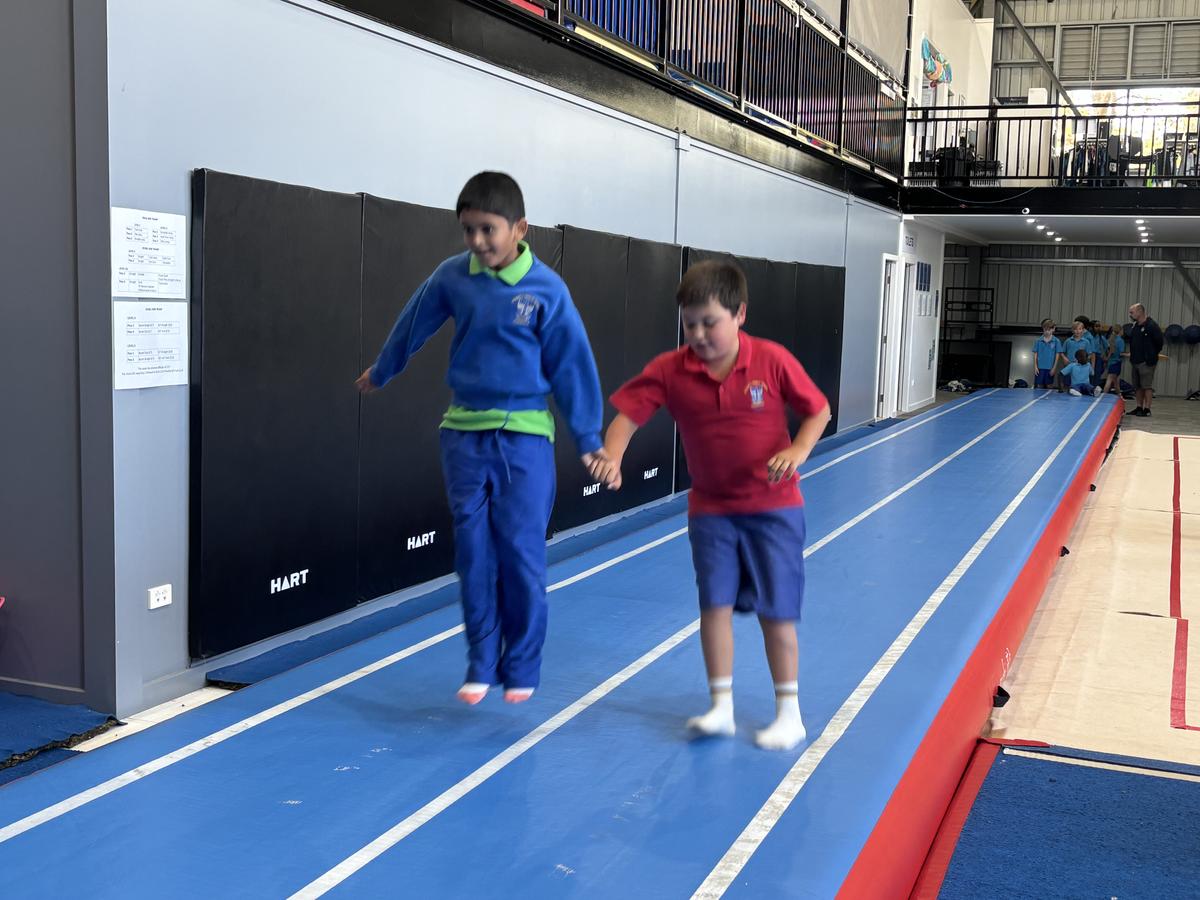
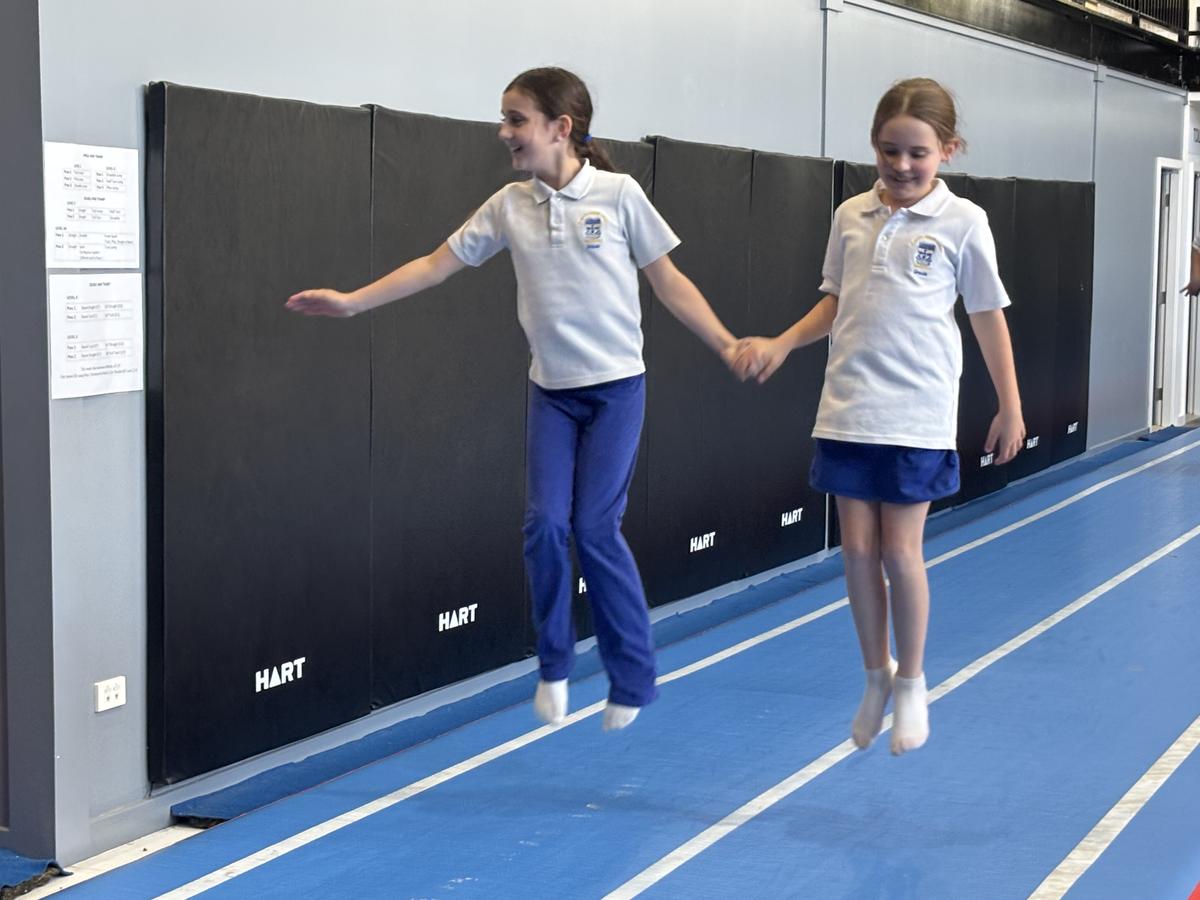
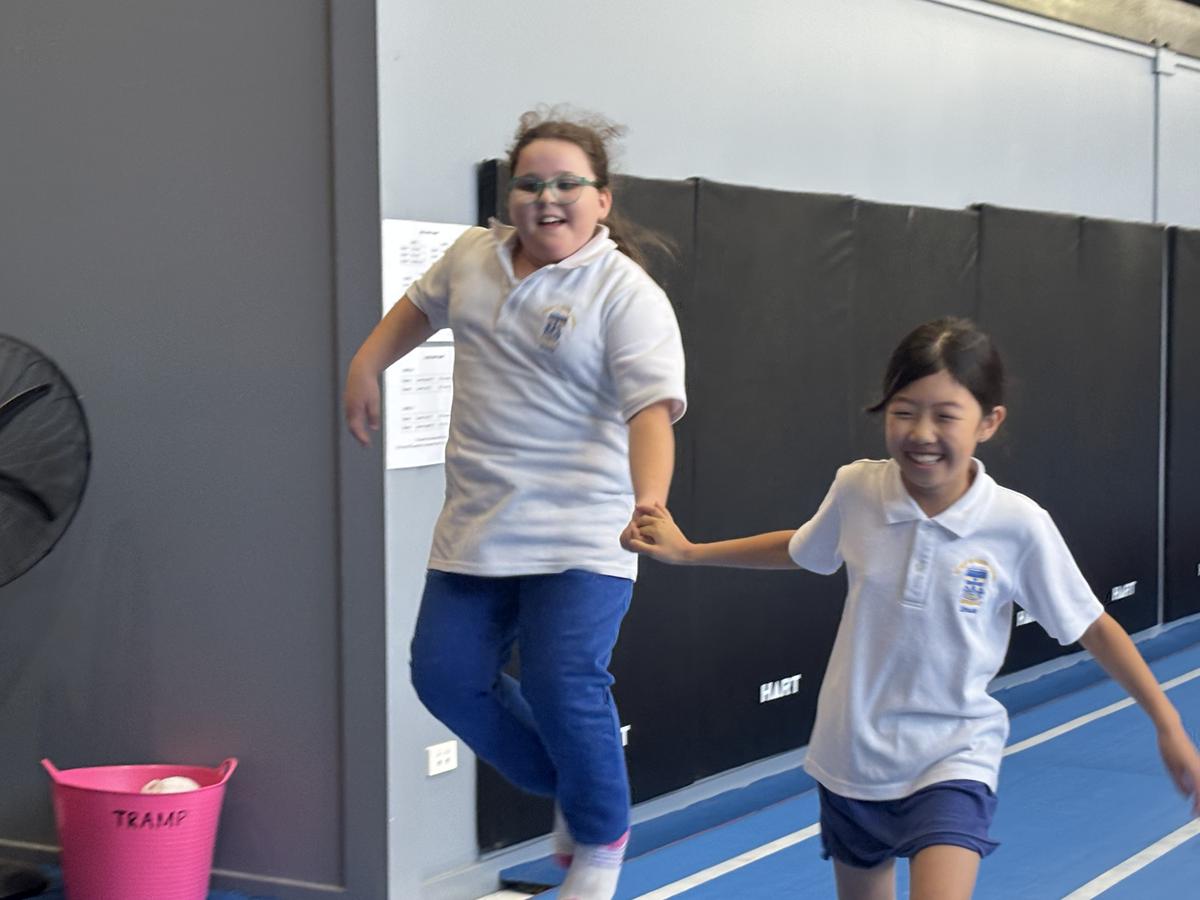
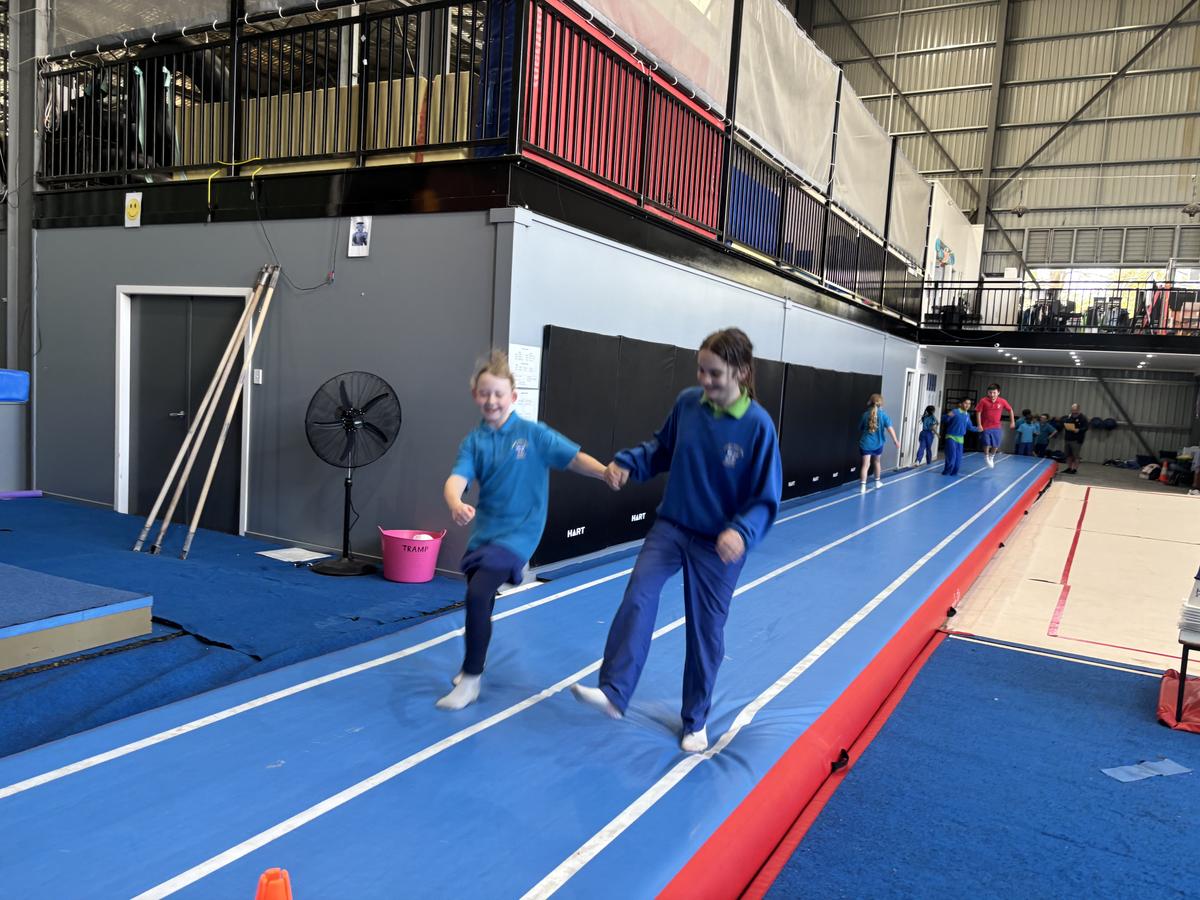
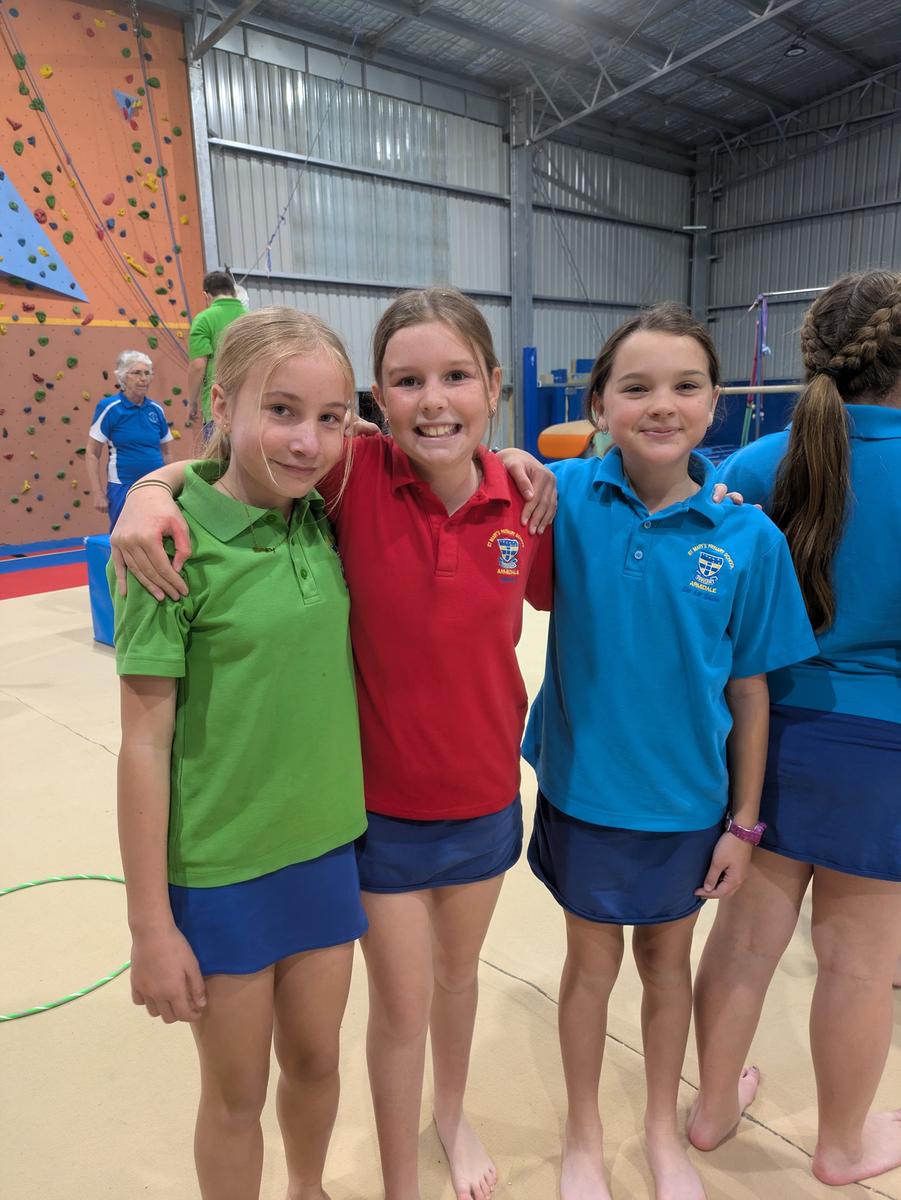
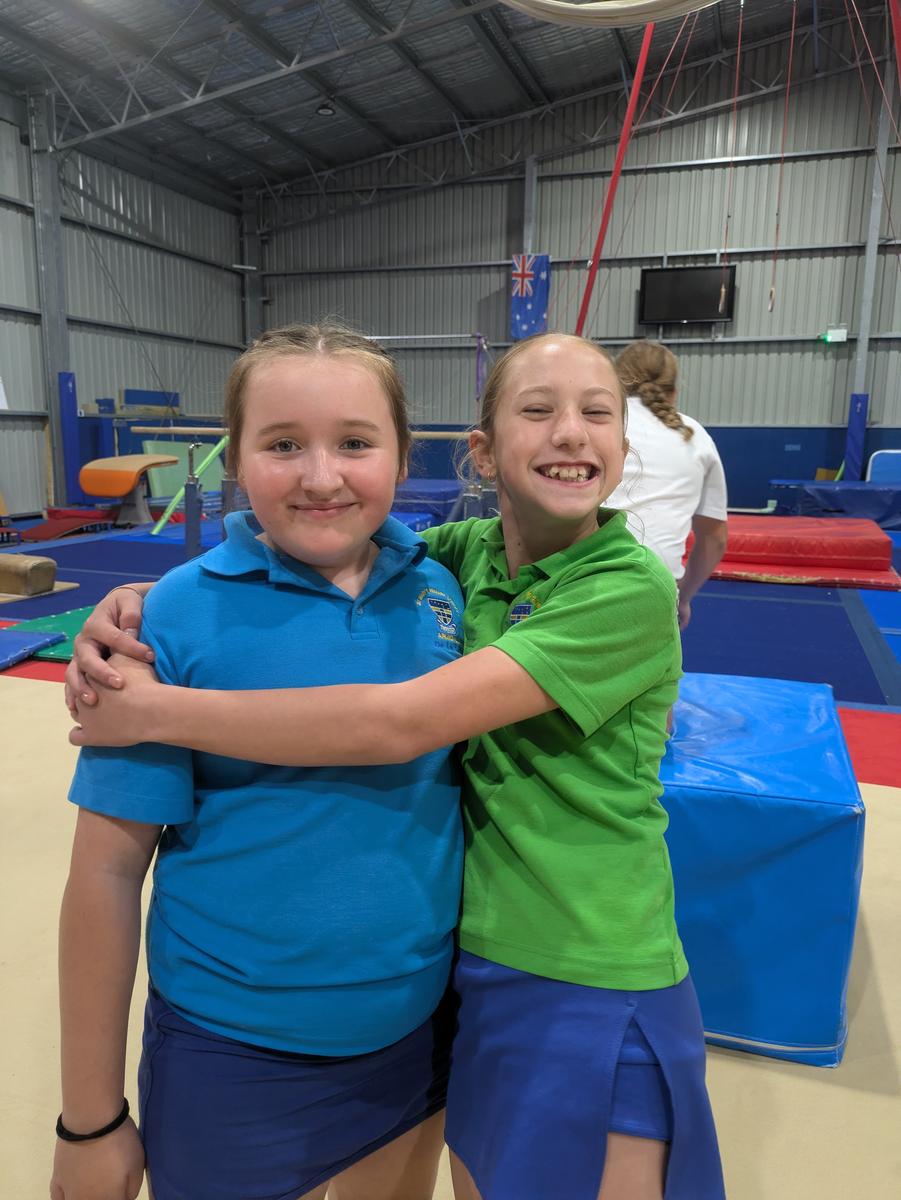
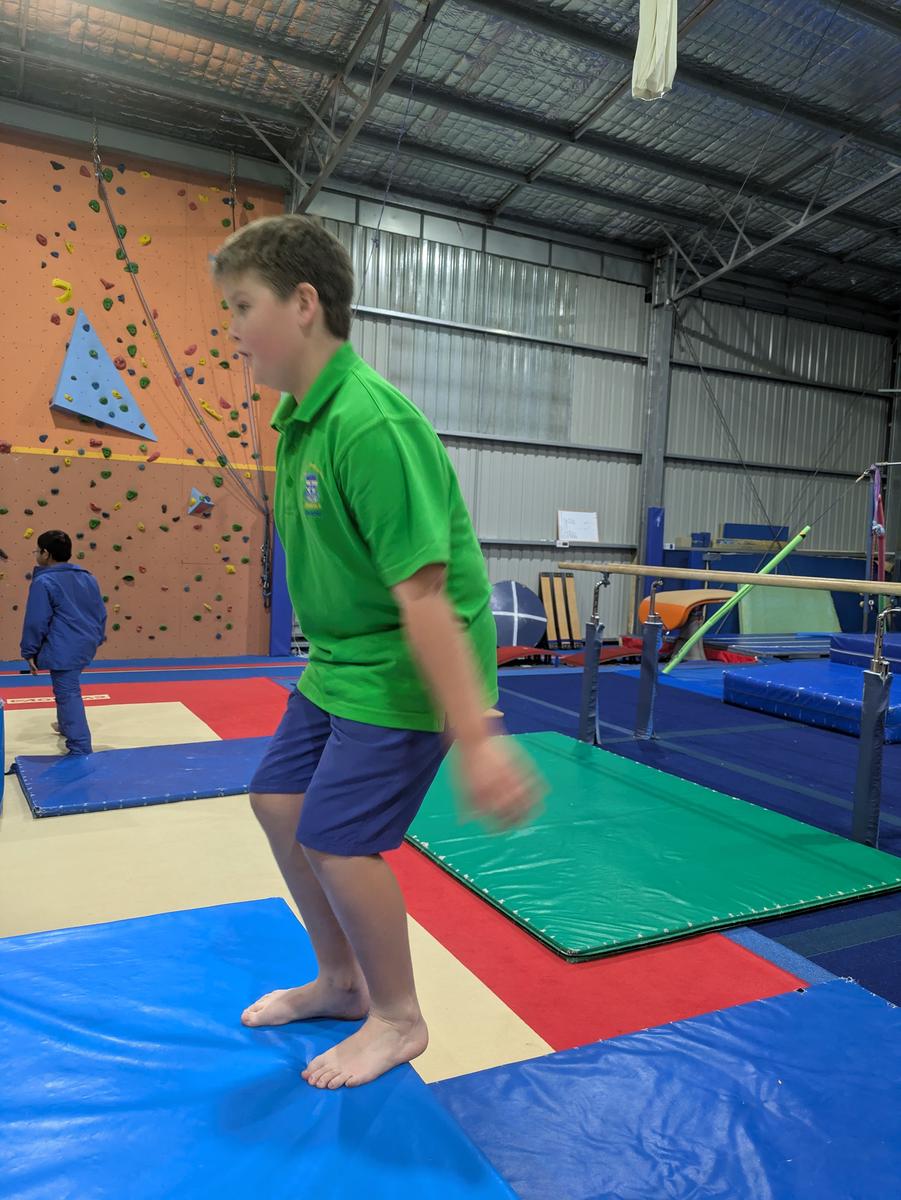
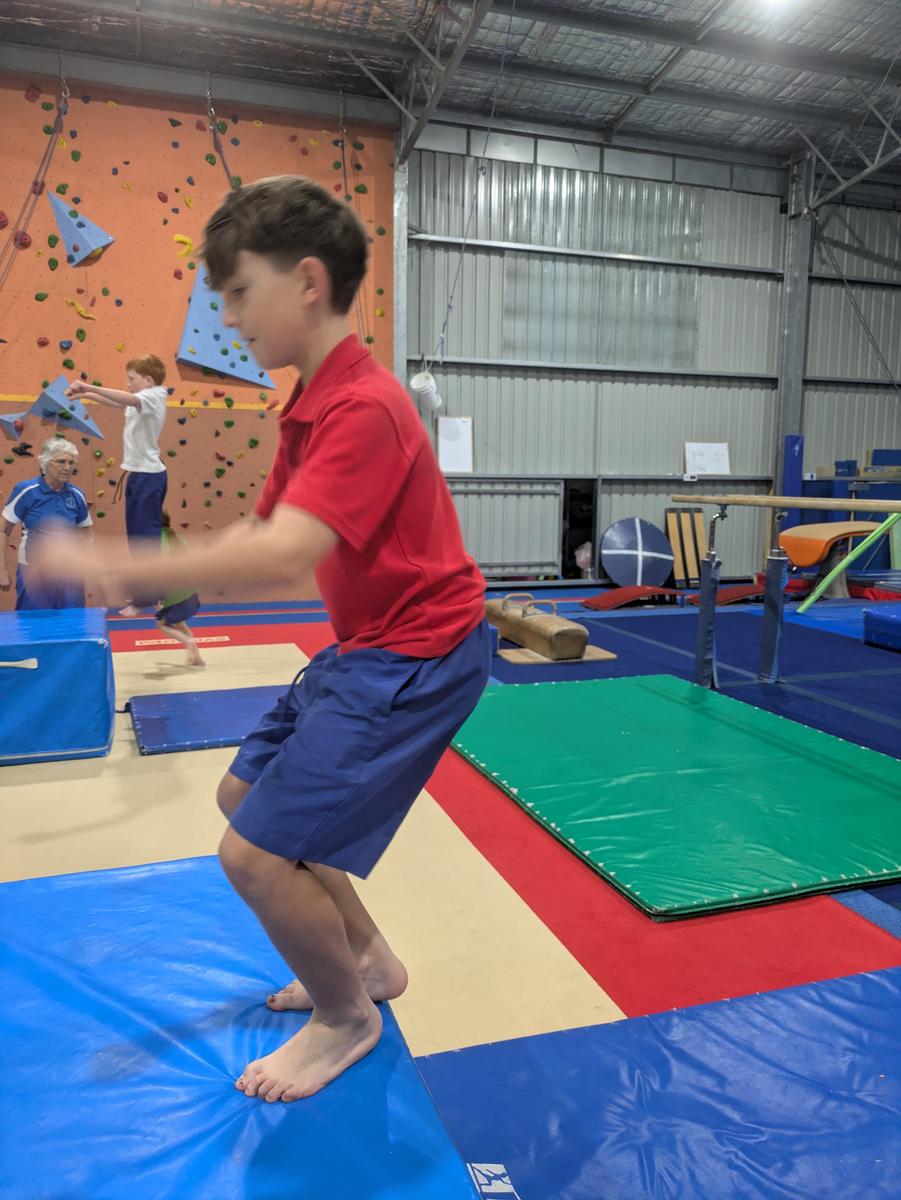
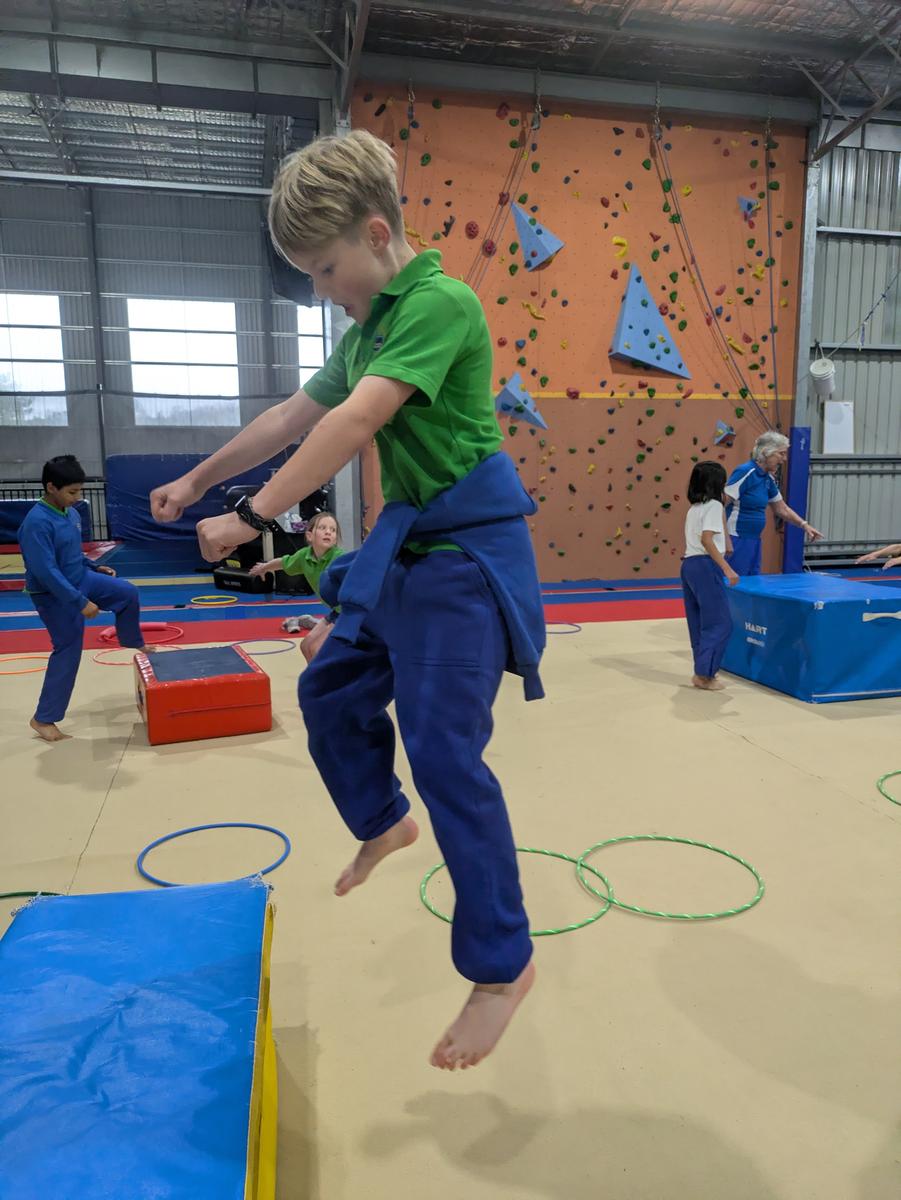
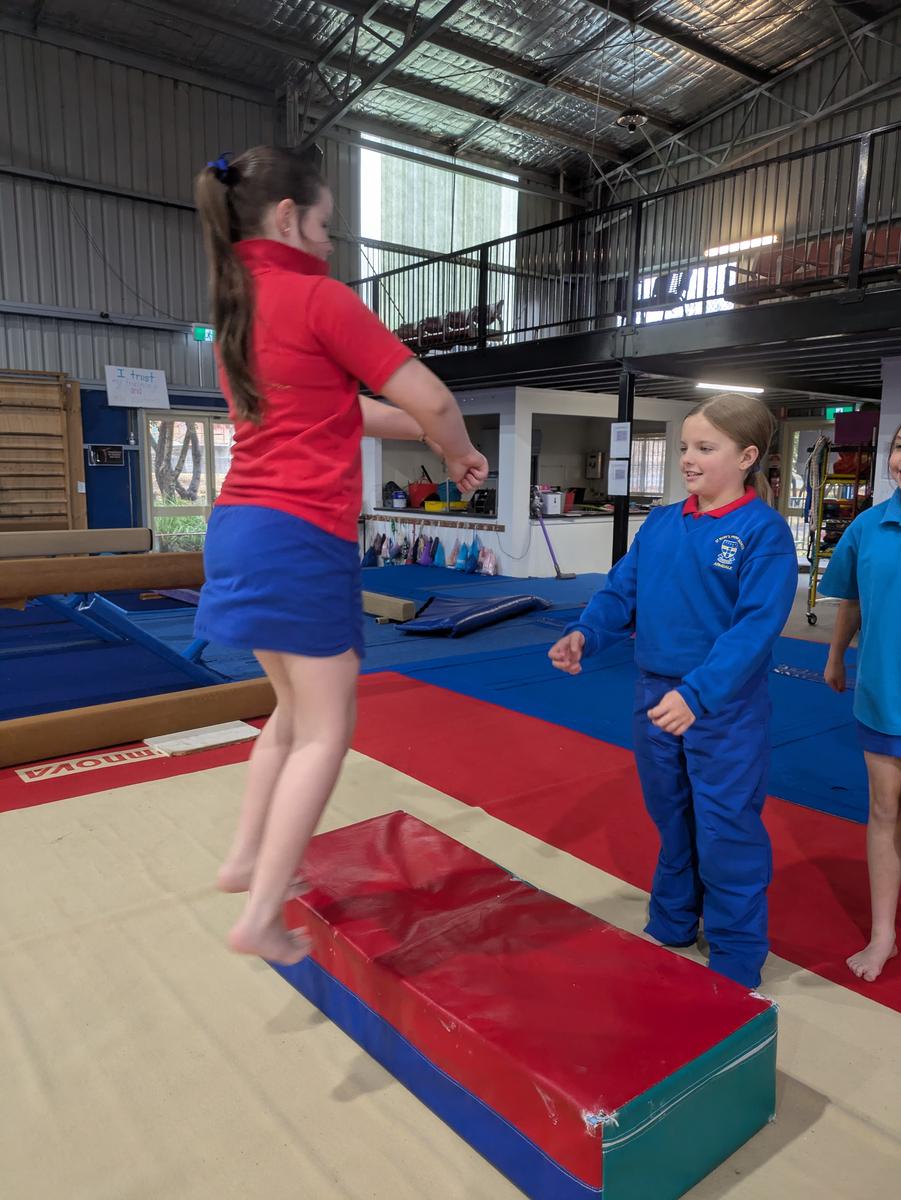
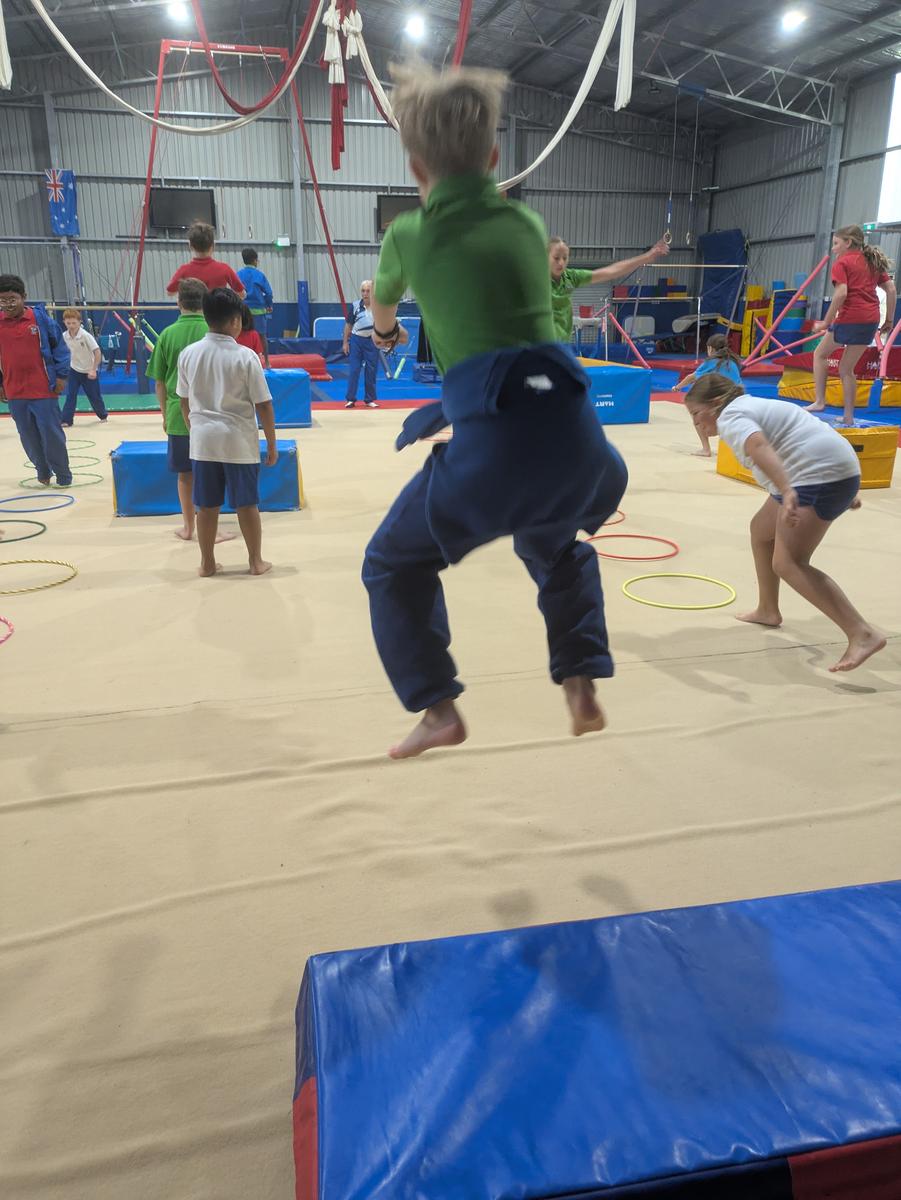
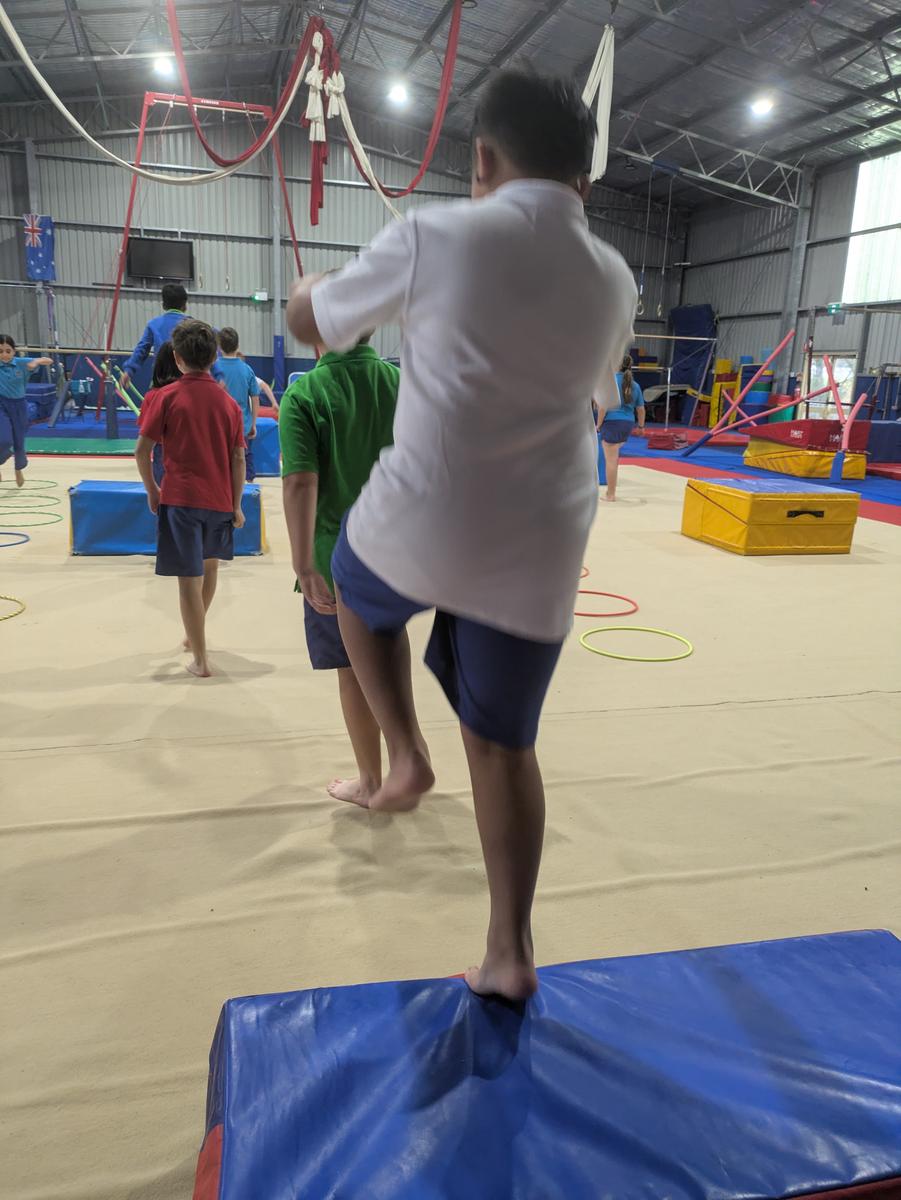
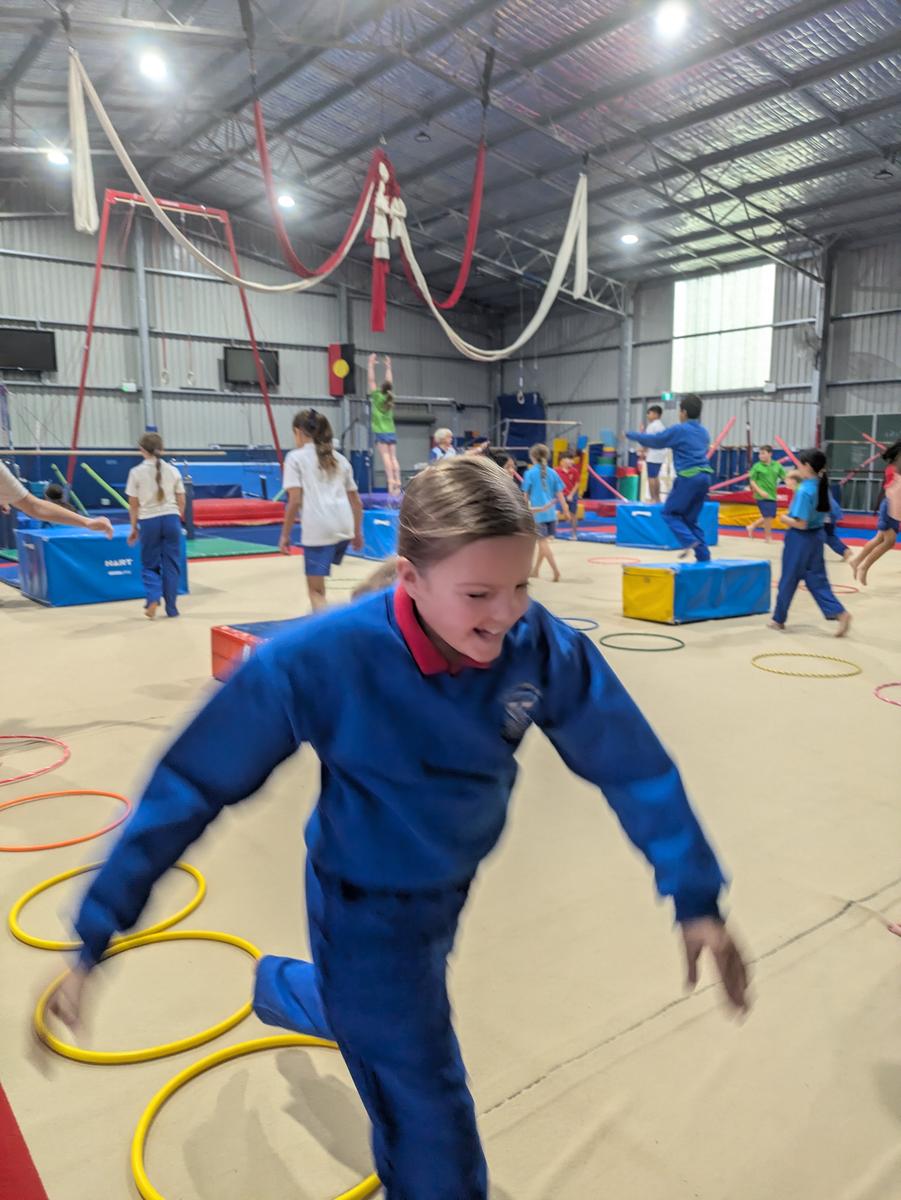
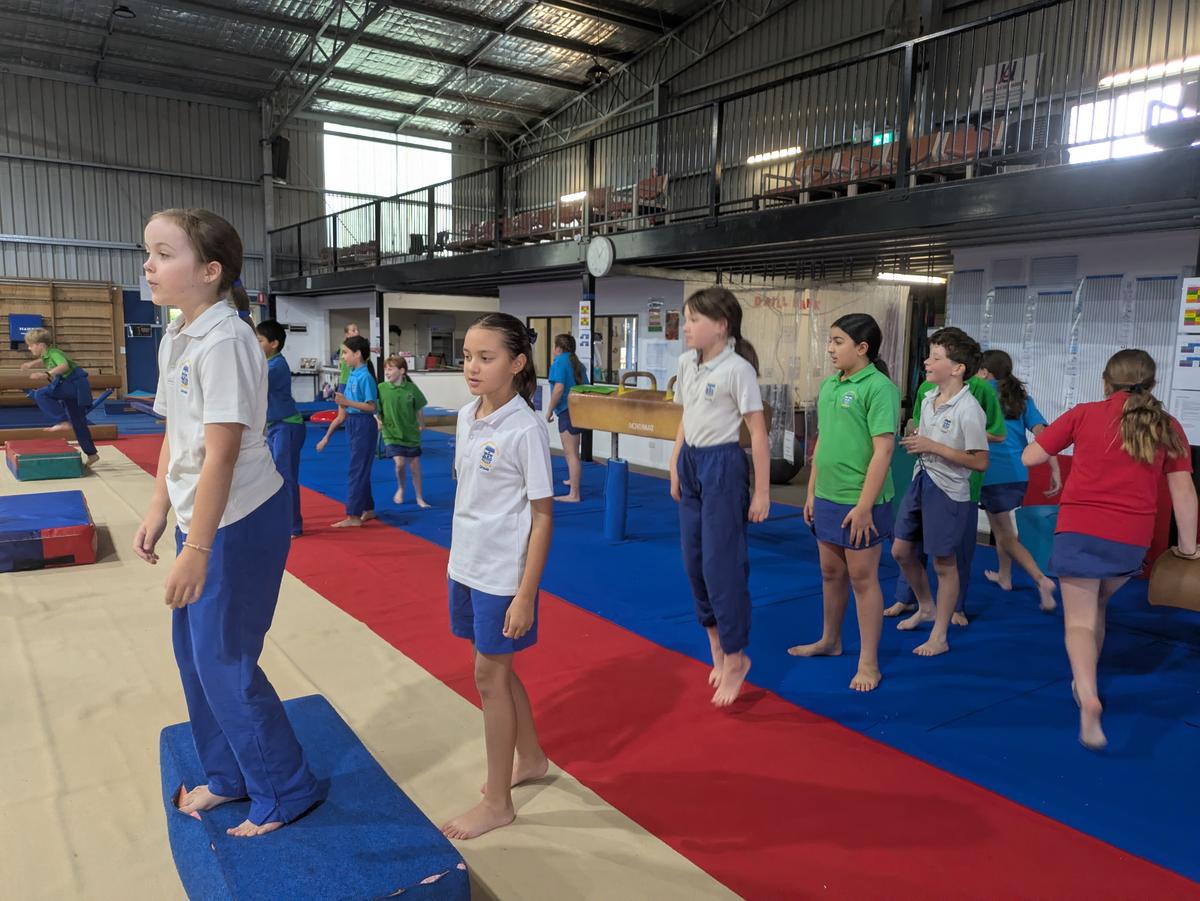
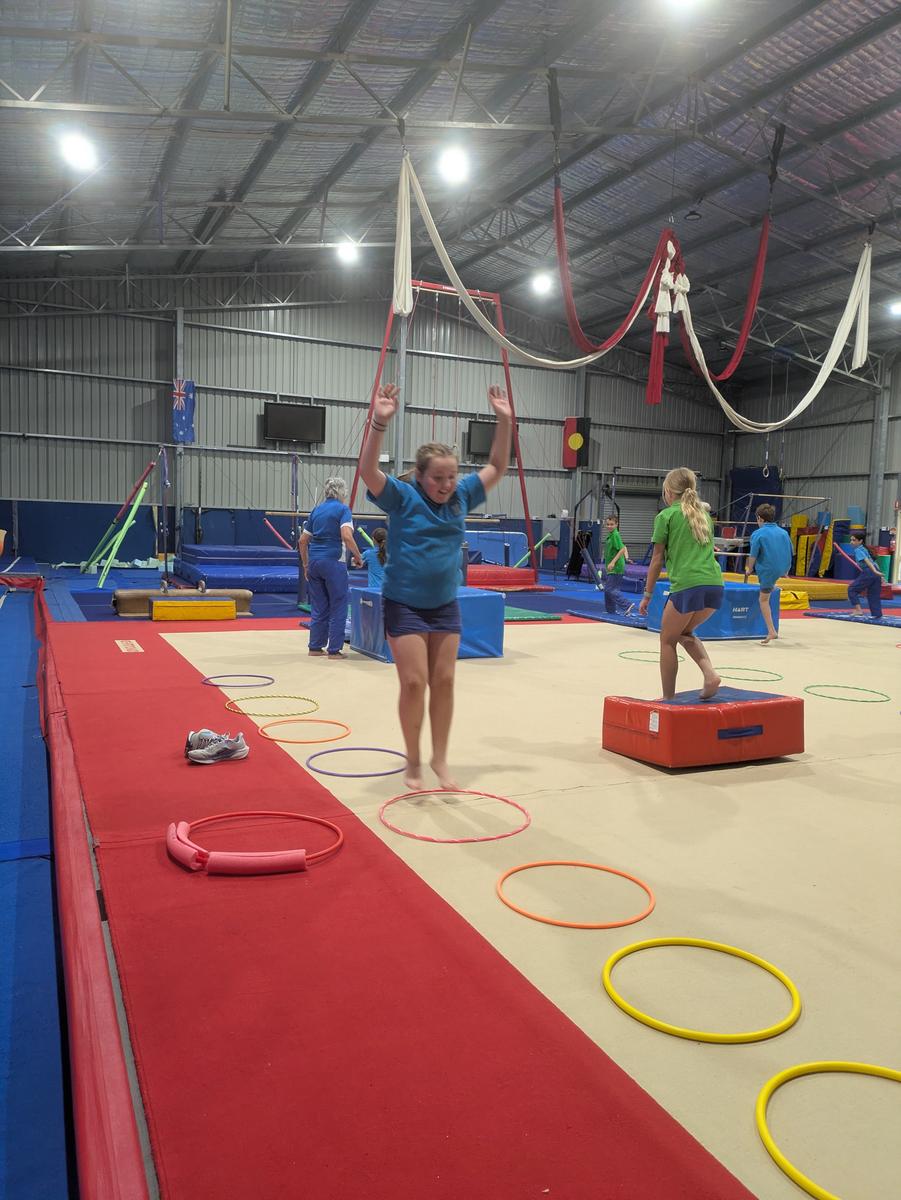
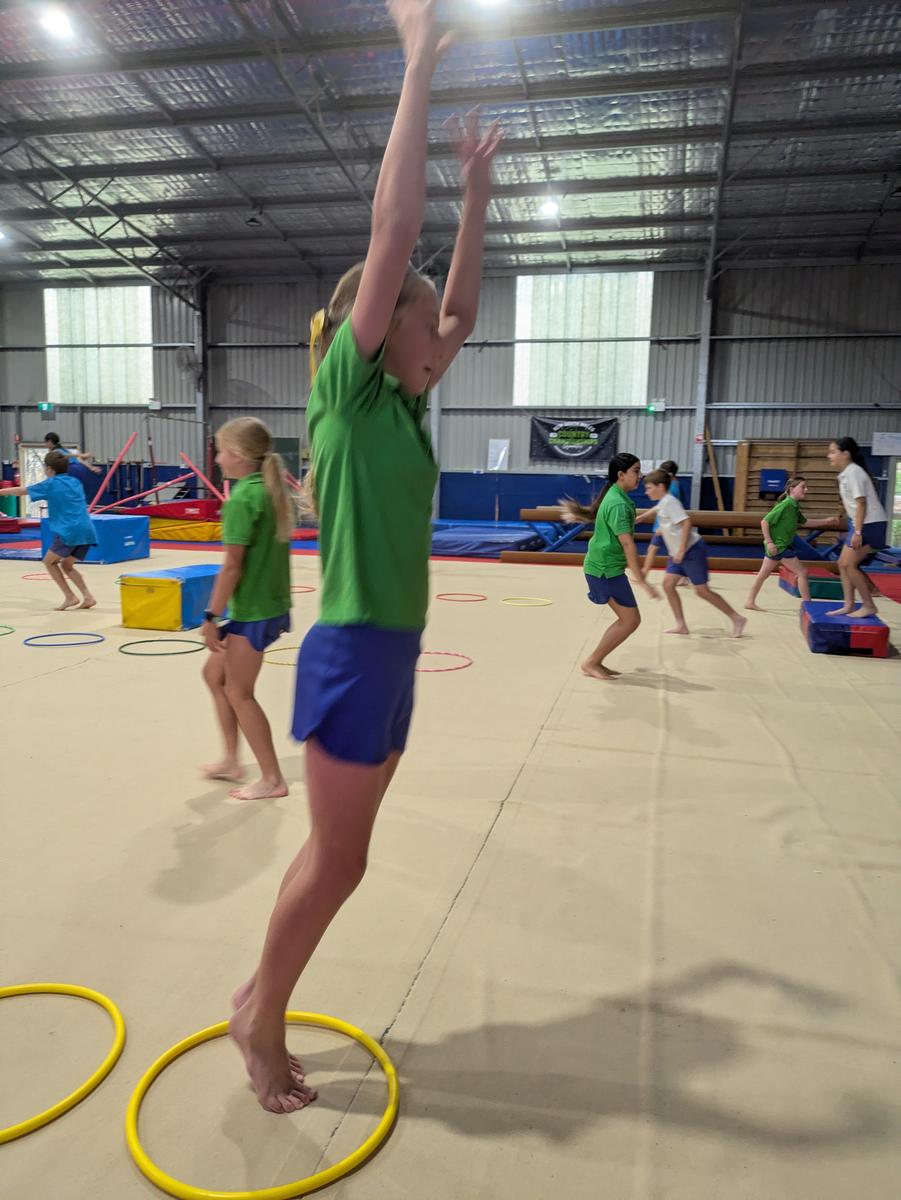
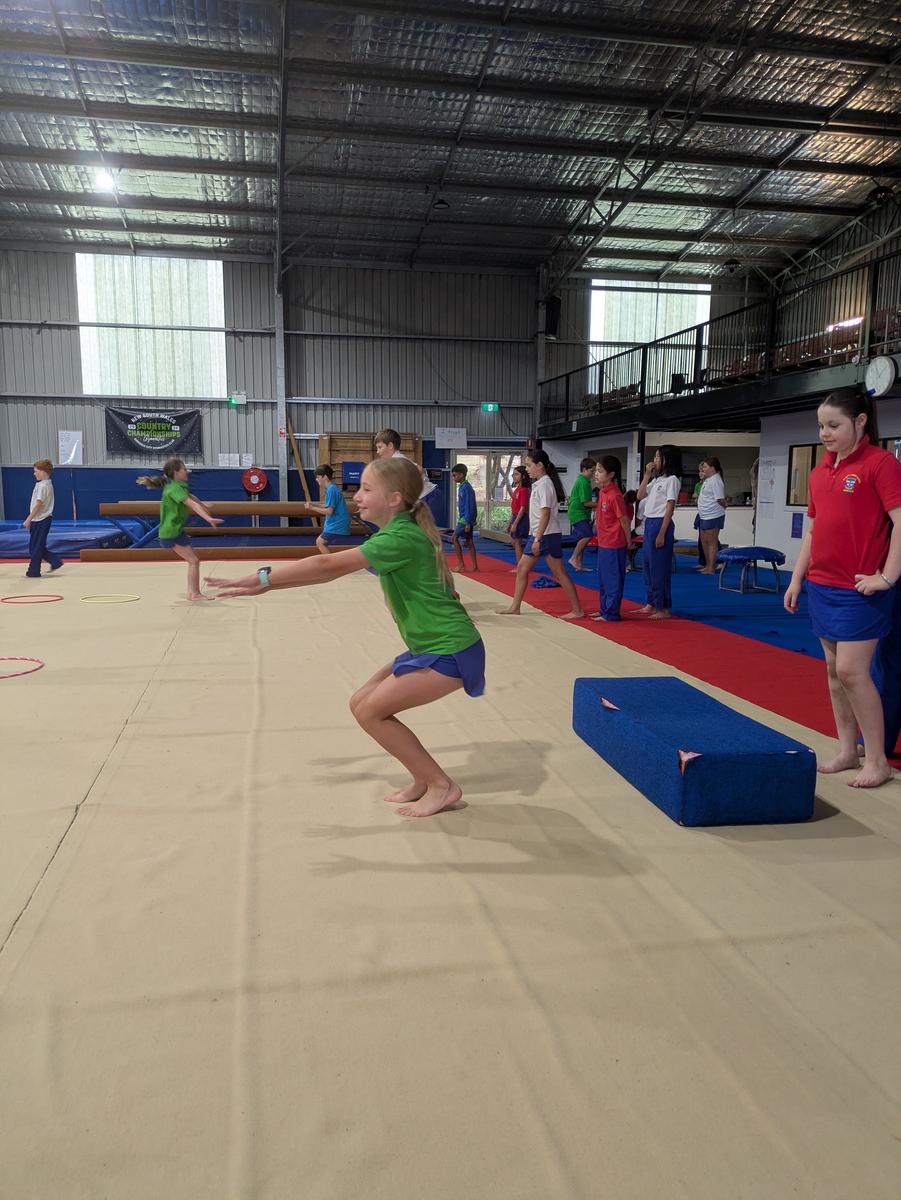
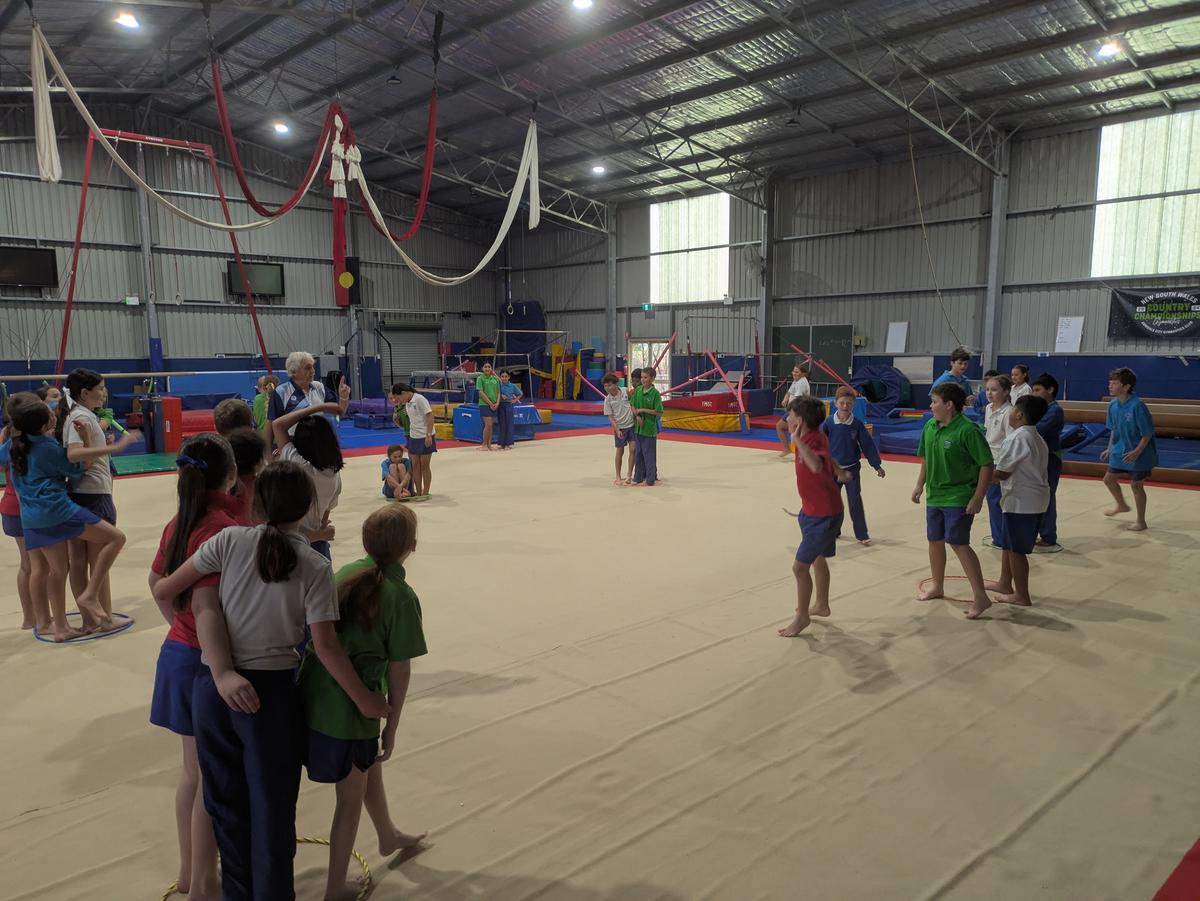
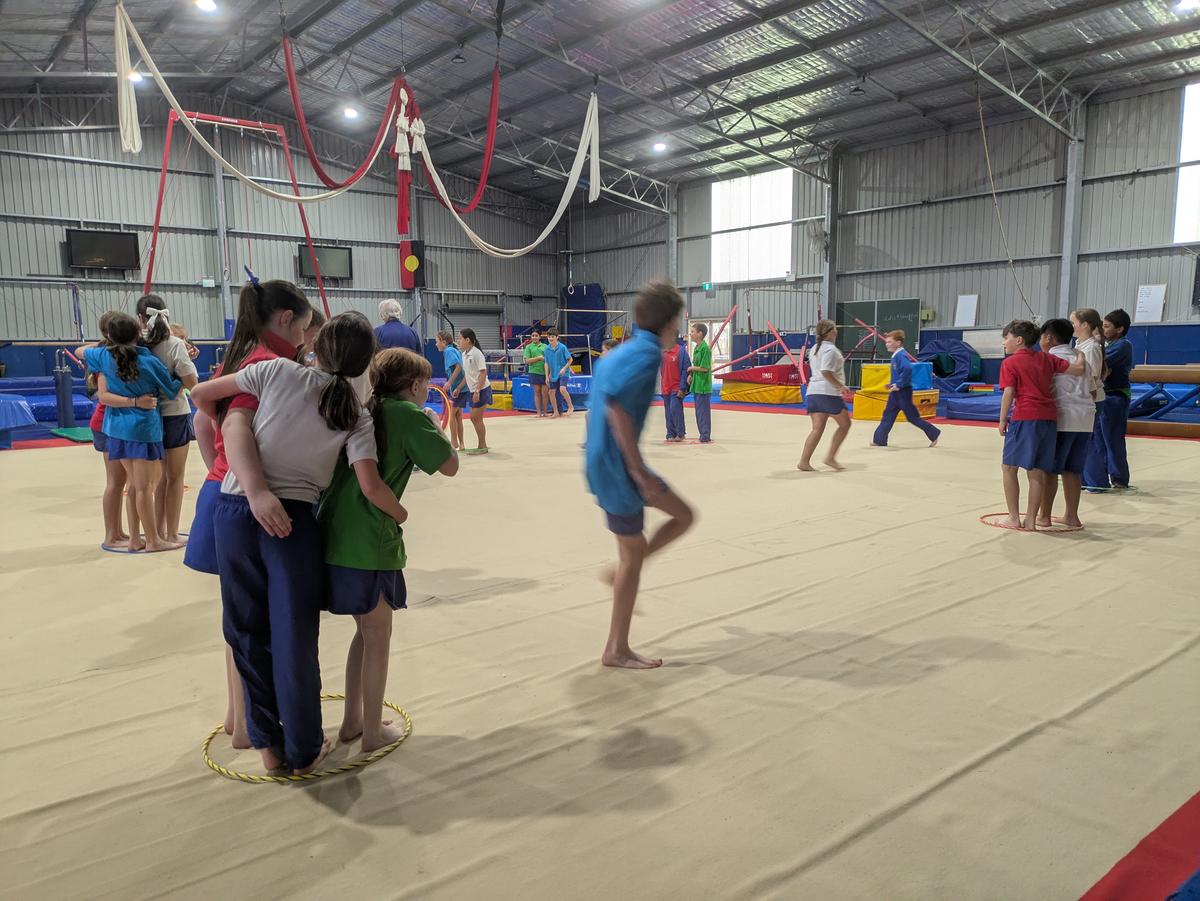
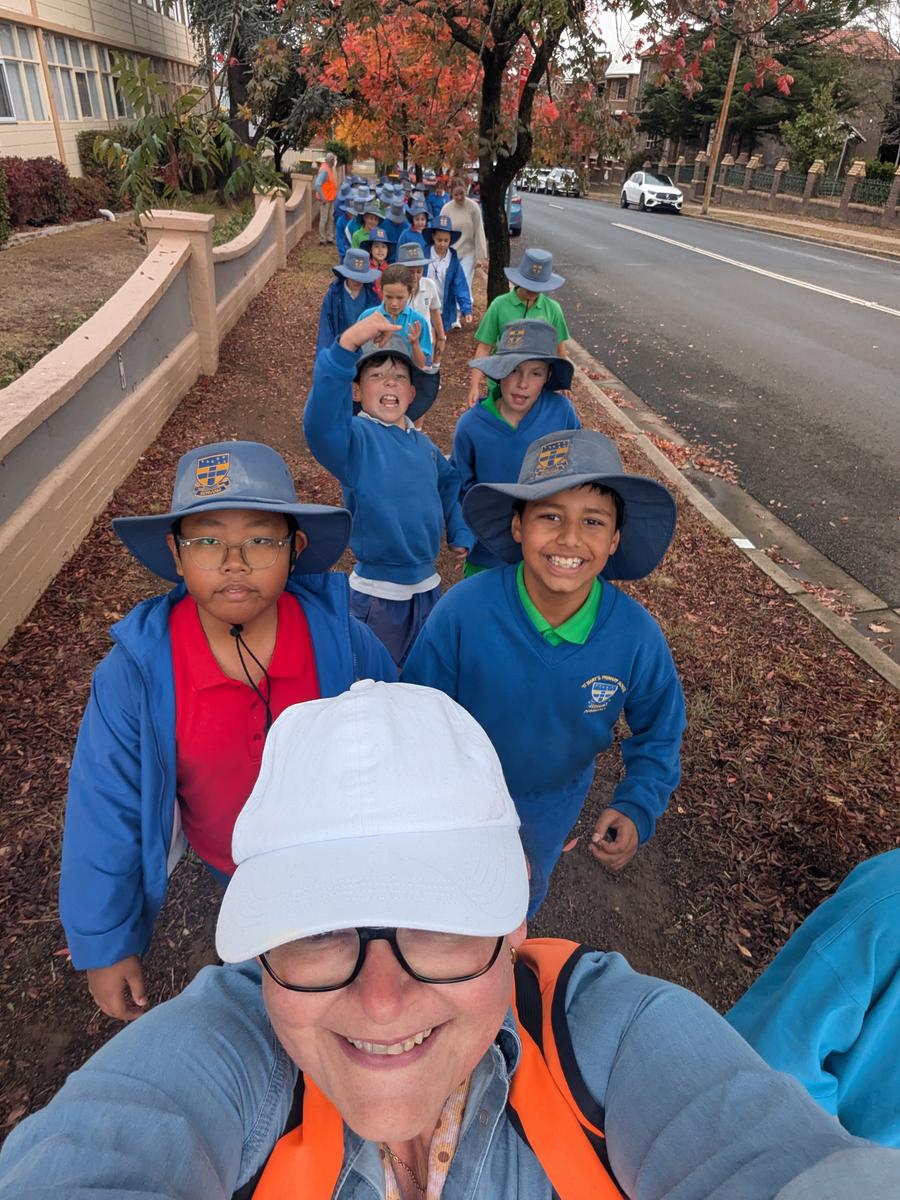
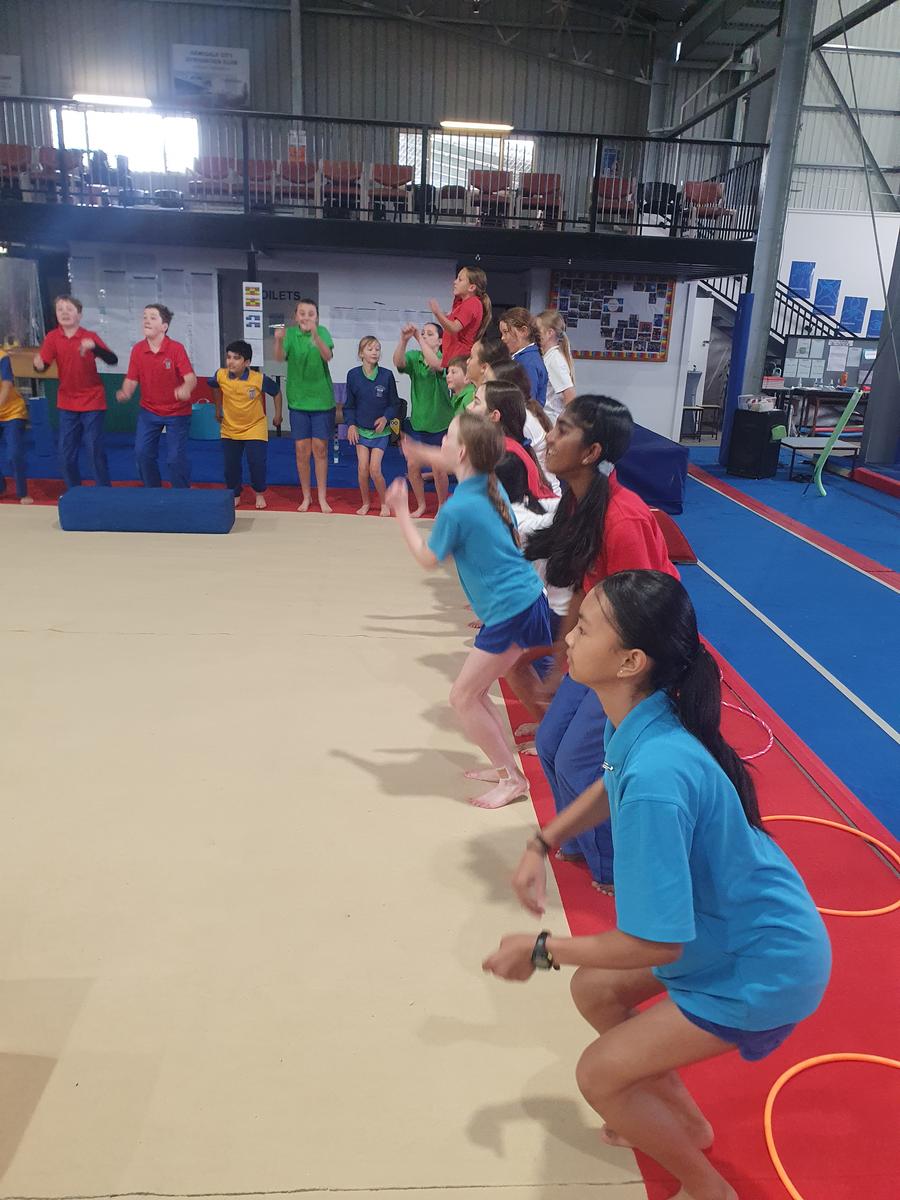
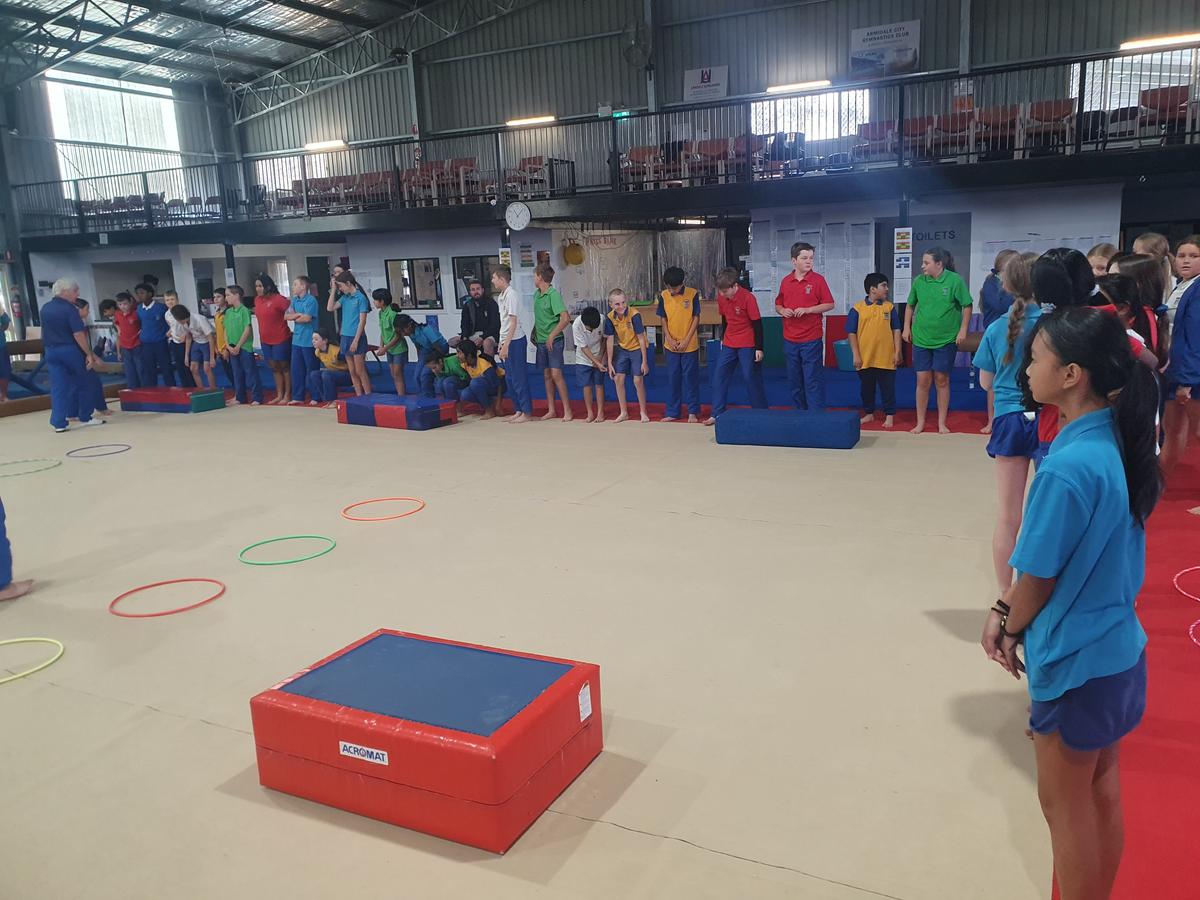
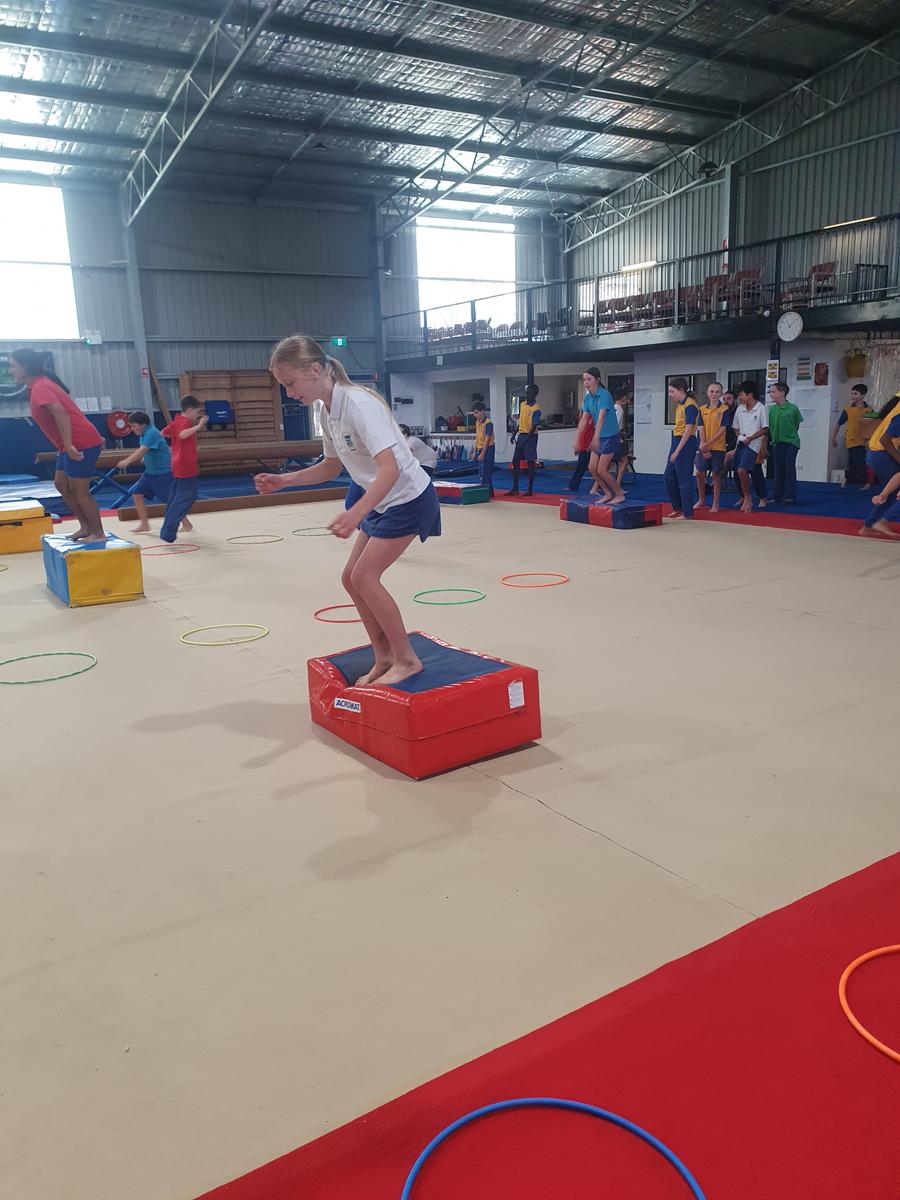
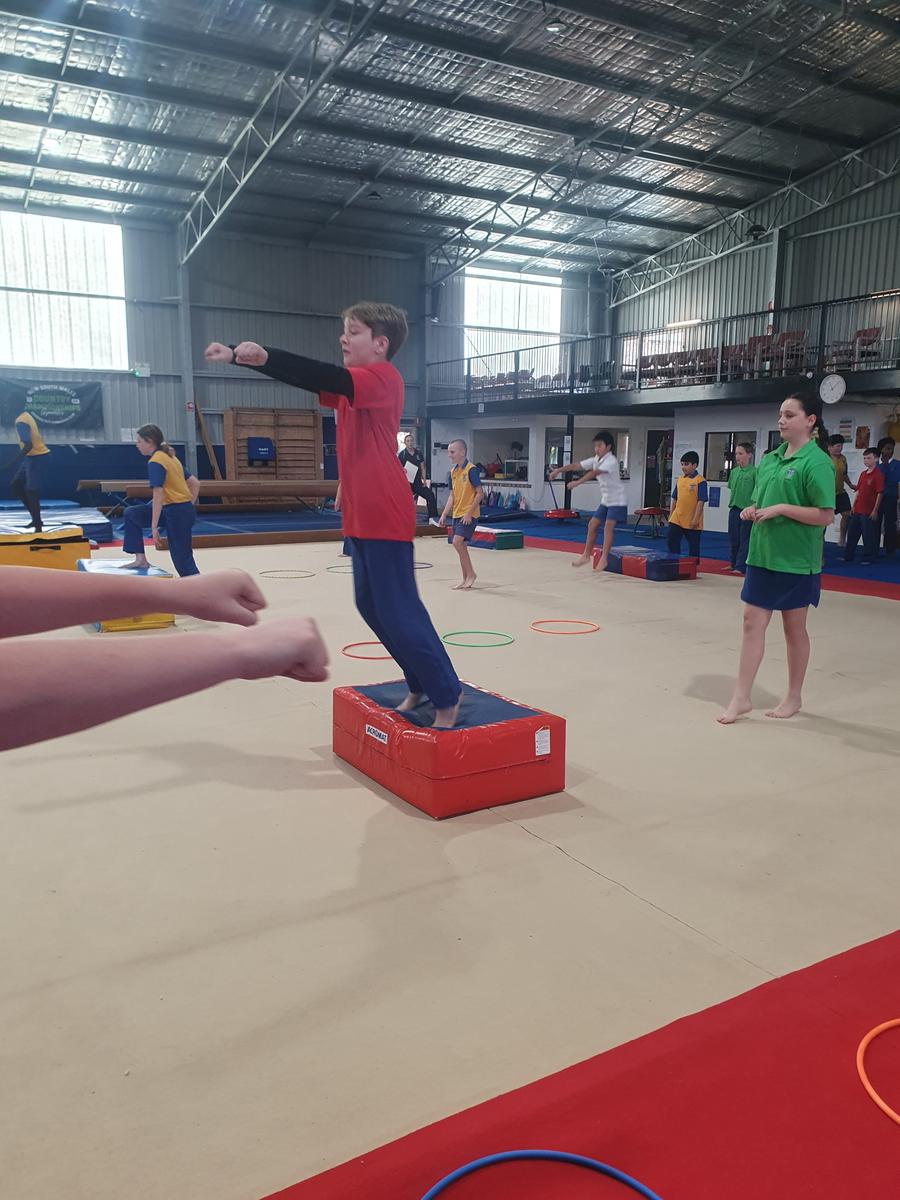
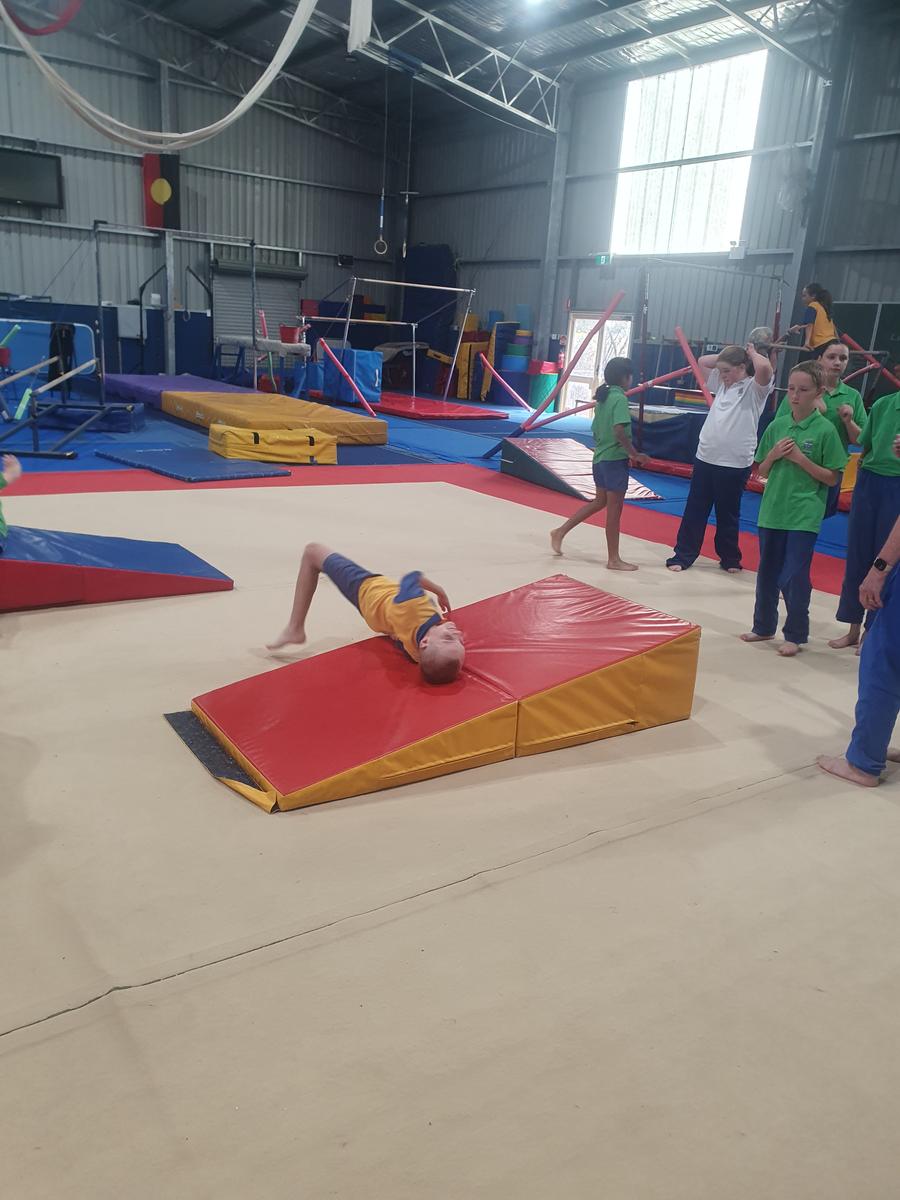
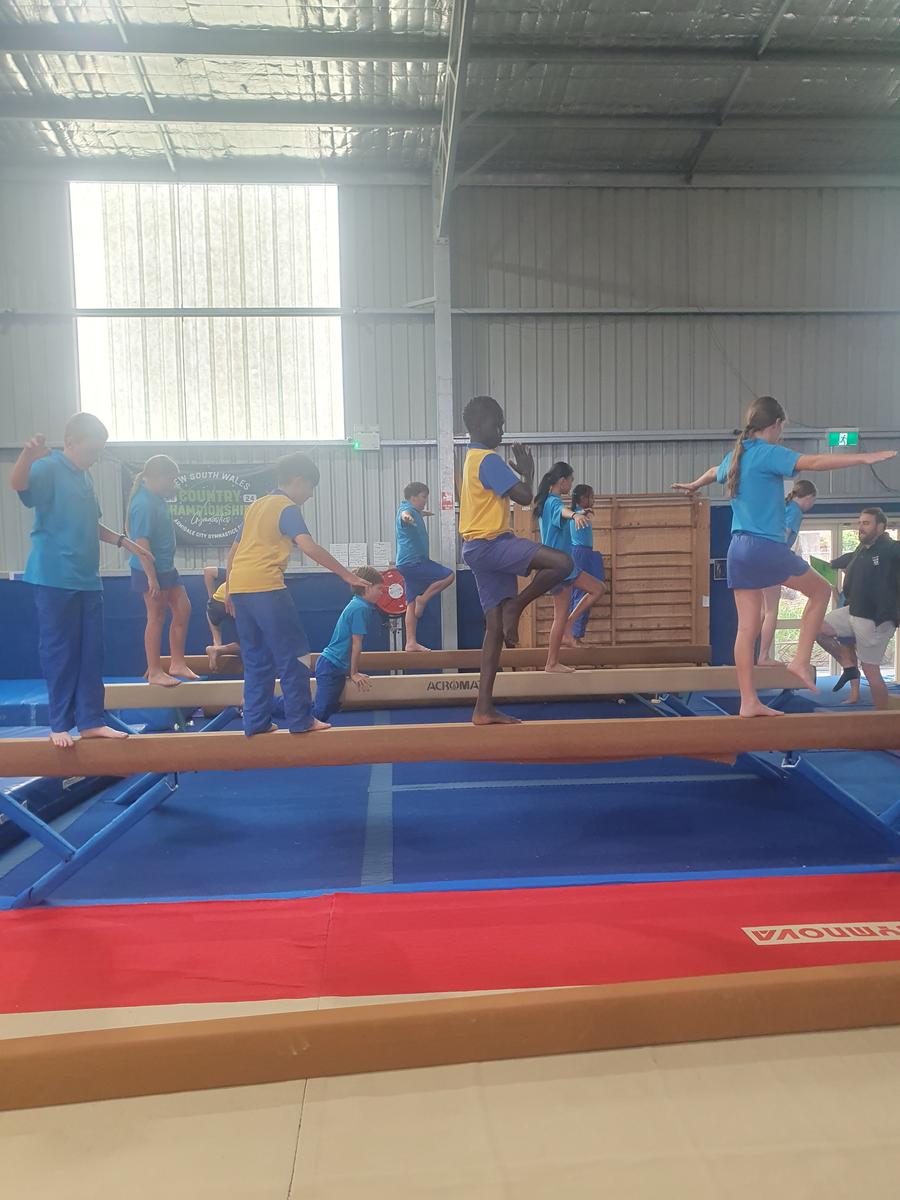
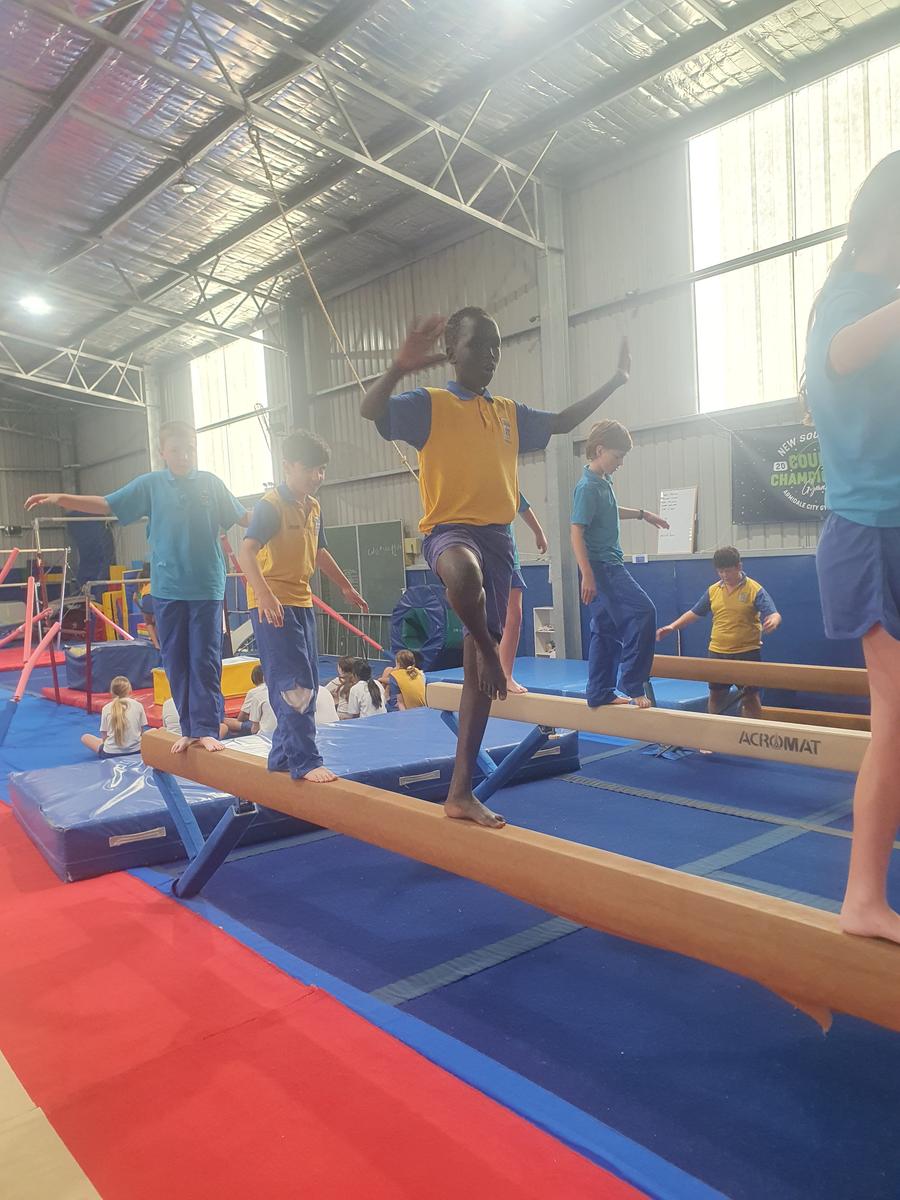
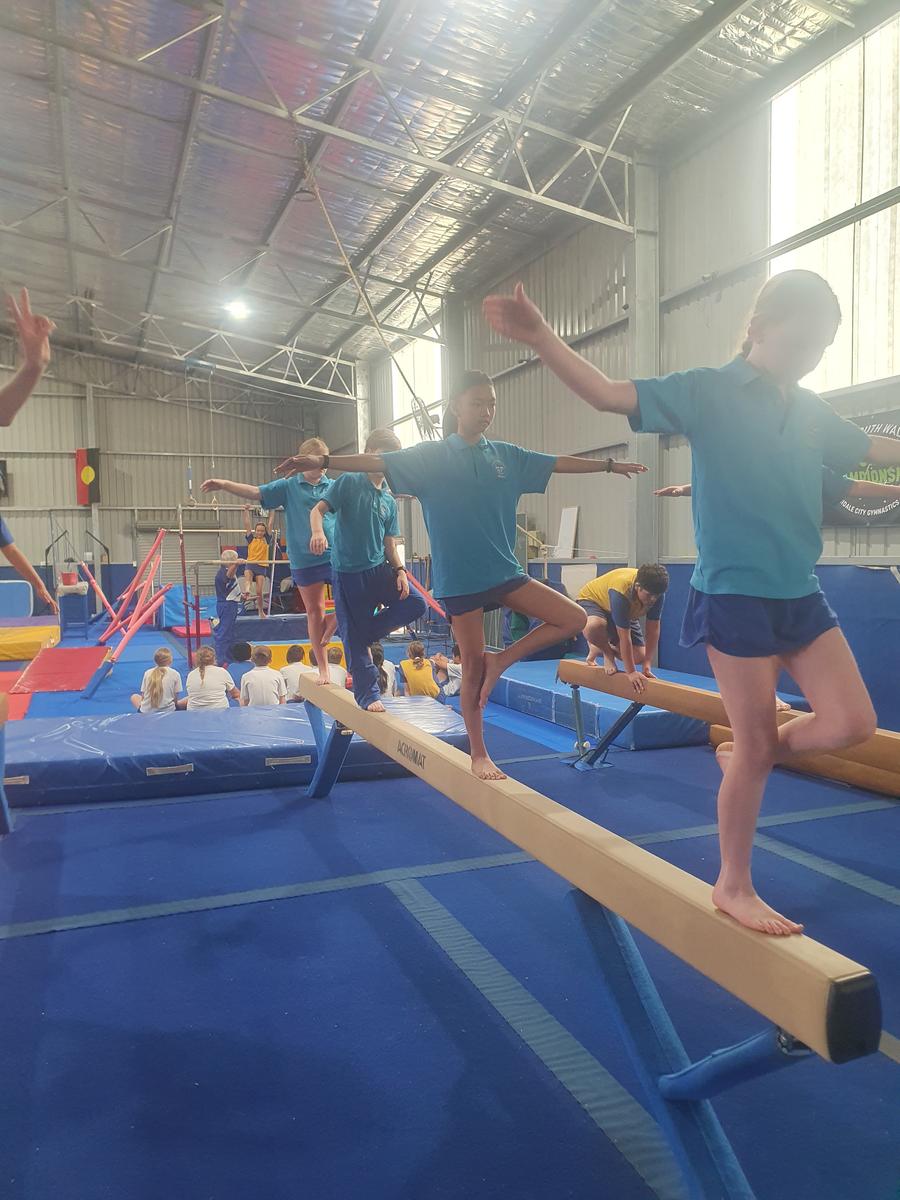
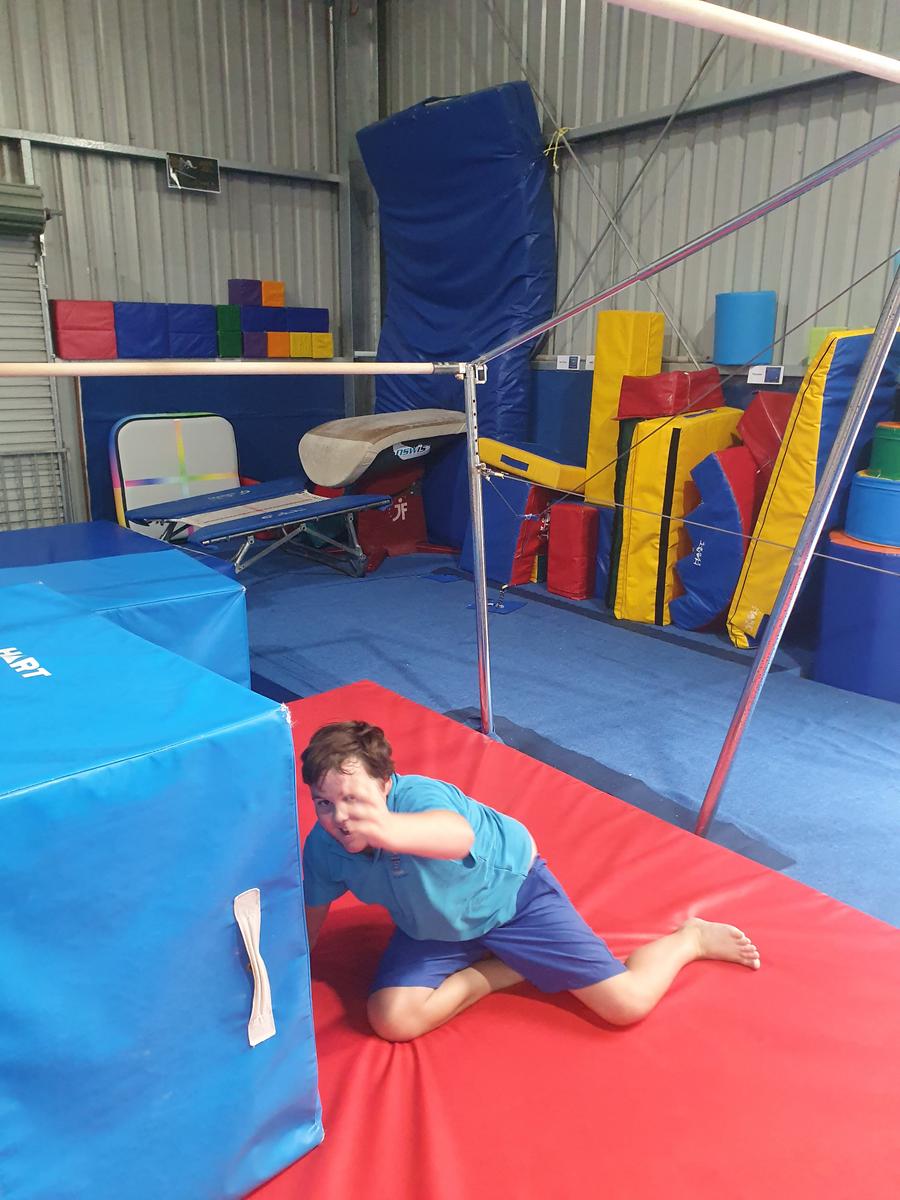
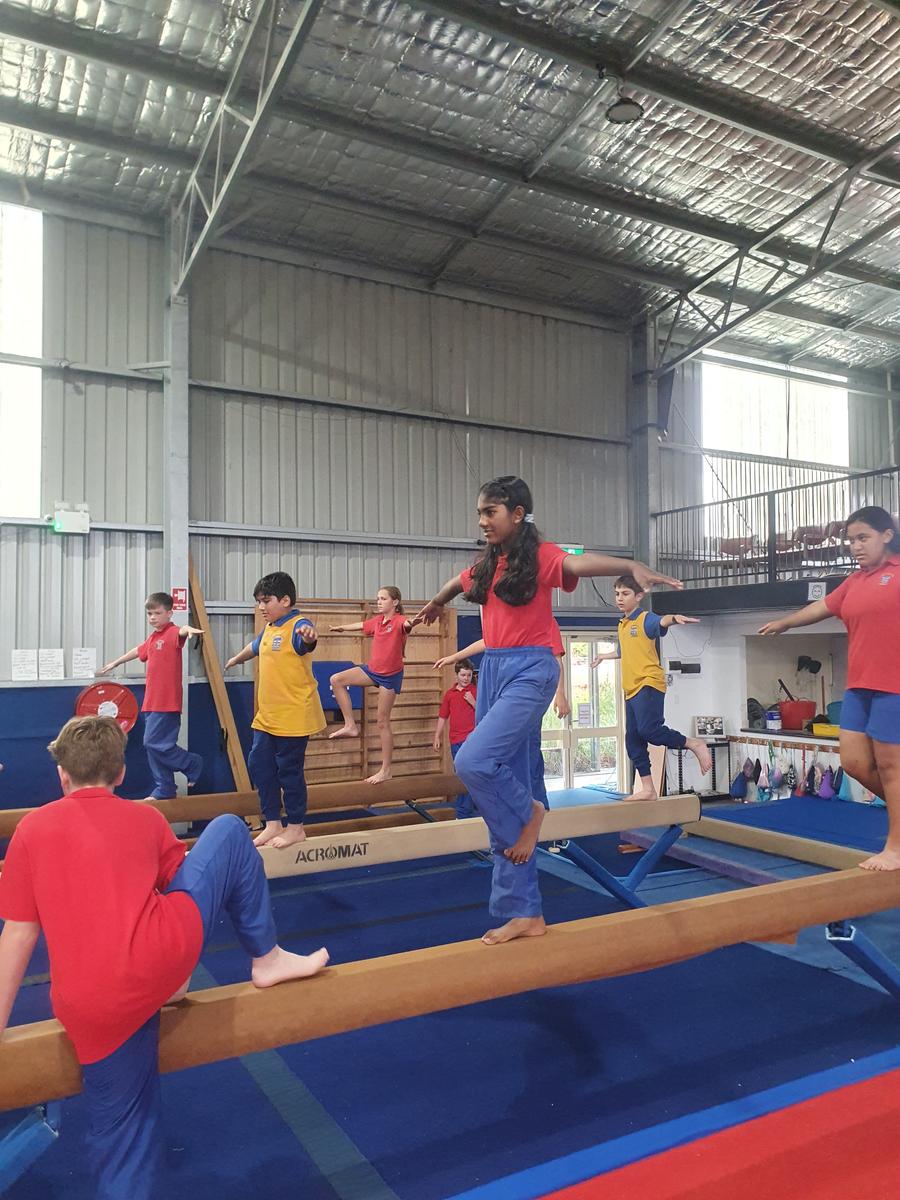
This week, our students enjoyed walking to gymnastics, which was a wonderful opportunity to get out into the community and participate in a range of fun physical activities. They enthusiastically joined in with different exercises and games that helped develop their coordination, balance, strength and confidence. It was fantastic to see students encouraging one another, trying new challenges and having so much fun while staying active.
Mathematics
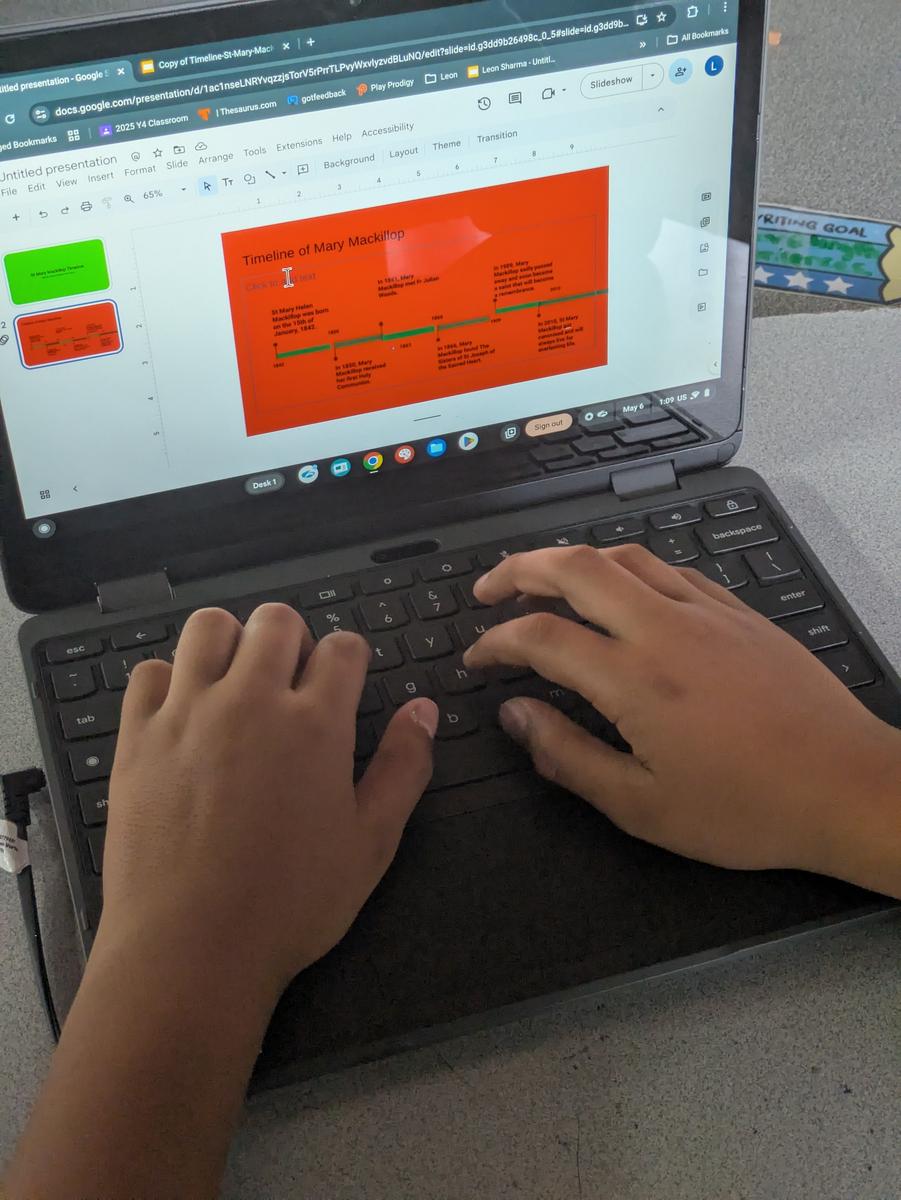
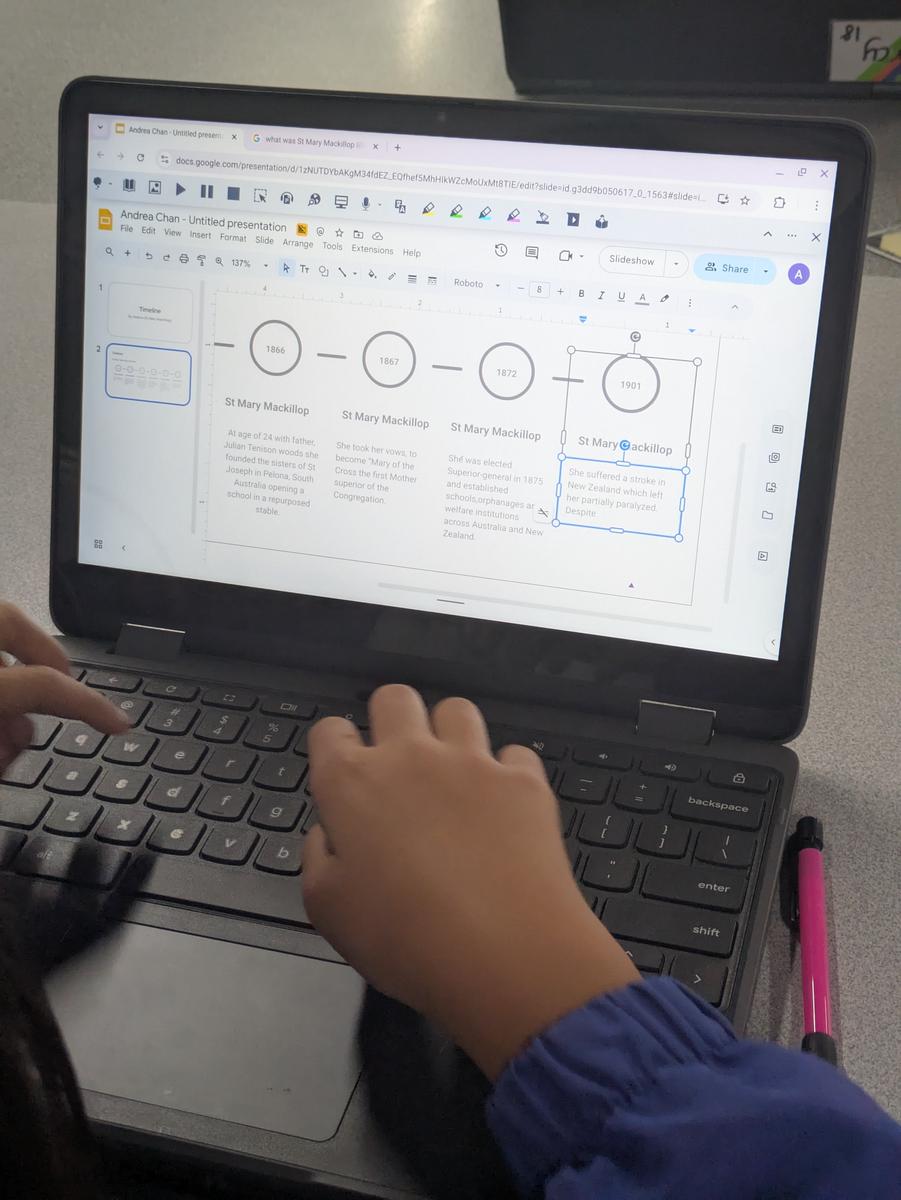
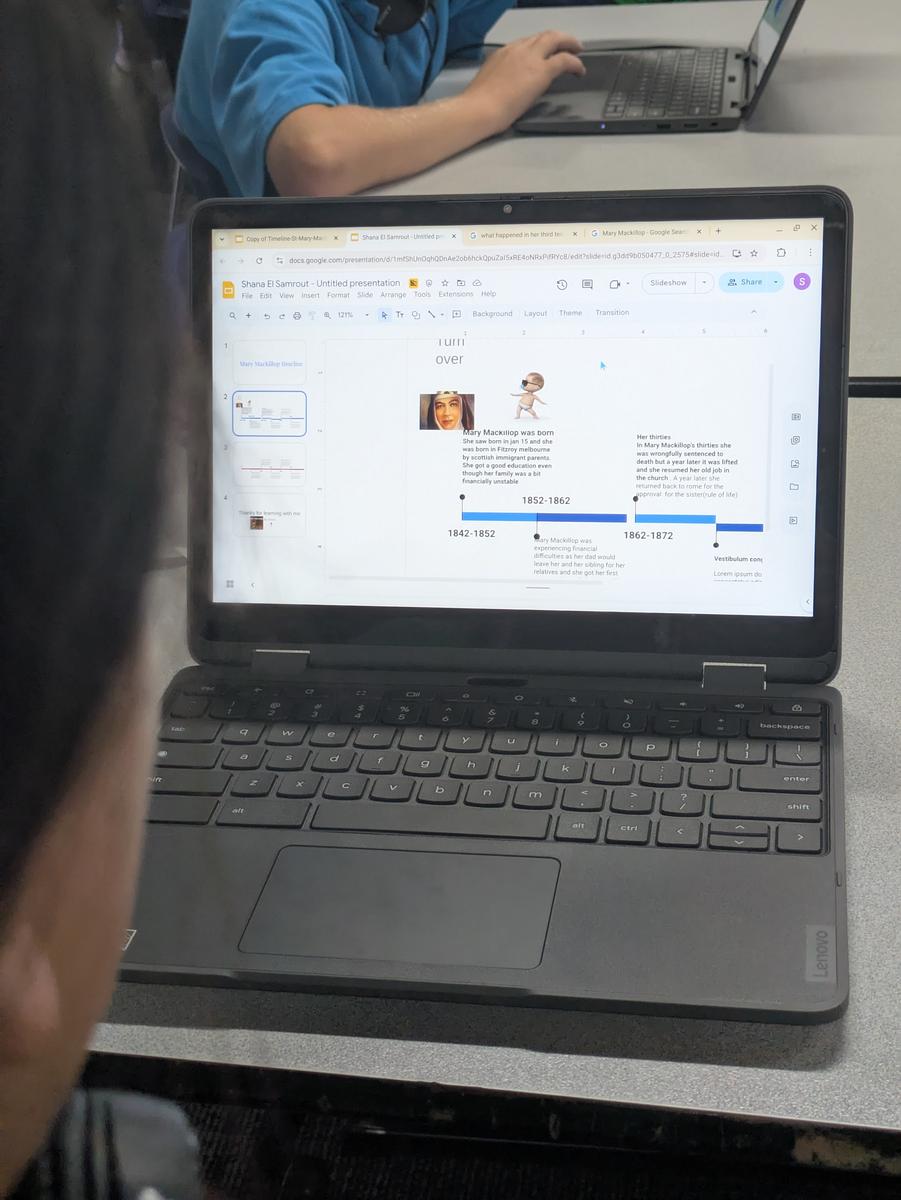
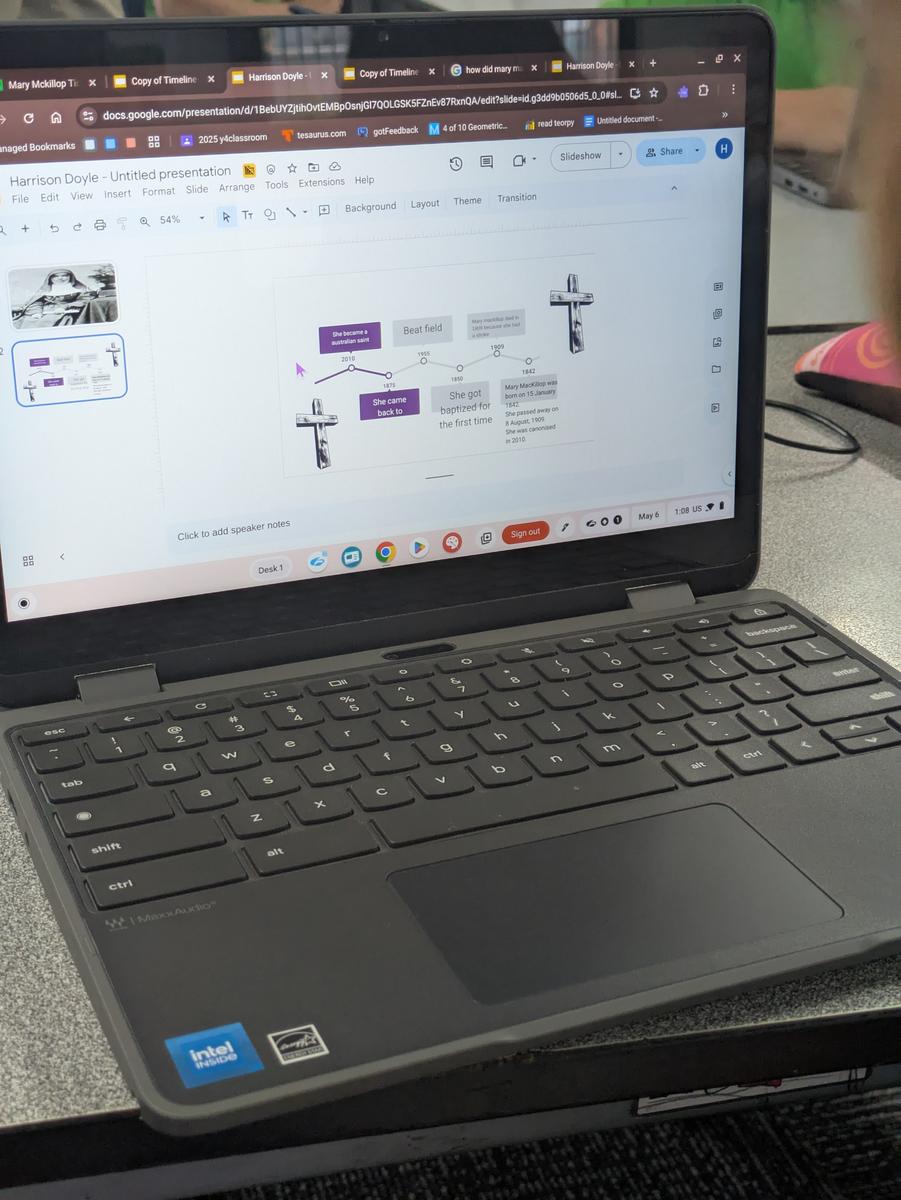
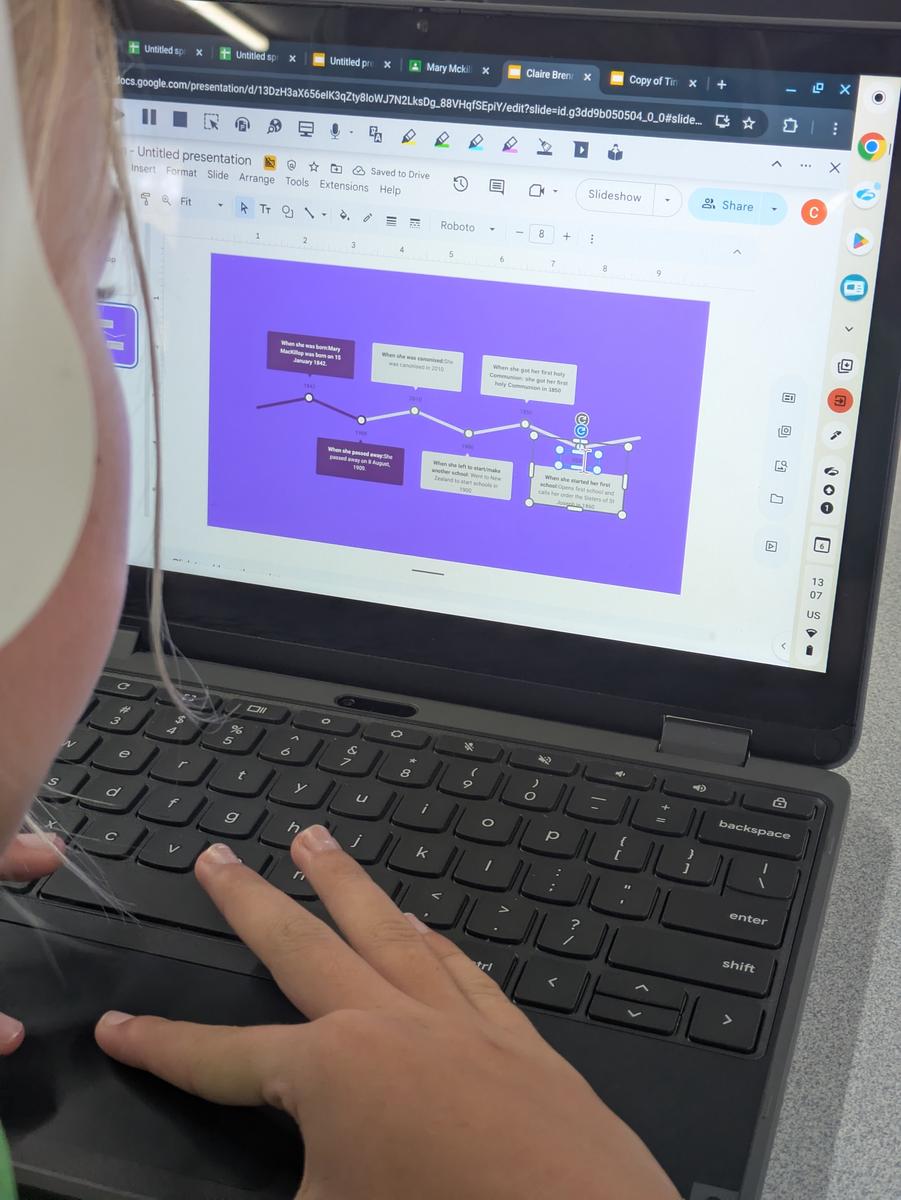
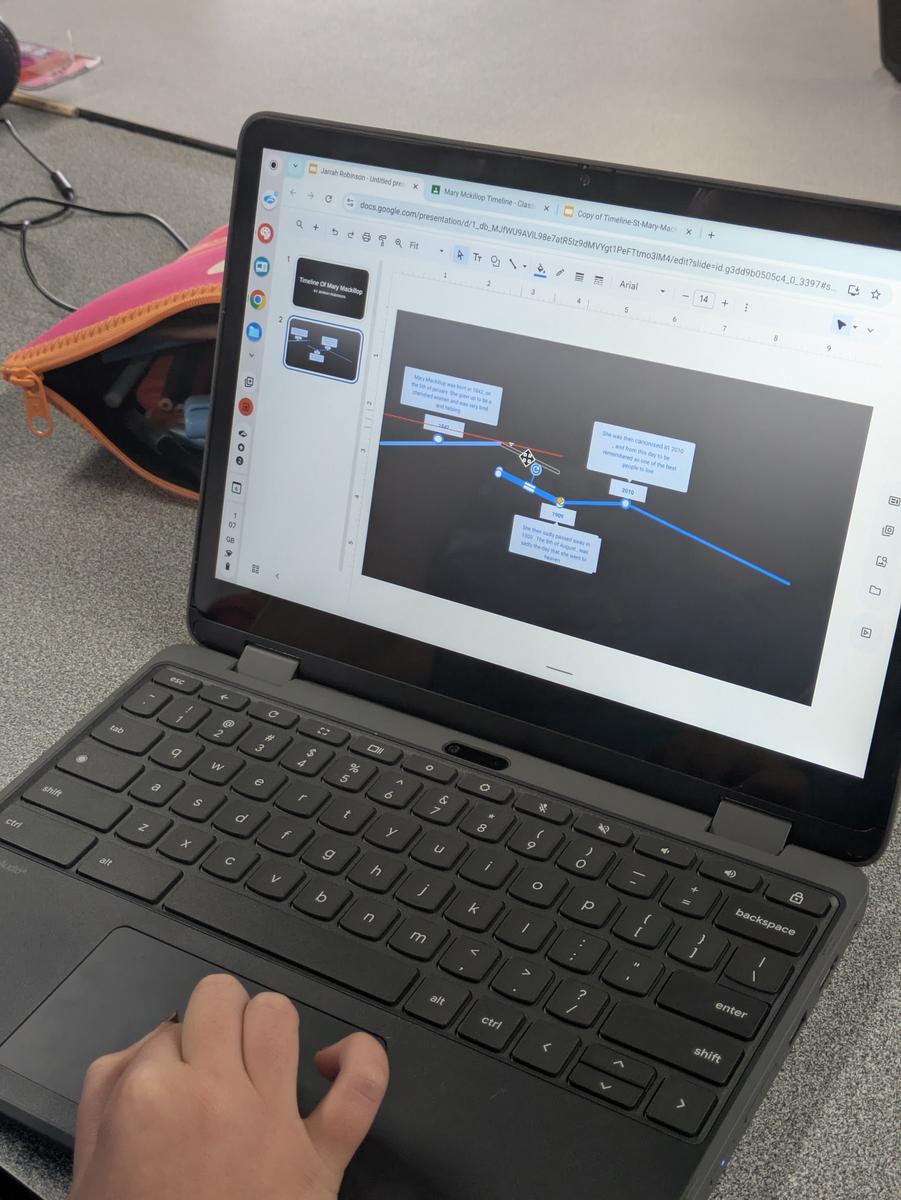
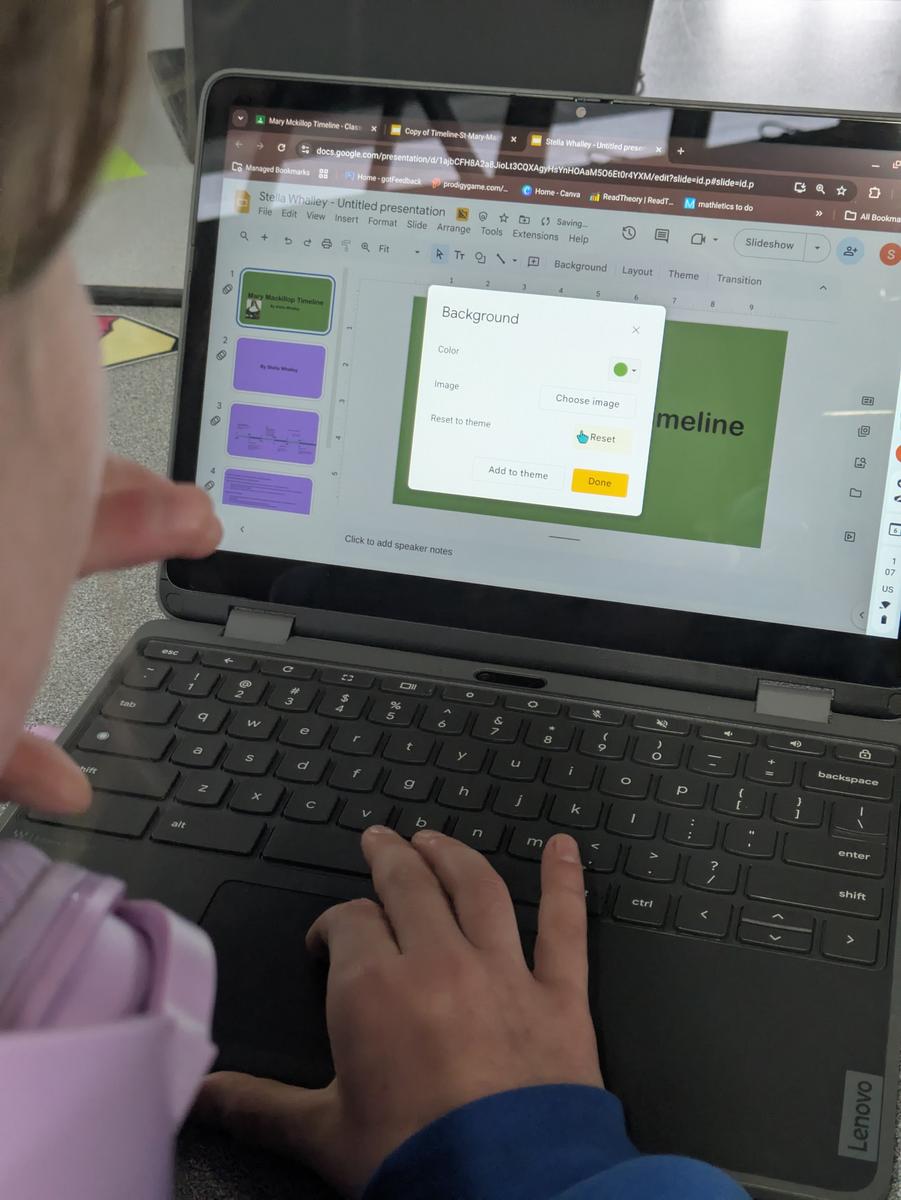
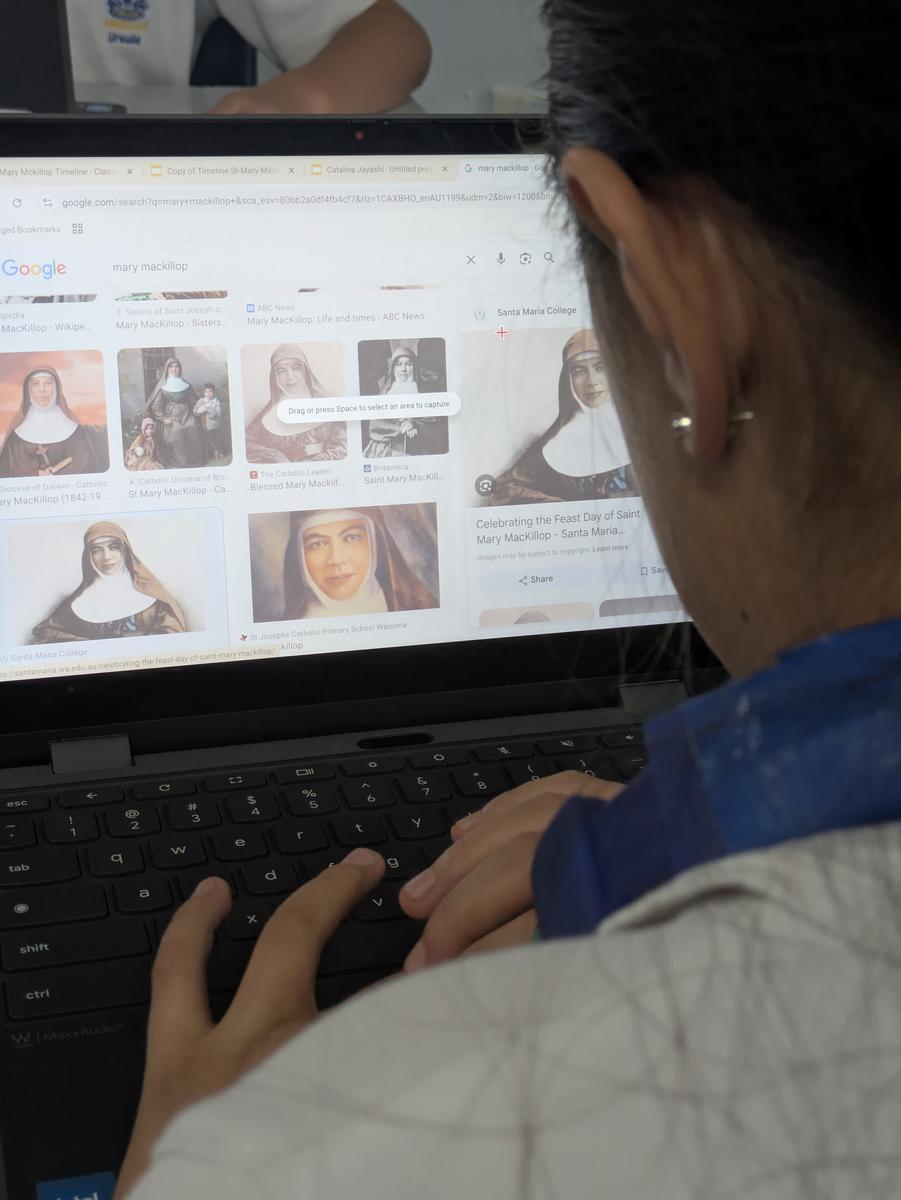
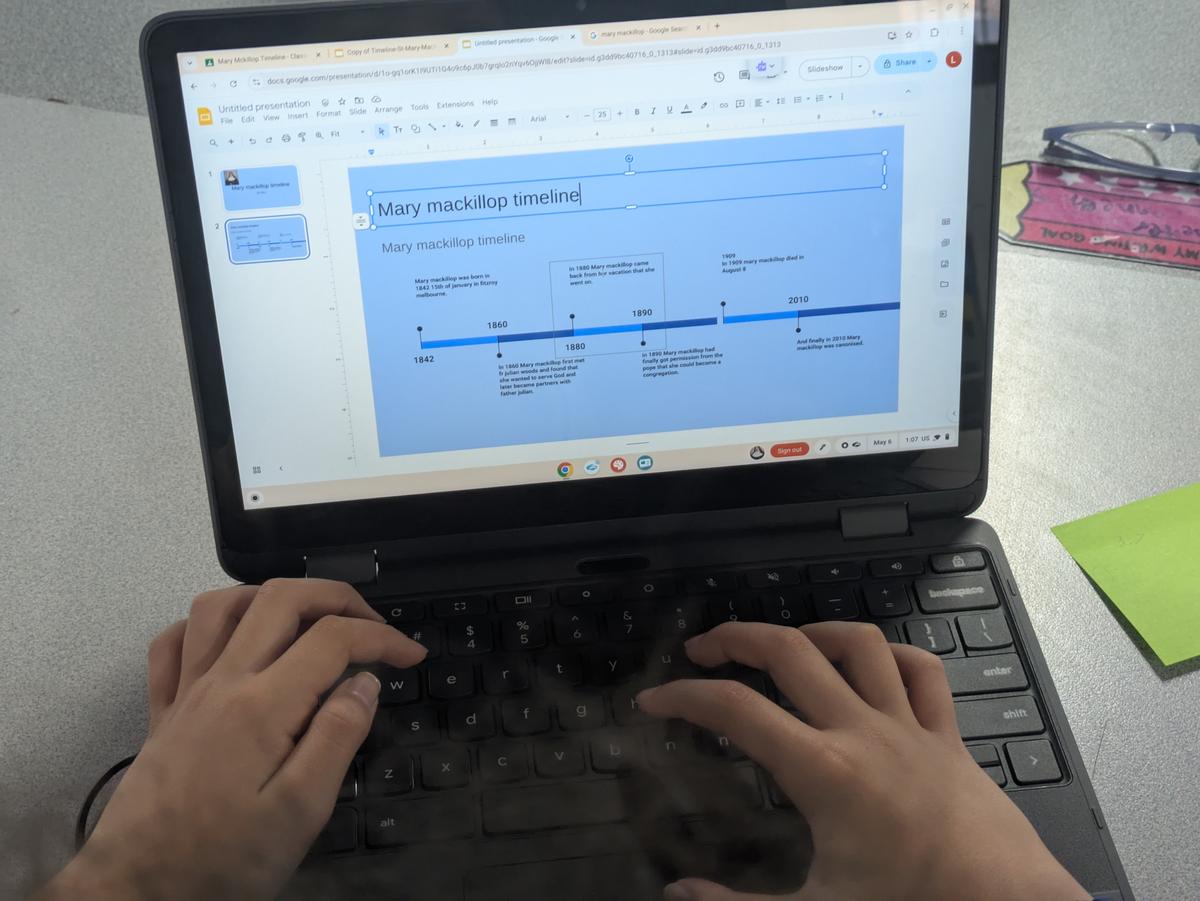
In Mathematics, students have been exploring the concept of time by creating timelines based on the life of Mary MacKillop. They sequenced significant events from her life in chronological order and used key dates to develop their understanding of timelines, past events and the passing of time. Students engaged thoughtfully with this activity and enjoyed learning more about her life and contributions while applying their mathematical understanding in a meaningful context.
Living Well, Learning Well:
As part of our Living Well, Learning Well focus in Weeks 1 and 2, students created a “Shout Out Wall” to promote positivity and a strong sense of classroom community. This space allows our young learners to recognise and celebrate the efforts, kindness and achievements of their peers. It has been wonderful to see students taking time to acknowledge one another, use encouraging language, and spread positivity throughout the classroom. This ongoing activity is helping to build a supportive environment where every student feels valued and included. This ongoing activity has been an absolute hit with the kids and is helping to build a supportive environment where every student feels valued and included.
History:
In History, students have been learning about the colonisation of Sydney and Coffs Harbour. They have been exploring how early settlement began, the impact of colonisation on these areas, and how life changed over time for both settlers and Aboriginal and Torres Strait Islander peoples. Students have been engaging in class discussions and activities that help them develop an understanding of different perspectives and the lasting effects of these historical events. This learning has supported students to build their knowledge of Australia’s history and how our communities have developed over time.
Religion:
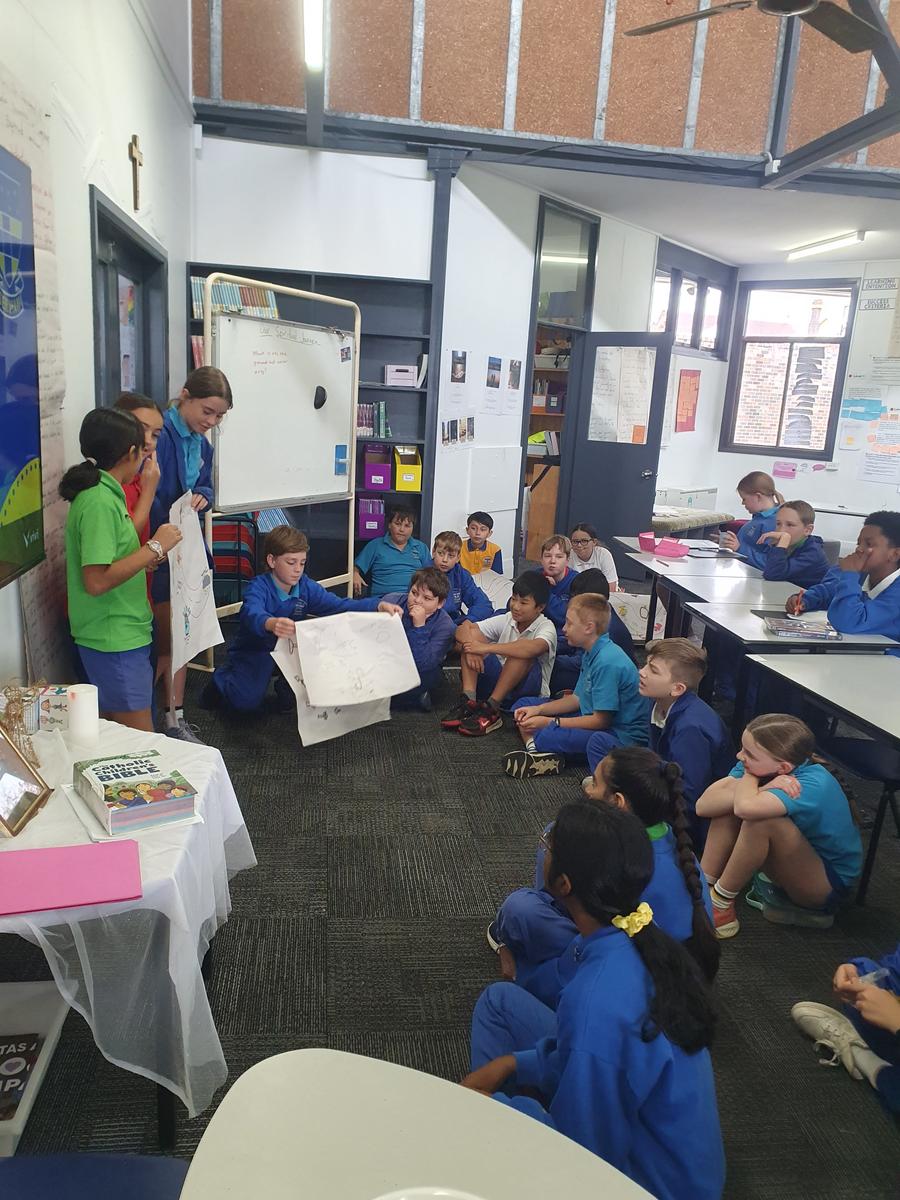
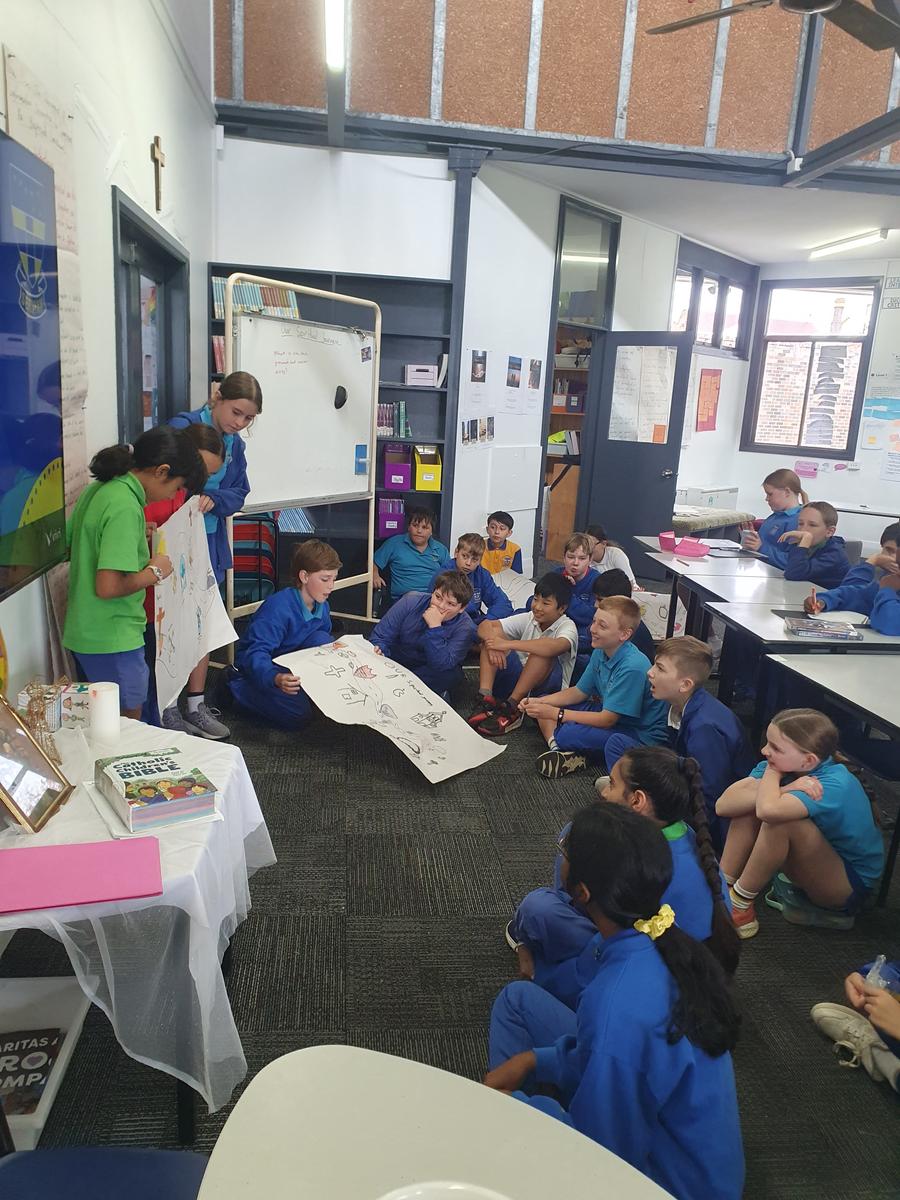
In Religion, students have been learning about the Easter Vigil and its symbols, including the significance of the Paschal Candle. They have explored how the Easter Vigil celebrates Jesus’ Resurrection through meaningful rituals of light, scripture, and renewal, and how the Paschal Candle represents Christ as the light of the world and the hope of new life.
English:
This week, students have been working very well on persuasive writing. They have been learning how to clearly express their opinions and support them with reasons and examples, as well as how to structure their writing to persuade a reader effectively. They then completed a cold write, applying all the skills they have developed over the past few weeks to independently demonstrate their understanding of persuasive writing. This reading unit focuses on perspective and argument, with an emphasis on how meaning is shaped in texts. Students explore how context, code and convention, point of view, representation, and character all influence the way texts are understood. They are learning to identify different perspectives and how authors use language and characters to present arguments and shape meaning for the reader.
Term 2 Overview | |
| Religion |
This term, students will explore the Sacrament of Confirmation, investigating how it serves to complete the grace received at Baptism and provides believers with the strength of the Holy Spirit. They will research the rich symbols and rituals of the ceremony to understand its deep significance within the life and traditions of the Church.
This term, students will immerse themselves in the Synoptic Gospels (Matthew, Mark, and Luke) to discover how these unique accounts portray the life and story of Jesus Christ. They will explore how these sacred texts continue to guide the Christian community in nurturing a deeper, more personal relationship with God. |
| English | Learning Focus: Writing
Learning Focus: Reading
|
| Mathematics | Learning Focus:
This term, students will develop their mathematical reasoning by exploring how different concepts connect and applying various techniques to solve real-world problems. A key focus will be on Data Literacy, where students will learn to construct accurate graphs using scaled data and interpret complex displays, including timelines and line graphs, to draw meaningful conclusions.
In Mathematics this term, students are strengthening their "maths fluency" by learning how to connect different concepts and clearly explain their problem-solving steps. We are focusing heavily on Rational Numbers, specifically helping students master the relationship between fractions, decimals, and percentages.
This term, students are expanding their spatial reasoning by learning to navigate the coordinate plane. They will focus on developing mathematical fluency by connecting these geometric concepts to real-world mapping and problem-solving, while learning to communicate their logical thinking with clarity.
In Mathematics this term, students are building their fluency by connecting mathematical concepts to the practical world of time management. We are focusing on Time and Duration, ensuring students can confidently navigate various time formats and calculate the time elapsed between events.
This term, students are refining their mathematical fluency by connecting measurement concepts to real-world applications. They will focus on Length and Perimeter, learning how to select the most efficient tools and units to measure everything from small objects to large distances. |
| Science & Technology | Learning Focus - Changes to Earth’s Surface |
| HSIE (Human Society & its Environment) | Learning Focus - Australian as a Nation |
| Creative Arts | School Art Show Pieces - Picasso’s Pet Fish, Van Gogh’s Vase Music - Choir (Thursdays) |
| PDHPE (Personal Development & Physical Education) | Learning Focus: (Wednesday) PE - Athletics and Cross Country PDH - Promoting Connections |
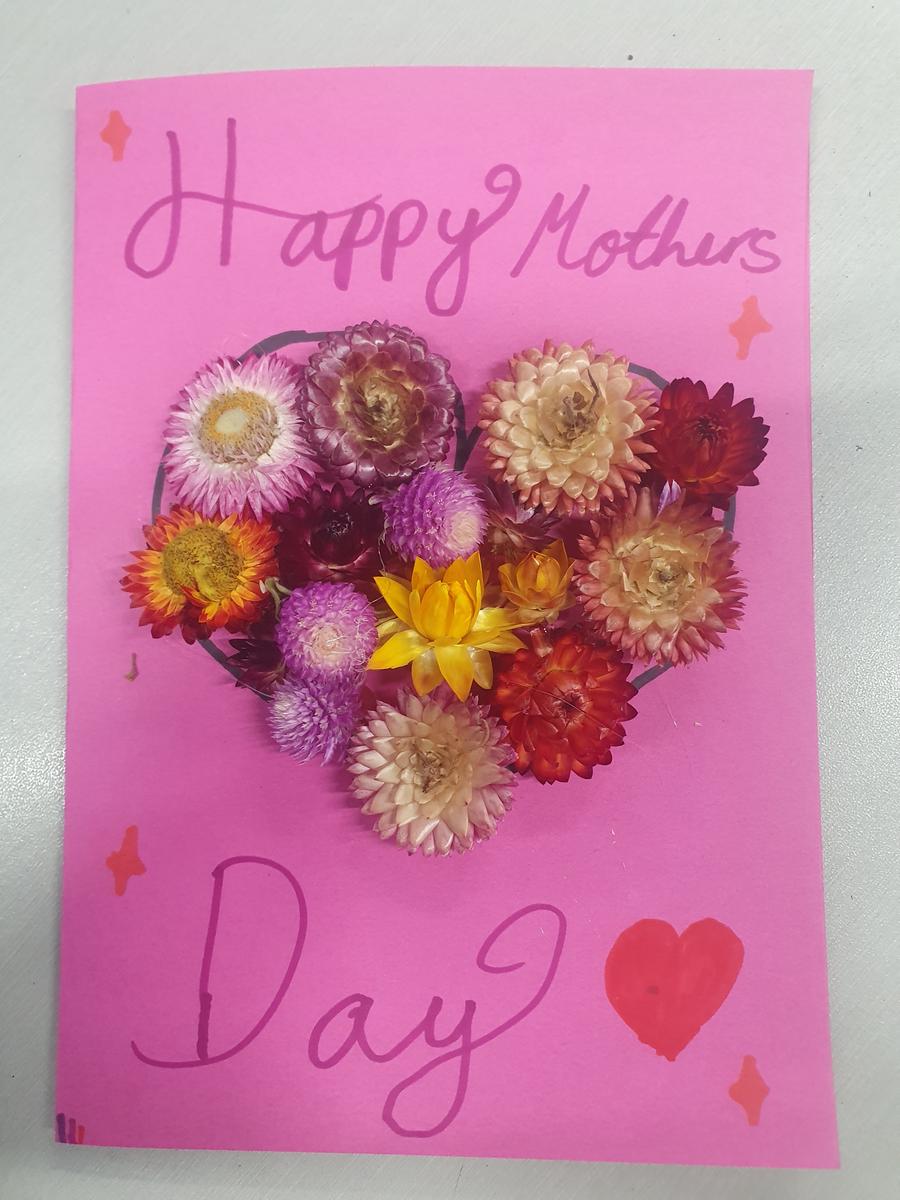
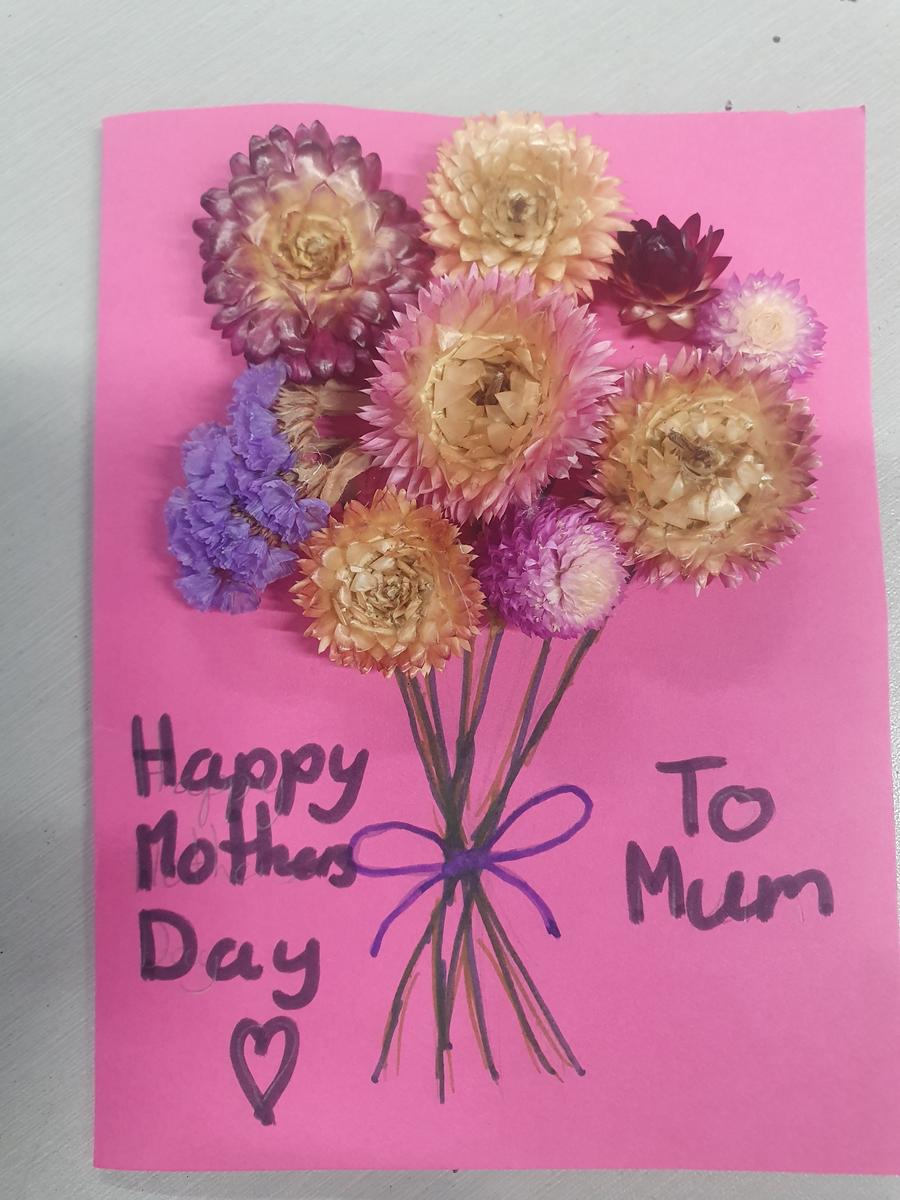
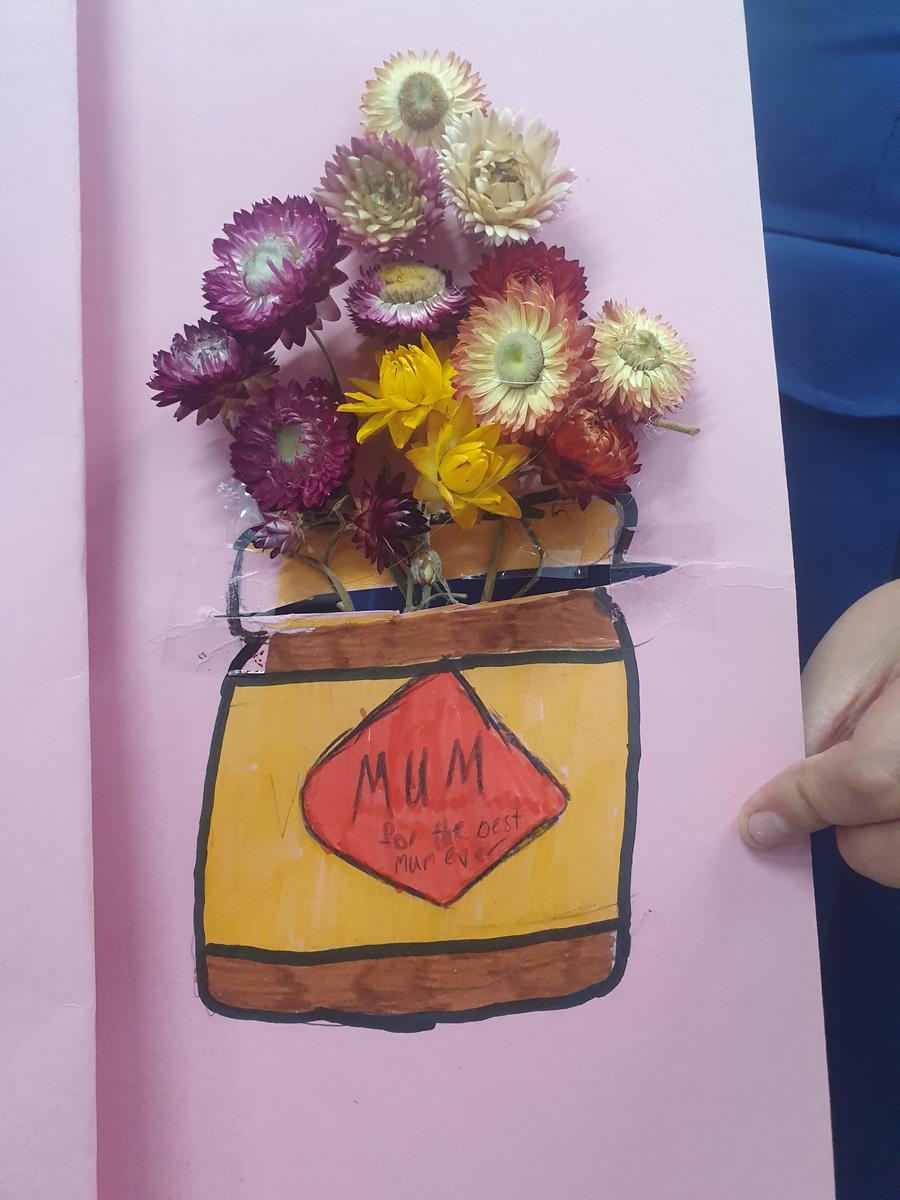
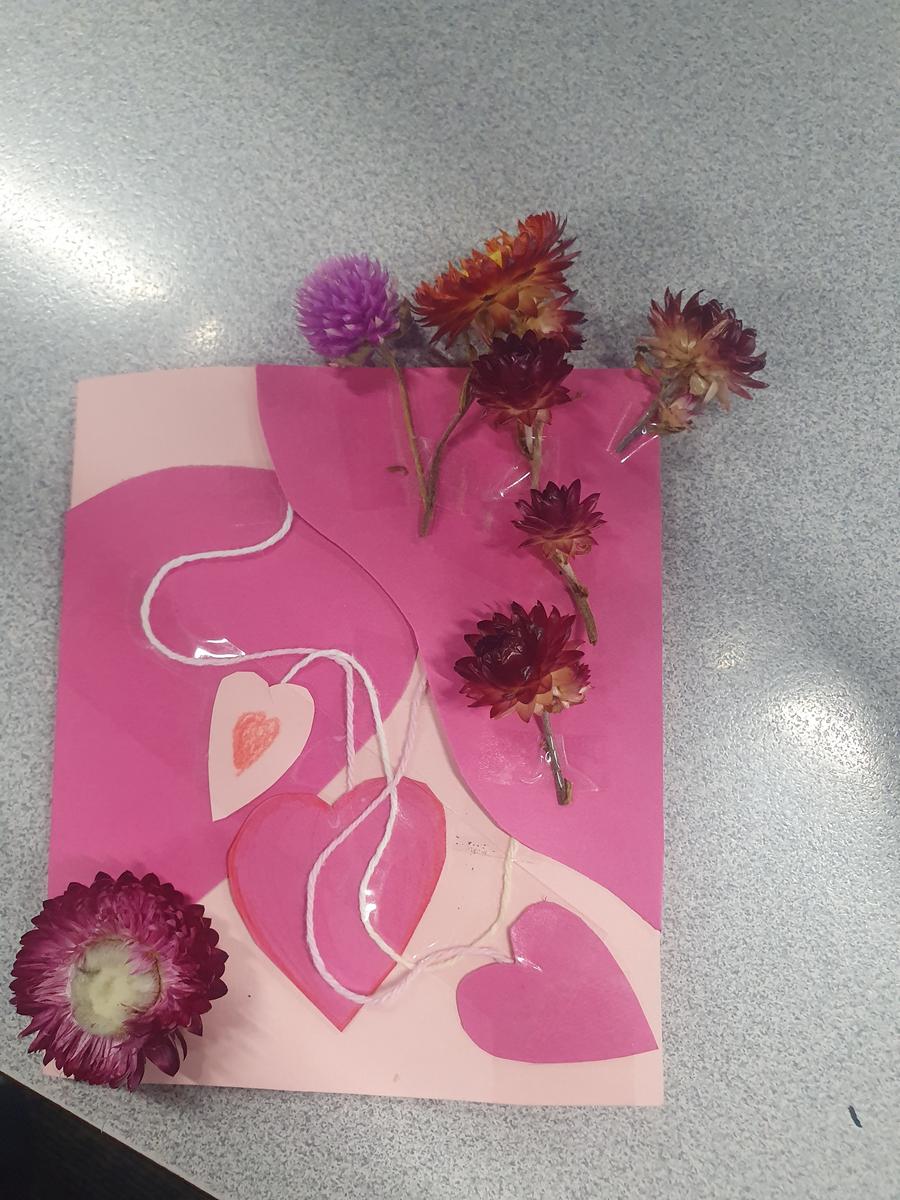
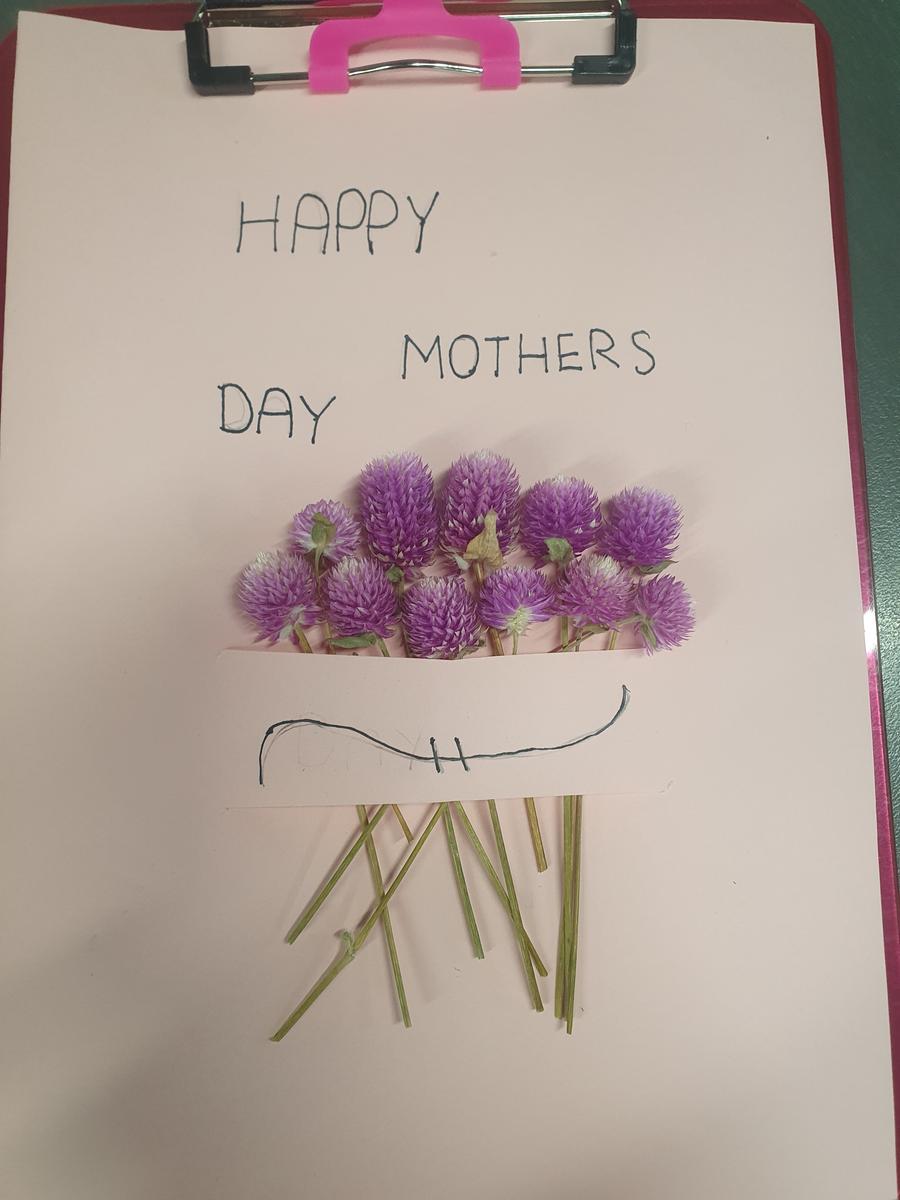
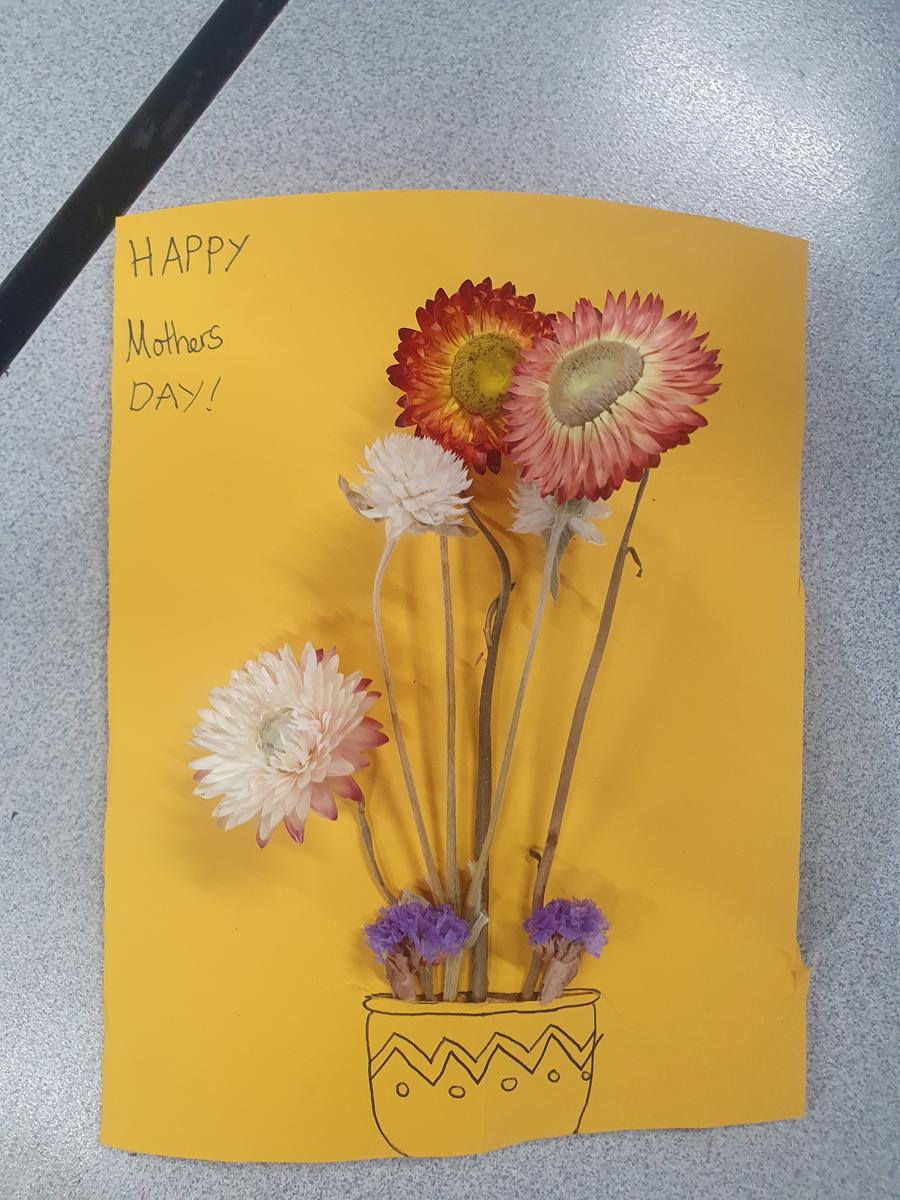
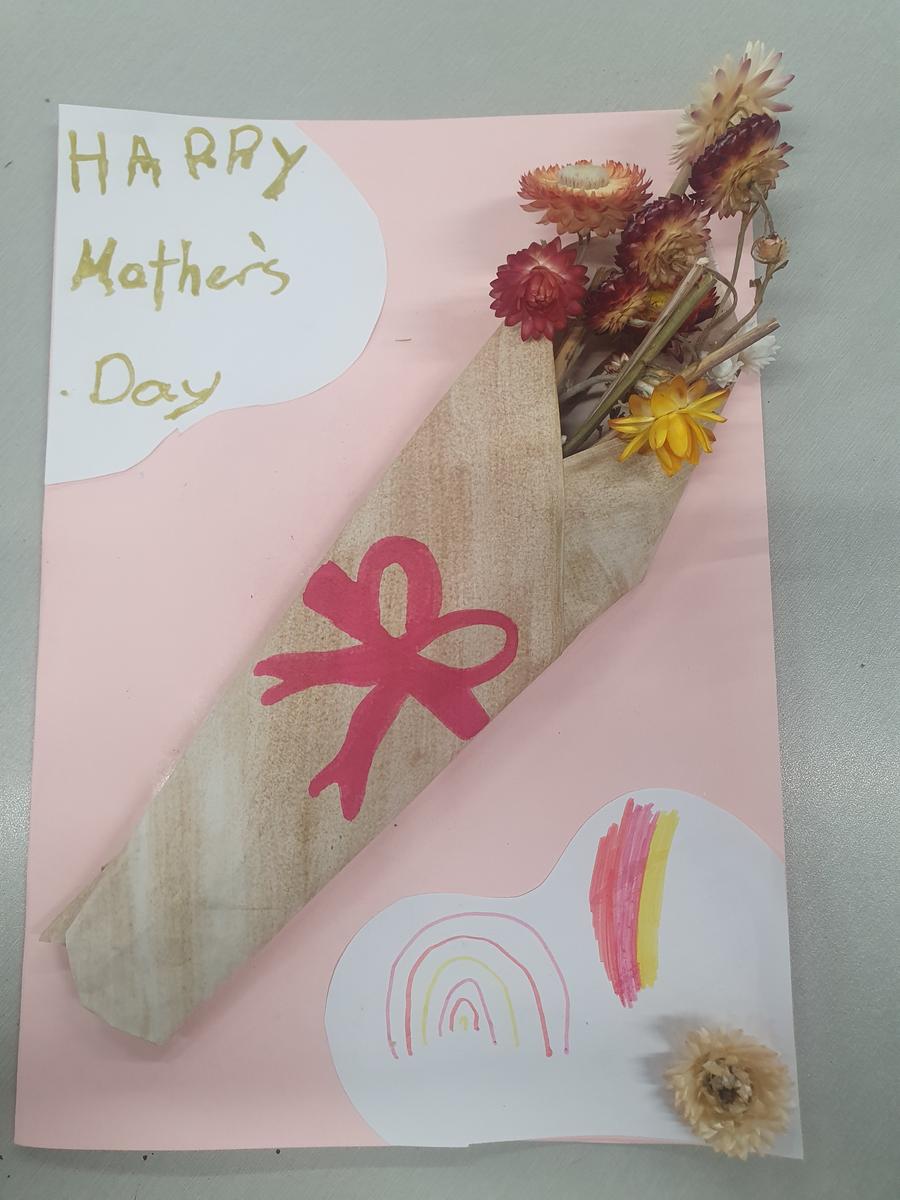
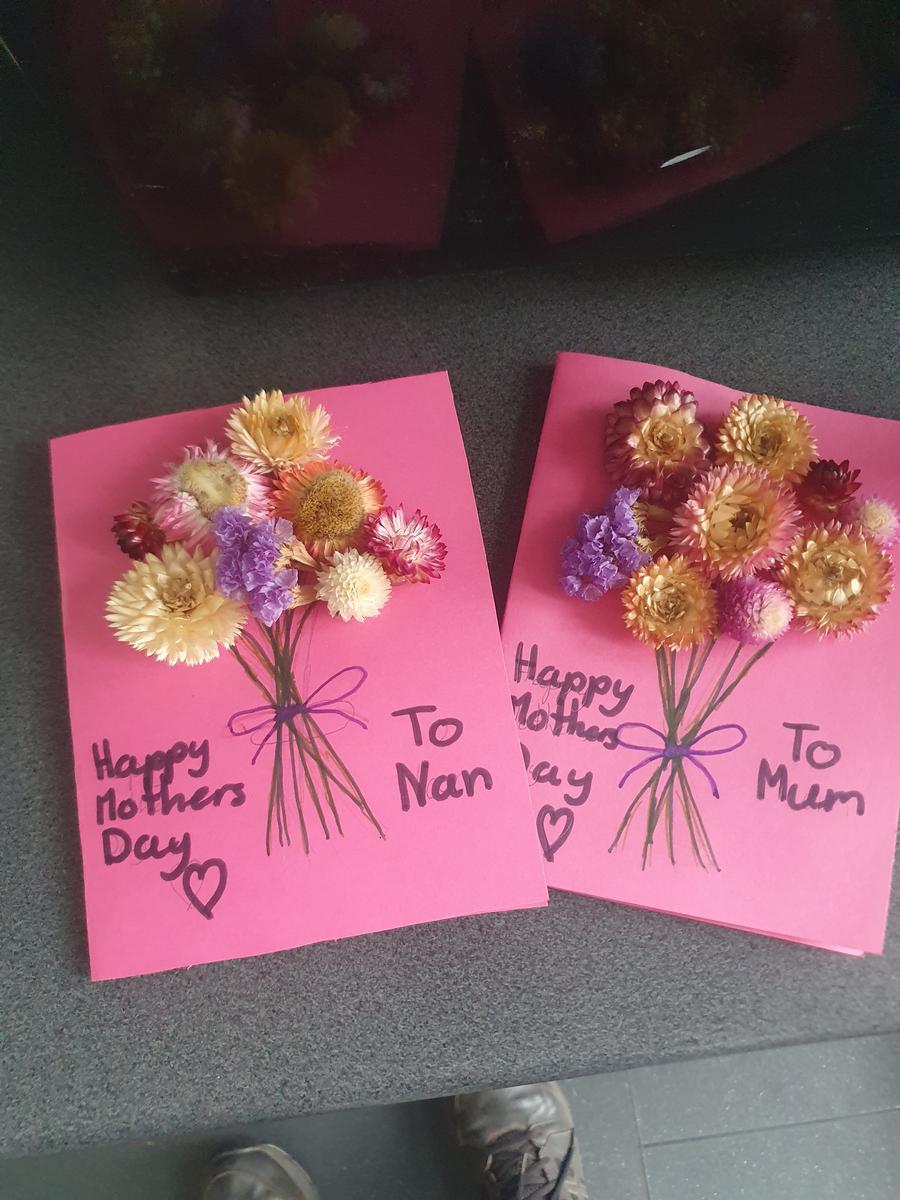
Mothers Day
The Rabbits
In The Classroom
Gymnastics
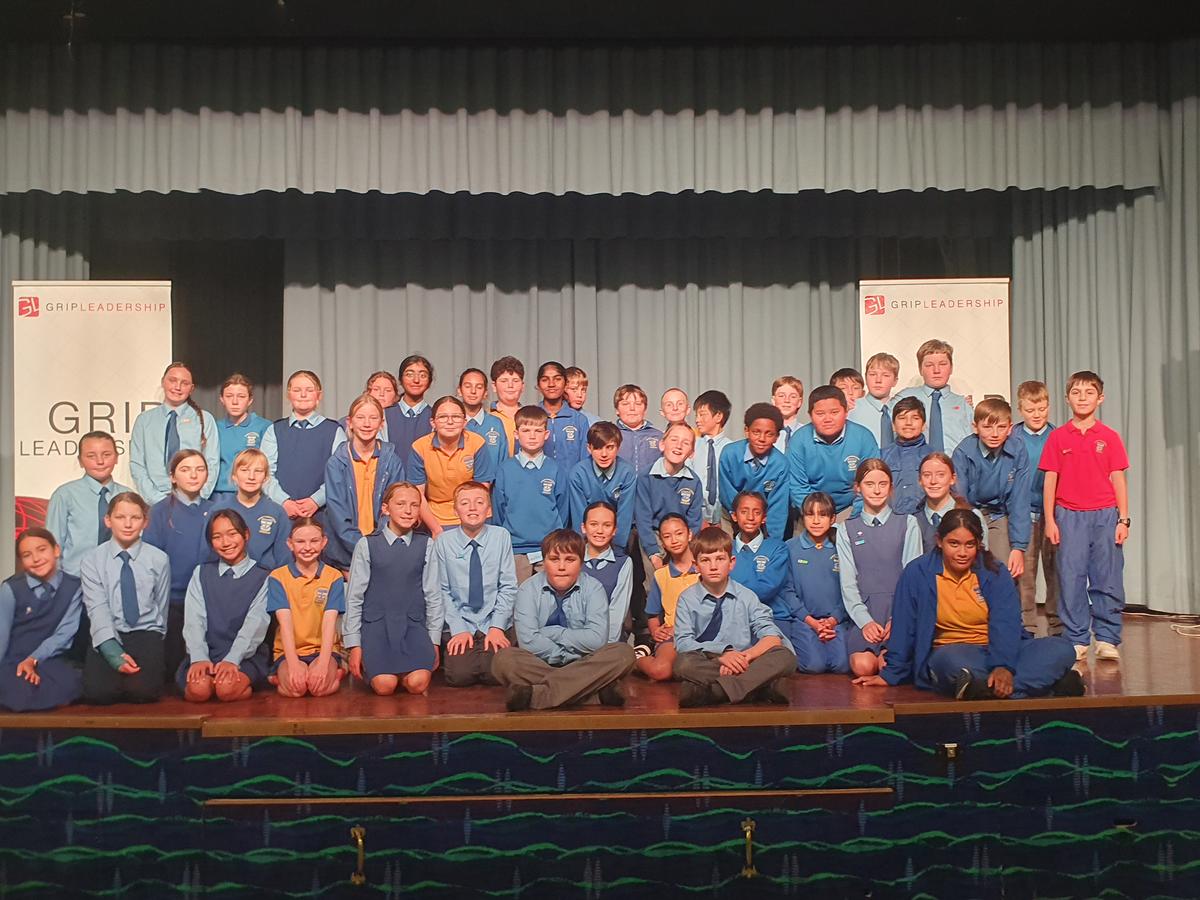
GRIP Leadership Day