Wellbeing

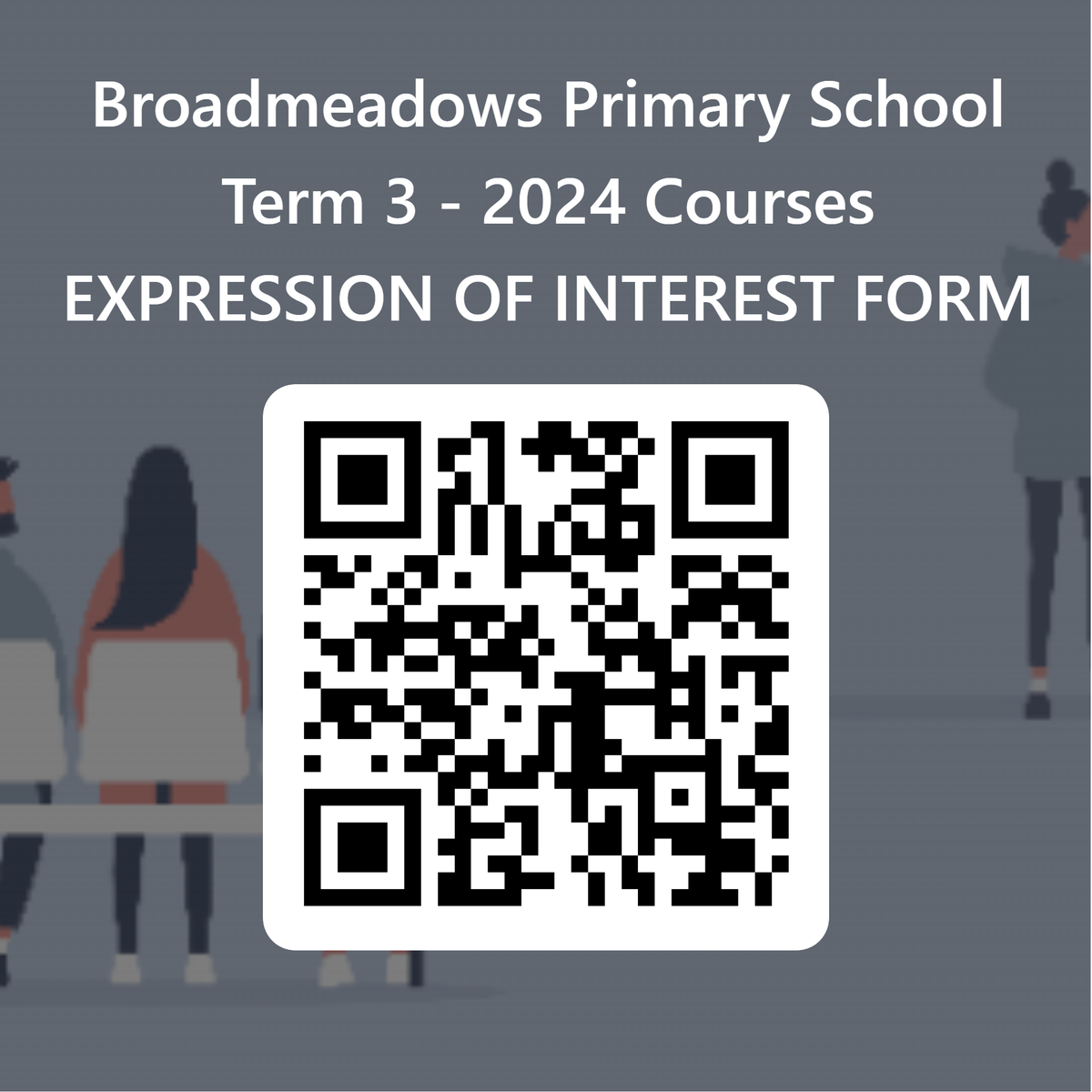
A further opportunity to use this QR code to access the expression of interest form for a few workshops the school is planning to facilitate next term (Term 3) with Banksia Gardens Community Services. We have had some responses already which has been fantastic and we will be in contact next week to start planning.
As part of SEL (Social and Emotional Learning) and The Resilience Project (teachers and students engage in weekly lessons and activities around the key principles of Gratitude, Empathy, Mindfulness (GEM), and Emotional Literacy to build resilience) in
this newsletter we wanted to focus on empathy and the importance of kindness (one of our school values). As we know kindness improves relationships.
Working on empathy helps us to identify, understand and feel what another person is feeling. When we show empathy or we do something kind for someone else our brain releases oxytocin. This leads to increasing our self-esteem/confidence, energy levels, positivity and overall happiness.
With the school holidays approaching you might consider doing this whole family activity:
Neighbourhood Kindness Challenge
As a family, choose an act of kindness from the list below that you would like to do for a neighbour or family friend. Each family member can select one to commit to, or you can choose to do one together. Some examples include;
- Cook them something delicious like a cake, bread or cookies.
- Write a note to put in their letterbox thanking them for being a great neighbour or friend.
- Design them a Thank You card.
- Pick or buy some flowers to deliver to them.
- Choose a little plant from your garden to give them.
- Make them a gift from things around your house.
- Offer to do a job for them, like put their bins out (rubbish collection day) or water their garden/plants.
- Invite them over for afternoon tea.
- Invite them on a walk.
- Recommend one of your favourite books to borrow and read.
- Ask them if they need anything from the shops next time you buy groceries.
- Say hello next time you see them, and ask them how their day is going.
Feel free to do more than one and spread the kindness even further! Report back to each other and share how your acts of kindness were received, and how doing them made you feel.
You might also like to share your acts of kindness with your teacher and class.
Family habit builder:
Every night at dinner, have each person thank another family member for something they’ve done or said today, or give another family member a compliment.
School Holiday Programs:
A further reminder to have a look at the flyers attached to see what is going on in the Hume Libraries Holiday Program from 1 July - 14 July. Also attached is the Hume Winter School Holiday Program for young people aged 10 - 18 years and also a few activities for young adults (18-24 years). You will need to book in as some activities have already booked out!
For some young people, school holidays can be challenging. It can feel as though they have been taken away from their usual routine of attending school, seeing their teachers and classmates. Also, they may not get to see their friends as often as they would like to. This can leave them feeling bored, unsupported, upset and sometimes anxious. It’s important to stay healthy and look after oneself. There are a number of ways to help young people do this, for example;
Eat Well: It’s important to have a good balanced diet with less of the bad things (like junk food and lots of sugar) and more of the good things (such as veggies, fruit, whole grains and water). This can help with sleep, energy levels and general health and wellbeing.
Sleep Well: Getting a good night’s sleep helps you feel energised, focused and motivated. Developing a sleeping routine can help you sleep much better. To do this, try to wake up around the same time each day, get out of bed when you wake up and go to bed around the same time each night.
Be socially active and get involved: Social relationships are really important to your general wellbeing. Spending time with friends is also really important for keeping and building on existing friendships. Getting involved with hobbies, clubs or sports can help you feel connected to your wider community while also meeting new people.
Play: Play is important for staying mentally healthy. Devoting time to just having fun can recharge your battery, revitalise your social networks and reduce stress and anxiety.
Please kindly find attached a link to youth and adult well-being supports for your information;
We would like to wish all the BPS staff, students and their families an enjoyable and safe school holiday and look forward to seeing you in term 3. Stay warm and healthy!
Thank you
Leader / Social Worker: Mrs Linda Coughlan
Disability Inclusion Officer: Ms Concetta Cerra
Play Therapist: Ms Elly Levis
Student Counsellor: Ms Fatima Ghazzaoui
Speech Pathologist: Ms Jane Hill Watersons