
Pastoral Care

How to support positive peer relatioinships among young people in online spaces
Student ID Cards
School Opal Cards
Parent webinars
How to support positive peer relationships among young people in online spaces

As we navigate the challenges of the digital age, I wanted to share insights from a recent seminar I attended on fostering positive peer relationships in online spaces for teens. These key takeaways offer practical ways for both home and school to collaborate in guiding our boys through the safe use of social media.
In today's world, social media is an integral part of our daily lives, and it will continue to play a significant role in your son's experiences. As they grow older, there is a natural inclination for them to rely more on peer connections than familial bonds. Research indicates that cultivating positive peer relationships, whether online or in person, has positive mental health effects for teenagers. By encouraging safe online interactions, we can help our young people feel more connected and develop a stronger sense of self and values.
However, we acknowledge the challenges associated with managing social media and online activities. It is crucial for us, as trusted adults, to engage in open and non-judgmental conversations with your sons about the responsible use of technology. Research emphasises that one of the key protective factors for adolescents using social media is maintaining open and honest communication with a trusted adult. While it is normal for parents to react emotionally when misuse occurs, creating a safe and honest dialogue with young people is essential to prevent them from becoming secretive in their online activities.
I encourage you to discuss and work through the following areas with your son:
Setting appropriate and negotiated limits for online activities.
Modelling responsible use of technology and social media.
Highlighting the positive aspects of online interactions in fostering healthy peer relationships.
Discussing strategies for managing negative online experiences.
Utilising the resources provided by the e-safety commissioner, available at https://www.esafety.gov.au/.
By addressing these topics together, we can work collaboratively to help you sons navigate the online world in a safer manner and continue to develop positive peer relationships.
Mr Jack Kovacic - Year 10 Pastoral Leader
Student ID Cards
LAST WEEK TO GET A STUDENT ID CARD
All students are expected to carry their student ID card while at school. This card enables them to sign in, make purchases at the canteen through their FlexiSchools account, sit examinations or participate in other school‑based activities. If your son does not currently have a card, he must visit the front office by the end of Week 5 to receive a free replacement. Any student who does not have a card after this grace period will be charged $10 and may face further sanctions.
School Opal Cards
All students are required to have a School Opal Card and to tap on and off when travelling to and from school. These cards are subsidised by the NSW Government and may be free, depending on the distance from your home to school. Please see the information below from Transport NSW on distances required for eligibility for a free card.
If your son does not have a card, please apply using the link below.
Tapping on and off ensures that we have enough public transport, especially buses allocated for our students.
You need to live a minimum distance from your school to be eligible for a free school travel pass. The minimum distance varies according to the year/grade you are enrolled in, in that calendar year:
Years 3 to 6 (Primary): 1.6 kilometres straight line distance or 2.3 kilometres walking or further from home.
Years 7 to 12 (Secondary): 2 kilometres straight line distance or 2.9 kilometres walking or further.
From Transport NSW website
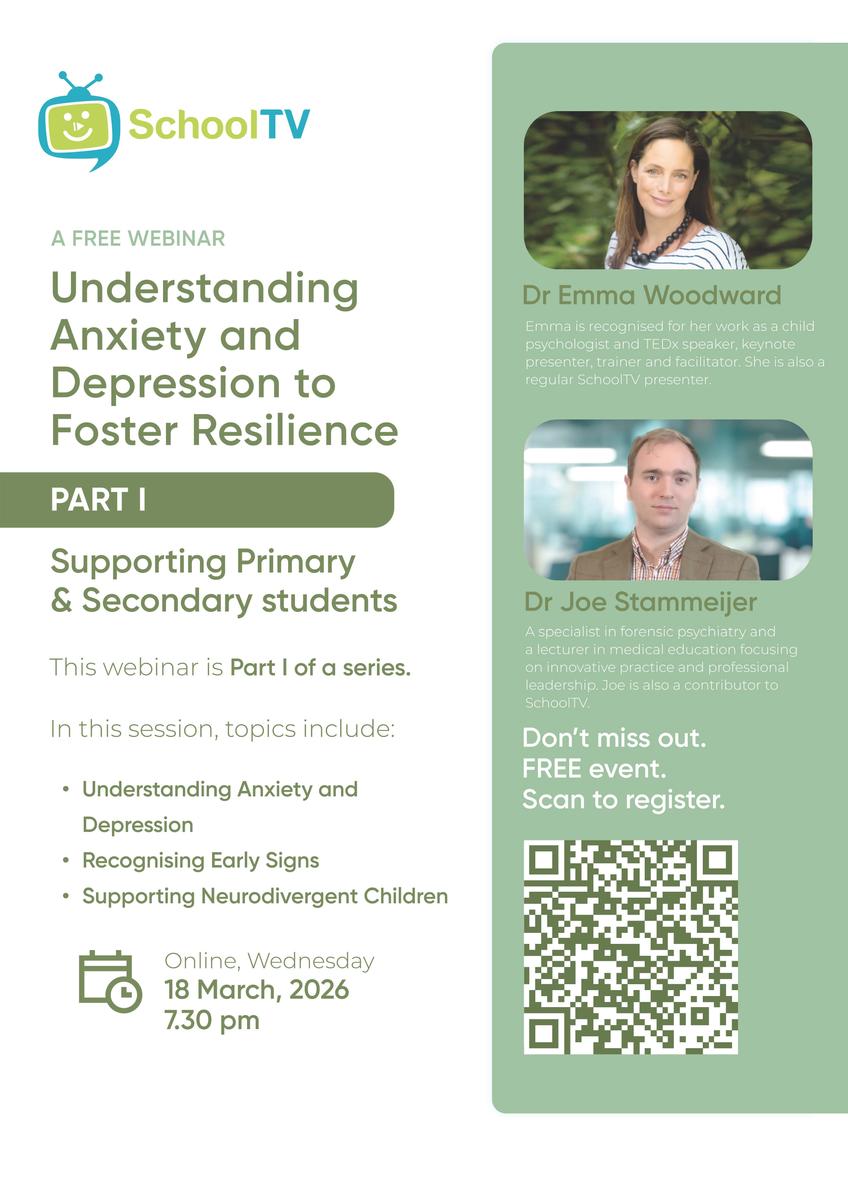
Free Webinar - Understanding Anxiety and Depression to Foster Resilience
Webinars empowering parents and carers to support teen mental health
The Black Dog Institute are offering free mental health webinars designed to provide practical tools, strategies and insights to help them support the young people in their lives.
Upcoming dates:
Monday 23 March @ 7:00 pm (AEDT) Register here
Tuesday 28 April @ 7:00 pm (AEST) Register here
Tuesday 26 May @ 7:00 pm (AEST) Register here
Thursday 25 June @ 7:00 pm (AEST) Register here
Mr Martin Gillogly - Assistant Principal, Pastoral Care