
Student Health & Wellbeing
World No Tobacco Day Pop-Up Event
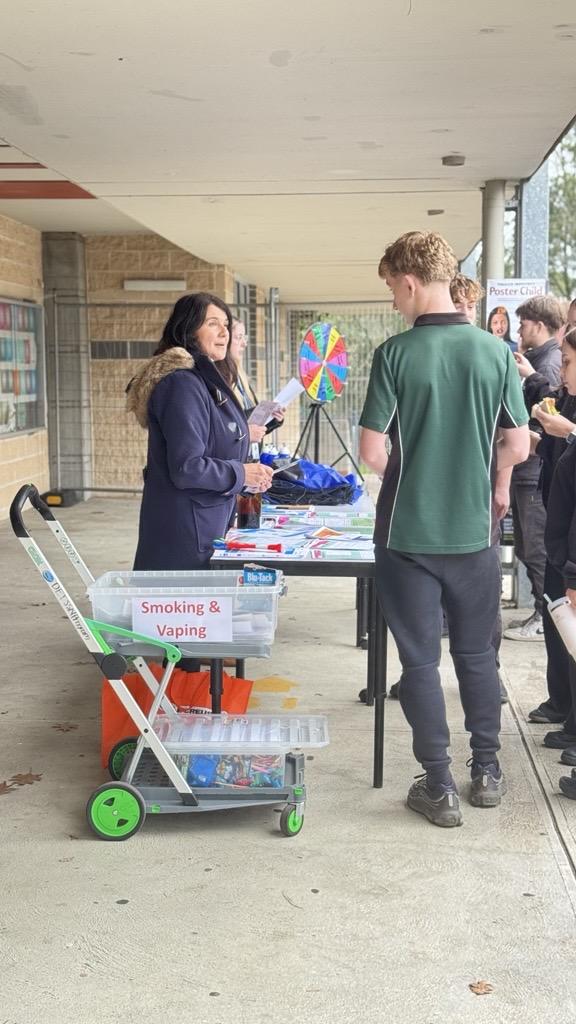
This week, students had the opportunity to visit a pop-up event run by our Secondary School Nurse, Anna, in partnership with Monash Health, to recognise World No Tobacco Day.
Observed each year on 31st May, World No Tobacco Day raises awareness about the health risks associated with smoking and vaping, while encouraging people to make informed choices about their health and wellbeing. The day also highlights the importance of education and support in preventing tobacco and vape use among young people.
Throughout the lunchtime event, students were able to speak with health professionals, ask questions and learn more about the effects vaping can have on the body and overall wellbeing. The interactive display provided important information in an engaging and supportive environment, helping students better understand the risks associated with vaping and nicotine products.
Thank you to Anna and Monash Health for providing this valuable opportunity for our students and helping to promote positive health choices within our school community.
Mindfulness Tuesdays for Students
Protecting against mosquito-borne diseases
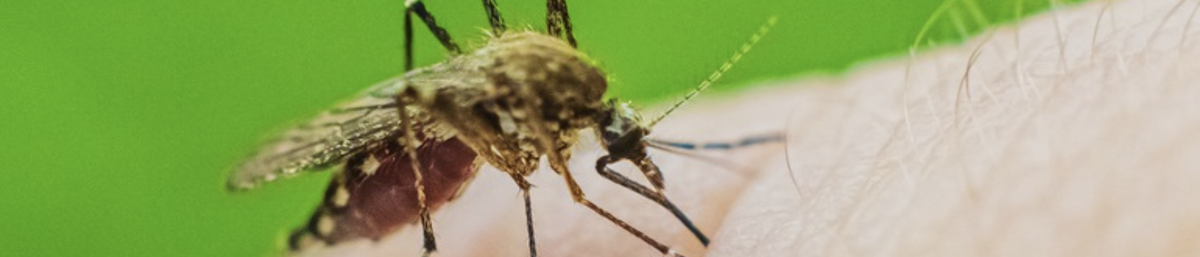
Some areas in regional northern Victoria are experiencing a longer mosquito season this year due to recent flooding. While the overall risk is currently low, some mosquitoes may be carrying diseases that make people sick.
The best protection against mosquito-borne illness is to avoid mosquito bites. The free Japanese encephalitis vaccine is also available for more Victorians.
Free Japanese encephalitis vaccines
Japanese encephalitis virus is spread to humans through bites from infected mosquitoes. It can cause a rare but potentially serious infection of the brain.
The free Japanese encephalitis vaccine is available for:
- people aged 2 months or older who live or work in eligible high-risk local government areas in Victoria
until Friday 31 July 2026, people who plan to visit high-risk areas in Victoria or interstate for outdoor recreation such as hiking, camping, caravaning or boating.
For more information:
- refer to the Department of Health’s Japanese encephalitis webpage for a list of high-risk areas
speak to your GP or immunisation provider to check if your family is eligible for a free vaccine ahead of any planned travel during the coming months.
How to help prevent mosquito bites
To help protect against mosquito bites, families can:
- cover up as much as possible with long, loose-fitting, light-coloured clothing
- apply insect repellent that contains picaridin or DEET on exposed skin when outdoors
- limit outdoor activity if lots of mosquitoes are active
clean up and remove containers and items around the home that may hold water where mosquitoes may breed.
Families with any health concerns should see their doctor or phone Nurse-on-Call: 1300 606 024 (available 24 hours).
Find out more
For more information on protecting against mosquito-borne diseases, families can refer to the following Better Health Channel pages:
- Mosquitoes can carry diseases
- Protect yourself from mosquito-borne disease, including a handy checklist to help reduce mosquito breeding sites at home and resources translated into other languages
- Japanese encephalitis.
Safety alert for poisonous mushrooms

All school staff and students should be aware of the dangers of wild mushrooms. These mushrooms can grow on school grounds.
The Victorian Department of Health chief health officer issued a health advisory alert in late April, 2026. It warns about the danger of eating potentially poisonous mushrooms.
These include death cap mushrooms and yellow-staining mushrooms. These grow in metropolitan Melbourne and regional Victoria. For images, refer to the Better Health Channel Mushroom poisoning webpage.
The toxin in death cap mushrooms remains even after cooking, peeling or drying. Eating them can cause nausea, stomach cramps and liver damage. In some cases, it can lead to death.
Yellow-staining mushrooms look like field mushrooms commonly found in supermarkets. They can be harmful if eaten. Symptoms can include nausea, stomach cramps, vomiting and diarrhoea. The severity of symptoms varies with the amount eaten.
What to do if you find mushrooms on school grounds
If mushrooms are found on school grounds by students, please do not touch, but inform a staff member immediately.
Do not pick or eat wild mushrooms.
School staff should:
while wearing gloves, pick and remove any mushrooms growing
carefully place mushrooms and used gloves in a bag and put the bag in a closed rubbish bin
wash hands thoroughly.
It is imperative that no students touch any suspected mushrooms.
For further advice, contact the Victorian Poisons Information Centre on 13 11 26. The service is available 24 hours a day, 7 days a week.
Stay well this Winter
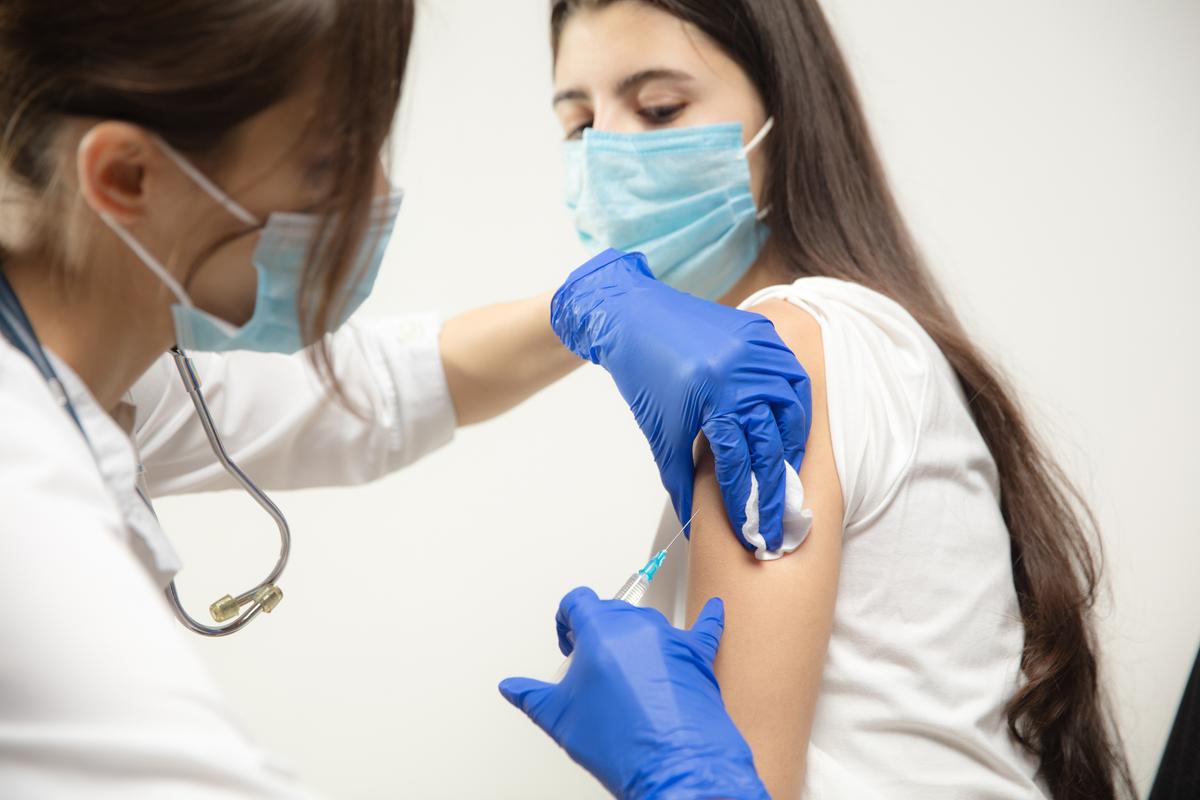
Influenza (flu) can be serious, especially for children.
Choose to protect yourself and your loved ones with an annual flu vaccine. The earlier you and your family get vaccinated, the better your protection heading into winter.
KEEPING OUR SCHOOL COMMUNITY WELL
We encourage parents and carers and students to:
wash or sanitise your hands thoroughly and regularly, particularly before and after touching your face
cough or sneeze into your elbow
stay home if unwell and consult your GP or Nurse-on-Call as needed
stay up to date with your flu vaccinations.
FLU VACCINATIONS
Flu vaccination is recommended for everyone aged 6 months and older.
Some people are more at risk of severe illness from flu, especially babies and toddlers. They can get a free vaccination as part of the National Immunisation Program.
You can book a flu vaccine through your GP or pharmacy, or find a flu vaccine near you.
RSV VACCINATIONS FOR MOTHERS AND BABIES
RSV (respiratory syncytial virus) is a common virus that causes colds and ear infections. In babies, it can cause severe illness like bronchiolitis.
The RSV vaccine is available for pregnant women as part of the National Immunisation Program. In Victoria, eligible babies can also get the RSV vaccine until Wednesday 30 September 2026.
You can speak with your GP or midwife about the vaccine.
FIND OUT MORE
For more information about staying well this winter, refer to:
your GP, pharmacist or midwife
the Better Health Channel – Don’t risk the flu campaign, including information about flu and other vaccines. This information is available in different languages
the Better Health Channel – RSV vaccine for mothers and infants
the Raising Children Network – influenza, COVID-19, bronchiolitis and helping your child prepare for vaccination.
Doctors at Secondary Schools Program
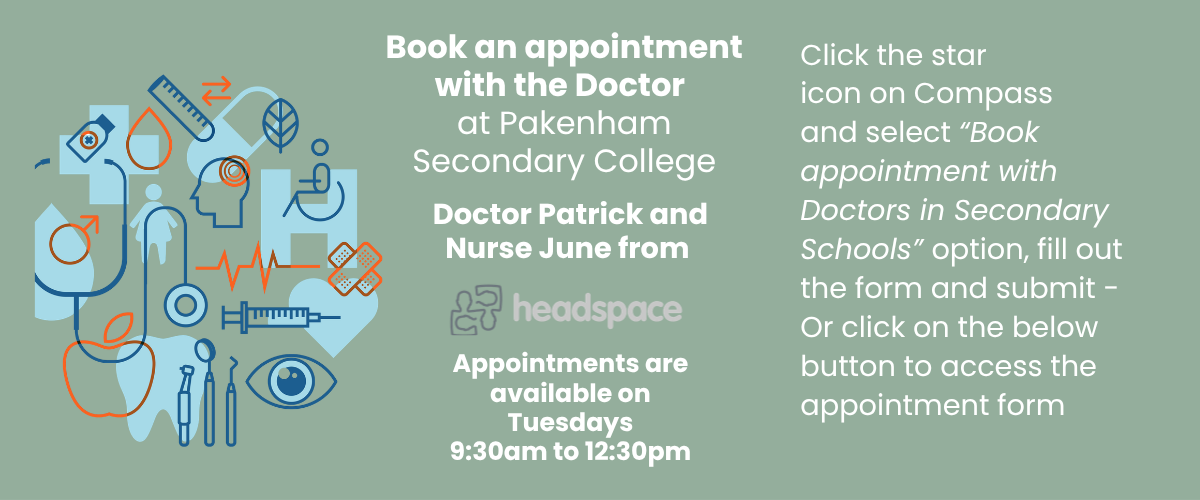
Pakenham Secondary College is part of the Doctors at Secondary Schools Program. As part of the program, Dr Patrick Halton, a Headspace adolescent-trained GP, will be at the school every Tuesday from 9:30am until 12:30pm, as well as Nurse June, a Headspace adolescent-trained nurse, to provide free access to primary health care for secondary students at our school.
You are welcome to attend consultations with them, if/when required.
Why is it needed?
We know that teenagers are the least likely of all age groups to seek health care, but we also know that many health problems that can have consequences into adulthood start at this time of life. This program seeks to address this issue.
What will the GP do?
The GP will provide students with the same services as the kind normally provided by GPs in the community, including seeing students about their physical and mental health, and sexual and reproductive health issues.
GPs may also make referrals to other health services as required. The GP will bulk bill consultations through Medicare, so there will be no out-of-pocket expenses for this service for your family.
This program is not designed to replace any existing medical arrangements your family may have in place. The GP in the school can provide a convenient alternative to primary care within schools hours, and encourage health care access to those students without an existing relationship with a GP.
The program is intended to provide better access to primary care for secondary school students. Therefore, parents, carers, guardians and other family members are not able to use this service at this time. All GPs in this program adolescent health training and will understand the health and wellbeing needs of teenagers.
Accessing the GP
The school GP office is located behind the Gym, next to the Log Cabin.
Please click on the below image to book an appointment.
Support Services
If you feel like you could do with the support of a professional, help is always available.
MyPlace - Cardinia - 1800 496 884
Youth Counselling and Support Service - Casey - 9792 7279
LifeLine - 13 11 14 - Provides counselling, information and referrals for people experiencing a personal crisis. Click here for the link.
Beyond Blue - 1300 224 636 - Provides advice and support for people experiencing depression and anxiety. Click here for the link
Suicide Call Back Service - 1300 659 467 - Provides free counselling for anyone (15 years+) who is suicidal or affected by suicide.
Kids Helpline - 1800 55 1800 - Provides free, private and confidential telephone and online counselling services specifically for young people aged between 5 and 25. Click here for the link.
E-HeadSpace - Provides free online or telephone support with a clinician via an online chat. This service is available for 12–25-year-olds, Click here for the link.
Reachout - Click here for the link.