Grade 3/4 Bulletin

Learning Intention: To identify the rule or pattern within words.
At APS, we want students to become word thinkers. This means looking closely at how words are built, what parts of the word we can hear, what parts we can see, and what spelling rules or patterns might help us.
Fluency
To begin our spelling lesson, students completed a short fluency task focused on homophones. The teacher read aloud a sentence containing a word that sounded the same as another word but had a different spelling and meaning, such as see/sea, to/two/too or its/it’s. Students then had to choose and write the correct word based on the meaning of the sentence.
Whole
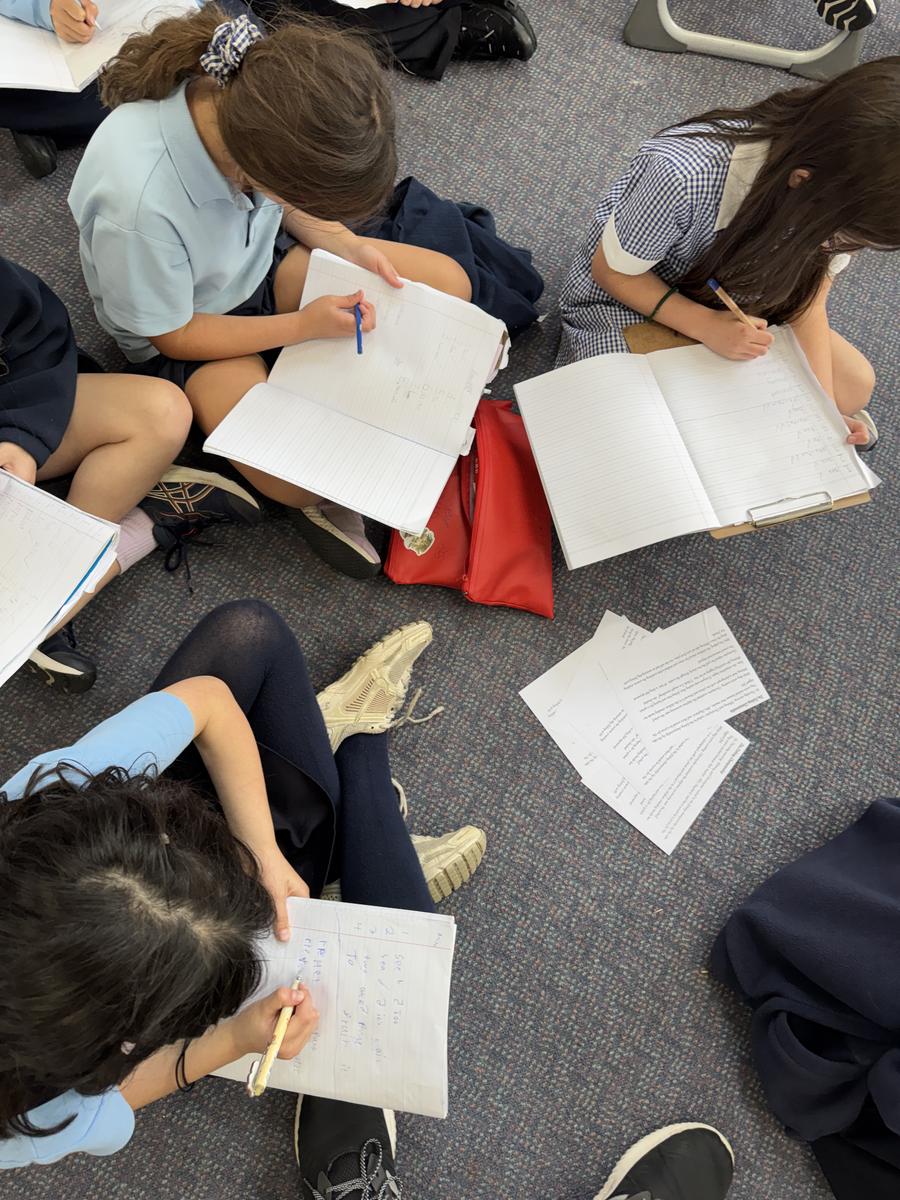
During the whole class part of the lesson, students sat on the floor with their literacy books in front of them while the teacher read aloud a list of words: preheat, prepay, prewash, preview, preapproved and prehistoric. Students first had a go at spelling these words using what they could hear and what they already knew about sounds and spelling patterns.
After this, students were prompted to look closely at the words and identify what they noticed. Many students recognised that each word began with the prefix pre-. Some students underlined the prefix, some circled the base word, and others wrote “prefix pre-” in their books. We then discussed how pre- often means “before”, and how understanding the meaning of a prefix can help us spell and understand new words.
Students were then asked to brainstorm other words that followed the same pattern. While they were doing this, the teacher wrote the original words on the board so students could check and correct their own spelling. Students also contributed new words to the class brainstorm, which helped build a larger list of words connected to the same spelling pattern.
Small
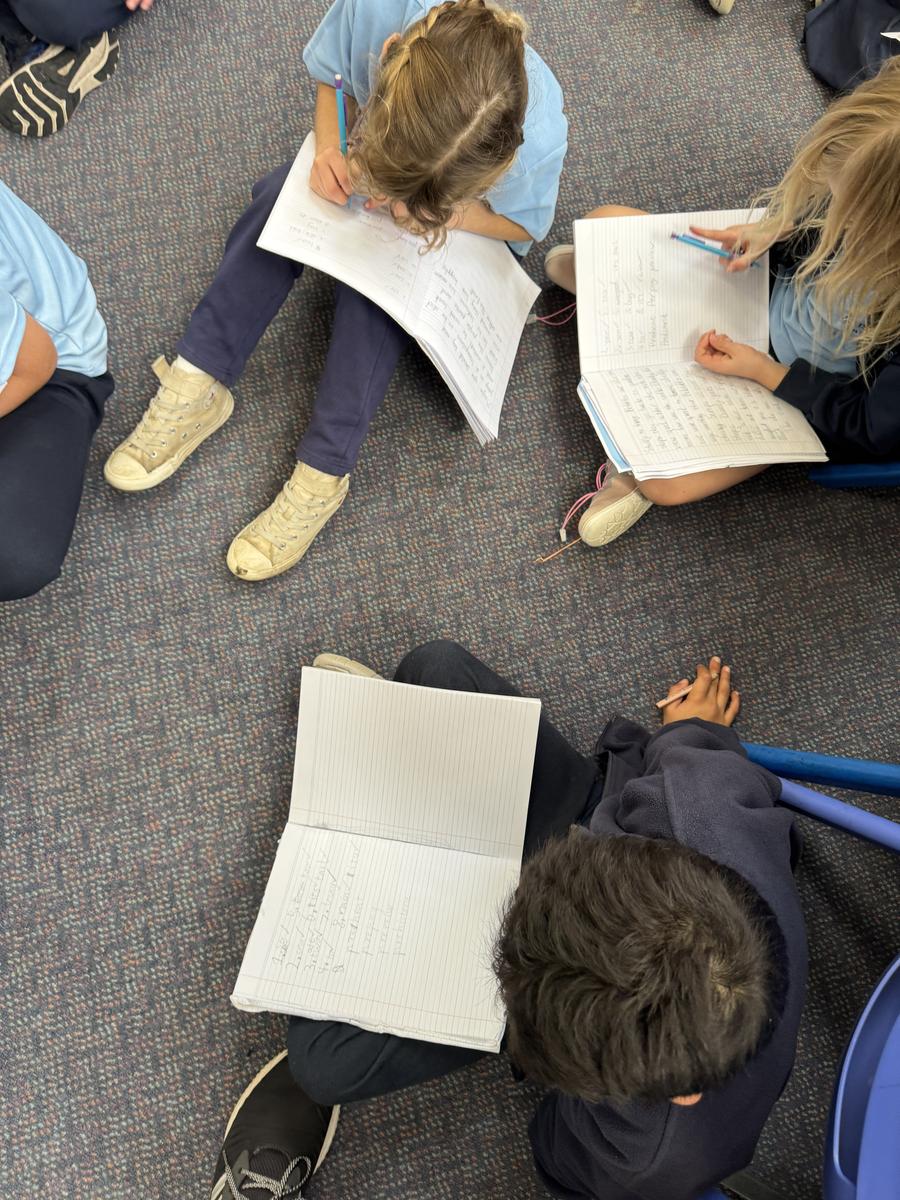
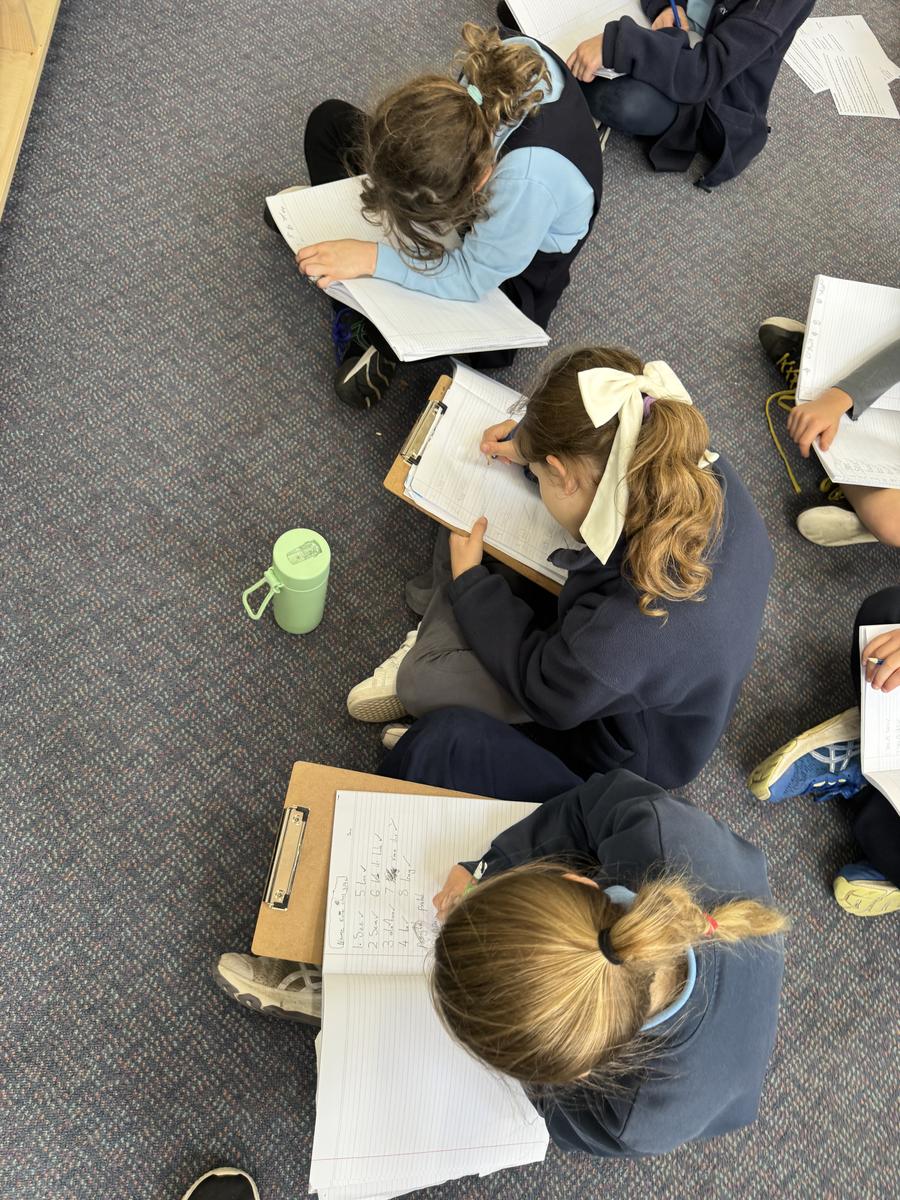
During the small group and independent learning part of the lesson, students worked with spelling lists that are matched to their current spelling needs. These lists are created using spelling data collected across the term and are designed to target each student’s point of need.
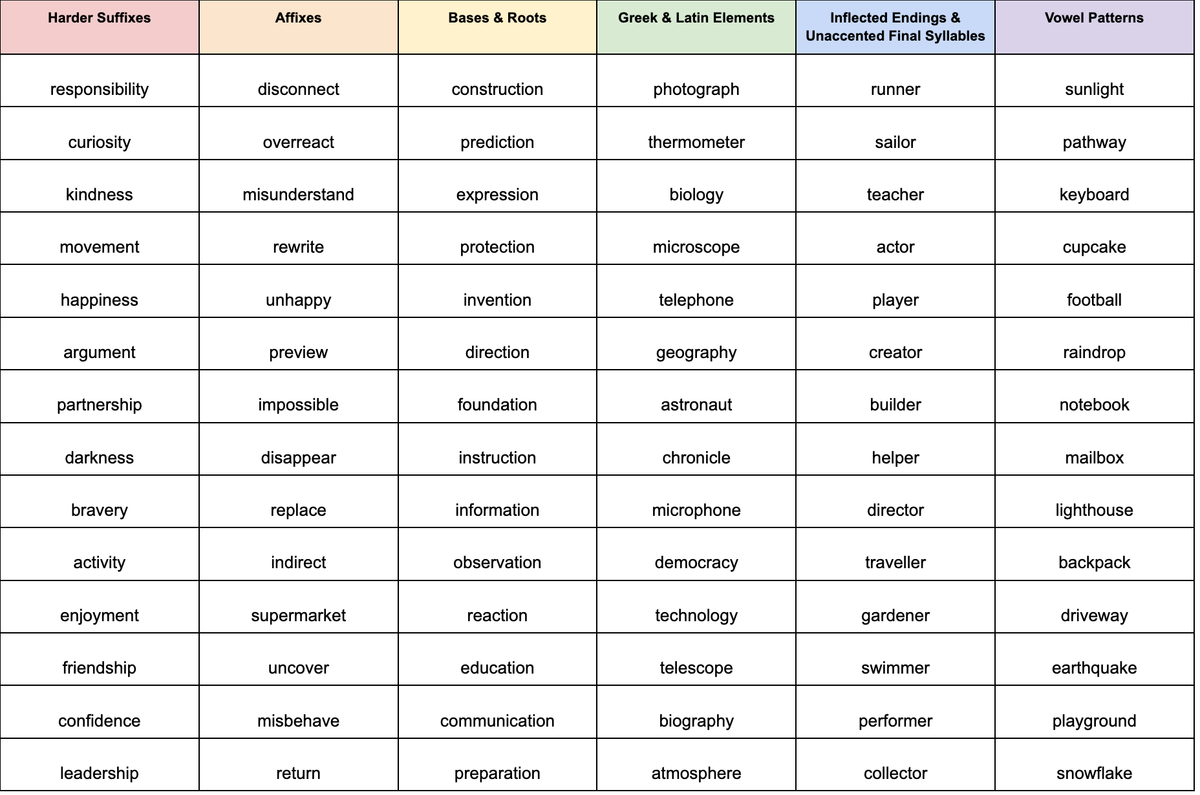
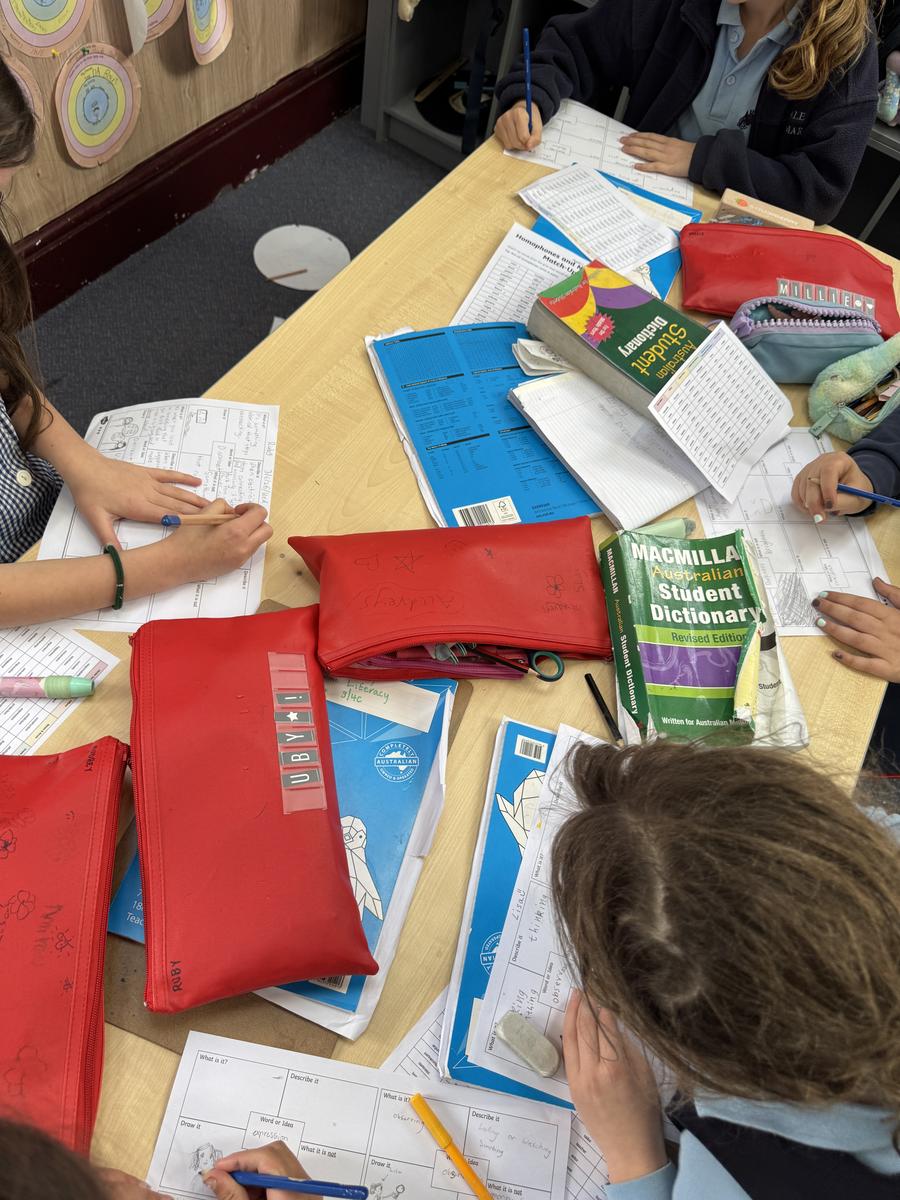
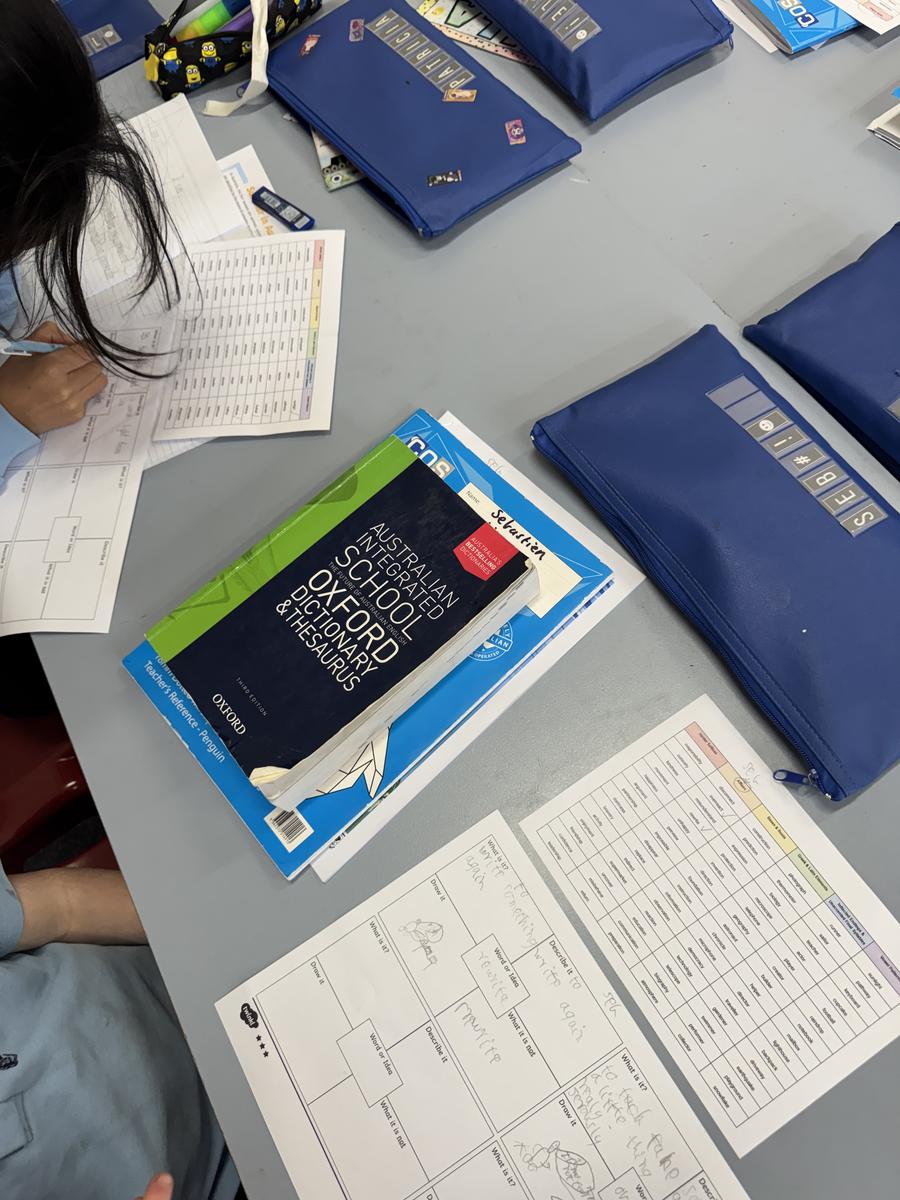
During spelling sessions, students have opportunities to manipulate and explore the words in their list in different ways. This may include sorting words into prefixes and suffixes, identifying syllable types, placing words in alphabetical order, creating word searches or crosswords, and repeatedly exposing themselves to the spelling pattern they are learning.
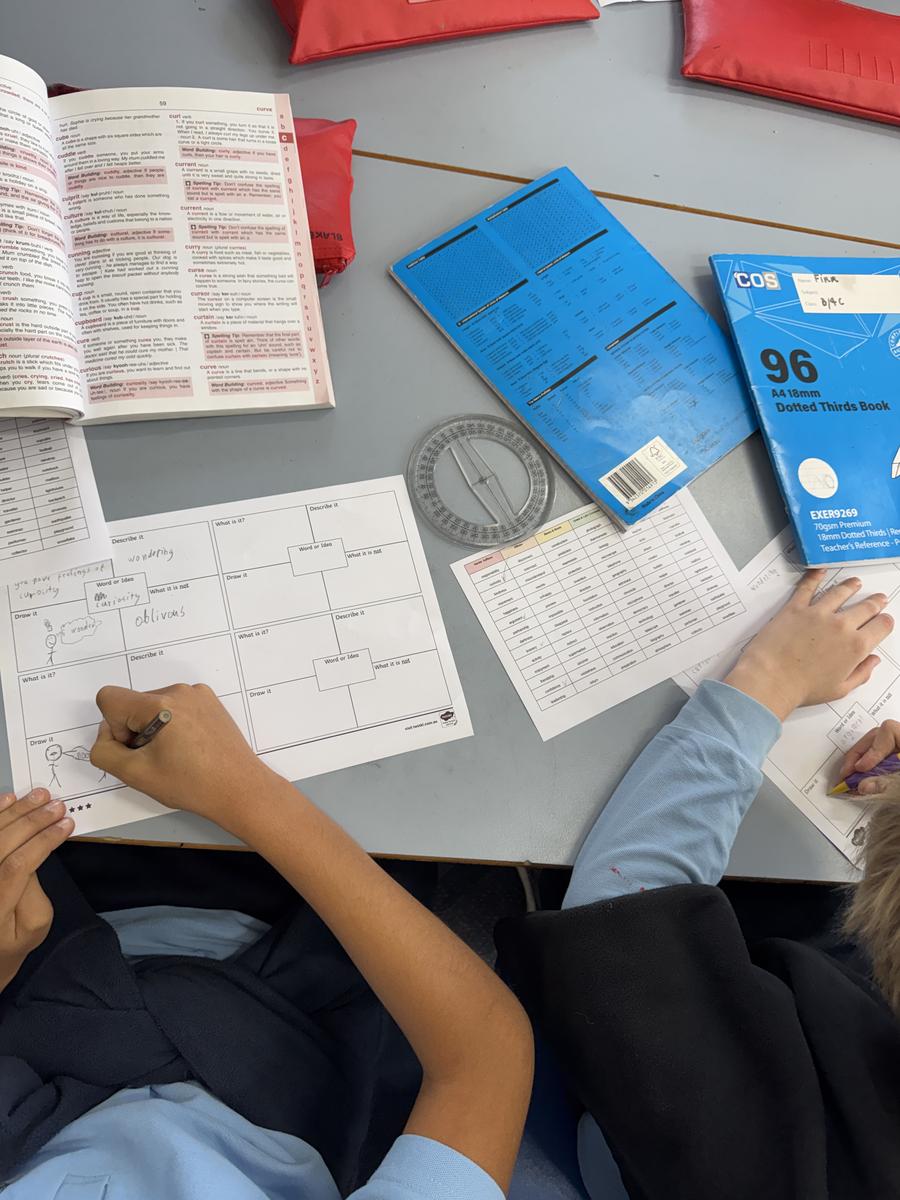
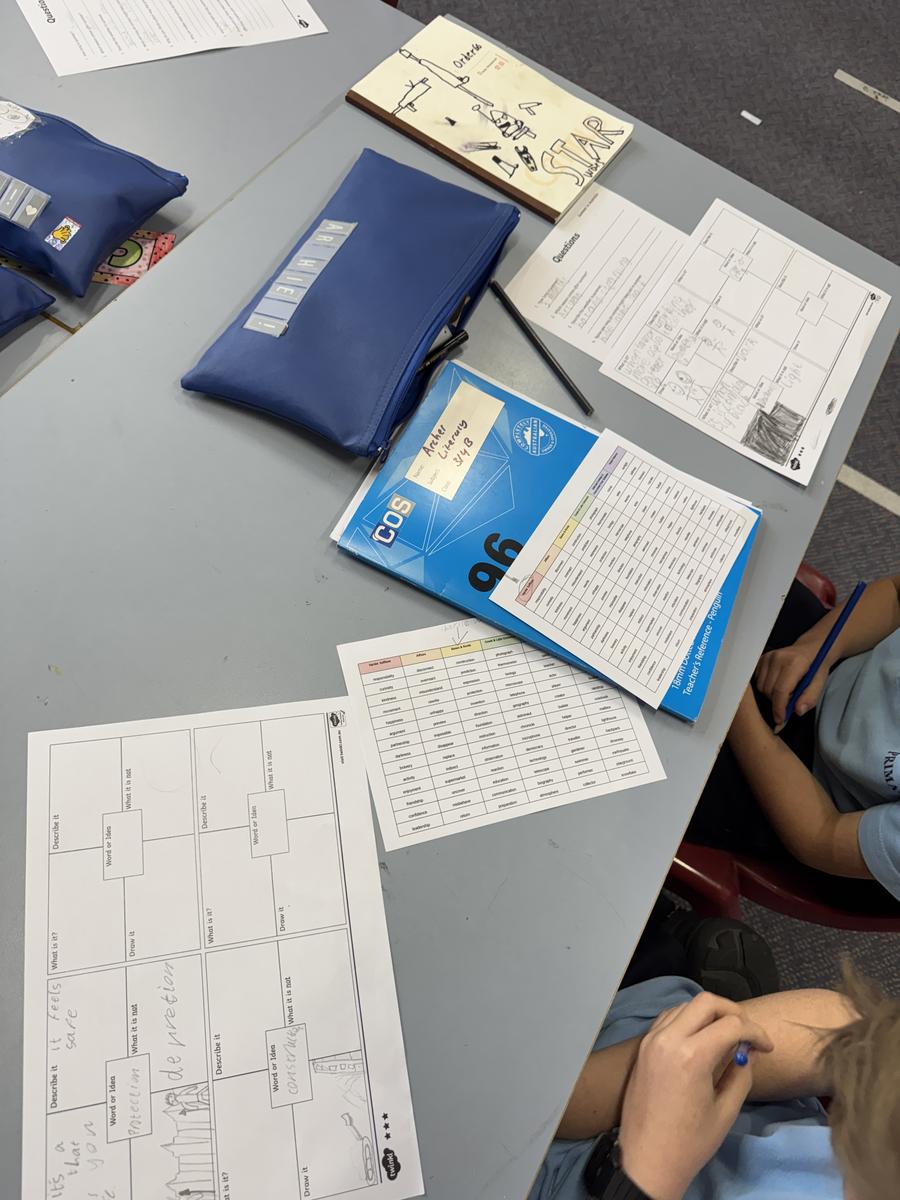
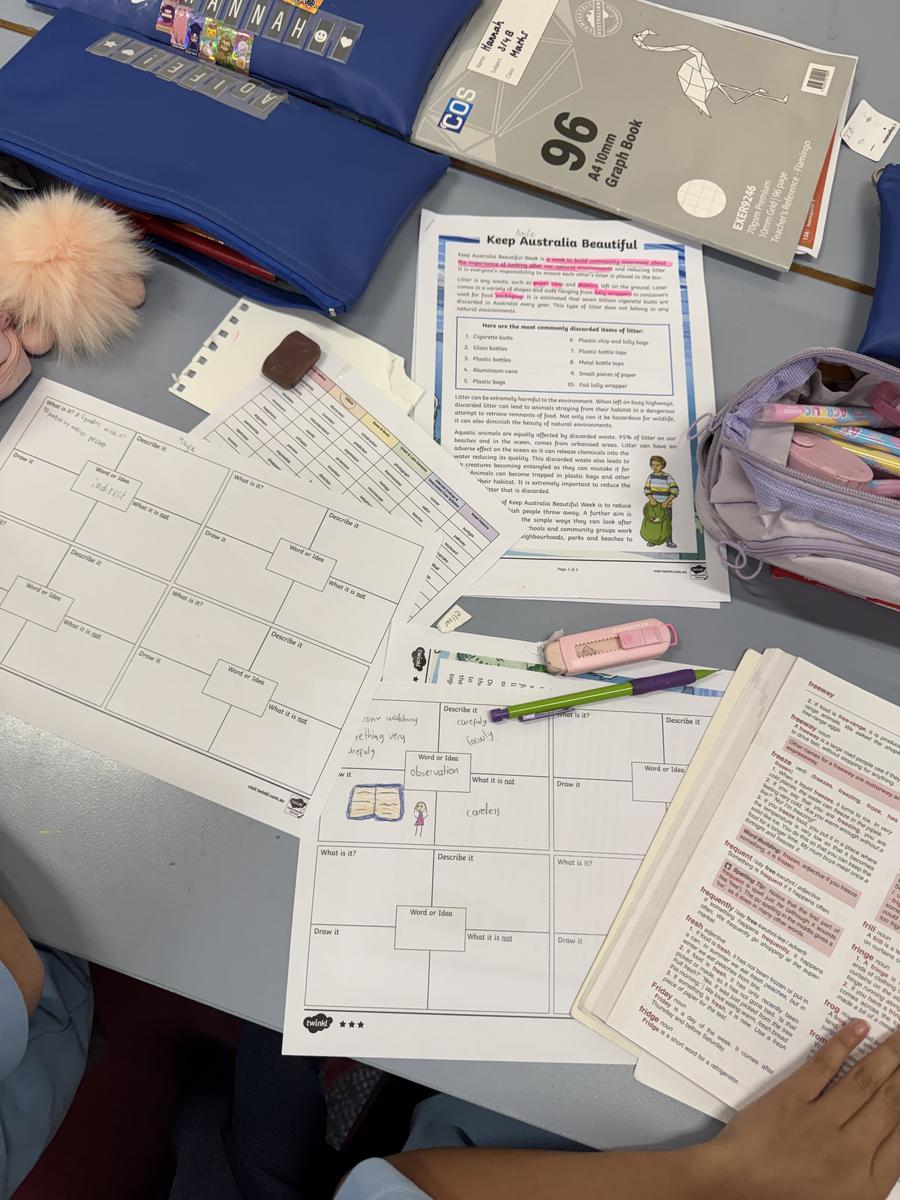
In this particular lesson, students completed a Frayer Model for four chosen words from their spelling list. This helped them look more deeply at each word by thinking about its meaning, structure, examples, non-examples and how it can be used.
Continuing the learning at home
- You can support your child’s spelling development by playing word games such as Boggle, Wordle, Scrabble or other spelling-based games. You might also like to look closely at the structure of words together, including prefixes, suffixes and base words.
- When your child brings home their spelling list, ask them what pattern or rule they are focusing on. You could then brainstorm other words that follow the same pattern.
- When checking homework or looking over your child’s writing, encourage them to identify any words that do not look quite right. Rather than simply giving them the correct spelling straight away, prompt them to reread the word, think about the sounds and patterns they know, and use a dictionary or other resource to check and correct their spelling.
Thank you for your ongoing support,
Richard, Brigitte and Rosanna
Year 3/4 Team
richard.cornell@education.vic.gov.au