
Spelling Year 2
YEAR 2
Spelling Year 2
YEAR 2
Learning Experience Overview
Throughout this term, we have placed a strong emphasis on establishing clear routines and structure during our spelling lessons. As the term has progressed, students have demonstrated a high level of engagement and enthusiasm for their learning. We have also observed significant growth in their ability to understand and apply the spelling rules taught in class, using these skills effectively and confidently in their writing.
Learning Intention
To learn how to use the contraction ‘would’ in our spelling.
Fluency
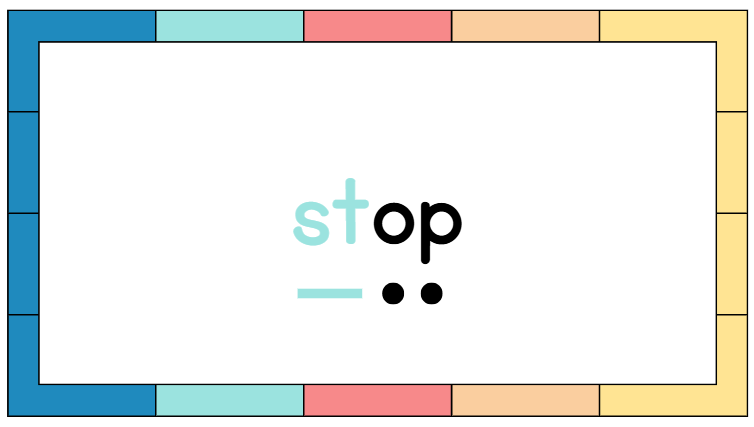
To begin our lesson, we warmed up our brains by decoding consonant blends. A word would appear on the screen, for example, the word stop and as a class we would sound out the sounds in the word, such as: st/o/p, then we would blend the word together to say stop.
Engagement to Learning Intention
We then introduced students to the learning intention: to learn how to use the contraction ‘would’ in our spelling. We reminded students that a contraction is a shortened word created by combining two words and replacing the missing letters with an apostrophe. We made reference to our previous week's lesson on the contraction ‘will’.
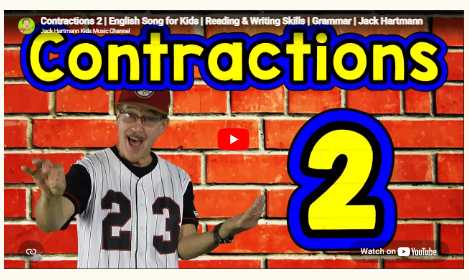
To engage students with the concept of contractions, we watched a short video by Jack Hartmann titled "Contractions 2 | English Song for Kids | Reading & Writing Skills | Grammar." Students enjoyed figuring out these contractions aloud through a catchy song.
Spell Words
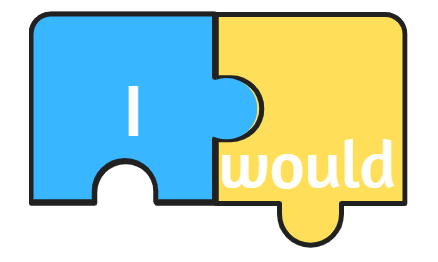
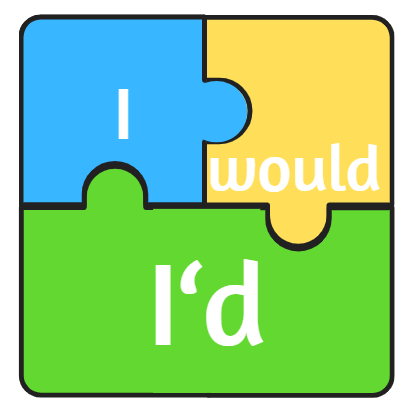
Students were then given the opportunity to practice their understanding of contractions through a contraction puzzle activity. They demonstrated an awareness that missing letters in contractions are replaced with an apostrophe and were explicitly taught the rule for contractions involving the word would, where'd is added. Students were shown pairs of words and used their mini whiteboards to write the correct contraction. For example, I would becomes I'd. The use of mini whiteboards encourages students to take risks, practice their learning, and make corrections easily as they refine their understanding.
Fluency Read
We then moved on to the fluency reading part of the lesson. During our three weekly spelling lessons, we rotate through three different types of reading techniques:
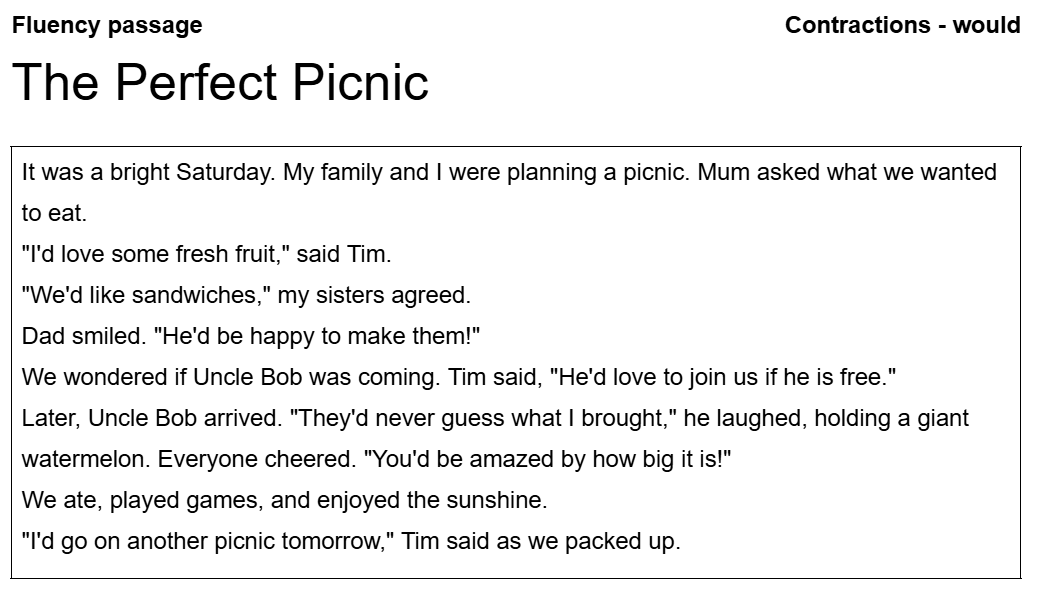
In this lesson, students participated in our partner reading routine. Reading the text below:
Students then gave each other positive and constructive feedback to work on in future, using the below reading checklist:
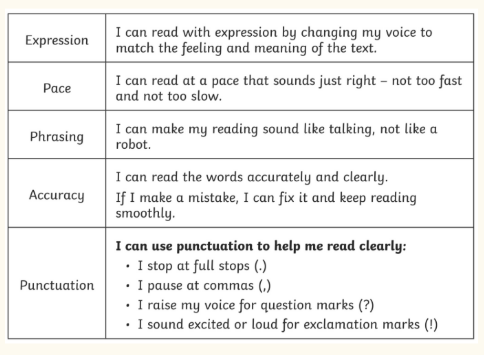
For example, some students stated my partner read with lots of expression. Next time, they should take their time when reading aloud, to pause and take a breath at commas and full stops.
Dictation
Following this, students completed a dictation activity to apply their learning in context. In their spelling books, students began by recording the focus of the lesson at the top of the page, for example, Contraction: Would. The teacher then dictated a sentence, one word at a time, while students listened carefully and recorded the sentence independently. This activity supported the development of students’ spelling, listening, and writing skills while reinforcing their understanding of the spelling focus.
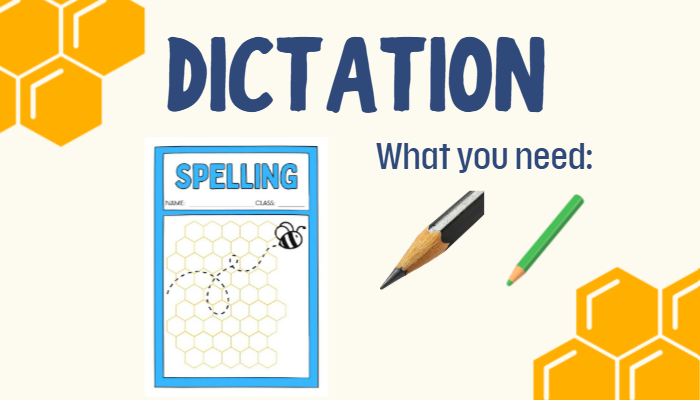
Once students had completed their sentences, they used a different-coloured pencil to review, edit, and correct their work. To make the editing process engaging, students are guided to tick specific features in their sentences that align with the learning focus. These include capital letters, the target spelling pattern, previously learned spelling patterns, high-frequency words and correct end punctuation.
This process provides students with immediate feedback and strengthens their understanding of the key components of a well-constructed sentence. It also reinforces important writing conventions, such as beginning sentences with a capital letter, including a noun and verb, and using correct punctuation to end a sentence.
The sentences of this lesson were:
By regularly practising our sentence writing through dictation, we have noticed a significant improvement in students' ability to write using correct letter placement and use punctuation.
Learning Task
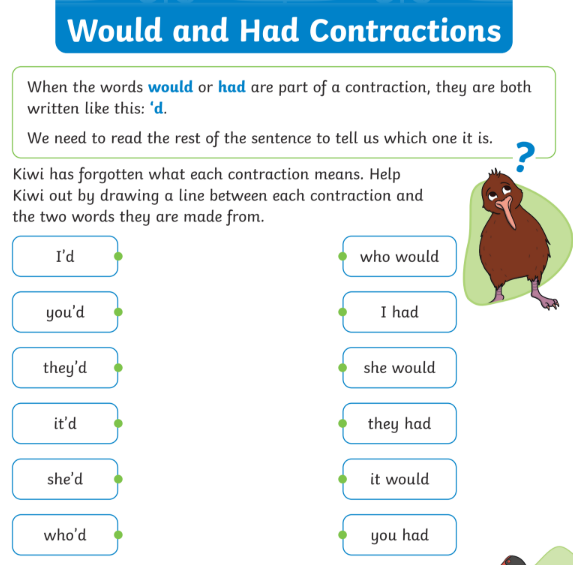
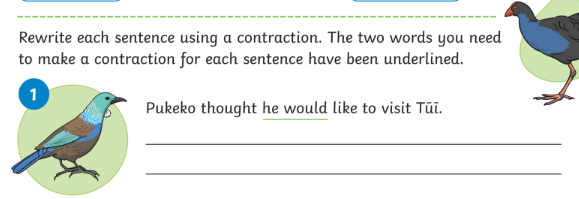
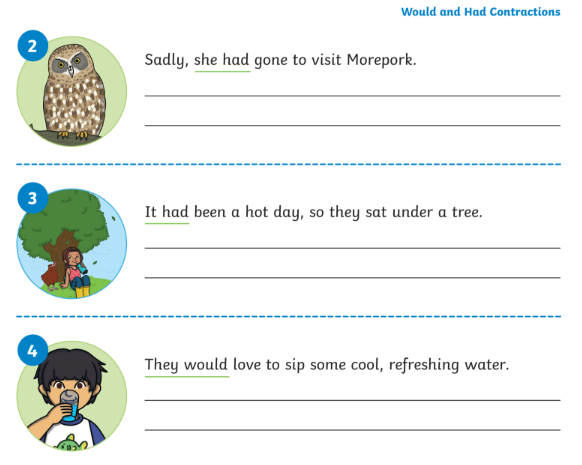
To finish the lesson and apply the learning intention, students independently completed the learning task below. Students first had to match the contraction with their words. Then they had to read sentences and rewrite them, changing the two underlined words to their correct contraction word.
Reflection at Home
Today, your children will take home a photocopied sheet of their dictation sentences.
Be sure to ask your child about contractions at home. They have developed a strong understanding of this concept and will be eager and confident to share their knowledge with you.
Steph and Georgia
Year 2 Team