
Wellbeing
WHAT WE DO IN WELLBEING
BREAKFAST CLUB
Served daily in the Wellbeing space from 8.00am every morning and offered to all students
WELLBEING LUNCH
Available to all students, lunch items are served each day from our purpose-built
servery window outside the Wellbeing space between 1.25 - 1.50pm
ONE-ON-ONE COUNSELLING
Facilitated through a Hub referral process
DOCTORS APPOINTMENTS
In partnership with Gippsland Lakes Complete Health, the College runs the Doctors in Secondary Schools (DiSS) Program. Once a week, we have a qualified doctor and nurse onsite conducting appointments in a dedicated clinic. This service is available to all students at no charge and parents/carers are able to also attend appointments.
SCHOOL NURSE
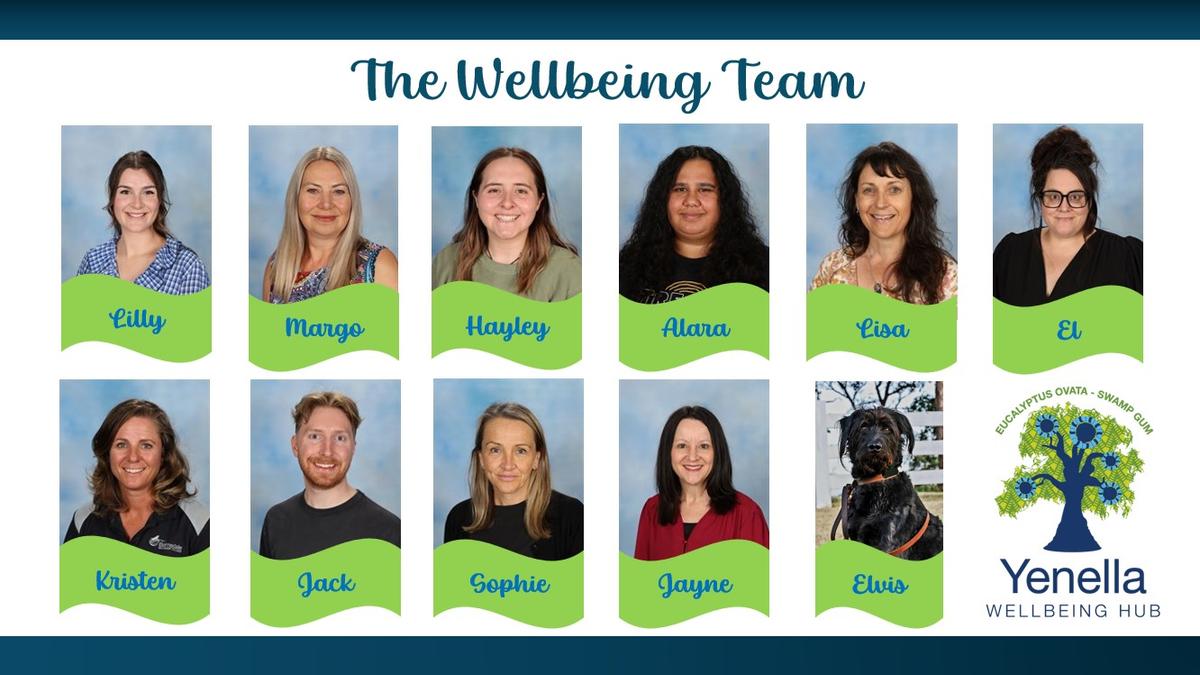
Working in close collaboration with the Wellbeing team, School Nurse, Sophie Brown attends the College two days a week. Sophie’s role is imperative in helping to promote health and raise awareness of the importance of healthy lifestyle choices for all students. She is available to speak with students one-on-one or in a group setting.
AOD (Alcohol & Other Drug) SUPPORT
AOD Youth Outreach run through Gippsland Lakes Complete Health supports young people between the ages of 12-25, and here at the College, we have an AOD worker onsite fortnightly to provide support for alcohol and/or drug use – including vaping. Supports offered include counselling, assistance with withdrawal/reduction of alcohol/other drug use; support if you become involved in the legal system because of alcohol/drug use; information, education and other resources.
SEASONS FOR GROWTH PROGRAM
Seasons for Growth is a small group education program that supports young people to develop the knowledge, skills and attitudes to understand and respond well to experiences of change, loss and grief.
ELVIS - SCHOOL THERAPY DOG
Elvis, a Keldoodle (Kelpie X Poodle) is one of the school therapy dogs here at BSC.
His calm, gentle manner helps to reduce anxiety and stress in students,
as well as enhancing social-emotional skills.
He NEVER refuses a pat so swing by Wellbeing to say hello!!
FOR ANY MORE INFORMATION REGARDING ANY OF OUR SERVICES PLEASE CONTACT THE WELLBEING TEAM via wellbeing@bairnsdalesc.vic.edu.au
-------------------------------------------------------------------------------------------------------------------------------------
COLD and FLU PROTECTION
Winter is here which means the cold and flu season is upon us. Cold and flu viruses spread rapidly in schools due to close indoor contact among students. The tips and resources below will help you learn about actions you can take to protect yourself and others from illnesses and help stop the spread of germs.
PREVENTION and HYGIENE
Vaccination: An annual flu vaccination is highly recommended for children aged six months and older and is free under the National Immunisation Program for children under five.
Keep your child home: Keep children home if they have a fever, persistent cough, sore throat, or a runny nose. Students should only return when they are well enough to participate in normal activities, their fever has completely gone away naturally, and they have been symptom-free for at least 24 hours.
Cough & Sneezing Etiquette: Teach your child to cough or sneeze into a tissue or their elbow.
Handwashing: Encourage regular, thorough handwashing with soap and water, especially after blowing the nose or coughing. If soap and water are not available, use an alcohol-based sanitiser.
Cleanliness: Clean and disinfect surfaces that are frequently touched at home, work or school, especially when someone is ill.
Good health habits: Get plenty of sleep, be physically active, manage your stress, drink plenty of fluids, and eat nutritious food.
MANAGEMENT and ADVICE
Symptom Relief: Rest, fluids, and paracetamol or ibuprofen (if appropriate) are standard for managing most viral symptoms.
Drink plenty of fluids: Good hydration helps clear congestion. When you’re sick, make sure you drink eight cups of water a day. A better hydrated body helps the immune system stop the cold symptoms.
Professional Guidance: For free, 24-hour health advice, you can contact a registered nurse through Healthdirect Australia or the National Immunisation Information Line.
Warning Signs: Seek immediate medical attention or call emergency services if a child experiences trouble breathing, extreme drowsiness, or poor circulation.
-------------------------------------------------------------------------------------------------------------------------------------
TOXIC FRIENDSHIPS
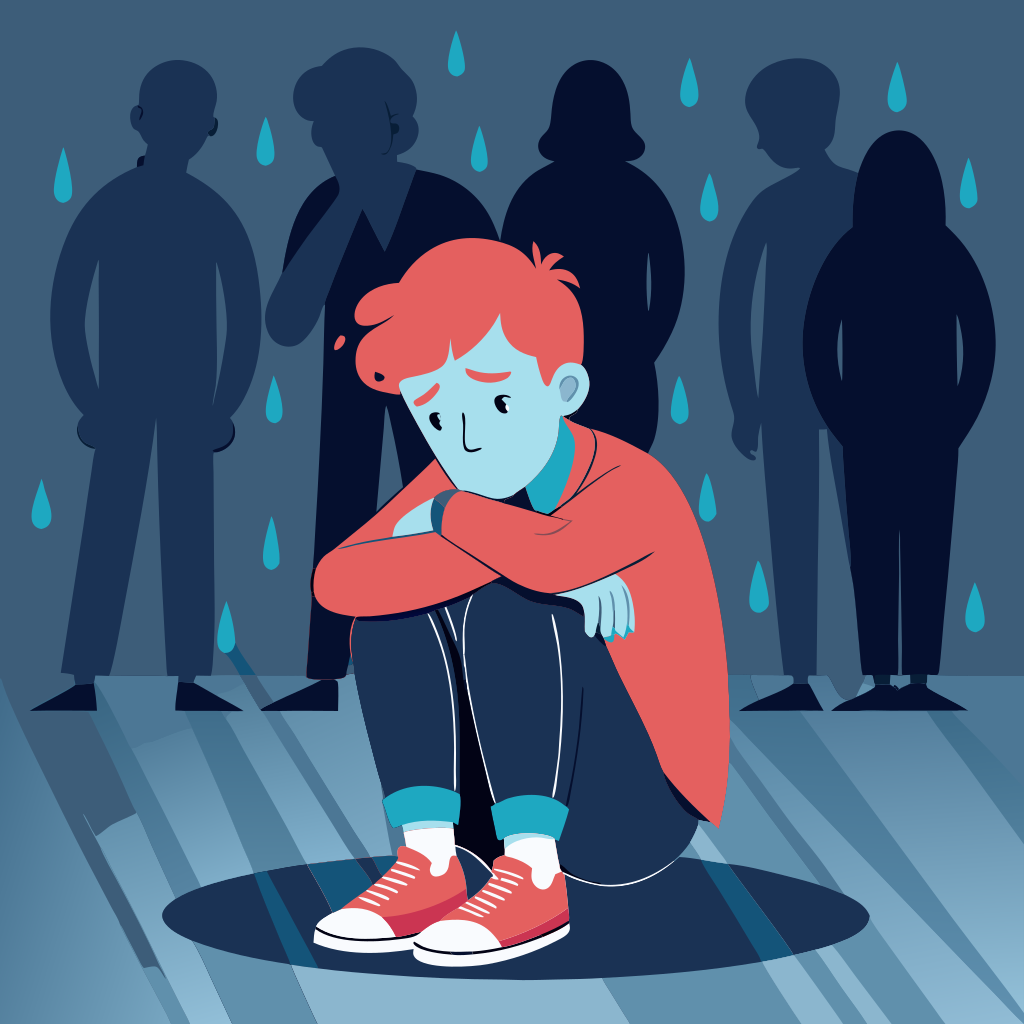
Teenage friendships can sometimes turn ‘toxic’. Or sometimes toxic friendships can develop if your child hangs out with ‘frenemies’ – teenagers who act like friends but are mean to them. Instead of making your child feel good – like they belong and are accepted – toxic friendships can lead to your child feeling bad about themselves or others. That’s because frenemies often put people down, manipulate them, leave them out or behave in other mean ways, both face to face and online. Teenagers sometimes need help to avoid, manage or end toxic friendships.
How to help your child avoid frenemies and toxic friendships
To help your child avoid toxic friendships, you can try talking with your child about what ‘good’ or ‘best’ friends are like – they’re the friends who look out for your child, care about them, include them in activities and treat them with respect. This will help your child work out which people might be good to hang out with. It also helps to encourage your child to have a wide range of friends from a variety of places, like school, sports or social clubs, family friends and neighbours. This gives your child other people to turn to if a friendship turns toxic.
Getting to know your child’s friends is important too. This gives you the chance to quietly observe your child’s interactions with their friends and pick up on any issues. You could encourage your child to have friends over and give them space in your home. You could also try talking with your child about how they’re going with their friends, both face to face and online. Listen to your child and use open-ended questions. When you keep the lines of communication open, your child is more likely to talk with you about any problems that come up.
How to help your child deal with frenemies and toxic friendships
It’s a good idea to give your child the chance to sort out friendship issues themselves before you step in. This can help your child learn valuable life skills like conflict resolution, assertiveness and problem-solving. But when you feel you need to step in, here are ideas.
Changing toxic friendships
If your child really wants to keep the friendship, help them find ways to change it. For example, your child might have a friend who keeps suggesting that your child should change the way they dress or do their hair. Perhaps your child could tell their friend they don’t need the advice.
Also, frenemies sometimes act in negative ways because they get a reaction they like. You can use our problem-solving steps with your child to work out what the frenemy is getting out of the behaviour. Then you might be able to work out a solution. Using a witty comeback, being assertive, or walking away without comment can change the dynamic.
Ending toxic friendships
If your child is prepared to end the friendship, they need to decide how to tell the frenemy. Your child might need to say something like, ‘I don’t like the way you gossip about me behind my back. Unless that changes, I can’t be your friend anymore’.
Be prepared for the fall-out from the end of a toxic friendship. The frenemy might try to make life difficult for your child. Watch out for any harassment, bullying or cyberbullying. If this happens, contact the school or organisation where the bullying is happening, and support your child at home.
Finding new friends
Does your child sit with other students in class? Do they have friends in another friendship circle, sporting club or activity outside school? Encourage your child to find ways to spend time with these other peers. Find out about clubs at school – for example, drama, sports, chess and so on. Your child might be able to find others with shared interests. If you can, encourage new friendships by organising lifts to school, making friends welcome at home, or driving your child to extracurricular activities.
What to do if your child’s behaviour is influenced by toxic friendships
You might feel that your child’s behaviour is being influenced negatively by frenemies or toxic friendships. If you feel you need to address this, it’s important to focus on the way your child is acting, not on their personality or the personalities of their friends.
For example, you could say, ‘Whenever you spend time with Josh, you come home angry and upset’. A statement like this focuses on what needs to change in the friendship. It’s better than saying, ‘I don’t want you hanging around with Josh’.
There are also ‘positive’ toxic friendships. Your child’s friend treats them well and they have a strong bond, but the friend might be leading your child into antisocial behaviour like stealing or drinking.
To address this, you could say, ‘When you hang around with Janine, you get into a lot of trouble. If you keep stealing, you could get arrested’. This statement picks up on the consequences of the behaviour and gives your child the chance to change it. It’s better than saying, ‘I don’t want you hanging around with Janine’.
What not to do with toxic friendships
It’s best not to confront the other young people involved or to call their parents. This might only make things worse for your child. In some cases – for example, if drugs are involved – you might need to tell the parents or another adult. If the behaviour is happening at school or relates to school-based friendships, it’s best to speak to school staff. Also avoid banning or criticising your child’s friends. This might make your child feel even more closely attached to those friends.
Getting help for toxic friendships and frenemies
If your child is having ongoing friendship difficulties that are really upsetting them and aren’t changing despite your child’s best efforts, consider seeking professional advice. You could try:
- a school counsellor or other counsellor
- a psychologist
- a youth worker
a GP
a confidential telephone counselling service for young people, like Kids Helpline – phone 1800 551 800.
Article Credit - Frenemies & toxic friendships: teenagers | Raising Children Network