
Active Hope and Peace
Throughout the year, we have been working with our students, staff colleagues, families and members of the wider School community to deepen our understanding that simply wishing for peace—or hoping we will ‘get’ peace, as if it were a gift-wrapped surprise—is not enough.
Yes, we must begin with the desire for a more peaceful world. But we also need to gather information, bring our talents together, identify the specific steps we can take individually and collectively, and find the courage to start small and build steadily toward greater achievements if we truly want to create a peaceful world in which everyone can flourish.
What needs to be done? What talents can we bring to the challenge? How can we put aside individual fears and egos to work together for the better world we all seek? One of the testimonies essential to this work is the importance of Community. Collaborating to create a stirring musical or dramatic performance requires teamwork. Doing our best at sport, participating in a debate, formulating questions, researching, then mounting an exhibition—these all involve building strong communities that can respond to the challenges that inevitably emerge along the way. So does doing our bit to help at home.
In many small ways, we are already putting our desire for peace into practice. Peace between individuals, communities and nations begins with peace within each person—being at ease with our thoughts and feelings, and ensuring that our actions align with our values. If we are constantly in conflict with ourselves or each other, we will only succeed in destroying, rather than creating, a better world.
In November, poets from Iraq, Tunisia, Guyane, Vietnam, Bangladesh, Romania, Spain, Greece, Philippines, India and Sri Lanka were invited to gather at writers’ festivals in Kolkata and Guwahati. I was honoured to be invited to represent Australia. Our aim was to explore how poetry might help create a more peaceful world. Does that sound pointless? Even a bit unrealistic? When millions of people are wandering in search of food and shelter, and when hundreds of thousands are being killed by both natural and human-made catastrophes, it may seem hopeless or trivial to ask poets to offer ways forward.
I was not given the ability to design and build public housing, or to develop sustainable ways to grow more food. Nor was I given the capacity to create a fairer distribution of wealth or the laws and practices that ensure social justice. But, as our inspiring exhibitions this year have shown, many of our students have been given such abilities. My gift is language—and helping others tell their stories. So my commitment is to find ways of using that ability to make a difference, starting with small steps and continuing steadily toward our shared goal of a peaceful and just life for all.
Meeting with thousands of students, educators, writers and publishers in India opened new opportunities for understanding and, therefore, for cooperative action. At the Green School International, high in the lush hills of Assam, a school not unlike ours welcomed these international writers, shared their stories and values, and inspired us to return home with new perspectives and new ideas for collective action—ideas that may change the world in ways we can only begin to imagine.
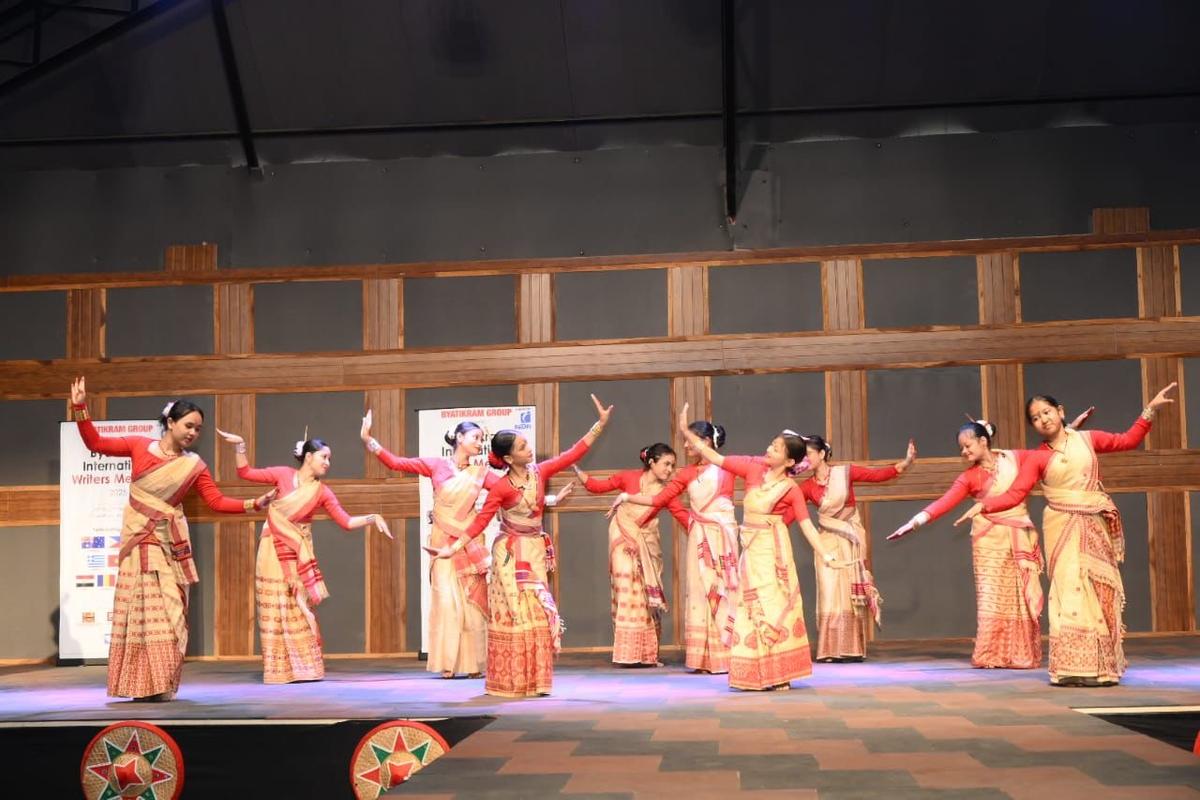
Green School International students - working together to create a story through dance
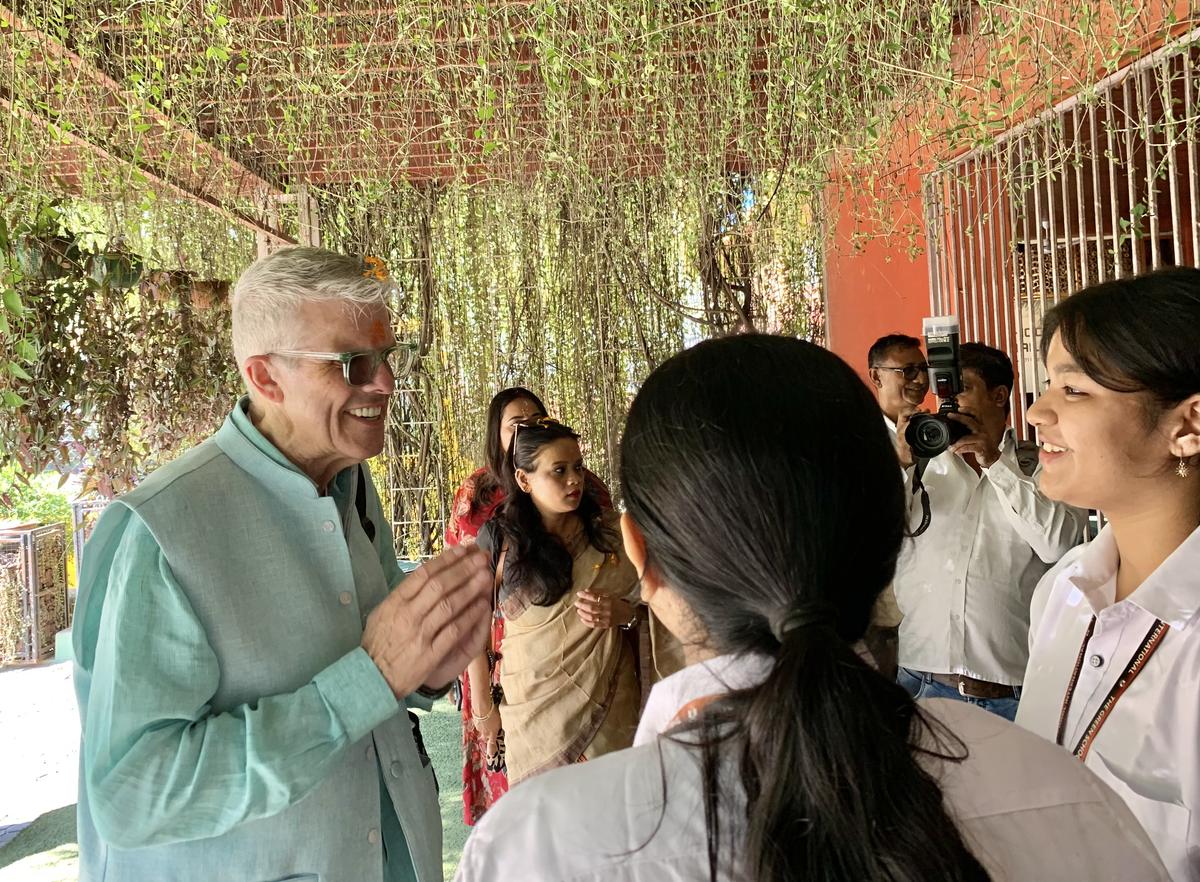
Quaker Advisor, Mark Macleod, learning from Green School International students, Assam, India
Green School International students - working together to create a story through dance
Quaker Advisor, Mark Macleod, learning from Green School International students, Assam, India
As I was leaving the Green School, a group of senior boys stopped me and asked, “What is the best thing about India, and what is the worst? And please don’t try to protect us—tell us the truth!”
Would I have had the confidence to ask that at their age? Probably not—and that alone gives me hope. I told them that what I loved most was the kindness of Indian people. What disappointed me most, I said—“and sadly, we all do it, even in places as proud of their natural environment as Tasmania”—was the amount of garbage dumped carelessly into India’s waterfalls and rivers.
They shook their heads, embarrassed. I added, “So you all have work to do in the years ahead—just as my fellow Tasmanians and I do.” They smiled and agreed. Who knows where such moments of shared understanding, and the writing that follows them, may lead? One of my personal goals in the coming year is to create opportunities for our students to work with Indian students to put our hopes into action.
I don’t know what the writing of a poem, or even a brief report like this, might achieve in changing the world. But I can hardly wait to find out.
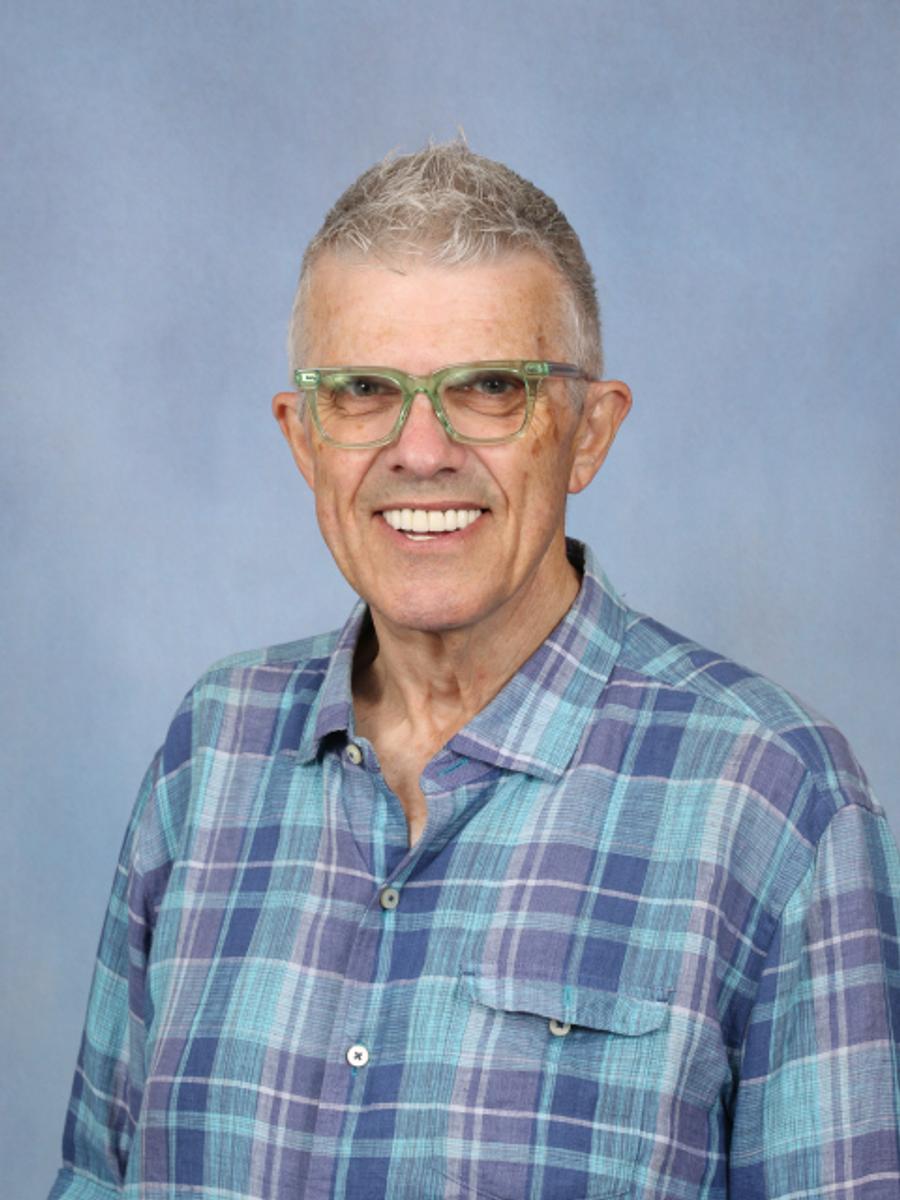
Mark Macleod - Quaker Advisor