
Year 3/4 Term 2 Overview

Year 3/4 - Term 2 Overview 2026
Welcome to Term 2!
We hope all families enjoyed the term break.
It was wonderful to come back to school and listen to the children reconnect and share their school holiday events.
Important dates to remember:
Tuesday 28th April - Year 4 Eucharist Retreat Day (ALL Yr 4 students can wear FREE DRESS)
Tuesday 5th May - 3/4B Mass at 10am
Wednesday 6th May - Grandparents’ Day Mass & Activities from 9am-11am
Friday 8th May - Mother’s Day Breakfast 7.30am & Mother’s Day Stall
Saturday 9th May - First Eucharist Mass 2pm
Tuesday 12th May - 3/4A Mass at 10am
Monday 18th May - SCHOOL CLOSURE DAY
Tuesday 19th May - SCHOOL CLOSURE DAY
Wed 20th May - ReThink, ReUse & ReImagine! Circular Economy INCURSION 9-11am
Monday 25th May - 3/4B Assembly

Tuesday 26th May - St John’s Long Walk 9am
Wednesday 27th May - EXCURSION to Yarran Dheran Nature Reserve
Thursday 28th May - Year 3/4 GALA DAY
Monday 8th June - PUBLIC HOLIDAY - KING’S BIRTHDAY
Tuesday 9th June - SCHOOL CLOSURE DAY
Tuesday 16th June - SHINE CELEBRATION DAY!
Tuesday 23rd June - Feast of the Sacred Heart Mass 10am
Friday 26th June - End of Term 2 - 1pm finish
Monday 13th July - Term 3 begins!
Religious Education
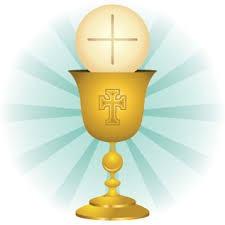
As we continue our preparation for Eucharist, we will explore the meaning of Eucharist and the importance of the sacrament in our lives. We will learn the parts of the mass and explain the importance of each part. Our students will participate in a special Eucharist Retreat Day, engaging in meaningful activities that will further support their faith journey.
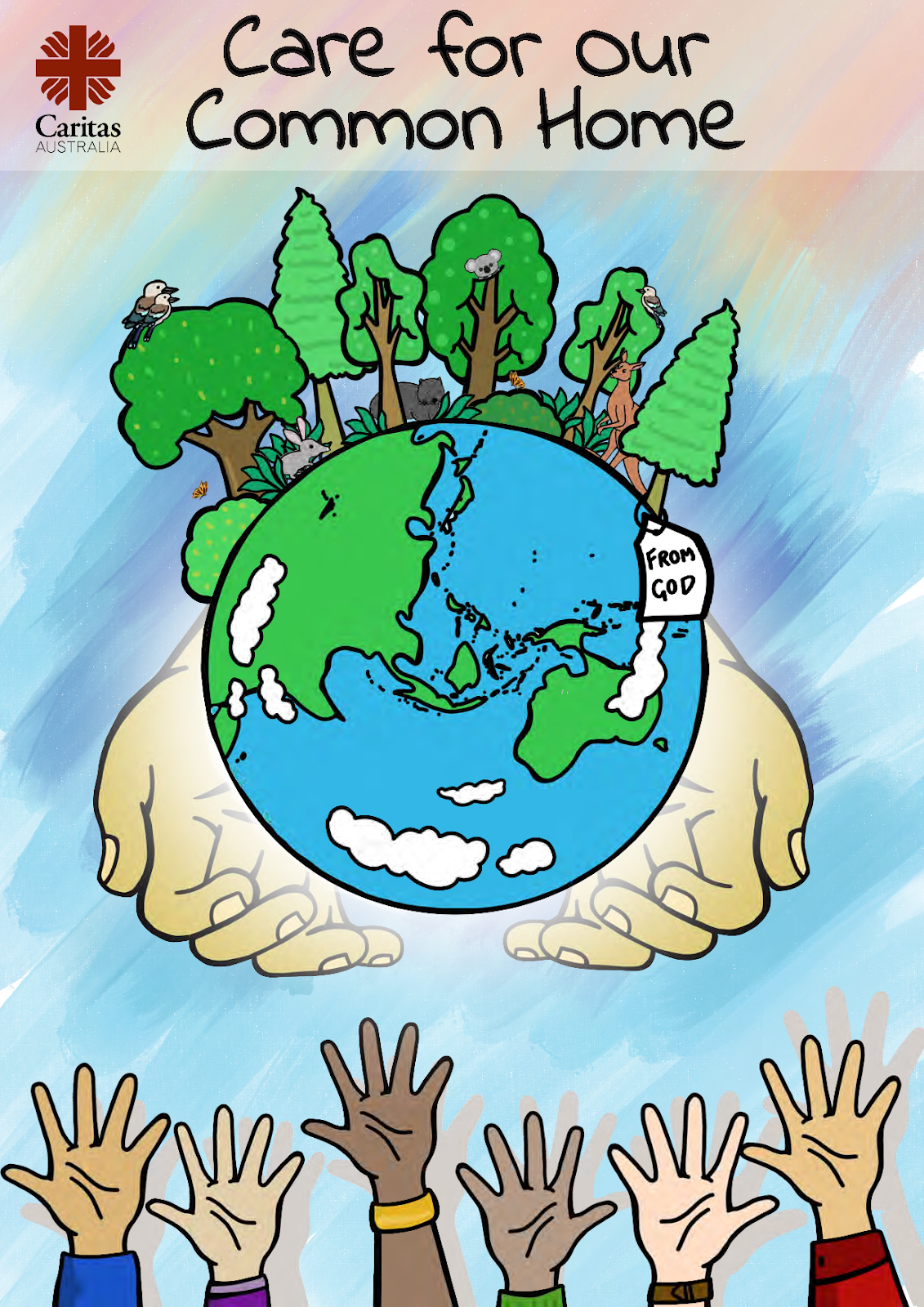
During the second part of the term, we will define what our common home is and why it is important to protect it. We will explore the key messages in Pope Francis’ Laudato Si and interpret local and global decisions in light of the Catholic Social Teachings, in particular, Care of our Common Home and relevant scripture.
Humanities - Geography
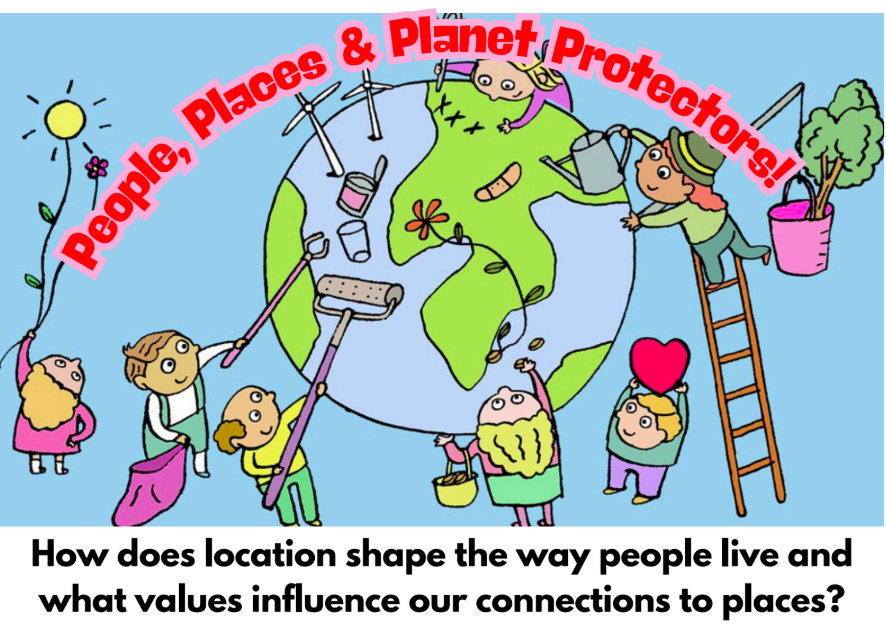
This term in Geography, we will be exploring the big question, ‘How does location shape the way people live and what values influence our connections to place?’ We will be exploring various locations, their environments, climates and impacts on other places. This unit will enable students to identify locations within Australia, neighbouring countries and countries in the southern hemisphere. They will enhance their research skills through choosing a location and diving deep into how the climate impacts the animals, nature and weather. We will have an Expo towards the end of the term, where families will be able to experience our learning and be taken on a worldly adventure.
Mathematics

This term in Mathematics, we will continue working through various concepts using the explicit instruction sequence, beginning with teacher-guided instruction, and gradually shifting responsibility for learning to students with modelling and guided practice and finally, independent practice.
Daily reviews and spaced practice will also be incorporated in our Maths lessons in order to reinforce learning and ensure retention.
Number
- Fractions
- recognising and representing unit fractions including 1/2, 1/3, 1/4, 1/5 and 1/10
- combining fractions with the same denominator to complete the whole
- counting by multiples of quarters, halves and thirds, including mixed numerals
- locating and representing fractions on number lines
- finding equivalent representations of fractions using related denominators and making connections between fractions and decimals
Algebra
- Addition and subtraction
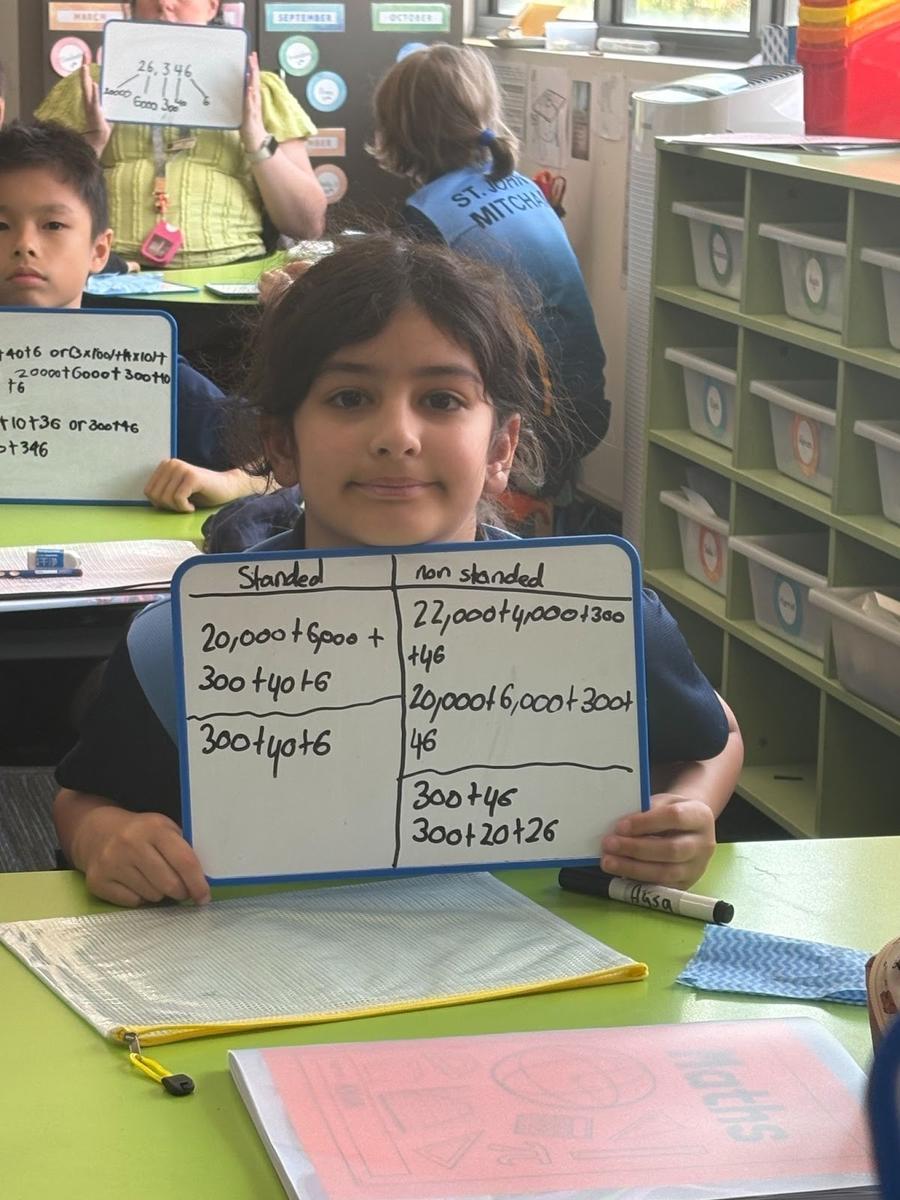
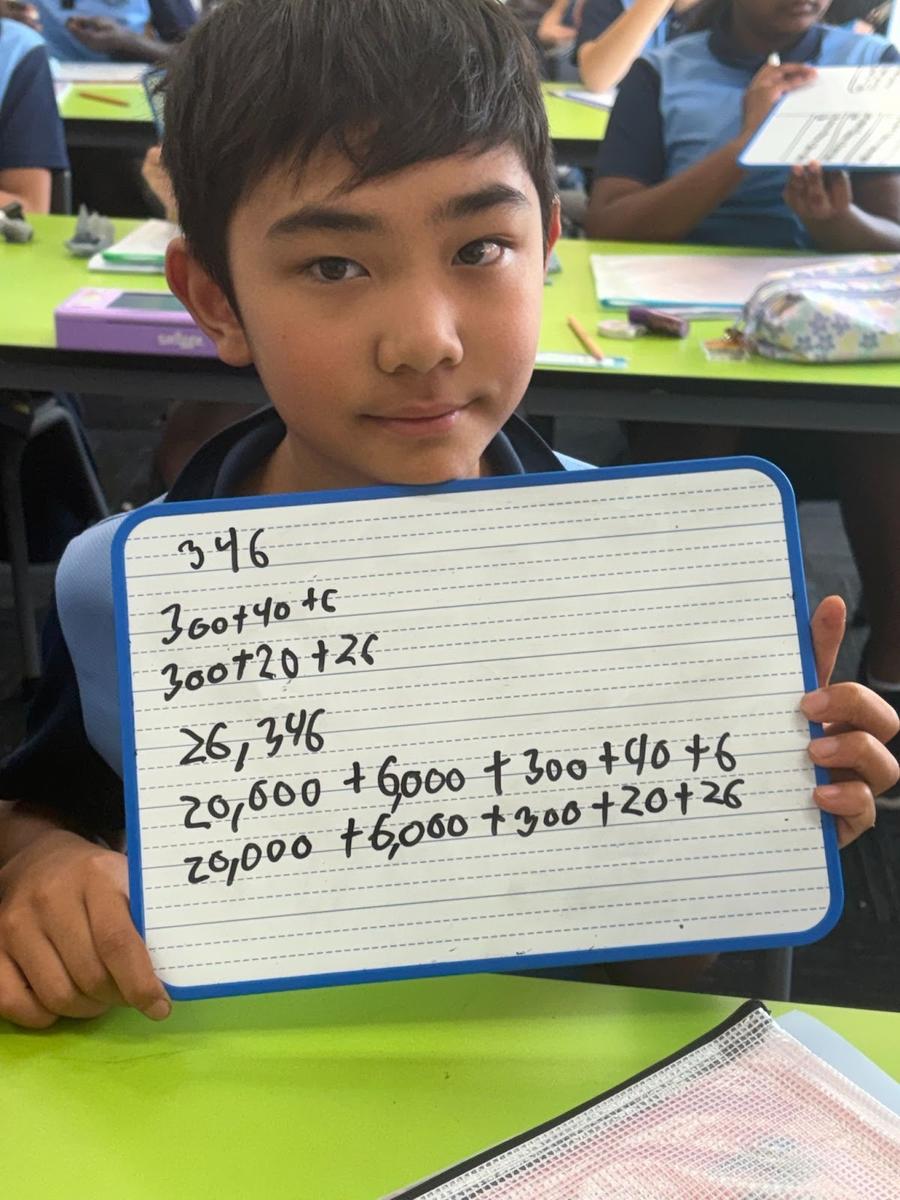
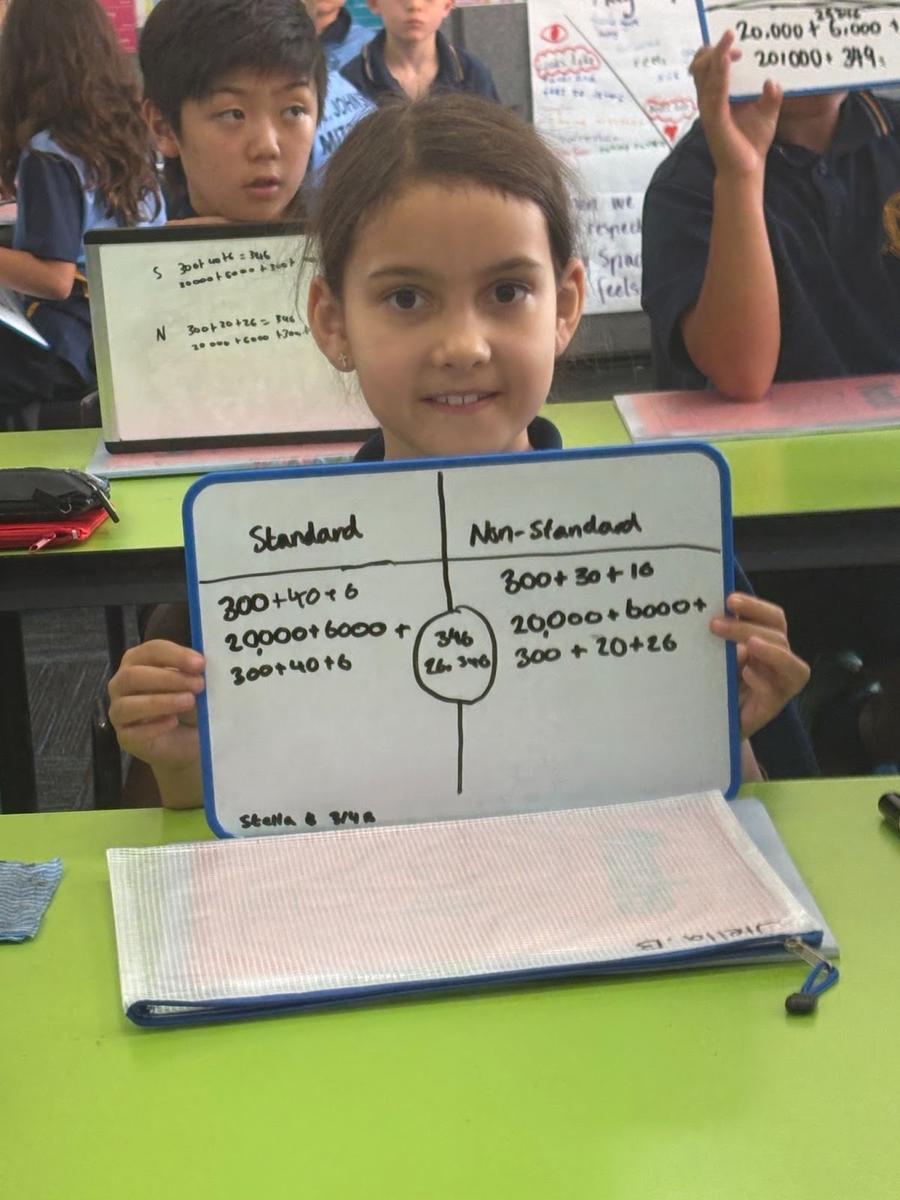
- adding and subtracting two- and three-digit numbers using place value to partition, rearrange and regroup numbers to assist in calculations without a calculator
- making estimates when solving problems to determine the reasonableness of calculations
- using mathematical modelling to solve practical problems involving additive and multiplicative situations, including financial contexts; formulate problems using number sentences and choose calculation strategies, using digital tools where appropriate
- finding unknown values in numerical equations involving addition and subtraction, using properties of numbers and operations
Measurement
- Length and Area
- identifying which metric units are used to measure everyday items
- estimating, measuring (using instruments with labelled markings) and comparing objects using familiar metric units of length
- estimating and measuring the perimeter and area of shapes/enclosed spaces, using appropriate formal and informal units
Space
- 2D Shape
- explaining and comparing the geometric properties of two-dimensional shapes
- identifying and representing composite shapes and objects in the environment, using combinations of familiar shapes and objects
- recognising line and rotational symmetry of shapes and creating symmetrical patterns and pictures
Statistics
- Data Representation
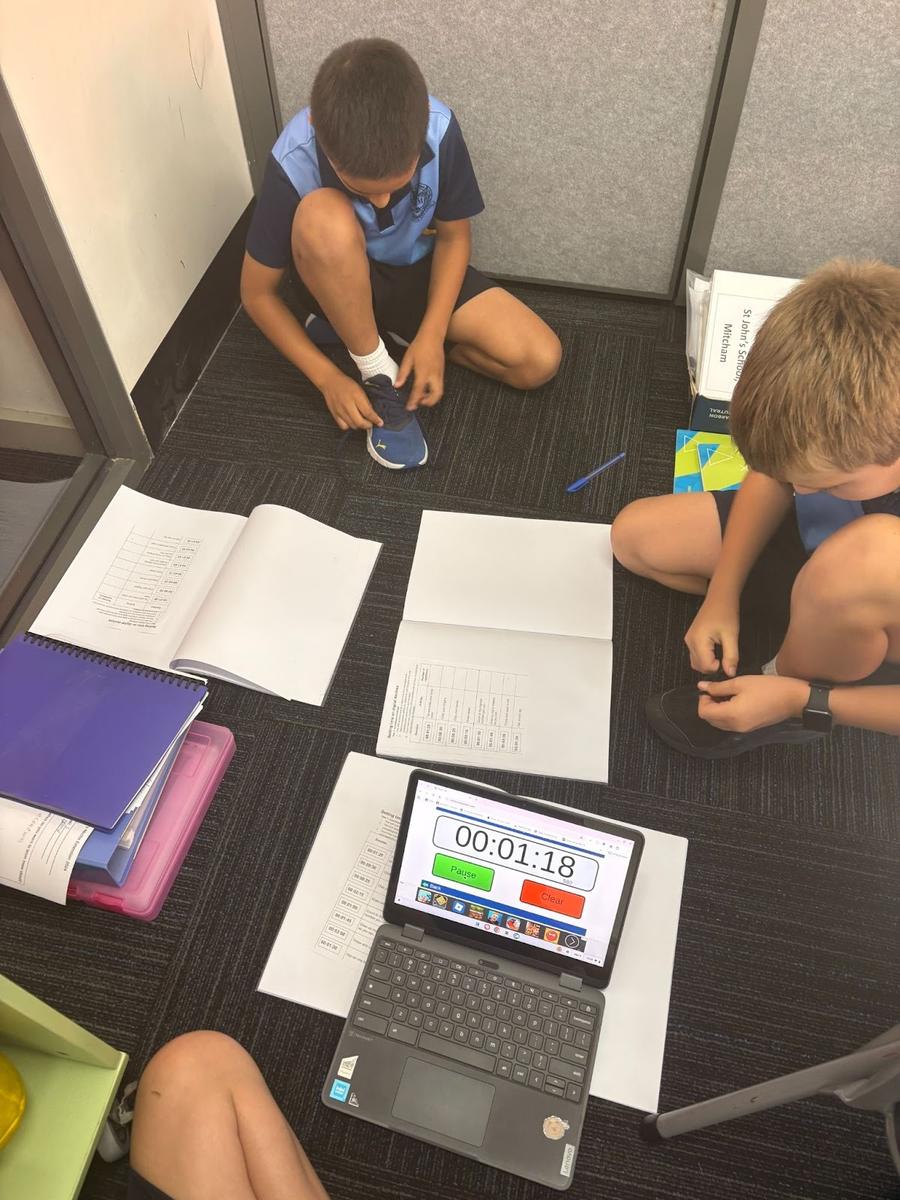
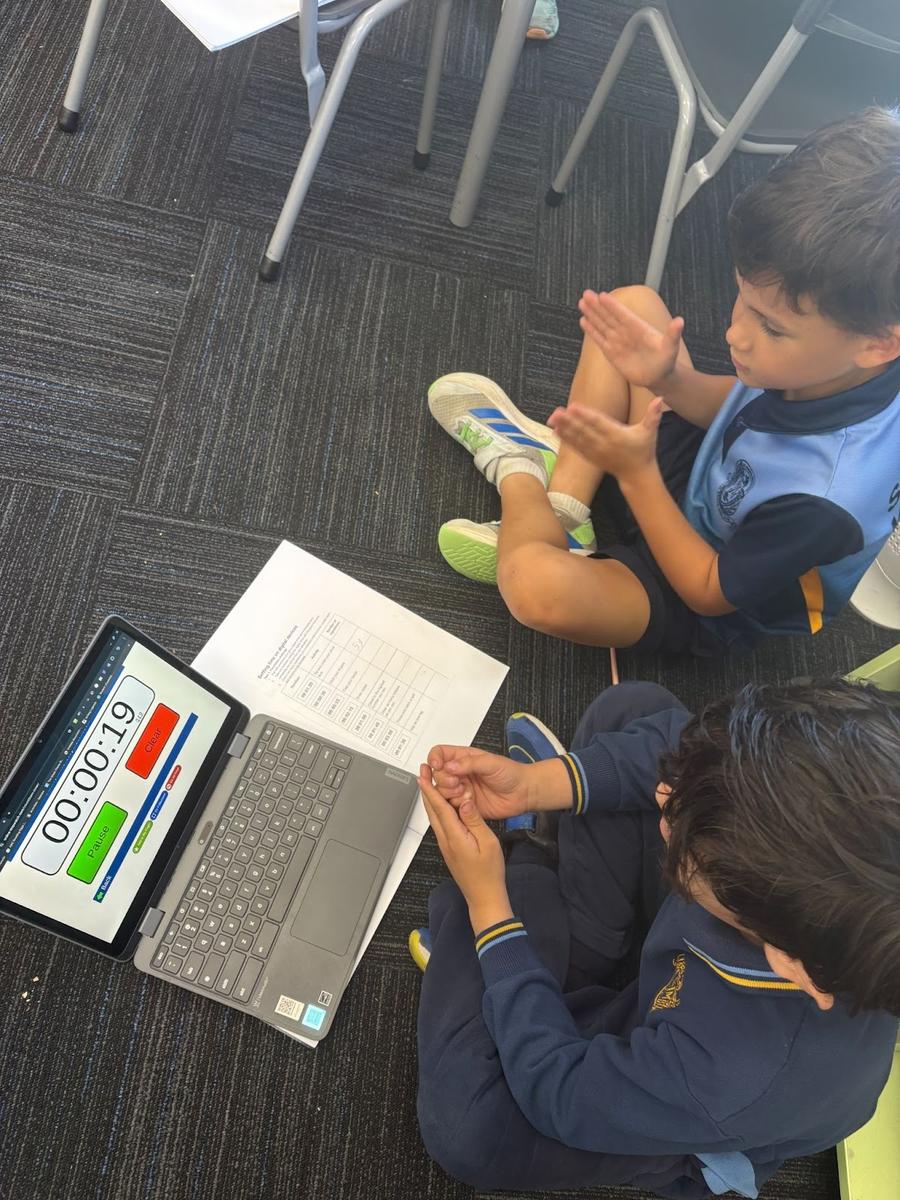
- collecting and accessing data to address a question of interest and recording data using appropriate methods
- creating and comparing different graphical representations of data sets and interpreting the data
Literacy
Comprehension and Spelling
We will begin the term exploring the novel ‘Uncle Xbox’ by Jared Thomas. We will expand our reading comprehension by guiding students to identify key events, understand character motivations, and make inferences about the text. We will focus on sentence-level writing skills of expanding sentences, writing summary sentences to summarise the main idea in a text and using the conjunctions because / but / so to show reason, contrast or result. We will explore new vocabulary through targeted word study, helping students learn new words from the text and use them accurately in their own speaking and writing.

Writing
Our first writing genre is recount writing where we will explore skills including past tense, structuring the text with an orientation, events, and conclusion, utilising time connectives for sequencing and incorporating descriptive language to engage the reader.
Reading
We will then introduce the concept of a visual text when studying ‘The Arrival’ by Shaun Tan. ‘The Arrival’ is a critically acclaimed, wordless graphic novel. It tells the poignant story of an immigrant leaving his family to seek a better life in a strange, new world. We will analyse the author’s intentions in writing ‘The Arrival’ and some of the messages he hopes readers will take away. As we identify and use terminology associated with images, we will experience his journey, his struggles to communicate, find accommodation, a job and food. The story ends with his family joining him and a hopeful future ahead.
Poetry
The term will conclude with an English unit on poetry, studying ‘The Eagle’ by Alfred Lord Tennyson and ‘Who Has Seen the Wind?’ by Christina Rossetti. The students will work towards writing their own poems incorporating descriptive phrases and language choices to create imagery for the reader. We will explore similes in poetry and writing poems using rhyming and rhythm and specific stanza patterns.
Social & Emotional Learning
As the term begins, we will revisit our behaviour expectations matrix and revise what it means to be respectful, safe and responsible in learning spaces, play spaces, toilets and during transitions. The students will review the behaviour chart - I will be redirected, I will be prompted, I will be given a choice, I will be given a consequence.

We will also continue our lessons from The Resilience Project.
This term, the lessons will focus on Gratitude and Emotional Literacy. These lessons will specifically identify the importance of being grateful and recognising gratitude. They will explore how different emotions can impact scenarios and their outcomes. They will be designing and creating a boardgame where the priority is acknowledging positivity and teamwork within their groups. The emotion of ANGER will be analysed, and how we can respond in safe and healthy ways.
We will finish with learning about the ‘Catastrophe Scale’ where students will be guided to understand the severity of actions and responses and reflect on how they can align their expressions in comparison to the scale.
STEM - Earth & Space Sciences
This term, we will be investigating different water sources of the world and the ways they can be used. Students will explore the steps of the Earth’s water cycle, including evaporation, condensation and precipitation. They will participate in various experiments that explore the effects of evaporation and condensation on different types of water and record their observations over time, making meaningful links to the greater water cycle.
Specialists
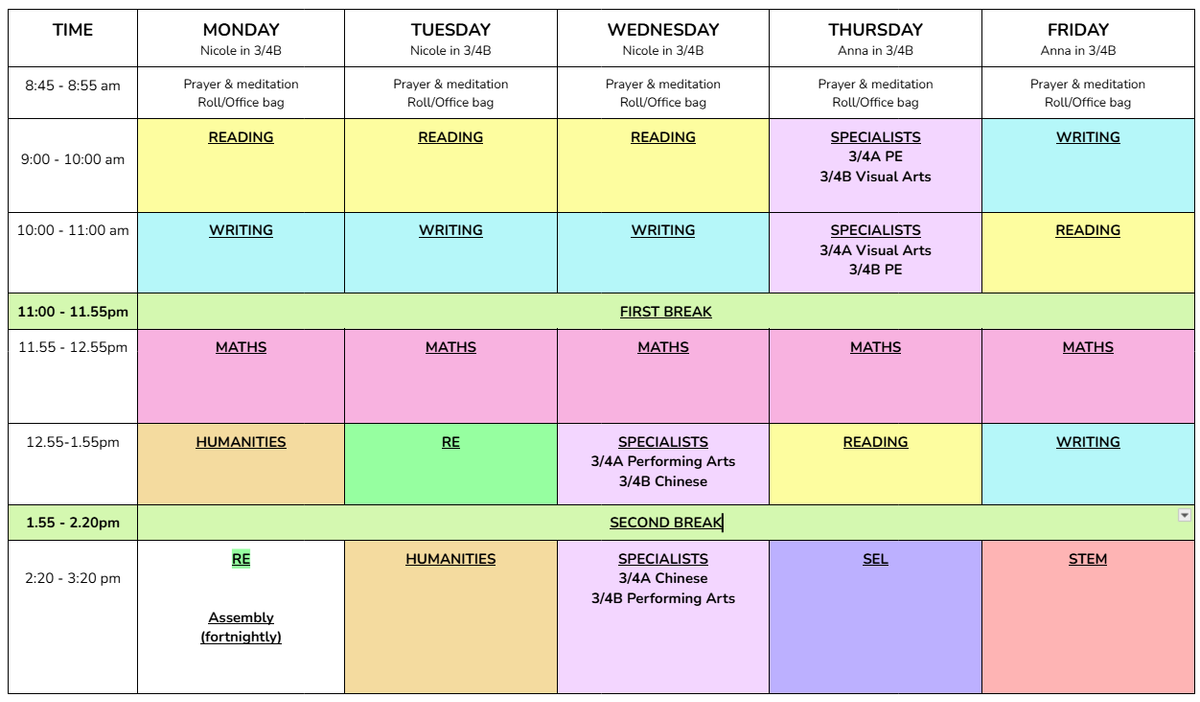
Please see the timetable below for specialist lessons. All 3/4 students will be required to wear their sport uniform on THURSDAY. Students will also need to bring in their library bag and books on their designated library days.
Monday | Wednesday
| Thursday (Students wear P.E. Uniform) |
3/4A & 3/4B
Library
| 3/4A & 3/4B
Performing Arts
Chinese
| 3/4A & 3/4B
PE
Visual Arts
|
Weekly Timetable
Homework
Homework will start shortly so stay tuned for more information.
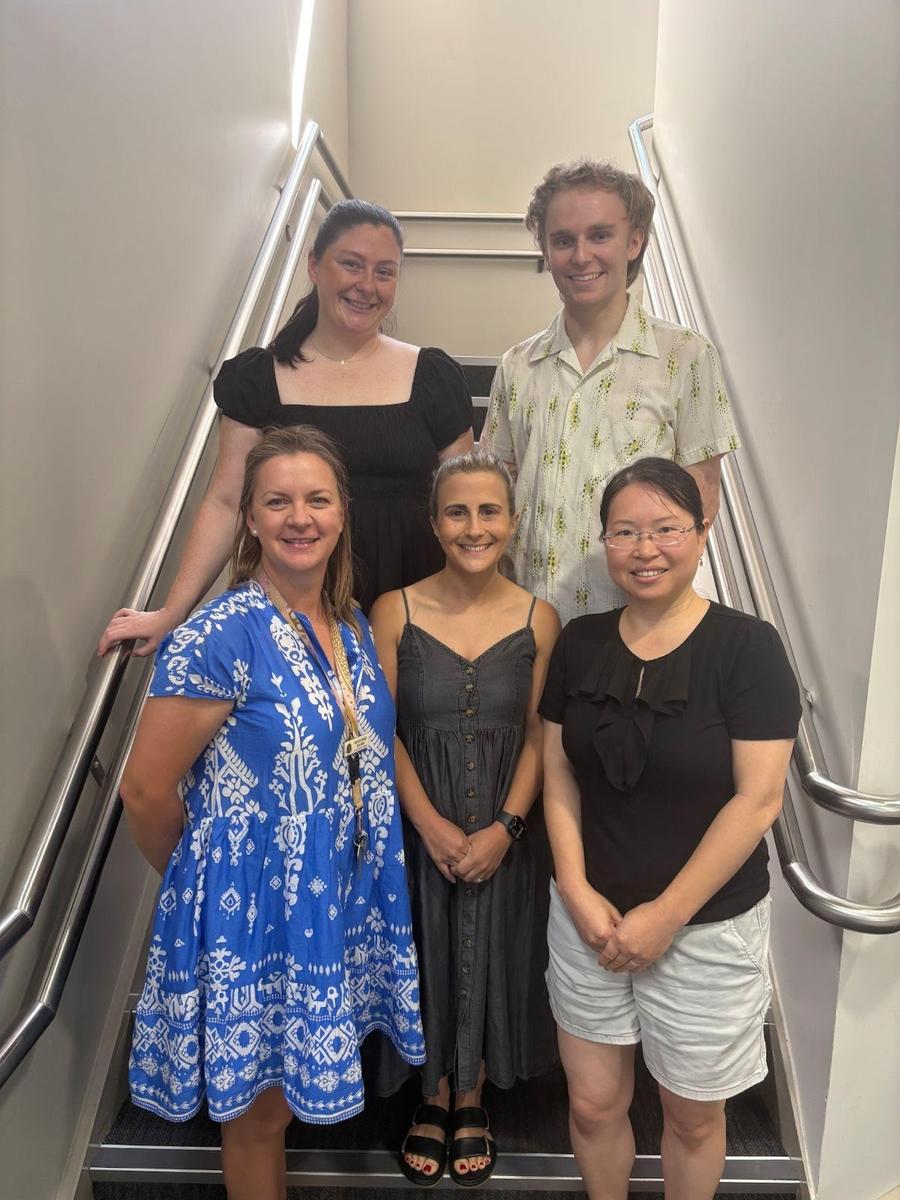
The connections between home and school are very important. Please do not hesitate to contact us if you have any questions. We can be reached via email or leave a message at the office and we will endeavour to respond in a timely manner, between 8am and 5pm on weekdays.
3/4A - Sebastian Vandenberg svandenberg@sjmitcham.catholic.edu.au
3/4B - Nicole Webb nwebb@sjmitcham.catholic.edu.au (Monday-Wednesday)
3/4B - Anna Hendy ahendy@sjmitcham.catholic.edu.au (Thursday & Friday)
https://parents.informandempower.com.au/