
Secondary Science
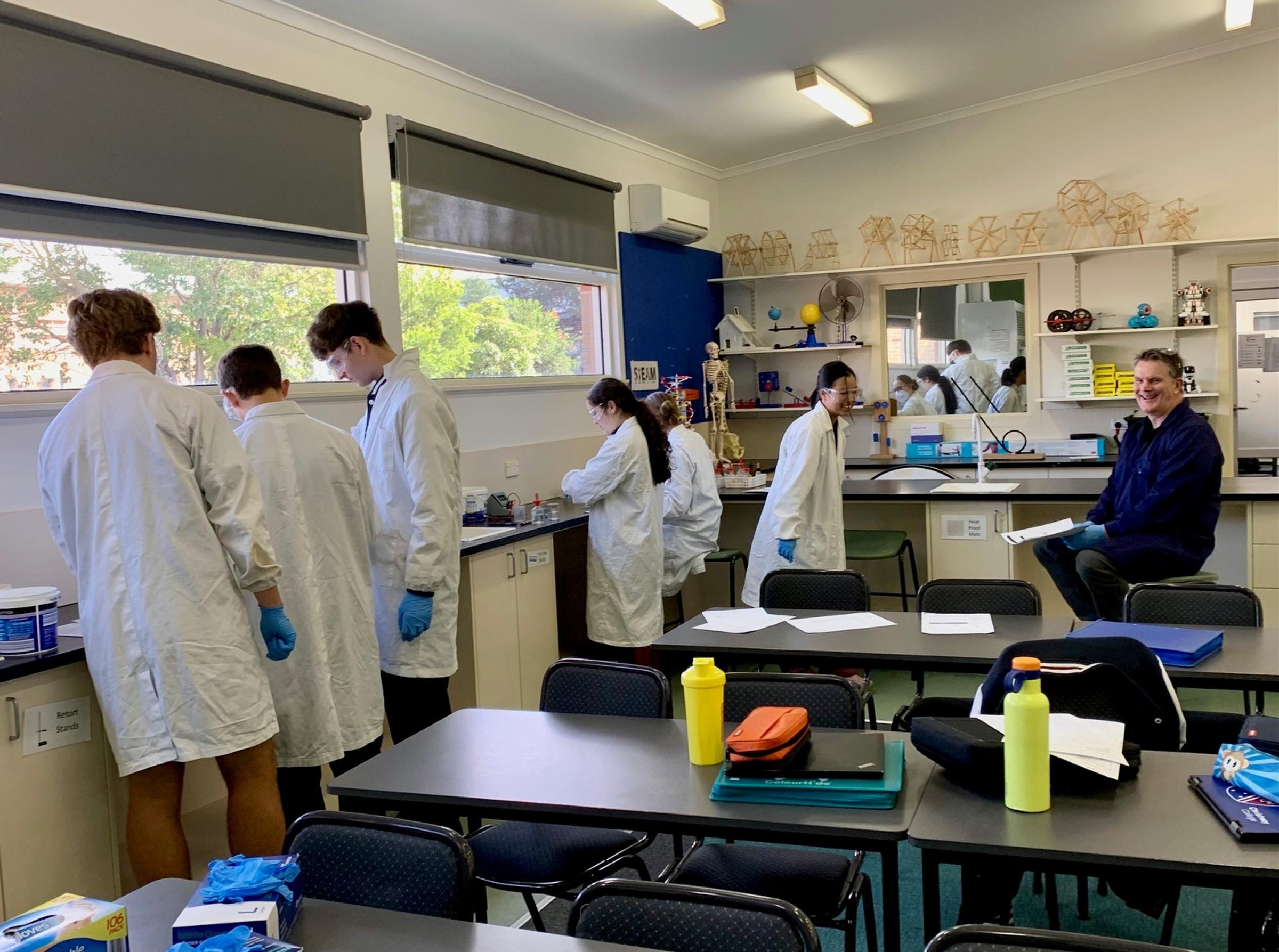
Science in Action: Yeast, Sugar, and Bubbles!
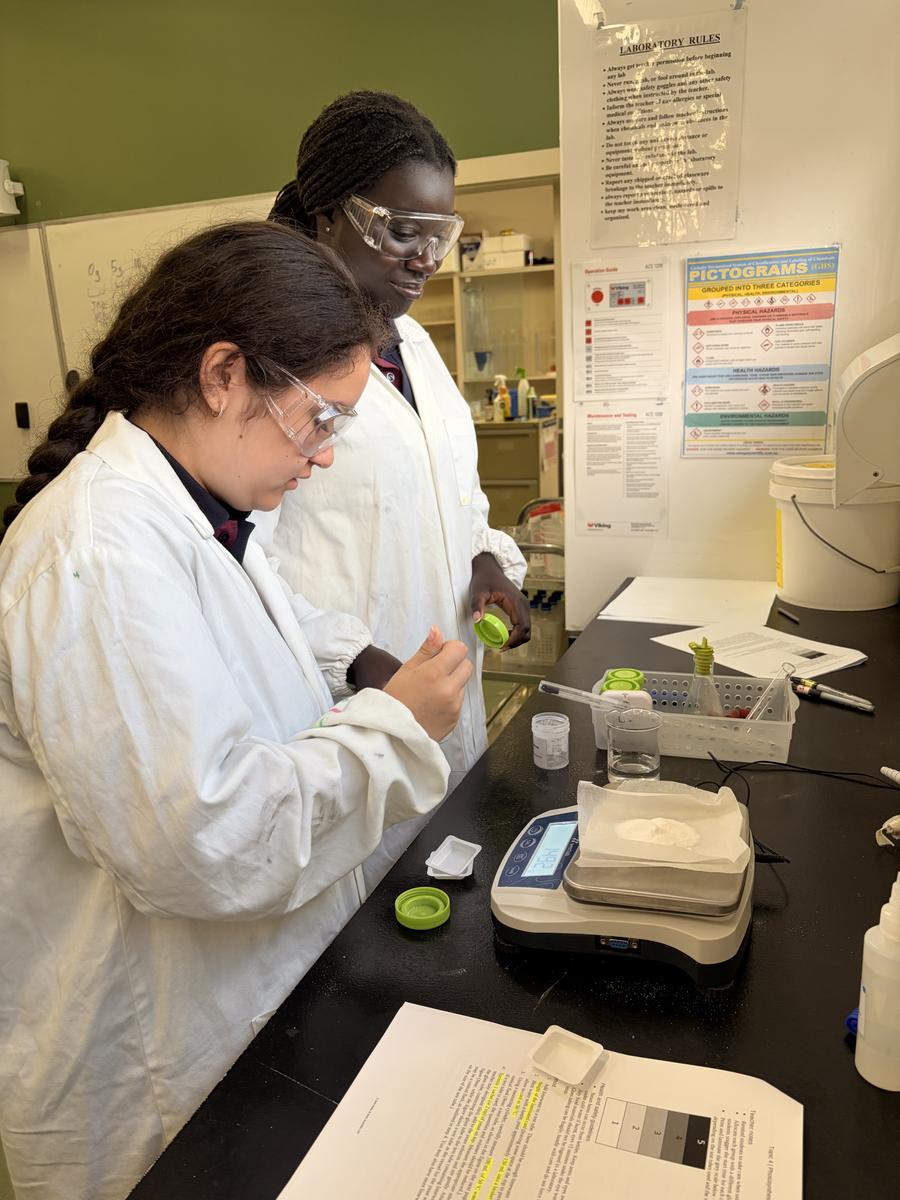
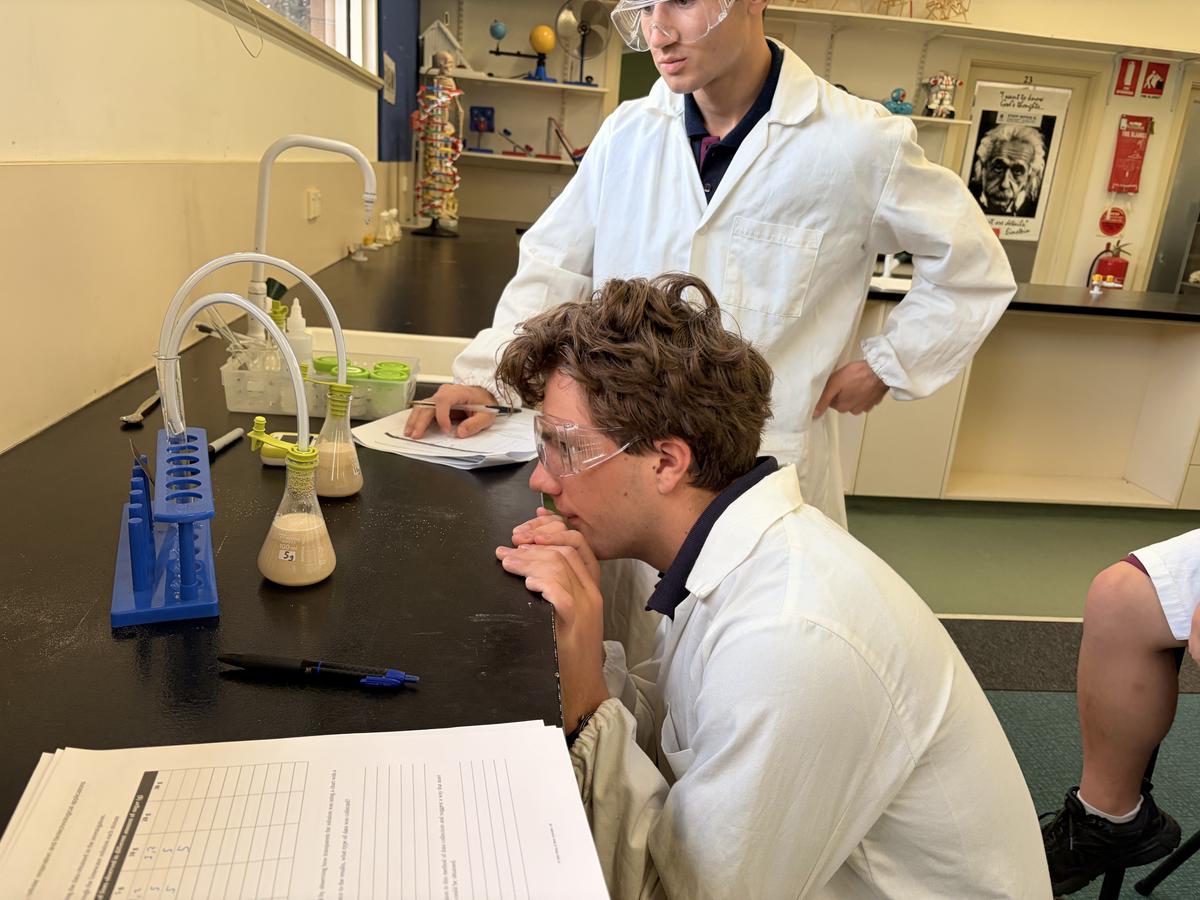
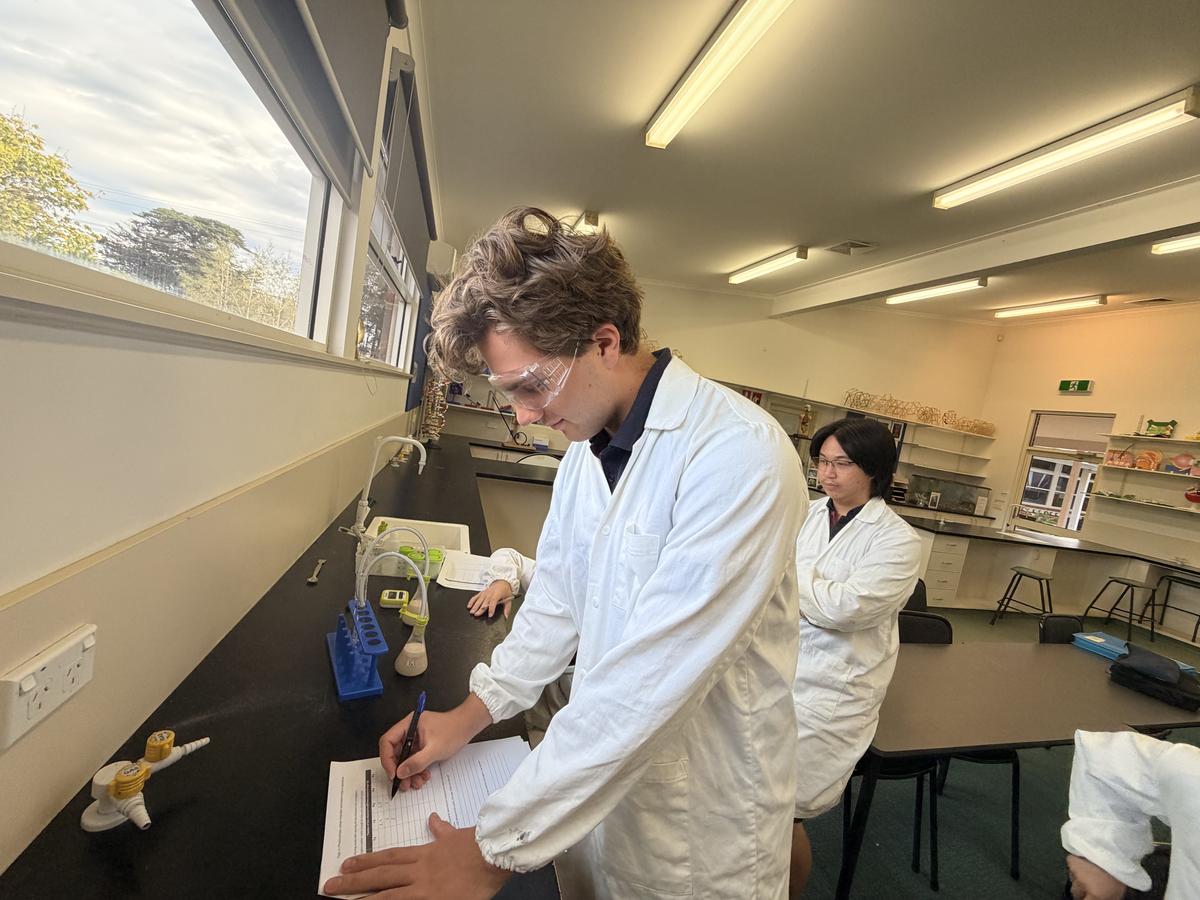
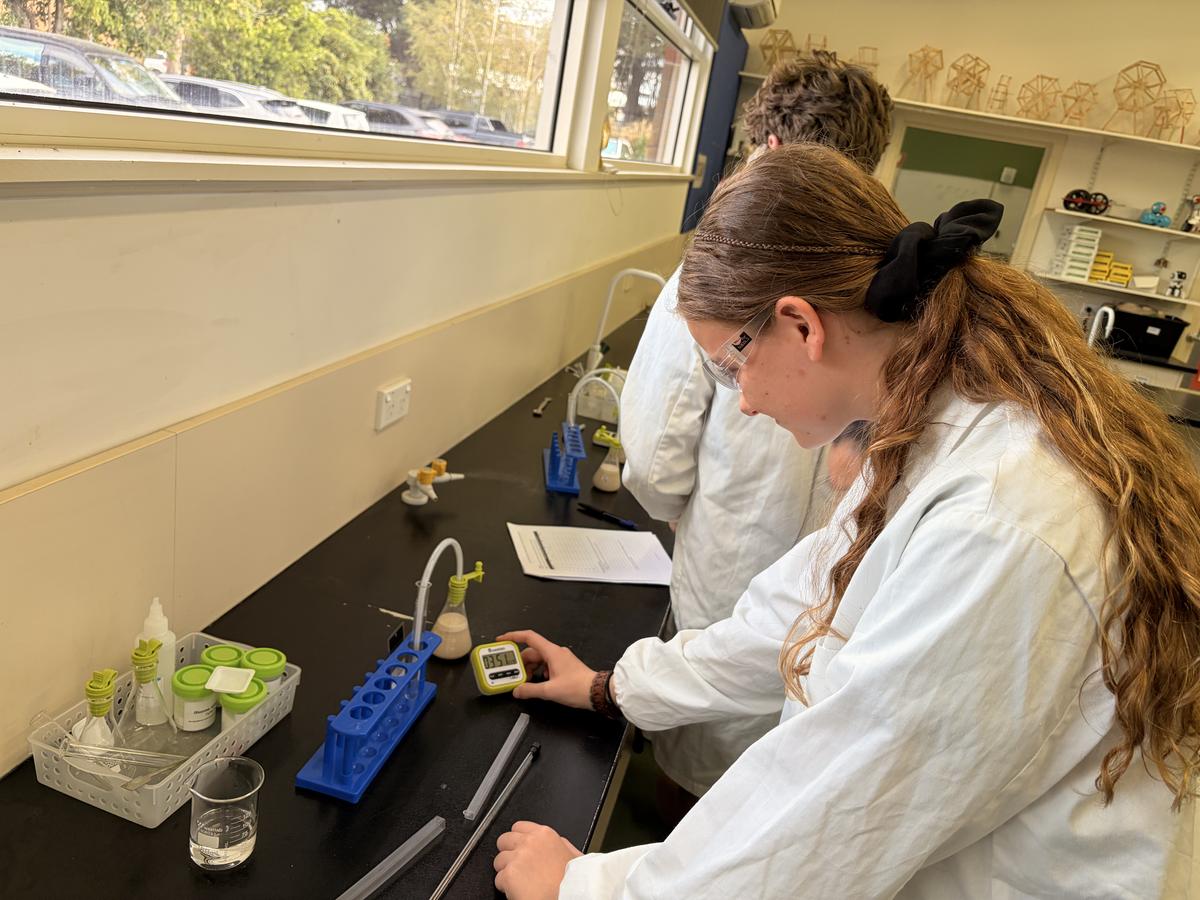
This term, our Unit 3 Biology students have been diving into the world of cellular energy. To see these microscopic processes in action, the class conducted a practical investigation into how yeast breaks down sugar through anaerobic fermentation.
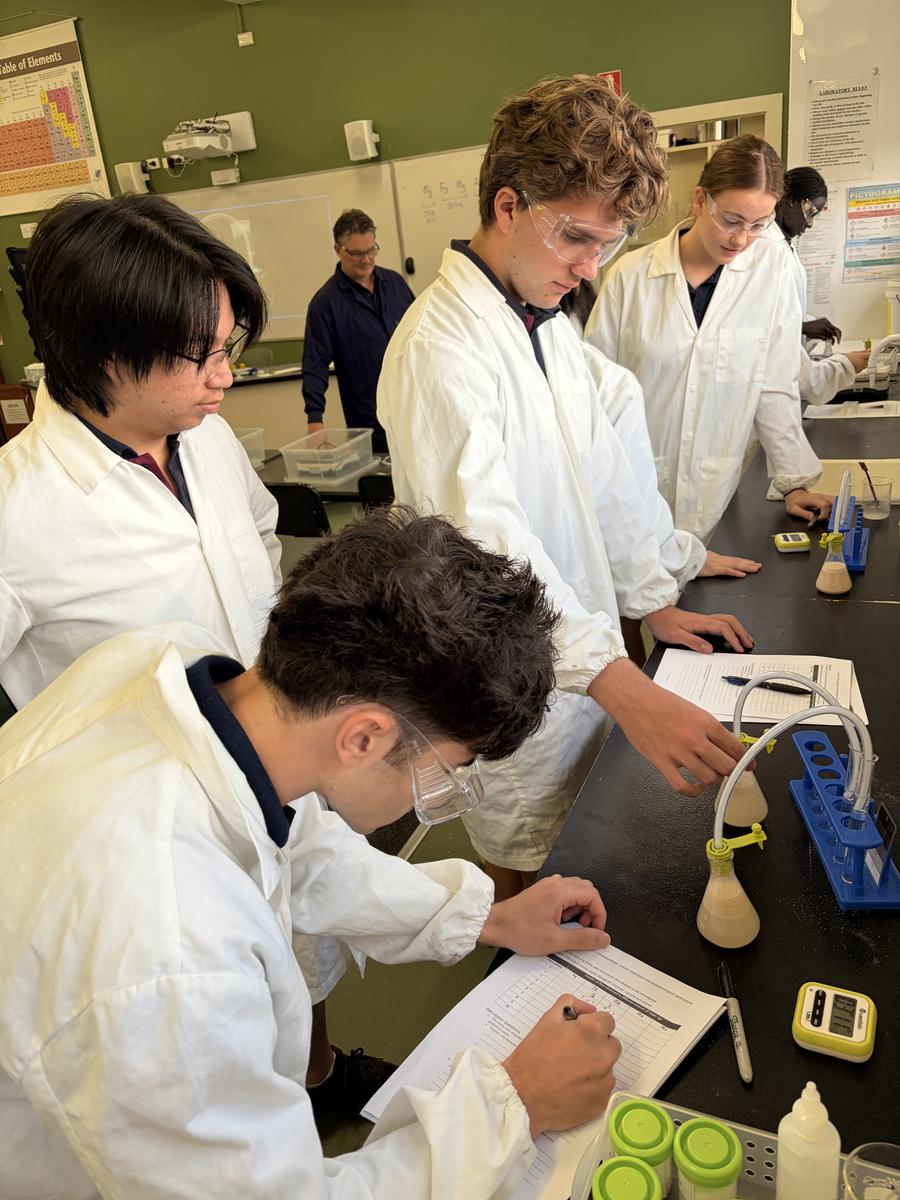
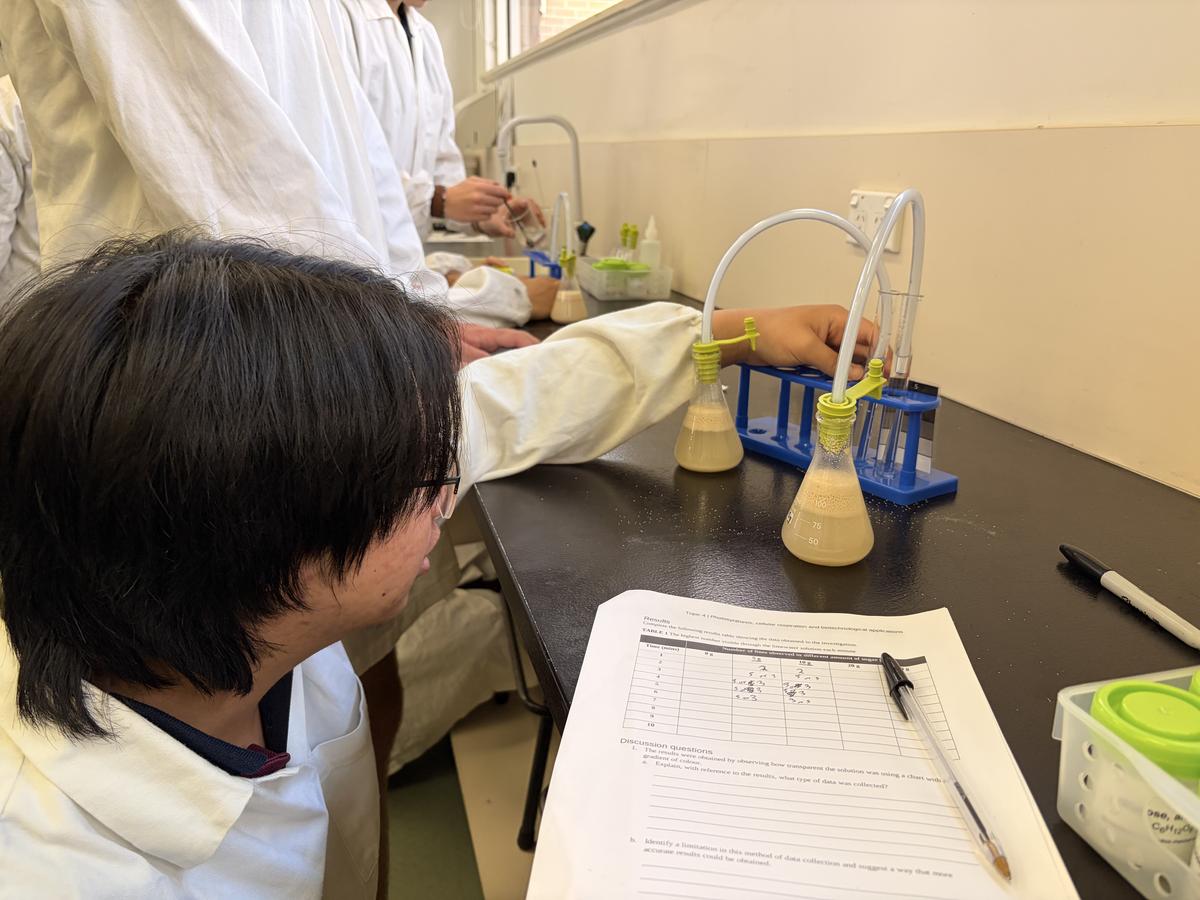
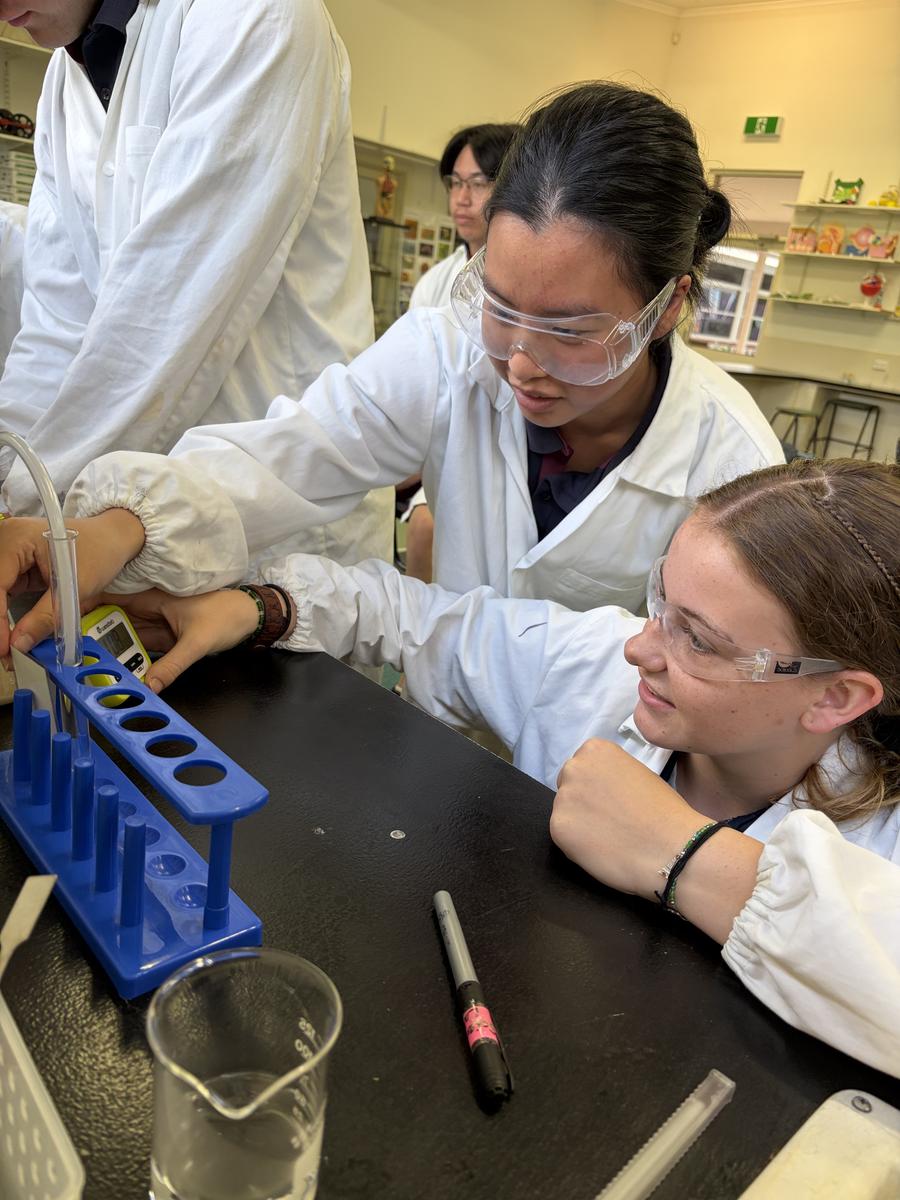
The Experiment
Students provided yeast "fuel" in the form of different glucose concentrations. When yeast lacks oxygen, it undergoes alcohol fermentation to keep producing ATP (the energy that powers cells). This process creates two famous by-products: ethanol, used in brewing, and carbon dioxide, which makes our bread rise!
The Results
To track how fast the yeast was working, students bubbled the gas produced into limewater.
- The Test: Limewater is clear but turns cloudy when carbon dioxide is present.
- The Findings: The "hungrier" the yeast (the higher the glucose concentration), the faster the gas was produced.
It was a fantastic way to see how enzymes and substrates interact to power living organisms.
Chemistry
In Unit 3 Chemistry, students explored galvanic (voltaic) cells, which generate electrical energy from spontaneous redox reactions. In this practical activity, students used the electrochemical series to predict the direction of electron flow and identify the anode and cathode in different cell combinations. They also wrote balanced equations for the oxidation and reduction reactions occurring at each electrode.
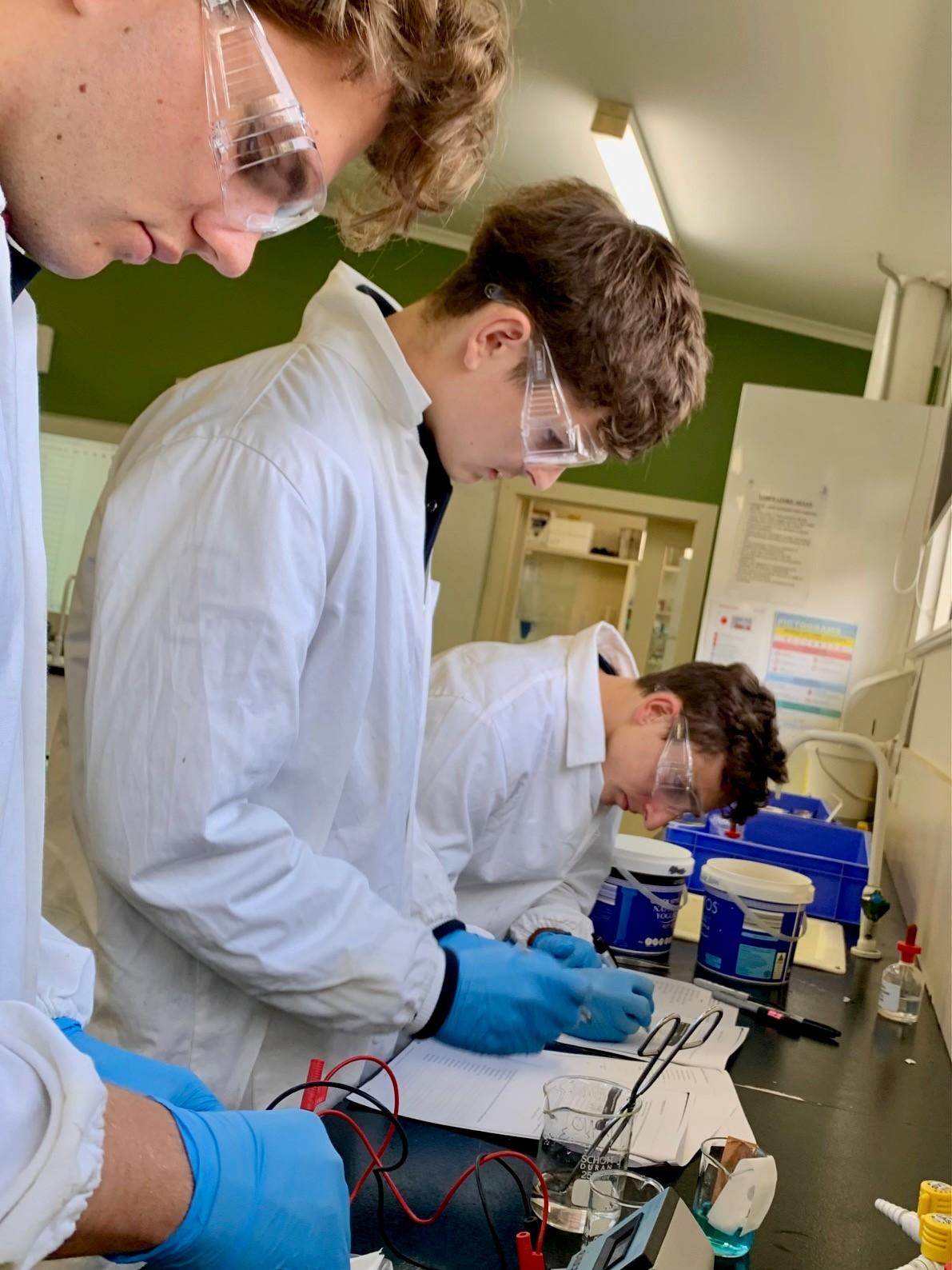
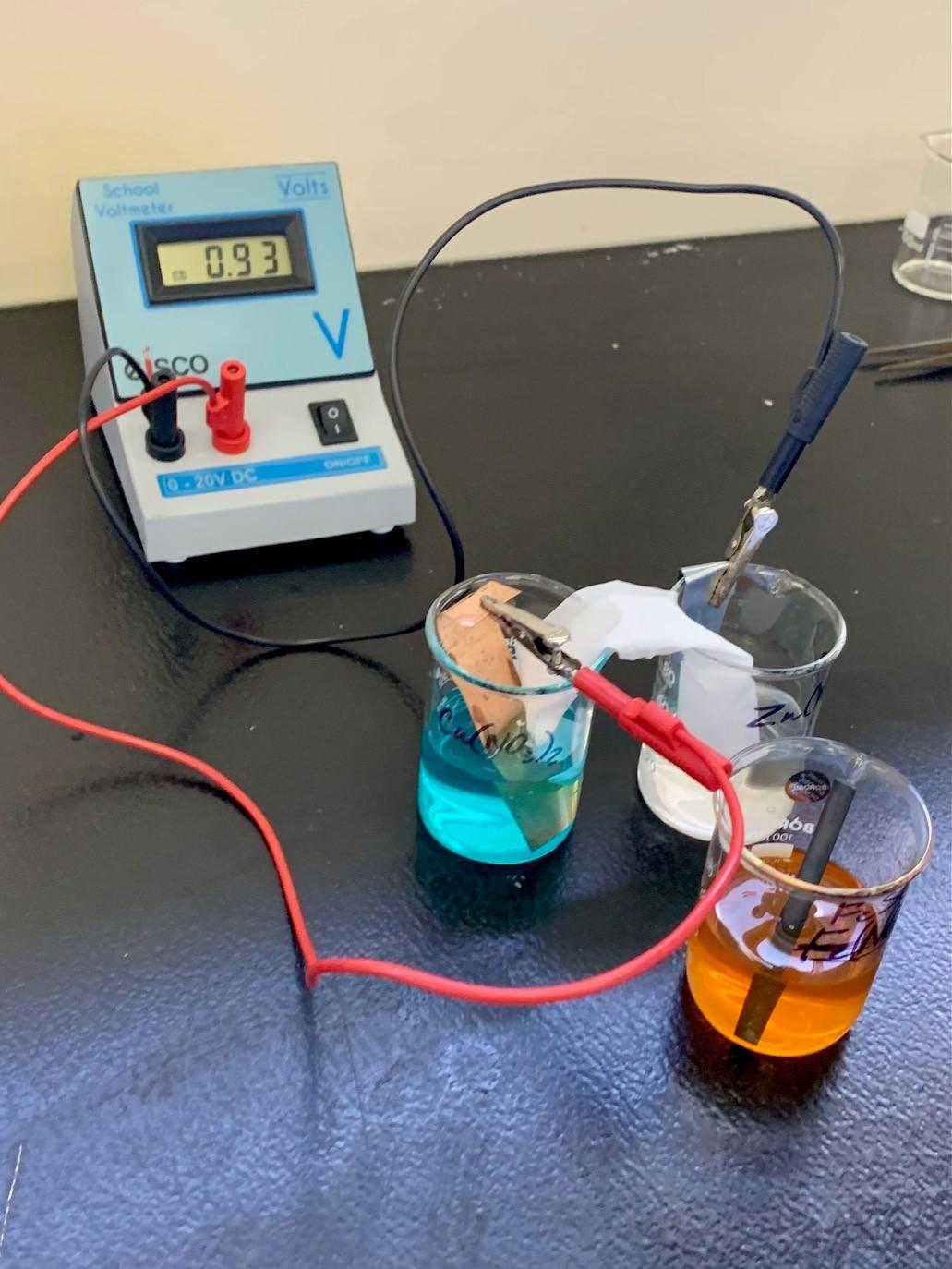
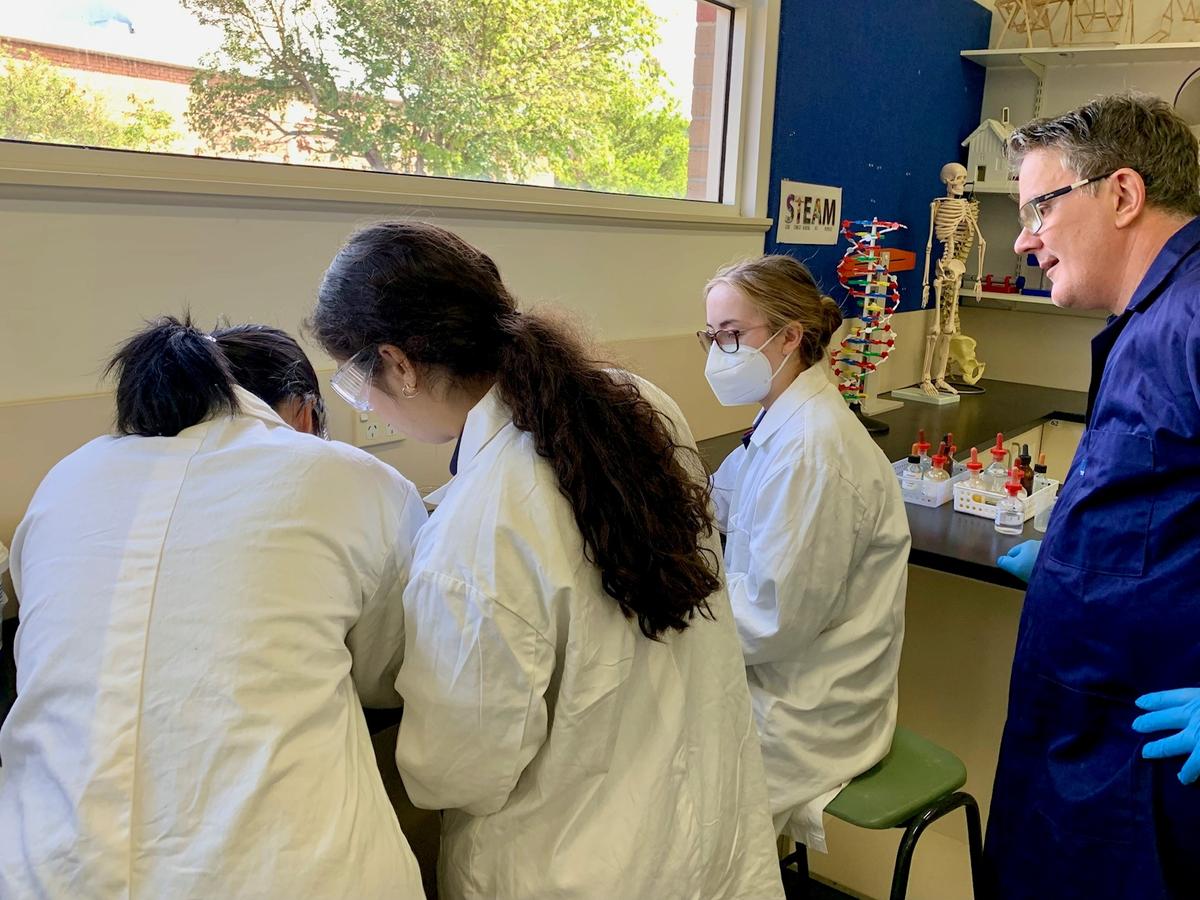
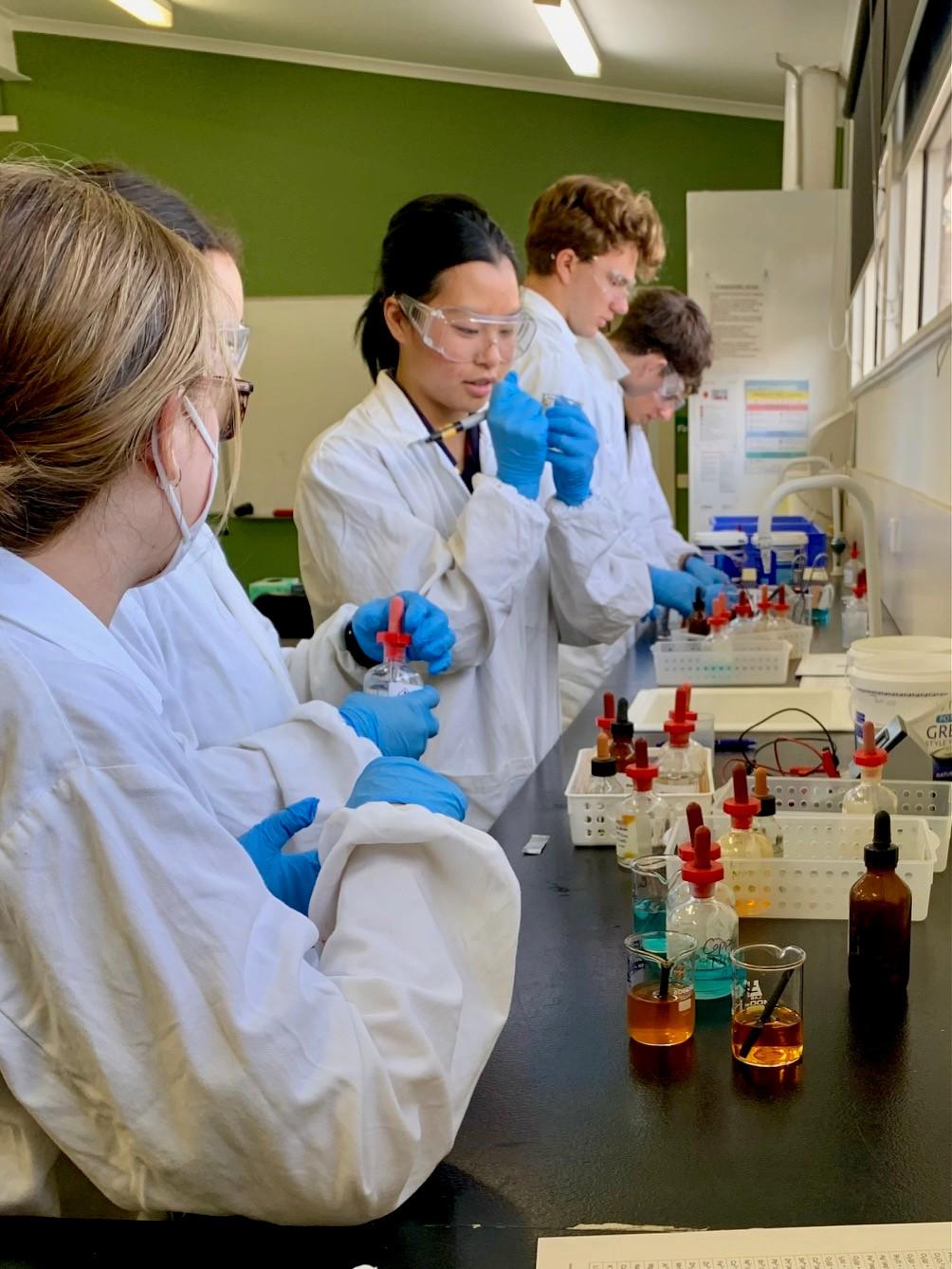
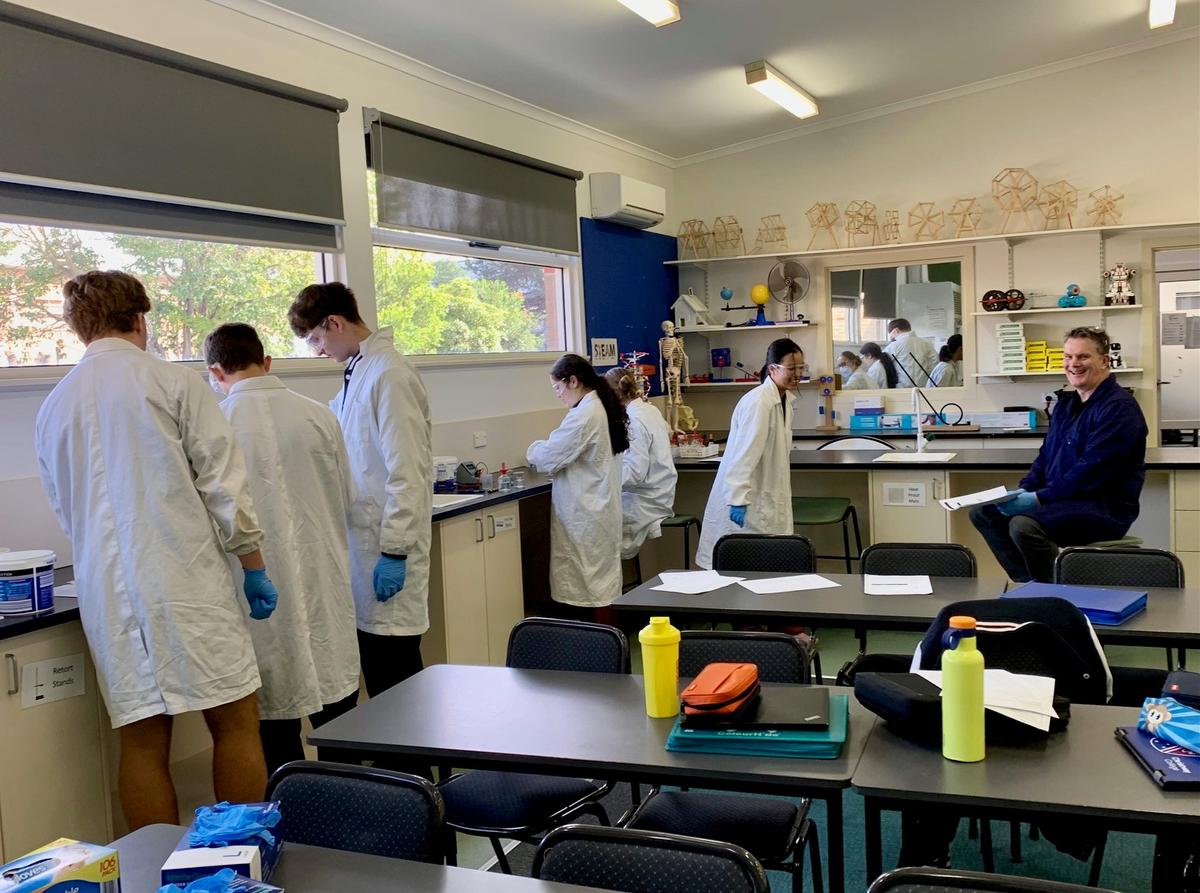
To deepen their understanding, students applied their knowledge of redox chemistry and stoichiometry to analyse how chemical energy is converted into electrical energy, and how this relates to the overall cell potential.
Phil Bergen Sarah Bergen
Science Teacher Science Technician