From the Deputy Principal
Mrs Caroline Wilson-Haffenden
From the Deputy Principal
Mrs Caroline Wilson-Haffenden
Neurodiversity Celebration Week | 17–23 March
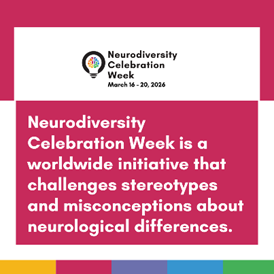
Did you know that approximately 15–20 per cent of the population has a neurological difference? Despite this, many individuals continue to face misconceptions and barriers to inclusion in their schools, workplaces and communities.
Neurodiversity Celebration Week provides an important opportunity for students and staff to explore and celebrate the many ways people think, learn and communicate.
Neurodiversity refers to the natural diversity of human minds. It encompasses differences in how people process information, behave and communicate. By recognising and valuing these differences, we can collectively break down stereotypes and shift the focus toward the incredible strengths and talents that neurodivergent individuals bring to the world. These differences should be understood, respected and celebrated.
The week encourages us to acknowledge the strengths, abilities and unique perspectives that neurodivergent people contribute to our school and wider community. It also inspires everyone to help create more inclusive environments where all individuals feel supported, valued and able to be themselves.
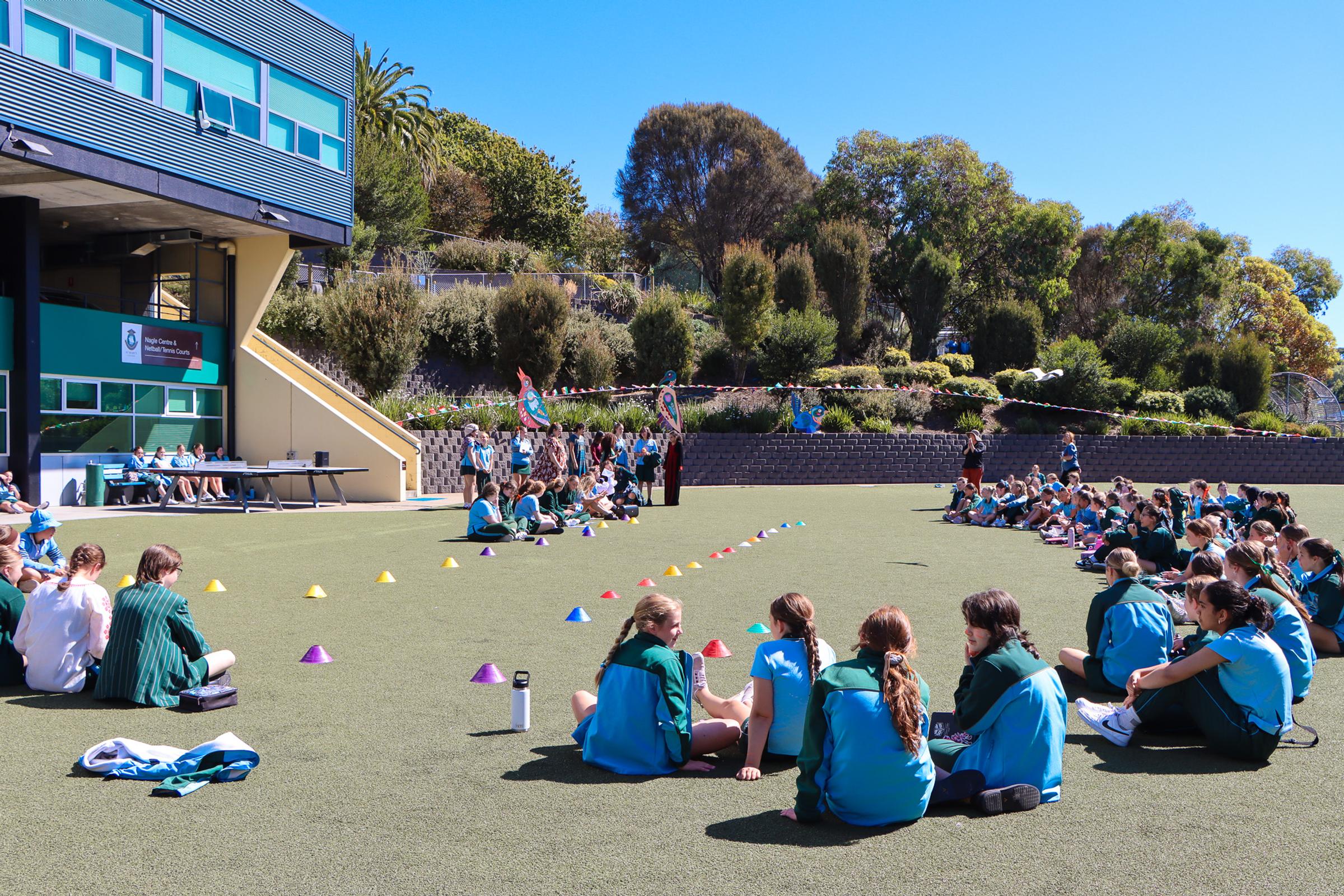
During the Senior School staff meeting, teachers deepened their understanding of neurodiversity by exploring the perspectives, challenges and strengths of neurodivergent individuals. This learning offered fresh insights into how we can foster environments that embrace different ways of thinking and learning. Similarly, students engaged with the concept of neurodiversity during Pastoral Care and Pillars lessons, unpacking the labels used to describe differences in thinking, processing, behaviour and communication, including:
Tourette Syndrome
Students showed great interest in identifying well-known individuals with ADHD, autism, dyslexia, dyspraxia or Tourette Syndrome who struggled in school yet went on to achieve remarkable success across many fields. Many of these individuals credit their achievements to their unique ways of thinking and perceiving the world.

A wealth of resources is available on the Neurodiversity Celebration Week website and the SchoolTV hub, including interviews with leading specialists and a range of informative articles: https://smc.tas.schooltv.me/newsletter/neurodiversity
In conclusion, when we use the term neurodiversity, we move away from framing people in terms of deficits or disorders. Instead, we adopt a balanced and respectful view that recognises each individual’s unique combination of strengths and challenges.