STEM News
What are students doing right now in STEM?
Foundation students have completed their digital technologies unit and their learning task to create a sequence that instructs a robotic device to navigate a maze. This will be available for parents to view on Compass shortly.
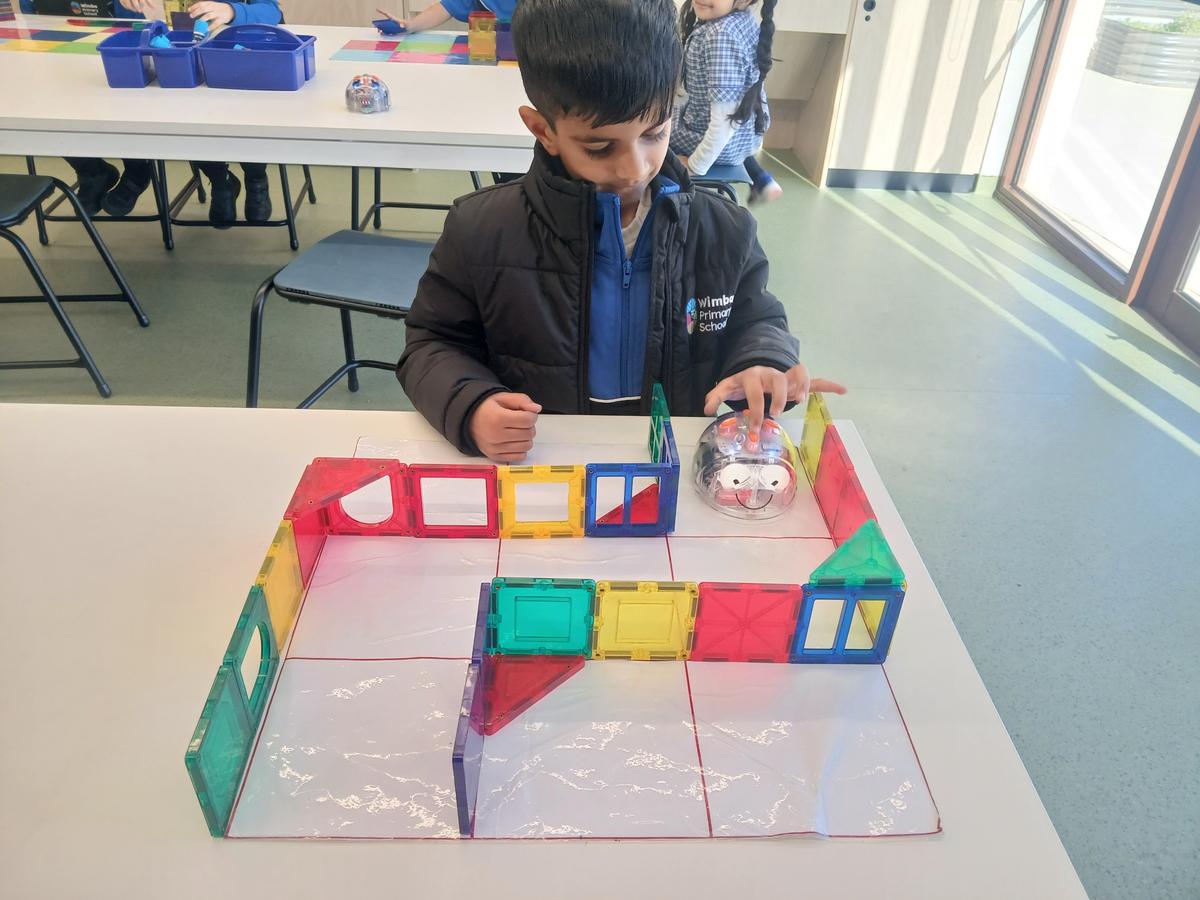
Instructing the Bluebot through a maze from start to finish
Grade 1 and grade 2 students have started a new unit all about sound. Sound is a vibration! Students are also busy using the scientific process to complete investigations by making predictions, recording their observations, and writing an evaluation that explains what they have learned.
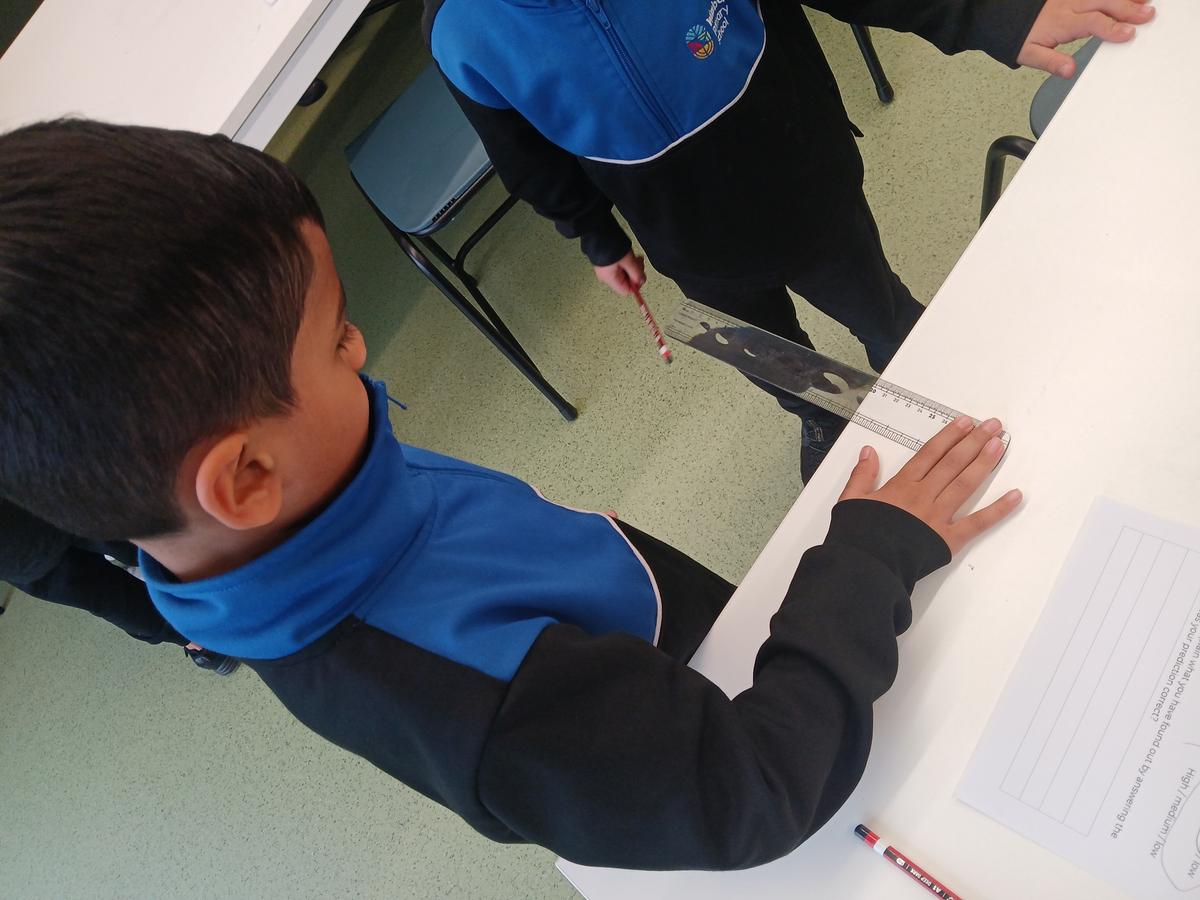
Students investigated how the speed of vibrations is connected to the pitch of the sound. By changing the length of the ruler and activating the sound, we could hear high pitches when the vibrations were fast (and the ruler was at its shortest!)
Early next term, grade 1 and 2 students will be visiting the Royal Botanic Gardens to learn about biomimicry – please use Compass to conform your child’s attendance.
Grade 3 and grade 4 students are learning about the Earth’s resources. We started by looking at some rock samples and are now learning about types of soil and the layers of soil. We conducted an investigation into how different types of soil hold water or drain easily.
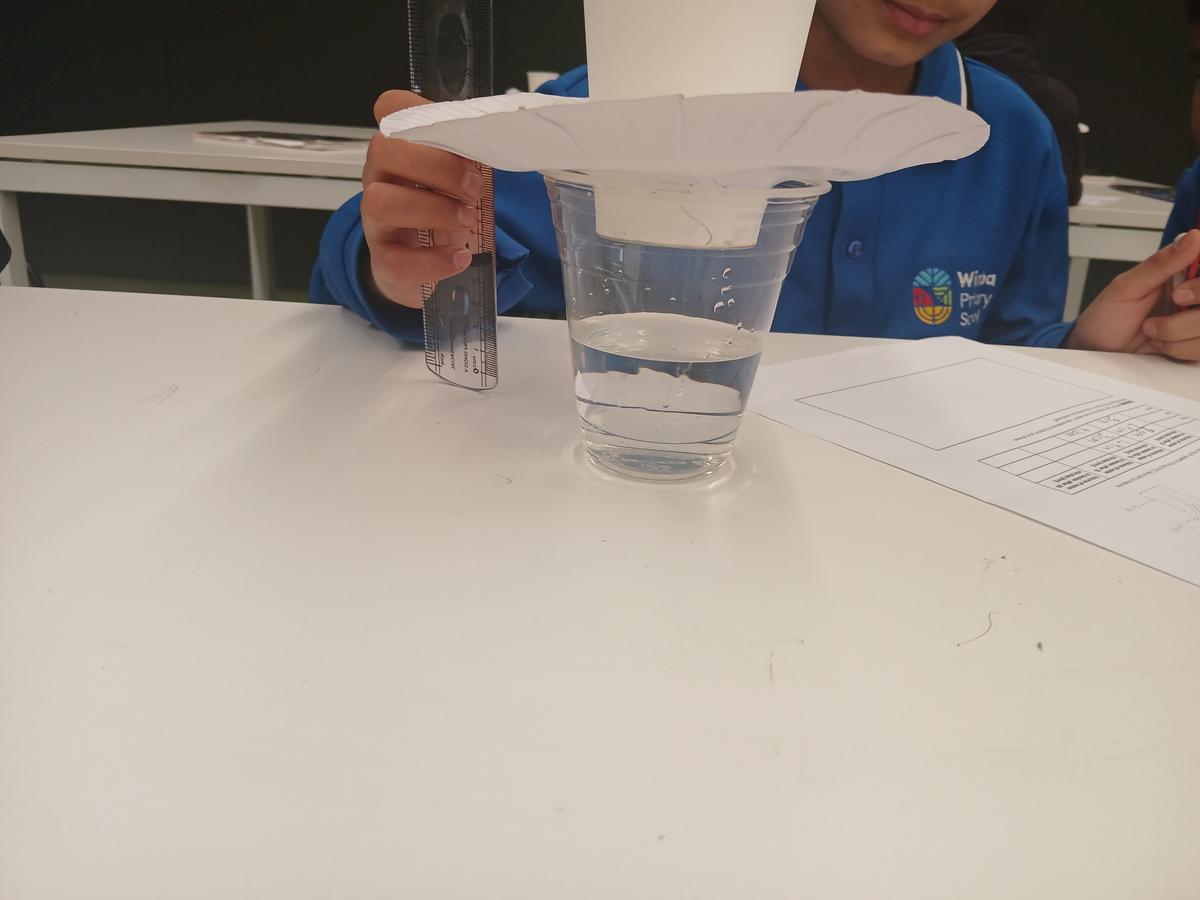
Investigating how much water is held or drains from the 3 types of soil over time
Grade 5/6 students are completing the coding of their Scratch games. Their learning task which focussed on coding movement and starting conditions is available to view on Compass. They have learned that what they thought would be a simple action or rule in a game can be quite complex in coding! The variety have games has been fantastic, take a look for yourself!
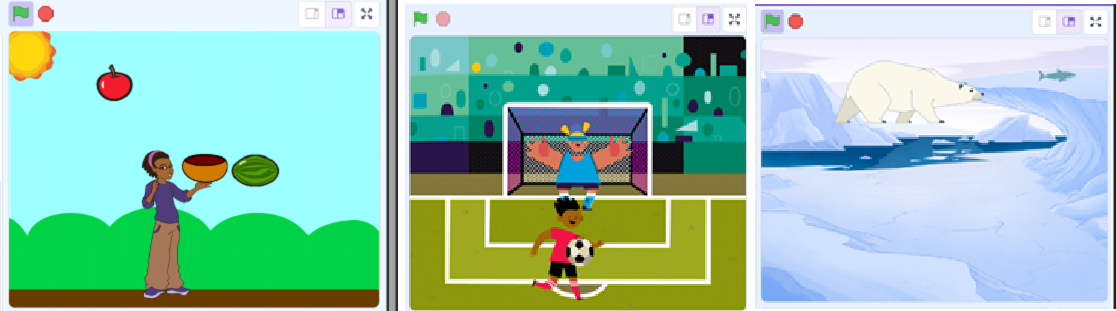
Some examples of student games
Kim Miter
What is STEM?
STEM stands for Science, Technology, Engineering and Maths. These subject areas will be explored throughout the school year, with a change of focus in each term.
Science includes:
- Science as a human endeavour - the nature and development of science, and the use and influence of science. In simpler terms, how has science improved our lives.
- Scientific Understanding - which includes biological sciences, chemical sciences, physical sciences, and earth and space sciences.
- Science inquiry - using the scientific process to investigate.
Design Technologies includes:
- Technologies and Society - focuses on how people use and develop technologies while taking into account ethical considerations such as legal, aesthetic and functional factors.
- Technologies Contexts- which includes engineering principles and systems, food and fibre production, food specialisations, materials and technologies specialisations.
- Creating Designed Solutions - using the design process to explore systems, services, and products.
Digital Technologies includes:
- Digital Systems and Security - focuses on hardware, software, and networks, and well as cyber security.
- Data, Information, and Privacy- focuses on data
Creating Designed Solutions - creating simple algorithms using robotics or coding languages