The Wellbeing Page
Supporting students to stay happy, safe and connected...

The Wellbeing Page
Supporting students to stay happy, safe and connected...
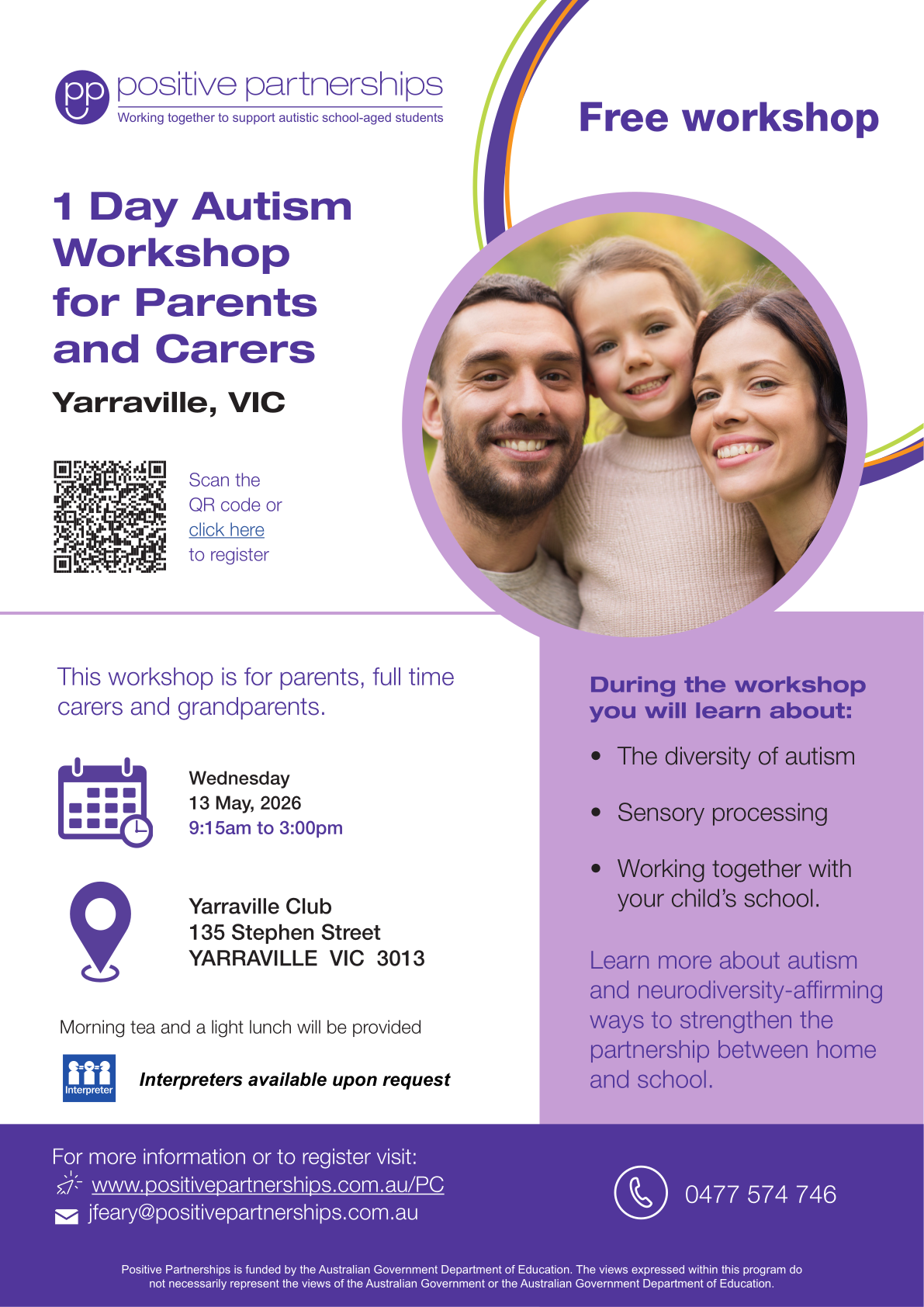
Free Autism Workshop for Parents and Carers - 13th May 2026
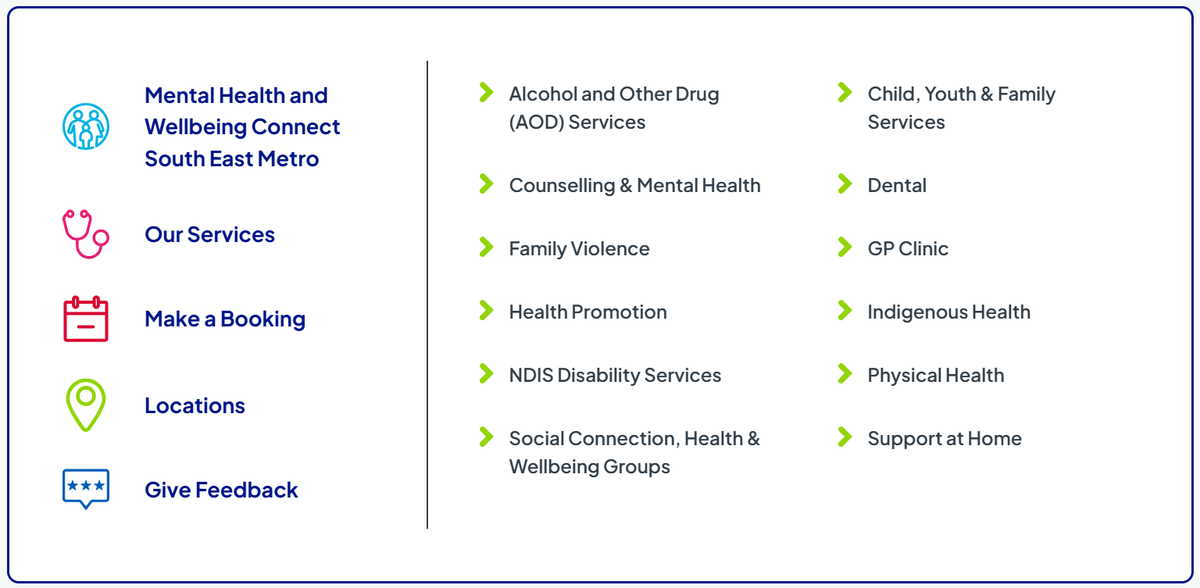
The Better Health Network is a not-for-profit organisation funded by State and Commonwealth Governments to provide low-cost services for Concession Card Holders and Low-Income Households.
Services include GP, Dental, Mental Health, Family Violence, Podiatry, Physiotherapy, Dietetics, Counselling and much more. Service Summary:
Fees:
Most fees at BHN are based on a co-payment model. This means the government pays for most of the service (directly to BHN) and clients pay an amount based on their income (the co-payment).
Many services are free for low-income clients.
Better Health Network (BHN) provides free health services to Aboriginal and Torres Strait Islander people. All services for Indigenous clients are free of charge, ensuring affordable, culturally safe care.
Contact:
To speak with the Indigenous Access Coordinator: call 132 246
General enquiries email: info@bhn.org.au
Website: https://bhn.org.au/
Address:
South Melbourne
341 Coventry Street, South Melbourne 3205
Within SMPS we have a number of students who have severe food allergies. This condition is known as Food Anaphylaxis.
The Department of Education and Early Childhood Education defines Anaphylaxis as:
A severe, rapidly progressive allergic reaction that is potentially life threatening.
The most common allergens in school-aged children are:
In extreme cases, an anaphylactic reaction can be triggered by skin contact – although this is rare.
In the case of these children, the trigger foods are:
Tree nuts, Peanut, Cashew, Walnut, Pecan, Macadamia, Pistachio and Raw Egg.
To minimise the risk of allergic reactions in our classrooms we implement the following:
Parents are requested to respect and assist our efforts in supporting all children with food allergies by:
We appreciate your understanding and support for all children and their safety at South Melbourne Primary School.