
Wellbeing and Engagement
From the Assistant Principal: Wellbeing and Engagement
Update on Our Behaviour for Learning Framework
Our staff and students have been working together to develop a collaborative framework to enhance expectations and conditions for learning.
Our goal has been to improve consistency through the shared use of predictable routines and social norms. When students know what to expect, they feel safe and secure, which allows them to think critically and concentrate on their learning. Examples of consistent routines include:
- Arrival to class
- Seating arrangements
- Lesson introductions
- Seeking support during class
- Phone and connectivity expectations
- Dismissal from class
When simple routines like these become internalised and made automatic, it helps reduce confusion, anxiety and maximise valuable learning time.
Social norms play a crucial role in shaping student behaviour within the classroom. Each classroom can develop its own unique micro-culture, where students quickly learn which behaviours are acceptable and which are not. As a result, they adjust their actions to align with these established norms.
Given this understanding, our framework emphasises the importance of aligning accountability and communication regarding shared norms. This ensures that all students and staff are aware of and adhere to the same expectations, fostering a positive and cohesive College environment.
A Practical Example
Consider a student named Sally. She consistently arrives on time and stays focused and engaged in Mrs A's class but tends to be more relaxed and socialises with friends in Mrs B's class. If high expectations and effort are the norms in Mrs A's class, most students, including Sally, will strive to meet those expectations. However, if low-level disruptions are tolerated in Mrs B's class, that behaviour may become the norm and learning is affected. Additionally, when Mrs A seeks accountability over expectations and Mrs B does not, teacher-student relationships are affected.
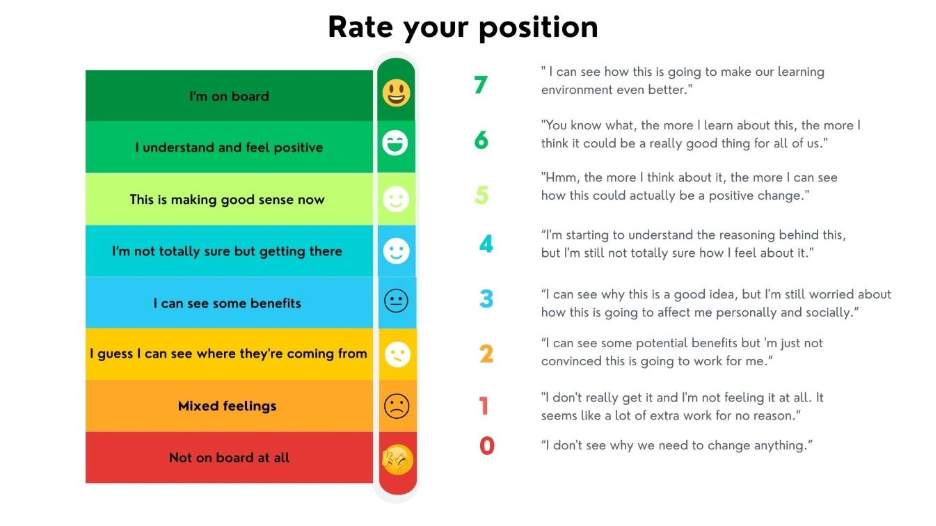
Currently, our Student Representative Council is discussing this learning framework and providing valuable feedback on which elements they find beneficial for their education. They are also identifying aspects of the framework that they would like to explore further with teachers to foster collaborative and sustainable commitment.
I look forward to sharing our finalised framework with you in the coming weeks.
Suzie Crowe
Assistant Principal: Wellbeing and Engagement