Learning Across the
Senior School

Learning Across the
Senior School
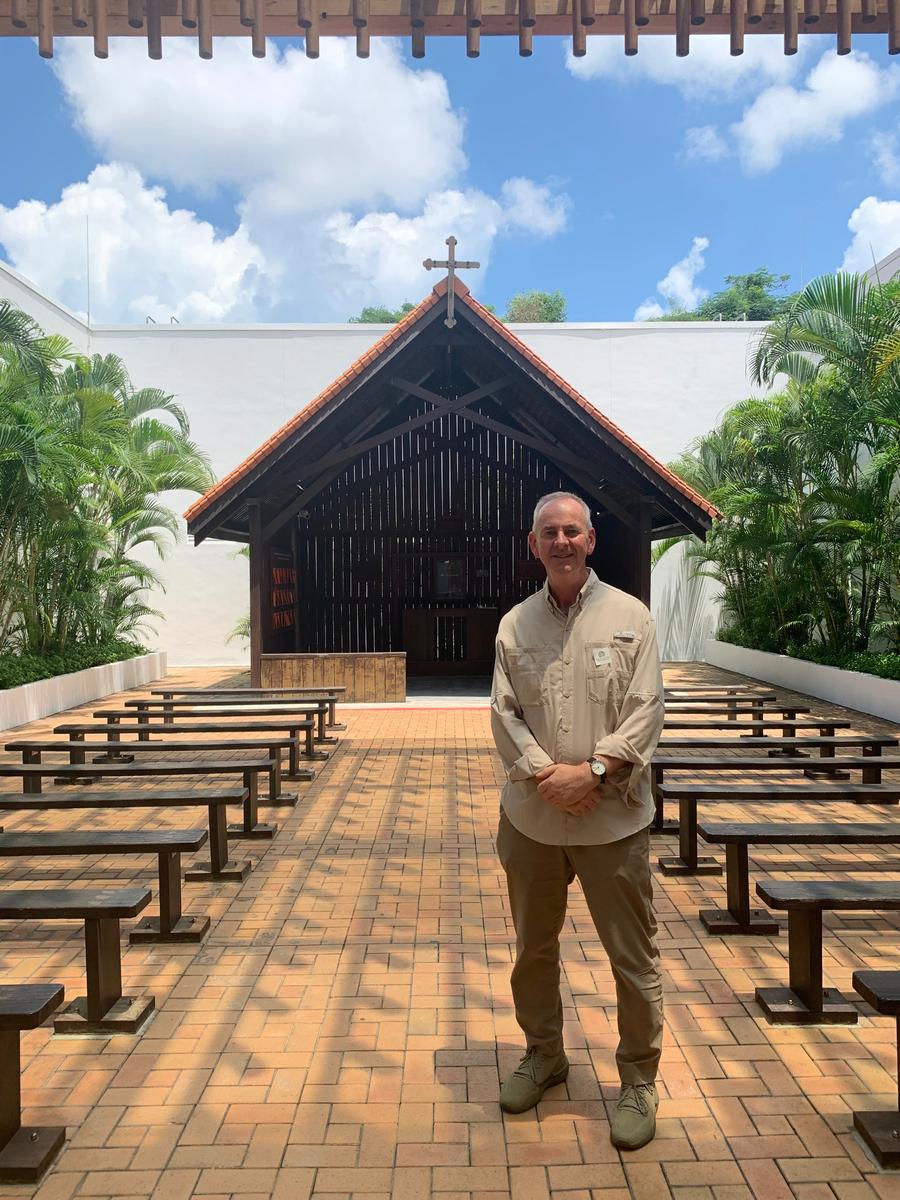
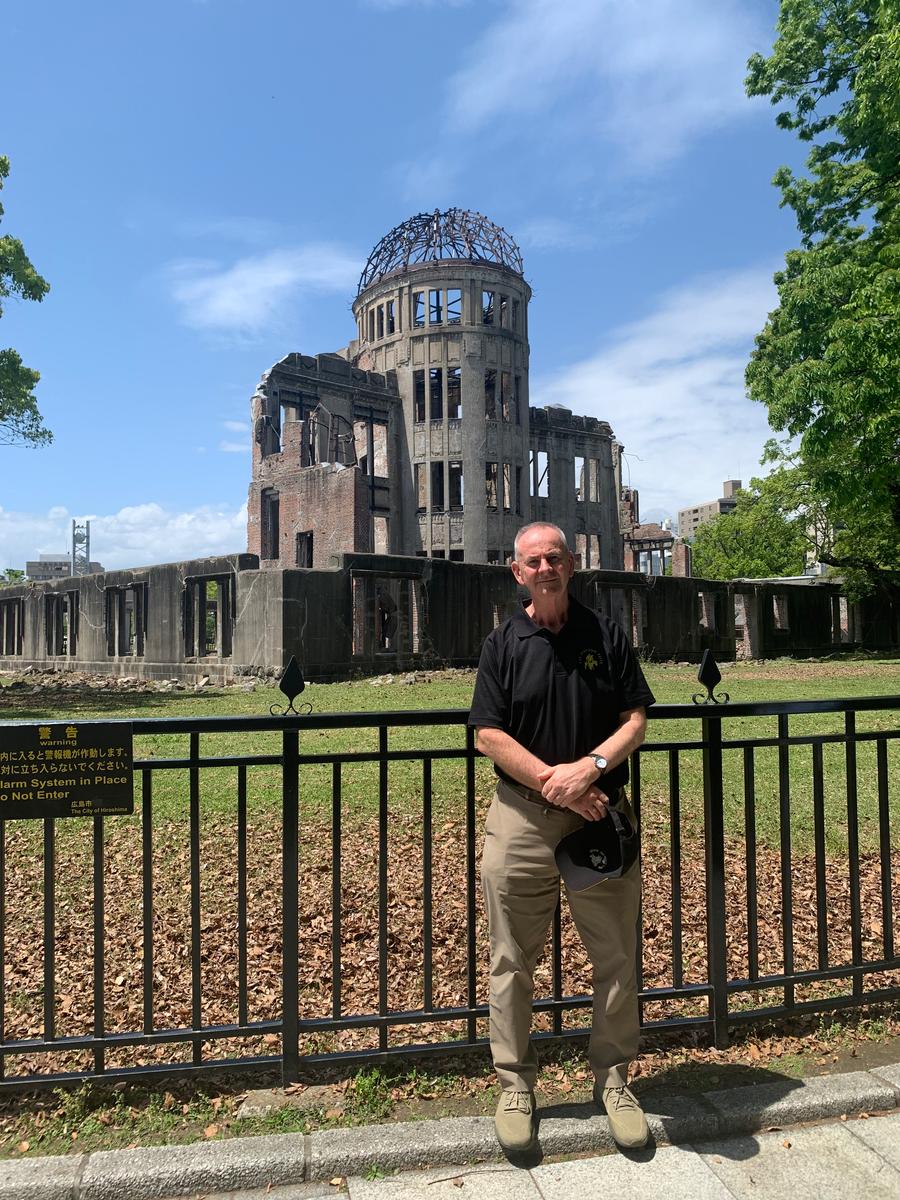
Last month, on 17-27 April, I was privileged to accompany the two Teacher Chaperones, an Australian War Memorial Guide and the 8 Prize Winning Students on the 2026 Simpson Prize Commemorative Study Tour to Japan and Singapore. The tour began in Japan with a tour of Osaka Castle and the Osaka International Peace Centre. The group visited the Hiroshima Peace Memorial Museum and Park and Ground Zero. This was a sobering and significant experience for the entire group. The tragedy of war is truly encapsulated at this site. Our accompanying Australian War Memorial guide, Mr. Michael Kelly, took us to three of the four buildings which remained standing after the atomic bomb was dropped at 8.15 am on 6 August. Additionally, I shared with the group photos and experiences passed on to me by my late father who was in the Australian 67th Infantry Battalion A.I.F. and served 18 months in the British Commonwealth Occupation Forces, where Australian troops took direct control of the entire Hiroshima Prefecture. The tour also included a visit to Kyoto, where the iconic Torii Gates and Bamboo Forest were among the many highlights, with the natural beauty of Japan surrounding us at every turn.
The group then flew to Singapore where we visited the exceptional Changi War Museum, the Ford Factory Museum, Battle Box and the National Museum of Singapore. In every instance, our thoughts gravitated towards the resilience and courage of the Australians who would spend nearly 4 years as Prisoners of War under the Imperial Japanese Army. The tour culminated in attending and participating in the Anzac Day Dawn Service at Kranji War Memorial and Cemetery. This was an extremely powerful experience as the service is held next to the graves of over 4,000 allied soldiers who paid the supreme sacrifice in WWII.
In the visitor book at the Hiroshima Peace Centre, I simply wrote, “Peace and Kindness, above all, Peace and Kindness.” While it is far too complex to even attempt to convey the emotions and deep impressions such a learning experience had on myself and everyone on the study tour, maybe this best captured my thoughts. We should never take our freedoms and democracy for granted, nor the sacrifices made by so many. Hence the significance and gravity of the words contained in the Ode of Remembrance, “Lest We Forget,” and “We Will Remember Them.”
If your daughters are studying History this semester in Years 9 or 10, they are completing an assignment based on the 2027 Simpson Prize Question. This year the question is:
‘How useful are artefacts and artwork as historical sources when researching the experience of Australians who served in either the First World War or Second World War?’
Year 9 students will examine the question using WWI sources and Year 10, WWII sources, thus matching the Australian Curriculum, History 9.0. The students must use at least four sources from the 2027 Simpson Prize Sources, balanced with their own research and the sources they have discovered. It is a task that extends students' research and critical reading skills, and I encourage you to view the sources at the Simpson Prize website www.simpsonprize.org.
This year’s question presents an array of sources from the extensive collection held at the Australian War Memorial in Canberra. These include the artwork of Will Dyson and George Lambert for WWI and the exceptional WWII artwork of South Australian artists Stella Bowen and Nora Heysen. Year 10s found the artefact of Staff Nurse Vivian Bullwinkel’s uniform particularly fascinating. Her story is one of exceptional courage and resilience in the face of extreme adversity. The dedicated teachers of History here at Loreto College look forward to reading these responses and the students' reflections on the service of Australians who exhibited endurance and ingenuity, often in the worst of conditions.
Paul Foley
Leader of Humanities
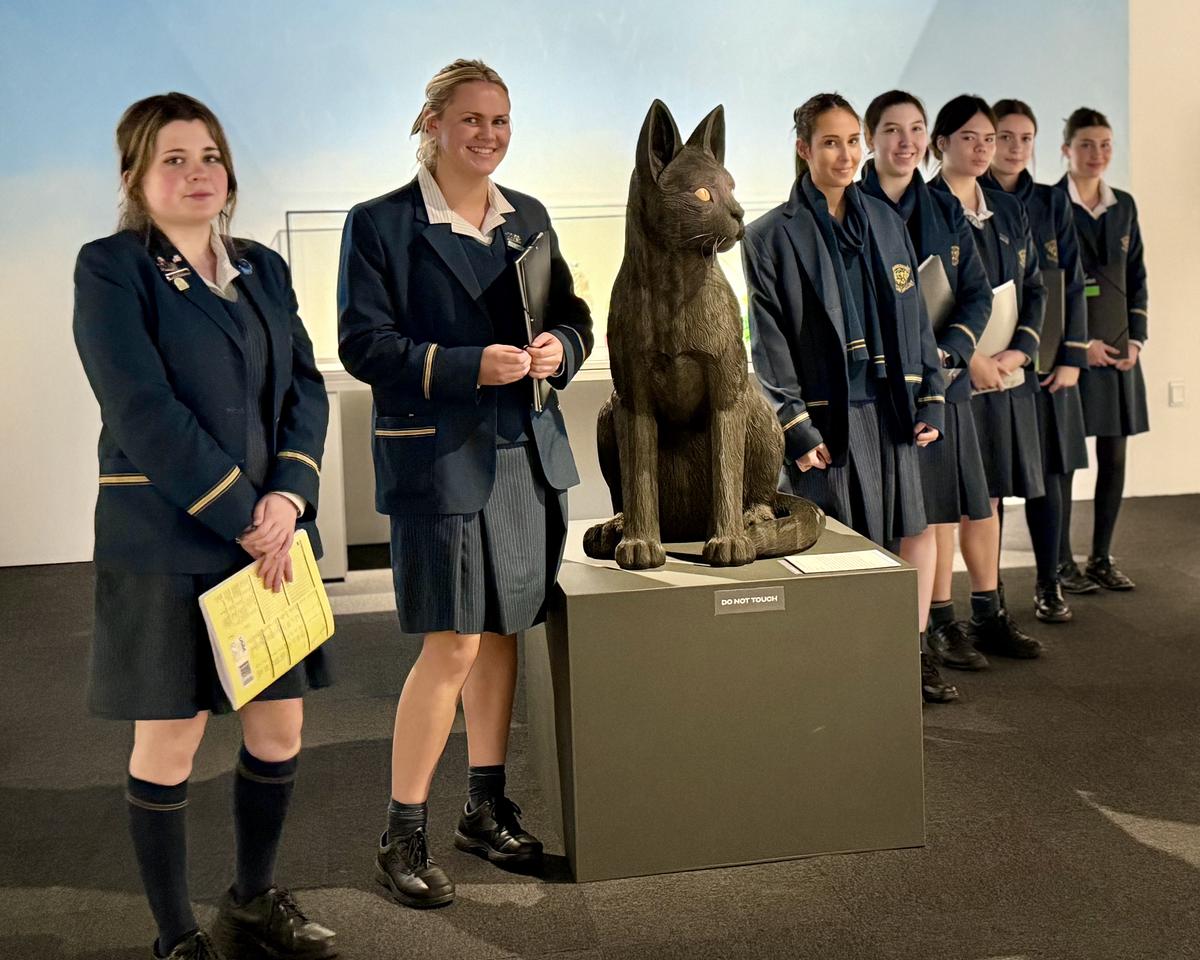
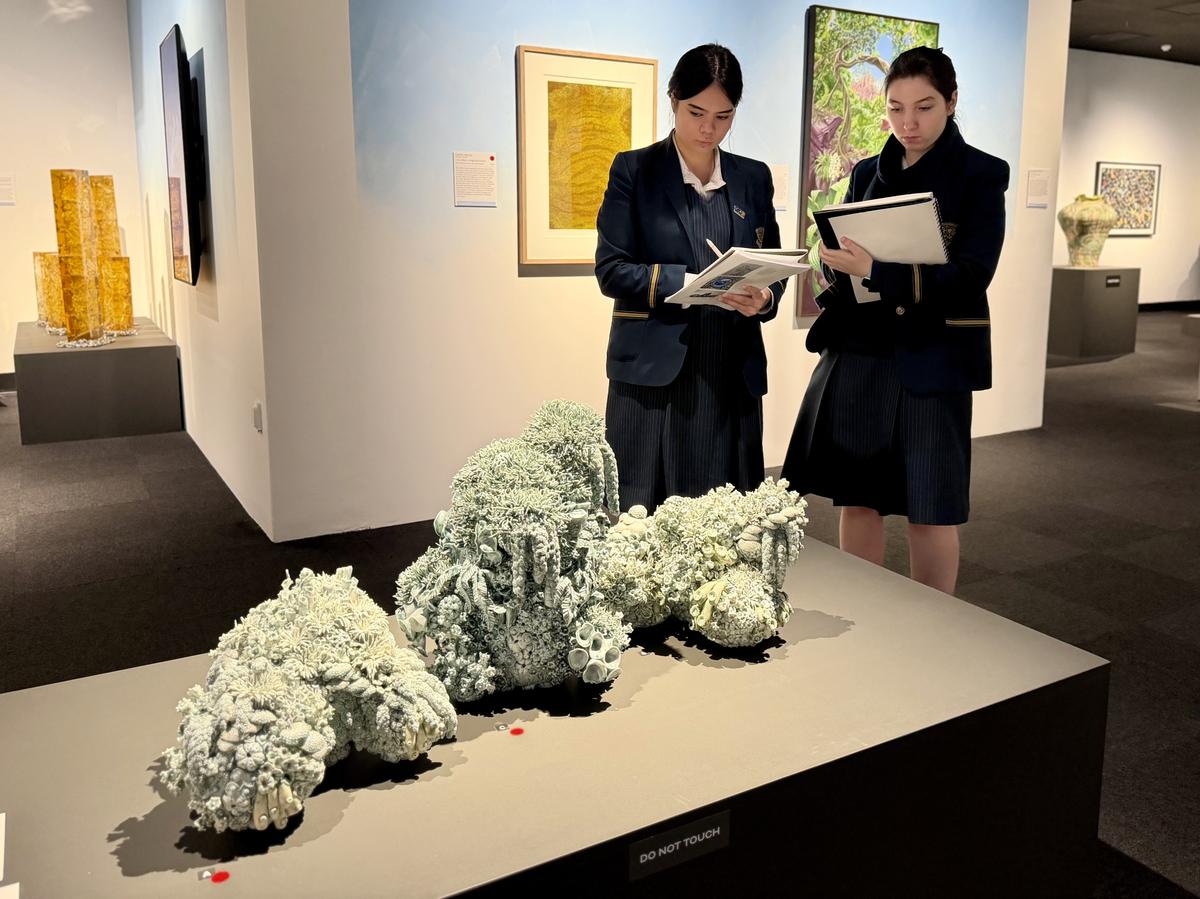
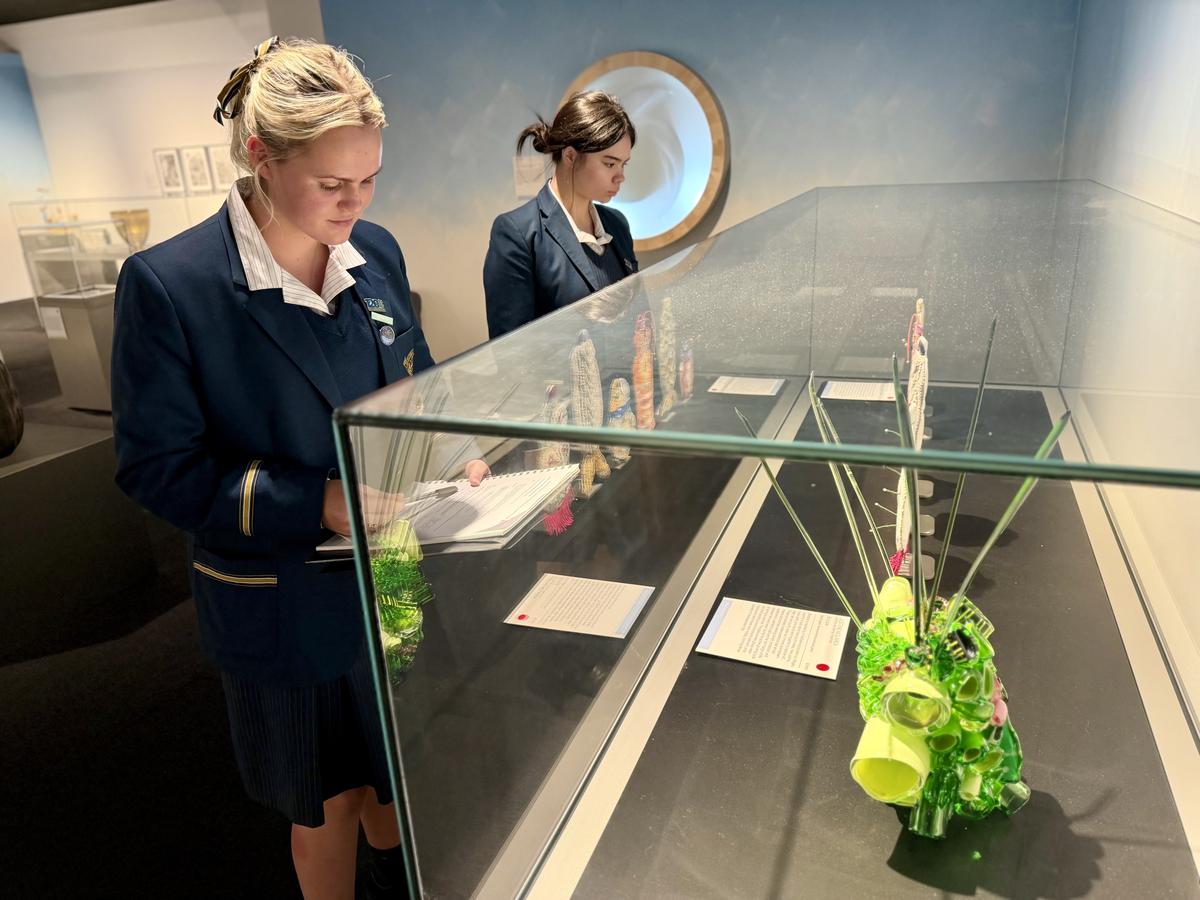
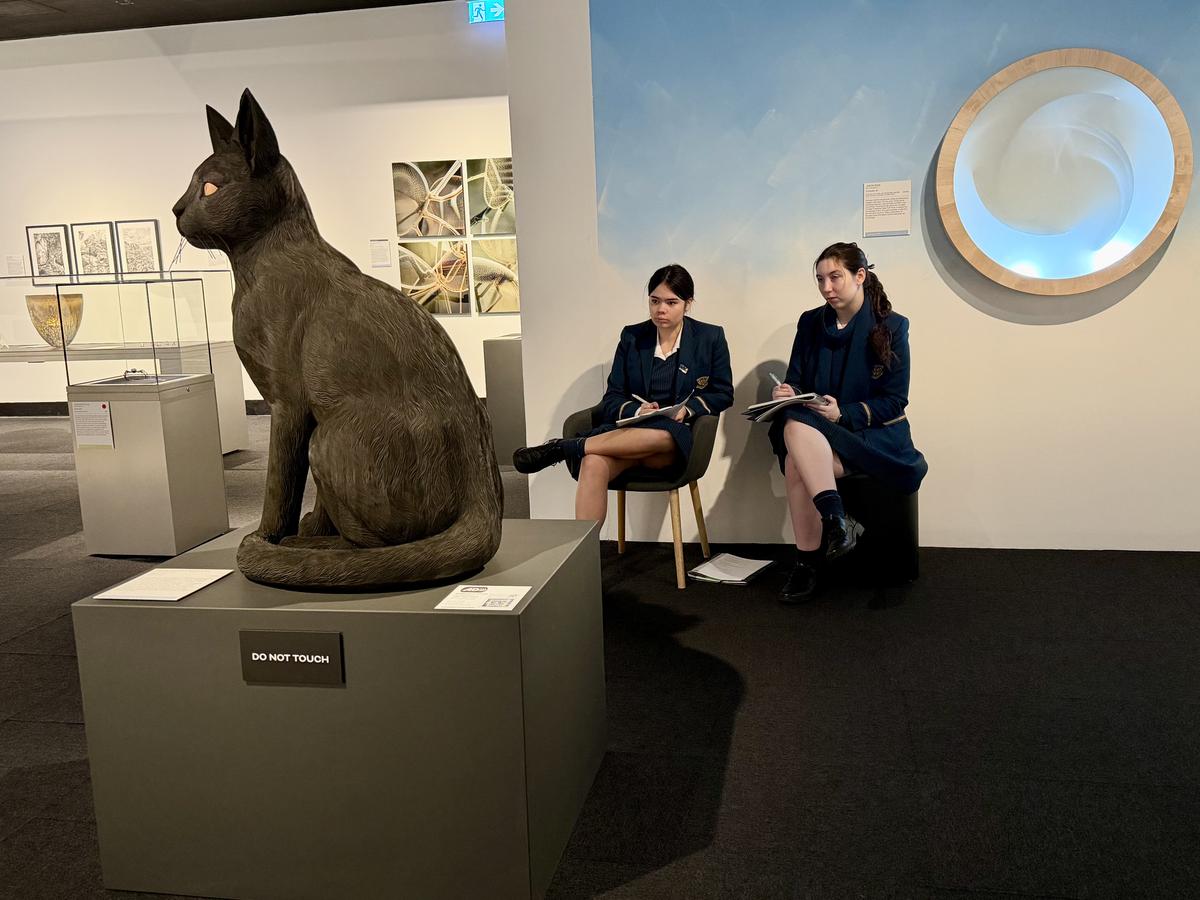
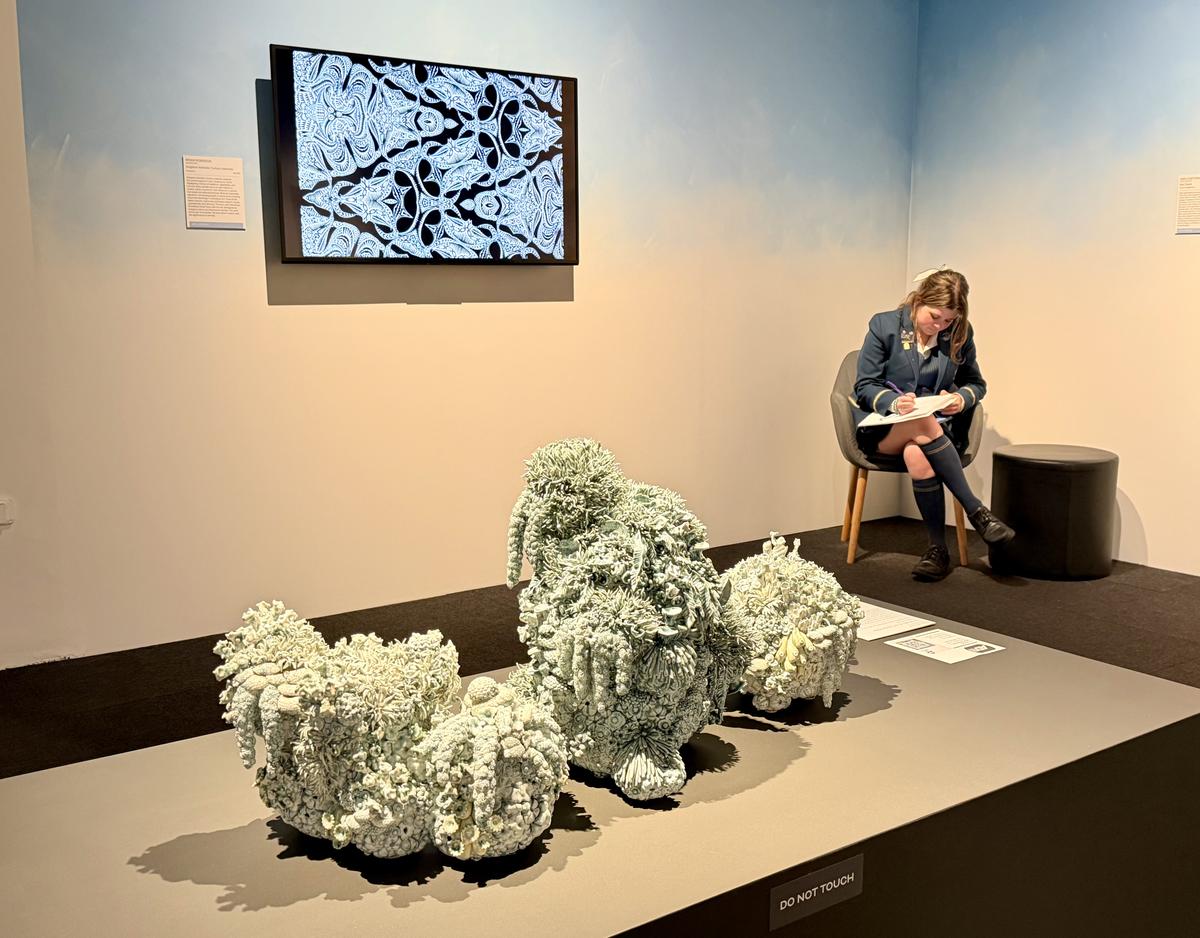
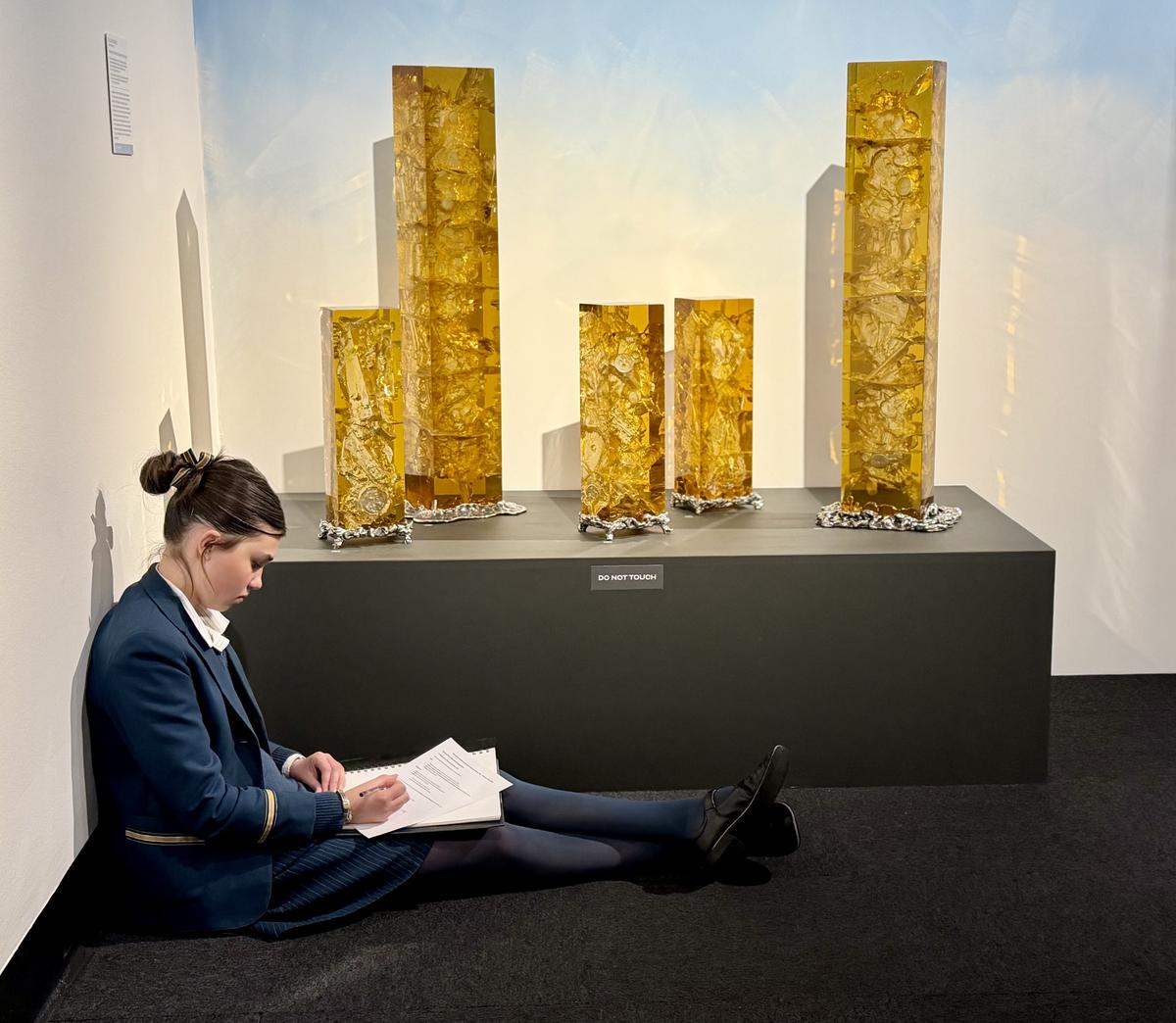
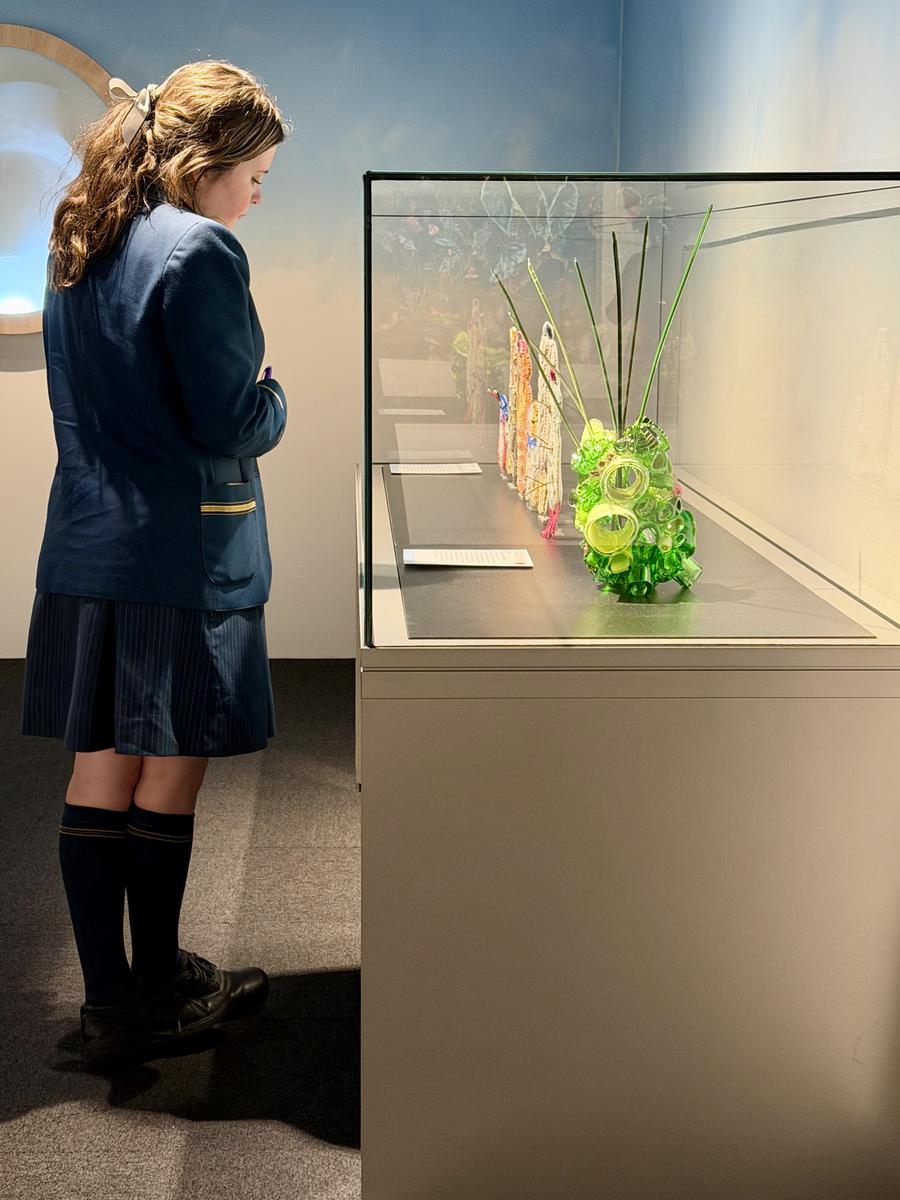
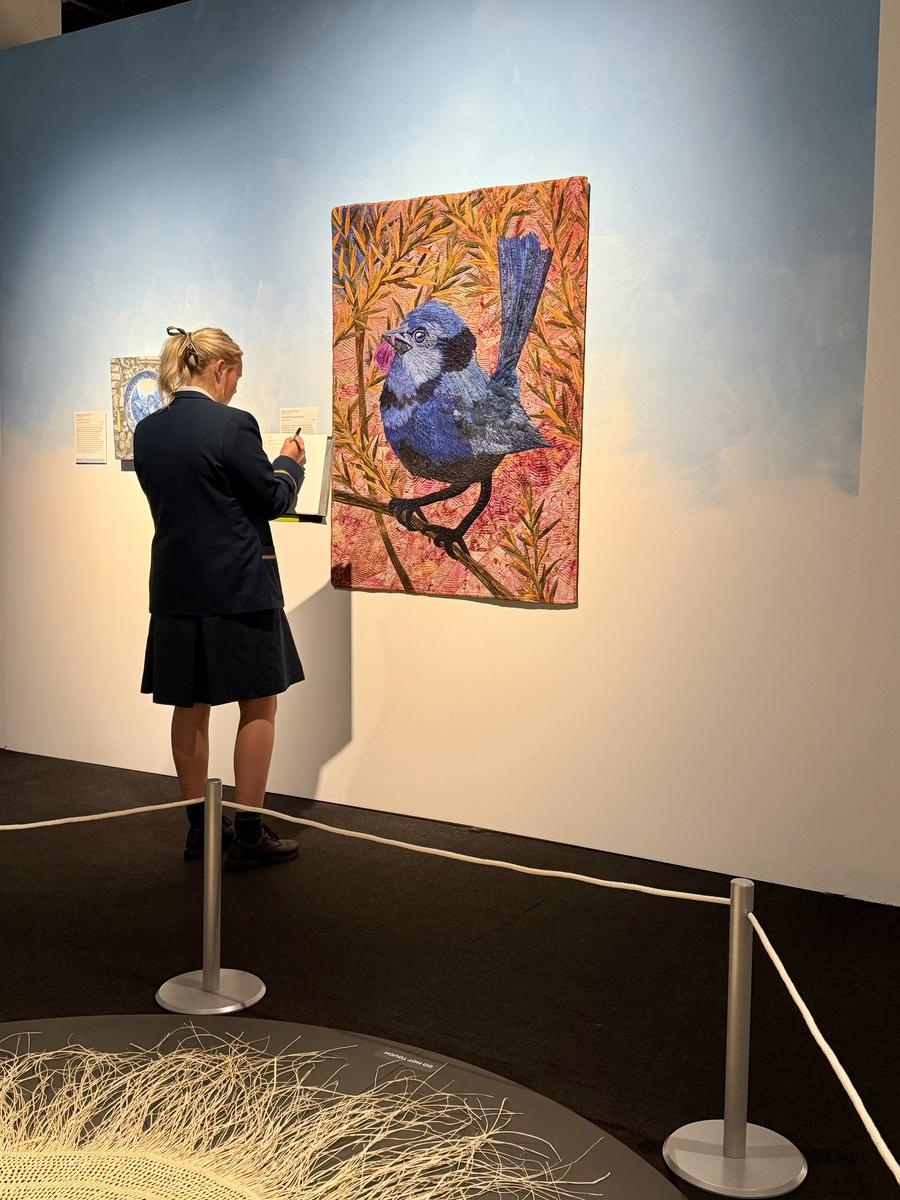
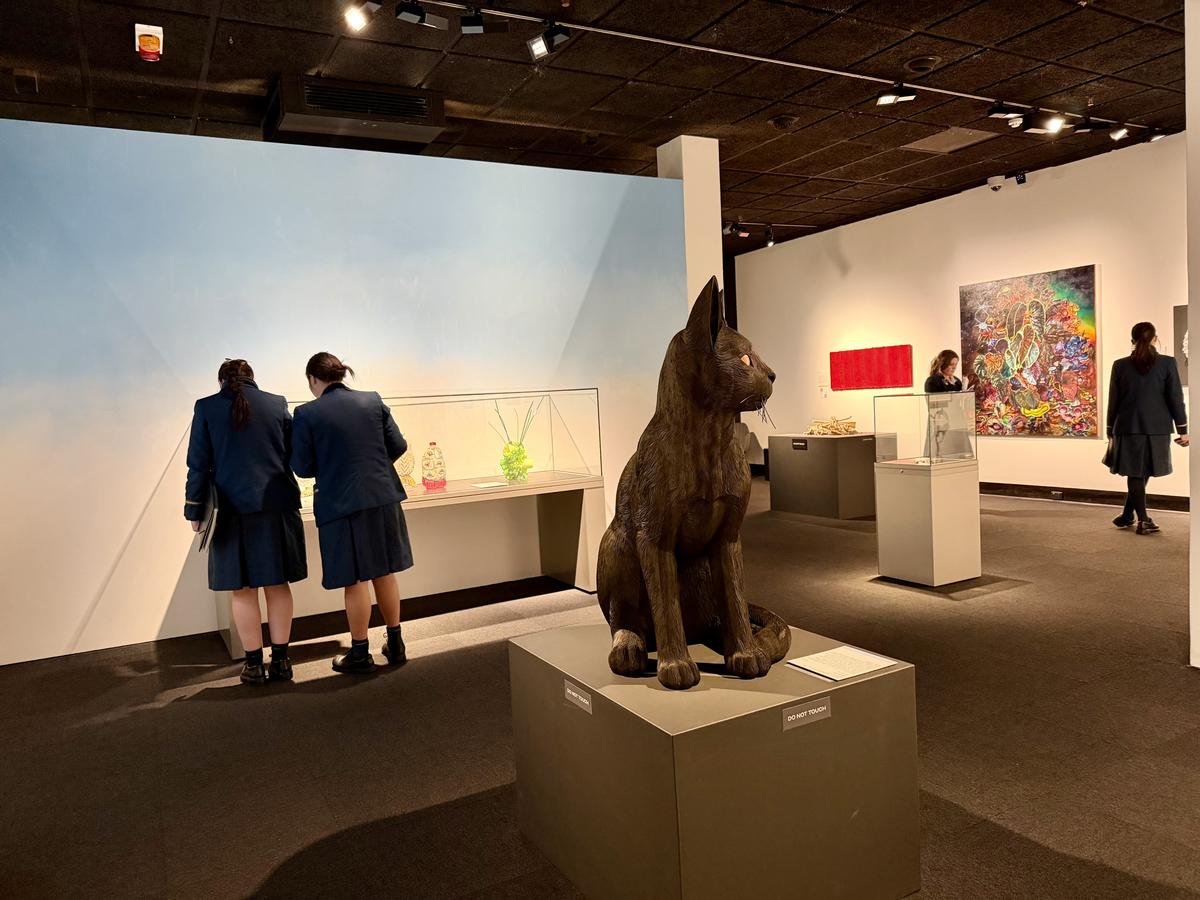
Year 11 Visual Art students recently visited the Waterhouse Natural Science Art Prize Exhibition at the South Australia Museum. The exhibition will provide the foundation for students’ Visual Study investigations into the important role artists play in fostering awareness, responsibility and care for the natural world at a time of increasing environmental concern.
The visit offered students the valuable experience of engaging directly with a professional exhibition presenting a diversity of artistic interpretations inspired by nature and science. Students observed artworks ranging from traditional natural history illustration practices, grounded in careful observation and scientific accuracy, through to contemporary artistic responses exploring environmental change, ecology, museum collections and humanity’s relationship with the natural world.
Viewing the exhibition firsthand allowed students to analyse how artists communicate ideas through different media, techniques and conceptual approaches. The experience also extended students’ understanding of curatorial practice and the ways exhibitions encourage audiences to reflect on environmental issues through visual art.
The Waterhouse Natural Science Art Prize Exhibition concludes on 9 July 2026.
Jacky Hamilton
Leader of Visual Arts
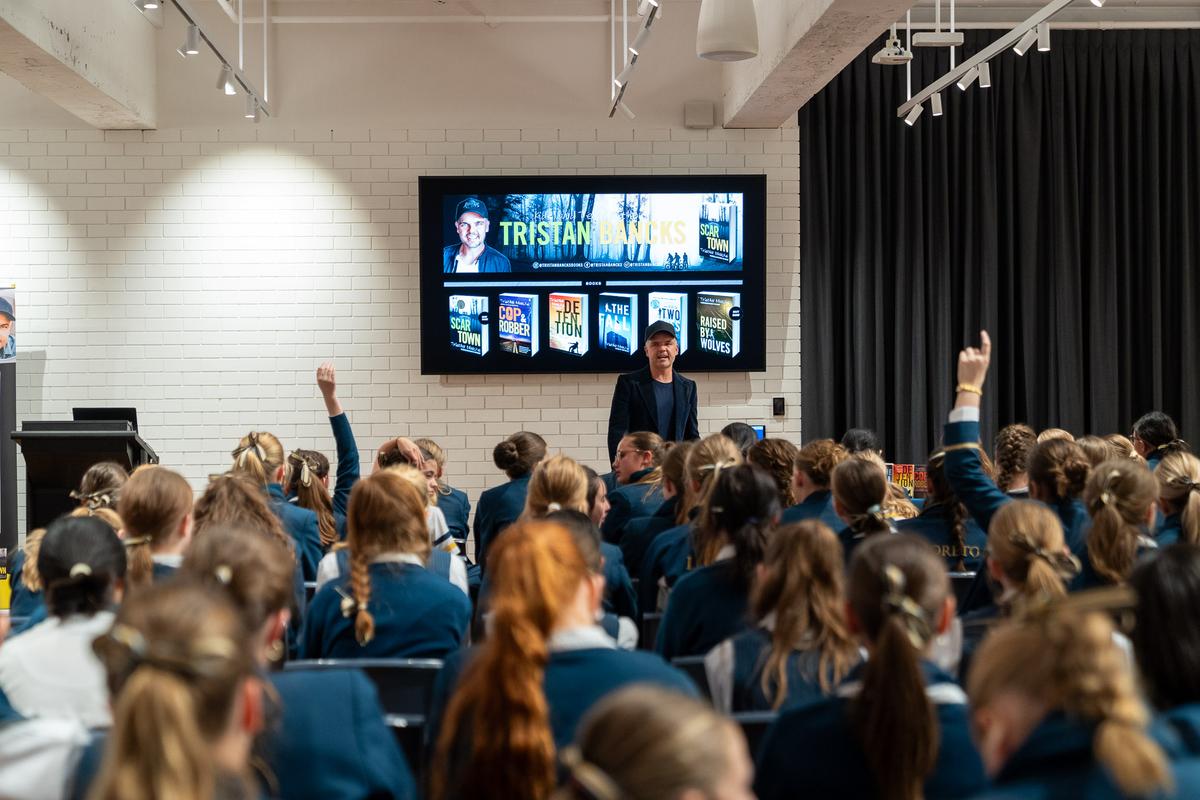
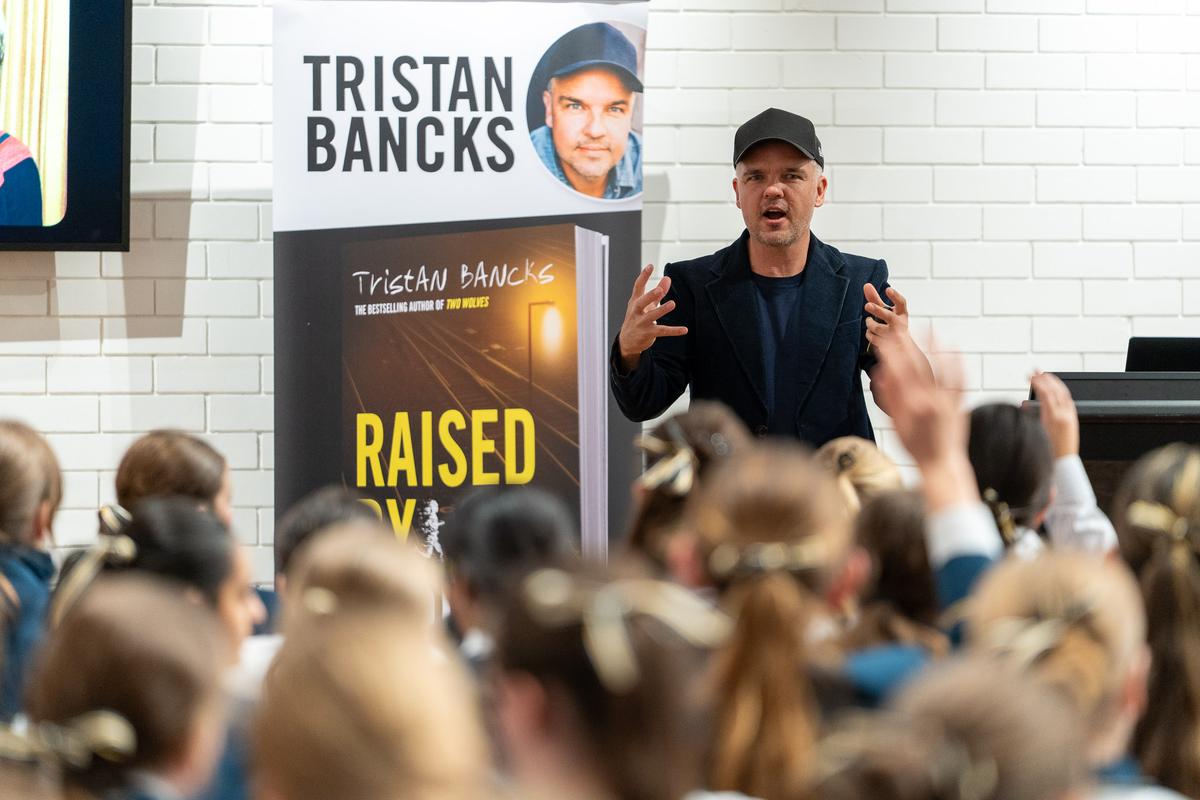
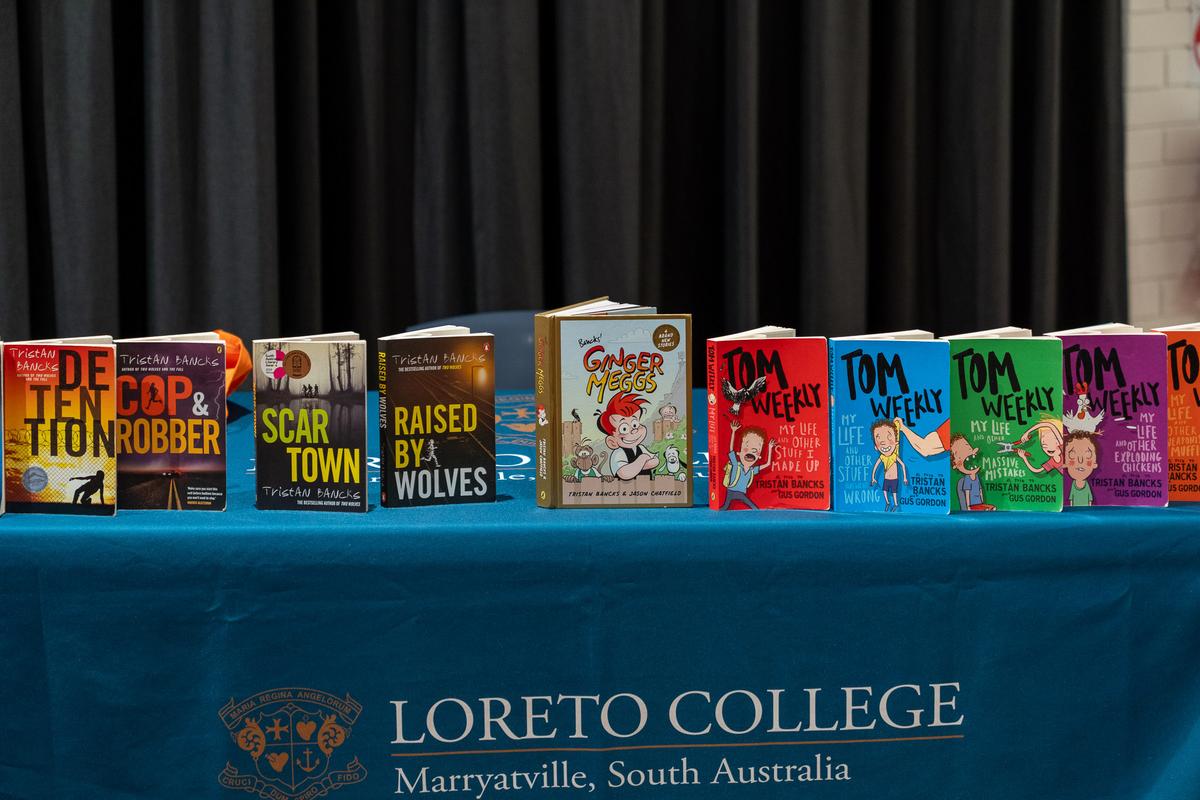
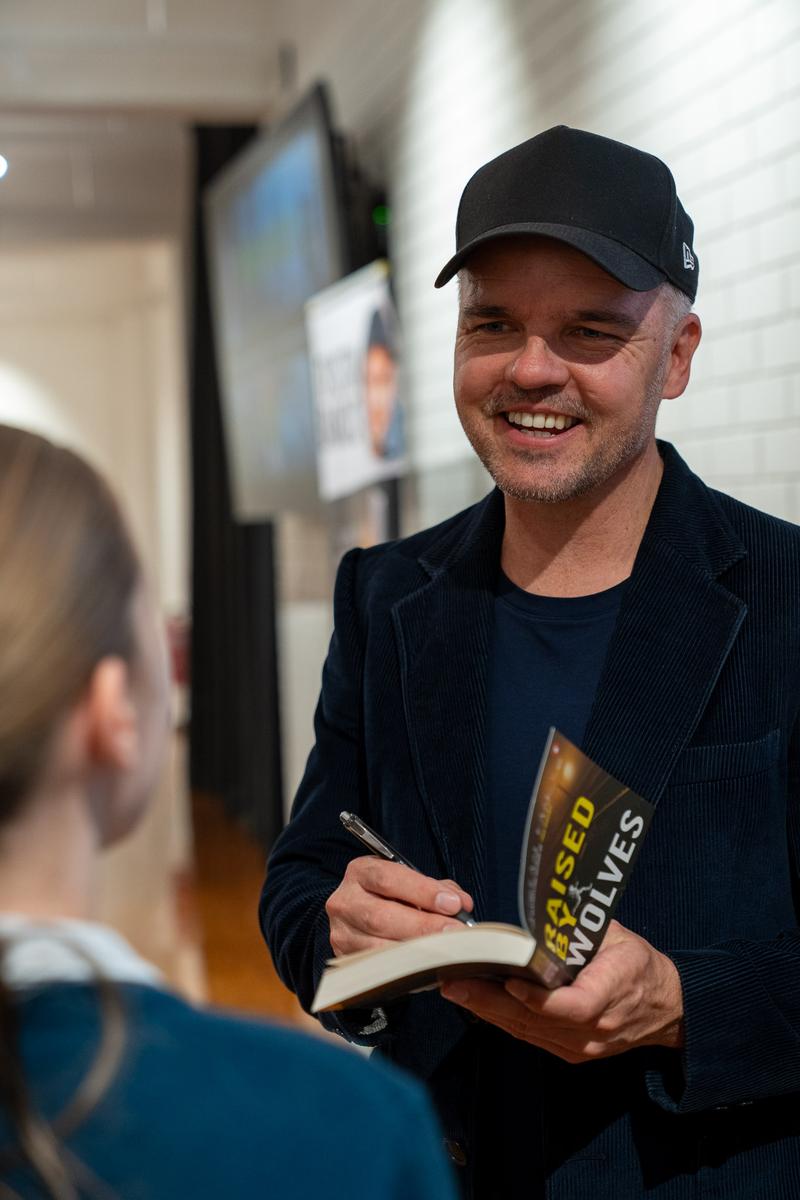
On Thursday 7 May, Loreto College was lucky to have a guest author address Year 6, 7 and 8 students. Tristan Bancks is a popular Australian author of many novels, one of which, Scar Town was the CBCA Younger Readers Book of the Year 2024. The students enjoyed hearing firsthand about the writing journey and the vast array of places that story ideas can come from (even if some of these ideas were a little gruesome!). He showed book trailers, explained music choices he uses when writing and read an extract from his latest release Raised by Wolves.
Students were engaged and found his information interesting as reflected in thoughtful questions such as:
A few students were lucky to have Tristan sign their books and two won a copy of his new release. Most students left feeling inspired to explore Tristan’s stories, read more books and persevere with their own creative writing. It was a great privilege to have Tristan visit and it was a memorable experience for our students.
Students say...
On Thursday 7 May, the Australian author Tristan Bancks visited our school and spoke to us about his journey as a writer and how he creates his stories. He talked about where he gets inspiration for his books, including ideas from real life, news stories, and interesting “what if?” questions. He also explained how writing can take a long time, requires perseverance and that authors often need to edit and improve their work many, many times before it is finished.
What I found really interesting was how he added things from his real life into his fictional story to make it more relatable or realistic - for example, when he talked about the lake that he would go to for family holidays and how it inspired one of his stories, Scar Town.
One thing I learned was that writers do not have to wait for the “perfect idea” before they start writing. Tristan encouraged us to just begin and let the story grow over time. He also talked about not giving up if you stop having ideas for a story: some of his books took up to 13 years to write!
A key takeaway for budding writers is to pay attention to the world around them because inspiration can come from anywhere. Another important point was that writing regularly, even for a short amount of time, can help improve creativity and confidence.
Overall, the talk was inspiring, interesting, and helpful for students who enjoy reading and writing.
By Ivy Cordell
Kerrie Backhouse
Teacher Librarian