Learning & Teaching

The Power of Reading

Mental Model
Good readers store an overall mental representation of the meaning of a text - not the exact wording of the text itself.
They are creating a 'mental model'(Johnson-Laird, 1983) or 'situation model' (Kintsch, 1998)
The model depends on the type of text and what is already known:
- Narrative includes plot, characters and motives
- Informative/expository includes topic, argument, main idea
A Multidimensional Construct
- Reading comprehension is one of the most complex human behaviours we engage in on a regular basis
- It is not a single ability and doesn't happen automatically
- Depends on the interaction between reader, text and task factors
- Multidimensional nature means that it cannot be reduced to a single score or just one instructional approach.
Evidence-Based Teaching - The Five Keys
The five keys to reading are :
- Phonemic awareness
- Phonics
- Fluency
- Vocabulary
- Comprehension
The Relationship Between Language Comprehension and Word Recognition
Language comprehension involves the readers' background knowledge, vocabulary, language structures, verbal reasoning and literacy knowledge.
Word recognition includes: phonological awareness, decoding (and spelling), and sight recognition.
Skilled readers use a combination of the above factors to assist with their reading comprehension.
What Factors Lead to Comprehension?
The reader brings a set of cognitive-linguistic abilities, motivations, interests, and background knowledge to the task of reading. Readers vary considerably in these factors, and this variability affects comprehension. (Catts &Kamhi, 2017)
Vocabulary Knowledge
Vocabulary is more than words. It is knowledge. To know a word's meaning is to know what the word represents and to begin to understand the network of concepts that go with it. (Nueman & Dwyer 2009)
- Vocabulary knowledge is unconstrained
- It includes breath and depth, pronunciation, connections, parts of speech, and morphology
- Vocabulary is a significant predictor of reading comprehension in later primary and secondary years of schooling
Maths Games Day
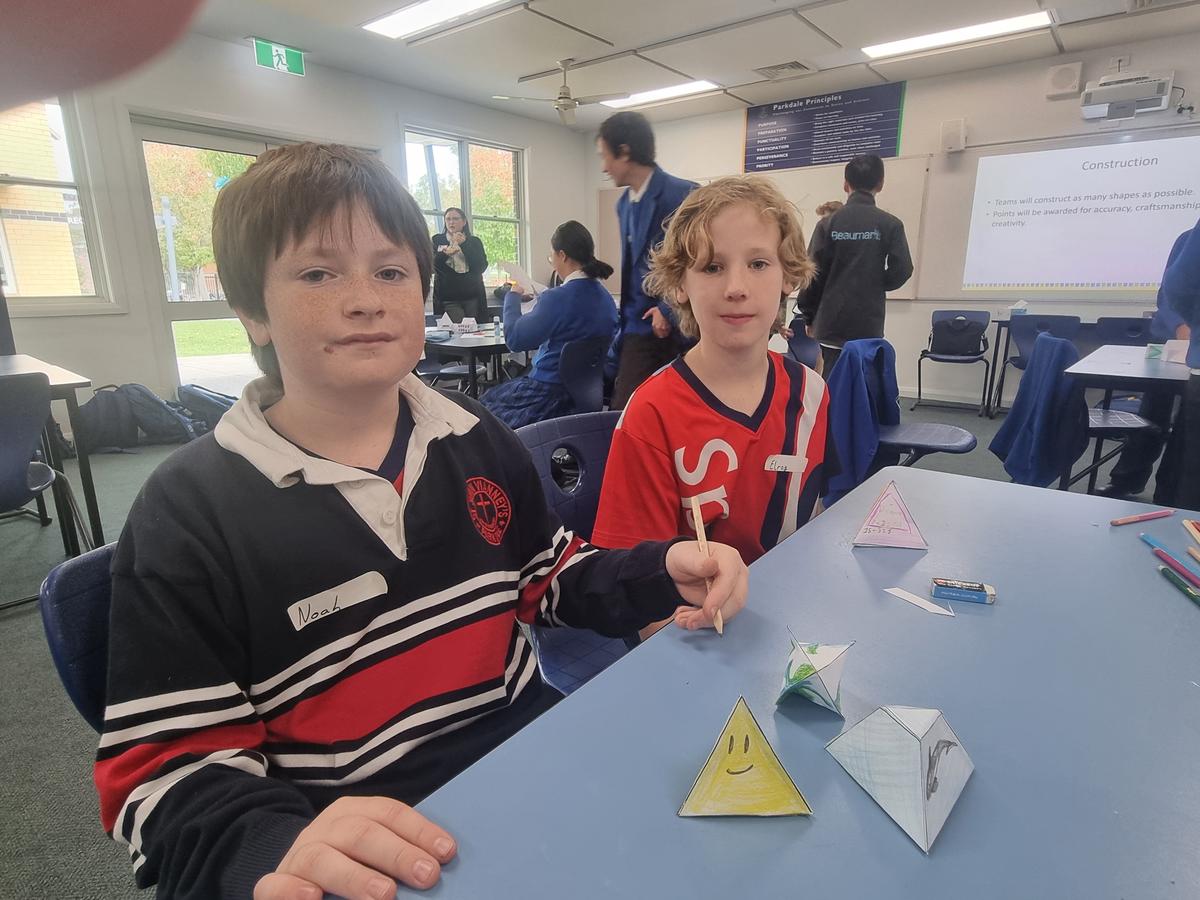
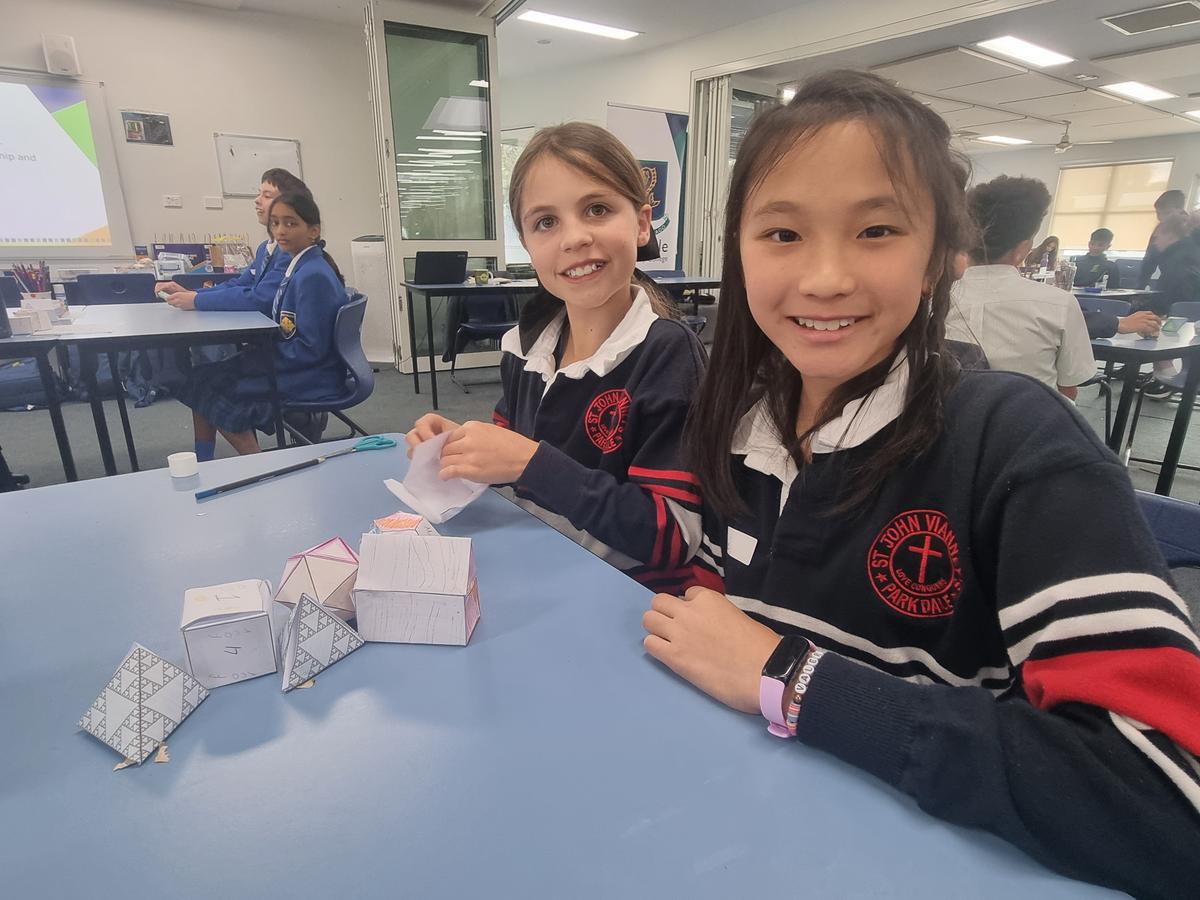
On Tuesday 23rd June, Elroy Barry 5/6 PH, Noah Mortimore 5/6 PH, Valerie Doan 5/6 PH and Lucy Vieceli 5/6 PH all attended a Maths Games Day held at Parkdale Secondary College. The day consisted of 4 main components :
- A team relay - based on answering higher-order problem-solving focused questions.
- Shapes construction - where points were allocated according to accuracy, craftmanship and creativity.
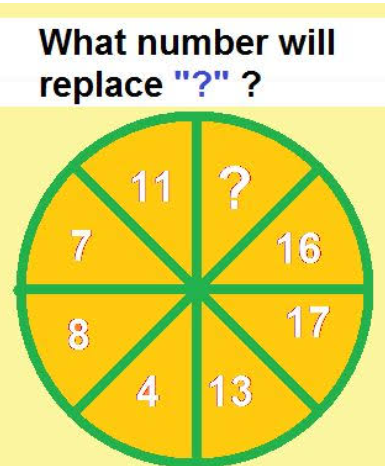
- Fermi questions - which were number puzzle challenges.
- Logic puzzles - they needed to solve as many puzzles as possible within the allocated time.
Being the only students of primary school age, they all handled themselves extremely well and did the SJV community proud.
Mathletics
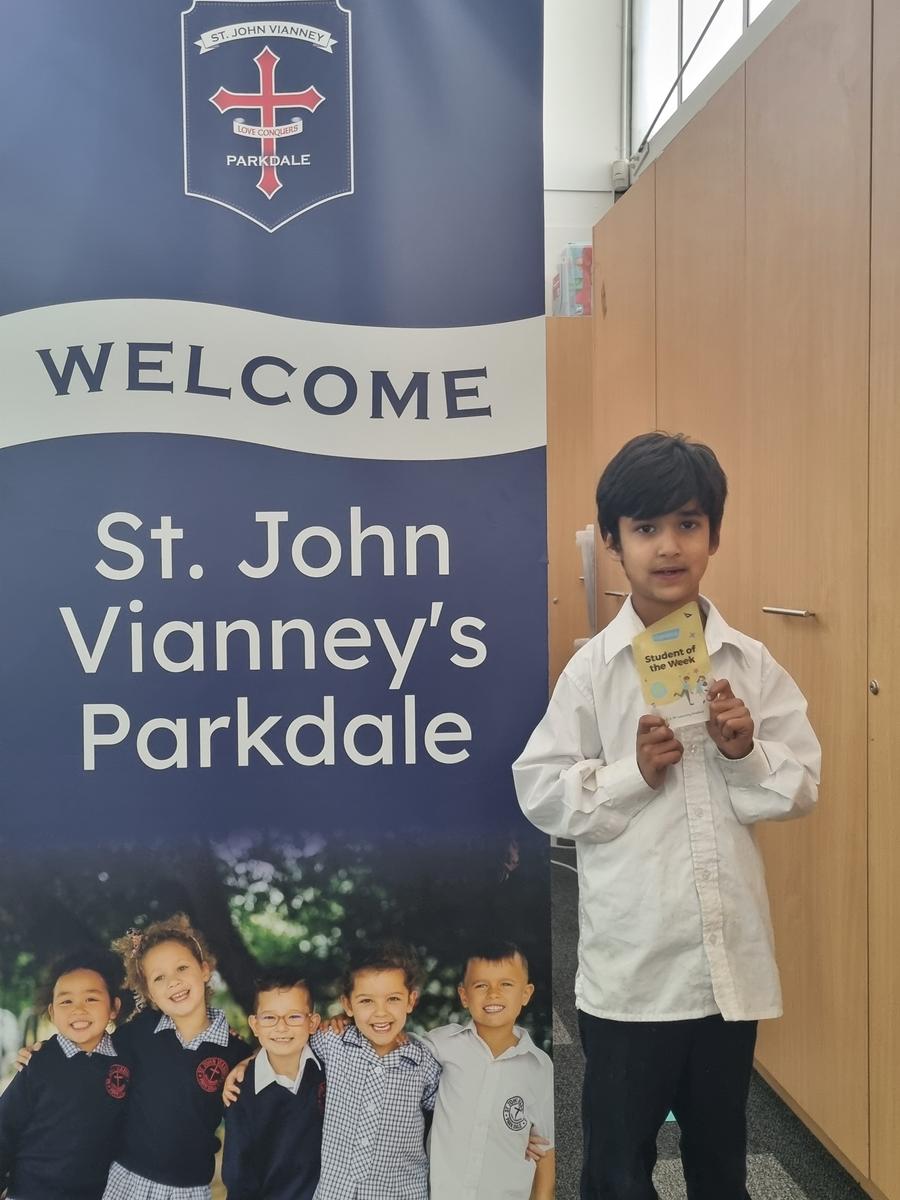
Congratulations to Heeyan Sheth, who has received the Student of the Week award for Mathletics. He has done an amazing job this year, having received 17 certificates so far. Keep up your great efforts, Heeyan!