
Wellbeing and Inclusion

Supporting Children Through Anxiety
Many children experience anxiety at different times in their lives. While it is natural to want to protect children from distress, helping them develop confidence in managing anxious feelings can build resilience and independence over time.
Ways to Support Your Child
1. Focus on coping, not removing anxiety
Anxiety is a normal human emotion. Rather than trying to eliminate it, help your child learn strategies to manage uncomfortable feelings and continue participating in everyday activities.
2. Encourage gradual participation
Avoiding situations that cause anxiety can bring short-term relief, but it can also make those situations feel more overwhelming in the future. Supporting children to take small, manageable steps can help build confidence.
3. Show confidence in your child
Acknowledge that something may feel challenging while communicating your belief that they can cope. For example: "I know this feels difficult right now, and I believe you can get through it."
4. Validate feelings
Let your child know their feelings are real and understood. Validation does not mean agreeing that a situation is dangerous; it means recognising their experience and offering support.
5. Use open-ended questions
Instead of asking, "Are you worried about school?" try, "How are you feeling about school today?" This encourages children to share their thoughts without assumptions.
6. Be mindful of your own reactions
Children often look to trusted adults for cues about how to respond. Staying calm and supportive can help children feel more secure.
7. Celebrate effort and bravery
Recognise the courage it takes to try something challenging, even if it feels uncomfortable. Focusing on effort helps build confidence and resilience.
8. Avoid extending worry time
When possible, keep discussions about potentially stressful events brief and timely. Long periods of anticipation can sometimes increase anxiety.
9. Make a plan together
Talking through possible scenarios and identifying helpful responses can reduce uncertainty and help children feel prepared.
10. Model healthy coping
Children learn from watching the adults around them. Sharing how you manage challenges, solve problems, and cope with stress can provide valuable examples.
Every child experiences and expresses anxiety differently. By providing understanding, support, and opportunities to build coping skills, we can help children develop confidence in navigating life's challenges.

Foundation
Students had the opportunity to explore body language and facial expressions. Through video, acting and picture books, students will discover that bodies and faces give clues to indicate how people feel on the inside.
Year 1 & 2
Students will discover that they are not their emotions. Through games and discussions, students will practise naming and taming their emotions.
Year 3 & 4
Students will explore the importance of noticing and naming emotions when navigating uncomfortable, painful or challenging moods or emotions. Through storytelling, hands-on activities and journaling, students will identify their own positive coping strategies.
Year 5 & 6
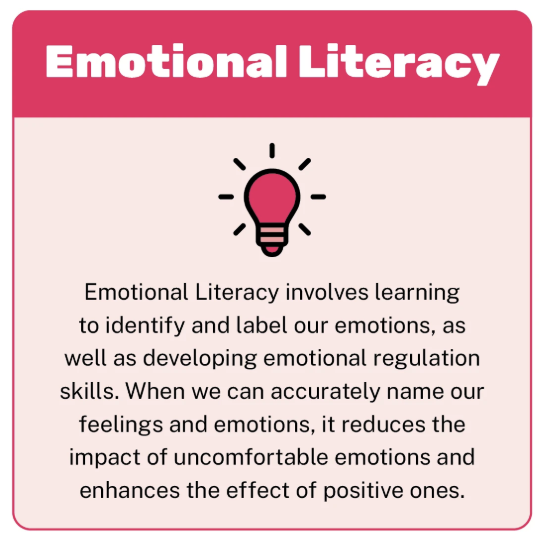
Students will focus on noticing and naming emotions to reduce the impact of stressful or uncomfortable emotions and enhance the impact of positive or comfortable emotions. Through games and activities, students will identify their own positive coping strategies for the emotions of joy, excitement, pride, anger, fear and sadness.