
Around The College

Celebrating Our Gold Duke of Edinburgh Award Recipients
We are incredibly proud to acknowledge and celebrate the achievements of our Gold Duke of Edinburgh Award recipients who were recently recognised at a special ceremony hosted at Government House Victoria. The Gold Duke of Edinburgh Award is recognised internationally and reflects exceptional dedication, resilience, leadership, and community engagement. Reaching this milestone represents years of commitment, perseverance, and personal growth, making it a truly outstanding accomplishment.
The recipients were honoured at a special morning tea held at Government House Victoria on Thursday 4 June, hosted by Her Excellency Professor the Honourable Margaret Gardner AC, Governor of Victoria, in recognition of their outstanding achievement. The ceremony celebrated students who have successfully completed the Gold Duke of Edinburgh's International Award—the highest level of the Award program.
What makes this achievement particularly significant is that these students have completed all three levels of the Award: Bronze, Silver, and Gold. This represents years of commitment through service, skill development, physical recreation, adventurous journeys, and, at the Gold level, a Residential Project.
We congratulate the following students on this outstanding accomplishment:
2023
- Theodora Koutsikos
2024
- Andy Chesterfield
- Grace Kingston
- Mackenzie Eitzen
- Michiko Versluis
- Patrick Huang
- Zoe Wright
2025
- Abigail Moulds
- Eva Gregson
- Paige Bretherton
- Samantha Whiley
- Sarah Becker
- Syke Maritz
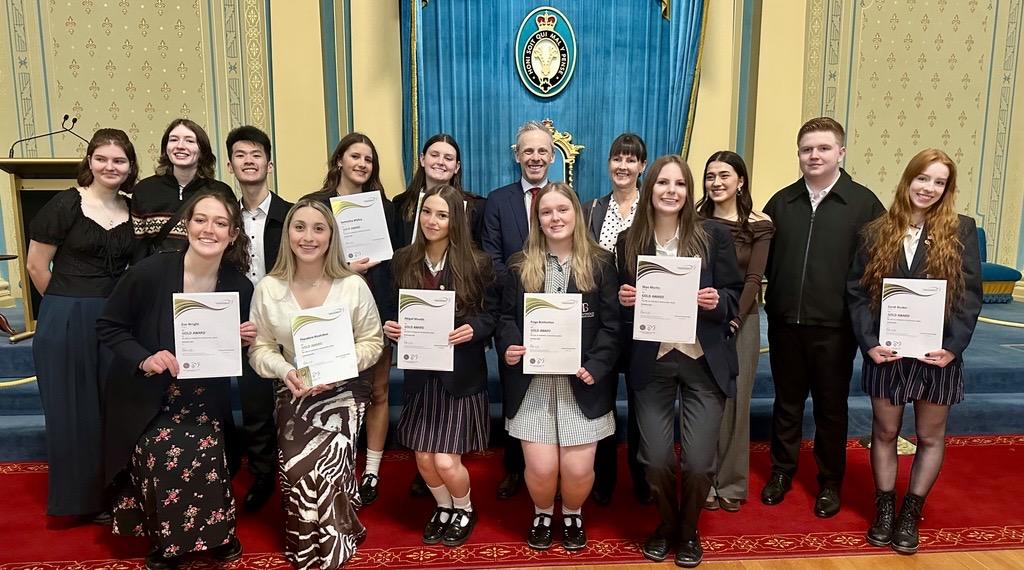
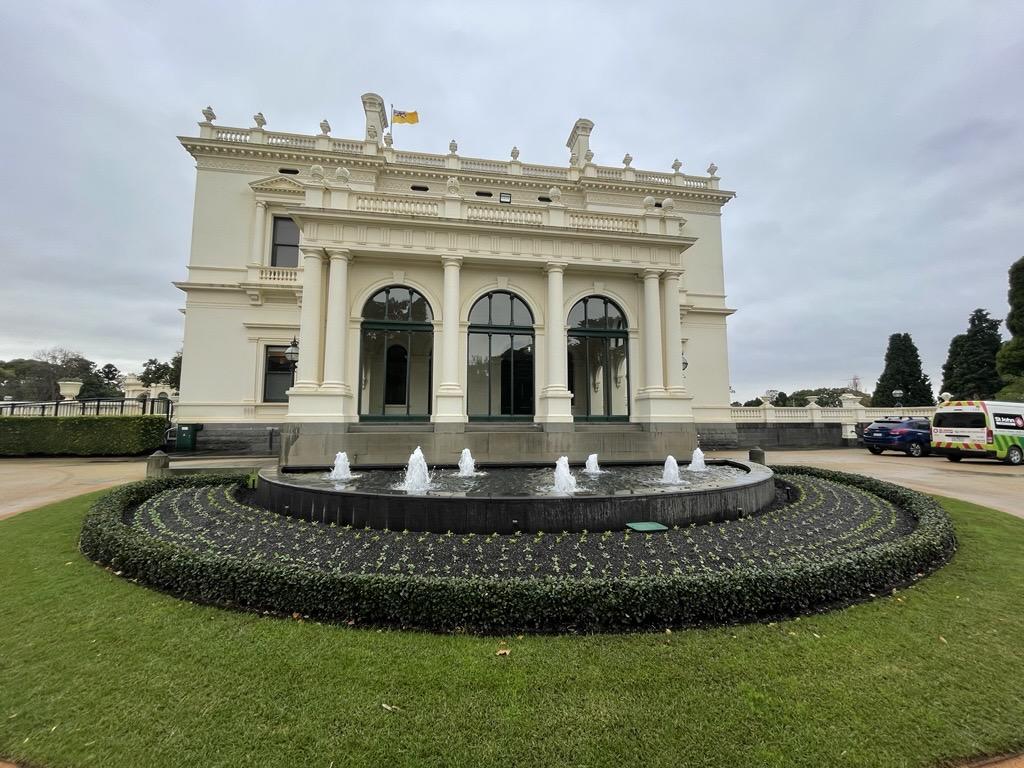
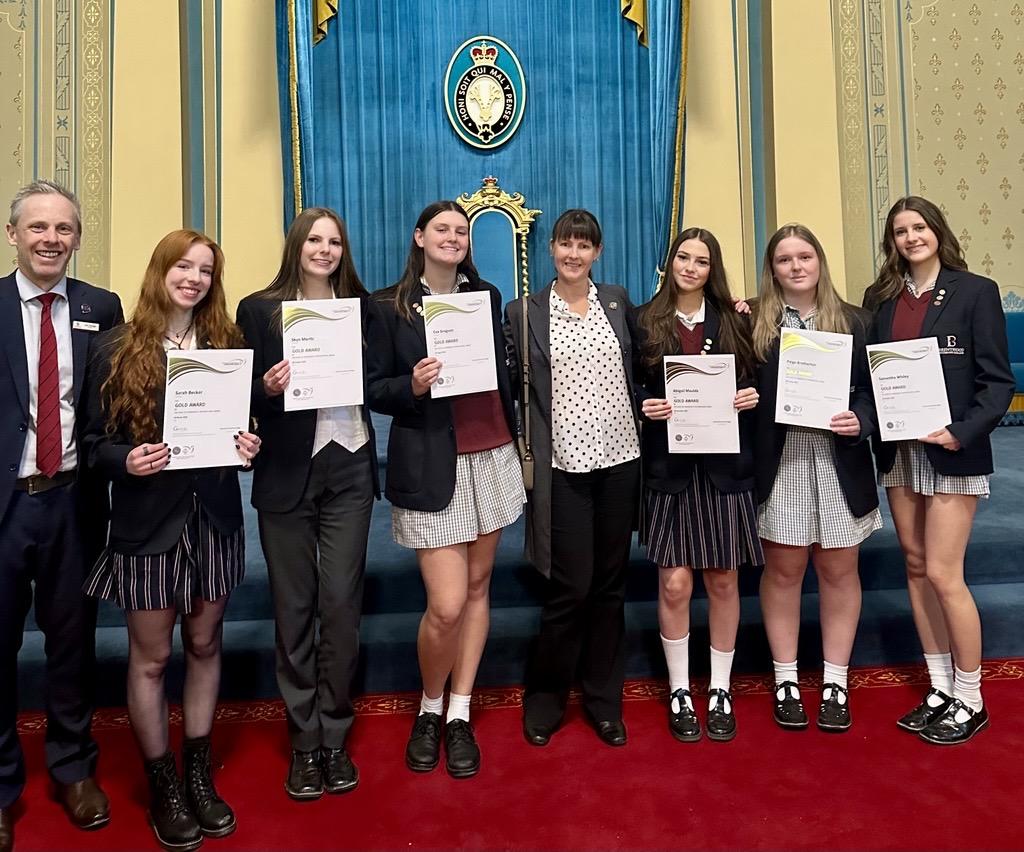
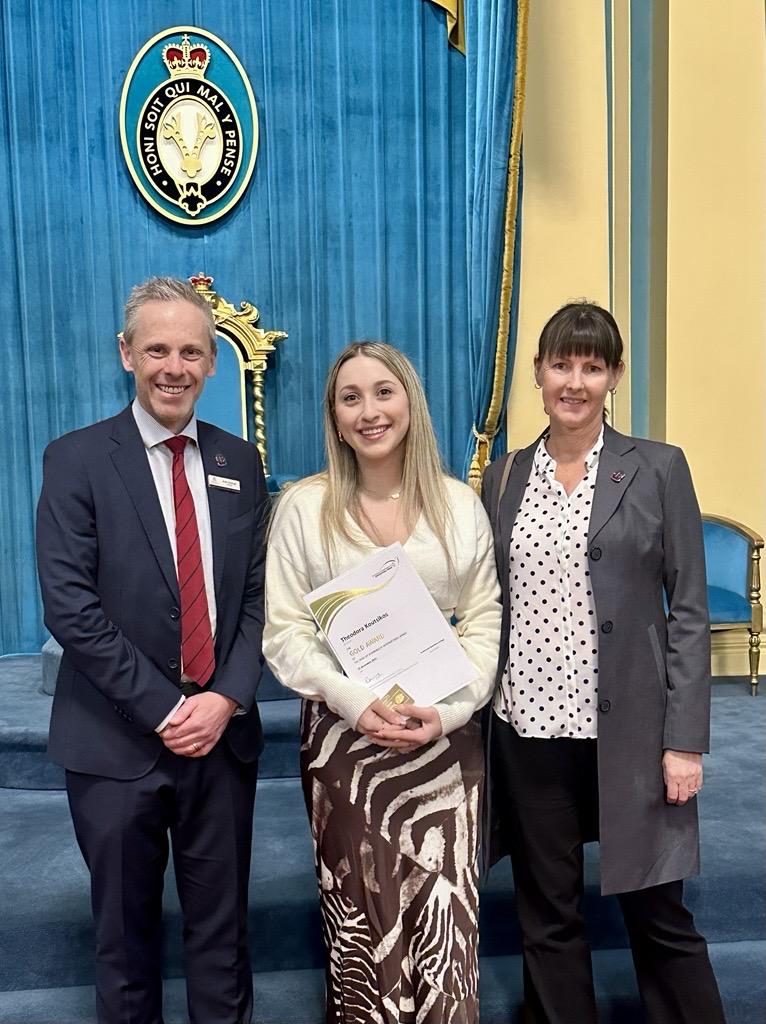
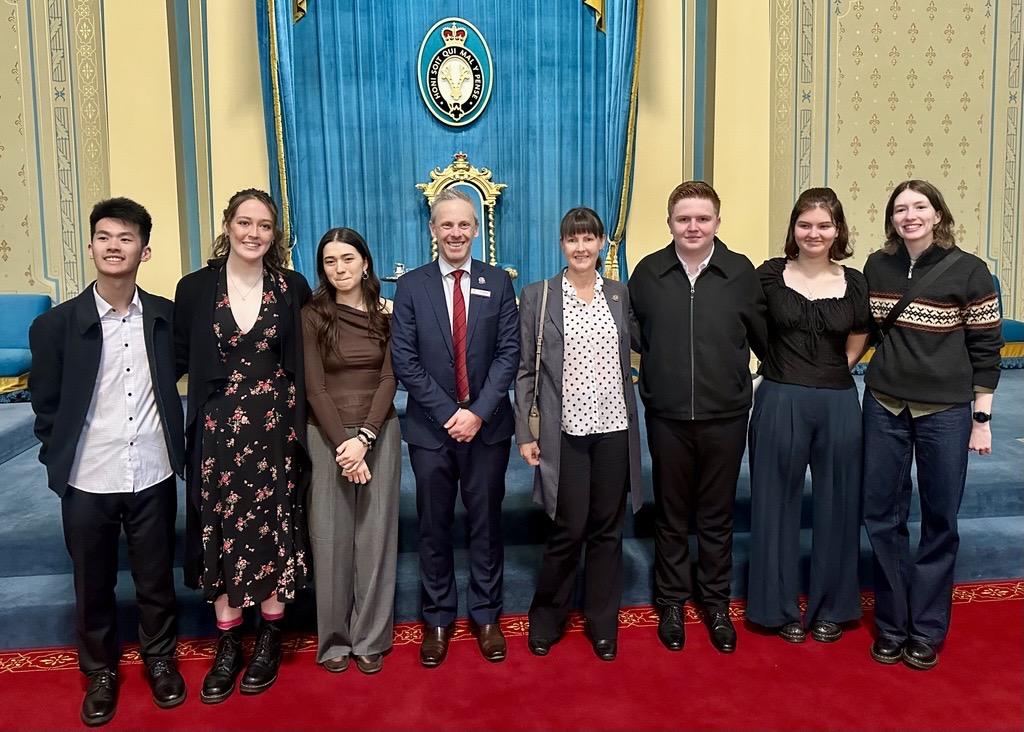
It was an especially proud moment to learn that our College had the largest number of Gold Duke of Edinburgh Award recipients attending this ceremony across the state, including students representing government and independent schools, Scouts, Air Force Cadets, St John Ambulance, and other not-for-profit organisations. Due to the limited number of places available at this ceremony, not all Gold Award recipients were able to attend. Additional Gold Award recipients from our College will be recognised at upcoming ceremonies, and we look forward to celebrating their achievements in future editions of the newsletter.
We are immensely proud of each recipient and the positive example they set for current and future participants.
Congratulations to all of our Gold Award recipients on this remarkable achievement.
Tracey Cain.
Monash Business Explorer - Wednesday 1 July 2026
Is your child curious about a future in business? Monash Business School's Business Explorer is a free, one-day event that gives VCE and IB students hands-on experience in the world of business through interactive games, quizzes and case studies.
Students will participate in two hands-on taster sessions and hear from current Monash students about campus life, as well as from alumni about their experience navigating the world of business after graduation. Taster session options include accounting, banking and finance, economics, analytics, entrepreneurship, management, and marketing.
Students will also take part in an award-winning, immersive business simulation used by leading universities around the world — a fast-paced team challenge where they step into real decision-making roles, analyse information and work together under pressure.
📅 Date: Wednesday 1 July 2026
📍 Location: Monash University Caulfield Campus, 900 Dandenong Rd, Caulfield East VIC 3145
🕘 Time: 9:00 am – 3:00 pm
🍽️ Complimentary lunch is provided (vegetarian and non-vegetarian options available).
Places are strictly limited to VCE Units 1–4 and IB students and are allocated on a first-come, first-served basis.
To register, visit: monash.edu/business/business-explorerQuestions? Contact mbus-student-recruitment@monash.edu
Taking Flight: A Learning Update from Our Year 9 Programming Drone Class
There is something genuinely exciting happening in our Programming Drones subject, and we are thrilled to share this update with our school community.
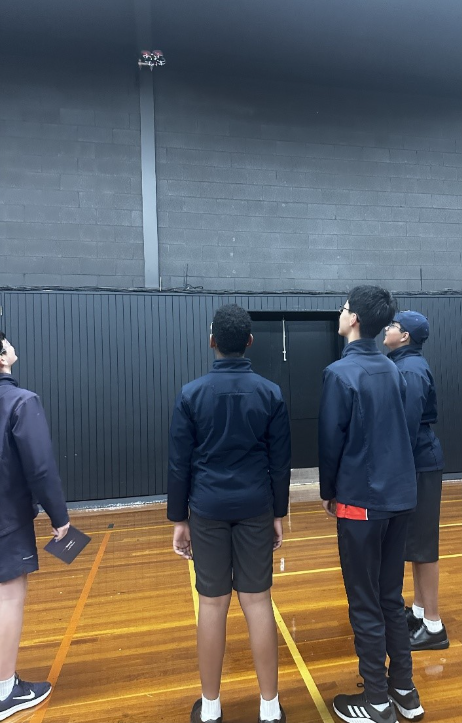
Exploring the World of Drones
Our students have embarked on a fascinating journey into the world of unmanned aerial vehicles (UAVs). They began by building a broad understanding of what drones are and how they are transforming industries around the world. From precision agriculture, where drones monitor crop health and optimise irrigation, to search and rescue operations, defence applications and emergency response, students have discovered just how far reaching this technology has become.
Responsible and Safe Pilots
Before any drone leaves the ground, our students learned what it means to operate one responsibly. They explored Australian laws and regulations governing drone use, studied key safety principles, and developed an understanding of flight path design, including how to plan routes that are efficient, safe and purposeful. These lessons have helped students develop a strong sense of responsibility alongside the technical skills they are building.
Getting Hands On with Hardware and Sensors
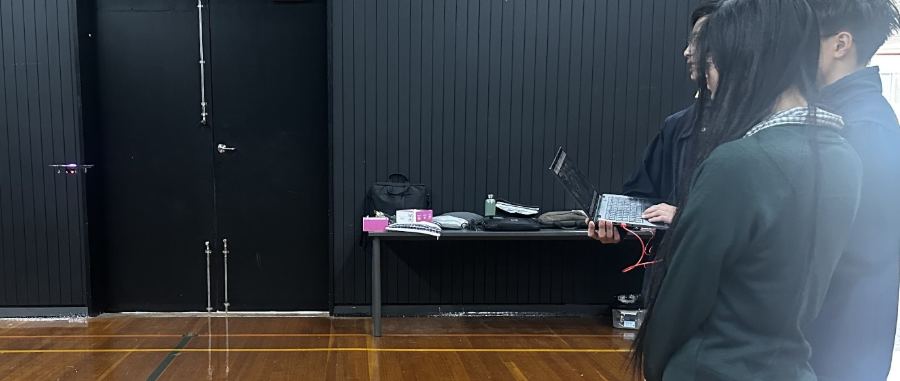
Students were introduced to the CoDrone EDU, a purpose-built educational drone, and explored its hardware components, learning how motors, controllers and onboard sensors work together to keep a drone airborne and responsive. A significant part of this learning focused on the drone's sensors, what each one detects, how it collects data and how that information can be used to make intelligent decisions during flight.
The CoDrone EDU's sensors, including the colour sensor, infrared sensor, barometer and gyroscope, opened up a whole new dimension of programming possibilities. Students learned that a drone is not simply a flying machine. It is a data gathering device capable of sensing and responding to its environment in real time.
Programming in Blocks, Python and Sensor Logic
One of the most exciting aspects of the subject has been learning to program the CoDrone EDU using Robolink, the drone's dedicated coding platform. Students have worked with both block-based programming, which helps visualise logic and sequencing, and Python coding, which develops real world programming skills.
Beyond simply directing the drone to fly from one location to another, students learned how to program the drone to read and respond to sensor data. This included writing code that triggered actions based on what the sensors detected. For example, students programmed the drone to adjust its behaviour when the colour sensor identified a specific target and used the bottom range sensor to maintain a precise altitude. Seeing a drone respond to their own code has been a powerful learning experience for many students.
Operation Garden Watch
The highlight of this term was putting all that knowledge into practice. Students were tasked with Operation Garden Watch, a real-world mission using drones to monitor plant health in our school's sustainability garden.
This was not simply a flying exercise. Students had to design and program a complete autonomous mission by planning precise flight paths over the garden beds and programming the drone's sensors to carry out specific monitoring tasks. Using the colour sensor, students wrote code that instructed the drone to detect and record variations in plant colour as it flew, helping identify areas where plants may be stressed, lacking water or thriving. The drone's sensors were used to maintain a consistent altitude over the garden, ensuring reliable and comparable readings across the entire mission area.
Every team had to think carefully about what data they needed, which sensors would collect it and how to write the code to make it happen, all while ensuring their flight path was safe, logical and fit for purpose. The result was a genuine real-world application of coding, engineering and environmental science working together.
This mission connected students' drone programming skills to a meaningful contribution that supports our school's commitment to sustainability and environmental stewardship. It was a wonderful example of learning extending beyond the classroom and making a tangible difference within our school community.
Looking Ahead
We are incredibly proud of the curiosity, persistence and creativity our students have demonstrated throughout this subject. They are not just learning to code. They are learning to think like engineers, solve problems, work collaboratively and apply technology to real world challenges. We are proud to share our budding drone pilots learning experiences this semester.
Kanthi Kommidi
Camps at Brentwood
Camps play a vital role in your child’s social and emotional development. At Brentwood, we highly value these experiences and offer a wide range of camps and events across multiple year levels, including:
- Year 7 – Phillip Island
- Year 8 – Creswick
- Year 9 – Tasmania & City Experience
- Year 11 – Central Australia Tour
- Performing Arts Camps
- Music Camps
- Language Camps and Tours
- Various Overseas Camps and Experiences
- Leadership Camps
- Duke of Edinburgh Camps
Planning and Organisation
Our dedicated teaching staff invest significant time and effort into planning camps, with some taking over a year to organise. To ensure these experiences are accessible and affordable, we need to confirm student numbers early in the process.
Many camps begin with an Expression of Interest (EOI) event on Compass. It is important for parents and carers to register their child’s interest in the camp at this stage, as this provides us with an estimate of attendance and costs.
For some camps there are limited places available. If the number of interested students exceeds capacity, attendees are selected through a random ballot. Students not selected are placed on a waiting list and may be offered a spot if others withdraw.
Consent and payments for camps must be made before the due date specified on the event. The school cannot accept any late payments or consent for camps. If your child wishes to withdraw from the camp at any stage, the school must be notified as soon as possible.
Students withdrawing from camps and excursions are not automatically entitled to a refund. Where NO COST is incurred by the school, a full refund will be payable to the student when:
- The student's place is filled by another student
- The Principal deems the student’s withdrawal was unavoidable eg. Illness. Proof of reason for withdrawal may be requested in such circumstances.
Where some cost has been incurred by the school, a partial refund will be payable to the student withdrawing when:
- The Principal deems the student’s withdrawal was unavoidable. In such cases the refund will be the full amount paid by the student, less expenses incurred by the school as a result of the withdrawal.
Where FULL COST has been incurred by the school no refund will be payable to the student withdrawing when the Principal deems the withdrawal was avoidable. Refer College Refund Policy.
If you have any questions about camps, please contact the school or the camp organiser.
Thank you for your support, we are extremely lucky to be able to offer so many camps at Brentwood.
Student Lunches can now be ordered online via the Qkr app
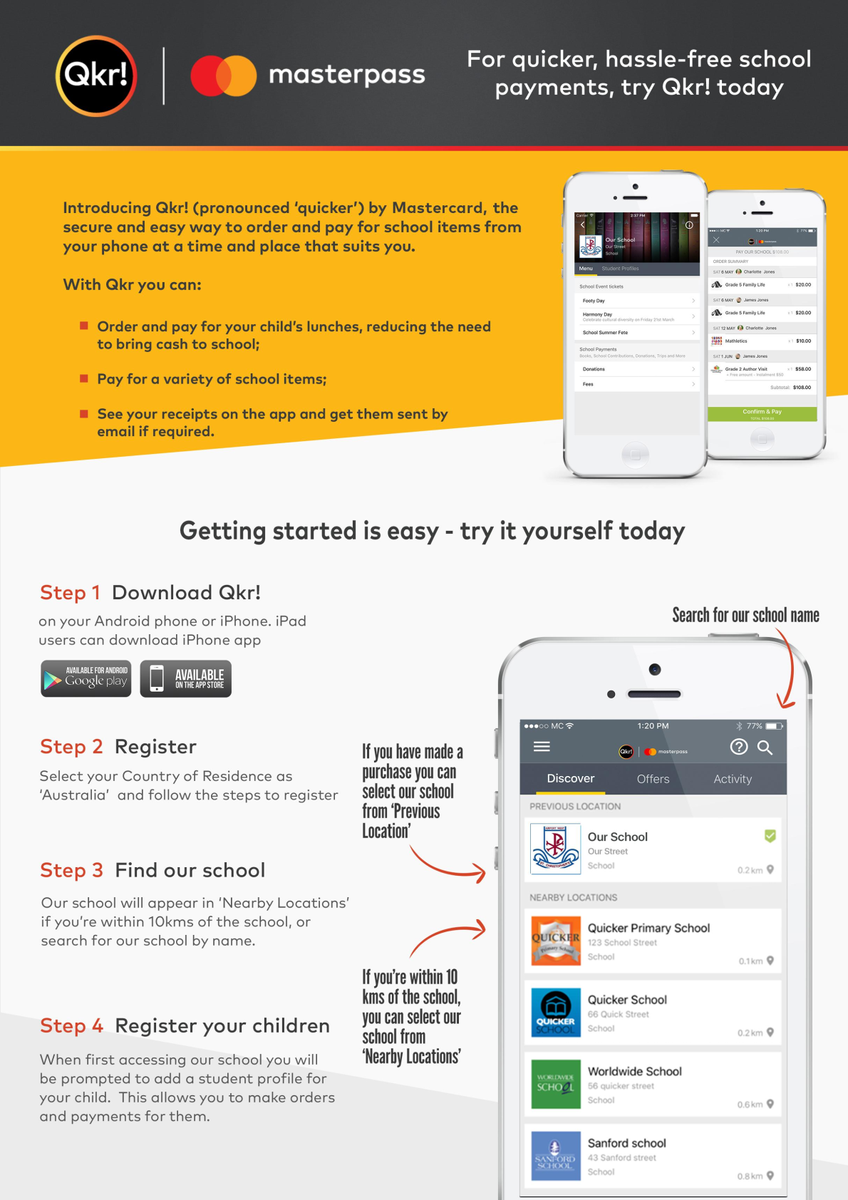
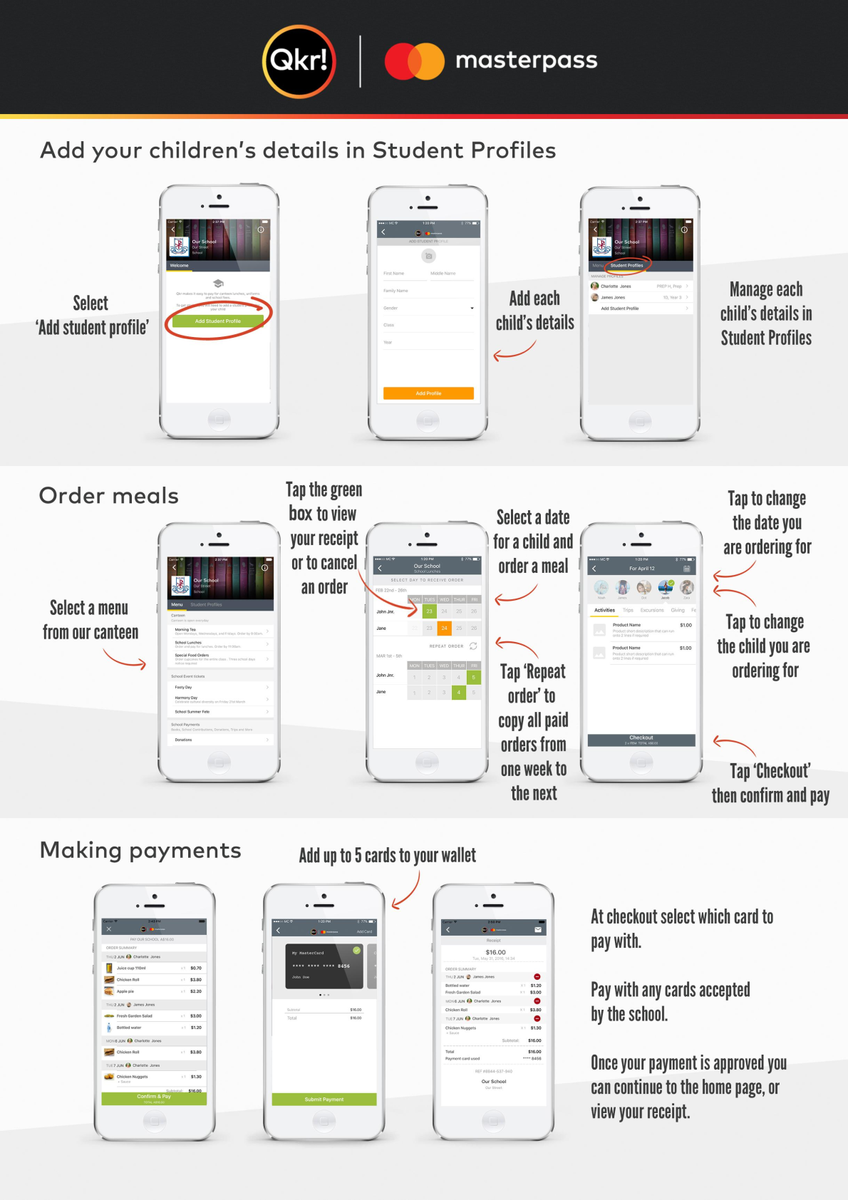
Canteen Menu

Electronic device use at Brentwood Canteen
We would like to thank you for your continued support with the Personal Mobile Devices Policy. We have noticed students trying to utilise their phones as a payment method at the canteen and ask that families look to make other arrangements.
Mobile phones are not to be used at the canteen as they are not allowed to be in use between the school hours of 8.45am and 3.05pm.
Students can make payment via an EFTPOS card or cash.
Thank you for your cooperation.
Robyn Geshev
Business Manager