Science
Science
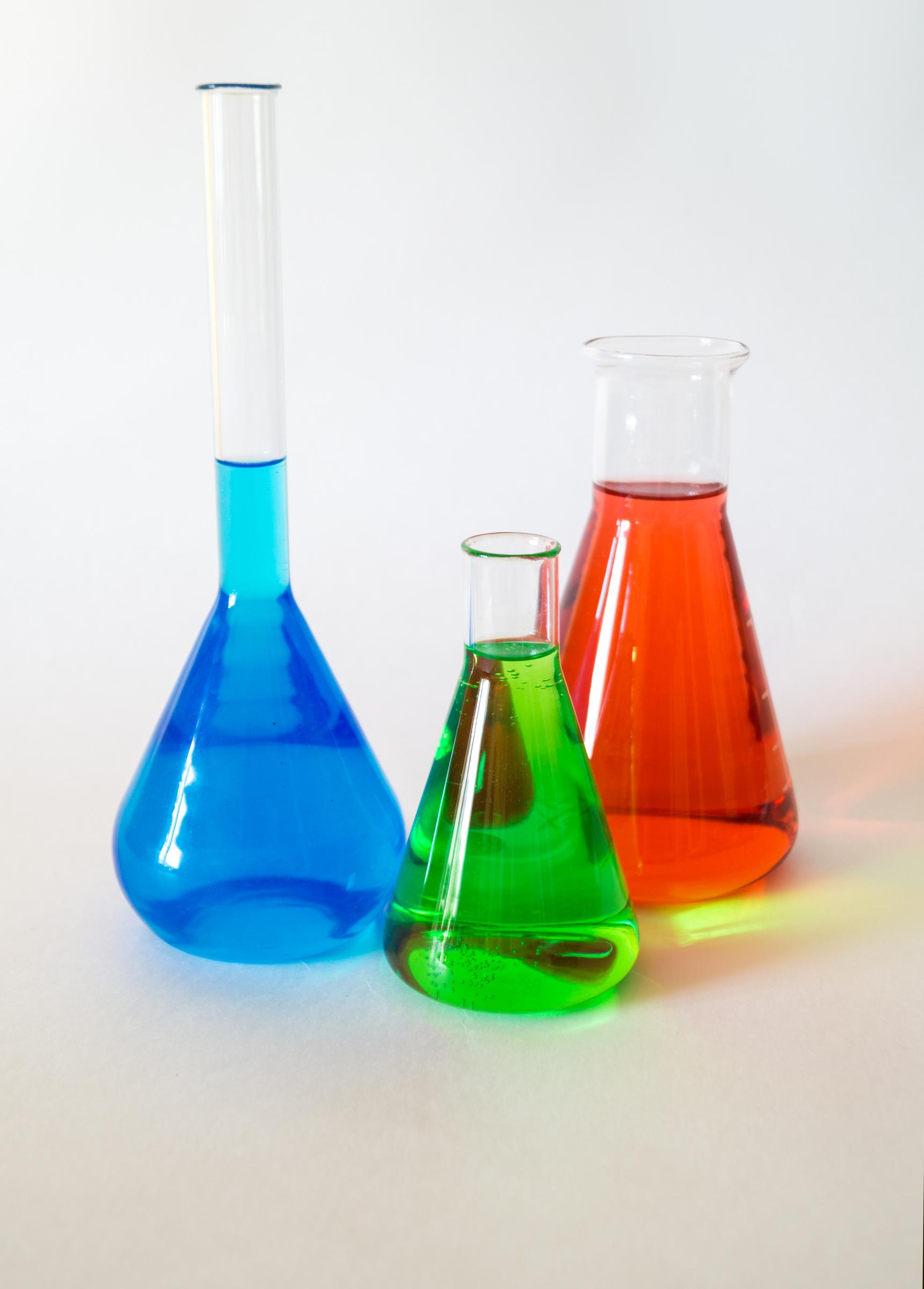
This term we will be studying Chemical Science.
Chemical Science is the part of science where students learn about:
· what things are made of
· how different materials behave
· how materials can change
· how substances mix together
It helps children understand the “stuff” all around them - about different materials and how they can change.
Grade 1.
Grade one students will be working on a unit called ‘Bend it! Stretch it!’ Bend it! Stretch it! provides students with hands-on opportunities to explore how to use twisting, stretching, scrunching and bending to physically change the shape of everyday materials; observe how the properties of familiar materials might change under different conditions; consider why some physical changes do not last. Students apply their new learning by planning and conducting an investigation about the effect of heat on the ability to shape playdough.
Grade 2.
Grade 2 students will be working on a unit called ‘Spot the difference’ Spot the difference provides students with hands-on opportunities to compare the properties of cooked and uncooked food; predict how heating and cooling can change foods; learn about how changes to food can be reversed or not. Students apply their new learning by planning and conducting an investigation of which type of chocolate bud melts the fastest.
Grades 3 – 6
This year Science in Grades three to six moves from school based planning to OCHRE planning and programs. The requirement for science is that these classes receive 1.5 hours of science per week, and as such, science will be taught between the Science specialist classes and the classroom teachers. Most levels will be taught a separate unit in the classroom. For example, in Grade 5, specialist science will cover a unit called States of Matter, while the classroom teacher will teach a unit called Mixtures and Solutions.
This will be quite a change from our past format for teaching science, as we follow the new science curriculum.
In the Science room, Grade three will work on a unit called Solids and Liquids - Unit objectives ● Describe the properties of solids (e.g., fixed shape, cannot flow) and liquids (e.g., take the shape of their container, can flow) ● Identify examples of solids and liquids in everyday life (e.g., ice, water, chocolate, juice). ● Explore how changes of state involve the removal of heat or the addition of heat using ice cubes, butter or chocolate ● Explain in simple terms how adding heat makes particles move faster, causing solids to melt into liquids ● Investigate how changes of state in some materials used by Aboriginal and/or Torres Strait Islander Peoples are important for their use ● Investigate how heat affects the speed of melting (e.g. compare melting an ice cube in your hand vs. in warm water)
Grade 4 will work on a unit called Properties and Materials - Unit objectives ● Describe the key properties of natural materials (e.g. wool, cotton, silk, wood) and made materials (e.g. nylon, different plastics). ● Identify and name materials in the classroom, and group objects made of similar materials or
combinations of materials ● Compare the physical properties of fibres (e.g. strength, elasticity, moisture absorption) and discuss their applications in textiles. ● Link the properties of metals (e.g. conductivity, lustrous/shiny and malleable) to their use (e.g. mirrors, construction, electronics, and tools). ● Describe the characteristics of glass (e.g. transparency, brittleness, heat resistance) and relate these to applications such as windows, containers, and lenses. ● Define and compare terms such as biodegradable, recyclable, and non-recyclable in the context of material properties. ● Conduct experiments to test and compare the properties of natural and made materials, such as strength, elasticity, and heat resistance. ● Investigate the durability, flexibility, and recyclability of different types of plastics and link these to their common uses (e.g. packaging, medical devices, and construction).
Grade 5 will work on a unit called States of Matter – Unit objectives –
· Observe and differentiate properties of solids, liquids and gases
· Explain observable properties of solids, liquids and gases by modelling the motion and arrangement of particles
· Explore examples in which gases have mass
· Recognising First Nations Australians’ knowledges and understandings of solids, liquids and gases, and how these knowledges are applied in a range of processes and practices, including the use of ochres and in cooking
Grade 6 will be working on a unit called Reversible and Irreversible - Unit objectives
· Discuss what makes a change reversible or irreversible
· Compare reversible changes, including dissolving and changes of state, and irreversible changes, including cooking and rusting that produce new substances
· Link reversible changes to recycling materials
· Investigate how the amount of heat energy added may affect whether a change in state or irreversible change occurs