Catholic Identity
Catholic Identity Leader: Anthony Butts
Reflection - SOMETHING TO THINK AND PRAY ABOUT THIS WEEK
Let There Be Grace
‘Aurora Borealis, the Northern Lights,’ Anne said. ‘How wonderful.’ I considered how its magnificence could be delivered in words. She didn’t need that. ‘Leave me with the magic,’ she cut in. She reminded me of my mother’s response to my attempt to explain why the prayer plant raises its leaves in praise as night falls. ‘It’s praying,’ she said. ‘That’s enough.’ Good messages both of them, because they pushed me back to the source of our best response, namely, wonder and praise. And the wonderful must never surrender to any formula of words. We stand before a sunset, for instance, and say, ‘Ah’, for it is truly an awe-moment. And, if we must reach for a word, let it be ‘grace’! In fact, St Paul found that word to be his best ally when he wrote about the Good News, which for him was all grace and graceful, given gracefully and plucking the strings of gratitude in those who heard it. Just so for Gerard Manley Hopkins, who remarked that the mystery of the Incarnation – of the ever-beyond-us God entering our bloodstream in Jesus – could never be reduced to ‘an equation in theology,’ for its wonder ‘leaves the mind swinging, poised but on the quiver’. Quivering.
Just so, we talk of ‘climate change’ or ‘global warming’ and have no sense of what we mean, unless we have had to walk further each day to fetch water, lost our home, or, as a reindeer farmer, seen our reindeer fall through thinning ice. Hugh O’Donnell SDB, The Sacred Heart Messenger, June 2024
Upcoming Events
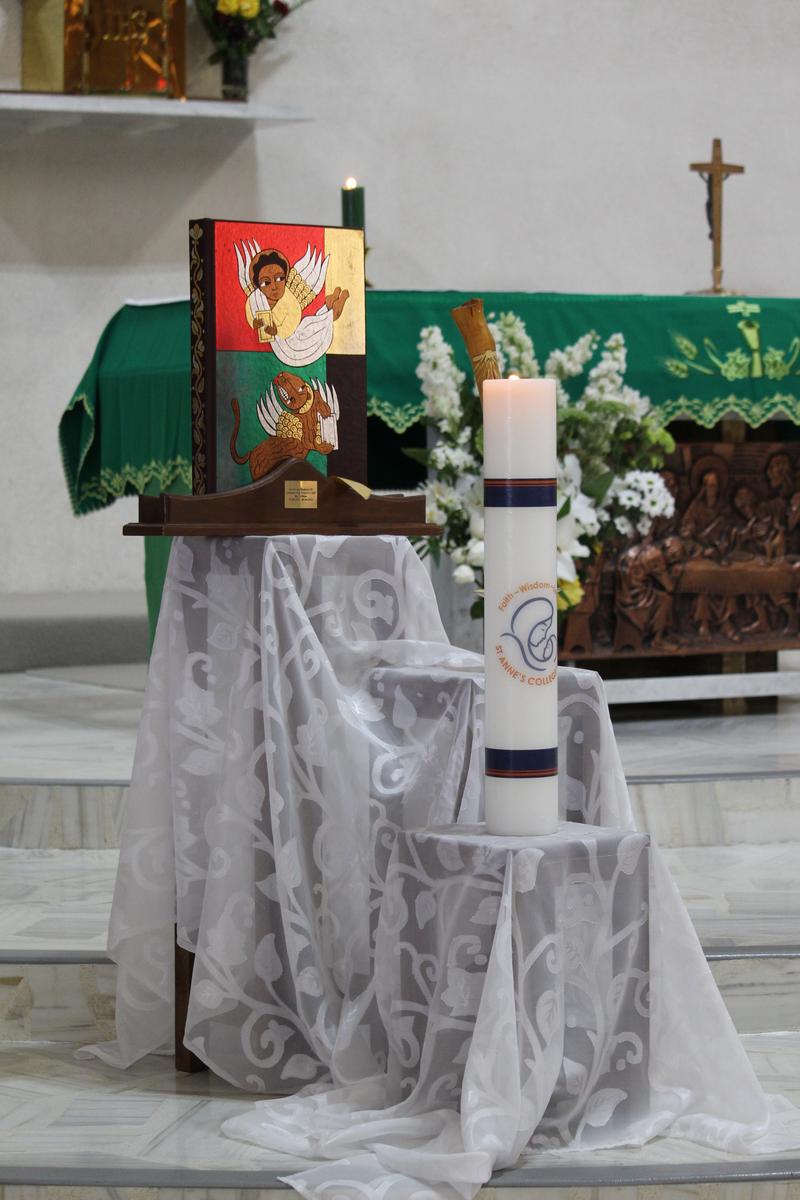
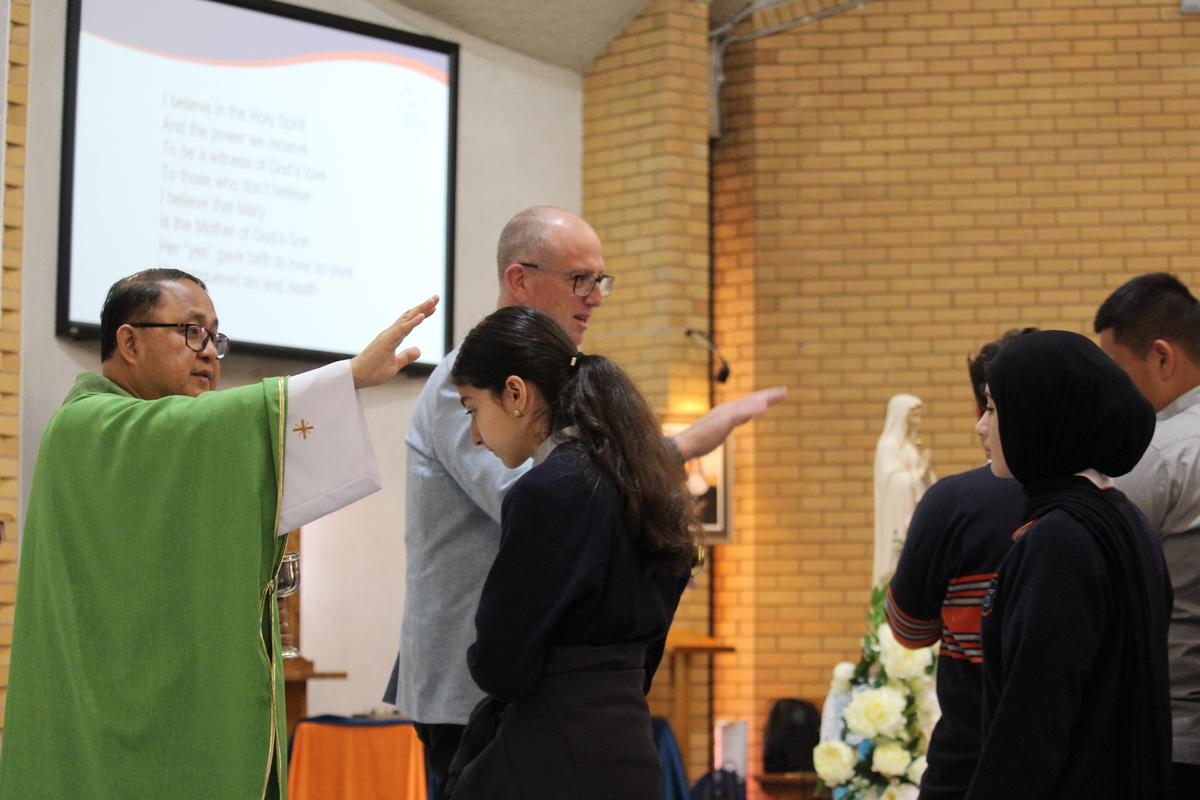
On Tuesday next week, students will travel by bus to St Mel's Christ the King Church to attend the Opening Liturgy.
During this celebration, the Year 12 leaders' and students will be presented with their badges. We ask all Secondary students wear full academic uniform and Primary students are in full uniform.
As the Lenten season approaches, we are reminded of the significance of the three pillars that define this time and help us journey to Easter: Prayer, Fasting, and Almsgiving. These pillars are not just traditions; they are essential practices deeply rooted in the Catholic faith, each holding its profound significance.
1. Prayer:
Prayer is the cornerstone of our relationship with God. Through prayer, we open our hearts and minds to His presence, seeking guidance, strength, and grace. During Lent, we are called to deepen our prayer life, setting aside dedicated time for conversation with the Divine. Whether through traditional prayers, meditation, or contemplative silence, prayer allows us to align our will with God's and draw closer to Him in intimacy and trust.
2. Fasting:
Fasting, or self-denial, is a way to detach ourselves from worldly comforts and desires. By voluntarily abstaining from certain things, we create space to focus on spiritual nourishment and dependence on God. Fasting reminds us of our reliance on God for sustenance and helps us cultivate self-discipline and self-control. It is a tangible expression of our willingness to sacrifice for the sake of our spiritual growth and solidarity with those who suffer.
3. Almsgiving:
Almsgiving, or acts of charity and generosity, reflect the love and compassion of Christ. During Lent, we are called to reach out to those in need, sharing our blessings with others and embodying the spirit of solidarity and service. Almsgiving extends beyond material goods; it encompasses acts of kindness, forgiveness, and reconciliation. Through our generosity, we become instruments of God's love, bringing hope and healing to a broken world.
As we embrace these practices during Lent, let us reflect on their profound significance in the Catholic faith. May they inspire us to draw closer to God, to live lives of humility and service, and to journey together as a community of faith, hope, and love.
Meet the Religious Education Team!

Anthony Butts, Catholic Identity Lead
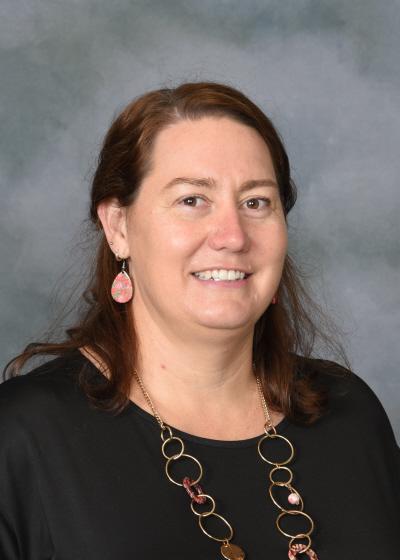
Bek Ryan, Religious Education Lead, Secondary
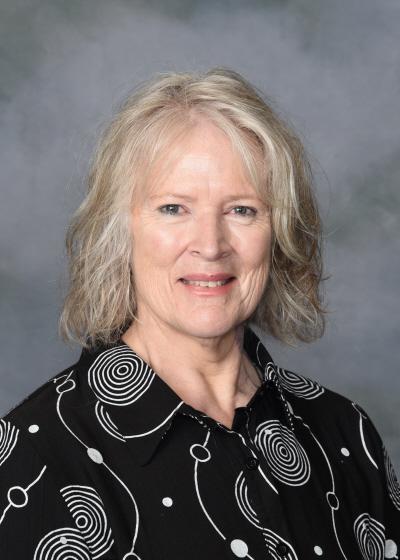
Cindy Luksch, Religious Education Lead, Primary
Anthony Butts, Catholic Identity Lead
Bek Ryan, Religious Education Lead, Secondary
Cindy Luksch, Religious Education Lead, Primary
Catholic Education Sandhurst 2026 Theme:
Seek Peace and Pursue It

In a world marked by complexity, division, and noise, the biblical call to “Seek peace and pursue it” offers a profound and timely invitation - one that resonates deeply with the mission of Catholic Education in 2026. This phrase is not passive; it is a call to action. Peace is not merely something to hope for, it is something to actively chase, cultivate, and embody.
At the international level, peace is often spoken of in terms of diplomacy and justice. Yet, true peace begins not in treaties, but in hearts. In Australia, where diverse cultures and perspectives meet, peace must be pursued in how we listen, include, and reconcile. In our personal and professional relationships, peace is the foundation of trust, collaboration, and compassion. And in our own hearts, peace is the quiet strength that allows us to lead with integrity, respond with grace, and live with purpose.
Jesus himself was a bearer and teacher of peace. His words - “Peace be with you” (John 20:21) and “My peace I give you” (John 14:27) were not mere greetings, but gifts and commissions. He knew that peace is transformative, and that it must begin within. We cannot lead others to peace if we have not first made peace with ourselves, with our past, our fears, and our calling.
For leaders, educators, students, and families, this theme is both a challenge and a compass. It reminds us that peace is not the absence of conflict, but the presence of justice, mercy, and love. It calls us to be peacemakers in our schools, homes, communities, and hearts. And it affirms that the pursuit of peace is not optional, it is essential to the mission of Catholic leadership.
In 2026, may we not only seek peace, but pursue it with courage, humility, and hope.