
Science

Grade 5/6
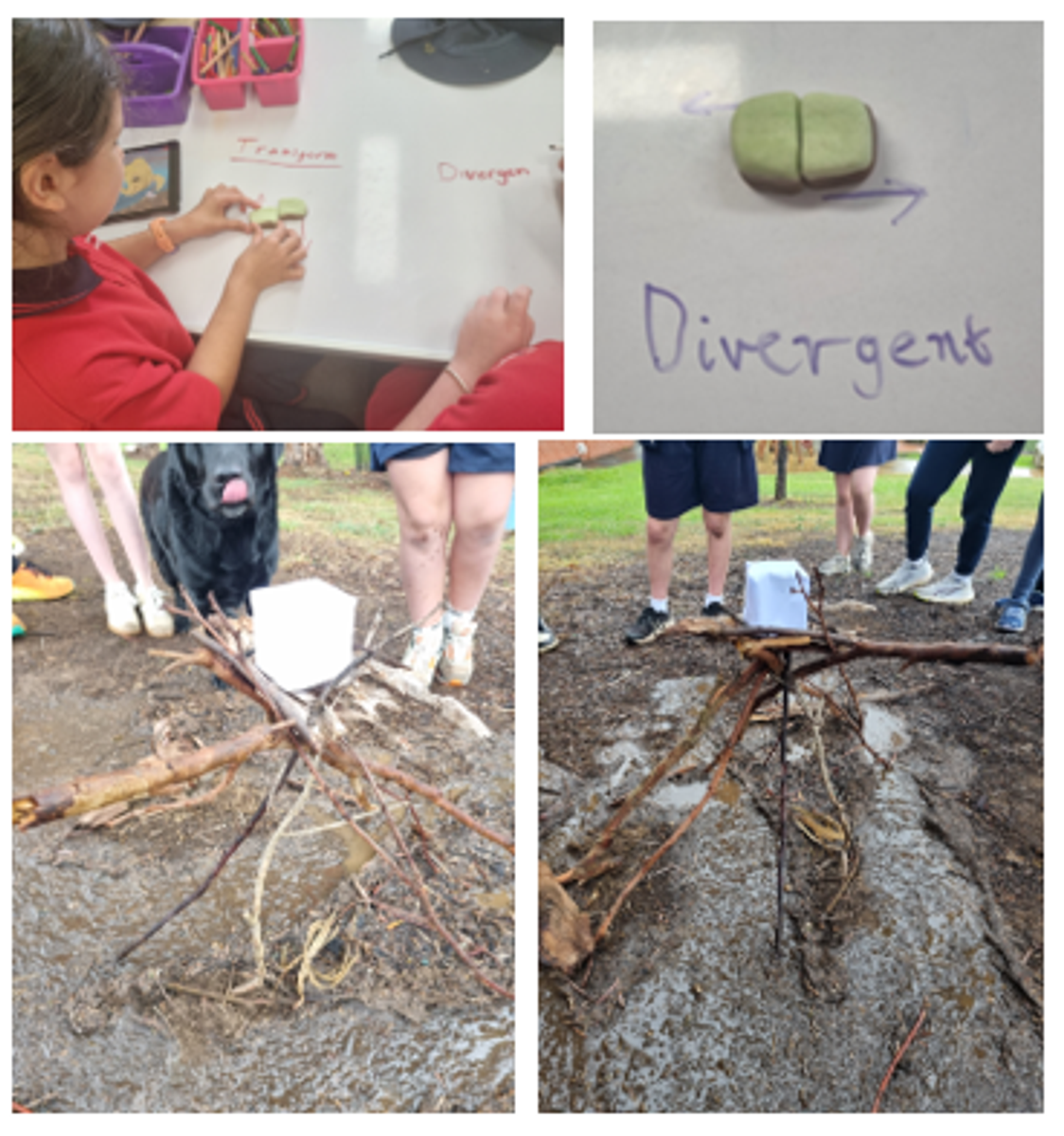
This term Grade 5/6 students are studying natural disasters including floods, wildfires, earthquakes and volcanoes. Students used play dough to represent tectonic plates and used them to demonstrate how the plates move, causing earthquakes and volcanoes. Students have also constructed flood proof constructions in a maker challenge, to protect a pretend doghouse. Students developed a range of designs - many of which involved propping the doghouse up on stilts.
Grade 3/4
Students have been exploring the natural water cycle and becoming familiar with the different stages including transpiration, condensation, precipitation, infiltration, percolation, and run off. Students have also considered the importance of water to First Nations people and how water forms a central part of many stories, beliefs and traditions. Students considered their own family's relationship with water and the similarities they have to some First Nations People's uses.
Grade 2
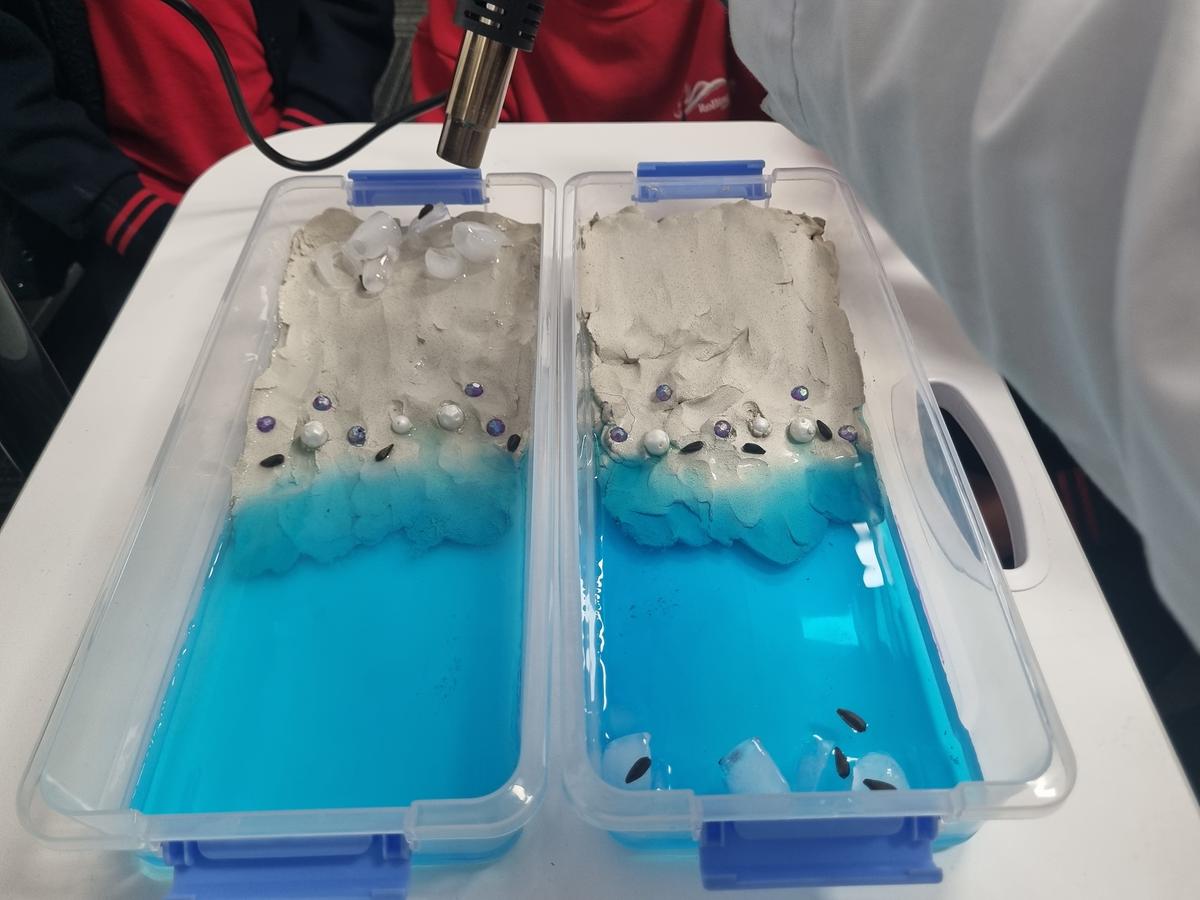
Students have been studying the relationship between temperature and melting ice. They explored the phenomenon related to the rising temperature of the Earth as it heats and the effect this has on the ice caps and glaciers. They completed experiments which revealed that ice begins as water (like icebergs) and as the icebergs melt, sea levels do not rise. However, when land ice melts, we see immediate affects of water rising over shoreline communities and there can be a loss of habitat for the animals who live on the ice. Students also explored ways they can be environmentally conscious and help reduce this effect.
Grade 1
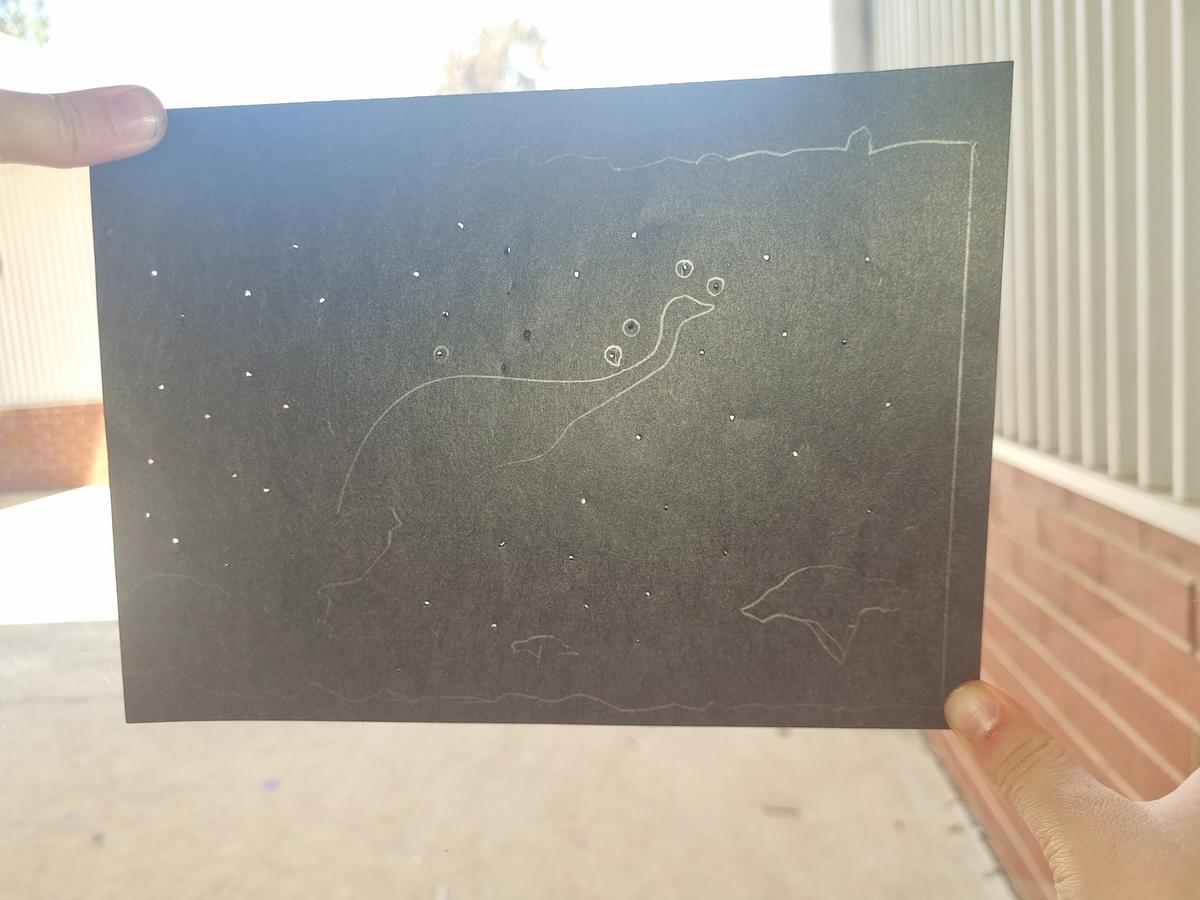
Students have been learning about the four common seasons as well as the less well known Indigenous seasons. Students have considered the types of animals and food we see most in different seasons as well as the changes in the nights skies throughout. Students made copies of the common constellations known to out First Scientists - The Aboriginal and Torres Strait Islander People.
Prep
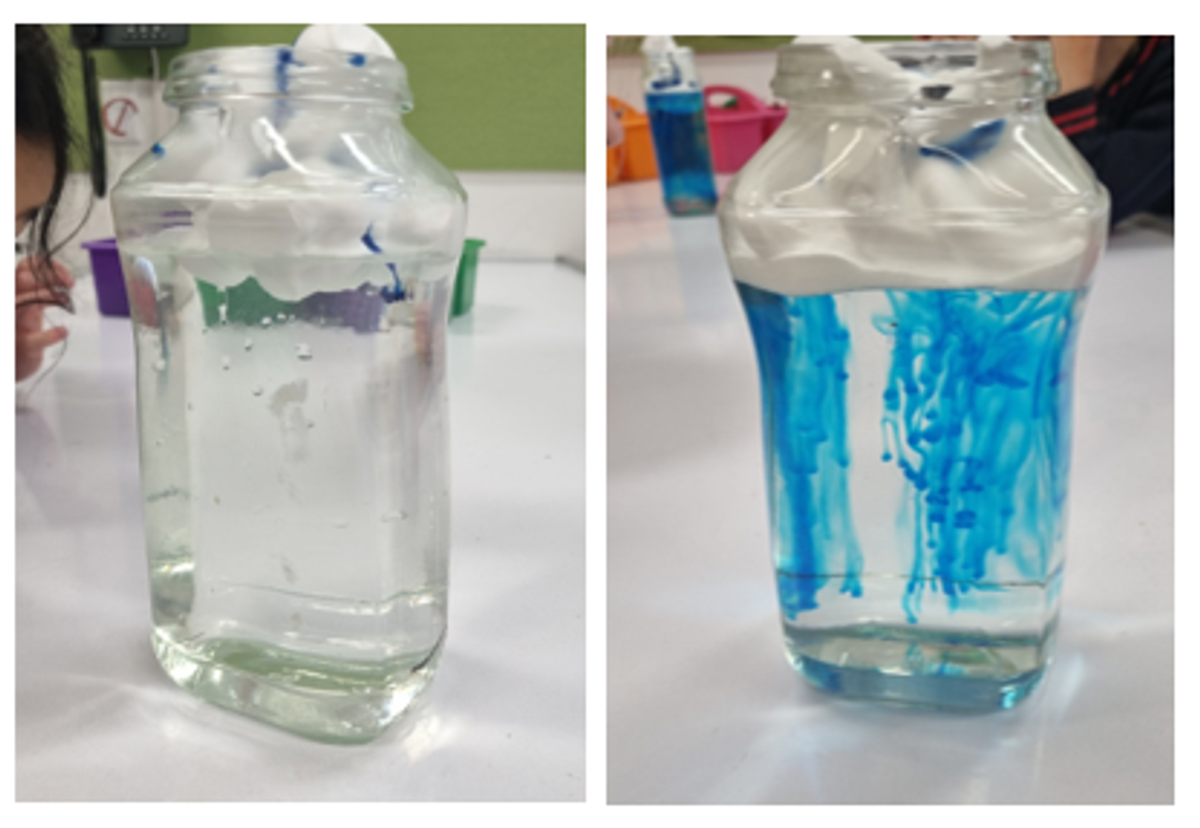
Students are exploring the wonders of the weather this term and taking the time to notice and reflect on the weather outside our windows. Students have been recording the temperature in their science journals and learning about how clouds form rain. Over the past four weeks, the weather has provided almost all seasons including some cold rainy days and some hot sunny days.
Until next time, remember to act like a proton and stay positive!
Mrs Taylor