
Wellbeing Information

First Aid in Schools
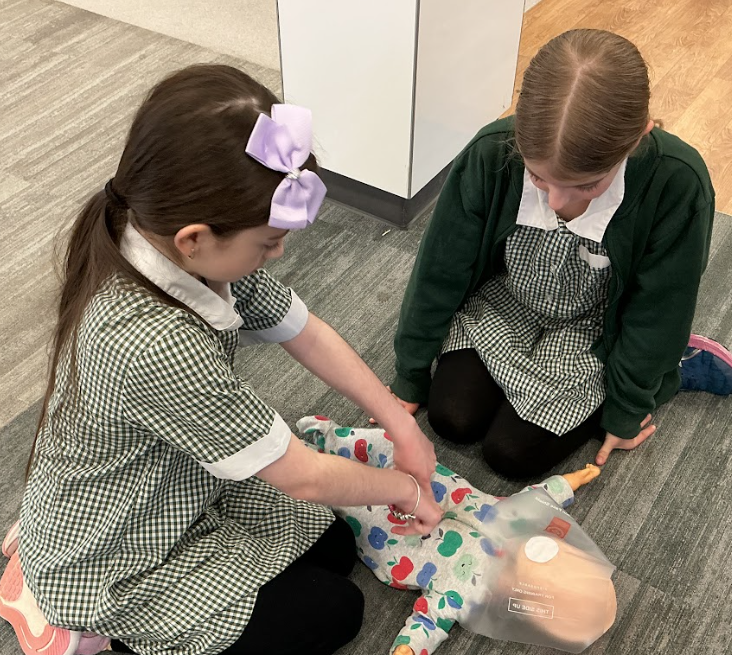
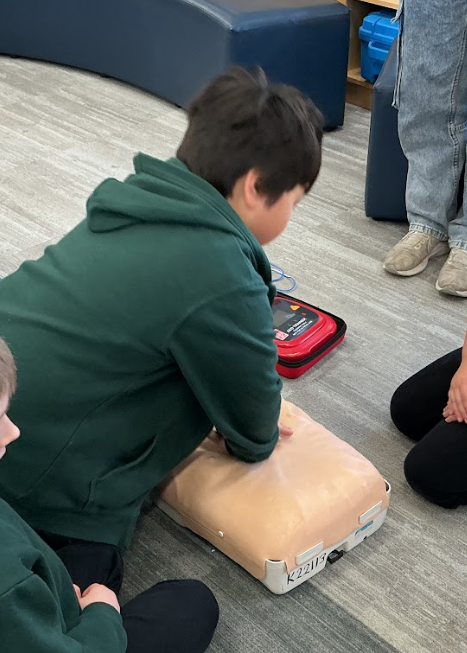
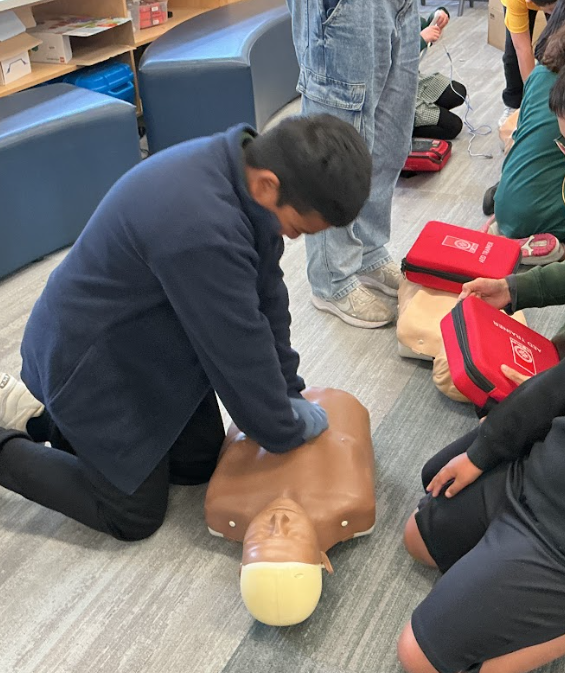
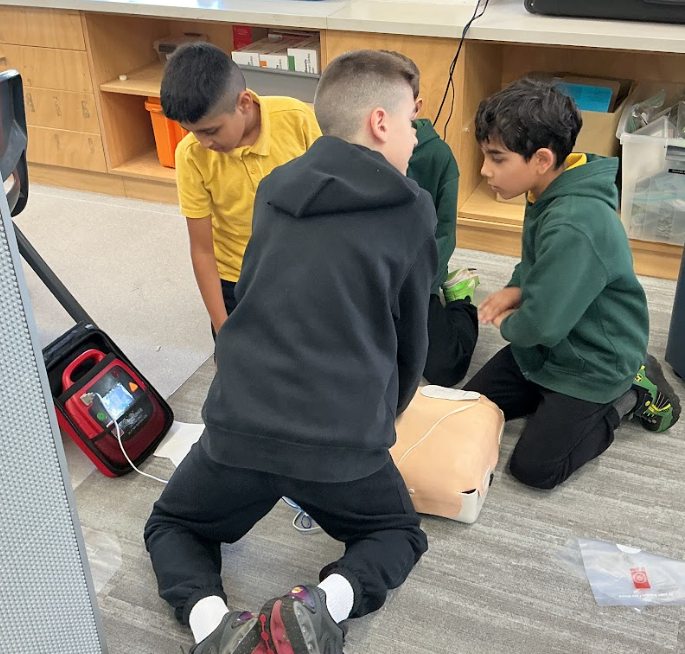
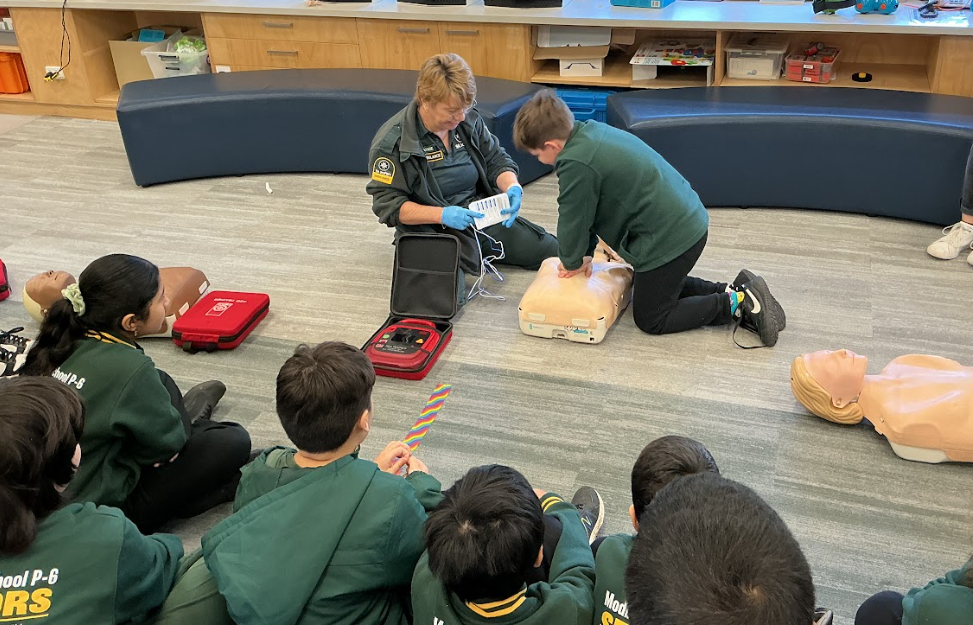
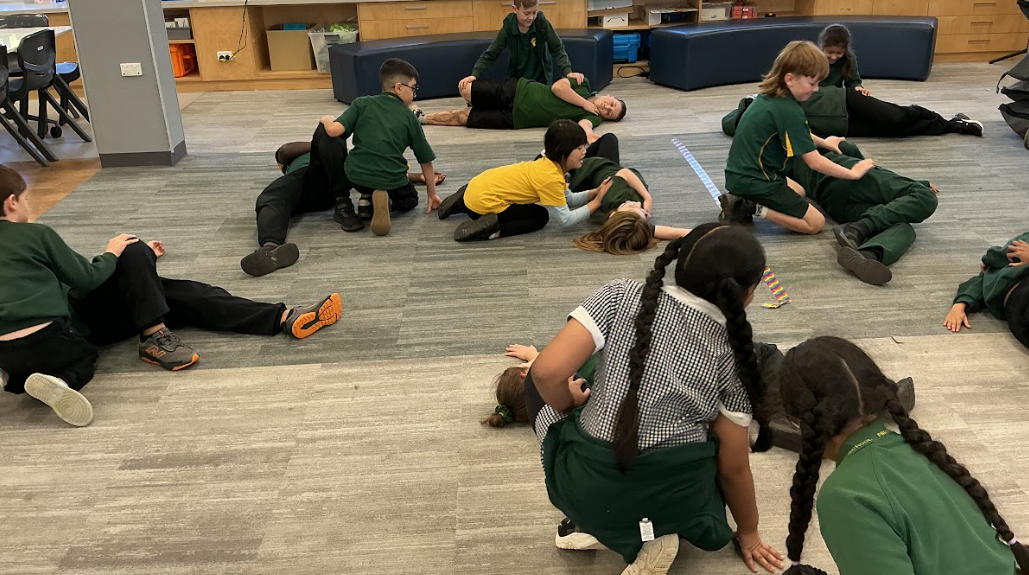
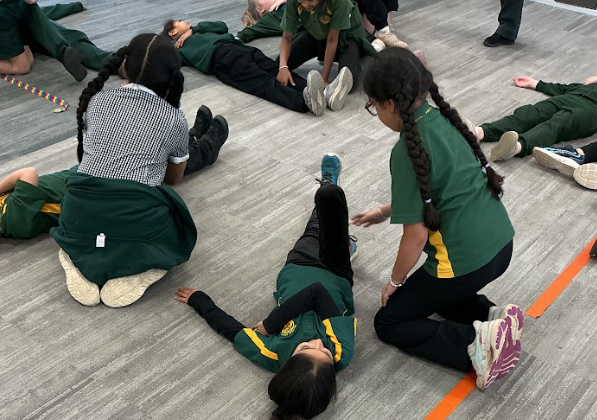
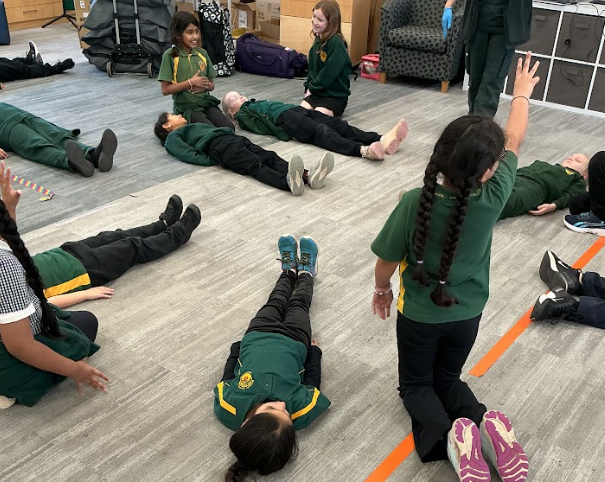
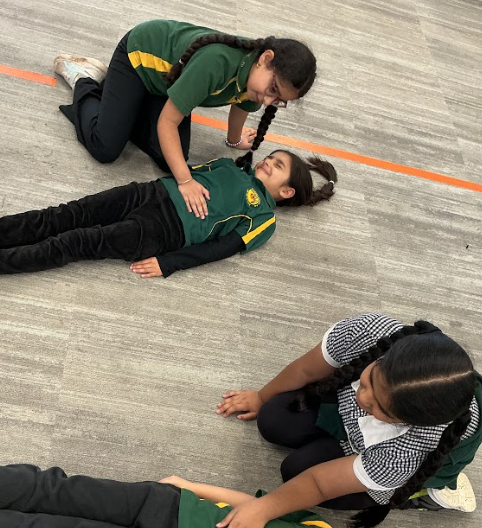
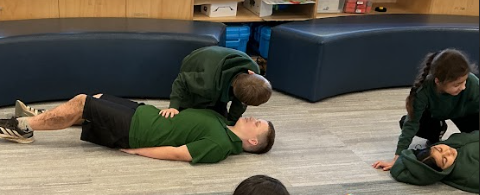
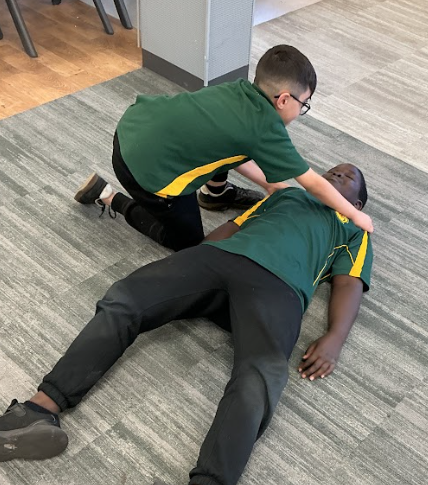
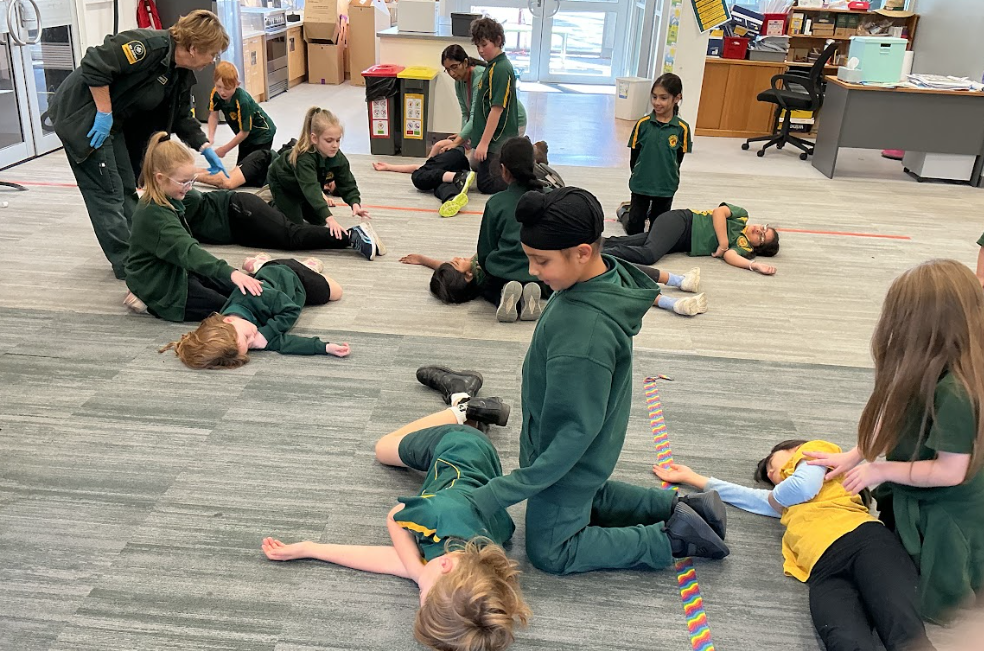
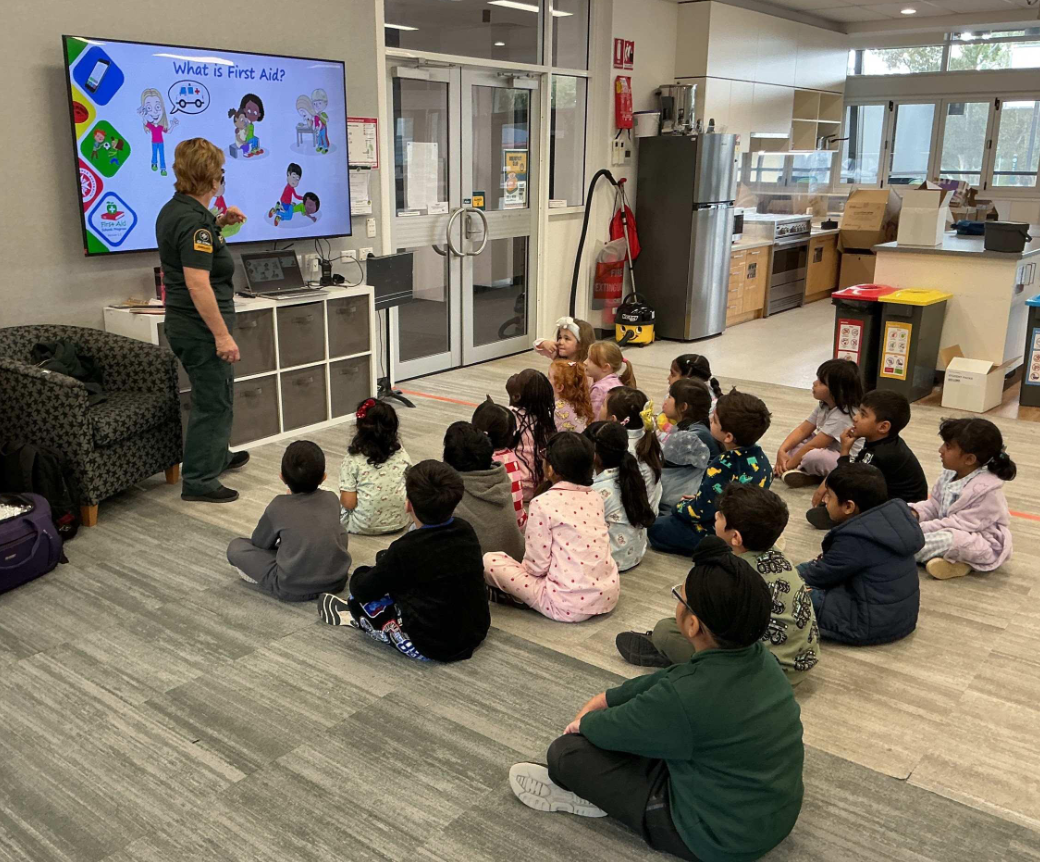
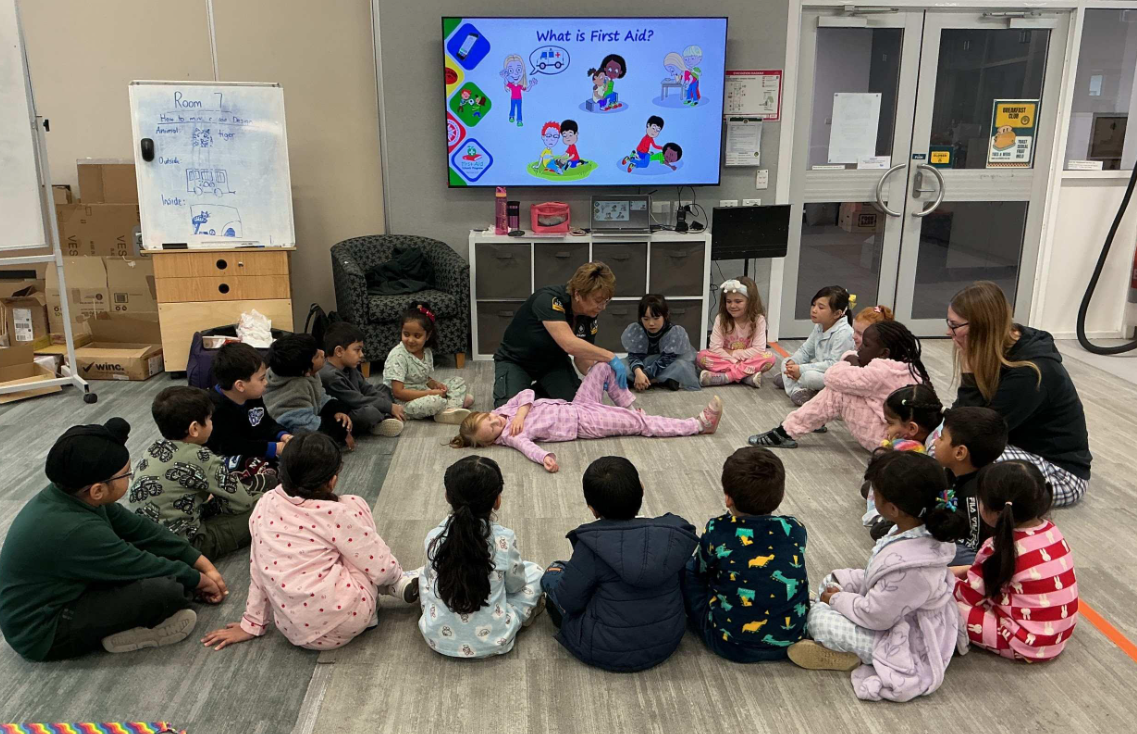
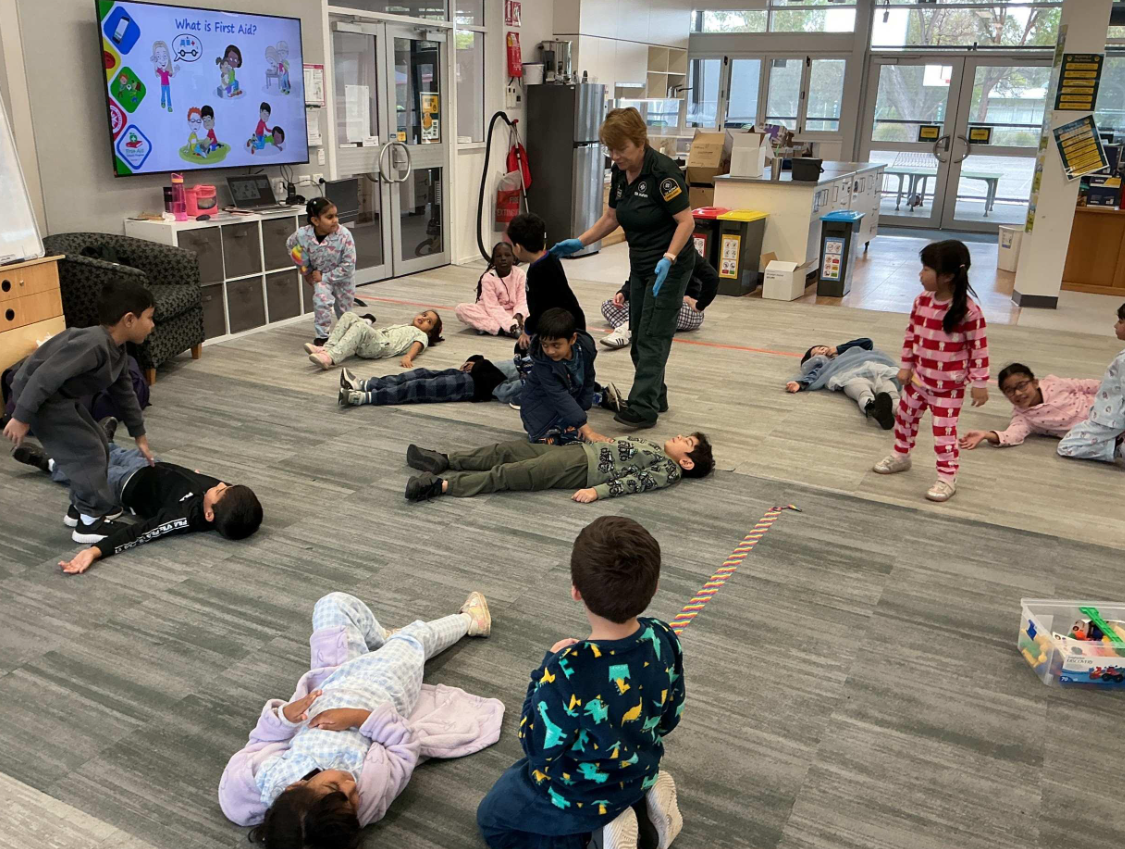
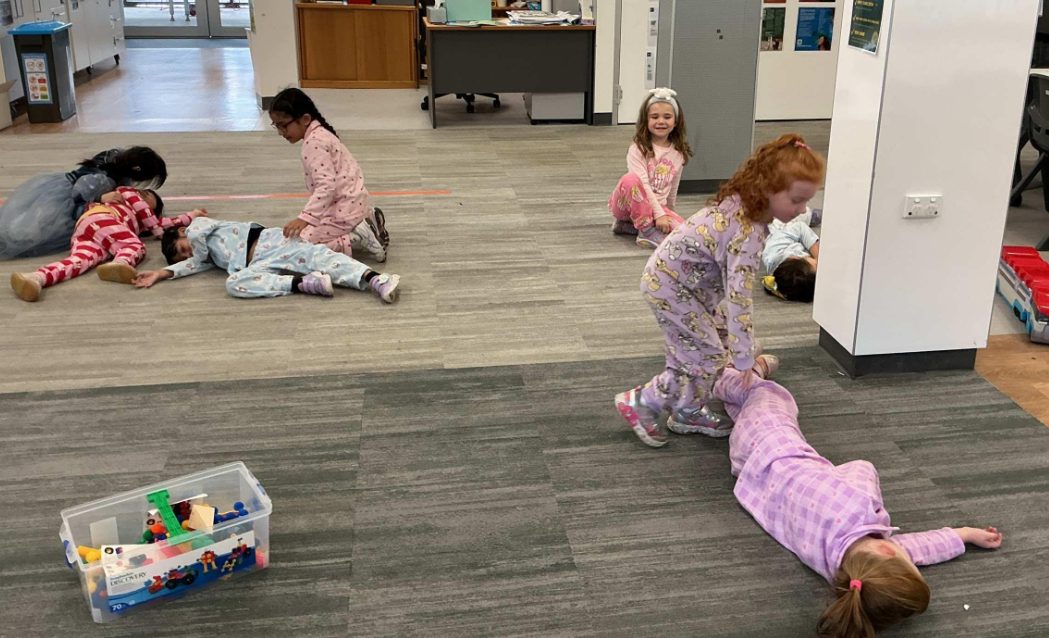
Recently, our students participated in basic first aid training throught the St John's Ambulance service, equipping them with valuable skills to respond confidently in emergencies. This training is not only vital for their own safety and wellbeing, but also strengthens our school’s capacity to care for others and contributes to the safety of our wider community.
Staff were delighted to see how engaged and enthusiastic the children were throughout their sessions. They practised essential first aid techniques and asked insightful questions, displaying a genuine interest in helping others. By fostering these life-saving skills at an early age, we are empowering students to become proactive, responsible citizens both at school and beyond.
We received some wonderful feedback from our parents regarding First Aid in Schools:
'Just a quick message to say thank you for providing the opportunity for our students to receive first aid education and training! I was absolutely thrilled to hear from xxx after school today that the students had all been taught DRSABCD, how to provide CPR, how to put someone in the recovery position, how to use an AED, etc. As I'm sure you all know, in an emergency situation, the abilities and knowledge of the people closest to us can mean the difference between life and death, or permanent injury, and acting quickly within that time while you are still waiting for an ambulance to arrive is so crucial. This is why it's so important for everybody to learn first aid and CPR. So again, thank you and well done Modbury team. Awesome job.'
It's so great to teach this from a young age and it means that our kids have an idea of what to do and how to respond if something happens around them.
Berry Street Education Model
Trauma-Informed Practice at Modbury School
At Modbury School, we are dedicated to providing a safe, supportive, and inclusive environment for all students. Our staff have undertaken training in the Berry Street Education Model, a leading, evidence-based trauma-informed approach designed to equip teachers with strategies to best support children’s social, emotional, and academic development.
This approach recognises that students learn best when they feel safe, connected, and understood. By using the Berry Street Education Model, we focus on building positive relationships, teaching emotional regulation skills, and fostering resilience. Our classrooms promote predictability and routine, ensuring all children know what to expect throughout their day.
For families, this means you can expect to see our staff working together to create welcoming spaces and offering consistent routines for all children. We prioritise wellbeing by encouraging open communication, helping children recognise and manage their emotions, and supporting them through challenges. We understand that strong partnerships with families are vital for our students' success and wellbeing.
By adopting these trauma-informed strategies, we aim to give every student the opportunity to feel safe and supported at school, which sets the foundation for improved learning, engagement, and overall wellbeing.
Holiday Wellbeing
As we approach the school holidays, we recognise that this period can bring both joy and challenges for families. Changes in routine and additional responsibilities can impact everyone’s wellbeing. It is important that families feel supported during this time.
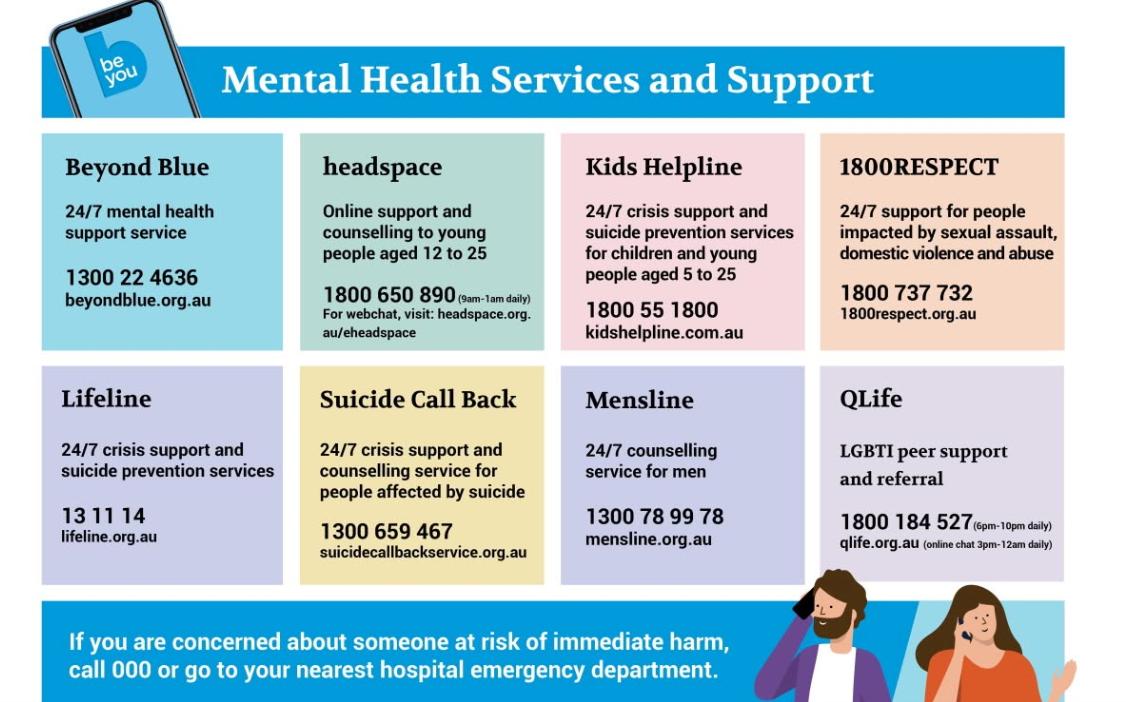
If you or your child need someone to talk to over the holidays, please remember there are services available. Beyond Blue (1300 22 4636) provides free mental health support, and Kids Helpline (1800 55 1800) offers confidential counselling for children and young people. These avenues can be accessed at any time and are there to help with worries big or small.
We encourage all families to take time for self-care and reach out if you need support. Wishing everyone a safe, restful school holiday break.
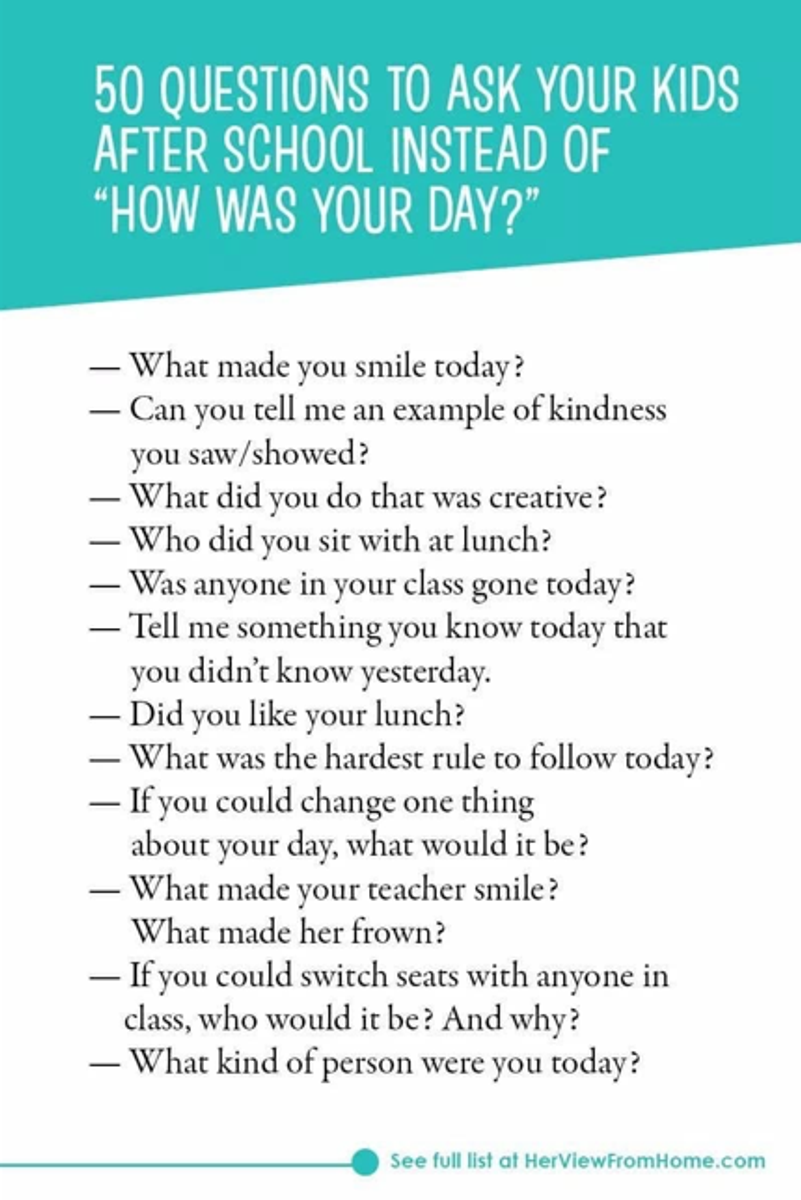
Questions to ask your children after school instead of 'How was your day?'
This is a great resource to bring out the rich learning that happens at school from your children at the end of their day.
Transition Tips for Families
You may be thinking about a transition from preschool to kindergarten, from primary to high school, from one year to another in the same school, or from one school to another midway through primary or high school.
Transitions happen for all of us across each day, week, and month.
For children at school, key transitions include:
from home to school and back home
into school and the classroom
between classrooms and teachers
outdoor play/break times
across the school, for example, to the library, bathroom, and canteen.
We know routines and planning are key to always supporting children. This is especially true at times of change and transition.
Have a read of the attached information. Some of these tips may help!