
Health Centre News
Head Lice: A Shared Responsibility
Head lice are a common and treatable issue among primary school–aged children. While they can be frustrating, they are not a sign of poor hygiene and can affect any child. By working together, we can help reduce their spread within our school community.
When to Check for Head Lice
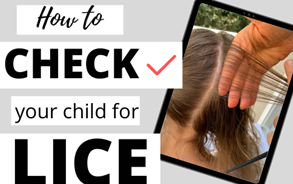
Regular checks at home are the best way to catch head lice early. We recommend checking your child’s hair:
- Weekly, especially during the school term
- More often if you hear of lice cases in your child’s class
- If your child is scratching their head more than usual
Using a conditioner and fine-tooth comb is the most reliable way to detect lice and eggs. It does not treat the lice, but makes it easier to detect.
If Your Child Has Head Lice
If you discover that your child has head lice, please begin treatment as soon as detected and notify the school nurse.
Letting the school know allows us to:
- Monitor for further cases
- Support families with advice and resources
- Help minimise the spread to other students
Please be reassured that all information is treated confidentially. No child is singled out or identified to others.
How to Help Prevent Head Lice
While it’s not always possible to prevent head lice completely, these steps can help reduce the risk of spread:
- Tie long hair back in plaits or a ponytail
- Encourage children to avoid head-to-head contact during play
- Do not share hats, hairbrushes, hair accessories, or helmets
- Continue regular hair checks at home
Working Together Makes a Difference
Head lice are much easier to manage when families and the school work together. Prompt checking, treatment, and communication help protect all children and reduce repeated outbreaks.
Need Support or Have Concerns?
If you have any questions about checking, treatment options, or prevention, please don’t hesitate to contact the school nurse.
You can also find information here : https://www.betterhealth.vic.gov.au/health/conditionsandtreatments/head-lice-nits
Thank you for your ongoing cooperation and care in keeping our school community healthy.
We are here to support you and your child so please reach out if you have any concerns.
Warm regards,
Nurse Cecile