
Year 5 News
Our Learning Celebrations
Literacy
Text Studies
This term our students will be reading and exploring the themes in the award-winning text, Music For Tigers, written by Australian author Michelle Kadarusman. It is a magical story that is set in the Tasmanian rainforest. Students will explore the themes of conservation, diversity, and history.
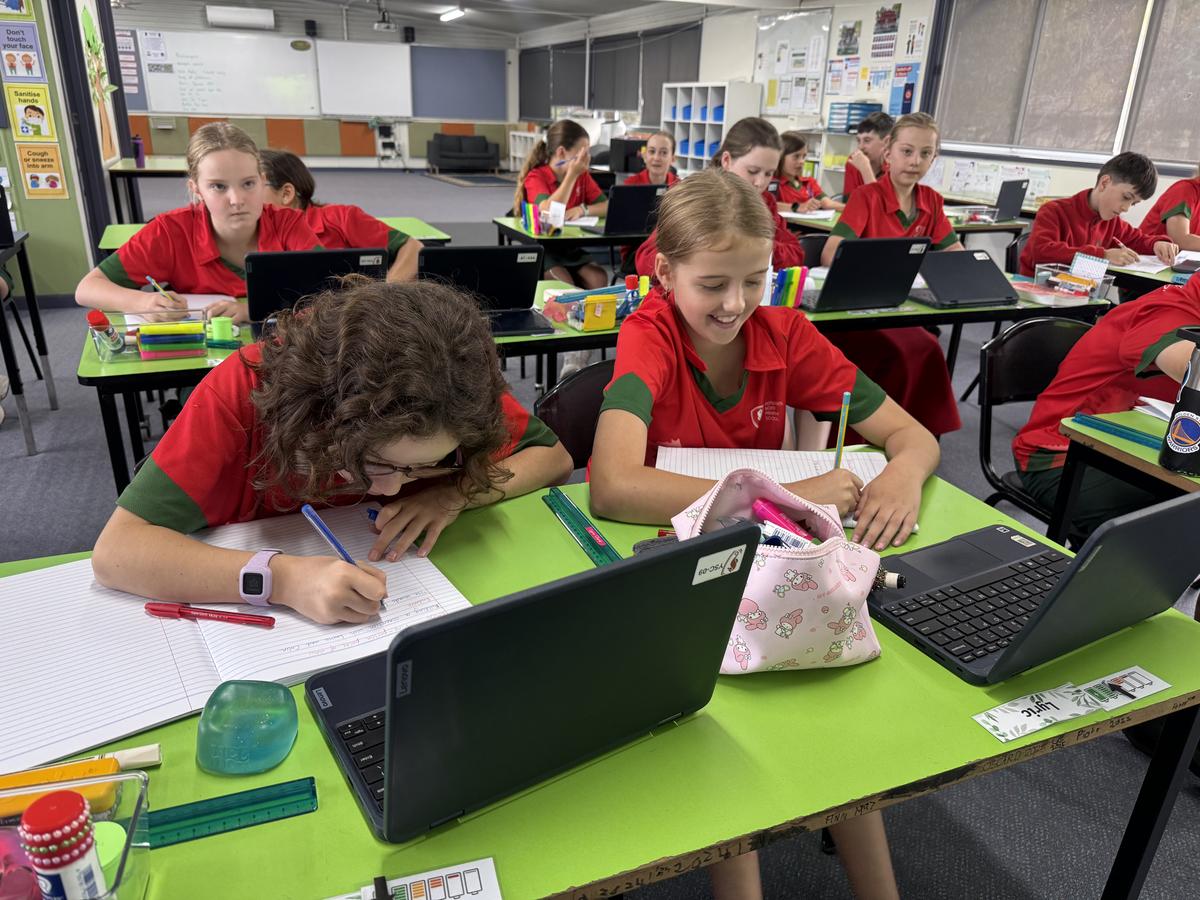
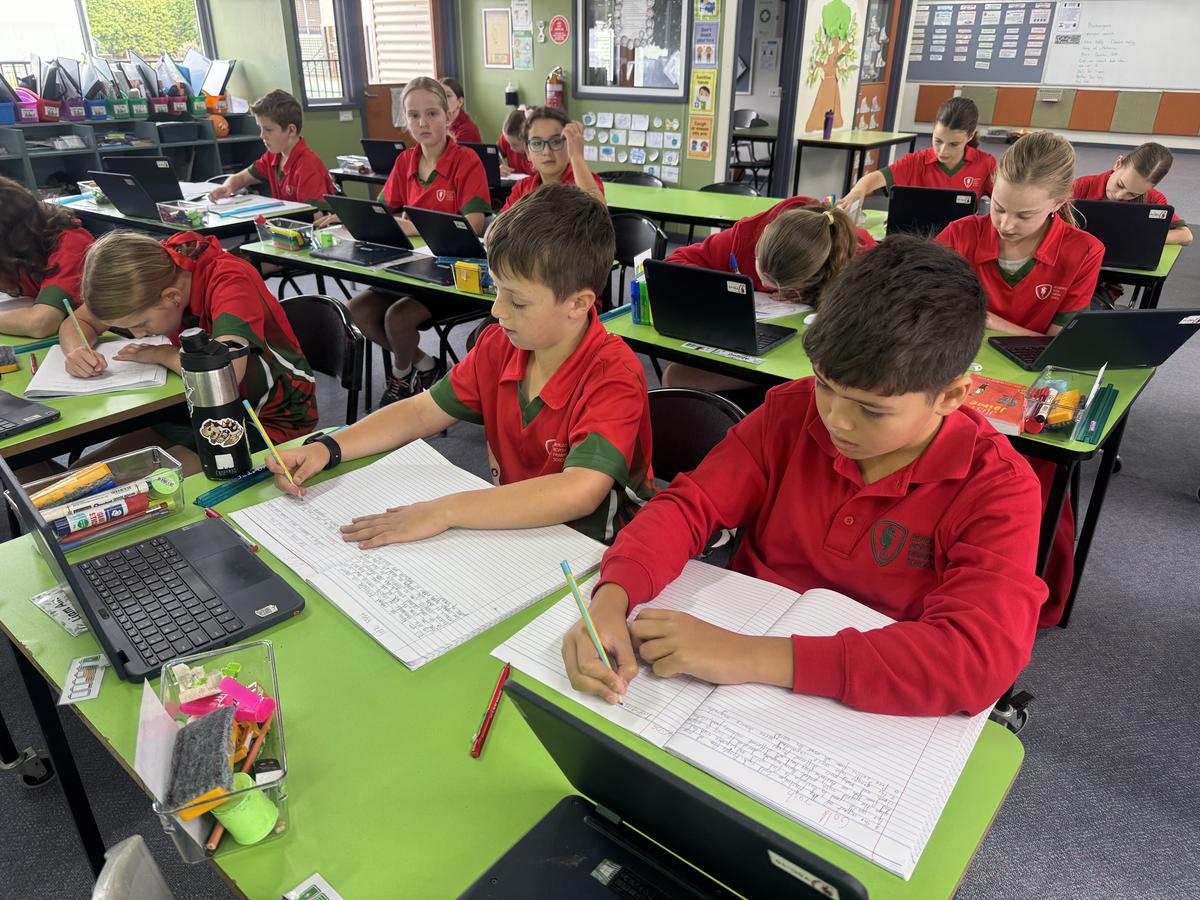
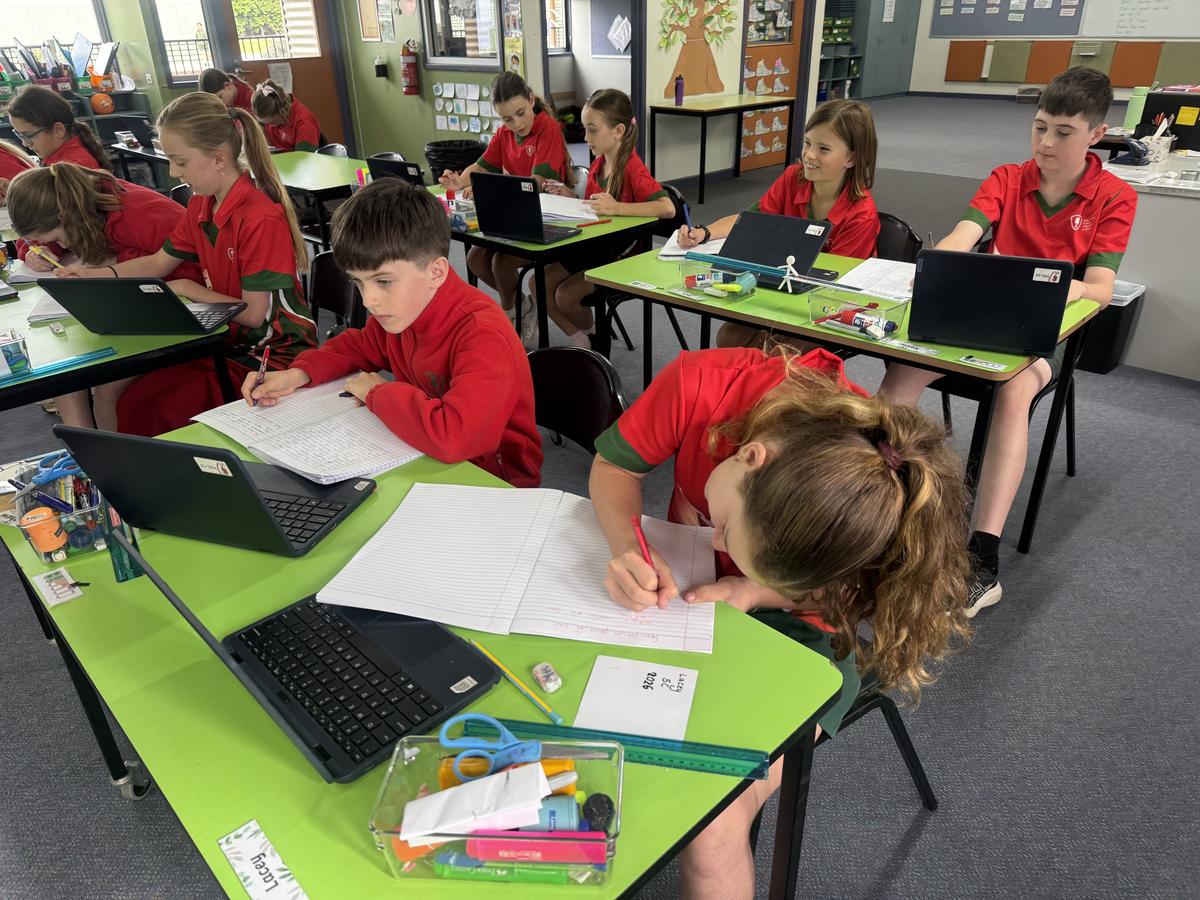
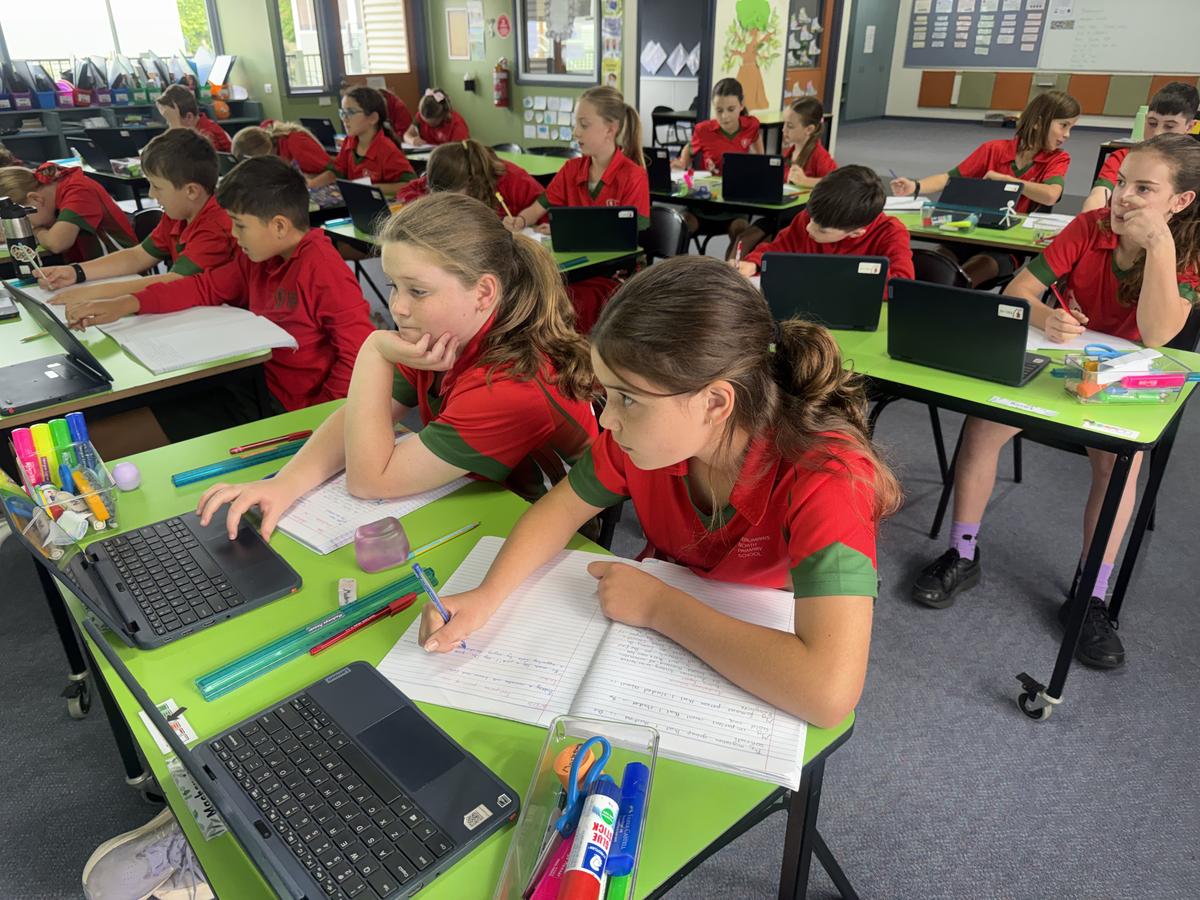
This week students reviewed how the titles of novels, chapters, and the author’s acknowledgements can engage the reader by activating prior knowledge and building anticipation. Before reading, students learned about the Tasmanian Tiger and the causes of its extinction. Students also immersed themselves in the music of Antonio Vivaldi’s Spring concerto. They explored how the author developed the main character through a first-person narrative voice and her stream of questions. They also learned how to create a character profile.
Enjoy listening to Antonio Vivaldi’s Spring concerto! https://www.youtube.com/watch?v=vRpMWPSGKUA&list=RDvRpMWPSGKUA&start_radio=1
Spelling, punctuation and grammar
This week, students have explored the Greek root therm, meaning “heat”. They have learned how to build and break down words using prefixes, roots and suffixes, and have strengthened their understanding through word-building and definition-matching activities. Students have also applied their knowledge by analysing word structures and using therm words in sentences and dictated passages.
Mathematics
Number- Fractional Thinking
During Term 2, the Year 5 students will be focusing on fractional thinking.
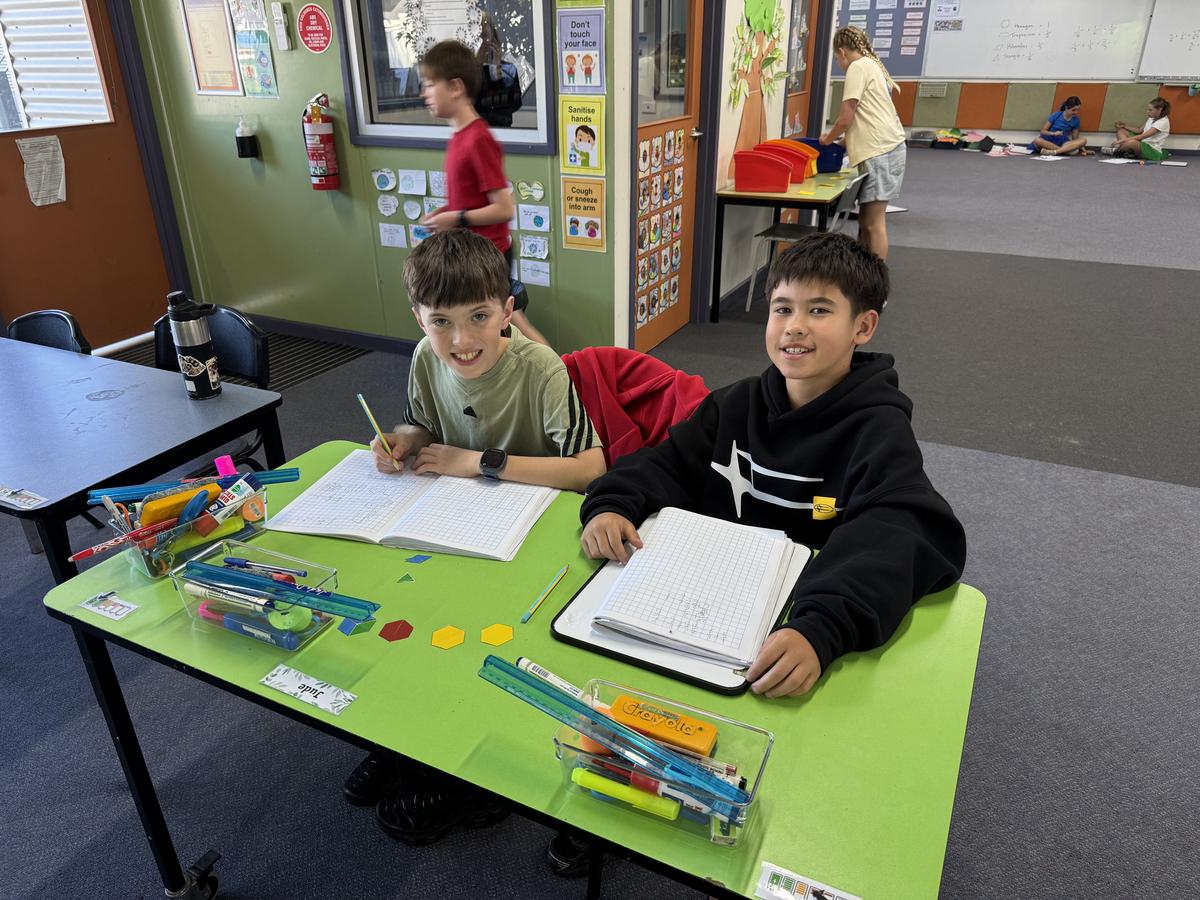
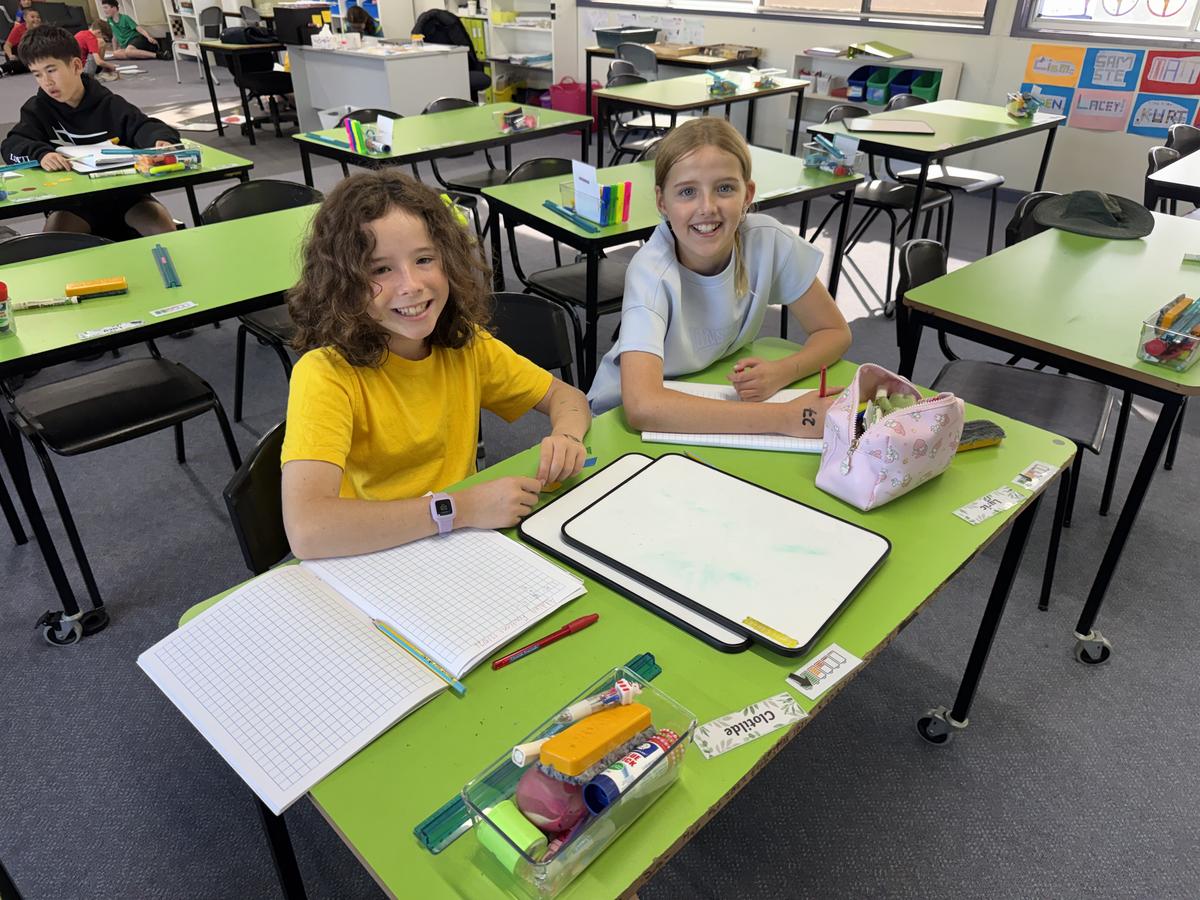
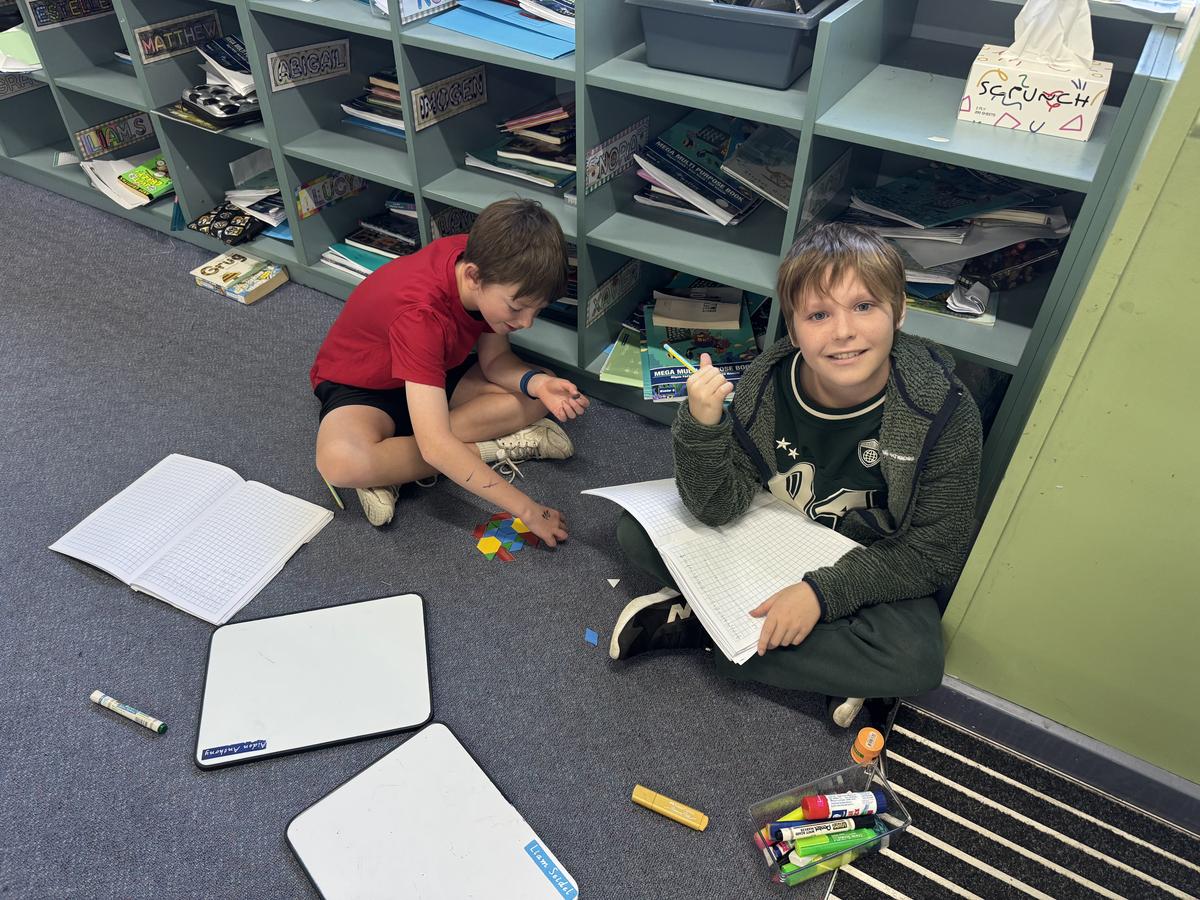
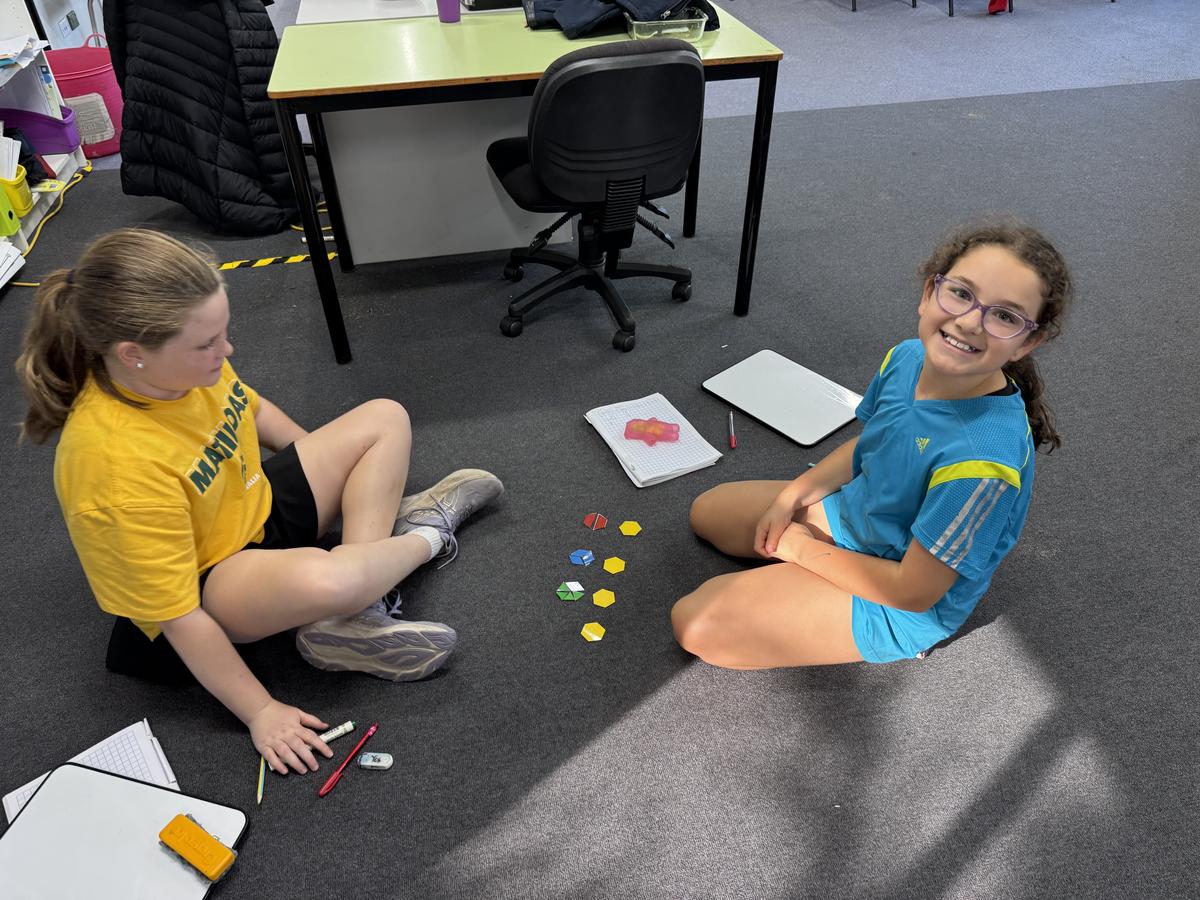
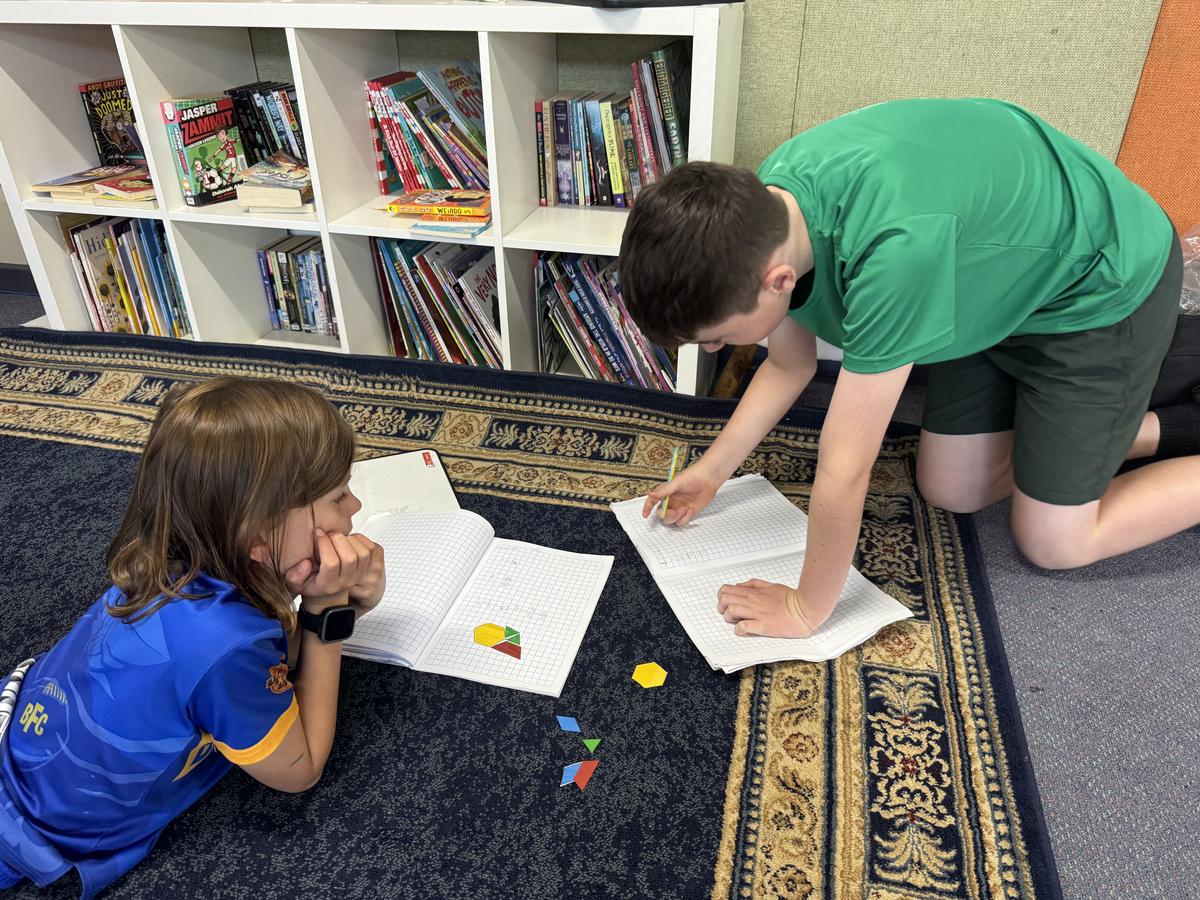
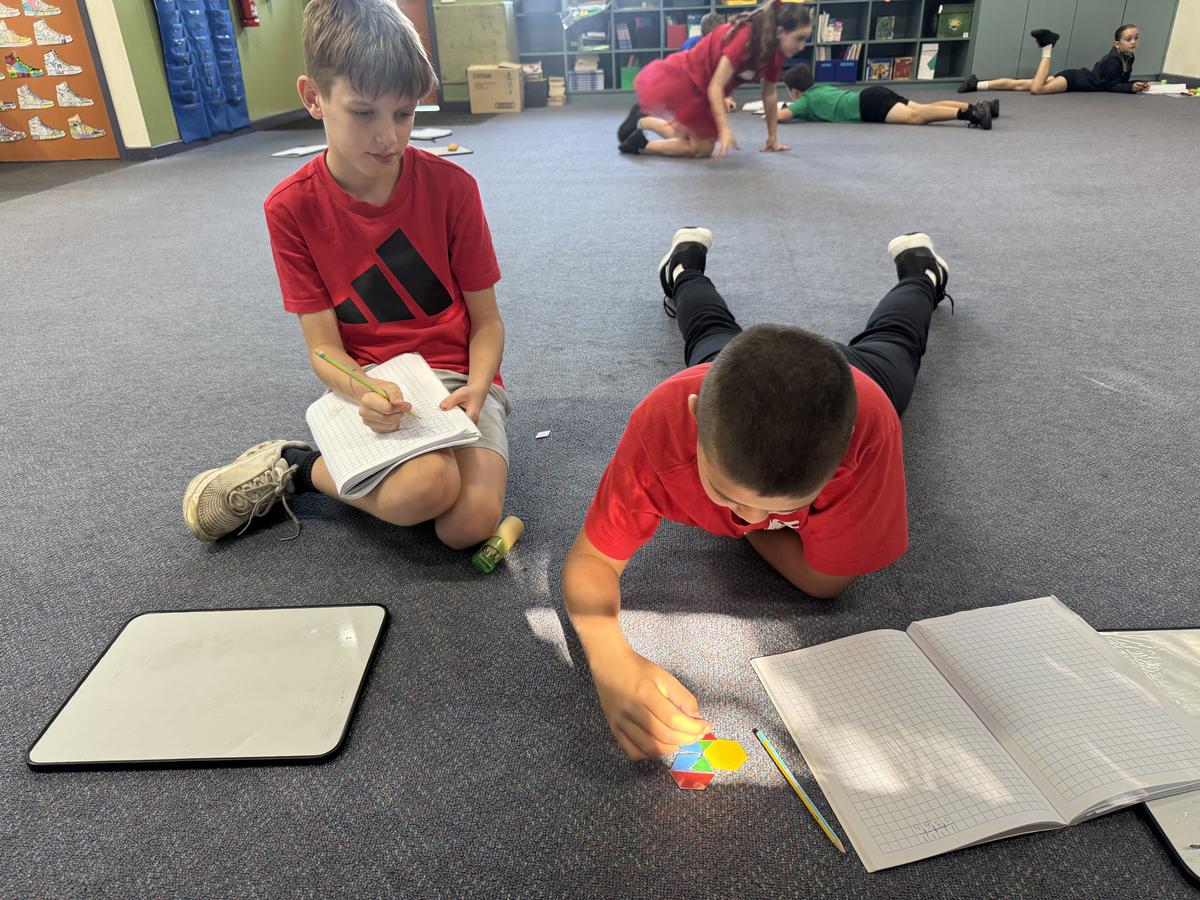
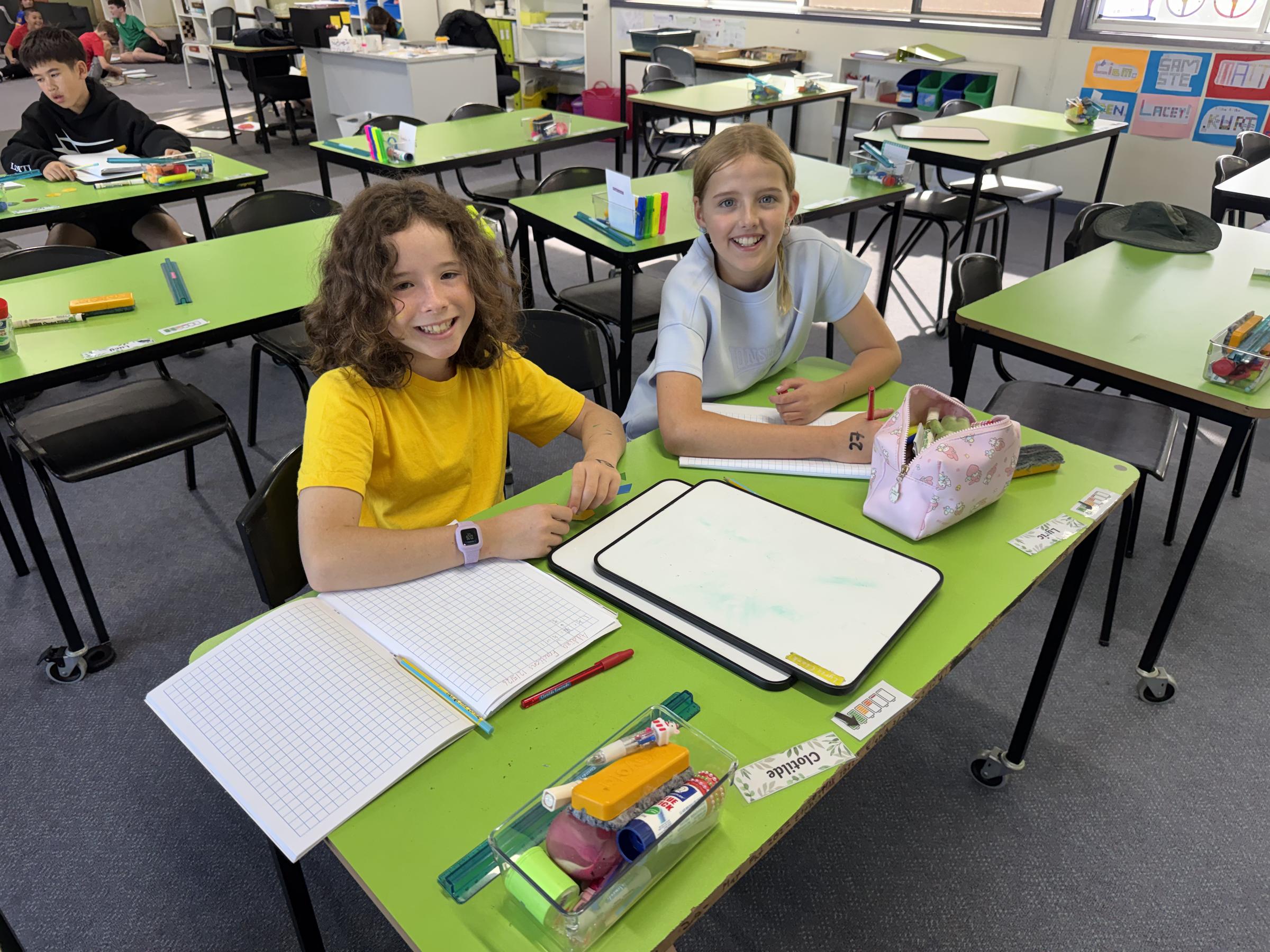
This week, students have covered key concepts in fractions. They explored equivalent fractions using fraction walls, learned how to convert improper fractions into mixed numbers, and began ordering fractions on a number line. Throughout the week, students-built confidence through independent practice and were engaged in hands-on activities.
Unit of Inquiry
Students have continued working on their Australian Colonial History research projects and have drafted their introductions. Students focused on creating engaging opening sentences to capture the reader’s attention, while clearly introducing the three key areas of their research: a migration group, a significant event, and an influential person from Australian colonial history.
They have also been learning how to connect their research to the broader context of Australian history by writing detailed introductions of 4–6 complete sentences.
In addition, students are now bringing together the information from the research questions they have answered to begin compiling and finalising their projects.
Cross Country
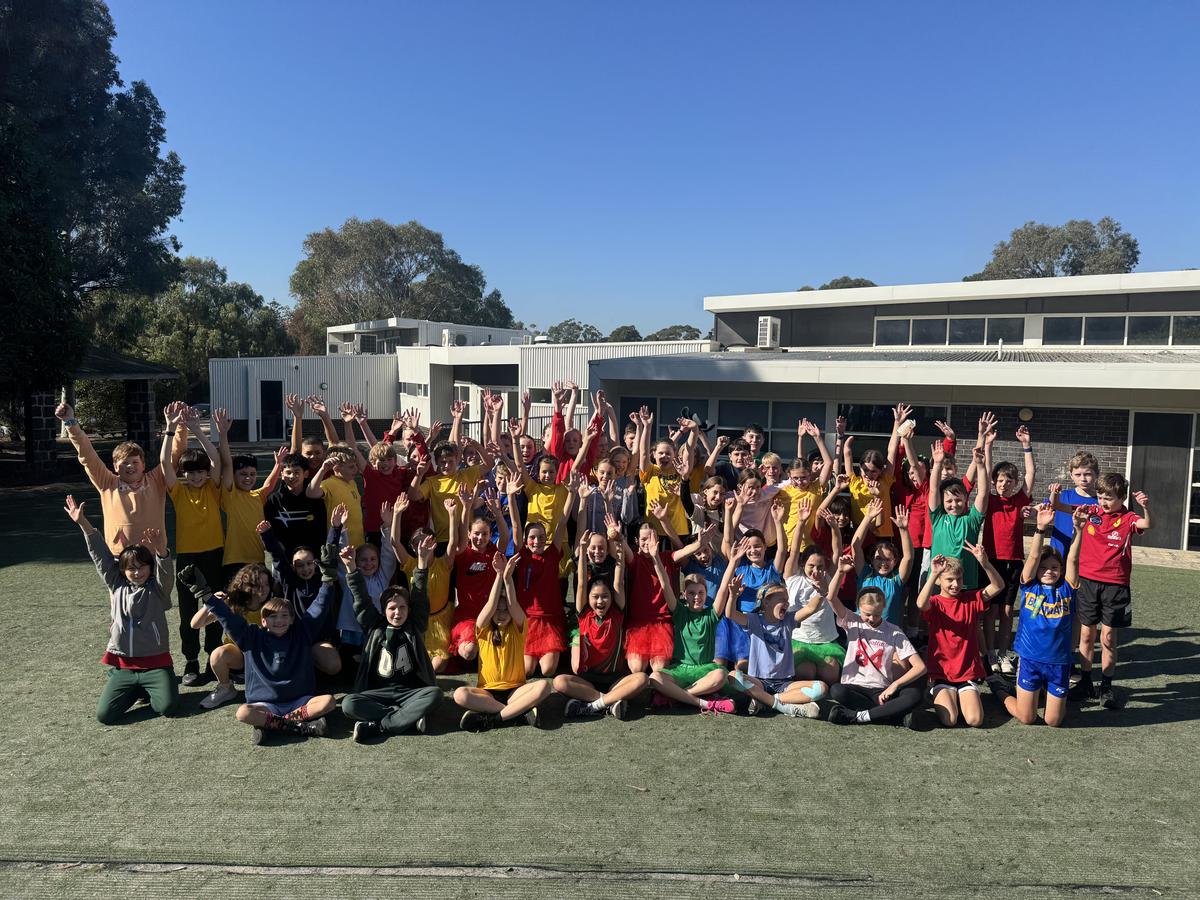
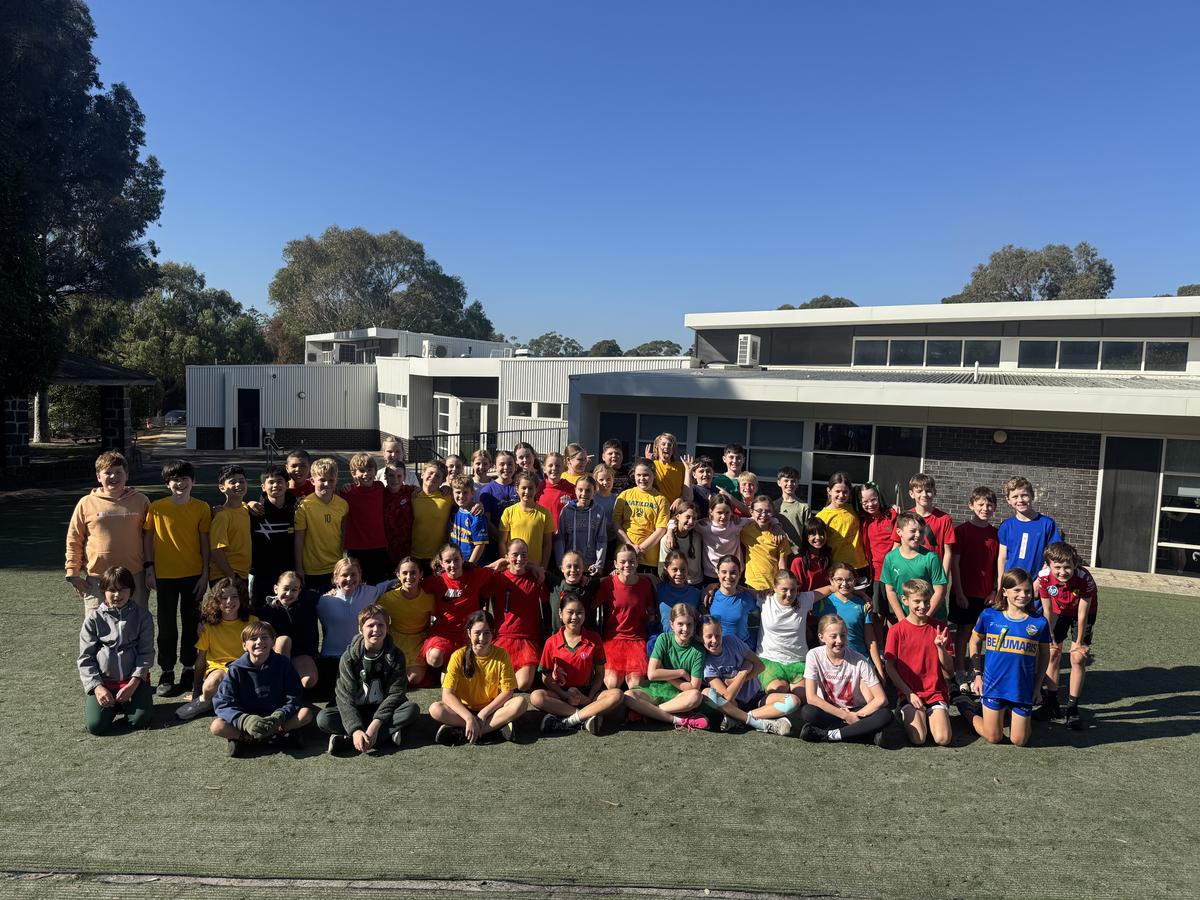
The students completed their cross-country event on Tuesday, giving their absolute best from start to finish. The students showed determination, resilience and school spirit, and they should all feel incredibly proud of the effort they put in.
What We Are Learning Next
Mathematics
Next week, students will review equivalent fractions, practise placing and ordering fractions on number lines, compare different fraction models, and learn to add fractions with the same denominator.
Literacy
Text study
Next week, students will continue reading Music with Tigers and deepen their understanding of how authors develop characters and build tension. They will explore character emotions and relationships using journal entries and evidence from the text, identify figurative language such as idioms, and write from a character’s perspective. Students will also learn about foreshadowing and how authors use it to create anticipation, explaining its effect on the reader through written responses.
Spelling, punctuation and grammar
Next week, students will focus on the prefix auto- meaning “self.” They will learn how to build and analyse words in the auto- word family, use morphology matrices to create new words, and practise applying their understanding through sentence writing, cloze activities, and spelling tasks.