
Year 2 News
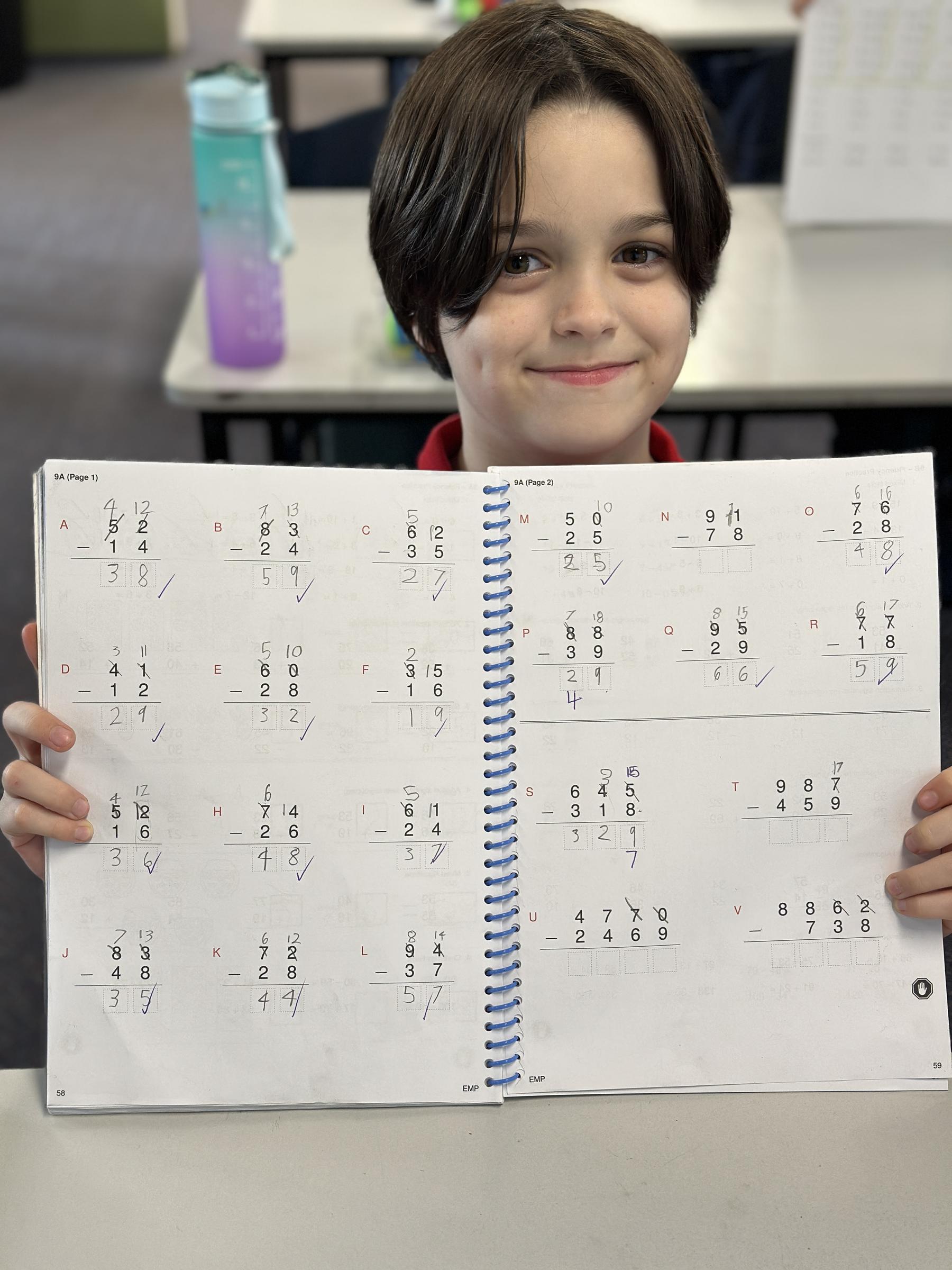
What a busy start we have had to the term. Our students have been busy working through our lessons in phonics, punctuation and grammar, text study, our EMP (Explicit Maths Program), Cyber Safety, Respectful Relationships, and our Unit of Inquiry lessons.
We continued to be amazed at the work our students are producing and the increased knowledge they are gaining day to day. We hope your children are sharing their learning with you at home.
Home Reading
Reading each night at home is one of the most important ways to support your child’s learning and build confidence as a reader. If your child brings home a book that seems less challenging, this is a valuable opportunity to practice fluency by encouraging them to read smoothly, accurately, and with expression.
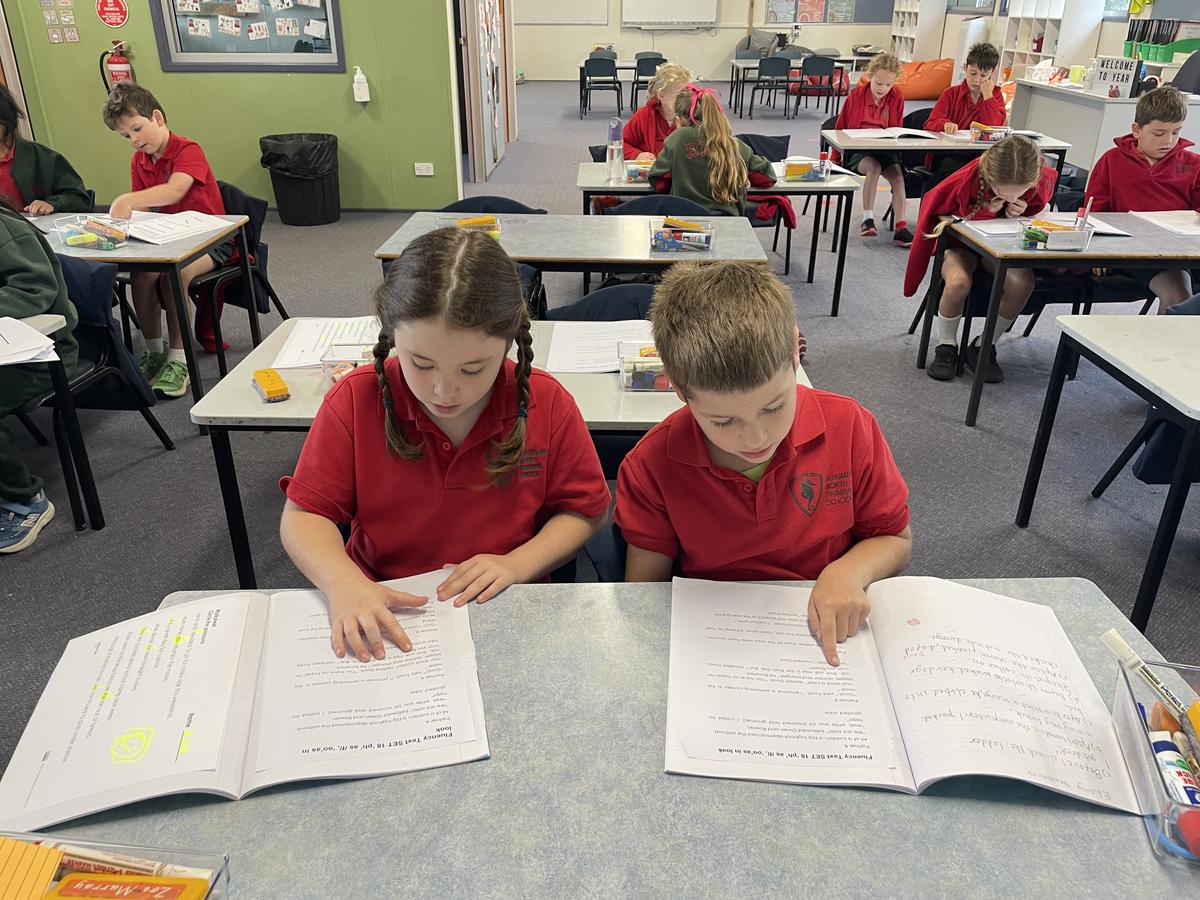
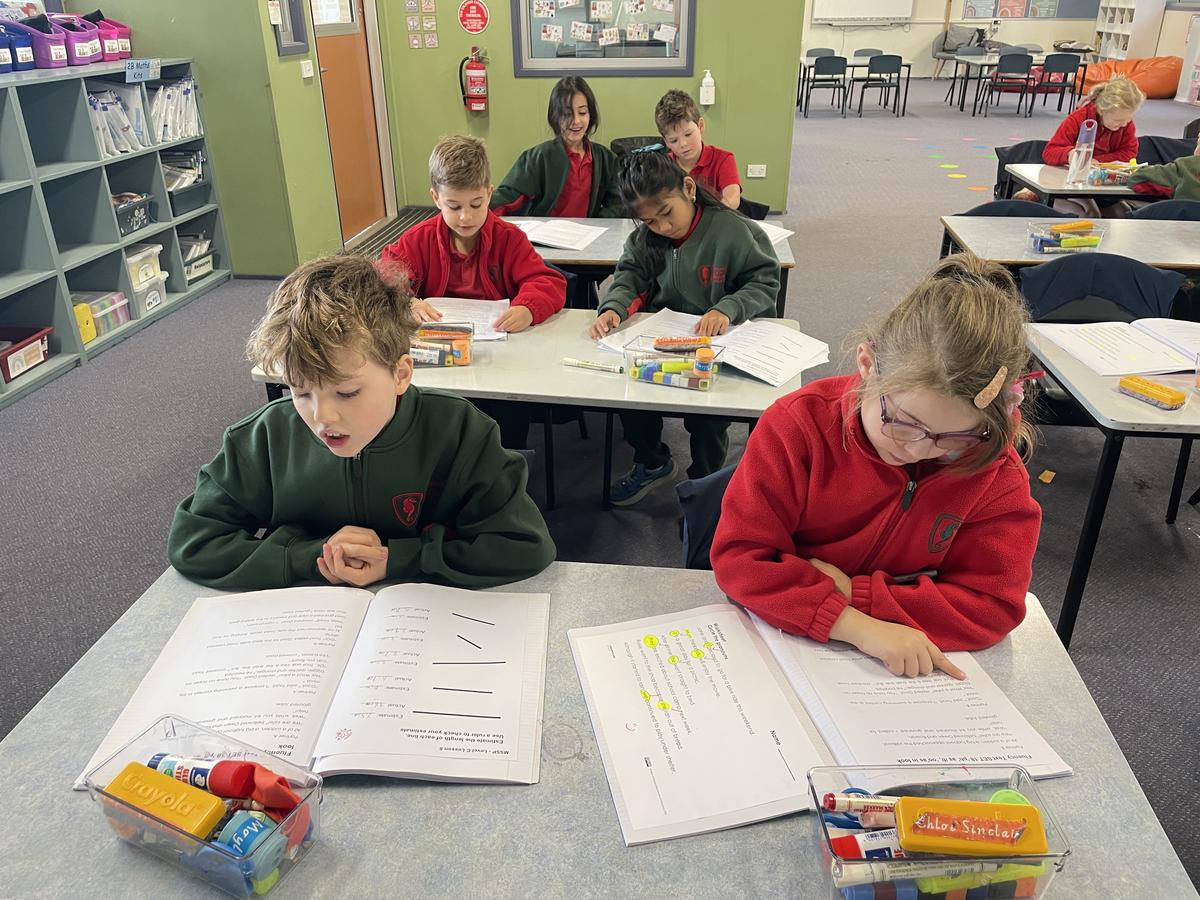
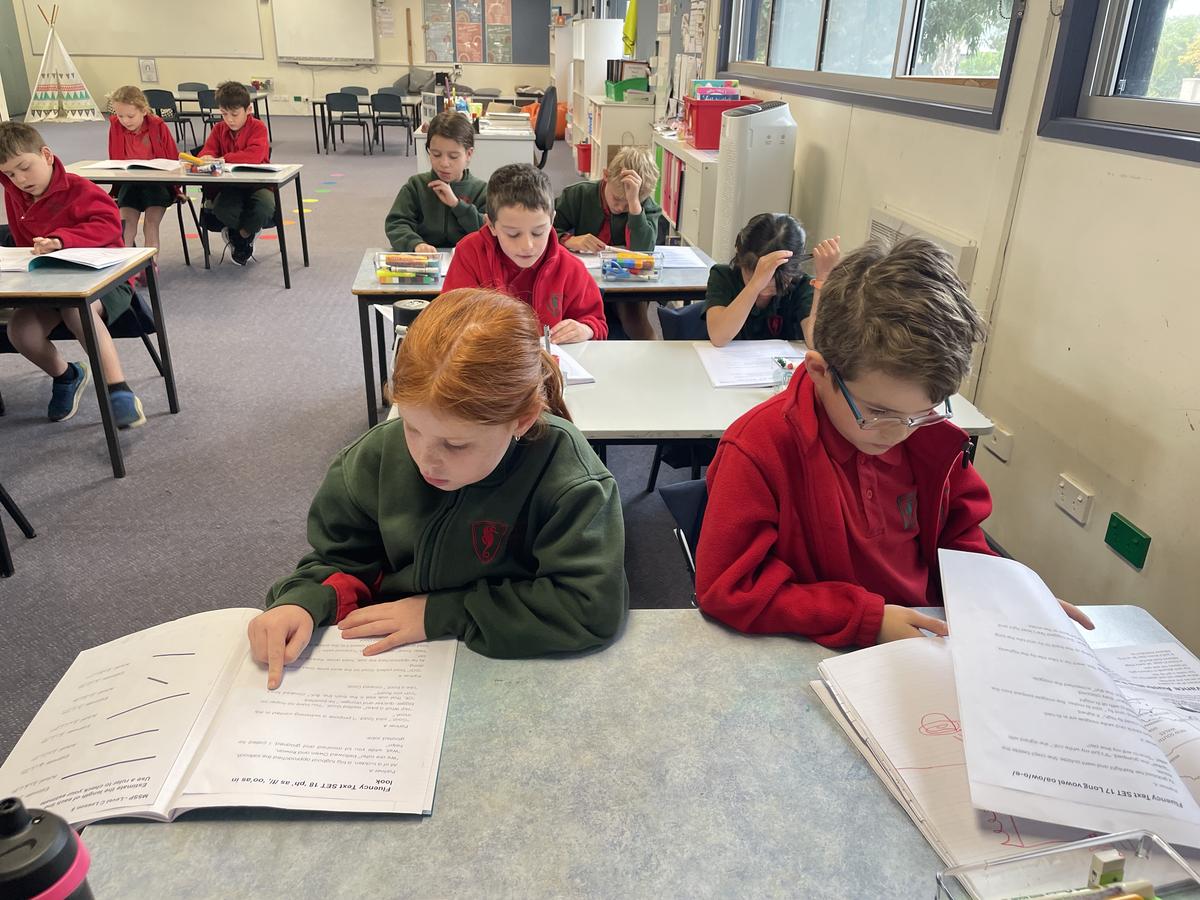
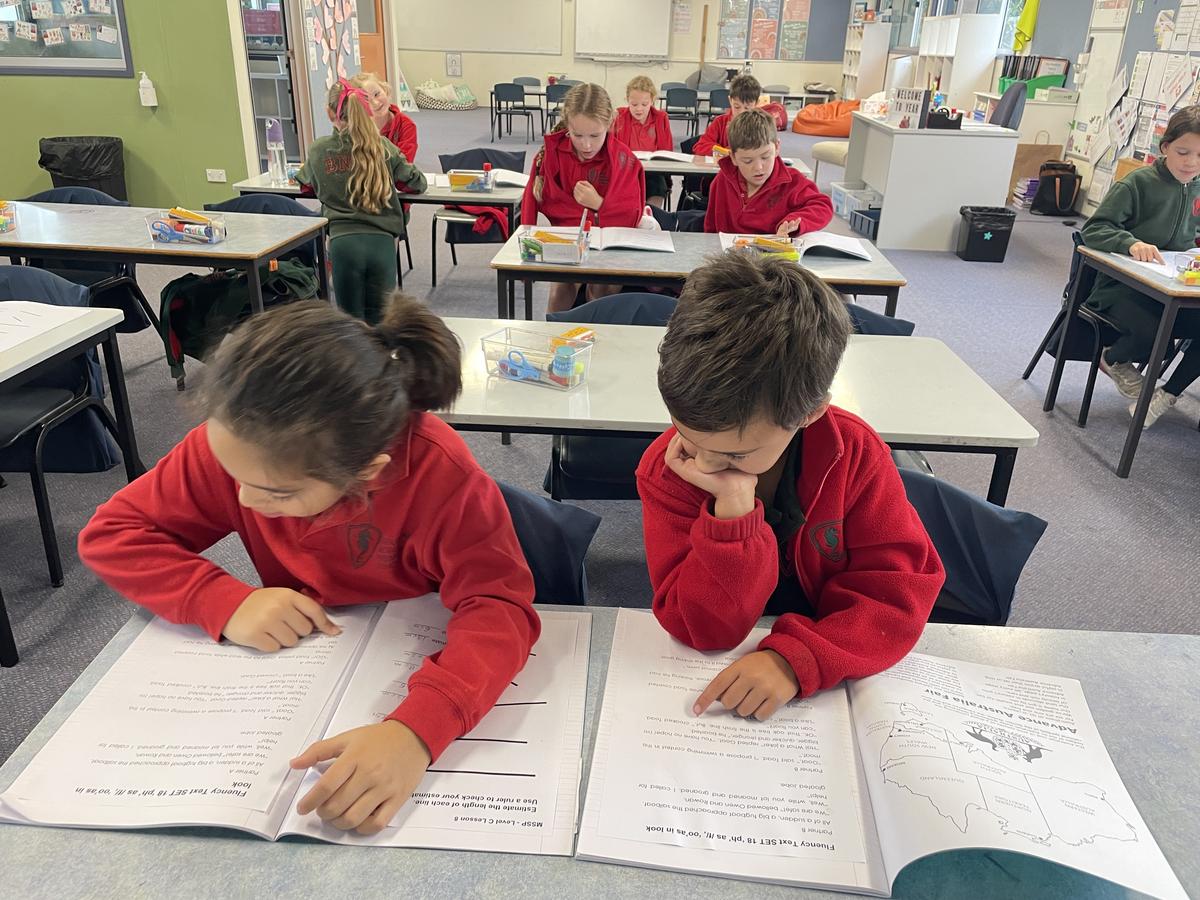
If the book is more challenging, it provides a wonderful chance to read together, support unfamiliar words, and model strategies good readers use. While reading, it is important to ask your child questions about the text to check their understanding and encourage comprehension skills, such as discussing characters, predicting what might happen next, and retelling key events.
Students will change their take-home readers each Wednesday and will also bring home a new library book to enjoy each week.
Phonics Plus
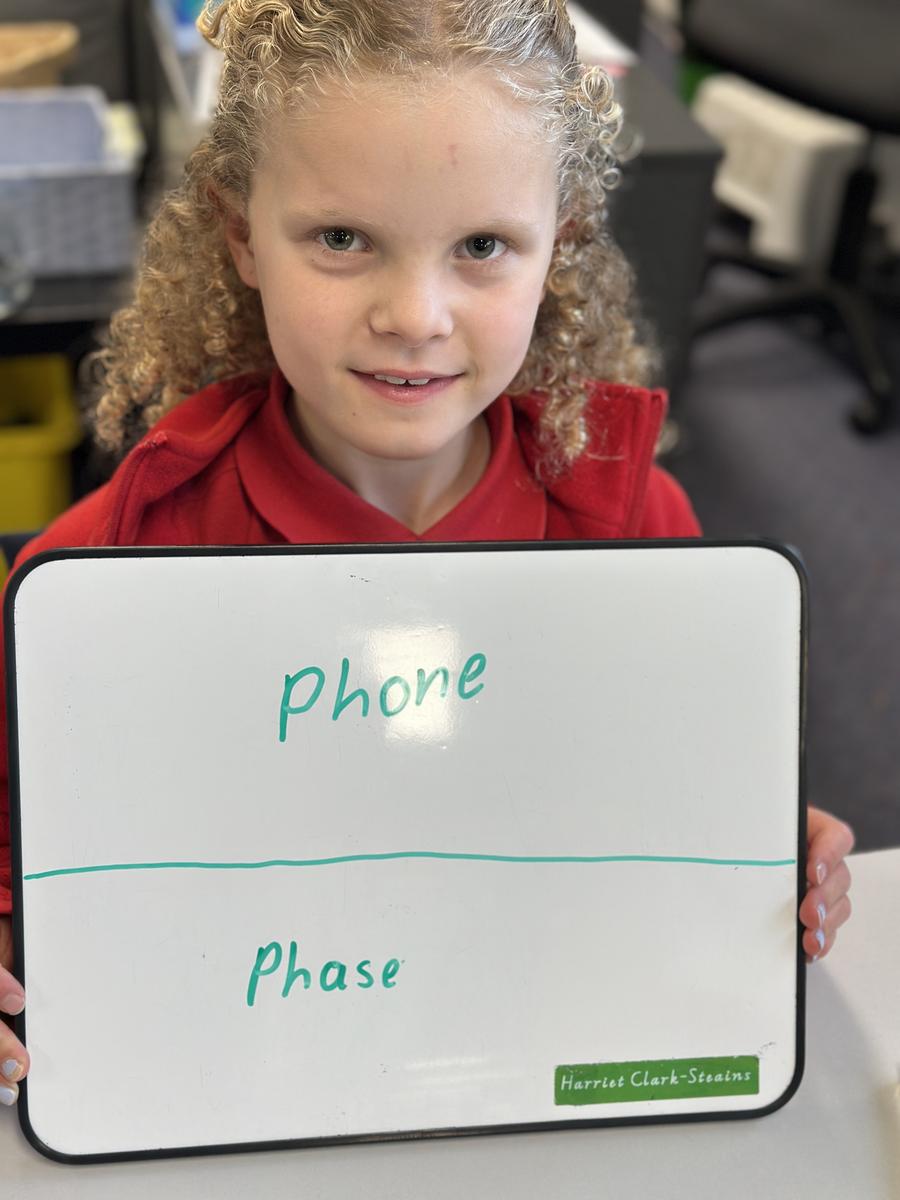
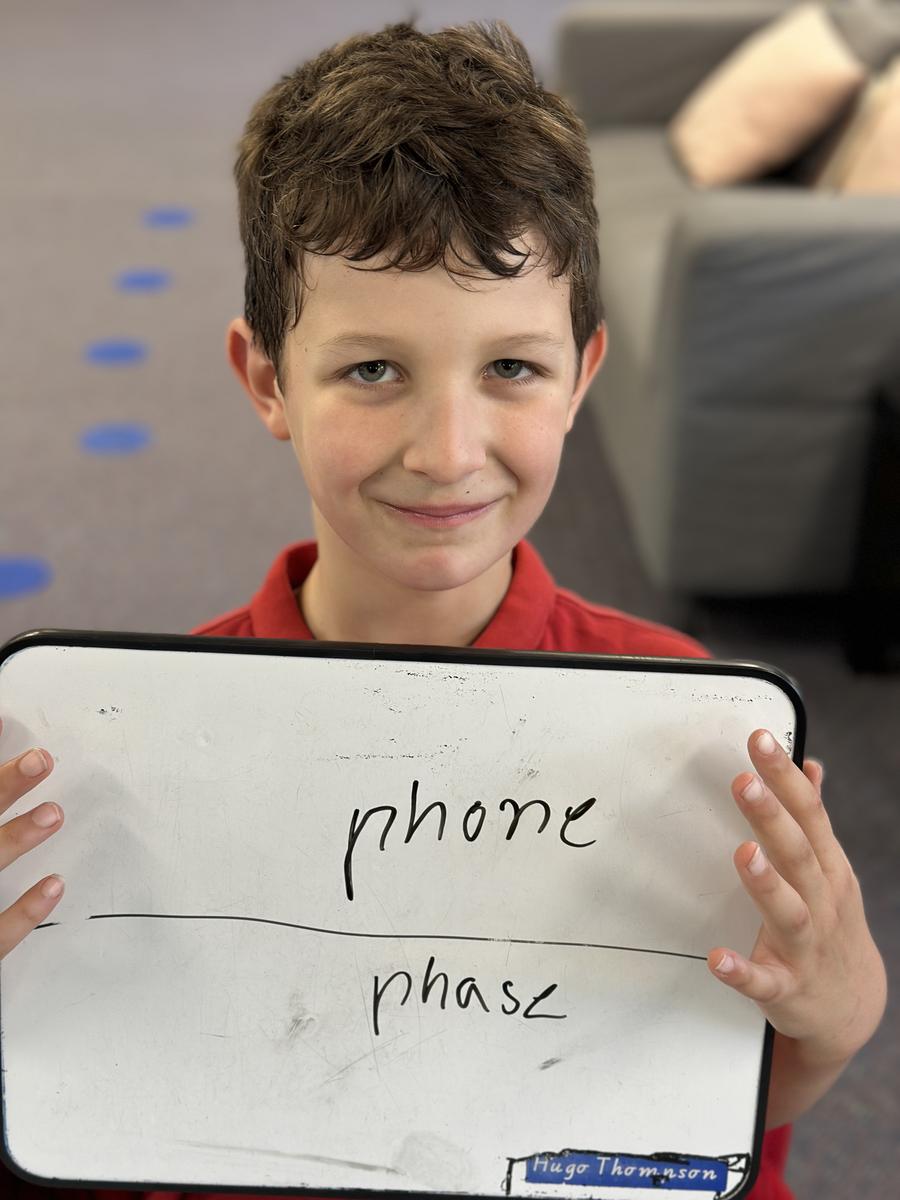
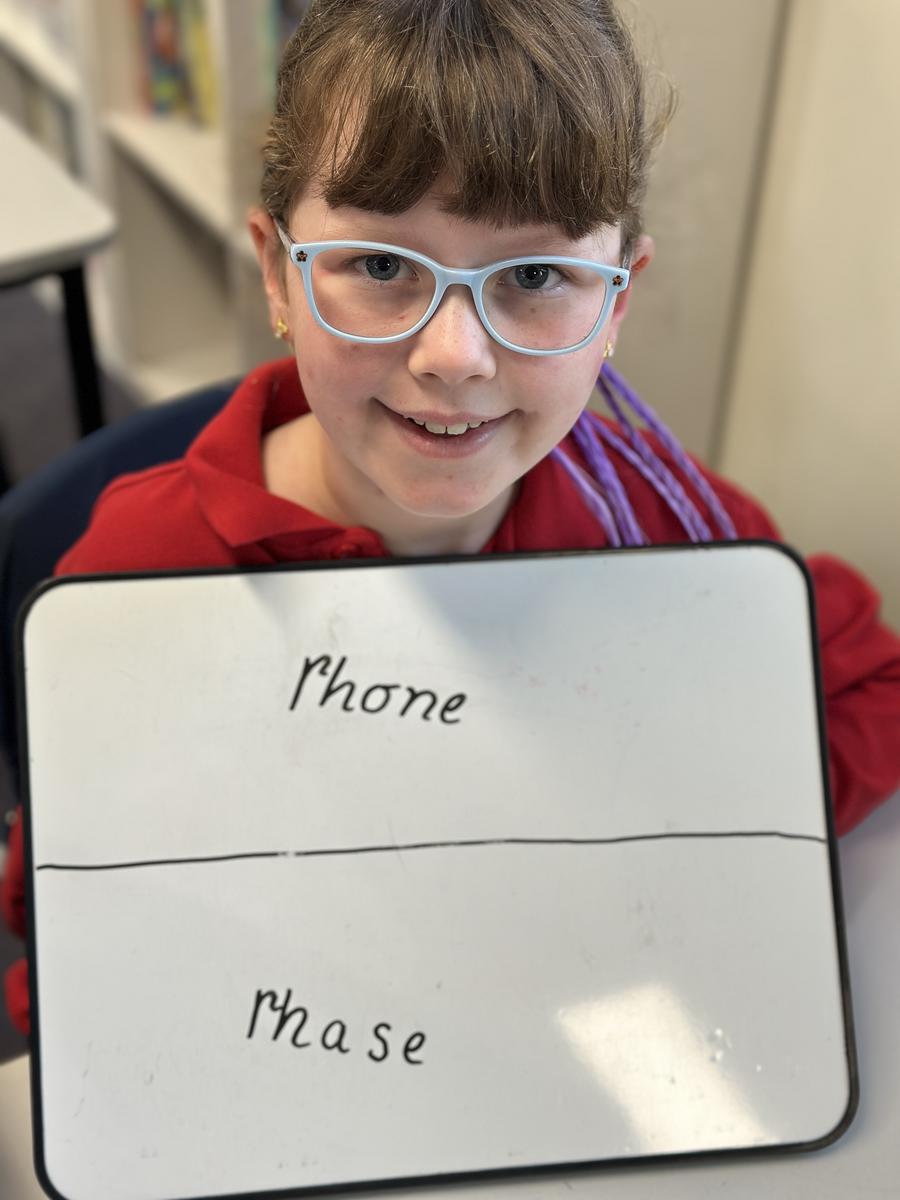
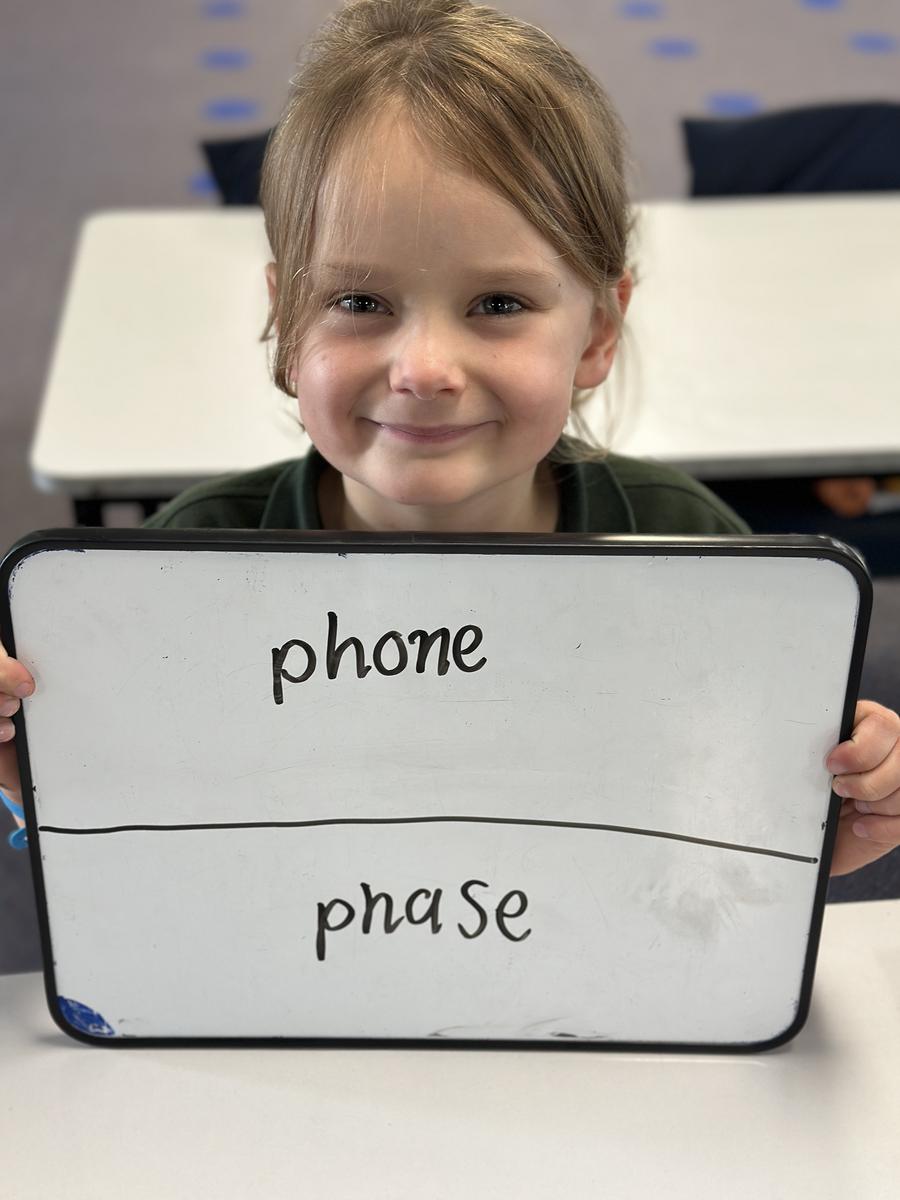
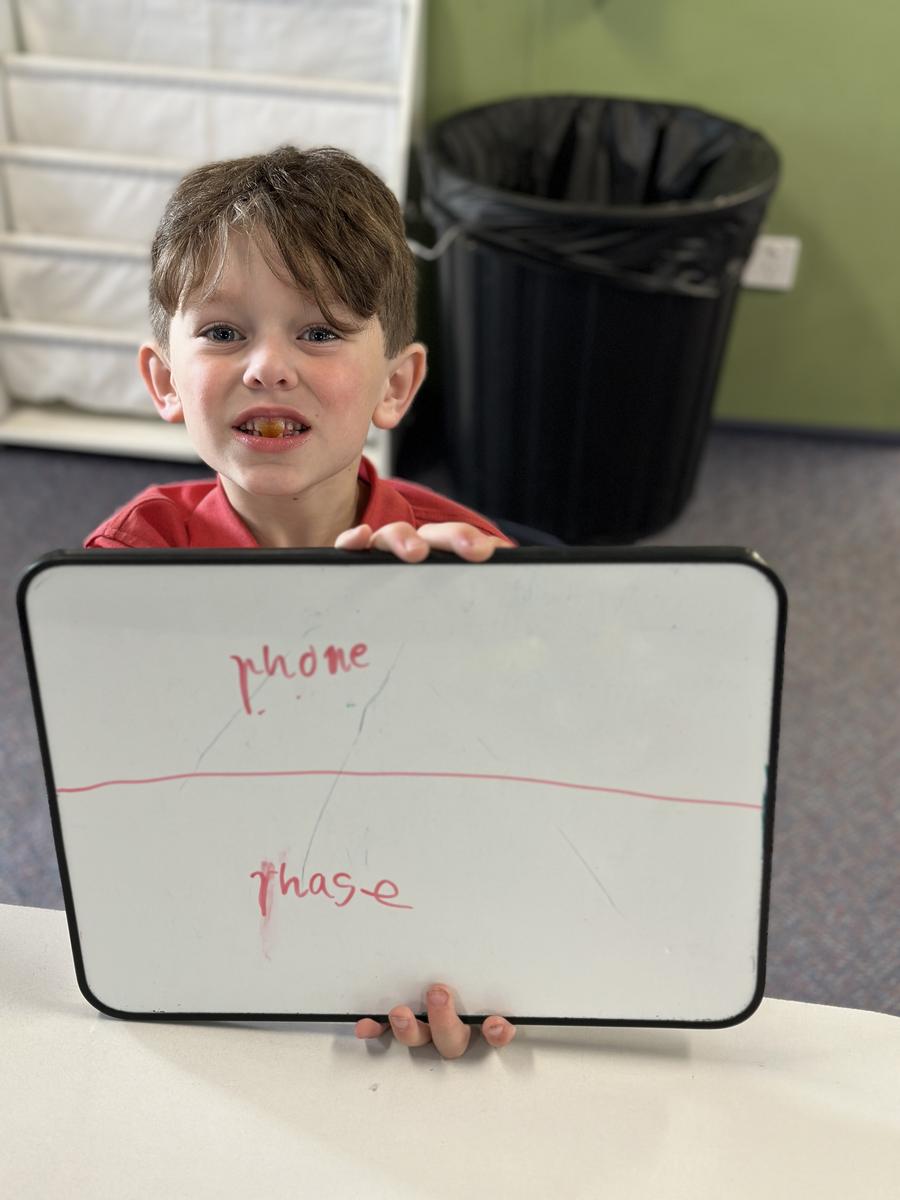
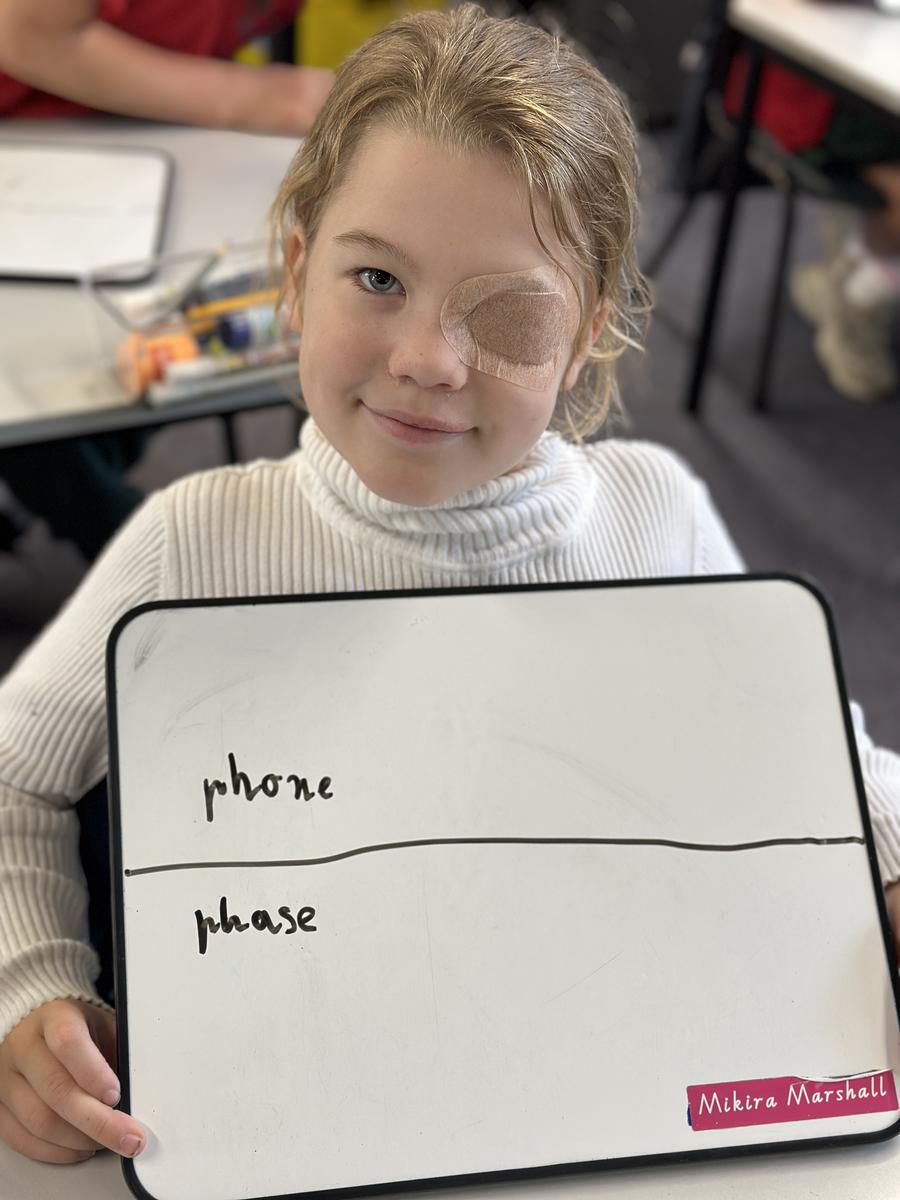
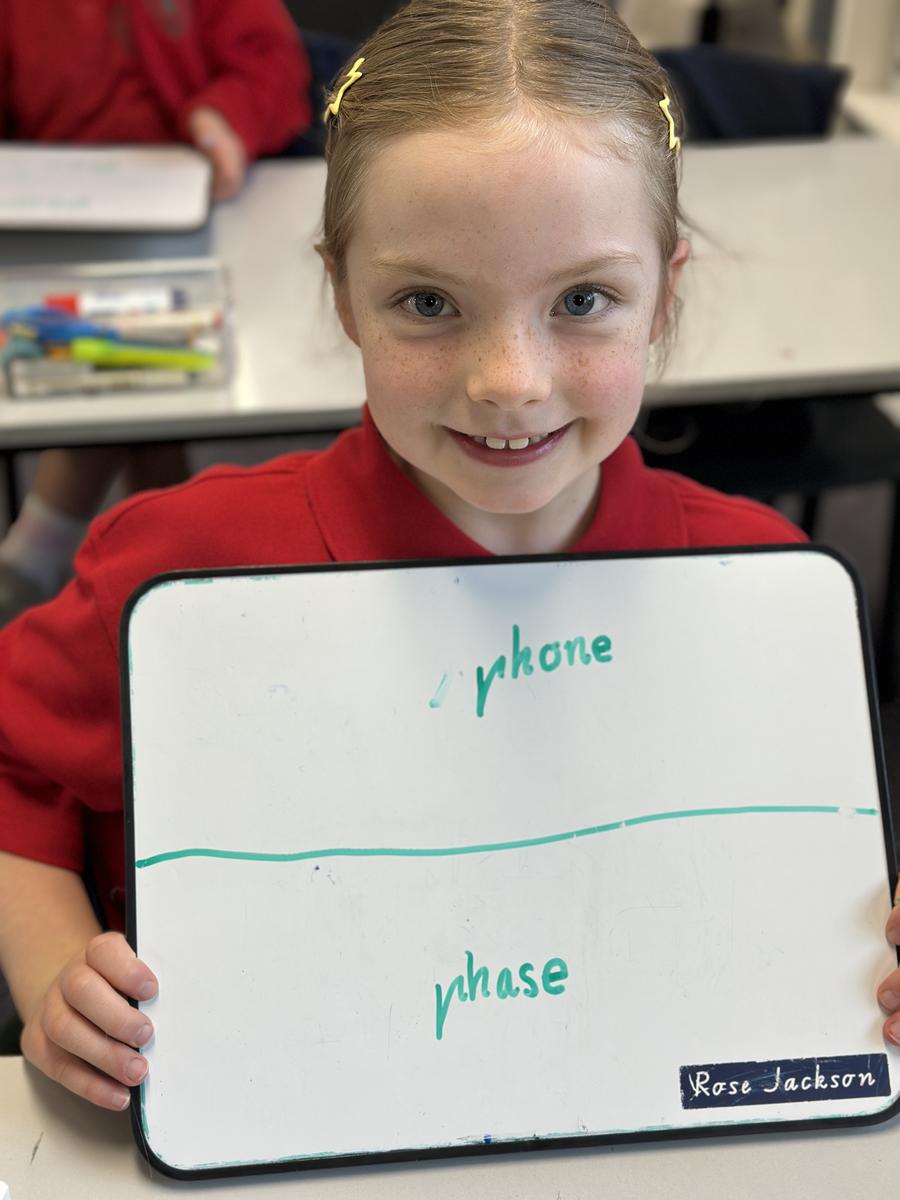
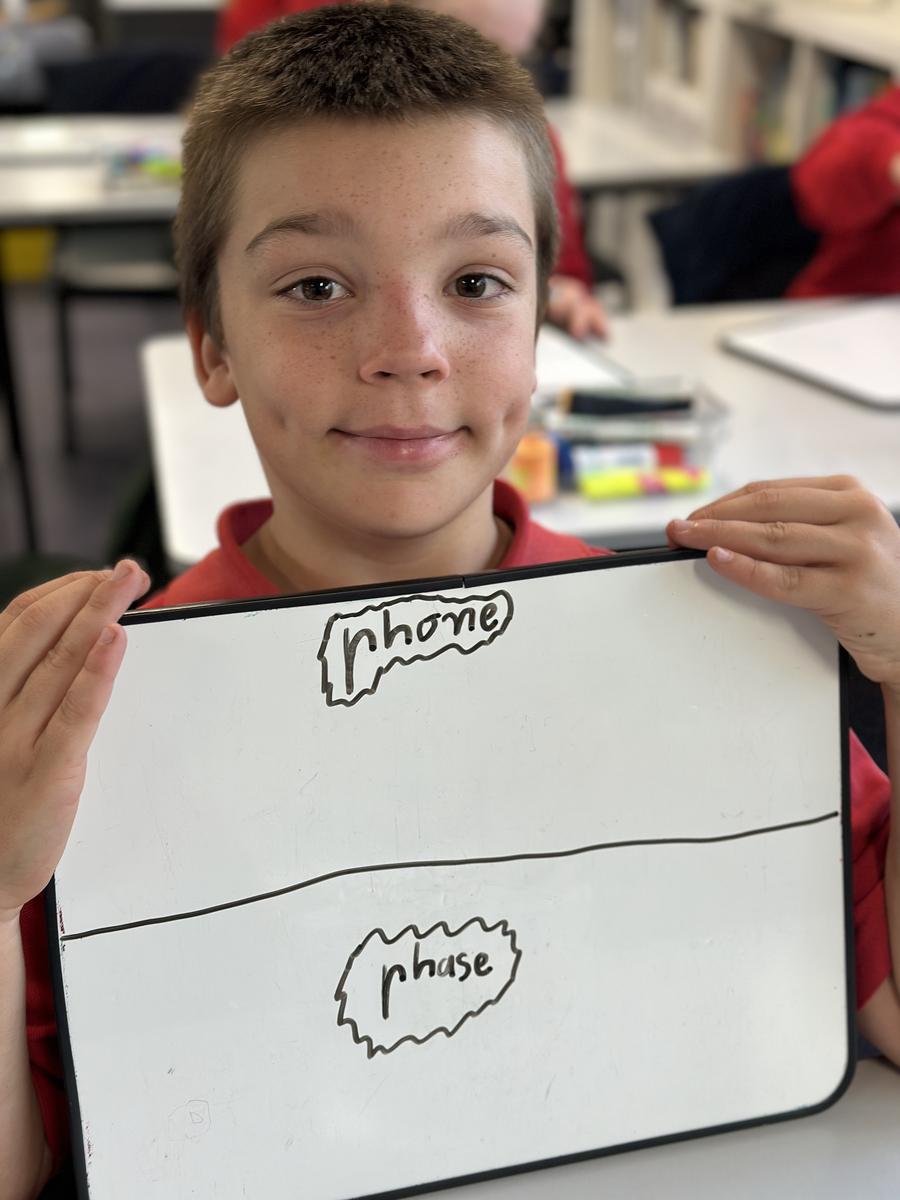
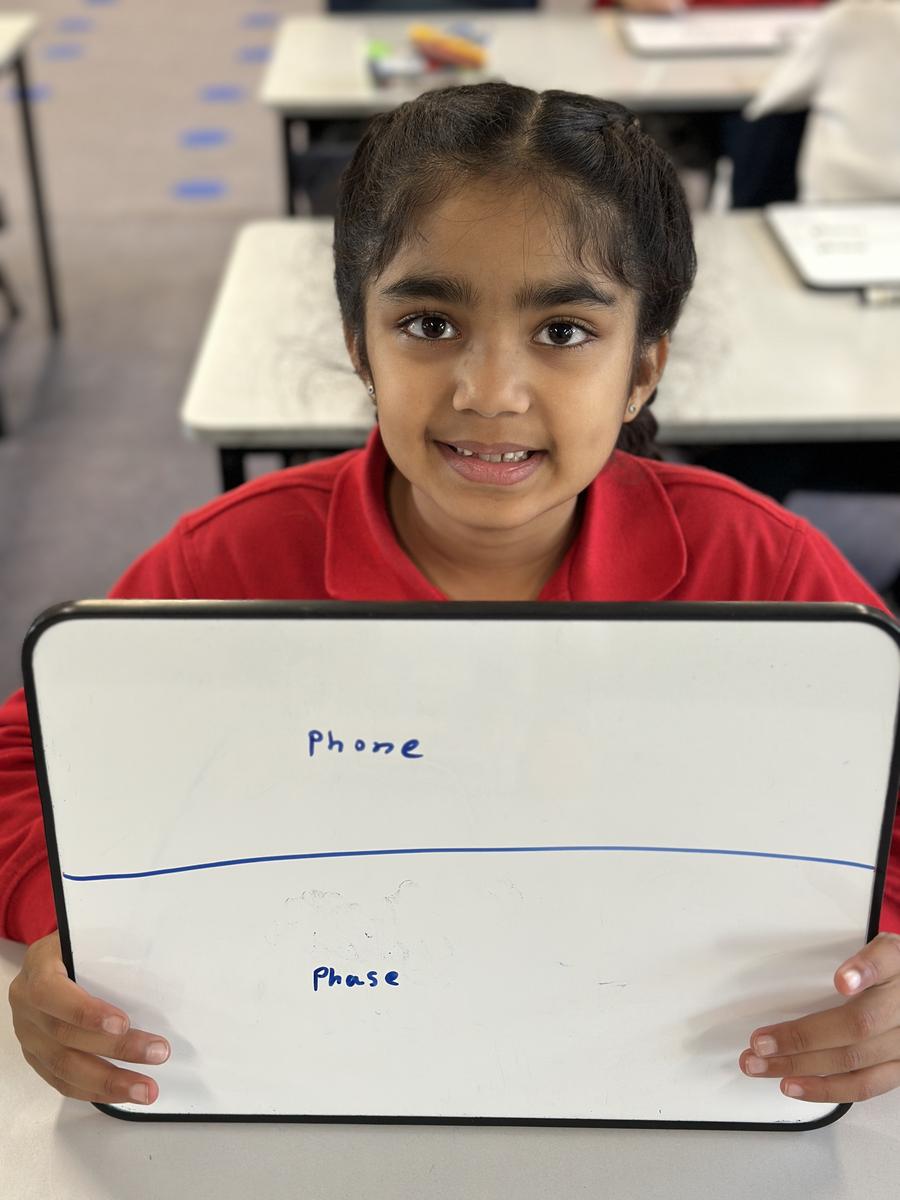
Each day our students engage in our Phonics Plus lesson. The lessons provide repetition and predictability, which are important aspects of explicit teaching. A typical lesson is structured as follows:
Activation of prior knowledge 10 minutes
Handwriting 10 minutes
Phonic and word knowledge 25 minutes
Dictation 5 minutes
Building fluency and making meaning 10 minutes
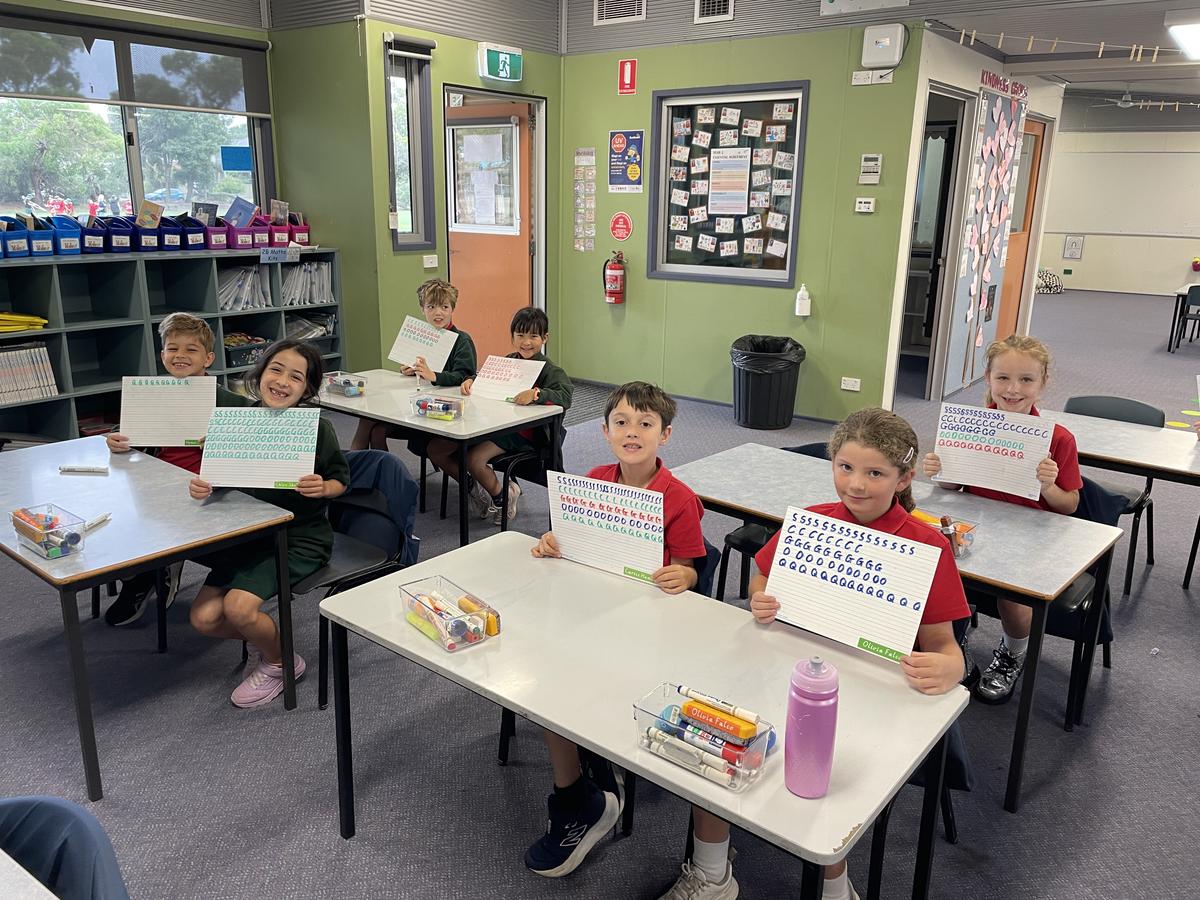
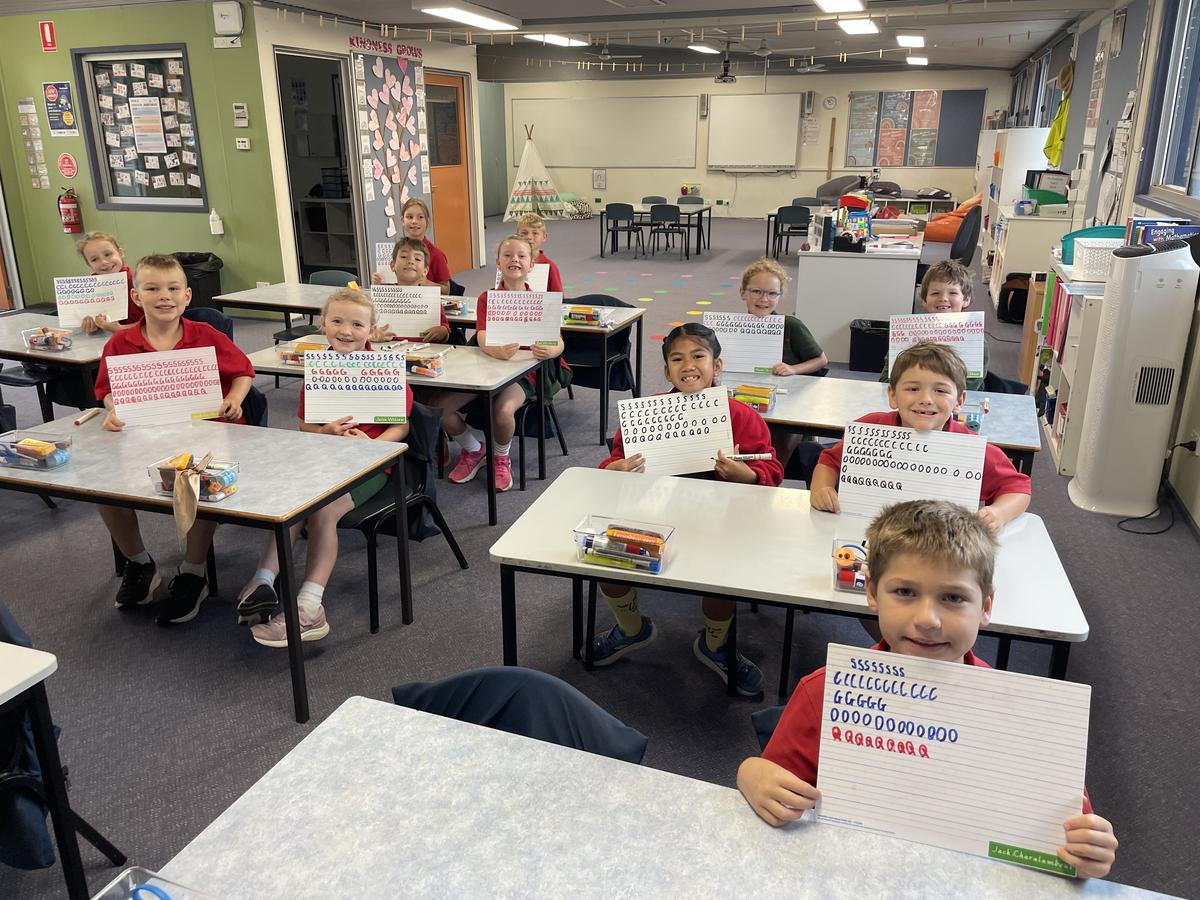
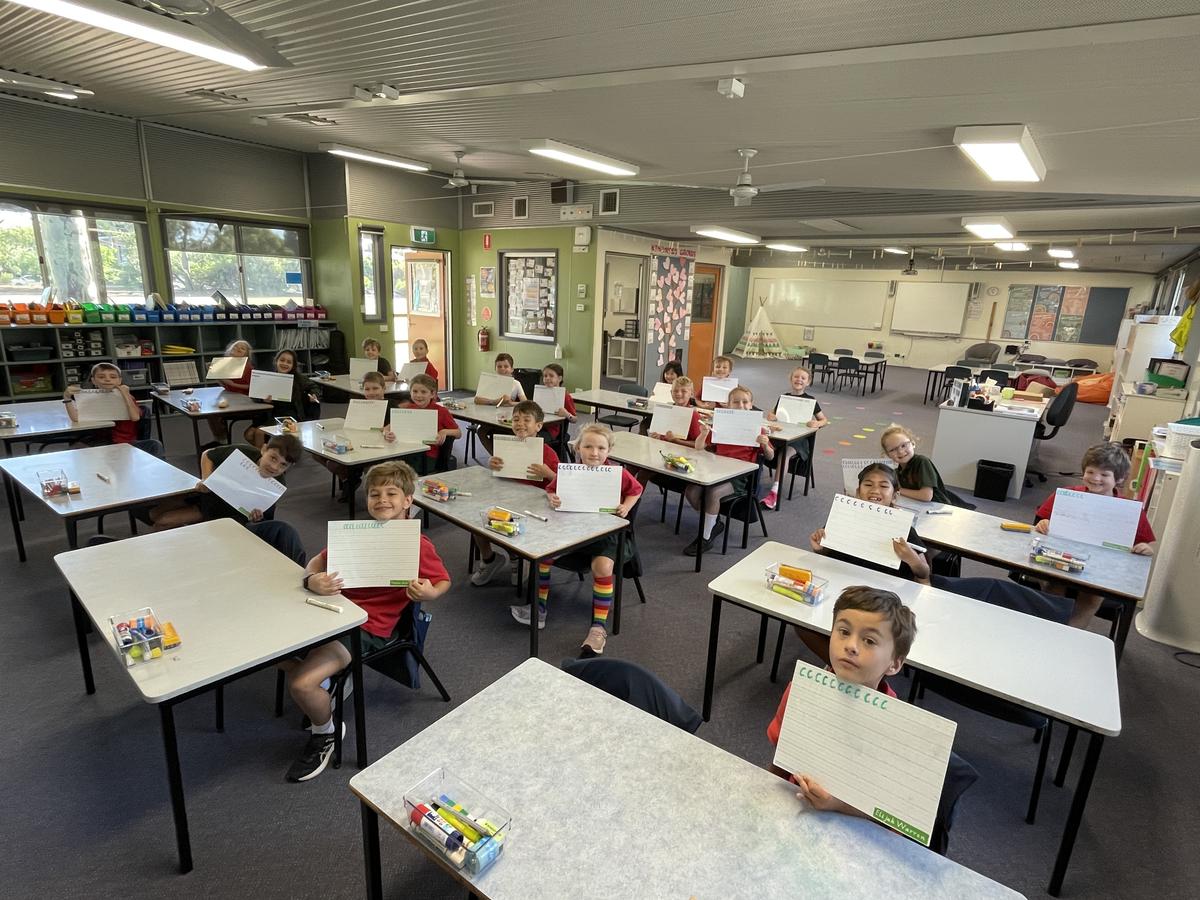
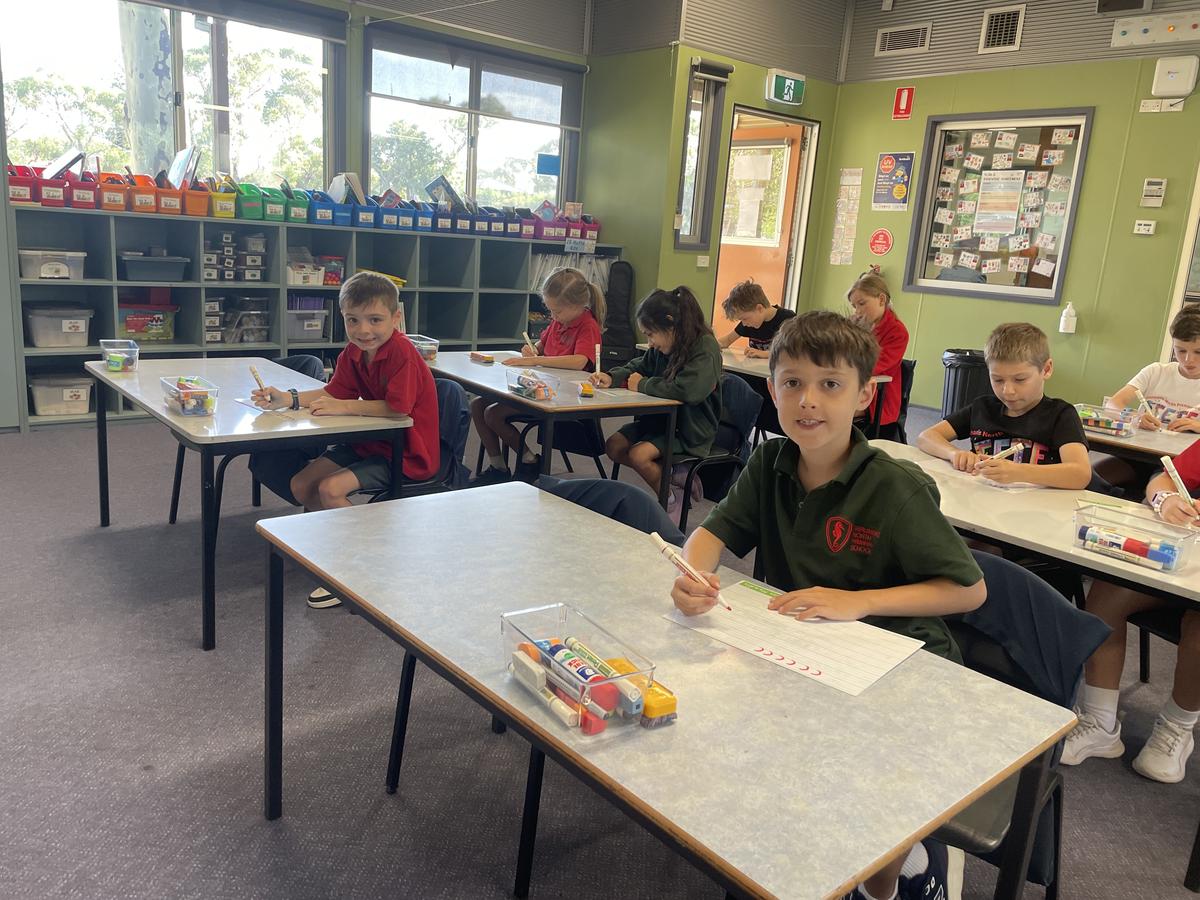
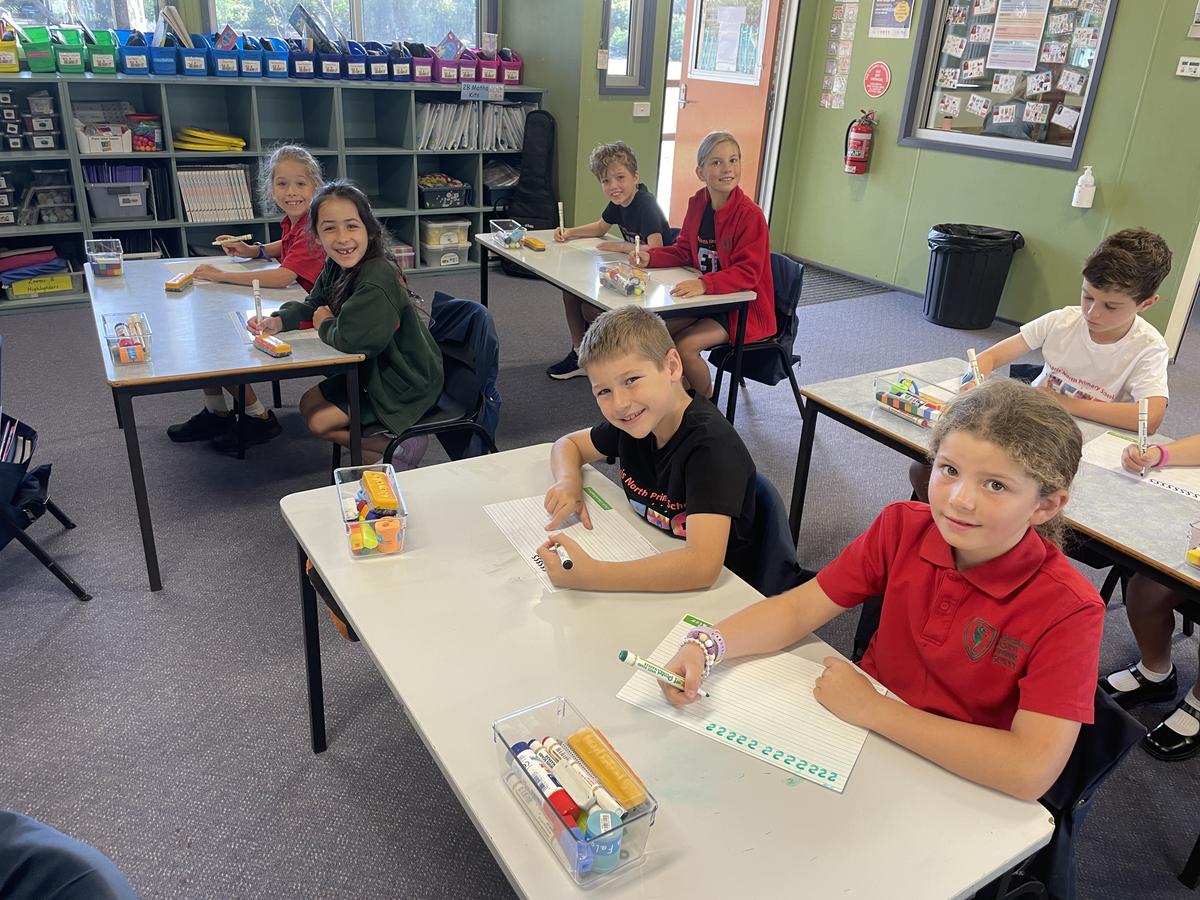
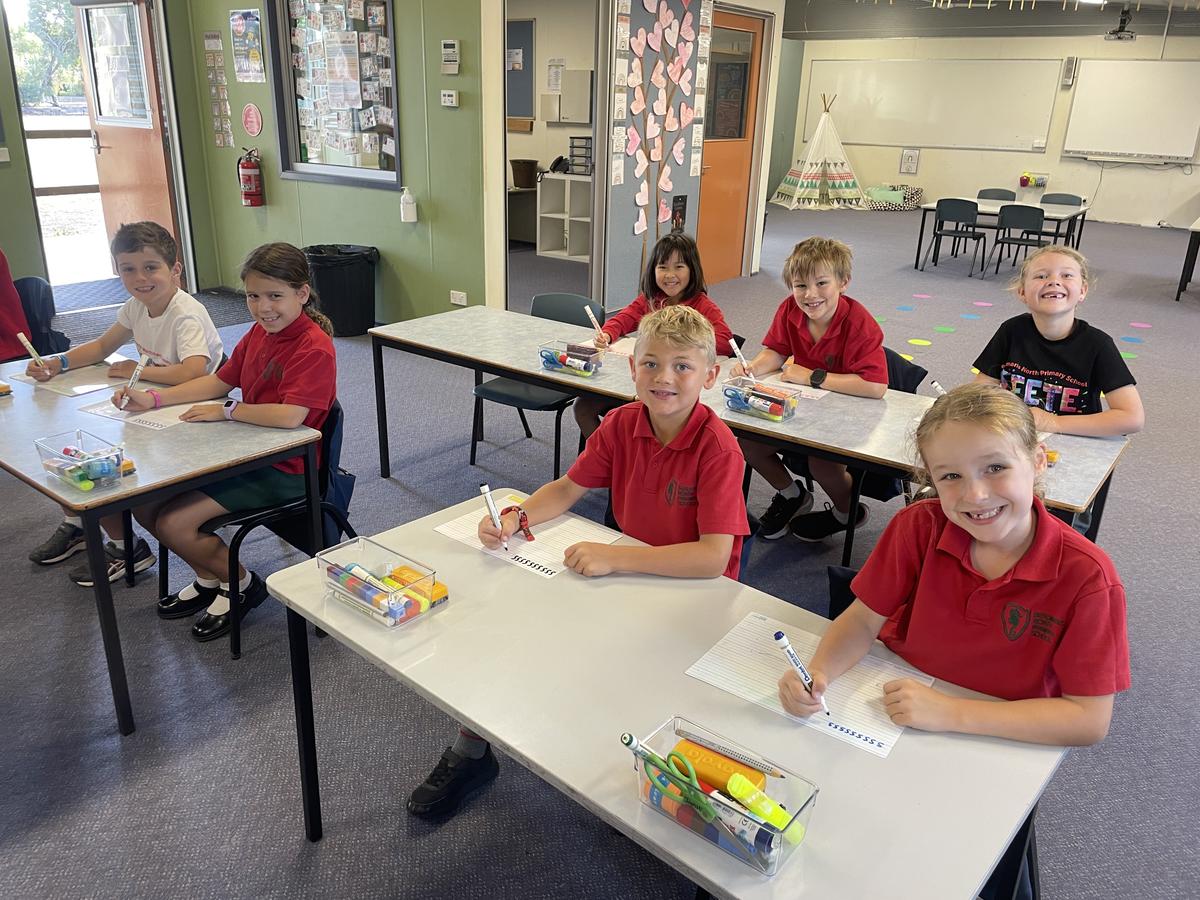
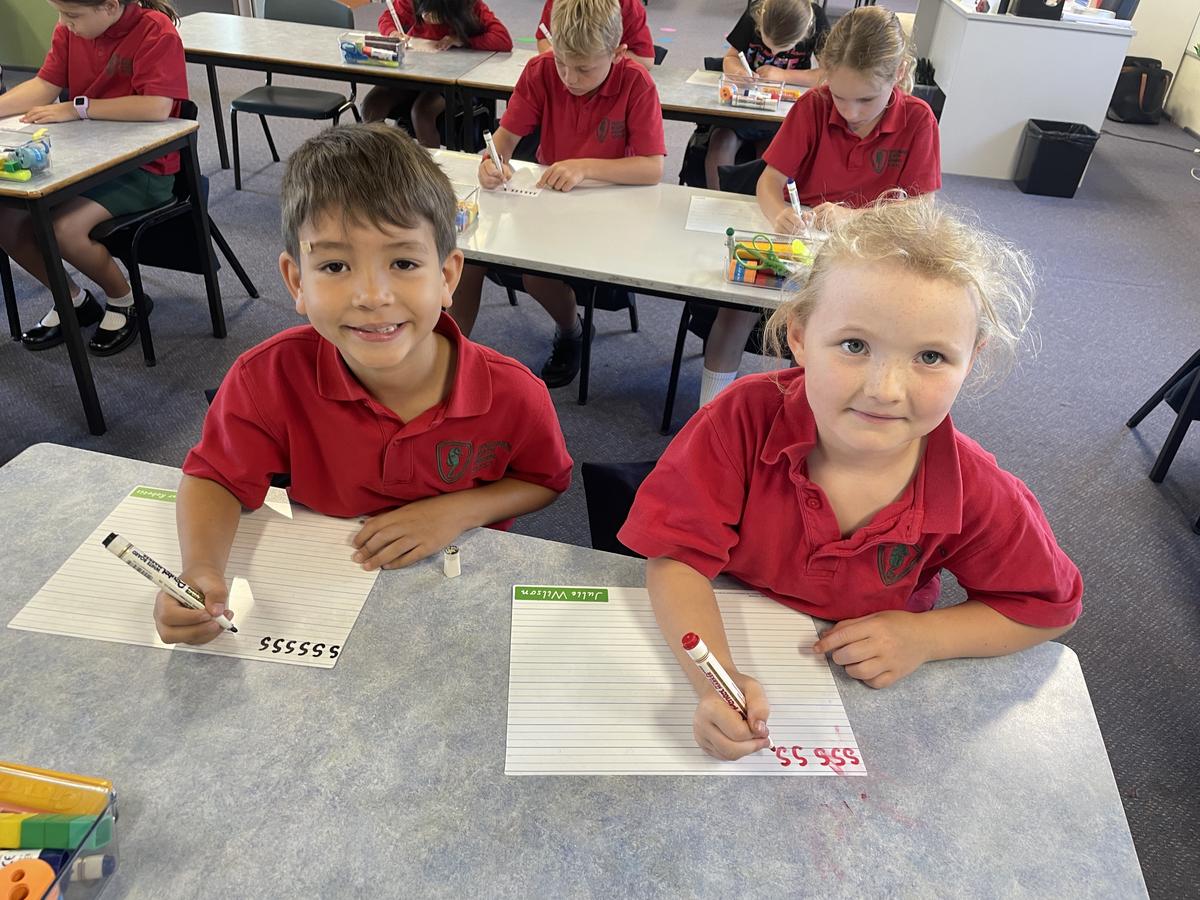
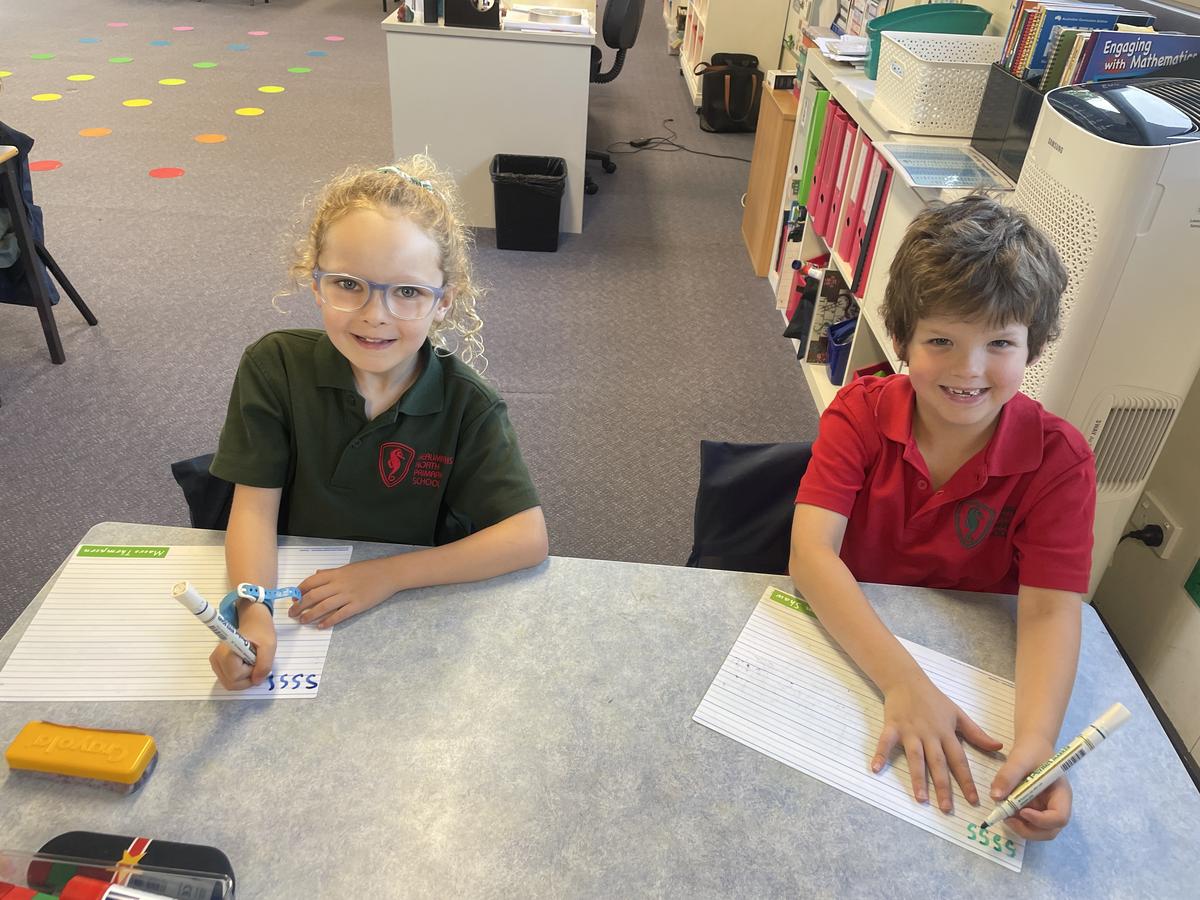
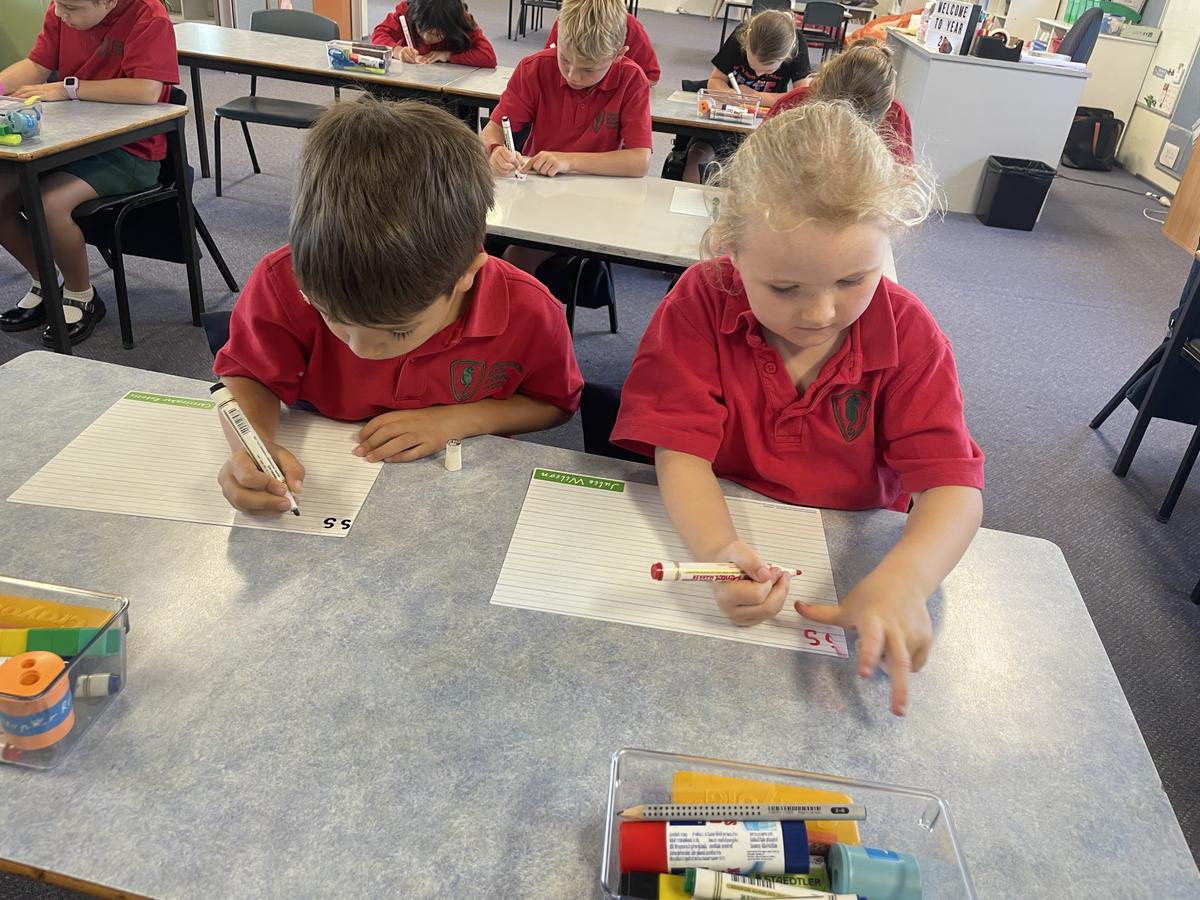
During the lesson, the students use their individual whiteboards to practice their spelling, handwriting, and dictation. The lesson always finishes with partner reading of a decodable text containing GPCs and high-frequency words to develop accuracy, apply emerging grammar knowledge, build fluency and make meaning.
Literacy Text Study
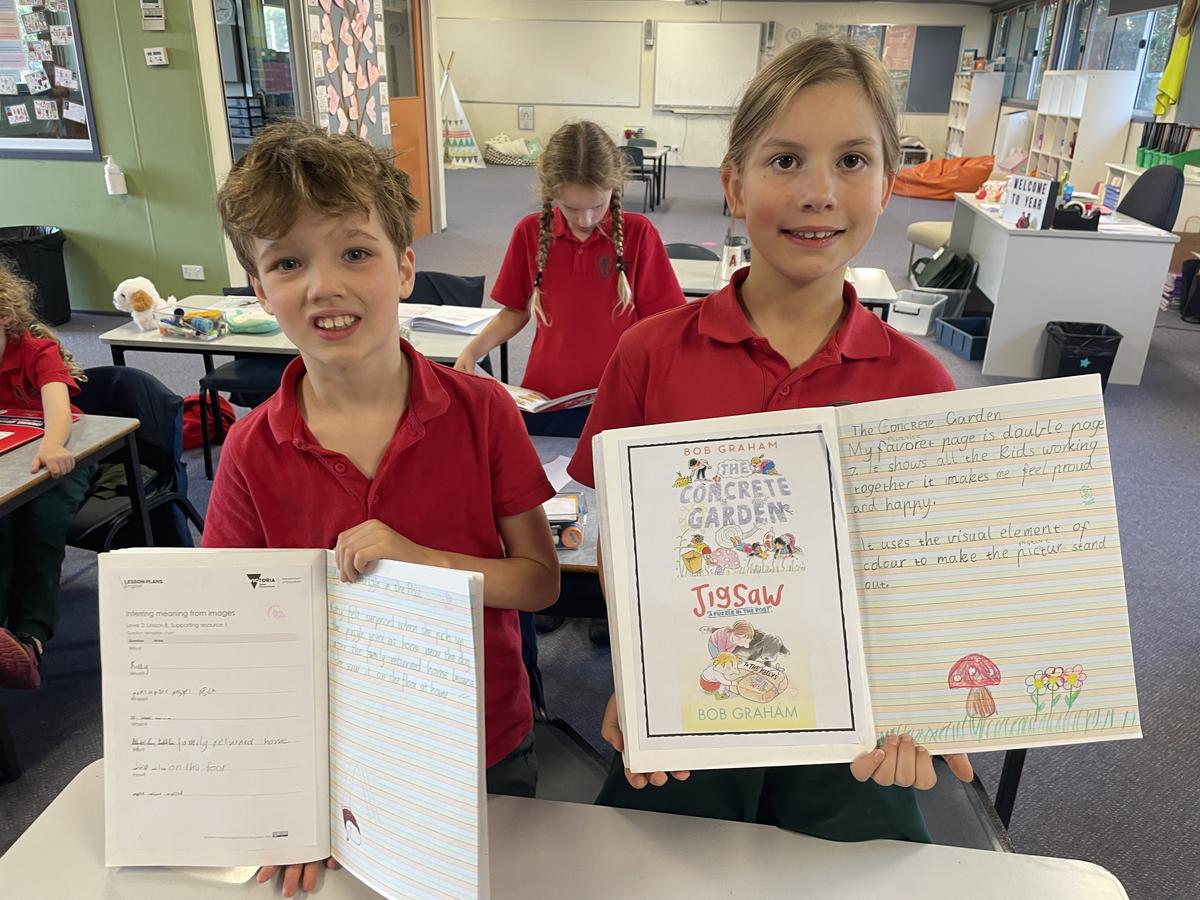
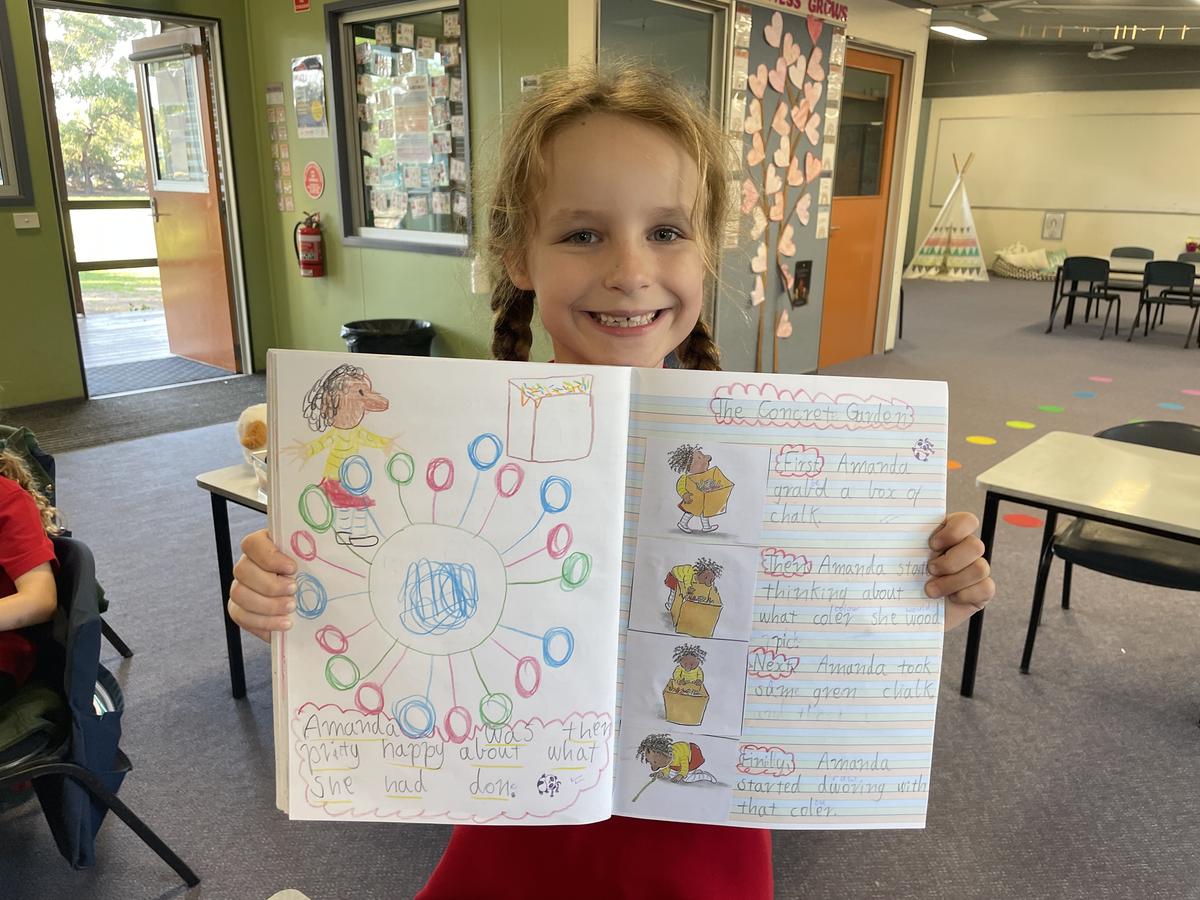
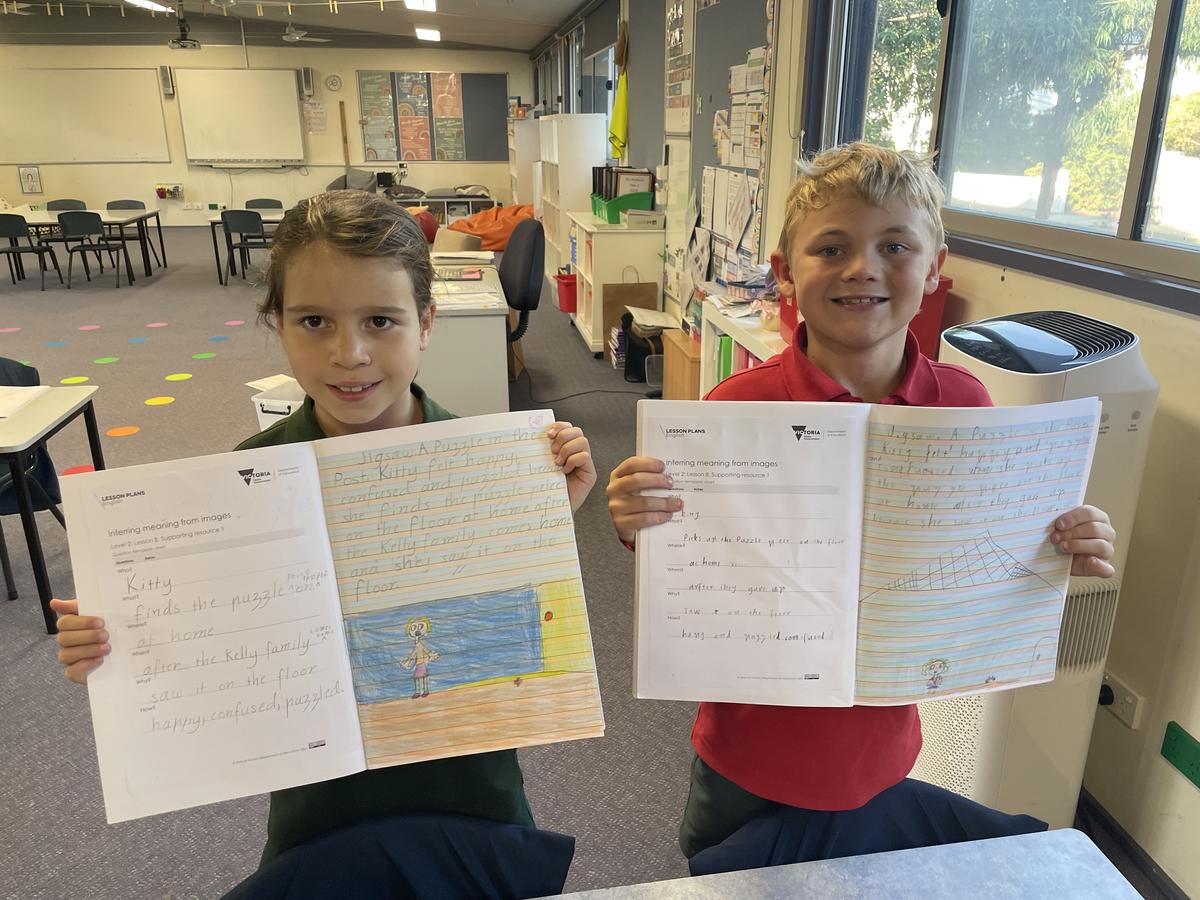
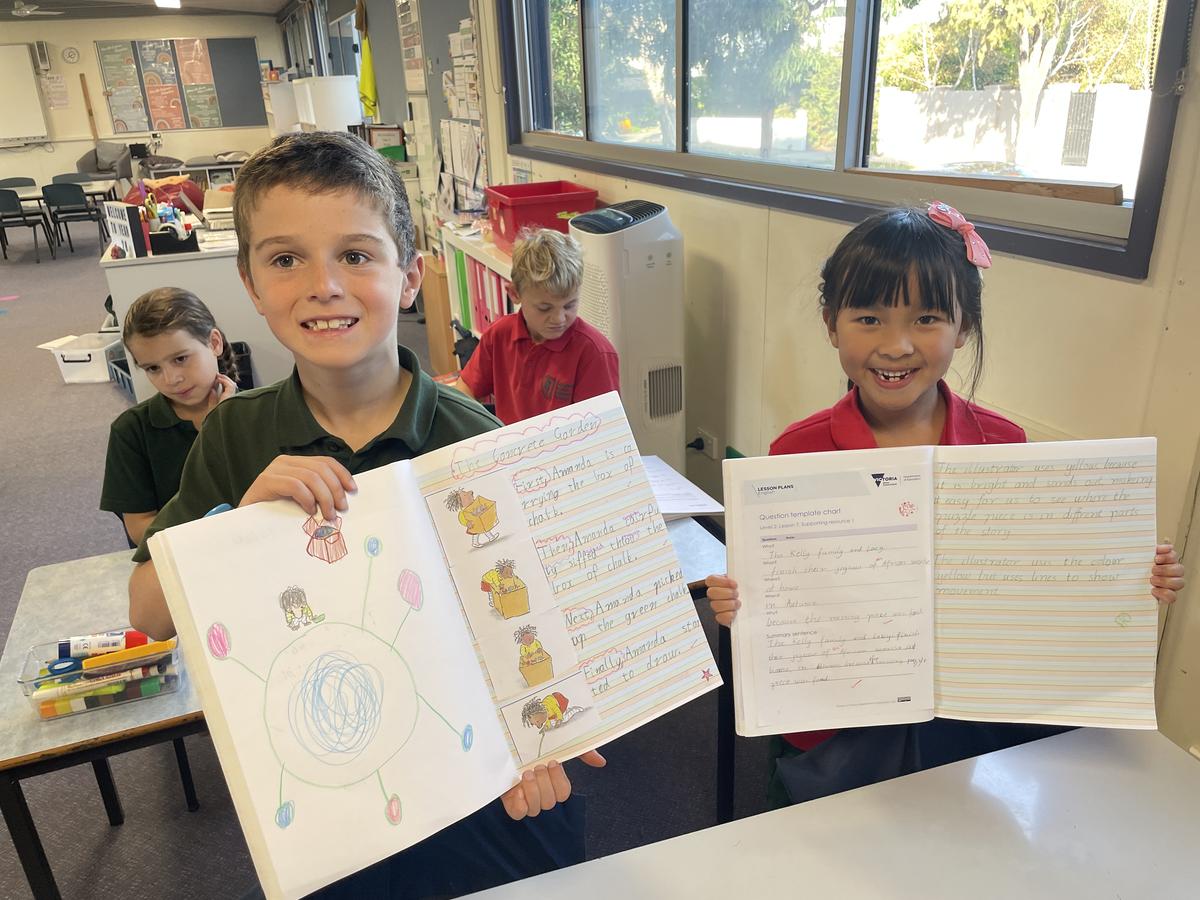
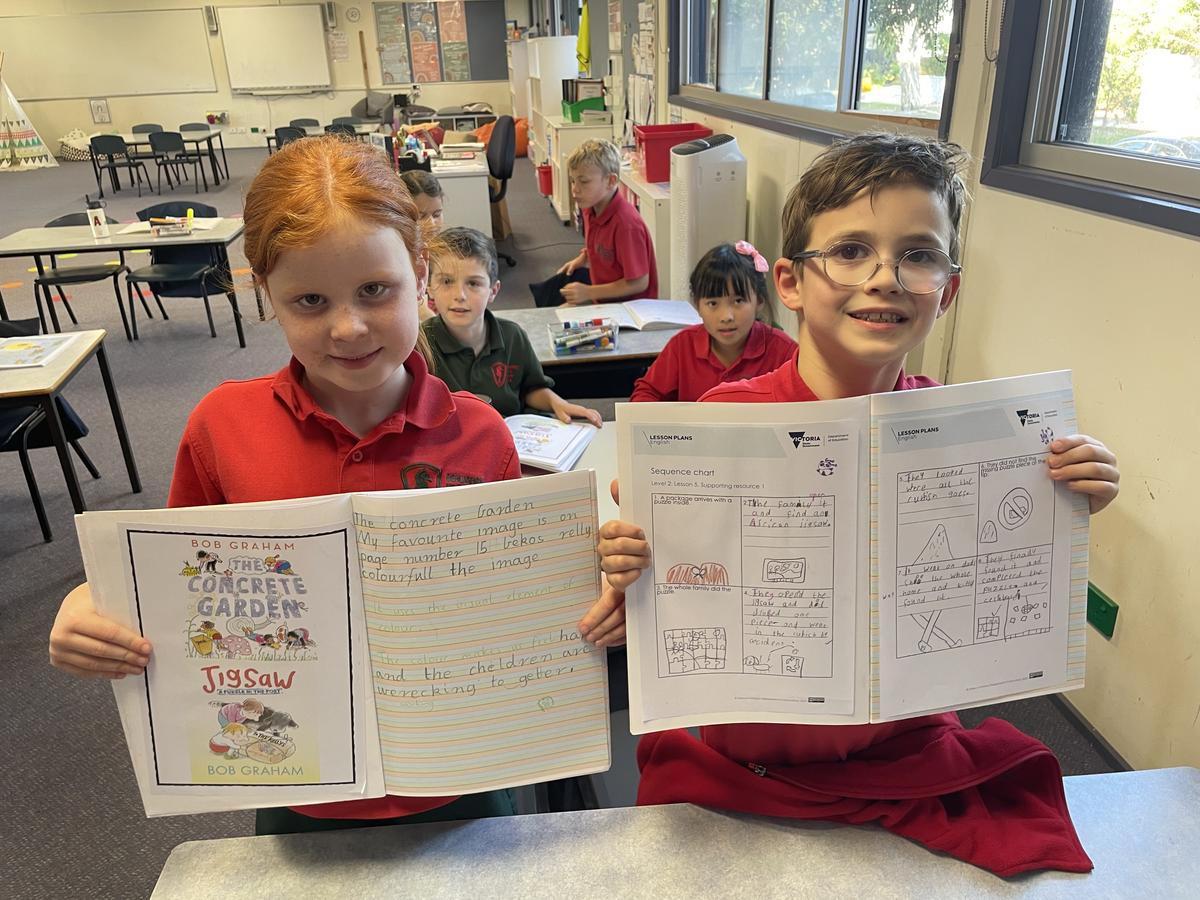
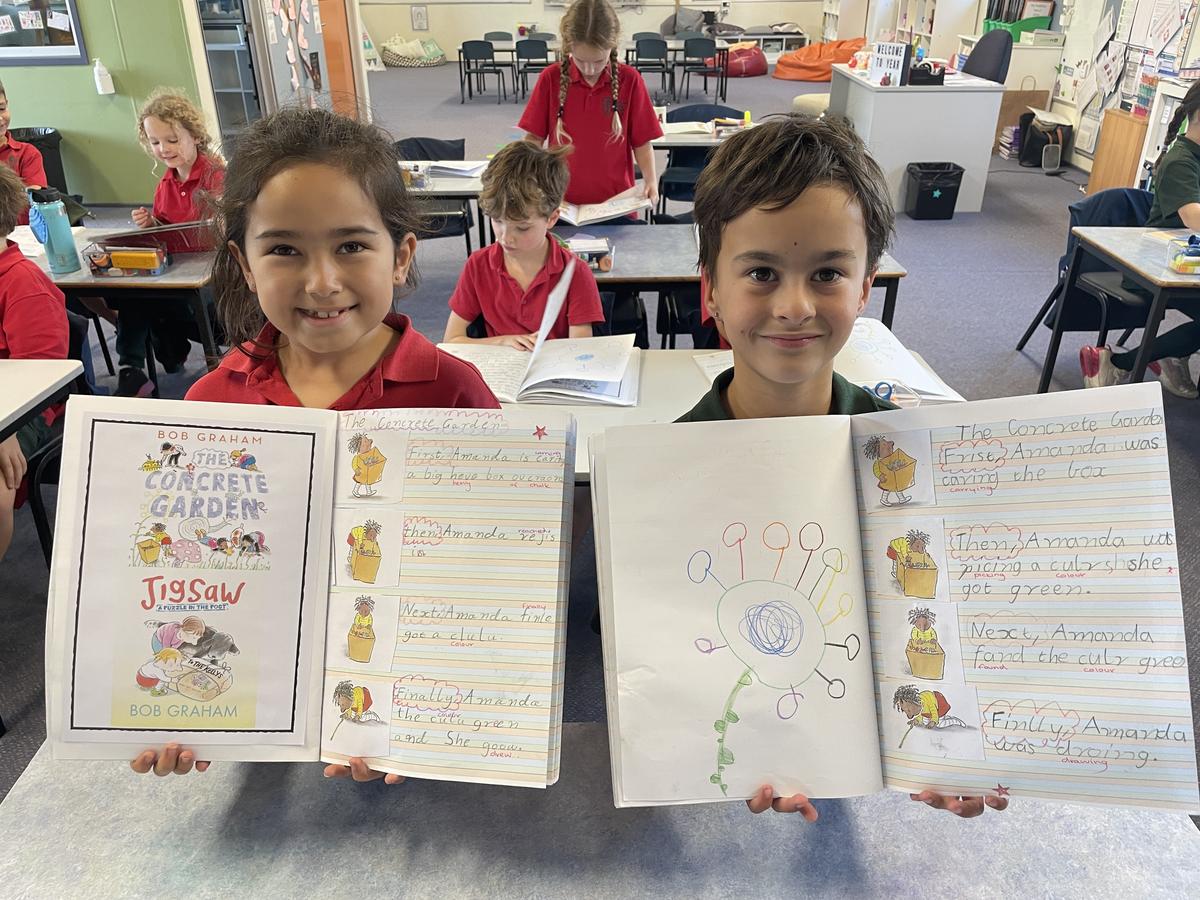
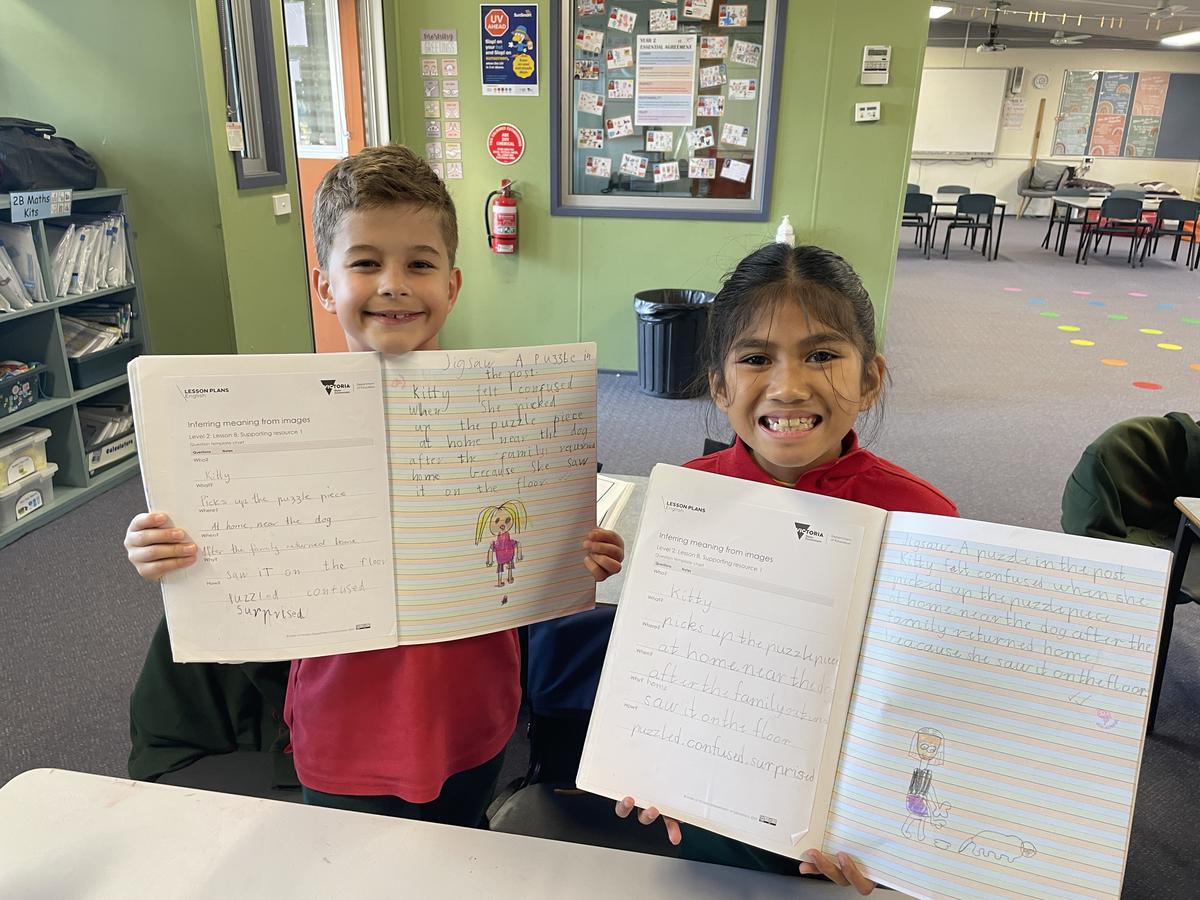
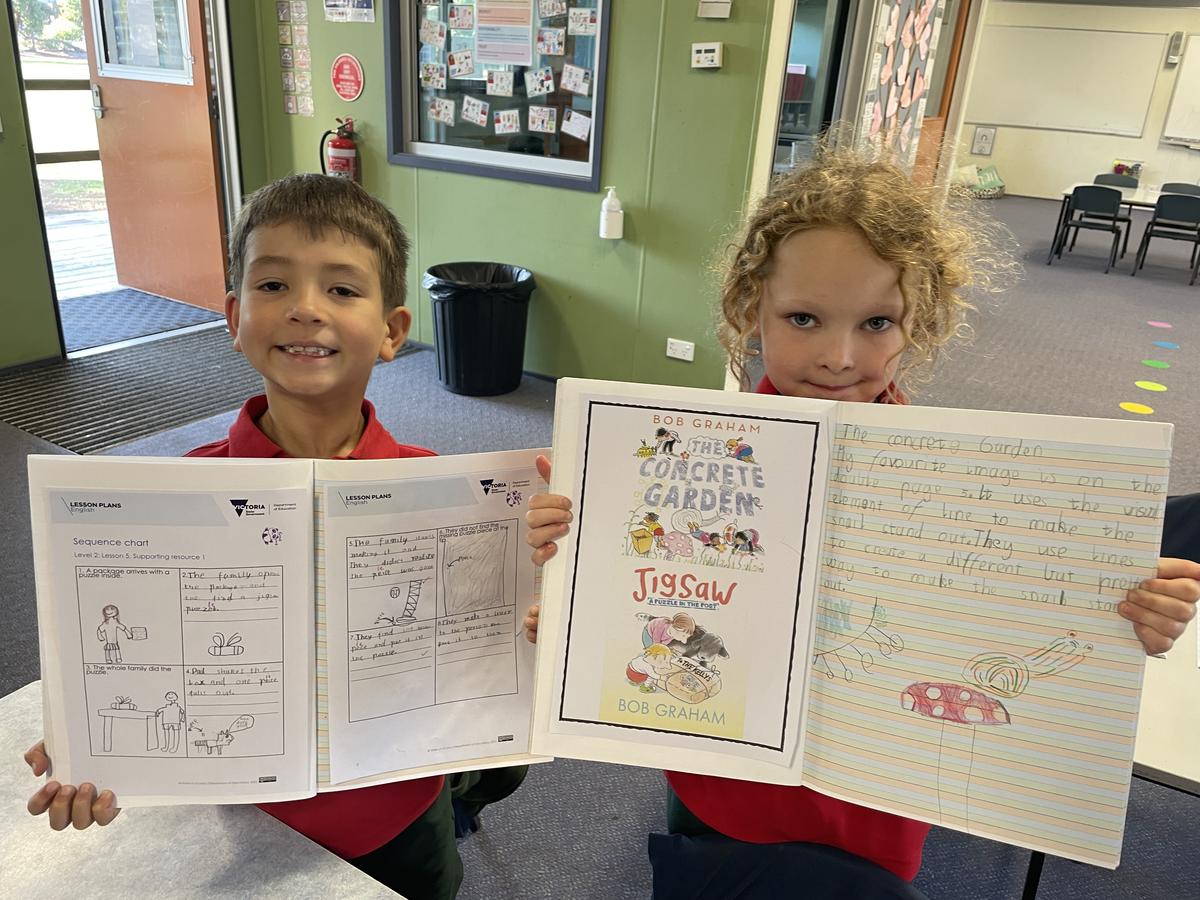
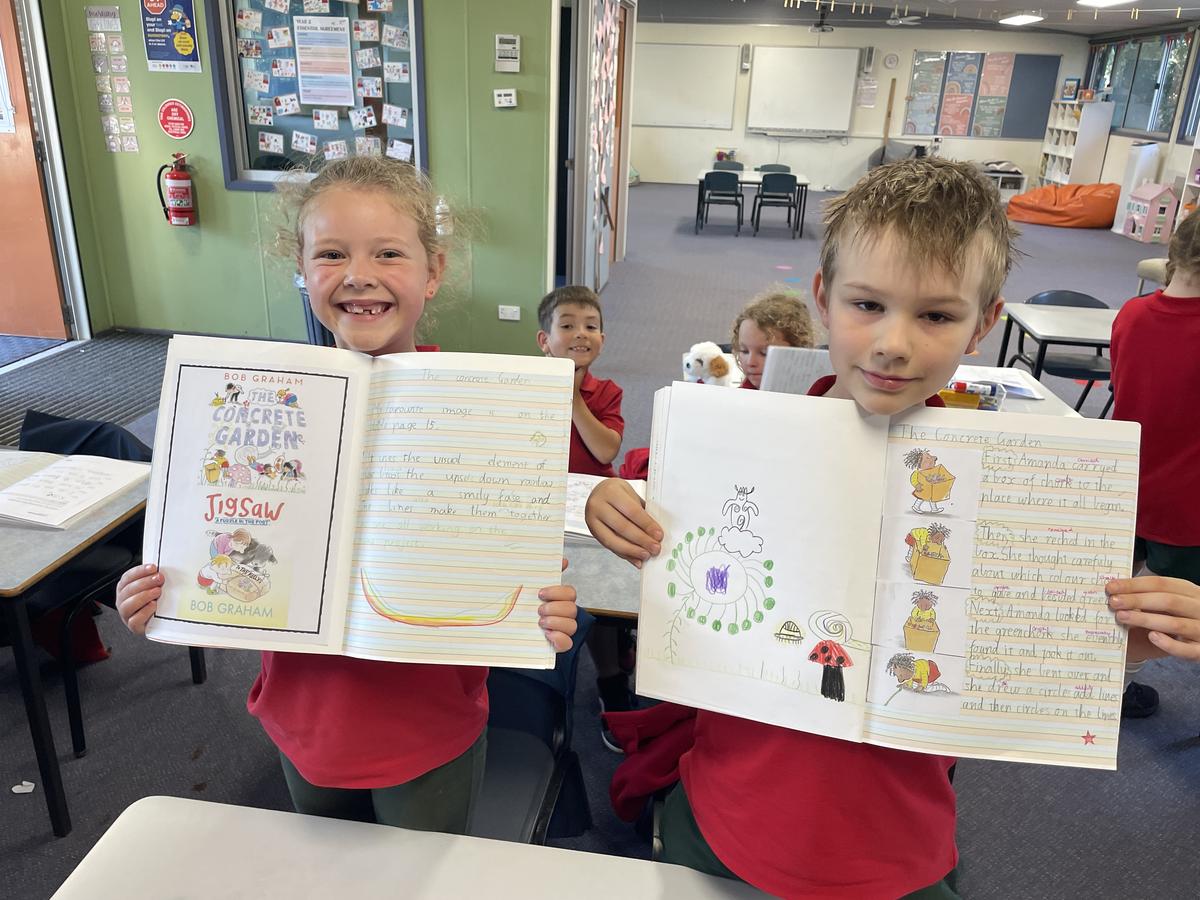
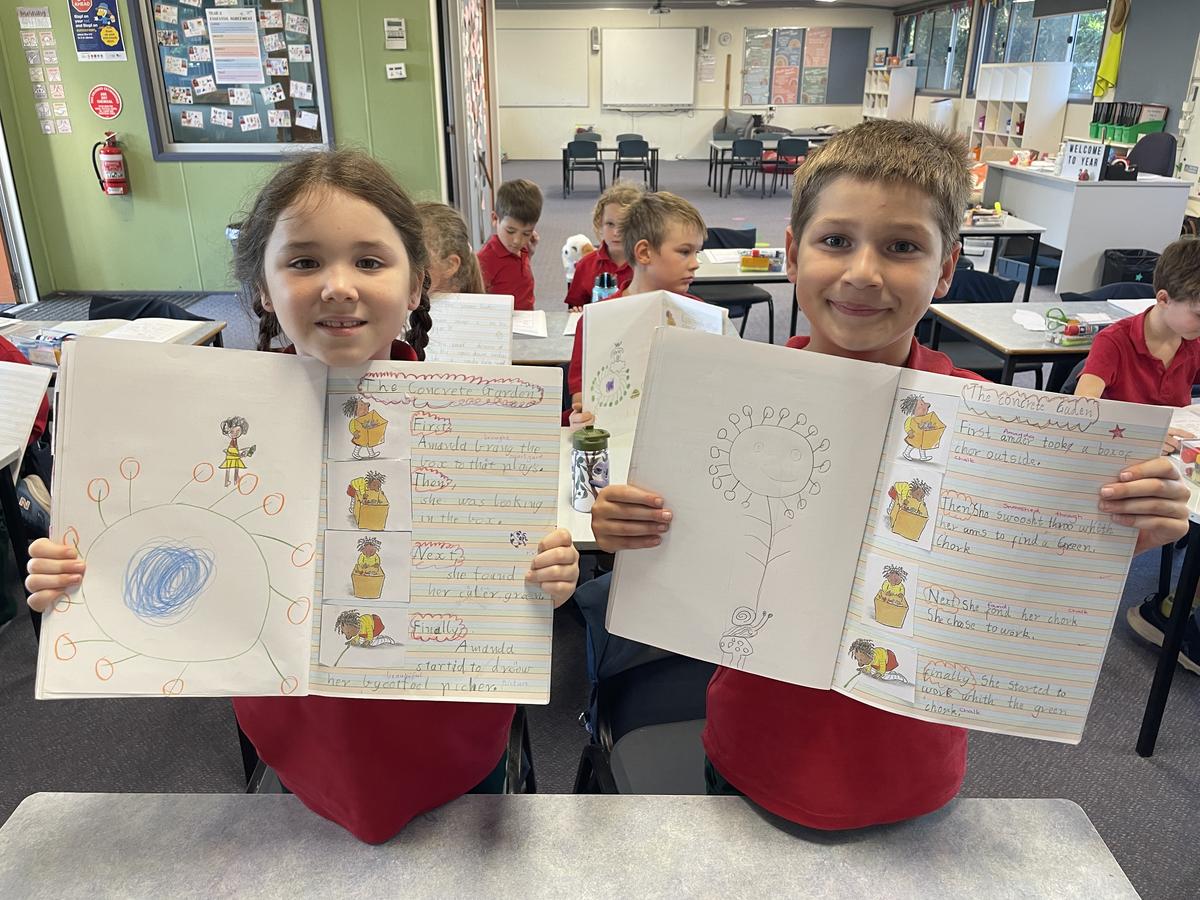
The students have been enjoying our latest text study books. We are continuing to study two more of Bob Grahams books, The Concrete Garden and Jigsaw: Puzzle in the post. The students have been identifying how images complement a story, looking at the various elements an illustrator uses to enhance the story.
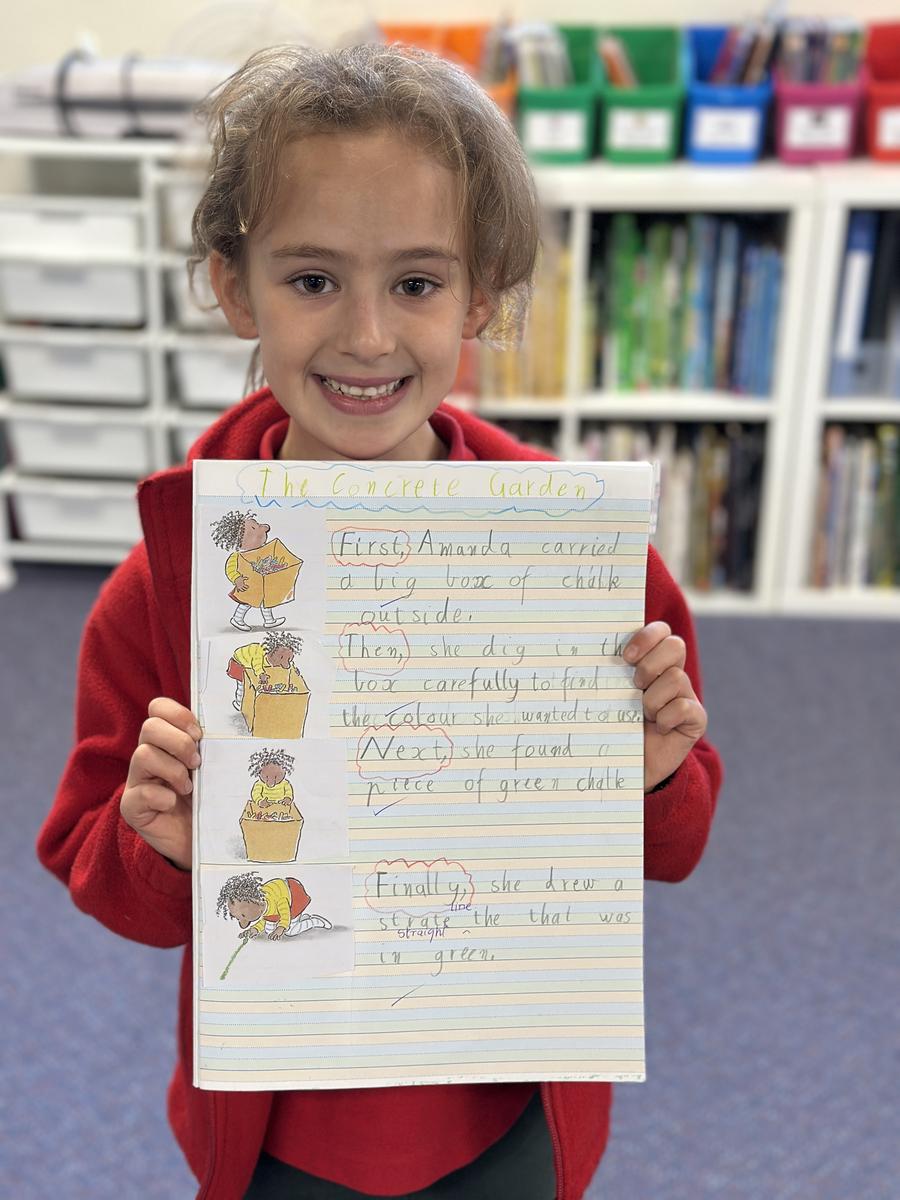
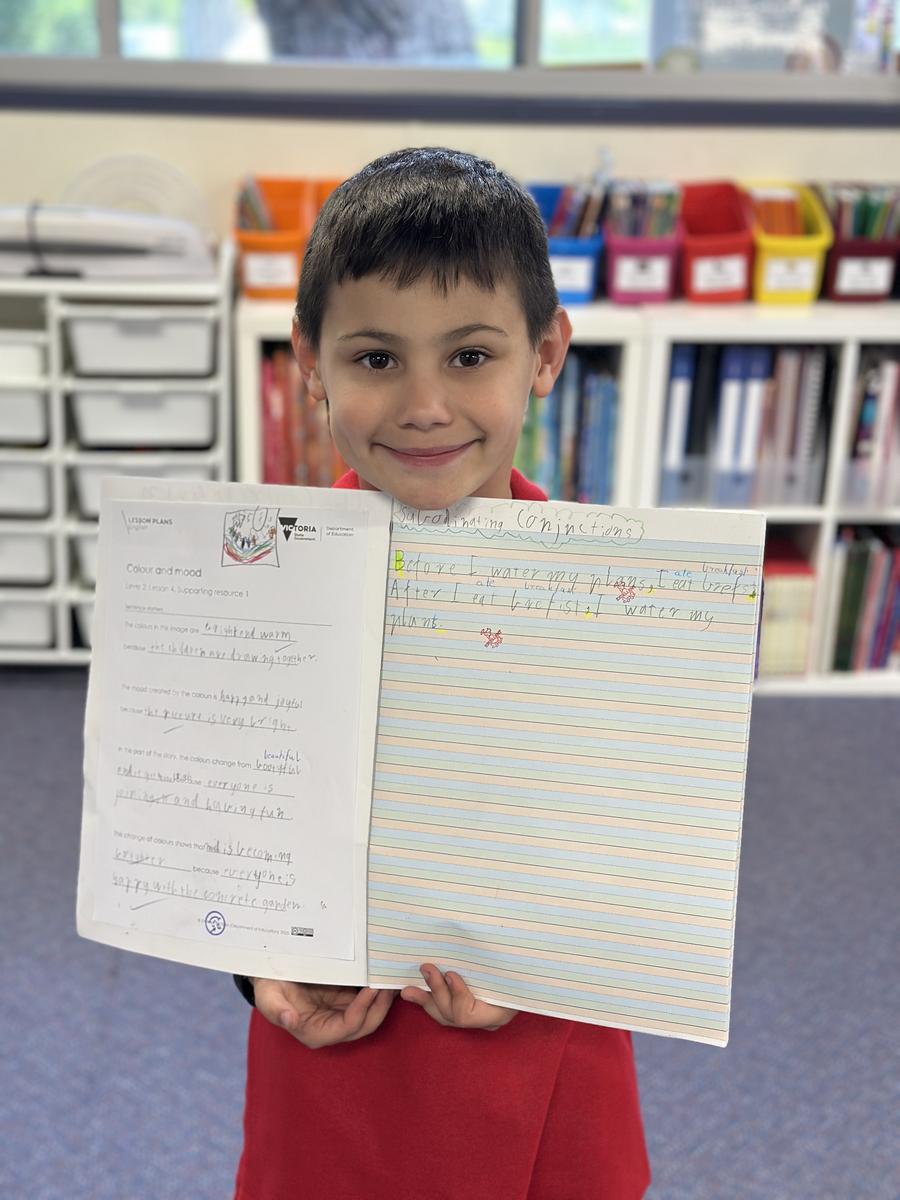
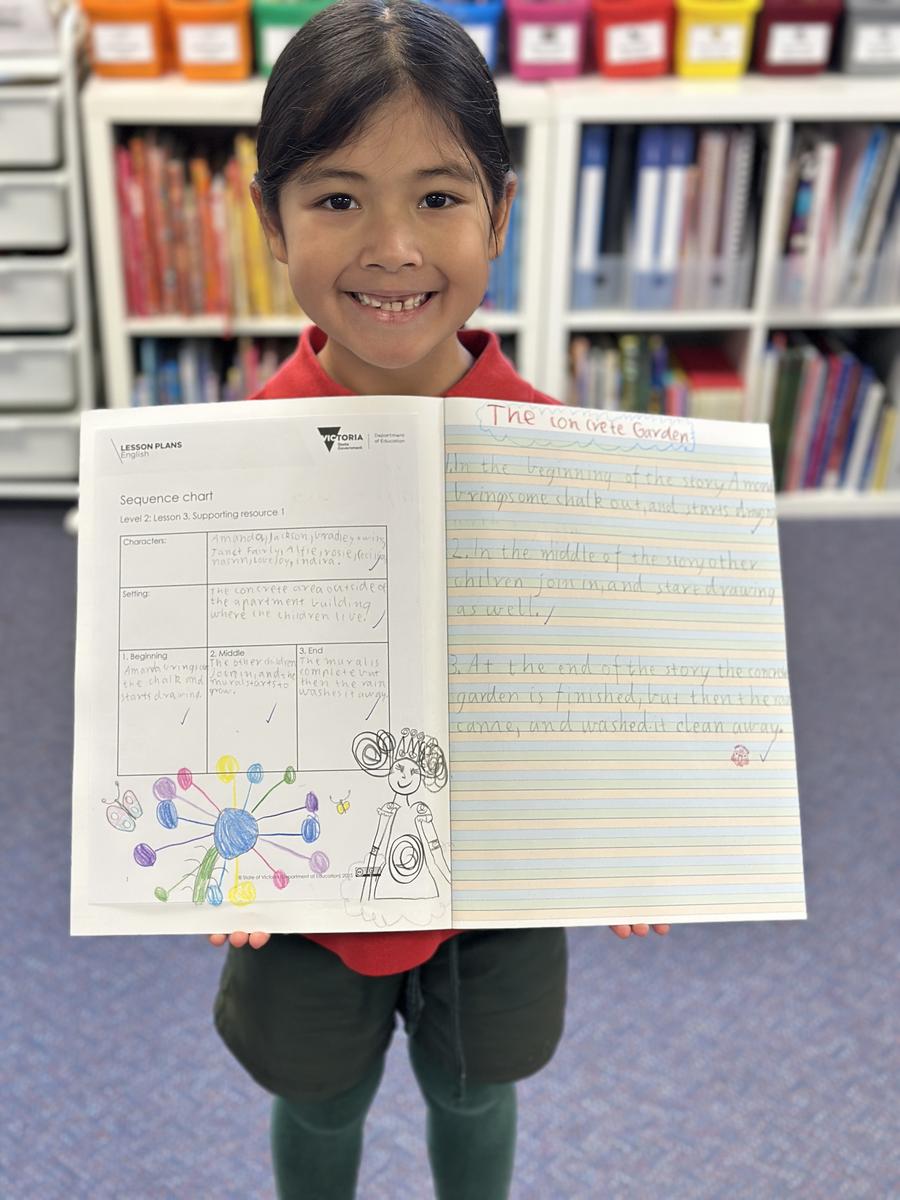
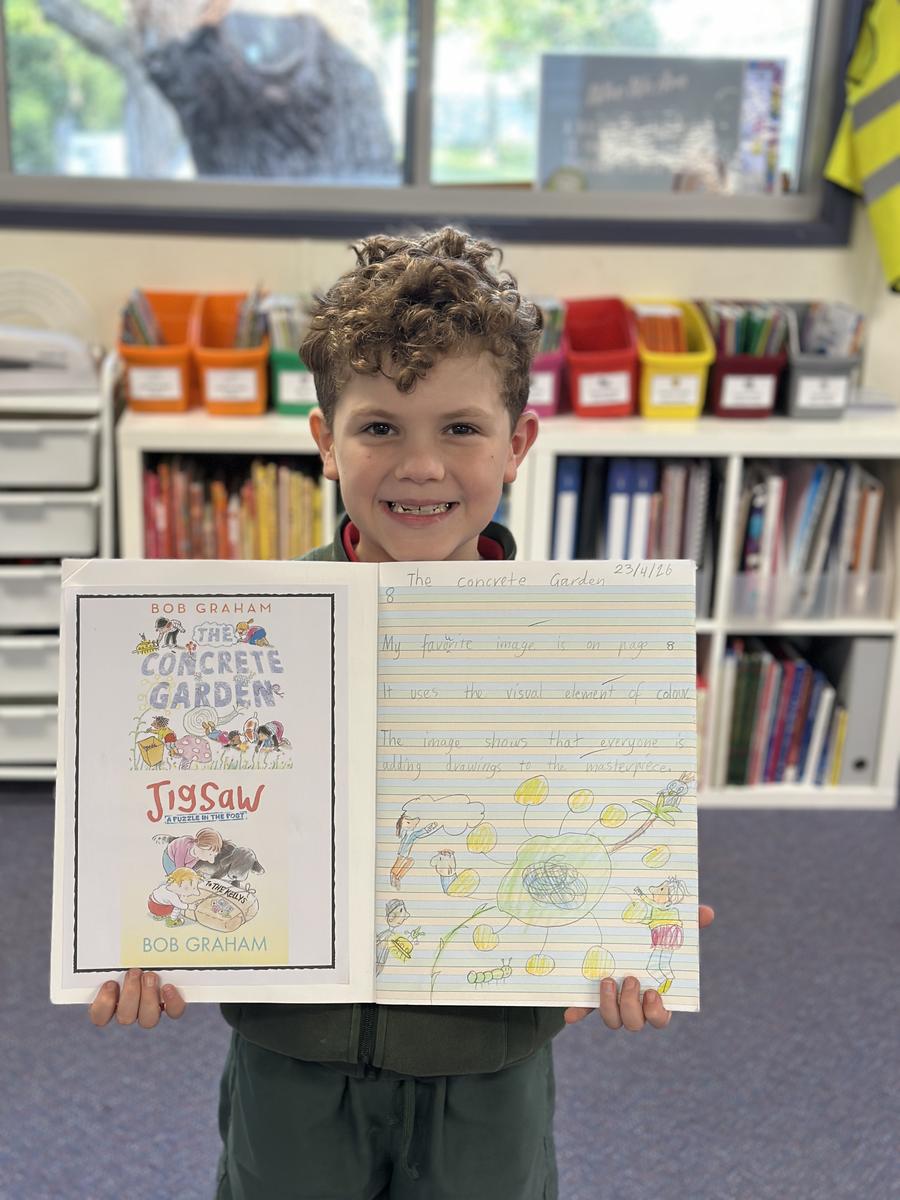
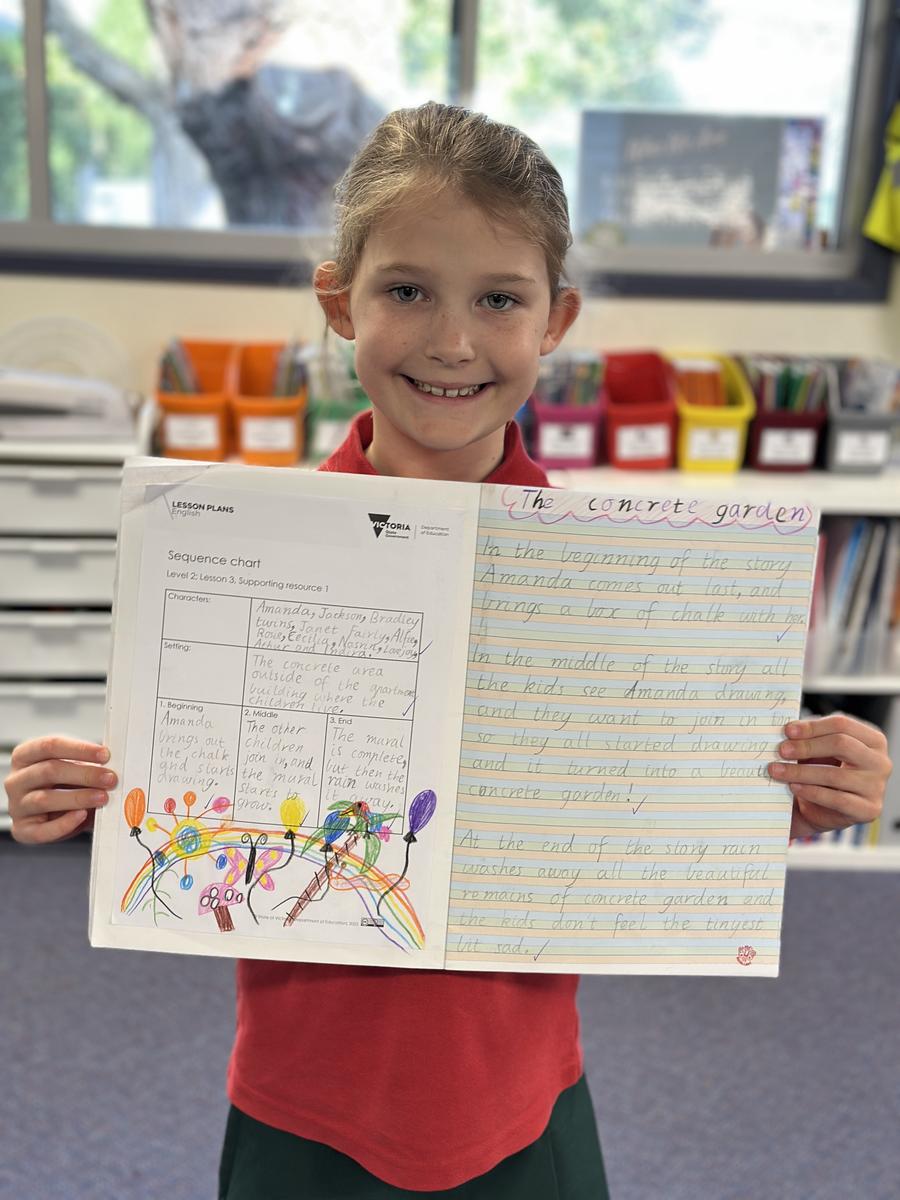
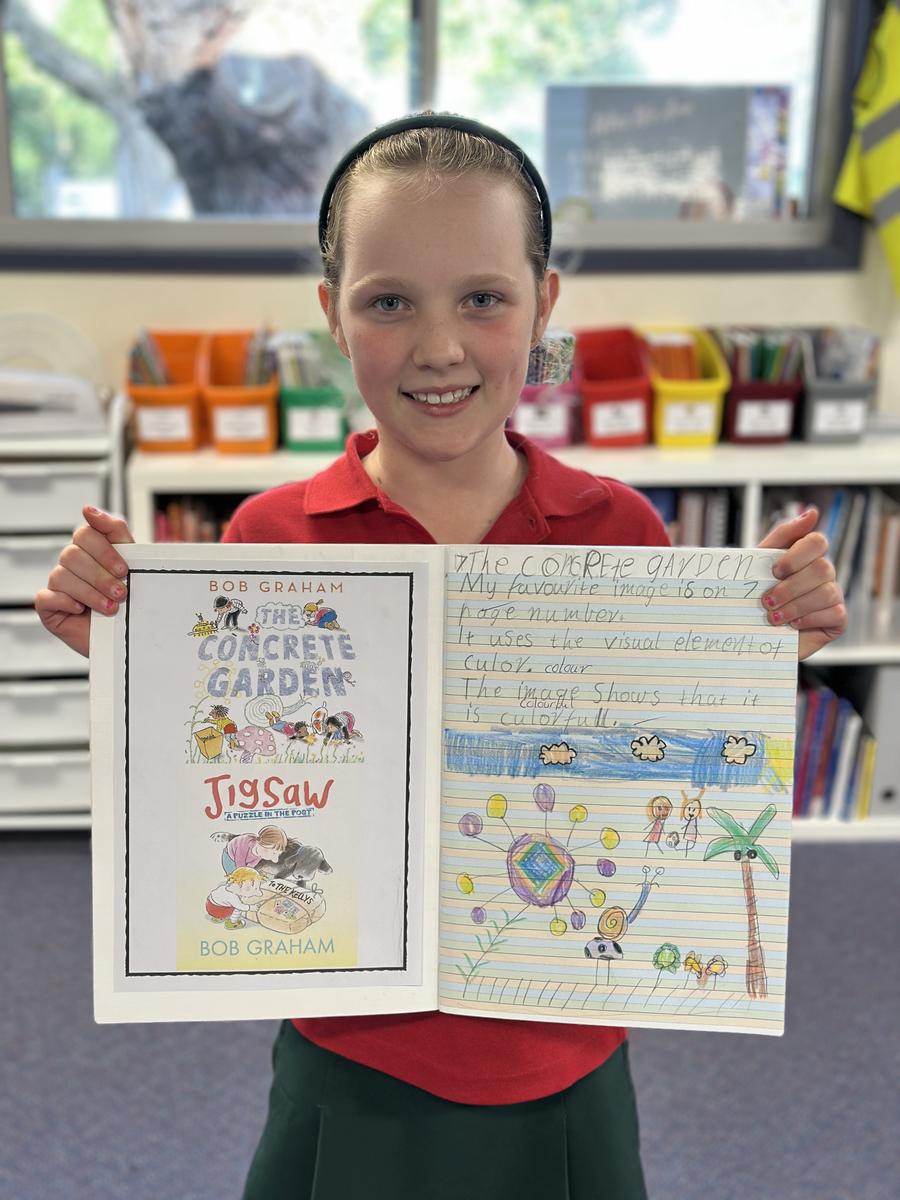
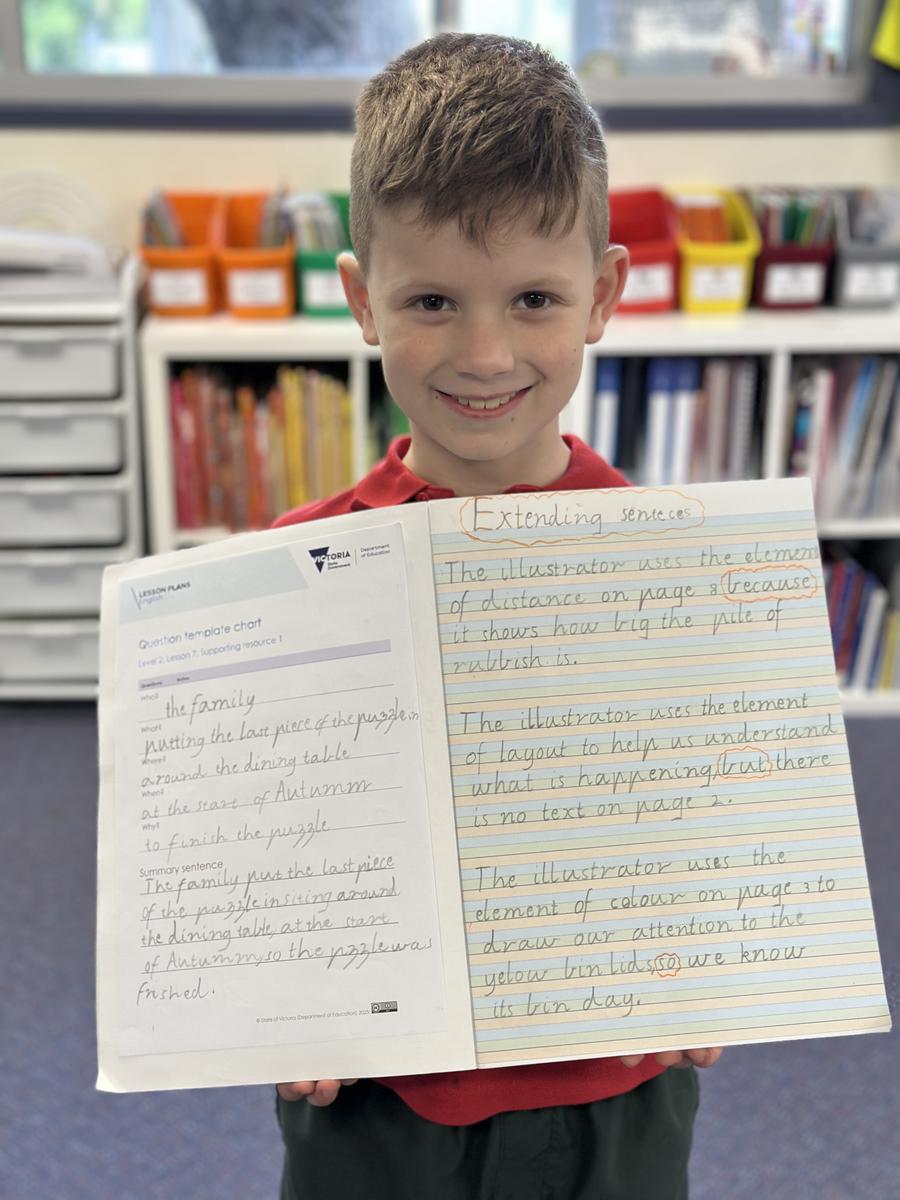
Elements such as colour, line, distance, shapes and layout. The students have been come book detectives and are able to identify various elements in a picture. We have also explored using images to develop a plot timeline, inferring meaning from images and making predictions from images.
We have been impressed by the level of engagement our Year 2 students have shown throughout our text study lessons and their increased knowledge about the various aspect of a picture story book. We are excited to move onto our next two Bob Grahma Text next week, Max and Queenie and the Bantum.
Who We Are
A balanced lifestyle is influenced by the choices people make.
This week we are finalising ‘Who we are’, culminating in our oral presentations on a sport. The children worked in table partners to read an age-appropriate text about their chosen sport. They then created a talk using the headings ‘Introductions’, ‘Equipment needed’, ‘What you wear’, ‘Where the sport is played’, ‘Rules of the sport’, and ‘Interesting facts.

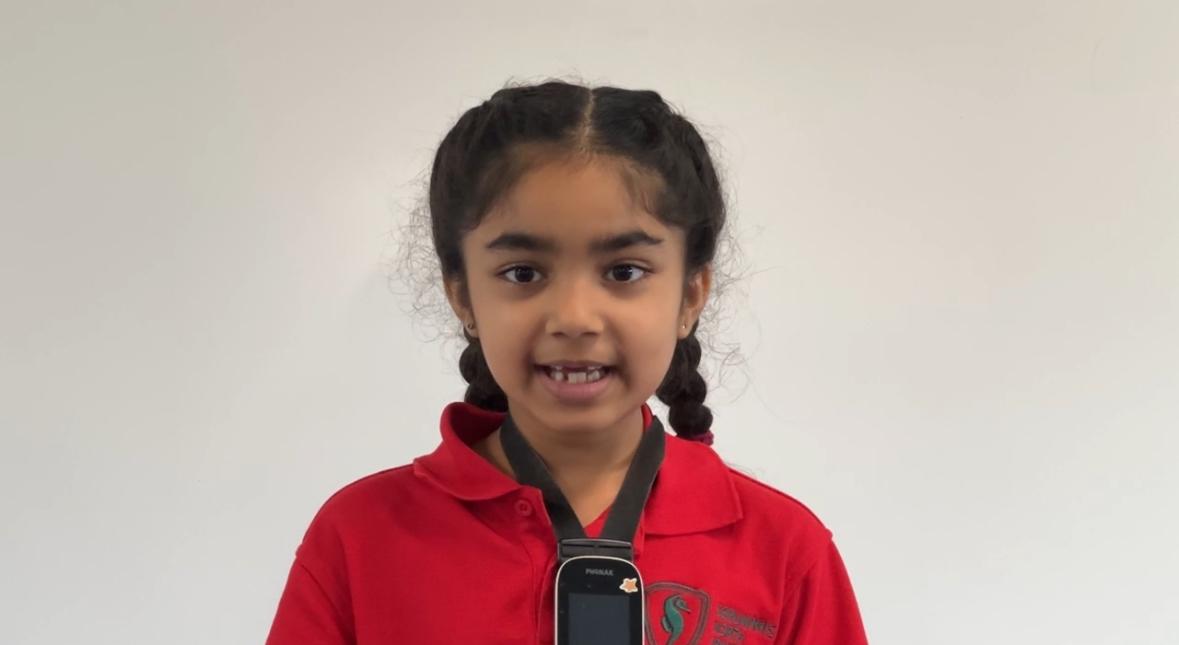
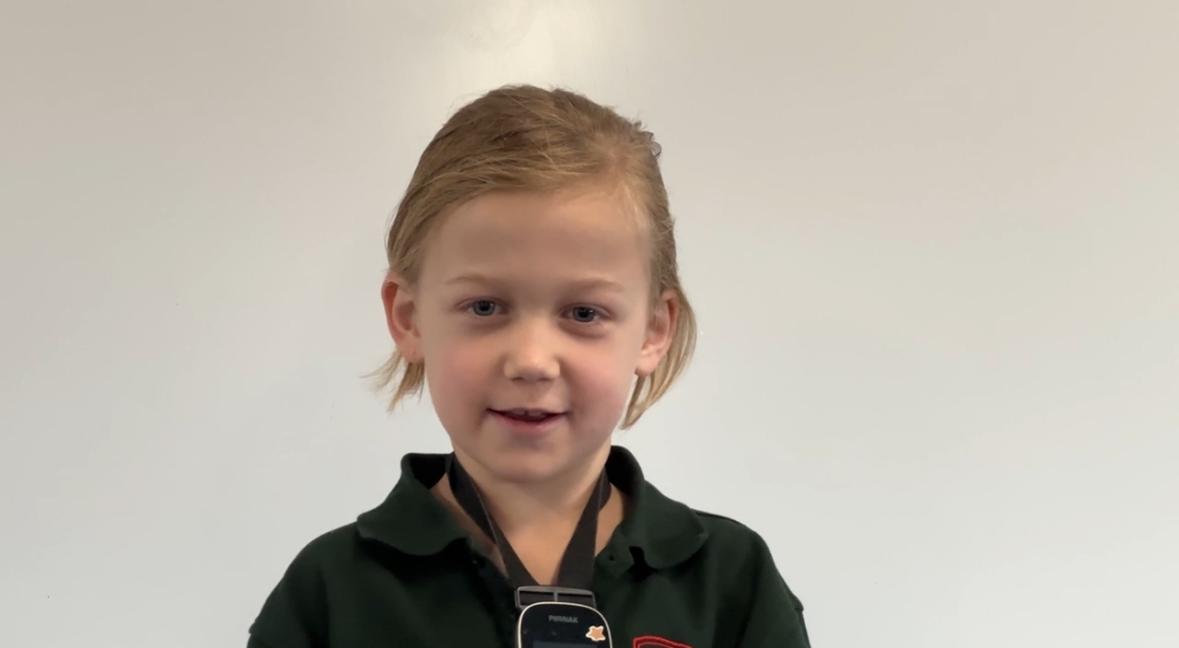
We are sure we will be impressed with the student’s presentation skills.
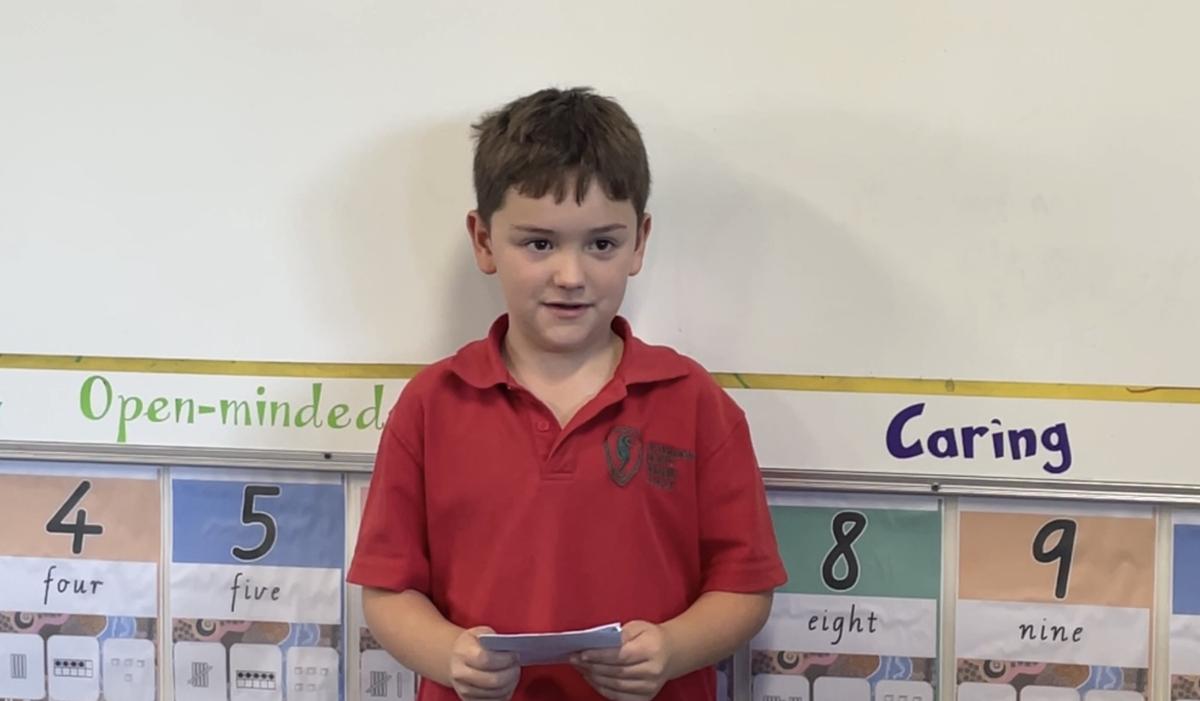
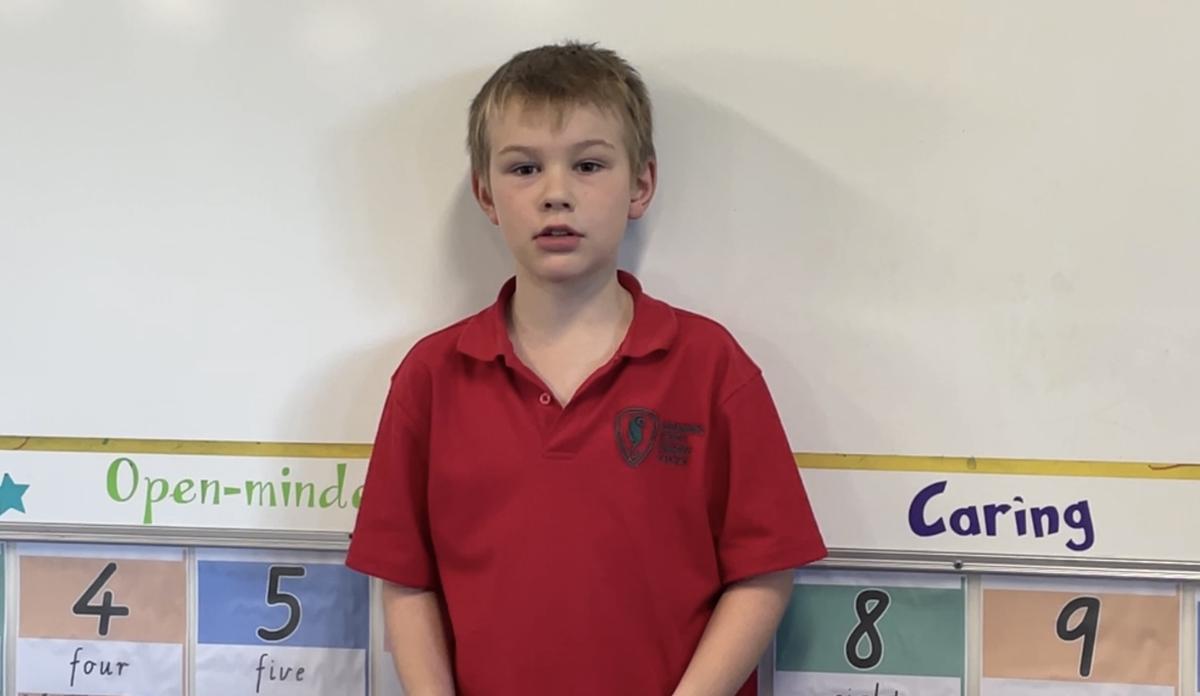
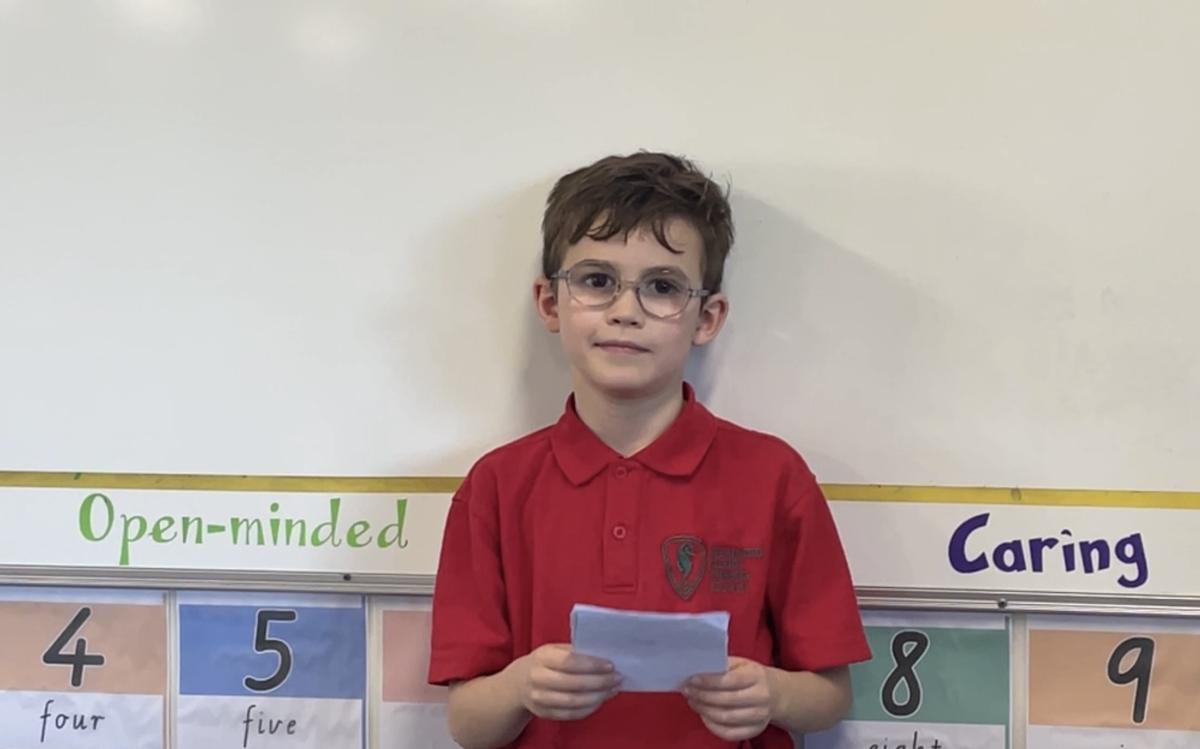
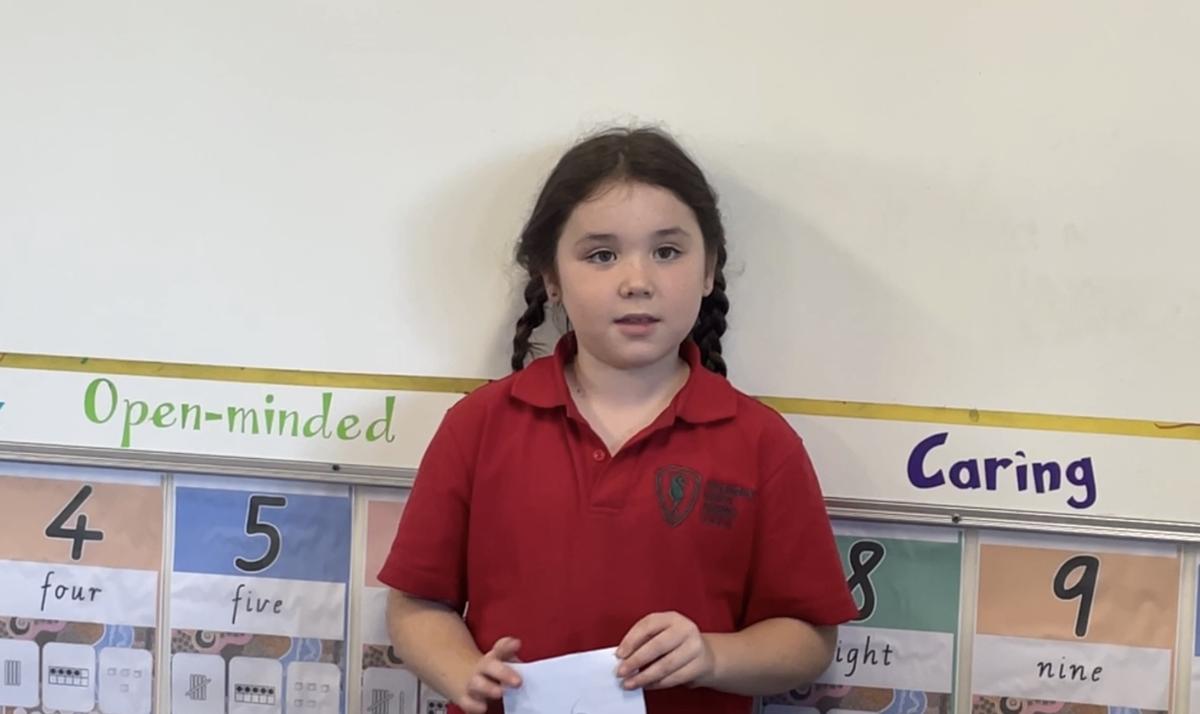
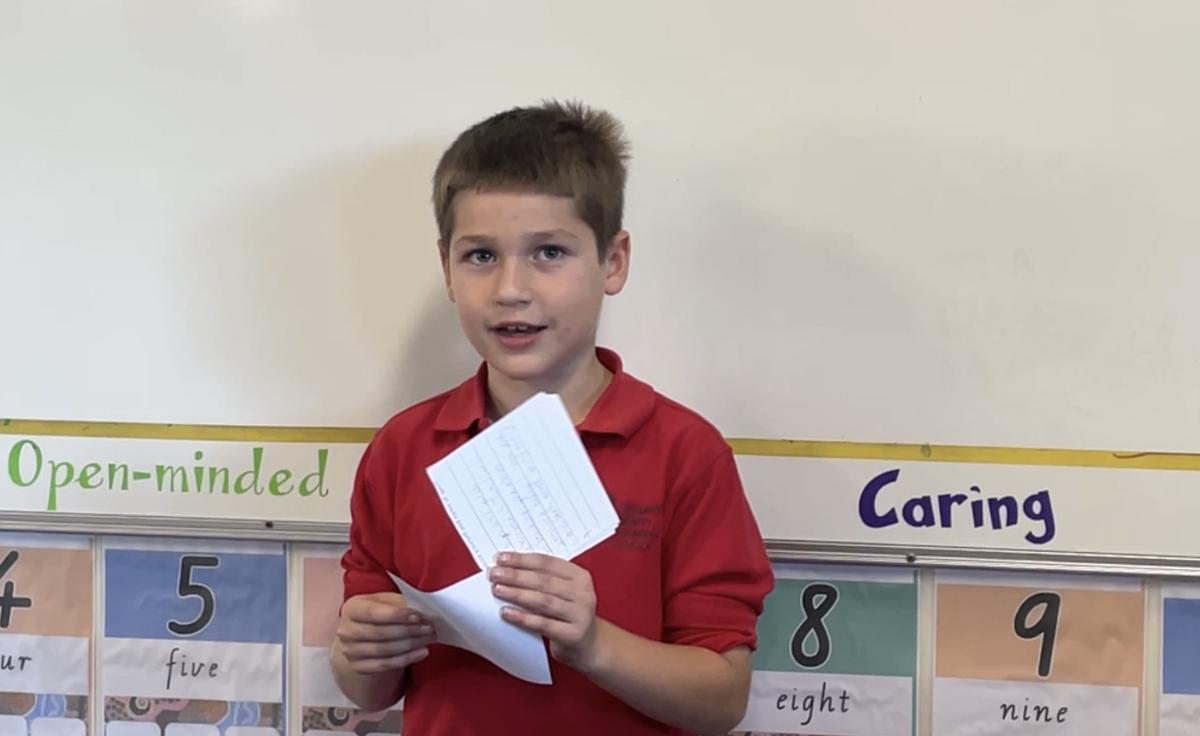
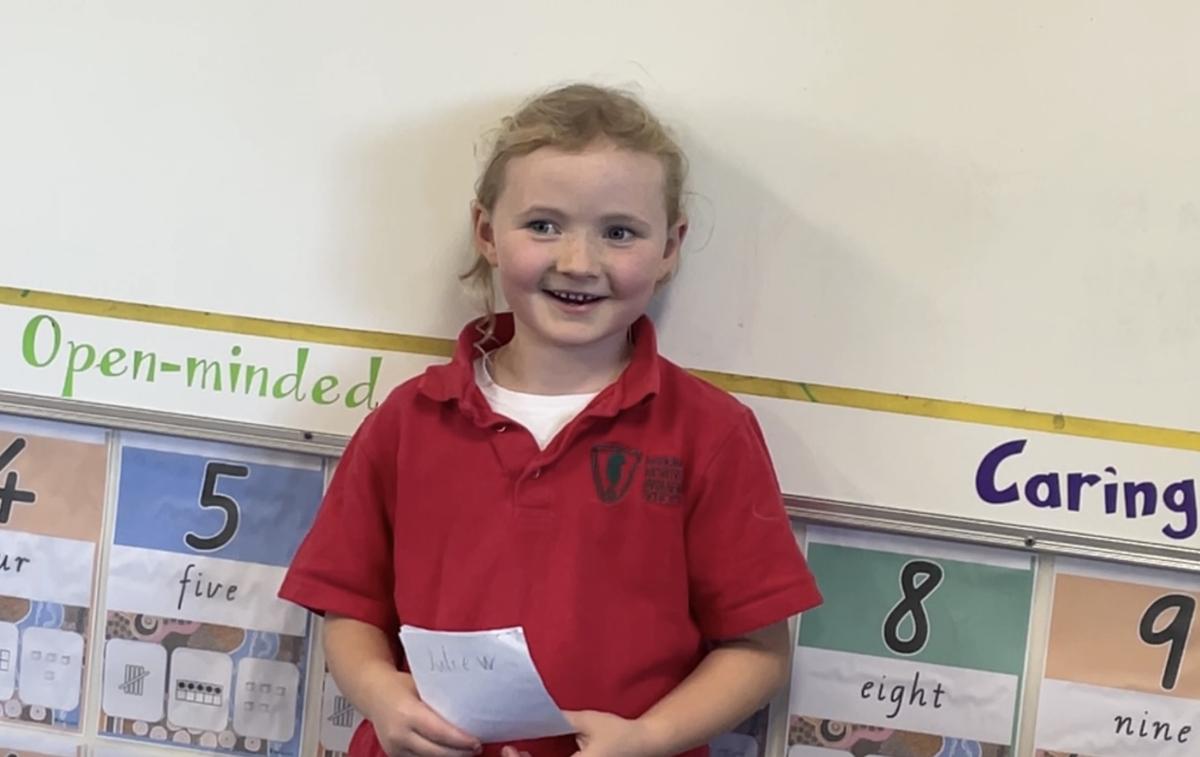
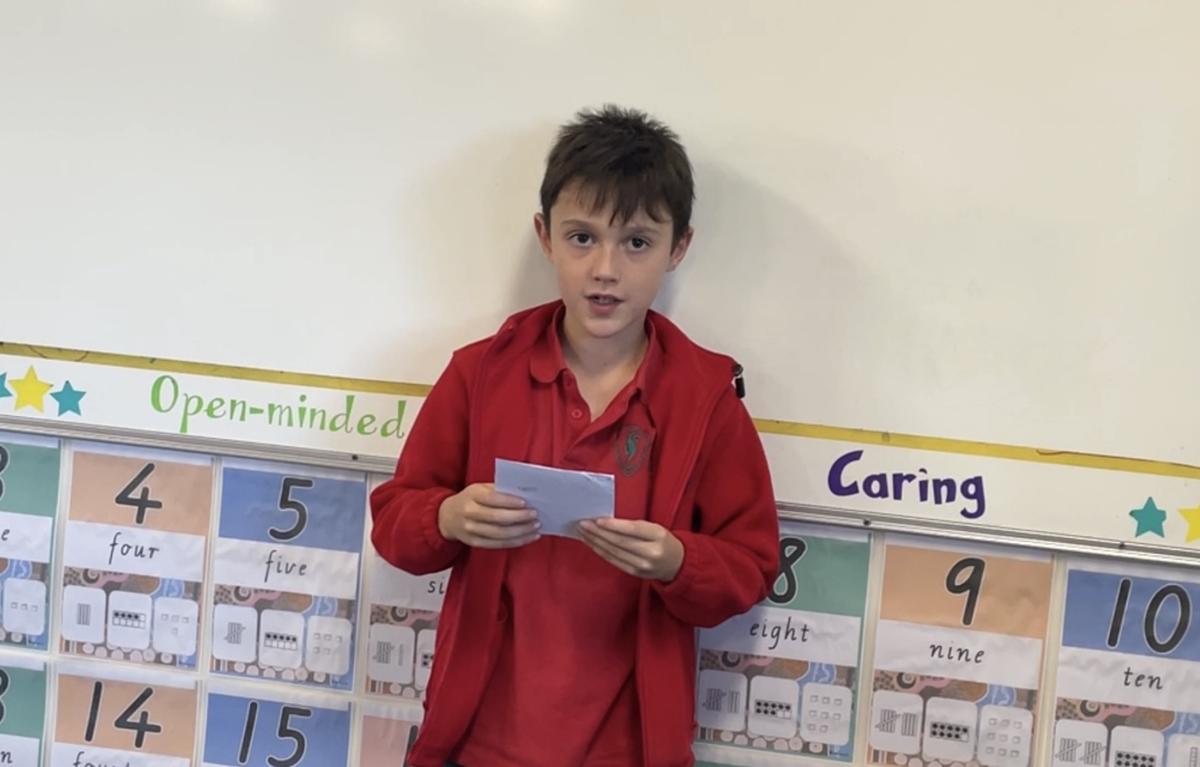
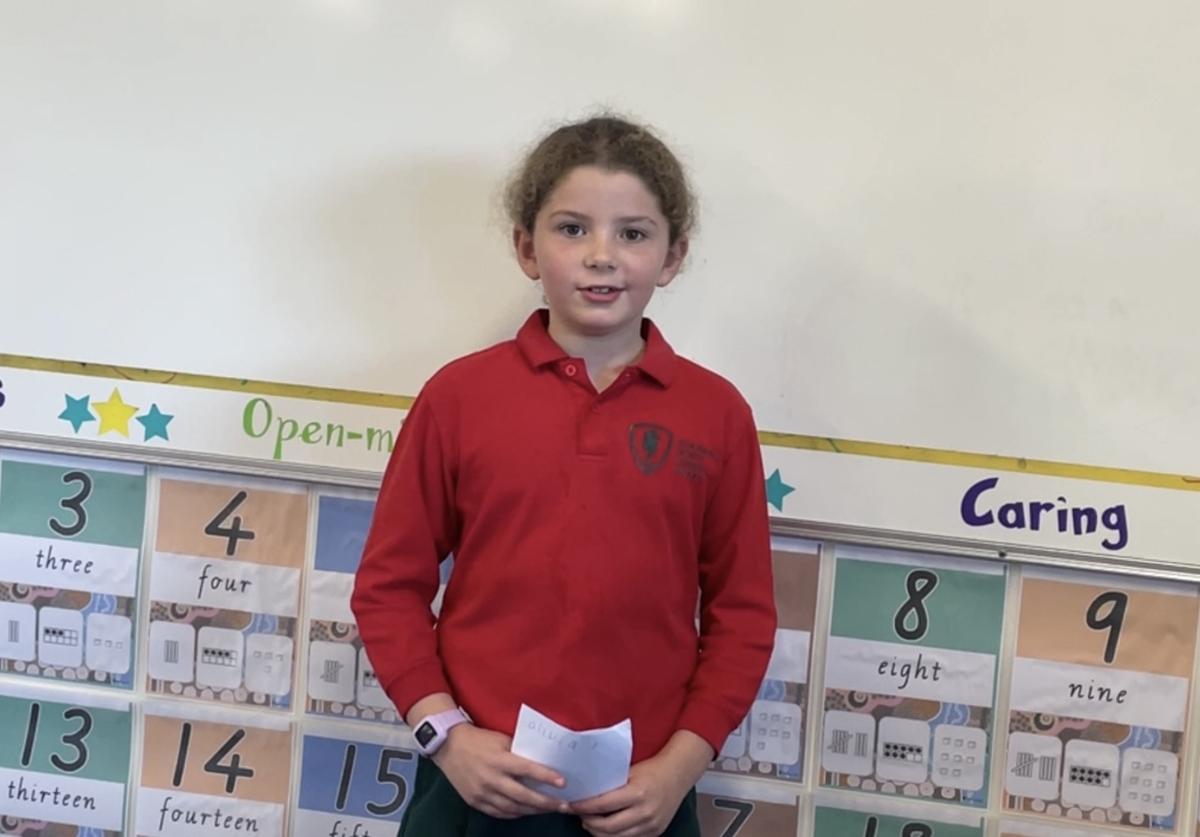
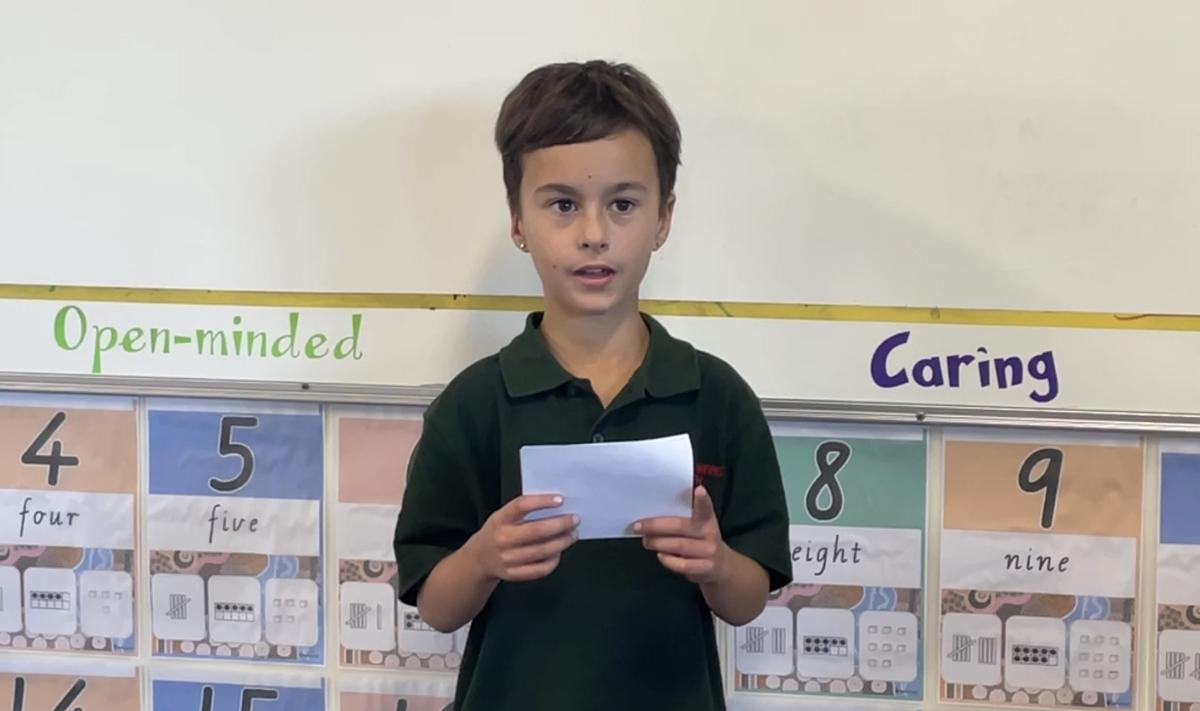
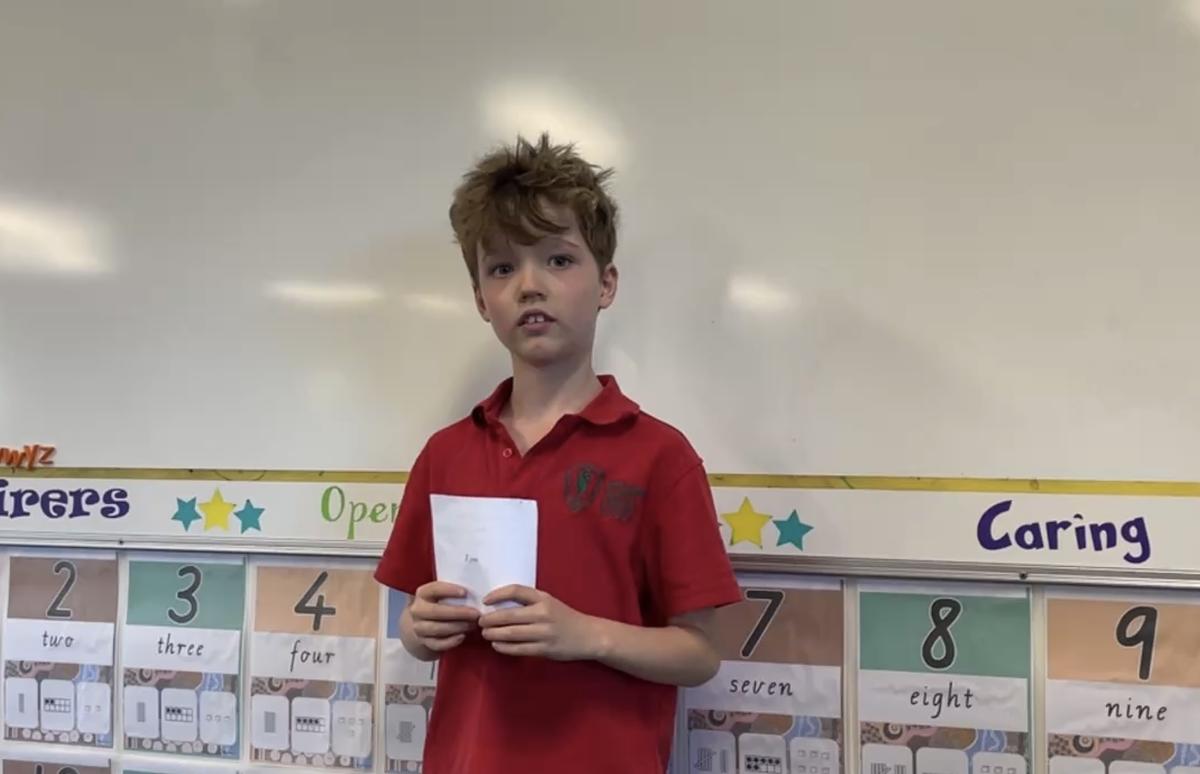
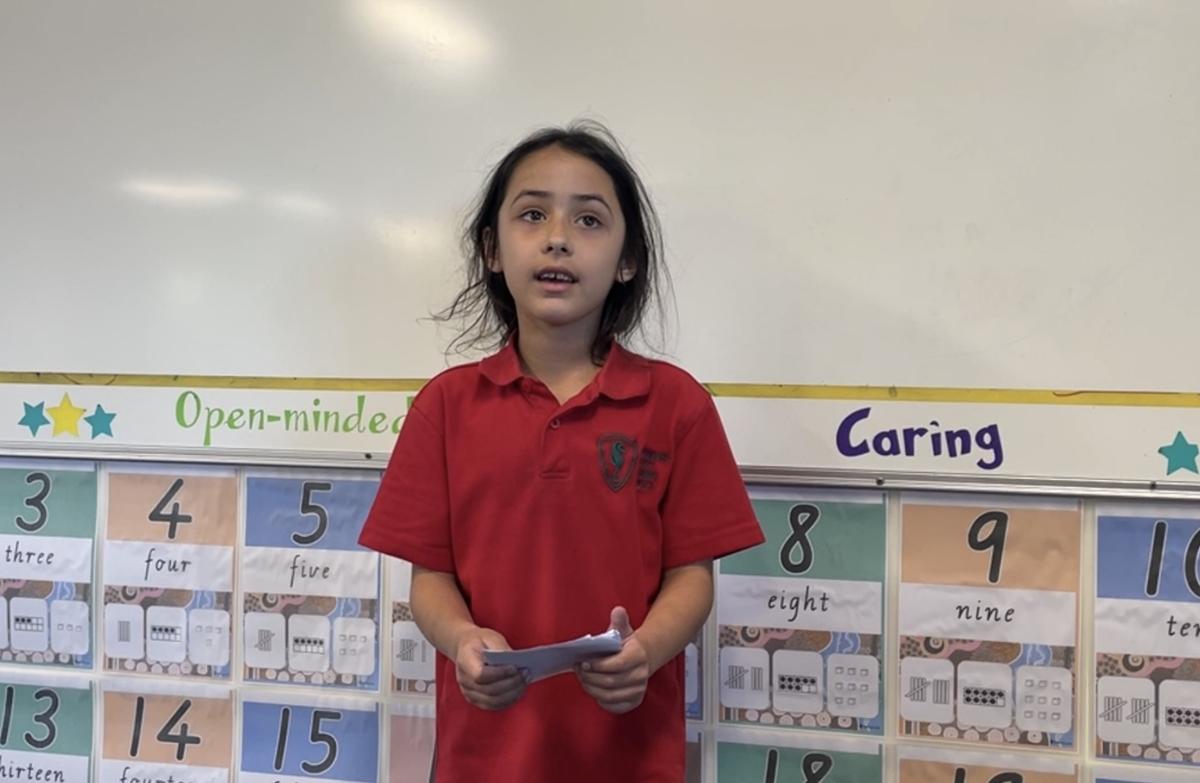
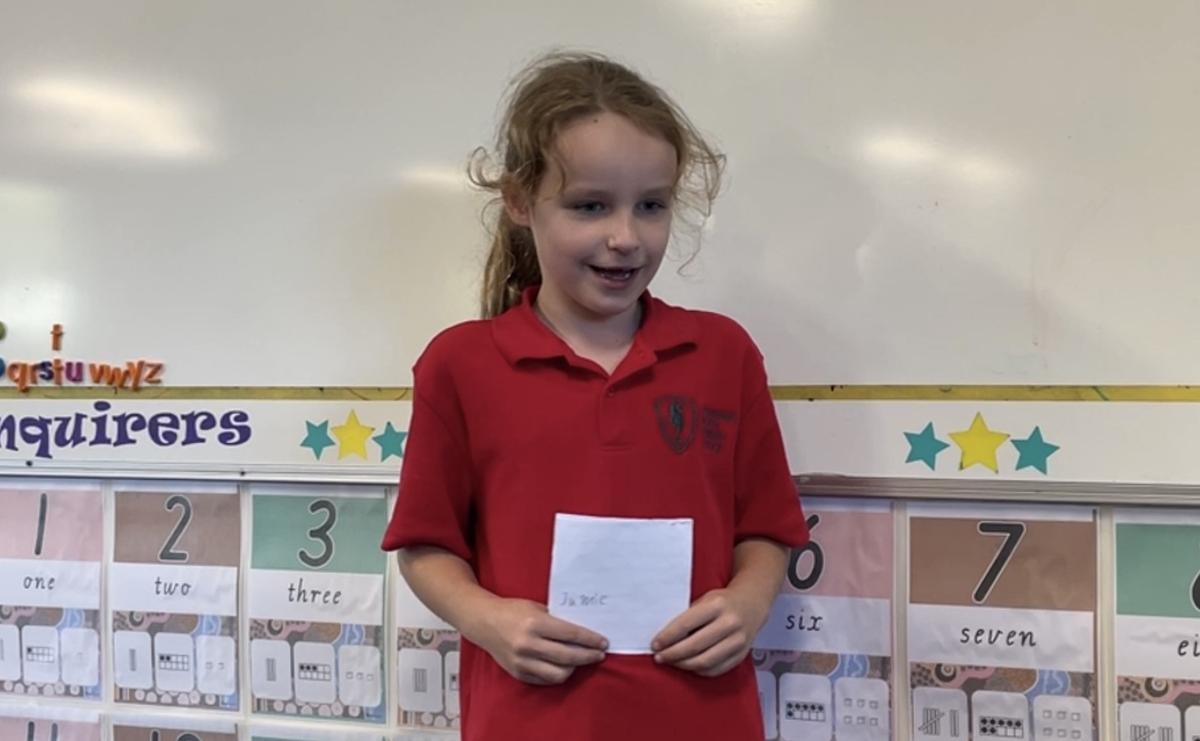
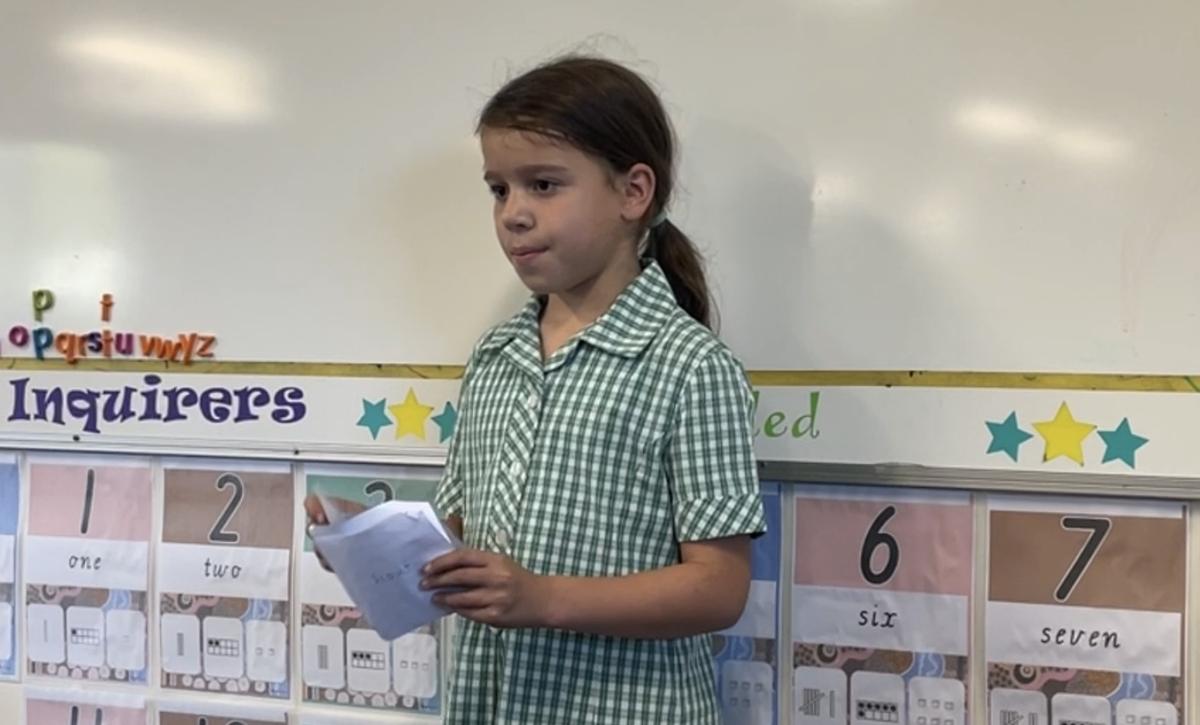
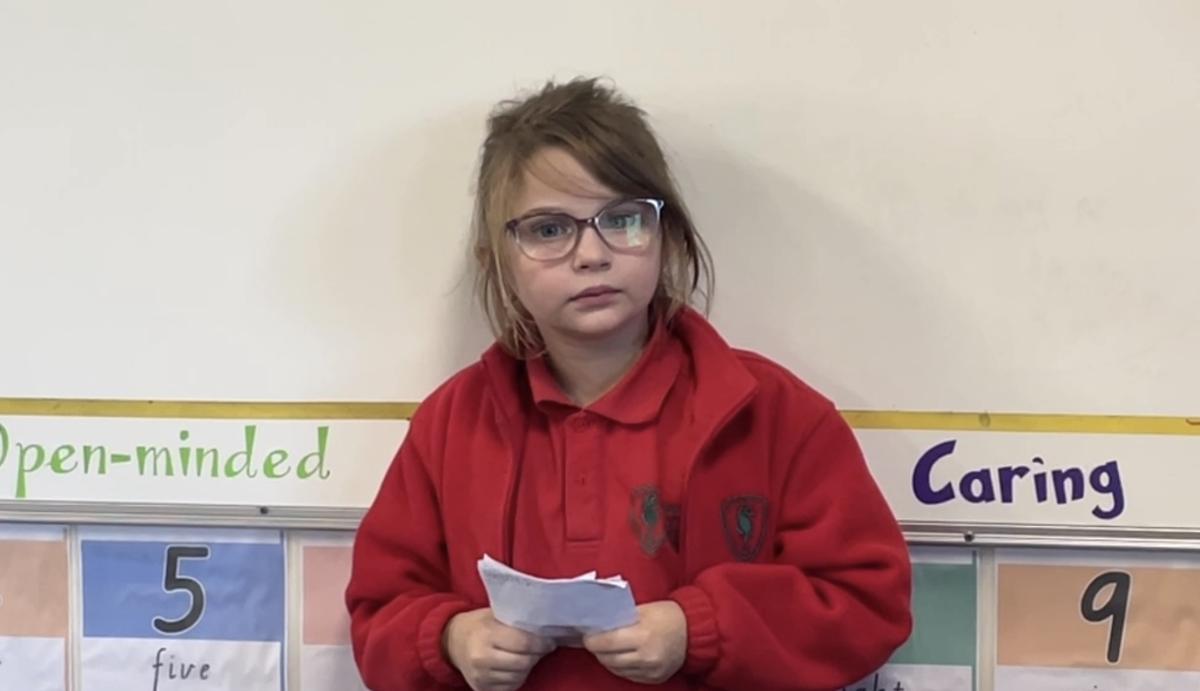
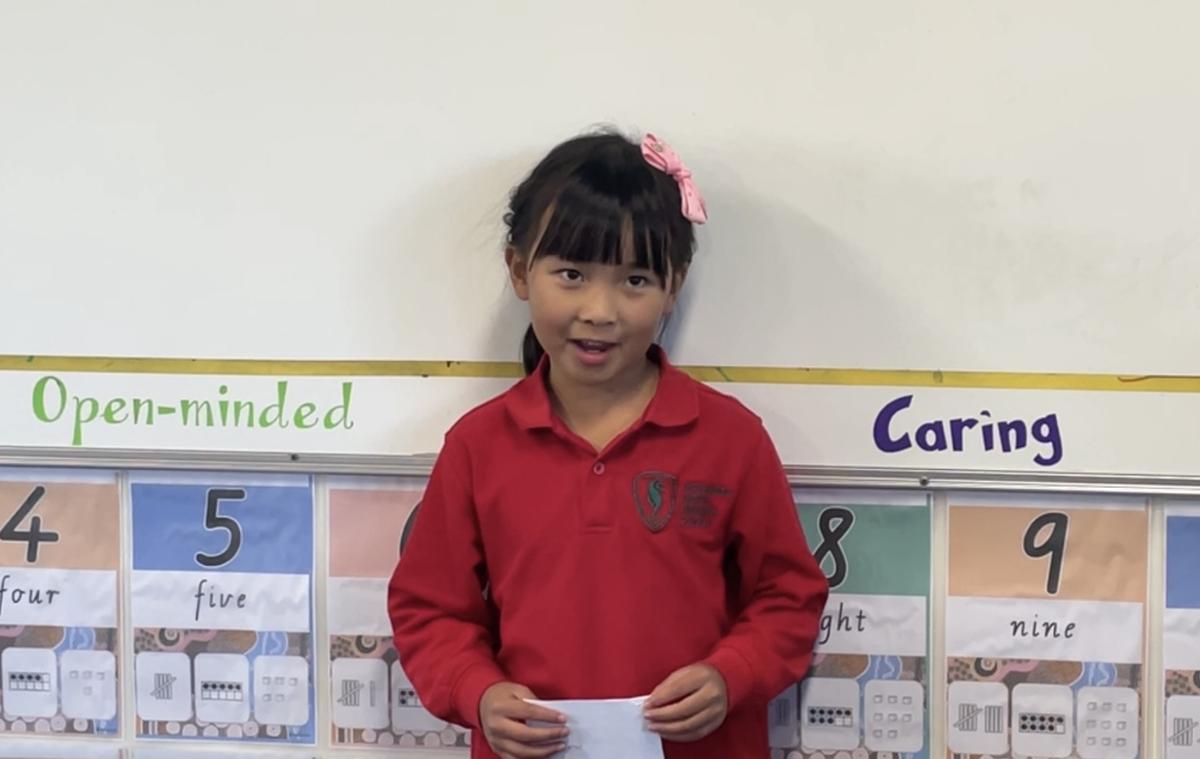
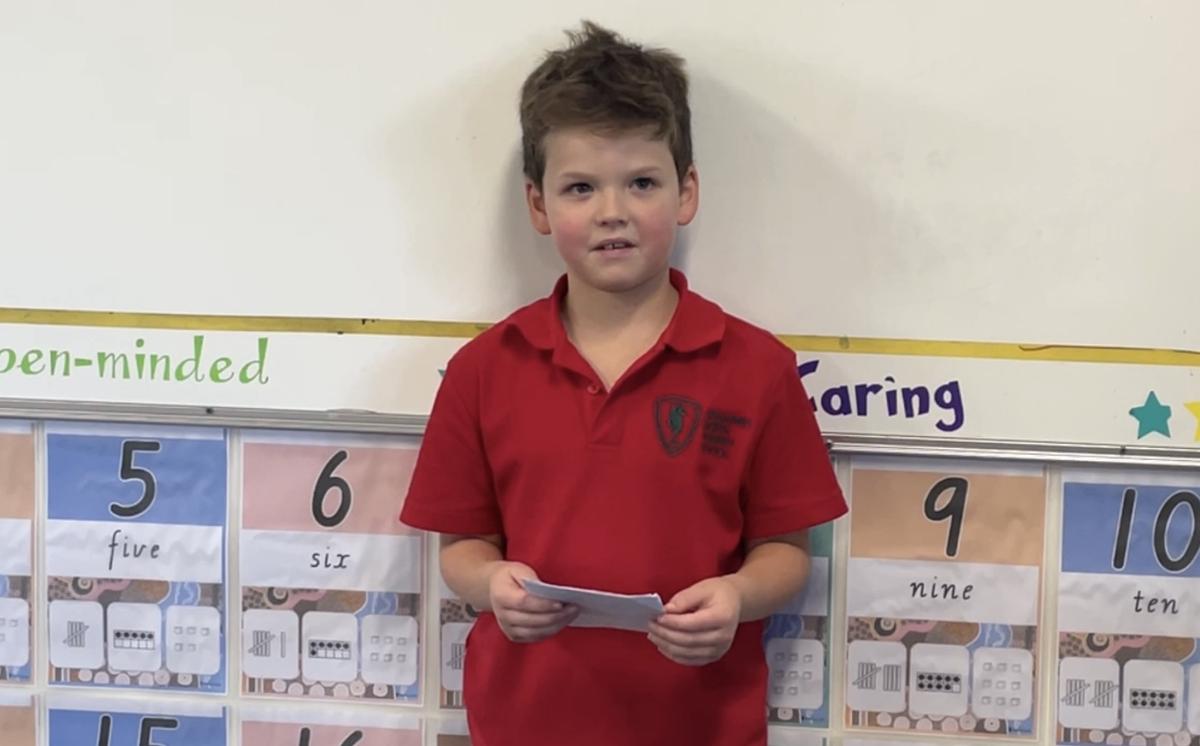
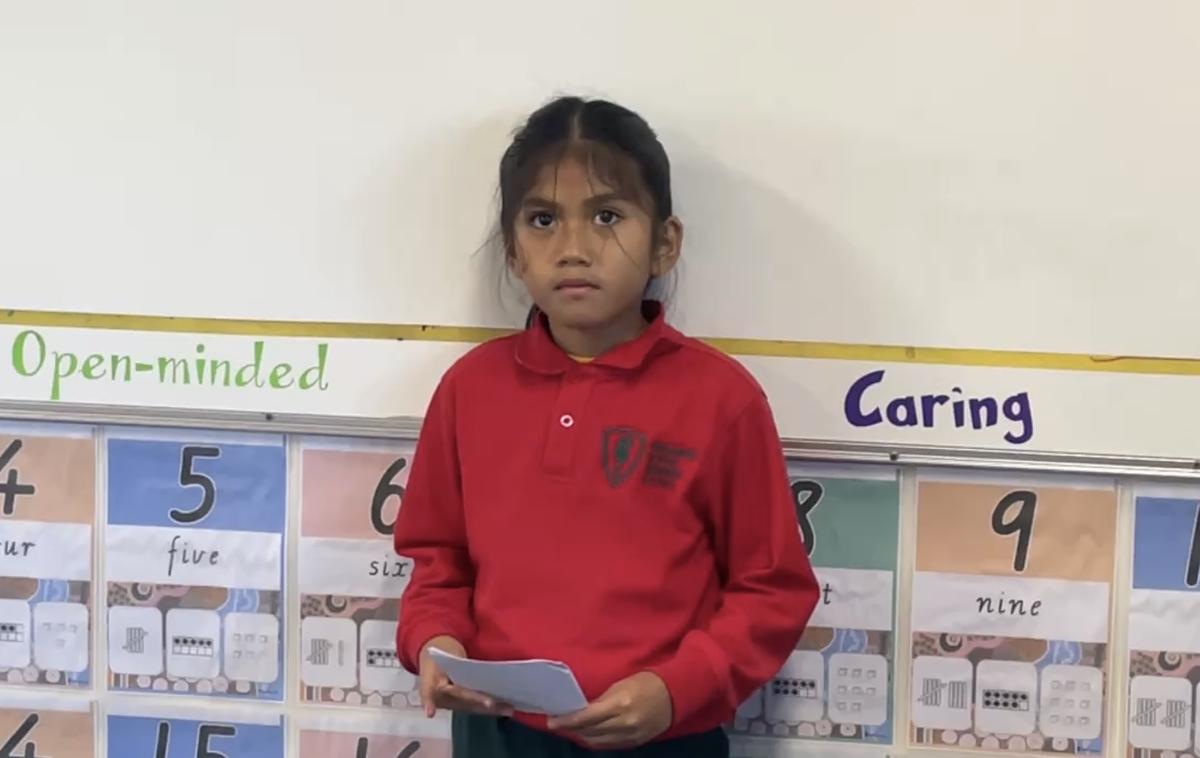
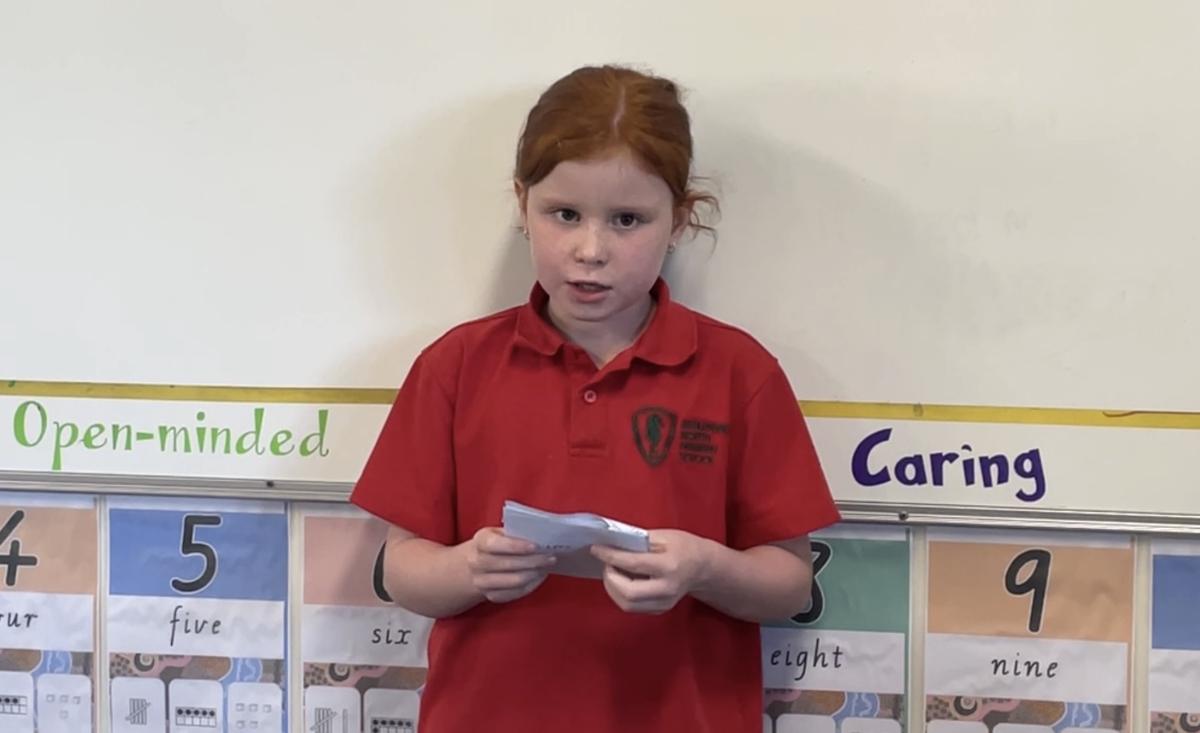
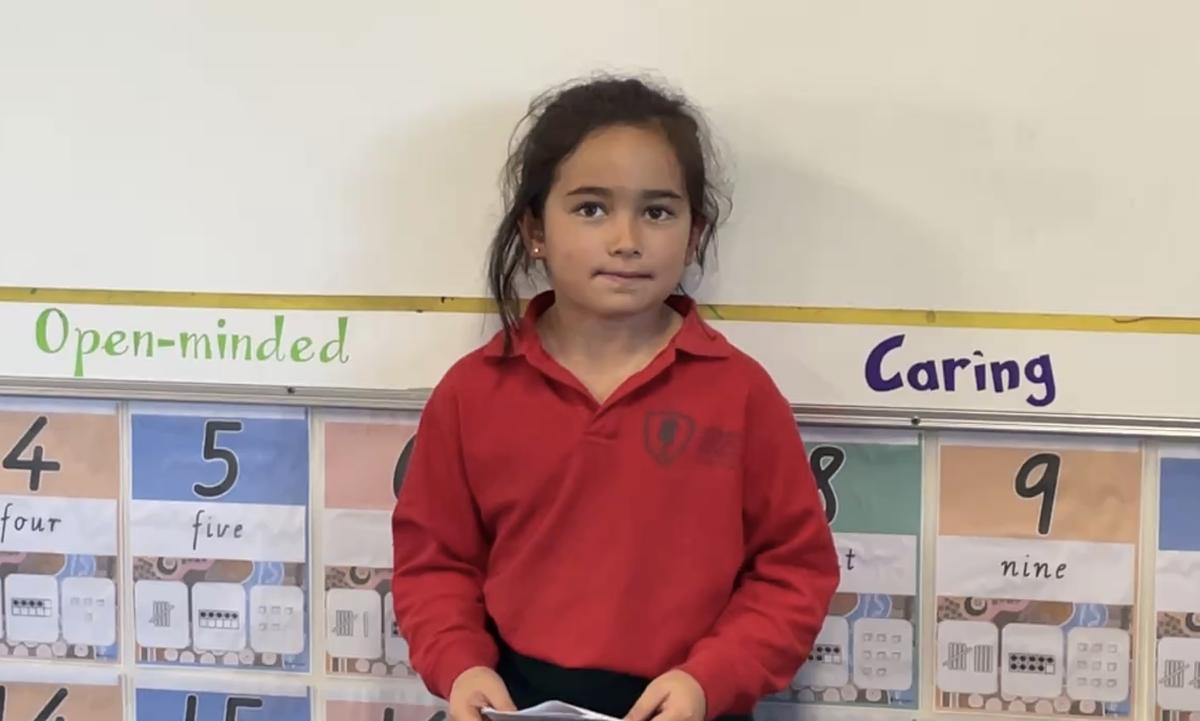
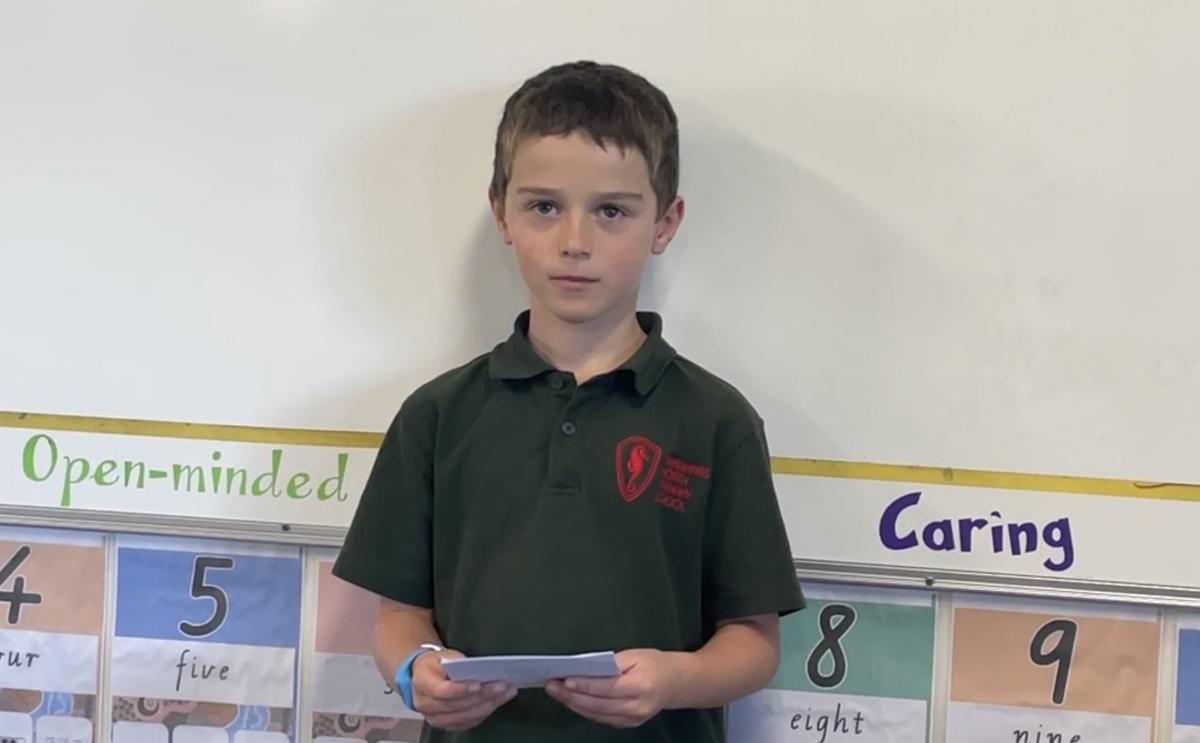
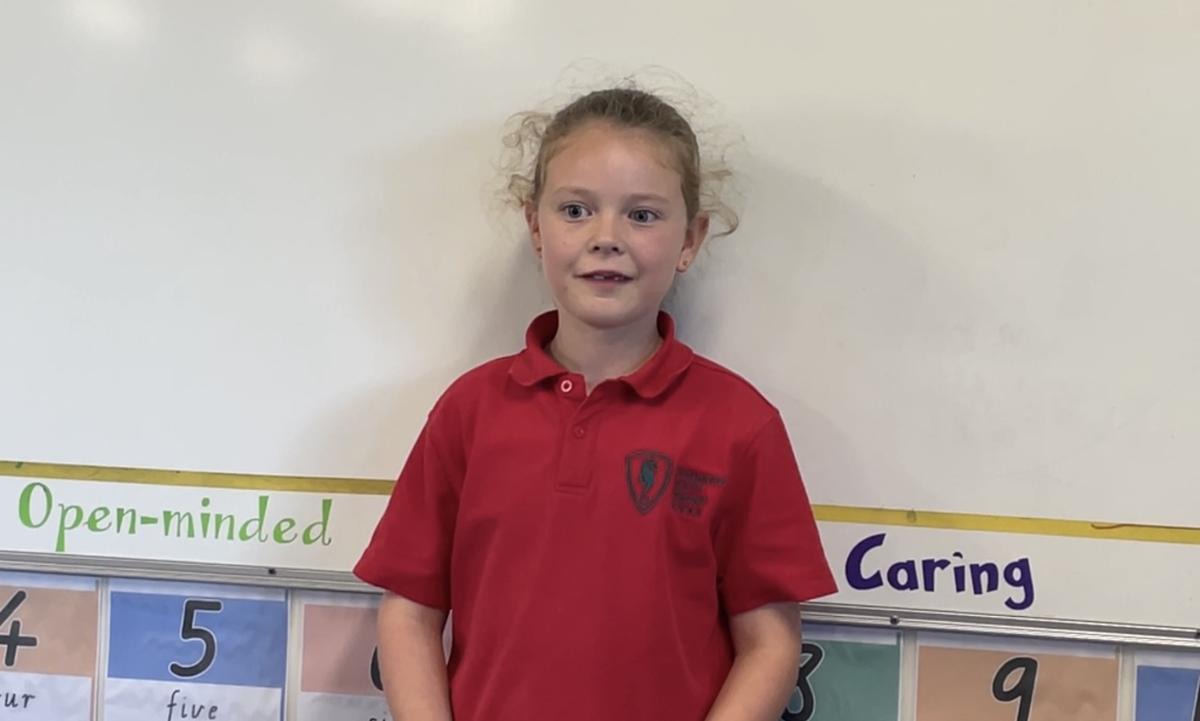
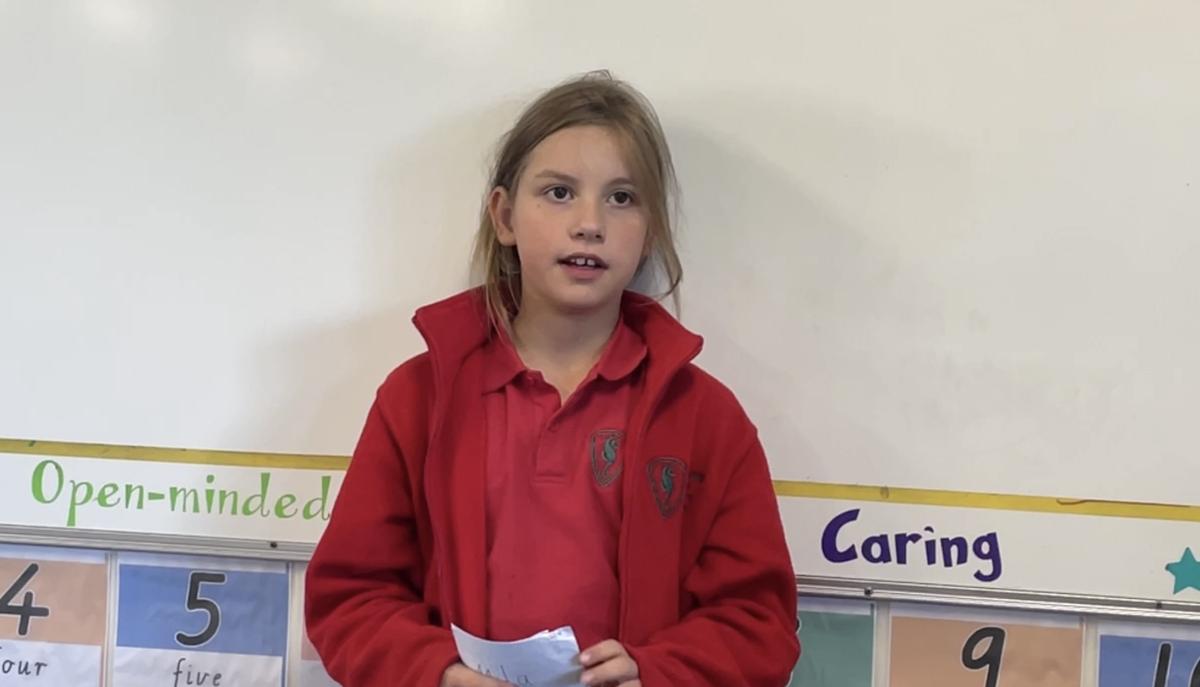
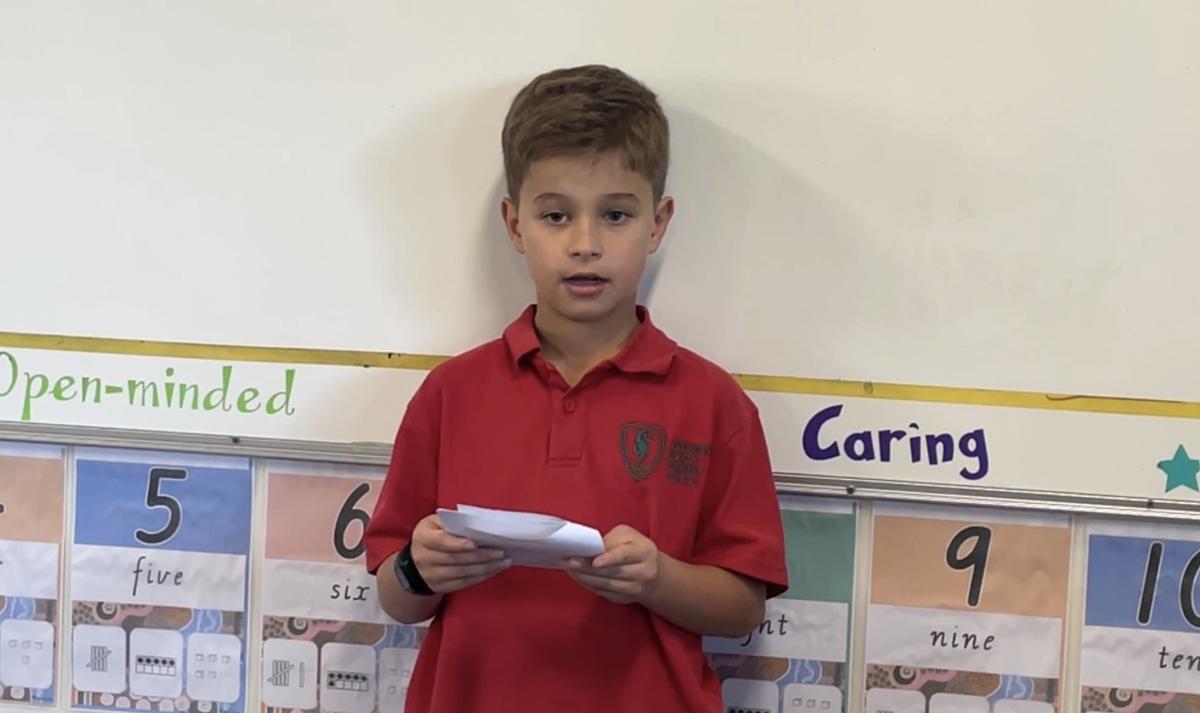
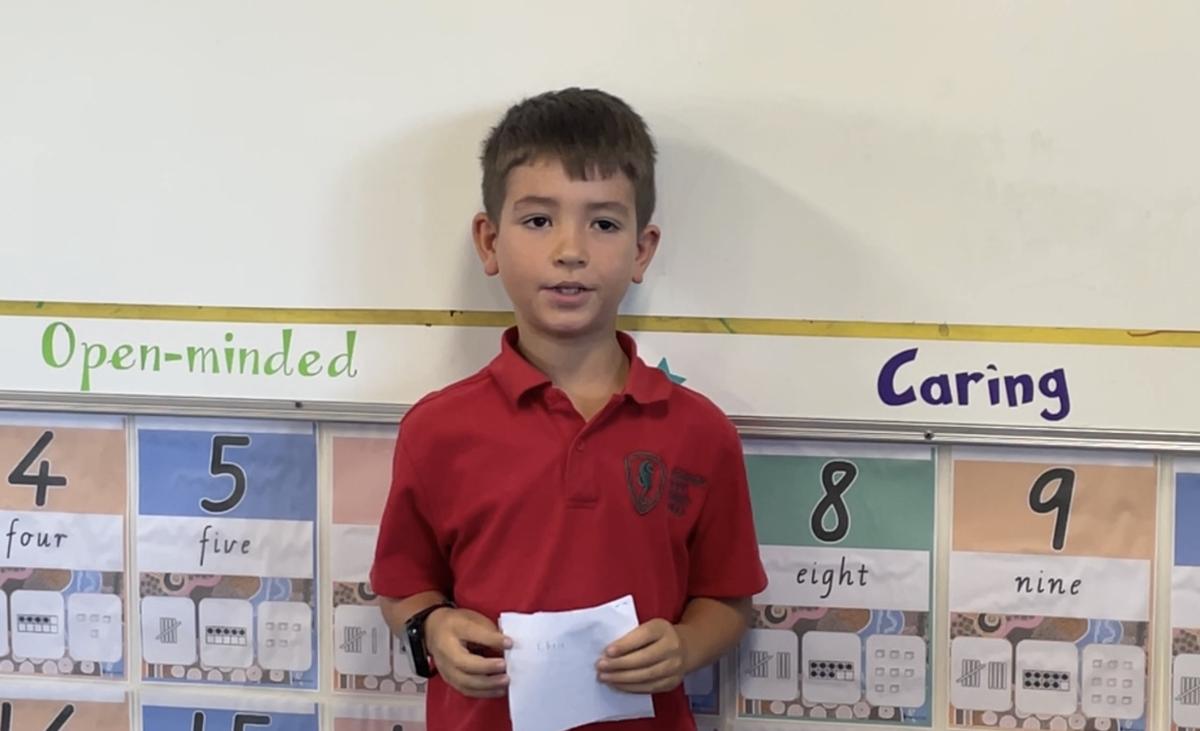
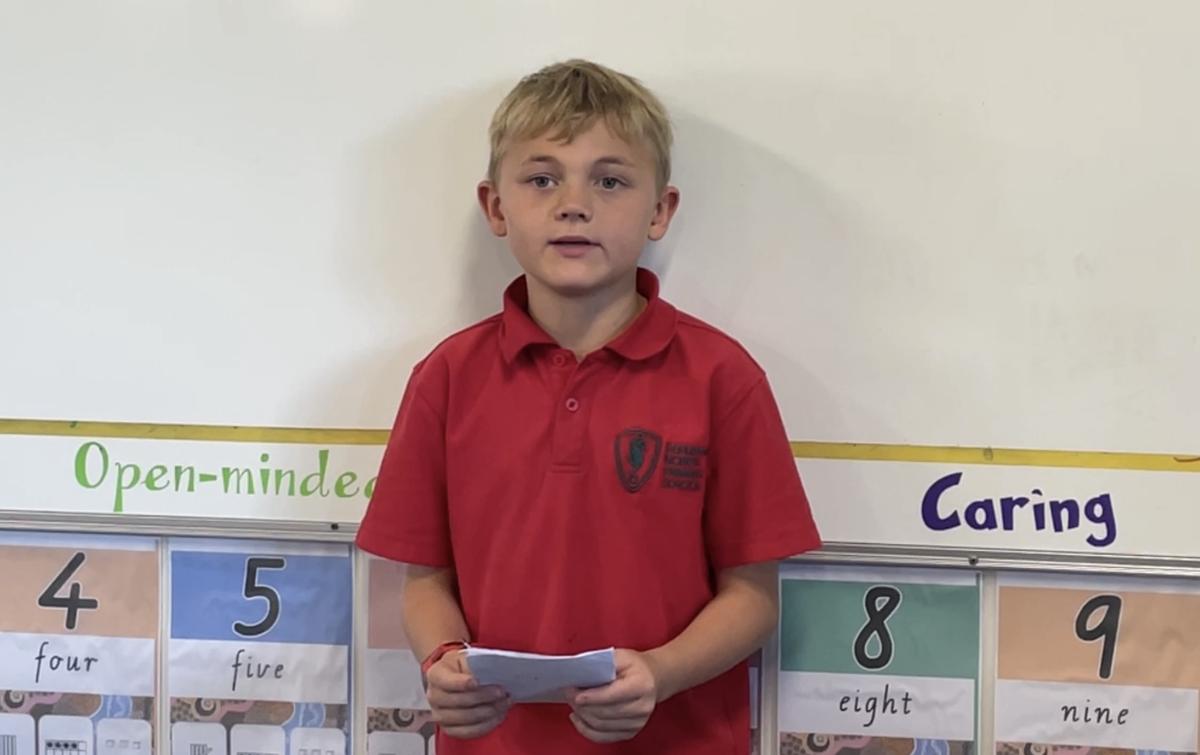
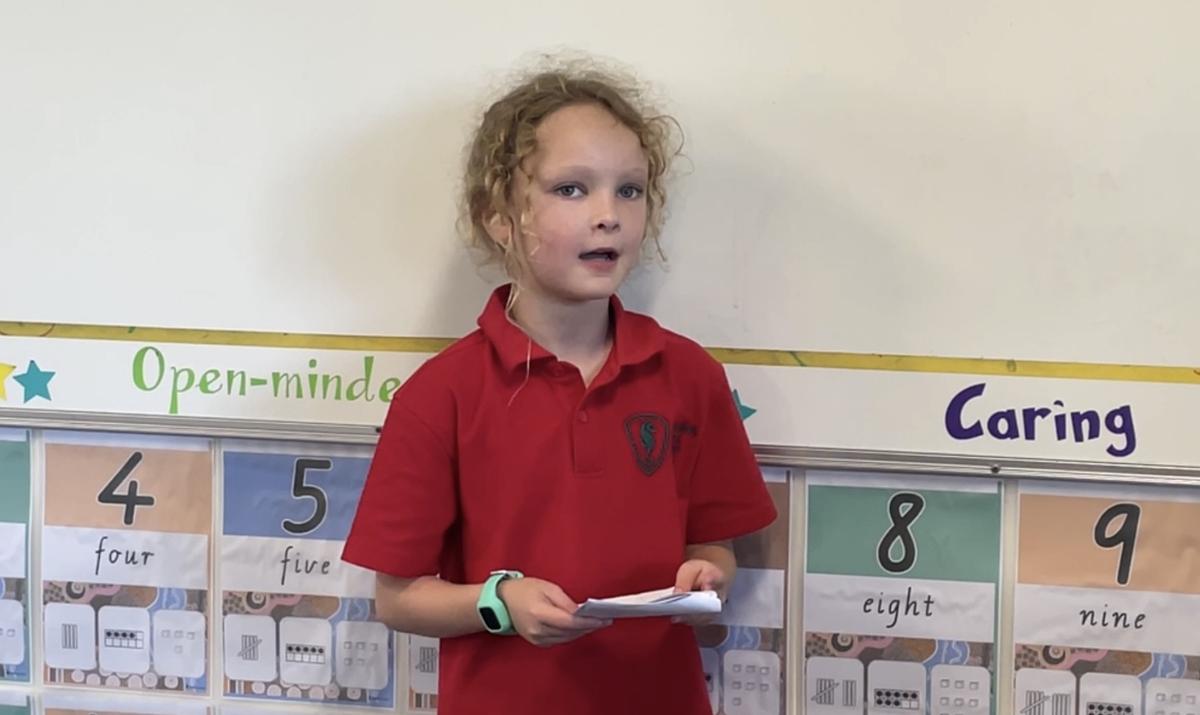
Once we have completed our oral presentations, we will be moving on to our next unit – Where we are in place and time – The past influences our present and future.
What We Are Learning Next
Phonics Plus
Grapheme–phoneme correspondences (GPCs):
‘ph’ making the /f/ sound, as in ‘phone’, ‘phonics’, ‘phoenix’ and ‘graph’
‘oo’ as in ‘cook’, ‘hood’ and ‘bookshop’.
Text Study
Max and Queenie, the Bantum by Bob Graham
We are:
Understanding and identifying character traits
Identifying and describing characters emotions
Creating a character profile
Identifying and responding to character’s challenges.
Punctuation and Grammar
We are:
Replacing nouns and pronouns
Identifying and using pronouns in a sentence
EMP – Explicit Maths Program
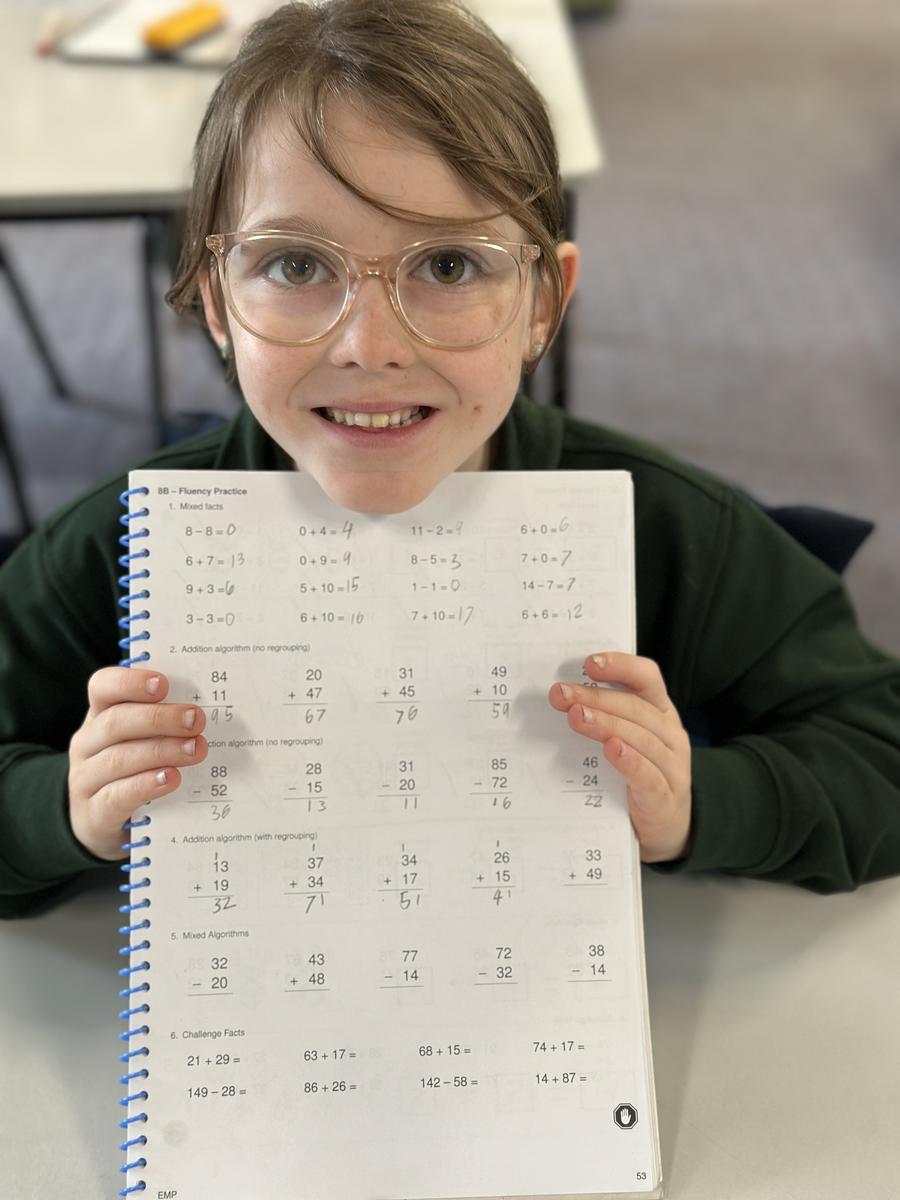
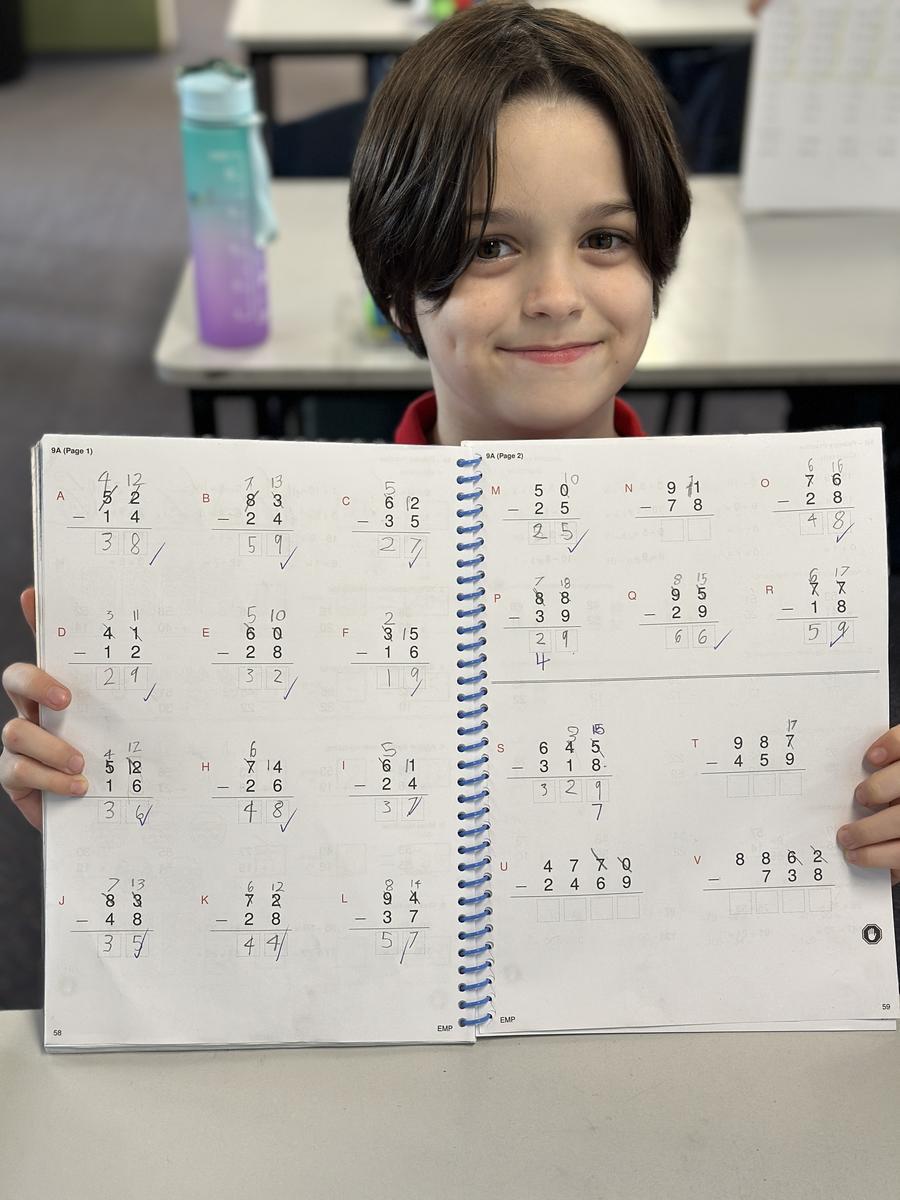
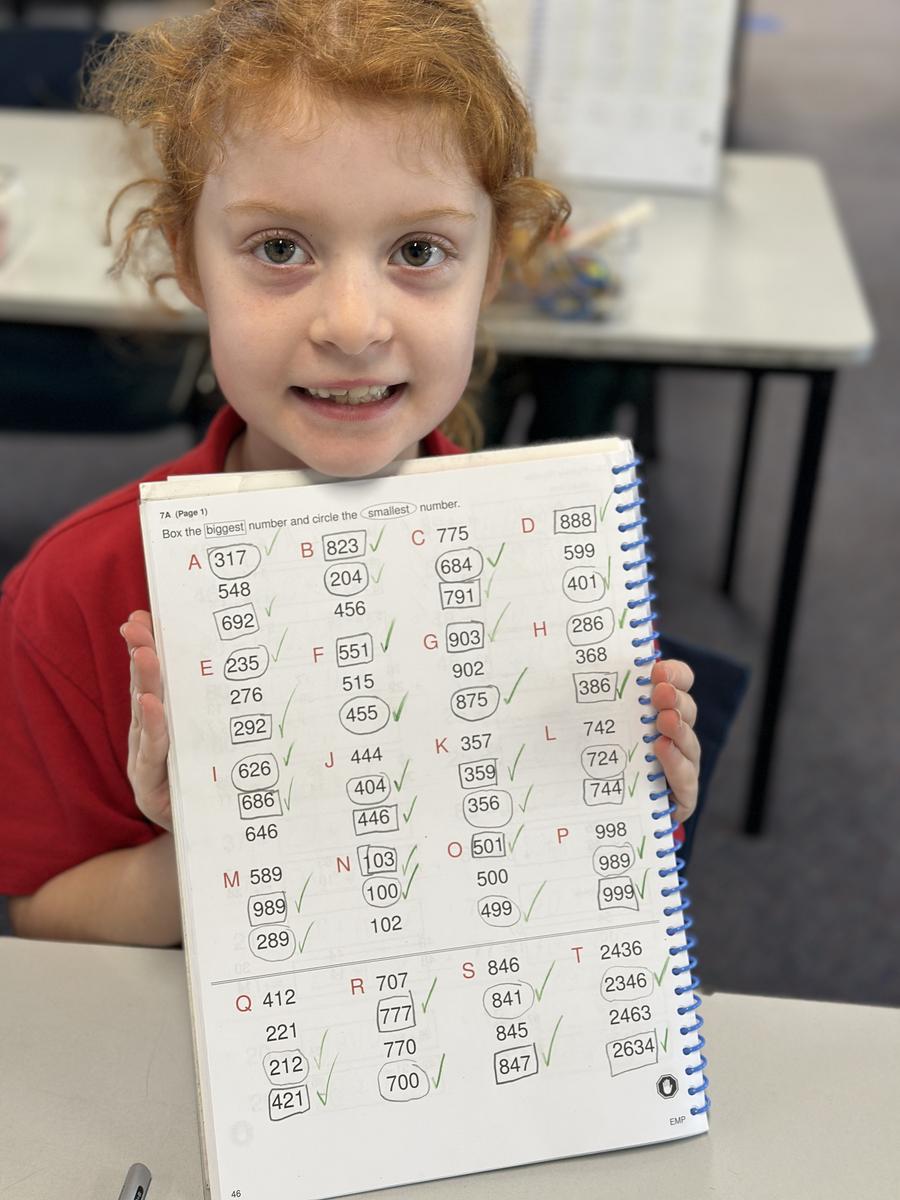
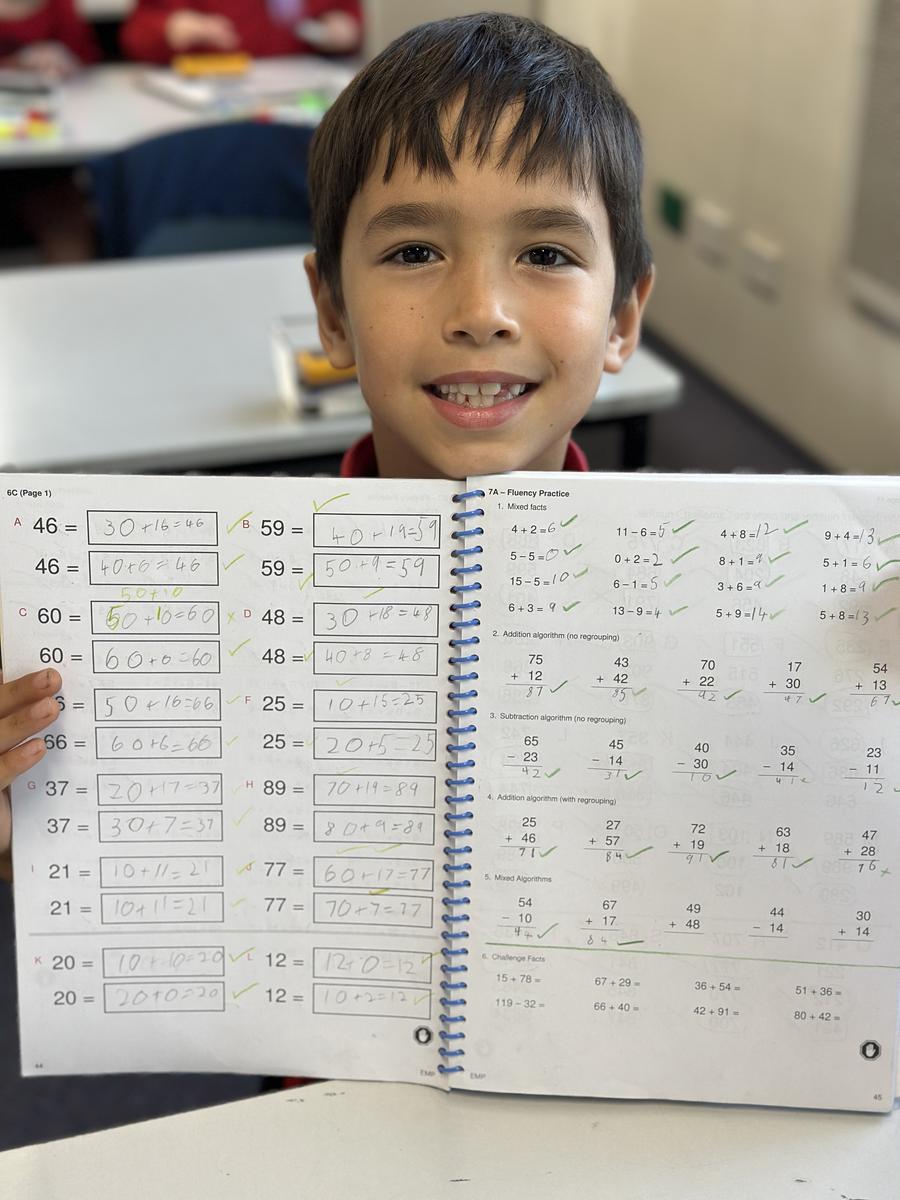
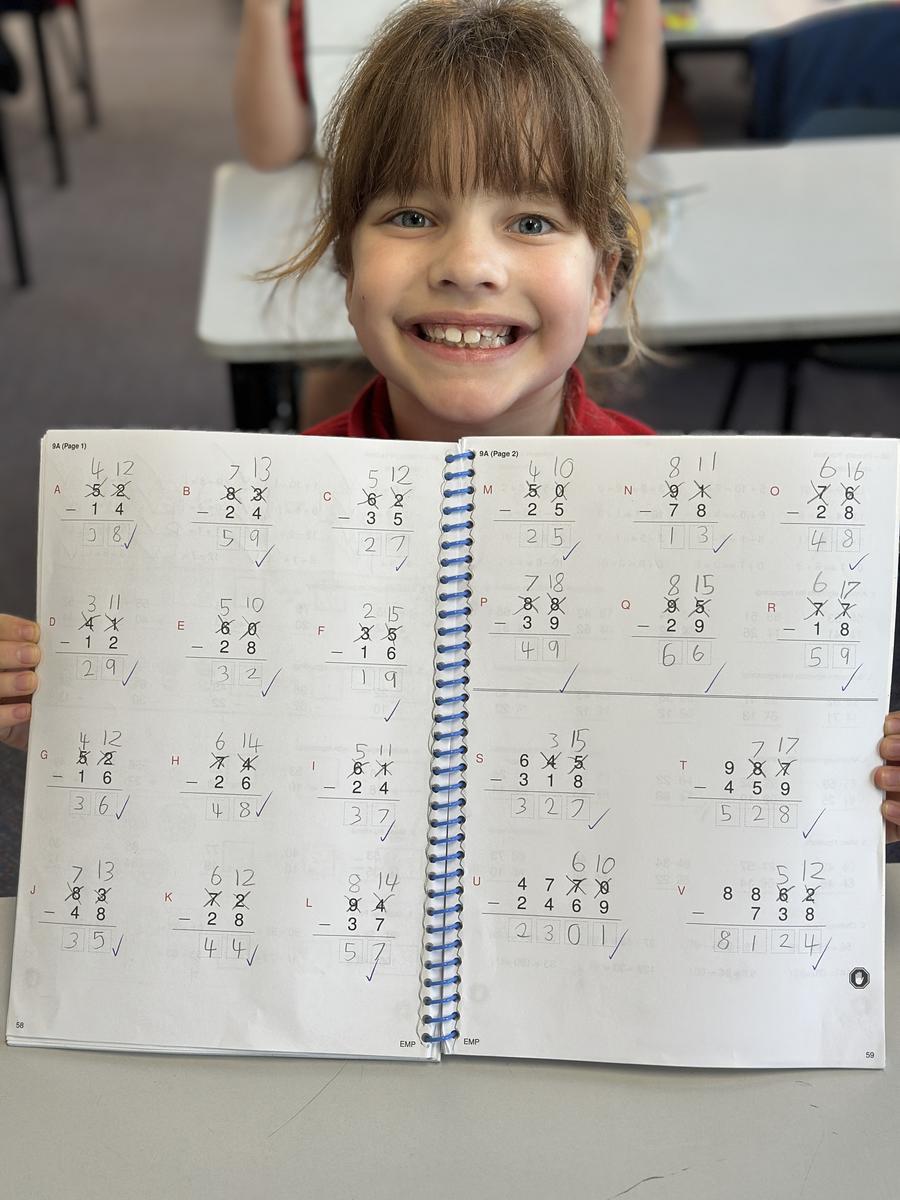
We are:
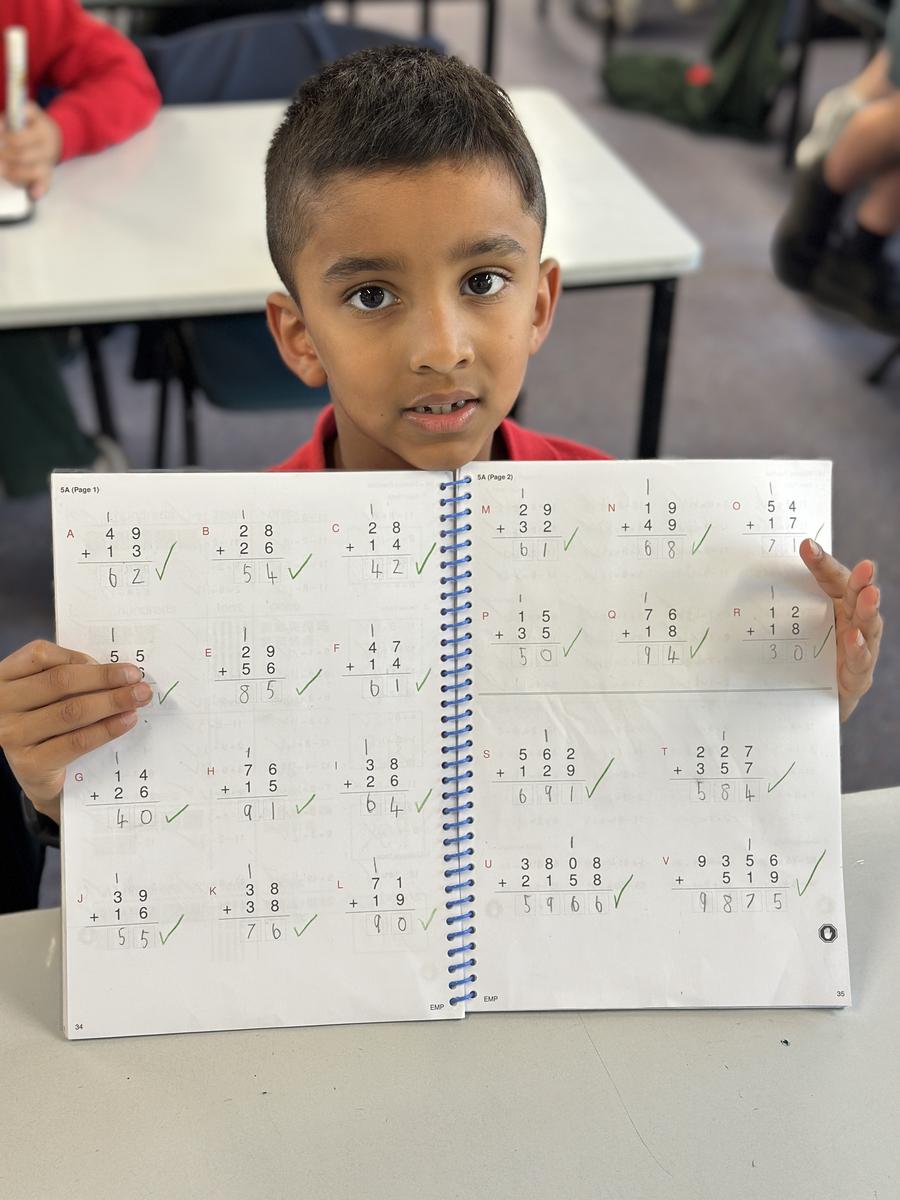
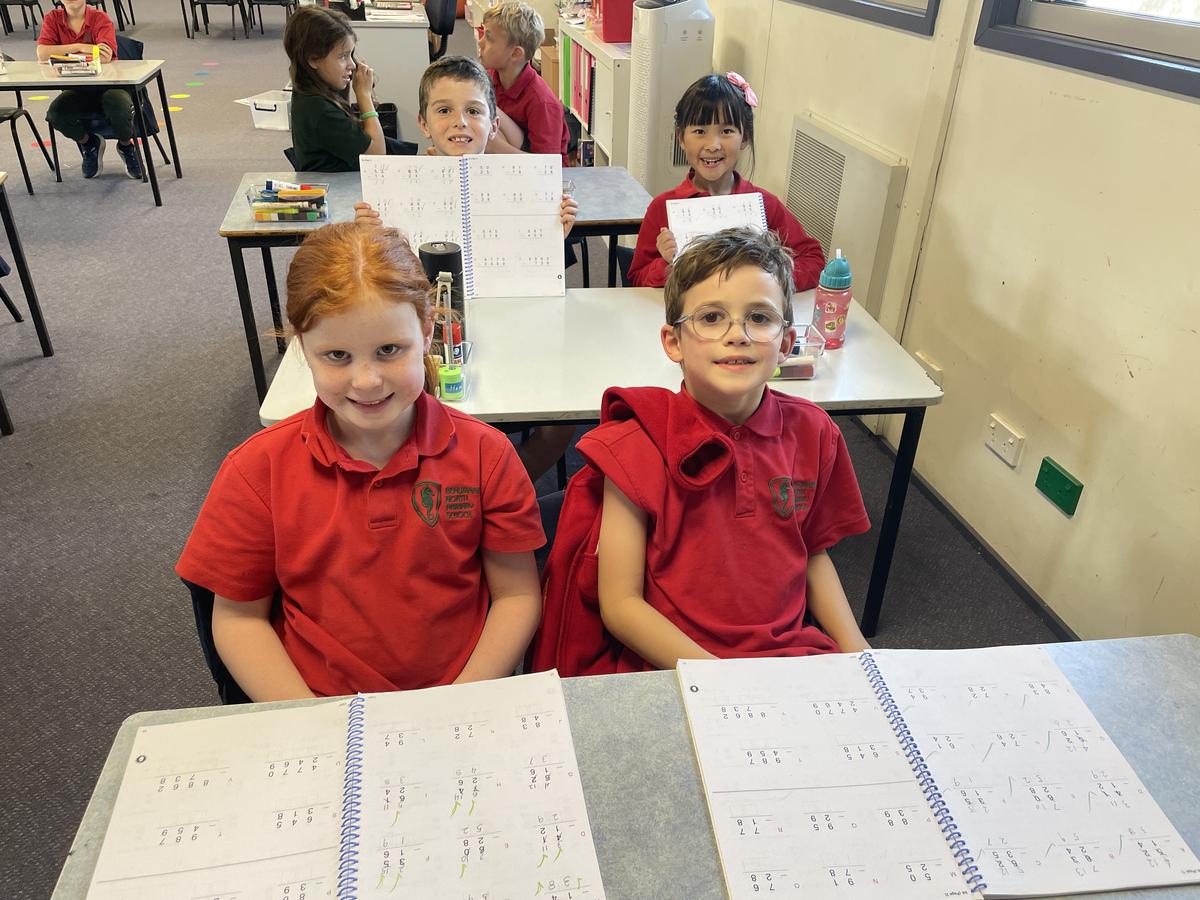
Consolidating counting with equal groups
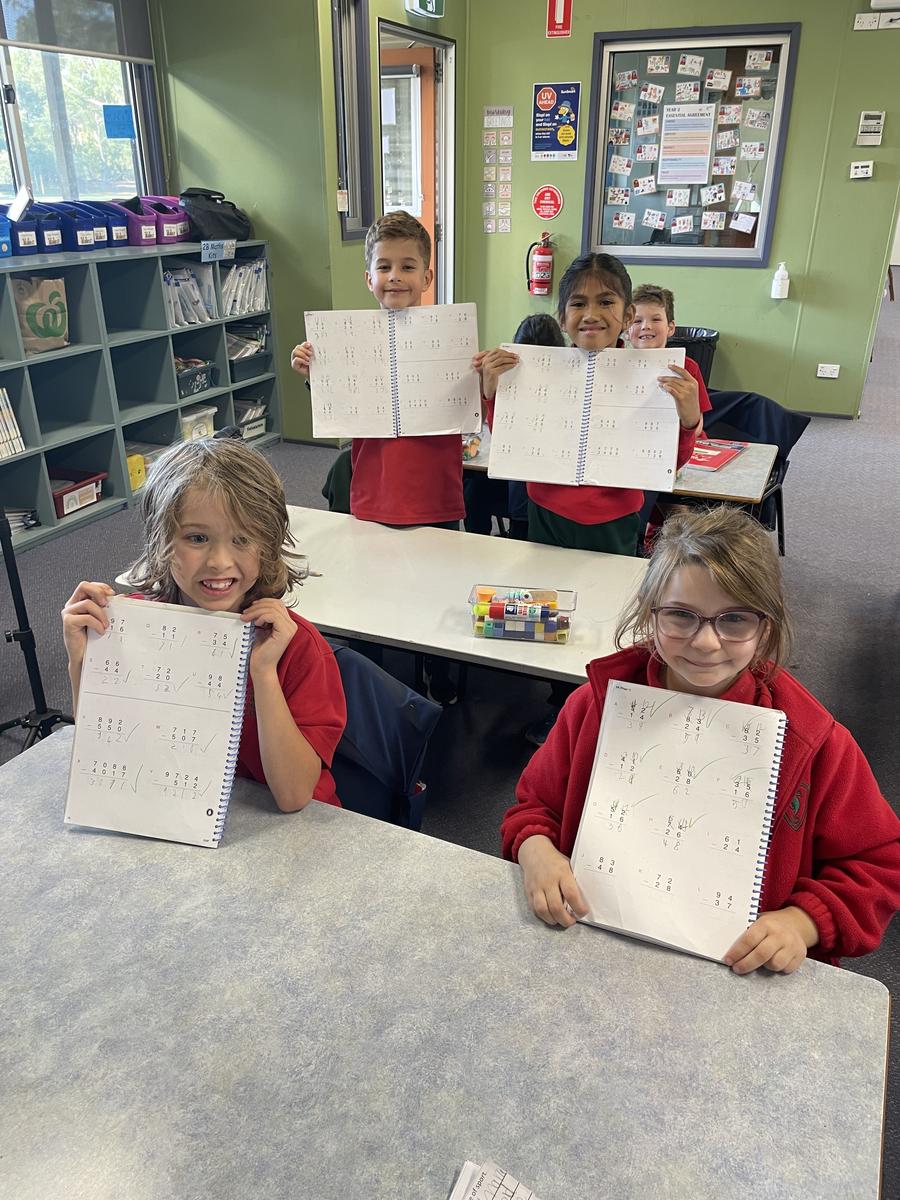
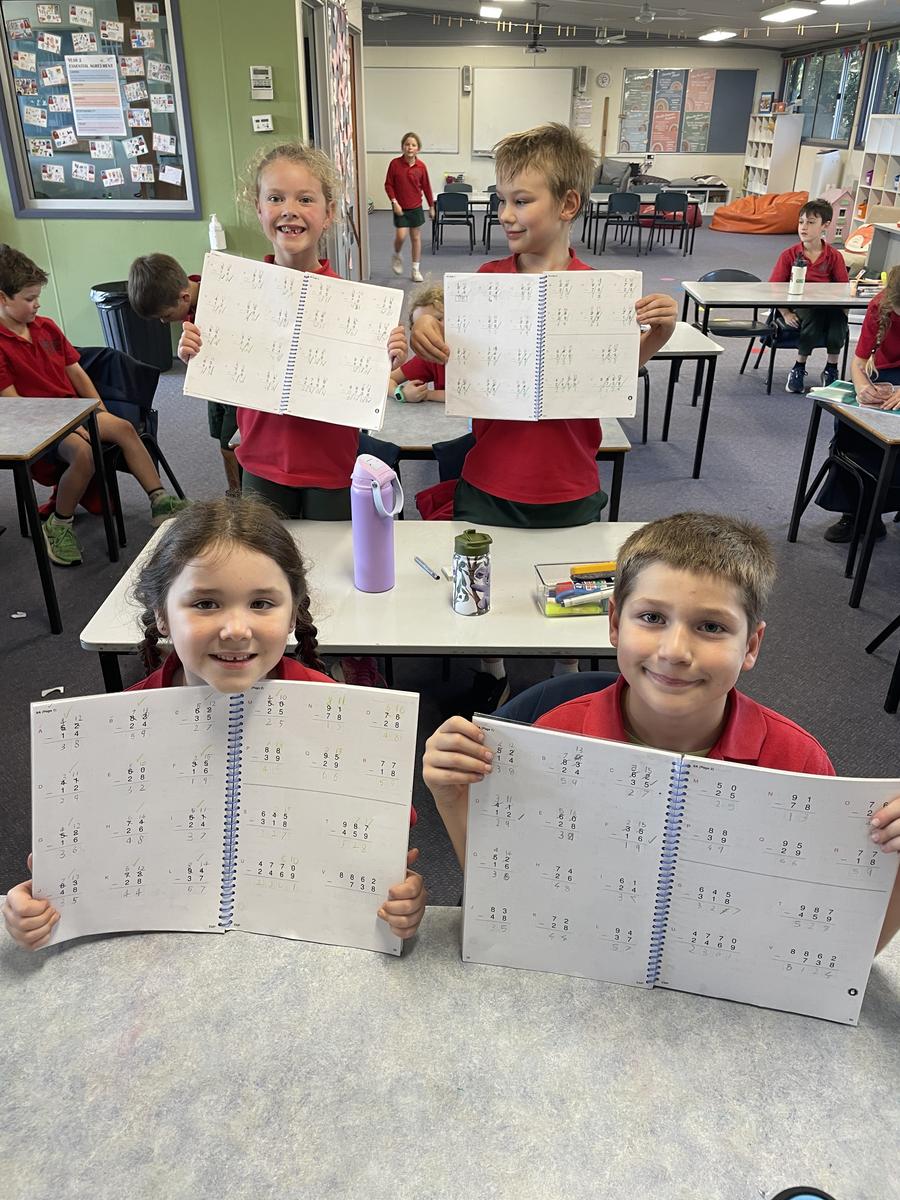
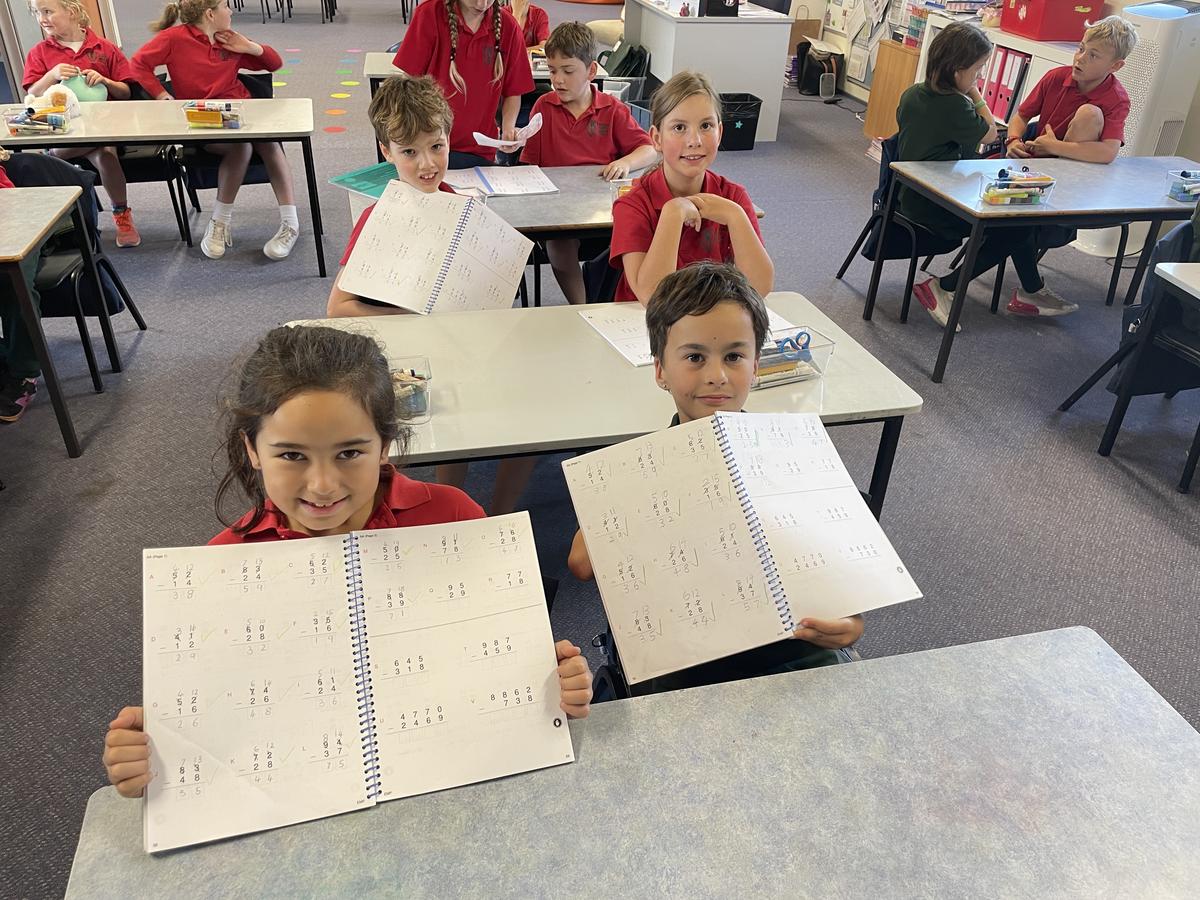
Beginning to learn how to subtract with regrouping
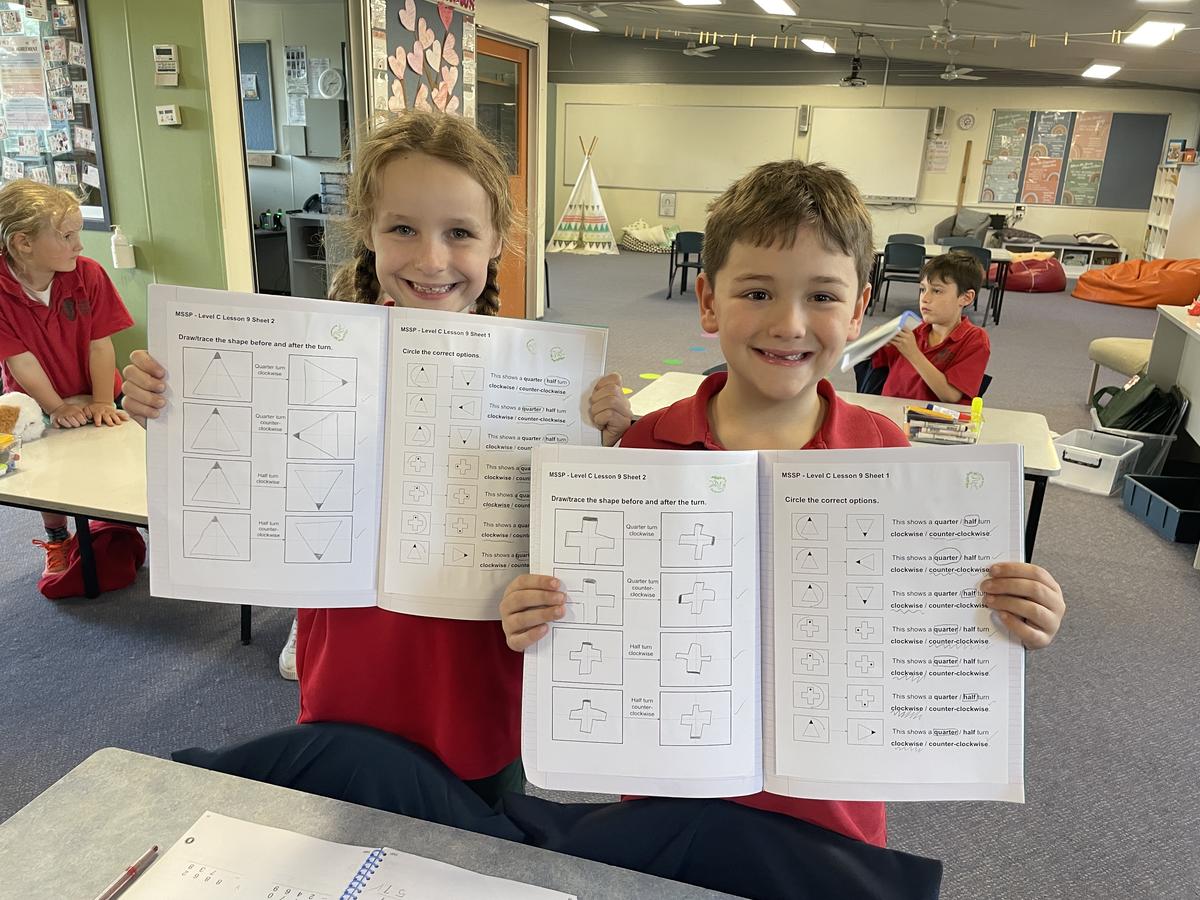
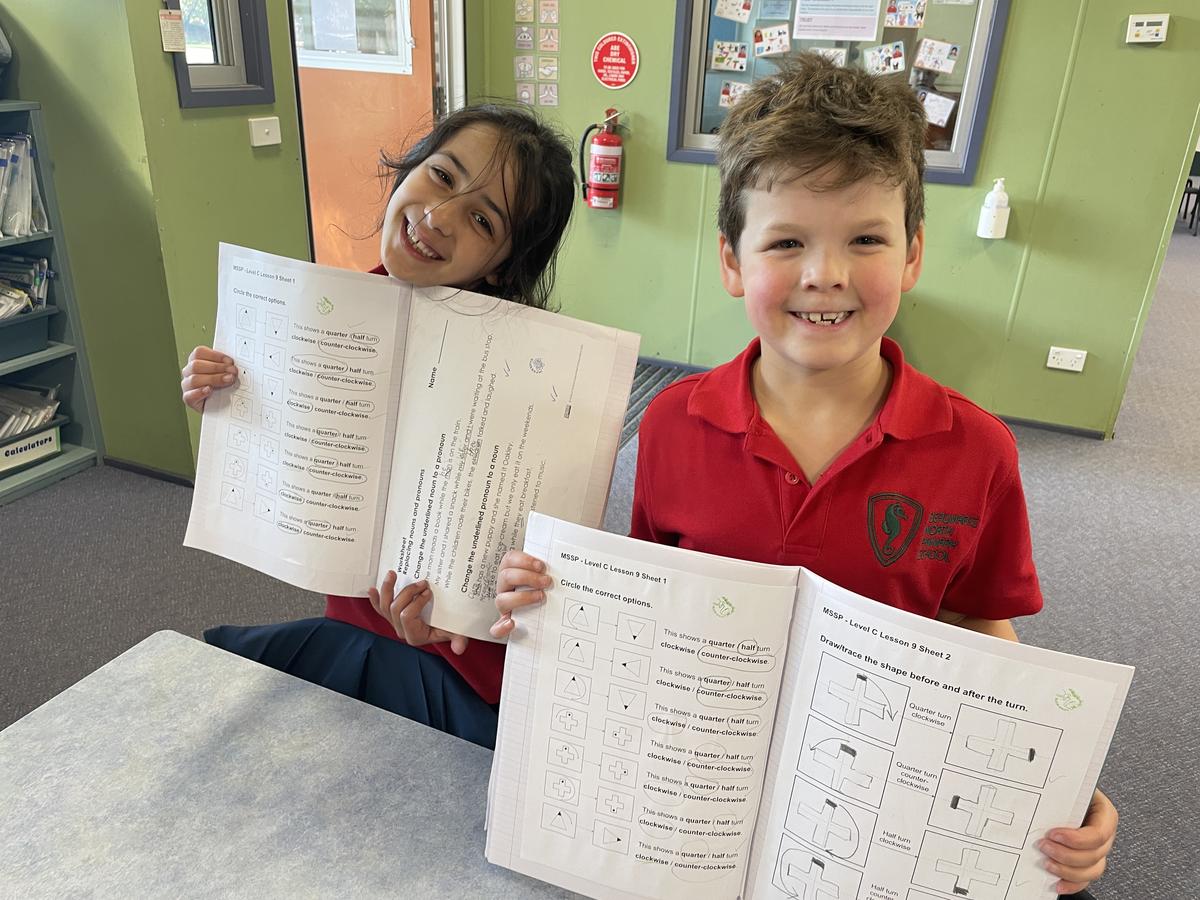
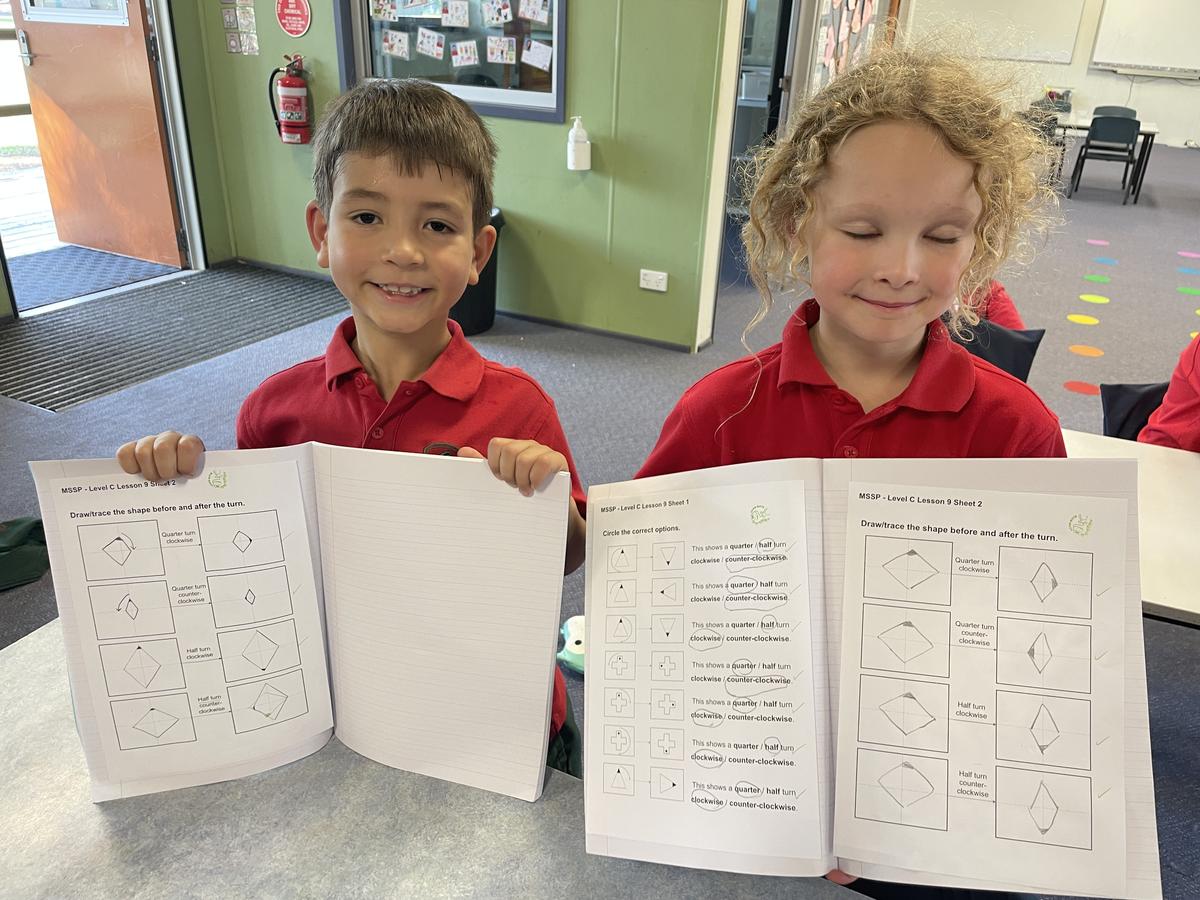
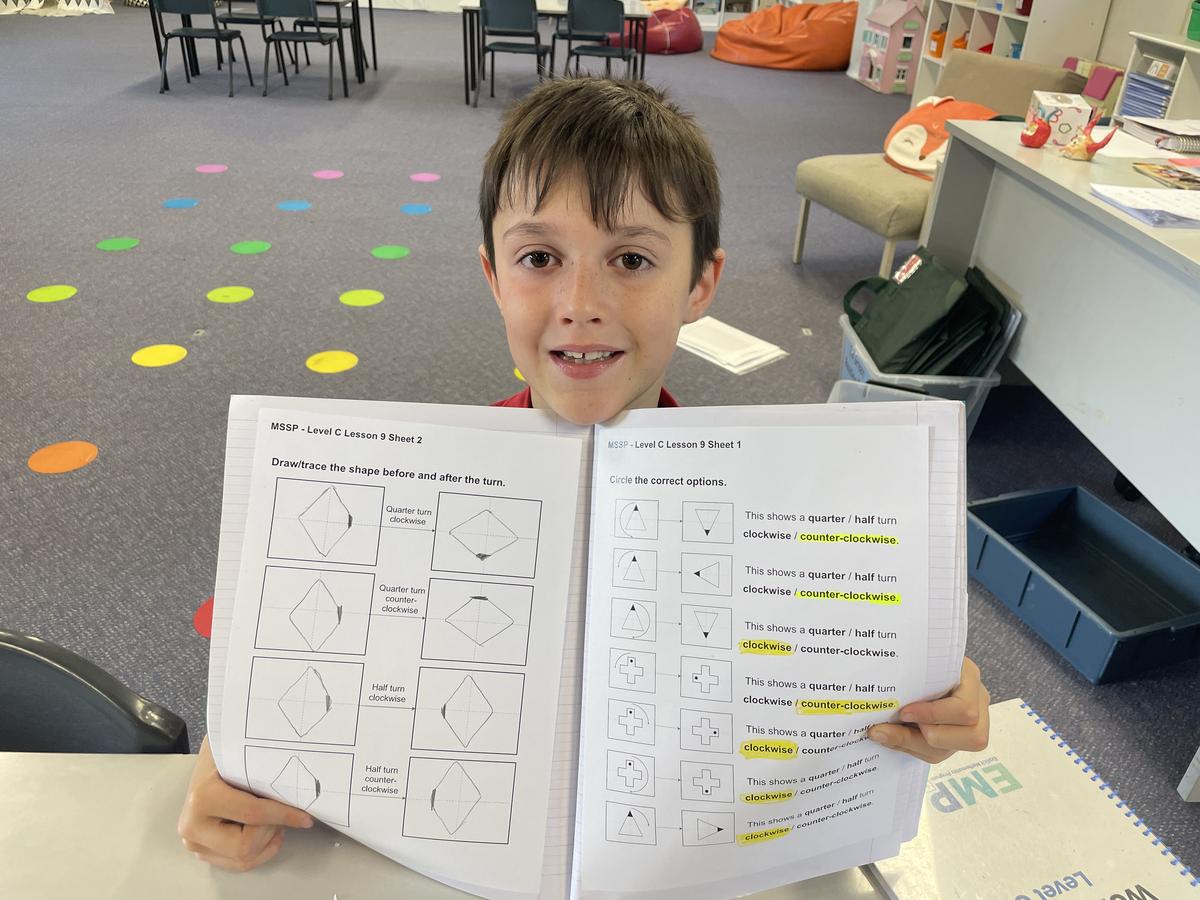
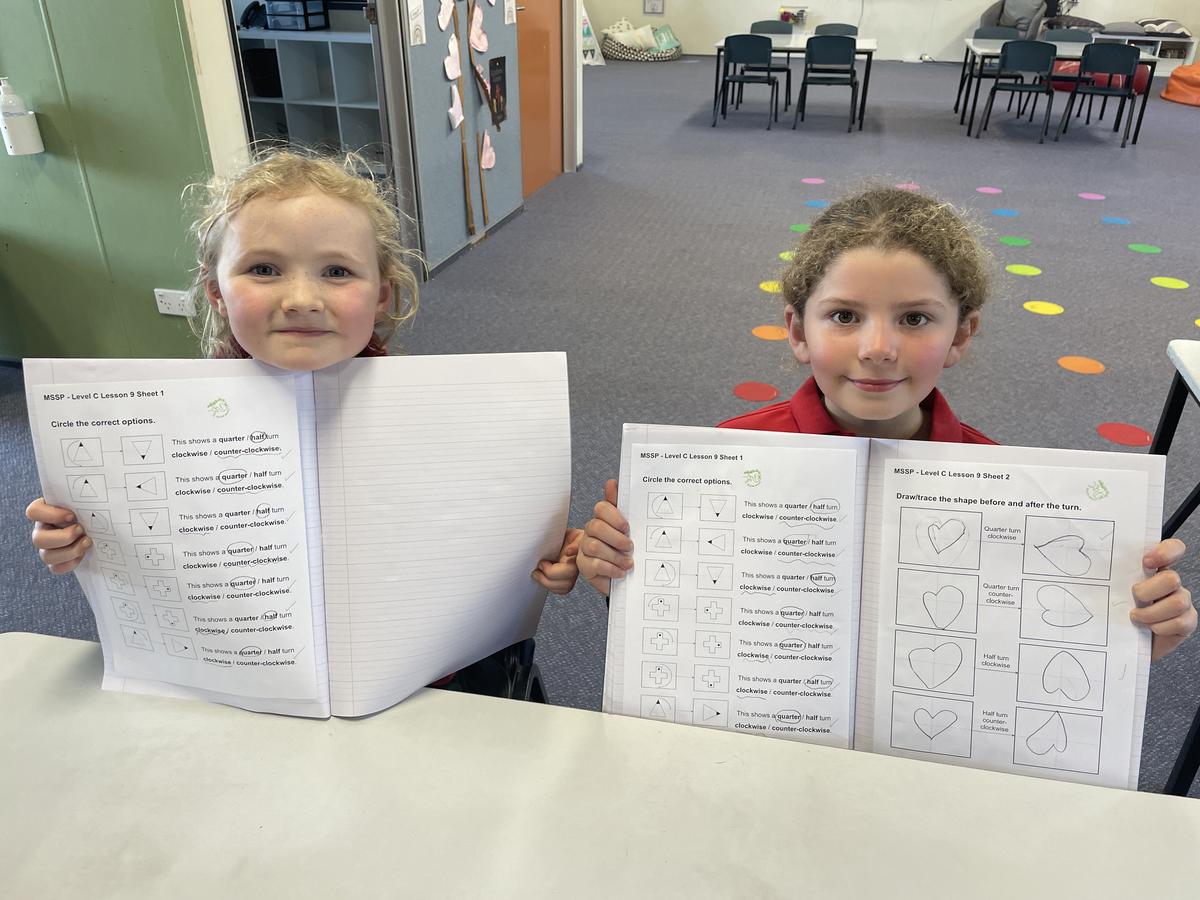
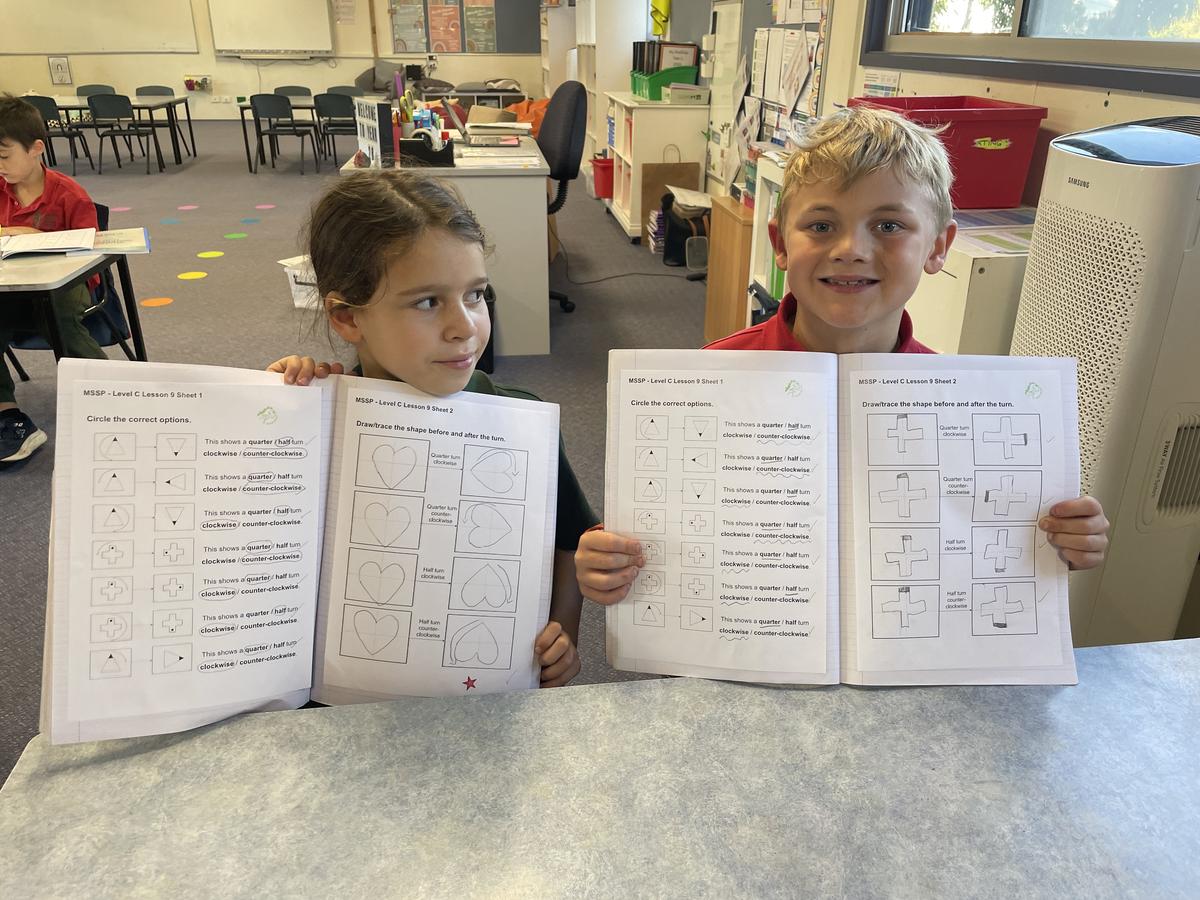
2D Shapes – half and quarter turns
Ordering 3-digit numbers
Time using formal units of seconds, minutes and hours
Please see some ‘Maths at home’ ideas which will help your child immensely:
Practise skip counting by 2s, 3s, 4s, 5s and 10s
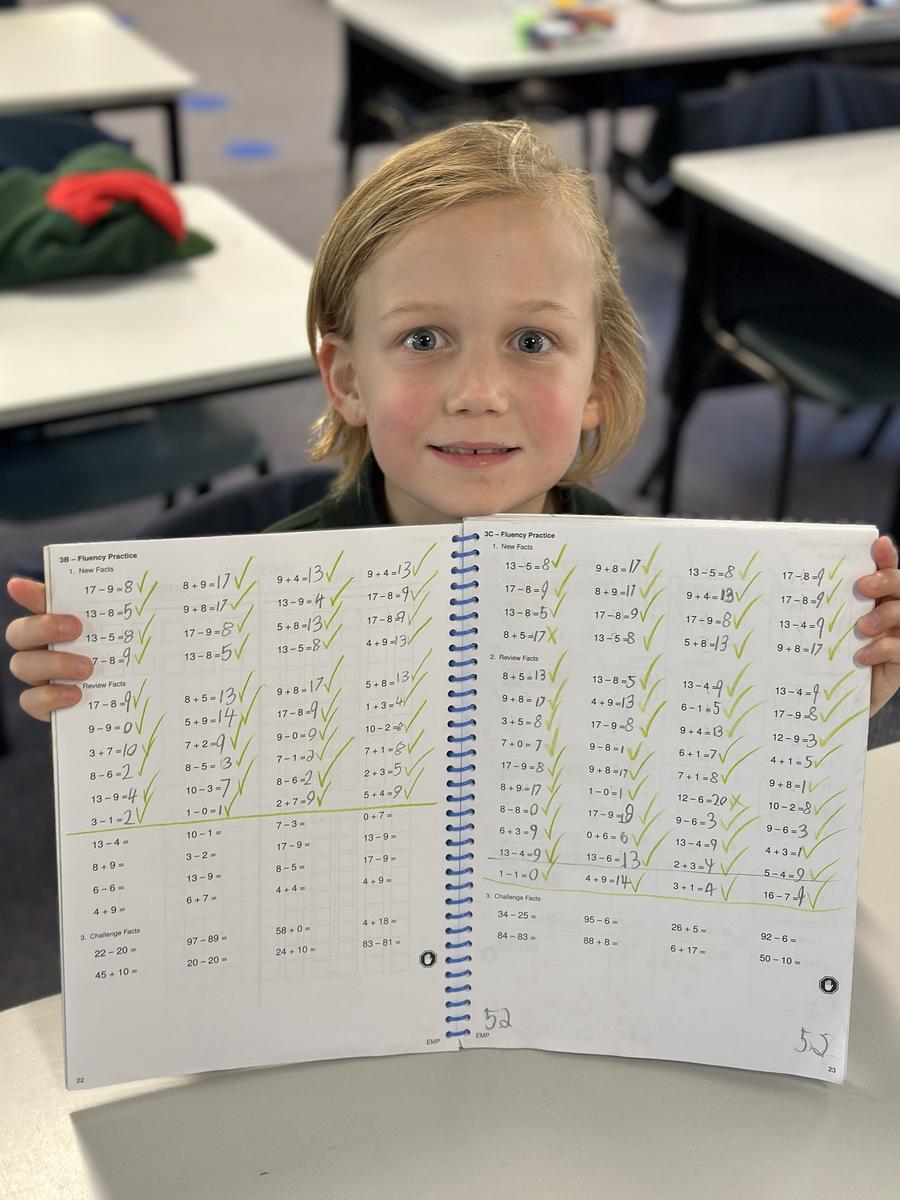
Practise maths fluency, which involves asking your child to quickly and accurately solve simple addition and subtraction problems using numbers between 0 and 20.
Discussing what a quarter and half turn looks like, and practise turning objects by one quarter or one half
Please keep your eye out for Compass posts guiding you to continue to support your child in their ‘Maths at home’.