
Year 1 News
Learning Celebrations
Literacy
Over the past two weeks in our Phonics sessions, students have been focusing on the grapheme–phoneme correspondences (GPCs) ‘sh’, ‘ch’, and ‘ng’. A GPC refers to the relationship between letters and the sounds they represent, and understanding these patterns supports students in becoming more confident readers and spellers.
Students have been using letter tiles to build words and have practised reading and spelling simple words that include these patterns. They have also been segmenting words using actions such as karate chop and heads and shoulders to help break words into individual sounds. Students are utilising their mini whiteboards by practising spelling words and sentences.
Some of our new high frequency words include; it’s, see, very, look, don’t, because and children. Students have continued to develop their reading fluency by reading to a partner and then listening to and tracking their partner as they read. By re-reading carefully selected passages, students develop their accuracy, reading rate and expression.
Text Study
This week we have introduced the book Elmer’s Special Day by David McKee.
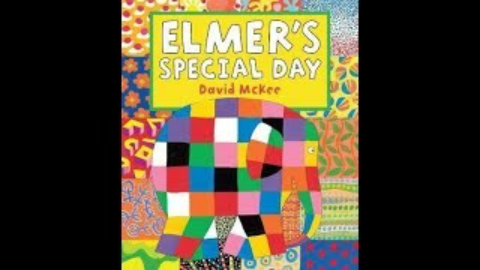
Elmer’s Special Day by David McKee explores themes such as individuality, inclusion and kindness. When the elephants' noisy preparations for their annual parade annoy the other jungle animals, Elmer changes the rules to include everyone, transforming the parade into a diverse, community-wide celebration.
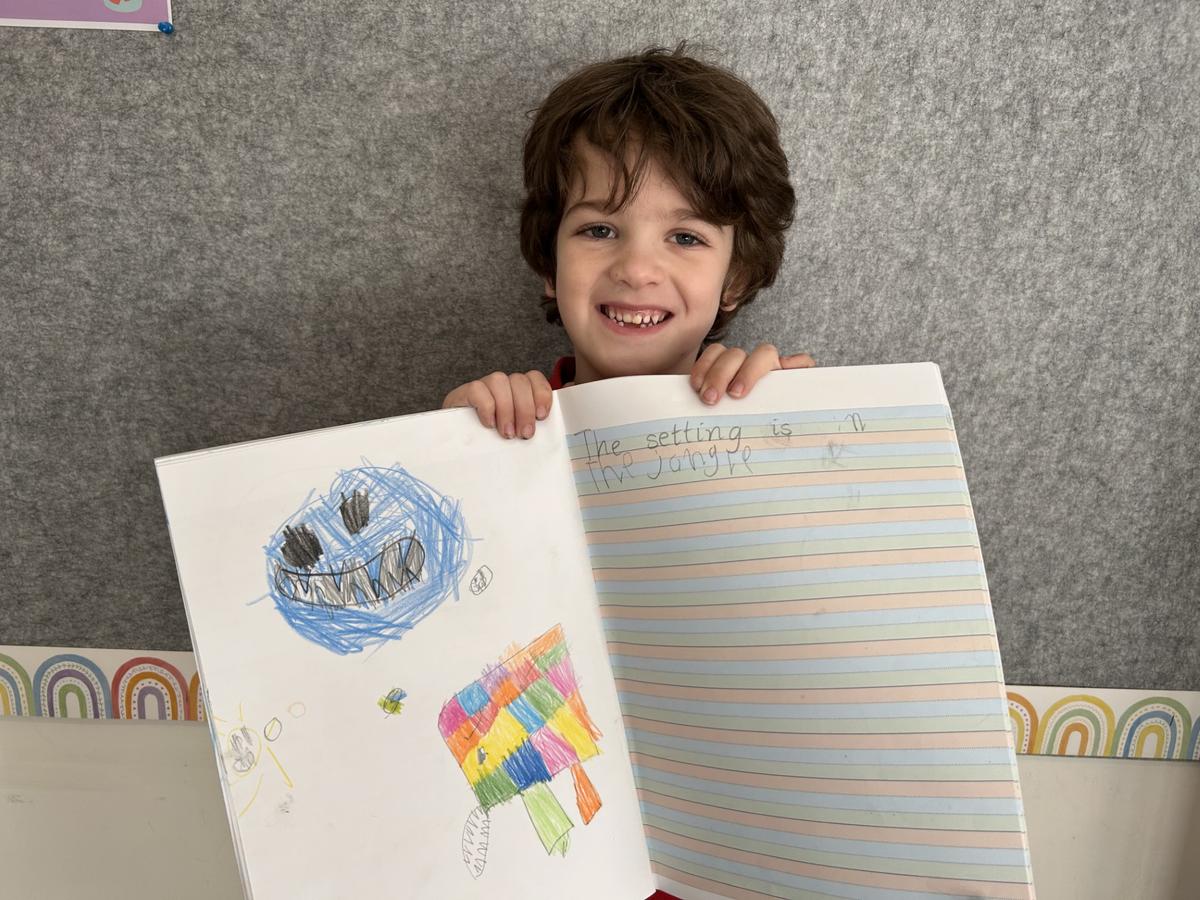
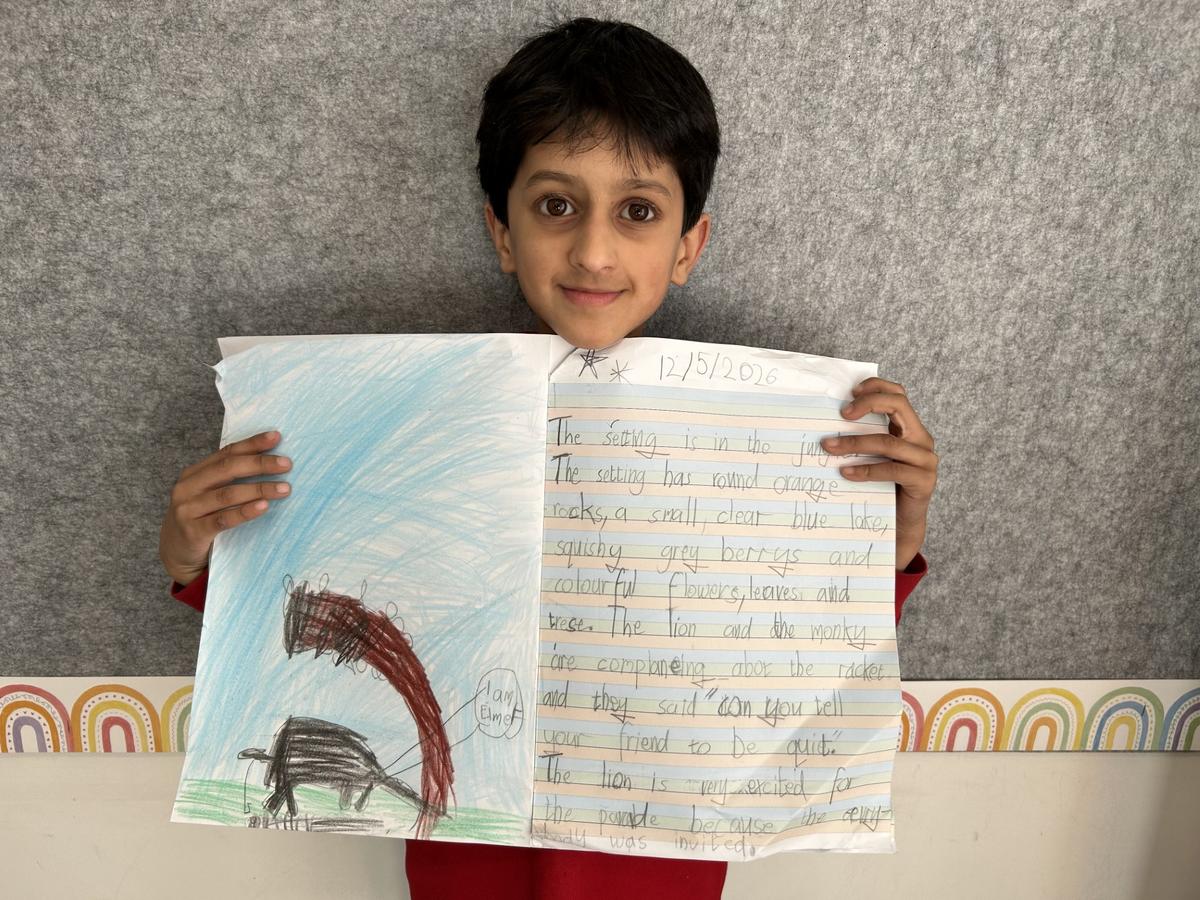
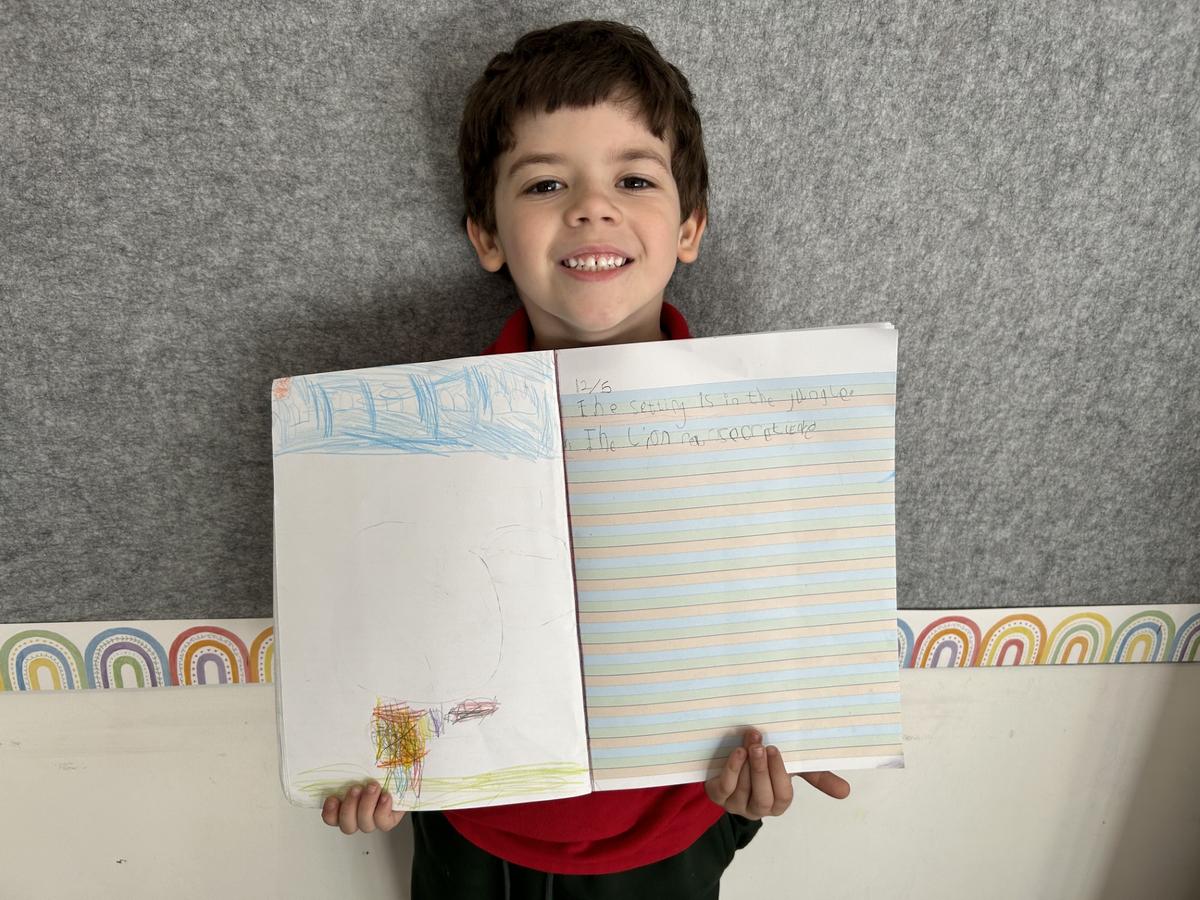
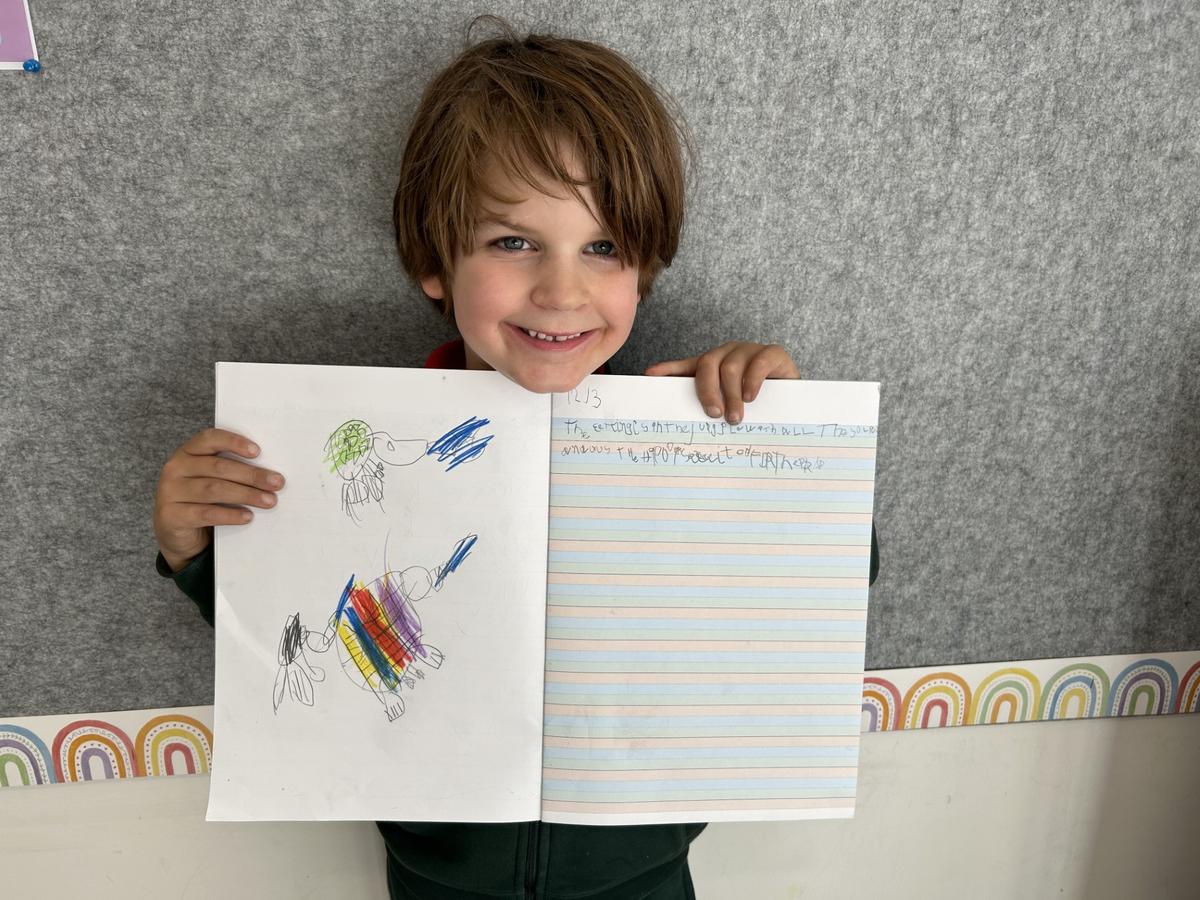
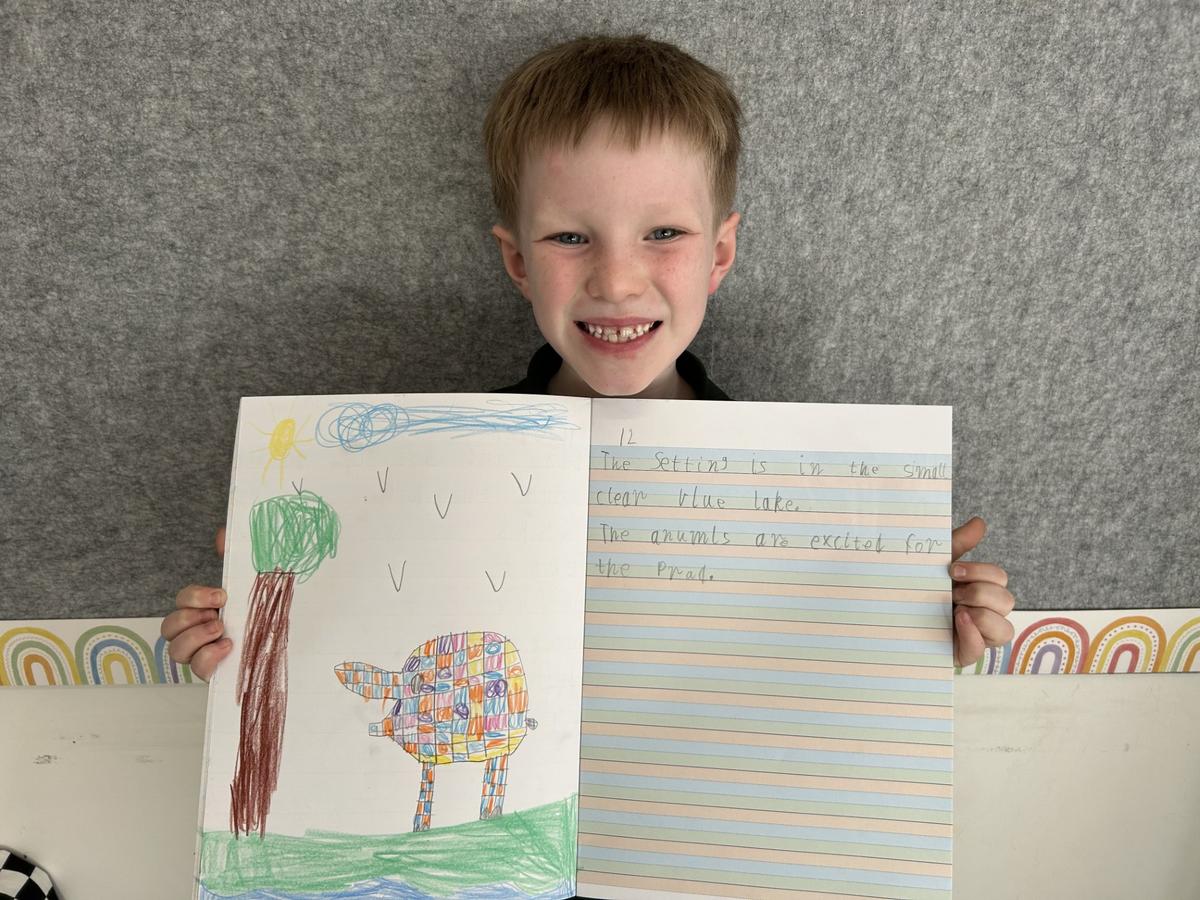
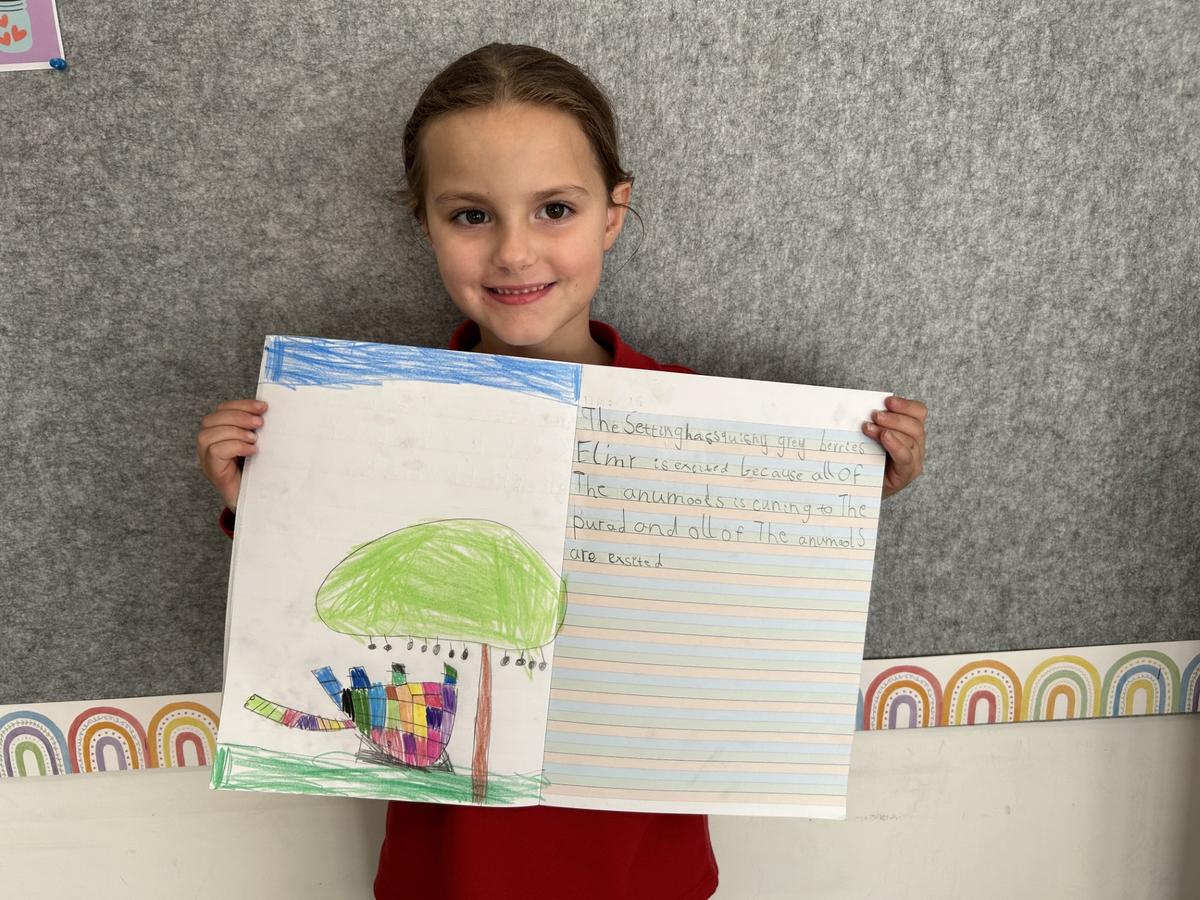
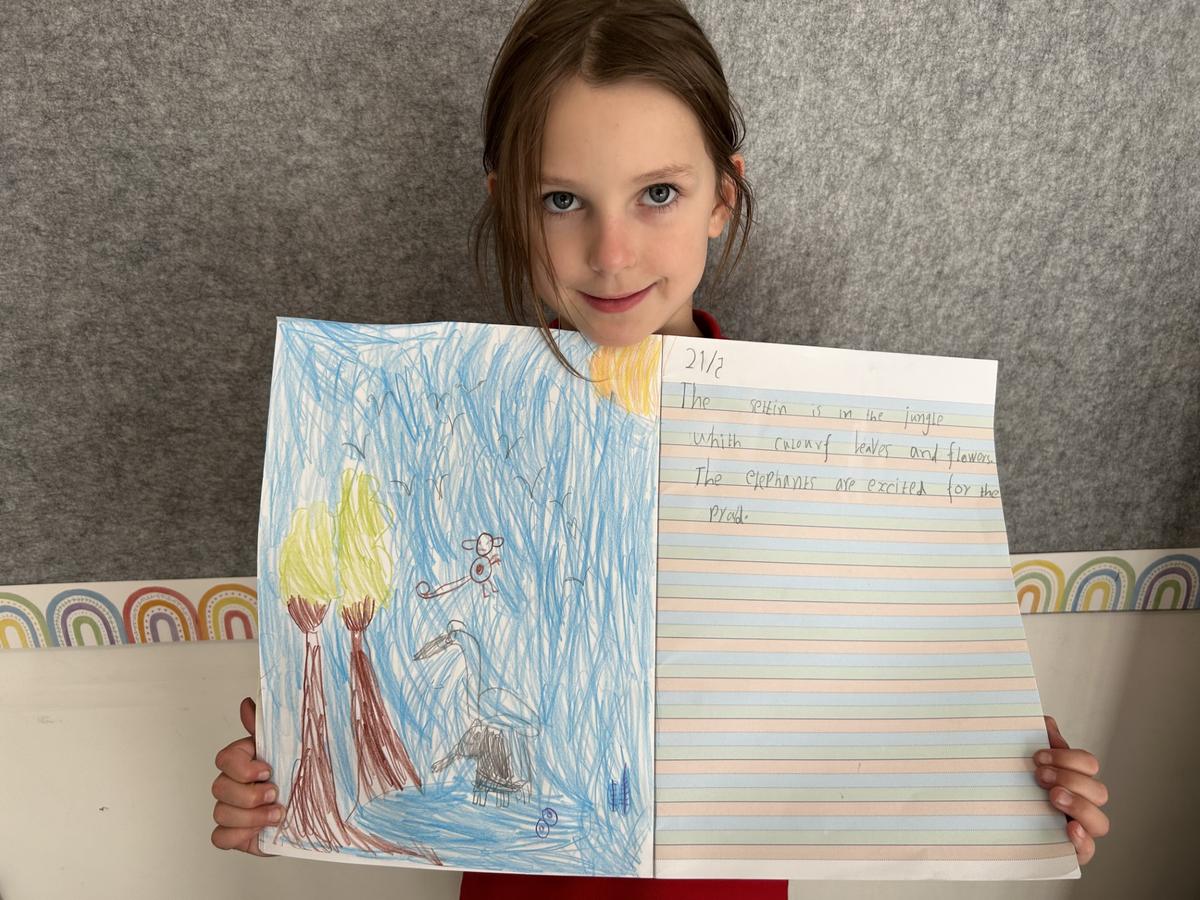
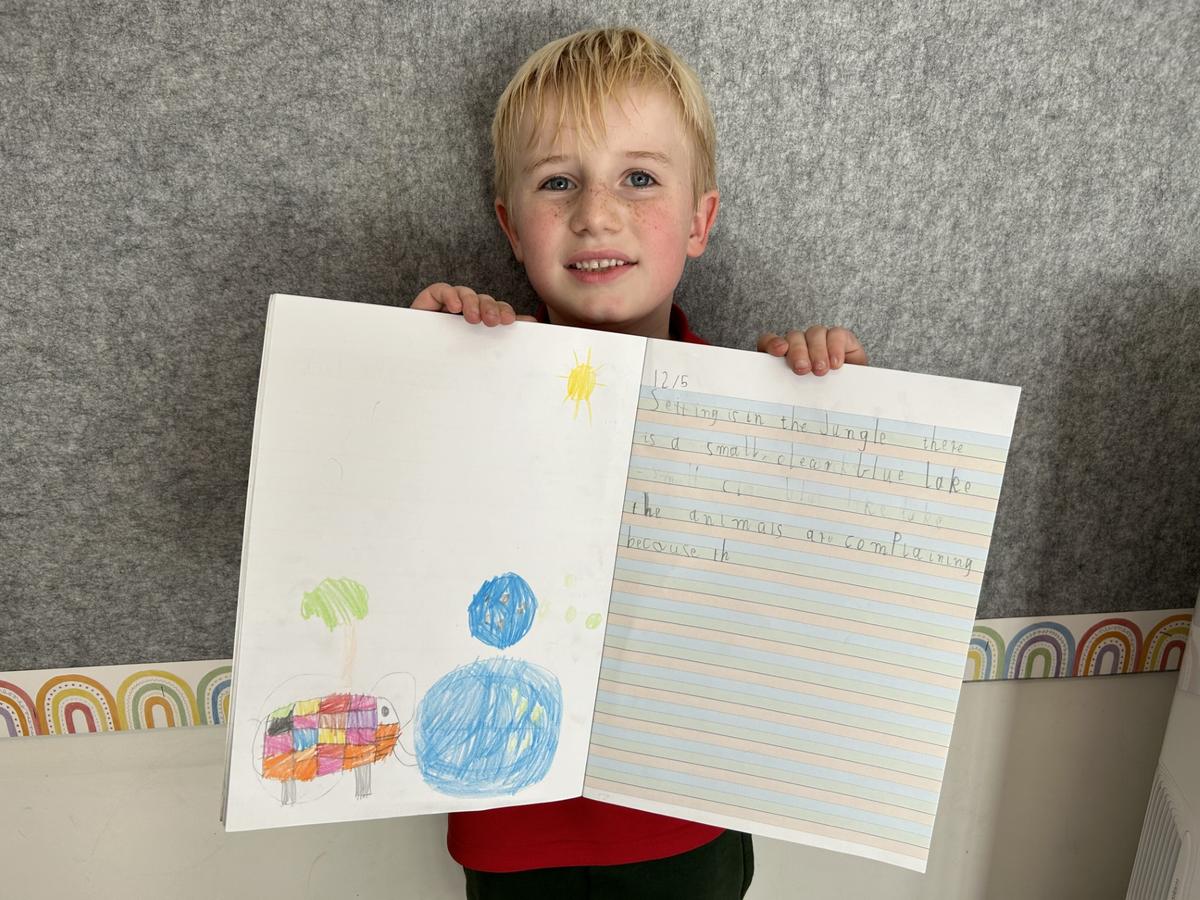
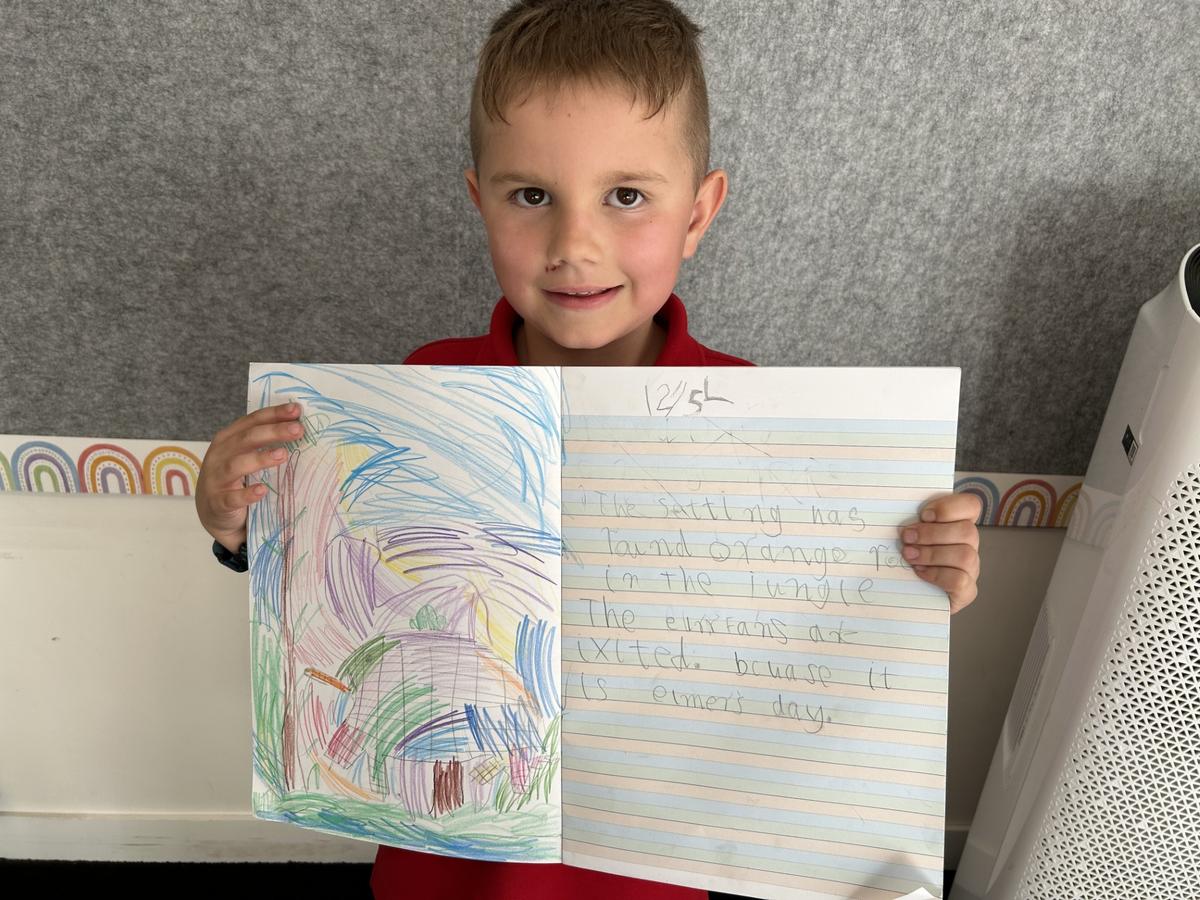
Students have compared the character traits of Elmer and Sunday Chutney to determine ways the two characters are similar and different. Over the next week we will further explore themes within the story.
Maths
In Year One, students have continued participating in a daily review of previously taught concepts, as well as pre-loading ideas for upcoming topics. During these reviews, we have been focusing on counting forwards and backwards across decades – eg. 75, 76, 77, 78, 79, 80, 81 etc, counting by 5’s and counting by 10’s. Students are also identifying the fractional quantities of items using language such as ‘less than half’, ‘half’ and ‘more than half’.
We are also very proud of the way students have demonstrated their understanding of number bonds for both addition and subtraction facts, working hard to identify missing parts.
Students have been practising counting on and counting back during our daily maths fluency sessions. In these sessions, they are given two minutes to complete as many simple addition and subtraction equations as possible. It has been wonderful to see how focused and engaged the students have been, with many challenging themselves to complete more equations than they did the day before.
Students are learning to identify the smaller number by comparing the tens first, followed by the ones if needed. They have also progressed to ordering multi-digit numbers from smallest to largest within a list. In measurement, we will delve further into the concepts of length and capacity as well as introducing 3D shapes. It has been wonderful to see the students growing in confidence and enthusiasm as they develop their mathematical understanding.
How we Organise Ourselves
The Year One students have enthusiastically begun their new Unit of Inquiry, How We Organise Ourselves. Throughout this unit, students will explore how food goes through many stages of production before reaching us.
To begin the inquiry, students have been sharing their own wonderings and identifying foods that are processed and unprocessed. They have also been discussing and investigating how and where fruits and vegetables grow. It has been wonderful to see the students so engaged and curious during these learning experiences.
The excitement is building for our Yoghurt Masters incursion this Friday! During the session, students will work collaboratively in groups to create their own delicious yoghurts to enjoy. This hands-on experience will support students’ understanding of how food is made and prepared before it reaches consumers.
As the unit continues, students will explore the journey of different foods, including milk, honey, and chocolate, and investigate the many stages they go through before reaching consumers. They will inquire into where ingredients come from, how foods are produced and processed, and the people involved in bringing these products from farm to table.
Through discussions, hands-on learning experiences, and collaborative activities, students will develop a deeper understanding of how systems help organise the production and distribution of food within communities.
Social Skills
The students have continued to participate in a range of social skills experiences designed to strengthen positive relationships, build confidence, and support effective communication within the classroom community.
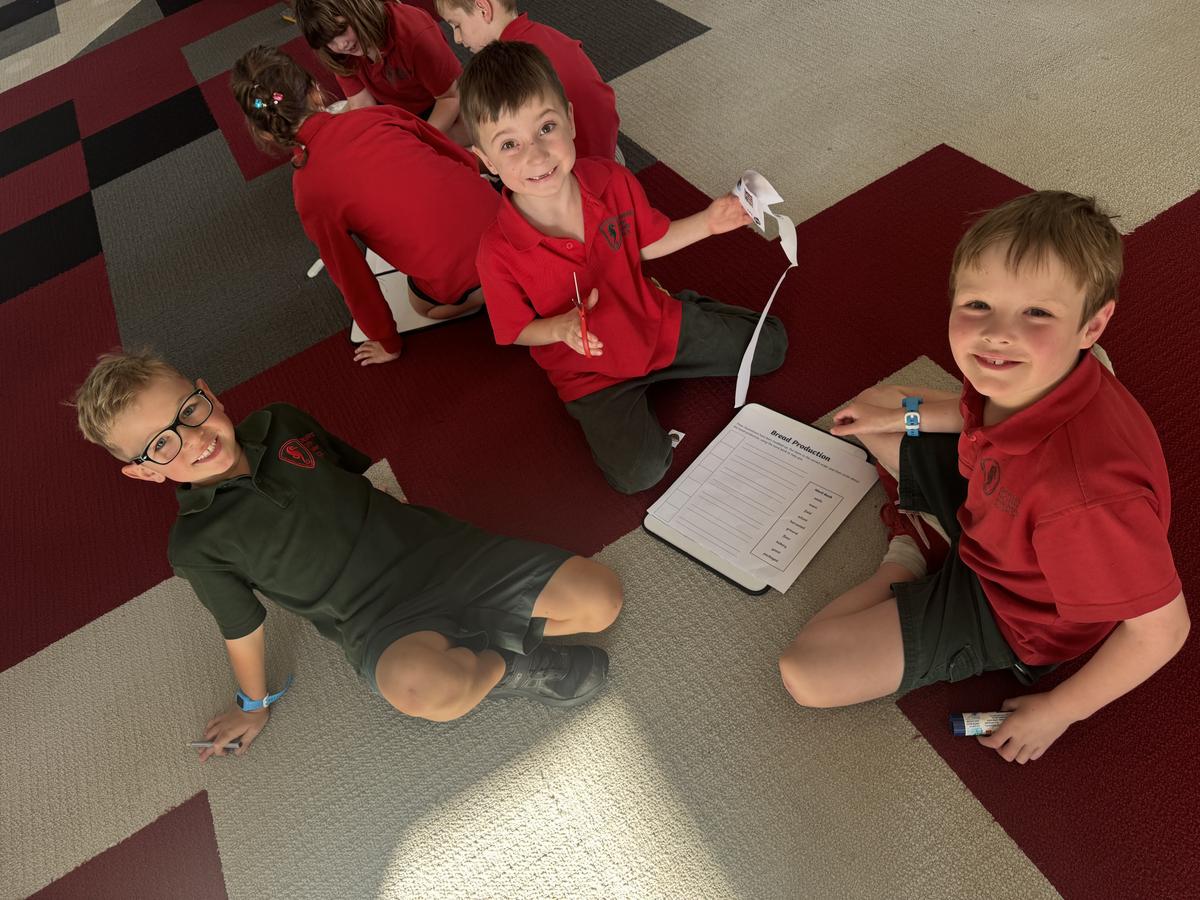
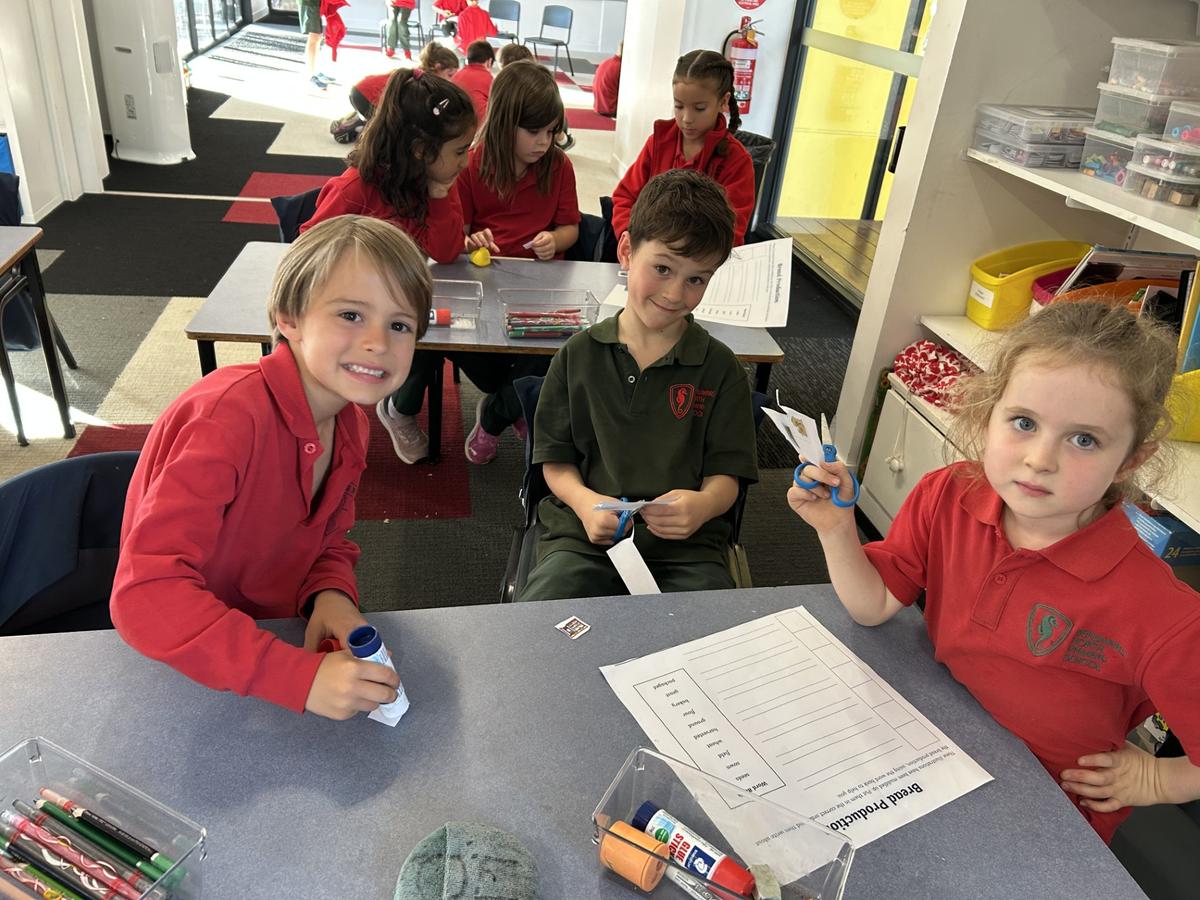
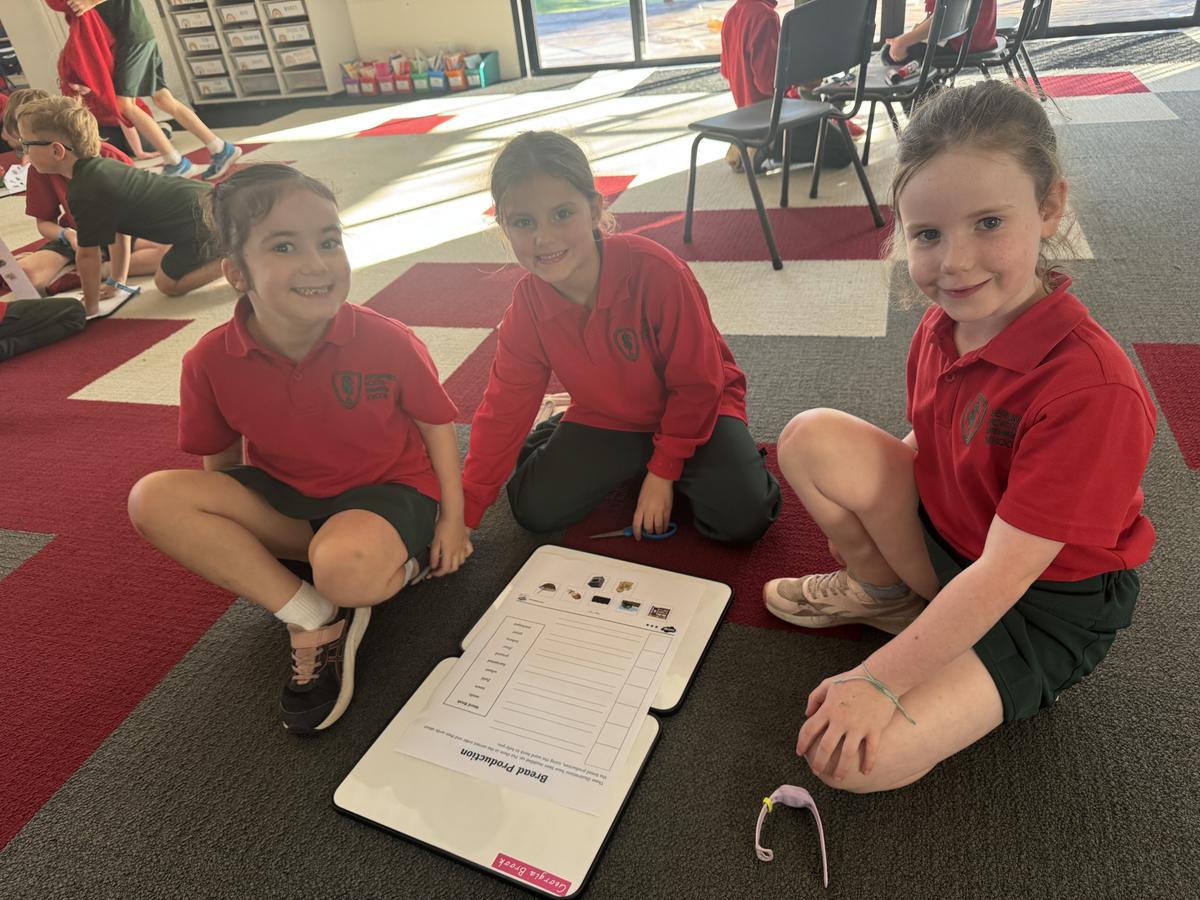
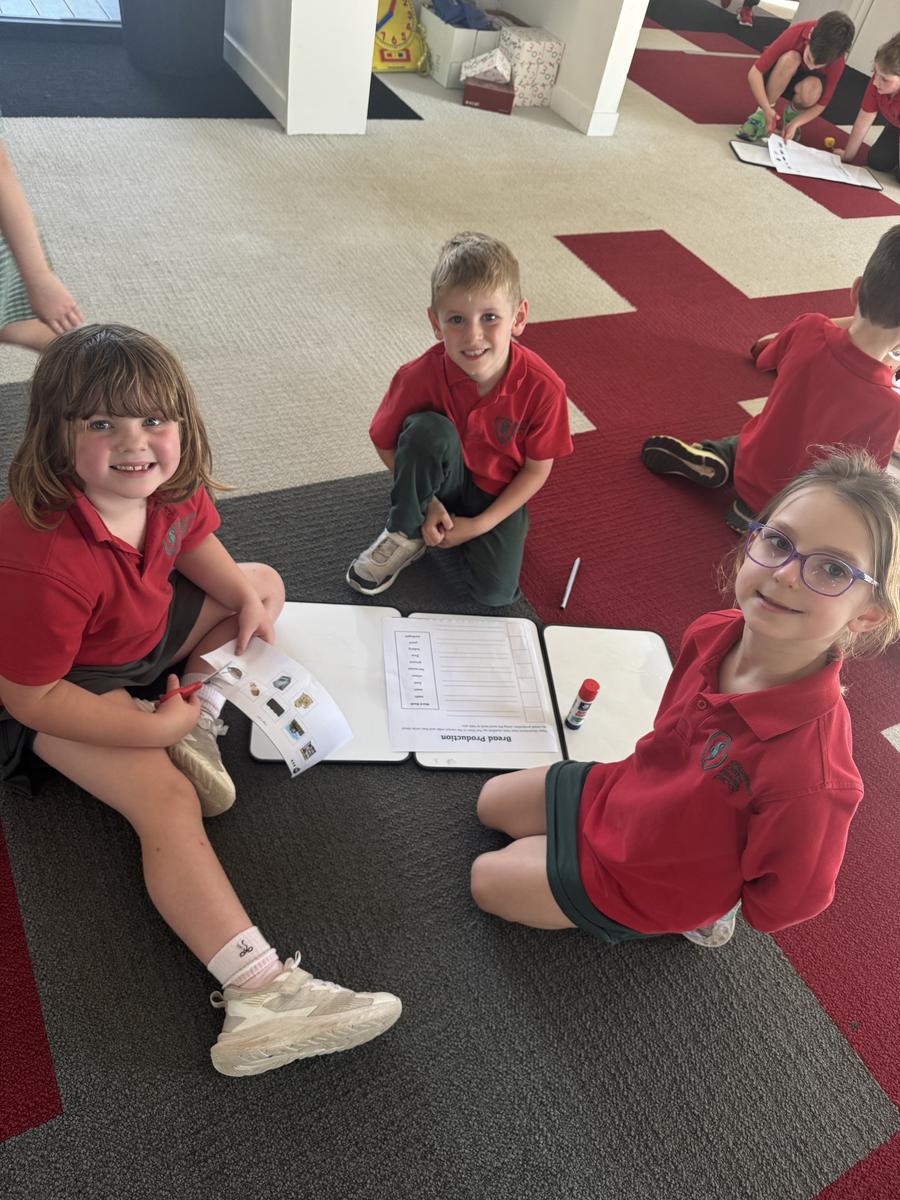
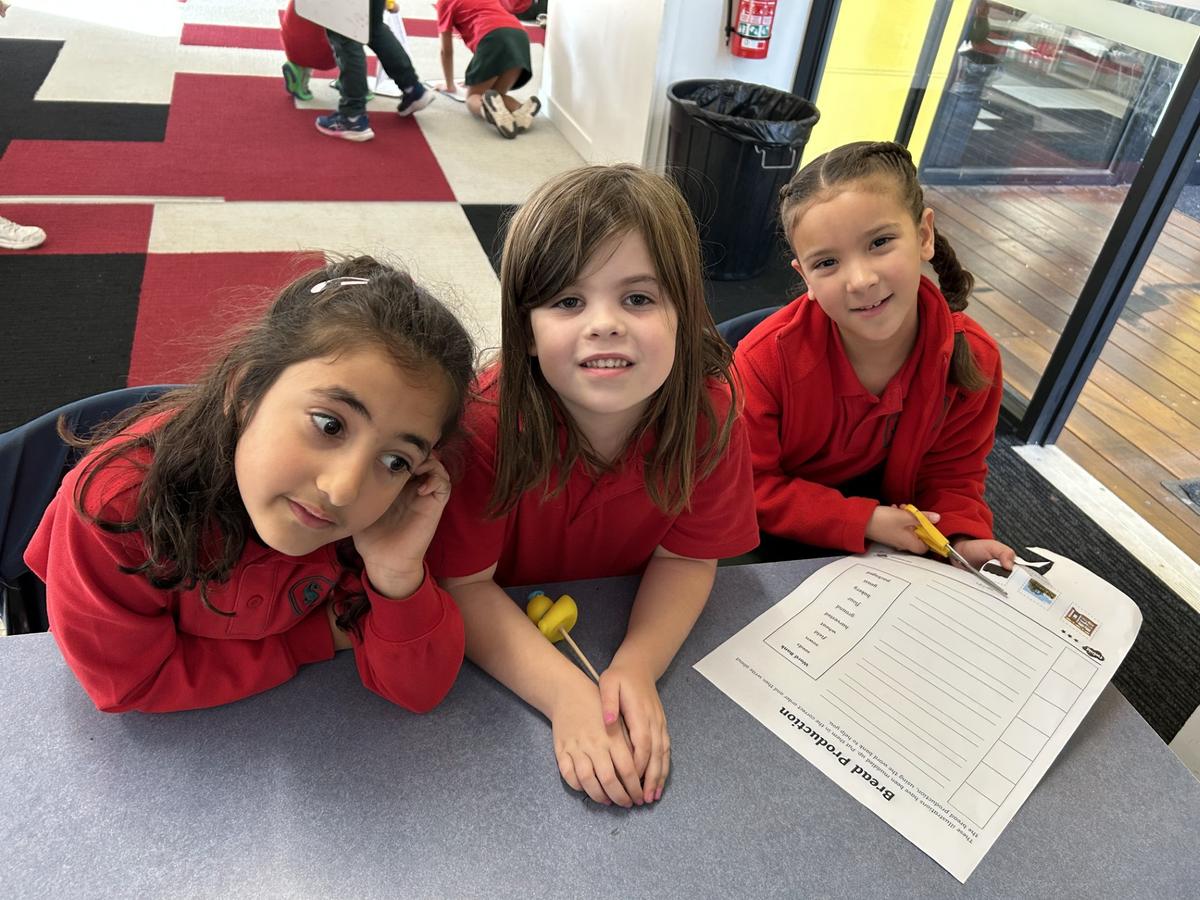
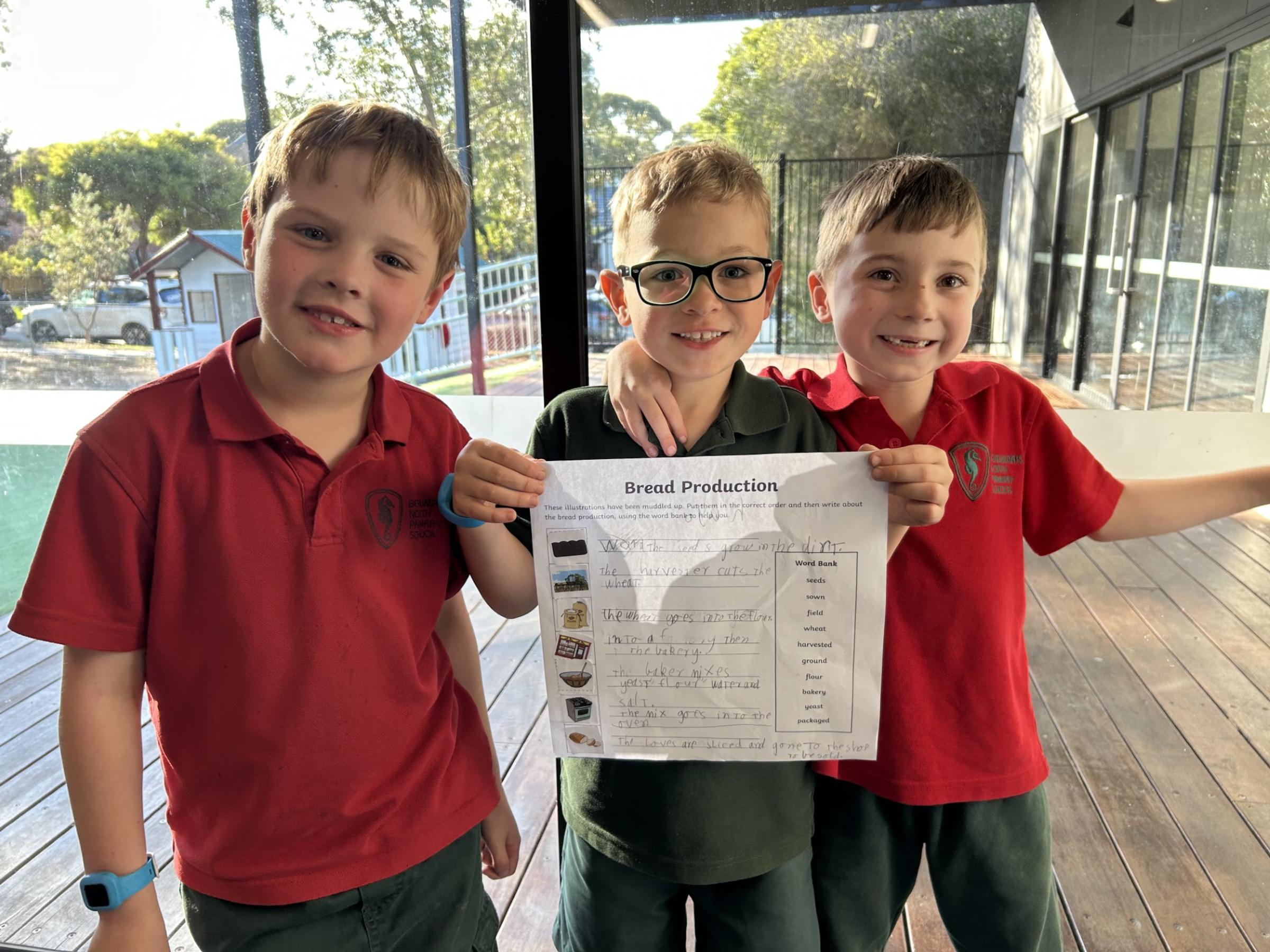
Through our Unit of Inquiry, How We Organise Ourselves, students have been exploring the different stages bread goes through before reaching consumers.
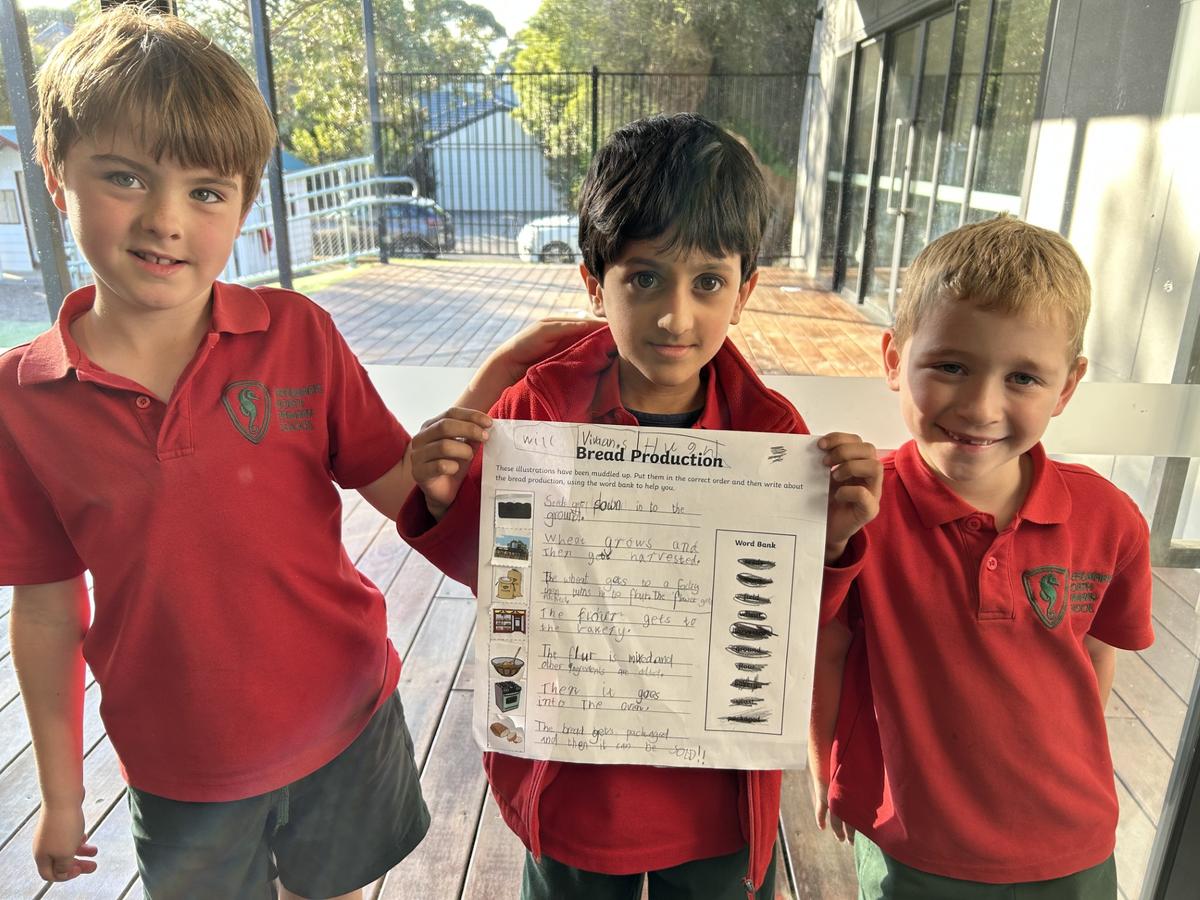
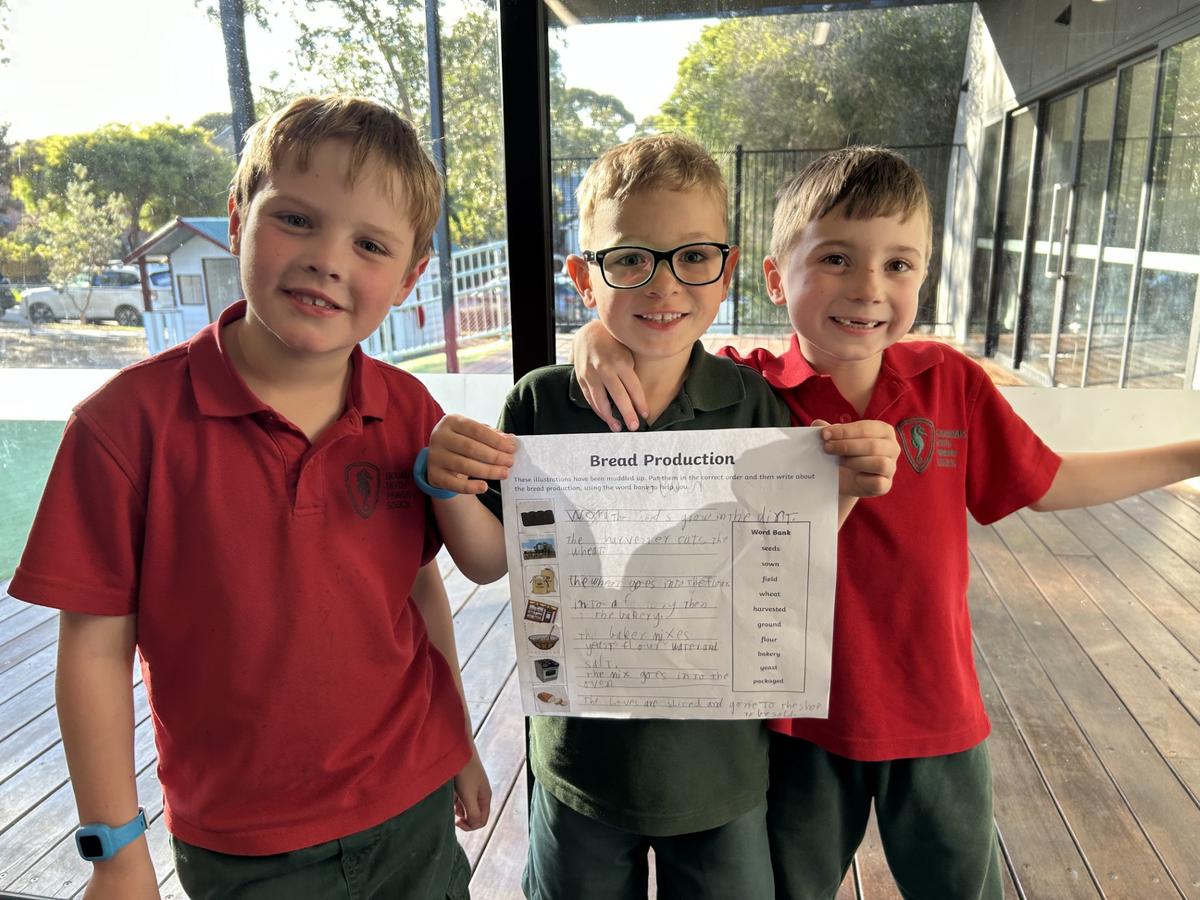
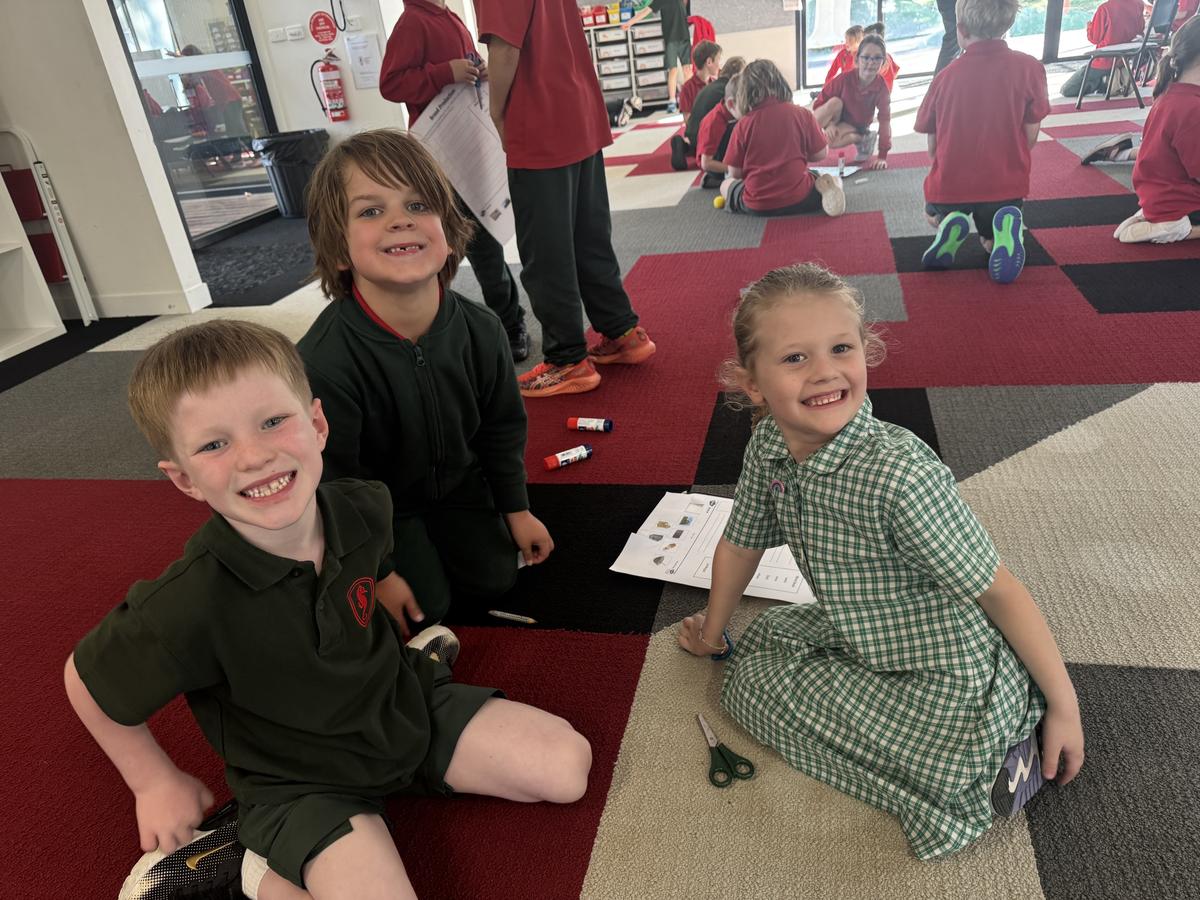
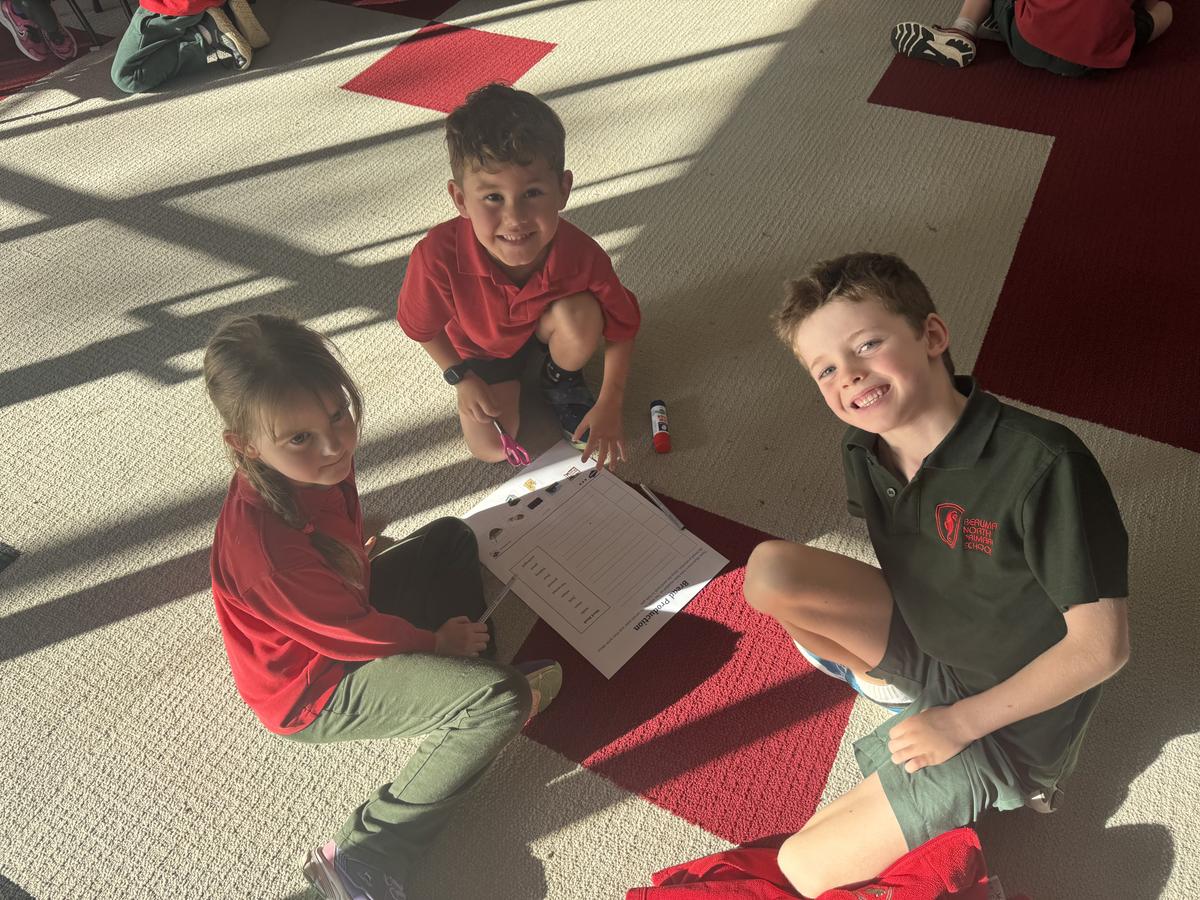
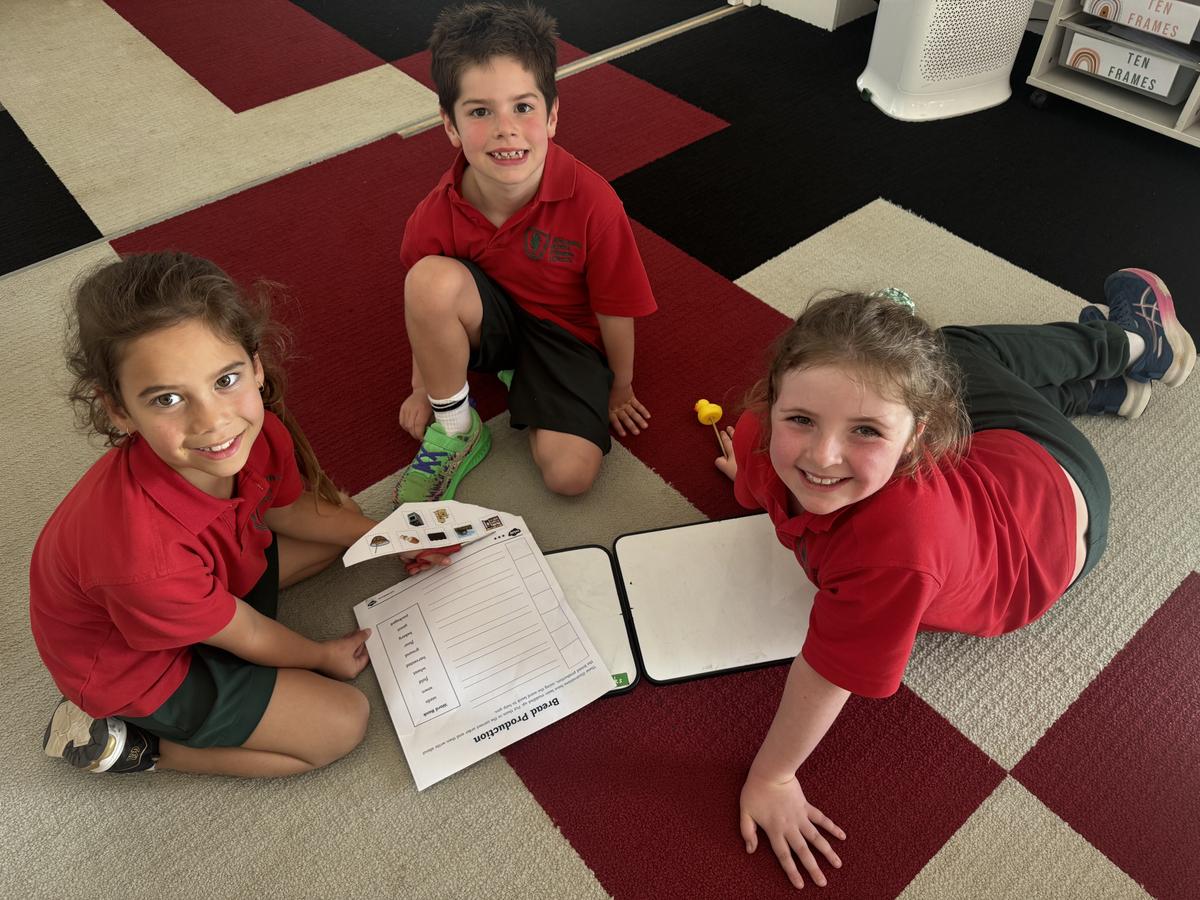
Working collaboratively in small groups, students shared ideas, listened respectfully to others, and contributed thoughtfully to discussions. These learning experiences have supported the development of important communication, social, and self-management skills, while also encouraging teamwork and problem-solving.
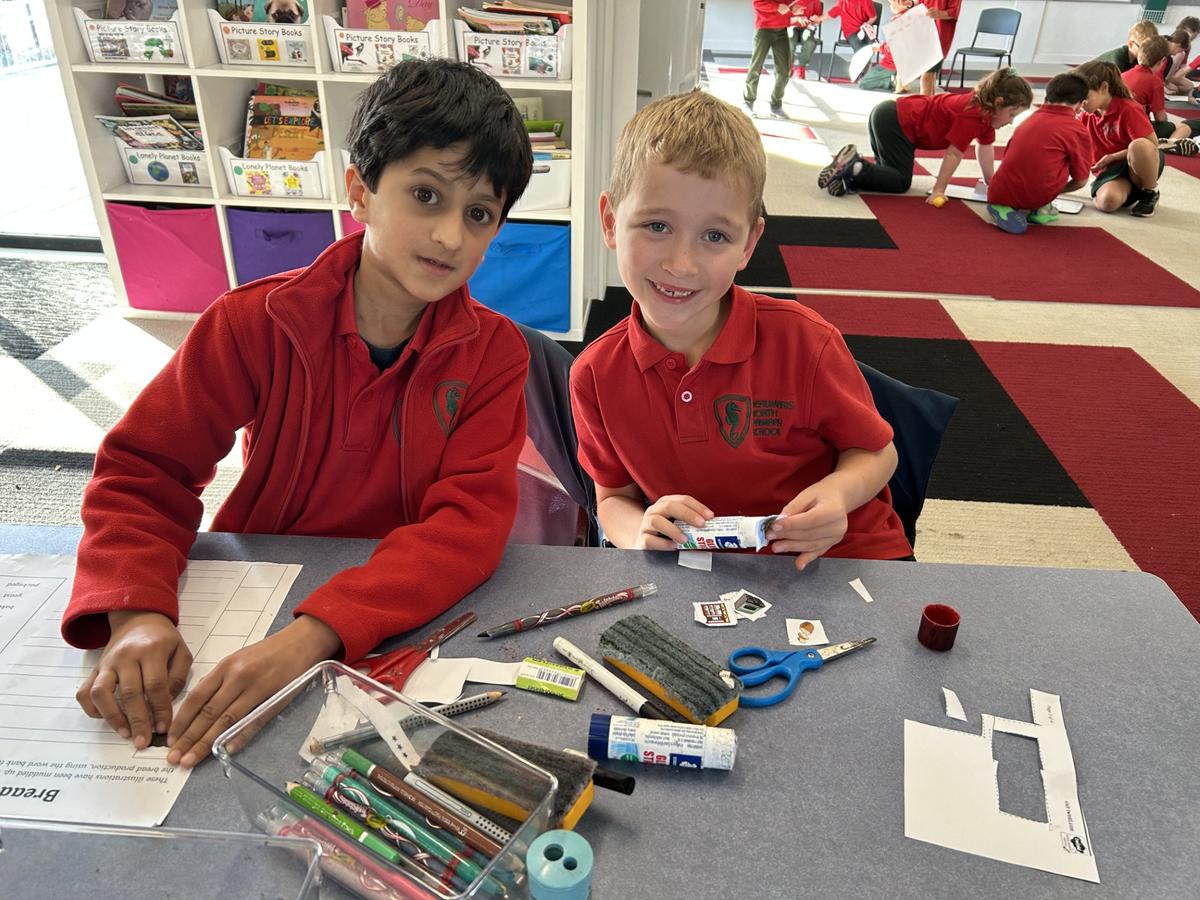
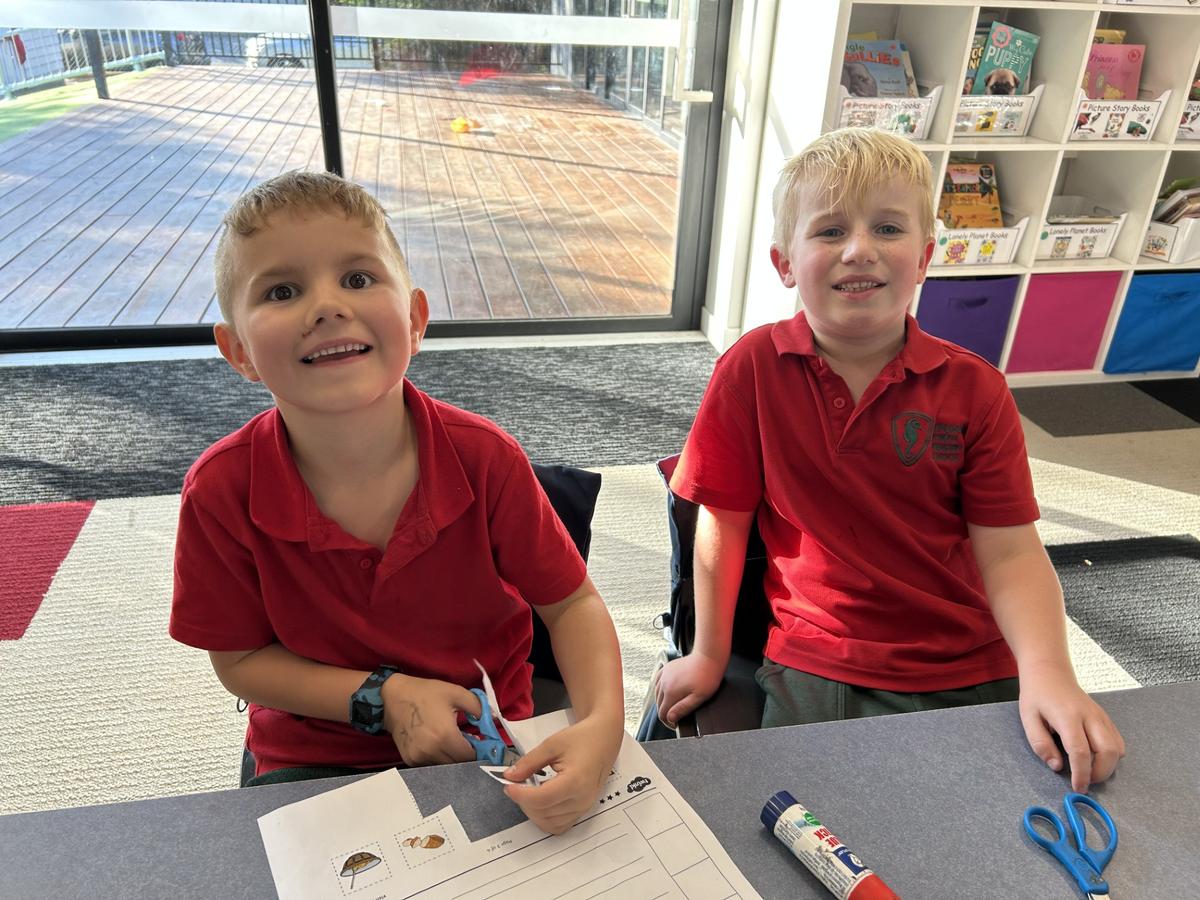
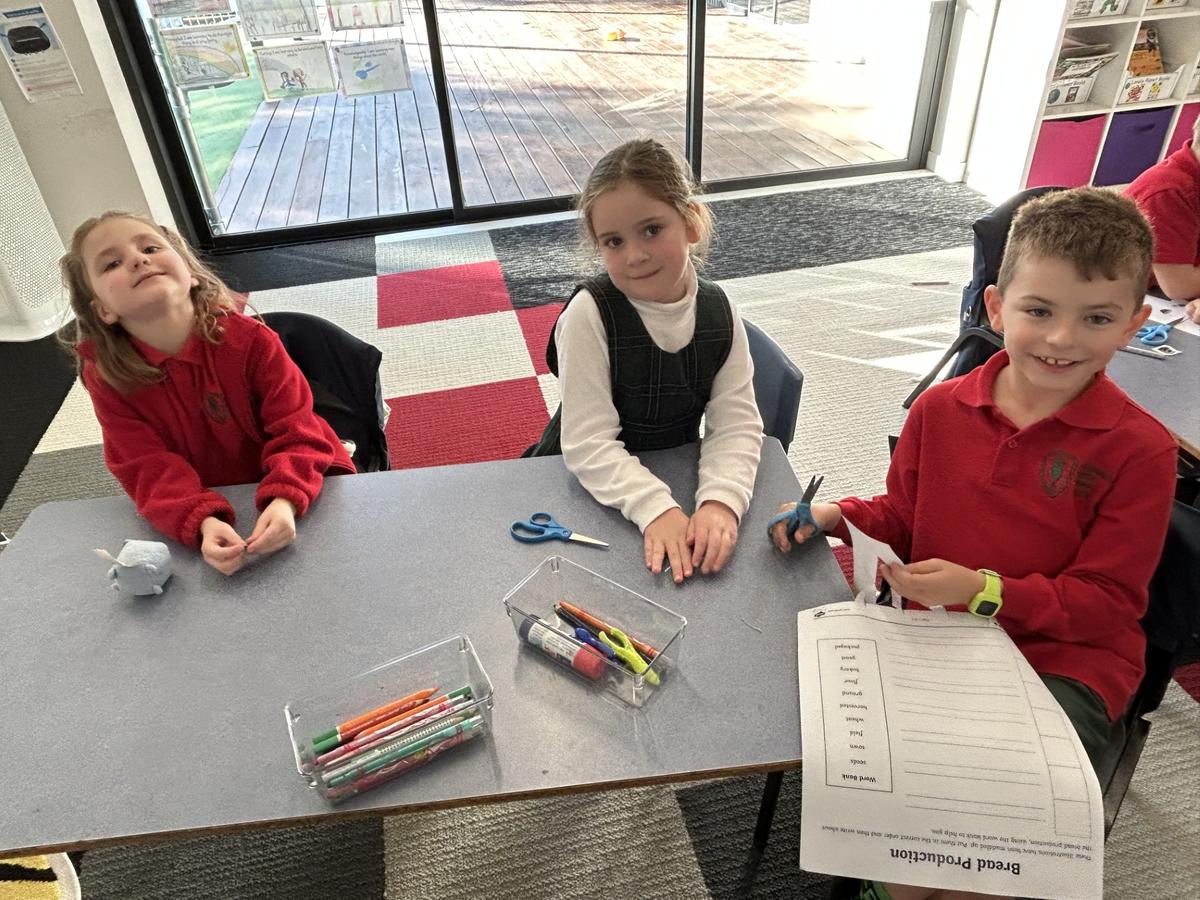
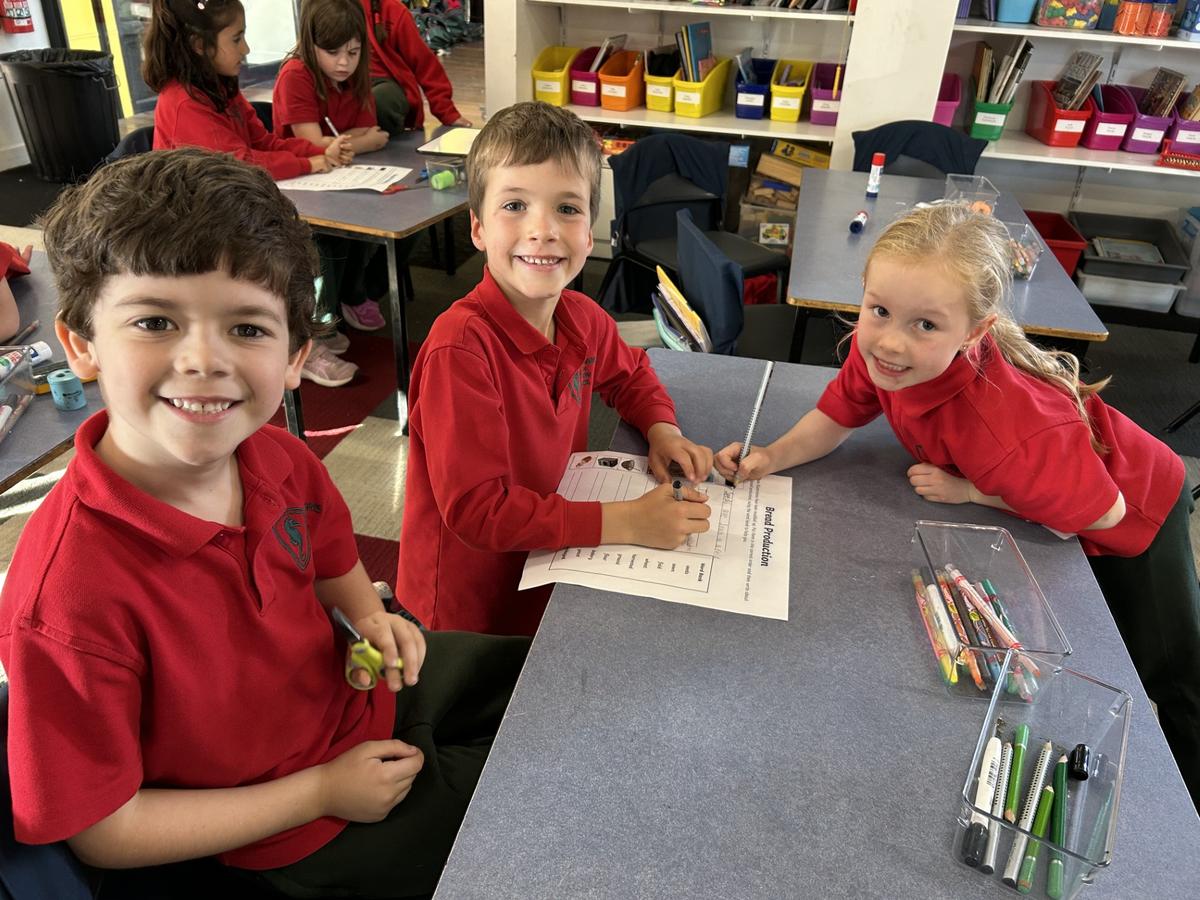
Students also had the opportunity to share their learning with the cohort, further developing their confidence and presentation skills while practising being respectful and supportive audience members.
Year 6 Buddies
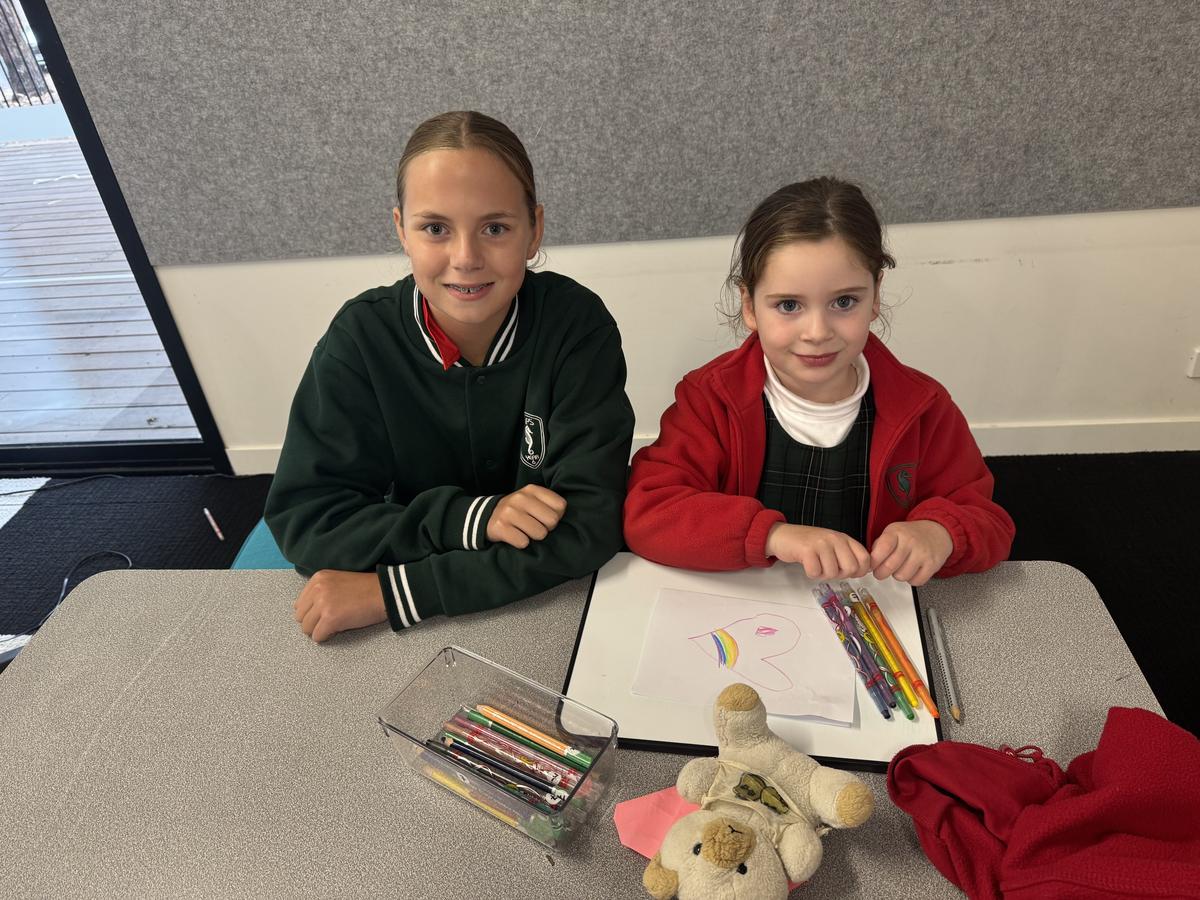
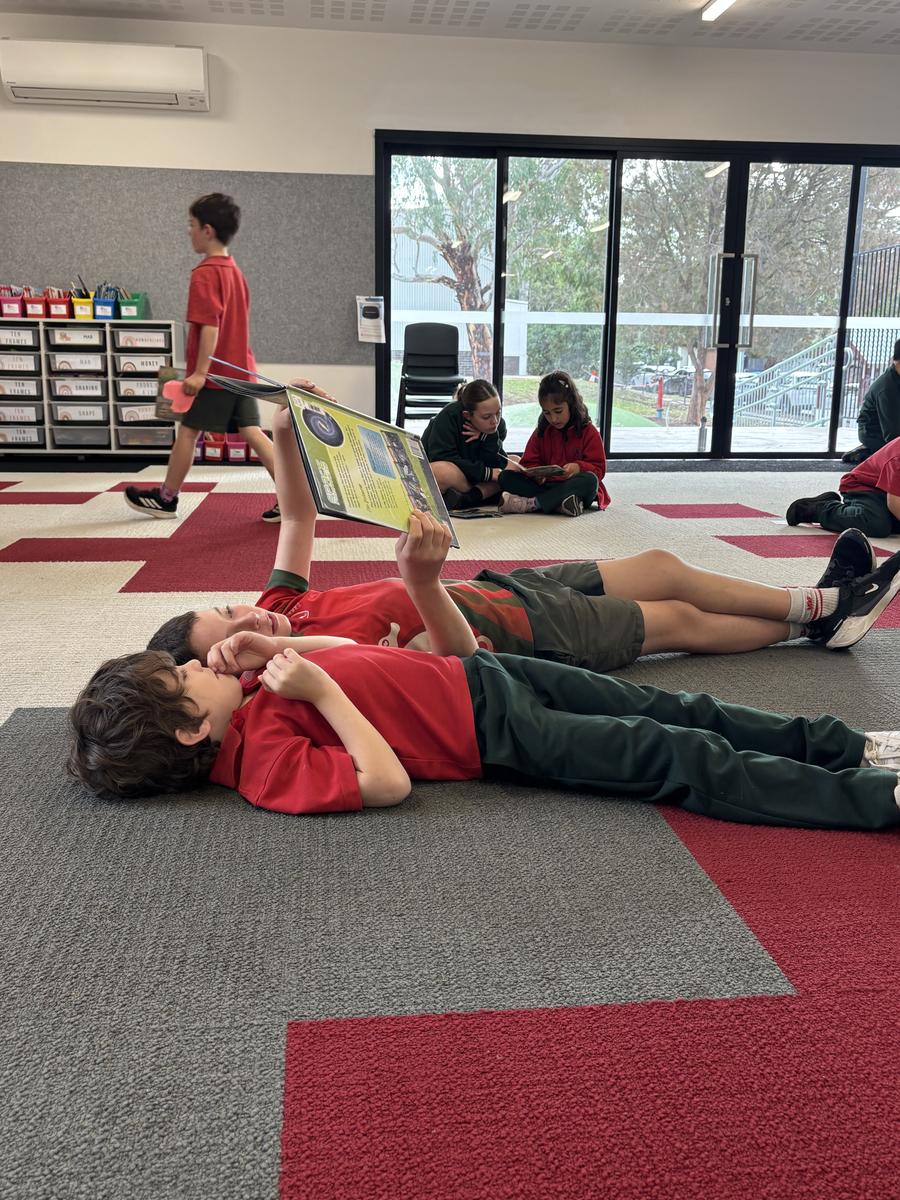
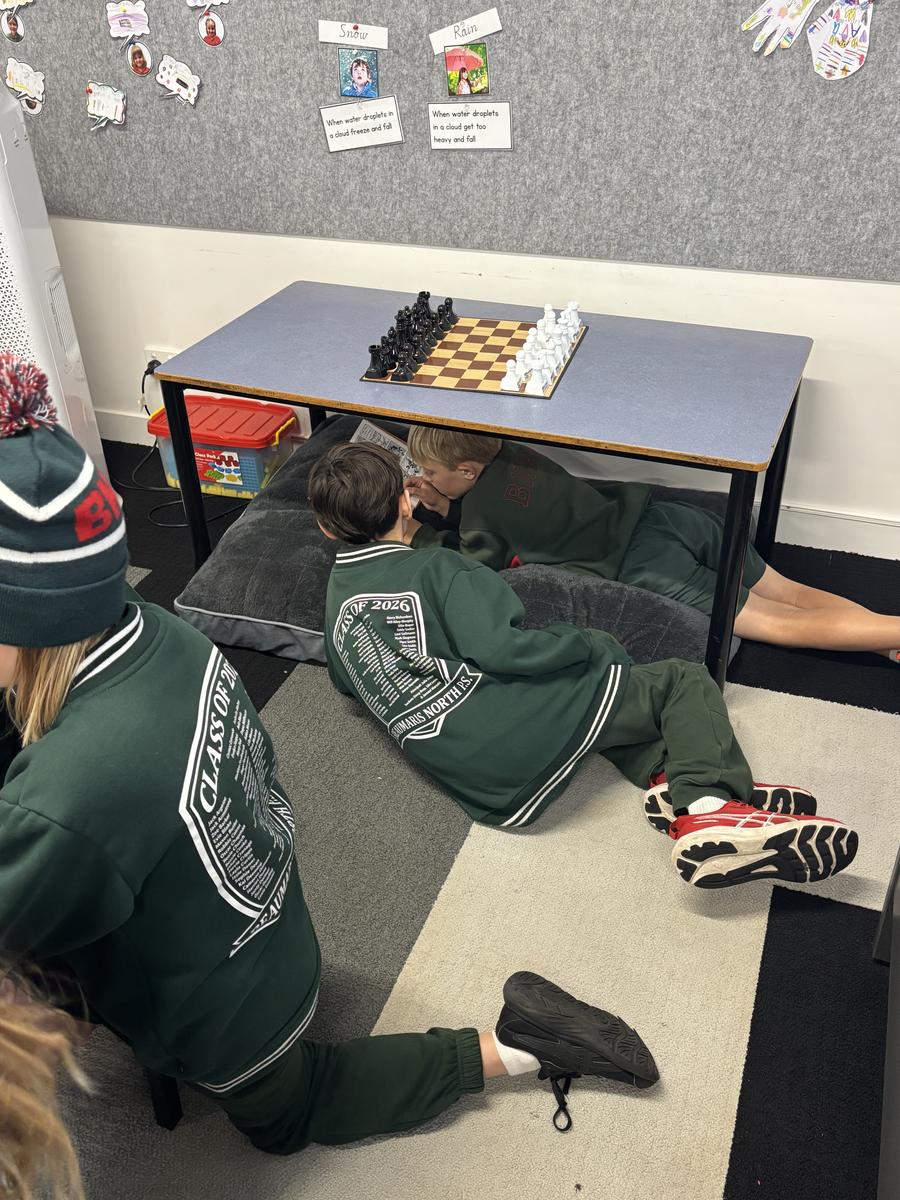
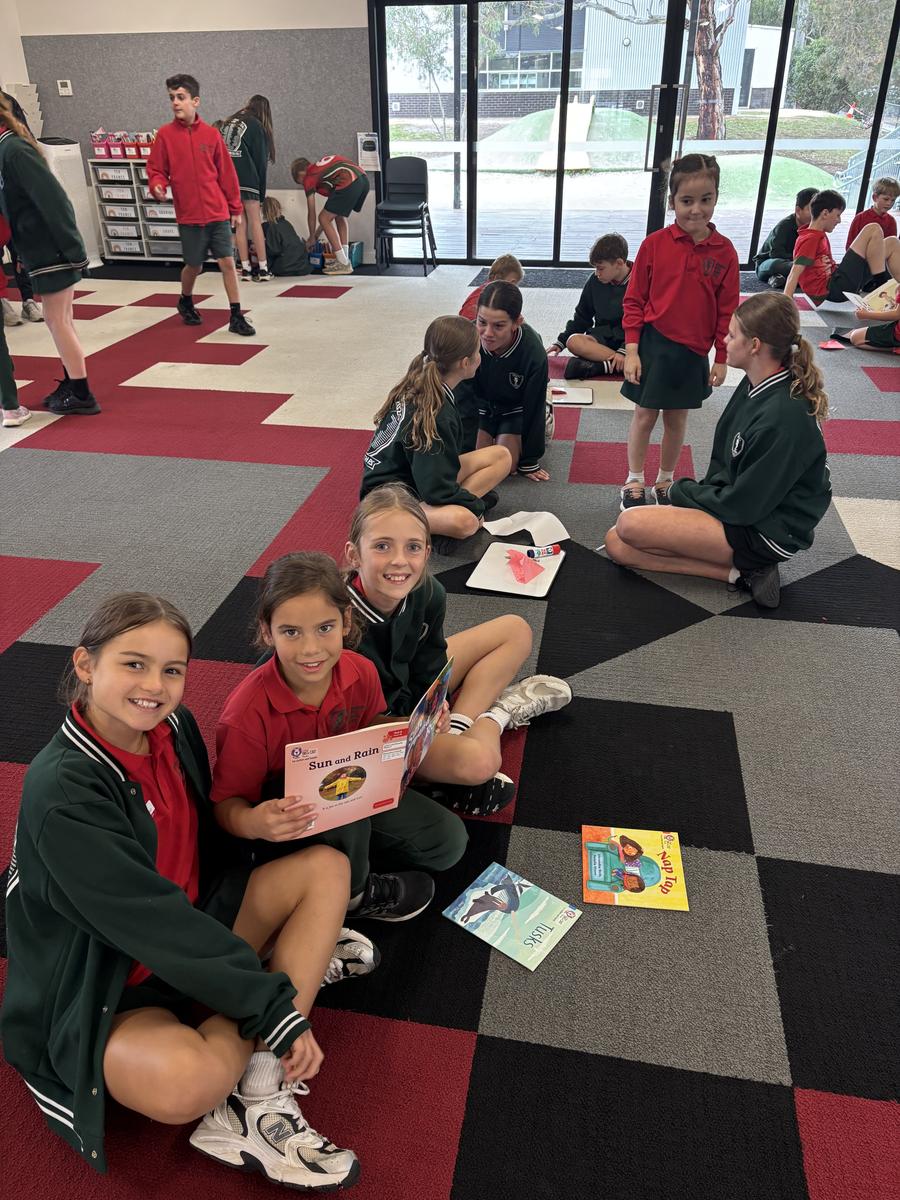
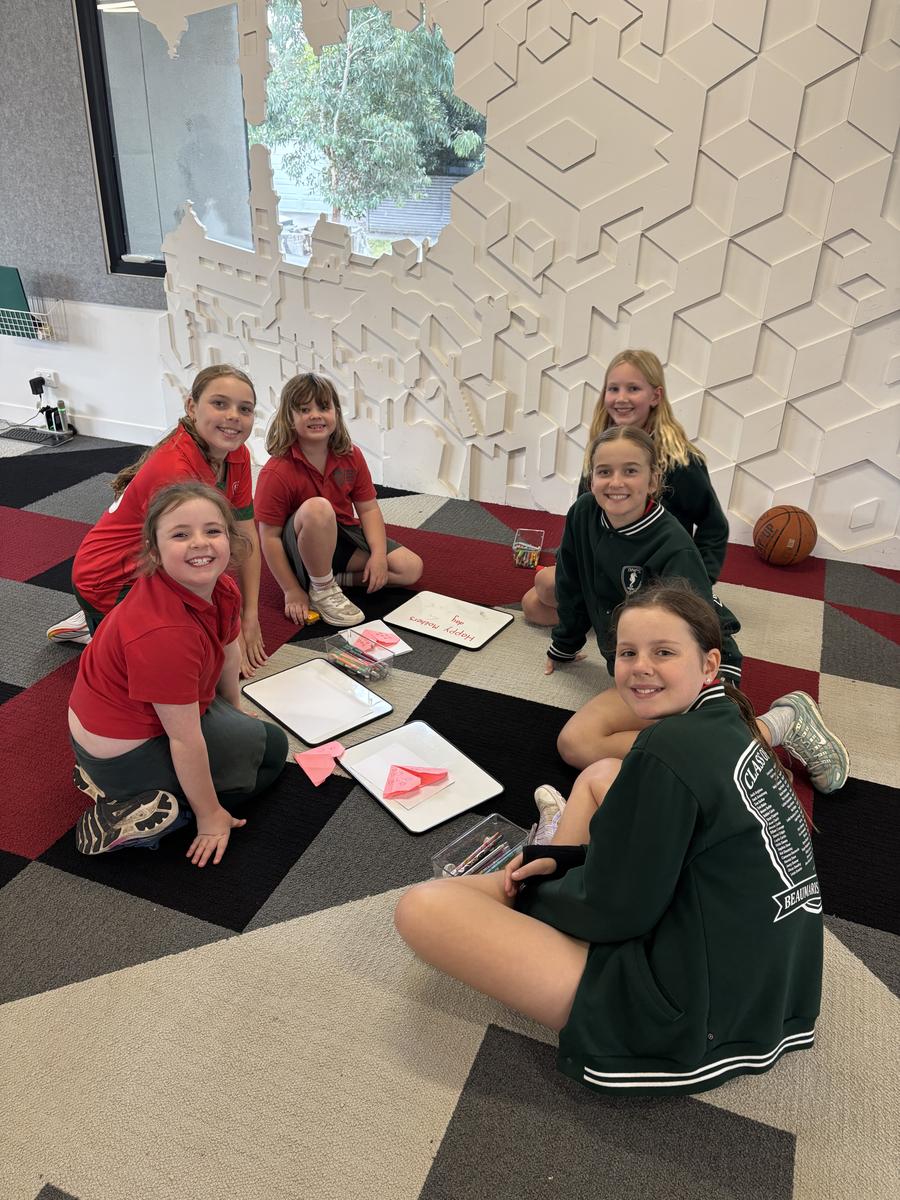
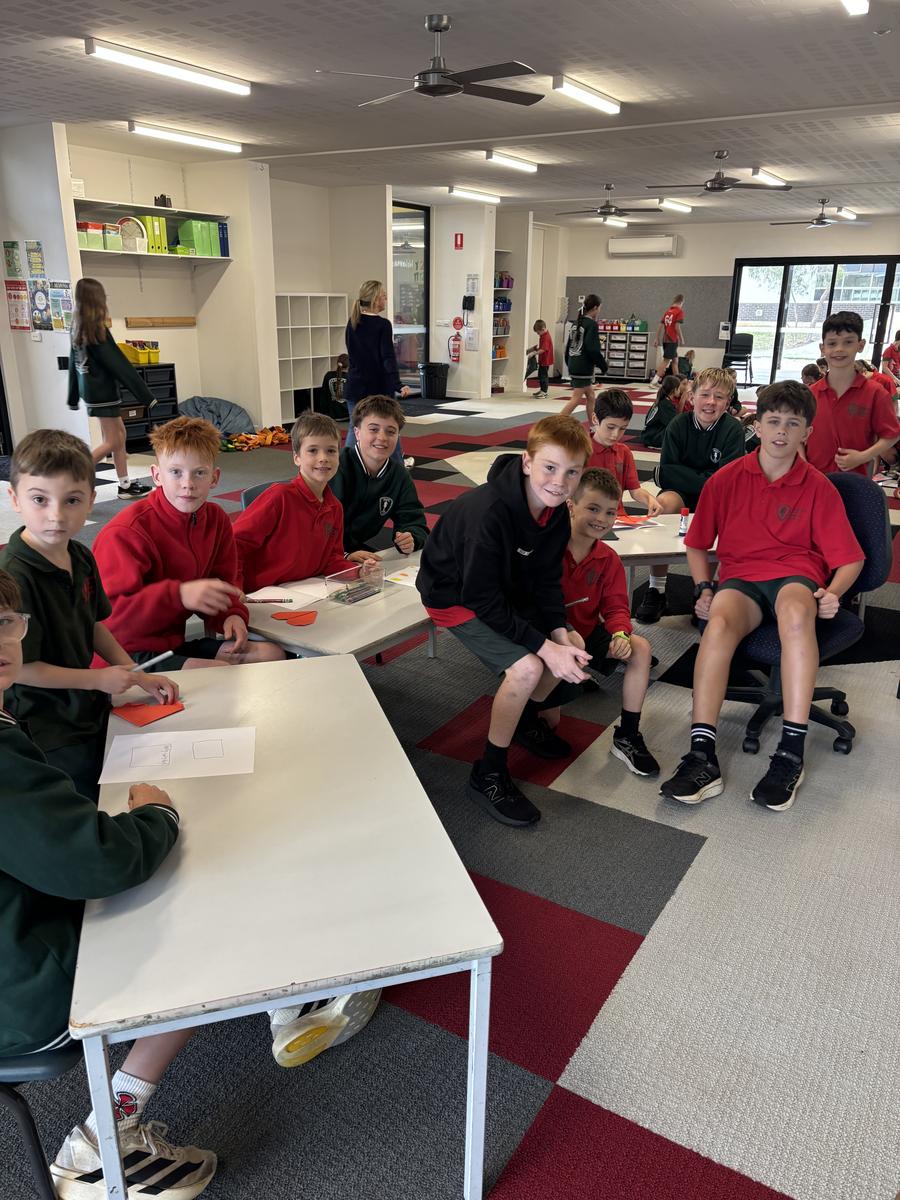
It was so exciting to have the Year 6 buddies visit the Year 1 classrooms to help make Mother’s Day cards and listen to the Year 1 students reading. The younger students enjoyed spending time with their buddies and were encouraged to develop greater confidence when reading aloud and sharing their ideas.
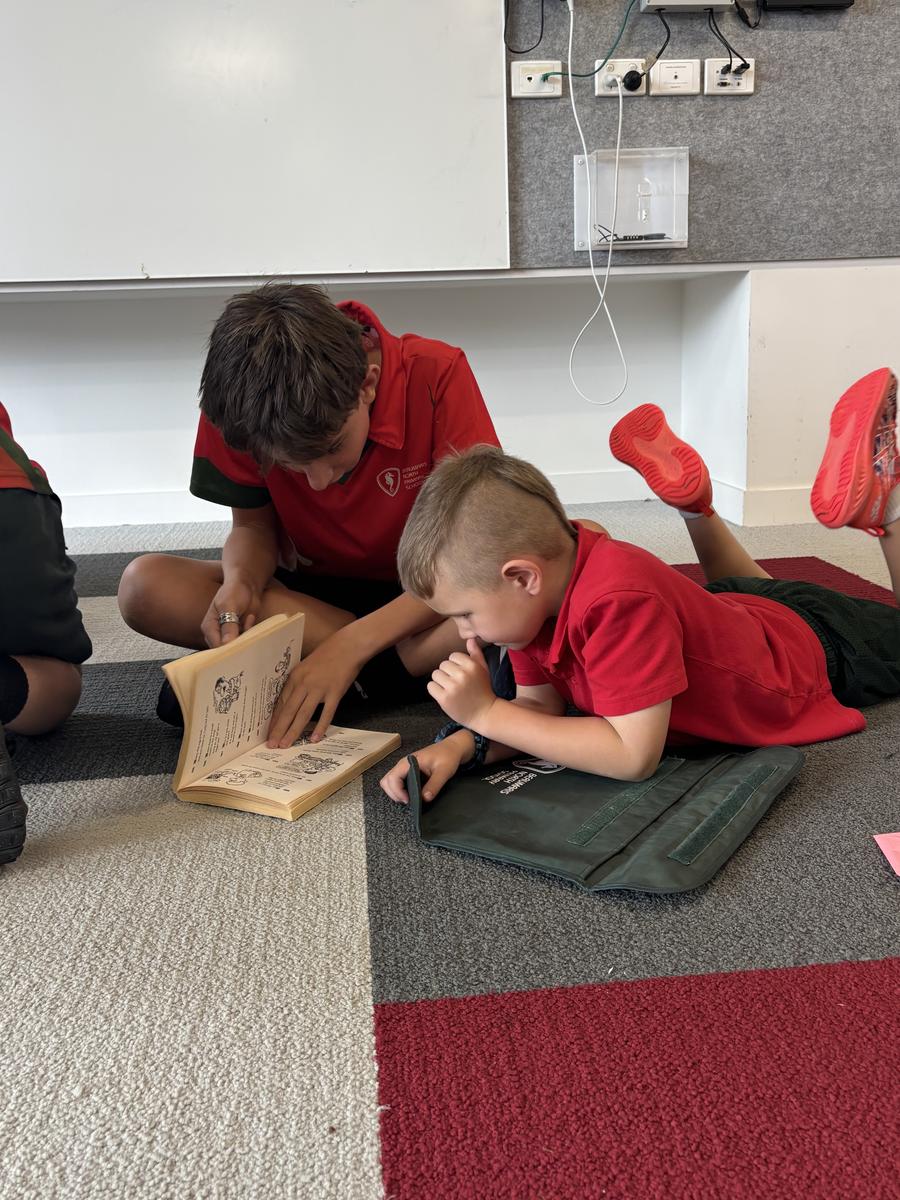
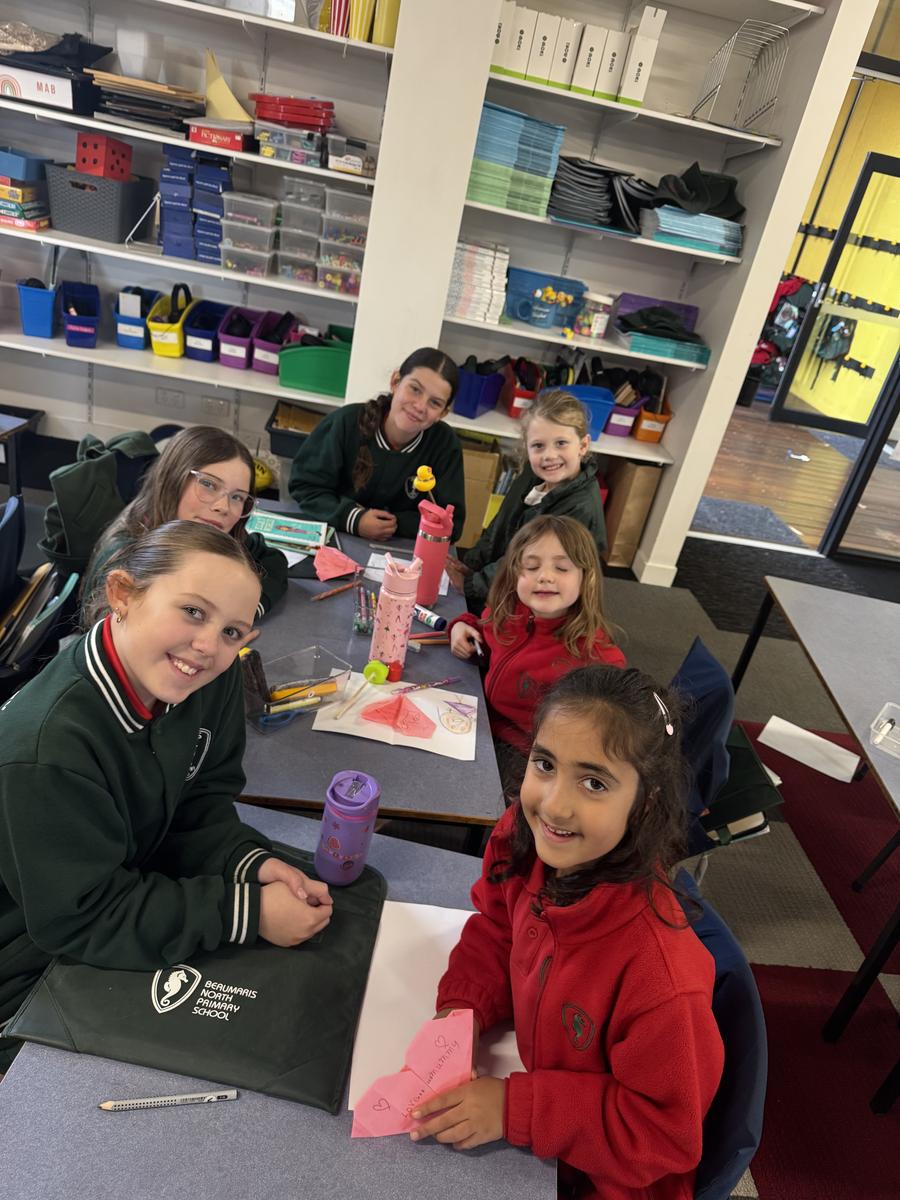
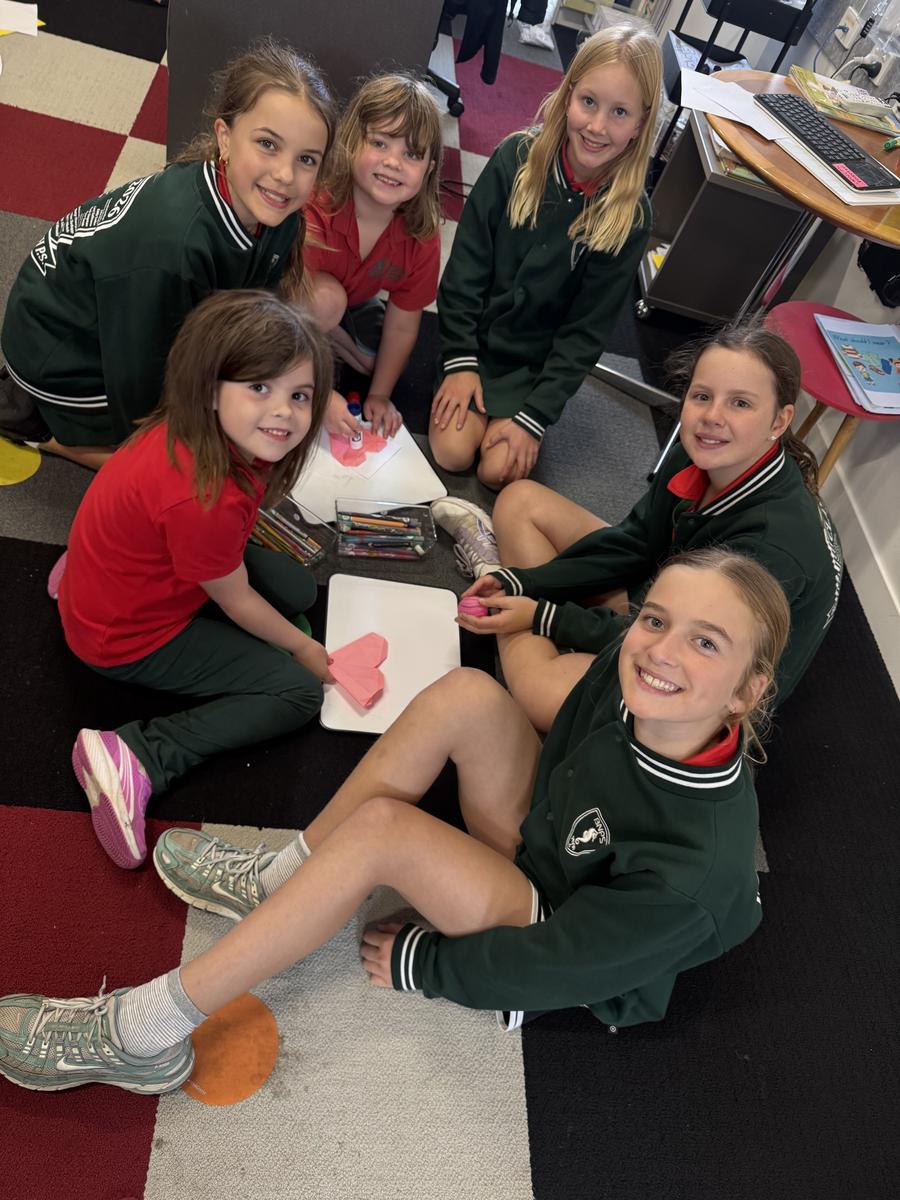
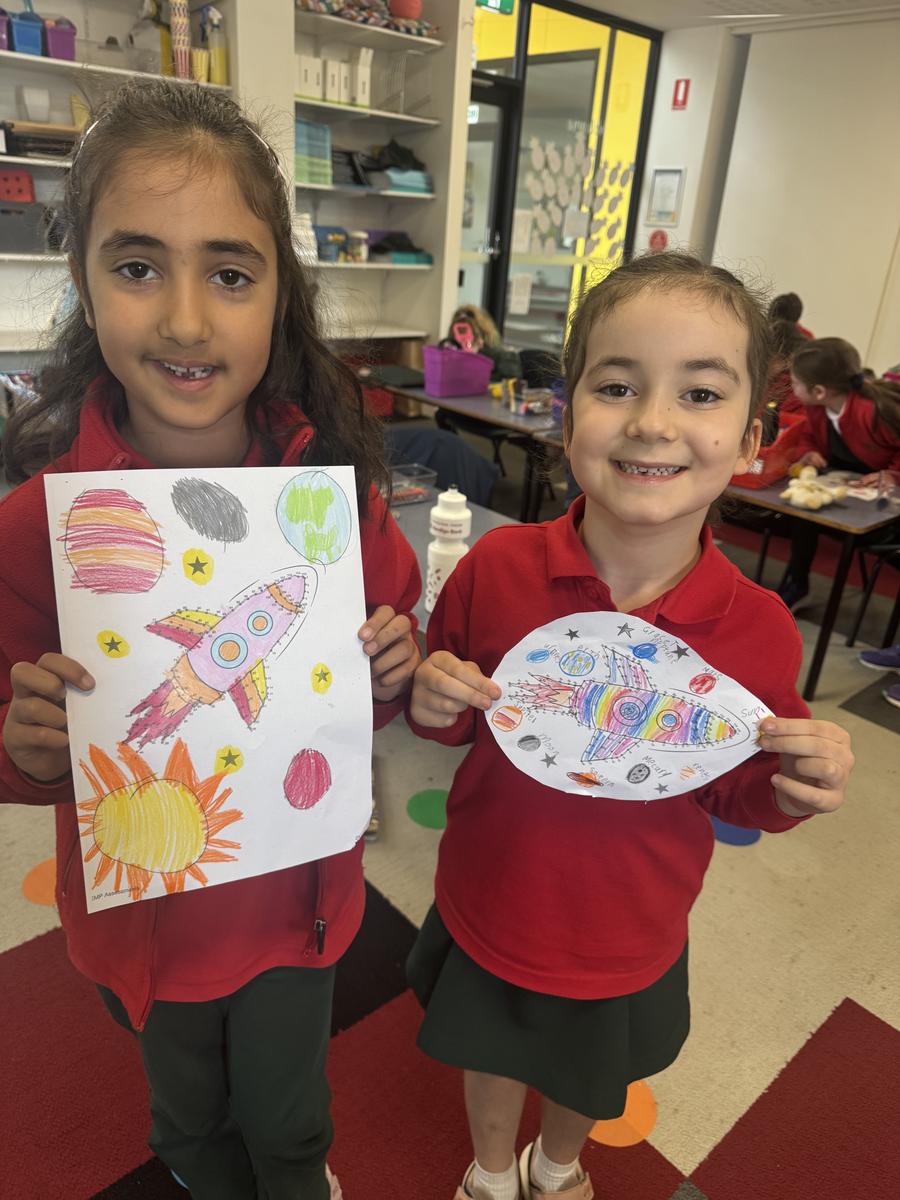
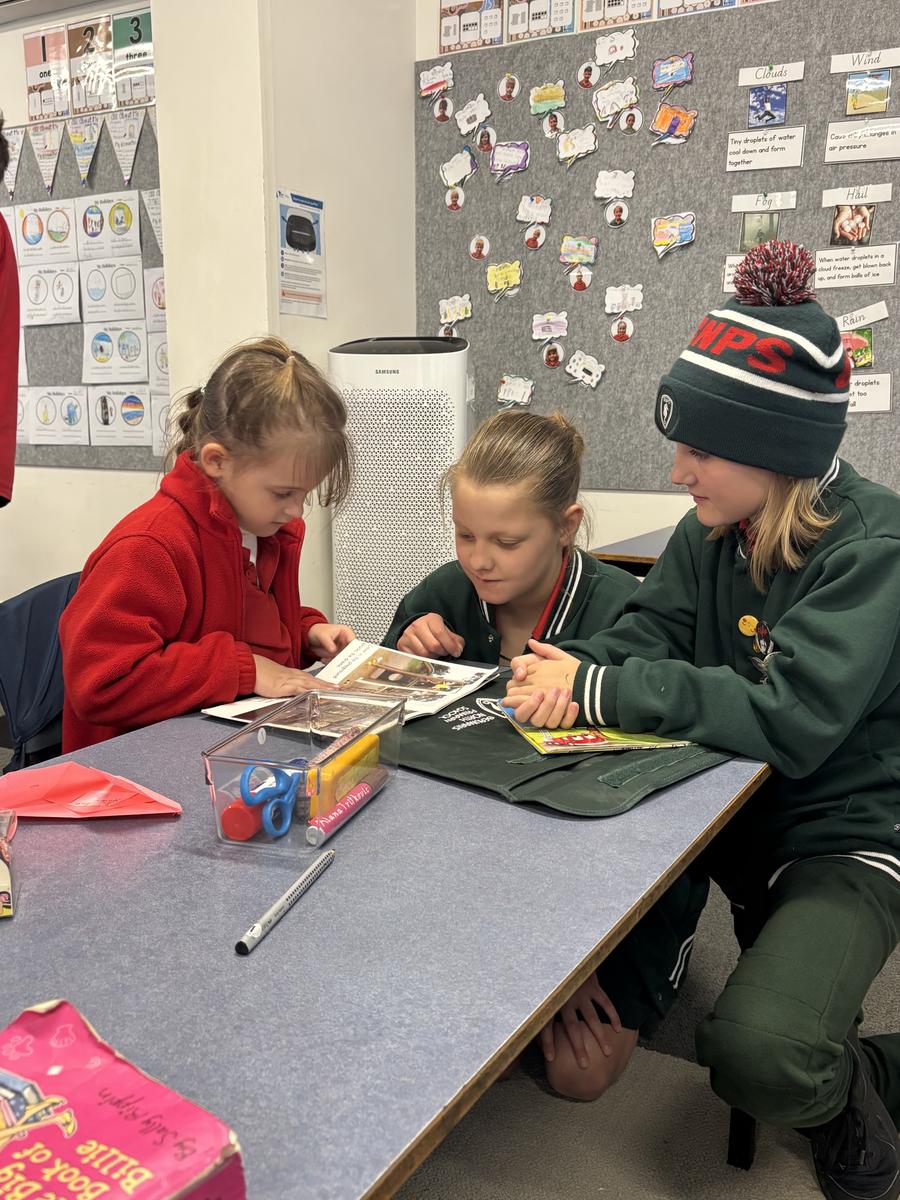
The Year 6 students were wonderful role models, showing patience, kindness, and encouragement as they supported the Year 1 students throughout the activities. It was lovely to see the positive relationships being built across the year levels and the pride the students felt both creating origami hearts and reading aloud. We are looking forward to having the Year 6 buddies join us every second Friday afternoon for similar activities.
Future Learning
Literacy
Phonics Plus
Introduction of new Grapheme-Phoneme Correspondences (GPC’s):
We are continuing to focus on teaching grapheme–phoneme correspondences (GPCs): introducing word composition (CCVC), revising the terms vowel and consonant and introducing morphology terms such as base term and suffix.
There will also be a continued focus on developing reading fluency, handwriting skills, and learning high-frequency words including into, now, came, oh, about, their, these.
Students will continue to explore rhyme, alliteration, and syllables, and practise manipulating sounds in words by changing the beginning, middle, or ending sounds. For example: brush → brash→ crash → crack→ track → trick.
Students who are ready will be extended by reading and writing longer words and sentences that include these spelling patterns, as well as applying their phonics knowledge when composing their own simple texts.
Grammar and Punctuation
Expanding simple sentences with an adjective.
Expanding sentences with a comma separating adjectives in a noun group.
Maths
More challenging subtraction facts from number bonds and determining missing parts.
Length
Capacity
3D objects
Make and say three-digit numbers