
Prep News
Our Learning and Celebrations
Well Being
Prep Mother’s and Special Friend’s Day Celebration
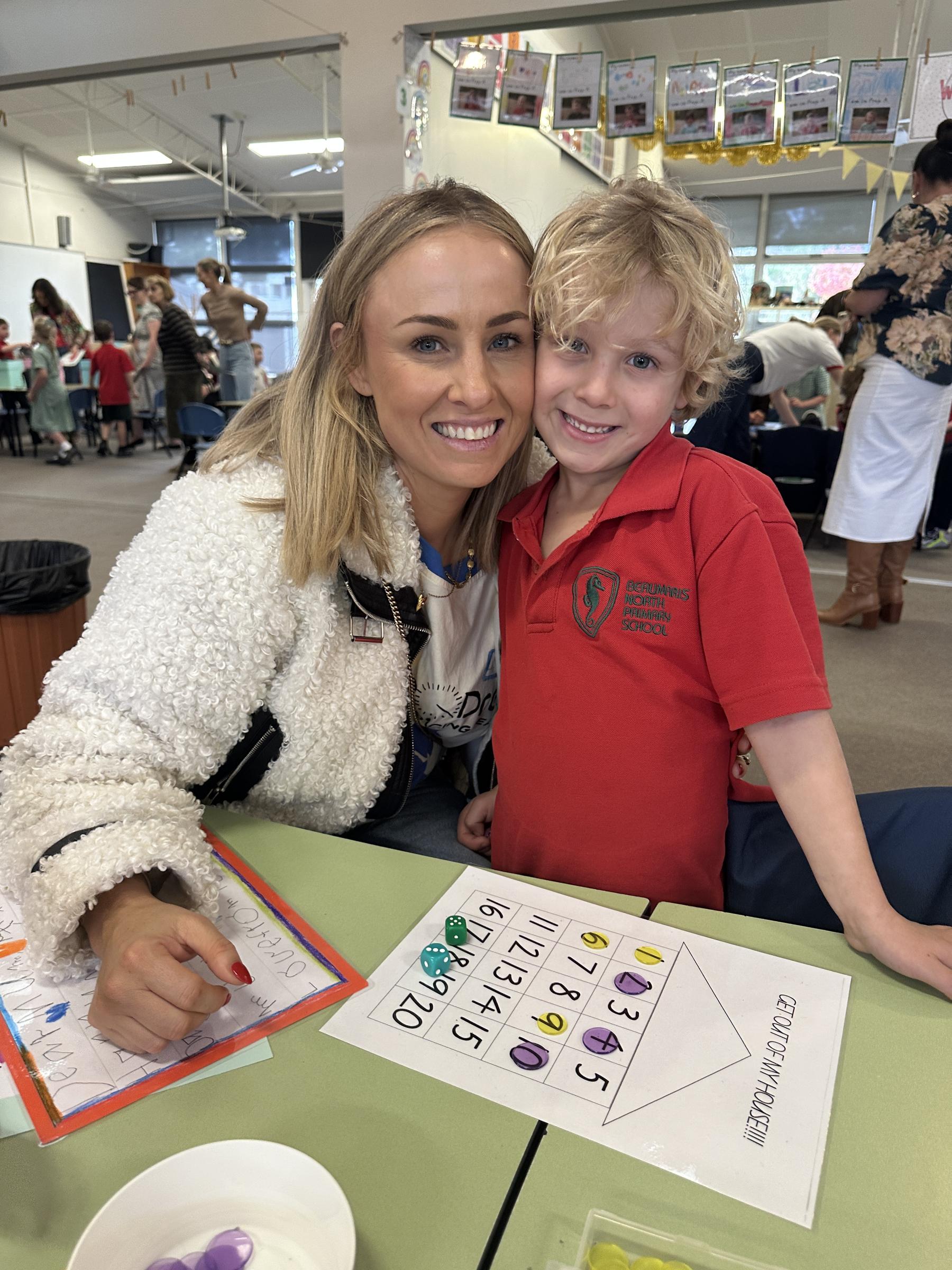
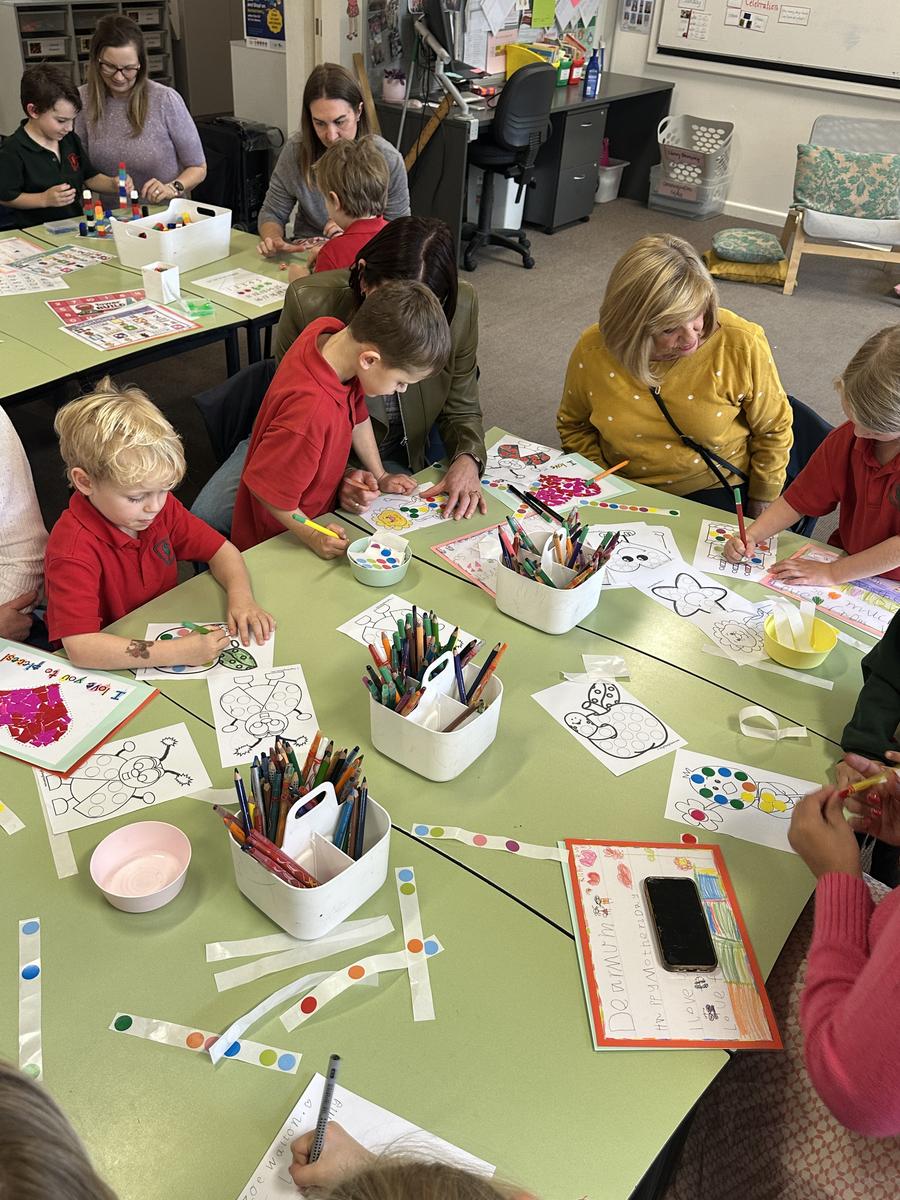
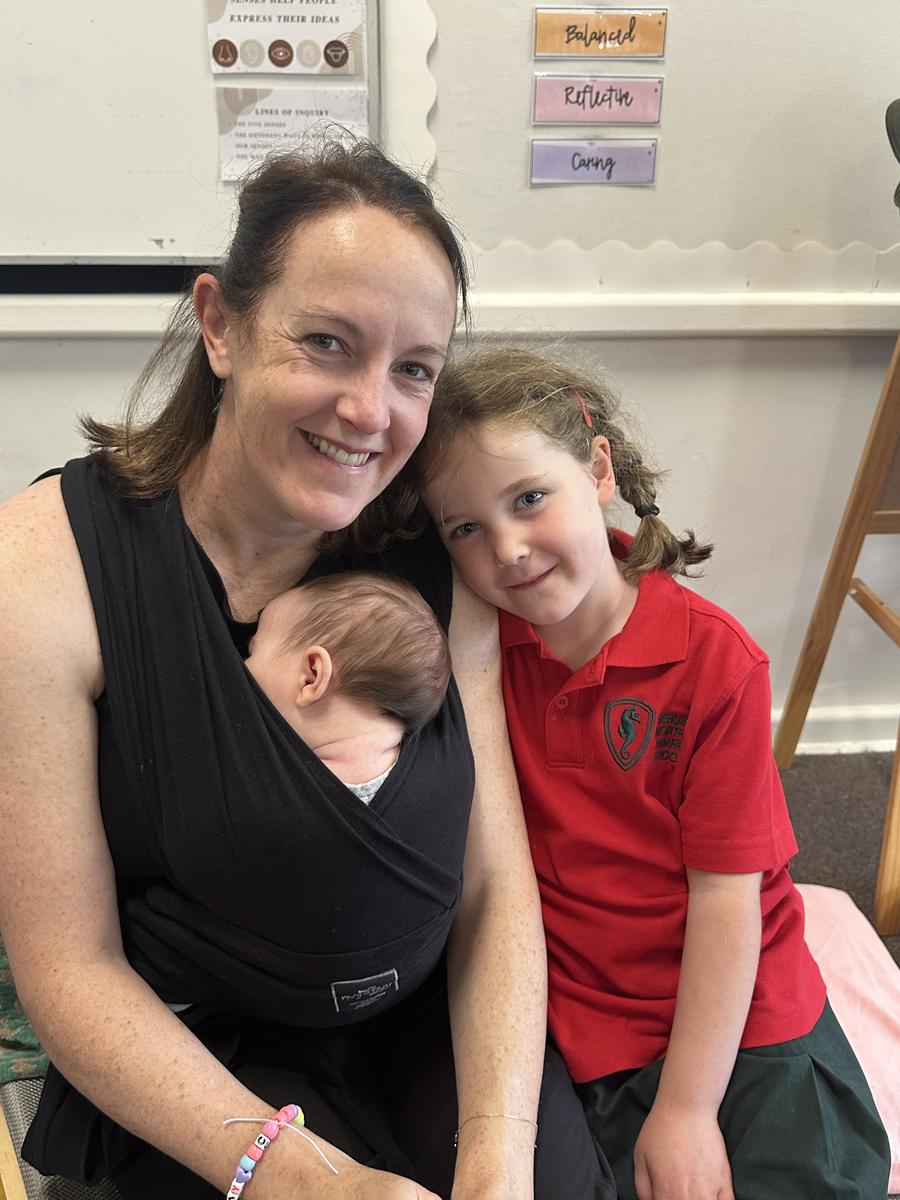
Last Wednesday afternoon, our Prep students were excited to welcome their mums and special friends to school for a wonderful Mother’s Day celebration. The children helped set up the classrooms for this special event.
Prep A
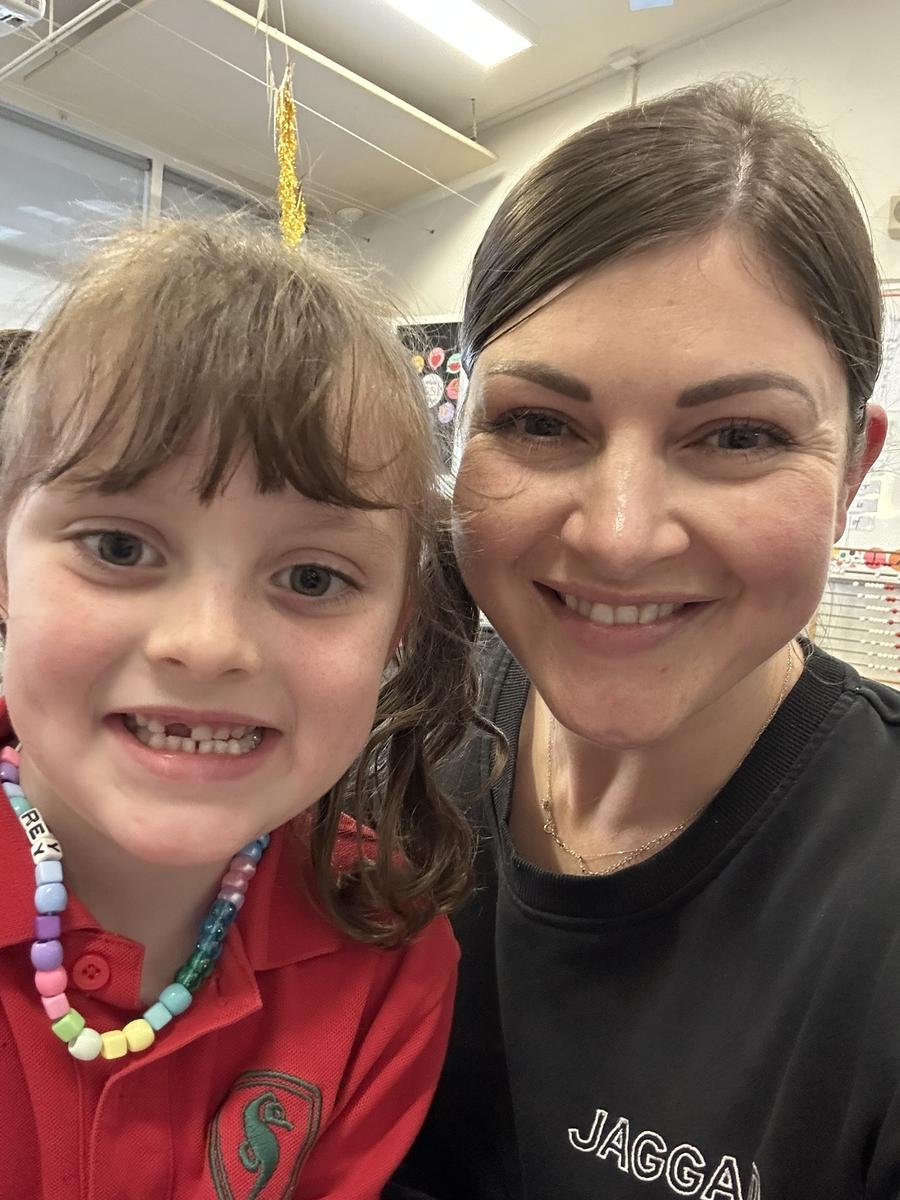
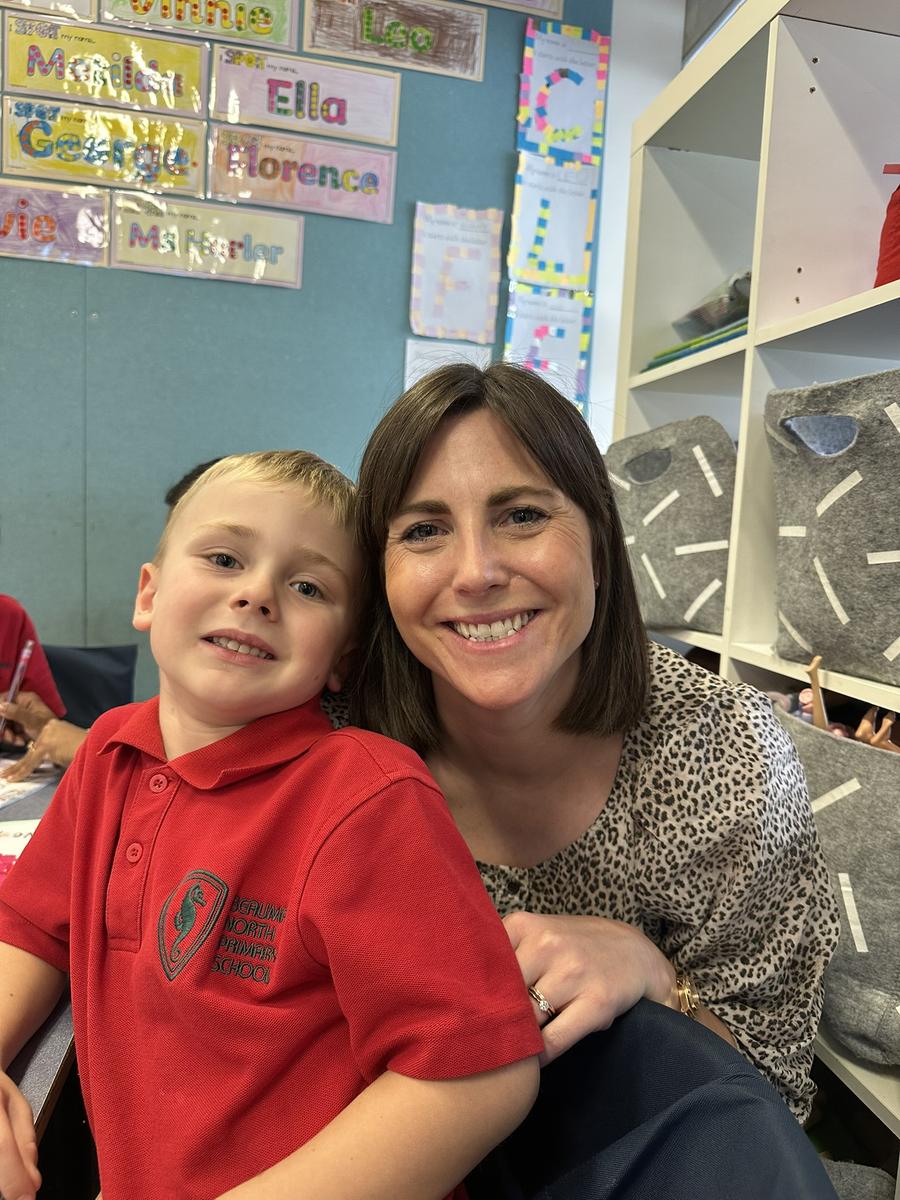
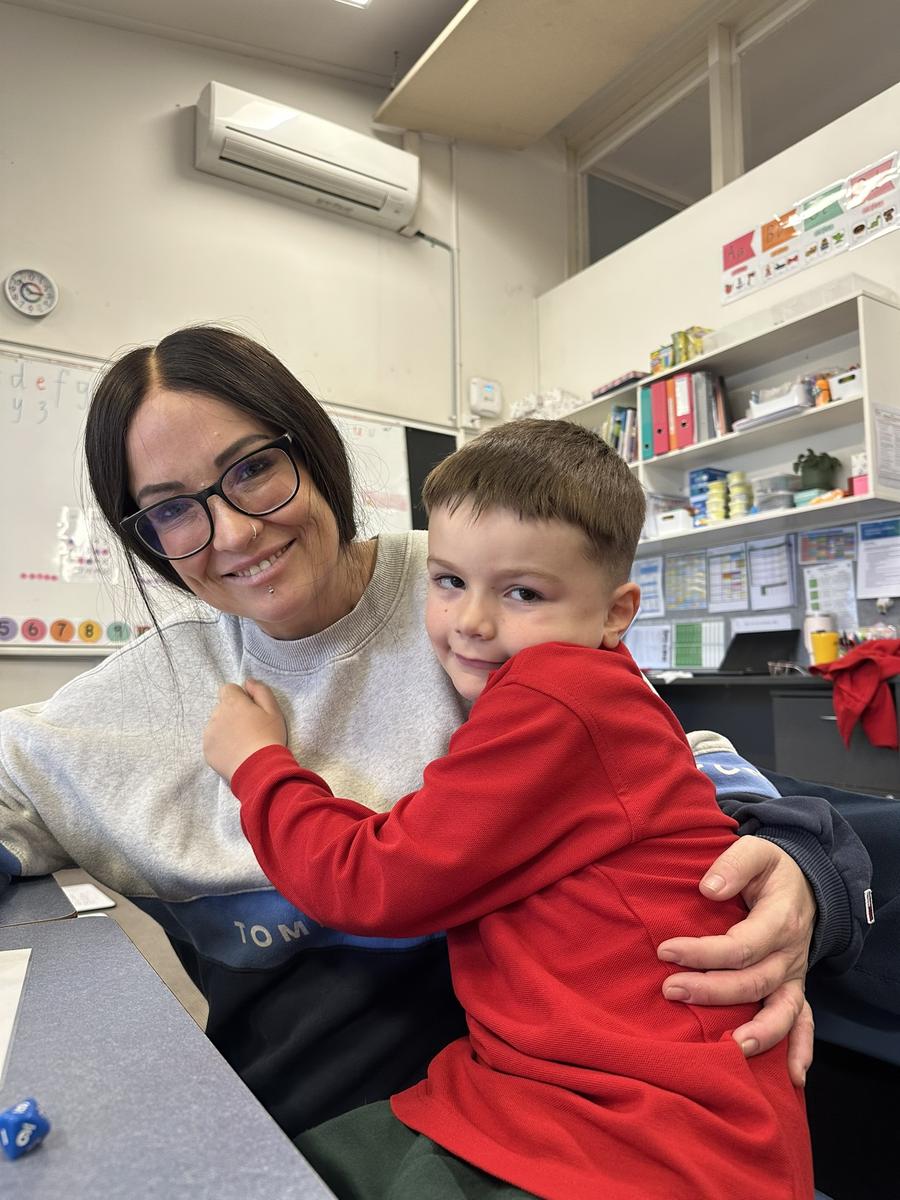
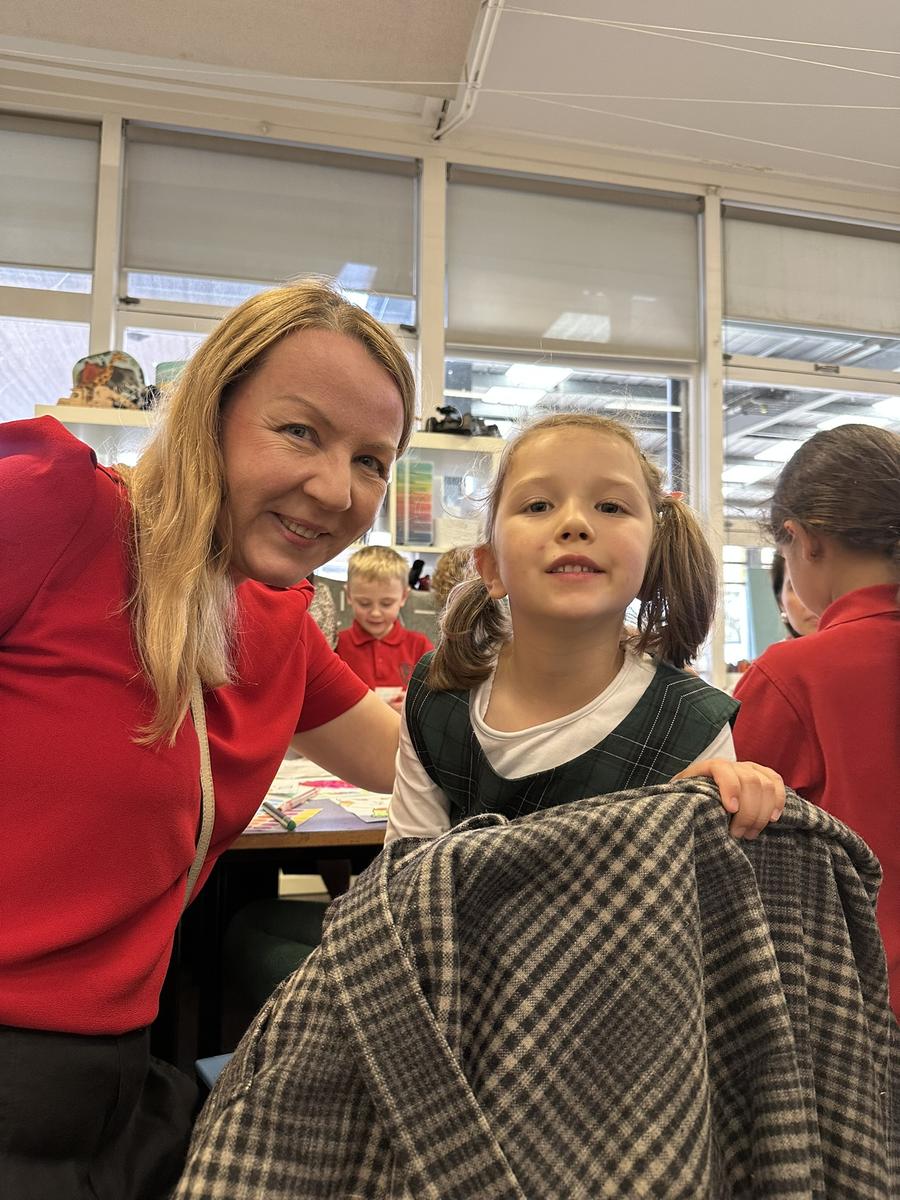
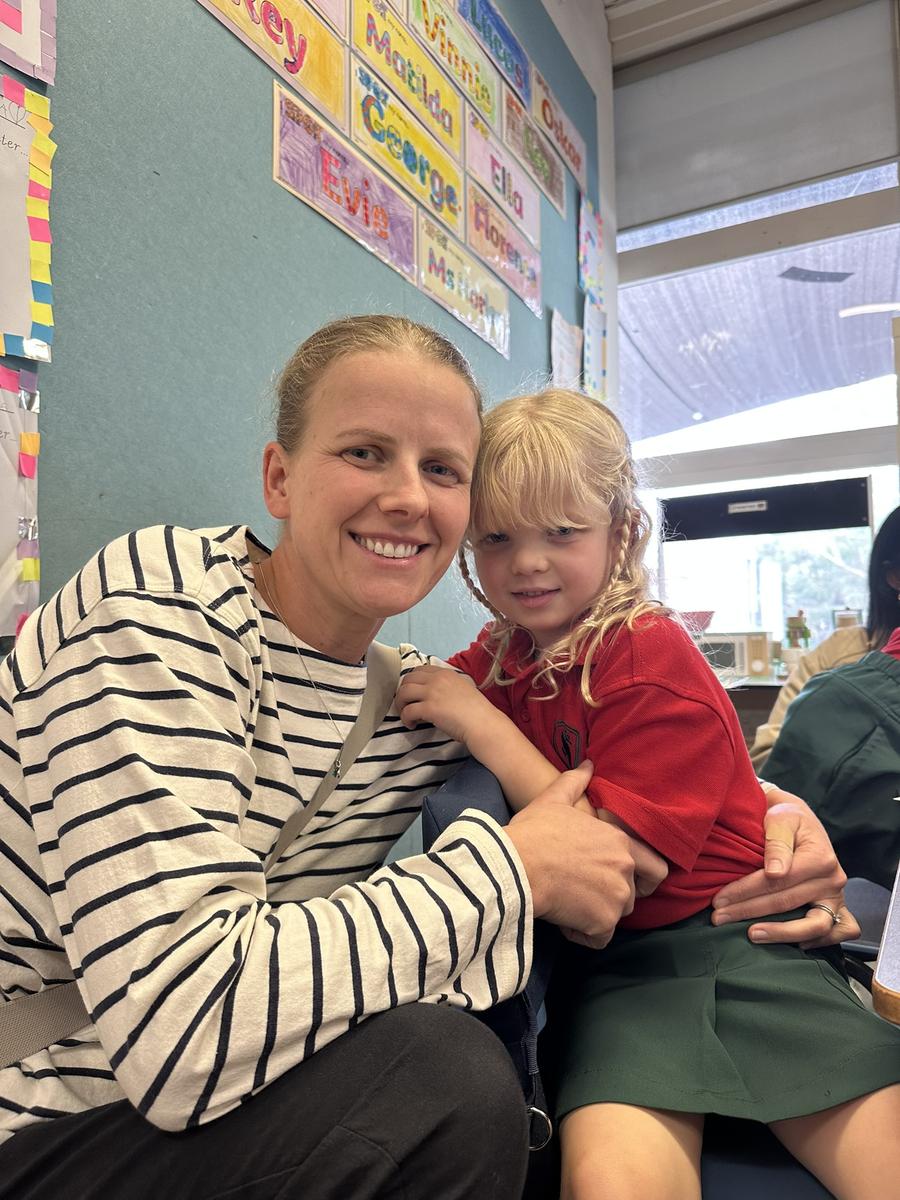
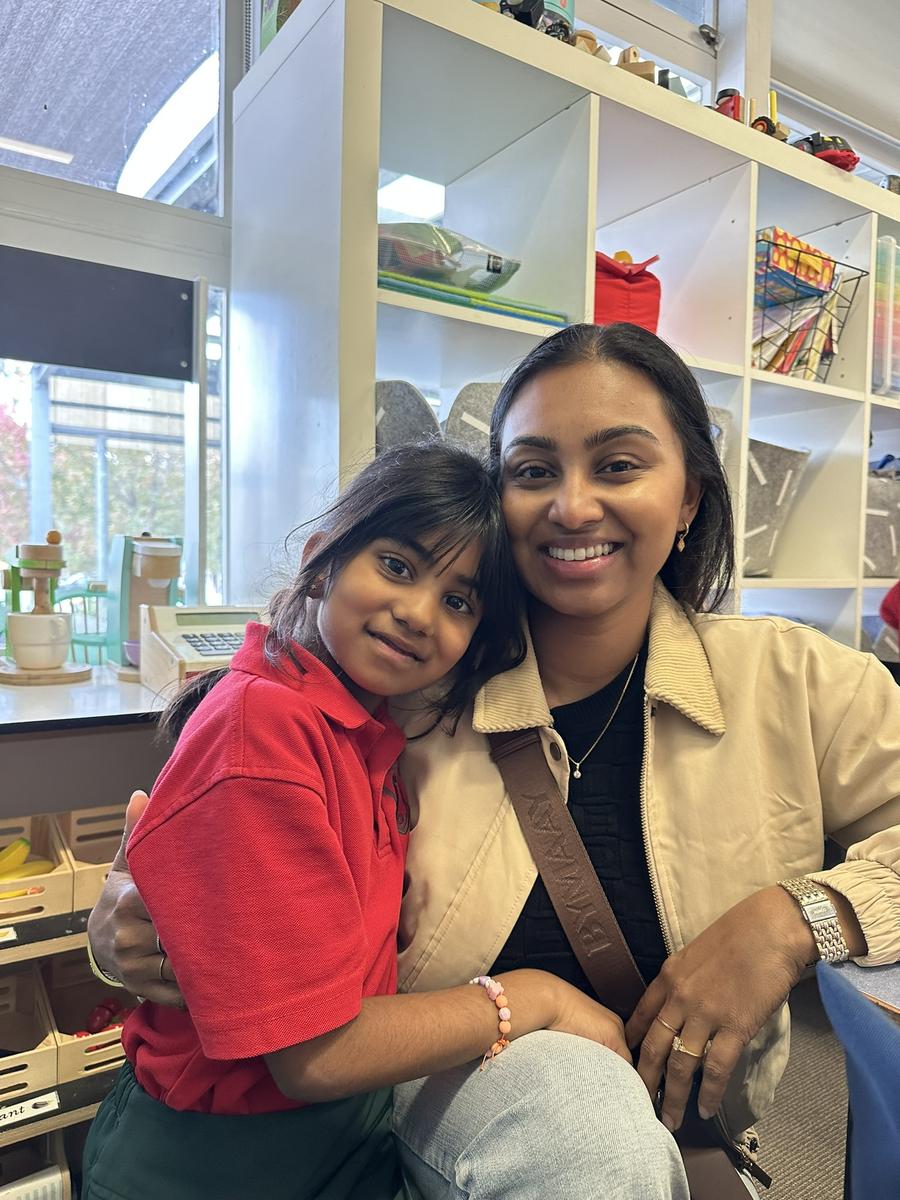
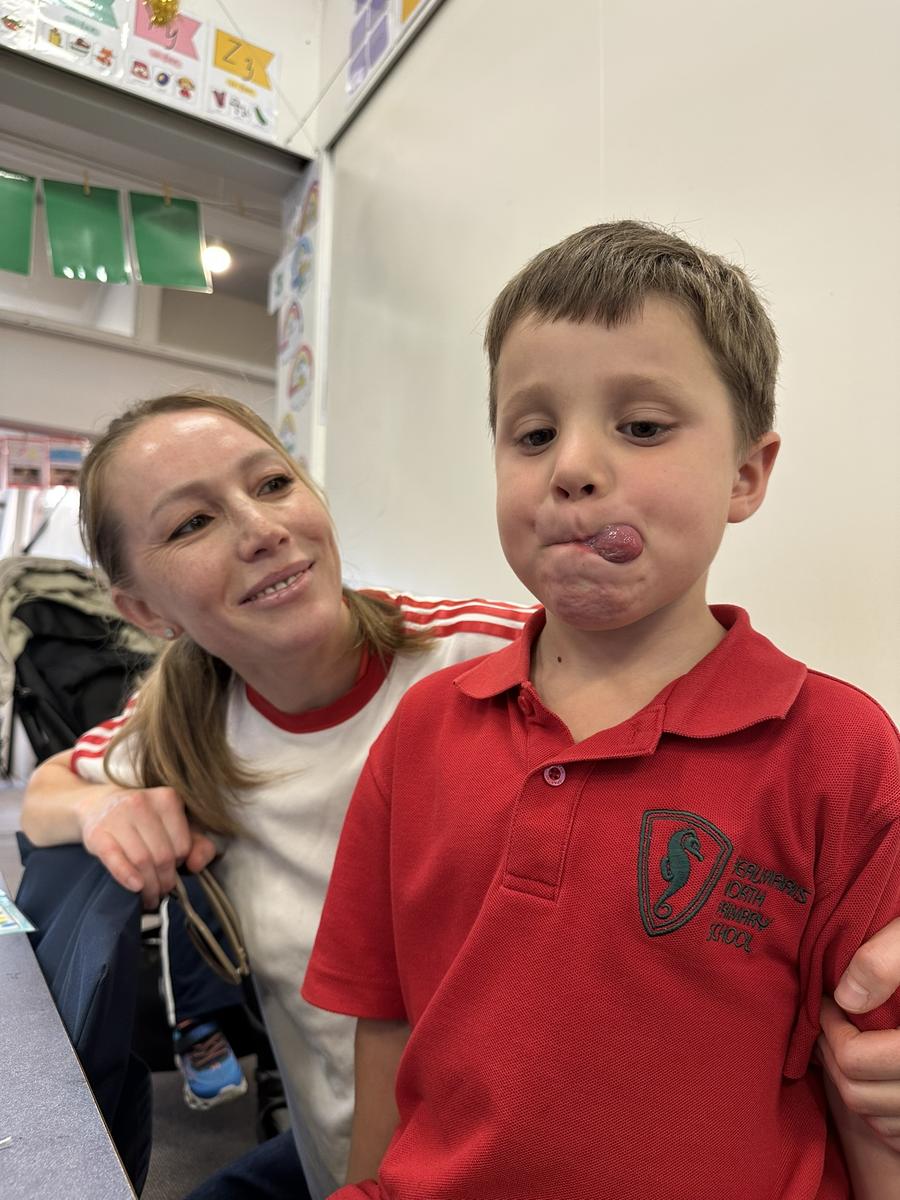
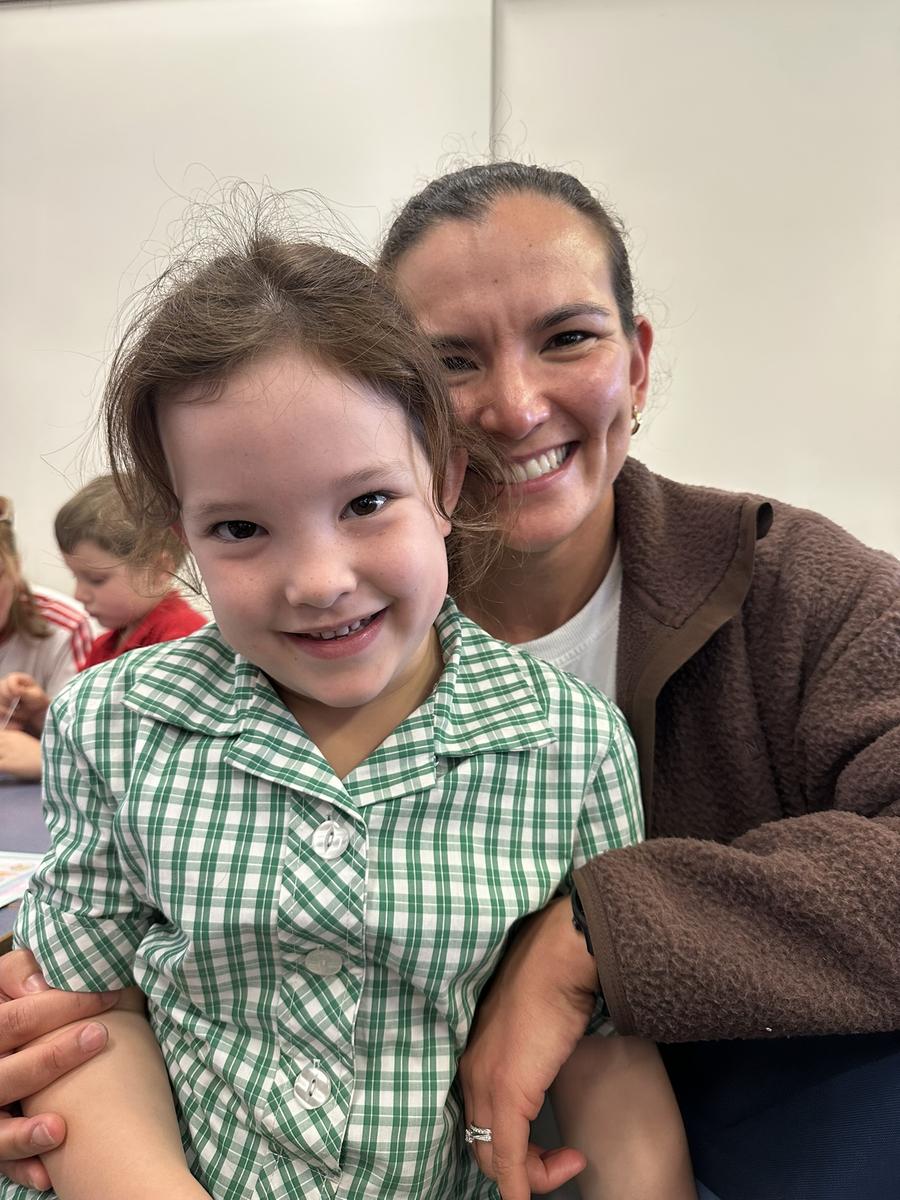
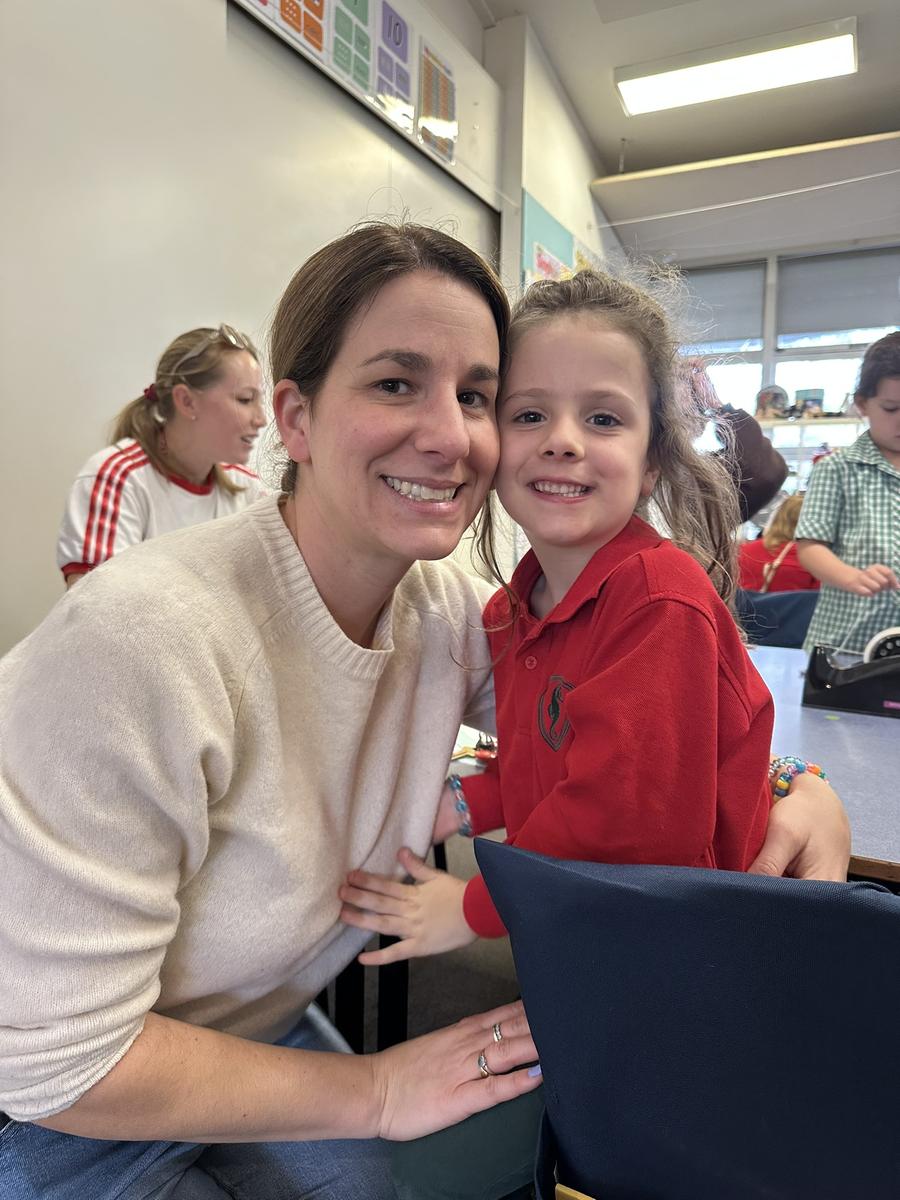
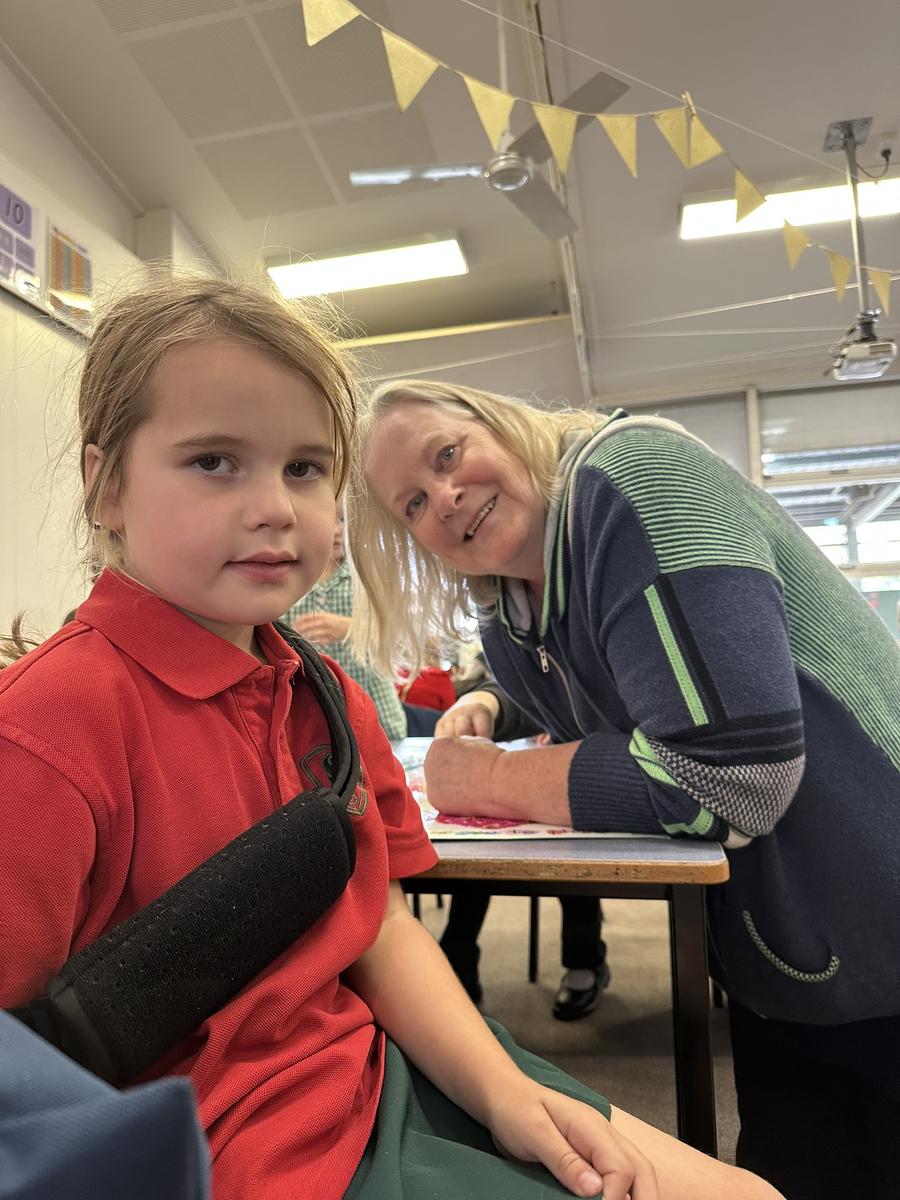
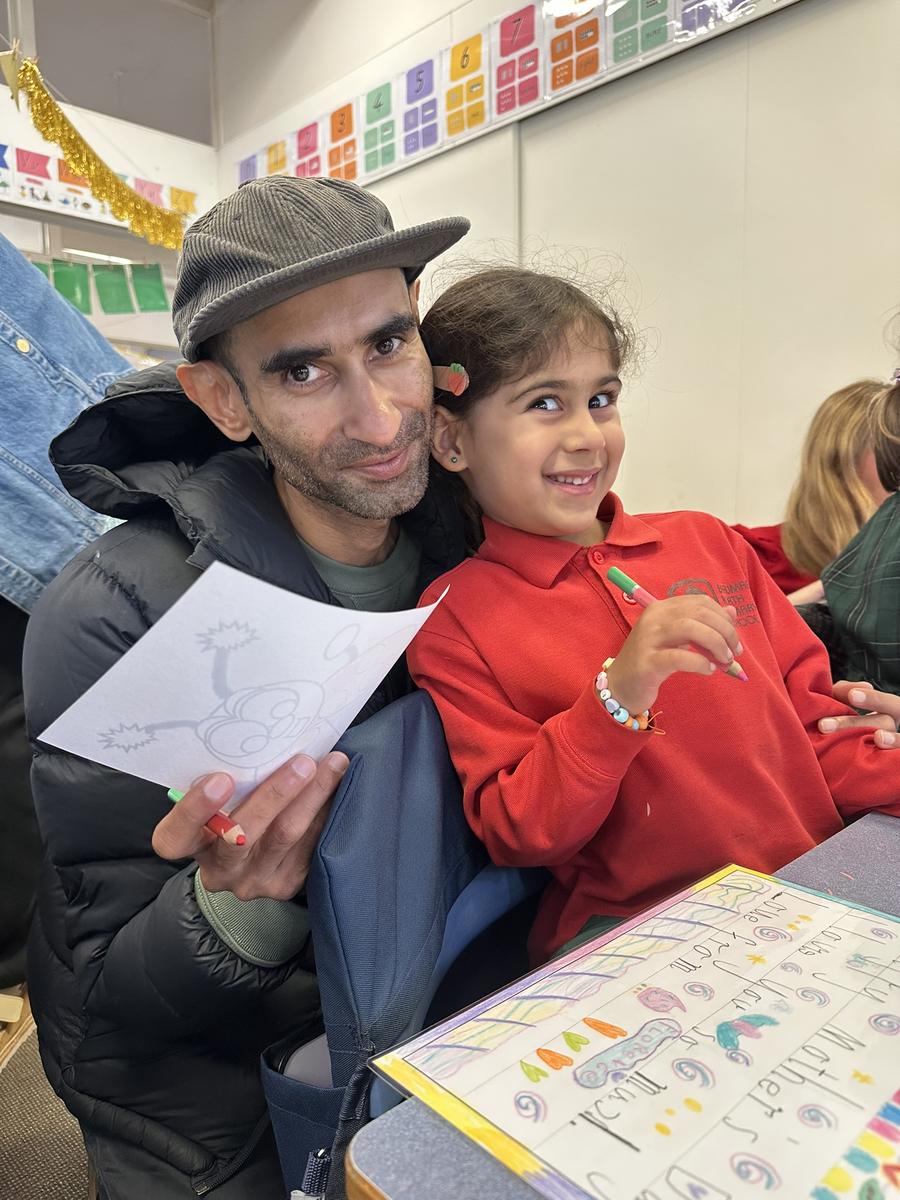
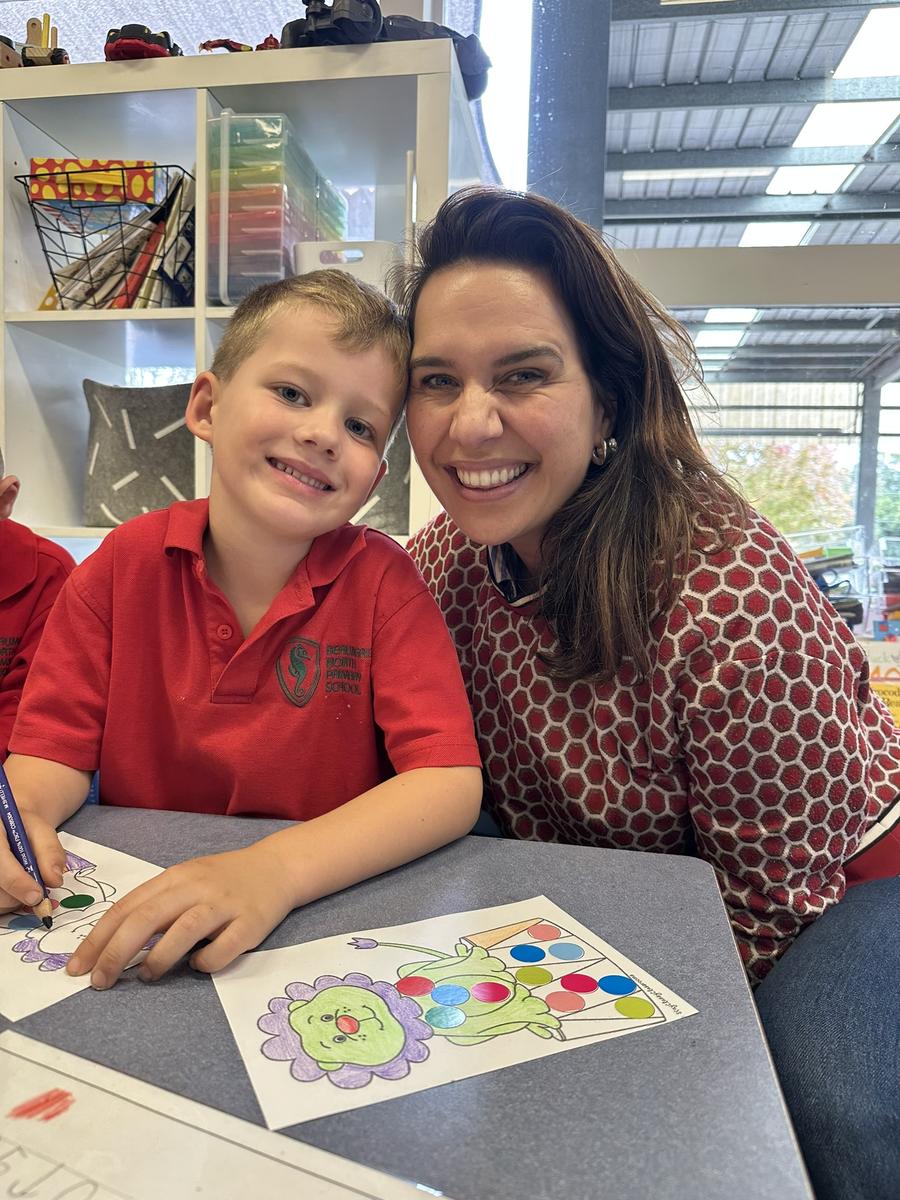
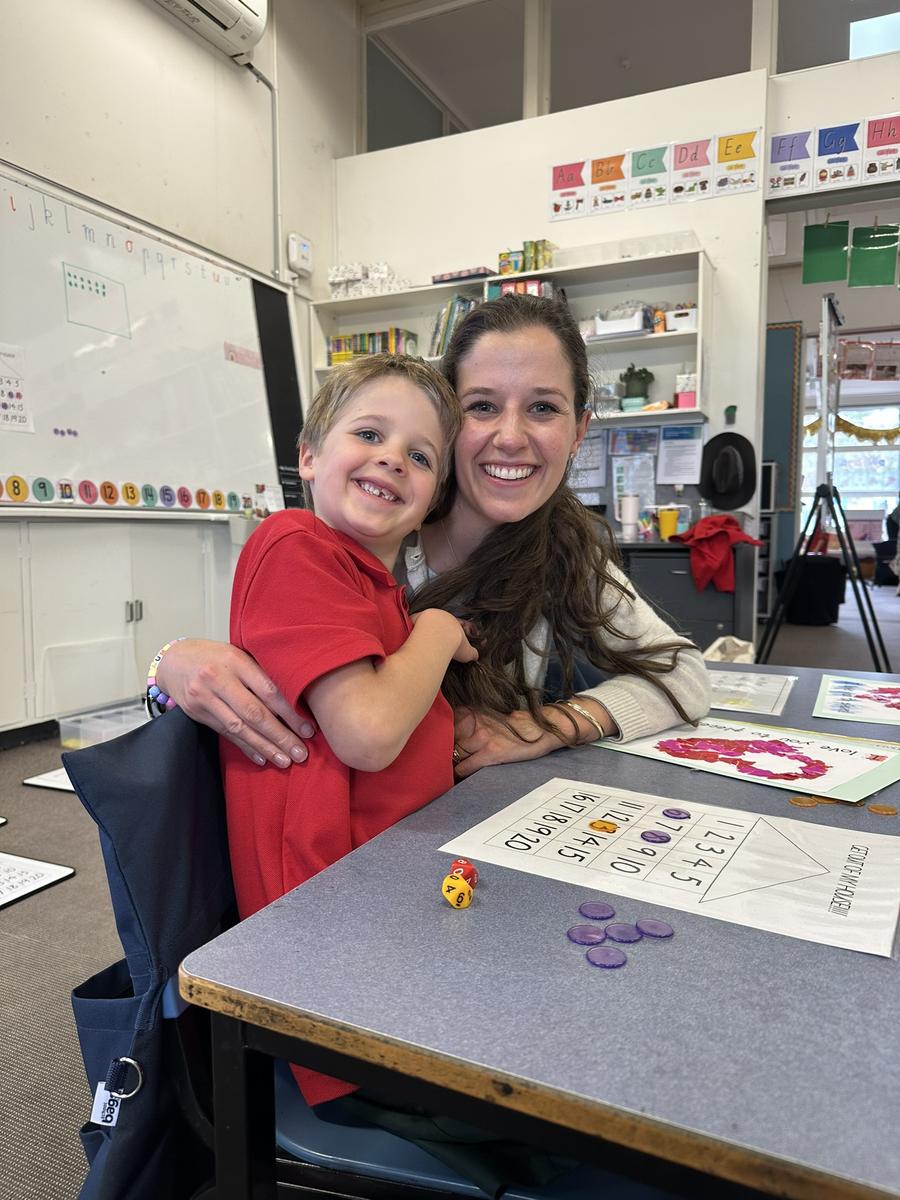
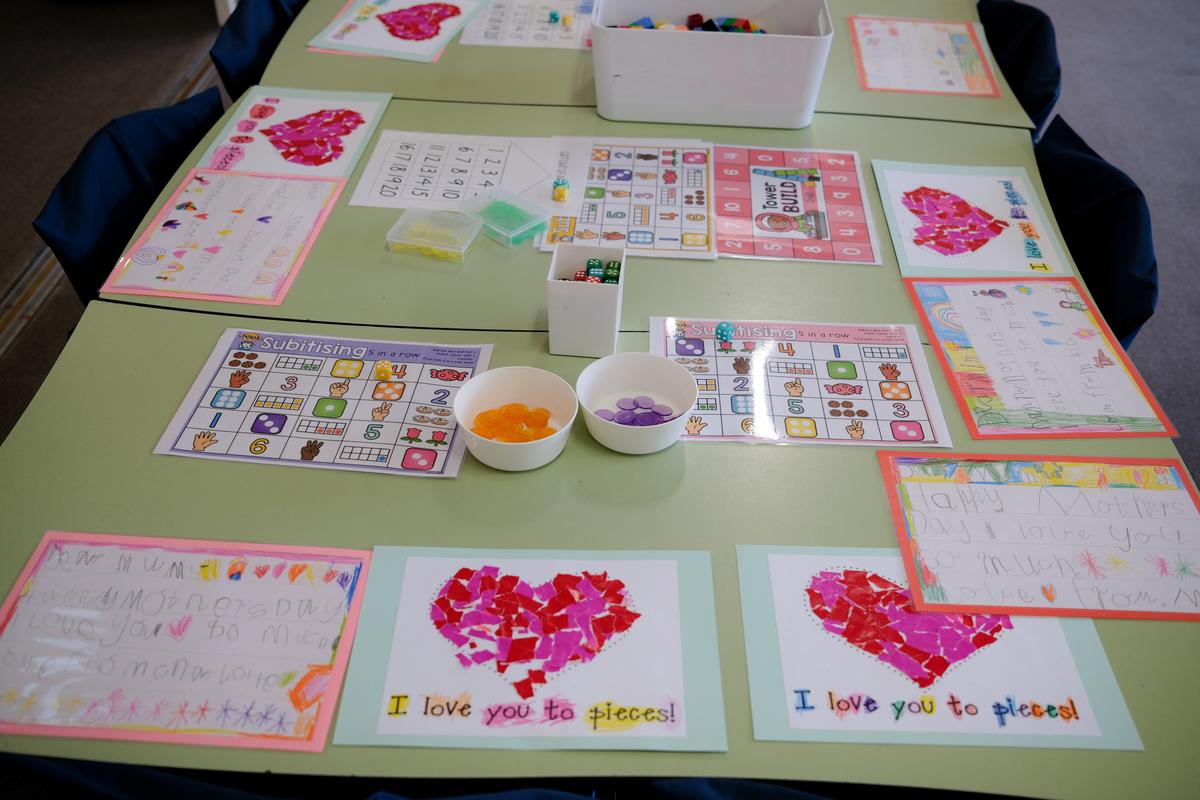
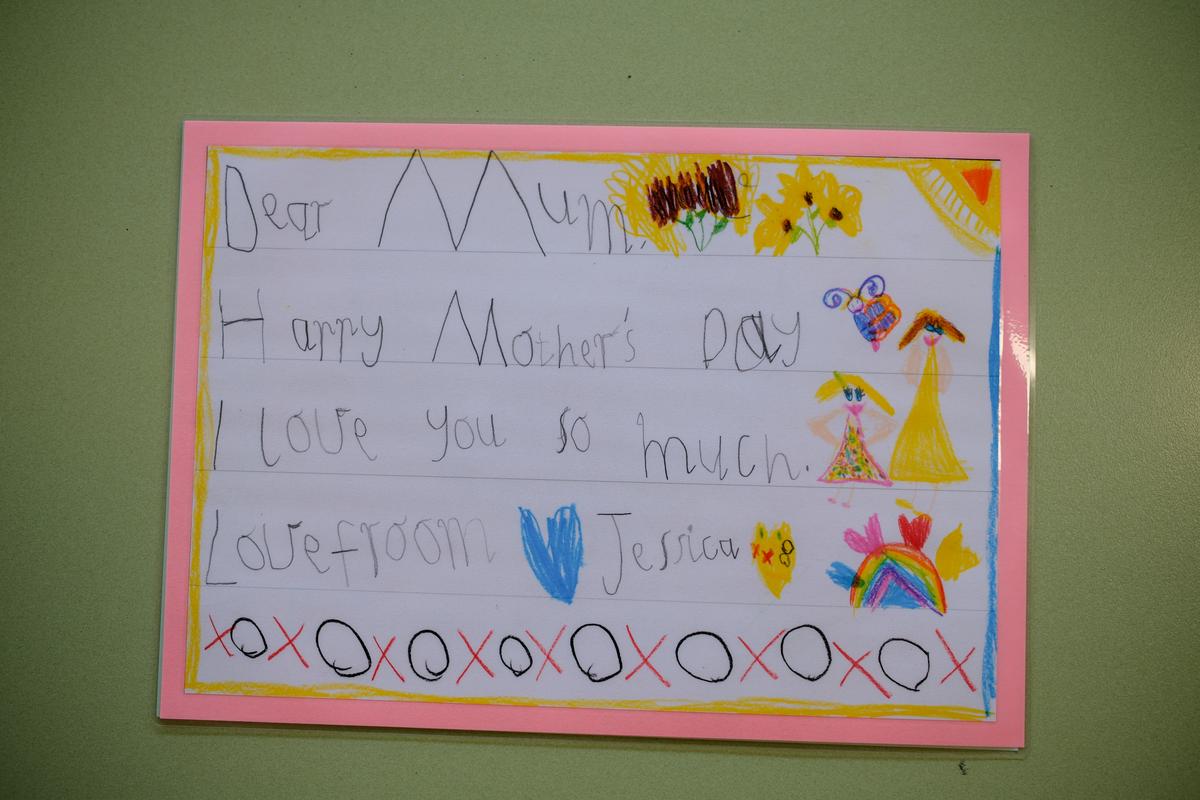
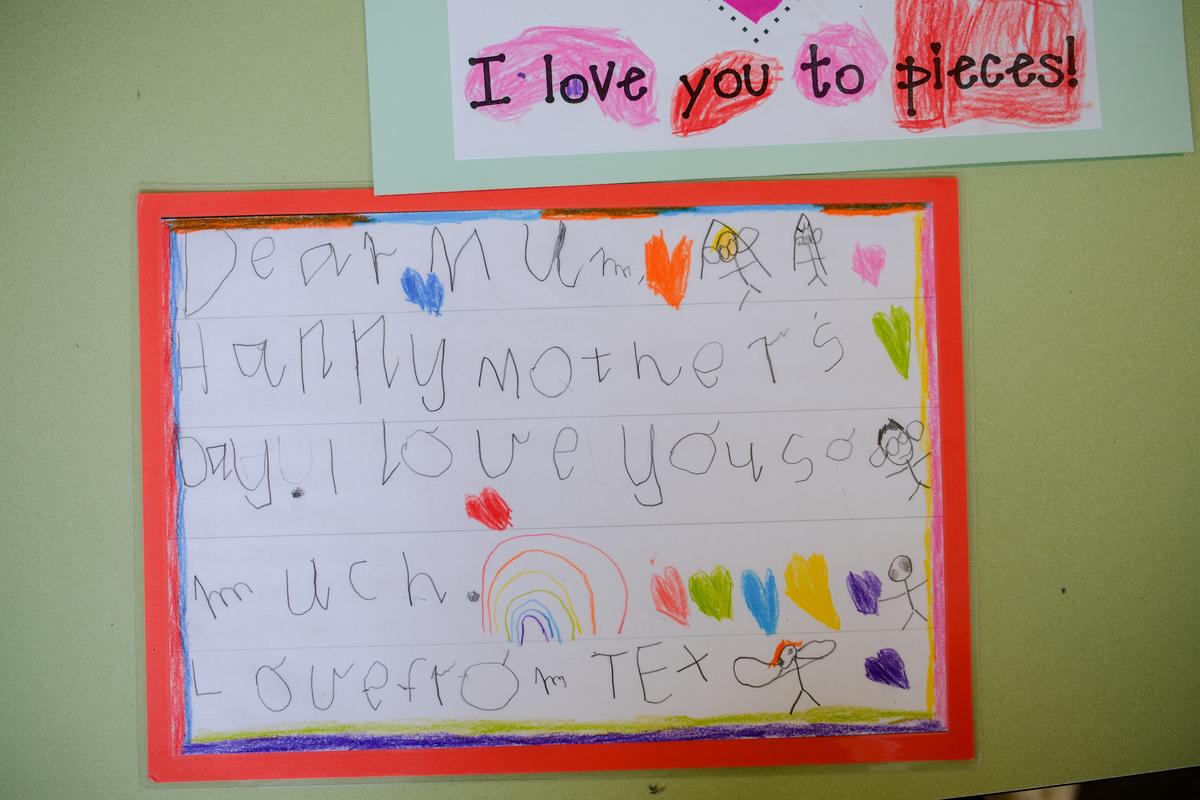
In the lead-up to the afternoon, the children worked hard to create heartfelt gifts for their mums. They made beautiful love-heart cards and carefully handwrote and decorated special letters to show just how much they love and appreciate their mums.
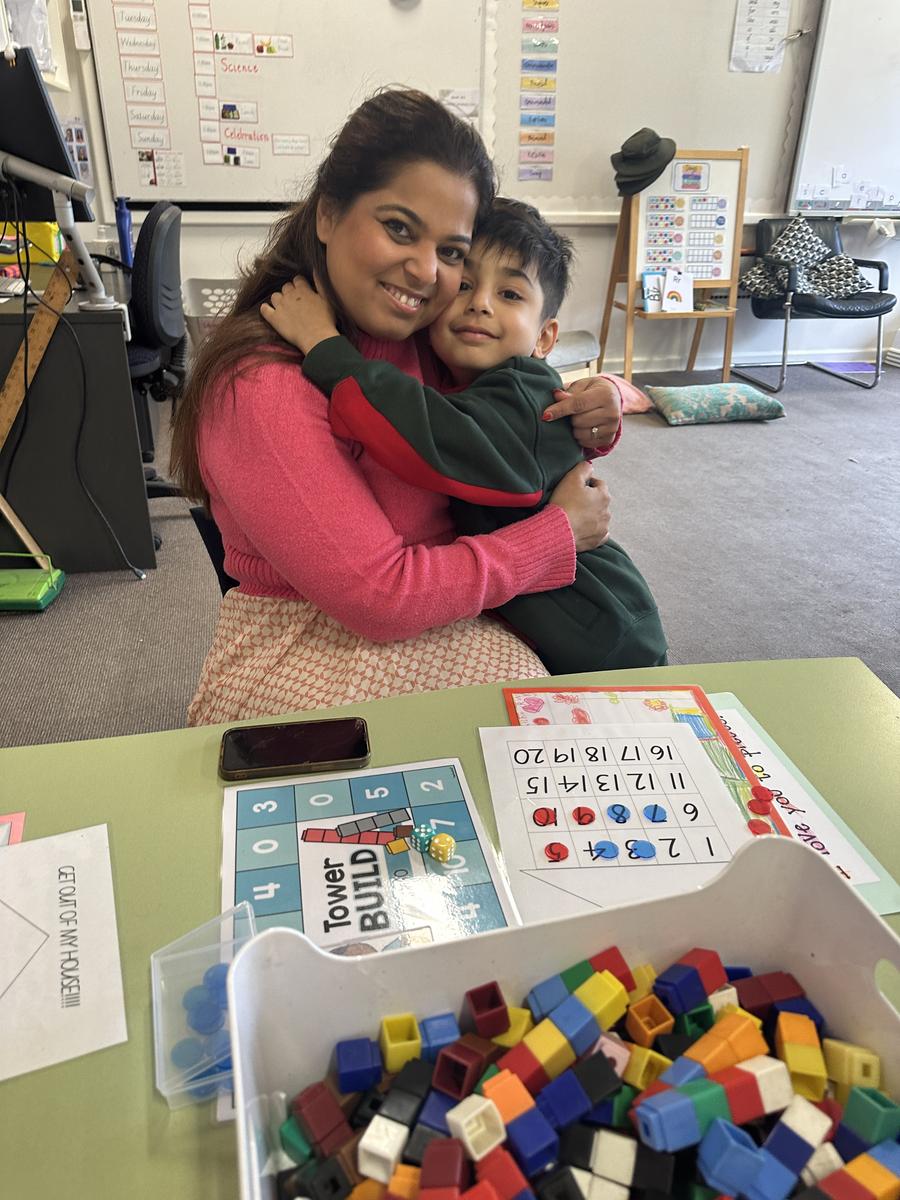
When the mums and special friends arrived, the Preps showed them to their seat, applied hand cream to their mums’ hands and gave them a lovely hand massage.
Prep B
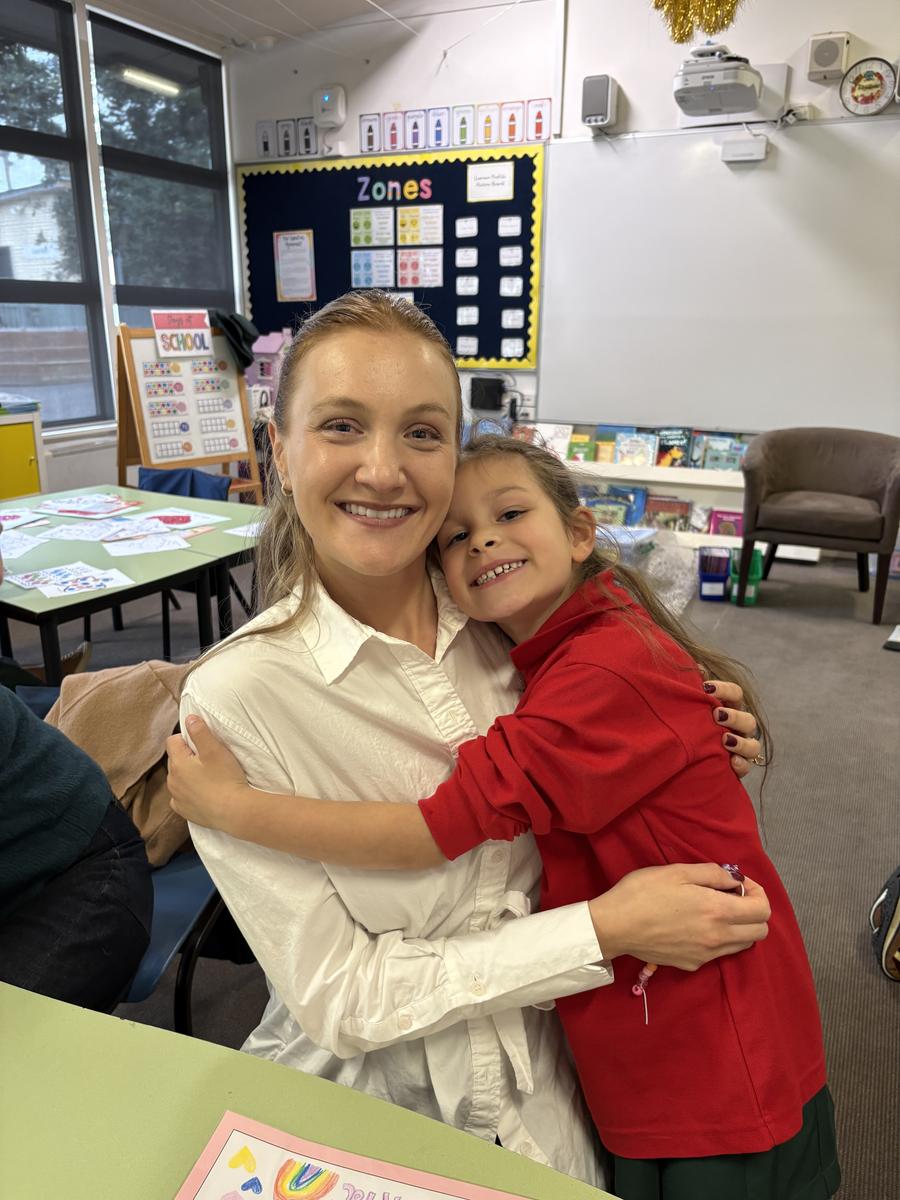
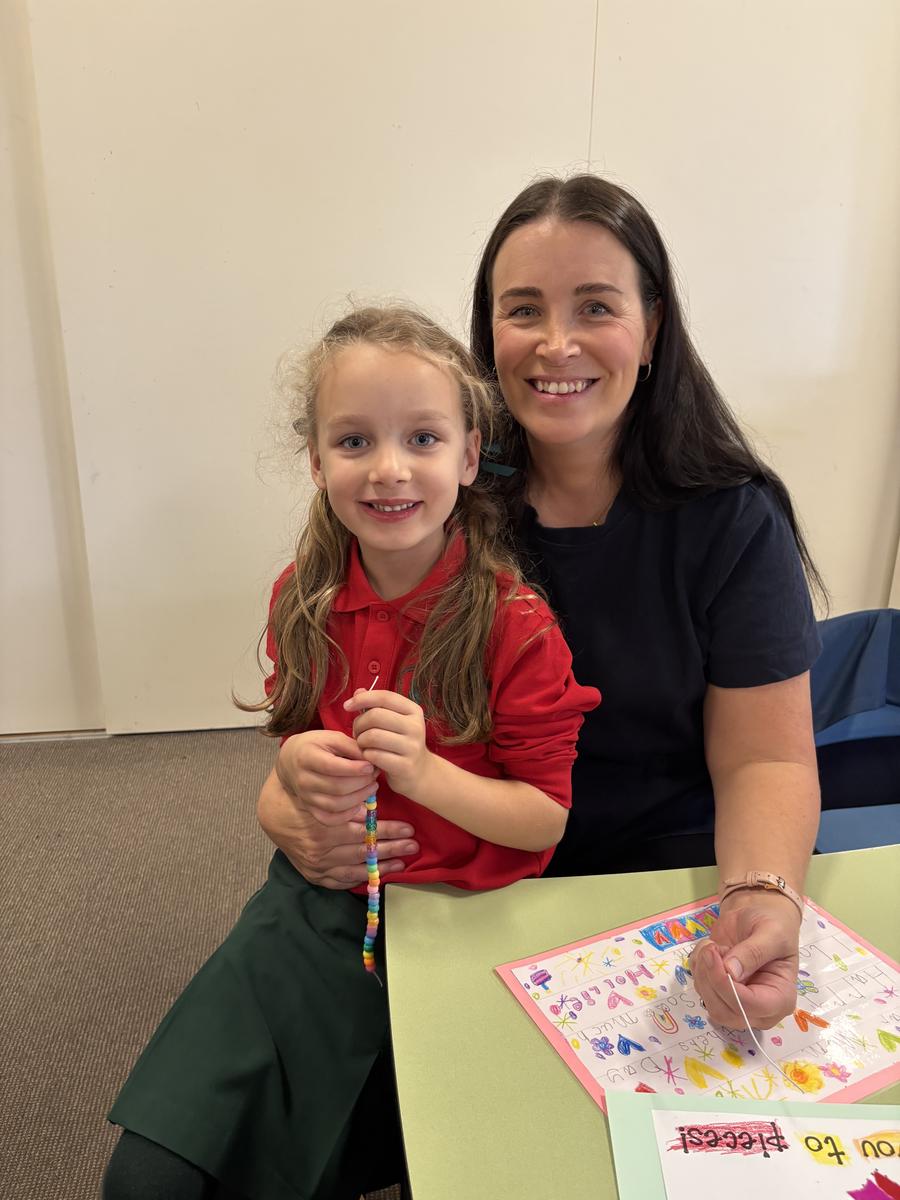
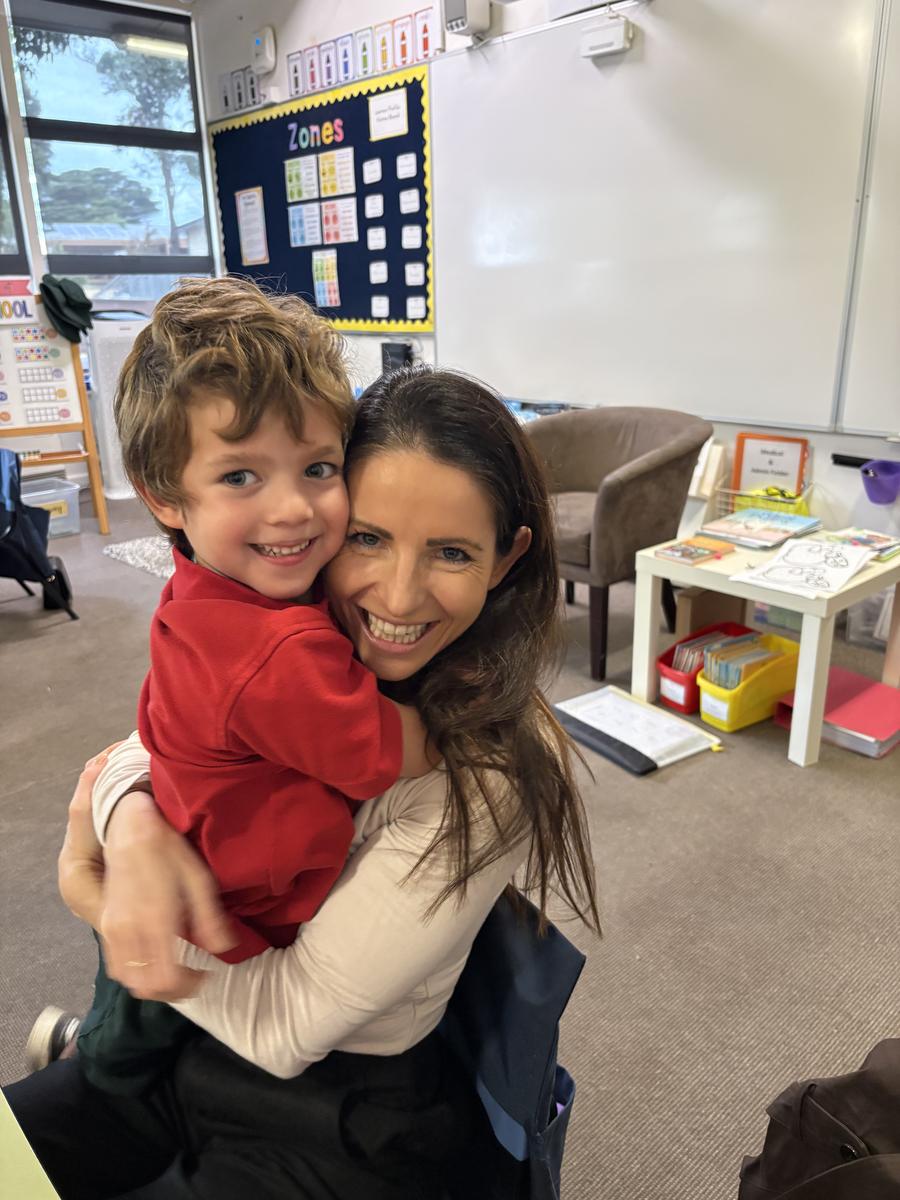
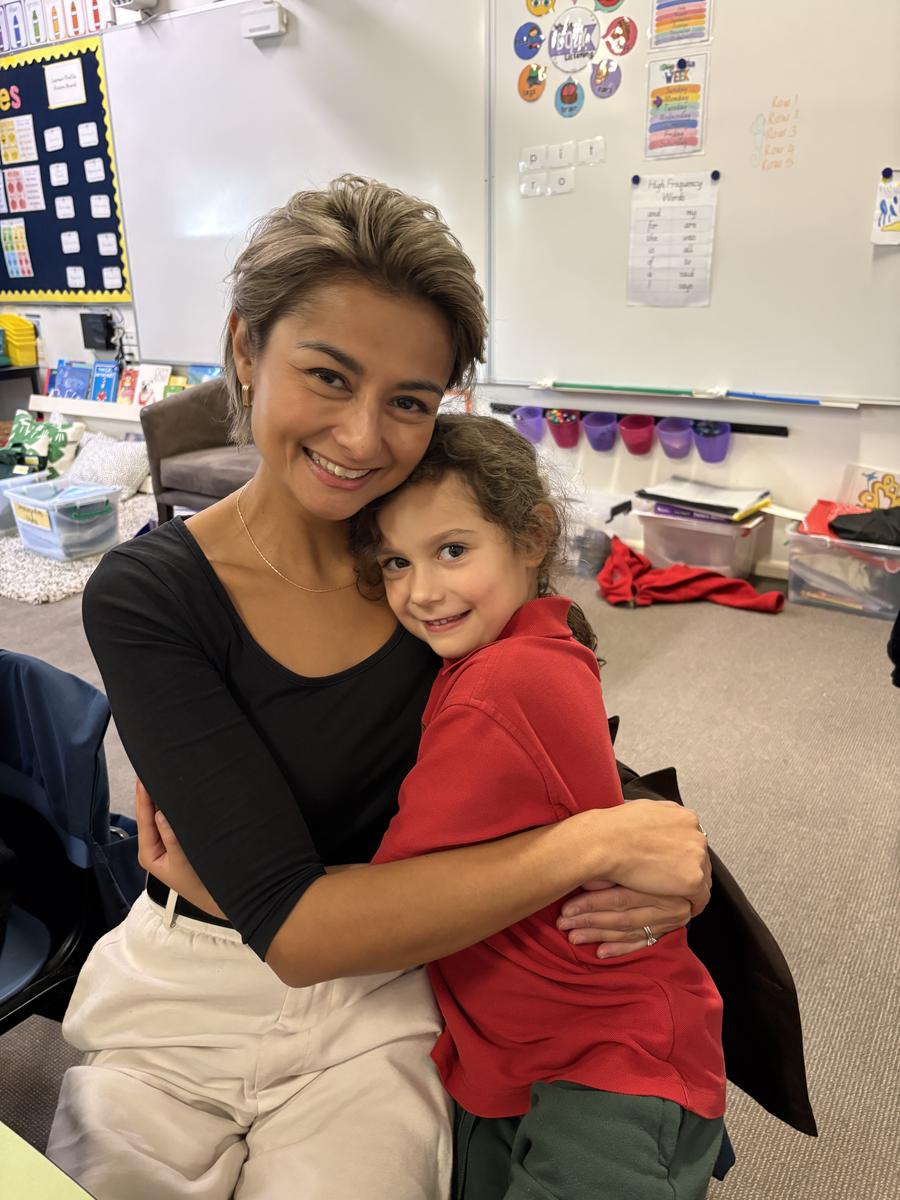
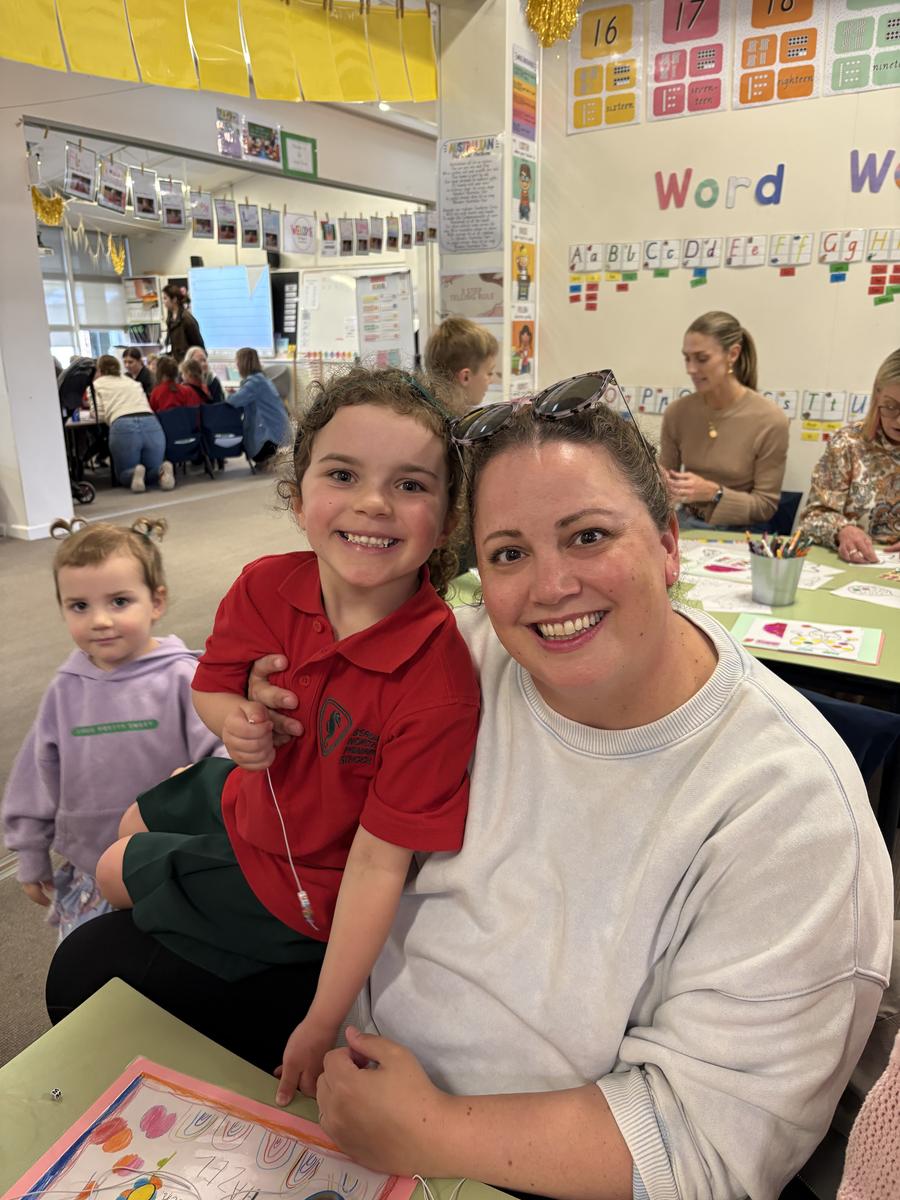
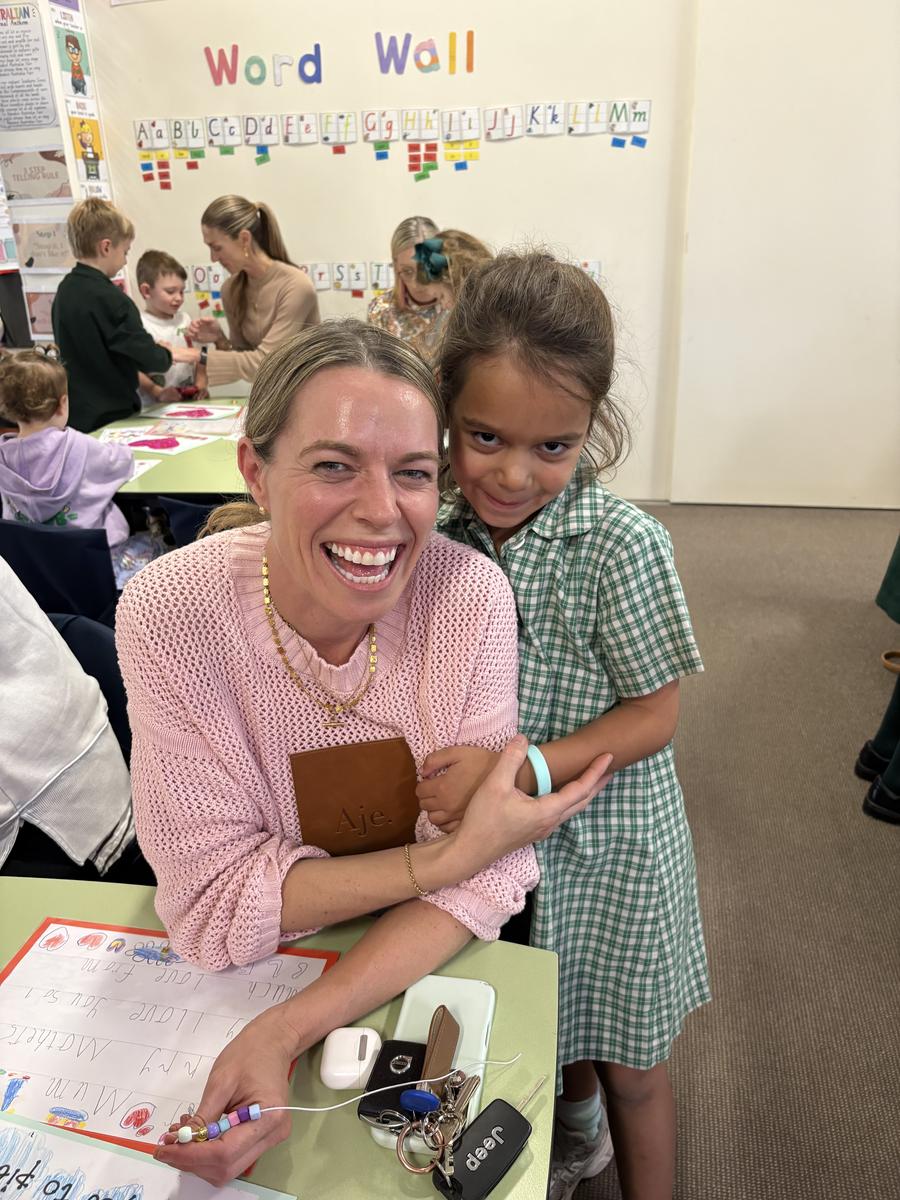
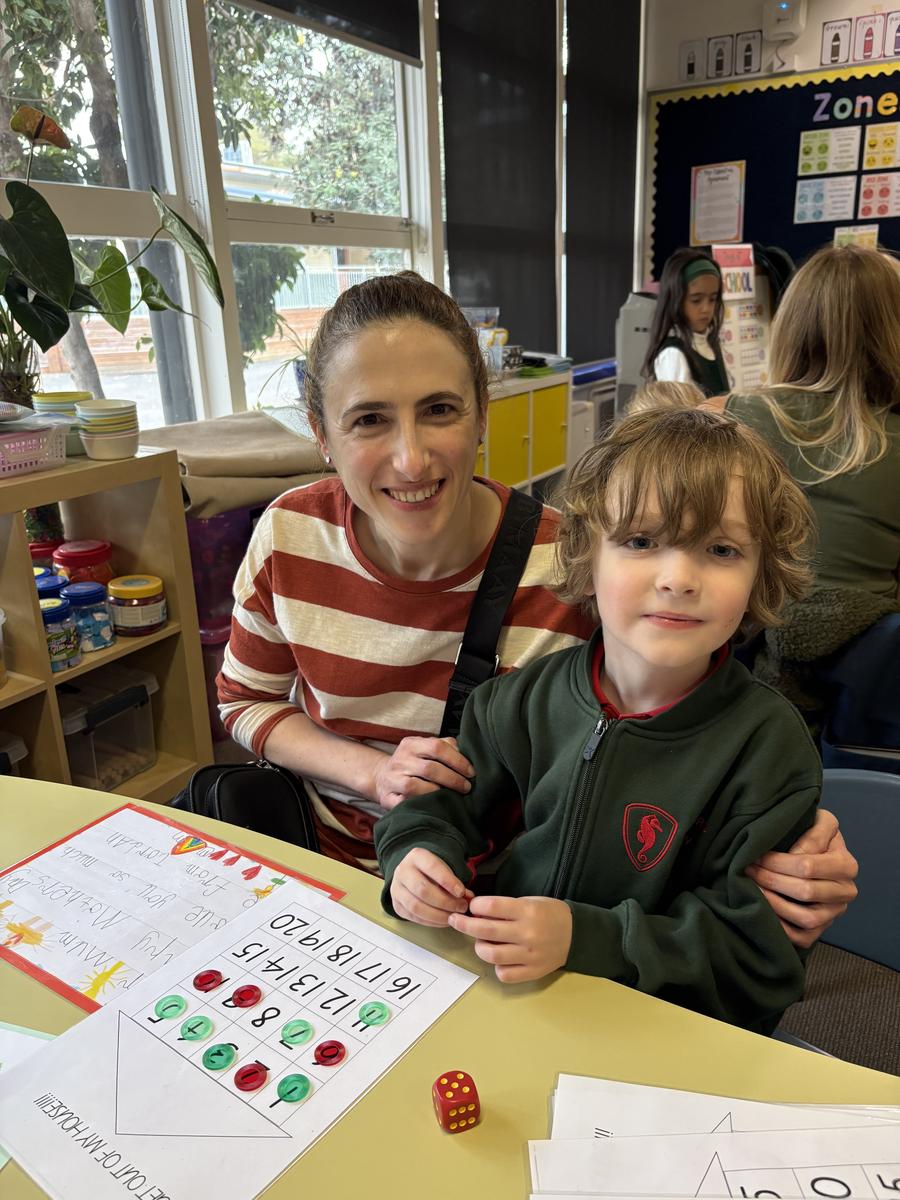
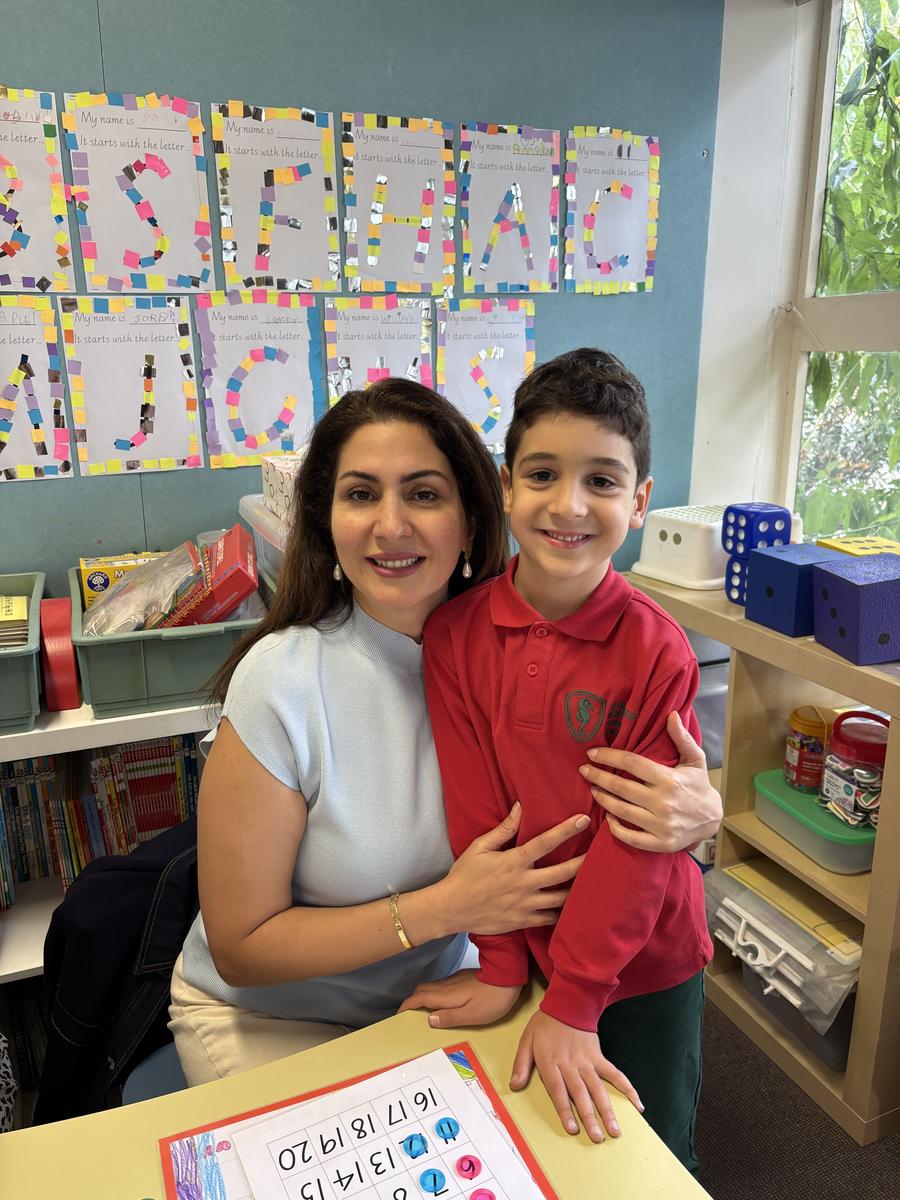
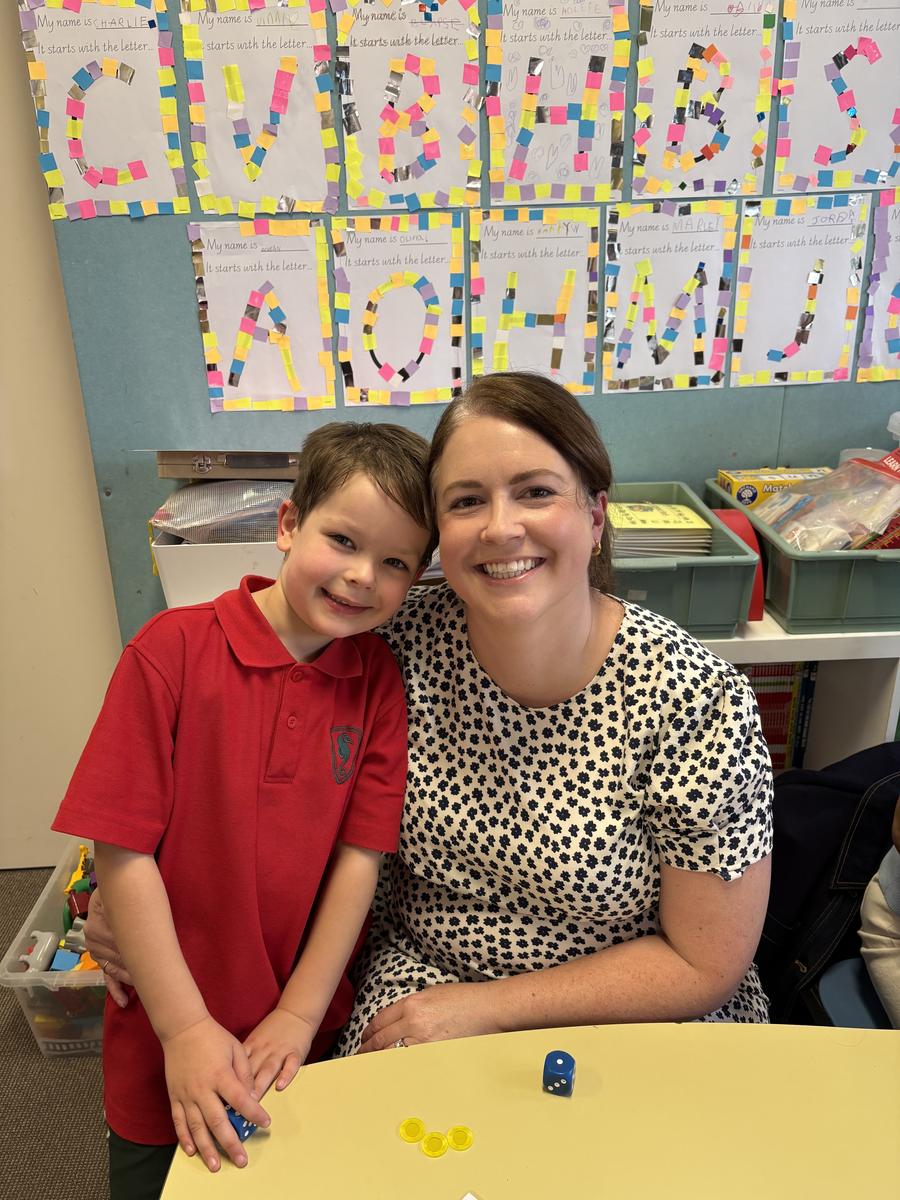
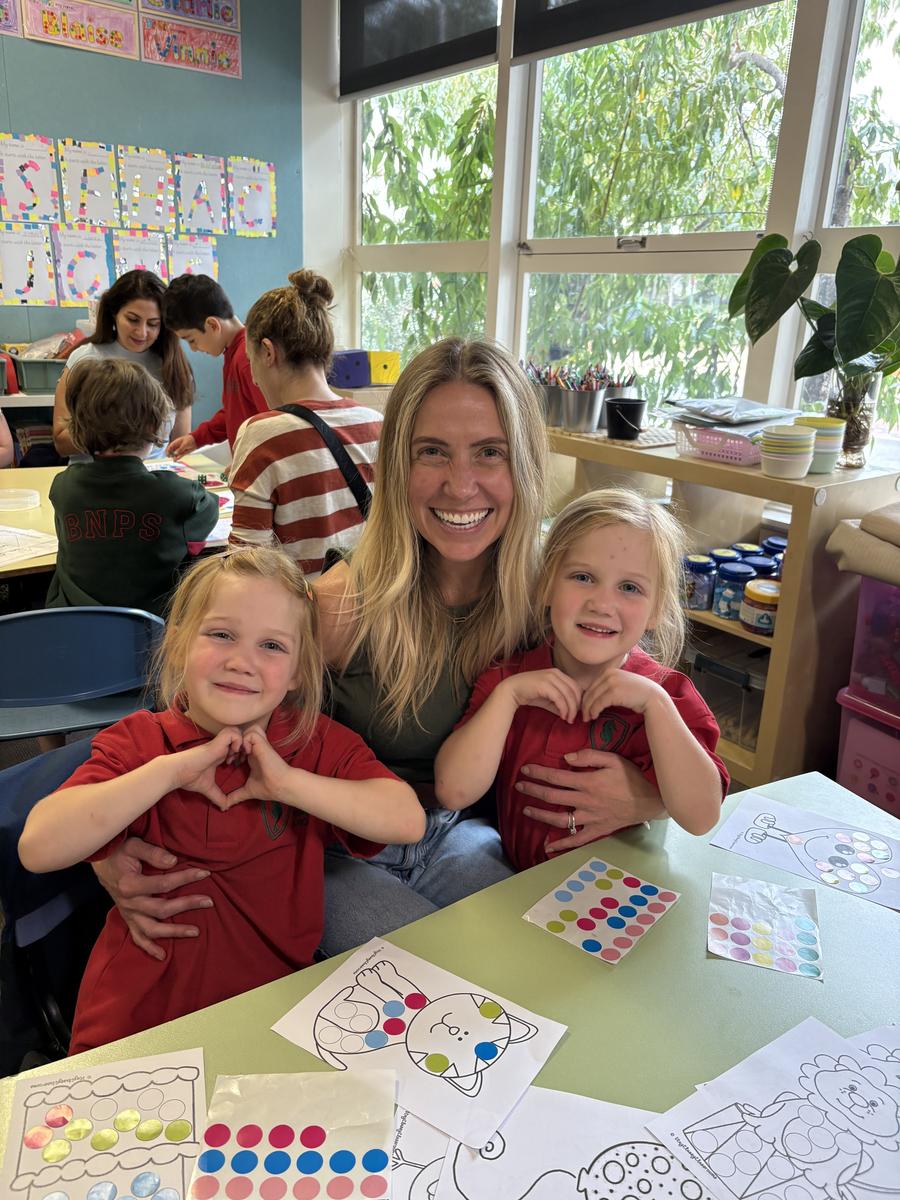
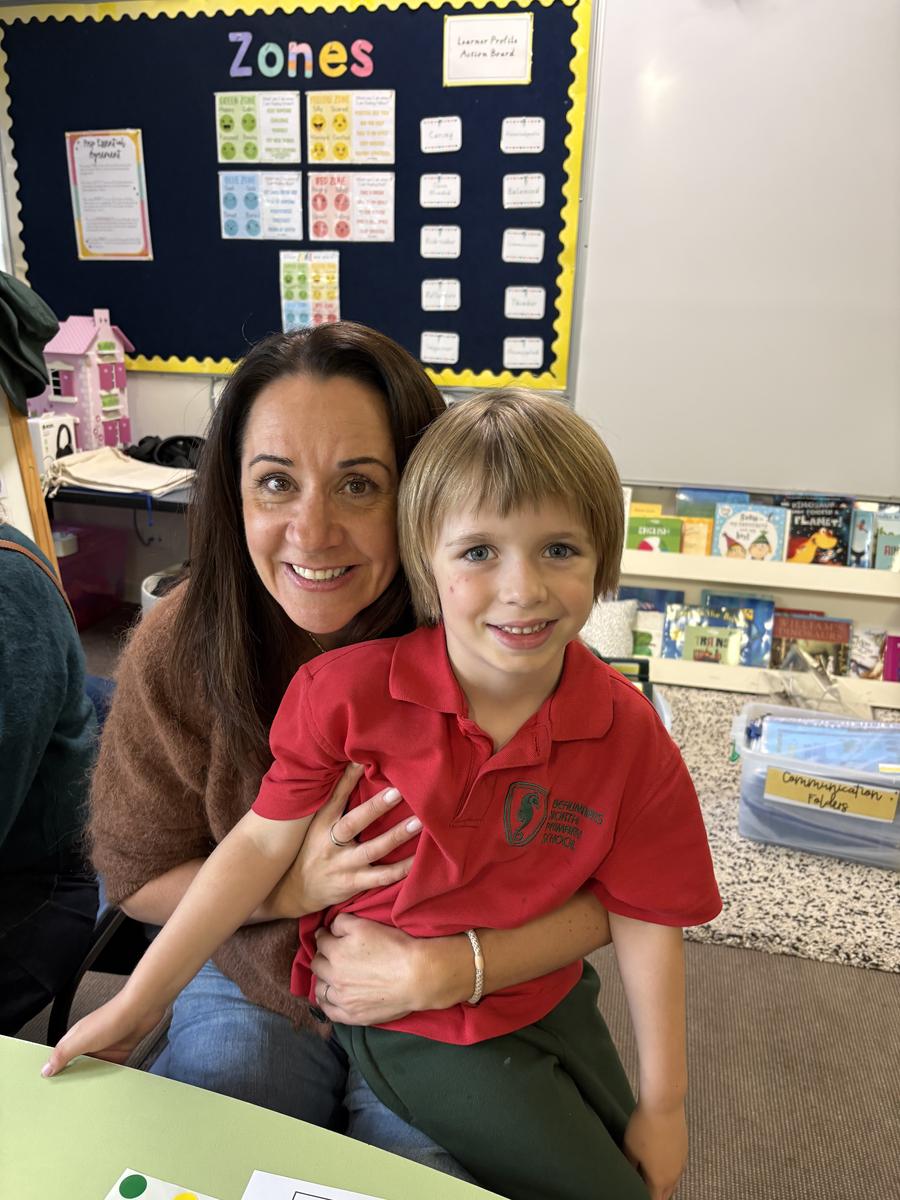
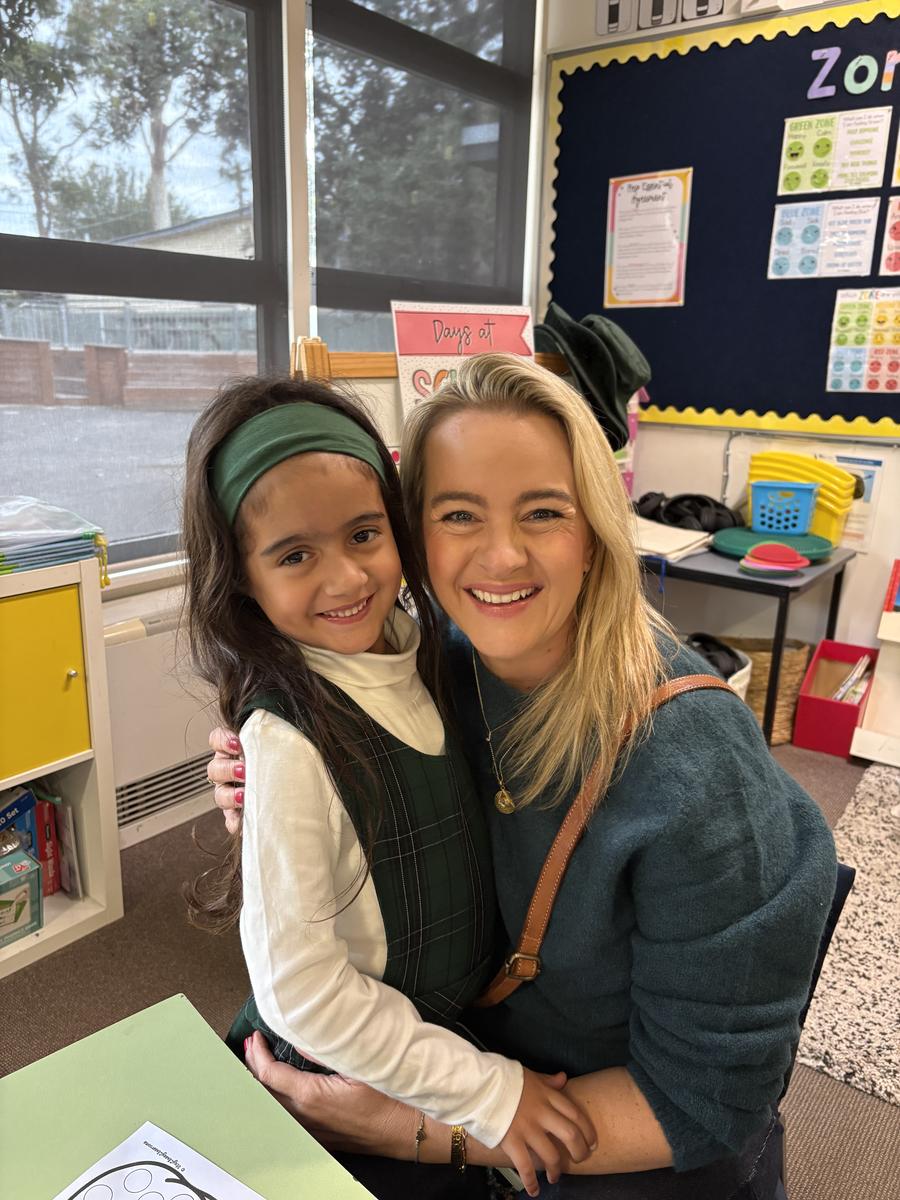
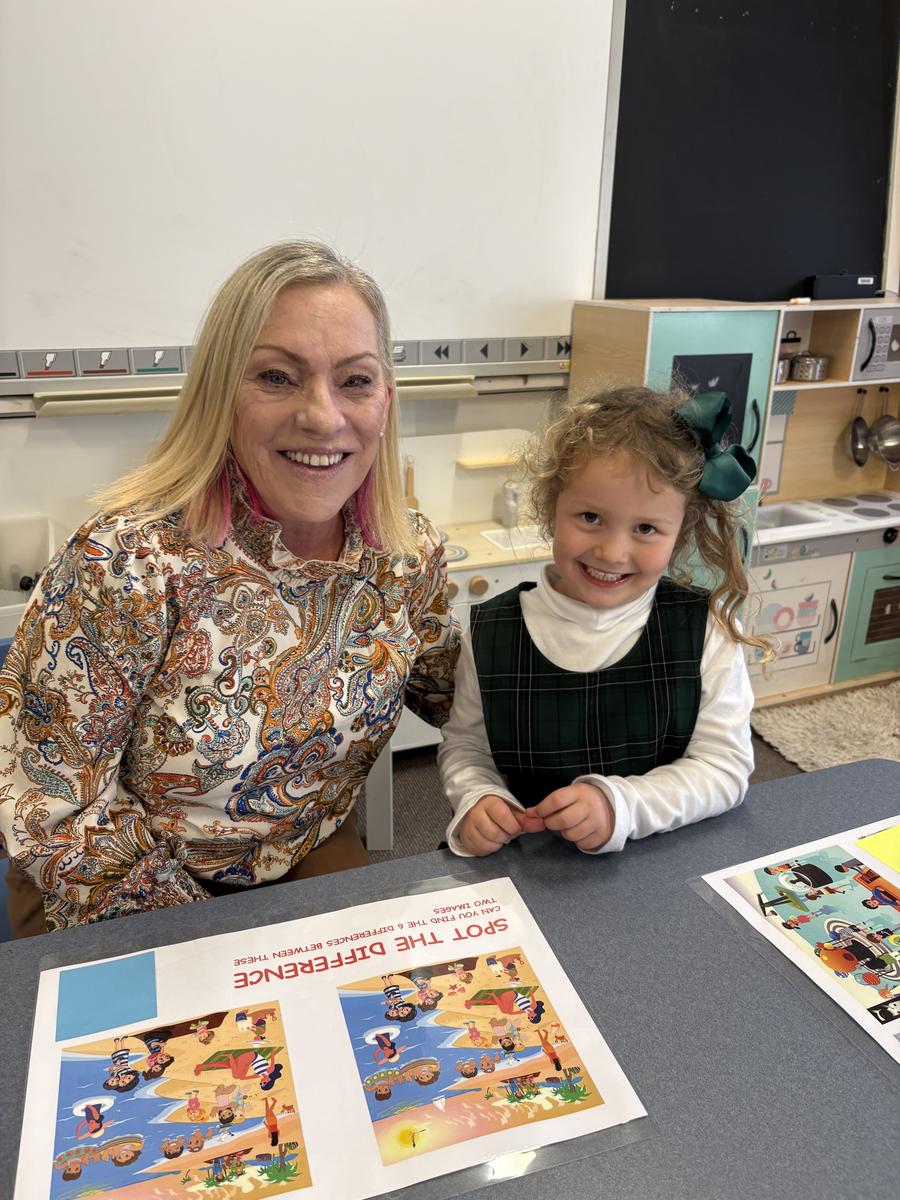
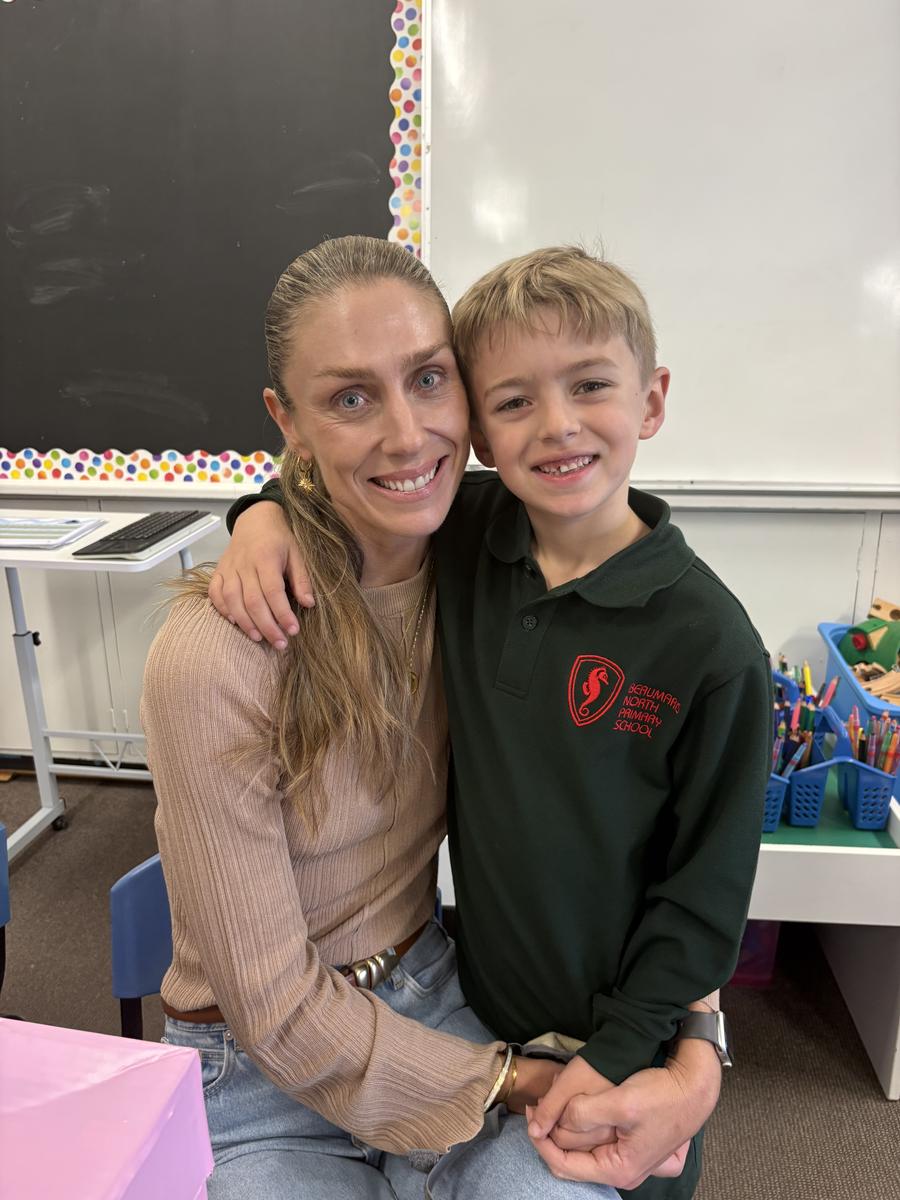
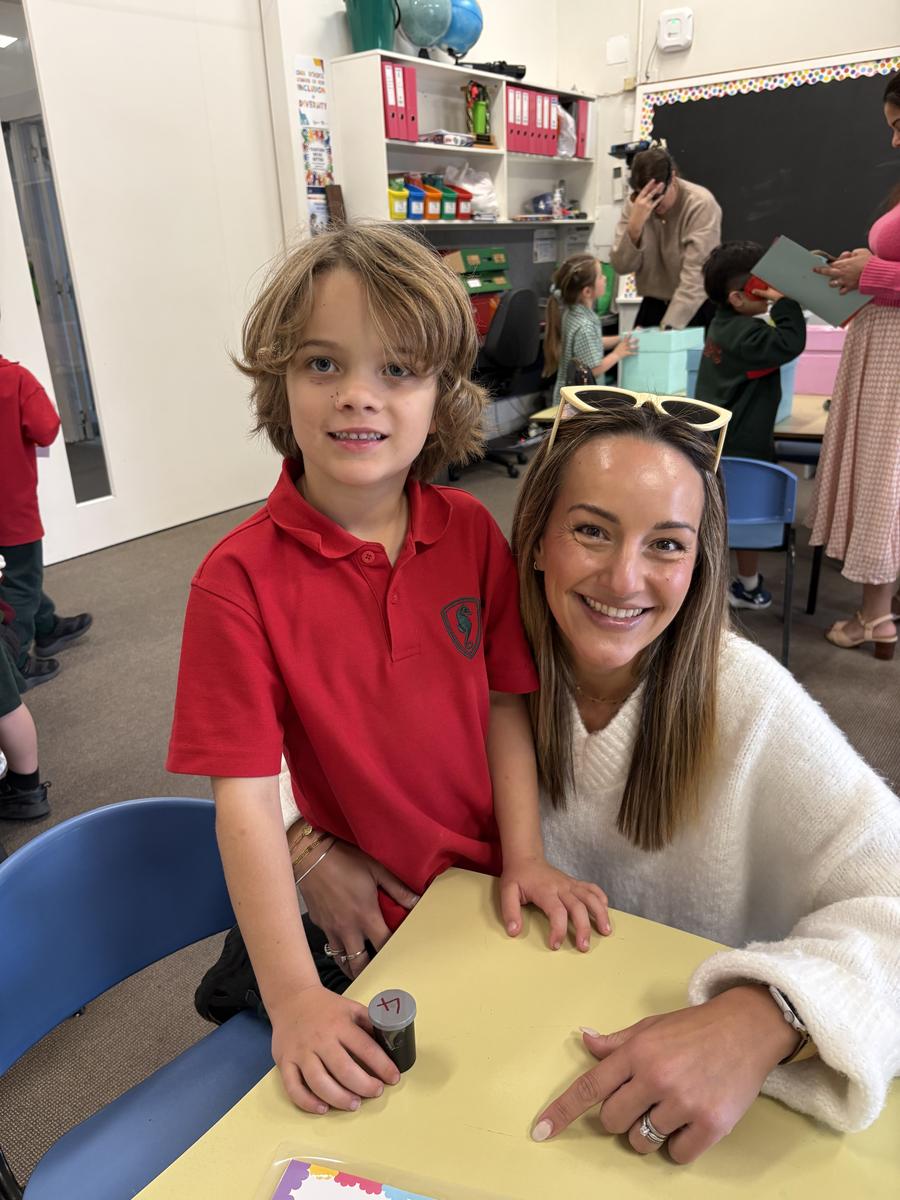
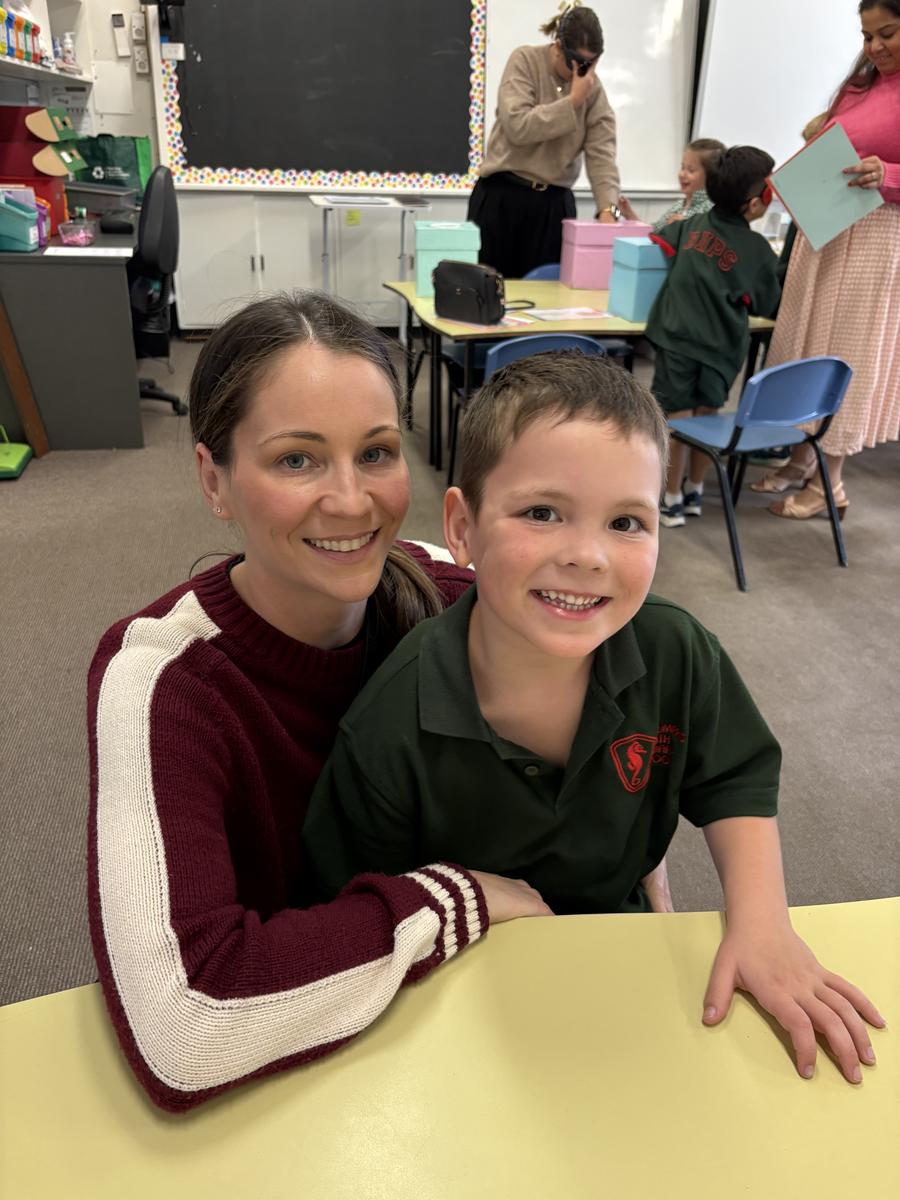
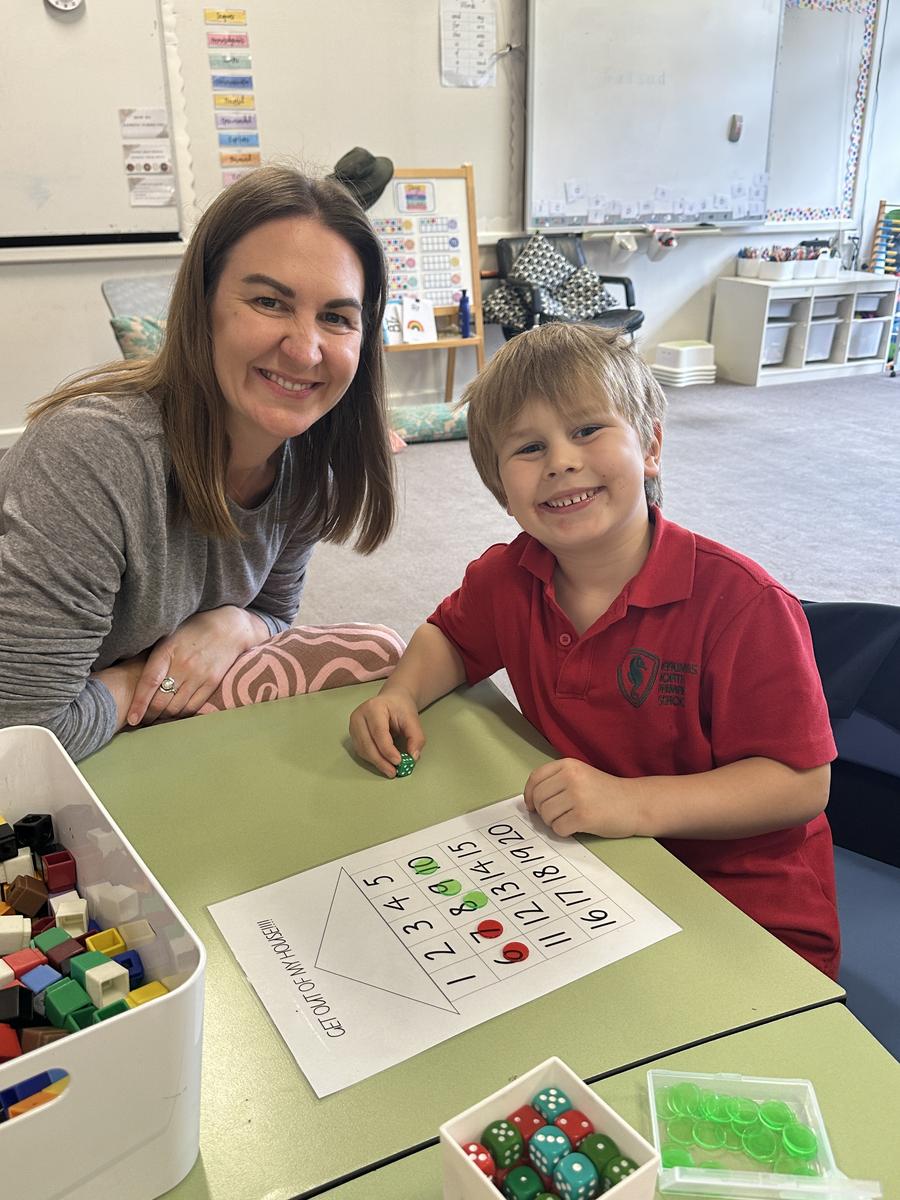
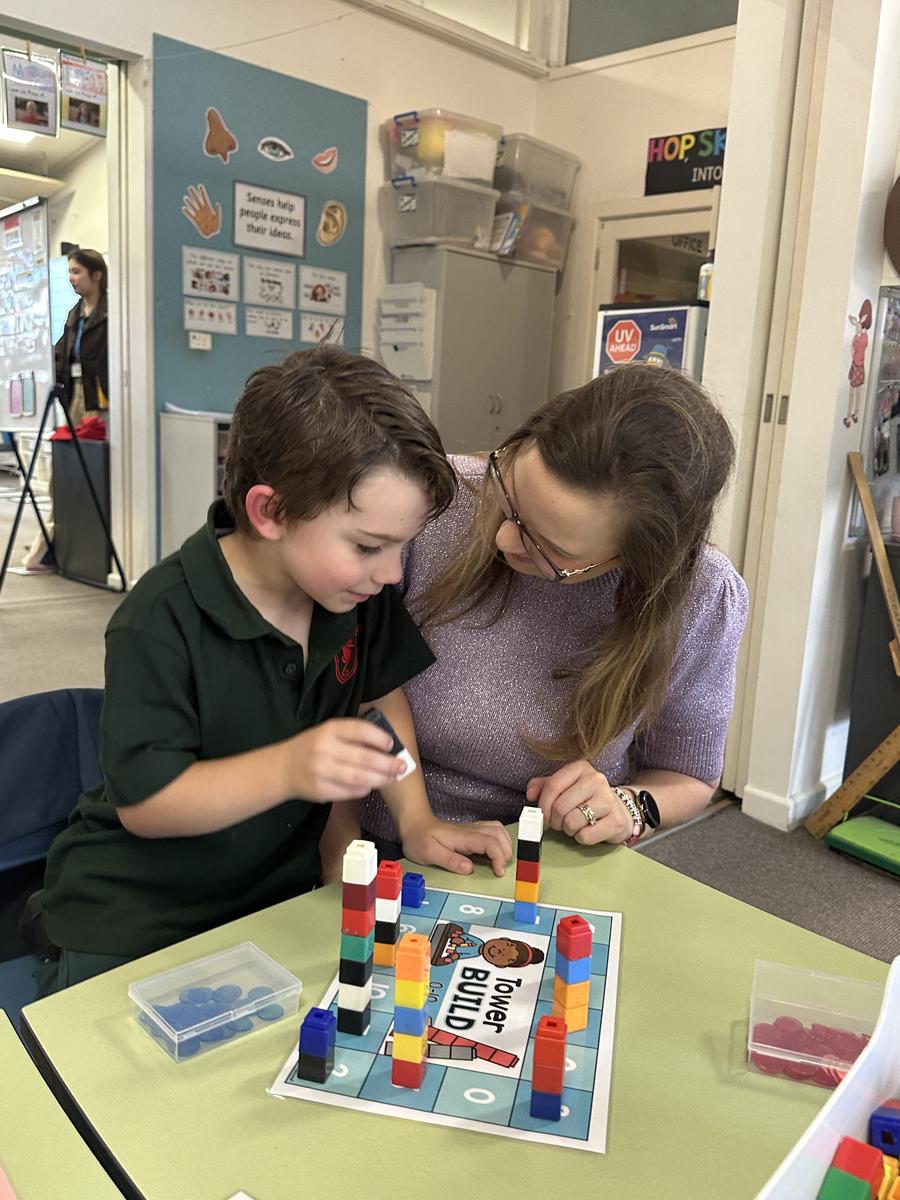
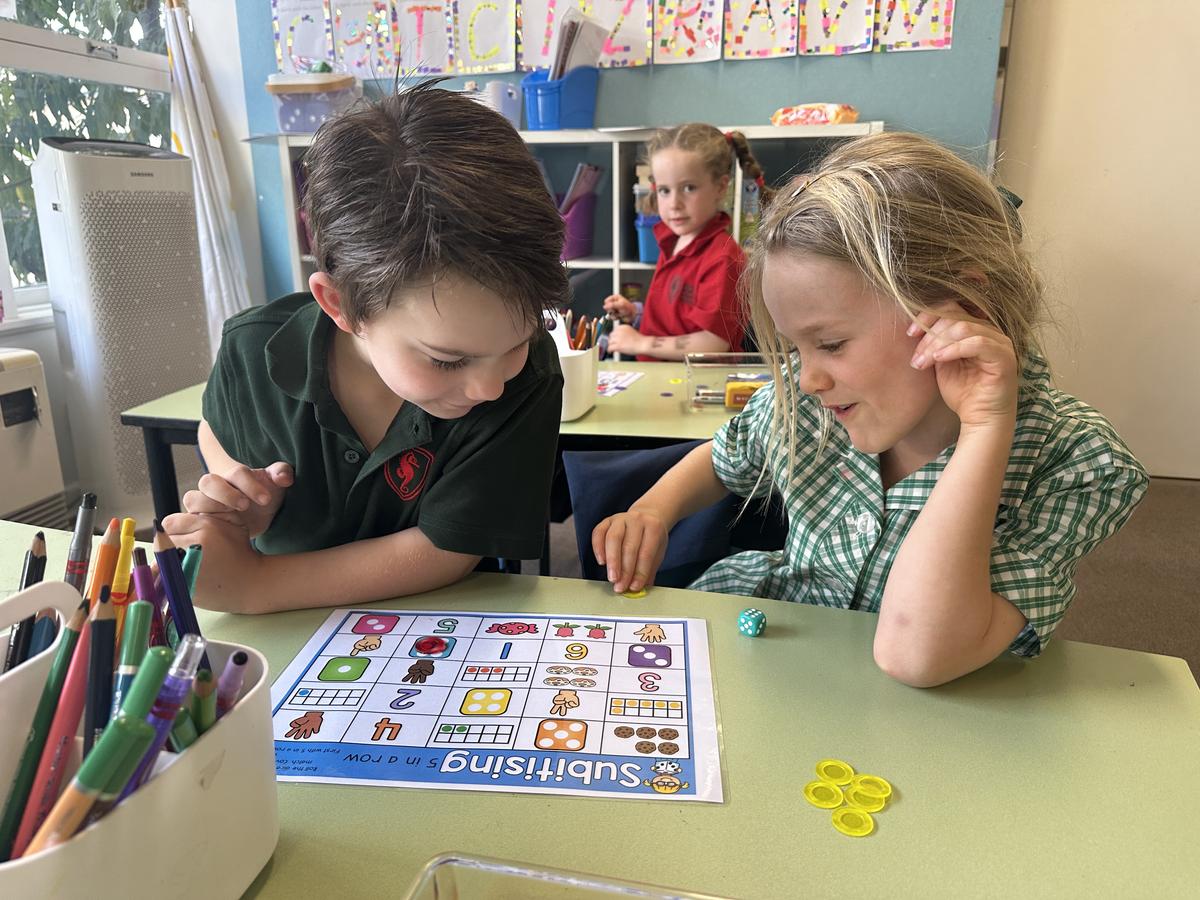
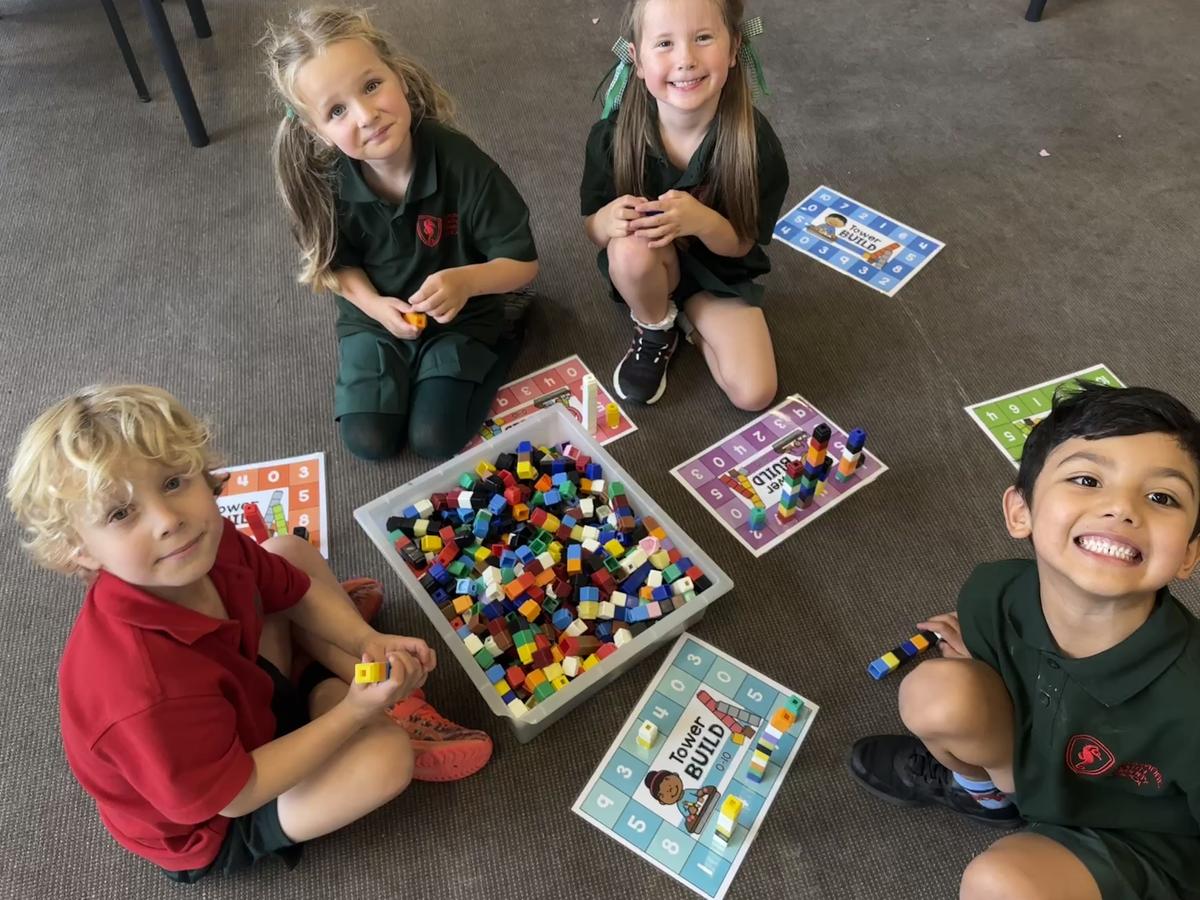
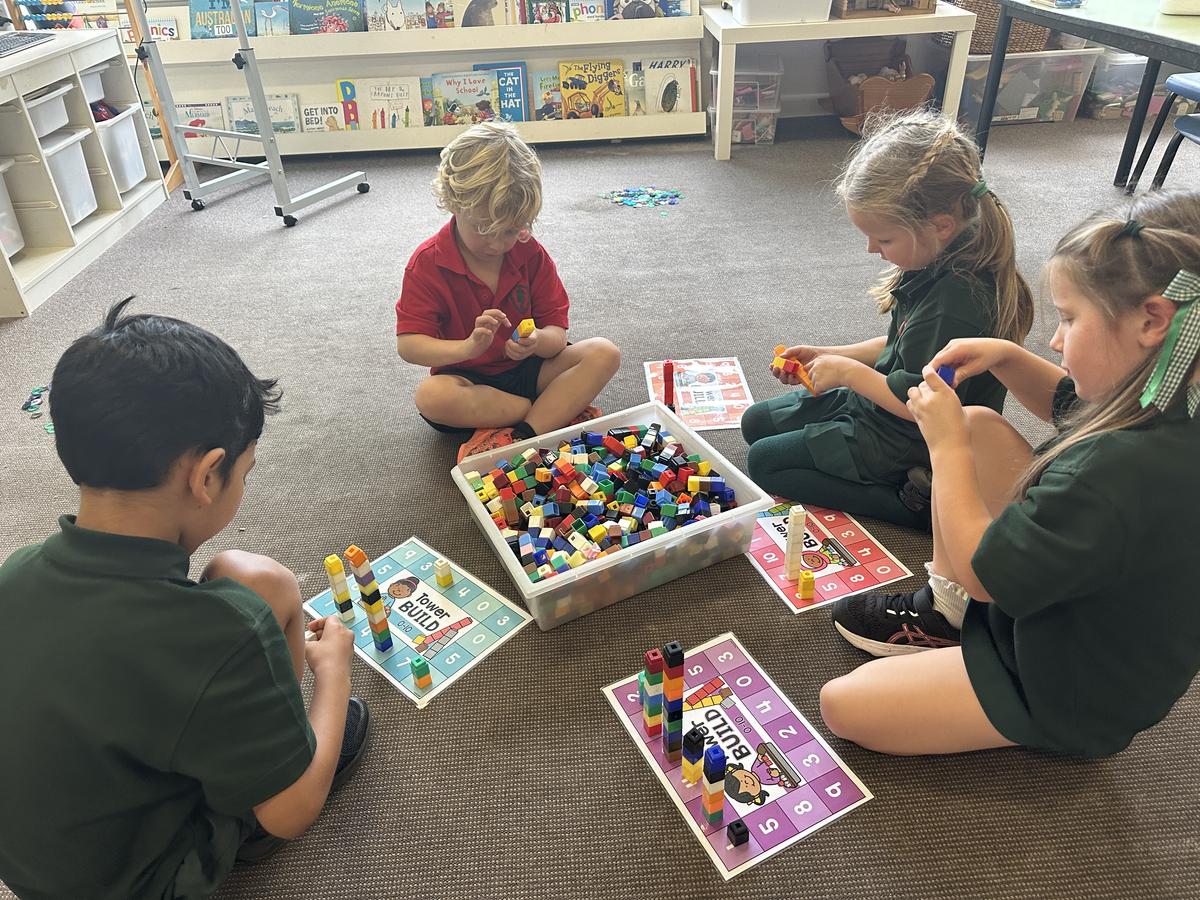
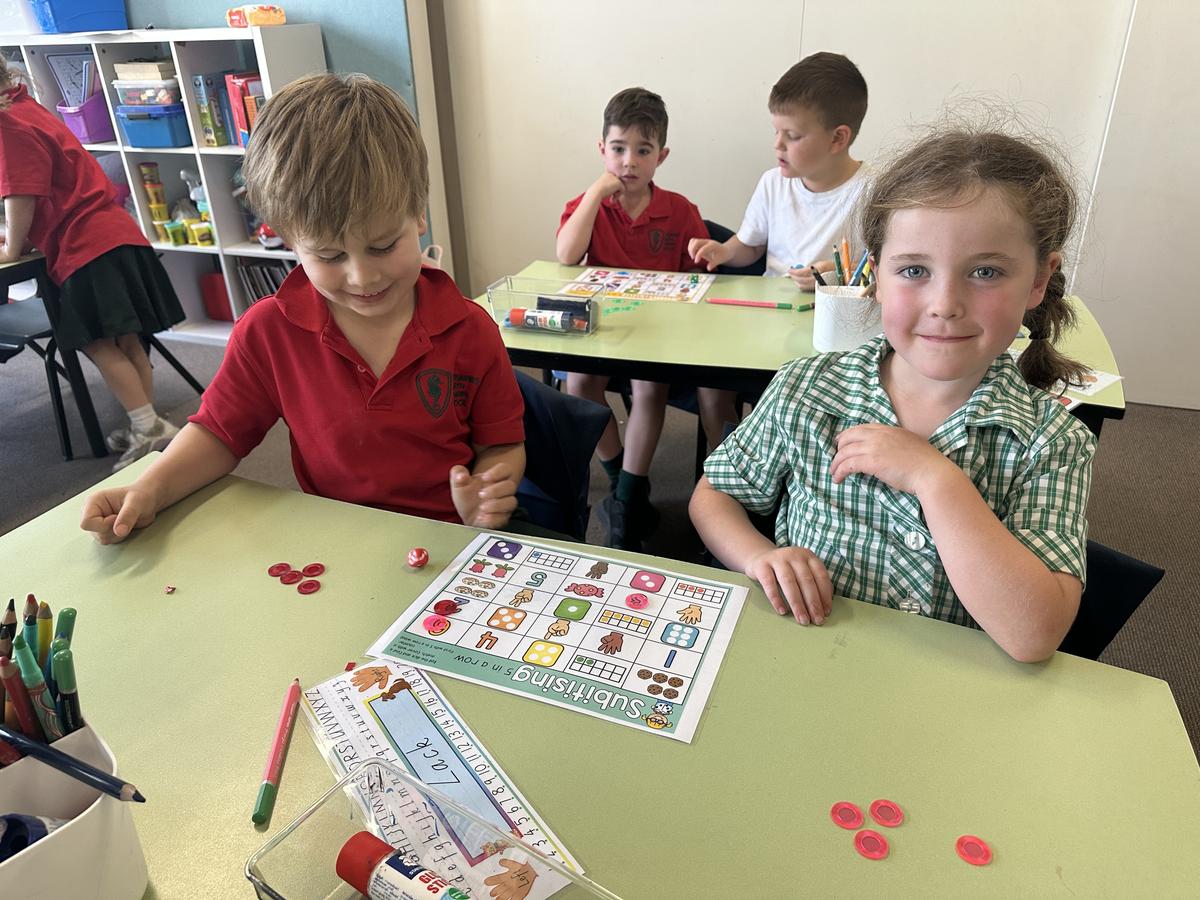
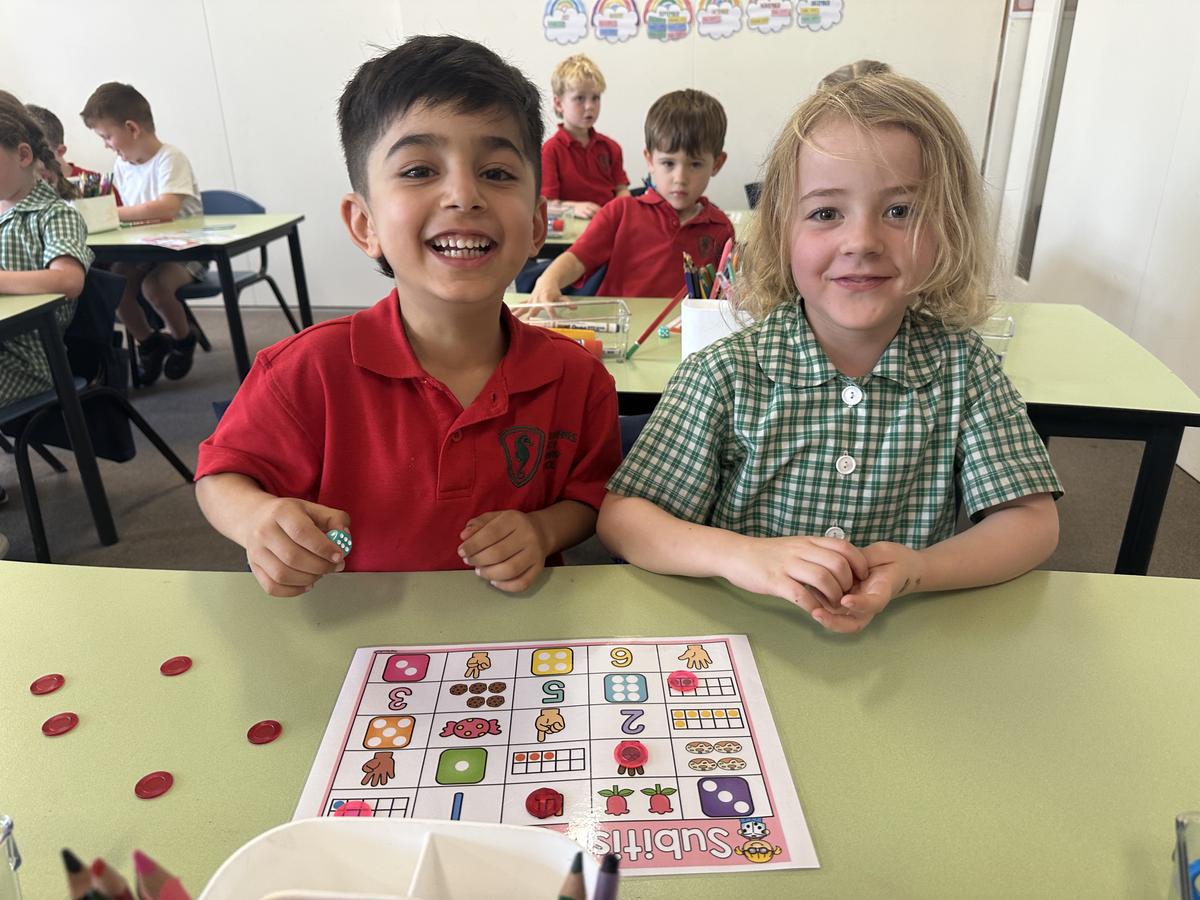
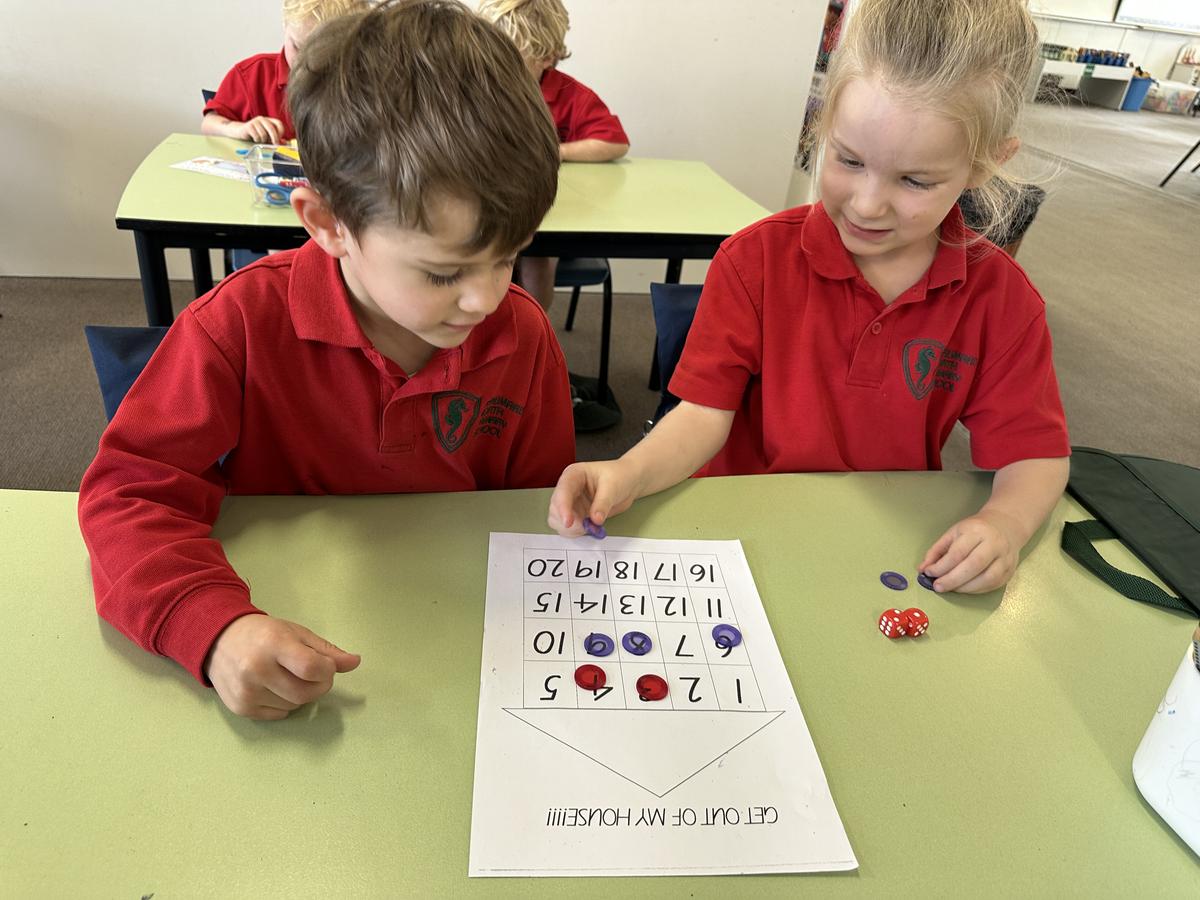
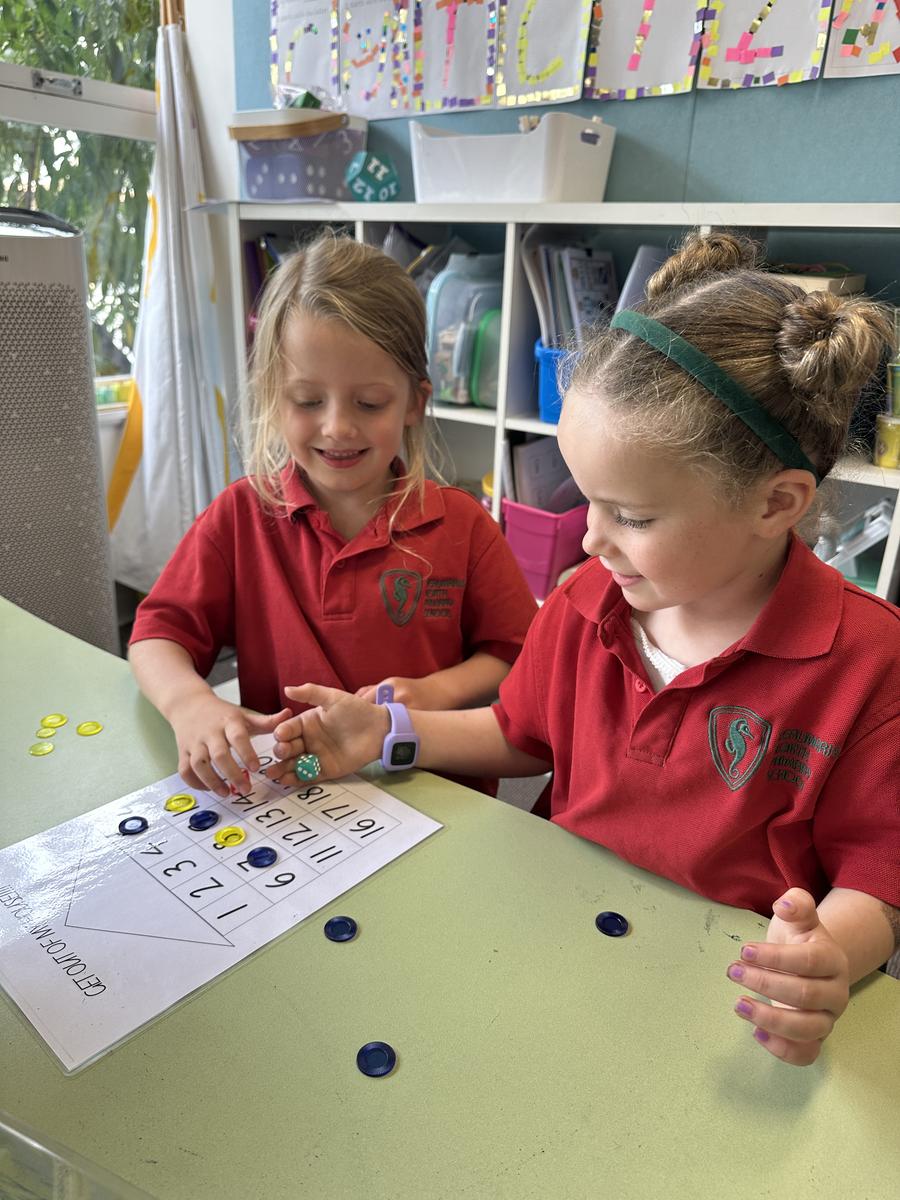
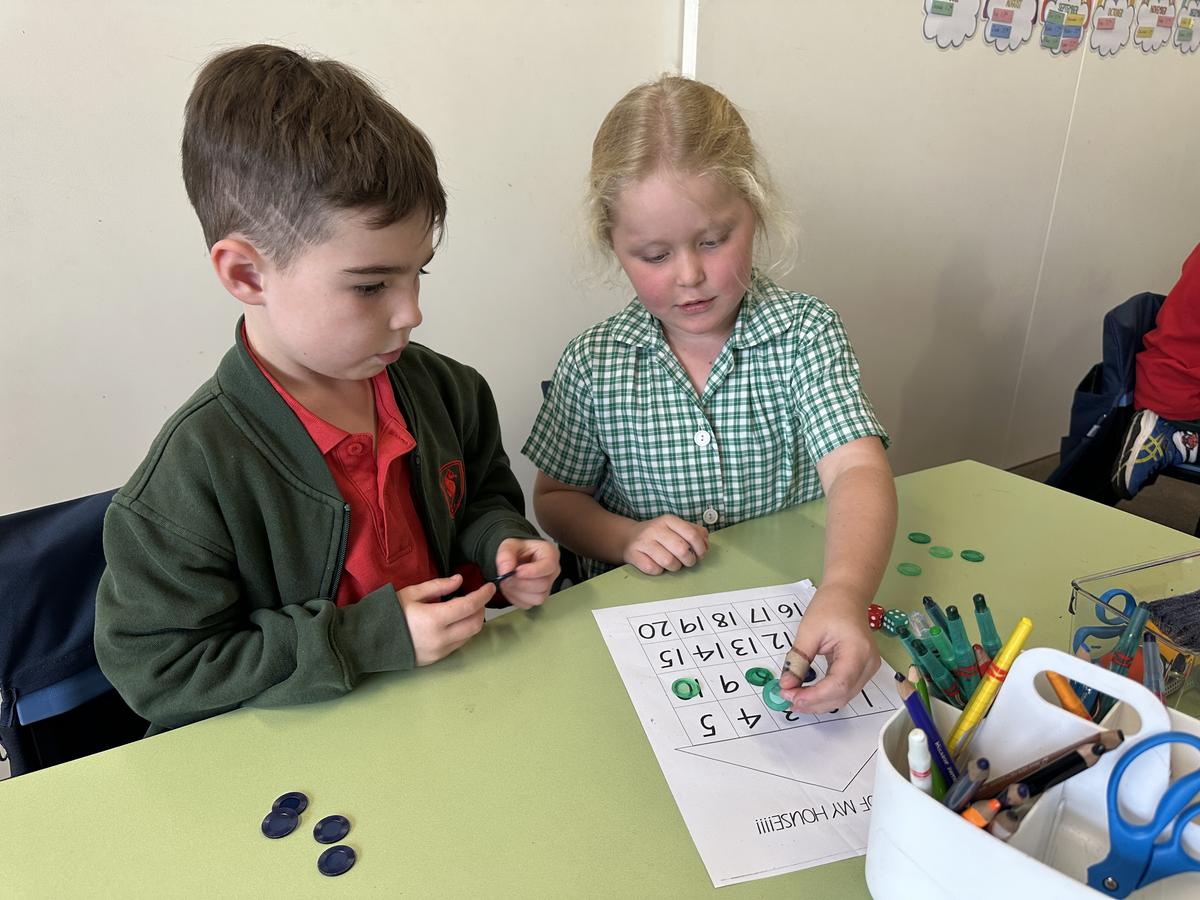
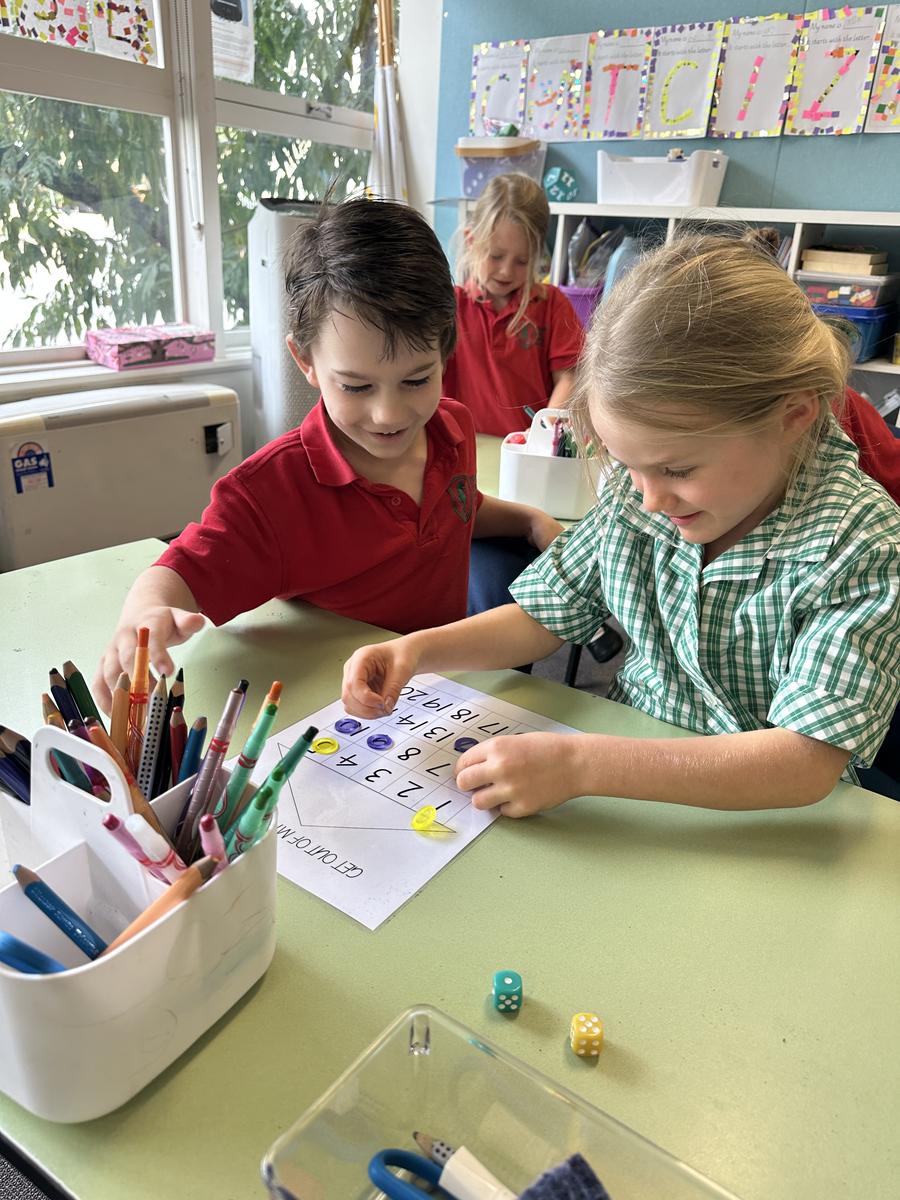
The mums then enjoyed spending time with their child participating in a variety of fun activities. These included Maths games such as Get Out of My House, Build a Tower and Subitising - Five in a Row. There was also bracelet making, fine motor / craft activities using coloured dots, and exciting hands-on Science experiments the children had previously explored with Mrs Jones and were eager to share.
A special moment during the afternoon was when the Preps performed Cover Me in Sunshine, singing and signing the song beautifully for their guests. This was followed by a dance party that had everyone smiling and joining in the fun. The Preps loved dancing in the Prep Learning Centre with their mums!
Prep C
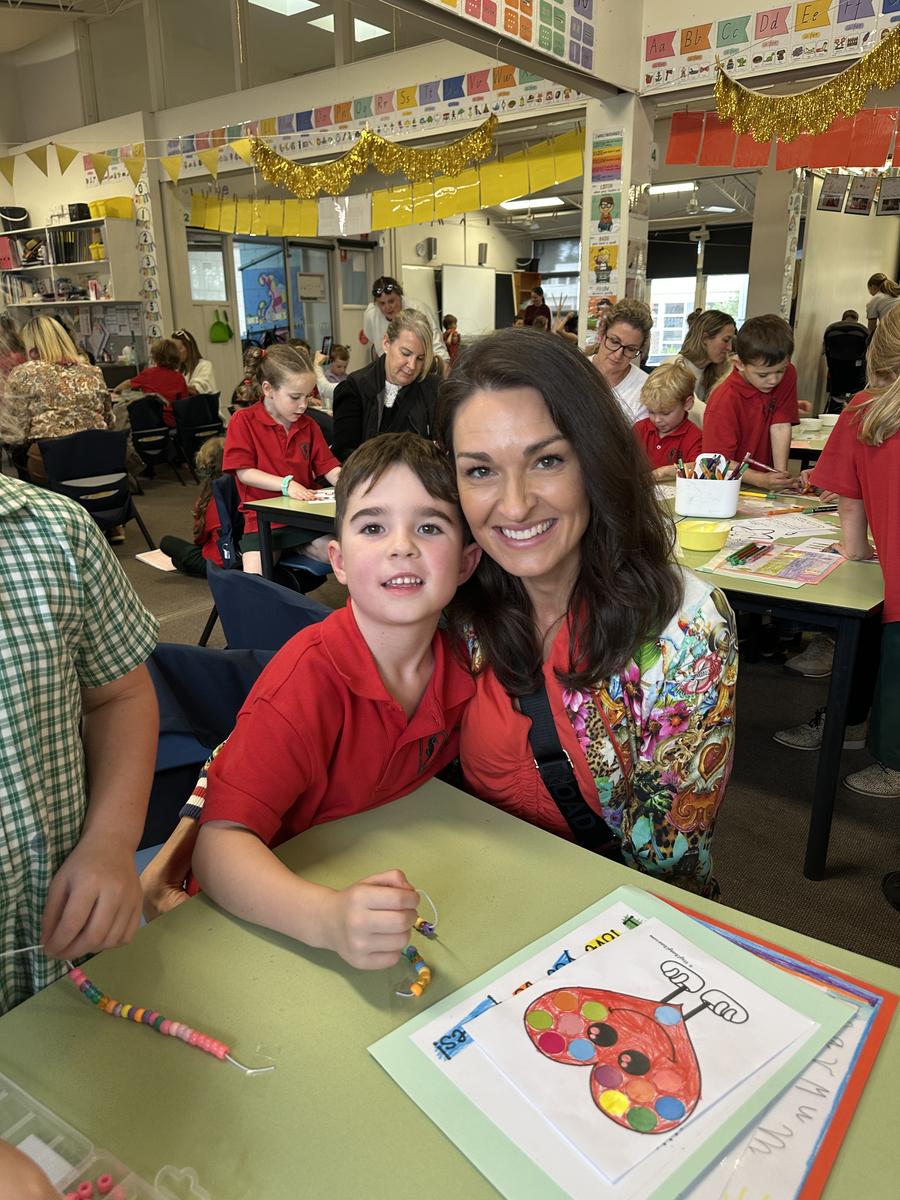
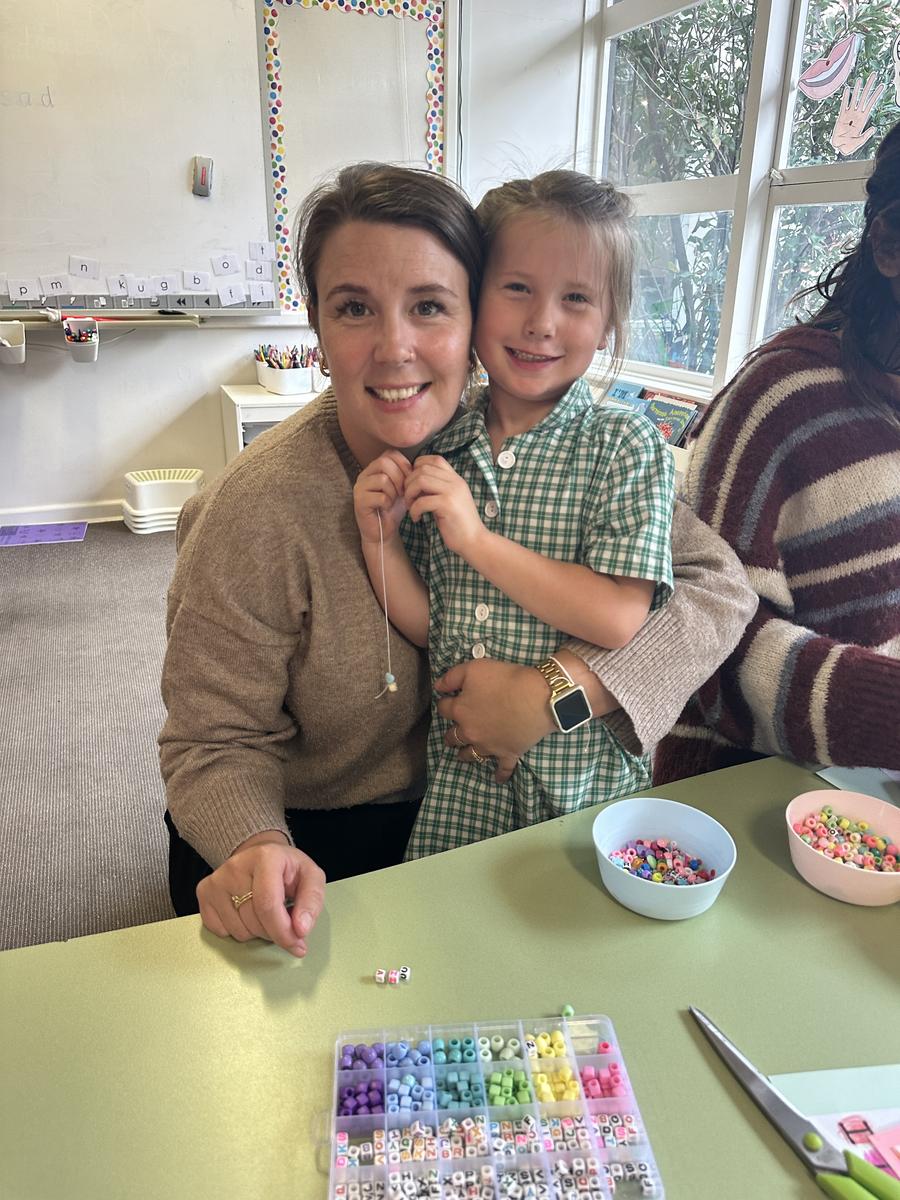
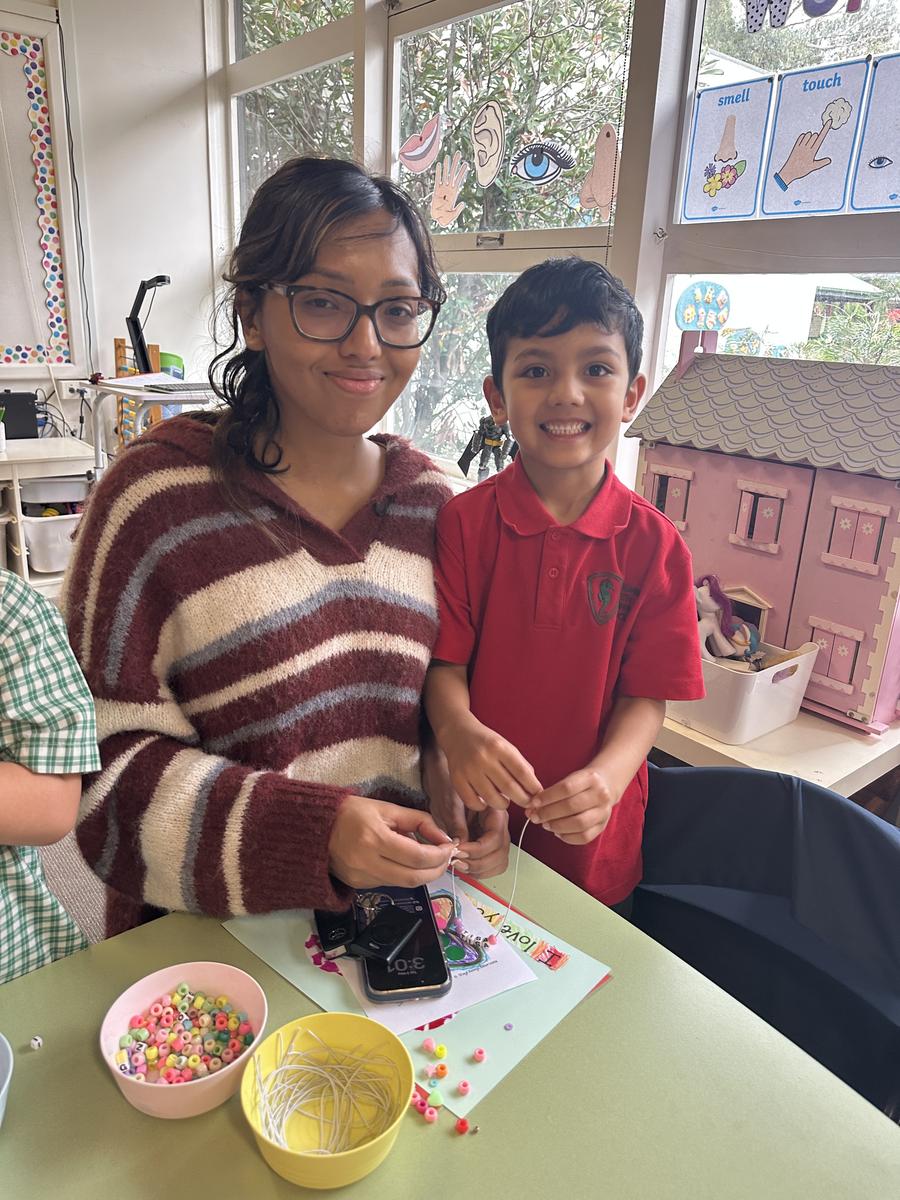
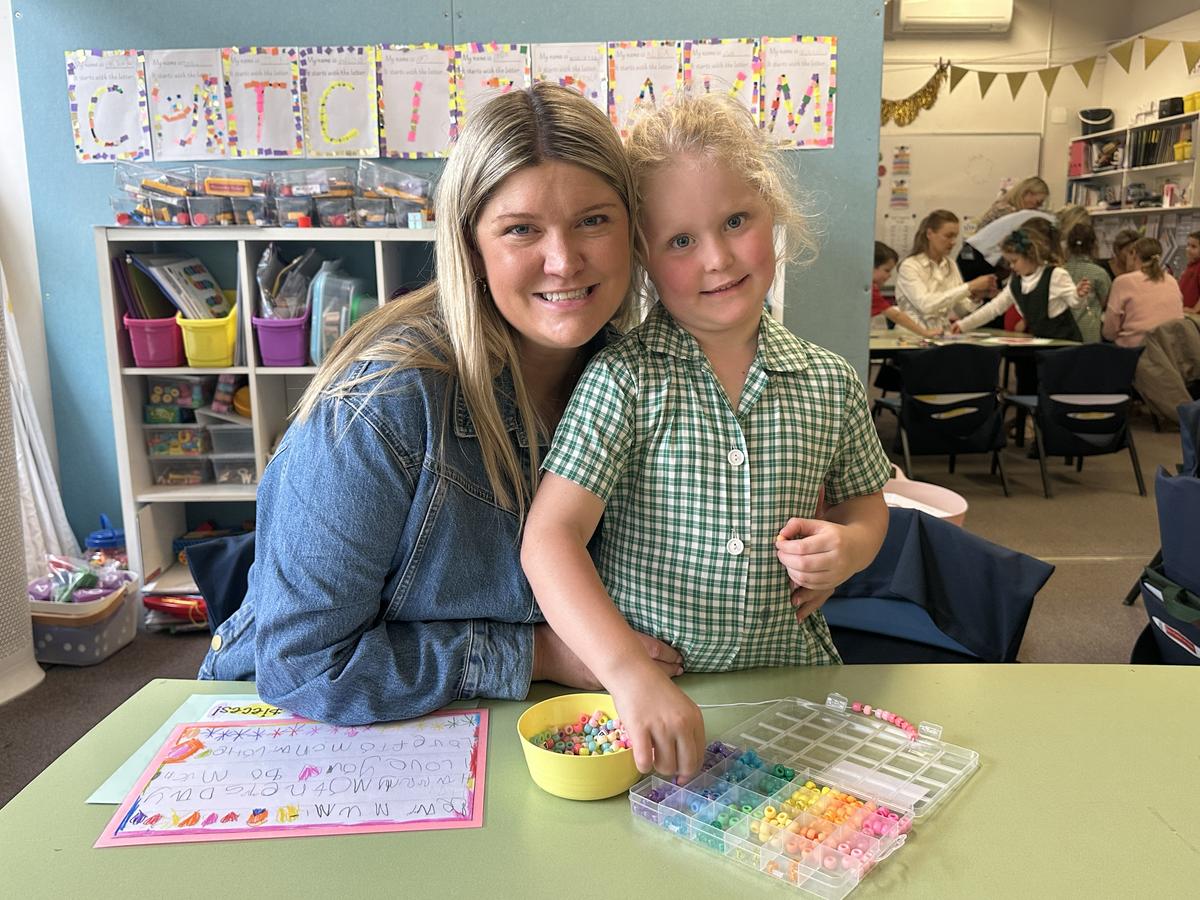
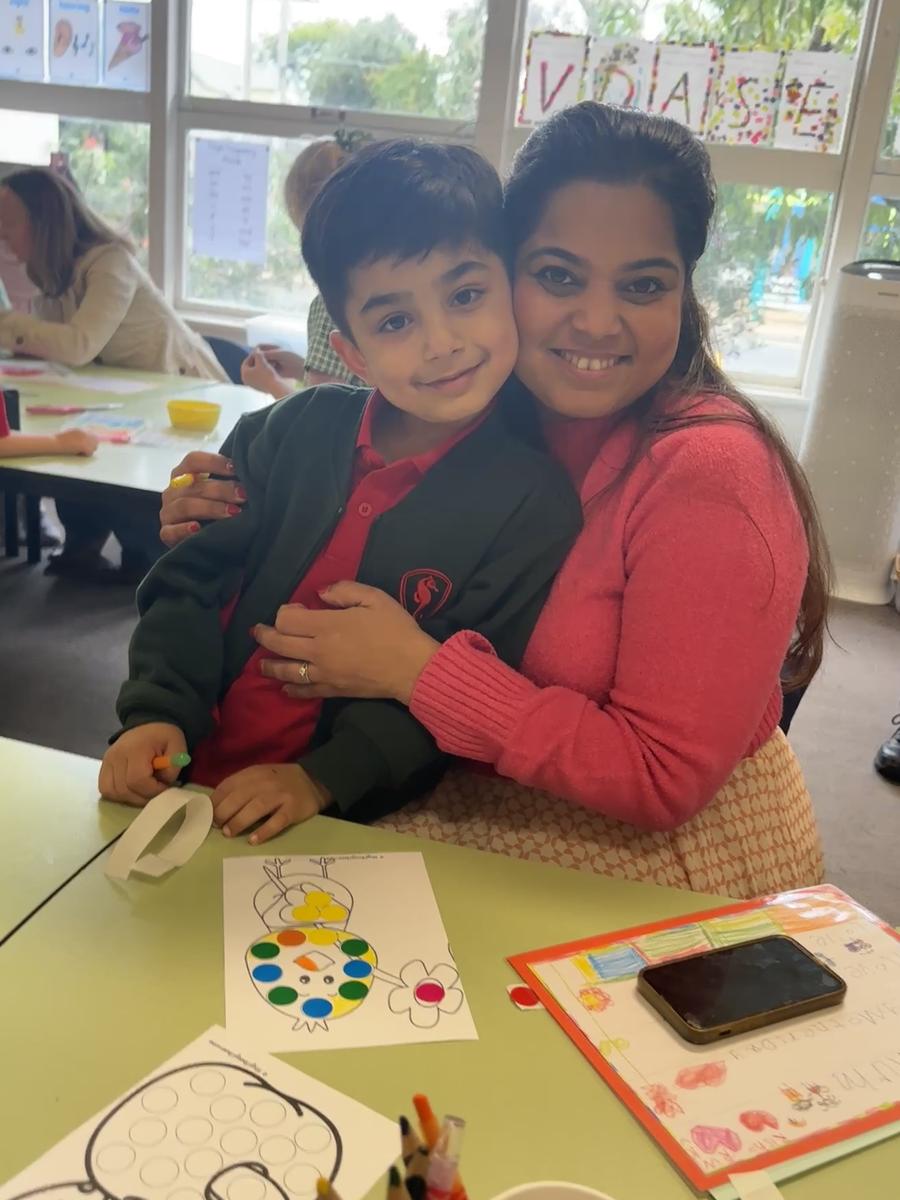
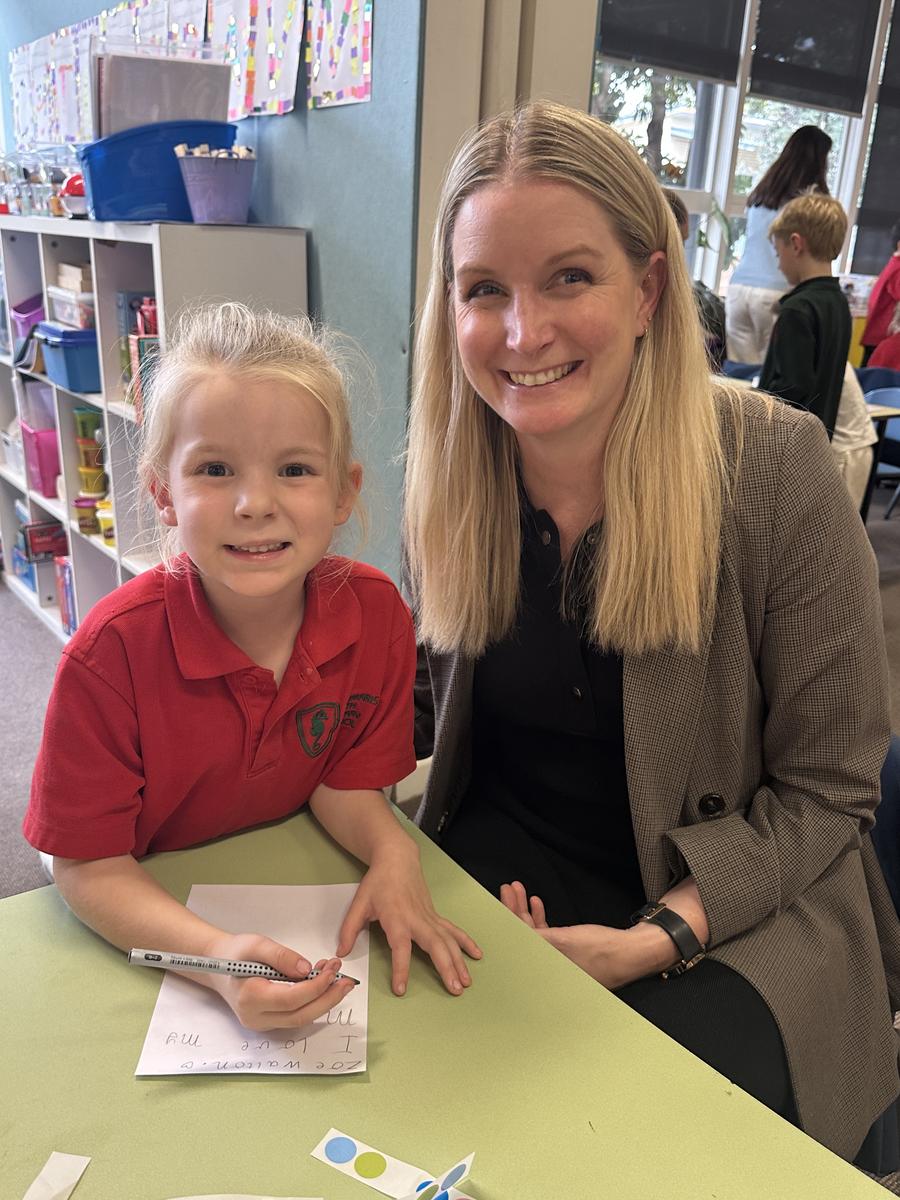
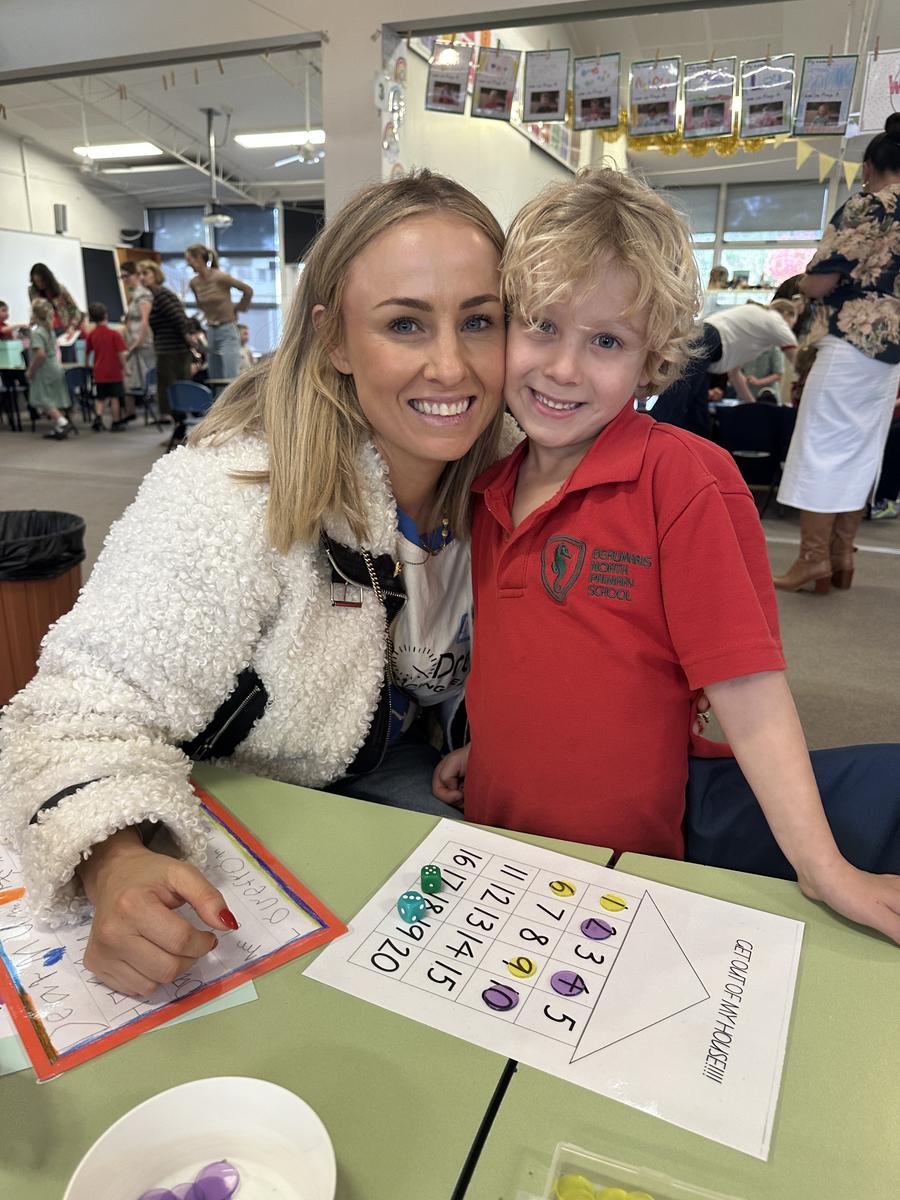
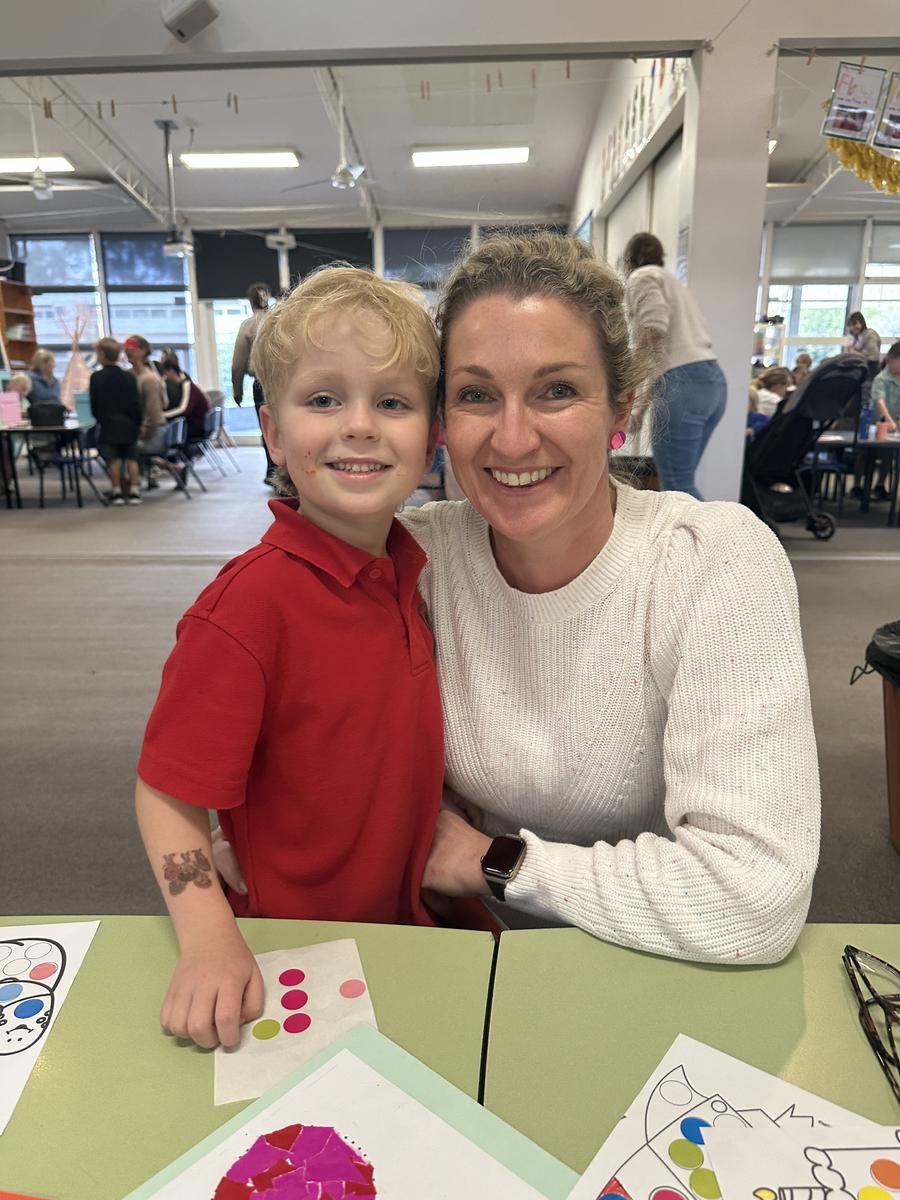
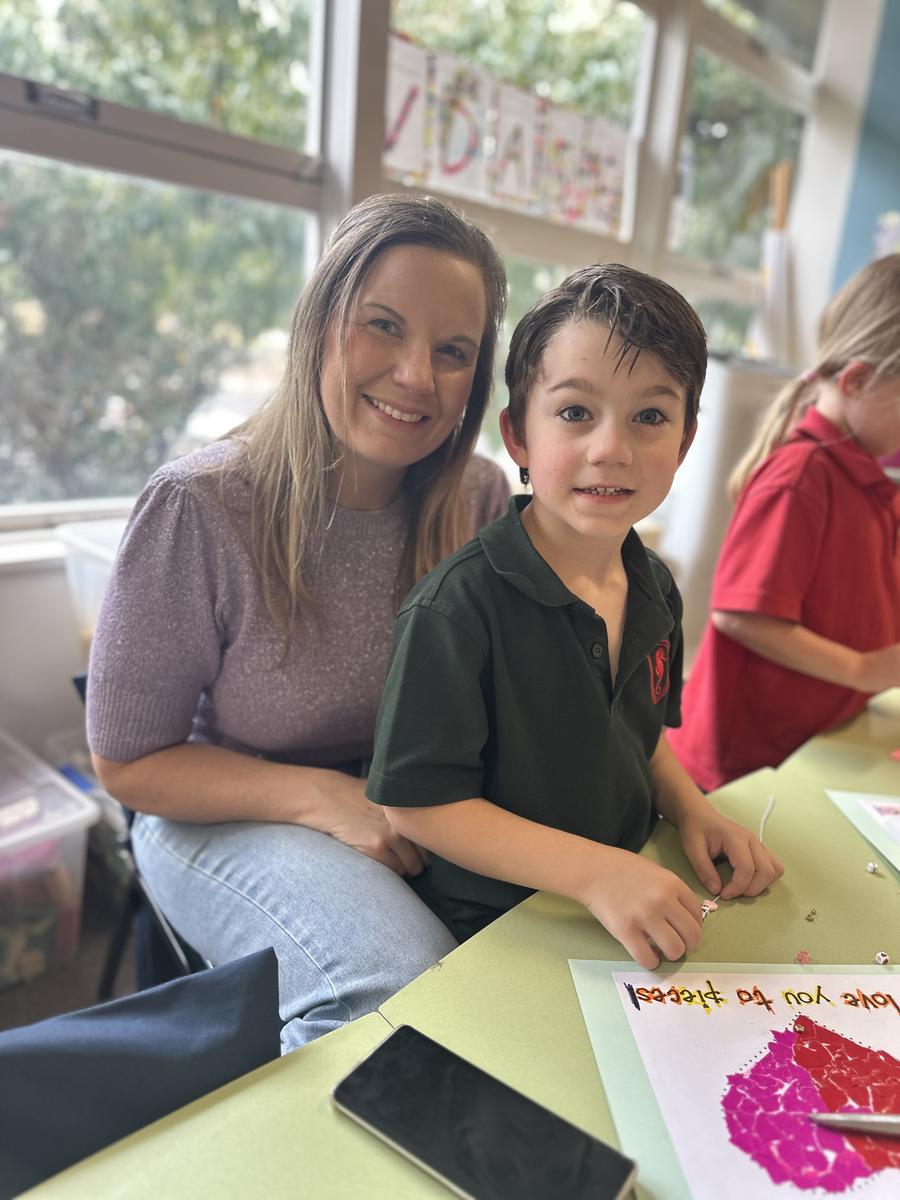
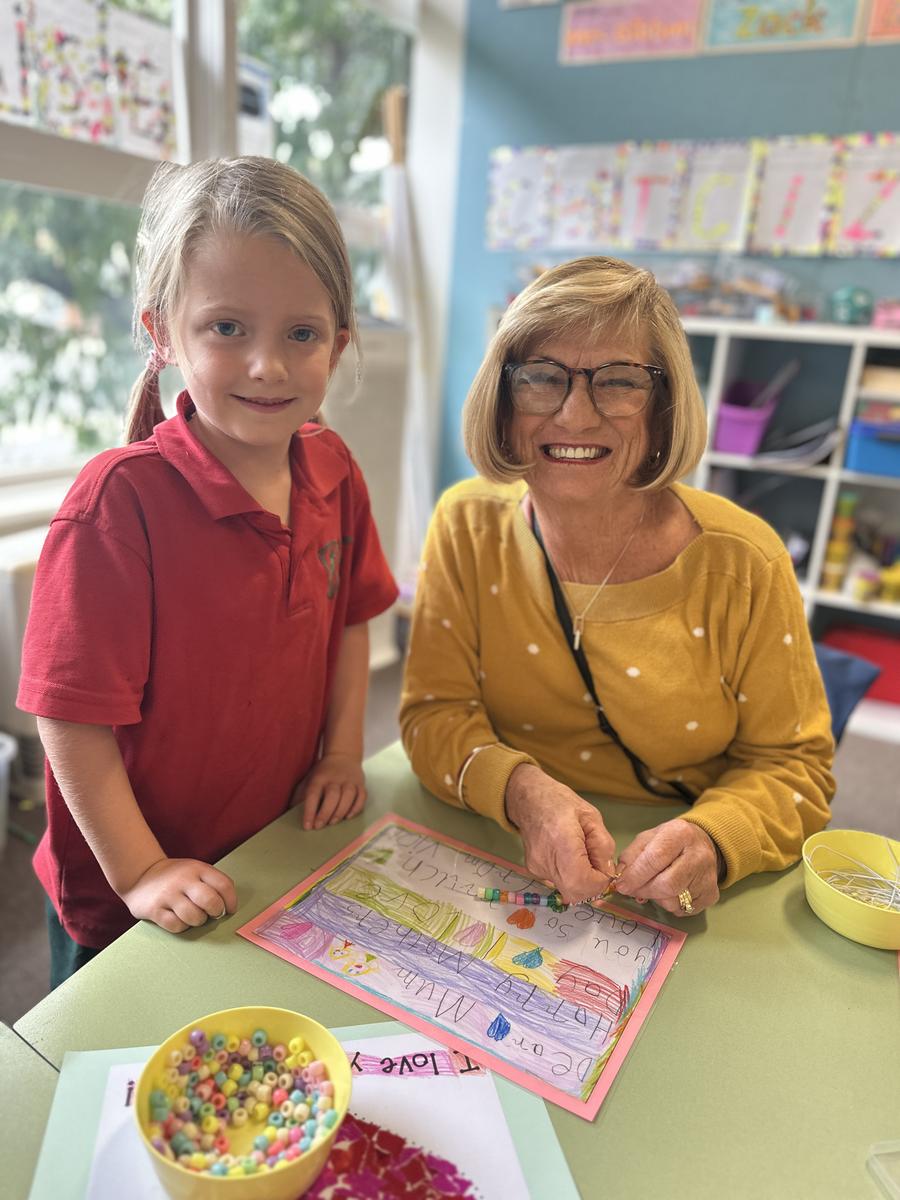
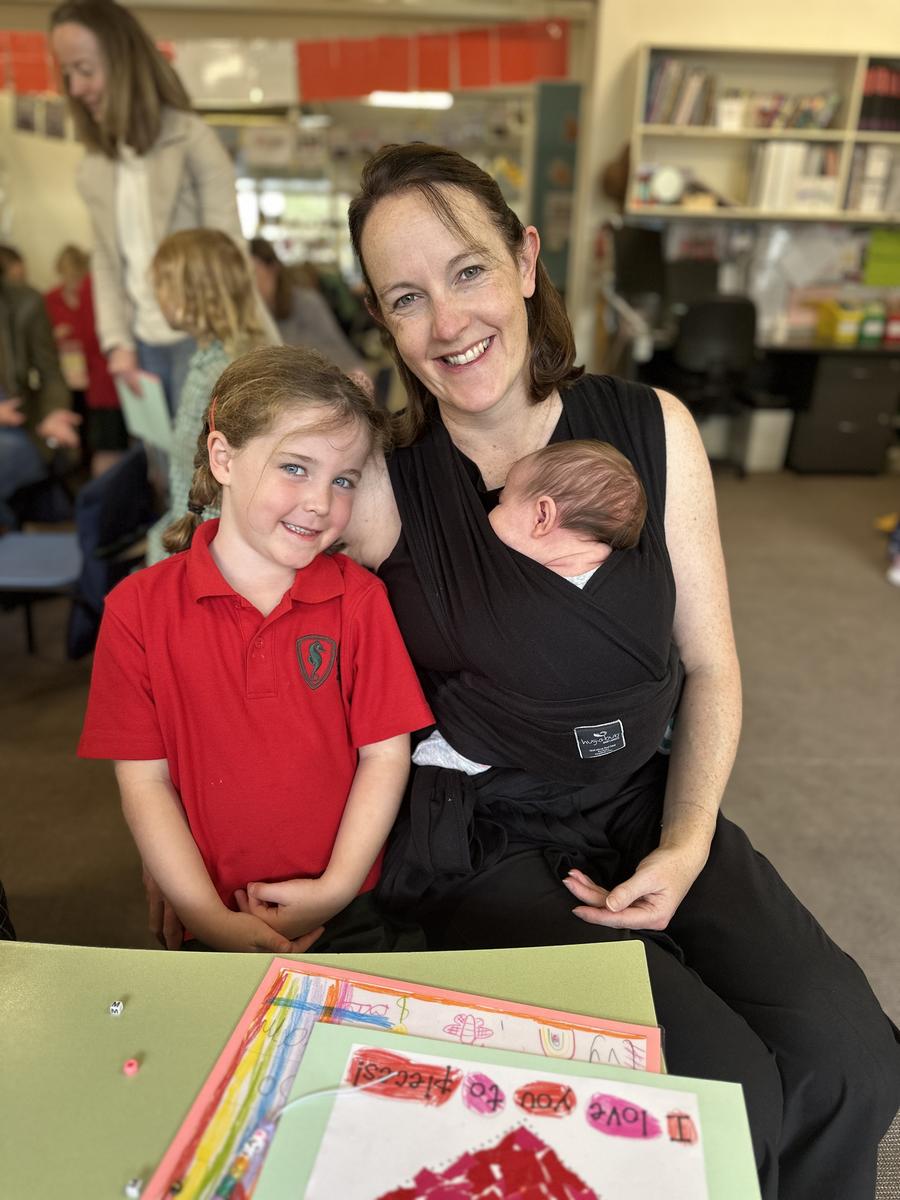
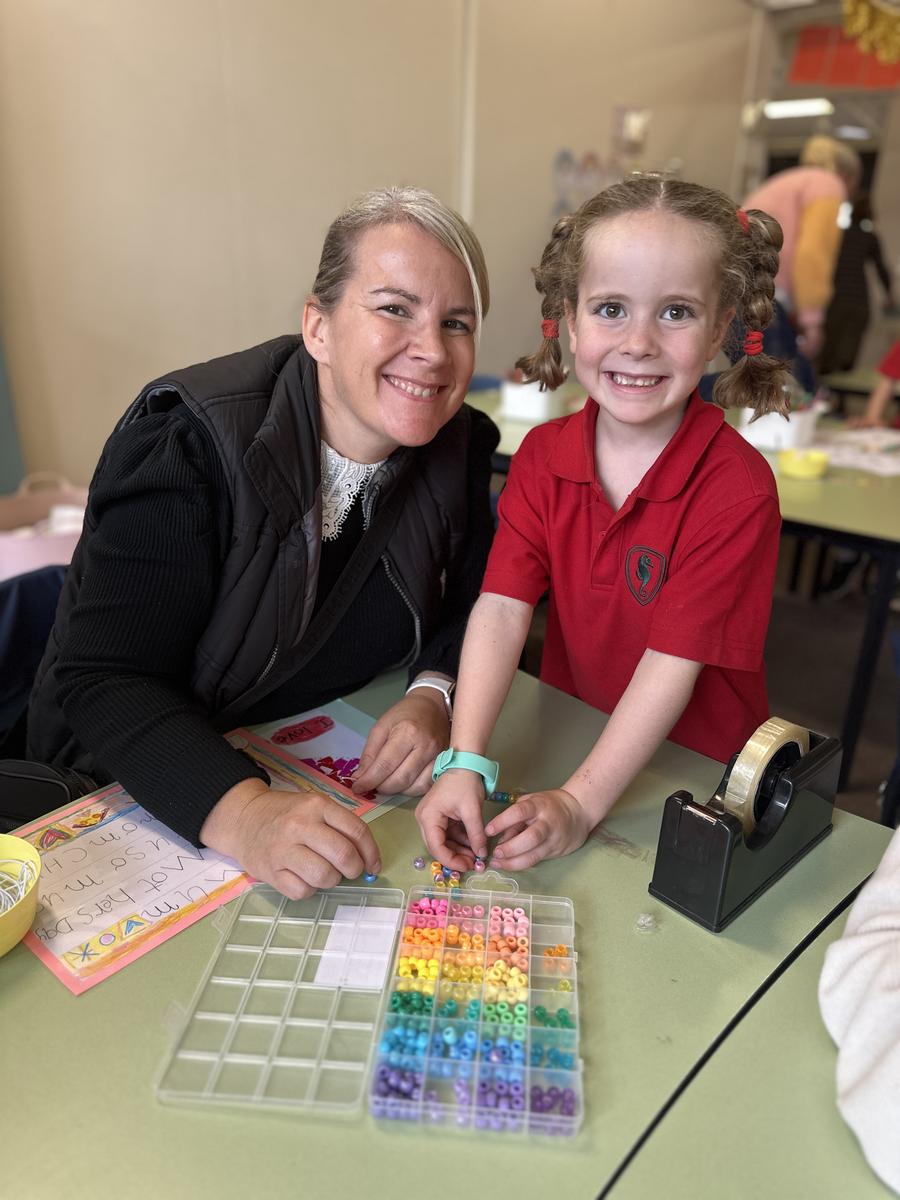
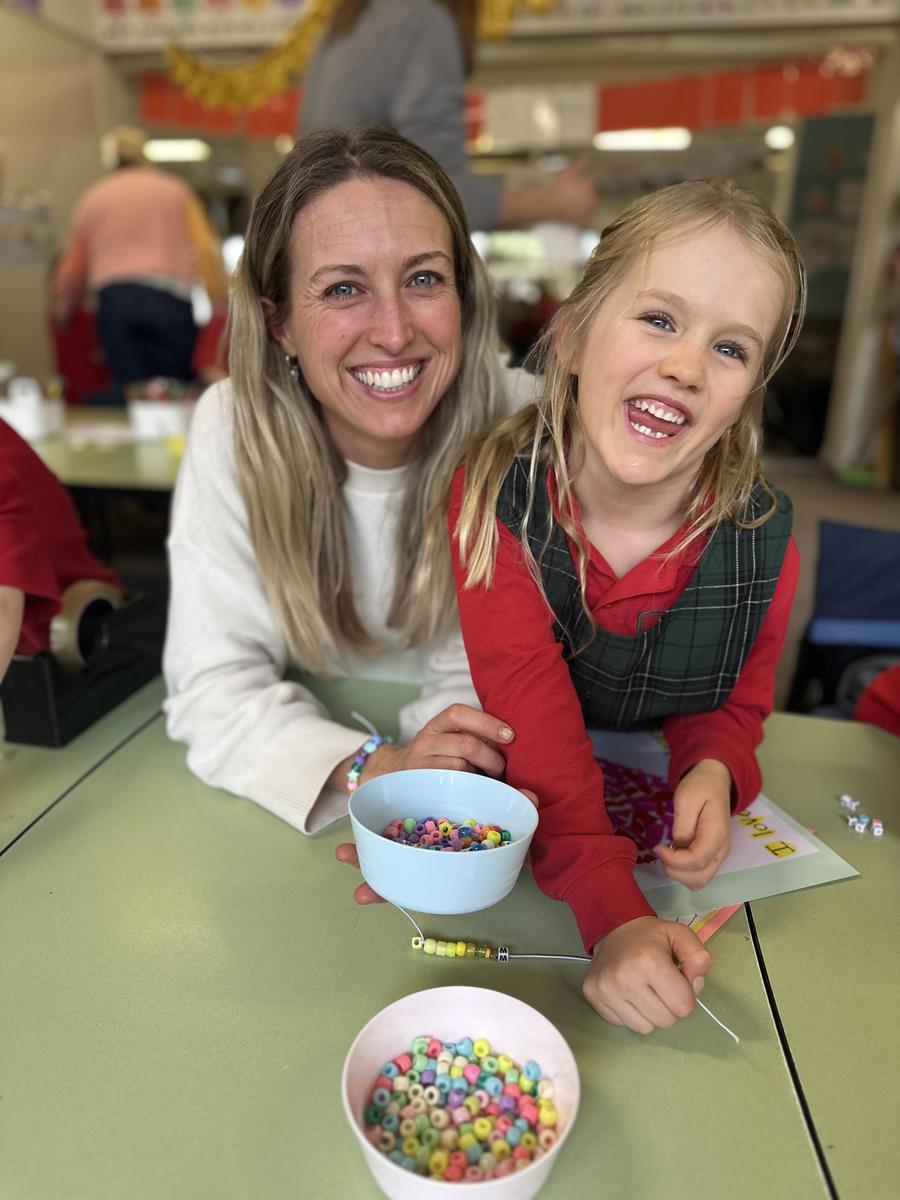
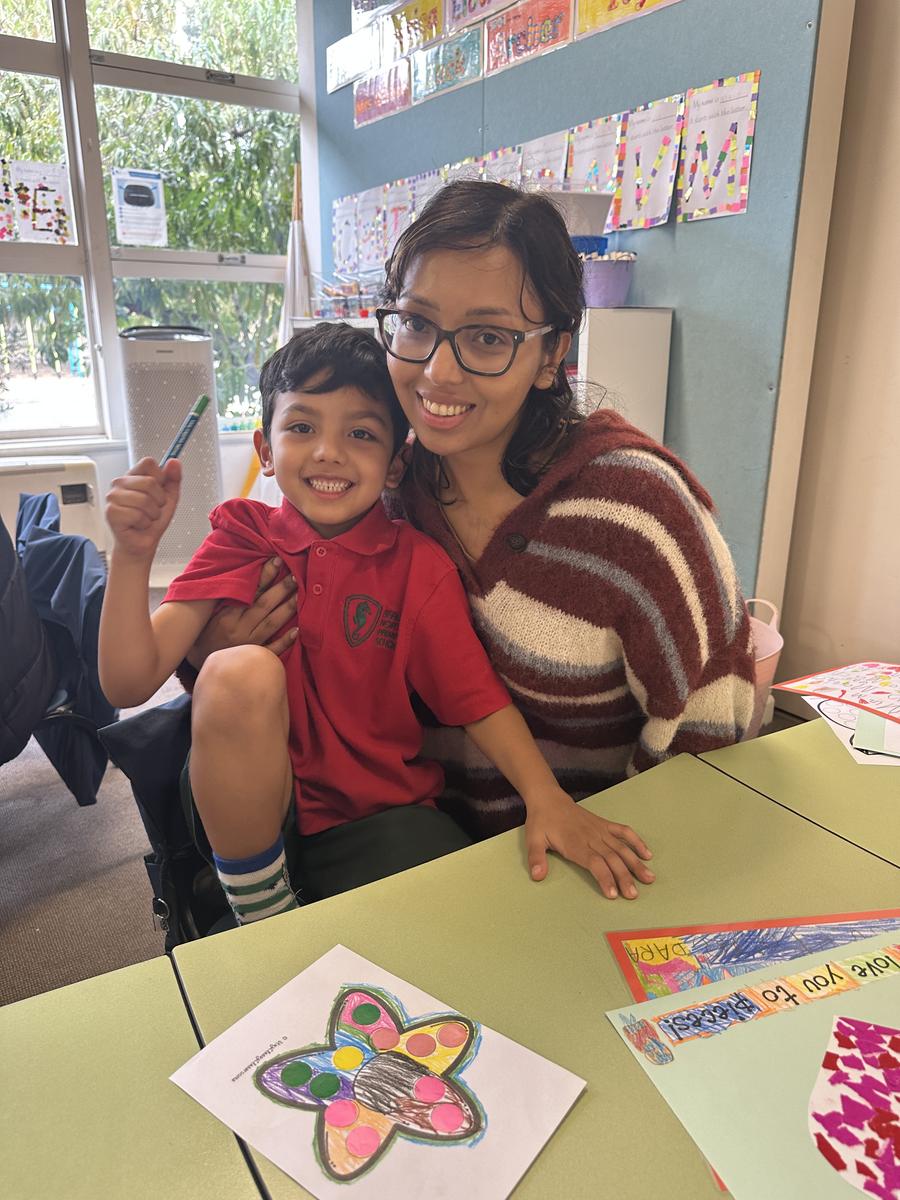
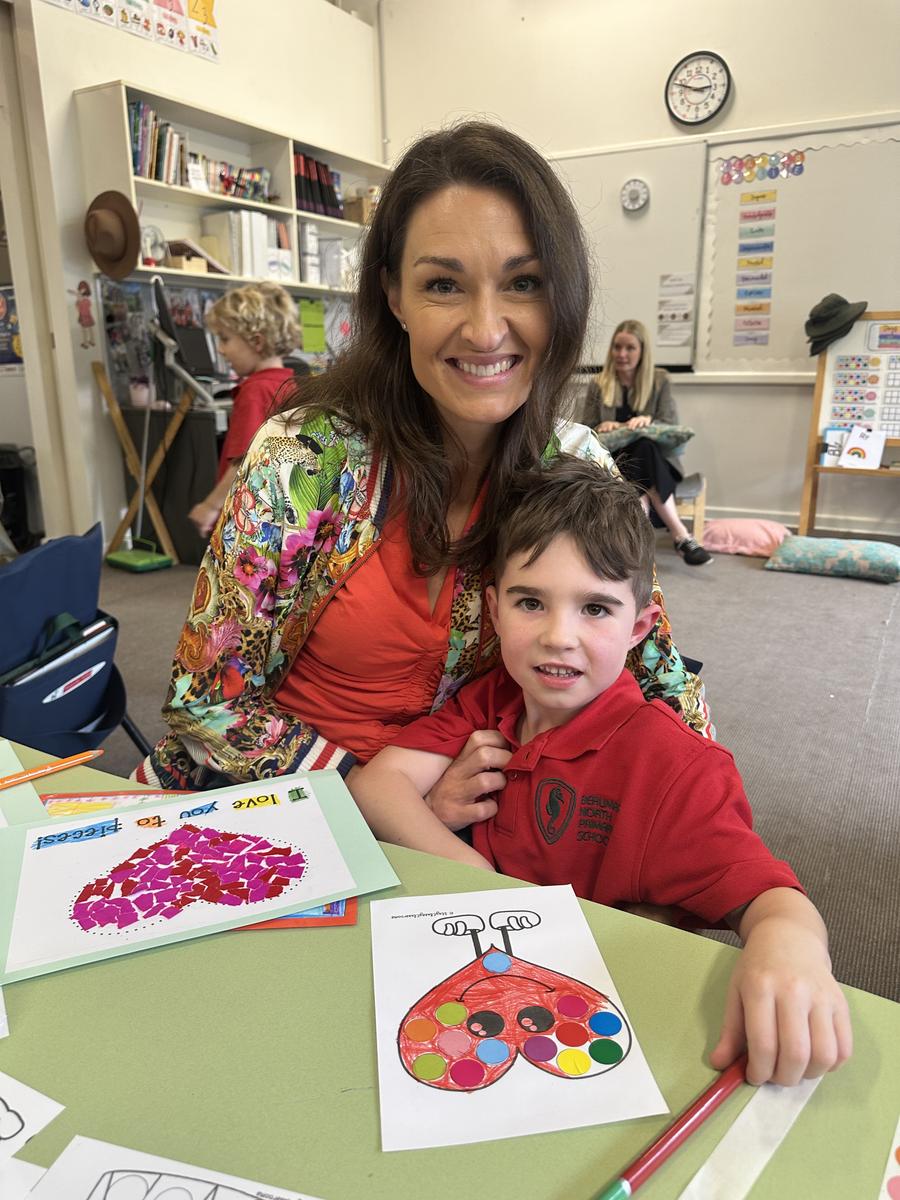
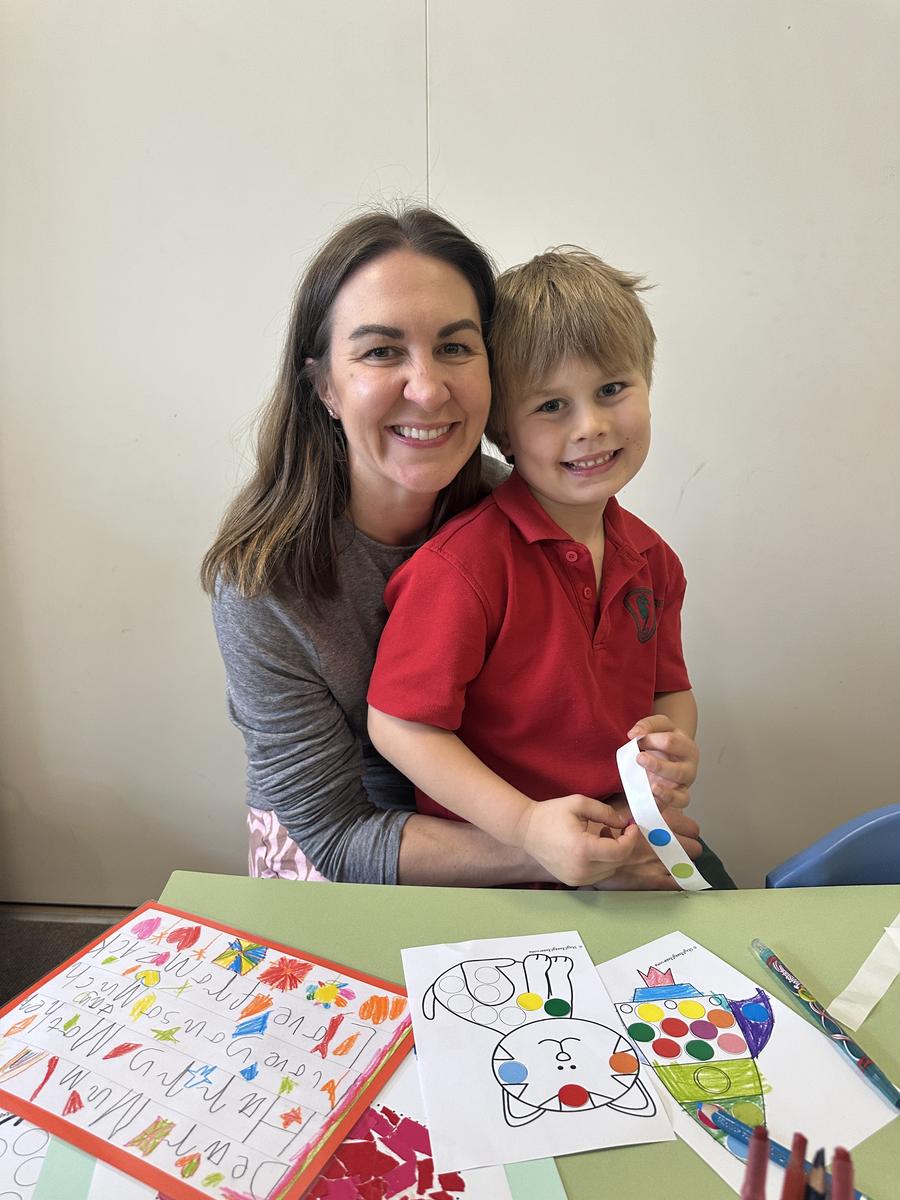
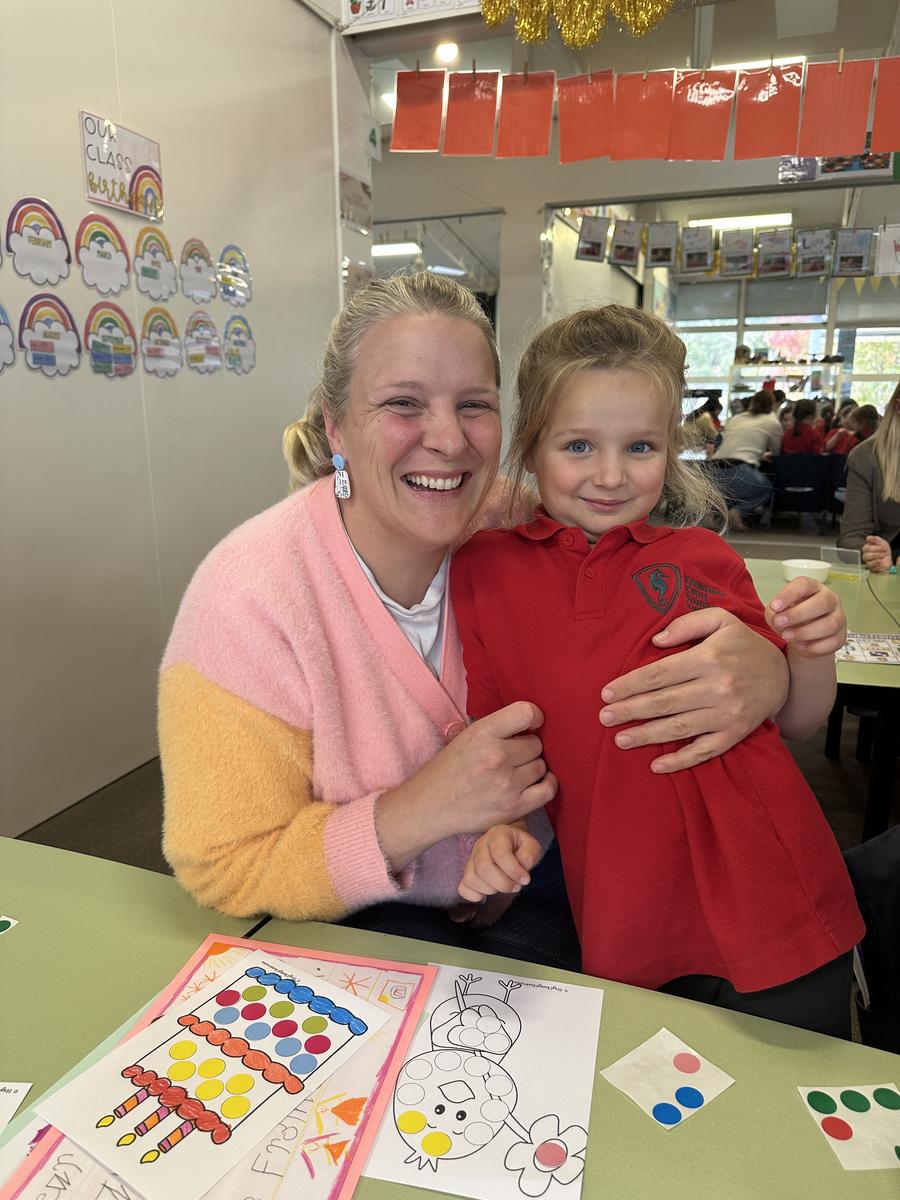
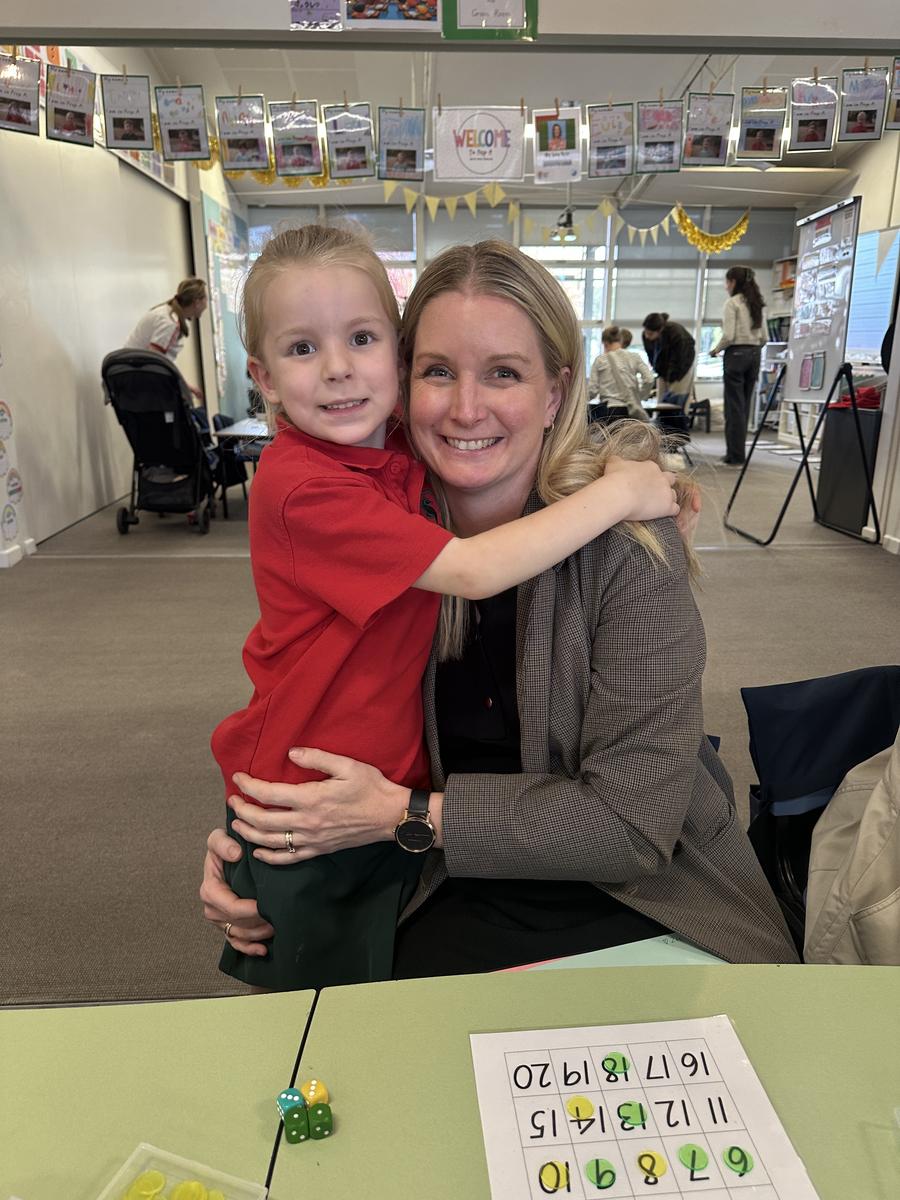
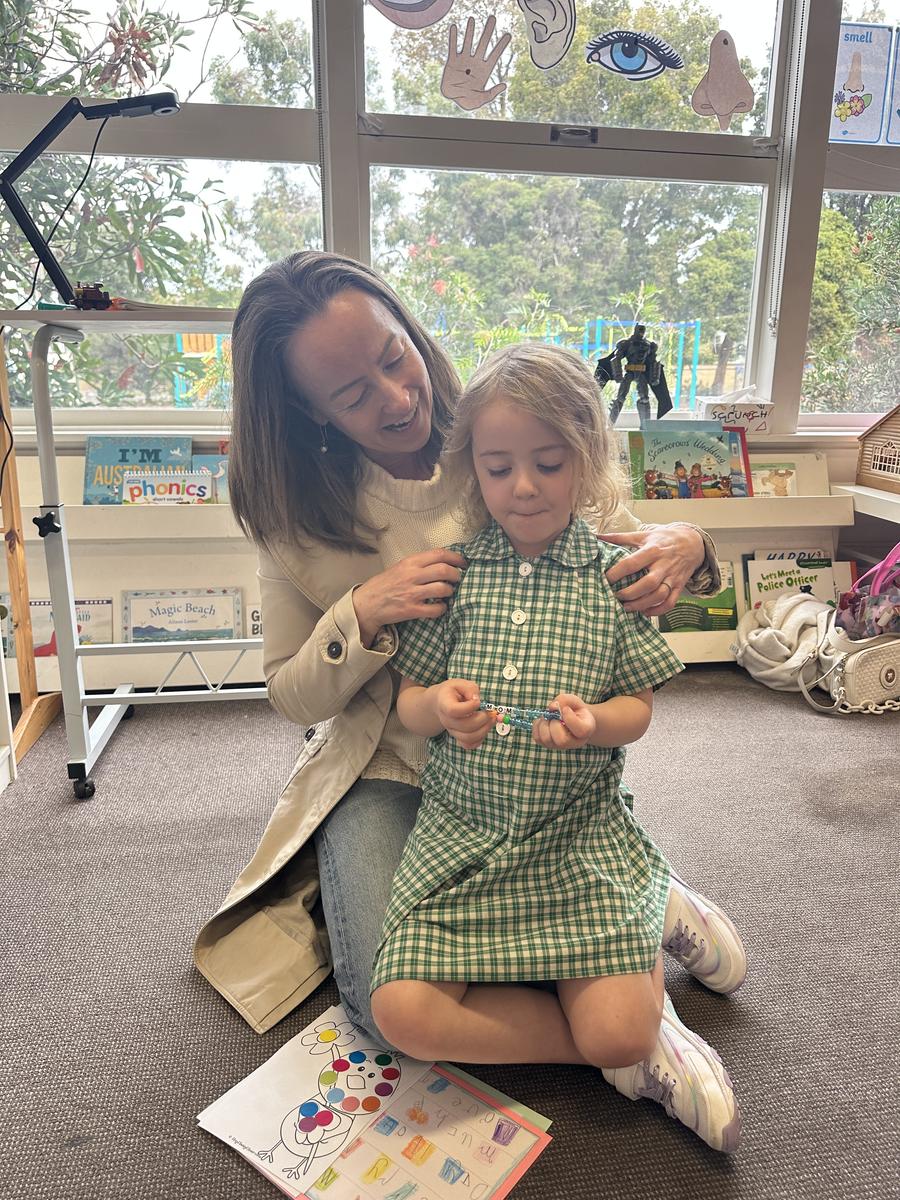
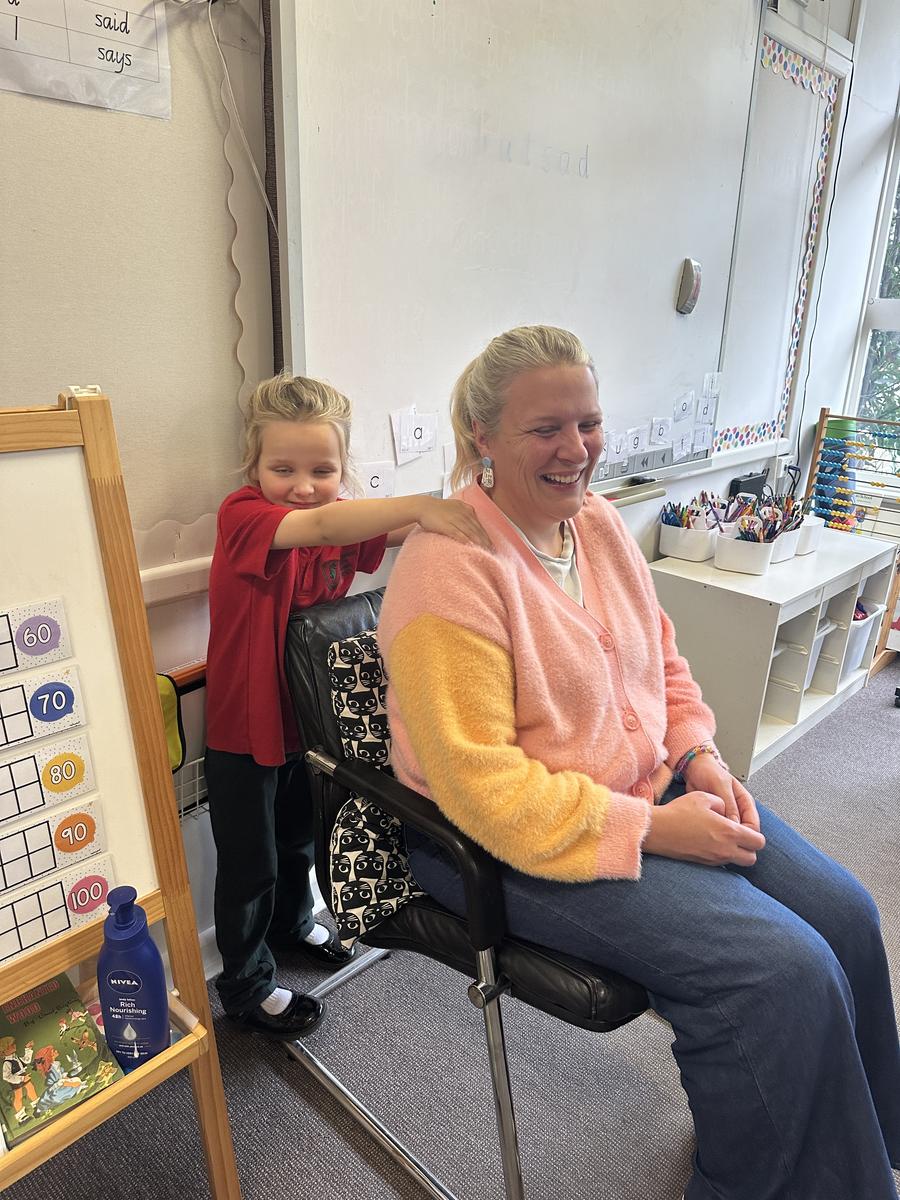
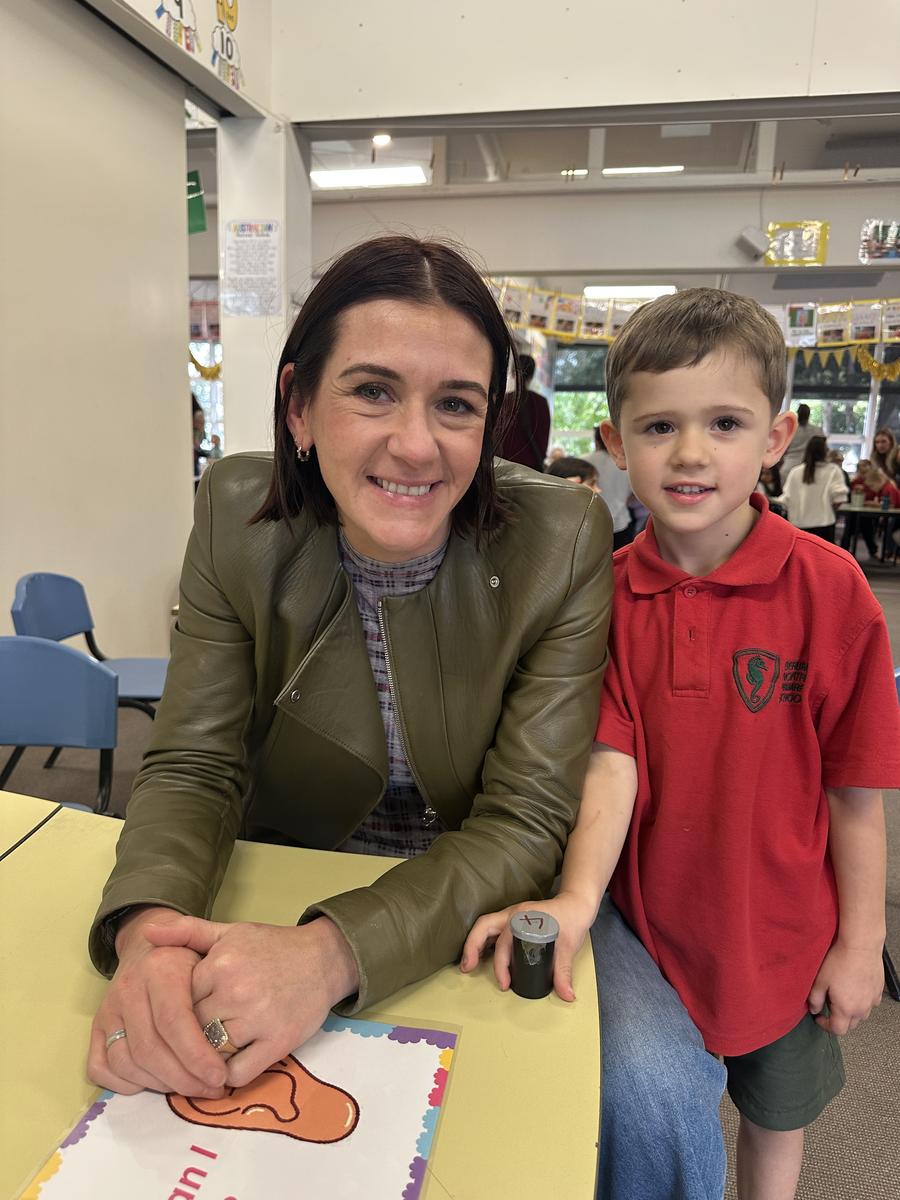
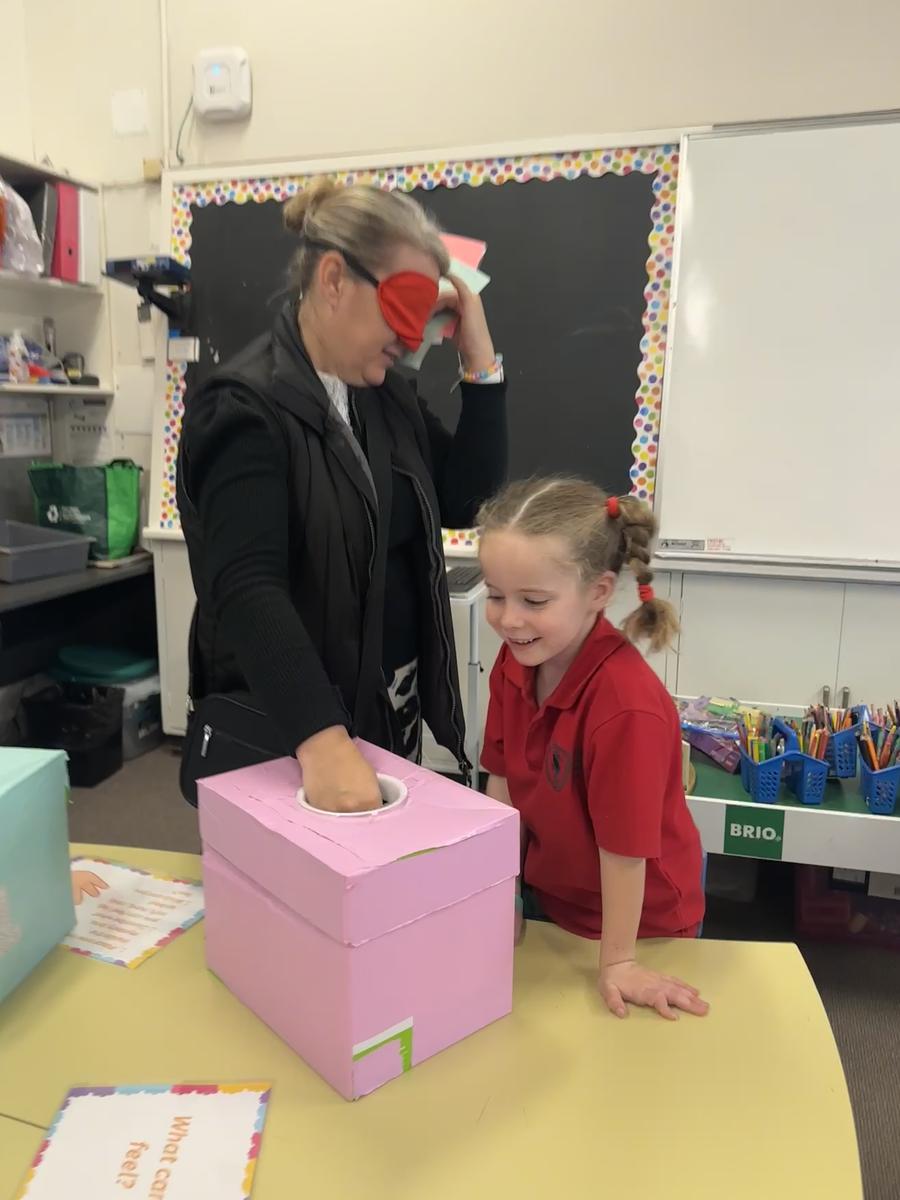
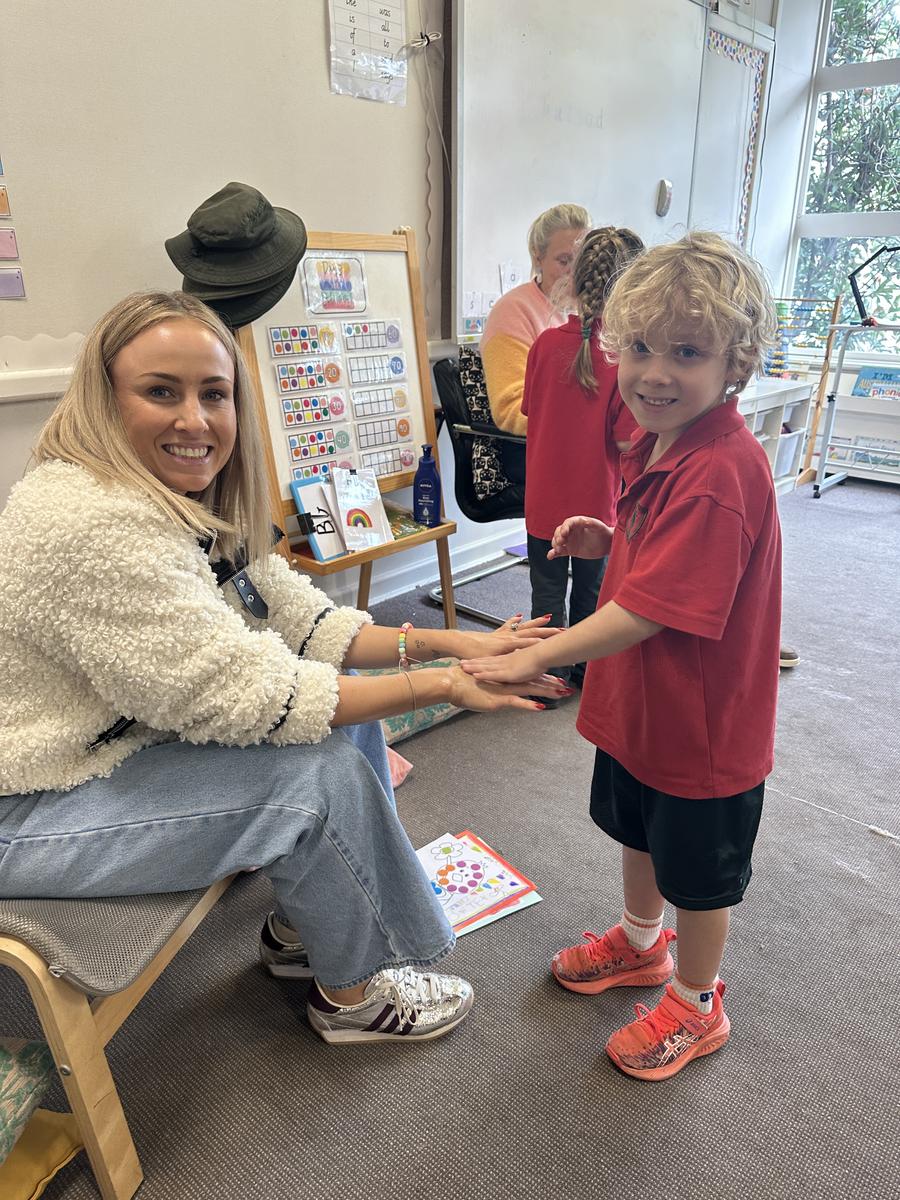
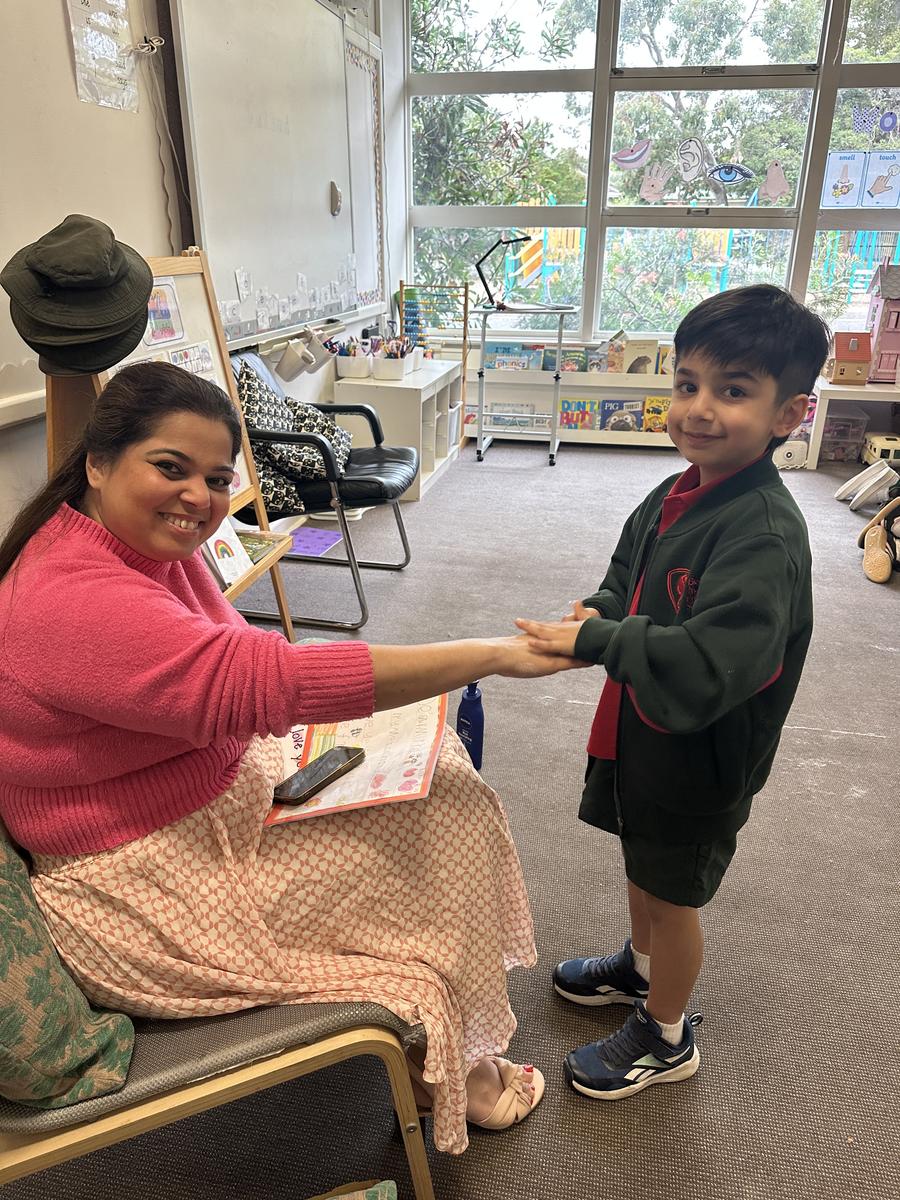
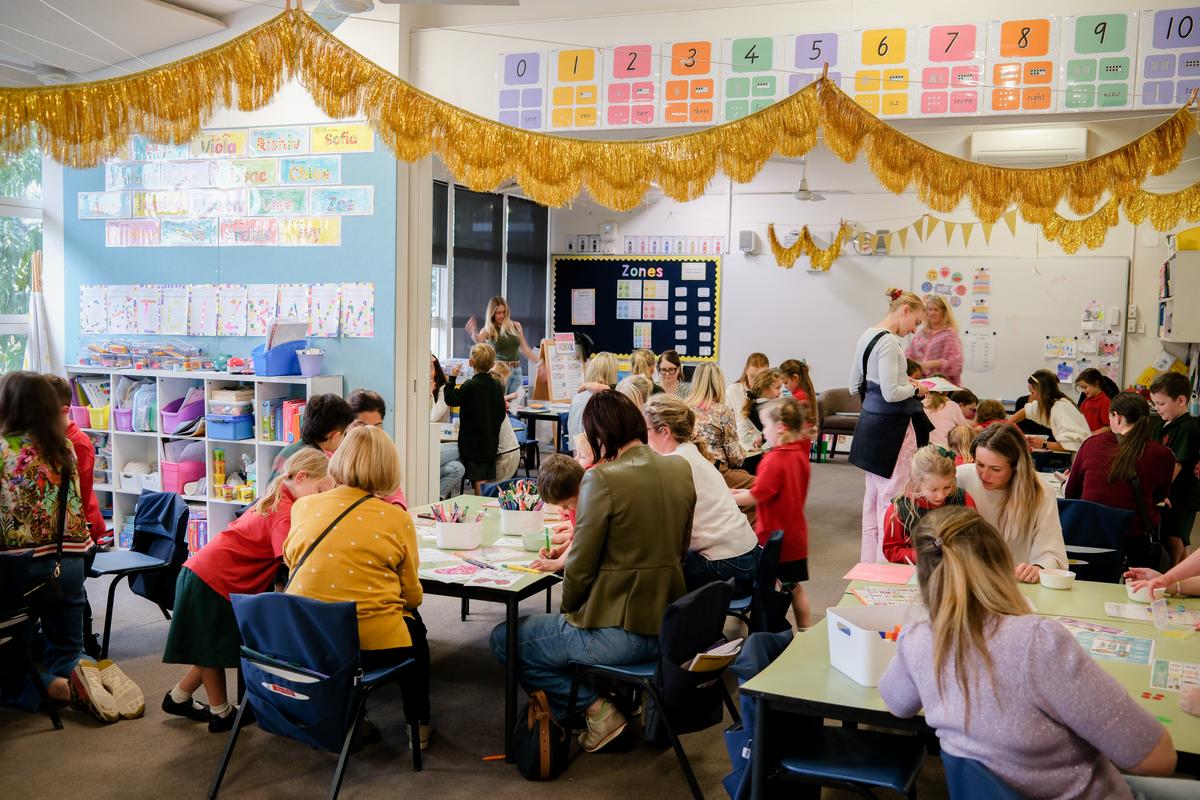
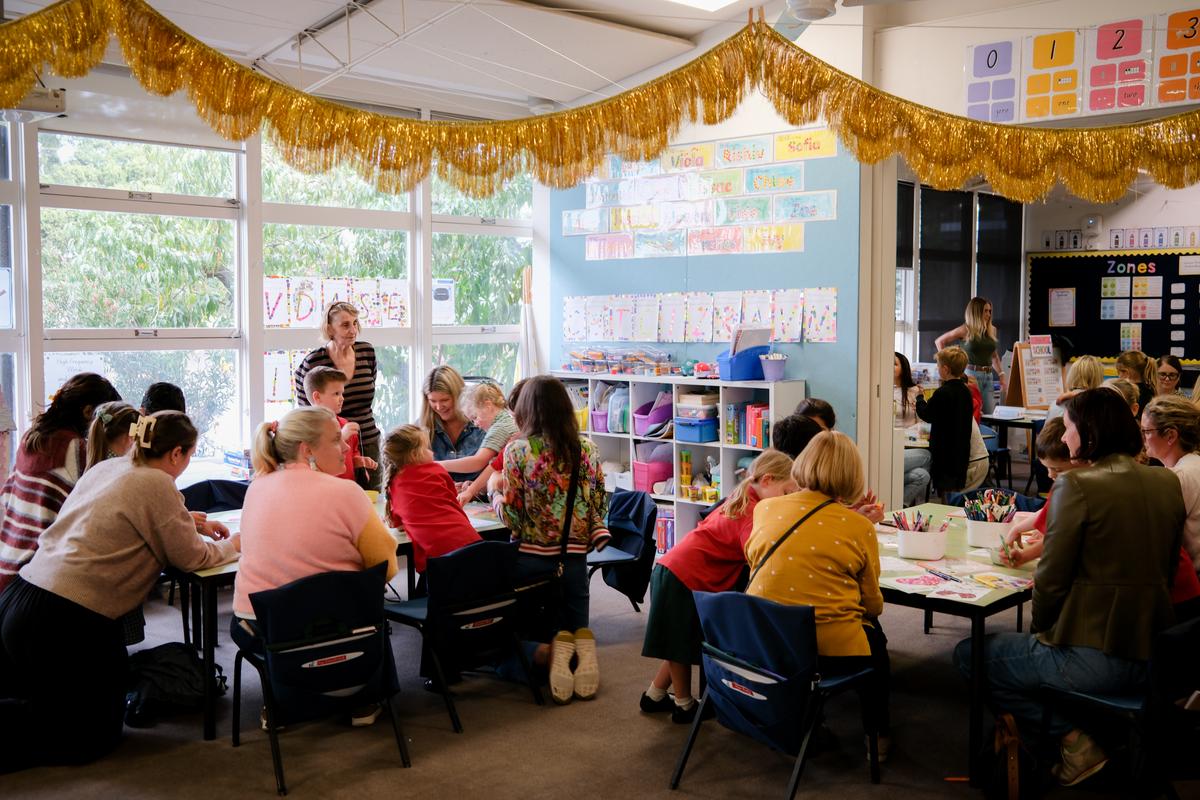
It was a wonderful afternoon filled with laughter, creativity, and special memories. We thank all the mums and special friends who attended and helped make the celebration so meaningful for our Prep students.
Literacy
Phonics Plus Set 4 Assessment Update
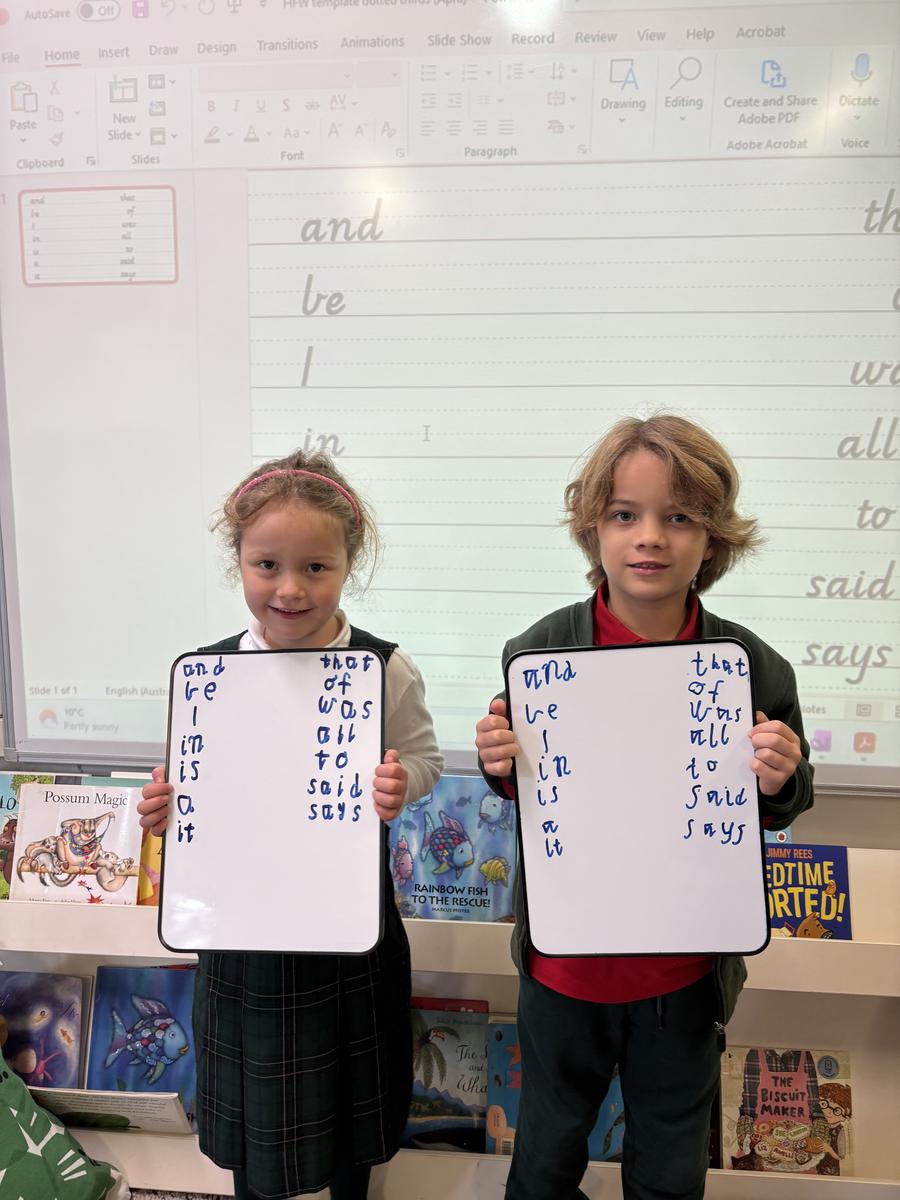
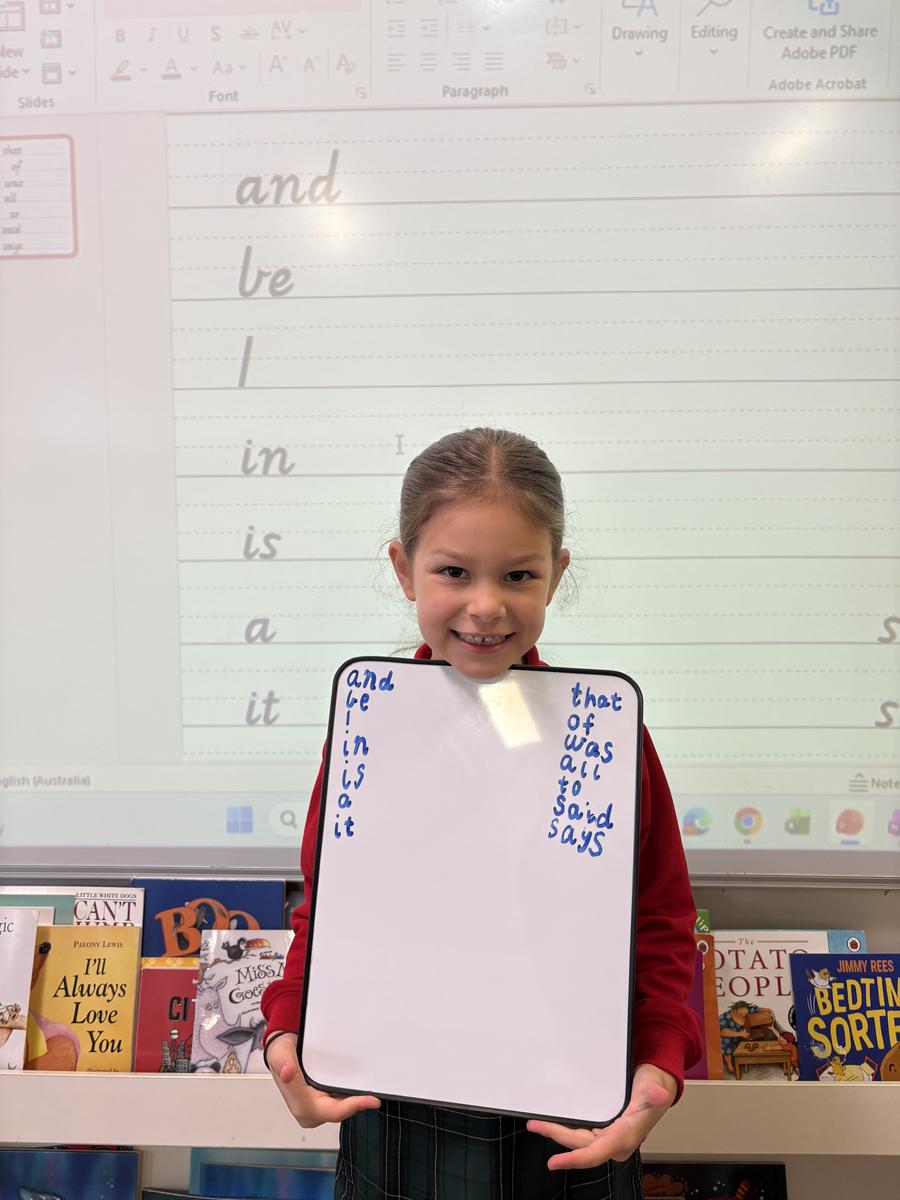
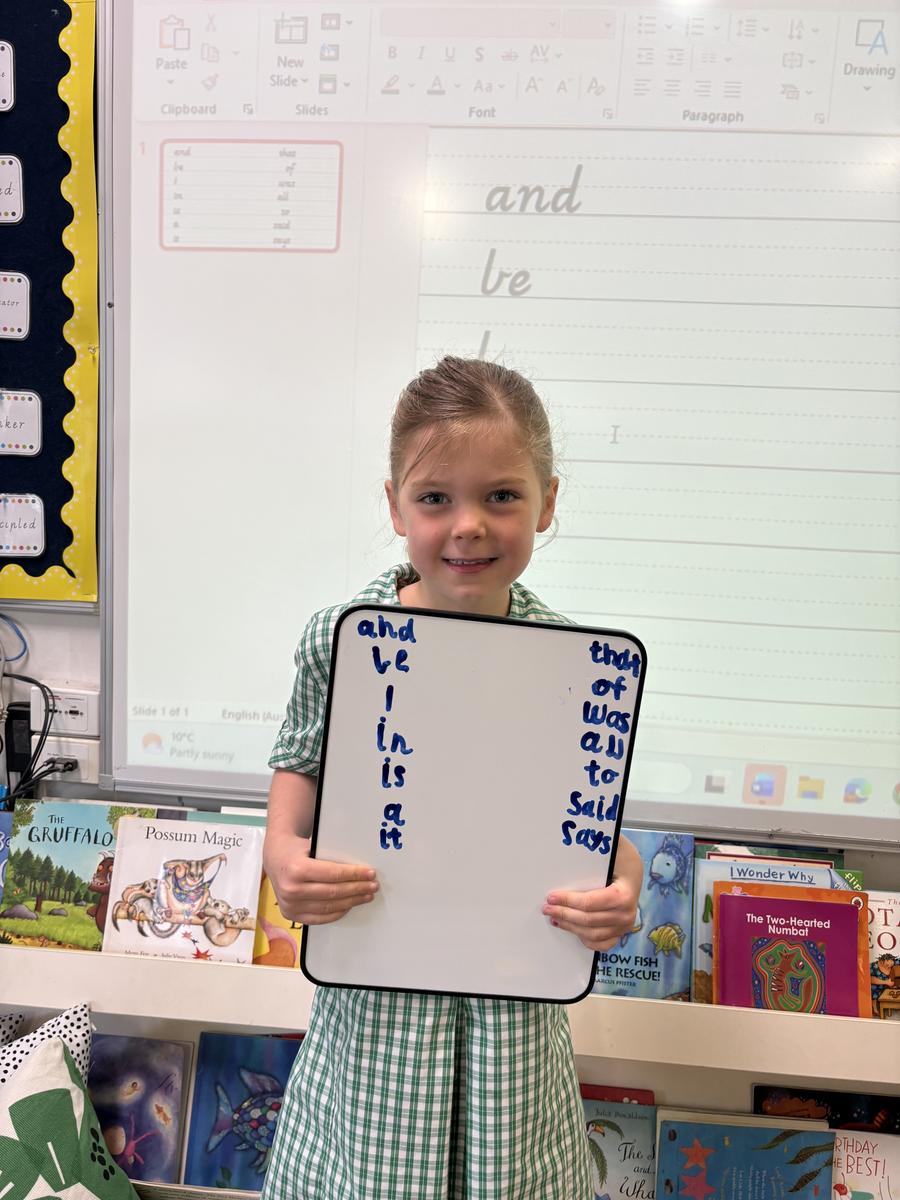
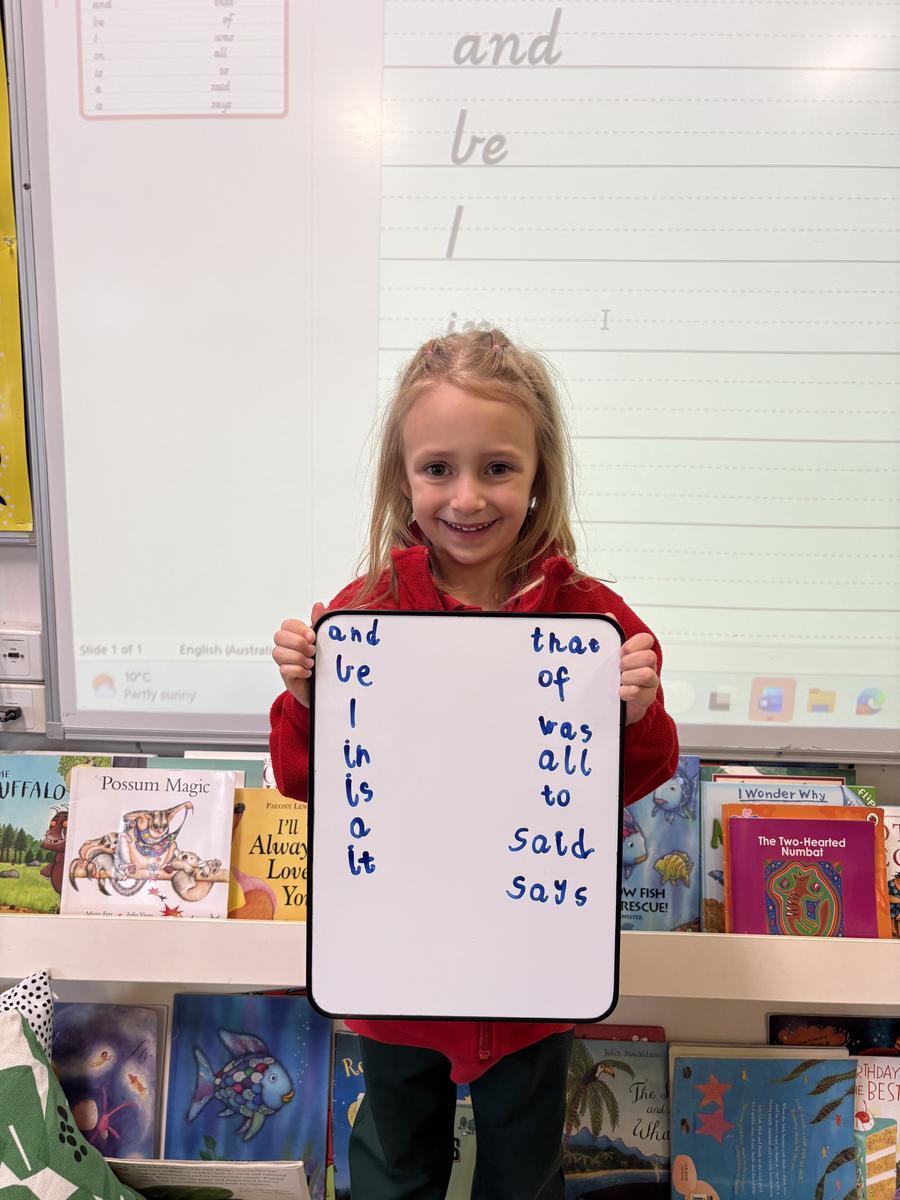
This week, Foundation students completed the final assessment for Phonics Plus Set 4 in our phonics program. The assessment gave students an opportunity to independently demonstrate the reading, spelling and writing skills they have been developing throughout the term.
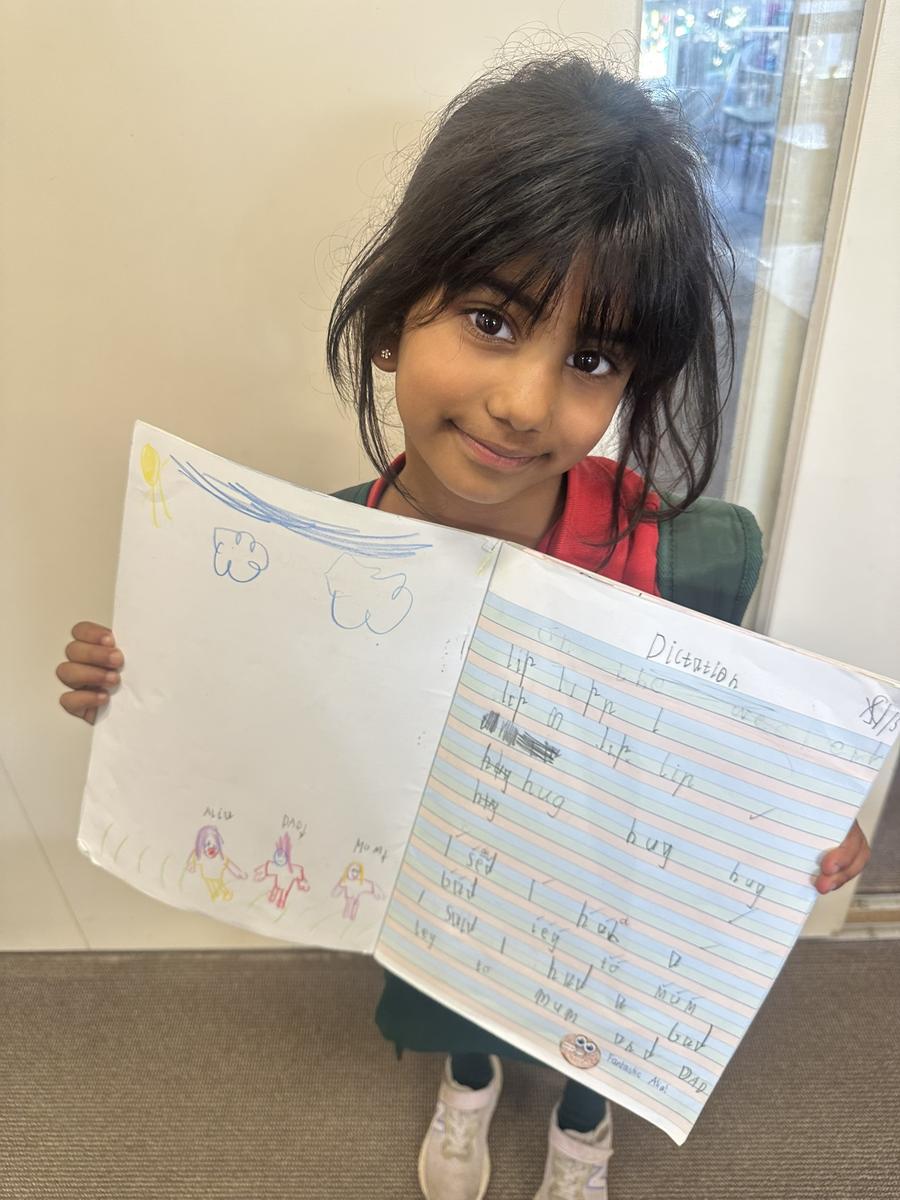
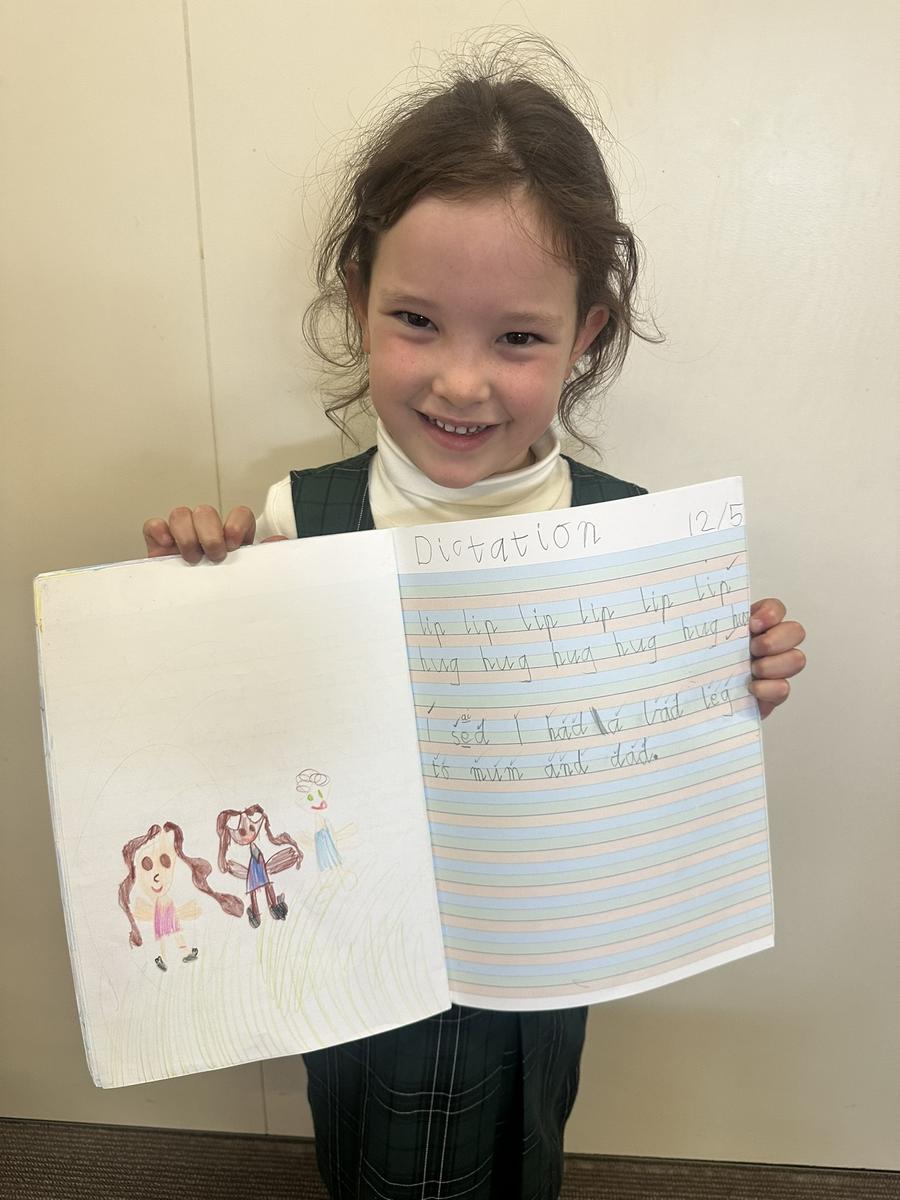
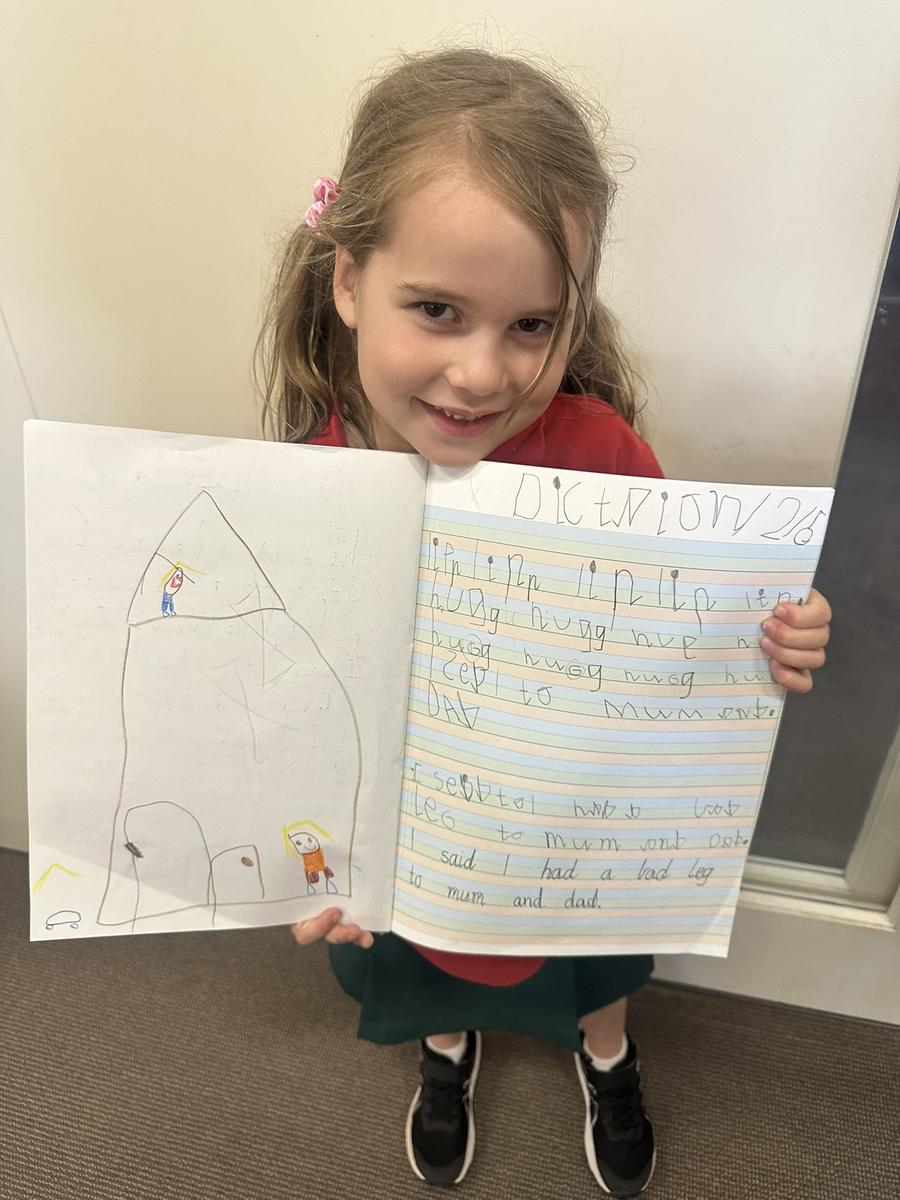
During the assessment, students practised and applied their knowledge of:
letter–sound relationships (grapheme–phoneme correspondences)
reading and spelling simple consonant-vowel-consonant (CVC) words
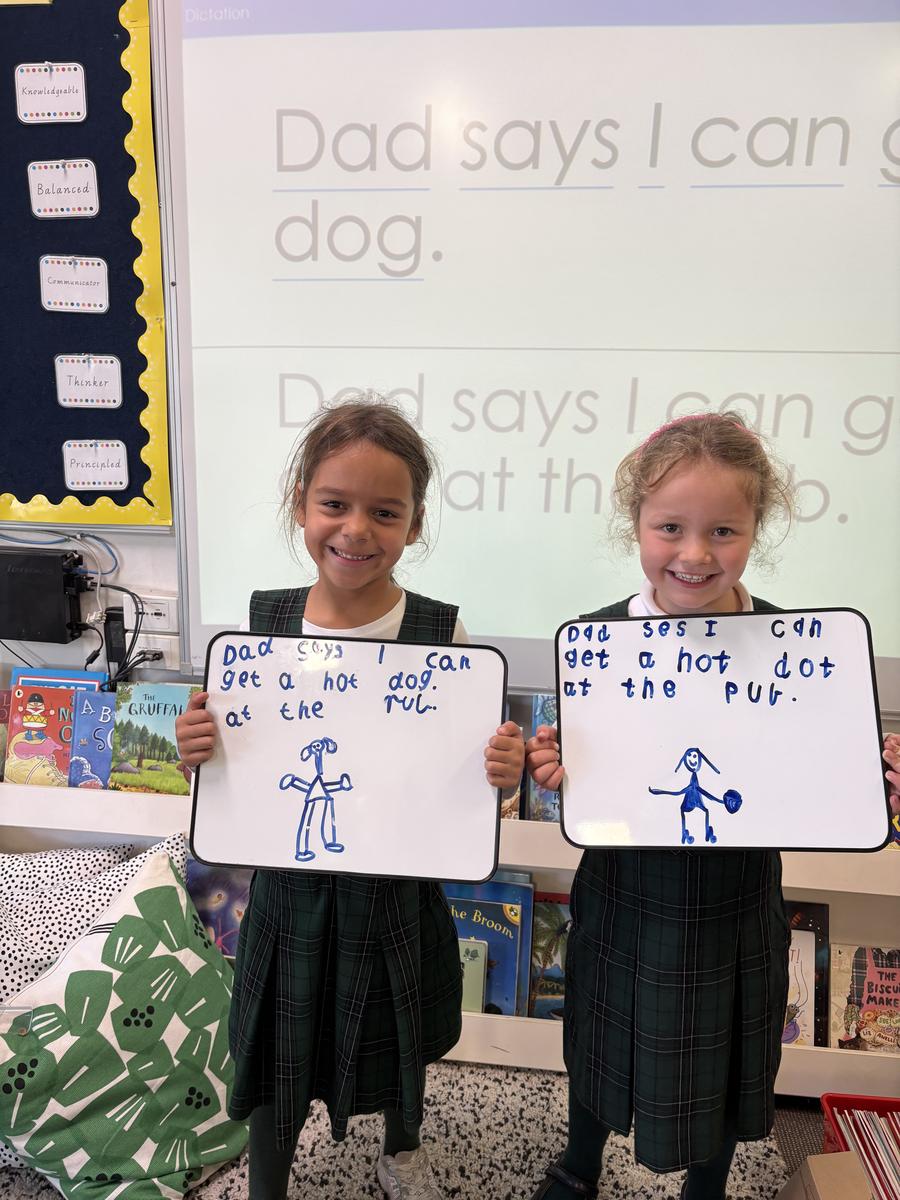
writing a dictated sentence
reading decodable text with increasing fluency and understanding
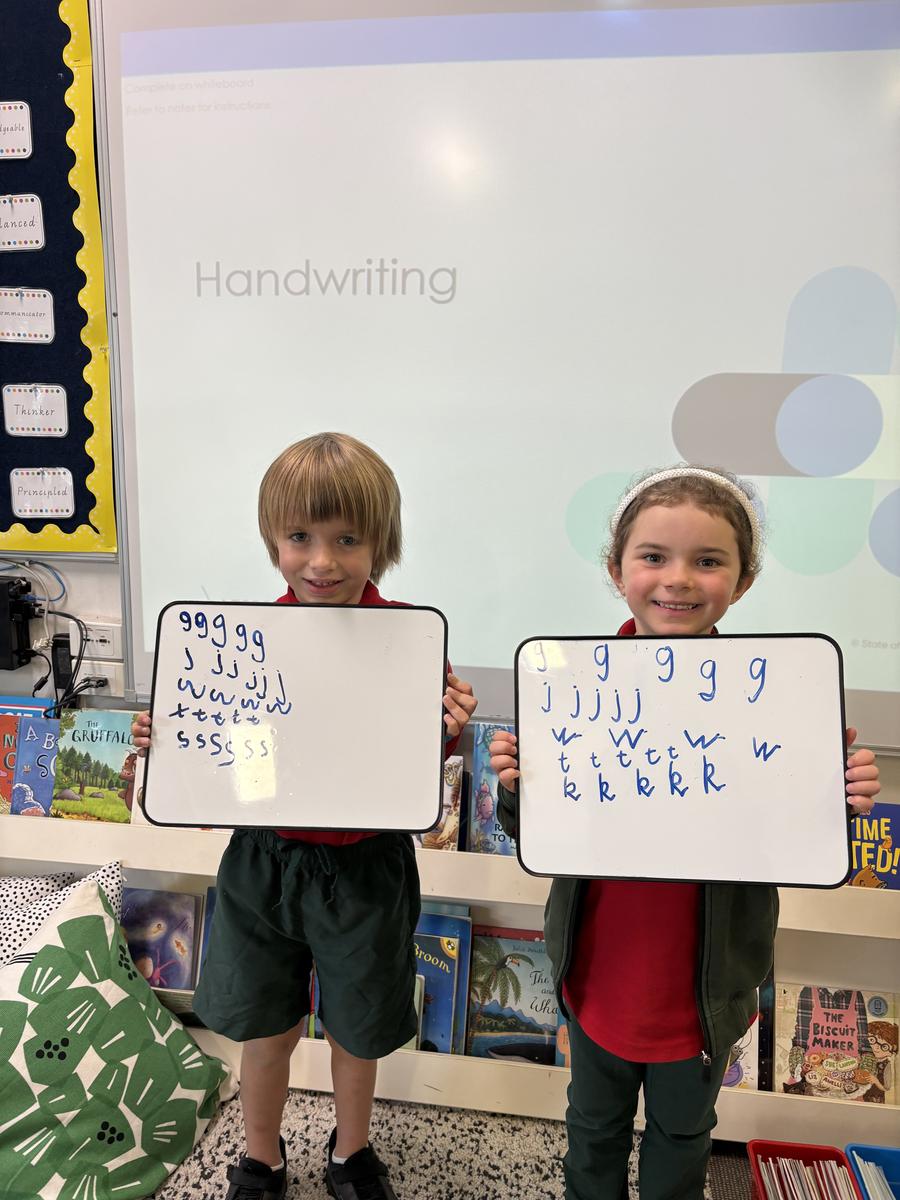
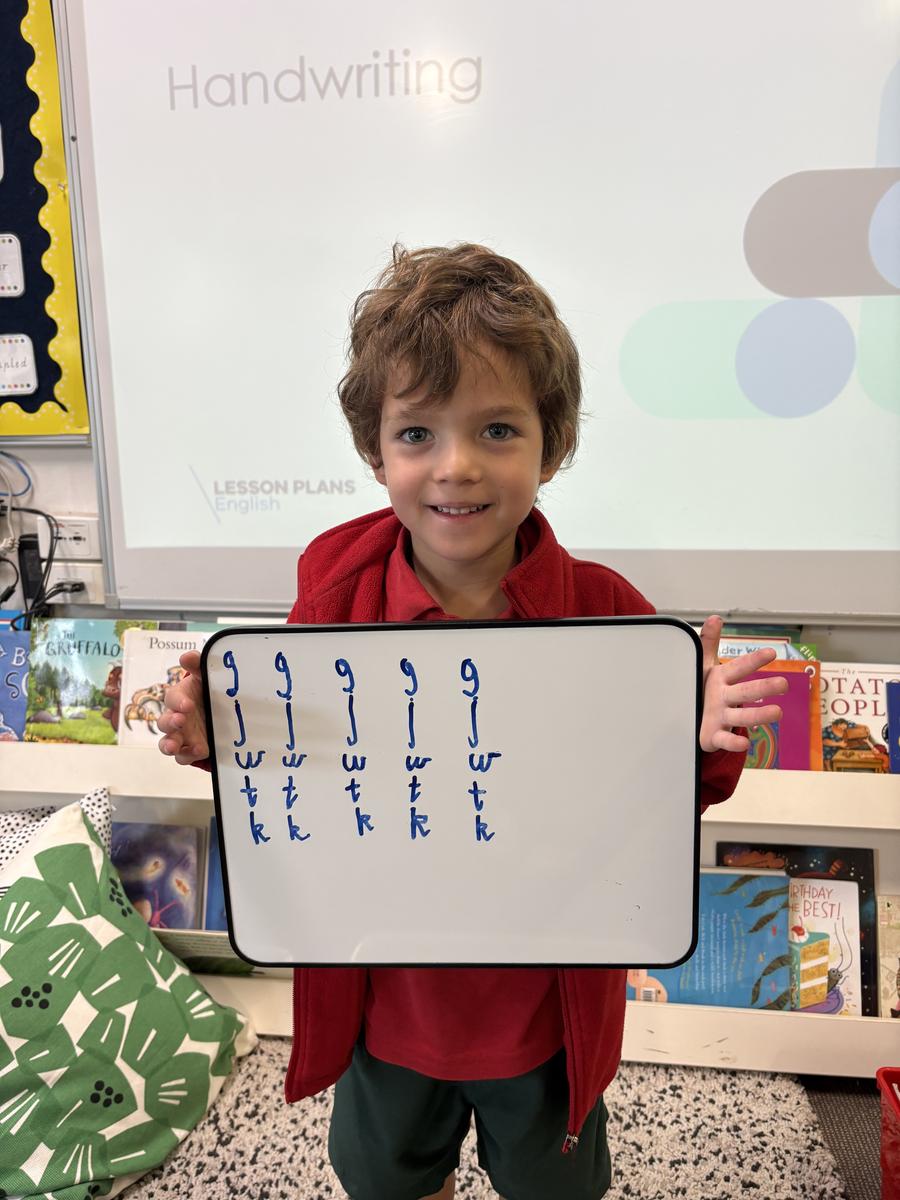
correct letter formation and handwriting
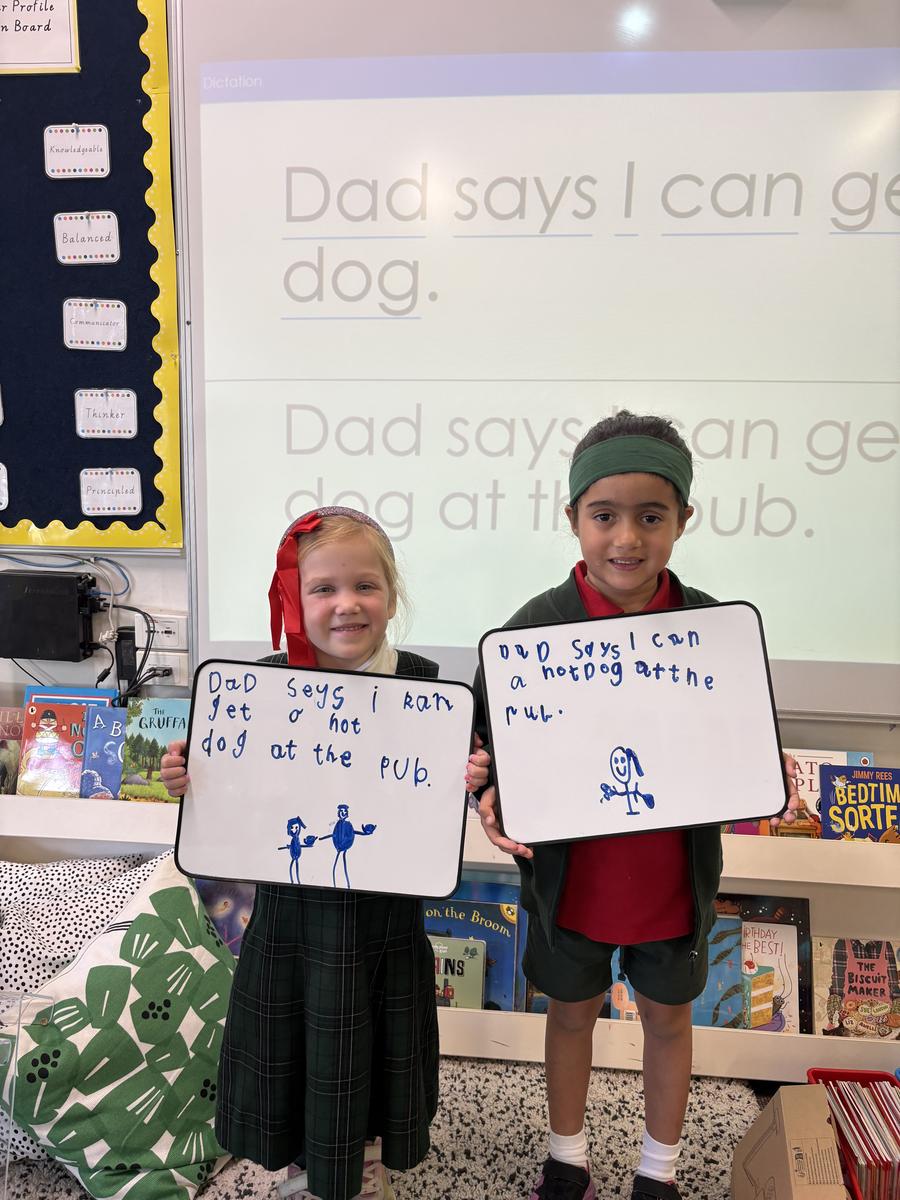
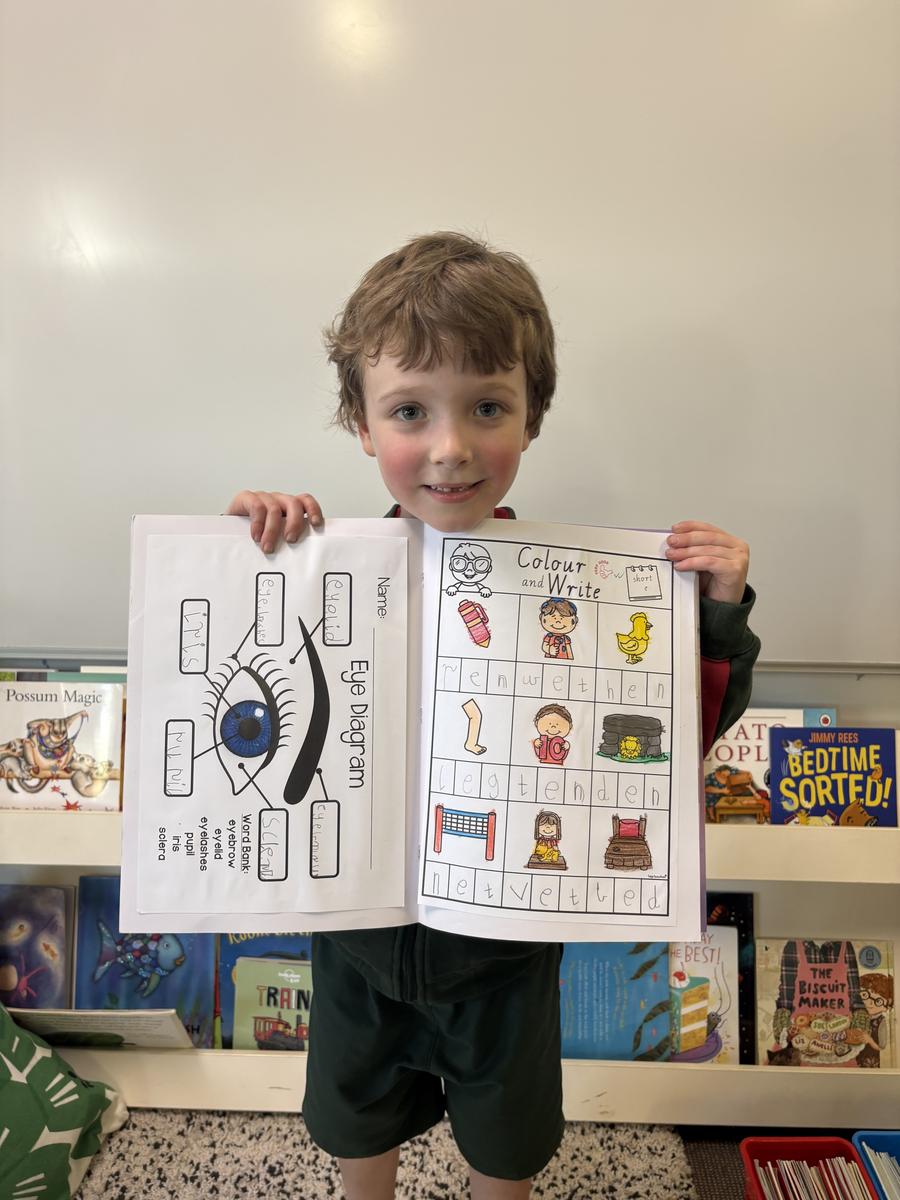
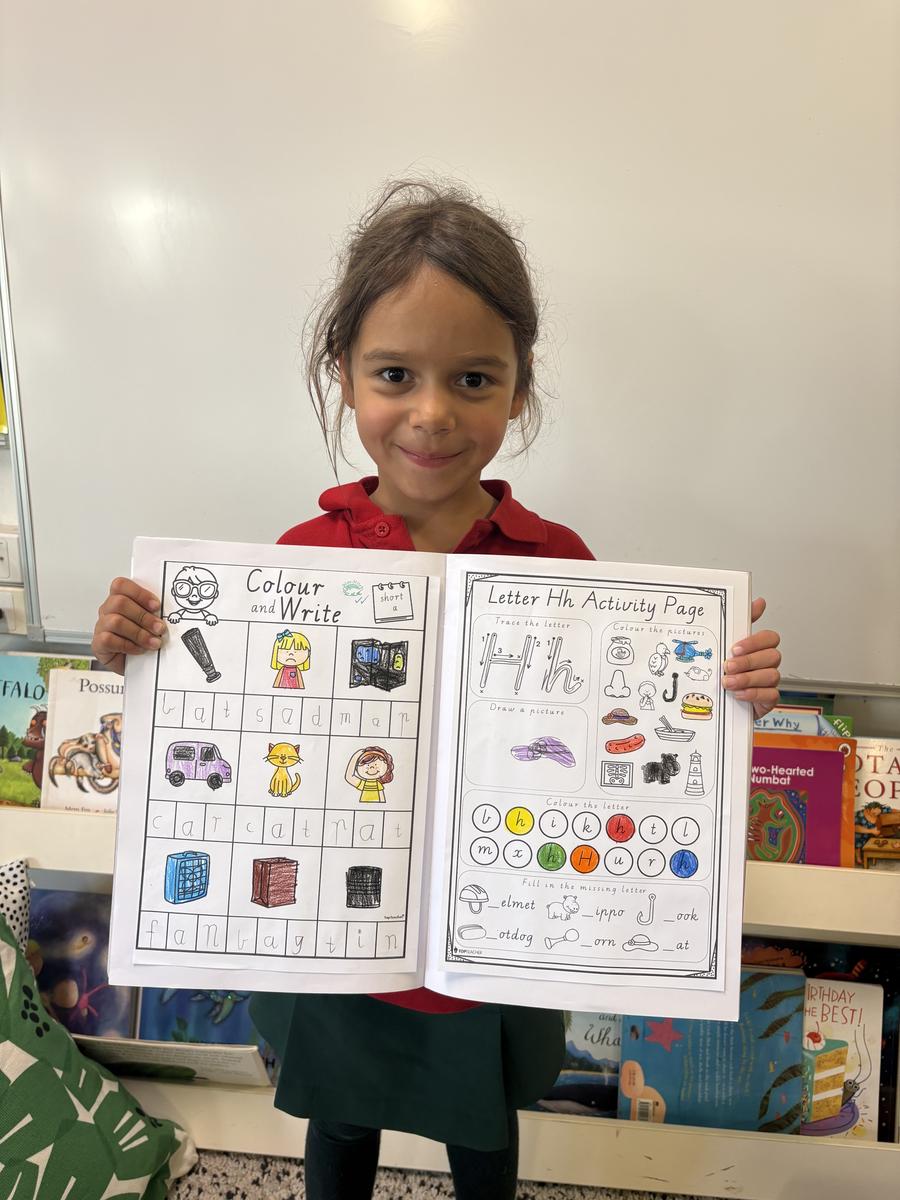
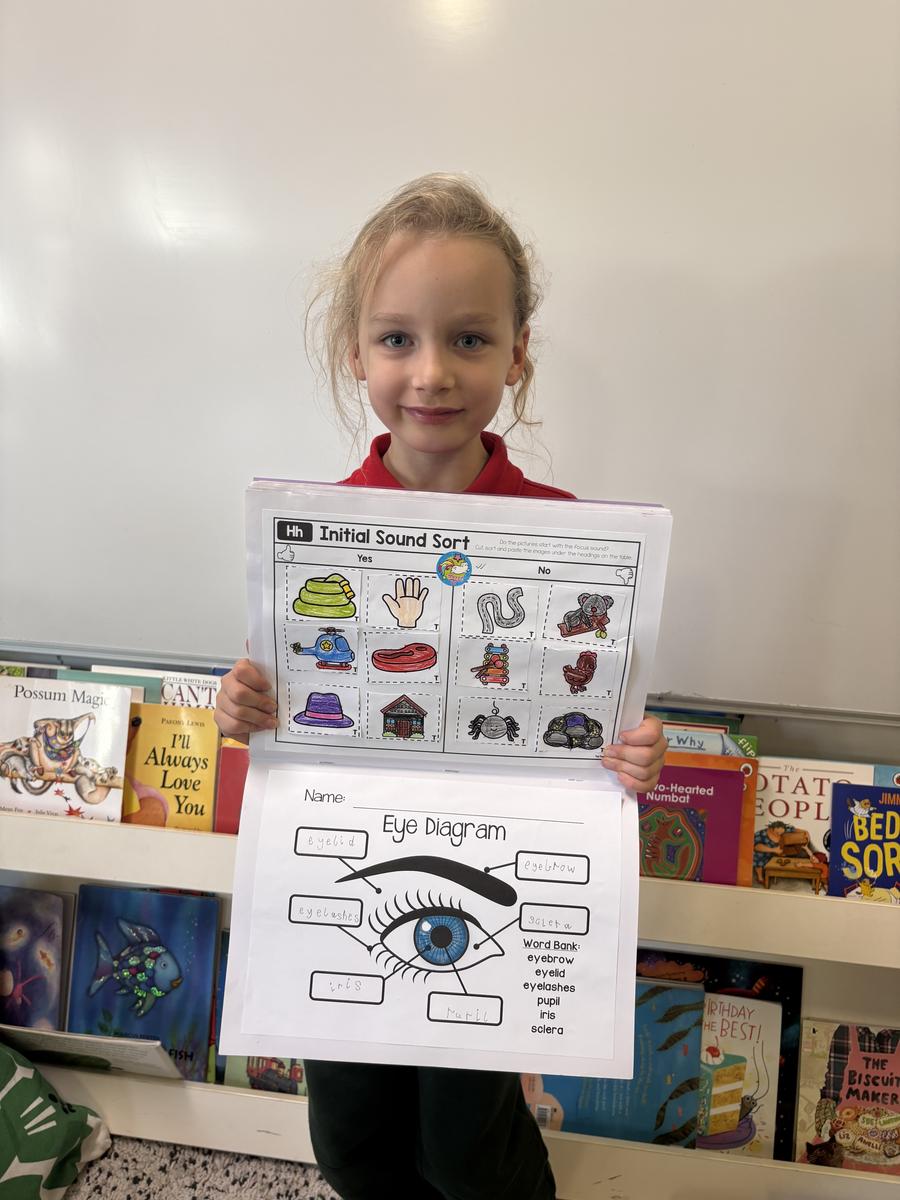
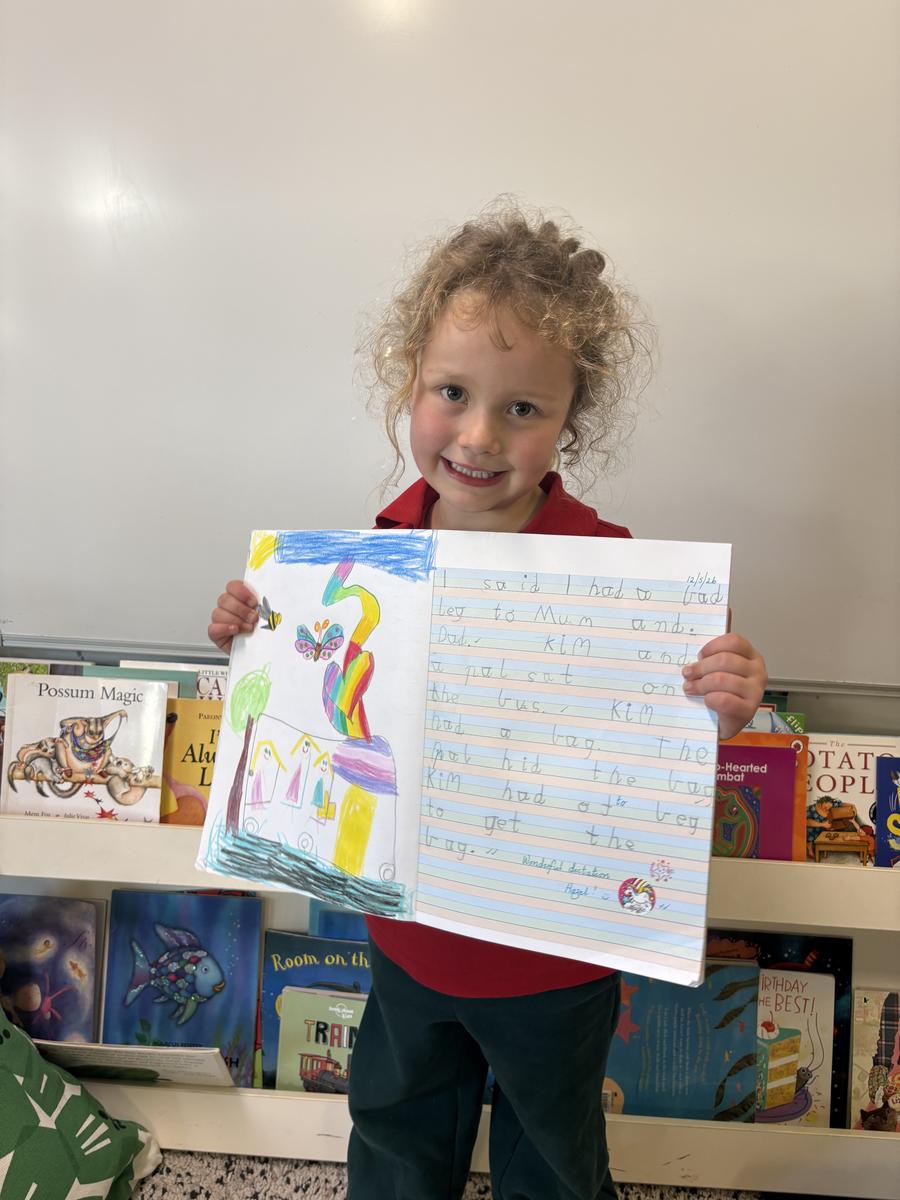
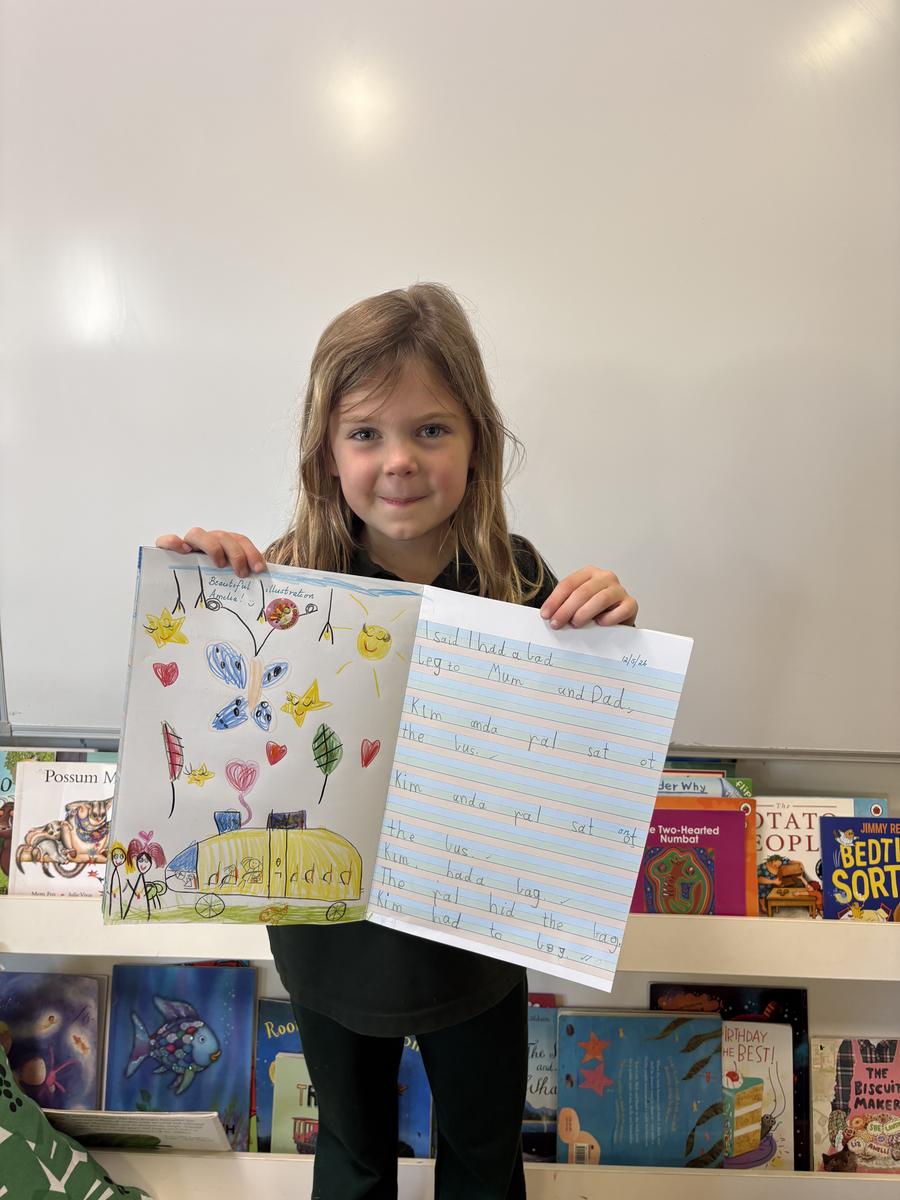
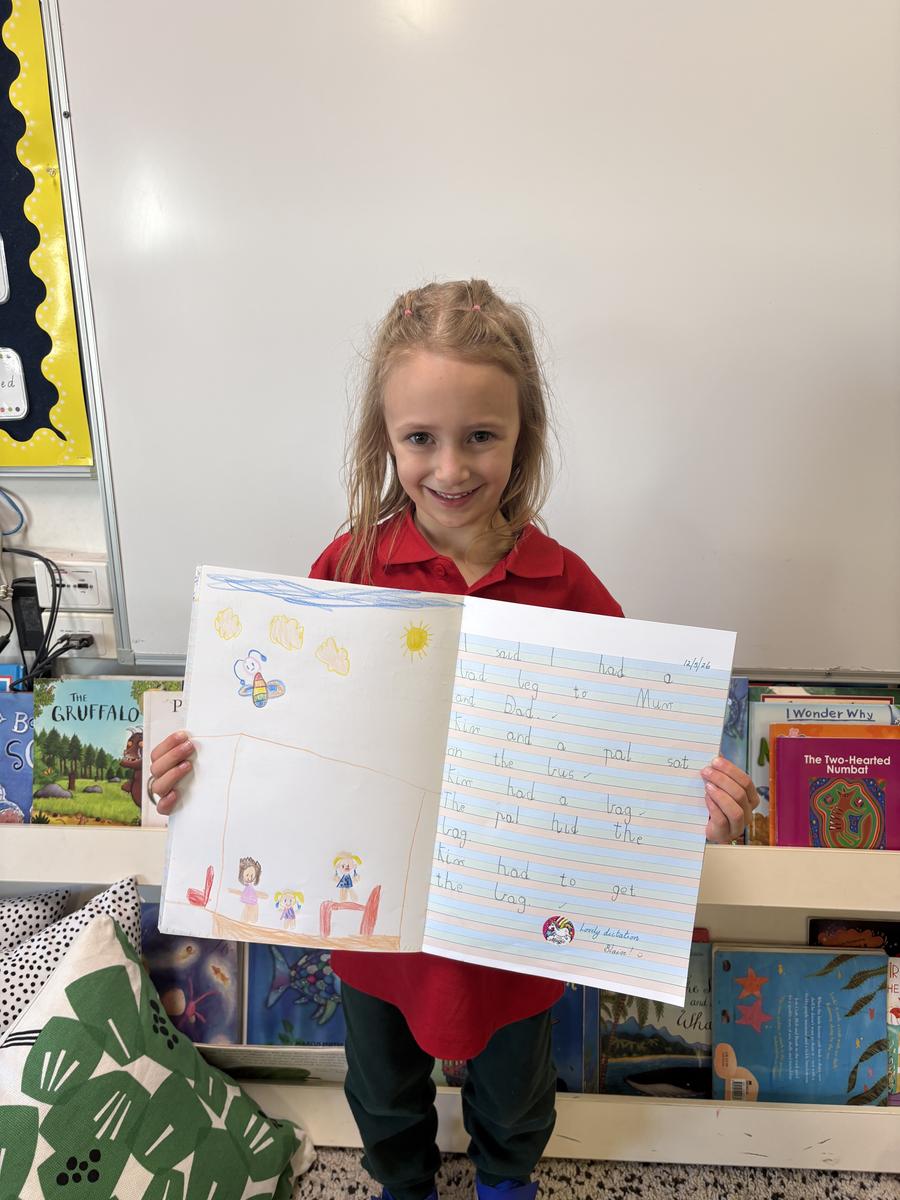
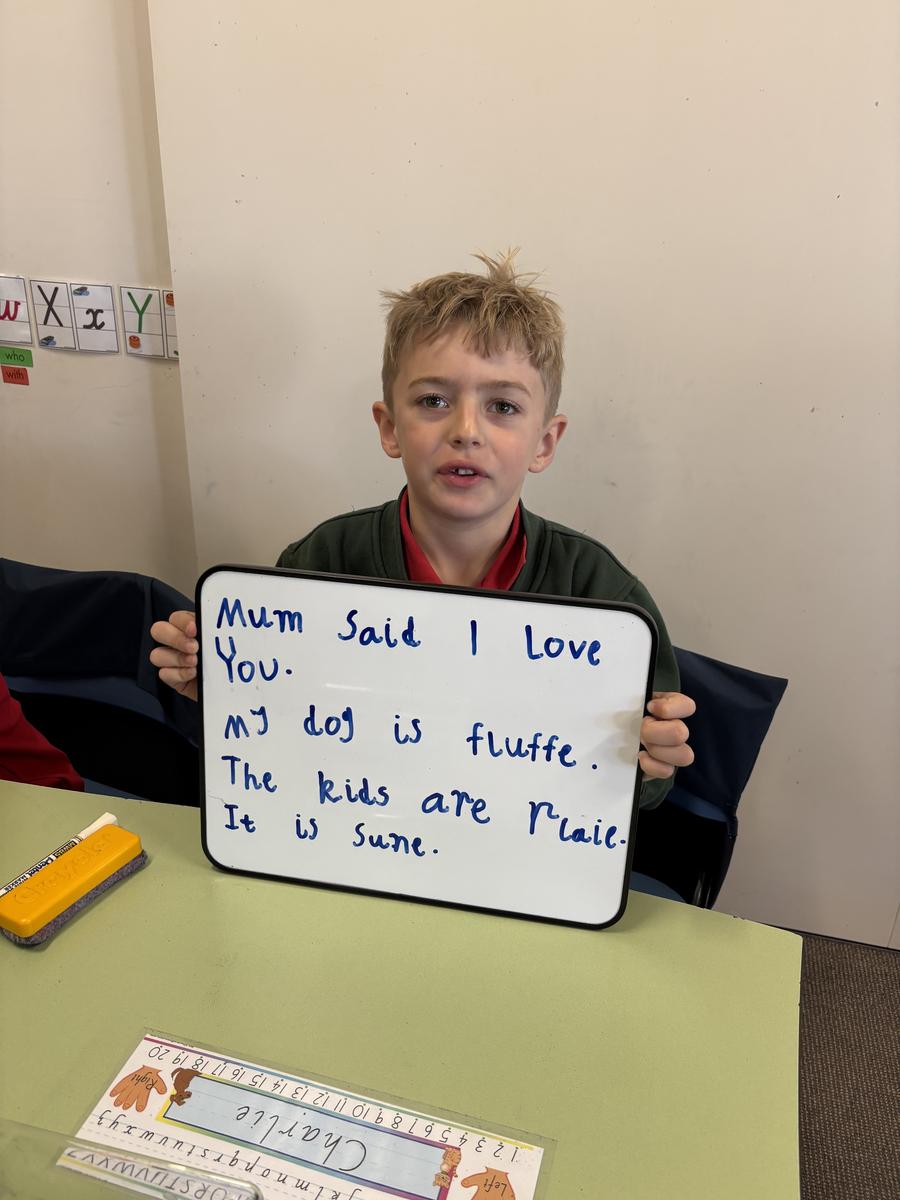
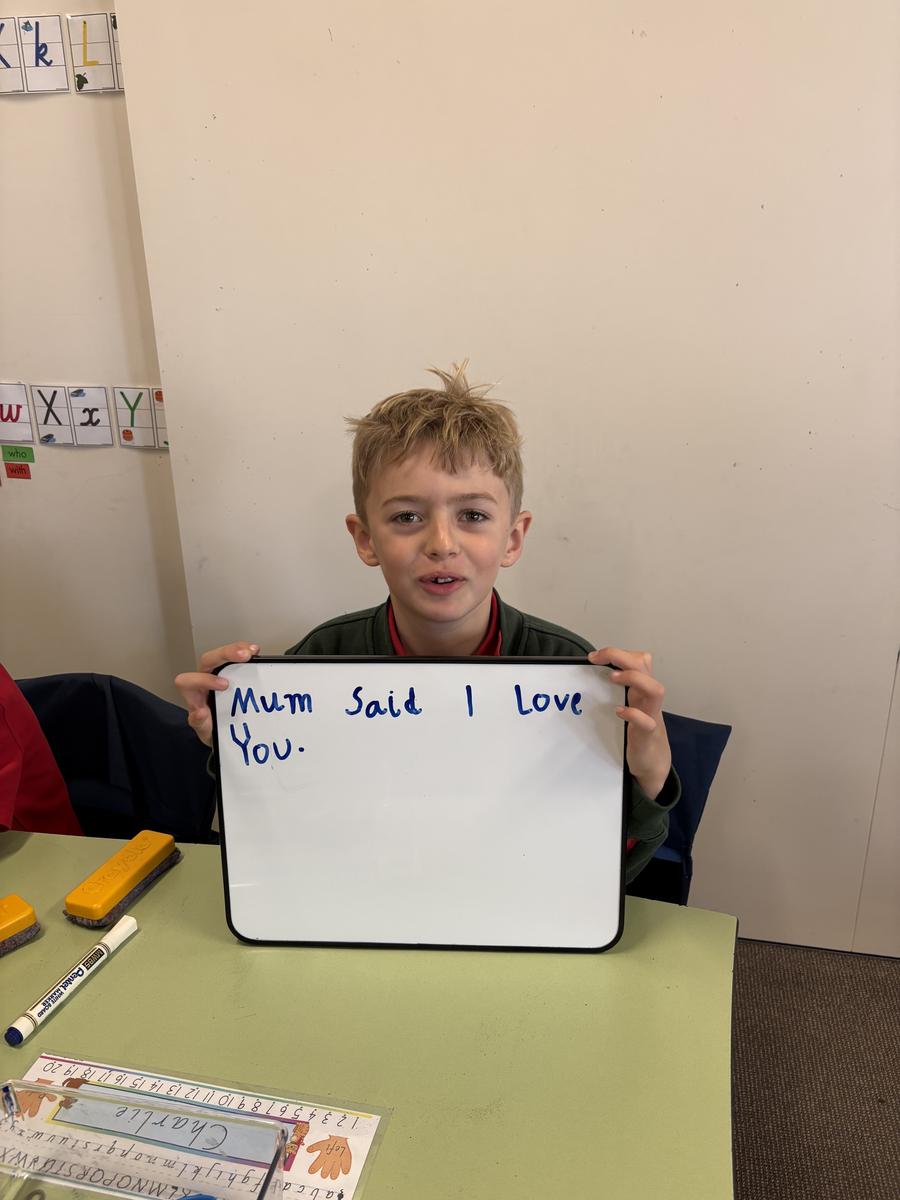
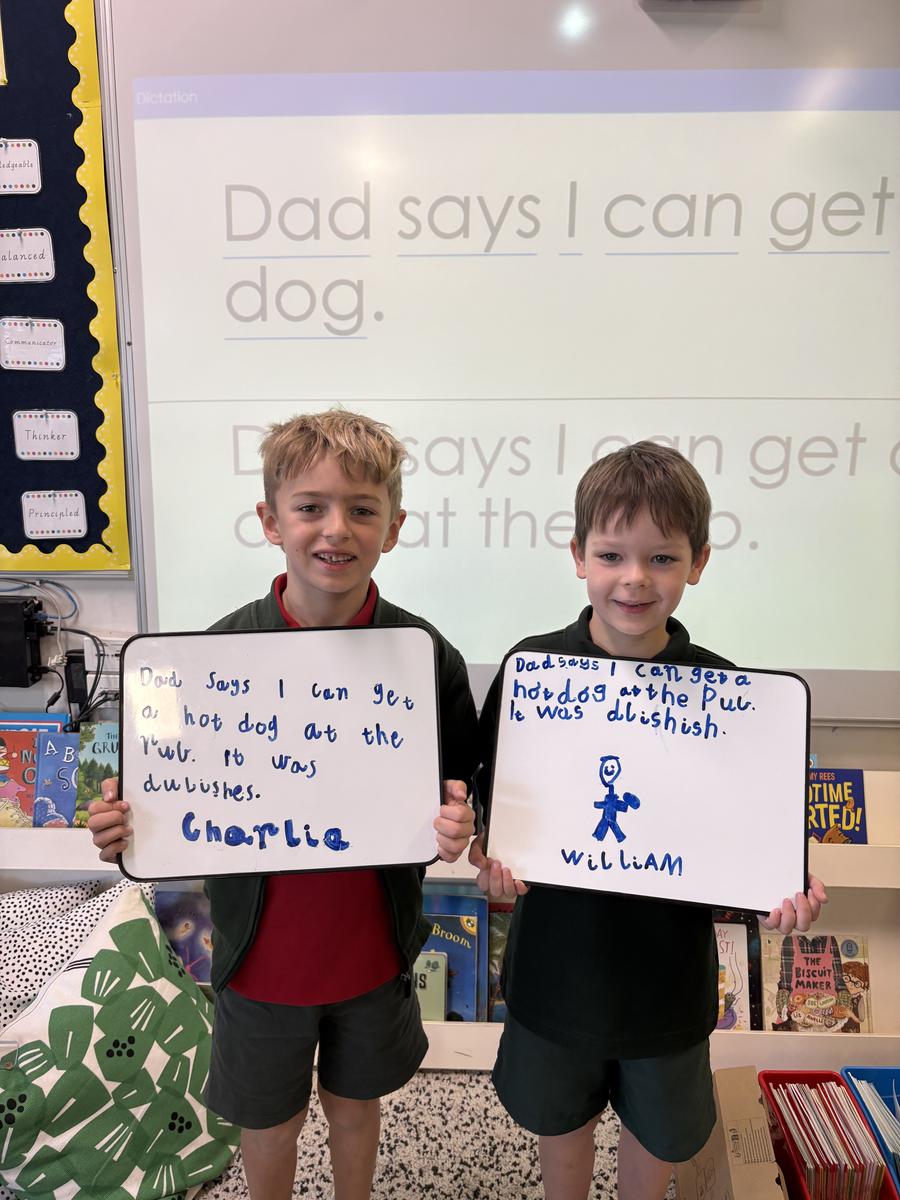
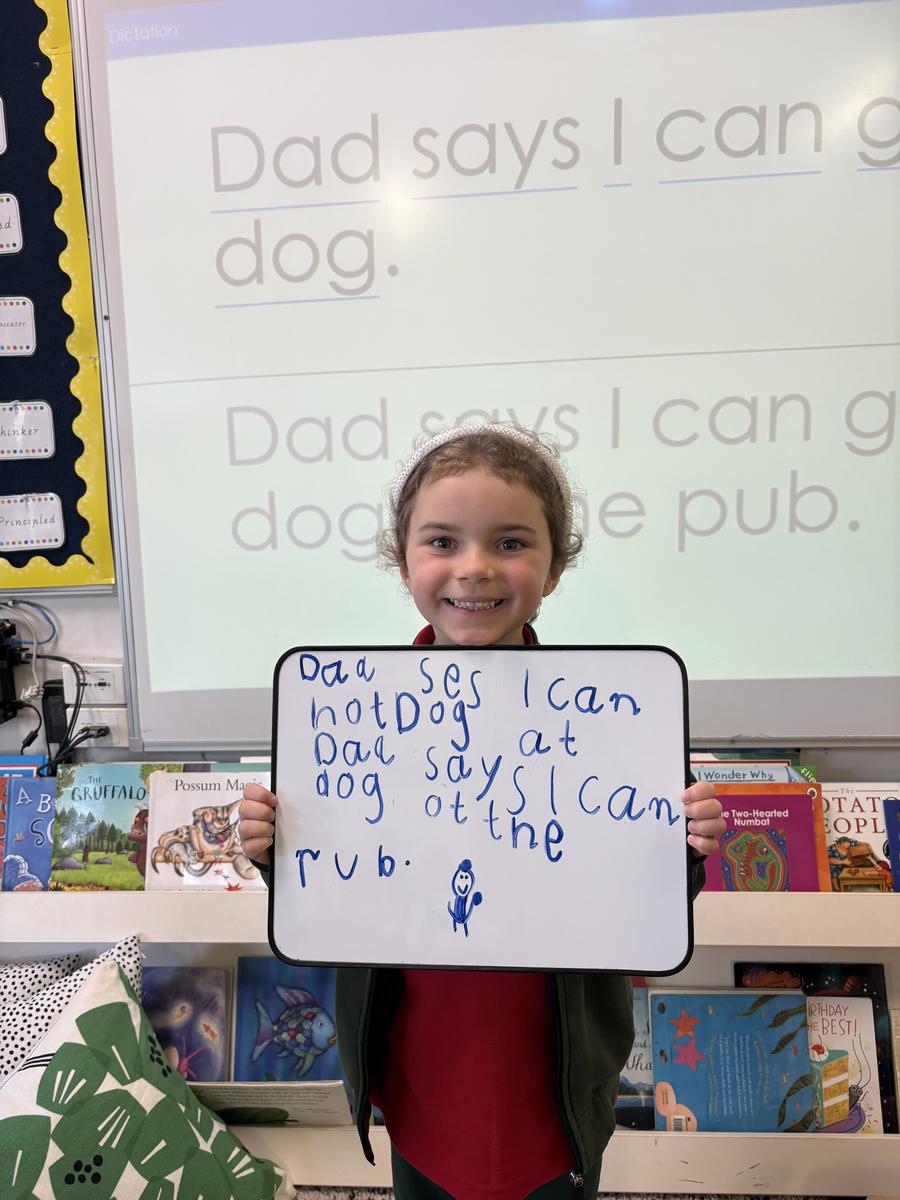
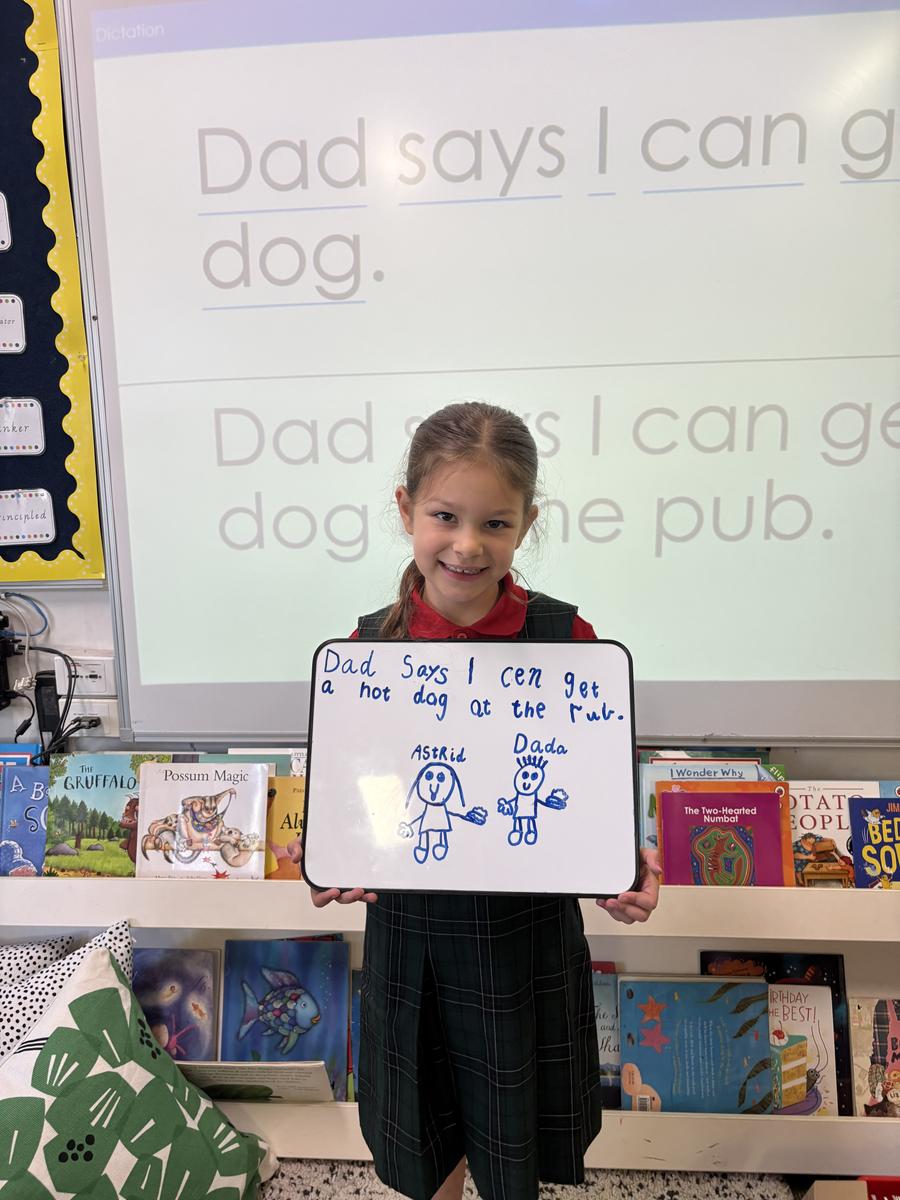
Students were asked to:
identify and write letters that match taught sounds
spell familiar words such as big, hat, leg, hut and lob
write the sentence: My dog sat on the map.
read a short decodable text with a partner
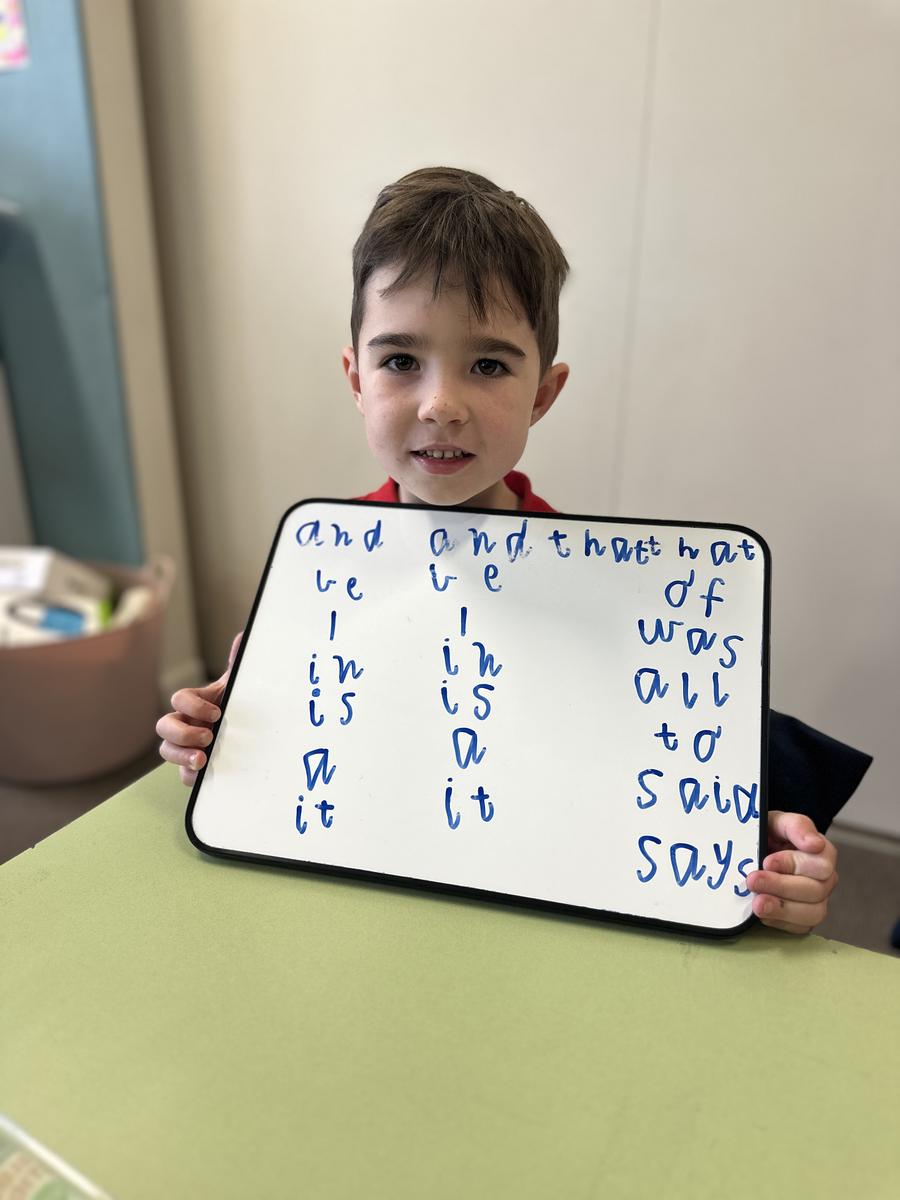
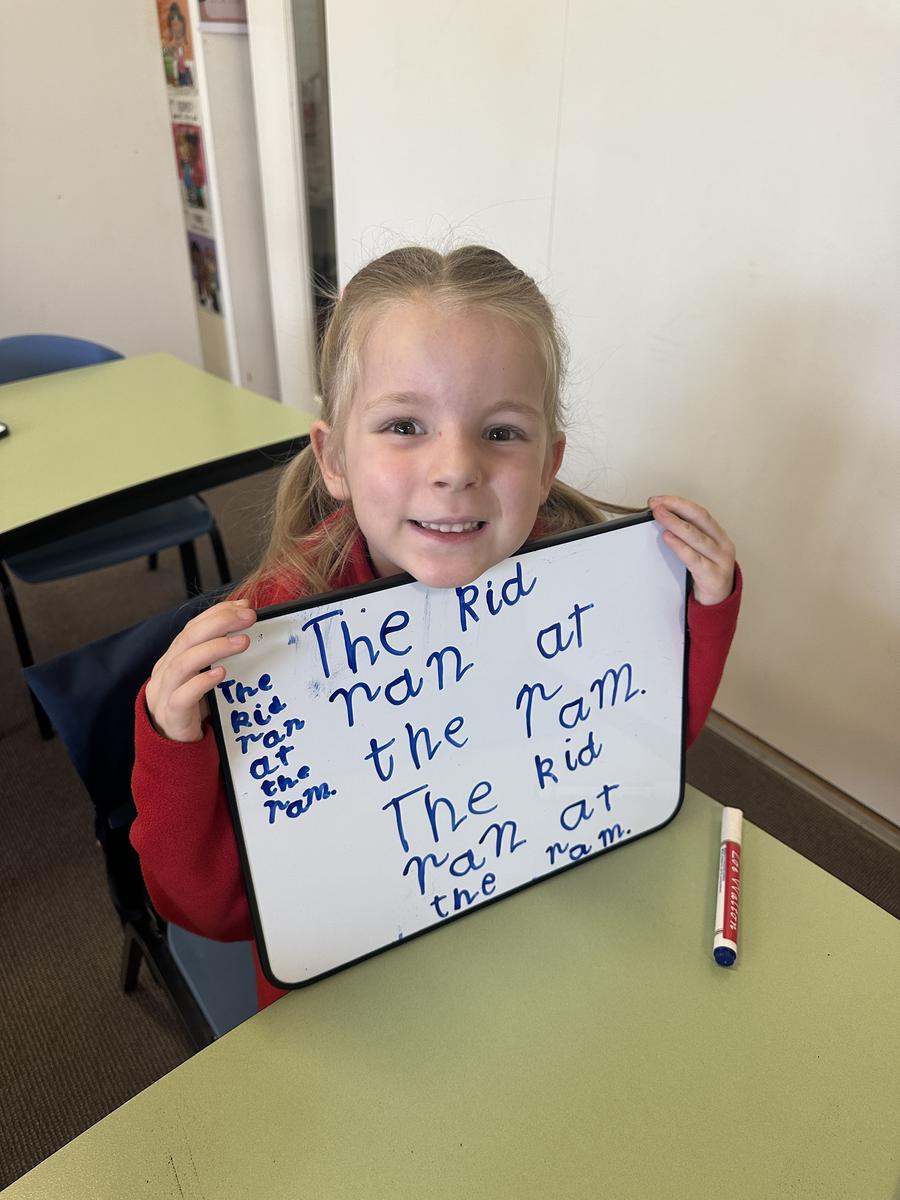
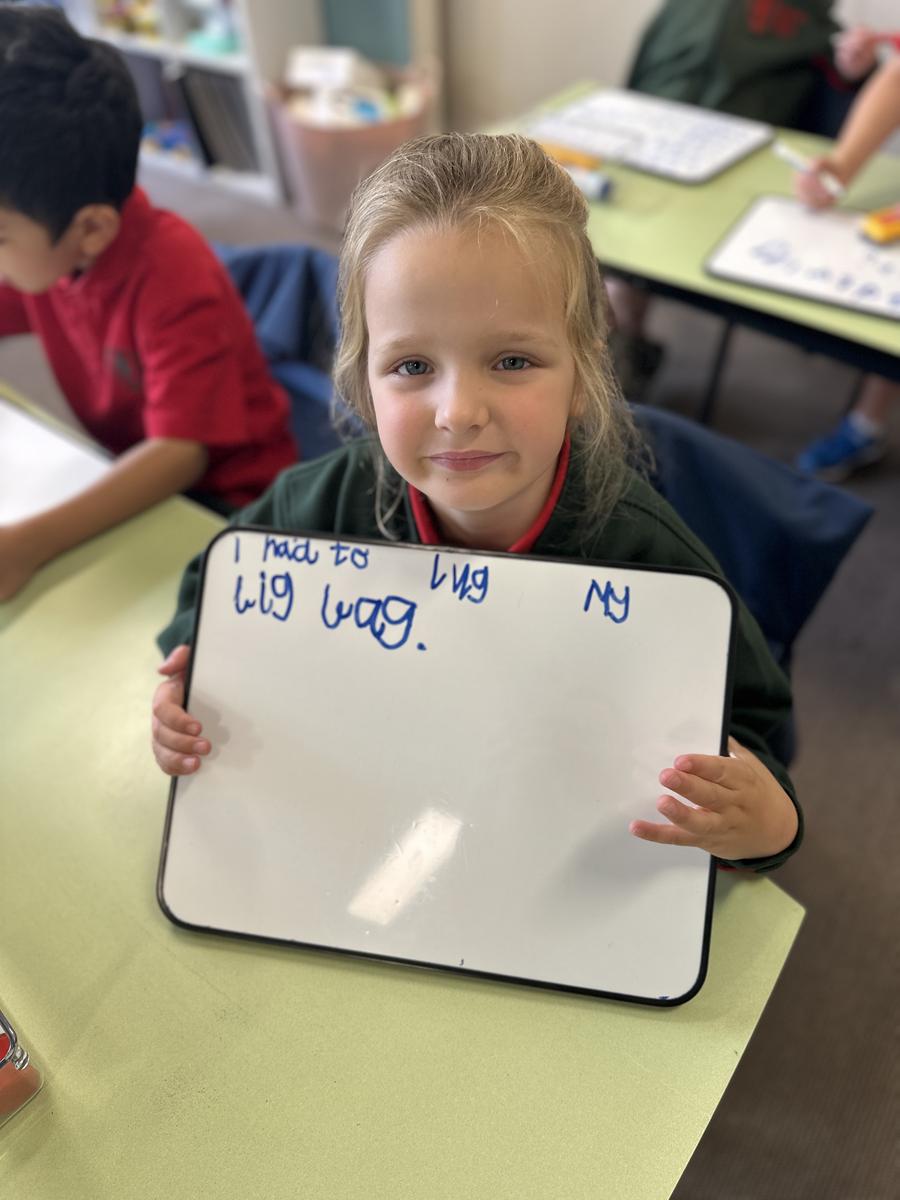
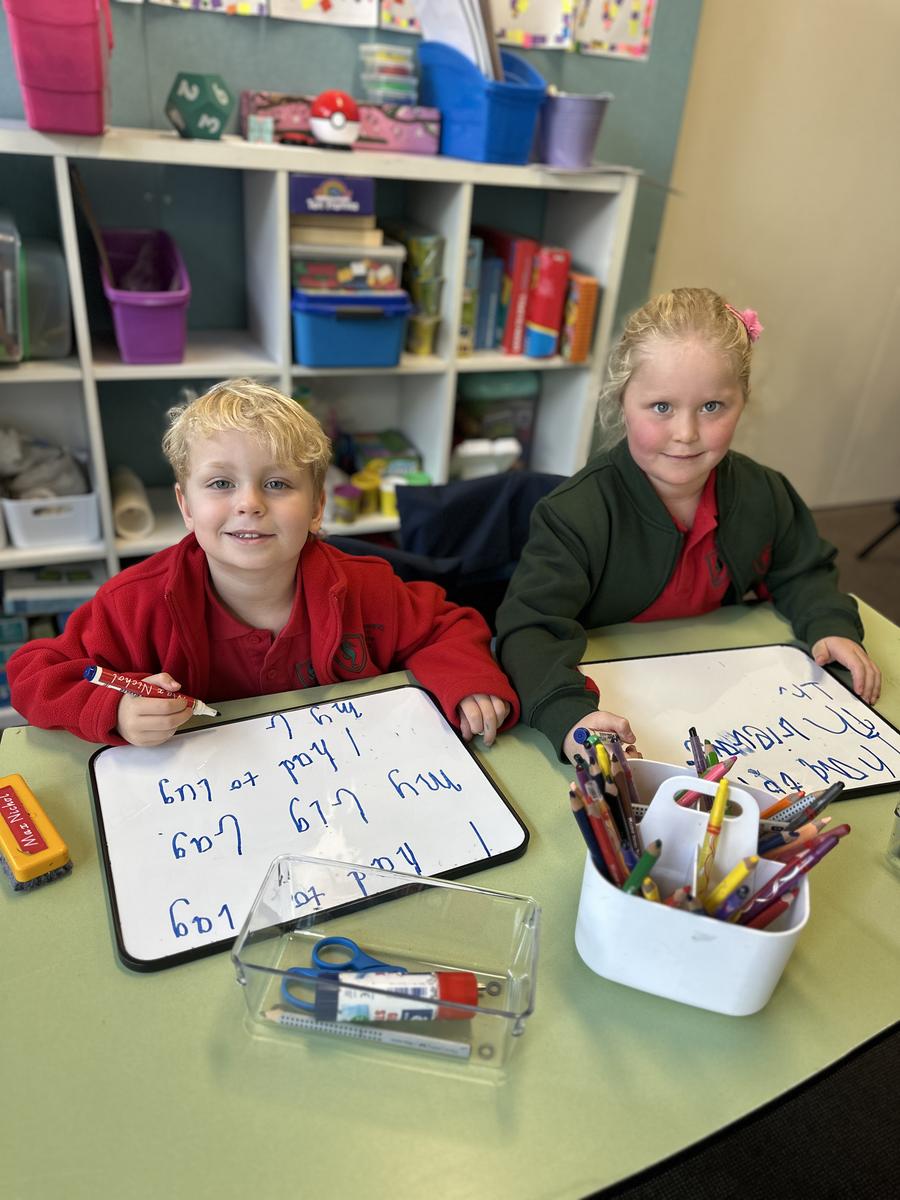
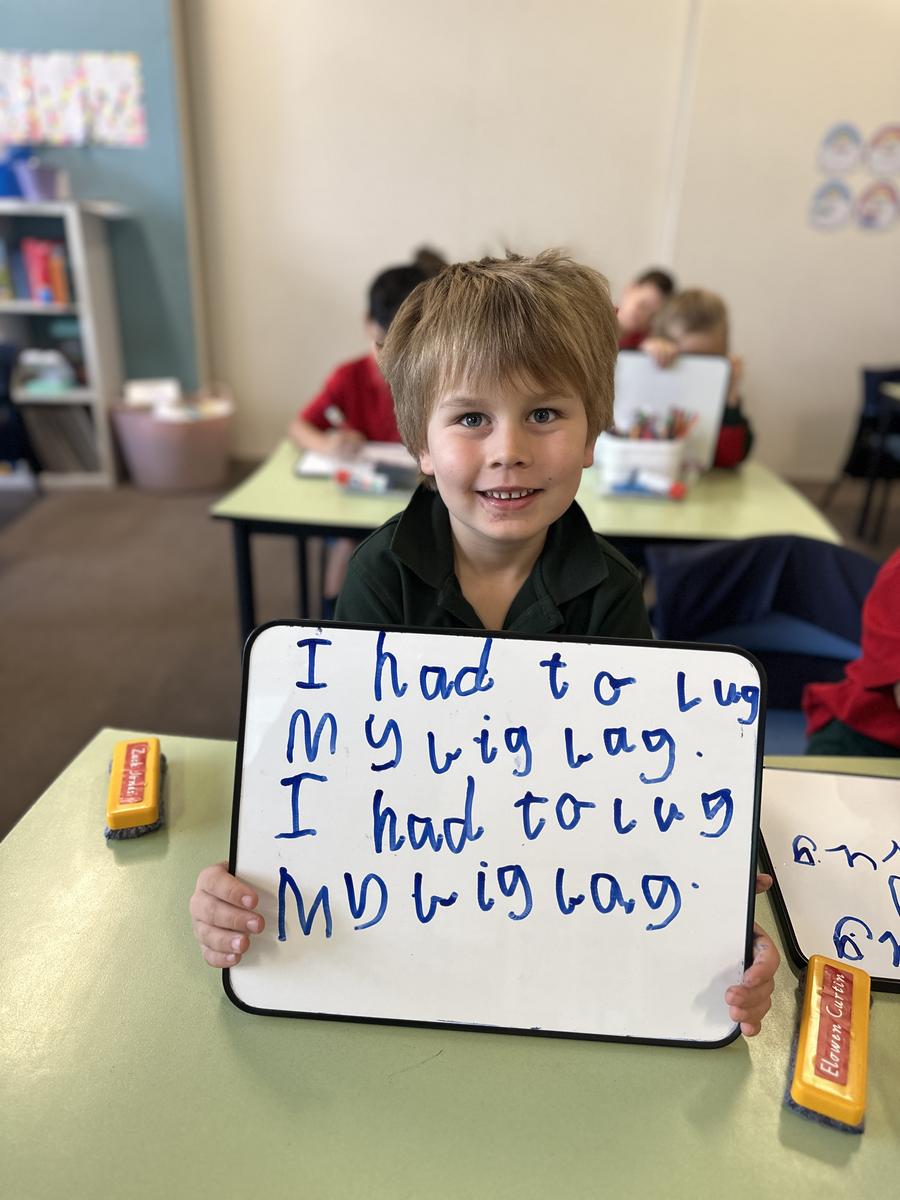
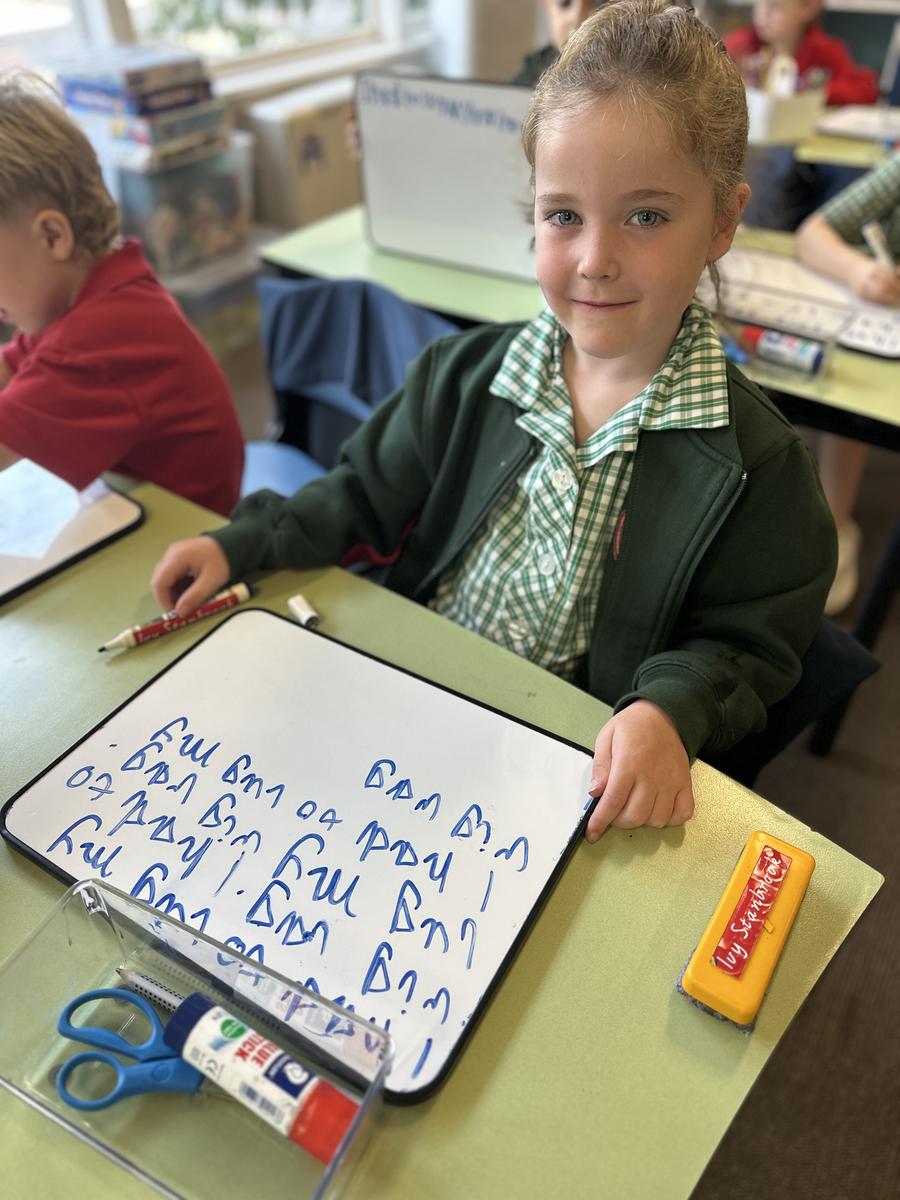
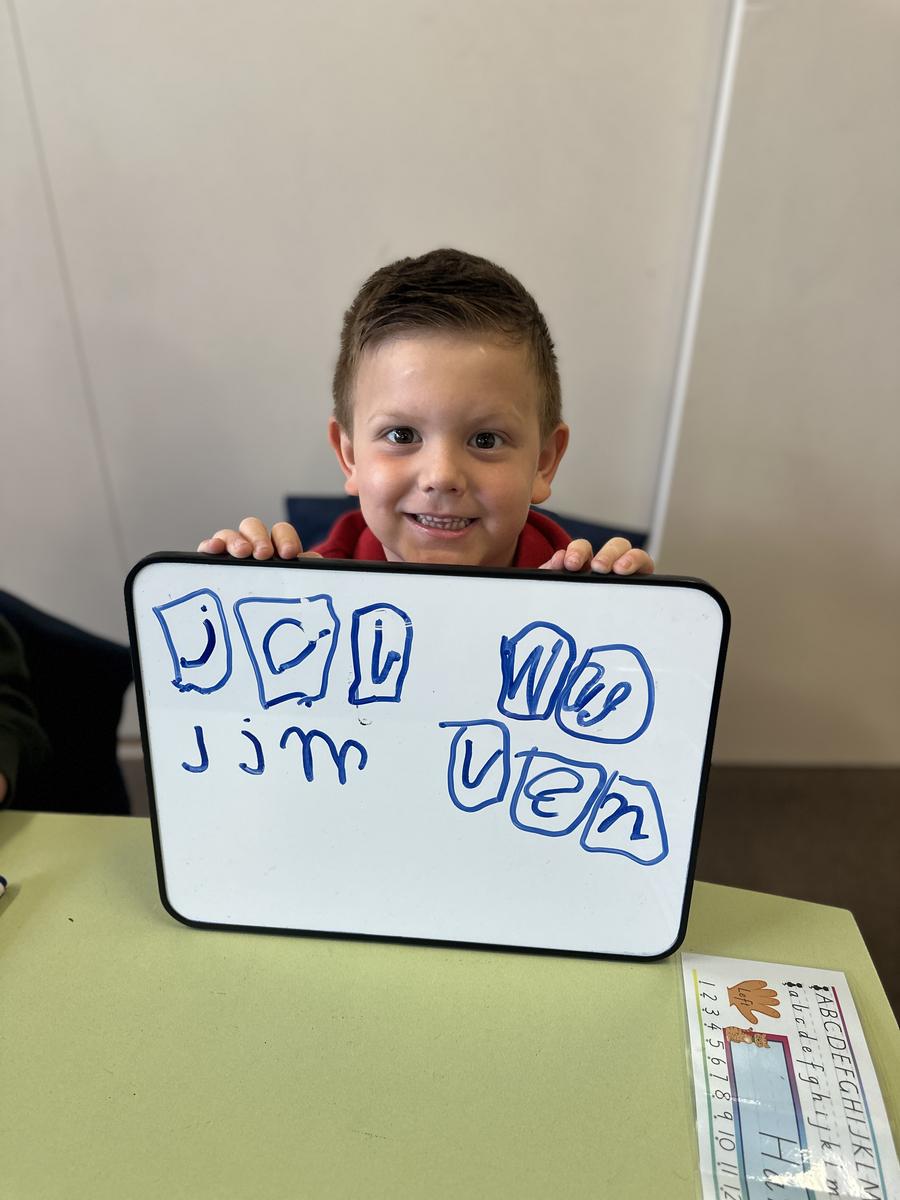
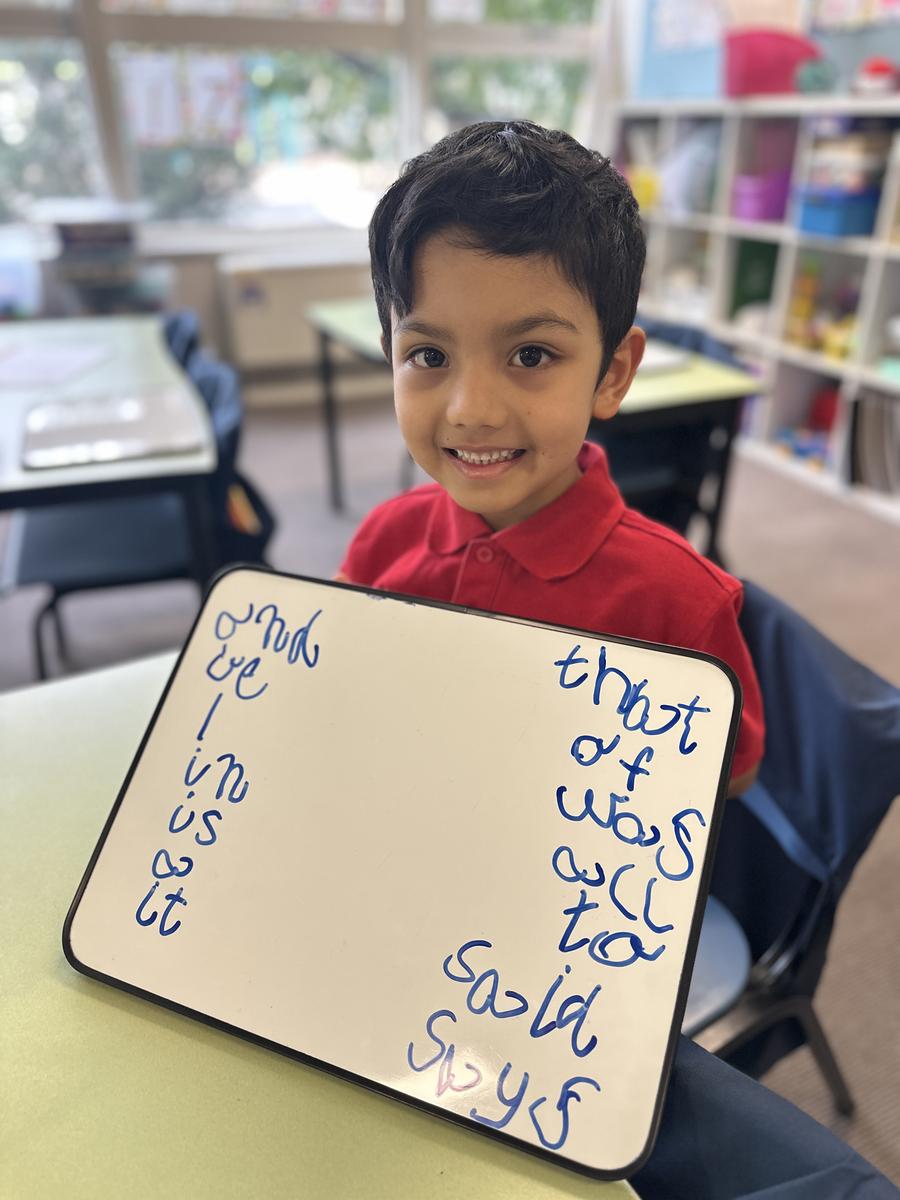
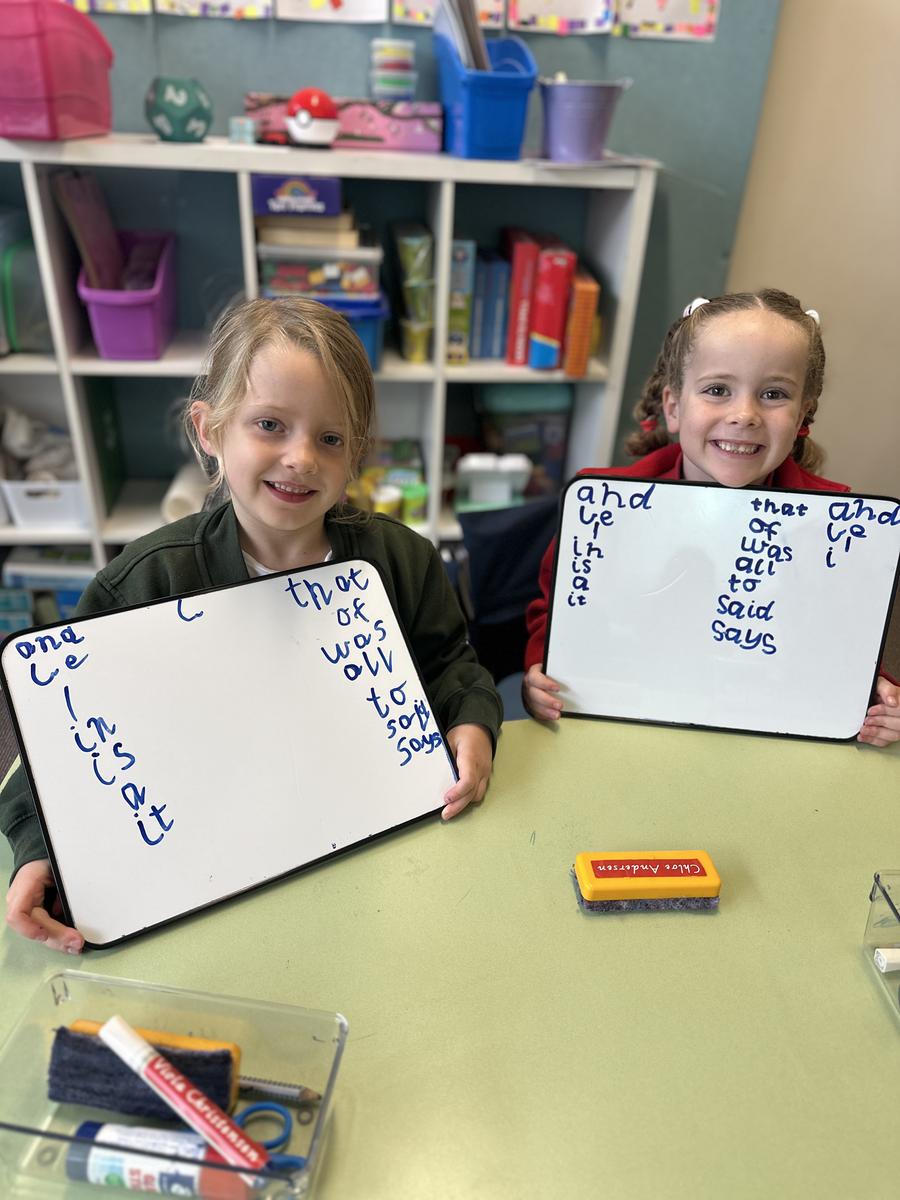
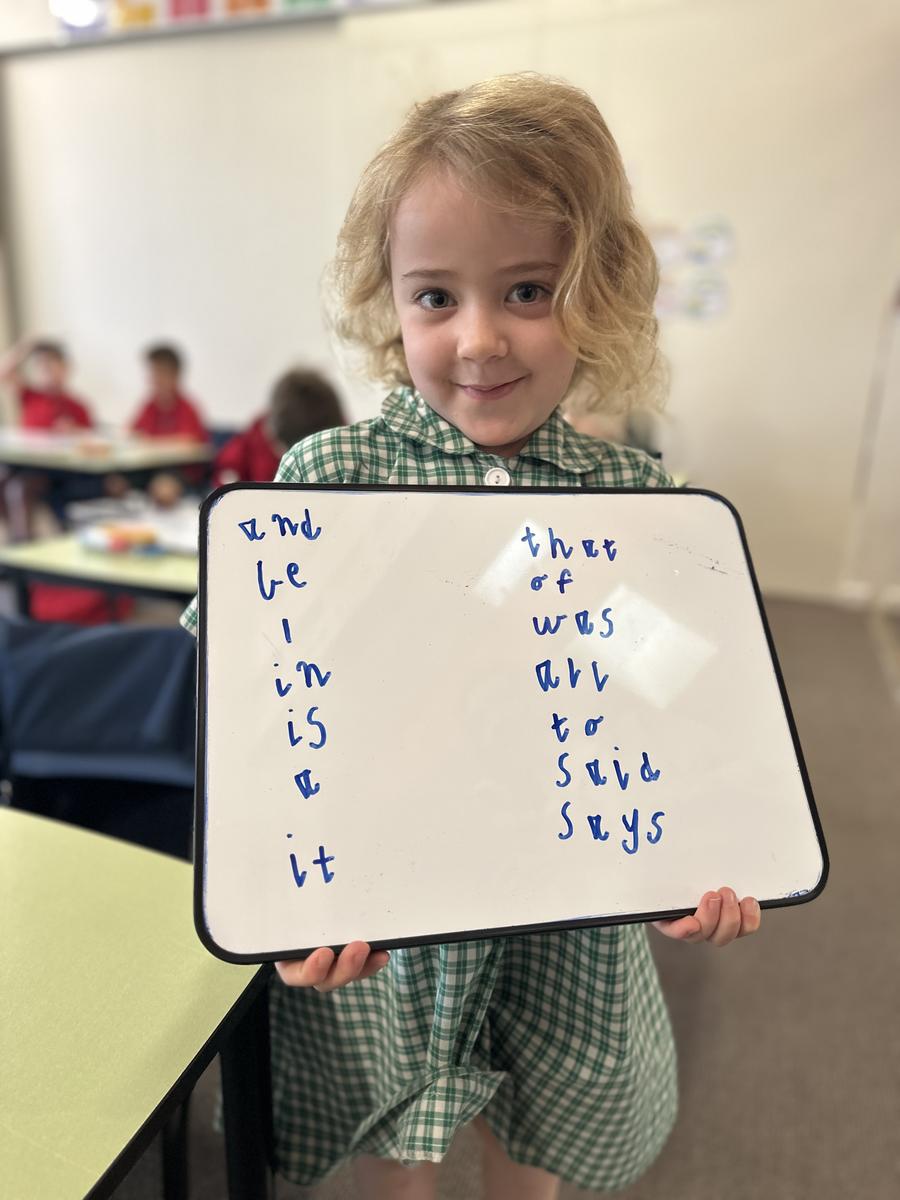
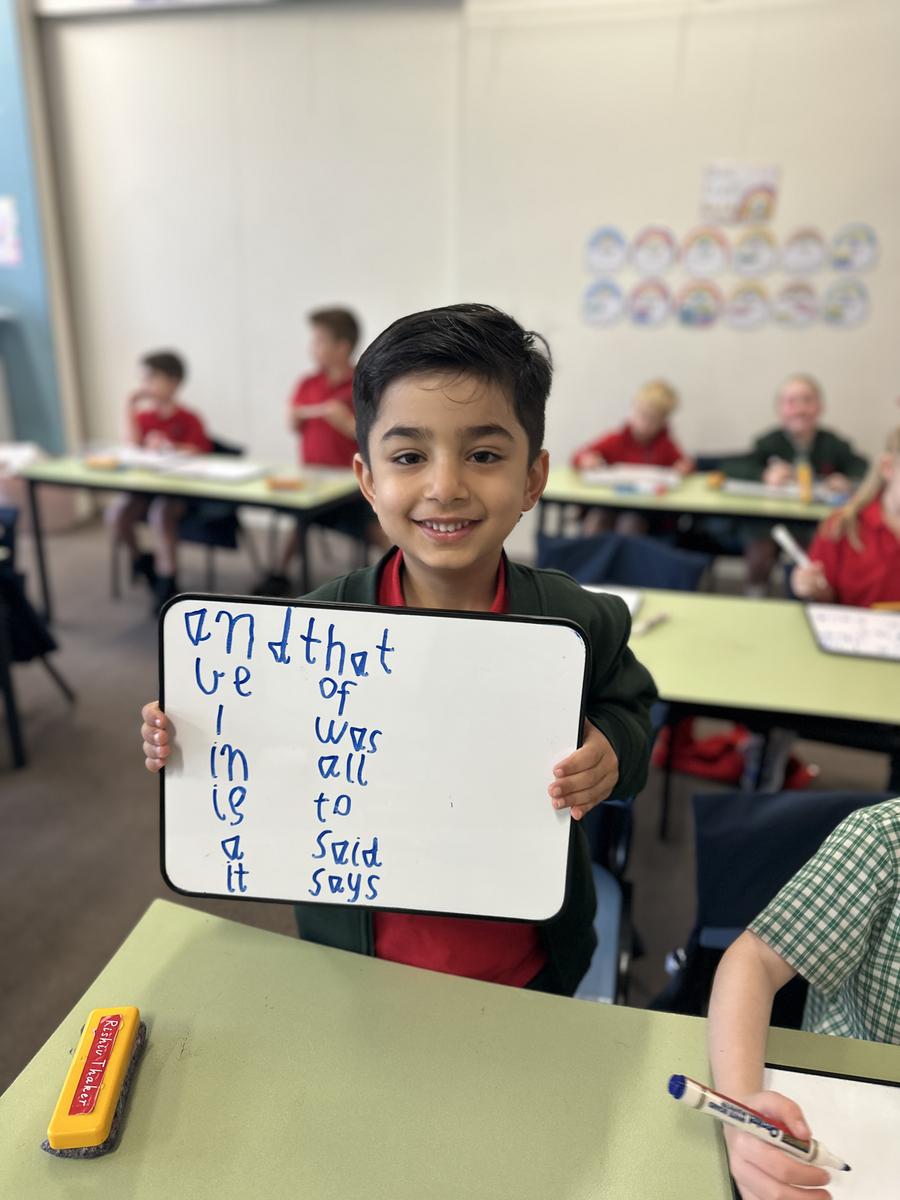
These assessments help teachers monitor each child’s progress in early reading and writing and identify the next steps for learning. It was wonderful to see students applying strategies such as “listening for each sound” and using their growing confidence with handwriting and word reading.
You can continue supporting your child at home by:
reading decodable readers together
practising sounding out simple words
encouraging correct pencil grip and letter formation
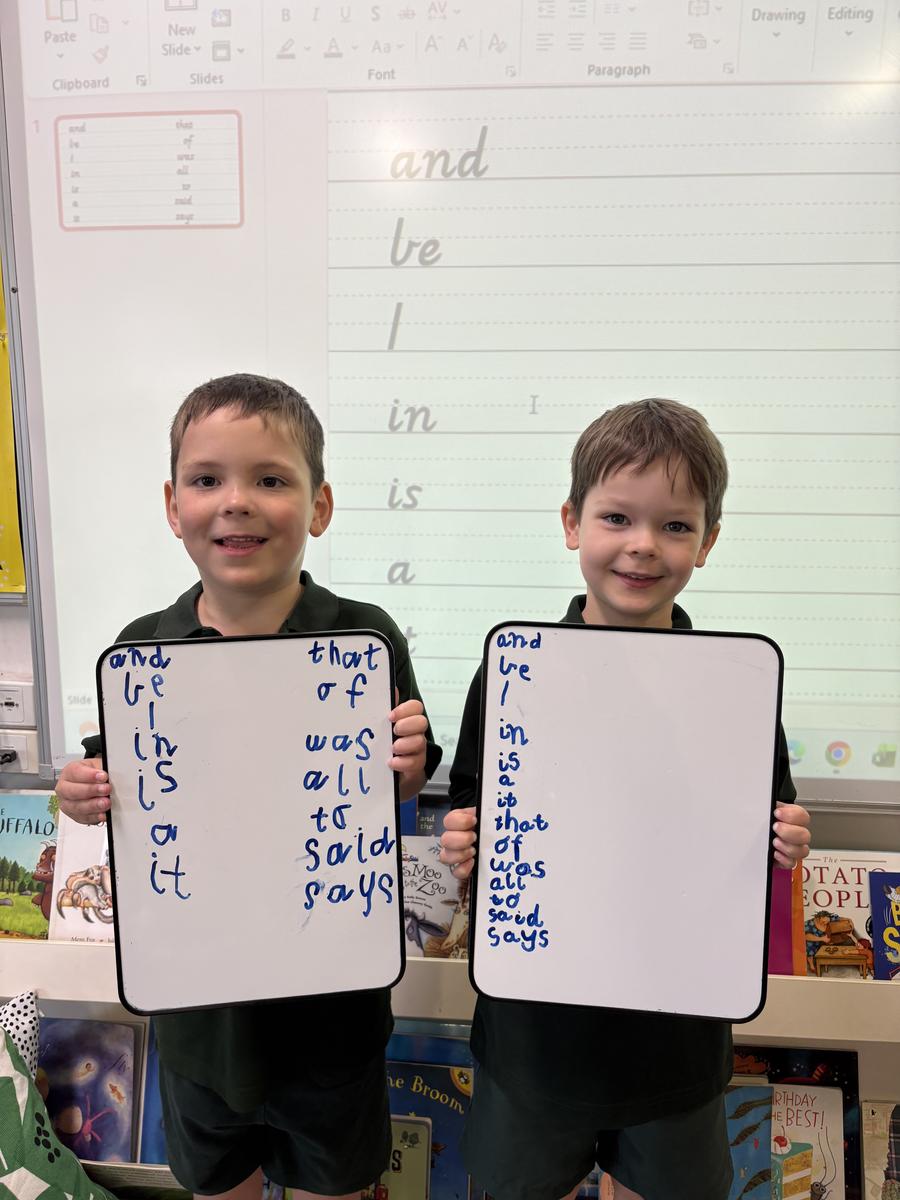
revising high-frequency words during everyday activities
We are also continuing to work on:
Correct letter formation and early handwriting skills
Listening for sounds at the beginning, middle, and end of words
Starting sentences with a capital letter, ending them with a full stop, and leaving two-finger spaces between words
Building confidence and a love of reading and writing
Dictation in Prep
In Prep, our students are beginning an exciting journey as readers and writers. One important activity we use to support this learning is dictation.
During dictation, students listen carefully to a sentence spoken by the teacher and then write the sentence themselves. These sentences are carefully chosen to include the sounds, letters, and high-frequency words students have been learning in class.
Dictation helps students develop many important early literacy skills, including:
hearing and identifying sounds in words
matching sounds to letters
spelling common words
handwriting and sentence formation
listening and memory skills
confidence as independent writers
As students write, they are encouraged to “stretch out” words, listen for sounds, and apply their phonics knowledge. This supports both reading and spelling development in a meaningful and connected way.
You may hear your child talking about sounding out words, tapping sounds, or rereading their sentence to check it makes sense. These are wonderful strategies that strong readers and writers use every day.
You can support dictation practice at home by:
reading together daily
encouraging your child to write simple sentences
practising high-frequency words
praising effort and risk-taking in writing
We are so proud of the progress our Prep students are making as they build strong foundations in literacy!
Maths
Why Maths Games Matter in Prep…
In Prep, children are learning far more than counting numbers and recognising shapes, they are building the foundations for confident mathematical thinking. One of the most effective and enjoyable ways to support this learning is through maths games.
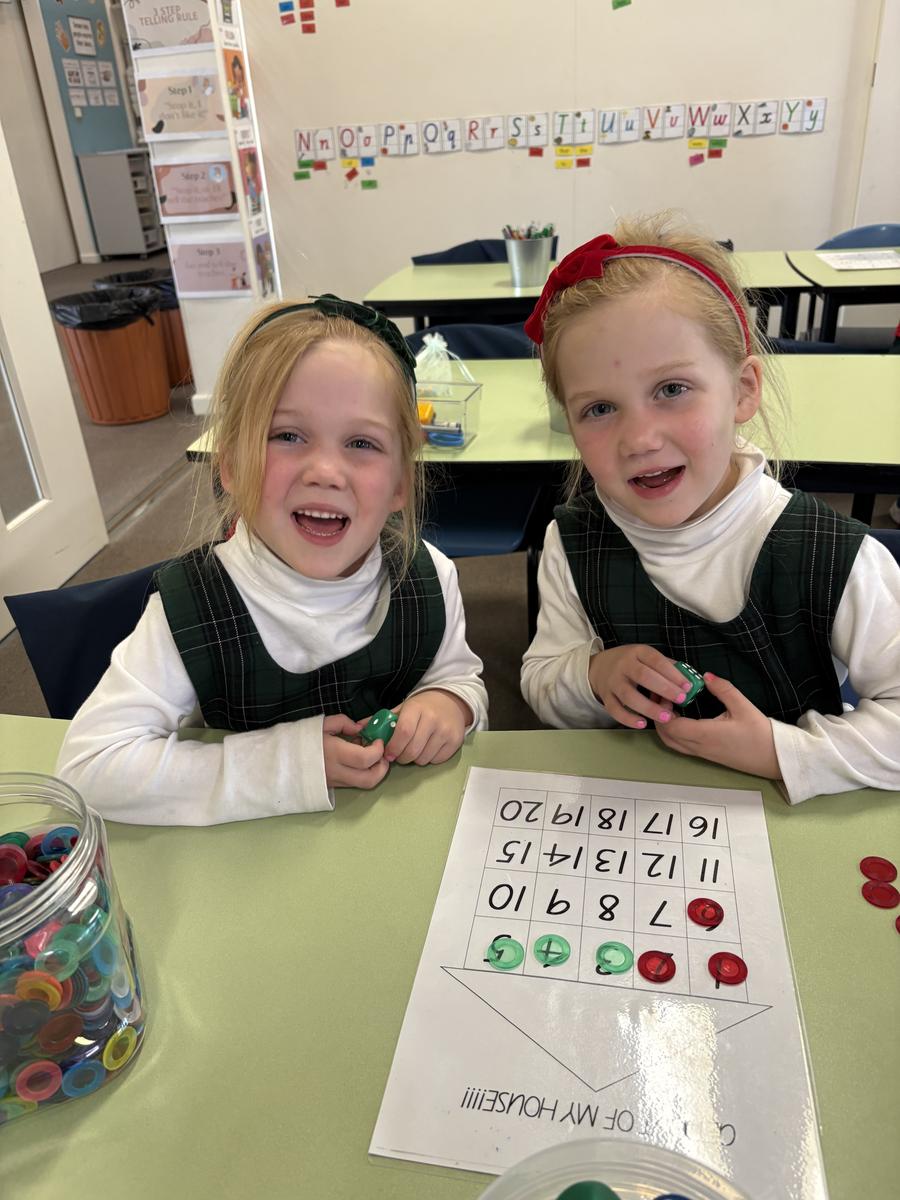
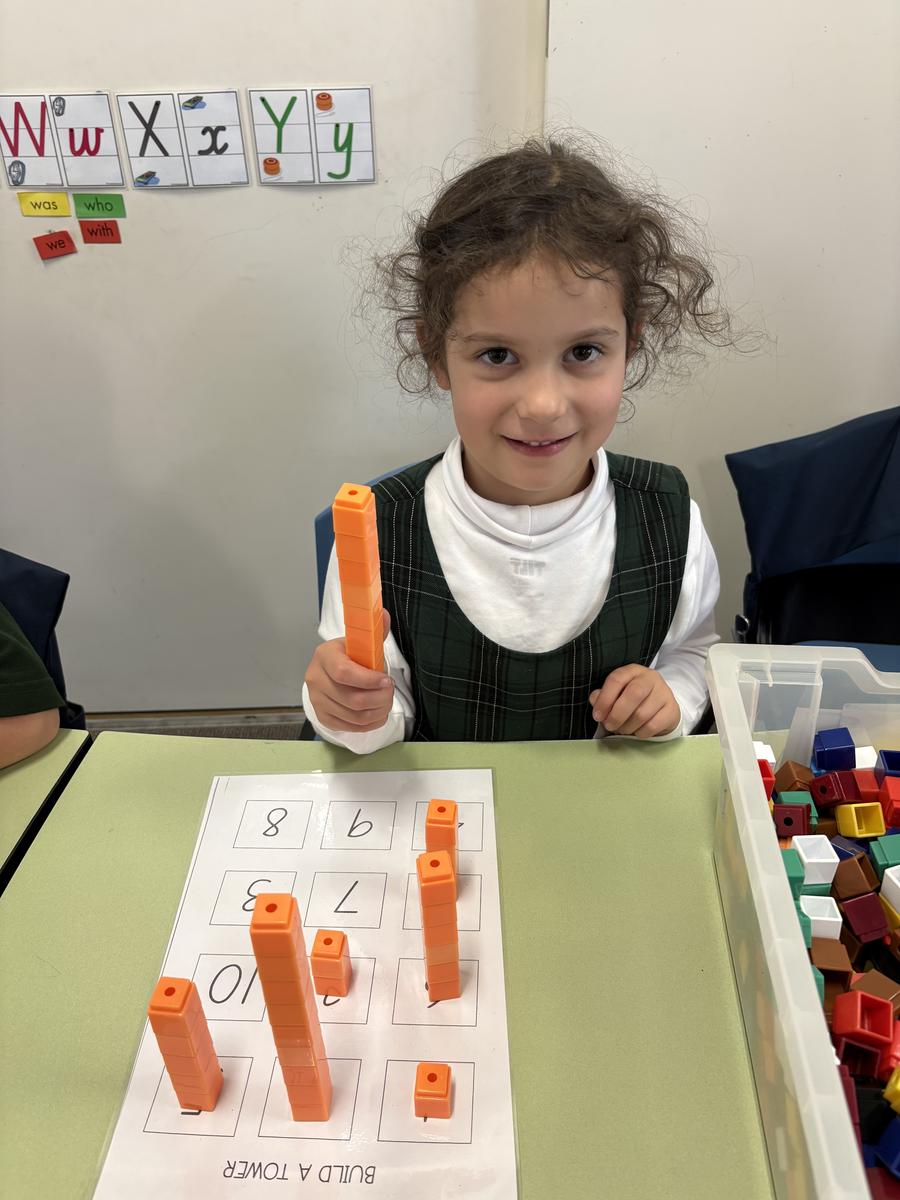
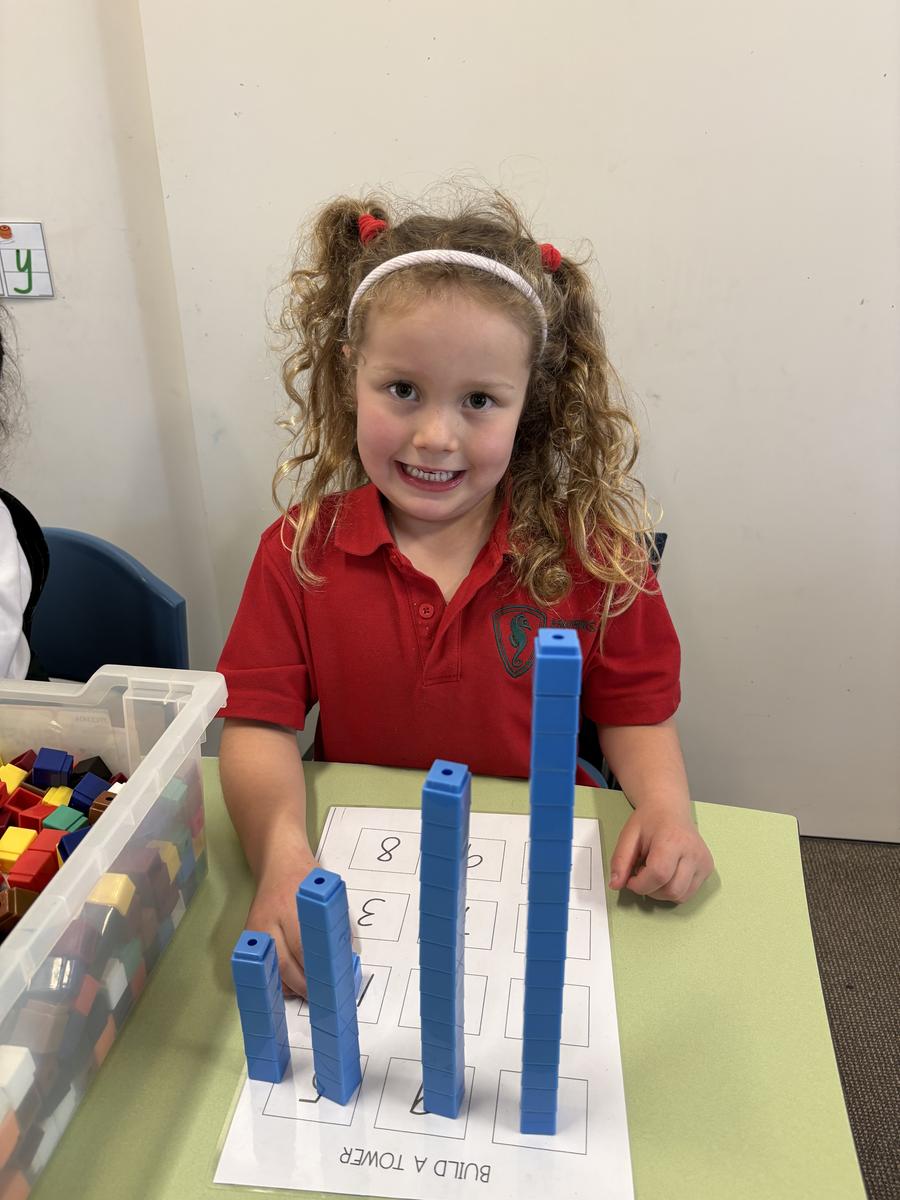
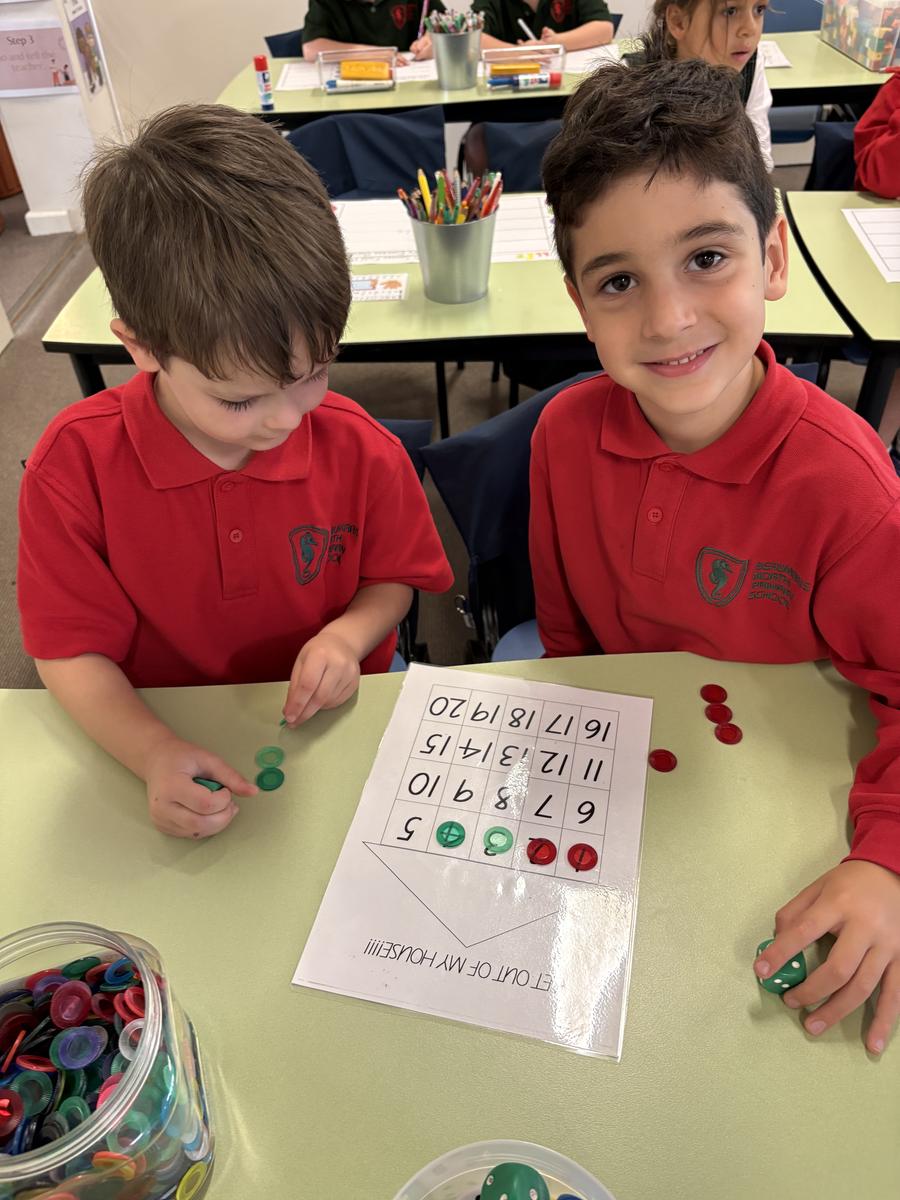
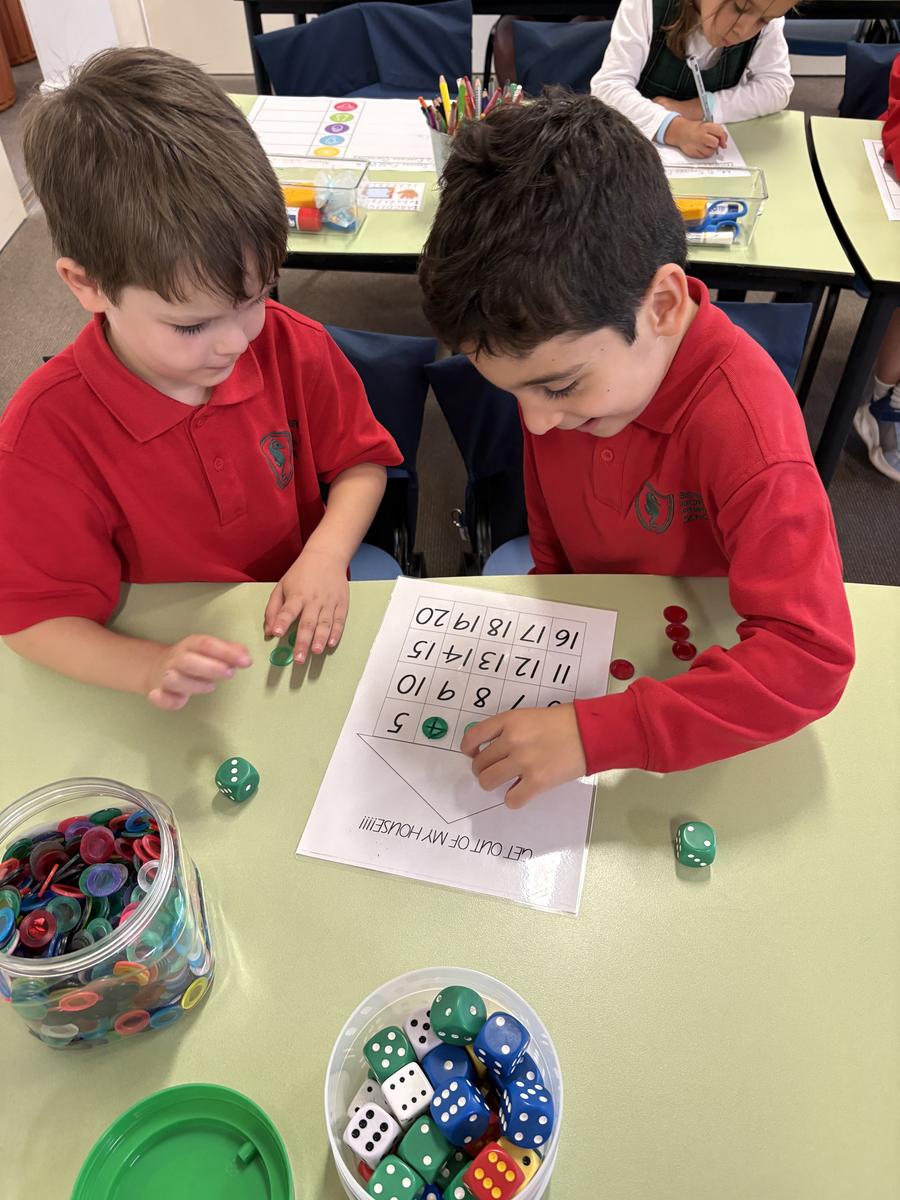
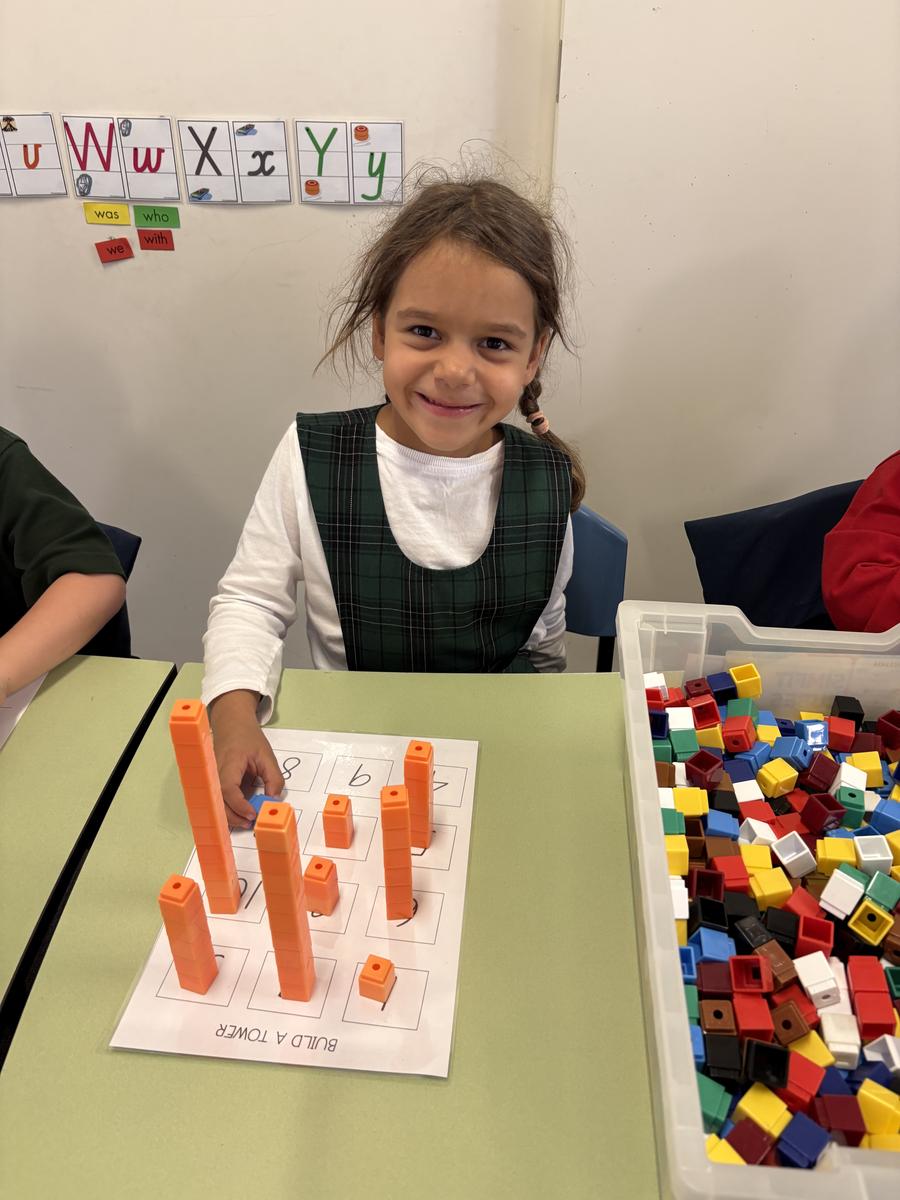
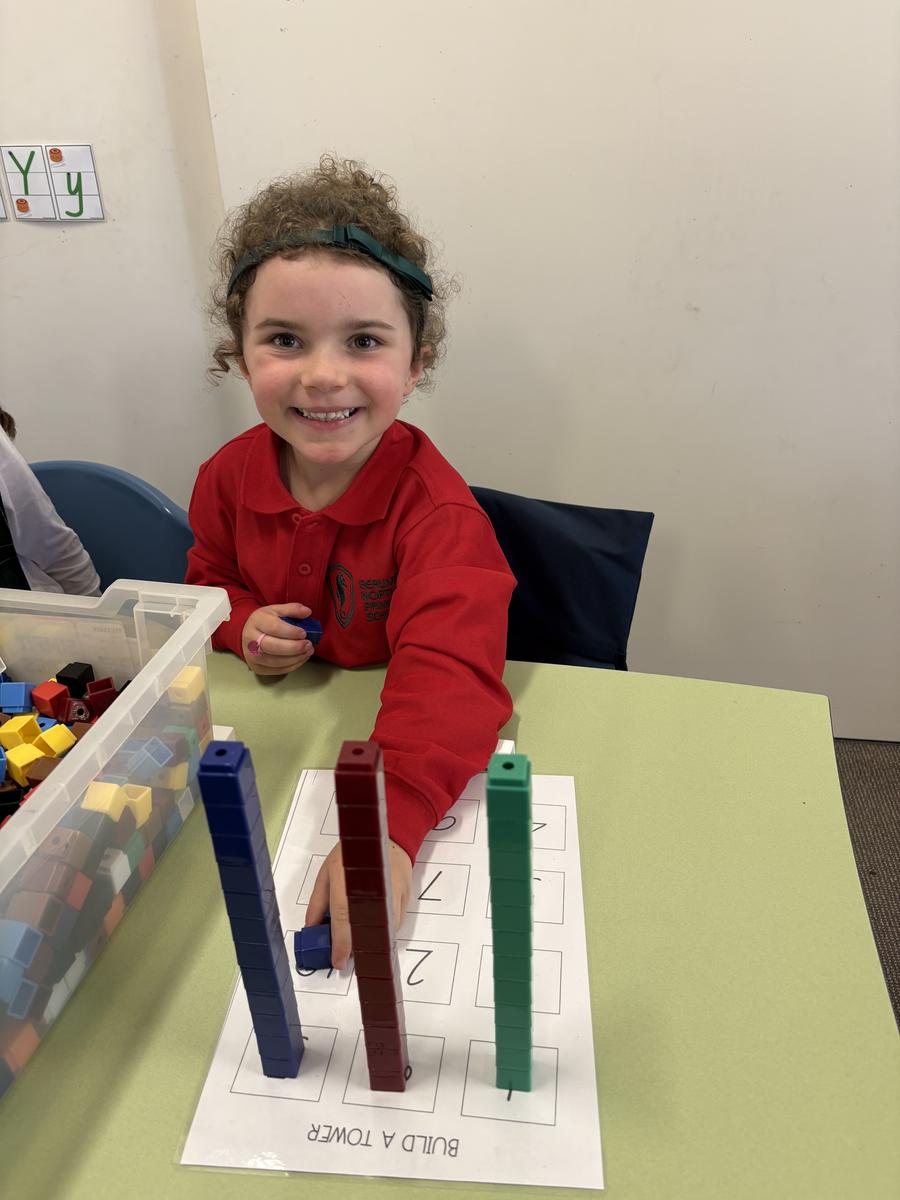
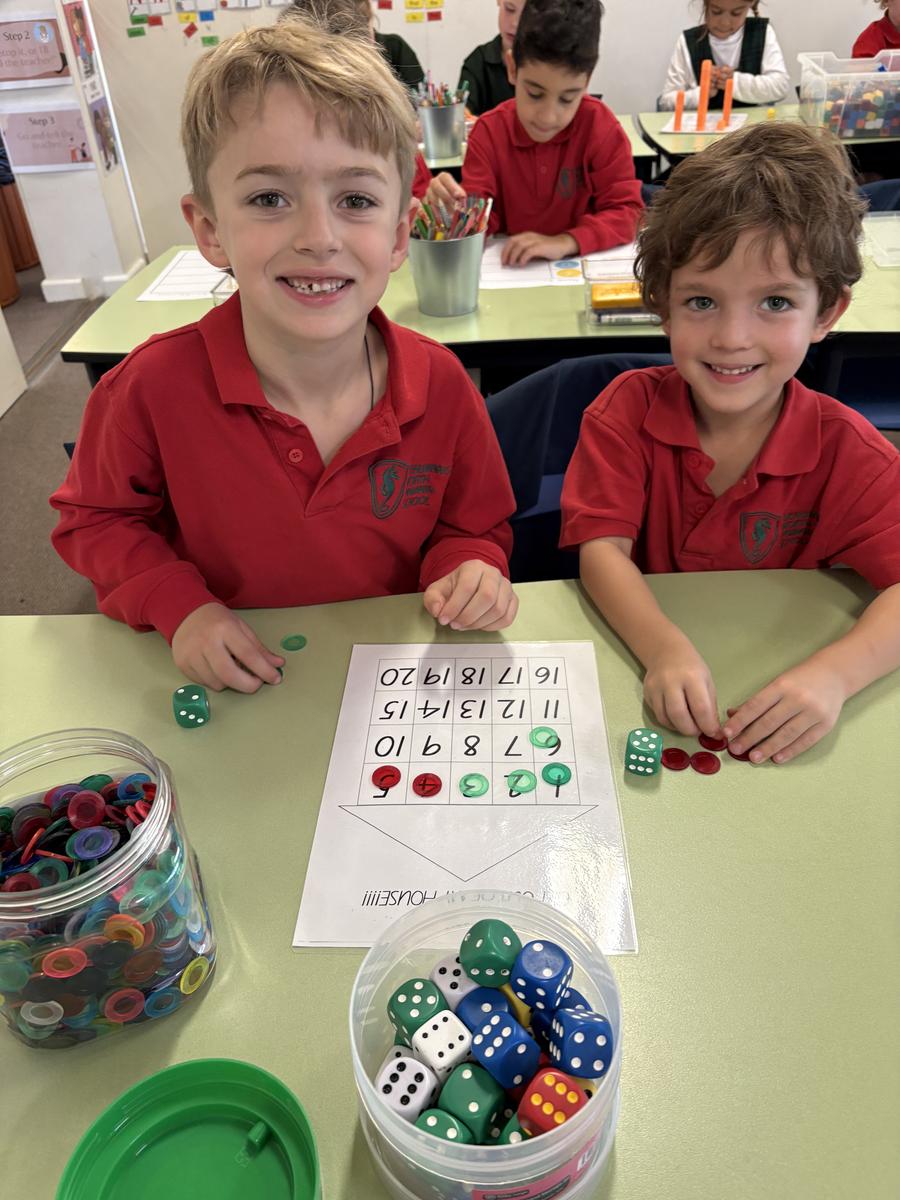
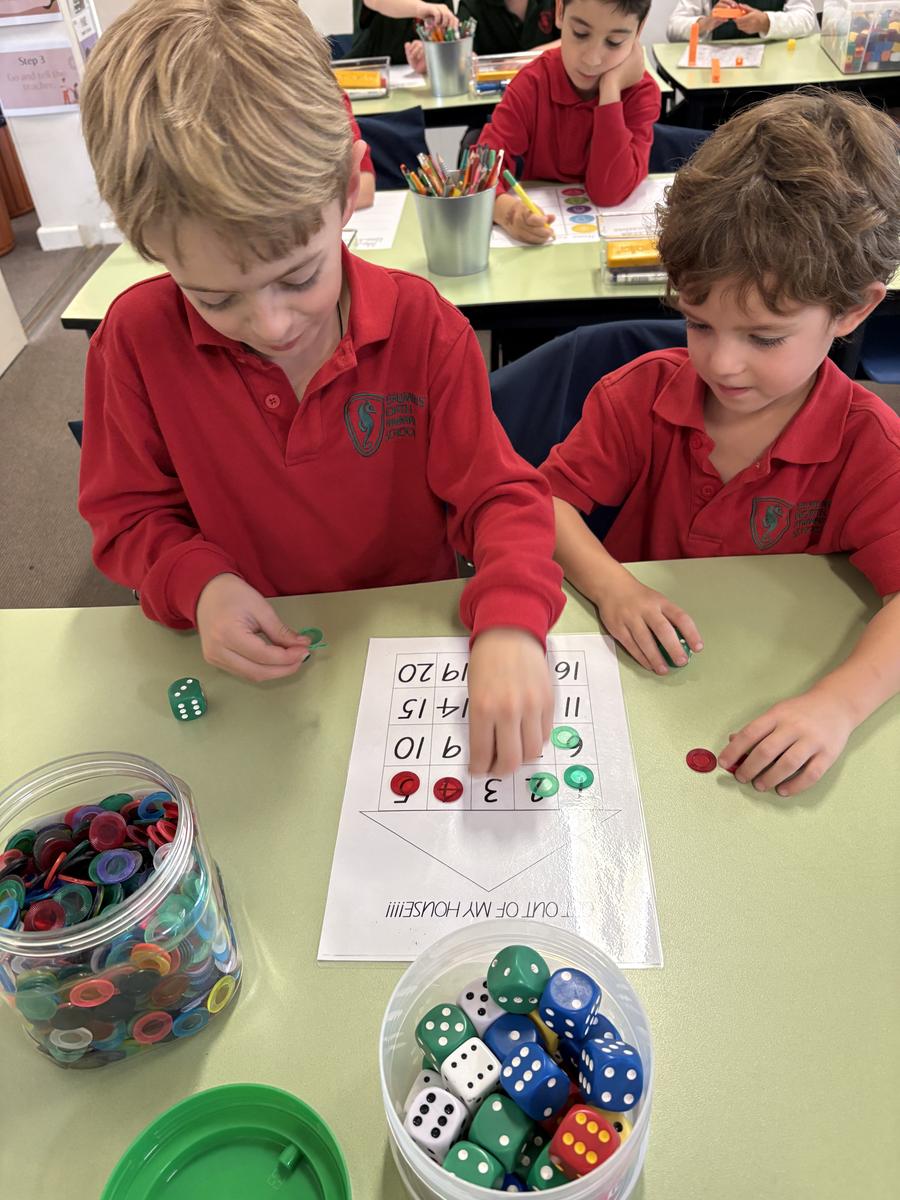
At this age, children learn best through play. Games create opportunities for children to explore mathematical ideas in a relaxed, hands-on way that feels fun rather than formal. Whether rolling dice, sorting objects, playing card games, or building with blocks, children are developing important mathematical skills without even realising it.
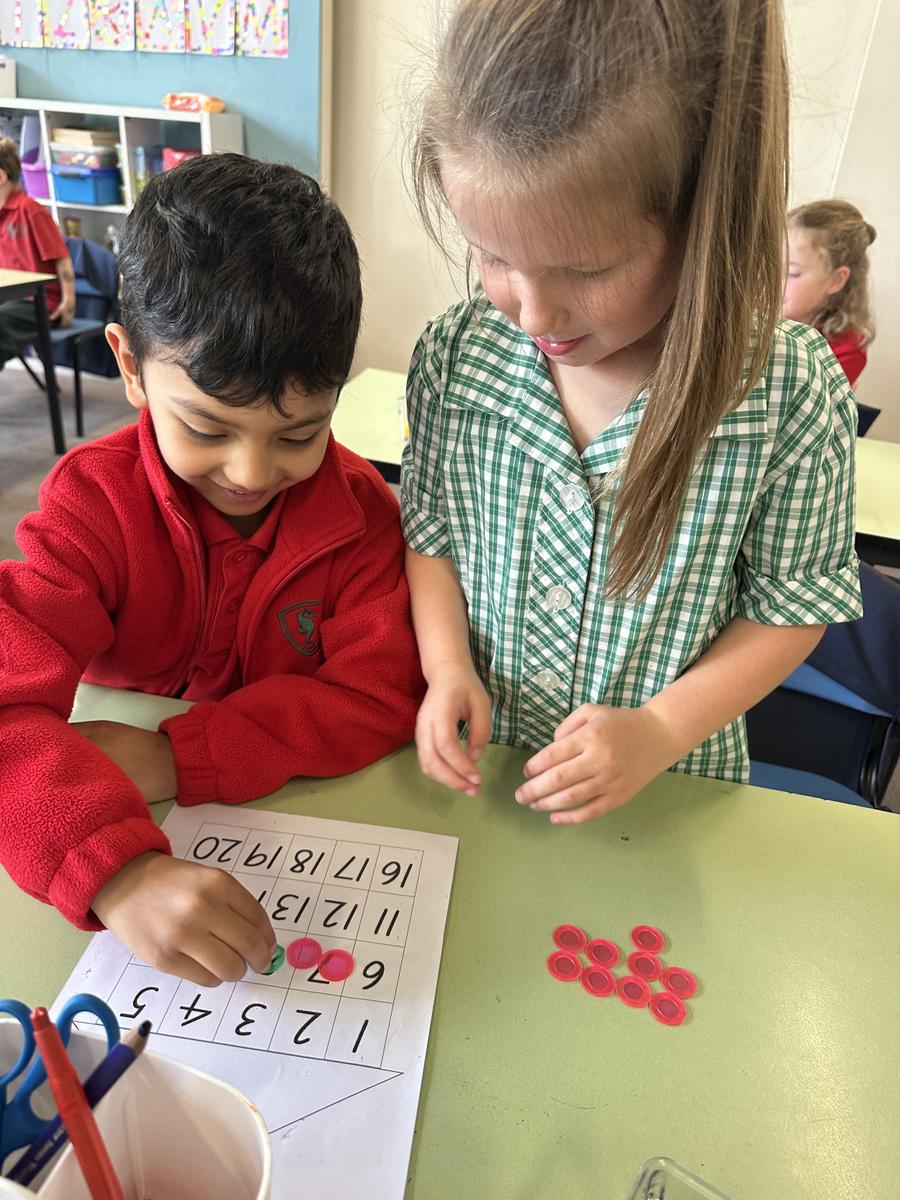
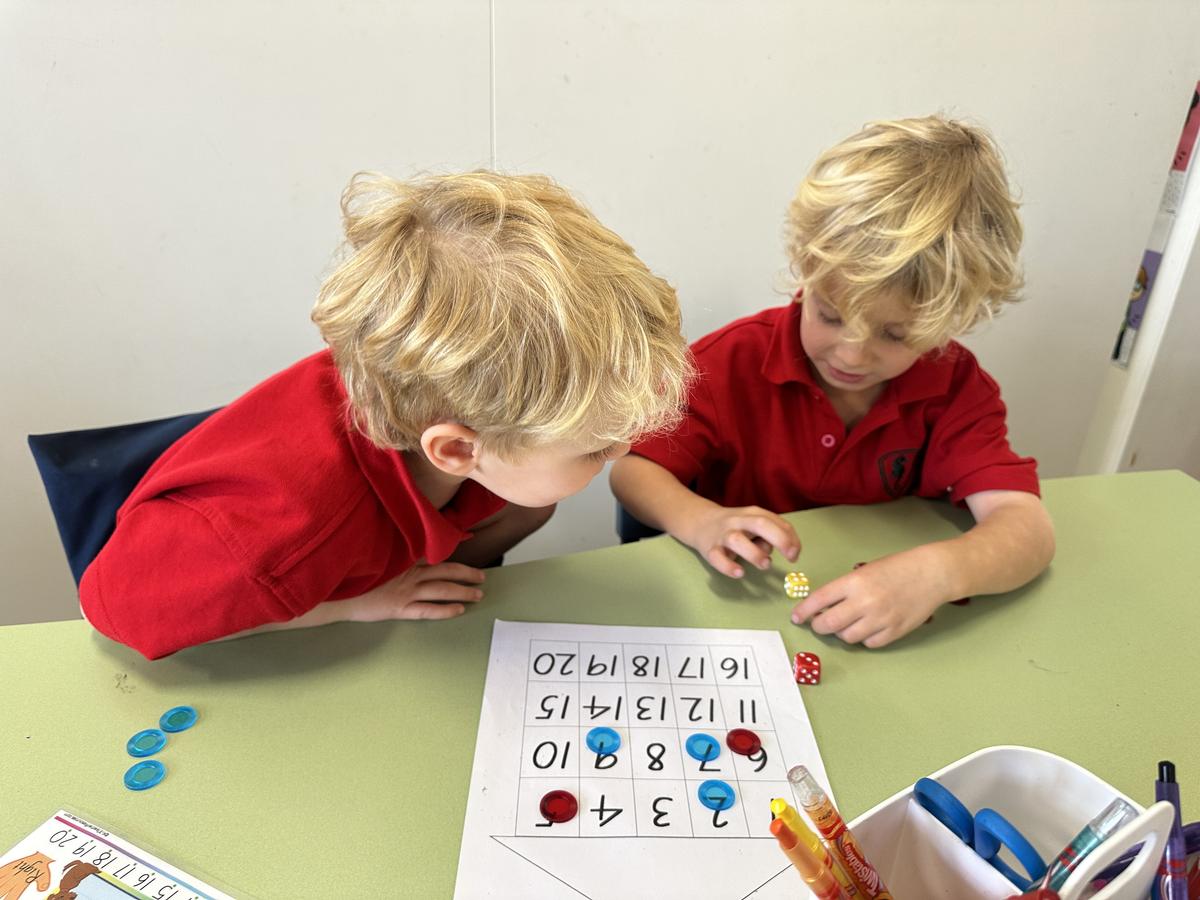
Building Number Confidence
Maths games help children become familiar with numbers through repetition and practice. Simple activities such as board games, dominoes, or matching games encourage children to:
recognise numbers
count forwards and backwards
compare quantities
identify patterns
develop problem-solving skills
Because games are engaging and interactive, children are often willing to practise skills for longer periods of time.
Developing Positive Attitudes Towards Maths
Early experiences with maths can shape how children feel about the subject for many years to come. When maths relates to enjoyment, curiosity, and success, children are more likely to develop confidence and resilience.
Games provide a low-pressure environment where mistakes are seen as part of learning. Children learn to “have a go,” try different strategies, and build persistence - all essential skills for future mathematical learning.
Supporting Social and Communication Skills
Many maths games involve taking turns, explaining thinking, listening to others, and following rules. These experiences help children develop important social skills alongside their mathematical understanding.
As children talk about numbers, shapes, and strategies, they are also strengthening their mathematical language and communication skills.
Easy Ways to Play Maths Games at Home
Maths learning can happen anywhere and does not require expensive resources. Some simple ideas include:
counting steps, toys, or pieces of fruit
playing card games such as Snap or Go Fish
using dice in board games
sorting objects by colour, size, or shape
spotting numbers while out and about
building patterns with blocks or LEGO
Even a few minutes of playful maths each day can make a big difference.
Working Together
At school, we use games regularly to help children develop strong mathematical foundations in an engaging and meaningful way. Families can support this learning at home by making maths part of everyday play and conversation.
Most importantly, remember that enthusiasm is contagious. When children see adults enjoying maths games and talking positively about maths, they are more likely to feel excited and confident themselves.
Together, we can help our Prep students see maths as something enjoyable, achievable, and all around them every day.
What we are learning next
Literacy
Phonics Plus
The next letters and sounds we will be focusing on are:
‘j’, ‘w’, ‘v’ and spell the words ‘jet’, ‘wig’, ‘jam’, ‘vat’.
We will learn to write upper - and lower-case letters ‘v’, ‘j’, ‘w’.
We will learn to read text to build fluency and make meaning.
Maths – EMP
Addition
This term in Mathematics, Prep students are learning about addition through hands-on and engaging activities. Children are exploring how numbers can be combined by joining groups together using concrete materials such as counters, blocks, toys, and ten frames.
We are introducing the symbols for addition, including the plus sign (+), which means “add together,” and the equals sign (=), which means “is the same as” or “the total is.” Students are learning to represent addition problems using pictures, materials, and simple number sentences.
We are also exploring the part-part-whole model, which helps children understand that two smaller parts can be combined to make a whole number. For example, 2 and 3 can be joined to make 5. This supports students in developing strong number sense and early problem-solving skills.
You can support your child’s learning at home by encouraging them to count everyday objects, combine small groups of items, and talk about simple addition stories during play and daily routines.