Science

Spectroscopy Practical On 30/04/26
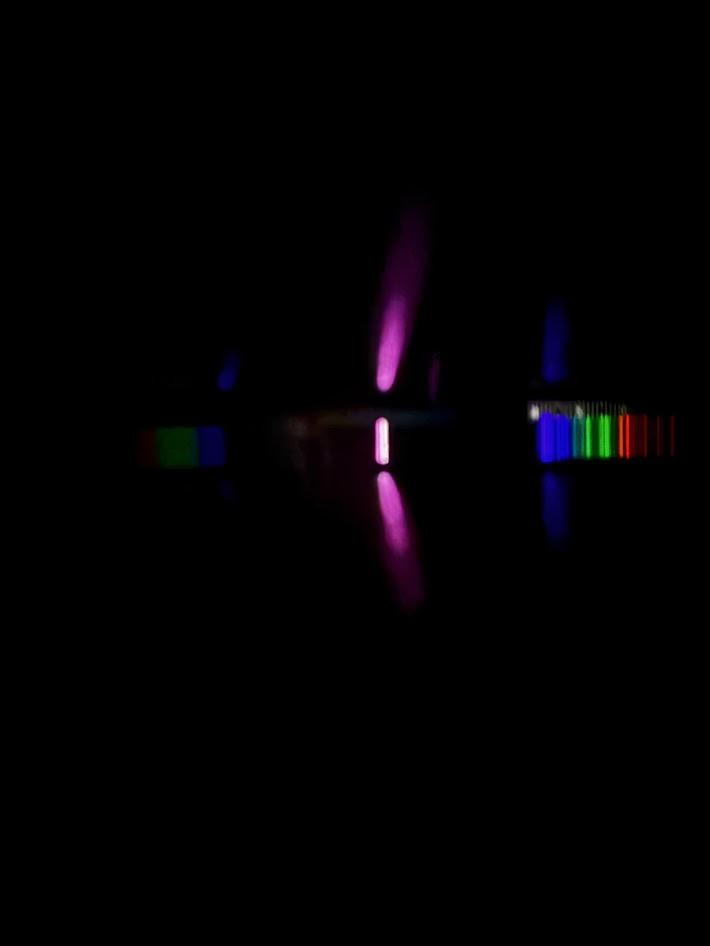
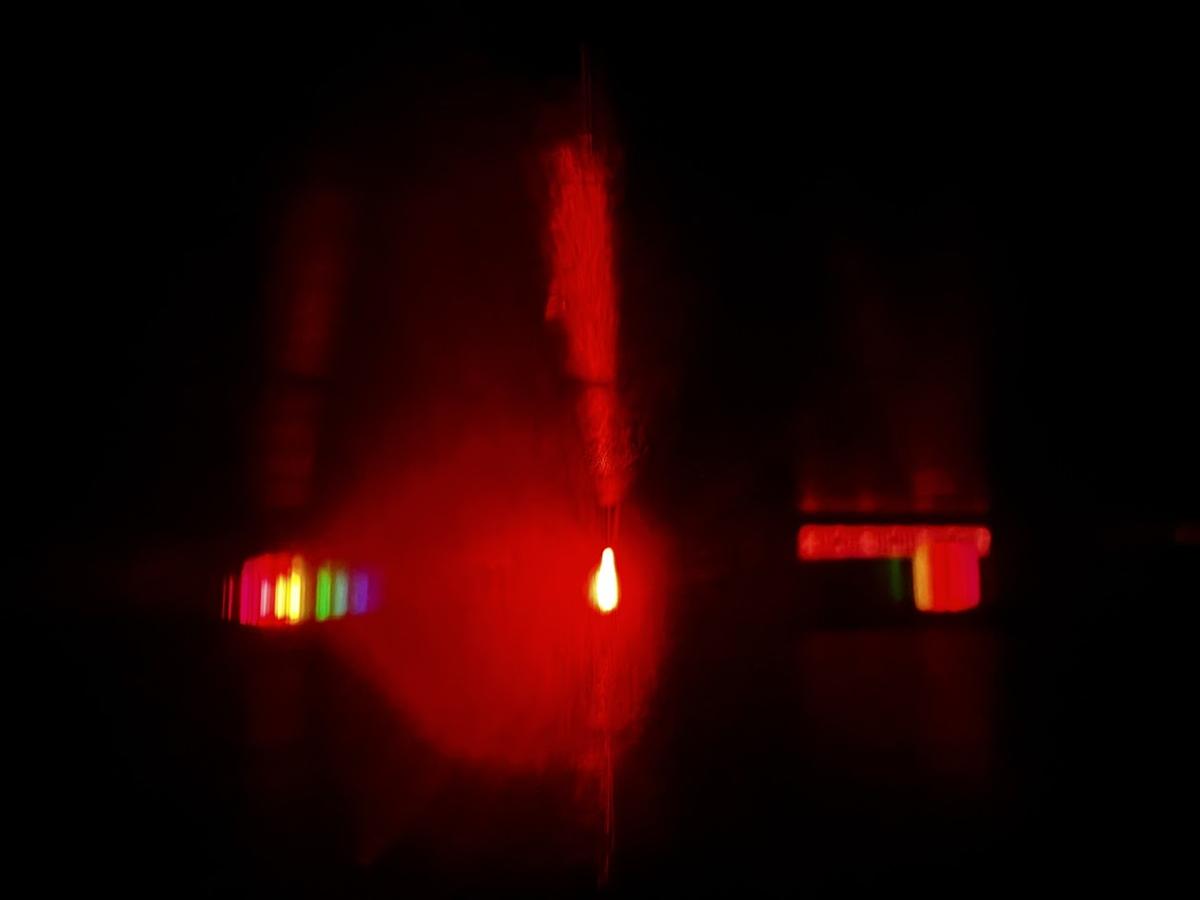
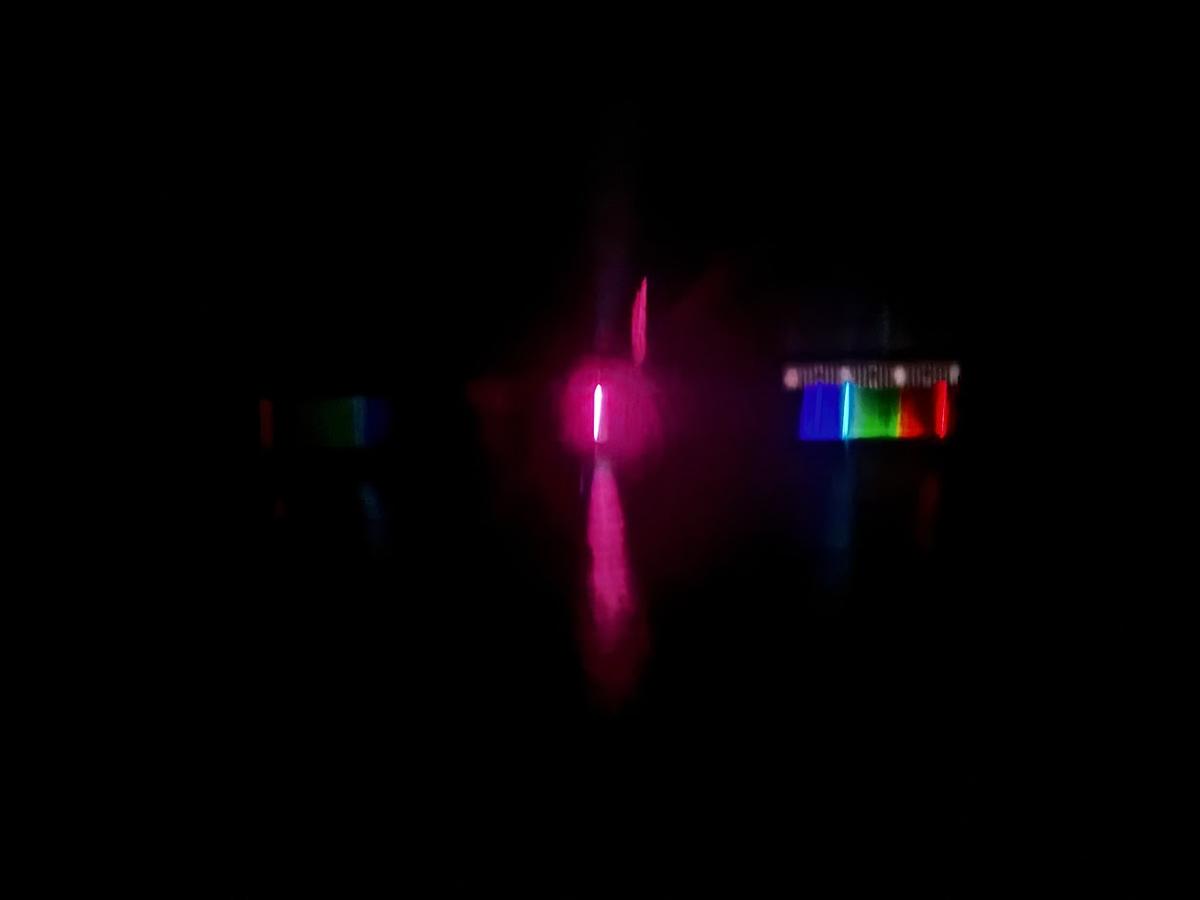
Year 12 Physics students conducted a practical investigation to examine a variety of spectra produced by discharge tubes containing different gases. Students observed the emitted spectra using hand-held spectroscopes, using an induction coil to generate sufficient voltage to cause the gas inside the discharge tubes to conduct electricity. This enabled the observation of the gas atoms under a current, where the induced energy excites the electrons to higher energy levels, where they fall to release the excess energy as photons—visible as light. By comparing the unique emission spectra produced by each gas, students investigated how electron transitions within atoms result in the emission of specific wavelengths of light. This practical provided students with a valuable opportunity to apply their understanding of atomic theory and spectroscopy through direct, practical observation.
- James B.
Biology
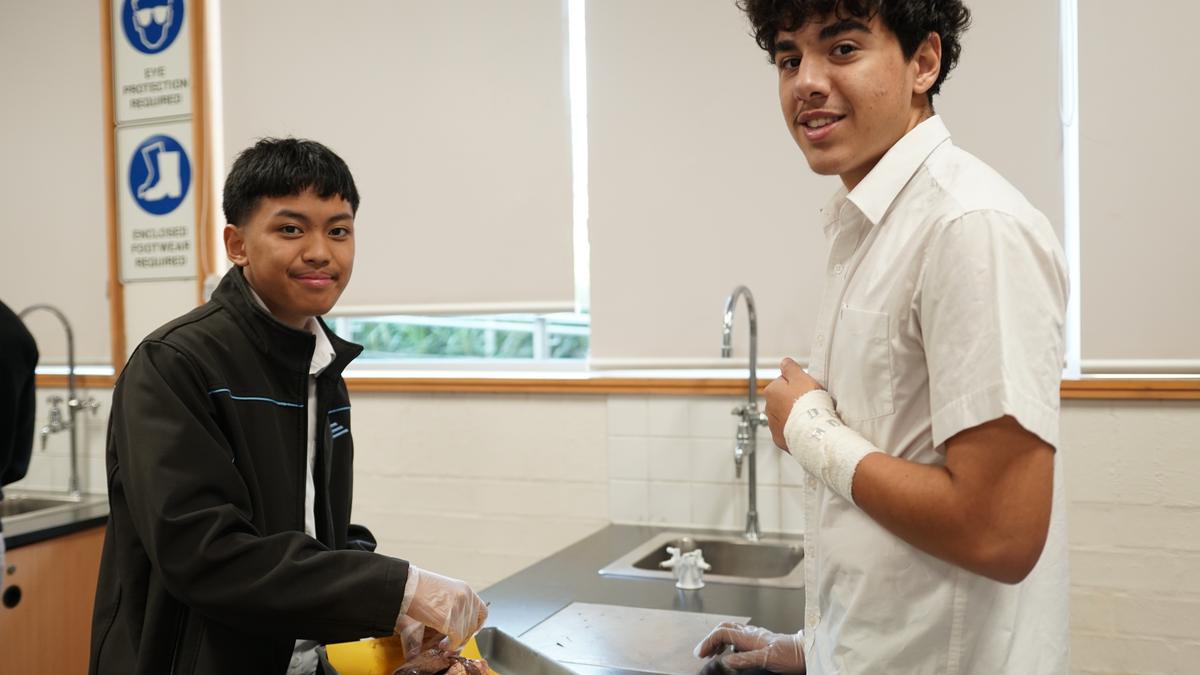
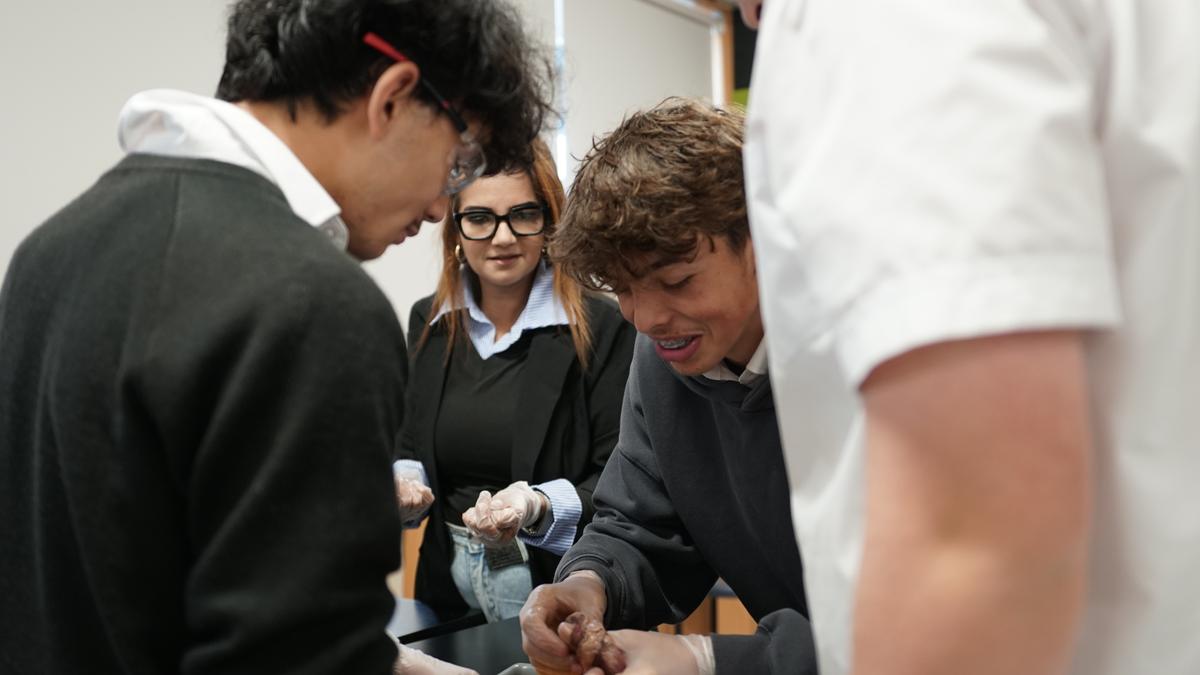
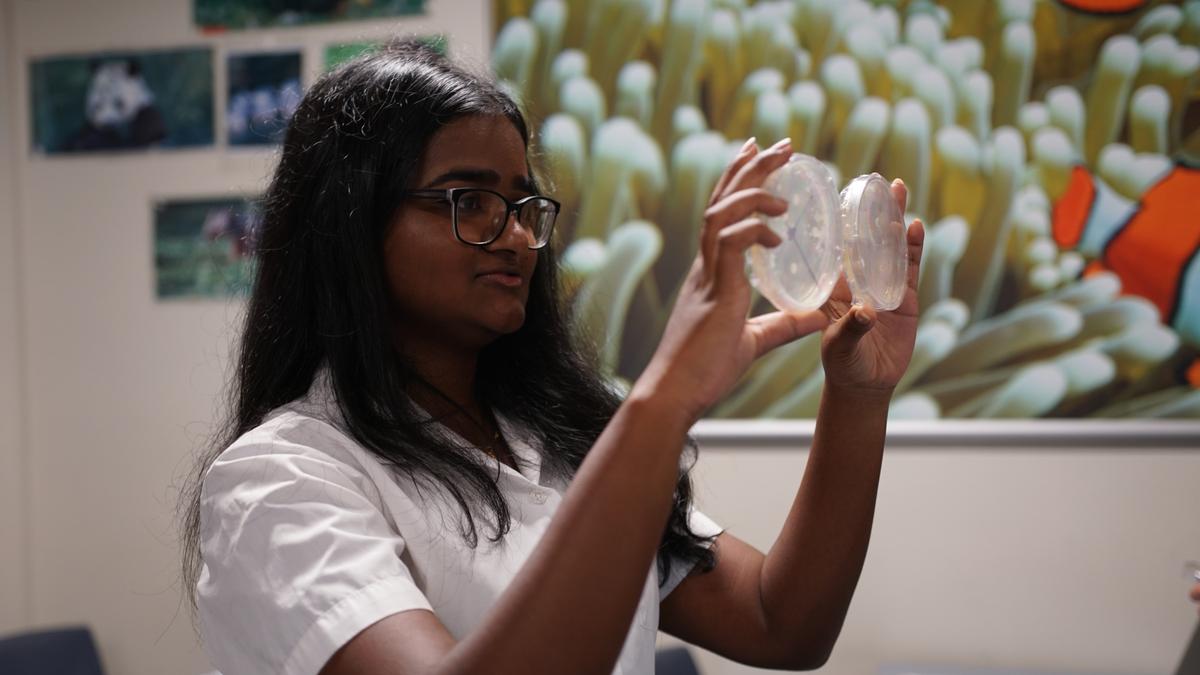
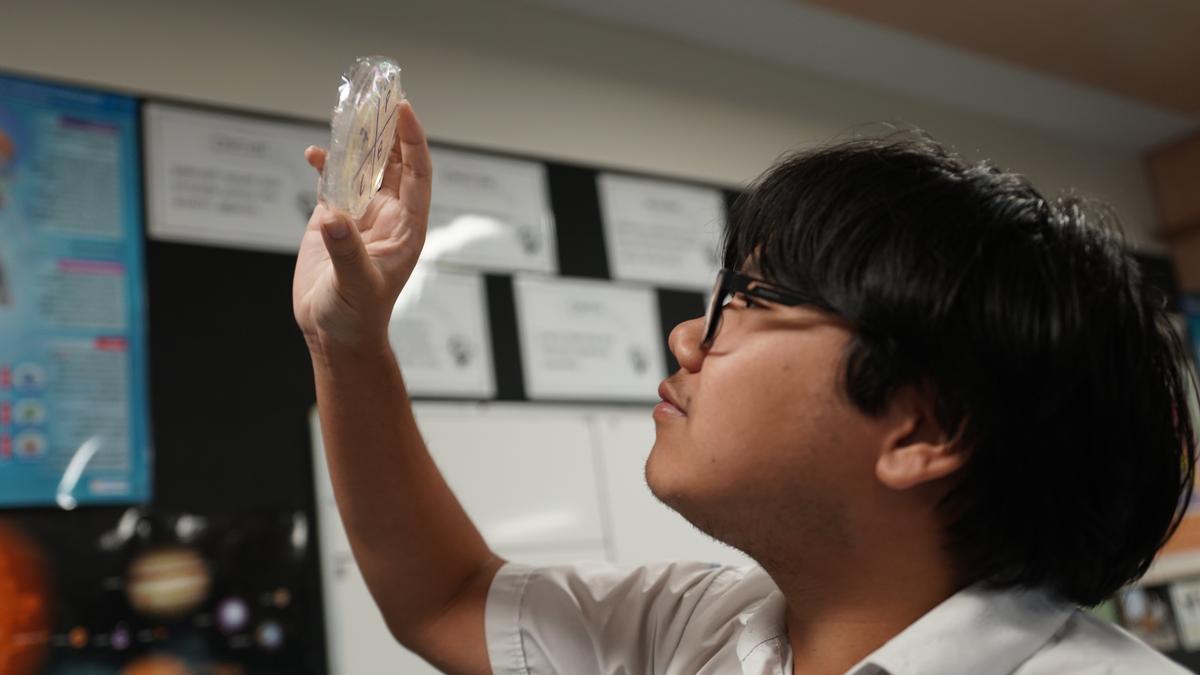
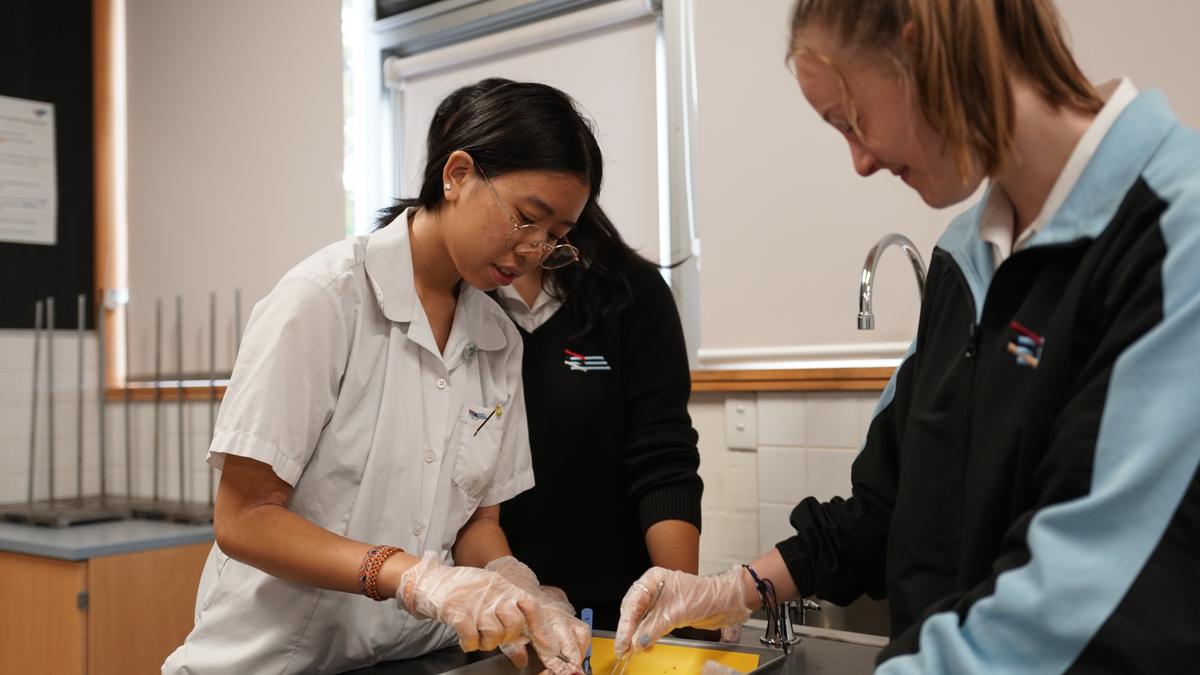
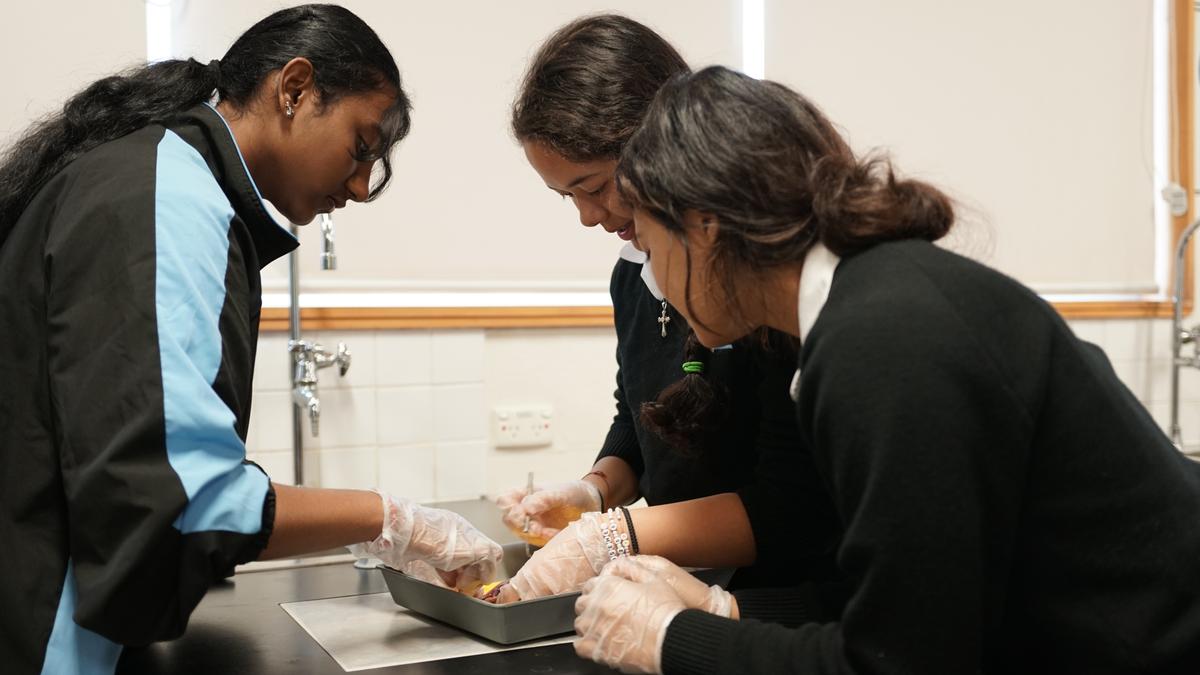
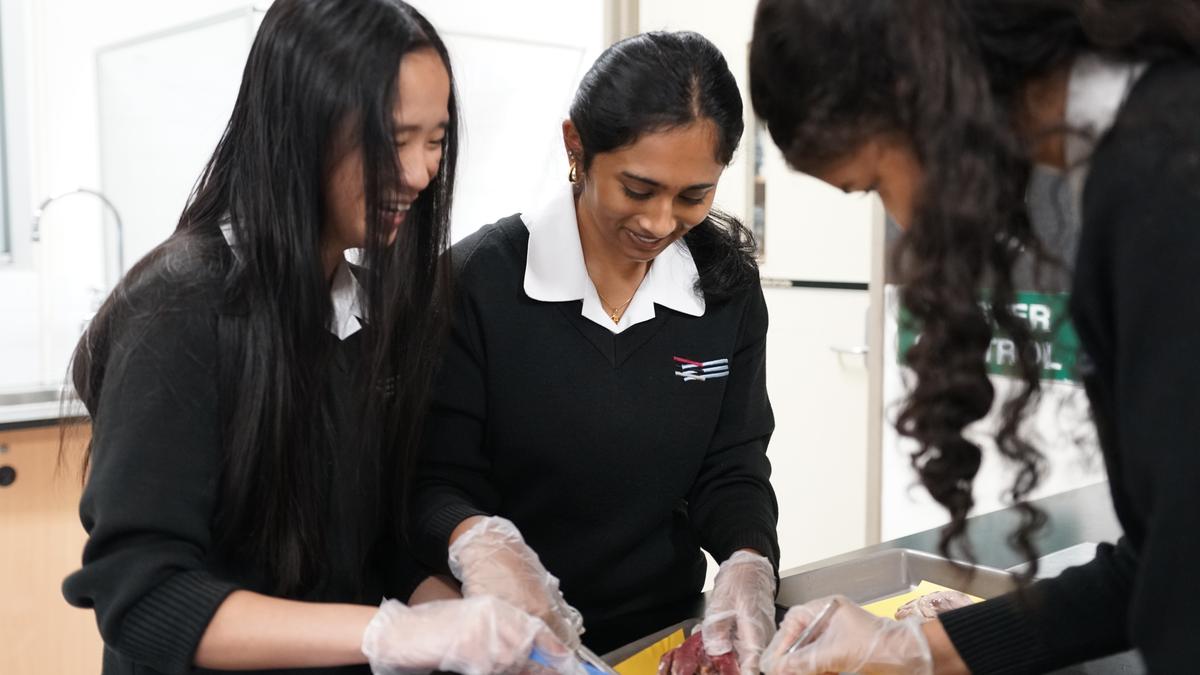
In Biology this term, we’ve been exploring the topic of infectious diseases. We’ve been learning about the different types of pathogens, such as viruses, bacteria, and fungi, and how they manage to enter and invade our bodies. It’s been especially interesting to study how diseases spread through populations and how factors like hygiene, vaccination, and immunity play a major role in preventing outbreaks.
What I’ve found most surprising is how many diseases and infections our bodies fight off without us even noticing. There’s a whole world of microscopic threats that our immune systems deal with every day, and I now have a much greater appreciation for how hard my body works to keep me safe. Overall, this Biology module has been incredibly engaging; it’s made me think more deeply about how science connects to our everyday lives, especially in the context of current global health issues. I’m really enjoying learning how everything fits together and how understanding these processes can help improve health for individuals and wider communities.
- Biology Class 2026