Career Focus
Our AI-driven world
Career Focus
Our AI-driven world
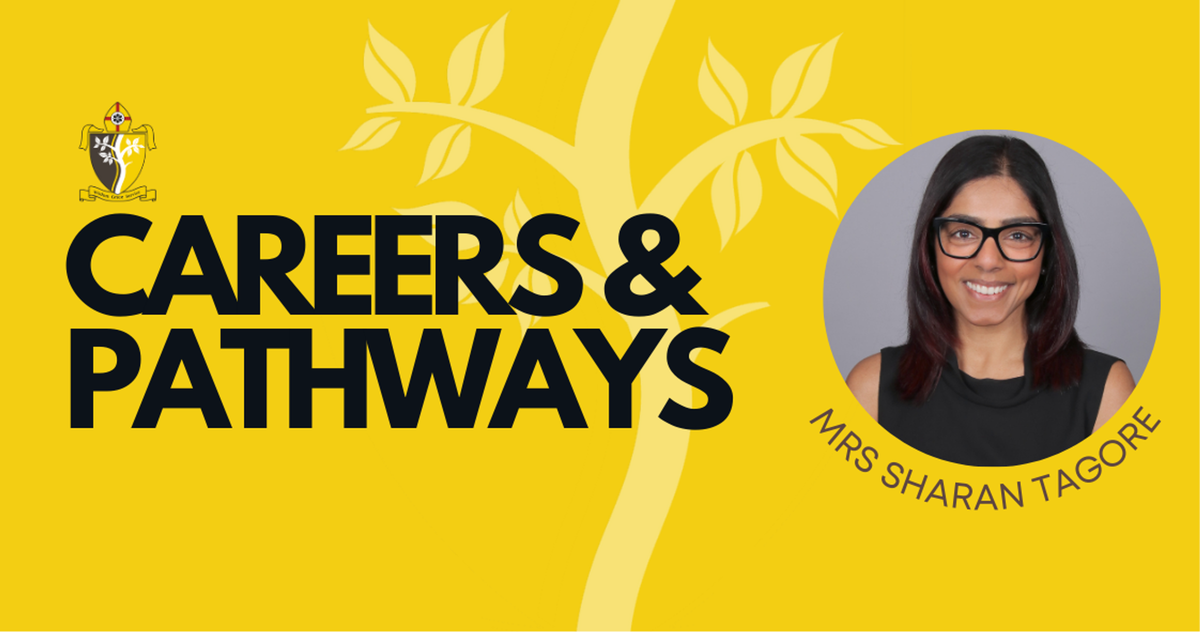
Born between 2010 and 2024, Generation Alpha are the students in our classrooms from Years 7 to 11. Known as the ‘glass generation’ where smartphones are the norm, these young people are growing up in a world shaped by rapid technological change, where artificial intelligence (AI) is increasingly automating routine and entry‑level tasks. As AI takes over simpler work, the skills that remain most valuable are distinctly human: emotional intelligence, adaptability, communication, creativity, and the ability to work well with others. How reassuringly old-school!
While technical tools are evolving quickly, employers are placing increasing value on resilience, flexibility, empathy, and lifelong learning. These qualities help people navigate uncertainty, manage change, and collaborate effectively; human strengths that machines cannot easily replicate. For Generation Alpha, resilience is not just about coping; it’s about thriving in a future where careers will evolve repeatedly. We are often told that ‘AI will take our jobs’, but being human is the antidote, and you play a powerful role in helping your child develop the uniquely human skills that will ensure they thrive.
Generation Alpha will enter a world where human connection is a competitive advantage. By nurturing resilience now, families help their children develop the emotional strength and flexibility they will need to shape, not just survive, in the future workplace.
Tips to help your child thrive:
Encourage help‑seeking - Knowing when and how to ask for support is a key life skill, especially in collaborative, people‑focused workplaces.
Mrs Sharan Tagore
Associate Dean of Teaching & Learning