
From the Principal Team
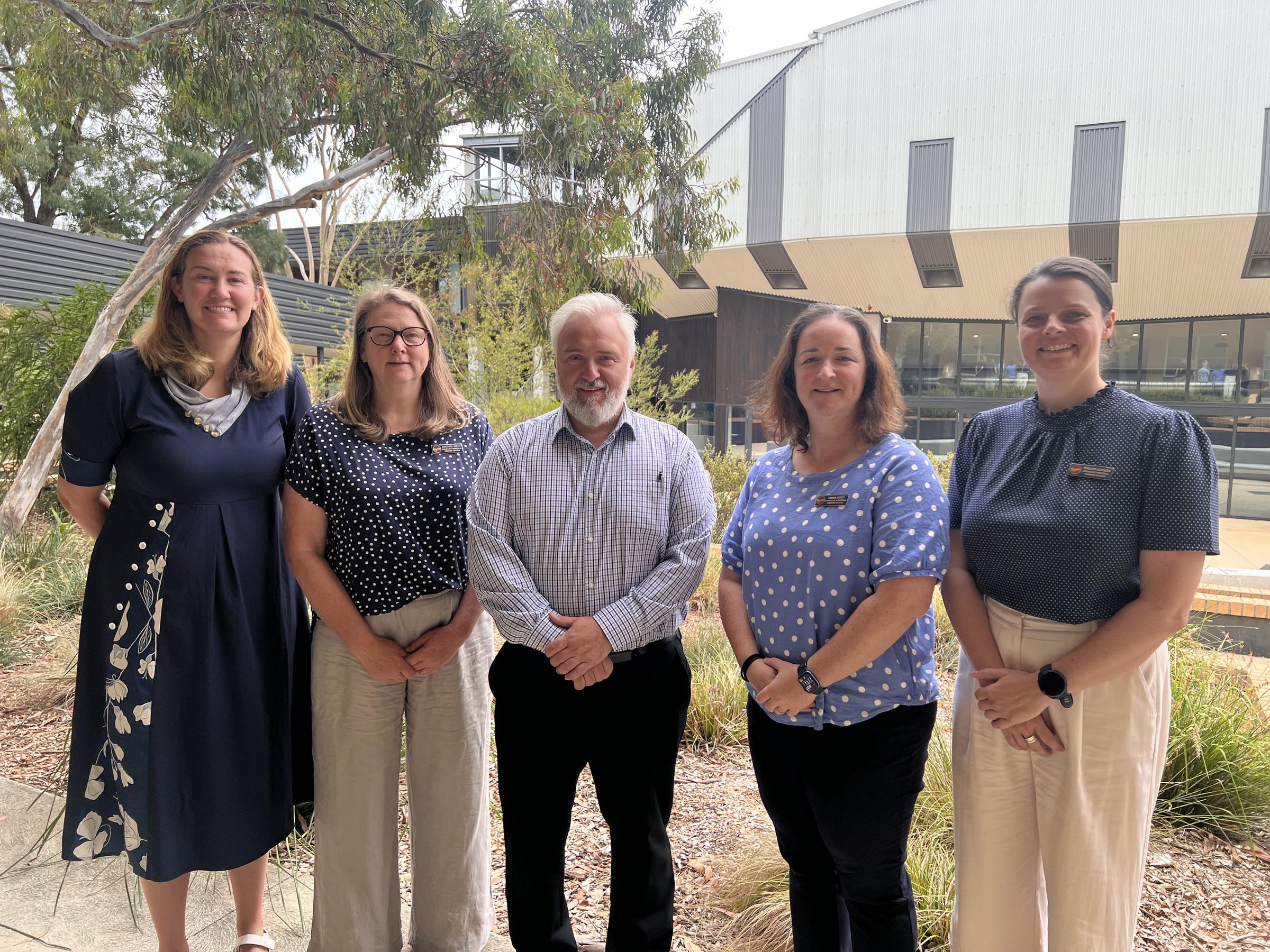
I would like to congratulate Emma Ford to her appointment of Acting Principal at Preston High School for Term 2. Emma is an amazing leader who will be missed over the term, we wish her the very best in her new adventure.
We will be announcing the Acting Middle Years AP next term.
A few weeks ago, I watched an episode on A Current affair on “digital dementia”. Since the episode I have had some conversations with parents and students who shared their concern and I want to acknowledge both the worries and the opportunities it raises for us as a community. The core message is clear: while technology is here to stay, the way we use it – especially during childhood and adolescence – matters deeply for learning, mental health and family relationships.
Health professionals use the term “digital dementia” to describe dementia‑like symptoms that can emerge when developing brains are exposed to excessive screen time. These may include difficulty concentrating, forgetfulness, poorer sleep, increased anxiety and a drop in motivation for everyday activities such as schoolwork, sport or hobbies.
Research links heavy daily screen use with changes in attention, memory and emotional regulation, particularly for children and teenagers whose brains are still maturing. Importantly, this is about patterns of use over time, not about any single app, game or device.
At school, we work to ensure technology supports learning rather than replacing it. This includes:
- Prioritising face‑to‑face teaching, discussion and hands‑on learning wherever possible.
- Using devices purposefully in class, rather than as default “time fillers’
- Reinforcing expectations around appropriate phone and device use during the school day.
We will continue to talk with students about healthy digital habits, including sleep, movement, social connection and time outdoors.
Parents and carers often ask, “What can we actually do at home?” The most powerful changes tend to be small, consistent and shared as a family. Some practical strategies include:
- Set clear daily device limits: Agree on reasonable screen time outside homework, and stick to it together.
- Create screen‑free zones: Make bedrooms, the dinner table and family car trips “device‑free” to protect sleep and conversation.
- Protect sleep: Aim for at least 60 minutes of no screens before bedtime, and charge phones and laptops outside bedrooms overnight.
- Keep one screen at a time: Turn off extra devices in the background (TV, second screens) to reduce distraction and encourage focus.
- Encourage balance: For every hour online, help your child plan time for physical activity, reading, creative play or time with friends.
A helpful way to do this is to create a simple “Family Media Plan” together, where everyone contributes to the rules and understands the reasons behind them.
Children watch what we do more than what we say, and this is especially true with technology. When adults model balanced, thoughtful use of devices, children are far more likely to follow. You might like to:
- Have visible “phone homes”: A basket or shelf where everyone, including adults, leaves devices during meals and shared family time.
- Name your own goals: For example, “I’m trying not to check emails after 8 pm so I can sleep better,” so young people see that these habits are for all of us, not just for them.
- Notice and praise positive choices: Comment when your child puts a device away without being asked, chooses to read, go outside or talk with family.
An example many families find useful is a “tech‑free hour” each evening, where everyone in the household, adults included, switches off devices and does something offline together – cooking, walking the dog, playing a game or simply talking.
The aim is not to create fear, but to build healthy, sustainable habits that support students to learn well, think clearly and stay connected to the people around them. If you are worried about your child’s screen use, changes in mood, sleep or school engagement, please reach out to us; our wellbeing and teaching teams are here to work with you and can help you connect with external support if needed.
Anesti Anestis Acting Principal Emma Ford, Assistant Principal
Rachael Smith, Assistant Principal
Anna Crosswhite, Assistant Principal
Penelope Cleghorn, Assistant Principal