
From the Leadership Team
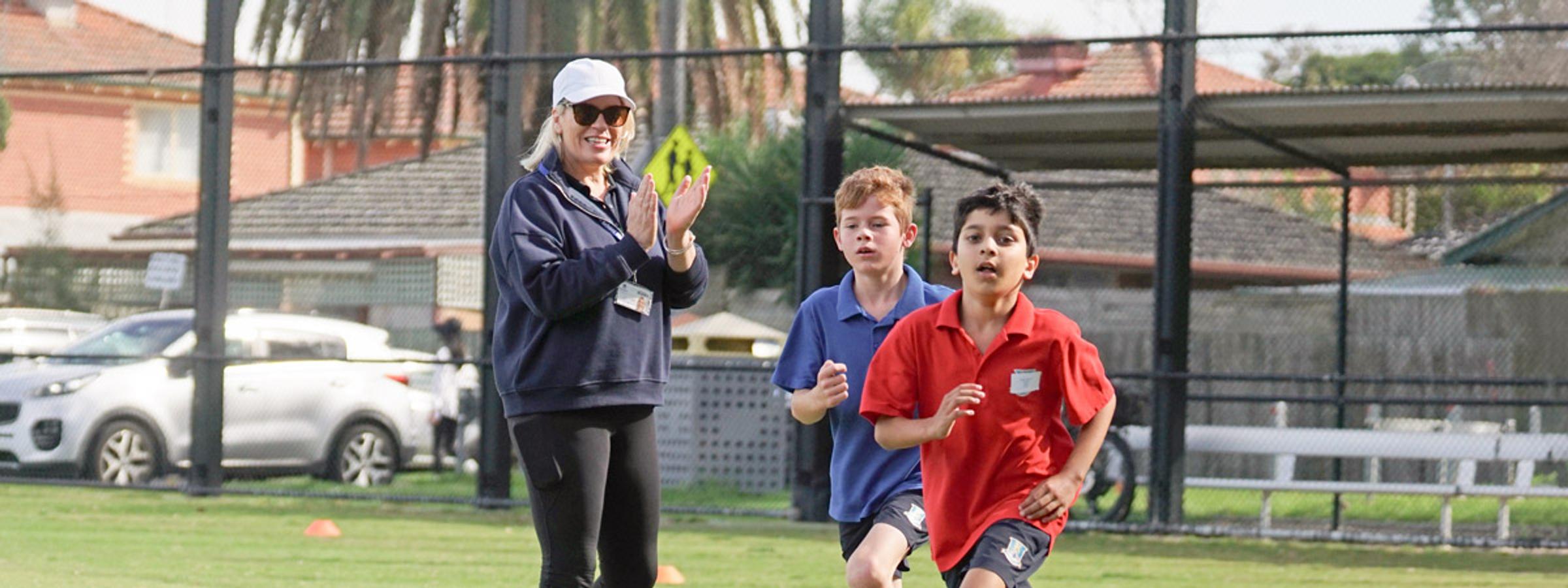
Compassion begins with us
Ms Jackie Graham, Head of Junior School
Every day, in ways both big and small, our children are watching us. They are learning how to respond to challenge, how to manage emotions, and how to care for themselves and others.
At Kilvington, Compassion is one of our four core values. It is something we speak about often with our students, how we treat others, how we include, and how we respond with care and understanding.
But perhaps one of the most important places compassion begins is within ourselves.
When we take moments to pause, to breathe, and to care for our own wellbeing, we are not stepping away from what matters. We are strengthening our capacity to show up for others. Peace begins with us, and from there, it ripples outward into our classrooms, our homes, and our community.
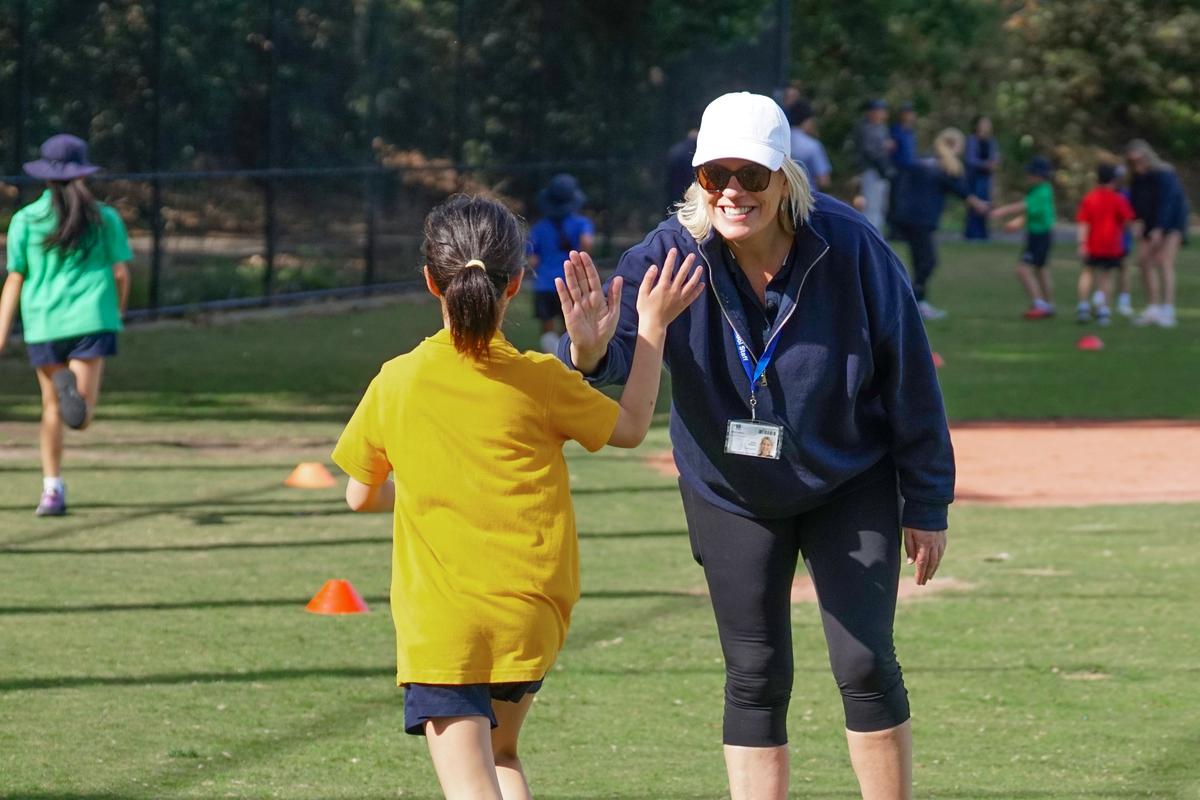
In the Junior School, we are intentional about creating space for this. Our timetable includes dedicated wellbeing time, where students participate in GEM (Gratitude, Empathy, Mindfulness) sessions through The Resilience Project. These moments are not an extra. They are an essential part of helping children develop emotional awareness, resilience, and the ability to navigate both challenge and change.
One of the most powerful tools we explore with students is mindful breathing.
While it may seem simple, the science behind it is significant. The vagus nerve acts as a communication pathway between the body and the brain. When we take slow, deep breaths, particularly when we lengthen the exhale, we send a message to the brain that says, “I am safe.” In response, the brain helps the body to calm, the heart rate slows, muscles relax, and thinking becomes clearer.
Even just a few intentional breaths can have a noticeable impact.
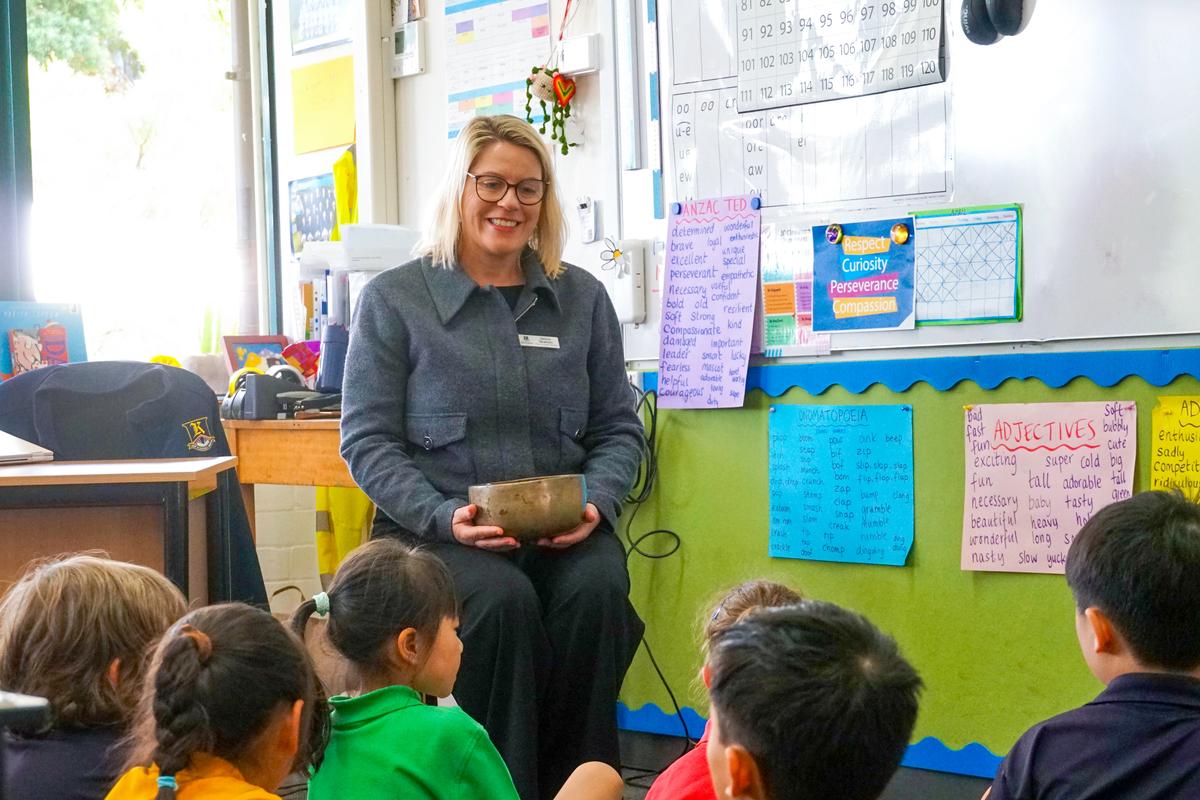
During my visits to each Junior School classroom, something I have loved is practising these simple breathing strategies together.
Many of your children will be familiar with one we have explored, gently lengthening the breath, breathing in for three or four counts, and out for five or six. Repeating this just three times can help shift how the body and mind are feeling.
You might like to ask your child to show you. It can be a lovely moment of connection, as well as a practical strategy you can use together. For families outside of the Junior School, here’s a video demonstration of the technique in action with Year 2.
As parents, you are your child’s most powerful influence. Children learn not only from what we say, but from what we do. Research highlights the importance of co-regulation, how children learn to manage their emotions through the calm, steady presence of the adults around them. As explored by Jessica Maguire, our relationships shape how our nervous system responds to stress and how we recover from it.
This can feel challenging at times, particularly if these approaches were not modelled for us growing up. However, it is never too late to begin.
When you take small, intentional moments to care for yourself, whether that is sitting quietly with a cup of tea, going for a walk, listening to music, reading, resting, or simply pausing to breathe, you are doing more than recharging.
You are modelling for your child what it looks like to show compassion to oneself.

These small moments shape habits your child will carry into adolescence and adulthood. What a gift that is.
At Kilvington, we feel incredibly fortunate to have compassion as one of our guiding values, something we nurture in our students each day and continue to grow within ourselves.
Because when compassion begins with us, it has the power to ripple far beyond.