Curriculum News
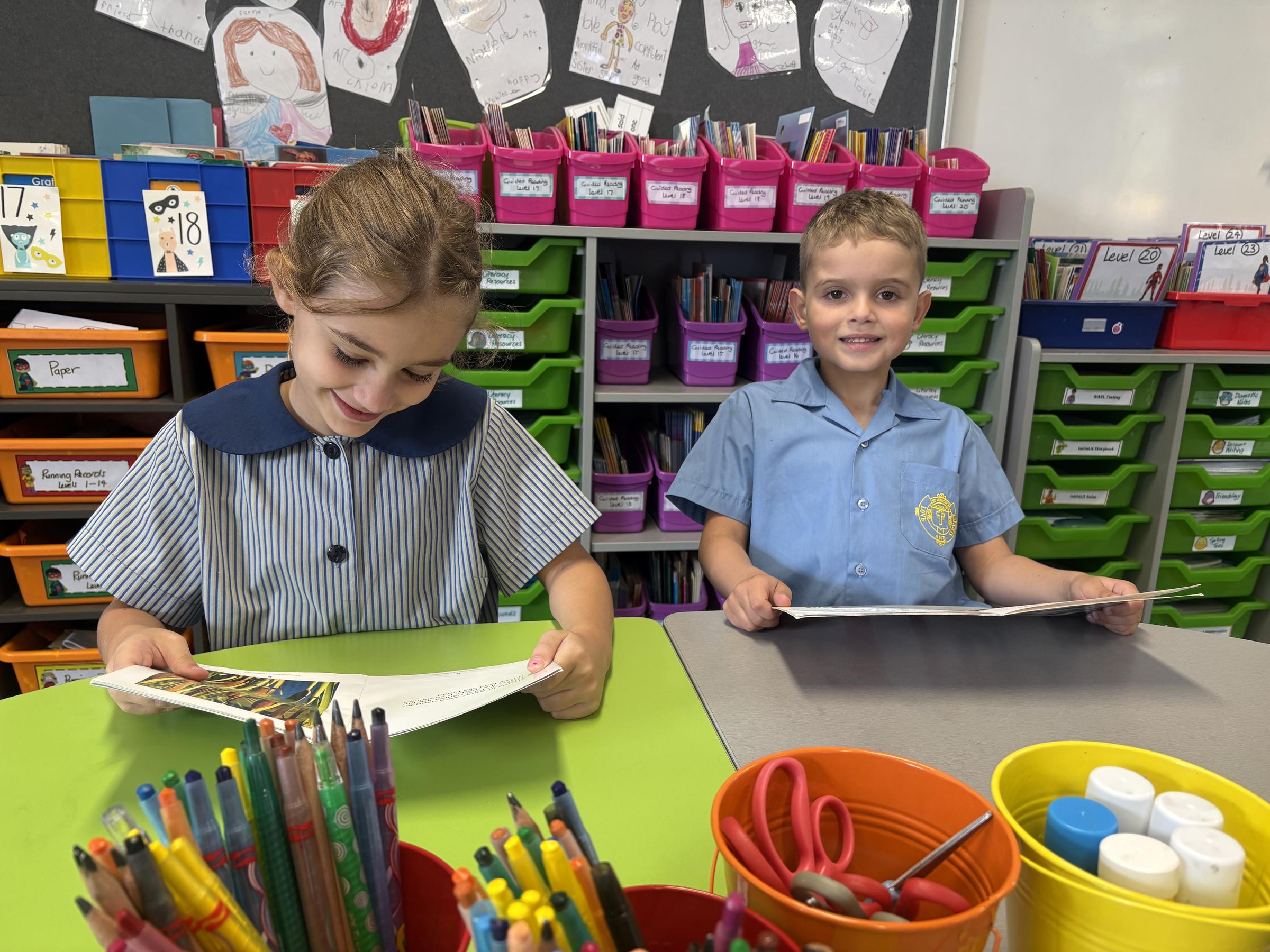
The Power of Daily Reading at Home: Building Lifelong Learners
Daily reading at home is one of the simplest and most powerful ways families can support their child’s learning from Kindergarten through to Year 6. Just a few minutes each day can make a remarkable difference, not only in English skills, but across every area of learning.
Building Strong Foundations in the Early Years (K–2)
For our youngest learners, reading at home helps develop:
- Phonemic awareness – hearing and playing with sounds in words
- Vocabulary growth – learning new words in meaningful contexts
- Reading fluency – becoming more confident and expressive readers
- A love of stories – discovering joy in books and imagination
Children who read regularly build stronger early literacy foundations, which support success throughout primary school and beyond.
Strengthening Skills and Confidence (Years 3–6)
As students move into the middle and upper primary years, daily reading continues to play a vital role. It helps them:
- Understand more complex texts
- Build background knowledge across subjects
- Develop critical thinking and comprehension strategies
- Improve writing by seeing strong models of language
Regular reading also boosts confidence. Students who read widely tend to participate more in class discussions, write with greater clarity and approach new learning with curiosity.
Beyond Academics: Reading Shapes Lifelong Learners
The benefits of reading extend far beyond school. Children who read daily are more likely to:
- Become independent learners
- Develop empathy by seeing the world through different perspectives
- Build resilience and problem‑solving skills
- Stay curious and engaged with learning throughout their lives
Reading nurtures imagination, creativity and emotional understanding - qualities that support wellbeing and success in every stage of life.
How Families Can Help
Supporting reading at home does not need to be complicated. A few simple habits make a big difference:
- Set aside 10–15 minutes each day for reading
- Let children choose books that interest them
- Talk about the story together: characters, predictions, favourite parts
- Model reading by enjoying your own books, magazines or articles
Most importantly, keep reading enjoyable. When children associate reading with comfort, connection and curiosity, they are far more likely to become lifelong readers.
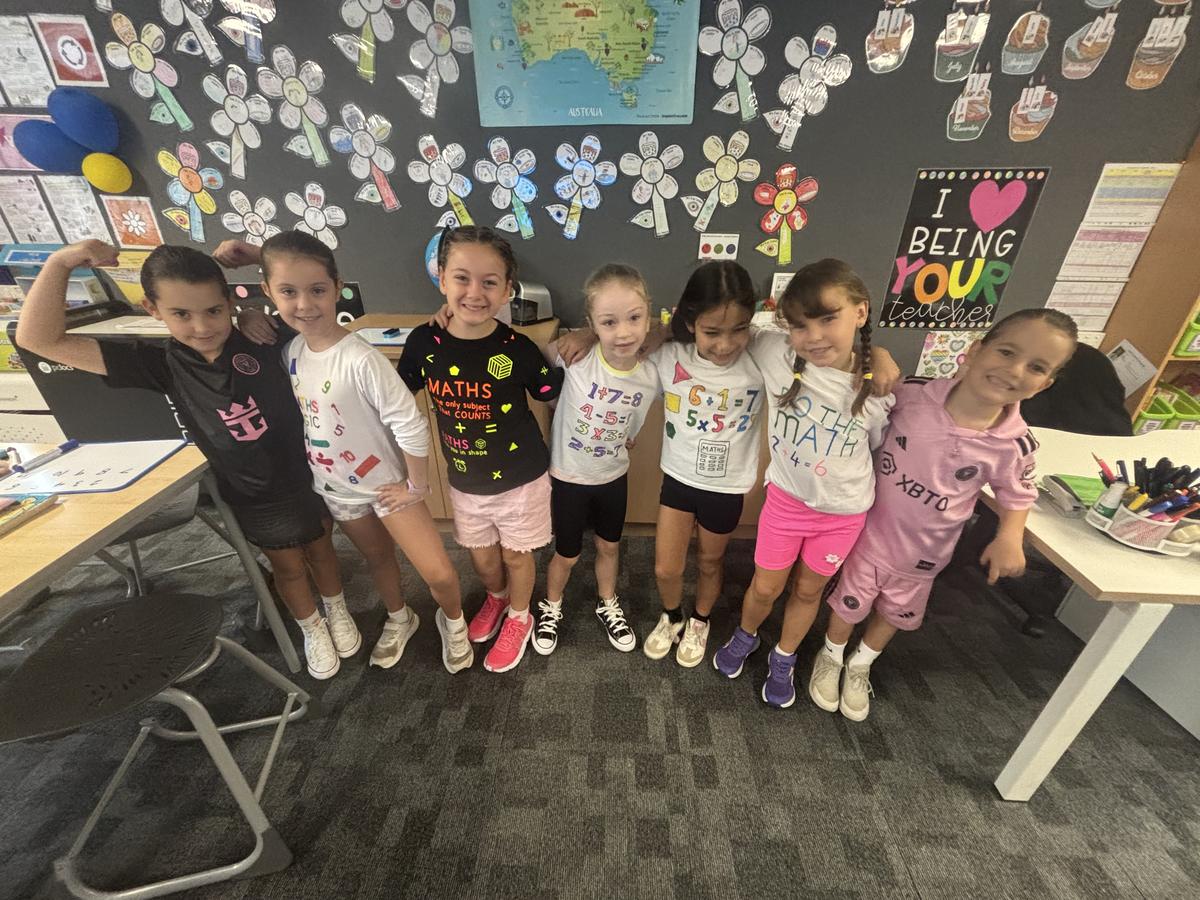
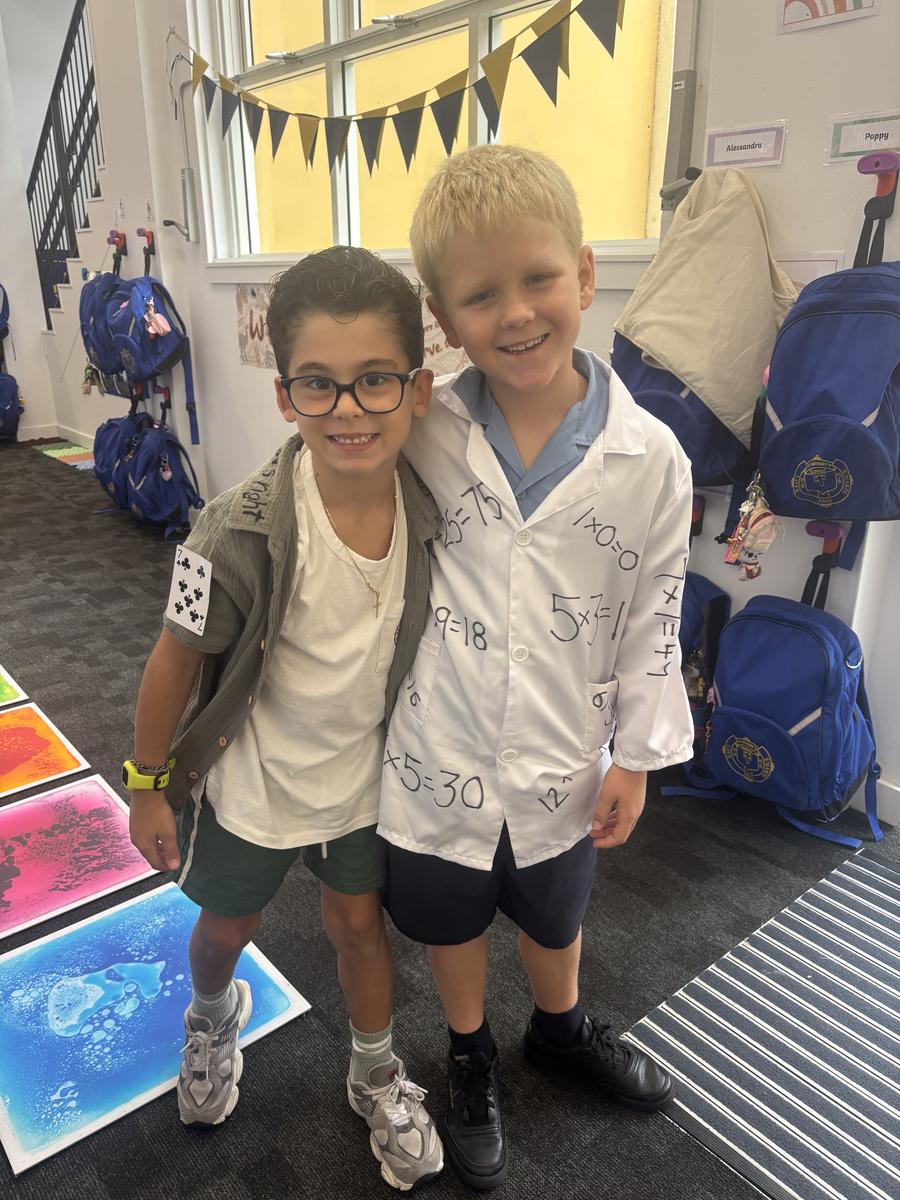
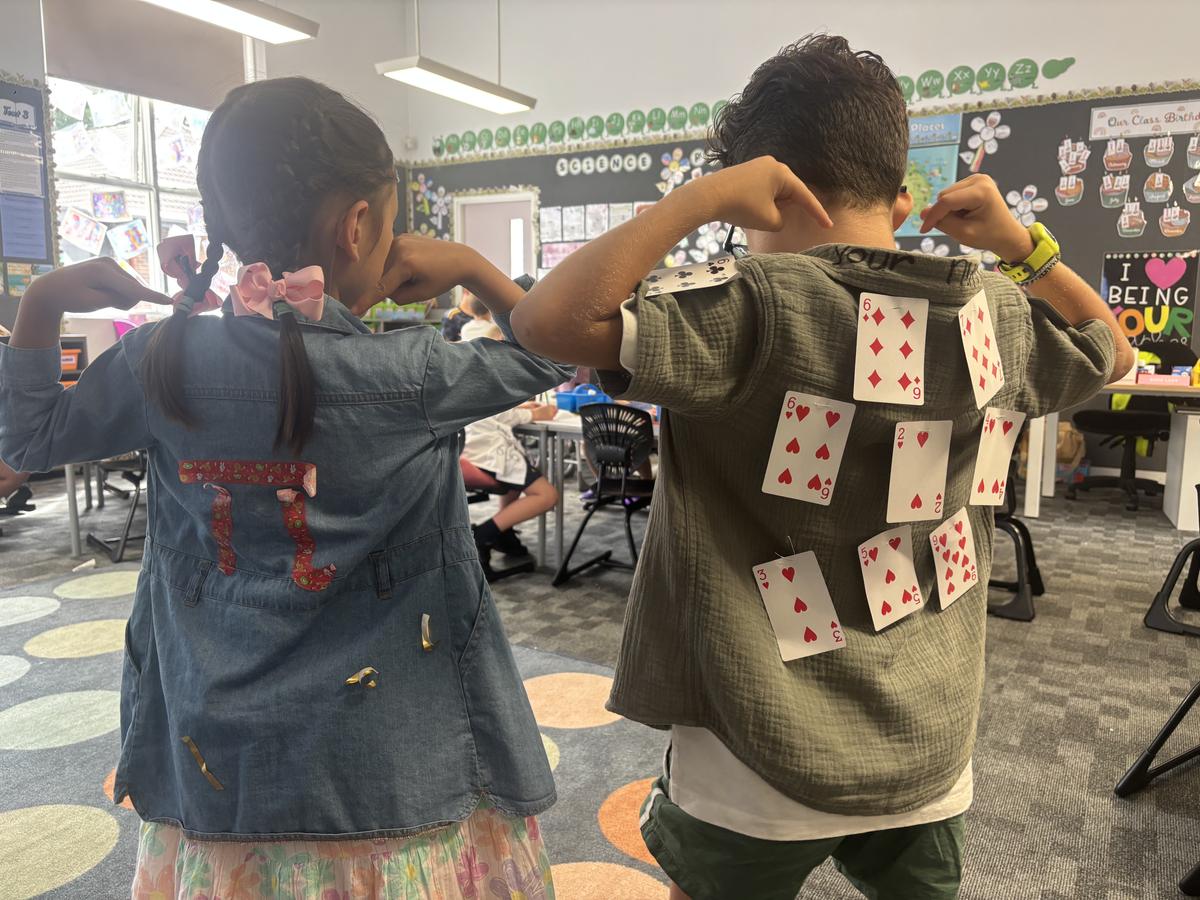
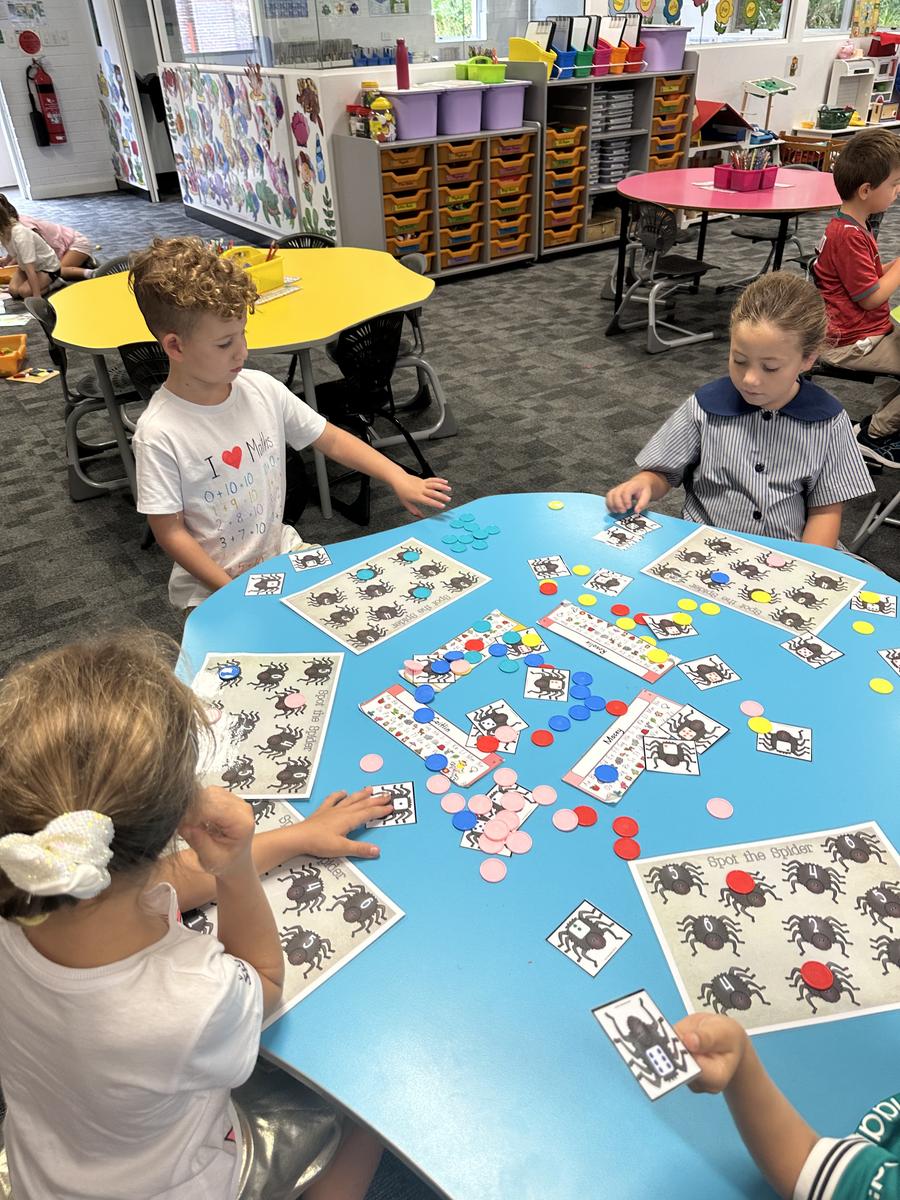
Maths Challenge Day & Open Day
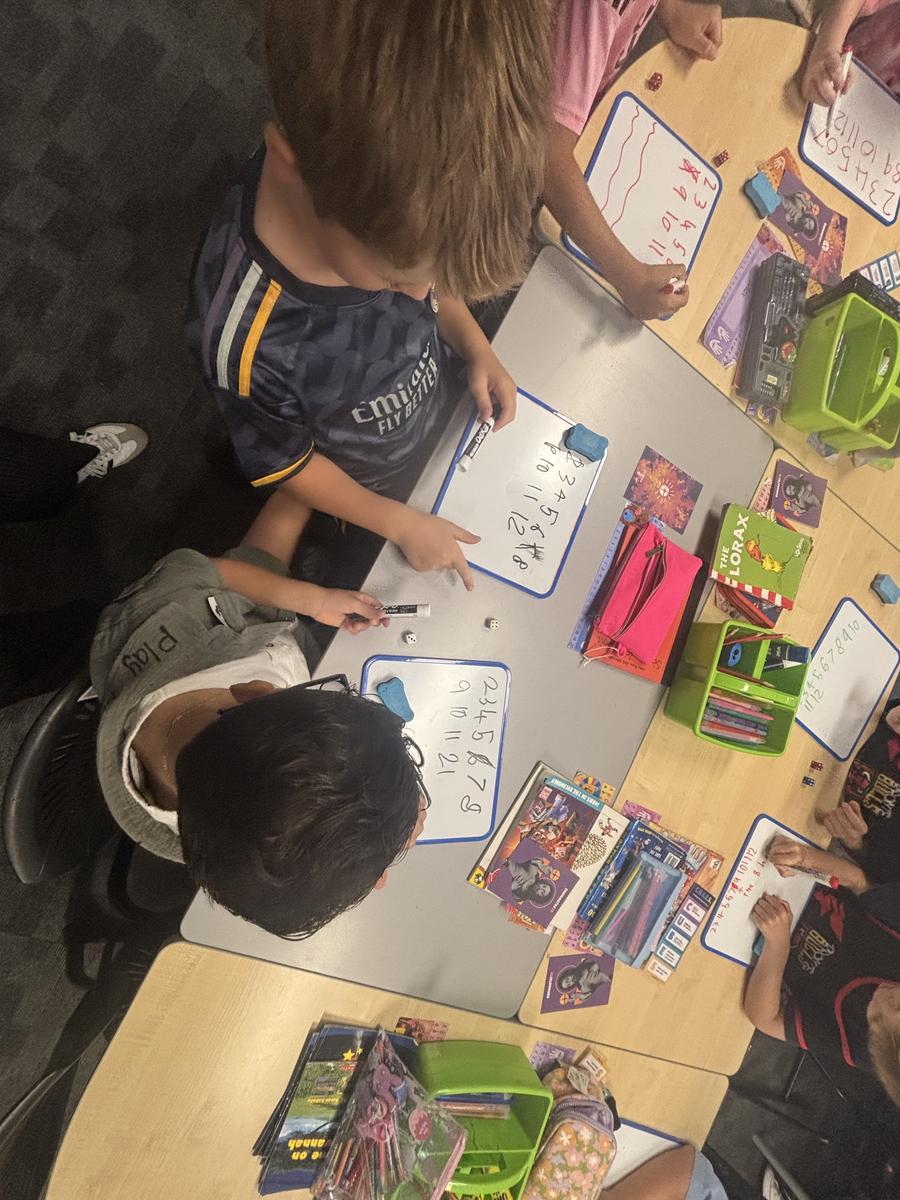
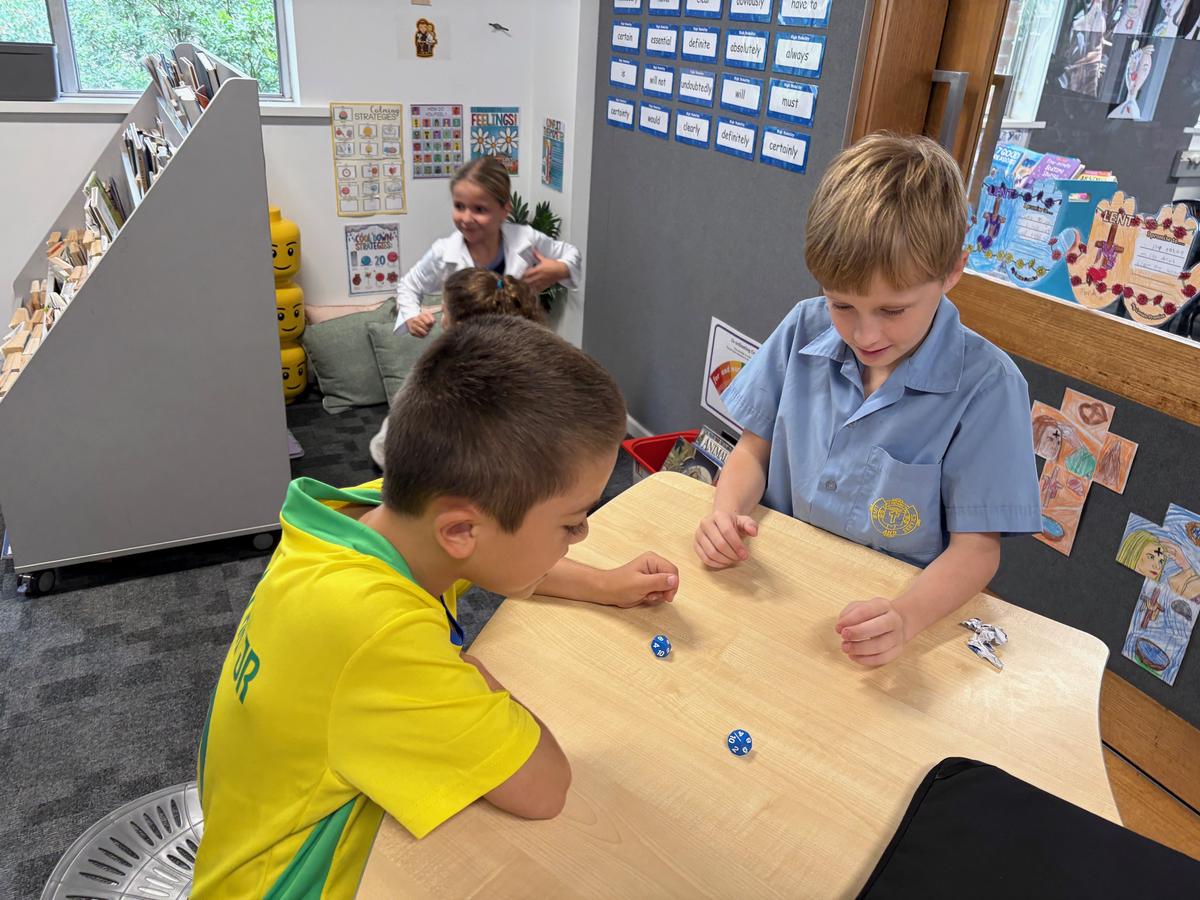
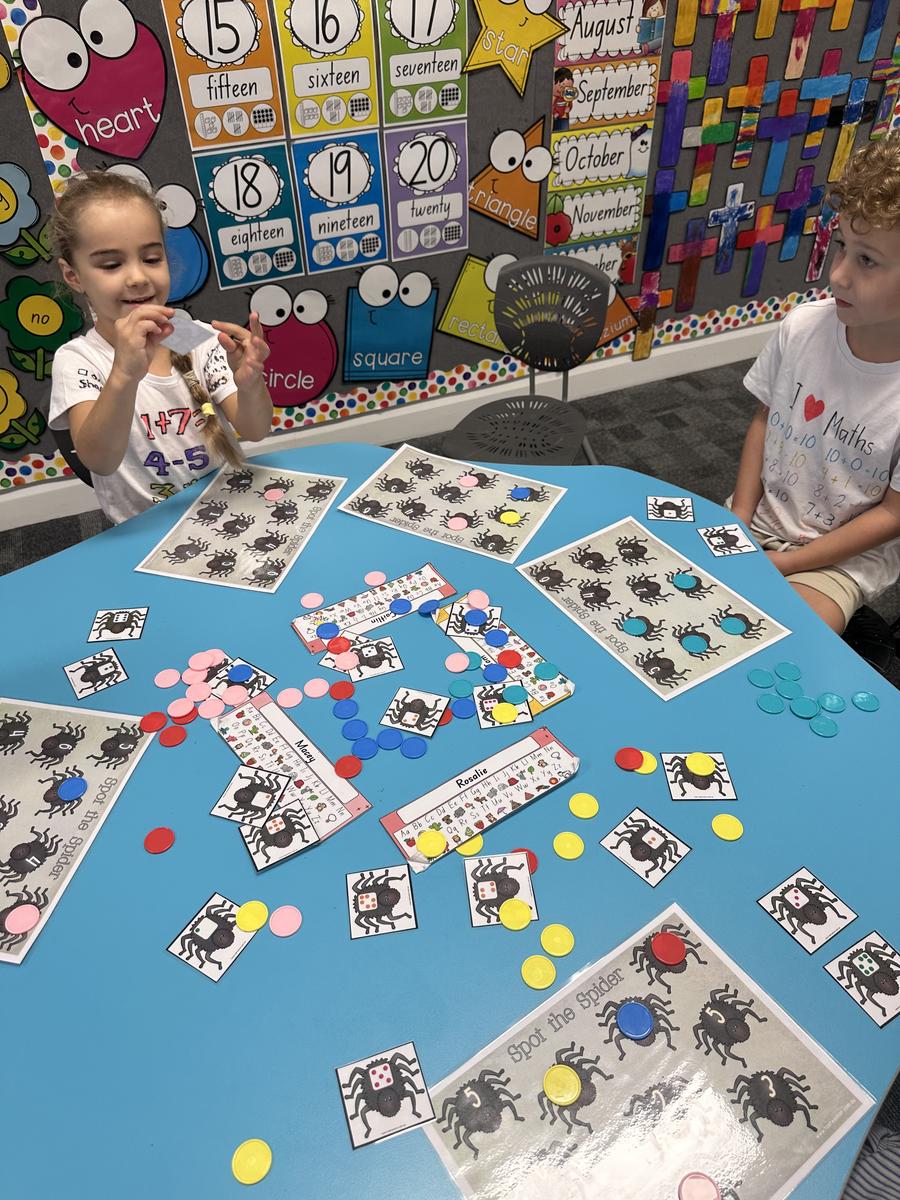
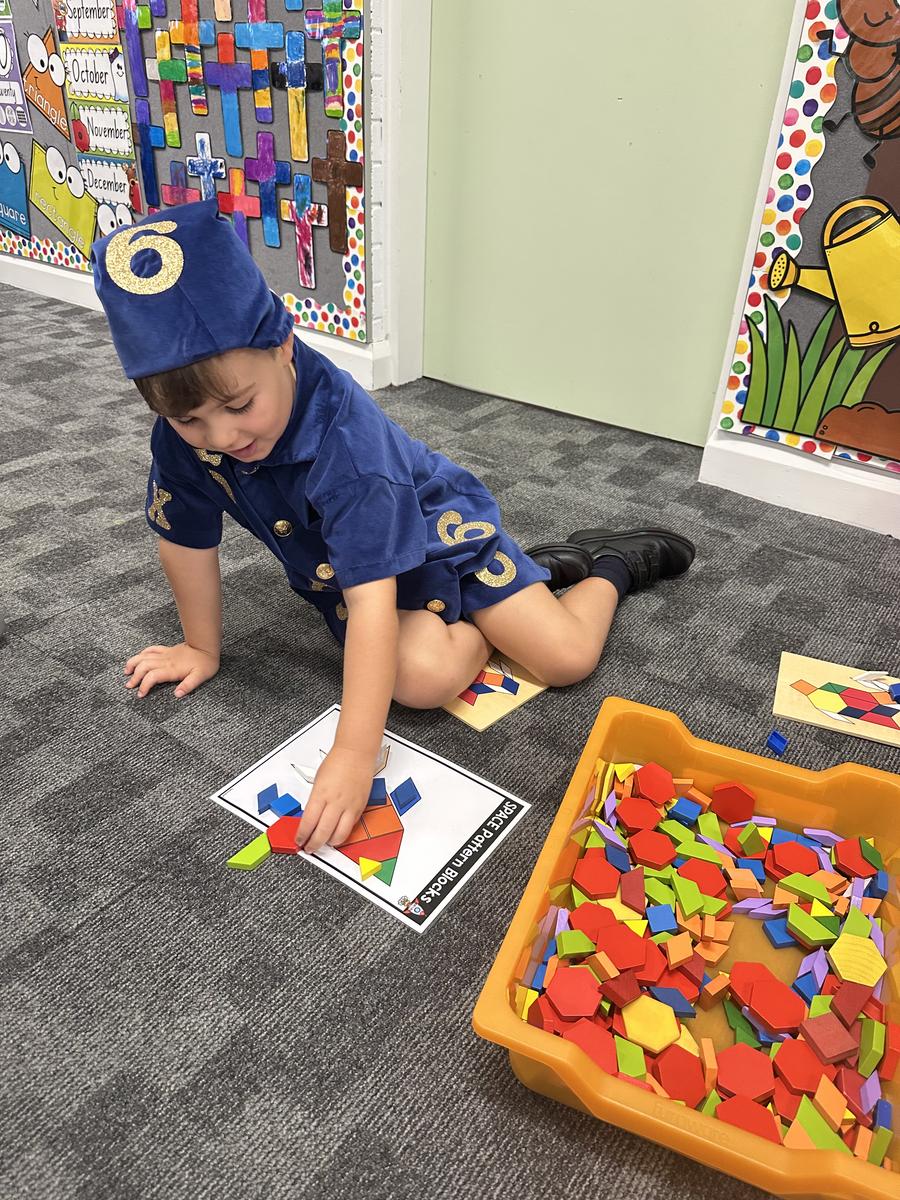
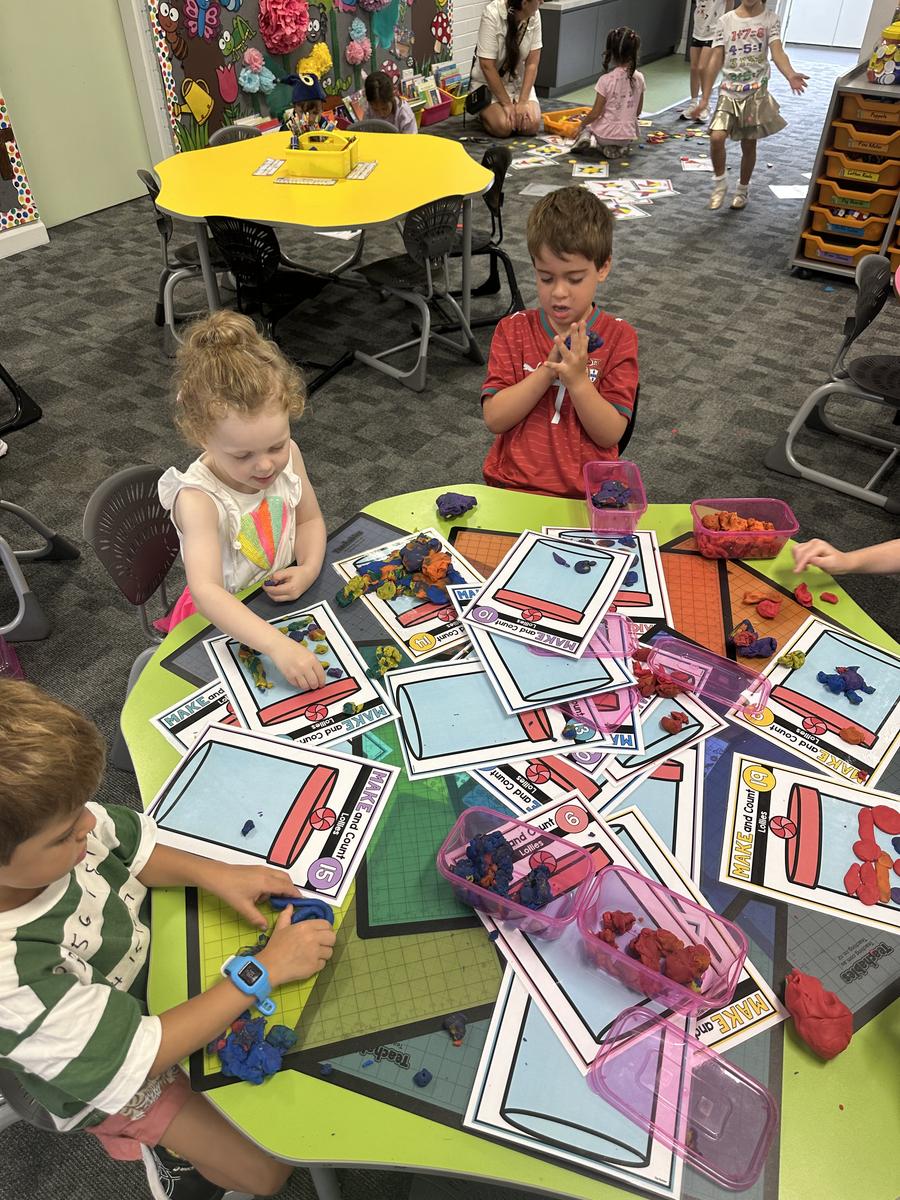
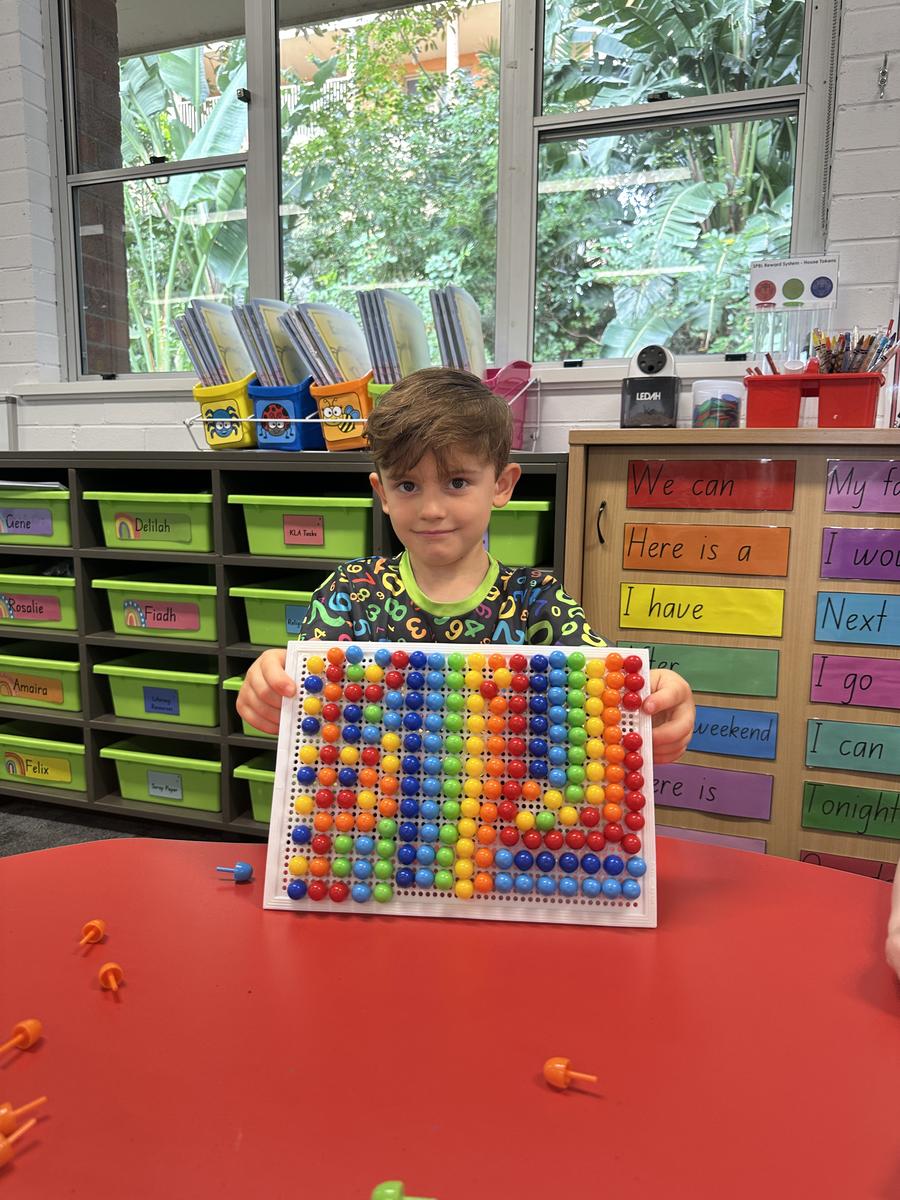
On Tuesday 3 March from 9-10am, students from Kindergarten to Year 6 engaged in a range of hands‑on, minds‑on activities designed to spark curiosity and creative thinking.
Working together for our students,
Leanna Langlands
Instructional Specialist