
Teaching and Learning Principal
Zachary Parr

Teaching and Learning Principal
Zachary Parr

Welcome to the Teaching & Learning section of our newsletter. Each edition is designed to give families a clear and meaningful window into what students are learning, how we are supporting their growth, and the many opportunities available to them both inside and beyond the classroom.
In this space, you’ll find:
Key Teaching & Learning priorities for the term
Snapshots from classrooms, showcasing engaging learning moments across year levels
Updates on whole‑school initiatives, instructional practices, and innovations
Highlights from co‑curricular programs that enrich learning beyond the timetable
Practical tips to help families support study habits, wellbeing, and engagement at home
Celebrations of effort, progress, and achievement across our student community
By sharing these insights, we aim to strengthen the partnership between school and home—something consistently shown to improve student connection and outcomes. Effective school newsletters help families feel informed, included, and confident about their child’s learning journey, and that is exactly what we strive for here.
Families often ask, “What makes the biggest difference at home?” Here are three evidence-informed, easy-to-implement habits that consistently lift student wellbeing and learning:
1) Sleep First, Screens Second
Keep phones out of bedrooms overnight—charging stations in shared spaces work wonders.
2) The “Daily Debrief” (2–3 Questions)
Short, consistent conversations build confidence and retrieval skills.
3) The Homework Window
Small, consistent routines beat occasional big efforts—every time.
One of the most rewarding parts of school life is seeing the energy, curiosity, and creativity that unfold in our classrooms each day. In this section of the newsletter, we’re excited to highlight the learning moments—big and small—that are shaping our students’ growth across Norwood Secondary College.
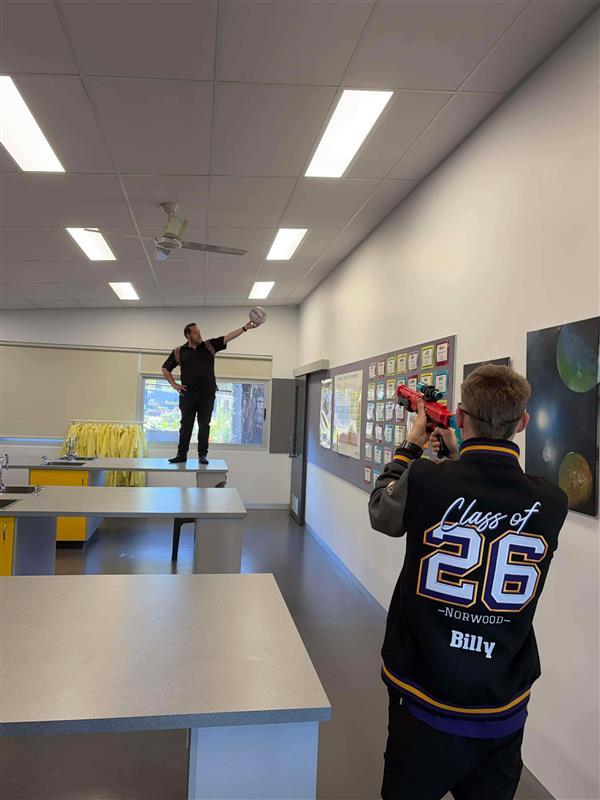
Students explored projectile motion, modelling how initial velocity, launch angle, and gravity shape parabolic paths. They investigated horizontal vs. vertical components of motion and how time of flight and range change under different conditions. Many applied kinematic reasoning to real-world contexts and discussed how to reduce experimental error when analysing trajectories.
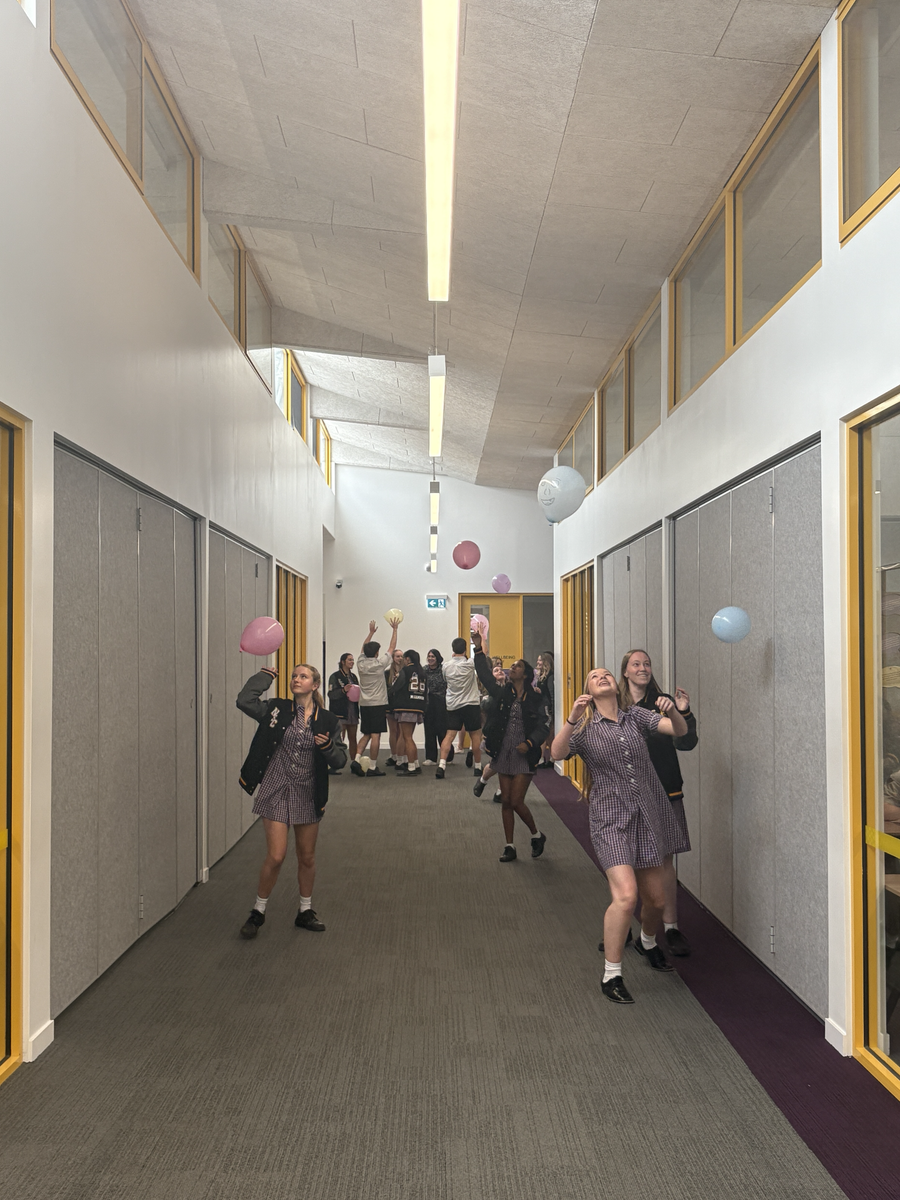
In Psychology, students examined how the sympathetic nervous system prepares the body for fight-or-flight (e.g., increased heart rate, dilated pupils), and how the parasympathetic nervous system restores rest-and-digest balance after a stressor. Learners compared responses using real-life scenarios and reflected on practical strategies (e.g., controlled breathing) that can activate parasympathetic recovery after arousal.
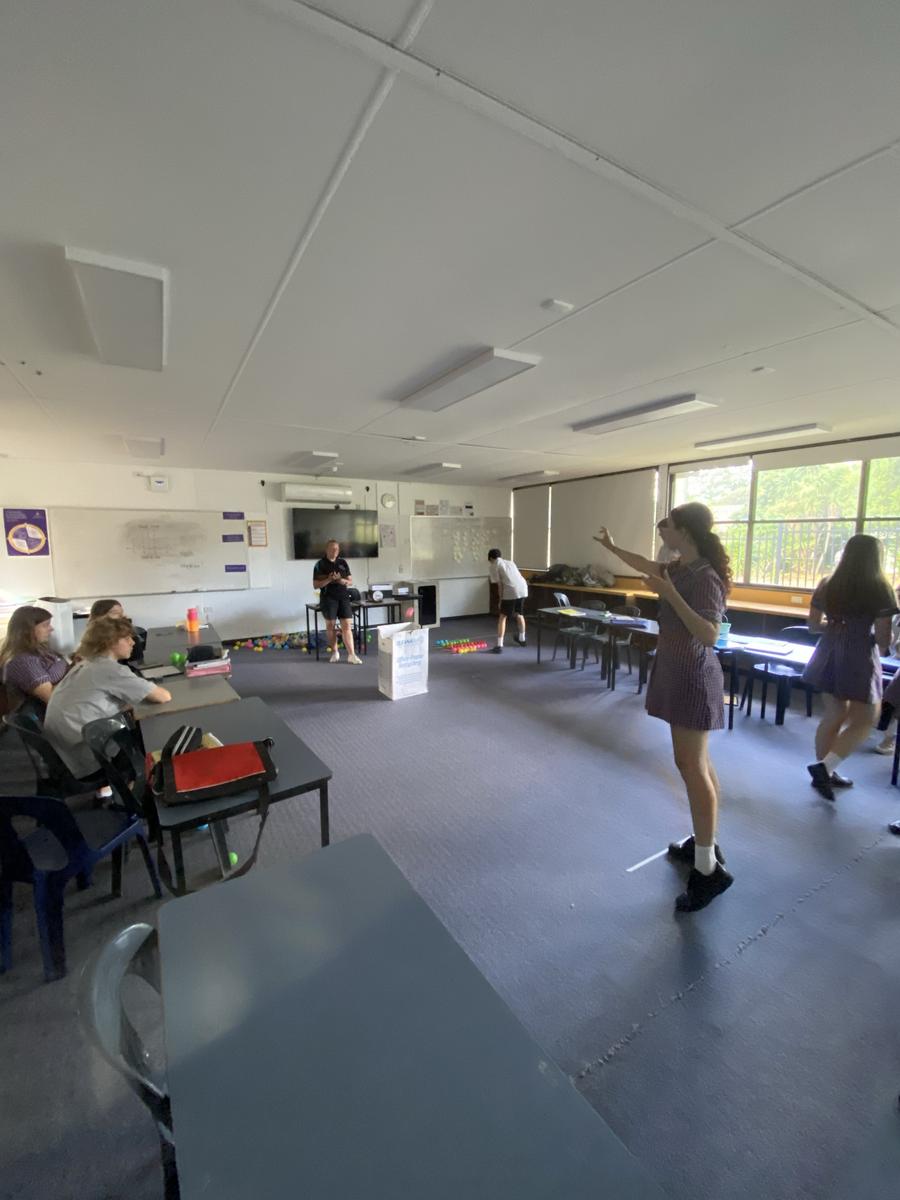
Students developed and interpreted bar charts from class-collected categorical data. They focused on choosing appropriate scales, clear axis labels, and fair categories, and learned how misleading visuals can distort meaning. The class practised translating questions into displays—and, crucially—reading those displays to make sound, everyday decisions.
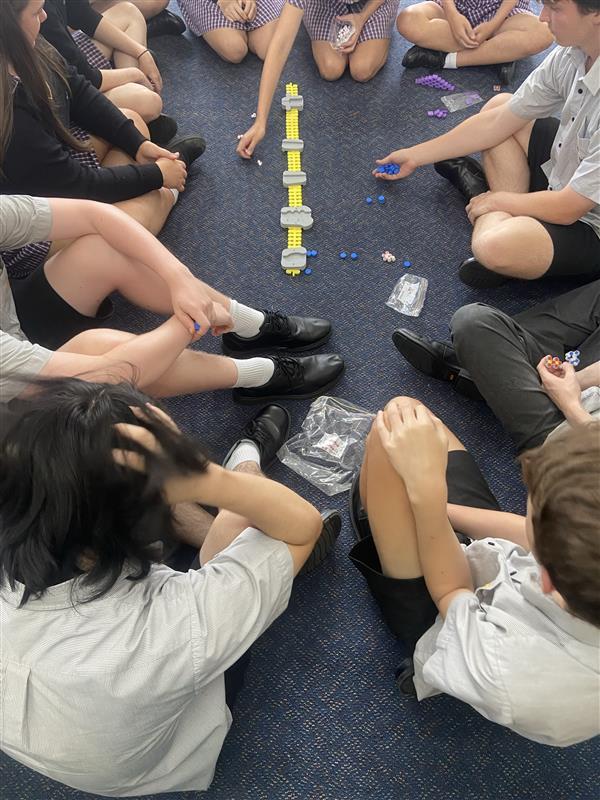
To understand osmosis, students explored how water moves across a semi-permeable membrane from areas of low solute concentration to high solute concentration (down the water potential gradient). Through hands-on investigations and visuals, they compared hypotonic, isotonic, and hypertonic environments and explained how osmosis maintains cell structure and function.
We’re excited to share that selected students are participating in the Victorian High-Ability Program (VHAP) in Numeracy and Literacy. VHAP is a Department of Education initiative delivered online by Virtual School Victoria that provides high-ability learners with extension beyond the regular classroom program.
What students experience:
Weekly online lessons with specialist teachers, engaging with peers from across Victoria.
Challenge-rich tasks that emphasise reasoning, creativity, and advanced problem-solving.
Independent extension projects that build autonomy and academic confidence.
Connection to school learning, so students extend their thinking while remaining part of their class programs.
How families can help:
Encourage students to share what they’re learning and set mini-goals each week.
If you have questions about scheduling or support, please contact the relevant HAPL Coordinator.
We’re proud of our VHAP participants and look forward to celebrating their growth through the program.
Norwood Secondary College understands that students have different learning strengths, preferences and interests and may approach learning activities and homework differently. If parents/carers are concerned their child may not understand the homework tasks that have been set, or if their child is spending a long period of time completing their homework, we encourage parents/carers to speak to their child’s teacher.
Students who may benefit from support completing their homework tasks are encouraged to attend Homework Club held in the College Library on Wednesday and Thursday afternoons between 3.15 and 4.15pm. Homework Club resumed this week and parent/carer permission is required to attend. Please complete the form below and return it to the General Office.
*For information on the school's Homework Policy, visit the Junior and Senior School Handbooks.