
Wellbeing
Fiona Dandie & Robert Pain
Wellbeing
Fiona Dandie & Robert Pain
SWPBS is built around four key elements
Systems: Structures and processes that support consistent implementation, such as leadership teams and professional development
These elements are delivered through a multi-tiered system of support
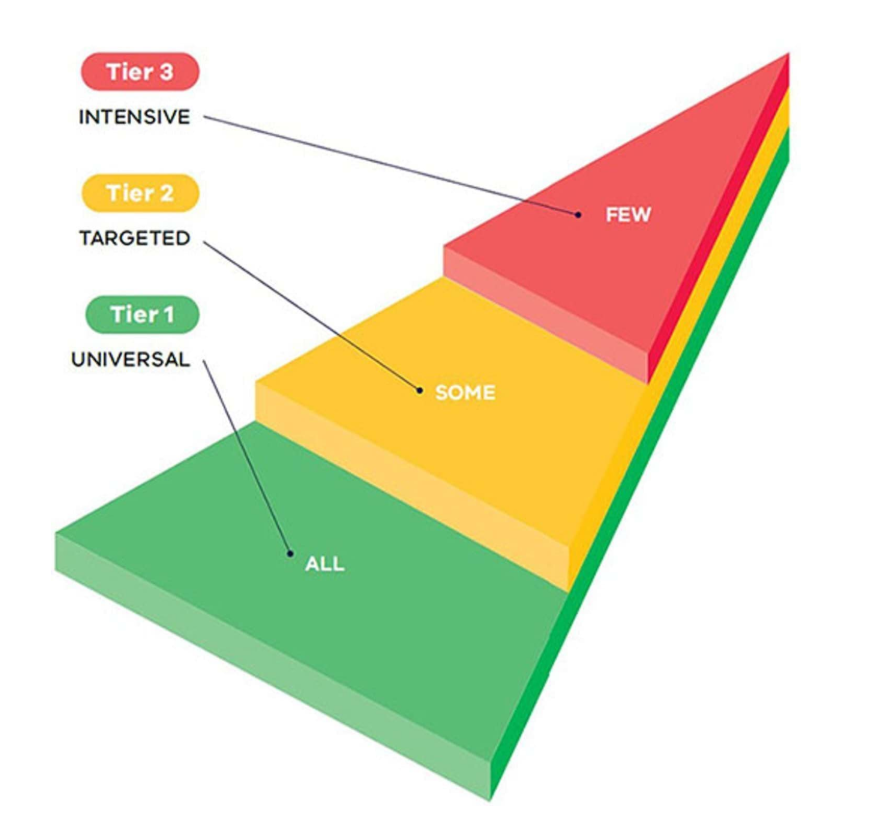
Universal Interventions: Universal interventions are evident in every area across the school. The expectations, Consequence Continuum, behaviour flowchart, targeted curriculum and the reinforcement systems form the common language and climate of SWPBS. These systems are for all of our students.
Targeted Group Interventions: Targeted group interventions are aimed at cohorts of students that may have a similar point of need or interest. Other group interventions may include small groups working in the sensory space, learning to get along with others, taking turns, and paying compliments. Group interventions can also be classroom-based.
Intensive, Individual Interventions: Students with challenging behaviours require targeted interventions to support their success at school. These students may require 1:1 interventions, individualised schedules, reward programs and individualised approaches to their daily routine. At WPS, we refer to this as being a student’s “Program”. Documentation is then created that outlines all the specific programming or individualised supports in place.
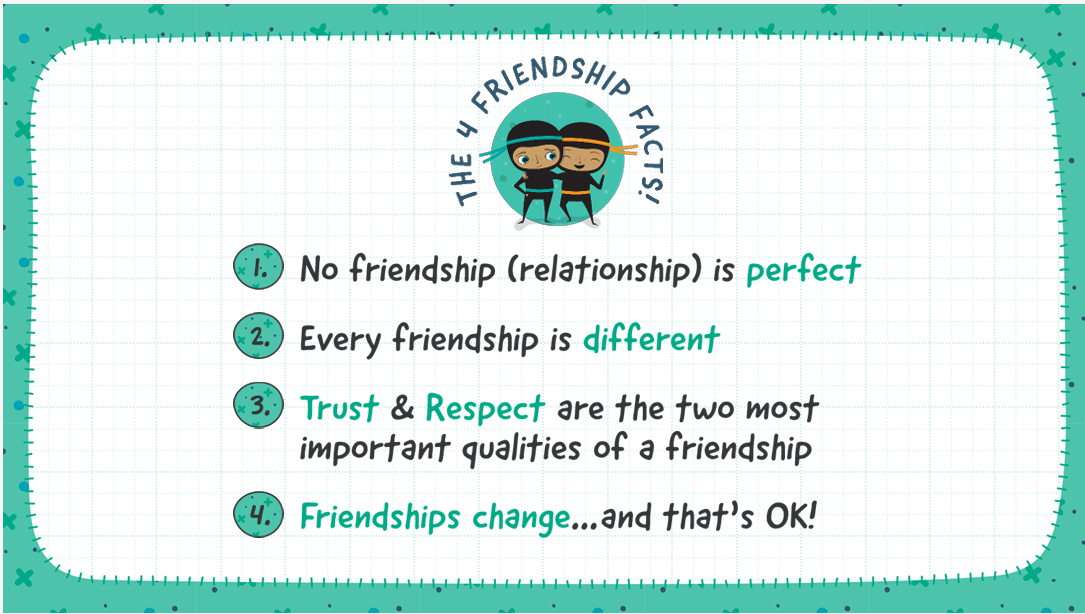
Through Friendology we are explicitly teaching friendship skills. Learning about friendships helps children develop confidence, empathy and resilience when working and playing with others. One of the key foundations of this learning is understanding the Four Friendship Facts. These simple ideas help children understand that friendships can be wonderful, but they can also be complex and sometimes challenging.
By learning these facts, students develop realistic expectations about friendships and build the skills needed to manage problems in healthy ways.
1. No Friendship (or relationship) is Perfect.
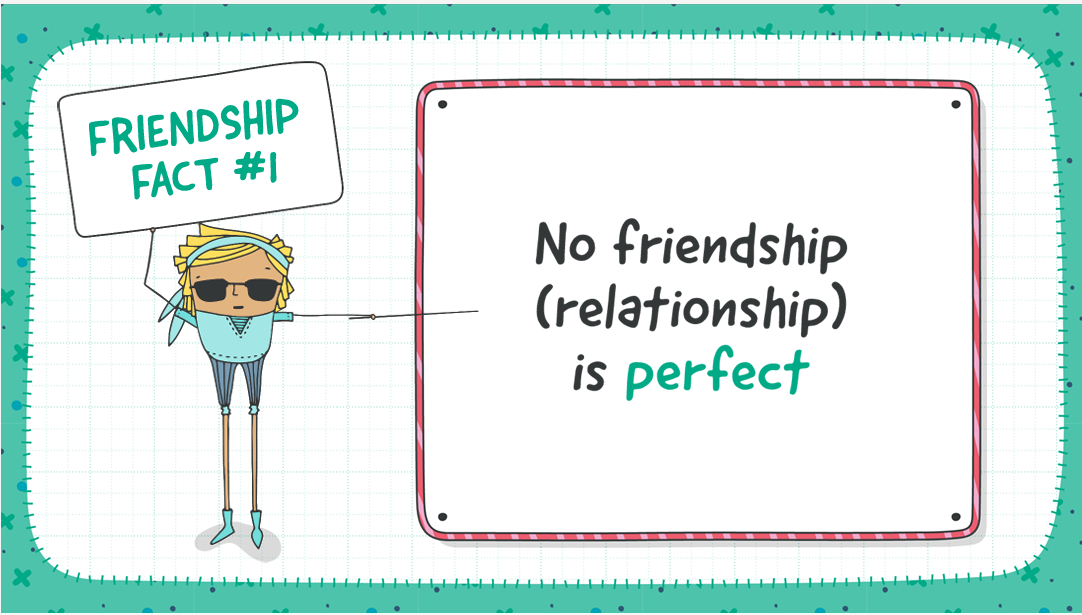
One of the important ideas students learn in Friendology is that no friendship is perfect. To help children understand this, we often ask them to think about their relationships at home with someone they live with, such as a parent or caregiver. Students quickly recognise that even the people we love the most can sometimes drive us a little crazy, and that we can drive them crazy too!
However, children also understand that when disagreements happen at home, the relationship doesn’t end. Families work through problems, feelings settle, and the relationship continues. We use this example to help students see that friendships work the same way. Spending many hours together at school means there will sometimes be misunderstandings or disagreements, which we call “Friendship Fires.”
Rather than deciding a friendship is over or ignoring someone when feelings are hurt, students are learning that conflict is a normal part of relationships and that friendships can survive these challenges when we use respectful communication and problem-solving skills.
2. Every friendship is different
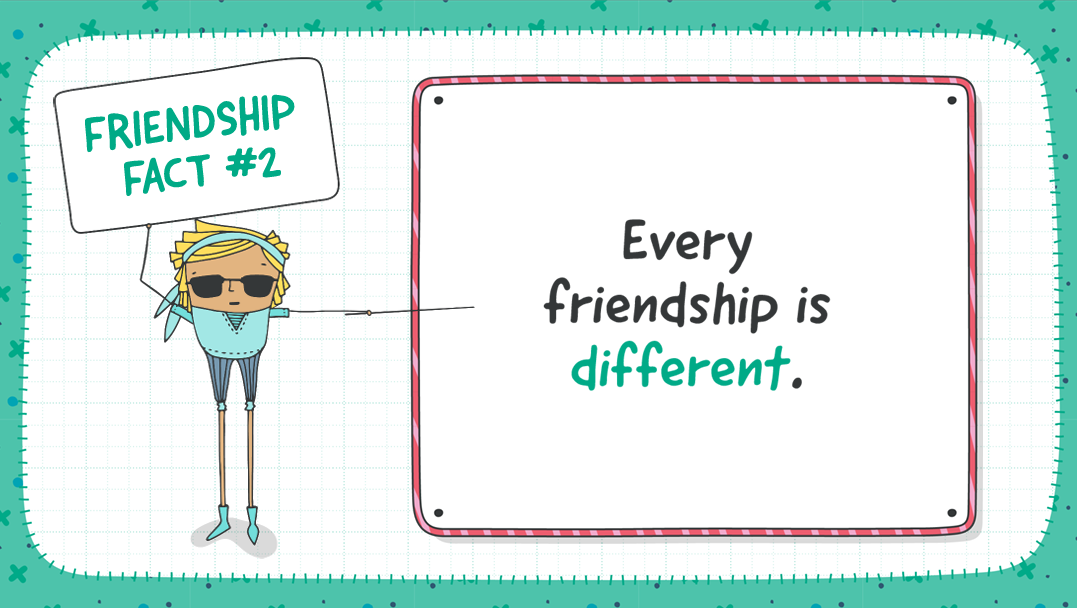
Another important idea students explore in Friendology is that every friendship is different. Just like people have different interests, personalities and preferences, friendships can look different too. During lessons, students discover that even small things—such as favourite foods, hobbies or activities—can vary from person to person. This helps children understand that they don’t need to be exactly the same as their friends for a friendship to be strong. In fact, differences can make friendships more interesting and meaningful. Learning this Friendship Fact also helps children realise that not every friend needs to be a “best” friend. It is healthy and normal to have different types of friendships, and each one can still be positive and valuable.
4. Trust and Respect
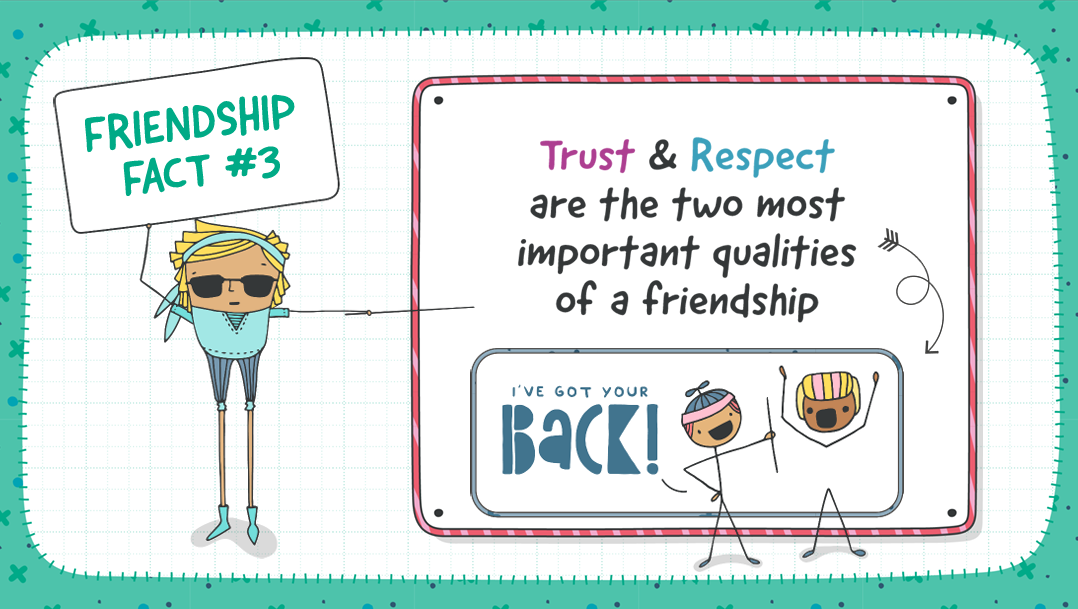
Students also learn that trust and respect are the glue that holds friendships together. We explore what these important words mean and how they look in everyday situations. For example, trust might mean knowing a friend will keep a secret, look after your belongings or speak kindly about you when you are not there. Respect might mean allowing a friend to be themselves, listening to their ideas, or accepting that they may have different opinions or interests. By discussing and practising these behaviours, students develop a clearer understanding of how their actions can strengthen friendships. When children learn to show trust and respect, they are building the foundations for healthy, supportive relationships both at school and beyond.
4. Friendships change…and that’s okay.
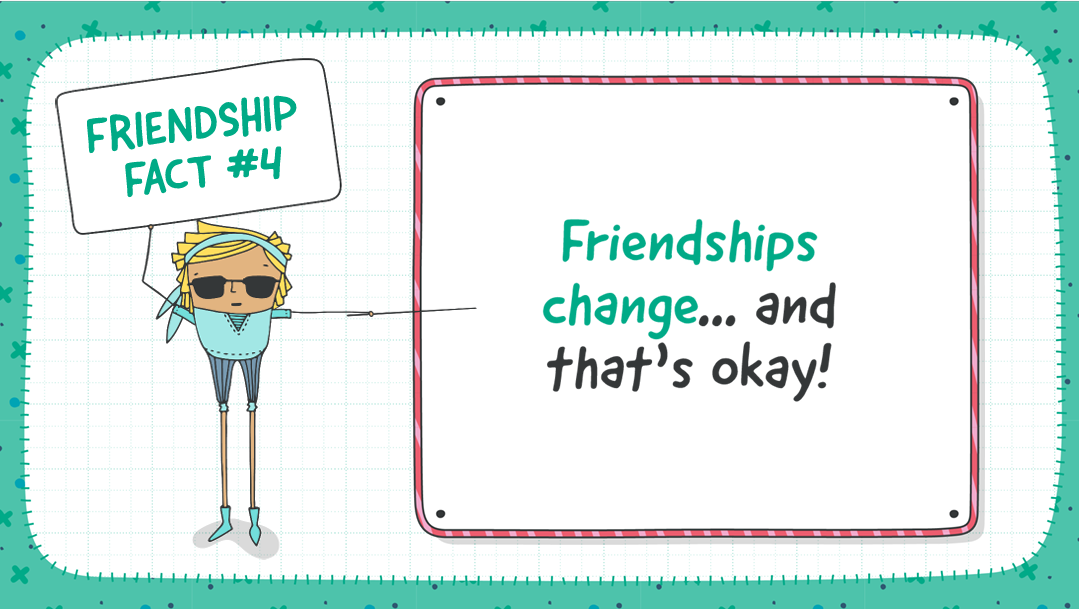
In Friendology, students also learn that friendships change—and that’s a normal part of growing up. To help children understand this, we encourage them to reflect on how much they have changed over time. When students reflect on what they enjoyed, learned or played with just a couple of years ago, they quickly realise how much they have grown and how their interests and experiences have evolved. As children change, it is natural that their friendships may change too. Sometimes we grow closer to certain friends, while at other times we may connect with new people who share our interests. Students learn that friendships can move and shift over time—much like a dance—coming closer at times and moving further apart at others. Understanding this helps children feel more comfortable with the natural changes that happen in friendships and supports them in building new connections along the way.
If you are interested in parent-friendly resources from URSTRONG Friendology, sign up for the free Parent Membership to access all their parent resources.