
Careers
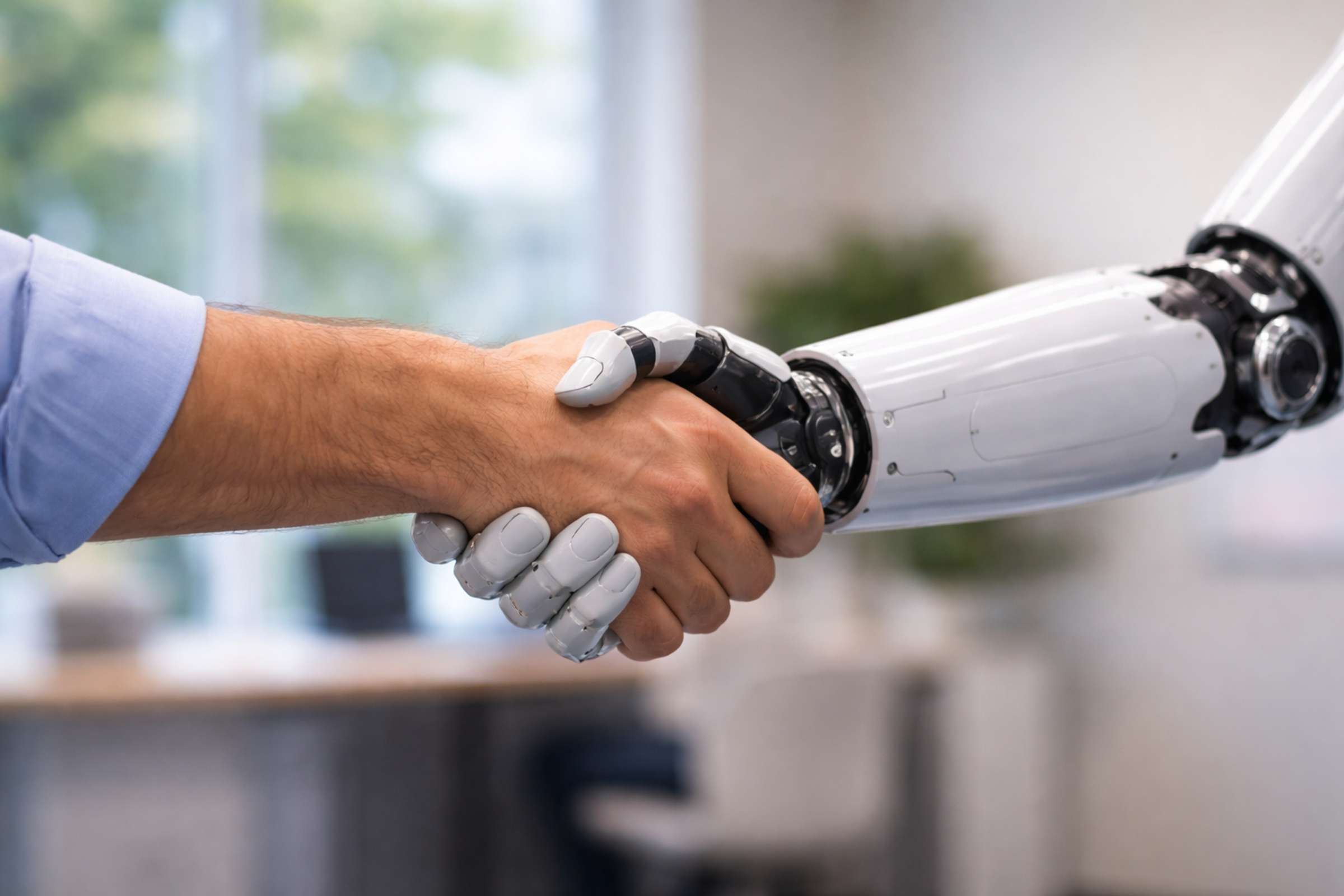
Early-Career Opportunities and AI
The world of work is rapidly evolving, and the idea of a single, linear career spanning 25+ years is becoming increasingly uncommon. Today’s students are entering a dynamic workforce in which it is predicted that individuals may have up to seven careers and change jobs multiple times throughout their working lives.
As we continue to navigate the post-COVID employment landscape, this shift is further influenced by the rapid rise of artificial intelligence (AI). Like any major transformation, this period can feel uncertain, and it is understandable that students and families may feel concerned given the volume of headlines and sobering statistics surrounding these changes.
However, rather than viewing this as a cause for alarm, it presents an exciting opportunity. Developing AI literacy will be an essential skill for future pathways, empowering students to adapt, innovate, and thrive in a changing world. While it is true that some entry-level roles are evolving or being reduced, global research indicates significant growth in new opportunities. The World Economic Forum estimates that by 2030, approximately 170 million new jobs may be created due to technological advancements, alongside the displacement of around 92 million roles, resulting in a net increase of 78 million employment opportunities.
Educational institutions are already responding to this shift. Universities now offer a wide range of pathways incorporating AI, from specialised degrees such as the Bachelor of Artificial Intelligence (Deakin University), the Master of Electrical Engineering specialising in Artificial Intelligence (The University of Melbourne) or incorporating it as a minor, such as Artificial Intelligence in Practice, available with any degree at RMIT University.
In response to these ongoing developments, Oxley has anticipated the changing nature of work and learning by significantly expanding and strengthening its Mathematics, Science and STEM‑based offerings. This includes a deliberate focus on problem‑solving, digital fluency and applied learning, ensuring students develop the skills and dispositions required for emerging industries and future study. These offerings continue to evolve, with further curriculum development and pathway expansion planned across Years 7–12 in 2027, reinforcing Oxley’s commitment to preparing students for a rapidly changing, technology-enhanced world.
AI is not something to fear, but rather a tool to understand and embrace. Our focus remains on supporting students to stay informed and continue to pursue their ambitions with confidence, recognising the many possibilities that lie ahead.
Mrs Este van Rensburg
Careers & Student Pathways Coordinator