
Spotlight on Learning
Ephesus Community

Spotlight on Learning
Ephesus Community
Dear Grade 3 Families,
In Week 8, Grade 3 students continued building their skills and understanding across all key learning areas. In Religious Education, they reflected on Proverbs 31:8 and explored how Human Dignity guided them to speak up for others with courage, kindness, and respect, and how this could be applied in everyday life. In English, students developed their reading, writing, grammar, and speaking skills. They practised handwriting joins, improved typing, used adverbials in sentences, read Finding Our Heart, and completed tasks such as editing, proofreading, and delivering a spoken presentation. In Mathematics, students focused on the 10 times tables, using patterns, arrays, and equations to strengthen their understanding and fluency with multiplication facts. In Integrated Studies, they investigated their local area, exploring its people, places, and features while developing research and inquiry skills. In Auslan, students learned and revised vocabulary for communication, including phrases like “Can you?”, and explored how pointing is used as a pronoun in signing. In Social and Emotional Learning, students focused on responsibility, conflict resolution, and making meaningful apologies to repair relationships and show empathy.
Religious Education:
In Religion, students will take action by applying what they have learnt from our two key scriptures to support and serve our community. Through a range of activities, students will be encouraged to shine their light as Jesus did and to speak up for those who cannot speak for themselves, demonstrating compassion, justice, and care for others.

English:
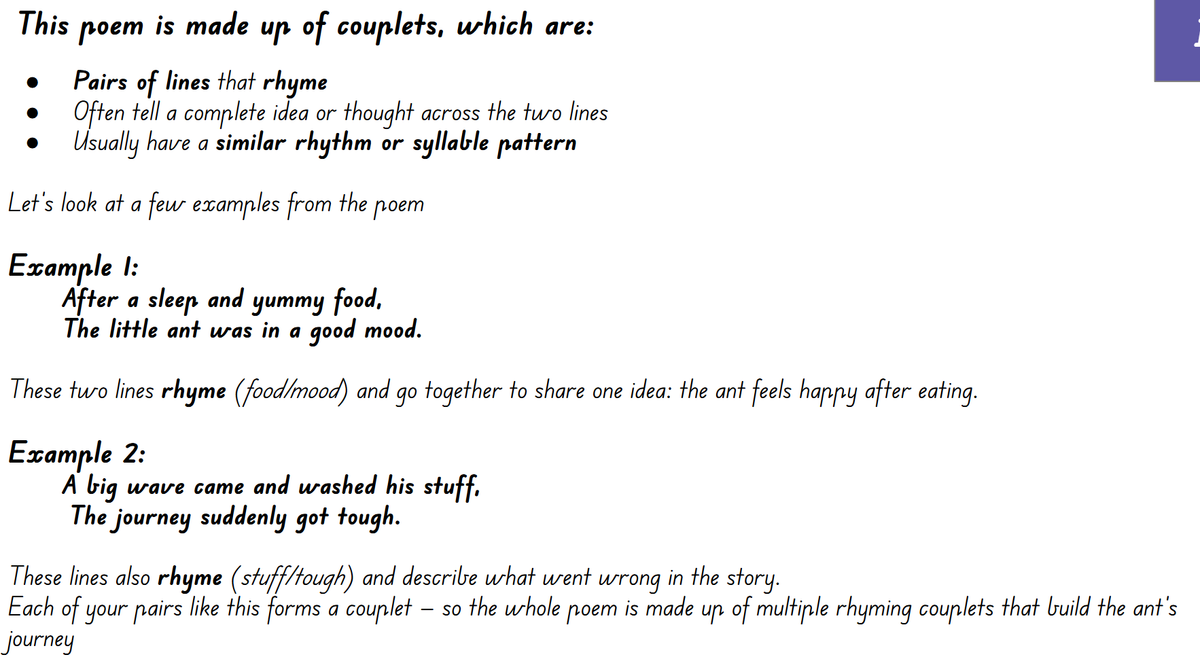
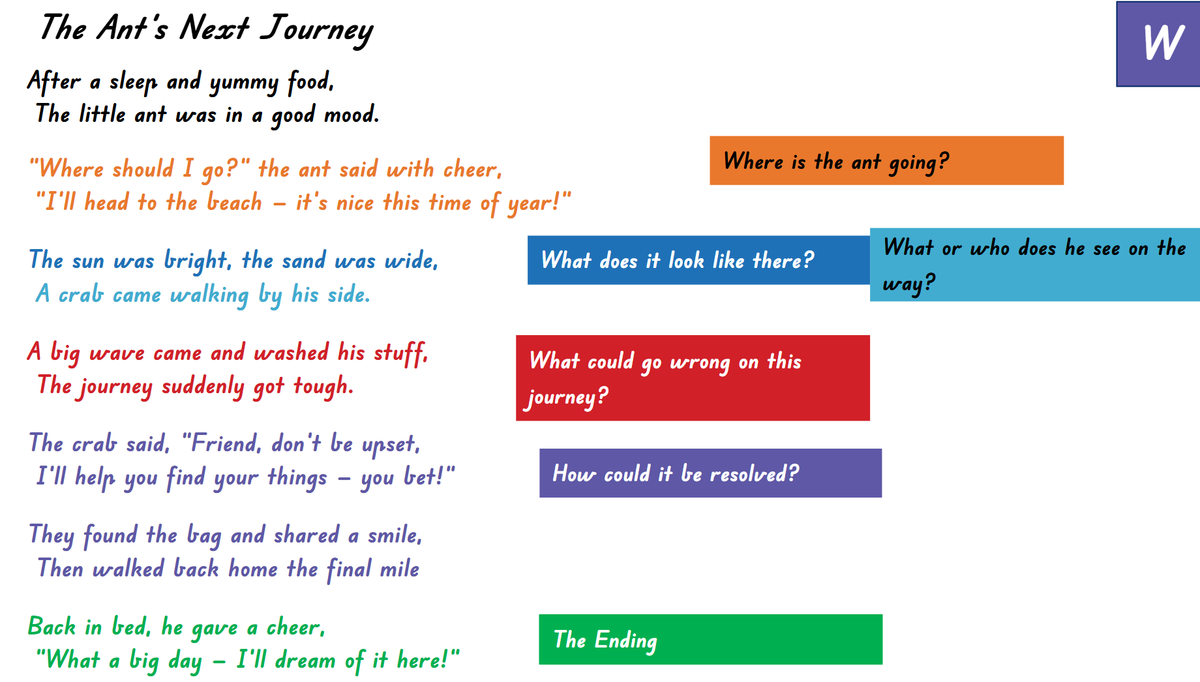
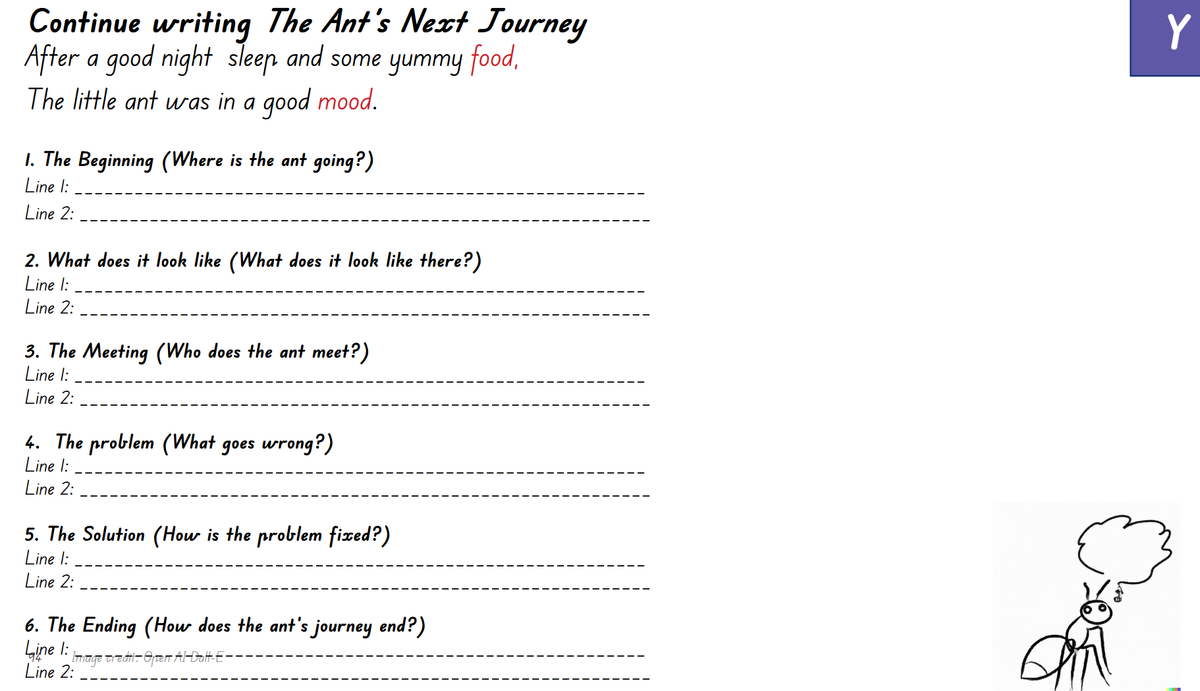
In English, students will develop their handwriting, typing, grammar, reading, vocabulary, and writing skills. They will practise horizontal joins to ‘a’ and improve their typing accuracy and speed. In grammar, they will identify coordinating conjunctions in compound sentences. In reading, students will respond to questions about the class poem, read fluently with accuracy, expression, and appropriate pace, and build their understanding and use of vocabulary from the poem. In writing, they will expand sentences using ‘who’, ‘when’, ‘where’, and ‘why’ details, complete sentences using ‘because’, ‘but’, and ‘so’, and combine independent and dependent clauses to form complex sentences. At a text level, students will explore rhyme patterns, generate rhyming words, and plan, write, edit, and publish their own poem.
Mathematics:
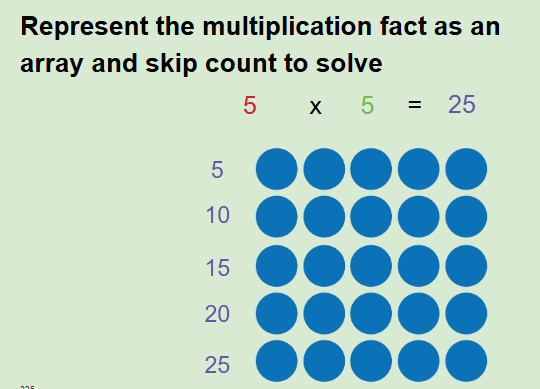
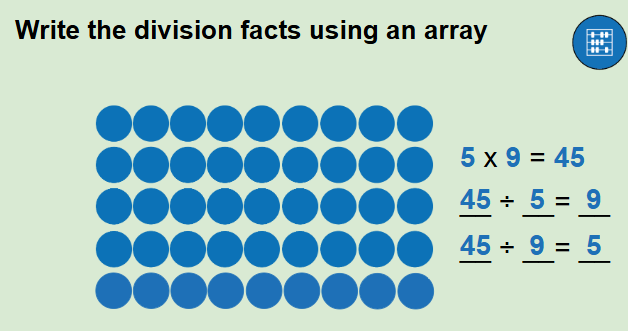
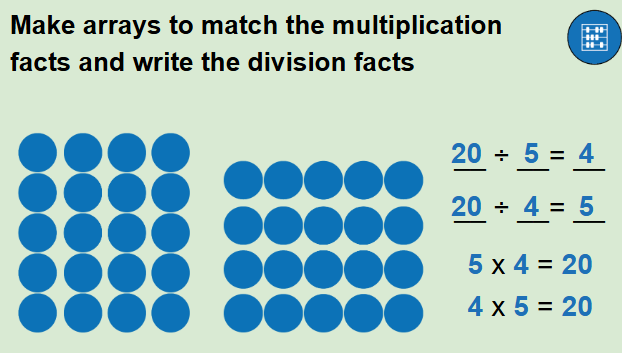
In Mathematics, students will develop their understanding of multiplication and division. They will explore doubling (twice as many) and use this concept to strengthen their multiplicative thinking. Students will use multiplication equations and arrays to represent division facts for 5 and 10, helping them make connections between multiplication and division. They will continue learning and practising division facts for 5 and 10 to build fluency, accuracy, and confidence in solving related number problems.
Integrated Curriculum:
In Integrated Curriculum, students will view and interpret maps and use a compass to describe direction. They will develop their understanding of location and orientation by identifying key features on maps and following directional language such as north, south, east, and west.

Auslan:
In Auslan, students will use eye gaze, body orientation, and pointing to establish who or what they are referring to, rather than always using the sign YOU. In Week 9, students will be assessed on their ability to give instructions using these visual communication strategies. For example, when telling someone to sit down, students will direct their eye contact and body orientation towards the person instead of signing YOU. They will also be assessed on their ability to accurately point to people and objects, demonstrating appropriate use of spatial referencing in Auslan.
Social & Emotional Learning:
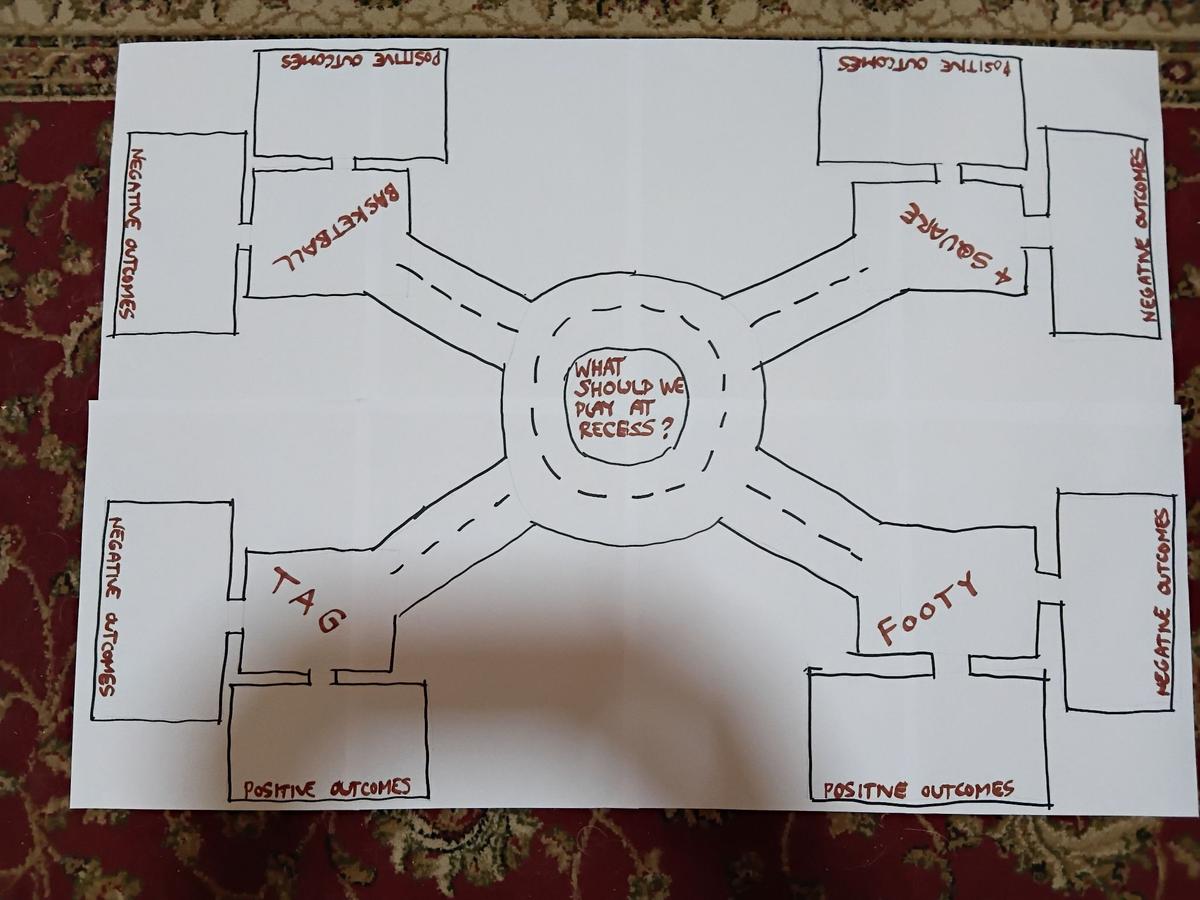
In Social and Emotional Learning, students will explore how to make responsible choices when solving problems. They will identify different possible solutions to specific situations and discuss the advantages and disadvantages of each option. Students will further explore the “Roads and Roundabouts” model to reflect on how they approach problem-solving, considering the different paths they can take and how their choices may impact themselves and others.
| Term 2 Specialist Classes | |
|---|---|
| Monday 8th June | Monarch's Birthday- Public Holiday |
| Tuesday | STSS - all classes |
| Wednesday | 3C has Visual Art |
| Thursday | 3A, 3B & 3D have Visual Art |
| Friday |
The Australian Mathematics Competition (AMC) is a nationwide problem-solving contest designed to challenge students to apply their mathematical thinking in real-world and unfamiliar contexts. Students are presented with a series of increasingly difficult, multiple-choice questions that assess reasoning, logic, and problem-solving skills rather than just routine calculations. Participation in the competition encourages perseverance, creative thinking, and confidence in mathematics, as students learn to approach problems from different angles and apply a range of strategies. It is a valuable opportunity for students to extend their mathematical abilities beyond the classroom.
Please let the classroom teachers know by 20th June 2026 or earlier so we can do the registration if you would like your child to compete in the Australian Mathematics Competition (AMC).
At St Thomas the Apostle Primary School, smart watches are not permitted to be used during school hours, as they can disrupt learning. Devices may only be brought to school with parent and teacher permission and are intended solely for use while travelling to and from school. Permission slips will come home this week for those that are wearing a Smartwatch and for those that want to, please advise your classroom teacher.
The school does not accept responsibility for lost or damaged devices, and misuse will result in a warning followed by collection of the device by the school and return to parents. These guidelines support a safe and focused learning environment for all students.
Enjoy your weekend,
The Ephesus Team
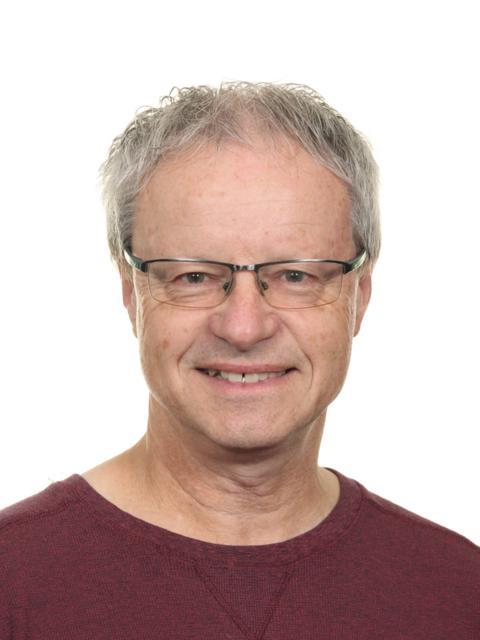


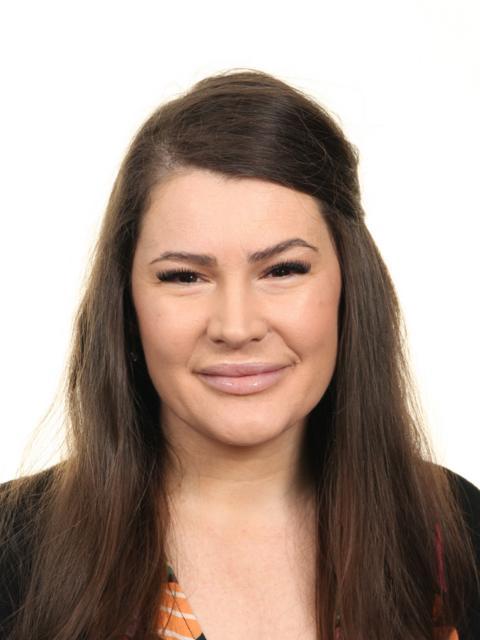
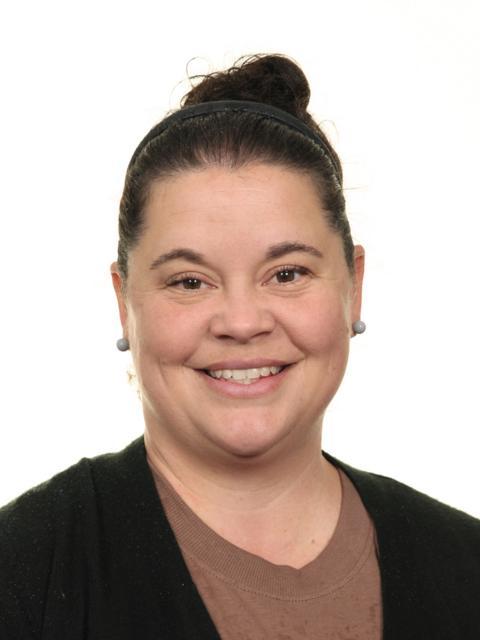
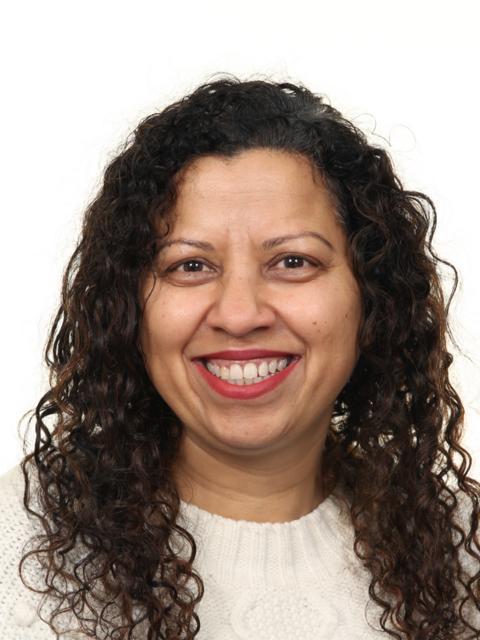
ephesus@cranbourneeast.catholic.edu.au (all teachers) or
| Staff Members | Email Address |
|---|---|
| 3A - Steve Clarke | sclarke@cranbourneeast.catholic.edu.au |
| 3B - Jodie Bawden | jbawden@cranbourneeast.catholic.edu.au |
| 3B - Amanda Karam | akaram@cranbourneeast.catholic.edu.au |
| 3C - Bianca Wolverton | bwolverton@cranbourneeast.catholic.edu.au |
| 3C - Amy Richardson | arichardson@cranbourneeast.catholic.edu.au |
| 3D - Gurbiner Bhagat | gbhagat@cranbourneeast.catholic.edu.au |